


1. Search Result
Search Result
Results for "

sensory

" in MedChemExpress (MCE) Product Catalog:

89

Inhibitors & Agonists

6

Screening Libraries

2

Biochemical Assay Reagents

14

Peptides

1

Inhibitory Antibodies

10

Natural
Products

1

Recombinant Proteins

6

Isotope-Labeled Compounds

Cat. No. Product Name Target Research Areas Chemical Structure
  • HY-15640
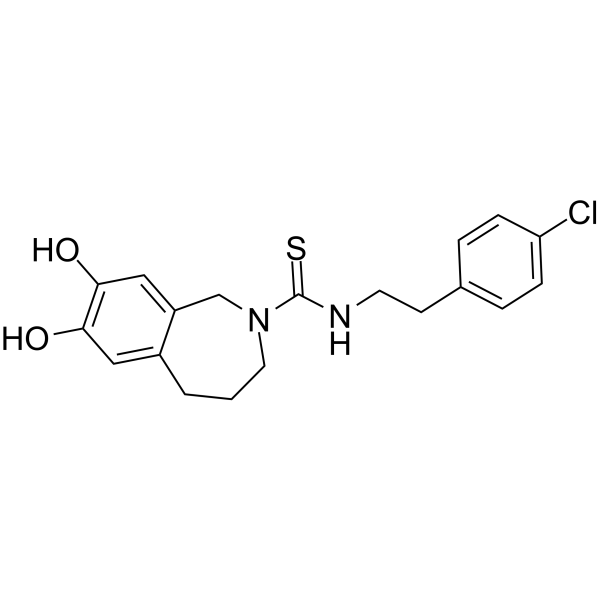
    Capsazepine
    Maximum Cited Publications
    56 Publications Verification

    TRP Channel Apoptosis Cancer
    Capsazepine is a synthetic analogue of the sensory neurone excitotoxin, and an antagonist of TRPV1 receptor with an IC50 of 562 nM.
    Capsazepine
  • HY-N2333
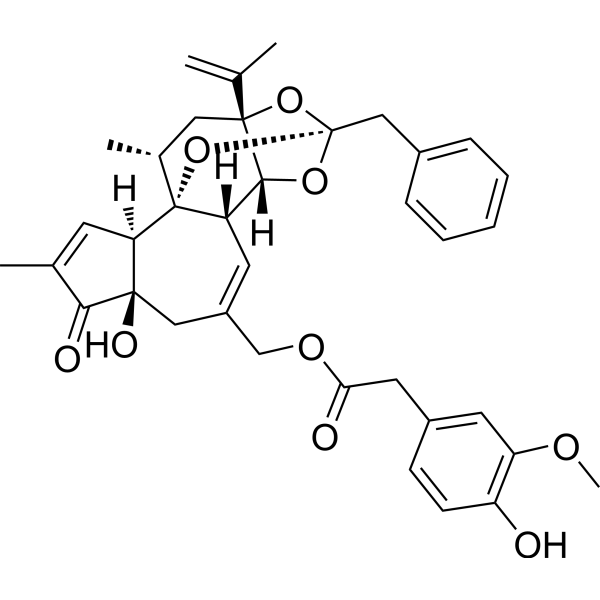
    Resiniferatoxin
    Maximum Cited Publications
    10 Publications Verification

    (+)-Resiniferatoxin

    TRP Channel Cardiovascular Disease Cancer
    Resiniferatoxin ((+)-Resiniferatoxin), is a selective agonist of transient receptor potential vanilloid 1 (TRPV1) receptor agonist. Resiniferatoxin can be isolated from the Euphorbia resinifera plant. Resiniferatoxin eliminates TRPV1+ primary sensory afferents and blunt cardiac sympathetic afferent reflex for a relatively long period .
    Resiniferatoxin
  • HY-W014666
    Xanthurenic acid
    2 Publications Verification

    Endogenous Metabolite mGluR Apoptosis Neurological Disease Metabolic Disease
    Xanthurenic acid is a putative endogenous Group II metabotropic glutamate receptor agonist, on sensory transmission in the thalamus.
    Xanthurenic acid
  • HY-W011777
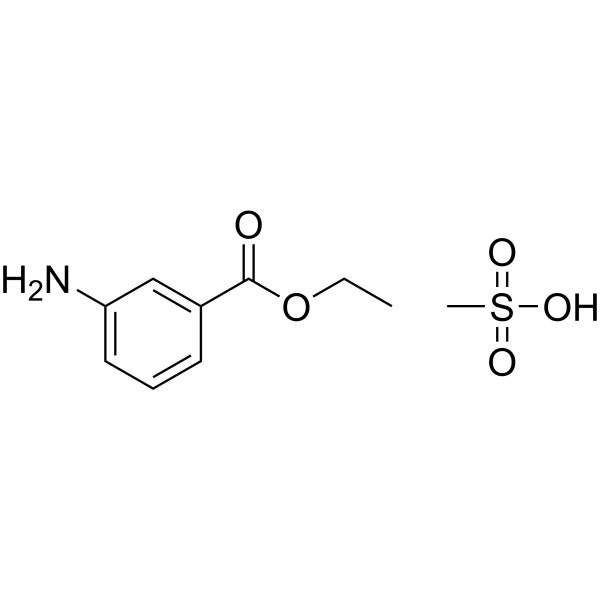
    Tricaine methanesulfonate
    20+ Cited Publications

    MS-222

    Biochemical Assay Reagents Neurological Disease
    Tricaine methanesulfonate (MS-222) is common used to immobilize fish for marking or transport and to suppress sensory systems during invasive procedures .
    Tricaine methanesulfonate
  • HY-110220
    CIM0216
    3 Publications Verification

    TRP Channel Neurological Disease
    CIM0216, a synthetic TRPM3 ligand, acts as a potent and selective agonist of TRPM3. CIM0216 exhibits selectivity for TRPM3 over TRPM1, TRPM2 and TRPM4-8. CIM0216 acts in a TRPM3-dependent manner to induce pain and evoke neuropeptide release from sensory nerve terminals in vitro. CIM0216 is a powerful tool for studies of the physiological functions of TRPM3, and can be used for neurogenic inflammation research .
    CIM0216
  • HY-121636
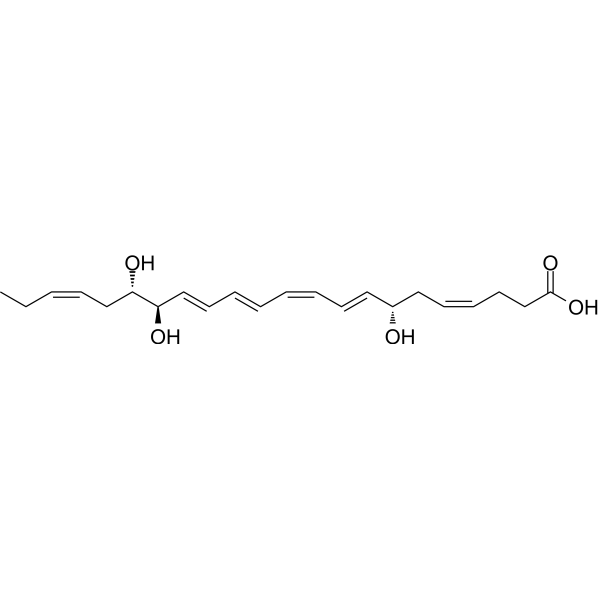
    Resolvin D2
    5 Publications Verification

    RvD2

    TRP Channel Infection Neurological Disease Inflammation/Immunology
    Resolvin D2 is a metabolite of docosahexaenoic acid (DHA), with anti-inflammatory, anti-infective activities. Resolvin D2 is a potent regulator of leukocytes and controls microbial sepsis. Resolvin D2 is a remarkably potent inhibitor of TRPV1 (IC50 = 0.1 nM) and TRPA1 (IC50 = 2 nM) in primary sensory neurons .
    Resolvin D2
  • HY-N1500
    Pulegone
    1 Publications Verification

    TRP Channel Bacterial Fungal NO Synthase COX NF-κB p38 MAPK Keap1-Nrf2 Heme Oxygenase (HO) PERK JNK Calcium Channel Infection Neurological Disease Inflammation/Immunology
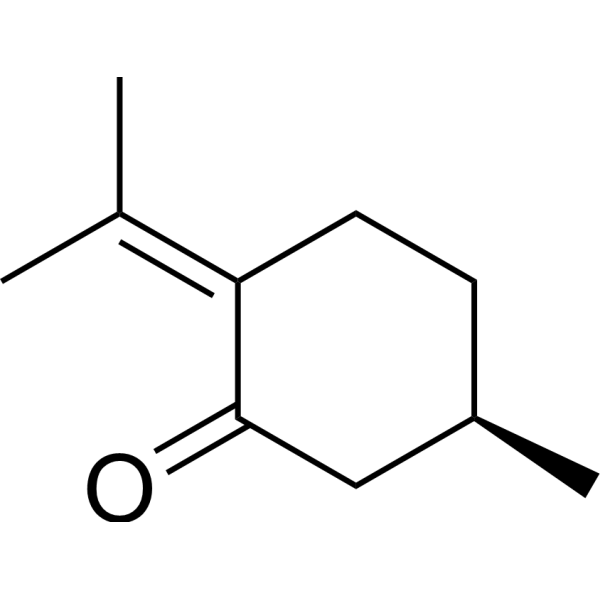
    Pulegone is a monoterpene ketone compound widely present in the essential oils of many plants. Pulegone can also be used as a bird repellent. Pulegone has multiple activities such as anti-inflammatory, antibacterial, antifungal, and anti-hyperalgesic effects. Pulegone is particularly effective against bacteria of the Salmonella species .
    Pulegone
  • HY-P2847

    CRFR Metabolic Disease Endocrinology
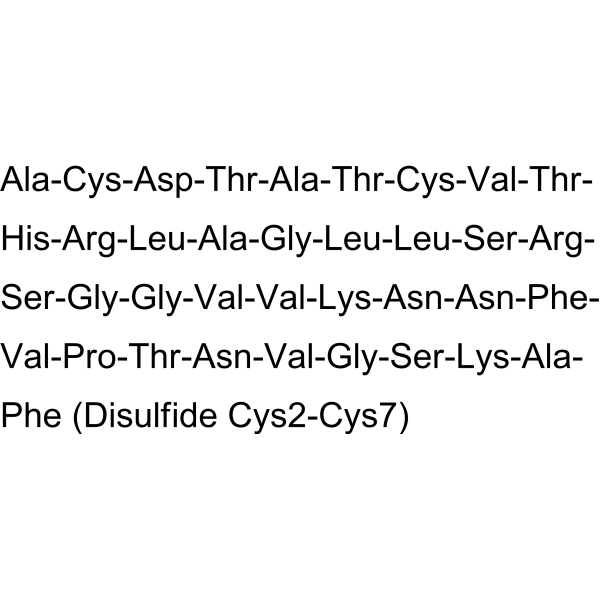
    Urocortin II, mouse is a potent and selective endogenous peptide agonist of type-2 corticotropin-releasing factor (CRF2) receptor with Ki values of 0.66 nM and ﹥100 nM for CRFR2 and CRFR1, respectively. Urocortin II, mouse activates CRF2 receptors in a cAMP/PKA- and Ca 2+/CaMKII-dependent manner.Urocortin II, mouse is expressed in discrete areas of the central nervous system, and activates central neurons involved in the processing of visceral sensory information, and in modulating autonomic outflow .
    Urocortin II, mouse
  • HY-P99301

    Anti-Canine IL31 Recombinant Antibody; CAN34D3-65; PF-06443537

    Interleukin Related Inflammation/Immunology
    Lokivetmab (Anti-Canine IL31 Recombinant Antibody) is an anti-canine IL-31 monoclonal antibody. Lokivetmab inhibits IL-31-mediated activation of pruritogenic signals in peripheral sensory neurons and reduces TH2-weighted inflammation. Lokivetmab demonstrates long-term efficacy in controlling pruritus and improving skin lesions in dogs with canine atopic dermatitis (CAD). Lokivetmab can be used for the research of atopic dermatitis (AD) in dogs .
    Lokivetmab
  • HY-W074890
    Palmitoylglycine
    1 Publications Verification

    N-palmitoyl glycine

    Calcium Channel NO Synthase Neurological Disease Inflammation/Immunology
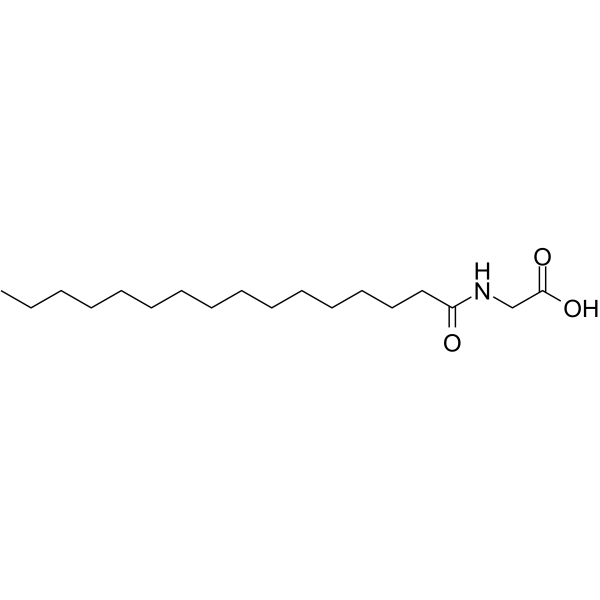
    Palmitoylglycine (N-palmitoyl glycine), an endogenous lipid that acts as a modulator of calcium influx and nitric oxide () production in sensory neurons. Palmitoylglycine is linked to an increased risk of Background Brugada syndrome (BrS) and interacts with BrS-associated proteins, demonstrating moderate binding affinities for DCC, CR1, CTSB, NAAA, DEFB1, EPHA1, IGF1/IGFBP3/ALS, and LTA .
    Palmitoylglycine
  • HY-P1241
    BAM(8-22)
    1 Publications Verification

    Mas-related G-protein-coupled Receptor (MRGPR) Neurological Disease Inflammation/Immunology
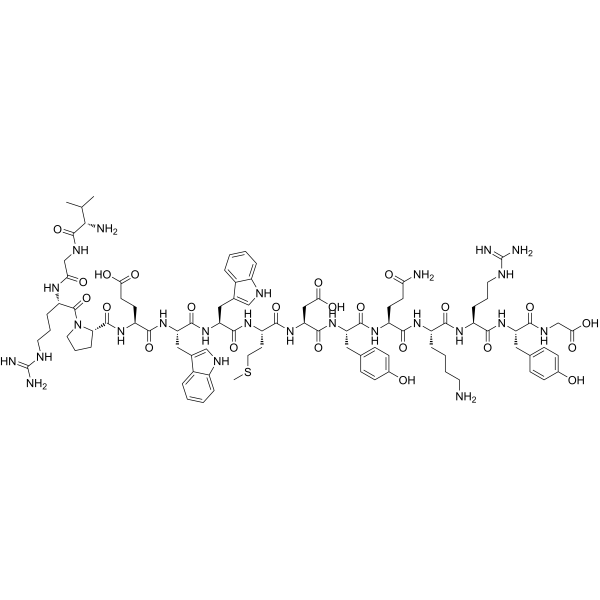
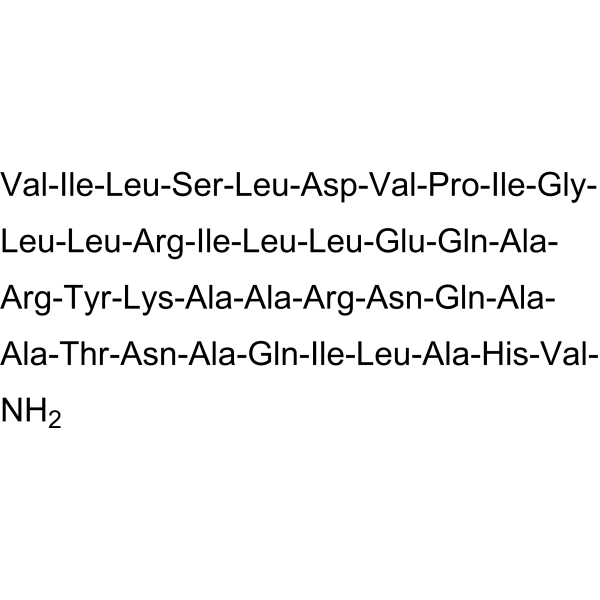
    BAM(8-22), a proteolytically cleaved product of proenkephalin A and sensory neuron-specific receptor (SNSR) agonist, is a potent activator of Mas-related G-protein-coupled receptors (Mrgprs), MrgprC11 and hMrgprX1. BAM(8-22) induces scratching in mice in an Mrgpr-dependent manner. In addition, BAM(8-22) has an analgesic effect and can also inhibit the activation of microglia .
    BAM(8-22)
  • HY-122575
    Aurintricarboxylic acid
    3 Publications Verification

    P2X Receptor Influenza Virus Topoisomerase MicroRNA Apoptosis Infection Neurological Disease Inflammation/Immunology
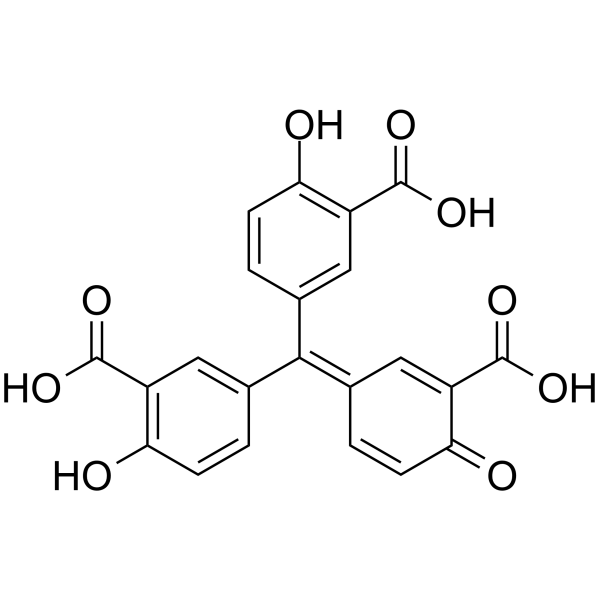
    Aurintricarboxylic acid is a nanomolar-potency, allosteric antagonist with selectivity towards αβ-methylene-ATP-sensitive P2X1Rs and P2X3Rs, with IC50s of 8.6 nM and 72.9 nM for rP2X1R and rP2X3R, respectively . Aurintricarboxylic acid is a potent anti-influenza agent by directly inhibiting the neuraminidase . Aurintricarboxylic acid is an inhibitor of topoisomerase II and apoptosis . Aurintricarboxylic acid is a selective inhibitor of the TWEAK-Fn14 signaling pathway . Aurintricarboxylic acid also acts as a cystathionine-lyase (CSE) inhibitor with an IC50 of 0.6 μM . Aurintricarboxylic acid is a modifier of miRNAs that regulate miRNA function, with an IC50 of 0.47 µM .
    Aurintricarboxylic acid
  • HY-103368
    Eact
    1 Publications Verification

    Chloride Channel Neurological Disease
    Eact is a selective and potent activator of TMEM16A, directly activates the TRPV1 channels in sensory nociceptors and produces itch, acute nociception and thermal hypersensitivity .
    Eact
  • HY-Y0069

    Aceturic acid; Acetamidoacetic acid

    Endogenous Metabolite Others
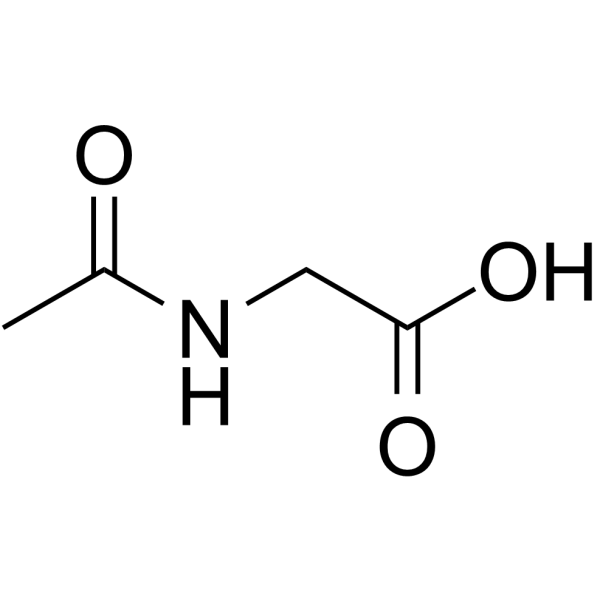
    N-Acetylglycine (Aceturic acid) is a minor constituent of numerous foods. N-Acetylglycine is a flavor enhancer which elicits Monosodium glutamate (MSG)-like sensory experiencesN-Acetylglycine .
    N-Acetylglycine
  • HY-116144
    Picaridin
    3 Publications Verification

    Lcaridin

    Environmental Pollutants Parasite Infection
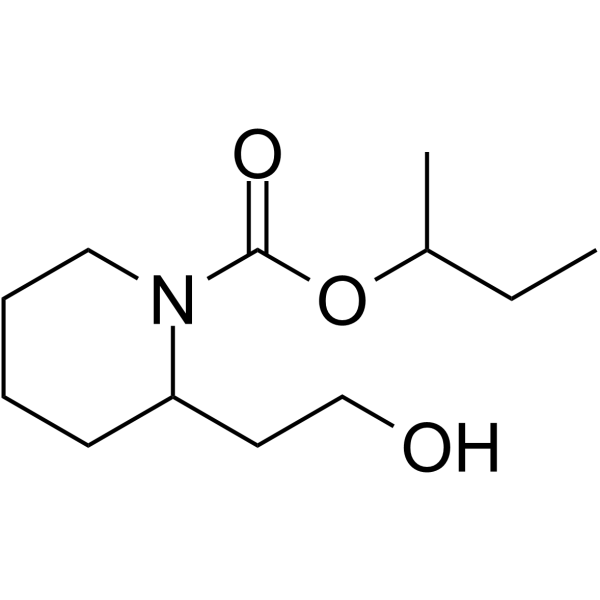
    Picaridin (Lcaridin) is a broad spectrum arthropod repellent. Picaridin interacts with mosquito and tick olfactory receptor proteins. Picaridin repels Aedes aegypti. Picaridin exhibits considerable antibacterial, anticandidal and antifungal properties .
    Picaridin
  • HY-B1808

    Histamine Receptor Infection
    Triprolidine is an orally active H1R Antagonist antagonist. Triprolidine has the function of spinal cord motor and sensory block. Triprolidine can be used for the research of allergic rhinitis .
    Triprolidine
  • HY-B1301

    Histamine Receptor Neurological Disease Inflammation/Immunology
    Triprolidine hydrochloride monohydrate, a first-generation antihistamine, is an oral active histamine H1 antagonist. Triprolidine hydrochloride monohydrate can be used for the research of allergic rhinitis. Triprolidine hydrochloride monohydrate exhibits spinal motor and sensory block in rats .
    Triprolidine hydrochloride monohydrate
  • HY-B1007
    Butacaine
    2 Publications Verification

    Sodium Channel Neurological Disease
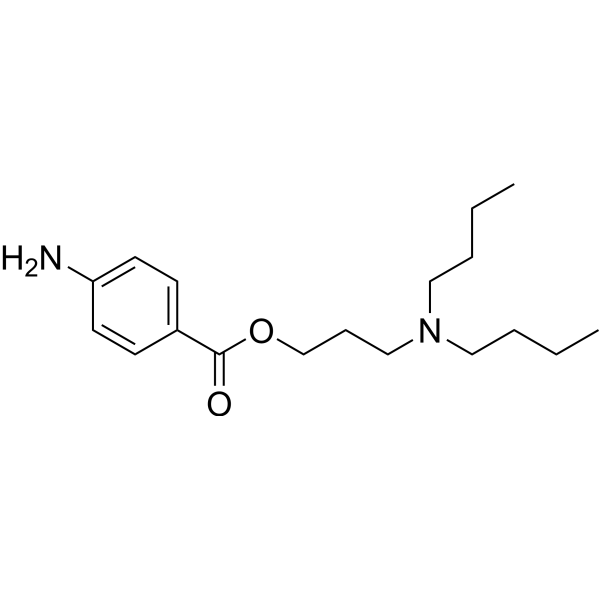
    Butacaine is a reversible nerve conduction blocker. Butacaine acts on the nervous system and nerve fibers, can cause both sensory and motor paralysis. Butacaine inhibits the NavBh currents. Butacaine can form inclusion complexes with α-cyclodextrin (α-CD) and β-cyclodextrin (β-CD). Butacaine is commonly used as a negative control for other local anesthetics .
    Butacaine
  • HY-P4058

    CGRP free acid

    CGRP Receptor Neurological Disease
    Calcitonin gene-related peptide (CGRP) free acid is a 37-amino acid neuropeptide, which represents the deamidated form of α-CGRP (human) (HY-P1071). Calcitonin gene-related peptide free acid is produced in the central and peripheral nervous systems of rats, and localizes to specific sensory, integrative and motor neuron systems, including those involved in nociception/thermoreception, feeding behavior, olfaction and visceral motor functions .
    Calcitonin gene-related peptide free acid
  • HY-B1430

    Butyl 4-aminobenzoate

    Calcium Channel Sodium Channel Potassium Channel Neurological Disease
    Butamben (Butyl 4-aminobenzoate) results in long-lasting relief from pain, without impairing motor function or other sensory functions .
    Butamben
  • HY-W014666S

    Apoptosis mGluR Endogenous Metabolite Metabolic Disease
    Xanthurenic acid-d4 is the deuterium labeled Xanthurenic acid . Xanthurenic acid is a putative endogenous Group II metabotropic glutamate receptor agonist, on sensory transmission in the thalamus .
    Xanthurenic acid-d4
  • HY-163763

    G2A (GPR132) Neurological Disease Inflammation/Immunology Cancer
    T-10418 is a potent and highly selective G2A/GPR132 agonist. T-10418 has an EC50 of 0.82 μM for human G2A activation. T-10418 has good water solubility, metabolic stability, and pharmacokinetic properties. T-10418 can be used for the research of various diseases such as neuropathic pain, acute myeloid leukemia, and inflammation .
    T-10418
  • HY-P1080
    ω-Agatoxin IVA
    1 Publications Verification

    Calcium Channel Cardiovascular Disease Neurological Disease
    ω-Agatoxin IVA is a potent, selective P/Q type Ca 2+ (Cav2.1) channel blocker with IC50 values of 2 nM and 90 nM. ω-Agatoxin IVA inhibits glutamate exocytosis and calcium influx elicited by high potassium. ω-Agatoxin IVA inhibits Capsaicin (HY-10448)-induced CGRP release and vasodilation. ω-Agatoxin IVA can be used for the research of neurological and cardiovascular disease .
    ω-Agatoxin IVA
  • HY-B1808A

    Histamine Receptor Neurological Disease Inflammation/Immunology
    Triprolidine hydrochloride is an orally active histamine H1 antagonist. Triprolidine hydrochloride has the function of spinal cord motor and sensory block. Triprolidine hydrochloride can be used for the research of allergic rhinitis .
    Triprolidine hydrochloride
  • HY-NP143

    Biochemical Assay Reagents Neurological Disease
    Nerve Growth Factor 2.5S, murine submaxillary gland is a neurotrophic polypeptide required for normal growth and development of sympathetic and embryonic sensory neurons and certain cholinergic neurons in the central nervous system. Nerve Growth Factor 2.5S, murine submaxillary gland has only β-subunit , and shows nerve growth-promoting activity .
    Nerve Growth Factor 2.5S,murine submaxillary gland
  • HY-145169

    Sodium Channel Neurological Disease
    AZ194 is a first-in-class, orally active inhibitor of CRMP2-Ubc9 interaction and inhibitor of NaV1.7 (IC50=1.2 μM). AZ194 blocks SUMOylation of CRMP2 to selectively reduce the amount of surface-expressed NaV1.7. Antinociceptive effects .
    AZ194
  • HY-124619

    EAAT HIV Neurological Disease
    GPI-1046 is an orally active, antibiotic-free immunophilin ligand that reduces ethanol intake by upregulating glutamate transporter 1 (GLT1) in the prefrontal cortex (PFC) and nucleus accumbens core (NAc-core). GPI-1046 improves human immunodeficiency virus (HIV)-associated sensory neuropathy (HIV-SN) by attenuating store-operated calcium (SOC) entry. GPI-1046 has neuroprotective activity .
    GPI-1046
  • HY-B1032

    (±)-Dropropizine; UCB-196

    Histamine Receptor Neurological Disease
    Dropropizine ((±)-Dropropizine; UCB-196) is an orally effective, peripherally selective antitussive that inhibits the activity of peripheral receptors and afferent nerves in the respiratory tract. Dropropizine acts on the cough reflex pathway, does not pass the blood-brain barrier, and has no central nervous system side effects. Dropropizine mainly regulates the level of sensory neuropeptides and inhibits the afferent signal transmission of the cough reflex, thereby alleviating the symptoms of dry cough, and has both mild local anesthetic and antihistamine activity. Dropropizine is mainly used for symptomatic research on dry cough caused by respiratory diseases .
    Dropropizine
  • HY-164795

    Neurotensin Receptor Arrestin iGluR ERK Sodium Channel Neurological Disease
    SBI-810 is a blood-brain barrier-permeable NTSR1 modulator. SBI-810 promotes the recruitment of β-arrestin-2 to NTSR1 and antagonizes NTSR1-mediated Gq activation. SBI-810 inhibits excitatory synaptic transmission, NMDA receptor and extracellular signal-regulated kinase (ERK) signaling in spinal nociceptive neurons, reduces surface expression of Nav1.7 and action potential firing in primary sensory neurons, and attenuates C-fiber responses. SBI-810 effectively alleviates acute and chronic pain in various rodent models through peripheral and central modulation. SBI-810 is applicable to research related to multiple pain disorders .
    SBI-810
  • HY-164795A

    Neurotensin Receptor Arrestin iGluR ERK Sodium Channel Neurological Disease
    SBI-810 hydrochloride is a blood-brain barrier-permeable NTSR1 modulator. SBI-810 hydrochloride promotes the recruitment of β-arrestin-2 to NTSR1 and antagonizes NTSR1-mediated Gq activation. SBI-810 hydrochloride inhibits excitatory synaptic transmission, NMDA receptor and extracellular signal-regulated kinase (ERK) signaling in spinal nociceptive neurons, reduces surface expression of Nav1.7 and action potential firing in primary sensory neurons, and attenuates C-fiber responses. SBI-810 hydrochloride effectively alleviates acute and chronic pain in various rodent models through peripheral and central modulation. SBI-810 hydrochloride is applicable to research related to multiple pain disorders .
    SBI-810 hydrochloride
  • HY-111573

    C286

    RAR/RXR Others Neurological Disease Inflammation/Immunology
    KCL-286 (C286) is an orally active and brain-penetrant retinoic acid receptor (RAR) β2 agonist (EC50 = 1.9 nM). KCL-286 targets RARβ2 with good selectivity over RAR α (EC50 = 26 nM) and RAR γ (EC50 = 11 nM). KCL-286 activates RARβ2 in the injured neurons. KCL-286 induces axonal regeneration of both spinal and sensory nerves through the inhibitory environment of the CNS, modulates neuroinflammation and extracellular matrix molecules. KCL-286 can modulate the expression of CSPGs by neuronal secretion of decorin which promotes myelination and aids axonal growth. KCL-286 can be studied in research for area such as spinal cord injury and traumatic nerve injury .
    KCL-286
  • HY-W014666R
    Xanthurenic acid (Standard)
    2 Publications Verification

    Reference Standards Endogenous Metabolite mGluR Apoptosis Neurological Disease Metabolic Disease
    Xanthurenic acid (Standard) is the analytical standard of Xanthurenic acid. This product is intended for research and analytical applications. Xanthurenic acid is a putative endogenous Group II metabotropic glutamate receptor agonist, on sensory transmission in the thalamus.
    Xanthurenic acid (Standard)
  • HY-129677

    TRP Channel Others
    ORC-13661 hydrochloride is a hair cell protector. ORC-13661 hydrochloride protects sensory hair cells from aminoglycoside and Cisplatin (HY-17394) ototoxicity. ORC-13661 hydrochloride is a reversibly mechanoelectrical transducer (MET) channel permeant blocker .
    ORC-13661 hydrochloride
  • HY-Y0069S

    Aceturic acid-d5; Acetamidoacetic acid-d5

    Isotope-Labeled Compounds Endogenous Metabolite Others
    N-Acetylglycine-d5 (Aceturic acid-d5) is the deuterium labeled N-Acetylglycine (HY-Y0069). N-Acetylglycine (Aceturic acid) is a minor constituent of numerous foods. N-Acetylglycine is a flavor enhancer which elicits Monosodium glutamate (MSG)-like sensory experiencesN-Acetylglycine .
    N-Acetylglycine-d5
  • HY-116144R

    Lcaridin (Standard)

    Reference Standards Parasite Infection
    Picaridin (Standard) is the analytical standard of Picaridin. This product is intended for research and analytical applications. Picaridin (Lcaridin) is a broad spectrum arthropod repellent. The repellent and deterrent activities of Picaridin involve olfactory sensing in mosquitoes, and ticks, via their interactions with odorant receptor proteins .
    Picaridin (Standard)
  • HY-18673

    Biochemical Assay Reagents Others
    PROTO-1 is a hair cell protector and can be used in studies of ototoxicity-induced hair cell death .
    PROTO-1
  • HY-121636S

    RvD2-d5

    TRP Channel Infection Neurological Disease Inflammation/Immunology
    Resolvin D2-d5 is the deuterium labeled Resolvin D2. Resolvin D2 is a metabolite of docosahexaenoic acid (DHA), with anti-inflammatory, anti-infective activities. Resolvin D2 is a potent regulator of leukocytes and controls microbial sepsis. Resolvin D2 is a remarkably potent inhibitor of TRPV1 (IC50 = 0.1 nM) and TRPA1 (IC50 = 2 nM) in primary sensory neurons .
    Resolvin D2-d5
  • HY-W129456

    Biochemical Assay Reagents Neurological Disease
    Isaxonine acts as a modifier of the surface pH of the bilayer . Isaxonine accelerates the rate of peripheral nerve regeneration, stimulate axonal sprouting and promote motor and sensory function recovery . Isaxonine is a neurotrophic agent .
    Isaxonine
  • HY-W074890R

    N-palmitoyl glycine (Standard)

    Reference Standards Calcium Channel NO Synthase Neurological Disease Inflammation/Immunology
    Palmitoylglycine (Standard) is the analytical standard of Palmitoylglycine. This product is intended for research and analytical applications. Palmitoylglycine (N-palmitoyl glycine), an endogenous lipid that acts as a modulator of calcium influx and nitric oxide () production in sensory neurons. Palmitoylglycine is linked to an increased risk of Background Brugada syndrome (BrS) and interacts with BrS-associated proteins, demonstrating moderate binding affinities for DCC, CR1, CTSB, NAAA, DEFB1, EPHA1, IGF1/IGFBP3/ALS, and LTA[1][2][3].
    Palmitoylglycine (Standard)
  • HY-107506

    mGluR Neurological Disease
    Ro 67-4853 is a positive allosteric modulator (PAM) of mGluR1 (pEC50=7.16 for rmGlu1a receptor). Ro67-4853 exhibits activity at all group I mGlu receptors including hmGlu1, rmGlu1, and rmGlu5. Ro 67-4853 enhances the potency of L-Glu by interacting with the transmembrane domain (TMD) of the receptor. Ro 67-4853 potentiates sensory synaptic responses to repetitive vibrissa stimulation .
    Ro 67-4853
  • HY-W011777R

    MS-222 (Standard)

    Biochemical Assay Reagents Reference Standards Neurological Disease
    Tricaine (methanesulfonate) (Standard) is the analytical standard of Tricaine (methanesulfonate). This product is intended for research and analytical applications. Tricaine methanesulfonate (MS-222) is common used to immobilize fish for marking or transport and to suppress sensory systems during invasive procedures .
    Tricaine methanesulfonate (Standard)
  • HY-145559

    KU-596

    HSP Metabolic Disease
    Cemdomespib (KU-596) is a highly bioavailable second-generation Hsp90 modulator. Cemdomespib has shown efficacy in improving sensory deficits in models of diabetic peripheral neuropathy. Cemdomespib induces Hsp70 levels and manifest neuroprotective activity through induction of the heat shock response .
    Cemdomespib
  • HY-115877

    TRP Channel Others
    GDC-0334 is a selective TRPA1 antagonist. GDC-0334 inhibits TRPA1 function on airway smooth muscle and sensory neurons by decreasing cough and allergic airway inflammation in rats and guinea pigs. GDC-0334 can be used for TRPA1-mediated diseases research, such as pain or asthma .
    GDC-0334
  • HY-139898

    Taste Receptor Others
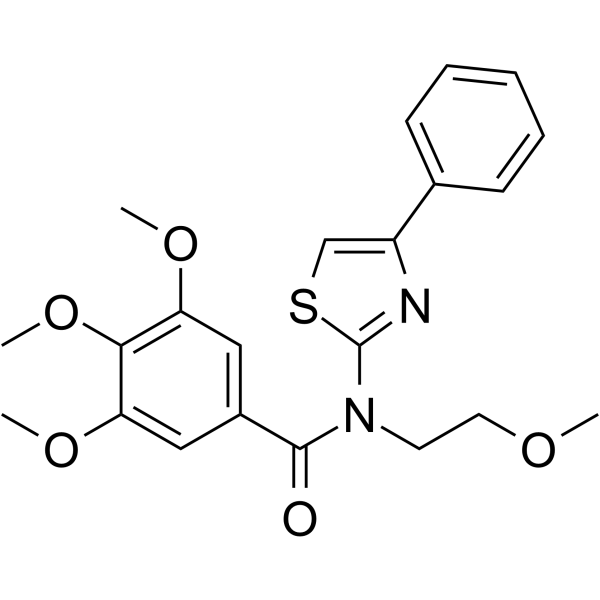
    S7958 is a selective and orally active antagonist of the TAS2R8 bitter taste receptor, with its IC50 being 0.06 μM. S7958 only has a weak inhibitory effect on TASR8 and TAS2R39, and has no significant impact on other receptors. S7958 significantly inhibits the perception of bitterness caused by substances such as coffee and drug active ingredients (API) by selectively antagonizing the human bitter taste receptor TAS2R8. S7958 can be used in the medical field to improve the research on the bitterness of oral preparations .
    S7958
  • HY-167862

    Endogenous Metabolite Neurological Disease
    UCM-05194 is a selective LPA1 receptor agonist with activity to improve neuropathic pain. UCM-05194 is a LPA1 agonist that exhibits potent and selective properties in its pharmacologically similar properties. UCM-05194 triggers LPA1-mediated cellular effects and leads to internalization of the receptor, resulting in functional inactivation in primary sensory neurons. UCM-05194 effectively reduces pain perception in in vivo models. UCM-05194 can be used to conduct research on progressive systemic diseases .
    UCM-05194
  • HY-W075176

    Insecticide Infection
    Transfluthrin is an insecticide with extremely low acute toxicity to vertebrates. Transfluthrin acts as a mosquito repellent, exerts mosquito control effects via electric heating fumigators, and is widely used in studies related to malaria, bancroftian filariasis and mosquito-borne infectious diseases. Transfluthrin may also induce adverse reactions such as pulmonary sensory irritation, sensitization, genotoxicity and respiratory depression, and can increase the concentrations and activities of CYP2E1 and CYP3A2 in rat brains. Transfluthrin can be removed from wastewater through biodegradation and activated sludge adsorption, and can be degraded by microorganisms such as Azovibrio and Tauera .
    Transfluthrin
  • HY-B1032A

    (R)-Dropropizine

    Histamine Receptor Neurological Disease
    (+)-Dropropizine ((R)-Dropropizine), an isomer of Dropropizine (HY-B1032), is an orally active histamine receptor inhibitor with anti-allergic effects. (+)-Dropropizine reduces a cough by modulation of neuropeptides involved in the cough reflex and by interfering with stimulus activation of peripheral endings of sensory nerves. (+)-Dropropizine is promising for research of dry cough caused by respiratory diseases .
    (+)-Dropropizine
  • HY-18332B

    Dopamine Transporter Adrenergic Receptor 5-HT Receptor Neurological Disease
    DOV-102,677 is an orally sctive triple monoamine neurotransmitter reuptake inhibitor that simultaneously inhibits the dopamine (DAT) (IC50 = 129 nM; Ki = 222 nM), norepinephrine (NET) (IC50 = 103 nM; Ki = 1030 nM), and serotonin (SERT) (IC50 = 133 nM; Ki = 740 nM) transporters. DOV-102,677 demonstrated significant antidepressant-like activity and sensory-motor gating regulatory effects in mouse experiments. DOV-102,677 can be used for research on depression .
    DOV-102,677
  • HY-W075176R

    Insecticide Reference Standards Others
    Transfluthrin (Standard) is the analytical standard of Transfluthrin (HY-W075176). This product is intended for research and analytical applications. Transfluthrin is an insecticide with extremely low acute toxicity to vertebrates. Transfluthrin acts as a mosquito repellent, exerts mosquito control effects via electric heating fumigators, and is widely used in studies related to malaria, bancroftian filariasis and mosquito-borne infectious diseases. Transfluthrin may also induce adverse reactions such as pulmonary sensory irritation, sensitization, genotoxicity and respiratory depression, and can increase the concentrations and activities of CYP2E1 and CYP3A2 in rat brains. Transfluthrin can be removed from wastewater through biodegradation and activated sludge adsorption, and can be degraded by microorganisms such as Azovibrio and Tauera .
    Transfluthrin (Standard)
  • HY-B0612B

    Calcium Channel Sodium Channel Neurological Disease
    (S)-Lercanidipine is a calcium channel blocker with antihypertensive and neuroprotective activities. (S)-Lercanidipine reduces oxidative stress and protects auditory sensory hair cells from noise-induced damage. (S)-Lercanidipine showed significant protective effects on cell viability in in vitro experiments, especially at low concentrations. (S)-Lercanidipine has been found to effectively reduce the hearing threshold of mice after noise stimulation and protect the survival of outer hair cells. The antioxidant properties of (S)-Lercanidipine are reflected in its increased expression of antioxidant enzyme genes and decreased expression of oxidative enzyme genes. (S)-Lercanidipine administration is effective in reducing noise-induced hearing loss both before and after noise exposure. (S)-Lercanidipine may alleviate noise-induced hearing loss and protect the survival of outer hair cells through its antioxidant mechanism .
    (S)-Lercanidipine

Inquiry Online

Your information is safe with us. * Required Fields.

Salutation


Country or Region *

Applicant Name *


Organization Name *

Department *


Email Address *


Product Name *

Cat. No.


Requested quantity *

Phone Number *


Remarks

Inquiry Online

Inquiry Information

Product Name:
Cat. No.:
Quantity:
MCE Japan Authorized Agent:

