
1. Search Result
Search Result
Results for "

species specific

" in MedChemExpress (MCE) Product Catalog:

63

Inhibitors & Agonists

5

Fluorescent Dyes

1

Biochemical Assay Reagents

2

Peptides

1

Inhibitory Antibodies

11

Natural
Products

5

Isotope-Labeled Compounds

1

Click Chemistry

Cat. No. 상품명 Target 연구분야 Chemical Structure
  • HY-W011664
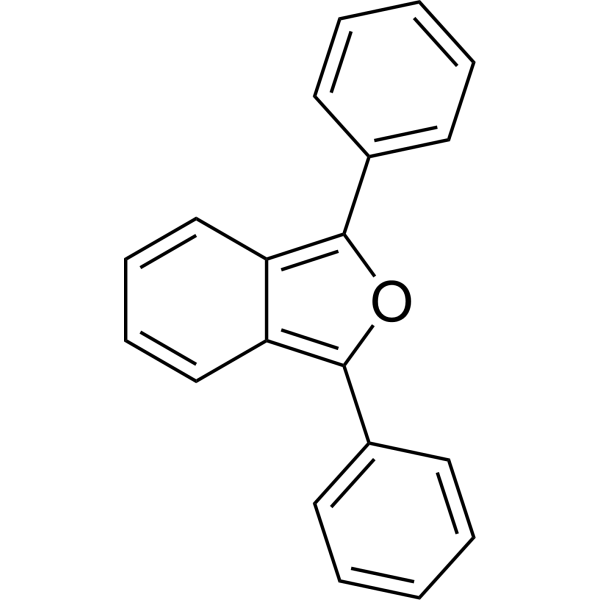
    1,3-Diphenylisobenzofuran
    Maximum Cited Publications
    28 Publications Verification

    DPBF

    Fluorescent Dye Reactive Oxygen Species (ROS) Others
    1,3-Diphenylisobenzofuran (DPBF) has been developed as a selective probe for the detection and quantitative determination of hydrogen peroxide in samples containing different reactive nitrogen and oxygen species (RNOS). DPBF is a fluorescent probe which, for almost 20 years, was believed to react in a highly specific manner toward some reactive oxygen species such as singlet oxygen and hydroxy, alkyloxy or alkylperoxy radicals .
    1,3-Diphenylisobenzofuran
  • HY-115502
    BCI
    15+ Cited Publications

    (E)-BCI

    Phosphatase Inflammation/Immunology
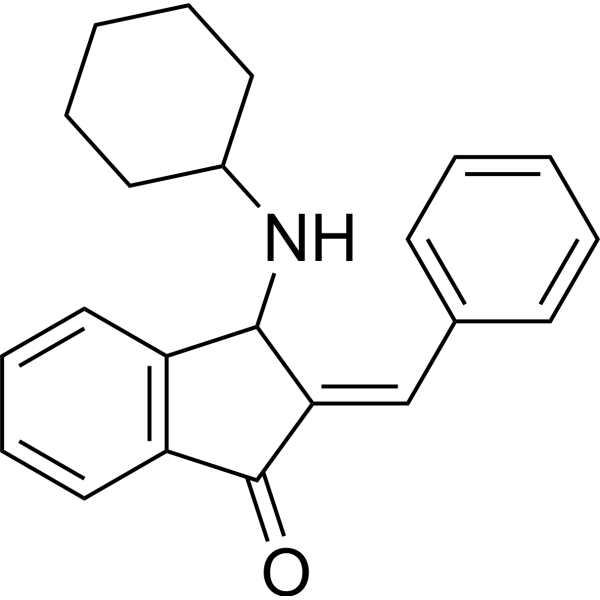
    BCI ((E)-BCI) is a DUSP6 (dual specificity phosphatase 6) inhibitor. BCI shows anti-inflammatory activity and decreases reactive oxygen species (ROS) production. BCI can be used in inflammatory disease research .
    BCI
  • HY-131045
    HADA hydrochloride
    5+ Cited Publications

    HCC-Amino-D-alanine hydrochloride

    Bacterial Infection
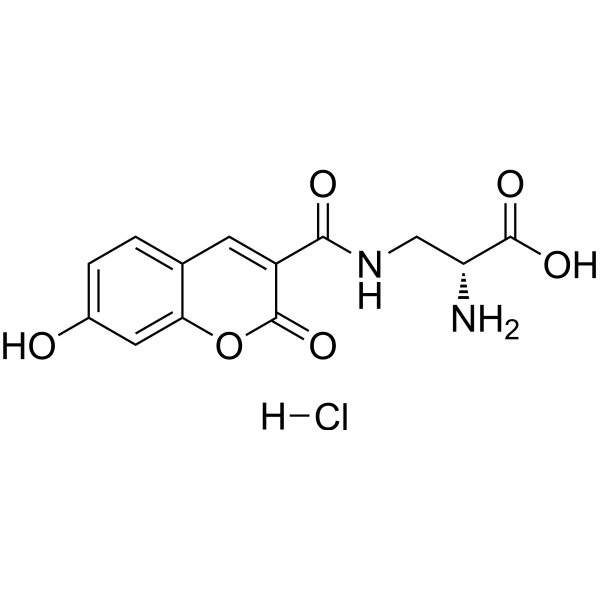
    HADA hydrochloride (HCC-Amino-D-alanine hydrochloride) is a blue (λem~450 nm) fluorescent D-amino acid (FDAA). FDAAs are efficiently incorporated into the peptidoglycans (PGs) of diverse bacterial species at the sites of PG biosynthesis, allowing specific and covalent probing of bacterial growth with minimal perturbation .
    HADA hydrochloride
  • HY-N2360
    Hinokiflavone
    Maximum Cited Publications
    6 Publications Verification

    E1/E2/E3 Enzyme Apoptosis MMP ClpP Infection Inflammation/Immunology Cancer
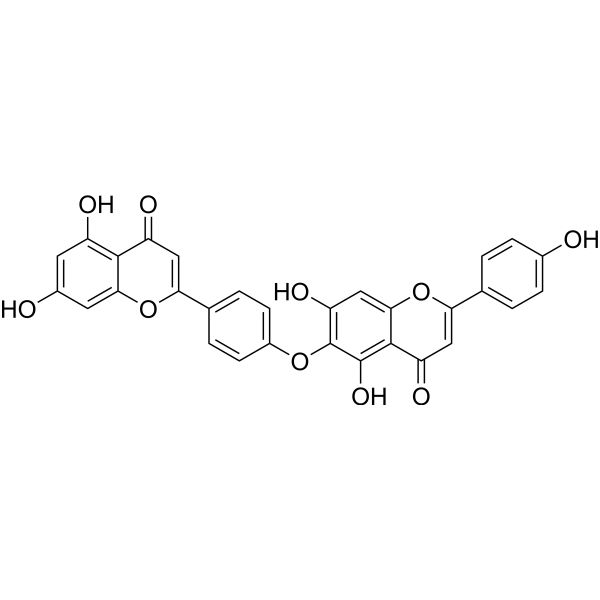
    Hinokiflavone is a novel modulator of pre-mRNA splicing activity extracted from plants with anti-inflammatory, anti-tumor and antiviral activities. Hinokiflavone is also a potent inhibitor for matrix metalloproteinases (MMPs). Hinokiflavone attenuates the virulence of Methicillin (HY-121544)-resistant staphylococcus aureus by inhibiting caseinolytic protease P (ClpP) with an IC50 value of 34.36 mg/mL. Hinokiflavone induces apoptosis via the reactive oxygen species-mitochondria-mediated apoptotic pathway and inhibits tumor cell migration and invasion. Hinokiflavone is a SUMO protease inhibitor against sentrin-specific protease 1 (SENP1) activity .
    Hinokiflavone
  • HY-10301
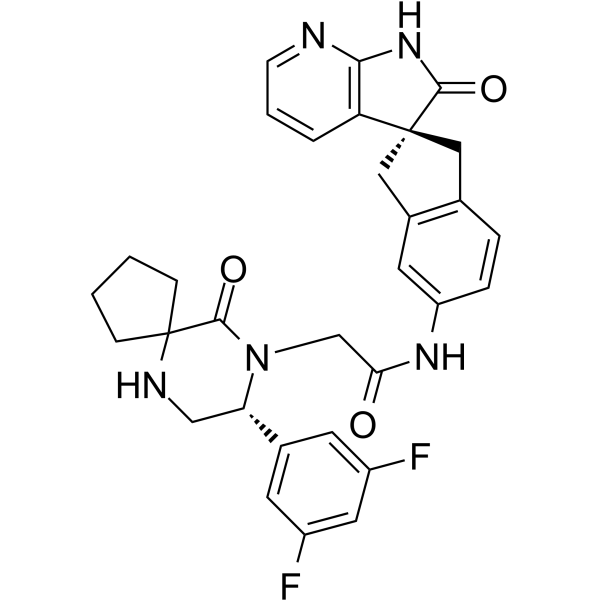
    MK-3207
    5 Publications Verification

    CGRP Receptor Neurological Disease
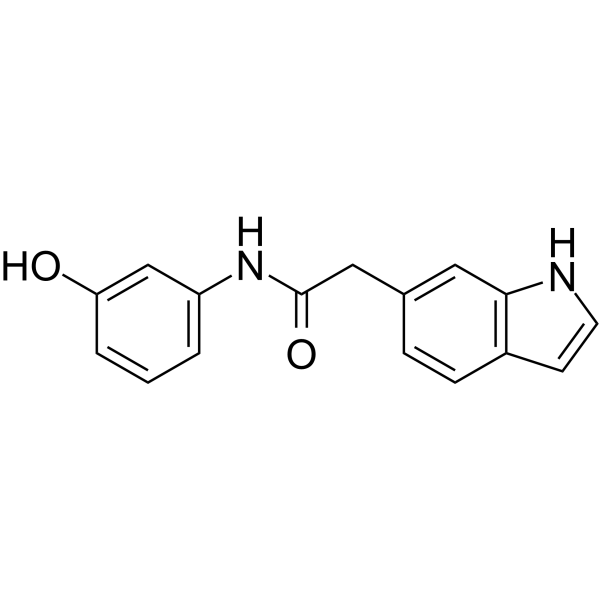
    MK-3207 is an orally active, highly selective and species-specific CGRP receptor antagonist (for human CGRP receptor: IC50=0.12 nM; Ki=0.024 nM). MK-3207 can be used for migraine studies .
    MK-3207
  • HY-100540
    Golgicide A
    10+ Cited Publications

    GCA

    Enterovirus Infection Cancer
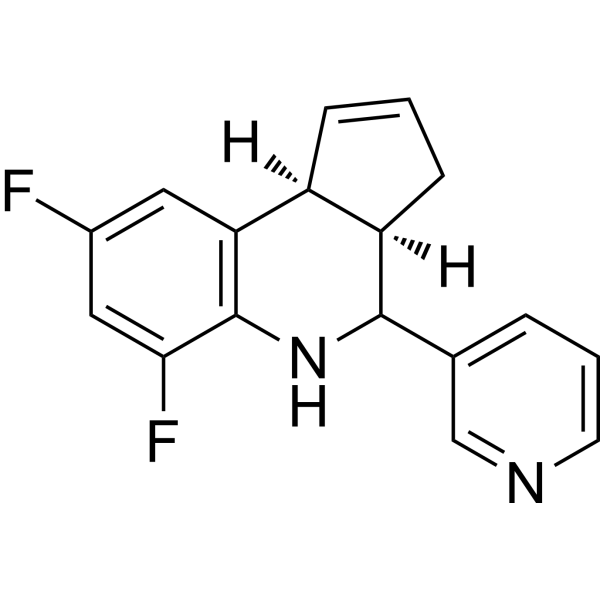
    Golgicide A (GCA) is a potent, highly specific, and reversible inhibitor of the cis-Golgi ADP-ribosylation factor guanine nucleotide exchange factors (ArfGEF) GBF1 . Golgicide A drastically reduced replication of coxsackievirus B3 (CVB3) and other human enterovirus species .
    Golgicide A
  • HY-144226
    NLRP3/AIM2-IN-3
    5+ Cited Publications

    NOD-like Receptor (NLR) AIM2 Pyroptosis Inflammation/Immunology
    NLRP3/AIM2-IN-3 (compound 59) is a potent inhibitor with differential species specific effects against NLRP3 and AIM2 inflammasome-dependent pyroptosis. NLRP3/AIM2-IN-3 shows inhibitory efficacy against pyroptosis in THP-1 macrophages stimulated with LPS/nigericin, with an IC50 of 0.077 ± 0.008 μM. NLRP3/AIM2-IN-3 disturbs the interaction of NLRP3 or AIM2 with the adaptor protein ASC and inhibited ASC oligomerization .
    NLRP3/AIM2-IN-3
  • HY-N0330
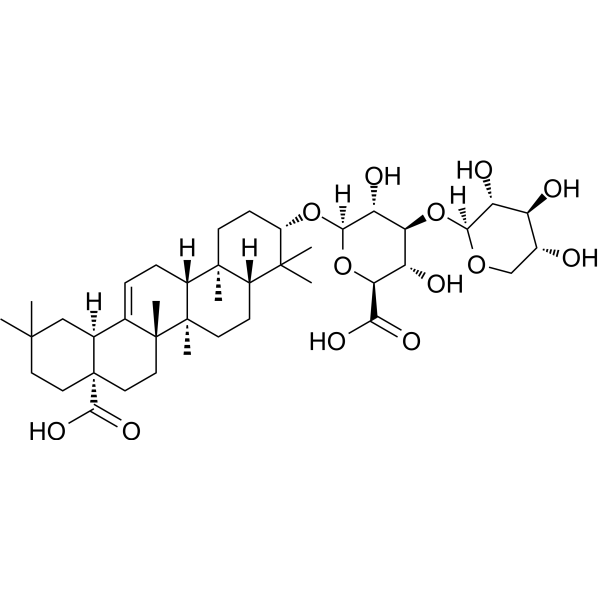
    Momordin Ic
    5 Publications Verification

    Apoptosis Autophagy PI3K c-Myc Metabolic Disease Inflammation/Immunology Cancer
    Momordin Ic is an orally active triterpenoid saponin that can be isolated from Kochia scoparia. It is also a SUMO specific protease 1 (SENP1) inhibitor, SENP1/c-MYC signaling pathway inhibitor, and apoptosis inducer. Momordin Ic induces autophagy and apoptosis in liver cancer cells through the PI3K/Akt and MAPK signaling pathways mediated by reactive oxygen species. Momordin Ic has the ability to control glucose induced blood glucose elevation, inhibit gastric emptying, resist rheumatoid arthritis, reduce CCl4 (HY-Y0298) induced hepatotoxicity and anti-tumor activity .
    Momordin Ic
  • HY-B0504S
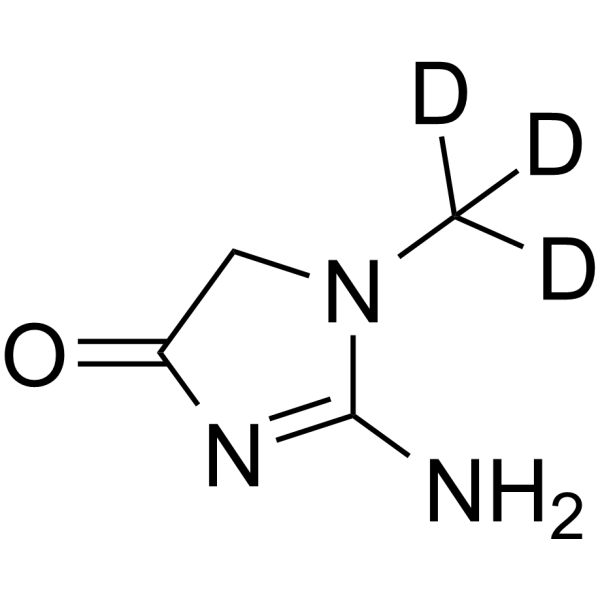
    Creatinine-d3
    5 Publications Verification

    NSC13123-d3

    Isotope-Labeled Compounds Endogenous Metabolite iGluR GABA Receptor Metabolic Disease Cancer
    Creatinine-d3 is a deuterium labeled Creatinine. Creatinine (NSC13123) is an orally active, blood-brain barrier-permeable modulator of GABAA and NMDA receptors, with activities of antioxidation and metabolic regulation. Creatinine is generated via non-enzymatic conversion of creatine and phosphocreatine in muscle. Creatinine serum levels correlate with muscle mass, glomerular filtration rate, and extrarenal clearance, serving as an evaluation biomarker for renal function, muscle mass, and clinical outcomes, and used for perioperative renal risk assessment. In addition, Creatinine can induce specific Cryptococcus species to produce creatinine deiminase and act as their nitrogen source, while it can be secreted via renal tubules. Creatinine is widely used in research related to various diseases such as neurodegenerative diseases, psychiatric disorders, acute kidney injury, chronic kidney disease, and renal failure .
    Creatinine-d3
  • HY-W011094
    Win 18446
    3 Publications Verification

    Aldehyde Dehydrogenase (ALDH) Endocrinology
    Win 18446 is an orally active testes-specific enzyme ALDH1a2 inhibitor, with an IC50 of 0.3 μM. Win 18446 reversibly inhibits spermatogenesis in many species and inhibits Retinoic acid (HY-14649) biosynthesis from Retinol (HY-B1342) within the testes .
    Win 18446
  • HY-B0504
    Creatinine
    Maximum Cited Publications
    6 Publications Verification

    NSC13123

    Endogenous Metabolite GABA Receptor iGluR Infection Neurological Disease Metabolic Disease Cancer
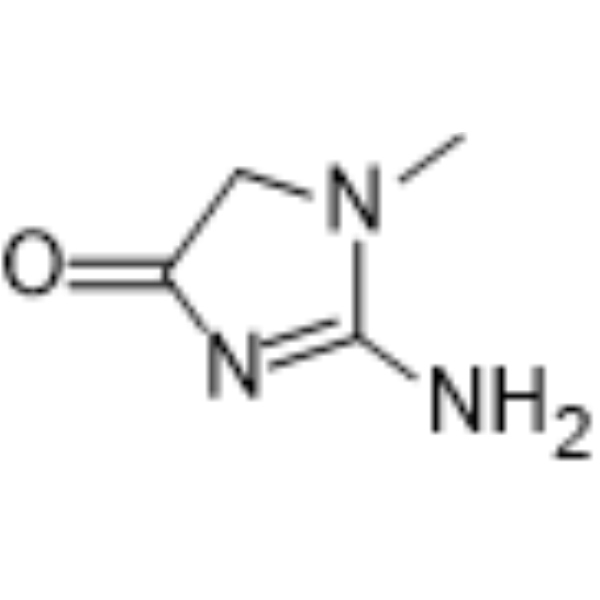
    Creatinine (NSC13123) is an orally active, blood-brain barrier-permeable modulator of GABAA and NMDA receptors, with activities of antioxidation and metabolic regulation. Creatinine is generated via non-enzymatic conversion of creatine and phosphocreatine in muscle. Creatinine serum levels correlate with muscle mass, glomerular filtration rate, and extrarenal clearance, serving as an evaluation biomarker for renal function, muscle mass, and clinical outcomes, and used for perioperative renal risk assessment. In addition, Creatinine can induce specific Cryptococcus species to produce creatinine deiminase and act as their nitrogen source, while it can be secreted via renal tubules. Creatinine is widely used in research related to various diseases such as neurodegenerative diseases, psychiatric disorders, acute kidney injury, chronic kidney disease, and renal failure .
    Creatinine
  • HY-W674241

    Endogenous Metabolite Apoptosis Bcl-2 Family Reactive Oxygen Species (ROS) Neurological Disease Cancer
    4-Ethylphenyl sulfate is an orally active and brain-penetrant gut microbial metabolite. 4-Ethylphenyl sulfate downregulates Bcl2 expression, upregulates Bax expression, and induces cancer cell apoptosis via the endogenous apoptotic pathway. 4-Ethylphenyl sulfate induces G2/M cell cycle arrest and reactive oxygen species (ROS) production. 4-Ethylphenyl sulfate impairs oligodendrocyte maturation, reduces oligodendrocyte-neuron interactions, decreases axonal myelination levels, and shifts the oligodendrocyte population toward immature precursor cells. 4-Ethylphenyl sulfate alters brain region-specific neural activity and functional connectivity in mice, and correlates with anxiety-like behaviors in mice .
    4-Ethylphenyl sulfate
  • HY-100367

    Quinone Reductase NF-κB Cancer
    ES 936 is a potent and specific NQO1 inhibitor. ES 936 inhibits the growth of MIA PaCa-2 and BxPC-3 cells, with IC50 values of 108 nM and 365 nM, respectively. ES936 significantly inhitbits the growth rate of MIA PaCa-2 xenograft tumors in mice. ES 936 can be used for the study of pancreatic cancer .
    ES 936
  • HY-19711
    STING agonist-1
    4 Publications Verification

    G10

    STING Virus Protease Infection
    STING agonist-1 (G10) is human-specific STING agonist that elicits antiviral activity against emerging Alphaviruses. G10 potently blocks replication of Alphavirus species Venezuelan Equine Encephalitis Virus (VEEV) with IC90 of 24.57 μM .
    STING agonist-1
  • HY-P1036
    Compstatin
    3 Publications Verification

    Complement System Others
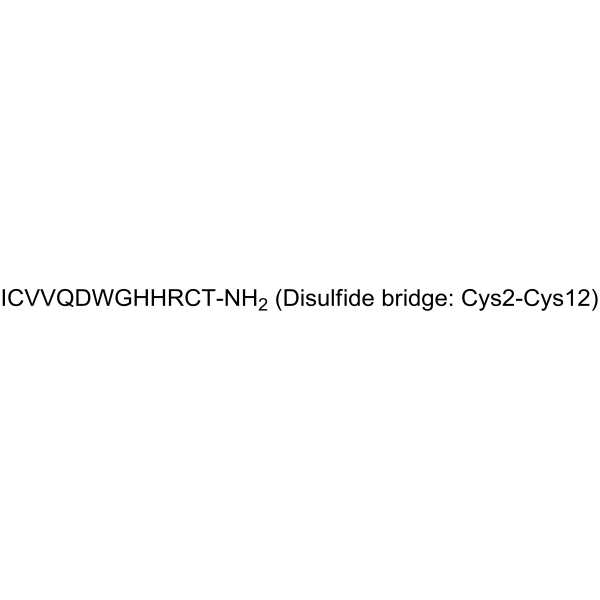
    Compstatin, a 13-residue cyclic peptide, is a potent inhibitor of the complement system C3 with species specificity. Compstatin binds to baboon C3 and is resistant to proteolytic cleavage in baboon blood (similar to humans). Compstatin inhibits only the activation of primates’ complement system. Compstatin exhibits IC50 values of 63 μM and 12 μM for classical and alterative complement pathway, respectively .
    Compstatin
  • HY-103469
    Peroxy Orange 1
    3 Publications Verification

    PO1

    Fluorescent Dye Others
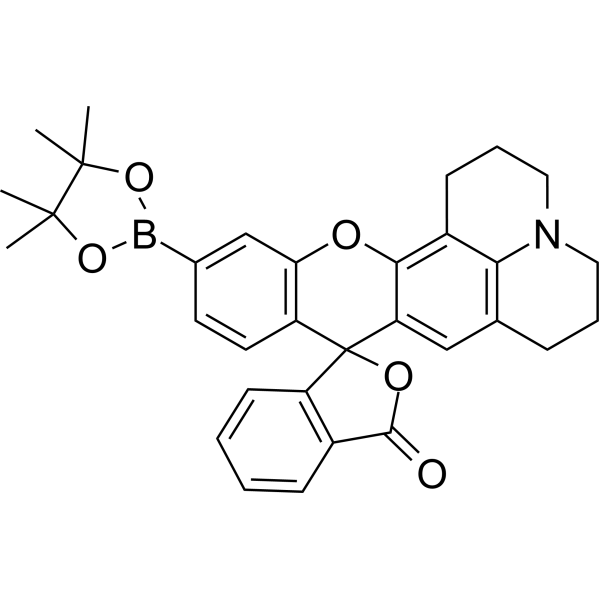
    Peroxy Orange 1 (PO1) is a new H2O2 specific probe that can bind to green fluorescent highly reactive oxygen species (hROS) probe APF. Peroxy Orange 1 is also a living cell dye .
    Peroxy Orange 1
  • HY-174406

    Myosin PDGFR Reactive Oxygen Species (ROS) Ferroptosis Akt mTOR ERK Cancer
    MT-125 is a specific and well-tolerated inhibitor of non-muscle myosin IIA (Ki,NMIIA = 2.7 μM) and IIB (EC50 = 1.7 μM). MT-125 can pass through the blood-brain barrier. MT-125 induces ferroptosis and DNA damage by increasing the levels of reactive oxygen species (ROS) within tumor cells. MT-125 can enhance the PDGFR signaling pathway. MT-125 can be used for research on glioblastoma.
    MT-125
  • HY-150097

    Biochemical Assay Reagents Metabolic Disease Inflammation/Immunology Cancer
    Recombinant Human Serum Albumin (rHSA) is a non-glycosylated monomeric plasma protein that acts as a core factor for maintaining plasma colloid osmotic pressure. Recombinant Human Serum Albumin (rHSA) possesses multiple physiological functions including carrier, metabolic regulation, detoxification, antioxidation and enzyme mimicking. Recombinant Human Serum Albumin (rHSA) not only scavenges reactive oxygen and nitrogen species via specific residues and binds a variety of endogenous and exogenous compounds to maintain redox homeostasis, but also serves as a biomarker for multiple diseases such as cancer and inflammation. Recombinant Human Serum Albumin (rHSA) broadly supports the development of implantable materials, surgical adhesives and ligand capture, and can be used for research on critical illnesses including hypovolemia, liver failure, severe sepsis and various types of trauma resuscitation .
    Recombinant Human Serum Albumin(rHSA)
  • HY-B0504S2

    NSC13123-d5

    Isotope-Labeled Compounds Endogenous Metabolite iGluR GABA Receptor Metabolic Disease
    Creatinine-d5 is the deuterium labeled Creatinine. Creatinine (NSC13123) is an orally active, blood-brain barrier-permeable modulator of GABAA and NMDA receptors, with activities of antioxidation and metabolic regulation. Creatinine is generated via non-enzymatic conversion of creatine and phosphocreatine in muscle. Creatinine serum levels correlate with muscle mass, glomerular filtration rate, and extrarenal clearance, serving as an evaluation biomarker for renal function, muscle mass, and clinical outcomes, and used for perioperative renal risk assessment. In addition, Creatinine can induce specific Cryptococcus species to produce creatinine deiminase and act as their nitrogen source, while it can be secreted via renal tubules. Creatinine is widely used in research related to various diseases such as neurodegenerative diseases, psychiatric disorders, acute kidney injury, chronic kidney disease, and renal failure .
    Creatinine-d5
  • HY-115502A
    BCI hydrochloride
    15+ Cited Publications

    (E)-BCI hydrochloride

    Phosphatase Inflammation/Immunology
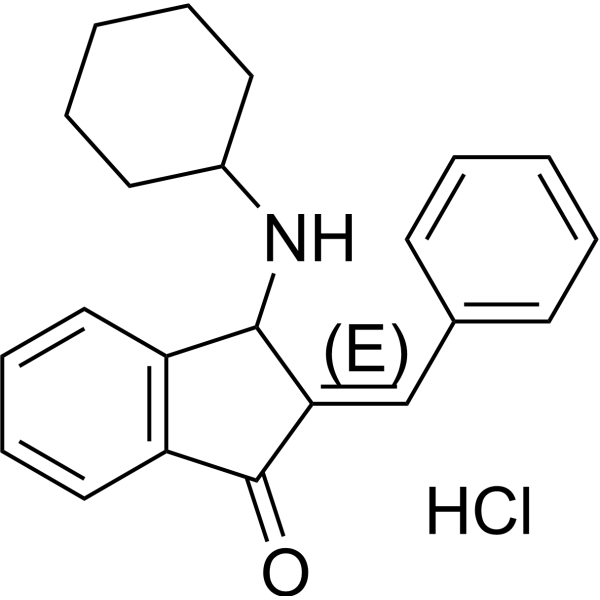
    BCI ((E)-BCI) hydrochloride is a DUSP6 (dual specificity phosphatase 6) inhibitor. BCI hydrochloride shows anti-inflammatory activity and decreases reactive oxygen species (ROS) production. BCI hydrochloride can be used in inflammatory disease research .
    BCI hydrochloride
  • HY-13413
    Tofogliflozin hydrate
    4 Publications Verification

    CSG-452 hydrate

    SGLT Reactive Oxygen Species (ROS) Metabolic Disease
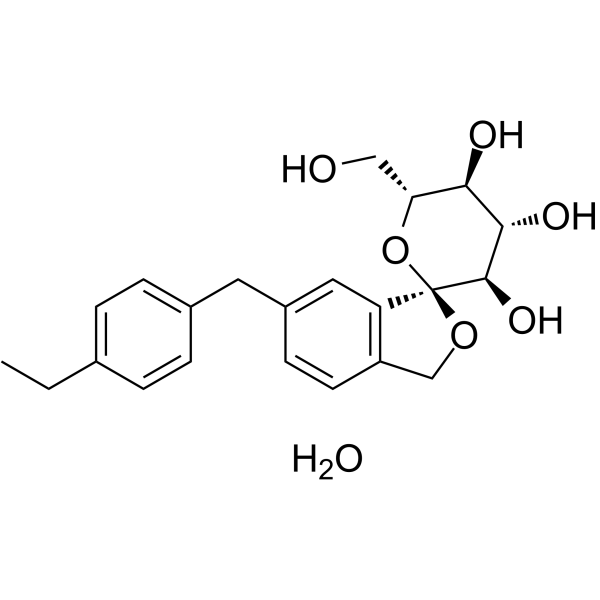
    Tofogliflozin hydrate (CSG-452 hydrate) is a potent and highly specific sodium/glucose cotransporter 2 (SGLT2) inhibitor with an IC50 of 2.9 nM and Ki values of 2.9 nM, 14.9 nM, and 6.4 nM for human, rat, and mouse SGLT2 . Tofogliflozin partially inhibits high glucose-induced reactive oxyen species (ROS) generation in tubular cells .
    Tofogliflozin hydrate
  • HY-169798

    Fluorescent Dye VSV Infection
    1,9-Dimethylmethylene blue is a photosensitizer, virus inactivator and hemoglobin oxidant derived from methylene blue. When activated, 1,9-Dimethylmethylene blue generates reactive oxygen species including singlet oxygen, and acts as a metachromatic dye. When activated in monomeric or dimeric form, 1,9-Dimethylmethylene blue induces photoinactivation of R17 phage and vesicular stomatitis virus and oxidizes hemoglobin via non-singlet oxygen reactive oxygen species or singlet oxygen-mediated pathways, respectively. The monomeric form, with higher nucleic acid affinity, achieves virus inactivation under specific conditions without forming methemoglobin. 1,9-Dimethylmethylene blue binds to substances such as glycosaminoglycans to produce color changes. Although it is susceptible to interference from non-glycosaminoglycan components in urine, it is still applicable to spectrophotometric analysis for glycosaminoglycan quantification. With these unique photochemical and binding properties, 1,9-Dimethylmethylene blue is widely used in studies of viral infections and related biochemical analyses .
    1,9-Dimethylmethylene blue
  • HY-123581
    Quinocetone
    1 Publications Verification

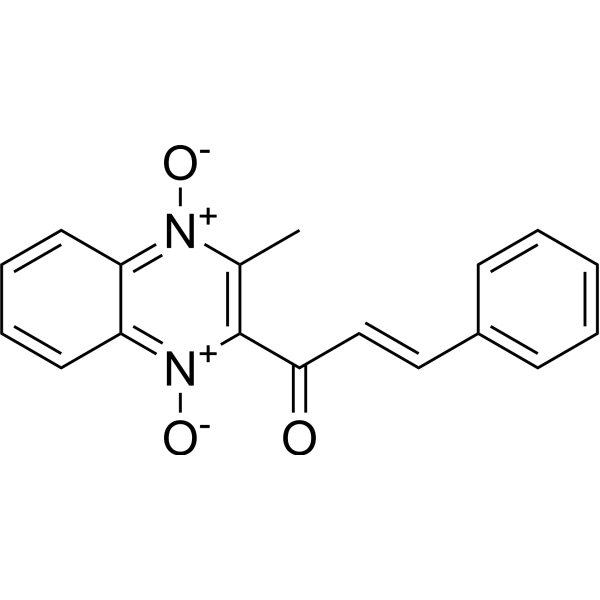
    Antibiotic Bacterial ATF6 DAPK Autophagy NF-κB NO Synthase Apoptosis Reactive Oxygen Species (ROS) Keap1-Nrf2 Heme Oxygenase (HO) Infection Inflammation/Immunology
    Quinocetone is an orally active animal feed additive used to increase the meat production of livestock and poultry. Quinocetone exhibits antibacterial activity against a variety of pathogenic microorganisms. Quinocetone exhibits tissue-specific (liver, lymphocyte) toxicity. Quinocetone induces autophagy in cells through the ATF6/DAPK1 pathway. Quinocetone activates the NF-κB and iNOS pathways, leading to cell apoptosis, hepatocyte vacuolar degeneration and fibrosis. Quinocetone can inhibit Nrf2/HO-1 and induce the generation of reactive oxygen species (ROS), leading to oxidative stress and DNA damage .
    Quinocetone
  • HY-DY1044

    Bacterial Infection
    HADA hydrochloride (HCC-Amino-D-alanine hydrochloride) is a blue (λem~450 nm) fluorescent D-amino acid (FDAA). FDAAs are efficiently incorporated into the peptidoglycans (PGs) of diverse bacterial species at the sites of PG biosynthesis, allowing specific and covalent probing of bacterial growth with minimal perturbation .
    Solvent and concentration: DMSO: 50 mM
    HADA hydrochloride (solution)
  • HY-174406A

    Myosin PDGFR Reactive Oxygen Species (ROS) Ferroptosis Akt mTOR ERK Inflammation/Immunology Cancer
    MT-125 free base is a specific and well-tolerated inhibitor of non-muscle myosin IIA (Ki,NMIIA = 2.7 μM) and IIB (EC50 = 1.7 μM). MT-125 free base can pass through the blood-brain barrier. MT-125 free base induces ferroptosis and DNA damage by increasing the levels of reactive oxygen species (ROS) within tumor cells. MT-125 free base can enhance the PDGFR signaling pathway. MT-125 free base can be used for research on glioblastoma.
    MT-125 free base
  • HY-B0504R

    NSC13123 (Standard)

    Reference Standards Endogenous Metabolite iGluR GABA Receptor Metabolic Disease Cancer
    Creatinine (Standard) is the analytical standard of Creatinine. This product is intended for research and analytical applications. Creatinine (NSC13123) is an orally active, blood-brain barrier-permeable modulator of GABAA and NMDA receptors, with activities of antioxidation and metabolic regulation. Creatinine is generated via non-enzymatic conversion of creatine and phosphocreatine in muscle. Creatinine serum levels correlate with muscle mass, glomerular filtration rate, and extrarenal clearance, serving as an evaluation biomarker for renal function, muscle mass, and clinical outcomes, and used for perioperative renal risk assessment. In addition, Creatinine can induce specific Cryptococcus species to produce creatinine deiminase and act as their nitrogen source, while it can be secreted via renal tubules. Creatinine is widely used in research related to various diseases such as neurodegenerative diseases, psychiatric disorders, acute kidney injury, chronic kidney disease, and renal failure .
    Creatinine (Standard)
  • HY-110237

    P2X Receptor Calcium Channel Cardiovascular Disease
    BX430 is a potent and selective noncompetitive allosteric human P2X4 receptor channels antagonist with an IC50 of 0.54 μM. BX430 has species specificity. BX430 is used for chronic pain and cardiovascular disease.
    BX430
  • HY-N10902

    Photosensitizer Reactive Oxygen Species (ROS) Caspase Apoptosis Cancer
    Methyl pheophorbide a is a natural product, one of the chlorophyll-a derivatives. Methyl pheophorbide a is a photosensitizer that produces singlet oxygen and reactive oxygen species (ROS) under light of specific wavelength, thereby leading to cell death .
    Methyl pheophorbide a
  • HY-144223
    NLRP3/AIM2-IN-2
    2 Publications Verification

    NOD-like Receptor (NLR) AIM2 Inflammation/Immunology
    NLRP3/aim2-in-2 (compound 8) is a new potent inhibitor with different species-specific effects on NLRP3 and AIM2 inflammasome dependent cell death. Its < b > IC < sub > 50 < / sub > < / b > value is 0.2392 μ M。
    NLRP3/AIM2-IN-2
  • HY-124701

    Fungal Infection
    Filastatin is a long-lasting inhibitor of Candida albicans filamentation. Filastatin inhibits adhesion by multiple pathogenic Candida species with an IC50 of ~3 μM in the GFP-based adhesion assay. Filastatin inhibits fungal adhesion to polystyrene and human cells, the yeast-to-hyphal morphological transition, induction of the hyphal-specific HWP1 promoter. Filastatin has potent antifungal effect .
    Filastatin
  • HY-137910

    Environmental Pollutants HPPD Herbicide Infection
    Tembotrione is a herbicide belonging to the HPPD (dioxygenase) inhibitor class with crop selectivity. Tembotrione effectively controls a variety of weeds including broadleaf and gramineous species by disrupting carotenoid synthesis, which leads to chlorophyll degradation and leaf whitening. Mixing Tembotrione with isoxaflutole or adding surfactants optimizes its efficacy and reduces phytotoxicity, with no residual impact on subsequent cruciferous crops, thus helping to increase maize grain yield. The activity of Tembotrione decreases under drought conditions, and under specific conditions (such as double-dose treatment), it may cause reversible yellowing and even yield reduction in crops such as poppy .
    Tembotrione
  • HY-B0504S1

    NSC13123-13C

    Isotope-Labeled Compounds Endogenous Metabolite iGluR GABA Receptor Metabolic Disease
    Creatinine- 13C is the 13C-labeled Creatinine. Creatinine (NSC13123) is an orally active, blood-brain barrier-permeable modulator of GABAA and NMDA receptors, with activities of antioxidation and metabolic regulation. Creatinine is generated via non-enzymatic conversion of creatine and phosphocreatine in muscle. Creatinine serum levels correlate with muscle mass, glomerular filtration rate, and extrarenal clearance, serving as an evaluation biomarker for renal function, muscle mass, and clinical outcomes, and used for perioperative renal risk assessment. In addition, Creatinine can induce specific Cryptococcus species to produce creatinine deiminase and act as their nitrogen source, while it can be secreted via renal tubules. Creatinine is widely used in research related to various diseases such as neurodegenerative diseases, psychiatric disorders, acute kidney injury, chronic kidney disease, and renal failure .
    Creatinine-13C
  • HY-107767

    DC 81

    Antibiotic Apoptosis DNA/RNA Synthesis Cancer
    Antibiotic DC 81 (DC 81), an antitumor antibiotic produced by Streptomyces species, is a PBD (pyrrolo[2,1-c][1,4]benzodiazepine). Antibiotic DC 81 is potent inhibitor of nucleic acid synthesis. Antibiotic DC 81 can recognize and bind to specific sequences of DNA and form a labile covalent adduct .
    Antibiotic DC 81
  • HY-P1036A
    Compstatin TFA
    3 Publications Verification

    Complement System Others
    Compstatin TFA, a 13-residue cyclic peptide, is a potent inhibitor of the complement system C3 with species specificity. Compstatin TFA binds to baboon C3 and is resistant to proteolytic cleavage in baboon blood (similar to humans). Compstatin TFA inhibits only the activation of primates’ complement system. Compstatin TFA exhibits IC50 values of 63 μM and 12 μM for classical and alterative complement pathway, respectively .
    Compstatin TFA
  • HY-134061

    Apoptosis Mitosis Cancer
    Arecaidine propargyl ester hydrobromide is an agonist of M2 muscarinic acetylcholine receptors and has the activity of inhibiting tumor cell proliferation. The application of arecaidine propargyl ester hydrobromide has shown that it can reduce the number of ovarian cancer cells in vitro and induce apoptosis and the production of reactive oxygen species (ROS) at specific concentrations. Arecaidine propargyl ester hydrobromide can also arrest cells at the G2/M phase of the cell cycle and increase the percentage of abnormal mitosis. Arecaidine propargyl ester hydrobromide is more sensitizing to ovarian surface epithelial cells with higher M2 receptor levels than to cancer cells. Arecaidine propargyl ester hydrobromide exhibits the effect of lowering arterial blood pressure when interacting with the cardiovascular system in a natural physiological state, indicating its potential pharmacological application .
    Arecaidine propargyl ester hydrobromide
  • HY-W674241A

    Endogenous Metabolite Apoptosis Bcl-2 Family Reactive Oxygen Species (ROS) Neurological Disease Cancer
    4-Ethylphenyl sulfate sodium is an orally active and brain-penetrant gut microbial metabolite. 4-Ethylphenyl sulfate sodium downregulates Bcl2 expression, upregulates Bax expression, and induces cancer cell apoptosis via the endogenous apoptotic pathway. 4-Ethylphenyl sulfate sodium induces G2/M cell cycle arrest and reactive oxygen species (ROS) production. 4-Ethylphenyl sulfate sodium impairs oligodendrocyte maturation, reduces oligodendrocyte-neuron interactions, decreases axonal myelination levels, and shifts the oligodendrocyte population toward immature precursor cells. 4-Ethylphenyl sulfate sodium alters brain region-specific neural activity and functional connectivity in mice, and correlates with anxiety-like behaviors in mice .
    4-Ethylphenyl sulfate sodium
  • HY-115684

    Undecan-2-ol

    Endogenous Metabolite Others
    2-Undecanol (Undecan-2-ol) is a male specific volatile identified from the sap beetle Lobiopa insularis. 2-undecanol is a flower emitted volatile, used by various species of Hymenoptera as a pheromone component .
    2-Undecanol
  • HY-B0504S5

    NSC13123-15N

    Isotope-Labeled Compounds Endogenous Metabolite iGluR GABA Receptor Metabolic Disease Cancer
    Creatinine- 15N (NSC13123- 15N) is the 15N-labeled Creatinine (HY-B0504). Creatinine (NSC13123) is an orally active, blood-brain barrier-permeable modulator of GABAA and NMDA receptors, with activities of antioxidation and metabolic regulation. Creatinine is generated via non-enzymatic conversion of creatine and phosphocreatine in muscle. Creatinine serum levels correlate with muscle mass, glomerular filtration rate, and extrarenal clearance, serving as an evaluation biomarker for renal function, muscle mass, and clinical outcomes, and used for perioperative renal risk assessment. In addition, Creatinine can induce specific Cryptococcus species to produce creatinine deiminase and act as their nitrogen source, while it can be secreted via renal tubules. Creatinine is widely used in research related to various diseases such as neurodegenerative diseases, psychiatric disorders, acute kidney injury, chronic kidney disease, and renal failure .
    Creatinine-15N
  • HY-W011094R

    Reference Standards Aldehyde Dehydrogenase (ALDH) Endocrinology
    Win 18446 is an orally active testes-specific enzyme ALDH1a2 inhibitor, with an IC50 of 0.3 μM. Win 18446 reversibly inhibits spermatogenesis in many species and inhibits Retinoic acid (HY-14649) biosynthesis from Retinol (HY-B1342) within the testes .
    Win 18446 (Standard)
  • HY-DY1053

    Fluorescent Dye Reactive Oxygen Species (ROS) Others
    1,3-Diphenylisobenzofuran (DPBF) (solution) has been developed as a selective probe for the detection and quantitative determination of hydrogen peroxide in samples containing different reactive nitrogen and oxygen species (RNOS). DPBF is a fluorescent probe which, for almost 20 years, was believed to react in a highly specific manner toward some reactive oxygen species such as singlet oxygen and hydroxy, alkyloxy or alkylperoxy radicals .
    Solvent and concentration: DMSO: 10 mM
    The 1 mL volume is defined as the base specification. All larger sizes correspond to incremental volumes of this base.
    1,3-Diphenylisobenzofuran (solution)
  • HY-15469
    GW791343 dihydrochloride
    1 Publications Verification

    P2X Receptor Neurological Disease
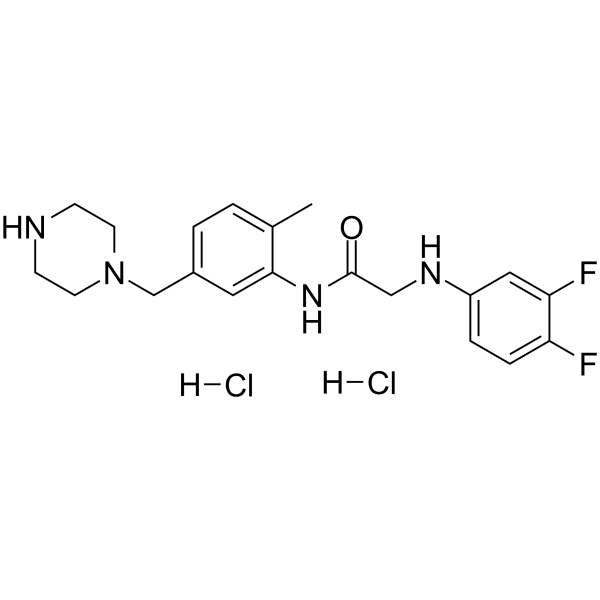
    GW791343 dihydrochloride is a potent human P2X7 receptor negative allosteric modulator (exhibits species-specific activity), produces a non-competitive antagonist effect on human P2X7 receptor, with a pIC50 of 6.9-7.2. GW791343 dihydrochloride can enhance ATP rhythm. GW791343 dihydrochloride can be used in study of neurological disease .
    GW791343 dihydrochloride
  • HY-122331

    Environmental Pollutants Calcium Channel Cardiovascular Disease
    Norbormide, a rodenticide, is a calcium entry blocker with a selective vasoconstrictor activity. Norbormide shows species- and tissue-specific, endothelium independent, and is restricted to the peripheral arteries of rat .
    Norbormide
  • HY-15470

    P2X Receptor Neurological Disease
    GW791343 trihydrochloride is a potent human P2X7 receptor negative allosteric modulator (exhibits species-specific activity), produces a non-competitive antagonist effect on human P2X7 receptor, with a pIC50 of 6.9-7.2. GW791343 trihydrochloride can enhance ATP rhythm. GW791343 trihydrochloride can be used in study of neurological disease .
    GW791343 trihydrochloride
  • HY-N2360R

    Reference Standards E1/E2/E3 Enzyme Apoptosis MMP ClpP Infection Inflammation/Immunology Cancer
    Hinokiflavone is a novel modulator of pre-mRNA splicing activity extracted from plants with anti-inflammatory, anti-tumor and antiviral activities. Hinokiflavone is also a potent inhibitor for matrix metalloproteinases (MMPs). Hinokiflavone attenuates the virulence of Methicillin (HY-121544)-resistant staphylococcus aureus by inhibiting caseinolytic protease P (ClpP) with an IC50 value of 34.36 mg/mL. Hinokiflavone induces apoptosis via the reactive oxygen species-mitochondria-mediated apoptotic pathway and inhibits tumor cell migration and invasion. Hinokiflavone is a SUMO protease inhibitor against sentrin-specific protease 1 (SENP1) activity .
    Hinokiflavone (Standard)
  • HY-W018475

    MK 462 free base

    5-HT Receptor Neurological Disease
    Rizatriptan (MK 462 free base) is an orally active 5-HT1B/5-HT1D receptor agonist, with BBB permeability. Rizatriptan exerts significant anti-migraine effects by constricting intracranial and extracranial blood vessels and inhibiting neuropeptide release. Rizatriptan exhibits species- and tissue-specific metabolic characteristics; for example, it undergoes oxidative deamination mainly by MAO-A in the liver of brown rats, so co-administration with MAO-A inhibitors is prohibited. Rizatriptan may also exacerbate nitroglycerin-induced cutaneous allodynia, prolong the duration of central sensitization, and increase anxiety-like behavior and active drug-seeking behavior in mice. Rizatriptan has been widely used in studies related to migraine and medication-overuse headache .
    Rizatriptan
  • HY-121328

    S-2852F

    Parasite Infection Neurological Disease
    Empenthrin (S-2852F) is a synthetic pyrethroid. Empenthrin can be used in insecticides. Empenthrin shows a clear species-specificity in the inhibitory effect on the Pentobarbital (PTB)-metabolizing enzyme(s). Empenthrin prolongs PTB induced-sleeping time in mice through an inhibition of the PTB-metabolizing enzyme(s) in the liver, an effect that does not occur in rats. Empenthrin shows a clear species-specificity in the inhibitory effect on the PTB-metabolizing enzyme(s) .
    Empenthrin
  • HY-W710976

    Sex Pheromone Endocrinology
    4-Methyl-5-nonanone is a species-specific sex pheromone isolated from the Asian palm red weevil (Rhynehophorus ferrugineus) .
    4-Methyl-5-nonanone
  • HY-125625

    Renin Cardiovascular Disease
    ES 6864 is an orally active, competitive inhibitor for human renin, with an IC50 of 6.9 nM and a Ki of 7.3 nM. ES 6864 exhibits high species-specific and enzyme-specific properties. ES 6864 exhibits metabolic stability in rat tissue homogenates. ES 6864 reduces blood pressure in rats and sodium-depleted awake marmosets .
    ES 6864
  • HY-B1978S

    Fungal Reactive Oxygen Species (ROS) Infection
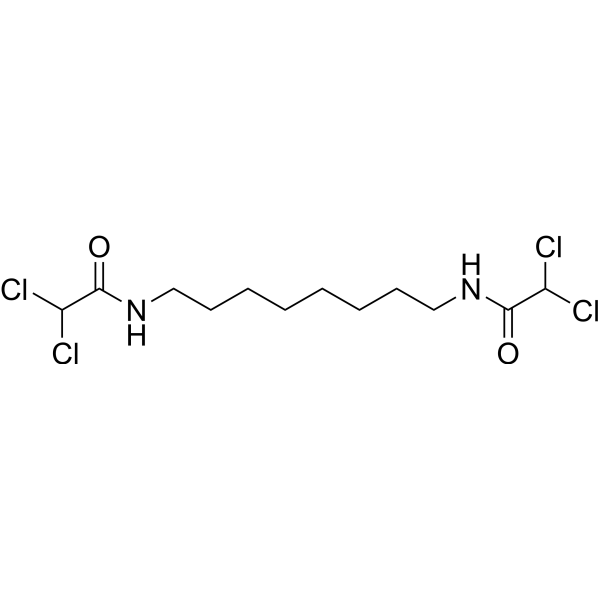
    Iprodione-d5 is the deuterium labeled Iprodione . Iprodione, a dicarboximide fungicide, has a highly specific action, with a capacity to cause oxidative damage through production of free oxygen radicals (ROS). Iprodione does not appear to be species selective .
    Iprodione-d5
  • HY-100540A

    (Rac)-GCA

    Enterovirus Infection
    (Rac)-Golgicide A ((Rac)-GCA) is a racemate of Golgicide A. Golgicide A (GCA) is a potent, highly specific, and reversible inhibitor of the cis-Golgi ADP-ribosylation factor guanine nucleotide exchange factors (ArfGEF) GBF1 .Golgicide A drastically reduced replication of coxsackievirus B3 (CVB3) and other human enterovirus species .
    (Rac)-Golgicide A

온라인 문의

Your information is safe with us. * Required Fields.

호칭


Country or Region *

고객명 *


회사명 *

Department *


메일주소 *


상품명 *

Cat. No.


Requested quantity *

전화번호 *


비고

온라인 문의

Inquiry Information

상품명:
Cat. No.:
수량:
MCE Japan Authorized Agent:

