

1. Search Result
Search Result
Results for "

strategy

" in MedChemExpress (MCE) Product Catalog:

99

Inhibitors & Agonists

31

Screening Libraries

2

Fluorescent Dye

1

Biochemical Assay Reagents

9

Peptides

1

MCE Kits

2

Inhibitory Antibodies

8

Natural
Products

1

Isotope-Labeled Compounds

5

Click Chemistry

7

Oligonucleotides

1

GMP Molecules

Cat. No. Product Name Target Research Areas Chemical Structure
  • HY-101570
    Nedisertib
    Maximum Cited Publications
    27 Publications Verification

    Peposertib; M3814

    DNA-PK BCRP Cancer
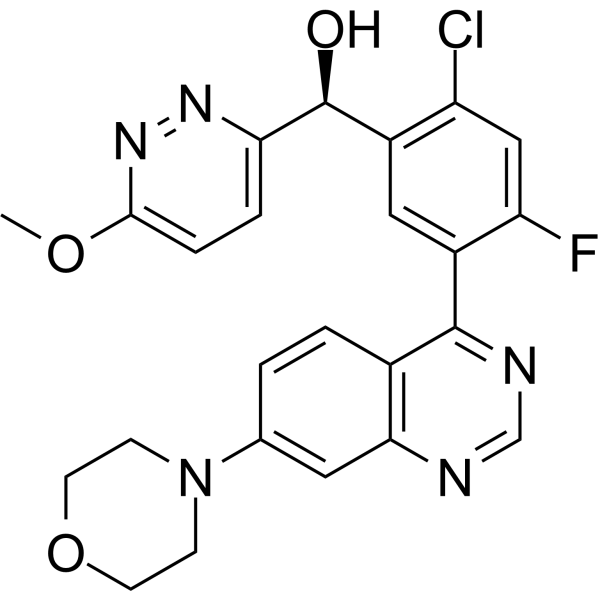
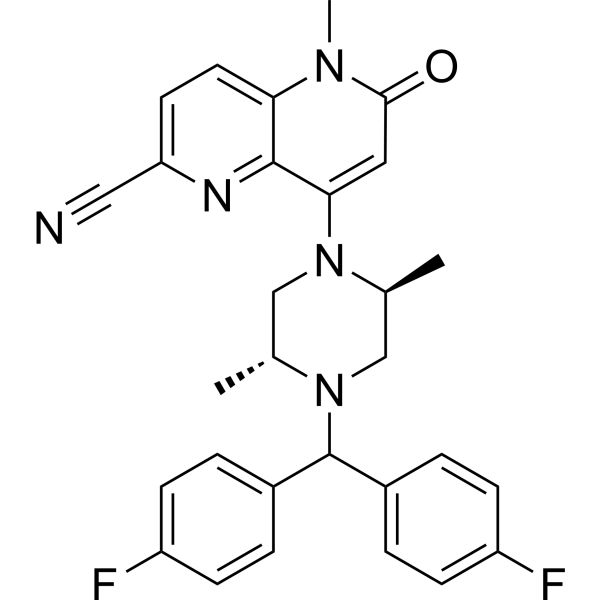
    Nedisertib (Peposertib) is an orally active selective DNA-dependent protein kinase (DNA-PK) inhibitor with an IC50 value of less than 3 nM. Nedisertib also acts as a modulator of ABCG2, capable of reversing ABCG2-mediated multidrug resistance (MDR), thus providing new strategies for combination therapy. By inhibiting DNA double-strand break repair, Nedisertib can enhance the efficacy of chemotherapy and radiotherapy. Nedisertib exhibits antitumor activity .
    Nedisertib
  • HY-79647

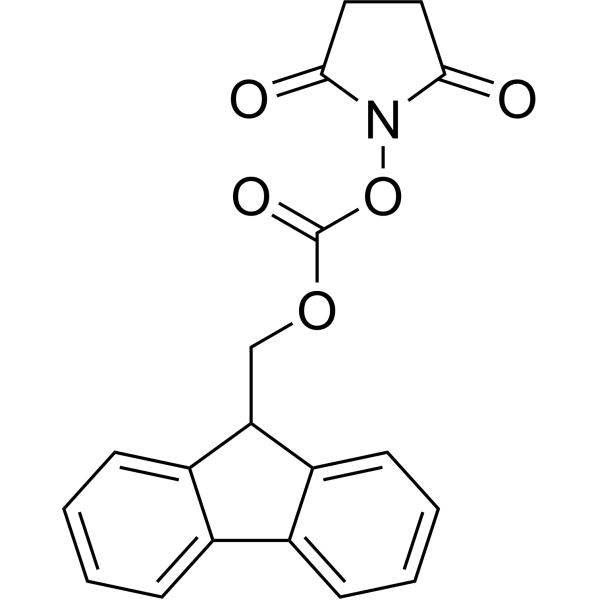
    N-(Fmoc-oxy)succinimide

    Biochemical Assay Reagents Others
    Fmoc-OSu (N-(Fmoc-oxy)succinimide) is an acylating agent that targets amino groups (-NH2). It can selectively protect the amino groups of amino acids by covalently binding with primary or secondary amines through nucleophilic substitution reactions. Fmoc-OSu forms a stable amide bond with the amino group to avoid side reactions of the amino group in peptide synthesis. It can also be used as a fluorescent labeling reagent to react with glycosylamines for efficient labeling of N-sugar chains. Fmoc-OSu can be used as an Fmoc protection strategy in peptide synthesis, and as a fluorescent labeling and analysis method for N-sugar chains .
    Fmoc-OSu
  • HY-132587

    ALN-AT3SC; SAR439774

    Factor Xa Small Interfering RNA (siRNA) Thrombin Cardiovascular Disease
    Fitusiran (ALN-AT3SC) is a siRNA strategy. Fitusiran delivers siRNA targeting the SERPINC1 gene in hepatocytes to inhibit antithrombin synthesis. Fitusiran enhances thrombin activity and increases Thrombin generation, thereby restoring hemostatic function. Fitusiran can be used in hemophilia-related research .
    Fitusiran
  • HY-Y0912

    N-HBTU

    Biochemical Assay Reagents Inflammation/Immunology
    HBTU (N-HBTU) is a guanidinium-based peptide coupling reagent and immunological sensitizer. HBTU can be used in combination with bases such as DIPEA (HY-130142) to complete coupling reactions, with HOBt and TMU as by-products. HBTU is a standard reagent in automated solid-phase peptide synthesis, particularly for the Fmoc/tBu strategy, which effectively promotes coupling steps, but it is not suitable for sterically hindered amino acids or dipeptide derivatives. HBTU can induce rhinitis, dermatitis, bronchial asthma and severe allergic reactions. HBTU can be used to study the pathogenesis of allergic reactions, occupational rhinitis, allergic contact dermatitis and bronchial asthma .
    HBTU
  • HY-N1476
    Heterophyllin B
    4 Publications Verification

    PI3K Cancer
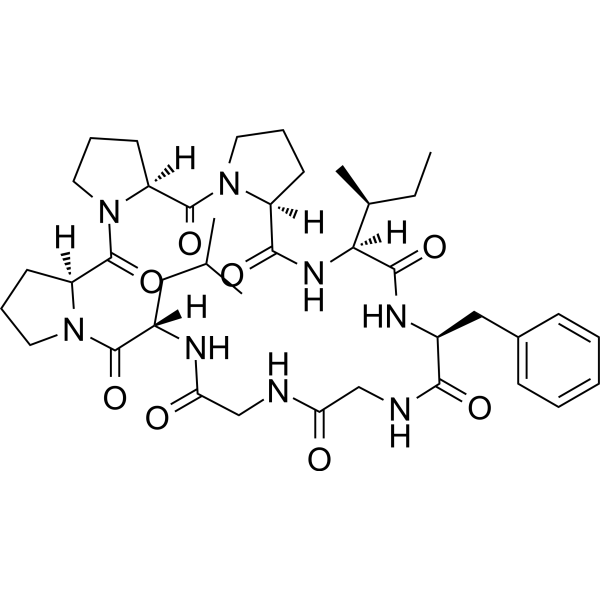
    Heterophyllin B is an active cyclic peptide isolated from Pseudostellaria heterophylla. Heterophyllin B provides a novel strategy for the treatment of esophageal cancer .
    Heterophyllin B
  • HY-106353
    Smilagenin
    1 Publications Verification

    mAChR Endogenous Metabolite Neurological Disease
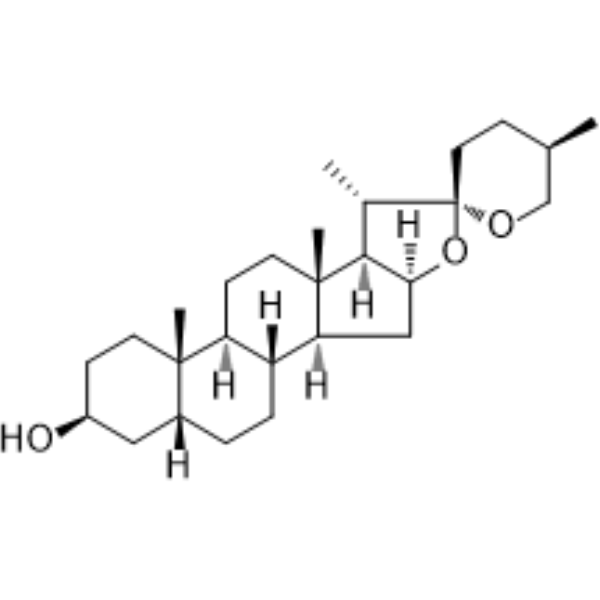
    Smilagenin (SMI) is a small-molecule steroidal sapogenin from Anemarrhena asphodeloides and Pelargonium hortorum widely used in traditional Chinese medicine for treating chronic neurodegeneration diseases . Smilagenin (SMI) improves memory of aged rats by increasing the muscarinic receptor subtype 1 (M1)-receptor density . Smilagenin (SMI) attenuates Aβ(25-35)-induced neurodegenerationvia stimulating the gene expression of brain-derived neurotrophic factor, may represents a novel therapeutic strategy for AD .
    Smilagenin
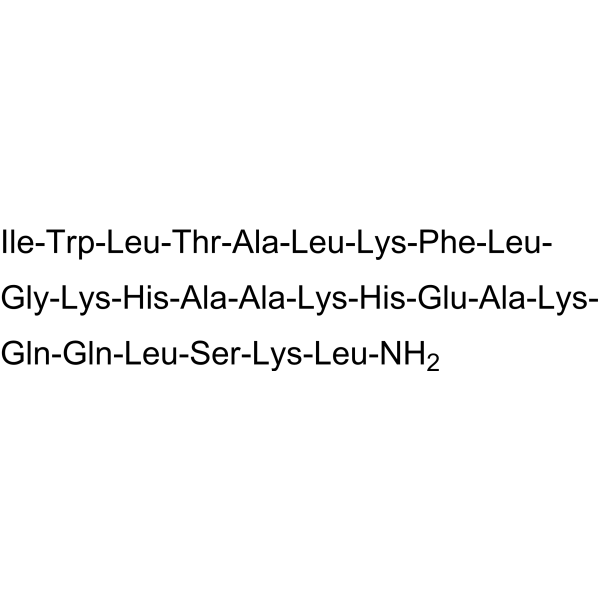
  • HY-P4121

    Potassium Channel Inflammation/Immunology Cancer
    L17E is an attenuated cationic amphiphilic lytic (ACAL) peptide that can be used to deliver a variety of macromolecules, including proteins, antibodies, and DNA nanostructures. L17E inserts and cleaves the membrane structure through electrostatic interaction, enabling intracellular escape. The efficiency of L17E-mediated delivery is strongly correlated with the expression level of KCNN4 (the gene encoding the calcium-activated potassium channel KCa3.1). L17E also promotes the cellular uptake of macromolecules by inducing micropinocytosis. L17E can be further optimized and improved through dimerization strategies and in combination with other delivery systems, such as nuclear localization signal peptides and cell membrane-coated nanoparticles .
    L17E
  • HY-P6438

    Integrin Others Cancer
    Alkyne-cRGD is an integrin ligand. Alkyne-cRGD can be used in the study of degraders. Alkyne-cRGD undergoes copper-catalyzed azide-alkyne cycloaddition reaction .
    Alkyne-cRGD
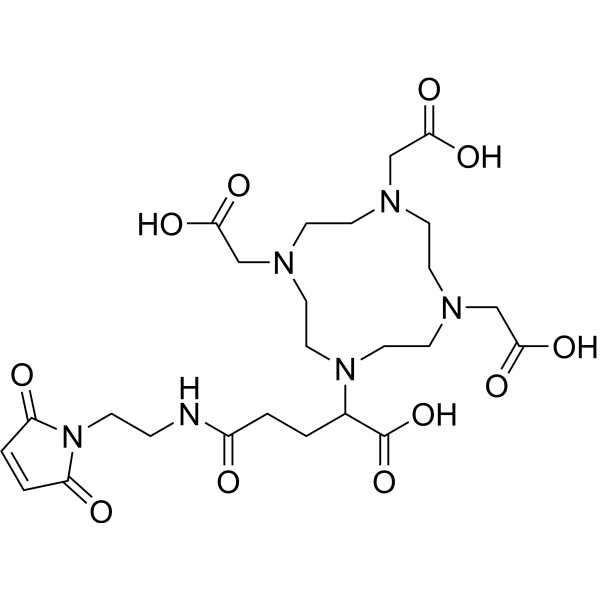
  • HY-157977

    Biochemical Assay Reagents Radionuclide-Drug Conjugates (RDCs) MMP Cancer
    DOTA-GA-maleimide is a bifunctional chelator with protein conjugation and radiometal chelation capabilities. DOTA-GA-maleimide forms stable complexes with 111In and conjugates with proteins via maleimide chemistry. DOTA-GA-maleimide conjugates with LFn, enabling 111In radiolabeling of LFn through direct or pre-labeling strategies. Radiolabeled LFn is applicable to MMP activity imaging studies. DOTA-GA-maleimide is used in cancer research .
    DOTA-GA-maleimide
  • HY-132587A

    ALN-AT3SC sodium; SAR439774 sodium

    Factor Xa Small Interfering RNA (siRNA) Thrombin Cardiovascular Disease
    Fitusiran (ALN-AT3SC) sodium is a siRNA strategy. Fitusiran delivers siRNA targeting the SERPINC1 gene in hepatocytes to inhibit antithrombin synthesis. Fitusiran sodium enhances thrombin activity and increases Thrombin generation, thereby restoring hemostatic function. Fitusiran sodium can be used in hemophilia-related research .
    Fitusiran sodium
  • HY-148755

    Lipase Cancer
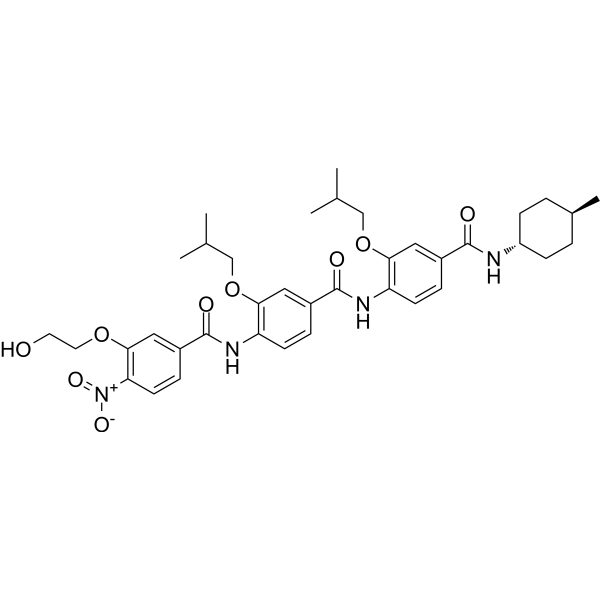
    ERX-41 is an orally active and stereospecific small molecule targeting to lysosomal acid lipase A (LIPA). ERX-41 induces endoplasmic reticulum (ER) stress resulting in cell death, indicating a function independent of LIPA but dependent on its ER localization. ERX-41 involves in a targeted strategy for solid tumors .
    ERX-41
  • HY-D1555

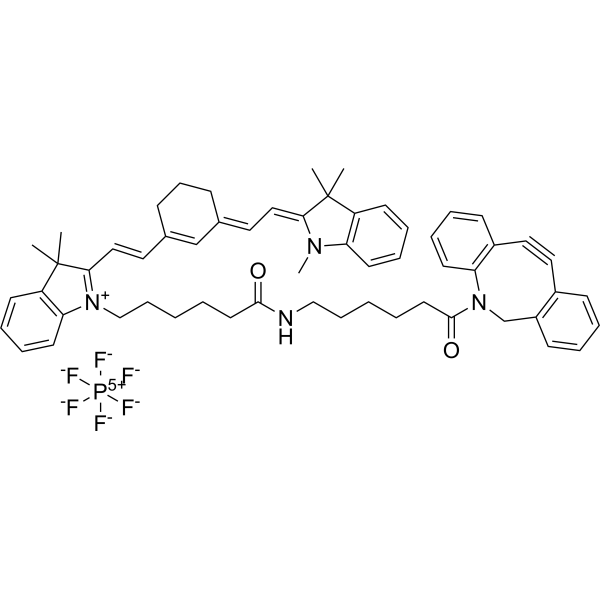
    Cy7 DBCO

    Fluorescent Dye Others
    Cyanine7 DBCO (Cy7 DBCO) is a near-infrared fluorescent dye and an efficient bio-orthogonal quencher. Cyanine7 DBCO is formed by covalent connection of the near-infrared fluorescent dye Cy7 and the dibenzocyclooctyne (DBCO) functional group. After reacting with N3-Cy5-COOH, the fluorescence of Cy5 decreases by 90% within 90 minutes, and rapid signal attenuation can be observed within 2-5 minutes. Cyanine7 DBCO can be used for the study of deep tissue imaging and receptor-targeted therapeutic strategies .
    Cyanine7 DBCO
  • HY-70003

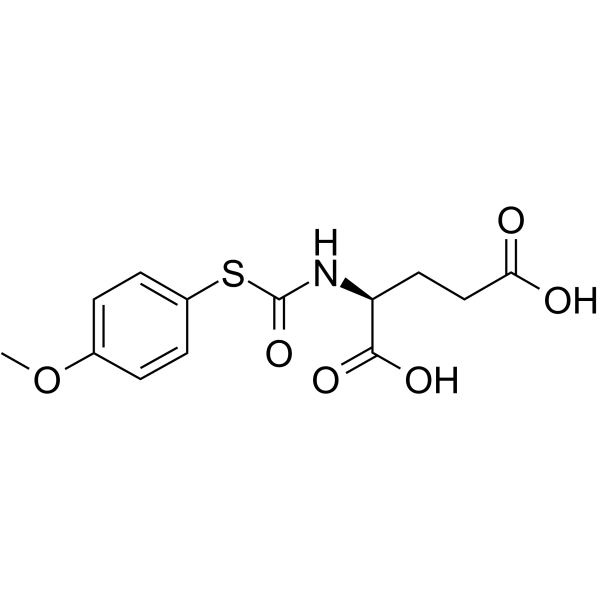
    CPG2 Inhibitor

    Carboxypeptidase Cancer
    Carboxypeptidase G2 (CPG2) Inhibitor is a novel CPG2 inhibitor with an Ki of 0.3 μM. Carboxypeptidase G2 (CPG2) Inhibitor effectively neutralizes the CPG2 activity in non-tumor sites, allowing for earlier administration of the drug and forming a complementary strategy with antibody clearance strategies. Carboxypeptidase G2 (CPG2) Inhibitor can be used for the study of antibody-directed enzyme prodrug therapy (ADEPT) .
    Carboxypeptidase G2 (CPG2) Inhibitor
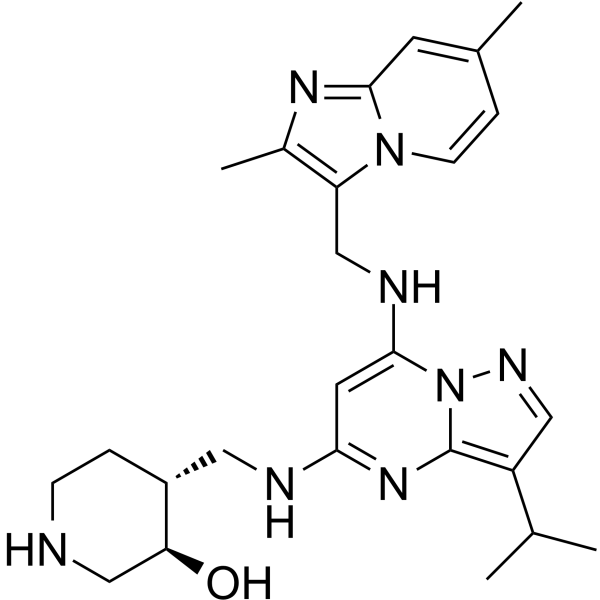
  • HY-46568

    CDK Cancer
    CDK7/12-IN-1 is a selective CDK7/12 inhibitor with IC50s of 3 and 277 nM for CDK7 and CDK 12, respectively. CDK7 and CDK12 inhibition is an effective strategy to inhibit tumour growth .
    CDK7/12-IN-1
  • HY-178521

    Cadherin Cancer
    BAS00602705 is an E-cadherin inhibitor. BAS00602705 exerts its function by blocking the trans-interactions of E-cadherin molecules within junctional complexes, without permanently altering E-cadherin expression levels. BAS00602705 significantly impairs invadopodia formation in pancreatic cancer cells. BAS00602705 can be used for the study of anti-invasive therapeutic strategies in cancers characterized by dysregulated E-cadherin-mediated invadopodia activity, such as pancreatic ductal adenocarcinoma (PDAC) .
    BAS00602705
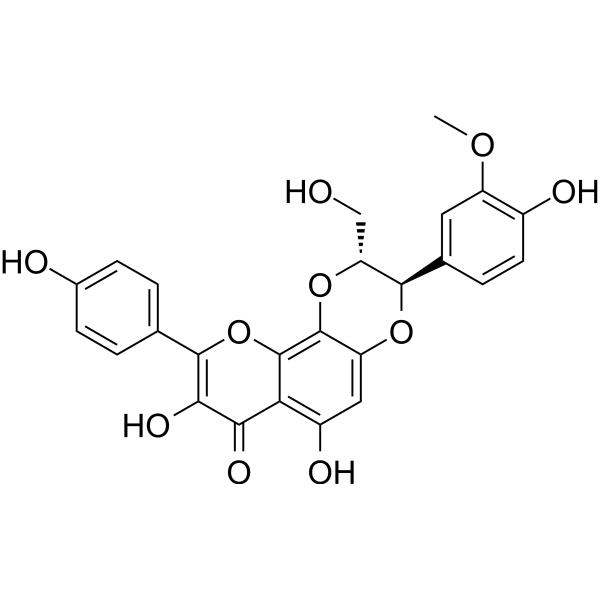
  • HY-N6841
    Rhodiolin
    1 Publications Verification

    Glucose-6-Phosphate Isomerase (GPI) Casein Kinase Virus Protease Flavivirus PI3K Akt mTOR Apoptosis Infection Cancer
    Rhodiolin, a flavonoid, is an orally active glucose 6-phosphate isomerase (GPI) inhibitor. Rhodiolin inhibits papillary thyroid cancer (PTC) by targeting glycolysis enzyme glucose 6-phosphate isomerase GPI and suppressing PI3K/AKT/mTOR phosphorylation and induce apoptosis. Rhodiolin as a NS2B-NS3 protease inhibitor can disrupt dengue viral replication. Rhodiolin is also a potential candidate for developing anticancer strategies inhibiting CK1ε kinase. Rhodiolin can be used for the study of anti-tumor and anti-viral .
    Rhodiolin
  • HY-16632

    γ-secretase Amyloid-β Metabolic Disease
    ELND 006 (Compound 30) is a metabolically stable γ-secretase inhibitor designed to selectively inhibit amyloid beta (Aβ) generation while sparing Notch signaling. It was developed through a synthetic strategy emphasizing diversity and chirality. ELND 006, along with its analog ELND007 (Compound 34), progressed into human clinical trials. In preclinical studies, both compounds demonstrated effective reduction of Aβ levels in vitro and in vivo. Comparisons with other γ-secretase inhibitors like Semagacestat, Begacestat, and Avagacestat underscored their potency and specificity in lowering Aβ levels in cerebrospinal fluid (CSF) of healthy human volunteers, suggesting potential therapeutic efficacy in Alzheimer's disease .
    ELND 006
  • HY-133869

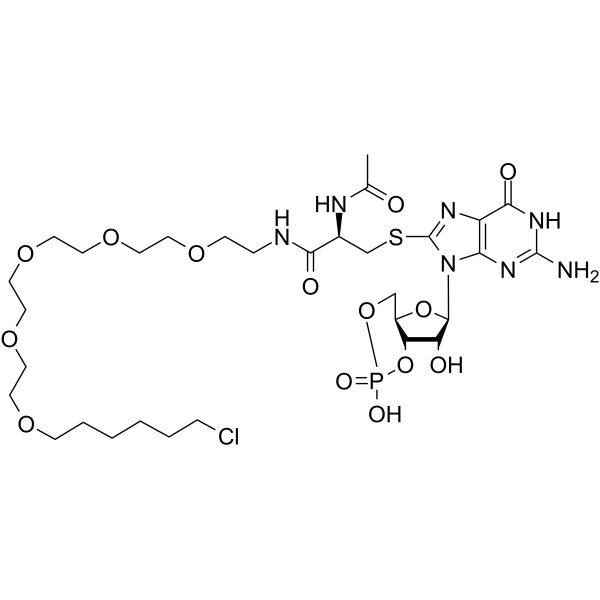
    cGMP-HaloTag-ligand

    Autophagy Cancer
    cGMP-HTL contains a HT-ligand, a linker and the Cys-S-cGMP (autophagy tag). cGMP-HTL increases the K63-linked ubiquitination of mitochondria. AUTAC (autophagy-targeting chimera) is a novel targeted-clearance strategy that contains a degradation tag (guanine derivatives) and a warhead to provide target specificity .
    cGMP-HTL
  • HY-149667

    DGK Cancer
    BMS-332 is a dual DGKα/ζ lipid kinase inhibitor, with IC50s of 5 and 1 nM against DGKα and DGKζ, respectively. BMS-332 enhances the antigen-specific T cell response. BMS-332 reduces the viral load in the liver and spleen when combined with anti-PD-1 in chronic infection models. BMS-332 can be used for the study of T cell immune checkpoint strategy .
    BMS-332
  • HY-159709

    Liposome Metabolic Disease
    VL-422 is an ionizable cationic lipid. VL-422 delivers CRISPR complementary single-guide RNA (sgRNA) and Cas9 mRNA to enable in vitro and in vivo gene editing. LNPs containing VL-422 loaded with Cas9 mRNA and sgRNA targeting the ANGPTL3 gene induce the deletion of premature stop codons within the ANGPTL3 gene in the liver of cynomolgus monkeys. Loss-of-function of ANGPTL3 leads to decreased levels of LDL, HDL and cholesterol in plasma. The VL-422 delivery system can be used for the research of gene editing strategies targeting lipid metabolism diseases .
    VL-422
  • HY-W040270

    PROTAC Linkers Cancer
    Amino-PEG10-amine, a PEG-based PROTAC linker used to combine two mono diethylstilbestrol (DES)-based ligands, provides an alternative strategy for preparing more selective and active ER antagonists for endocrine therapy of breast cancer .
    Amino-PEG10-amine
  • HY-147116

    Biochemical Assay Reagents Others
    4-[3-(Trifluoromethyl)diazirin-3-yl] benzoic acid N-hydroxysuccinimide ester is a photoactivated bifunctional cross-linker. 4-[3-(Trifluoromethyl)diazirin-3-yl] benzoic acid N-hydroxysuccinimide ester can be used for researching a strategy of rapid and accurate structure generation in support of antigen engineering programs .
    4-[3-(Trifluoromethyl)diazirin-3-yl] benzoic acid N-hydroxysuccinimide ester
  • HY-W017708

    Drug Intermediate Others
    Triphenylene is a highly symmetrical polycyclic aromatic hydrocarbon. Triphenylene shows no carcinogenic activity in mouse skin application experiments. Triphenylene can be used as a drug intermediate for the synthesis of triphenyl polycyclic aromatic hydrocarbons (PAHs) .
    Triphenylene
  • HY-157695

    C18(Plasm)-22:6-PC; PC(P-18:0/22:6); 18:0p/22:6-PC

    Endogenous Metabolite Others
    1-(1Z-Octadecenyl)-2-docosahexaenoyl-sn-glycero-3-phosphocholine (C18(Plasm)-22:6-PC) is a phospholipid identified in fish viscera by lipidomics strategy. It has different content and distribution in different fish species and can be used as an indicator of fish species differentiation.
    1-(1Z-Octadecenyl)-2-docosahexaenoyl-sn-glycero-3-phosphocholine
  • HY-146812

    G-quadruplex Cancer
    DIZ-3 is a selective multimeric G4 ligand based on a G4-ligand-dimerizing strategy. DIZ-3 intercalates into the G4-G4 interface, stabilizing the higher-order structure. DIZ-3 induces cell cycle arrest and apoptosis, and thus inhibits cell proliferation in alternative lengthening of telomere (ALT) cancer cells .
    DIZ-3
  • HY-101570G

    Peposertib; M3814

    DNA-PK BCRP Cancer
    Nedisertib (GMP) (Peposertib (GMP)) is Nedisertib (HY-101570) produced by using GMP guidelines. GMP small molecules works appropriately as an auxiliary reagent for cell therapy manufacture. Nedisertib is an orally active selective DNA-dependent protein kinase (DNA-PK) inhibitor with an IC50 value of less than 3 nM. Nedisertib also acts as a modulator of ABCG2, capable of reversing ABCG2-mediated multidrug resistance (MDR), thus providing new strategies for combination therapy. By inhibiting DNA double-strand break repair, Nedisertib can enhance the efficacy of chemotherapy and radiotherapy. Nedisertib exhibits antitumor activity .
    Nedisertib
  • HY-151786

    ADC Linker Others
    Fmoc-L-Lys(Pentynoyl-DIM)-OH is a click chemistry reagent containing an azide. Fmoc-L-Lys(Pentynoyl-DIM)-OH can be used as a SPPS building block for the “helping hand” strategy for purification of highly insoluble peptides. Solubilizing residues are attached to the Lys side-chains using Click-chemistry. The solubilizing tag can be removed with 1M hydrazine or hydroxylamine solution . It contains an azide group and can undergo copper-catalyzed azide-alkyne cycloaddition (CuAAc) with molecules containing alkyne groups. It can also undergo ring strain-promoted alkyne-azide cycloaddition (SPAAC) with molecules containing DBCO or BCN groups.
    Fmoc-L-Lys(Pentynoyl-DIM)-OH
  • HY-169430

    PGE synthase
    AGU654 (Compound 44) is a selective mPGES-1 inhibitor with an IC50 of 2.9 nM against mPGES-1. AGU654 inhibits mPGES-1 to block the pathway converting arachidonic acid into prostaglandin E2 (PGE2) by COX-1/2, thereby alleviating inflammatory responses, pain, and fever. In activated human monocyte-derived macrophages and human whole blood models, AGU654 selectively suppresses bacterial exotoxin-induced PGE2 production while preserving the production of other prostaglandins. In guinea pig models, AGU654 significantly alleviates fever, inflammation, and inflammatory pain, exhibiting excellent anti-inflammatory, analgesic, and antipyretic effects. AGU654 holds promise as a strategy for studying inflammatory diseases and pain .
    AGU654
  • HY-179427

    Histone Methyltransferase Apoptosis Reactive Oxygen Species (ROS) Cancer
    NSD2/H3K36me2 modulator-1 is an orally active NSD2/H3K36me2 modulator. NSD2/H3K36me2 modulator-1 competitively binds to the SAM pocket of NSD2, potently inhibits NSD2 expression and suppresses H3K36me2 methylation. NSD2/H3K36me2 modulator-1 reverses epithelial-mesenchymal transition (EMT), inhibits cell migration, and induces G0/G1 phase arrest and apoptosis. NSD2/H3K36me2 modulator-1 induces decreased Mitochondrial membrane potential (MMP) and subsequent Reactive oxygen species (ROS) generation. NSD2/H3K36me2 modulator-1 can be used to research the NSD2-targeting epigenetic anticancer strategies for hepatocellular carcinoma (HCC) .
    NSD2/H3K36me2 modulator-1
  • HY-109029

    INCB040093

    PI3K Cancer
    Dezapelisib (NCB040093) is a potent inhibitor of phosphatidylinositol 3-kinase δ (PI3Kδ). Dezapelisib is a promising research strategy for select R/R B-cell lymphomas .
    Dezapelisib
  • HY-146422

    PROTACs EGFR Apoptosis Cancer
    PROTAC EGFR degrader 5 (Compound 10), a PROTAC EGFR degrader, potently degrades EGFR Del19 in HCC827 cells with the DC50 of 34.8 nM. PROTAC EGFR degrader 5 significantly induces the apoptosis of HCC827 cells and arrest the cells in G1 phase .
    PROTAC EGFR degrader 5
  • HY-146423

    PROTACs EGFR Apoptosis Cancer
    PROTAC EGFR degrader 6, a PROTAC EGFR degrader, potently degrades EGFR Del19 in HCC827 cells with the DC50 of 45.2 nM. PROTAC EGFR degrader 6 significantly induces the apoptosis of HCC827 cells and arrest the cells in G1 phase .
    PROTAC EGFR degrader 6
  • HY-130411

    PROTAC Linkers Cancer
    Amino-PEG11-amine, a PEG-based (12 units) PROTAC linker used to combine two mono diethylstilbestrol (DES)-based ligands, provides an alternative strategy for preparing more selective and active ER antagonists for endocrine therapy of breast cancer .
    Amino-PEG11-amine
  • HY-11045

    Histamine Receptor Neurological Disease Inflammation/Immunology Endocrinology
    PF-03654746 is a potent and selective histamine H3 receptor antagonist with high brain penetration. PF-03654746 reduces allergen-induced nasal symptoms, might be a novel therapeutic strategy to further explore allergic rhinitis . PF-03654746 improves cognitive efficacy and disease-modifying effects in Alzheimer's disease (AD) .
    PF-03654746
  • HY-14923

    AVE 7688

    Angiotensin-converting Enzyme (ACE) Metabolic Disease
    Ilepatril, a dual inhibitor of angiotensin-converting enzyme (ACE) and neutral endopeptidase, has inhibitory effects in the type 2 diabetic nephropathy model in obese Zucker diabetic fatty (ZDF) rats. Ilepatril significantly reduced albuminuria in a dose-dependent manner and may be a strategy distinct from metabolic control to inhibit type 2 diabetic nephropathy .
    Ilepatril
  • HY-165091

    1,2-Octanoin-3-decanoin; TG(8:0/8:0/10:0)

    Endogenous Metabolite Others
    1,2-Dioctanoyl-3-decanoyl-rac-glycerol (1,2-Octanoin-3-decanoin) is a triglyceride identified in microalgae biomass by ion mobility-mass spectrometry. It can be used to characterize microalgae biomass. Different analytical strategies can determine its distribution in different microalgae and its relationship with other compounds, which has application value in biofuel production.
    1,2-Dioctanoyl-3-decanoyl-rac-glycerol
  • HY-12926

    HIV HDAC DNA/RNA Synthesis Infection
    ST7612AA1 is a histone deacetylase (HDAC) inhibitor that controls chromatin condensation and DNA transcription by removing acetyl groups from histones. ST7612AA1 is also a potent HIV reactivation inducer, and its reactivation activity is exerted without activating or proliferating CD4+T cells, and can be used in the study of HIV reactivation strategies and elimination of viral reservoirs .
    ST7612AA1
  • HY-118931

    GABA Receptor Neurological Disease
    EF-1502 is a potent and selective GABA transporter inhibitor with GAT1 and BGT1 inhibitory activity. EF-1502 produces a synergistic anti-epileptic effect when used in combination with Tiagabine (HY-B0696), a compound used to suppress epileptic seizures. The dosing combination of EF-1502 exhibited reduced anti-epileptic efficacy and dyskinesia when used with THIP (HY-10232). The mechanism of EF-1502 differs significantly from Tiagabine, suggesting a unique role in the inhibitory strategy .
    EF-1502
  • HY-116497

    FAK Cancer
    PH11 is a novel focal adhesion kinase (FAK) inhibitor that rapidly induces apoptosis in TRAIL-resistant PANC-1 cells when combined with TRAIL, but has no effect on normal human fibroblasts. The study found that PH11 downregulates c-FLIP through inhibition of FAK and phosphatidylinositol-3-kinase (PI3K)/AKT pathways, thereby restoring the TRAIL apoptotic pathway, suggesting that this combination therapy may provide an attractive therapeutic strategy for the safe and effective treatment of pancreatic cancer. PH11 selectively inhibits c-FLIP expression by modulating upstream signaling pathways and may represent an innovative therapeutic strategy. Although further work is needed to fully elucidate the mechanism of PH11-induced TRAIL sensitization, we believe that our results will provide a new approach to target c-FLIP without the risk of interfering with caspase-8 processing, which could potentially lead to TRAIL resistance. This study also suggests a role for the FAK/AKT signaling pathway in regulating c-FLIP expression in TRAIL-induced apoptosis, and this understanding will provide important clues to control the resistance mechanism to optimize the potential of TRAIL-based pancreatic cancer treatment.
    PH11
  • HY-14565

    ABT-089

    nAChR Neurological Disease
    Pozanicline (ABT-089) selectively activate neuronal nicotinic acetylcholine receptor (nAChR) subtypes, is a novel cholinergic agent that is a partial agonist at α4β2* nAChRs (Ki=16 nM) and shows high selectivity for α6β2* and α4α5β2 nAChR subtypes, the binding affinity (Ki, rat) for Pozanicline to [ 3H] cytisine sites is 16.7 nM. Pozanicline reverses nicotine withdrawal-induced cognitive deficits, may be an effective component of novel therapeutic strategies for nicotine addiction .
    Pozanicline
  • HY-129265

    Polo-like Kinase (PLK) Cancer
    Poloxin-2 is a small molecule Plk1 PBD inhibitor that can effectively induce cell mitotic arrest with an EC50 of approximately 15 μM in HeLa cells. Poloxin-2HT was developed by conjugating a hydrophobic tag (HT) to Poloxin-2, a new application of inhibitors targeting protein-protein interactions. Poloxin-2HT significantly enhanced the effects on cell viability and apoptosis by selectively degrading Plk1 protein, and its effect was stronger than that of untagged Poloxin-2. These data validate hydrophobic tags as a new strategy for targeting and disrupting disease-associated proteins.
    Poloxin-2
  • HY-16387

    VEGFR Others
    PF-00337210 is a potent and selective inhibitor of VEGFRs, designed for treating age-related macular degeneration via intravitreal injection. The formulation strategy focused on developing an ophthalmic solution that would precipitate upon injection into the vitreous, ensuring sustained drug delivery. Challenges included maintaining low dosing volumes, selecting safe excipients for intravitreal use, and addressing the drug's unique physicochemical properties. The final formulation, an isotonic solution in a citrate-buffered vehicle with NaCl, demonstrated stability, potency, and recovery through intravitreal dosing syringes. It formed a depot upon injection into vitreous humor, representing a novel nonpolymeric in situ-forming depot formulation for intravitreal drug delivery .
    PF 00337210
  • HY-16638

    PDDF

    Thymidylate Synthase Metabolic Disease
    CB 3717 is a potent inhibitor of human thymidylate synthetase, competitively binding with 5,10-methylenetetrahydrofolate (Ki = 4.9 X 10(-9) M). It also competitively inhibits human dihydrofolate reductase with dihydrofolate (Ki = 2.3 X 10(-8) M). In WI-L2 human lymphoblastoid cells, CB 3717 treatment led to a significant decrease in cellular dTTP levels and a notable increase in dUMP levels, indicating a disruption in nucleotide metabolism. The growth-inhibitory effect of CB 3717 was reversed by thymidine supplementation, demonstrating that thymidylate synthetase became rate-limiting in the presence of this compound. Delayed thymidine supplementation beyond 8 hours resulted in severe cytotoxicity, underscoring the critical timing of nucleotide rescue strategies in CB 3717-treated cells .
    CB 3717
  • HY-P2439

    Neurokinin Receptor Others
    MEN 10208 is a neurokinin A antagonist prepared by solid phase synthesis. The Fmoc strategy has more advantages than the Boc strategy in its preparation, and can obtain products with higher yield and purity.
    MEN 10208
  • HY-149587

    R-(-)-Callosobruchusic acid

    Insecticide Others
    Callosobruchusic acid (R-(-)-Callosobruchusic acid) is an active compound in sex pheromone of the bean pest Callosobruchus chinensis L. Callosobruchusic acid can be used in pest control strategy development .
    Callosobruchusic acid
  • HY-178959

    FXR Metabolic Disease Inflammation/Immunology
    FXR agonist 13 is a selective, orally active, potent FXR agonist (EC50 = 0.097 μM) and has favorable hepatic microsomal metabolic stability. FXR agonist 13 exhibits moderate affinity for FXR-LBD upon direct binding (KD = 14.74 μM). FXR agonist 13 displays good selectivity against related nuclear receptors, including LXRα/β, PPARα/γ/δ, PXR, and TGR5. FXR agonist 13 can be used for the study of metabolic-associated steatohepatitis (MASH) .
    FXR agonist 13
  • HY-W351380

    HBV Biochemical Assay Reagents
    (-)-Anicyphos is a chiral catalyst with the activity of promoting the selectivity of specific reactions. (-)-Anicyphos is often used to synthesize complex chiral molecules in organic synthesis and shows excellent catalytic performance. By adjusting the reaction conditions, (-)-Anicyphos can significantly improve the stereospecificity of the product, providing an effective strategy for compound development.
    (-)-Anicyphos
  • HY-108464

    TGF-β Receptor Others
    Phenamil is a compound that promotes bone repair and regulates stem cell differentiation. It can activate the bone morphogenetic protein signaling pathway to promote bone repair, but it also induces adipogenesis. A specific 3D scaffold strategy can improve its induced osteogenic differentiation and reduce adipogenesis.
    Phenamil
  • HY-161259

    JAK Inflammation/Immunology
    JAK-IN-36 (Compound 12e) is a potent and selective inhibitor of Janus Kinase 1 (JAK1) with a IC50 value of 2.2 nM. JAK-IN-36 can be used in the study of autoimmune diseases .
    JAK-IN-36
  • HY-115828

    HIV Infection
    APA-APA-MPO dihydrochloride is an inhibitor of PCAF bromodomain/Tat-AcK50 interaction with reduced cytotoxic activity. APA-APA-MPO dihydrochloride can effectively inhibit the binding of PCAF to Tat-AcK50, showing its potential in HIV/AIDS inhibitory strategies. APA-APA-MPO dihydrochloride can be used in studies that hinder HIV replication .
    APA-APA-MPO dihydrochloride

Inquiry Online

Your information is safe with us. * Required Fields.

Salutation


Country or Region *

Applicant Name *


Organization Name *

Department *


Email Address *


Product Name *

Cat. No.


Requested quantity *

Phone Number *


Remarks

Inquiry Online

Inquiry Information

Product Name:
Cat. No.:
Quantity:
MCE Japan Authorized Agent:

