
Search Result
Results for "
striatum
" in MedChemExpress (MCE) Product Catalog:
1
Biochemical Assay Reagents
2
Isotope-Labeled Compounds
| Cat. No. |
Product Name |
Target |
Research Areas |
Chemical Structure |
-
- HY-N2332A
-
|
MLA citrate
|
nAChR
|
Neurological Disease
|
|
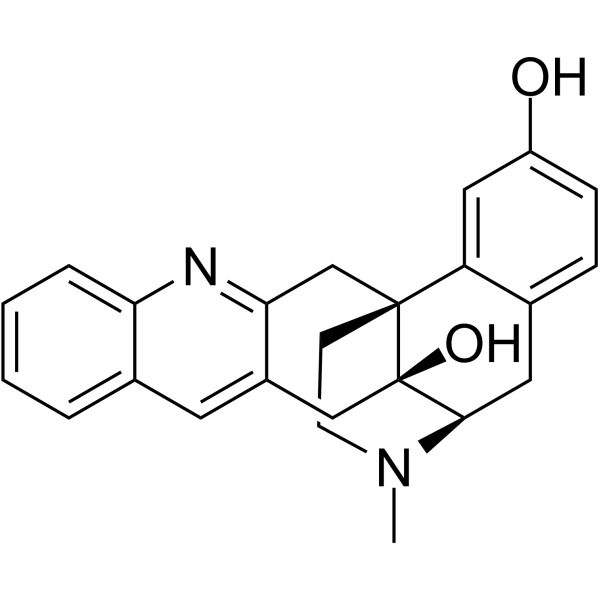
Methyllycaconitine (MLA) citrate is a potent, selective, CNS-penetrant, competitive α7nAChR antagonist. Methyllycaconitine citrate alleviates amyloid-β peptides-induced cytotoxicity in SH-SY5Y cells. Methyllycaconitine citrate prevents methamphetamine-induced effects in mouse striatum. Methyllycaconitine citrate can be used for neurological disease research, such as Alzheimer’s disease .
|
-
-
- HY-B2194
-
|
|
DNA Methyltransferase
|
Metabolic Disease
Cancer
|
|
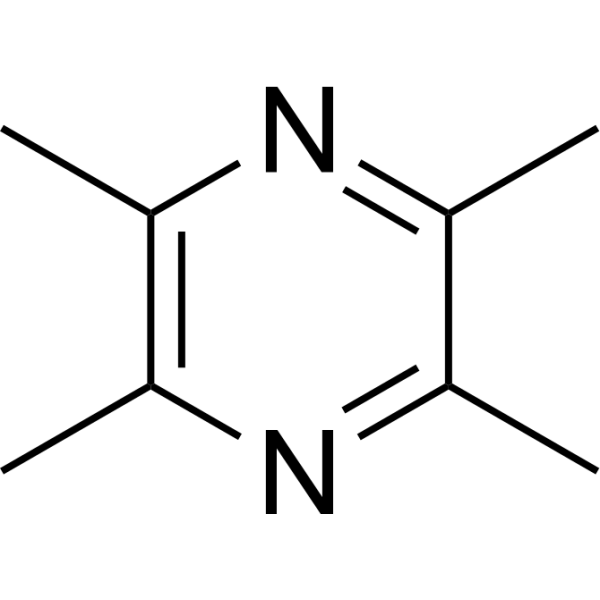
γ-Oryzanol is a potent DNA methyltransferases (DNMTs) inhibitor in the striatum of mice. γ-Oryzanol significantly inhibits the activities of DNMT1 (IC50=3.2 μM), DNMT3a (IC50=22.3 μM).
|
-
-
- HY-113149A
-
|
|
Endogenous Metabolite
Reactive Oxygen Species (ROS)
|
Neurological Disease
Metabolic Disease
Inflammation/Immunology
|
|
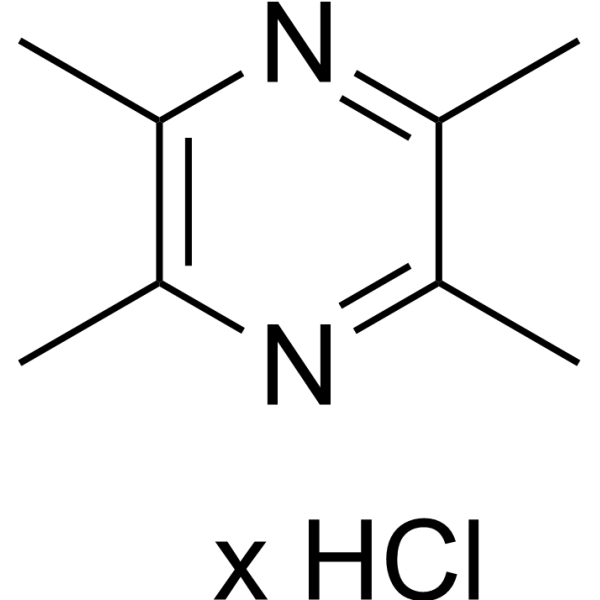
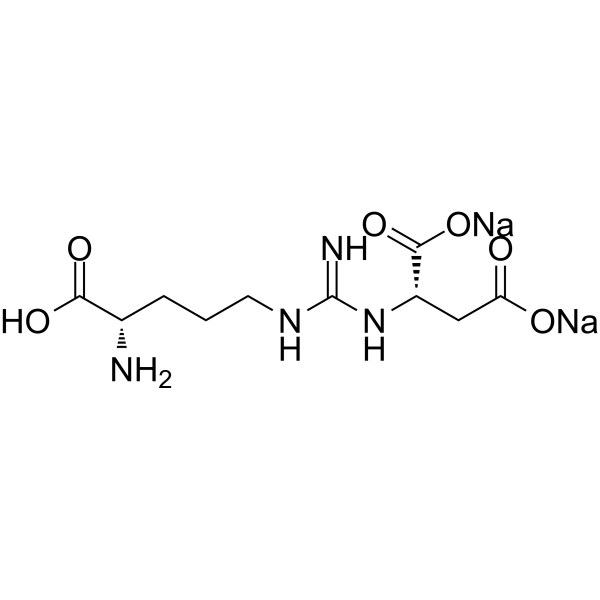
Argininosuccinic acid disodium is an intermediate metabolite in the urea cycle, and its level is associated with argininosuccinic aciduria. Argininosuccinic acid disodium can induce oxidative stress, leading to lipid and protein oxidation, reduction of glutathione, and decrease in antioxidant enzyme activity. Argininosuccinic acid disodium can be converted into guanidinosuccinic acid, a nitric oxide mimic, under the action of nitric oxide-derived free radicals. Argininosuccinic acid disodium can be used in the research of metabolic diseases, renal failure, nervous system diseases, etc .
|
-
-
- HY-14197A
-
|
|
Monoamine Oxidase
|
Metabolic Disease
|
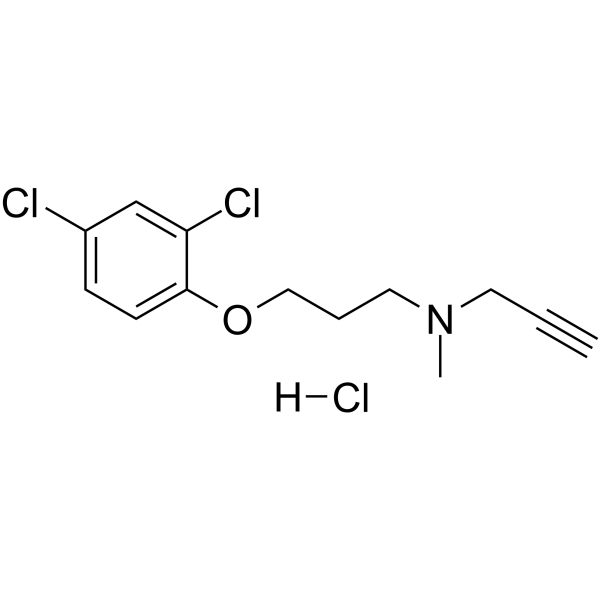
Clorgyline hydrochloride is an irreversible and selective inhibitor of monoamine oxidase A (MAO-A) that is used in scientific research, structurally related to Pargyline (HY-A0091A). Clorgyline hydrochloride has little effect on the amounts of conjugated dopamine (DA) present in superfusate of slices from rat striatum. Clorgyline hydrochloride contains an Alkyne group and can undergo copper-catalyzed azide-alkyne cycloaddition (CuAAc) with molecules containing Azide groups .
|
-
-
- HY-B0344
-
|
(-)-Scopolamine methyl bromide; Hyoscine methyl bromide
|
mAChR
|
Neurological Disease
|
|
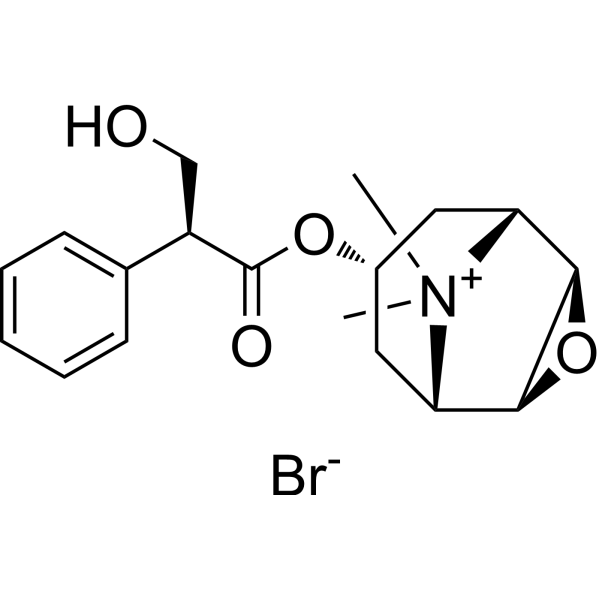
Methscopolamine bromide ((-)-Scopolamine methyl bromide; Hyoscine methyl bromide) is a peripherally acting muscarinic receptor (mAChR) antagonist that cannot cross the blood-brain barrier. Methscopolamine bromide blocks the muscarinic negative feedback regulation of acetylcholine release from striatal cholinergic terminals, thereby increasing acetylcholine release in the striatum of freely moving rats. Methscopolamine bromide does not induce motor excitation in freely moving rats, nor does it alter the duration of ethanol-induced loss of righting reflex in mice. Methscopolamine bromide fails to antagonize the arecoline-mediated reduction in the duration of ethanol-induced loss of righting reflex in mice .
|
-
-
- HY-107343
-
|
Ethyl docosahexaenoate
|
COX
|
Neurological Disease
Metabolic Disease
|
|
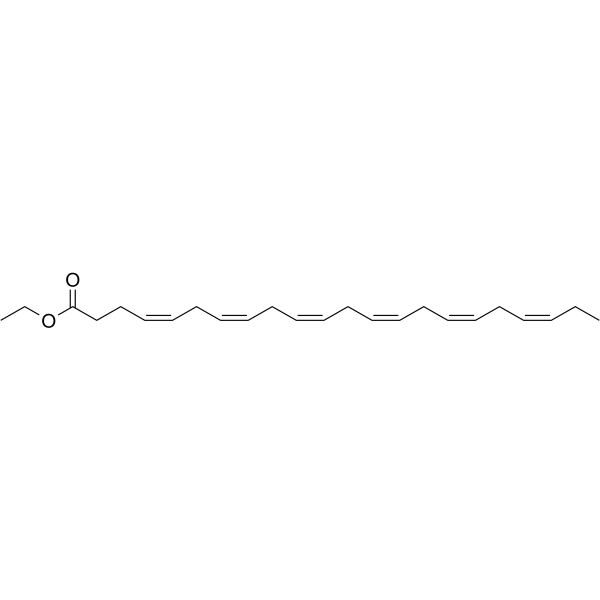
Docosahexaenoic acid ethyl ester (Ethyl docosahexaenoate) is a 90% concentrated ethyl ester of docosahexaenoic acid manufactured from the microalgal oil. Docosahexaenoic acid ethyl ester enhances 6-hydroxydopamine-induced neuronal damage by induction of lipid peroxidation in mouse striatum. Docosahexaenoic acid (DHA) is a key component of the cell membrane, and its peroxidation is inducible due to the double-bond chemical structure. Docosahexaenoic acid has neuroprotective effects .
|
-
-
- HY-113149
-
|
|
Endogenous Metabolite
Reactive Oxygen Species (ROS)
|
Neurological Disease
Metabolic Disease
Inflammation/Immunology
|
|
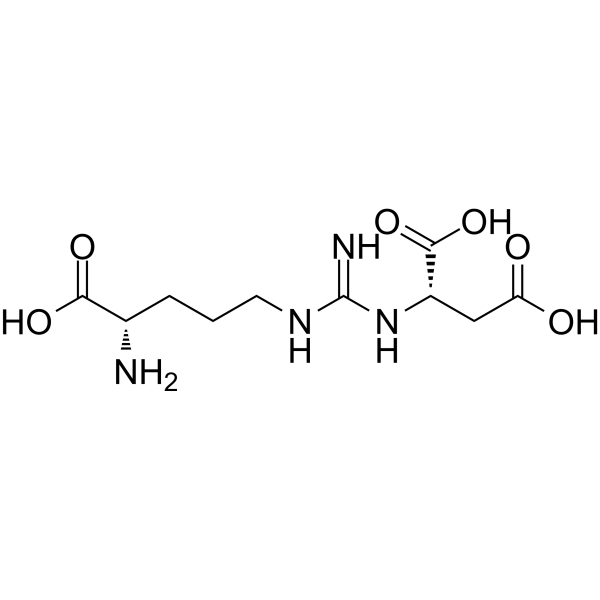
Argininosuccinic acid is an intermediate metabolite in the urea cycle, and its level is associated with argininosuccinic aciduria. Argininosuccinic acid can induce oxidative stress, leading to lipid and protein oxidation, reduction of glutathione, and decrease in antioxidant enzyme activity. Argininosuccinic acid can be converted into guanidinosuccinic acid, a nitric oxide mimic, under the action of nitric oxide-derived free radicals. Argininosuccinic acid can be used in the research of metabolic diseases, renal failure, nervous system diseases, etc .
|
-
-
- HY-12363
-
U-69593
1 Publications Verification
|
Opioid Receptor
|
Neurological Disease
|
|
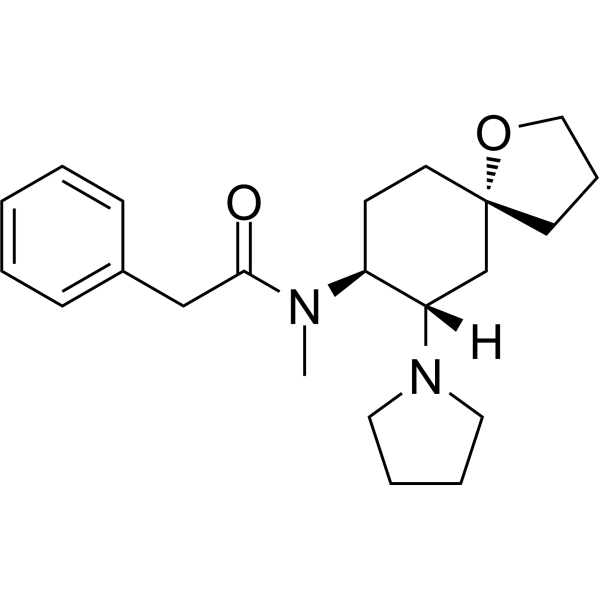
U-69593 is a potent and selective κ1-opioid receptor agonist . U-69593 attenuates addictive agent-induced behavioral sensitization in the rat . U-69593 reduces anxiety and enhances spontaneous alternation memory in mice . U-69593 reduces calcium-dependent dialysate levels of dopamine and glutamate in the ventral striatum .
|
-
-
- HY-145512
-
|
NLT
|
Dopamine Receptor
|
Neurological Disease
|
|
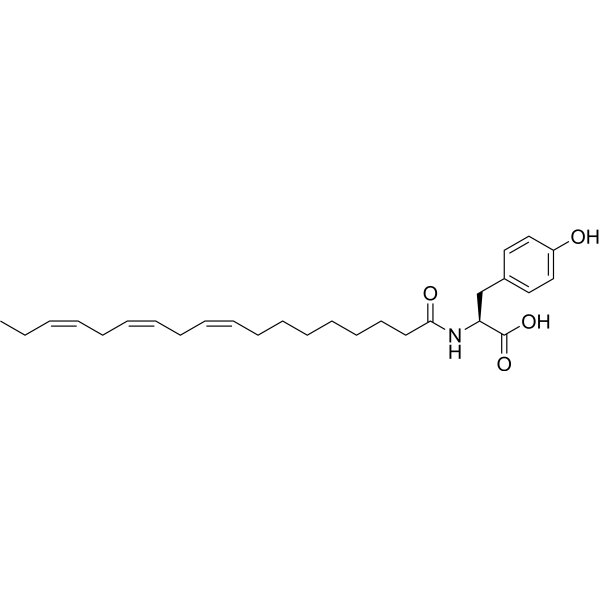
N-(α-Linolenoyl) tyrosine (NLT) is a dopaminergic agonist capable of crossing the blood-brain barrier. N-(α-Linolenoyl) tyrosine increases the level, turnover rate and release amount of dopamine in the striatum. N-(α-Linolenoyl) tyrosine modulates rotational behavior in a rat model with unilateral striatal injury and alleviates excessive blinking symptoms in models induced by dopamine-depleting agents. N-(α-Linolenoyl) tyrosine can be used for research on Parkinson's disease and idiopathic blepharospasm .
|
-
-
- HY-101341
-
|
|
5-HT Receptor
|
Neurological Disease
|
|
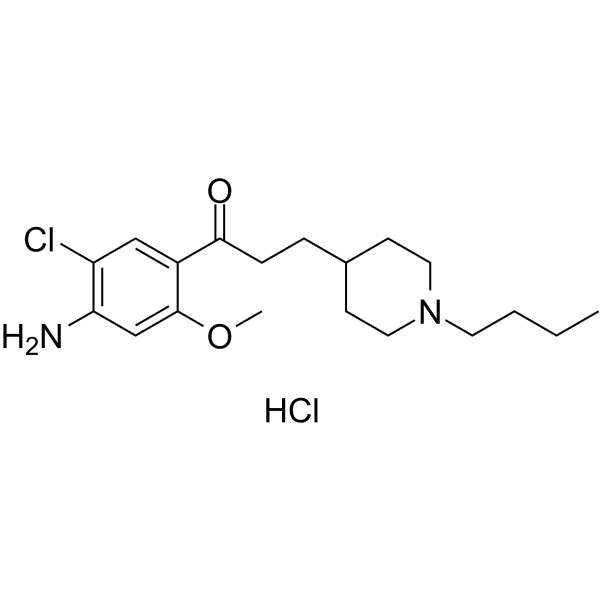
RS 67333 hydrochloride is a potent and selective 5-HT4 receptor (5-HT4R) partial agonist with a pKi of 8.7 in guinea-pig striatum. RS 67333 hydrochloride exhibits lower affinities at several other receptors including 5-HT1A, 5-HT1D, 5-HT2A, 5-HT2C, dopamine D1, D2 and muscarinic M1-M3 receptors. RS 67333 hydrochloride has neuroprotective effects, and can be used for Alzheimer's disease research .
|
-
-
- HY-B1752
-
|
LY 171555; (-)-LY 141865
|
Dopamine Receptor
Calcium Channel
Bcl-2 Family
iGluR
Apoptosis
|
Neurological Disease
|
|
Quinpirole (LY 171555; (-)-LY 141865) is a D2/D3 dopamine receptor agonist and a CaV1.3 calcium channel modulator. Quinpirole normalizes dendritic spine density in dopamine-depleted striatum, upregulates the protein expression of BCL2 and GluR2, downregulates the protein expression of BAX, and delays the onset of seizures. Quinpirole enhances learning and memory, inhibits neuronal apoptosis (apoptosis), and induces anxiety-like, stereotyped, and compulsive behaviors. Quinpirole disrupts prepulse inhibition in rhesus monkeys, enhances the activity of paraventricular thalamic neurons to promote recovery from Isoflurane anesthesia, and alters the composition of the gut microbiota in rats. Quinpirole can be used in research related to dyskinesia, pain, epilepsy, and neurological disorders including anxiety disorder, obsessive-compulsive disorder, and schizophrenia .
|
-
-
- HY-E70199
-
|
APN/CD13
|
Aminopeptidase
|
Cardiovascular Disease
|
|
Aminopeptidase N (rat) (APN/CD13) is a Zn 2+-dependent membrane-bound exopeptidase that preferentially degrades proteins and peptides with N-terminal neutral amino acids. Aminopeptidase N (rat) is inhibited by angiotensin IV and participates in the regulation of angiotensin IV half-life in the rat striatum .
|
-
-
- HY-102050
-
|
|
Phosphodiesterase (PDE)
|
Neurological Disease
|
|
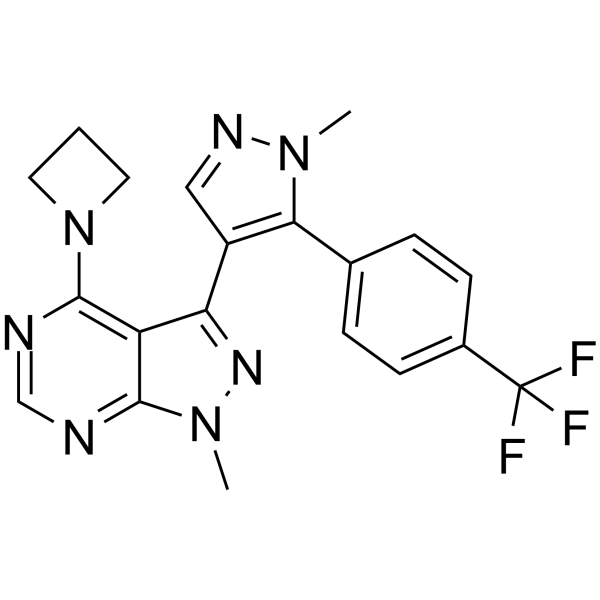
PF-05085727 is a potent, selective and brain penetrant inhibitor of cGMP-dependent PDE2A (IC50=2 nM). PF-05085727 inhibits PDE2A >4,000-fold selectivity over PDE1 and PDE3-11 .
|
-
-
- HY-120511
-
KNT-127
1 Publications Verification
|
Opioid Receptor
|
Neurological Disease
|
|
KNT-127 is a selective and BBB-penetrant δ-opioid receptor (DOR) agonist (Ki = 0.16 nM). KNT-127 is highly selective to the δ receptor, with Ki values of 0.16, 21.3 and 153 nM for δ, μ and κ receptors, respectively. KNT-127 acts as a biased ligand that mainly activates cyclic adenosine monophosphate (cAMP) signaling with lower beta-arrestin signaling activation. KNT-127 increases the release of dopamine and L-glutamate in the striatum, nucleus accumbens, and prefrontal cortex. KNT-127 exhibits antidepressant- and anxiolytic-like effects. KNT-127 can be studied in research on neurological diseases .
|
-
-
- HY-P1764
-
|
|
Dopamine Receptor
|
Neurological Disease
|
|
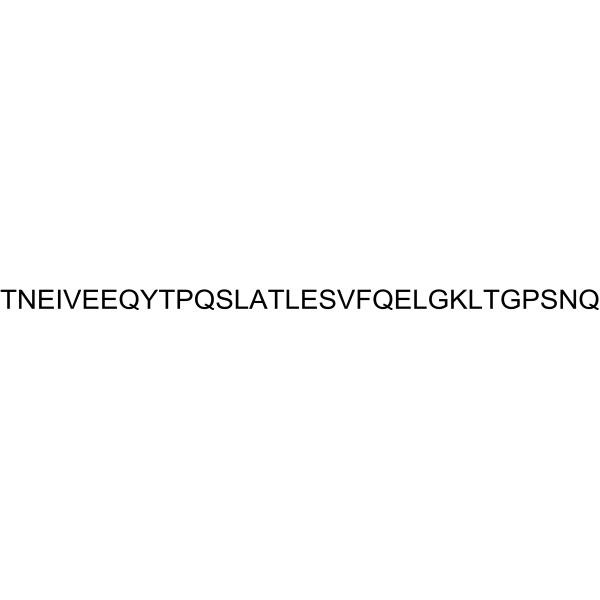
Secretoneurin, rat, a 33-amino acid polypeptide, is generated by proteolytic processing of secretogranin II (SgII). Secretoneurin, rat induces dopamine release in the rat striatum in vivo and in vitro, and it exerts a very strong chemotactic effect on monocytes and eosinophils but not on granulocytes .
|
-
-
- HY-42849A
-
-
-
- HY-160959
-
|
|
nAChR
|
Neurological Disease
|
|
AN317 is a selective agonist for α6β2-containing nicotinic acetylcholine receptor (nAChR) with Ki of 6.2 nM and 4.1 nM, for α6/α3β2β3 receptor and α4β2 receptor, respectively. AN317 induces dopamine release in the synaptosomes of the rat striatum, enhances dopaminergic neuronal activity in substantia nigra, and exhibits protective efficacy to rat neurons against dopamine neurotoxin MPP +. AN317 exhibits good pharmacokinetic characteristics in rats. AN317 penetrates the blood-brain barrier (BB) .
|
-
-
- HY-103430A
-
|
|
Dopamine Receptor
5-HT Receptor
Adenylate Cyclase
|
Neurological Disease
|
|
SKF-83566 is a potent, blood-brain permeable and orally active D1-like dopamine receptor (D1DR) antagonist and a weaker competitive antagonist at the vascular 5-HT2 receptor (Ki=11 nM) . SKF-83566 is a competitive DAT (dopamine transporter) inhibitor with an IC50 of 5.7 μM . SKF-83566 also shows selective inhibition for adenylyl cyclase 2 (AC2) over AC1 and AC5 in the isolated rabbit thoracic aorta . SKF-83566 can be used for research of parkinson’s disease and nicotine craving alleviation .
|
-
-
- HY-NP180
-
|
|
Calcium Channel
|
Metabolic Disease
|
|
Progesterone/BSA is a conjugate of Progesterone (HY-N0437) and bovine serum albumin (BSA). Progesterone/BSA cannot penetrate the plasma membrane of human sperm, but still rapidly elevates intracellular free calcium and induces the acrosome reaction. Progesterone/BSA can also act as a probe to specifically bind to progesterone-binding proteins on the membrane of rat brain synaptosomes .
|
-
-
- HY-106584
-
|
Clospipramine
|
Drug Derivative
Dopamine Receptor
5-HT Receptor
|
Neurological Disease
|
|
Mosapramine (Clospipramine) is an orally active antipsychotic agent and one of the metabolites of Clocapramine (HY-B2073) after oral absorption. Mosapramine exerts its effects by specifically binding to striatal dopamine D2 receptors and frontal lobe 5-HT2 receptors, with a D2/5-HT2 receptor occupancy ratio of 7.4. Mosapramine induces typical neuropharmacological responses in rat brain regions, including extrapyramidal symptoms, hyperprolactinemia, increased salivation, constipation, and upregulated Fos protein expression. Mosapramine also features a reduced incidence of weight loss. Mosapramine is applicable to research related to schizophrenia .
|
-
-
- HY-A0151
-
|
RP 7843; SKF 5883; Thioperazine
|
Dopamine Receptor
|
Neurological Disease
|
|
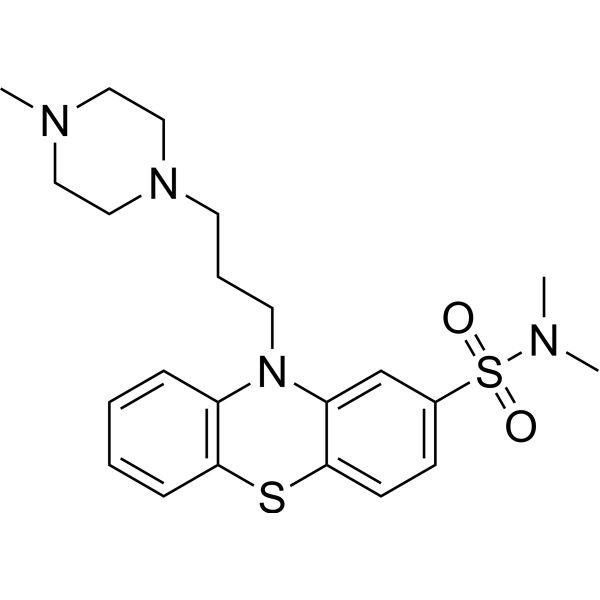
Thioproperazine (RP 7843) is an orally active antipsychotic agent with calming, antiemetic activity. Thioproperazine is effective in promoting the release of dopamine in rat striatum. Thioproperazine can be used in studies of schizophrenia and bipolar disorder .
|
-
-
- HY-124501
-
|
p-NH2-PE-TFMPP
|
5-HT Receptor
|
Neurological Disease
|
|
LY 165163 is a potent 5-HT presynaptic receptor agonist. LY 165163 significantly decreases 5-HTP accumulation and increases DOPA accumulation in the cortex and striatum .
|
-
-
- HY-P3800
-
|
|
Neurokinin Receptor
|
Neurological Disease
Endocrinology
|
|
[Glp5] Substance P (5-11) is an octapeptide. [Glp5] Substance P (5-11) is one of the main substance P fragments in rat central nervous system (CNS). [Glp5] Substance P (5-11) locally modulates dopamine release in rat striatum .
|
-
-
- HY-14547A
-
|
|
Dopamine Receptor
5-HT Receptor
|
Neurological Disease
|
|
Bifeprunox mesylate is a potent dopamine D2-like and 5-HT1A receptor partial agonist with pKis of 7.19 and 8.83 for cortex 5-HT1A and striatum D2, and a pEC50 of 6.37 for hippocampus 5-HT1A, respectively. Bifeprunox mesylate is an antipsychotic for the research of schizophrenia .
|
-
-
- HY-14547
-
|
|
Dopamine Receptor
5-HT Receptor
|
Neurological Disease
|
|
Bifeprunox is a potent dopamine D2-like and 5-HT1A receptor partial agonist with pKis of 7.19 and 8.83 for cortex 5-HT1A and striatum D2, and a pEC50 of 6.37 for hippocampus 5-HT1A, respectively. Bifeprunox is an antipsychotic for the research of schizophrenia .
|
-
-
- HY-42849
-
-
-
- HY-107343R
-
|
Ethyl docosahexaenoate (Standard)
|
Endogenous Metabolite
Reference Standards
|
Neurological Disease
Metabolic Disease
|
|
Docosahexaenoic acid ethyl ester (Standard) is the analytical standard of Docosahexaenoic acid ethyl ester. This product is intended for research and analytical applications. Docosahexaenoic acid ethyl ester (Ethyl docosahexaenoate) is a 90% concentrated ethyl ester of docosahexaenoic acid manufactured from the microalgal oil. Docosahexaenoic acid ethyl ester enhances 6-hydroxydopamine-induced neuronal damage by induction of lipid peroxidation in mouse striatum. Docosahexaenoic acid (DHA) is a key component of the cell membrane, and its peroxidation is inducible due to the double-bond chemical structure. Docosahexaenoic acid has neuroprotective effects .
|
-
-
- HY-B0884
-
|
|
Monoamine Oxidase
Cholinesterase (ChE)
|
Neurological Disease
|
|
Minaprine is a brain-penetrant monoamine oxidase inhibitor. Minaprine also weakly inhibits acetylcholinesterase (AChE) activity. Minaprine reduces intraneuronal dopamine metabolism, lowers striatal homovanillic acid and dihydroxyphenylacetic acid levels, and raises striatal 3-methoxytyramine and 5-hydroxytryptamine levels. Minaprine exhibits convulsant, antidepressant properties .
|
-
-
- HY-12520
-
|
|
Dopamine Receptor
|
Neurological Disease
Cancer
|
|
SKF 38393 is a selective dopamine D1 receptor agonist. SKF 38393 activates the cAMP signaling pathway and promotes dopamine release in the developing rat striatum. SKF 38393 inhibits MCF-7 breast cancer cell proliferation (IC50=0.1 μM). SKF 38393 is promising for research of neurodevelopmental disorders, dopamine-related diseases (e.g., Parkinson’s, dopamine deficiency), and cancers .
|
-
-
- HY-113726
-
|
GYKI52322; EGIS-6775
|
GABA Receptor
|
Neurological Disease
|
|
Nerisopam is an orally active gamma-aminobutyric acid (GABA) receptor agonist. Nerisopam is an anxiolytic and antipsychotic homophthalazine. Nerisopam induces rapid, intense expression of Fos-like immunoreactivity in the rostral, dorsomedial and lateral parts of the striatum in the rat .
|
-
-
- HY-114578
-
|
|
Dopamine Receptor
5-HT Receptor
|
Neurological Disease
|
|
PD 118717 is a selective dopamine (DA) D-2 autoreceptor agonist. PD 118717 has significant affinity for 5-HT1A but not 5-HT1B and 5-HT2 receptors. PD 118717 is active in antagonizing the tau-Butyrolactone-induced accumulation of dopa in rat striatum and mesolimbic regions. PD 118717 exhibits an antipsychotic-like profile .
|
-
-
- HY-14197AR
-
|
|
Monoamine Oxidase
Reference Standards
|
Metabolic Disease
|
Clorgyline hydrochloride (Standard) is the analytical standard of Clorgyline hydrochloride. This product is intended for research and analytical applications. Clorgyline hydrochloride is an irreversible and selective inhibitor of monoamine oxidase A (MAO-A) that is used in scientific research, structurally related to Pargyline (HY-A0091A). Clorgyline hydrochloride has little effect on the amounts of conjugated dopamine (DA) present in superfusate of slices from rat striatum. Clorgyline hydrochloride contains an Alkyne group and can undergo copper-catalyzed azide-alkyne cycloaddition (CuAAc) with molecules containing Azide groups .
|
-
-
- HY-136800
-
|
|
Thyroid Hormone Receptor
|
Endocrinology
|
|
Posatirelin, a TRH analog, increases monoamine metabolites in the cerebral cortex, nucleus accumbens,
and striatum, and possibly exerts CNS activating effects through a modification of several neurotransmitter systems .
|
-
-
- HY-19061
-
|
|
COMT
|
Neurological Disease
|
CGP 28014 is a catechol-O-methyltransferase inhibitor. CGP 28014 can lower HVA levels and increase DOPAC levels in the striatum of rats, making it useful for research on Parkinson's disease .
|
-
-
- HY-19845A
-
|
ACR-325 hydrochloride
|
Dopamine Receptor
|
Neurological Disease
|
|
Ordopidine hydrochloride is a modulator of dopamine receptor extracted from patent WO/2005/121087A1, compound example 2; exhibits an ED50 of 68 μmol/kg on increase of DOPAC in the rat striatum.
|
-
-
- HY-117162
-
|
|
Cholinesterase (ChE)
|
Neurological Disease
|
|
S 1432 is a central nervous system depressant with anticonvulsant and muscle relaxant effects. S 1432 significantly reduces acetylcholine levels in the striatum inhibits convulsions induced by pentylenetetrazol. S 1432 can be used in the development of psychotropic drugs .
|
-
-
- HY-101342
-
|
|
5-HT Receptor
|
Neurological Disease
|
|
RS 67506 hydrochloride is a 5-HT4 receptor agonist. The pKi value of RS 67506 hydrochloride for 5-HT4 in guinea pig striatum is 8.8. RS 67506 hydrochloride can be used in neuro-related research .
|
-
-
- HY-106437
-
|
|
GABA Receptor
|
Neurological Disease
|
|
ELB-139 is a progesterone analogue. ELB-139 is a GABAA receptor partial agonist. ELB-139 has anxiolytic and anticonvulsant activity. ELB-139 induces increase of extracellular 5-HT in the striatum and the medial prefrontal cortex of rats .
|
-
-
- HY-119385
-
|
|
Dopamine Receptor
|
Neurological Disease
|
|
Savoxepin mesylate is a D2 dopamine receptor (D2 Dopamine Receptor) antagonist with antipsychotic activity. Savoxepin mesylate selectively blocks dopamine D2 receptors in the hippocampus while having no significant effect on D2 receptors in the striatum. This selective blockade helps reduce the risk of extrapyramidal side effects (EPS) .
|
-
-
- HY-106153B
-
|
|
Sigma Receptor
|
Neurological Disease
|
|
E-5842 citrate is a σ receptor ligand (Ki: 4 nM for σ1 receptor). E-5842 citrate increases levels of Fos in the medial prefrontal cortex and the nucleus accumbens, without affecting the levels of the protein in the striatum. E-5842 citrate can be used in the research of psychiatric disorders .
|
-
-
- HY-110024A
-
|
|
5-HT Receptor
|
Neurological Disease
|
|
S-14506 hydrochloride is a potent 5-HT1A agonist. S-14506 hydrochloride displays dopamine antagonist properties by blocking dopamine D2 receptors. S-14506 hydrochloride inhibits the in vivo binding of [3H]raclopride in striatum and olfactory bulbs. S-14506 hydrochloride has the potential for the research of anxiolytic agent .
|
-
-
- HY-P2307
-
|
|
iGluR
NO Synthase
|
Neurological Disease
|
|
Tat-NR2BAA is the control peptide of Tat-NR2B9c (HY-P0117), inactive. The sequence of Tat-NR2BAA is similar to Tat-NR2B9c, but it has a double-point mutation in the COOH terminal tSXV motif, making it incapable of binding PSD-95. Tat-NR2B9c is a membrane-permeant peptide and disrupts PSD-95/NMDAR binding, correlate with uncoupling NR2B- and/or NR2A-type NMDARs from PSD-95 .
|
-
-
- HY-42849AR
-
|
LIN-1418 hydrochloride (Standard)
|
Dopamine Receptor
Reference Standards
|
Neurological Disease
|
|
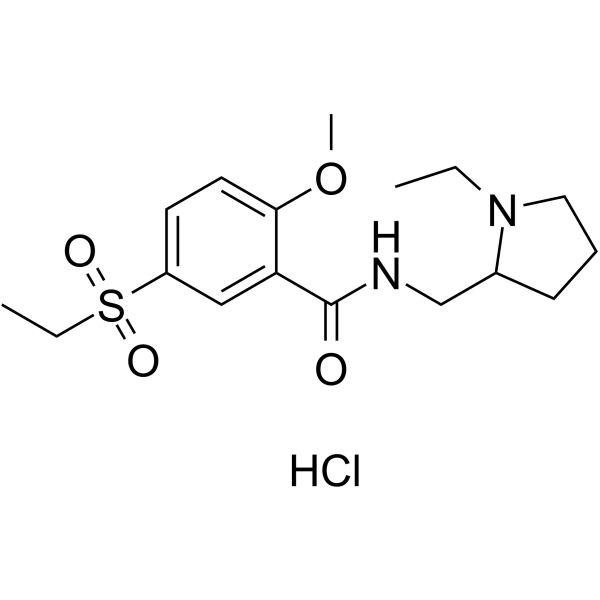
Sultopride hydrochloride (Standard) is the analytical standard of Sultopride hydrochloride. This product is intended for research and analytical applications. Sultopride hydrochloride (LIN-1418 hydrochloride) is a selective antagonist of dopamine D2 receptor.
|
-
-
- HY-P2307A
-
|
|
iGluR
NO Synthase
|
Neurological Disease
|
|
Tat-NR2BAA TFA is the control peptide of Tat-NR2B9c (HY-P0117), inactive. The sequence of Tat-NR2BAA TFA is similar to Tat-NR2B9c, but it has a double-point mutation in the COOH terminal tSXV motif, making it incapable of binding PSD-95. Tat-NR2B9c is a membrane-permeant peptide and disrupts PSD-95/NMDAR binding, correlate with uncoupling NR2B- and/or NR2A-type NMDARs from PSD-95 .
|
-
-
- HY-119409
-
-
-
- HY-153127
-
|
AV-133
|
Biochemical Assay Reagents
|
Neurological Disease
|
|
Florbenazine (AV-133) is a diagnostic imaging agent targeting the central nervous system monoamine transporter VMAT2, and its F-18 labeled form can be used for PET scanning. The biodistribution of [18F]Florbenazine in mice shows a high striatum/cerebellum ratio (0.48), which can be used for the diagnostic research of neurodegenerative diseases (including dementia with Lewy bodies and Parkinson's disease) .
|
-
-
- HY-110024
-
|
|
5-HT Receptor
Dopamine Receptor
|
Neurological Disease
|
|
S-14506 hydrochloride is a potent 5-HT1A agonist, as well as 5-HT2A/2C antagonist. S-14506 hydrochloride displays dopamine antagonist properties by blocking dopamine D2 receptors. S-14506 hydrochloride inhibits the in vivo binding of [3H]raclopride in striatum and olfactory bulbs. S-14506 hydrochloride has the potential for the research of anxiolytic agent .
|
-
-
- HY-107343S
-
|
Ethyl docosahexaenoate-d5
|
Isotope-Labeled Compounds
|
Neurological Disease
Metabolic Disease
|
|
Docosahexaenoic acid ethyl ester-d5 is the deuterium labeled Docosahexaenoic acid ethyl ester. Docosahexaenoic acid ethyl ester (Ethyl docosahexaenoate) is a 90% concentrated ethyl ester of docosahexaenoic acid manufactured from the microalgal oil. Docosahexaenoic acid ethyl ester enhances 6-hydroxydopamine-induced neuronal damage by induction of lipid peroxidation in mouse striatum. Docosahexaenoic acid (DHA) is a key component of the cell membrane, and its peroxidation is inducible due to the double-bond chemical structure. Docosahexaenoic acid has neuroprotective effects .
|
-
-
- HY-107343S1
-
|
Ethyl docosahexaenoate-d5-1
|
Isotope-Labeled Compounds
|
Others
|
|
Docosahexaenoic acid ethyl ester-d5-1 is the deuterium labeled Docosahexaenoic acid ethyl ester. Docosahexaenoic acid ethyl ester (Ethyl docosahexaenoate) is a 90% concentrated ethyl ester of docosahexaenoic acid manufactured from the microalgal oil. Docosahexaenoic acid ethyl ester enhances 6-hydroxydopamine-induced neuronal damage by induction of lipid peroxidation in mouse striatum. Docosahexaenoic acid (DHA) is a key component of the cell membrane, and its peroxidation is inducible due to the double-bond chemical structure. Docosahexaenoic acid has neuroprotective effects .
|
-
-
- HY-19845
-
|
ACR-325
|
Dopamine Receptor
|
Neurological Disease
|
|
Ordopidine is a dopamine D2 receptor antagonist. Ordopidine can inhibit hyperactivity caused by psychostimulants. Ordopidine can be used in neurological research .
|
-
- HY-100426A
-
|
MKC242
|
5-HT Receptor
|
Neurological Disease
|
|
Osemozotan hydrochloride (MKC242) is a selective 5-HT1A receptor agonist. Osemozotan hydrochloride decreases the number of c-Fos-positive cells caused by MAMP in mice. Osemozotan hydrochloride can be used for the research of depressive disorder .
|
-
- HY-103430
-
|
|
Dopamine Receptor
5-HT Receptor
Adenylate Cyclase
|
Neurological Disease
|
|
SKF-83566 hydrobromide is a potent, blood-brain permeable and orally active D1-like dopamine receptor (D1DR) antagonist and a weaker competitive antagonist at the vascular 5-HT2 receptor (Ki=11 nM) . SKF-83566 is a competitive DAT (dopamine transporter) inhibitor with an IC50 of 5.7 μM . SKF-83566 also shows selective inhibition for adenylyl cyclase 2 (AC2) over AC1 and AC5 in the isolated rabbit thoracic aorta . SKF-83566 can be used for the research of parkinson’s disease and nicotine craving alleviation .
|
-
- HY-171328
-
|
|
Dopamine Receptor
|
Neurological Disease
|
|
RG-15 is the orally active antagonist for dopamine receptor that exhibits goof affinity to human D2 receptor and human D3 receptor with pKi of 8.23 and 10.49. RG-15 inhibits dopamine-stimulated [ 35S]GTPγS binding with IC50 of 21.2 nM (rat striatal membranes), 36.7 nM (mouse A9 cells expressing human D2L receptors) and 7.2 nM (CHO cells expressing human D3 receptors). RG-15 increases the turnover and biosynthesis of dopamine in mouse striatum and olfactory bulb, exhibiting antipsychotic activity .
|
-
- HY-169831
-
|
|
α-synuclein
|
Neurological Disease
|
|
HUP-55 is a prolyl endopeptidase inhibitor (IC50 = 5 nM). HUP-55 reduces the dimerization of α-synuclein in Neuro2a cells and induces autophagy (Autophagy) in HEK293 cells. It also decreases the increase in reactive oxygen species (ROS) production induced by hydrogen peroxide in SH-SY5Y cells at a concentration of 10 μM. In a mouse Parkinson’s disease model, HUP-55 (10 mg/kg) improves motor function (reduces the use frequency of the impaired paw) and decreases the levels of harmful oligomers of α-synuclein in the striatum caused by overexpression of α-synuclein .
|
-
- HY-165492
-
|
|
Reactive Oxygen Species (ROS)
NF-κB
Apoptosis
|
Neurological Disease
Inflammation/Immunology
|
|
OPC-14117 is an orally active superoxide radical scavenger that can cross the blood-brain barrier. OPC-14117 inhibits the oxidative stress cascade reaction, significantly reducing the increase in tissue osmotic pressure and alleviating brain edema in the brain contusion model. OPC-14117 blocks the NF-κB-dependent apoptotic pathway in the striatum neuron apoptosis model induced by Quinolinic acid (HY-100807). OPC-14117 can reduce the necrotic volume, protect hippocampal CA3 neurons and restore cognitive function. OPC-14117 can be used to study secondary brain injury and improve neurological prognosis .
|
-
- HY-W587743
-
|
AMK hydrochloride
|
Prostaglandin Receptor
PGE synthase
COX
Reactive Oxygen Species (ROS)
|
Neurological Disease
Metabolic Disease
|
|
N1-Acetyl-5-methoxykynuramine (AMK) hydrochloride is an active metabolite of the neurohormone melatonin (HY-B0075). N1-Acetyl-5-methoxykynuramine hydrochloride (200 µM) effectively scavenges singlet oxygen (ROS).1 It also inhibits the production of prostaglandin E2 (PGE2) and prostaglandin D2 (PGD2) induced by epinephrine and arachidonic acid in a concentration- and time-dependent manner, and suppresses the increase in COX-2 levels induced by LPS (HY-D1056) in RAW 264.7 macrophages at a concentration of 500 µM. In a mouse model of Parkinson's disease induced by MPTP (HY-15608), N1-Acetyl-5-methoxykynuramine hydrochloride (20 mg/kg) reduces the increase in lipid peroxidation in the cytosol and mitochondria of the substantia nigra and striatum. N1-Acetyl-5-methoxykynuramine hydrochloride can be used in research on metabolic and neurological diseases
|
-
- HY-167674
-
-
- HY-N2332
-
|
MLA
|
nAChR
|
Neurological Disease
|
|
Methyllycaconitine (MLA) is a potent, selective, CNS-penetrant, competitive α7nAChR antagonist. Methyllycaconitine alleviates amyloid-β peptides-induced cytotoxicity in SH-SY5Y cells. Methyllycaconitine prevents methamphetamine-induced effects in mouse striatum. Methyllycaconitine can be used for neurological disease research, such as Alzheimer’s disease .
|
-
- HY-14835
-
|
SSR240600
|
Others
|
Others
|
|
Burapitant (SSR240600) is a compound that modulates cholinergic transmission and regulates acetylcholine release in the limbic/prefrontal region of the rat striatum, with its effects being influenced by the interaction of 5-HT? and 5-HT? receptors.
|
-
- HY-168167
-
|
|
Endogenous Metabolite
|
Neurological Disease
|
|
BuChE-IN-14 is a novel compound that selectively inhibits acetylcholinesterase (AChE) activity. BuChE-IN-14 showed a concentration-dependent inhibitory effect on AChE in rat brain in vitro experiments. BuChE-IN-14 can increase the extracellular acetylcholine (ACh) concentration in the rat hippocampus and striatum at a certain dose. BuChE-IN-14 may help improve memory impairment caused by cholinergic dysfunction .
|
-
- HY-W415753
-
|
VUFB-15754
|
Drug Derivative
|
Neurological Disease
Inflammation/Immunology
|
|
Alaptide, a spirocyclic synthetic dipeptide and a derivative of melanocyte-stimulating hormone release-inhibiting factor (MIF), is a transdermal permeation modifier. Alaptide loaded on nanofibrous membranes accelerates the healing of skin incisions, particularly the healing of skin burns.
Alaptide is a nootropic agent, that influences the dopaminergic system and increases homovanillic acid level in the striatum of rat models. Alaptide can be used for wound healing with large damaged areas and neurological diseases research .
|
-
- HY-102050R
-
|
|
Reference Standards
Phosphodiesterase (PDE)
|
Neurological Disease
|
|
PF-05085727 (Standard) is the analytical standard of PF-05085727 (HY-102050). This product is intended for research and analytical applications. PF-05085727 is a potent, selective and brain penetrant inhibitor of cGMP-dependent PDE2A (IC50=2 nM). PF-05085727 inhibits PDE2A >4,000-fold selectivity over PDE1 and PDE3-11 .
|
-
- HY-12520C
-
|
|
Drug Isomer
Dopamine Receptor
|
Neurological Disease
|
|
(S)-SKF 38393 (Compound 7) is the S-enantiomer of SKF 38393 (HY-12520). (S)-SKF 38393 shows no activity against the D1 dopamine receptor, with an IC50 of 10700 nM. (S)-SKF 38393 can be used in the research of neurological diseases .
|
-
- HY-123446
-
|
|
Phosphodiesterase (PDE)
|
Neurological Disease
|
|
JNJ-42259152 is a phosphodiesterase 10A (PDE10A) positron emission tomography (PET) tracer that is specific for PDE10A activity. JNJ-42259152 can be dynamically scanned in healthy volunteers to assess its kinetic properties in the brain. The half-life of JNJ-42259152 in the blood is an average of 90 minutes. JNJ-42259152 has demonstrated reliable binding potential (BPND) in different target areas (such as the lentiform nucleus, caudate nucleus, ventral striatum, etc.), providing an important tool for studying neuropsychiatric diseases .
|
-
- HY-123497
-
|
|
Neurokinin Receptor
|
Neurological Disease
|
|
R116031 is a selective Neurokinin-1 (NK-1) receptor antagonist with a Ki of 0.45 nM for human NK-1 receptor. R116031 inhibits Substance P (HY-P0201)-induced peripheral effects (skin reactions and plasma extravasation in guinea pigs) and a central effect (thumping in gerbils).R116031 labeled with 3H significantly accumulate in the striatum, olfactory tubercule, olfactory bulb and locus coeruleus in gerbils models. R116031 can be used as a positron emission tomography (PET) ligand for PET imaging .
|
-
- HY-182504
-
|
|
Dopamine Receptor
5-HT Receptor
Adrenergic Receptor
|
Neurological Disease
|
|
NRA‑0562 is a dopamine antagonist with high affinities for dopamine D1/D2/D3/D4, 5‑HT2A and α1‑adrenoceptors. NRA-0562 dose‑dependently reverses induced suppression of firing activity in rat A9 and A10 midbrain dopamine neurons, with preferential potency at A10 neurons (ED50 = 0.3 mg/kg). NRA-0562 elevates Fos-like immunoreactivity in rat nucleus accumbens and dorsolateral striatum. NRA-0562 can be used for preclinical research on schizophrenia . .
|
-
- HY-103430AR
-
|
|
Reference Standards
Dopamine Receptor
5-HT Receptor
Adenylate Cyclase
|
Neurological Disease
|
|
SKF-83566 (Standard) is the analytical standard of SKF-83566 (HY-103430A). This product is intended for research and analytical applications. SKF-83566 is a potent, blood-brain permeable and orally active D1-like dopamine receptor (D1DR) antagonist and a weaker competitive antagonist at the vascular 5-HT2 receptor (Ki=11 nM) . SKF-83566 is a competitive DAT (dopamine transporter) inhibitor with an IC50 of 5.7 μM . SKF-83566 also shows selective inhibition for adenylyl cyclase 2 (AC2) over AC1 and AC5 in the isolated rabbit thoracic aorta . SKF-83566 can be used for research of parkinson’s disease and nicotine craving alleviation .
|
-
- HY-101341R
-
|
|
5-HT Receptor
Reference Standards
|
Neurological Disease
|
|
RS 67333 (hydrochloride) (Standard) is the analytical standard of RS 67333 (hydrochloride) (HY-101341). This product is intended for research and analytical applications. RS 67333 hydrochloride is a potent and selective 5-HT4 receptor (5-HT4R) partial agonist with a pKi of 8.7 in guinea-pig striatum. RS 67333 hydrochloride exhibits lower affinities at several other receptors including 5-HT1A, 5-HT1D, 5-HT2A, 5-HT2C, dopamine D1, D2 and muscarinic M1-M3 receptors. RS 67333 hydrochloride has neuroprotective effects, and can be used for Alzheimer's disease research .
|
-
- HY-182518
-
|
|
Adenosine Receptor
|
Neurological Disease
|
|
MDL-102234 is a potent and selective adenosine A1 receptor antagonist with a Ki value of 23.2 nM at the adenosine A1 receptor. MDL-102234 can be used for the study of cognition enhancement-related neural functions .
|
-
- HY-116244
-
|
|
iGluR
|
Cardiovascular Disease
Neurological Disease
|
|
Ro 48-8587 is a selective AMPA receptor antagonist with an IC50 of 8 nM. Ro 48-8587 functionally inhibits AMPA receptor activity, blocks AMPA-induced depolarization of rat cortical wedges. Ro 48-8587 can be used for the research of ischaemia and seizures .
|
-
- HY-180422
-
|
|
Dopamine Receptor
|
Neurological Disease
|
|
(-)-UH 232 is a central dopamine (DA) receptor agonist. (-)-UH 232 weakly decreases 3, 4-dihydroxyphenylalanine (DOPA) formation in striatal and limbic brain regions in rats. (-)-UH 232 can be used for the research of neurological diseases including parkinson's disease and schizophrenia .
|
-
| Cat. No. |
Product Name |
Type |
-
- HY-NP180
-
|
|
Biochemical Assay Reagents
|
|
Progesterone/BSA is a conjugate of Progesterone (HY-N0437) and bovine serum albumin (BSA). Progesterone/BSA cannot penetrate the plasma membrane of human sperm, but still rapidly elevates intracellular free calcium and induces the acrosome reaction. Progesterone/BSA can also act as a probe to specifically bind to progesterone-binding proteins on the membrane of rat brain synaptosomes .
|
| Cat. No. |
Product Name |
Target |
Research Area |
-
- HY-145512
-
|
NLT
|
Dopamine Receptor
|
Neurological Disease
|
|
N-(α-Linolenoyl) tyrosine (NLT) is a dopaminergic agonist capable of crossing the blood-brain barrier. N-(α-Linolenoyl) tyrosine increases the level, turnover rate and release amount of dopamine in the striatum. N-(α-Linolenoyl) tyrosine modulates rotational behavior in a rat model with unilateral striatal injury and alleviates excessive blinking symptoms in models induced by dopamine-depleting agents. N-(α-Linolenoyl) tyrosine can be used for research on Parkinson's disease and idiopathic blepharospasm .
|
-
- HY-P1764
-
|
|
Dopamine Receptor
|
Neurological Disease
|
|
Secretoneurin, rat, a 33-amino acid polypeptide, is generated by proteolytic processing of secretogranin II (SgII). Secretoneurin, rat induces dopamine release in the rat striatum in vivo and in vitro, and it exerts a very strong chemotactic effect on monocytes and eosinophils but not on granulocytes .
|
-
- HY-P3800
-
|
|
Neurokinin Receptor
|
Neurological Disease
Endocrinology
|
|
[Glp5] Substance P (5-11) is an octapeptide. [Glp5] Substance P (5-11) is one of the main substance P fragments in rat central nervous system (CNS). [Glp5] Substance P (5-11) locally modulates dopamine release in rat striatum .
|
-
- HY-P2307
-
|
|
iGluR
NO Synthase
|
Neurological Disease
|
|
Tat-NR2BAA is the control peptide of Tat-NR2B9c (HY-P0117), inactive. The sequence of Tat-NR2BAA is similar to Tat-NR2B9c, but it has a double-point mutation in the COOH terminal tSXV motif, making it incapable of binding PSD-95. Tat-NR2B9c is a membrane-permeant peptide and disrupts PSD-95/NMDAR binding, correlate with uncoupling NR2B- and/or NR2A-type NMDARs from PSD-95 .
|
-
- HY-P2307A
-
|
|
iGluR
NO Synthase
|
Neurological Disease
|
|
Tat-NR2BAA TFA is the control peptide of Tat-NR2B9c (HY-P0117), inactive. The sequence of Tat-NR2BAA TFA is similar to Tat-NR2B9c, but it has a double-point mutation in the COOH terminal tSXV motif, making it incapable of binding PSD-95. Tat-NR2B9c is a membrane-permeant peptide and disrupts PSD-95/NMDAR binding, correlate with uncoupling NR2B- and/or NR2A-type NMDARs from PSD-95 .
|
| Cat. No. |
Product Name |
Category |
Target |
Chemical Structure |
-
- HY-B2194
-
-
-
- HY-113149A
-
|
|
Classification of Application Fields
Ketones, Aldehydes, Acids
Endogenous metabolite
Inflammation/Immunology
Disease Research Fields
Source Classification
|
Endogenous Metabolite
Reactive Oxygen Species (ROS)
|
|
Argininosuccinic acid disodium is an intermediate metabolite in the urea cycle, and its level is associated with argininosuccinic aciduria. Argininosuccinic acid disodium can induce oxidative stress, leading to lipid and protein oxidation, reduction of glutathione, and decrease in antioxidant enzyme activity. Argininosuccinic acid disodium can be converted into guanidinosuccinic acid, a nitric oxide mimic, under the action of nitric oxide-derived free radicals. Argininosuccinic acid disodium can be used in the research of metabolic diseases, renal failure, nervous system diseases, etc .
|
-
-
- HY-113149
-
|
|
Human Gut Microbiota Metabolites
Microorganisms
Classification of Application Fields
Ketones, Aldehydes, Acids
Endogenous metabolite
Inflammation/Immunology
Disease Research Fields
Source Classification
|
Endogenous Metabolite
Reactive Oxygen Species (ROS)
|
|
Argininosuccinic acid is an intermediate metabolite in the urea cycle, and its level is associated with argininosuccinic aciduria. Argininosuccinic acid can induce oxidative stress, leading to lipid and protein oxidation, reduction of glutathione, and decrease in antioxidant enzyme activity. Argininosuccinic acid can be converted into guanidinosuccinic acid, a nitric oxide mimic, under the action of nitric oxide-derived free radicals. Argininosuccinic acid can be used in the research of metabolic diseases, renal failure, nervous system diseases, etc .
|
-
-
- HY-N2332
-
-
| Cat. No. |
Product Name |
Chemical Structure |
-
- HY-107343S
-
|
|
|
Docosahexaenoic acid ethyl ester-d5 is the deuterium labeled Docosahexaenoic acid ethyl ester. Docosahexaenoic acid ethyl ester (Ethyl docosahexaenoate) is a 90% concentrated ethyl ester of docosahexaenoic acid manufactured from the microalgal oil. Docosahexaenoic acid ethyl ester enhances 6-hydroxydopamine-induced neuronal damage by induction of lipid peroxidation in mouse striatum. Docosahexaenoic acid (DHA) is a key component of the cell membrane, and its peroxidation is inducible due to the double-bond chemical structure. Docosahexaenoic acid has neuroprotective effects .
|
-
-
- HY-107343S1
-
|
|
|
Docosahexaenoic acid ethyl ester-d5-1 is the deuterium labeled Docosahexaenoic acid ethyl ester. Docosahexaenoic acid ethyl ester (Ethyl docosahexaenoate) is a 90% concentrated ethyl ester of docosahexaenoic acid manufactured from the microalgal oil. Docosahexaenoic acid ethyl ester enhances 6-hydroxydopamine-induced neuronal damage by induction of lipid peroxidation in mouse striatum. Docosahexaenoic acid (DHA) is a key component of the cell membrane, and its peroxidation is inducible due to the double-bond chemical structure. Docosahexaenoic acid has neuroprotective effects .
|
-
| Cat. No. |
Product Name |
|
Classification |
-
- HY-14197A
-
|
|
|
Alkynes
|
Clorgyline hydrochloride is an irreversible and selective inhibitor of monoamine oxidase A (MAO-A) that is used in scientific research, structurally related to Pargyline (HY-A0091A). Clorgyline hydrochloride has little effect on the amounts of conjugated dopamine (DA) present in superfusate of slices from rat striatum. Clorgyline hydrochloride contains an Alkyne group and can undergo copper-catalyzed azide-alkyne cycloaddition (CuAAc) with molecules containing Azide groups .
|
Your information is safe with us. * Required Fields.
Inquiry Information
- Product Name:
- Cat. No.:
- Quantity:
- MCE Japan Authorized Agent:

