52 Results for "

stripping

" in MedChemExpress (MCE) Product Catalog:
Products (52)

52 Results for "stripping" in MCE Product Catalog:

10
10 Publications Verification
Cat. No.: HY-15259
CAS No.: 591778-68-6
Purity:  99.72%
Research Areas:  

Metabolic Disease

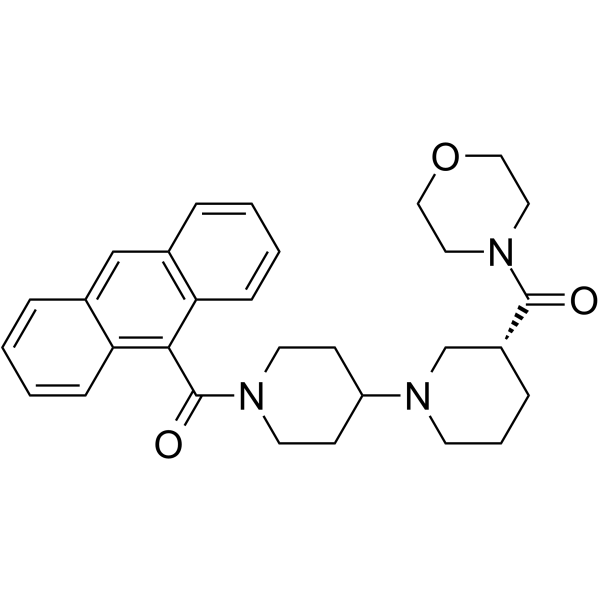
CP-640186 is an orally active and cell-permeable Acetyl-CoA carboxylase (ACC) inhibitor with IC50s of 53 nM and 61 nM for rat liver ACC1 and rat skeletal muscle ACC2 respectively. Acetyl-CoA carboxylase (ACC) is a key enzyme of fatty acid metabolism that enables the synthesis of malonyl-CoA. CP-640186 can also stimulate muscle fatty acid oxidation .
10
10 Publications Verification
Cat. No.: HY-15259A
CAS No.: 591778-70-0
Purity:  99.90%
Research Areas:  

Metabolic Disease

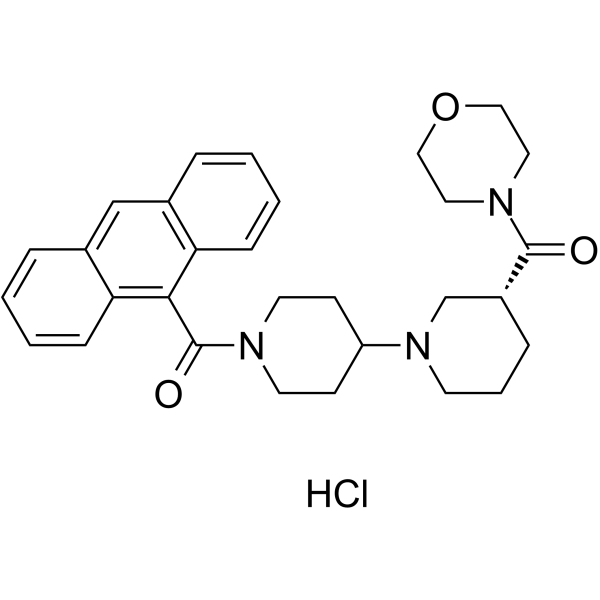
CP-640186 hydrochloride is an orally active and cell-permeable Acetyl-CoA carboxylase (ACC) inhibitor with IC50s of 53 nM and 61 nM for rat liver ACC1 and rat skeletal muscle ACC2 respectively. Acetyl-CoA carboxylase (ACC) is a key enzyme of fatty acid metabolism that enables the synthesis of malonyl-CoA. CP-640186 hydrochloride can also stimulate muscle fatty acid oxidation .
1
1 Cited Publications
Cat. No.: HY-114367
CAS No.: 15674-58-5
Purity:  98.83%
Synonyms: Delphinidin 3-O-rutinoside chloride
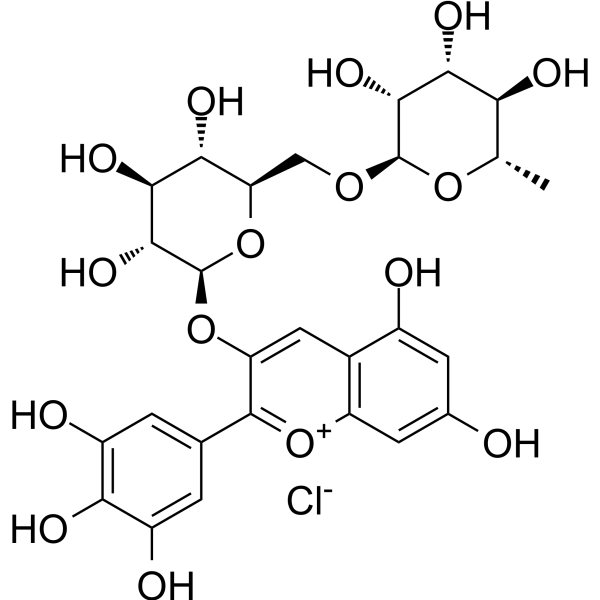
Delphinidin 3-rutinoside chloride is an anthocyanin component. Delphinidin 3-rutinoside chloride is isolable from the fruits of blackcurrant Ribes nigrum L. Delphinidin 3-rutinoside chloride activates the ETB receptor and stimulates the NO/cGMP pathway. Delphinidin 3-rutinoside chloride increases cyclic guanosine monophosphate production and reduces the phosphorylation level of Myosin regulatory light chain. Delphinidin 3-rutinoside chloride stimulates GLP-1 secretion. It significantly induces relaxation of bovine ciliary muscle strips contracted by ET-1 and inhibits ET-1-induced contraction of bovine ciliary muscle strips. Delphinidin 3-rutinoside chloride is applicable to research related to type 2 diabetes .
1
1 Cited Publications
Cat. No.: HY-103186
CAS No.: 264622-53-9
Purity:  98.07%
Target:  

Adenosine Receptor

Research Areas:  

Inflammation/Immunology

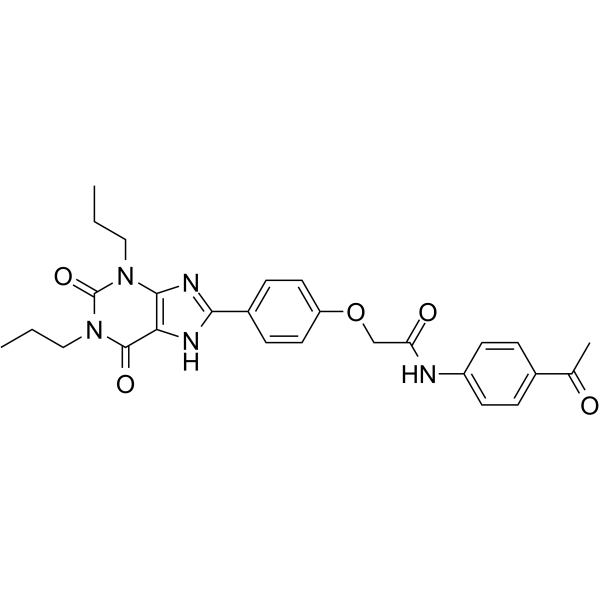
MRS-1706 is a potent and selective adenosine A2B receptor inverse agonist. MRS-1706 has Ki values of 1.39, 112, 157, and 230 nM for human A2B, A2A, A1 and A3 receptors respectively. MRS-1706 blocks adenosine-mediated cAMP induction .
1
1 Cited Publications
Cat. No.: HY-N3198A
CAS No.: 6882-66-2
Synonyms: (-)-Sophoramine
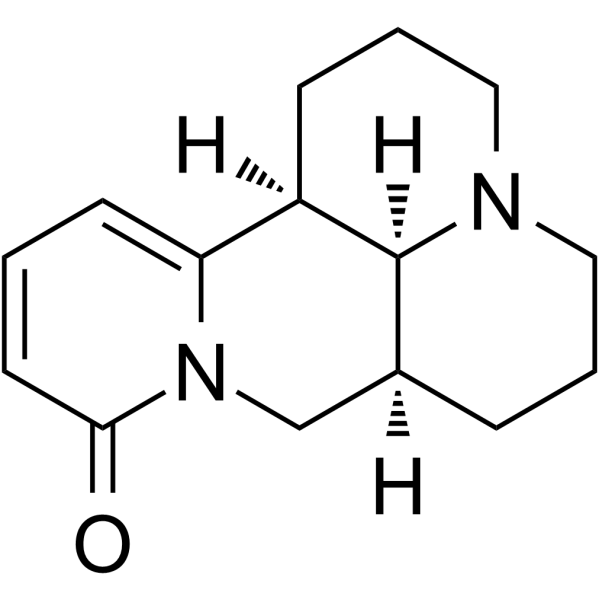
Sophoramine ((-)-Sophoramine) is a prejunctional α2-adrenoceptor inhibitor that can be found in the seeds of Sophora alopecuroides. Sophoramine inhibits prejunctional α2-adrenoceptors to facilitate norepinephrine release from adrenergic nerves. Sophoramine shows cytotoxic activity against human cancer cells, positive inotropic activity, and activity in rodent arrhythmia models. Sophoramine can be used for the research of arrhythmias .
Cat. No.: HY-59132
CAS No.: 7568-93-6
2-Amino-1-phenylethanol is a pharmaceutical intermediate that can be used for the synthesis of antimalarial agents and β2-adrenergic receptor agonists .
Cat. No.: HY-101366
CAS No.: 107756-30-9
Purity:  ≥99.0%
Target:  

Adrenergic Receptor

Research Areas:  

Endocrinology

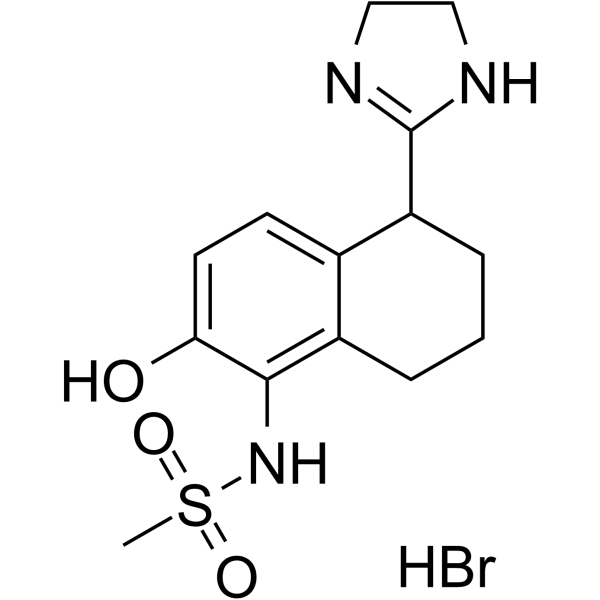
A-61603 is a selective α1A/α1a-adrenergic receptor agonist with Ki of 8.89 nM for rat submaxillary gland α1A, Ki of 30.5 nM for cloned bovine α1a. A-61603 potentiates Ca 2+ transients with EC50 of 6.9 nM. A-61603 stimulates phosphoinositide hydrolysis, induces contractile responses in vas deferens, prostate strips, and spleen strips, and exhibits low activity in aortic rings. A-61603 can be used for research on adrenergic function .
Cat. No.: HY-D0800
CAS No.: 1667-99-8
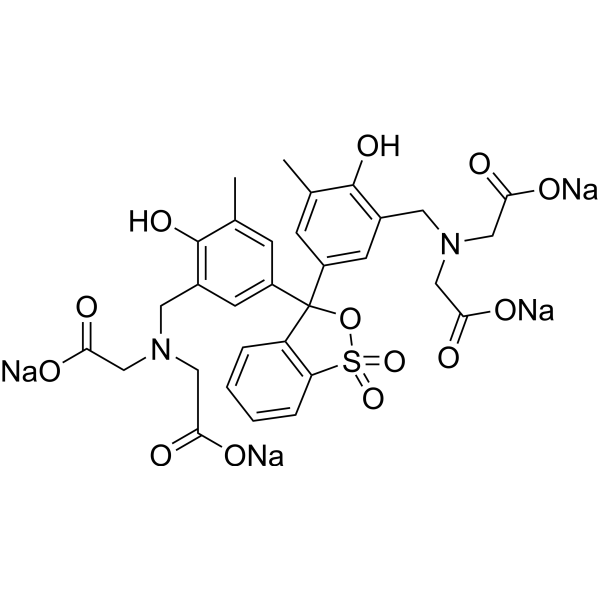
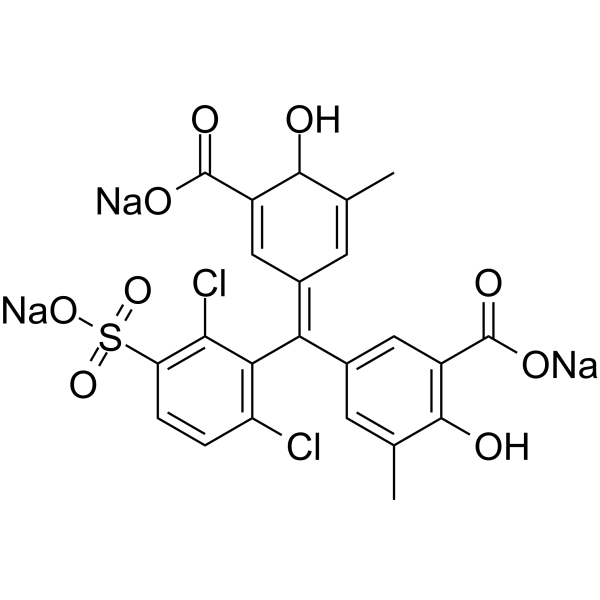
Chromeazurol S is a compound belonging to the class of azo dyes. It is often used as an indicator in analytical chemistry to detect metal ions such as copper, nickel, and cobalt. Chromeazurol S turns from yellow to blue in the presence of metal ions, allowing them to be detected and quantified. It can be applied to a test strip or added directly to a solution for analysis.
Cat. No.: HY-N6066
CAS No.: 78478-28-1
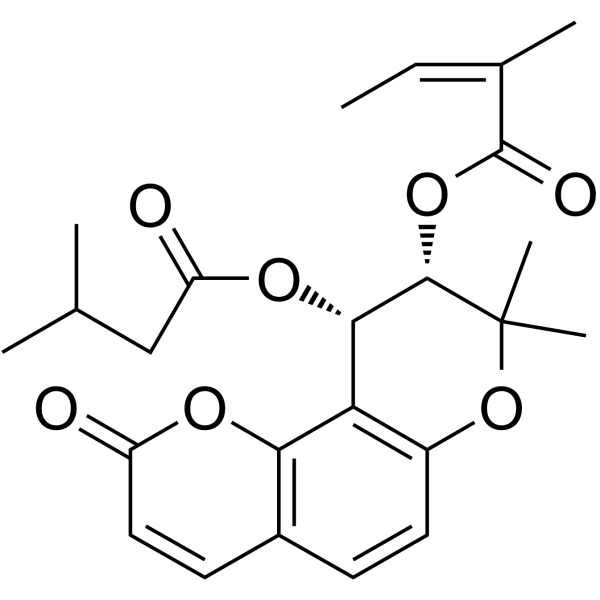
Praeruptorin E is an orally active pyranocoumarin compound. Praeruptorin E can be isolated from the dried roots of Peucedanum praeruptorum Dunn. Praeruptorin E reduces the expression of NF-κB. Praeruptorin E upregulates the expression of PXR and CYP3A4. Praeruptorin E inhibits Th2 cytokines, TNF-α, IL6, MPO, and blocks the Ca 2+ slow channel. Praeruptorin E promotes pulmonary tissue repair and relaxes porcine coronary artery strips. Praeruptorin E protects mice from lipopolysaccharide- and hydrochloric acid-induced acute lung injury. Praeruptorin E can be used in studies related to asthma and acute lung injury .
Cat. No.: HY-135108
CAS No.: 126088-82-2
Purity:  98.15%
Target:  

Neurokinin Receptor

Research Areas:  

Neurological Disease

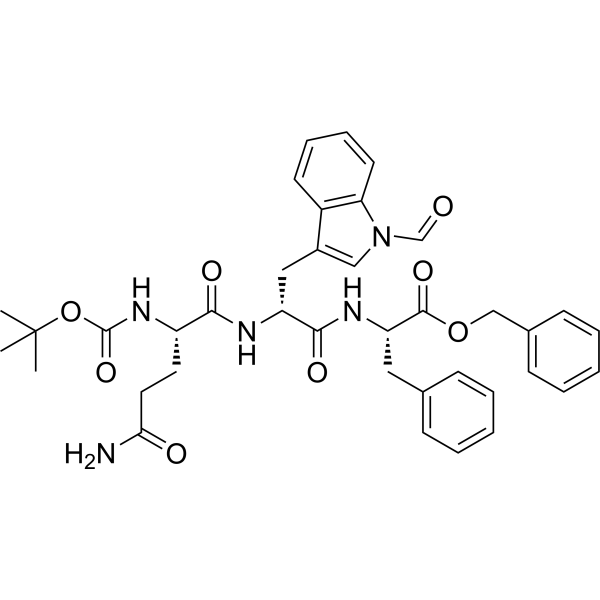
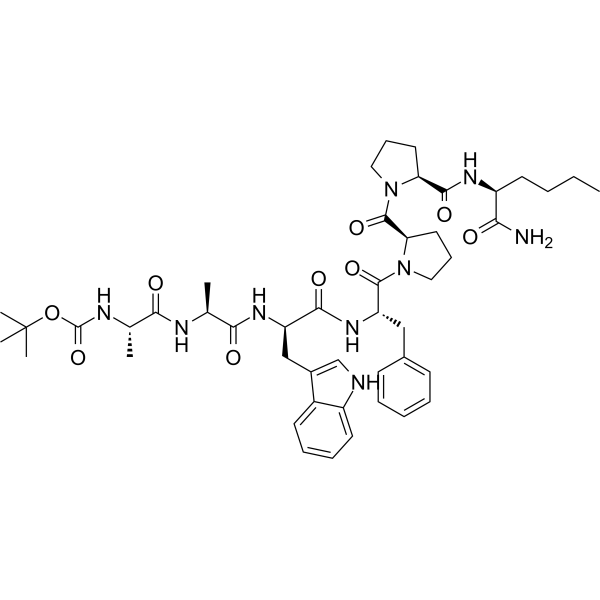
QWF Peptide (Compound 4a) is a substance P antagonist with an IC50 of 0.09 μM. QWF Peptide antagonizes the SP-induced contraction of isolated guinea pig trachea strips with an IC50 of 4.7 μM .
Cat. No.: HY-137325A
CAS No.: 301334-89-4
Target:  

Calcium Channel

Research Areas:  

Metabolic Disease

2-Chloro-ATP sodium (2-Chloro ATP) is an adenine nucleotide and an analog of ATP. It is an antagonist of the purinergic P2Y1 receptor and inhibits intracellular calcium mobilization induced by ADP (HY-W010918) in Jurkat cells expressing the human receptor (Ki=2.3 μM). 2-Chloro-ATP sodium is an agonist of the purinergic P2X receptor and induces inward currents in HEK293 cells expressing human bladder smooth muscle or rat PC12 forms of the receptor (EC50=0.5 and 2.5 μM). 2-Chloro-ATP sodium induces relaxation of precontracted guinea pig cecal strips in a concentration-dependent manner. 2-Chloro-ATP sodium has been used to study the substrate specificity of cyclic nucleotide-dependent protein kinases such as protein kinase A (PKA) and PKG.
Cat. No.: HY-101676
CAS No.: 120128-20-3
Purity:  98.31%
Synonyms: NID 525
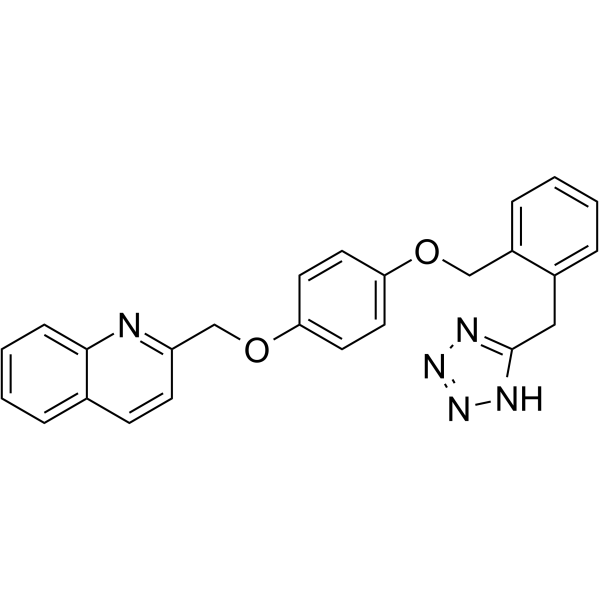
RG-12525 is a a specific, competitive and orally effective antagonist of the peptidoleukotrienes, LTC4, LTD4 and LTE4, inhibiting LTC4-, LTD4- and LTE4-inducd guinea pig parenchymal strips contractions, with IC50s of 2.6 nM, 2.5 nM and 7 nM, respectively; RG-12525 is also a peroxisome proliferator-activated receptor gamma (PPAR-gamma) agonist with IC50 of appr 60 nM and a potent inhibitor of CYP3A4, with a Ki value of 0.5 µM.
Cat. No.: HY-123468
CAS No.: 91742-10-8
Purity:  99.03%
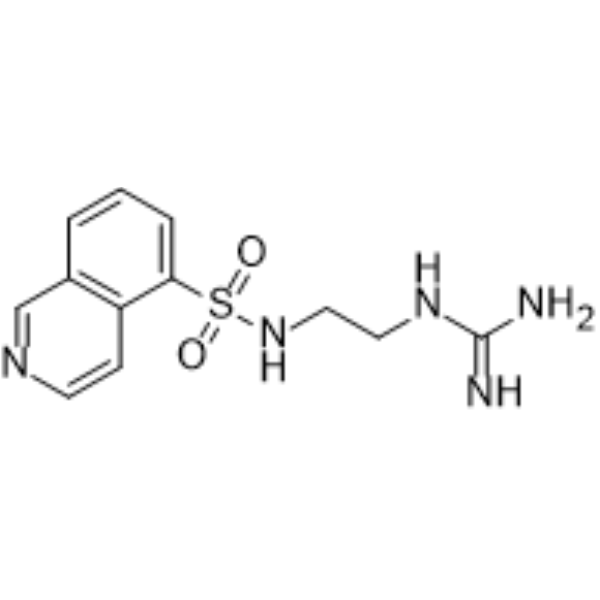
HA-1004 is a selective inhibitor of PKA, which can inhibit lipolysis and induce vascular relaxation. HA-1004 is also a dual inhibitor of cyclic GMP-dependent protein kinase and cyclic AMP-dependent protein, and is involved in smooth muscle, second messenger, cyclic AMP and cyclic GMP regulation mechanisms. HA-1004 is an antagonist for calcium, that can be used as a vasodilator to inhibit the contraction of rabbit aortic strips, or to antagonize ERK and tyrosine hydroxylase (TH) phosphorylation in morphine abstinence rat models .
Cat. No.: HY-N10881
CAS No.: 142717-57-5
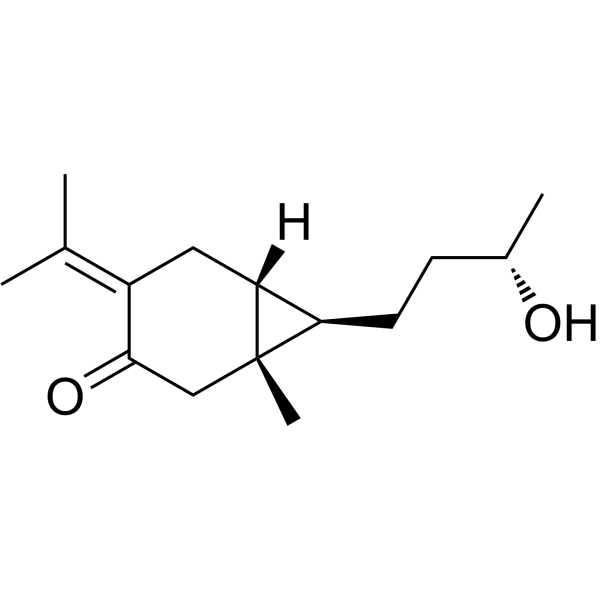
Dihydrocurcumenone is a carabrane-type sesquiterpene. Dihydrocurcumenone can be isolated from Curcuma zedoaria, and the common form is 4-dihydrocurcumenone. Curcuma zedoaria sesquiterpene has vascular relaxation activity. 4-dihydrocurcumenone can inhibit the high concentration of K + induced constriction of isolated rat aortic strips .
Cat. No.: HY-P2512A
CAS No.: 1426828-27-4
Target:  

Peptides

Research Areas:  

Others

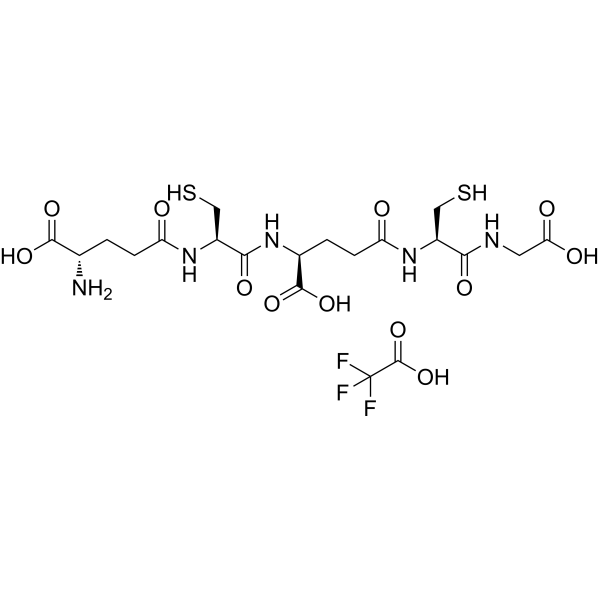
Phytochelatin 2 (PC2) TFA is a phytochelatin, an important heavy metal-binding peptide. Phytochelatin 2 (PC2) TFA can chelate metals, prevent metal toxicity, and maintain metal stability in the internal environment .
Cat. No.: HY-P3853
CAS No.: 141663-86-7
Target:  

Neurokinin Receptor

Research Areas:  

Neurological Disease

GR 87389 is a potent NK2 receptor antagonist. GR 87389 antagonized GA 64349-induced smooth muscle strips contractions in a competitive manner in the human detrusor, prostate and prostatic urethra .
Cat. No.: HY-101208
CAS No.: 137403-12-4
L-694247 is a selective 5-HT1D agonist with the pIC50 values of 10.03, 8.64, 6.42, and 5.66 for 5-HT1D, 5-HT1A, 5-HT1C, and 5-HT1E receptors , respectively .
Cat. No.: HY-101208A
L694247 (TFA) is a selective 5-HT1D agonist with pIC50 values of 10.03, 8.64, 6.42, and 5.66 for 5-HT1D, 5-HT1A, 5-HT1C, and 5-HT1E receptors, respectively .
Cat. No.: HY-120473
CAS No.: 1192348-73-4
Target:  

Adrenergic Receptor

Research Areas:  

Metabolic Disease

TAK-259 is an orally active α1D-adrenergic receptor antagonist with a Ki value of 1.1 nM for human α1D-adrenergic receptors. TAK-259 can inhibit the contraction of isolated bladder strips in rats with bladder outlet obstruction, reduce non-voiding bladder contractions, and improve urinary frequency symptoms. TAK-259 can be used in research related to overactive bladder .
Cat. No.: HY-112348
CAS No.: 92564-34-6
HA-1004 hydrochloride is a selective inhibitor of PKA, which can inhibit lipolysis and induce vascular relaxation. HA-1004 hydrochloride is also a dual inhibitor of cyclic GMP-dependent protein kinase and cyclic AMP-dependent protein (Cyclic GMP-AMP Synthase), and is involved in smooth muscle, second messenger, cyclic AMP and cyclic GMP regulation mechanisms. HA-1004 hydrochloride an antagonist for calcium, that can be used as a vasodilator to inhibit the contraction of rabbit aortic strips, or to antagonize ERK and tyrosine hydroxylase (TH) phosphorylation in morphine abstinence rat models .

