

1. Search Result
Search Result
Results for "

therapeutic agents

" in MedChemExpress (MCE) Product Catalog:

100

Inhibitors & Agonists

8

Screening Libraries

19

Biochemical Assay Reagents

7

Peptides

2

Inhibitory Antibodies

10

Natural
Products

2

Isotope-Labeled Compounds

1

Click Chemistry

14

Oligonucleotides

Cat. No. Product Name Target Research Areas Chemical Structure
  • HY-Y0320C
    Dimethyl sulfoxide
    30+ Cited Publications

    DMSO

    Environmental Pollutants Bacterial Cholinesterase (ChE) Inflammation/Immunology
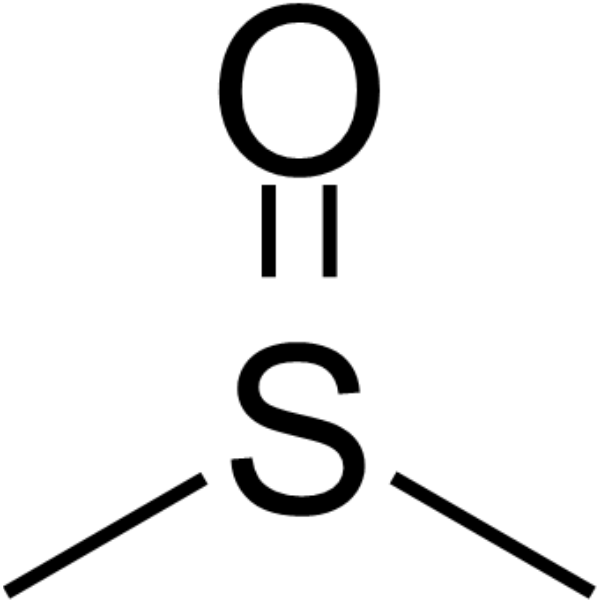
    Dimethyl sulfoxide (DMSO) is an aprotic solvent that can dissolve water-insoluble therapeutic and toxic agents. Dimethyl sulfoxide (DMSO) has a strong affinity for water and has the ability to rapidly penetrate or enhance the penetration of other substances through biological membranes. Dimethyl sulfoxide also has potential free radical scavenging and anticholinesterase effects and may affect coagulation activity. Dimethyl sulfoxide also induces histamine release from mast cells but is thought to have low systemic toxicity .
    Low endotoxin, can be used in various biochemical experiments such as drug dissolution.
    Dimethyl sulfoxide
  • HY-Y0320

    DMSO, meets analytical specification of Ch.P.

    Environmental Pollutants Bacterial Cholinesterase (ChE) Infection Inflammation/Immunology Cancer
    Dimethyl sulfoxide (DMSO), meets analytical specification of Ch.P. is an aprotic solvent that dissolves polar and non-polar compounds, including water-insoluble therapeutic and toxic agents. Dimethyl sulfoxide (DMSO) has a strong affinity for water and can rapidly penetrate or enhance the penetration of other substances into biological membranes. Dimethyl sulfoxide also has potential free radical scavenging and anticholinesterase effects and may affect coagulation activity. Dimethyl sulfoxide also induces histamine release from mast cells but is thought to have low systemic toxicity. Dimethyl sulfoxide also exhibits antifreeze and antibacterial properties .
    MCE provides Dimethyl sulfoxide that complies with the inspection standards (Ch.P) of Part 4 of the Chinese Pharmacopoeia (2020 Edition). Amicrobic, low endotoxin, can be used in various biochemical experiments such as drug dissolution.
    Dimethyl sulfoxide, meets analytical specification of Ch.P.
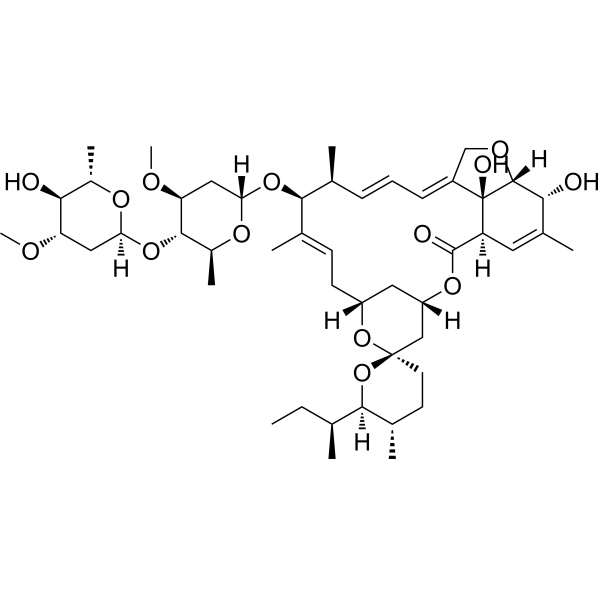
  • HY-15310
    Ivermectin
    Maximum Cited Publications
    48 Publications Verification

    MK-933; CD-5024; K-237

    Environmental Pollutants Antibiotic Mitophagy Bacterial Parasite Autophagy Flavivirus HSV HIV SARS-CoV Dengue Virus Infection Cancer
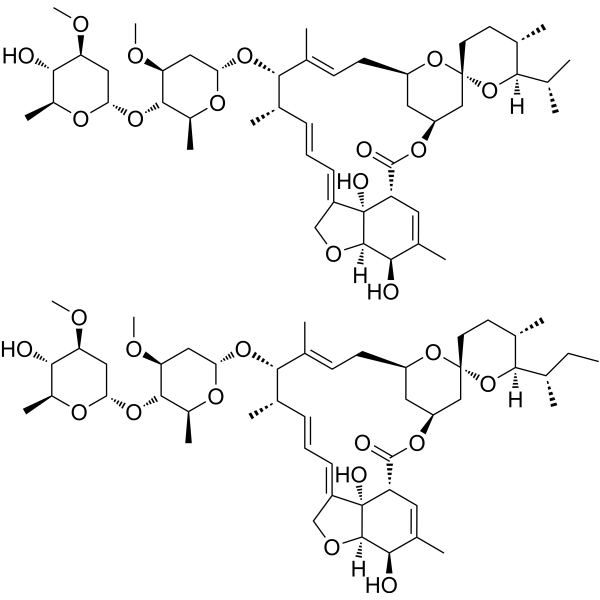
    Ivermectin (MK-933) is a broad-spectrum anti-parasite agent. Ivermectin (MK-933) is a specific inhibitor of Impα/β1-mediated nuclear import and has potent antiviral activity towards both HIV-1 and dengue virus. It is a positive allosteric effector of P2X4 and the α7 neuronal nicotinic acetylcholine receptor (nAChRs). Ivermectin also inhibits bovine herpesvirus1 (BoHV-1) replication and inhibits BoHV-1 DNA polymerase nuclear import . Ivermectin is a candidate therapeutic against SARS-CoV-2/COVID-19 .
    Ivermectin
  • HY-142041

    BSH

    Biochemical Assay Reagents Cancer
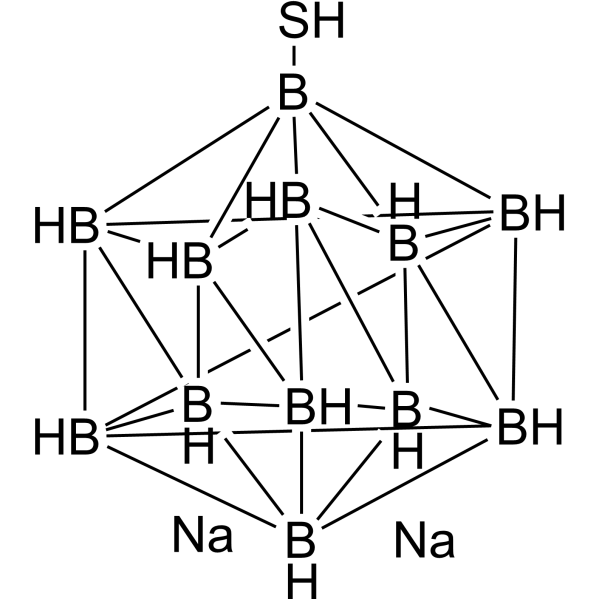
    Borocaptate sodium is a boron-containing compound that can be used as a therapeutic agent in boron neutron capture therapy (BNCT), exhibiting anticancer activity .
    Borocaptate sodium
  • HY-B0725
    Doxepin Hydrochloride
    5+ Cited Publications

    Histamine Receptor Cytochrome P450 Neurological Disease Cancer
    Doxepin hydrochloride is an orally active tricyclic antidepressant agent. Doxepin hydrochloride is a potent and selective histamine receptor H1 antagonist. Doxepin hydrochloride is also a potent CYP450 inhibitor and significantly inhibits CYP450 2C19 and 1A2 . Doxepin inhibits reuptake of serotonin and norepinephrine as a tricyclic antidepressant .
    . Doxepin has therapeutic effects in atopic dermatitis,chronic urticarial,can improve cognitive processes, protect central nervous system .
    . Doxepin has also been proposed as a protective factor against oxidative stress .
    .
    Doxepin Hydrochloride
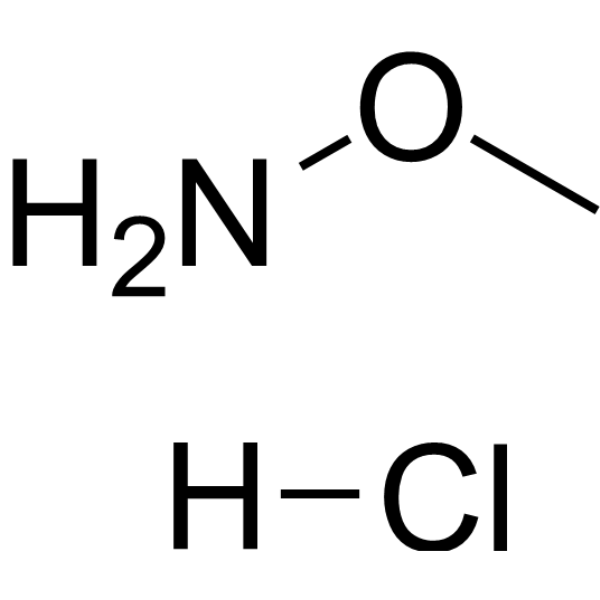
  • HY-Y0958
    Methoxyamine hydrochloride
    1 Publications Verification

    O-Methylhydroxylamine hydrochloride

    DNA/RNA Synthesis Apoptosis Cancer
    Methoxyamine (O-Methylhydroxylamine) hydrochloride is an orally active and potent base excision repair (BER) inhibitor. Methoxyamine hydrochloride binds to 3’ hydroxyl groups that are left behind by 3-methylpurine-DNA glycosylase (MPG) following excision of the damaged base and thus inhibits BER activity. Methoxyamine hydrochloride binds directly to the apyrimidinic (AP) sites. Methoxyamine hydrochloride synergistically enhances the therapeutic efficacy of DNA-damaging agents .
    Methoxyamine hydrochloride
  • HY-B0758

    Calcium Channel Inflammation/Immunology
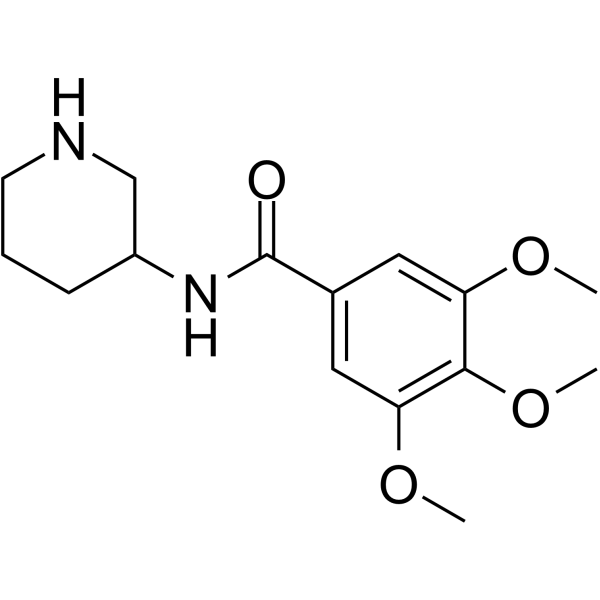
    Troxipide is an orally active defensive factor-enhancing therapeutic agent for gastritis and gastric ulcer (GU). Troxipide is a non-antisecretory gastro protective agent with antiulcer, anti-inflammatory and mucus-secreting properties .
    Troxipide
  • HY-145411
    PEG2000-C-DMG
    3 Publications Verification

    Liposome Endocrinology
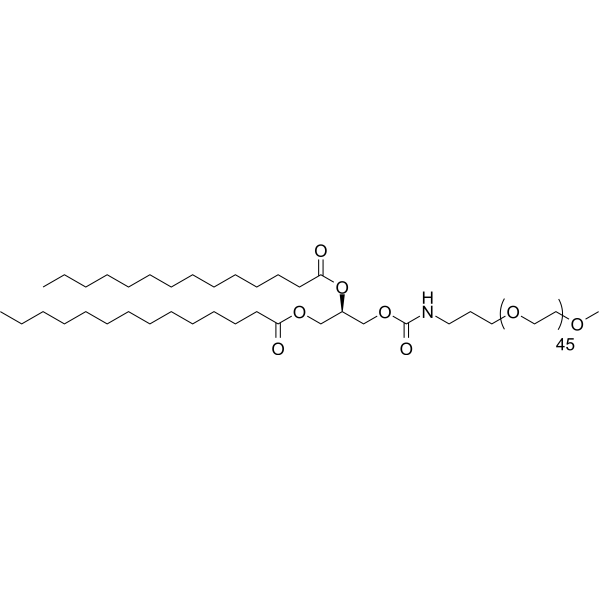
    PEG2000-C-DMG, a pegylated lipid, can be used for the preparation of Onpattro. Onpattro, a hepatically directed investigational RNAi therapeutic agent, harnesses this process to reduce the production of mutant and wild-type transthyretin by targeting the 3′ untranslated region of transthyretin mRNA .
    PEG2000-C-DMG
  • HY-126937
    Ivermectin B1a
    1 Publications Verification

    Parasite SARS-CoV Infection
    Ivermectin B1a, a derivative of Avermectin B1a (HY-15308), is a main component of Ivermectin (HY-15310) . Ivermectin (MK-933) is a broad-spectrum anti-parasite agent. Ivermectin is a candidate therapeutic against SARS-CoV-2/COVID-19 .
    Ivermectin B1a
  • HY-12443

    Casein Kinase Neurological Disease
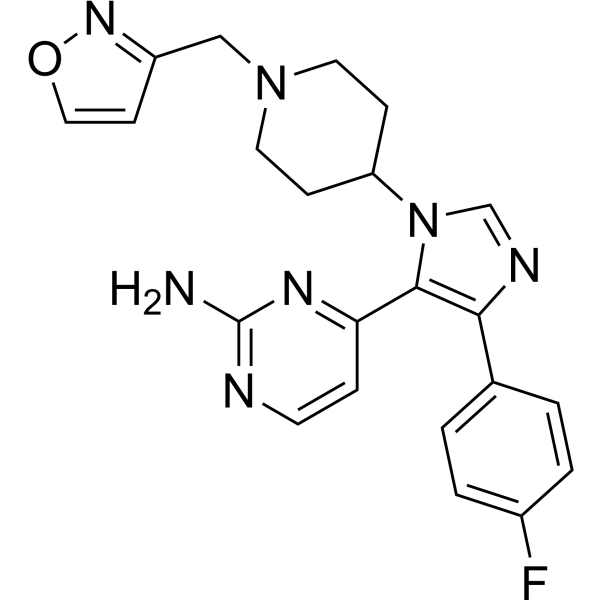
    PF-5006739 is a potent and selective inhibitor of CK1δ/ε with IC50s of 3.9 nM and 17.0 nM, respectively. PF-5006739 is a potential therapeutic agent for a range of psychiatric disorders with low nanomolar in vitro potency for CK1δ/ε and high kinome selectivity. PF-5006739 attenuats opioid agent-seeking behavior in a rodent operant reinstatement model in animals in a dose-dependent manner . PF-5006739 improves glucose tolerance in both diet-induced obesity (DIO) and genetic (ob/ob) mice models of obesity .
    PF-5006739
  • HY-13106
    Olodanrigan
    4 Publications Verification

    EMA401; PD-126055; (S)-EMA400

    Angiotensin Receptor Cardiovascular Disease Neurological Disease Endocrinology
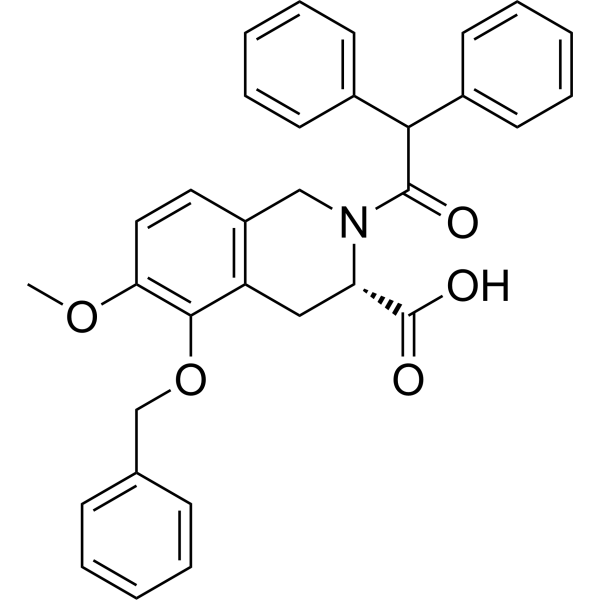
    Olodanrigan (EMA401) is a highly selective, orally active, peripherally restricted angiotensin II type 2 receptor (AT2R) antagonist. It is under development as a neuropathic pain therapeutic agent. Olodanrigan (EMA401) analgesic action appears to involve inhibition of augmented AngII/AT2R induced p38 and p42/p44 MAPK activation, and hence inhibition of DRG neuron hyperexcitability and sprouting of DRG neurons .
    Olodanrigan
  • HY-Y0320GL

    DMSO (GMP Like)

    Cholinesterase (ChE) Bacterial Infection Inflammation/Immunology Cancer
    Dimethyl sulfoxide (DMSO) (GMP Like) is the GMP Like class Dimethyl sulfoxide (HY-Y0320C). Dimethyl sulfoxide is an aprotic solvent that can dissolve water-insoluble therapeutic and toxic agents. Dimethyl sulfoxide has a strong affinity for water and has the ability to rapidly penetrate or enhance the penetration of other substances through biological membranes. Dimethyl sulfoxide also has potential free radical scavenging and anticholinesterase effects and may affect coagulation activity. Dimethyl sulfoxide also induces histamine release from mast cells but is thought to have low systemic toxicity .
    Dimethyl sulfoxide (GMP Like)
  • HY-14777

    RGH-896

    iGluR Neurological Disease
    Radiprodil (RGH-896) is an orally active and selective NMDA NR2B antagonist. A potential therapeutic agent in treatment of neuropathic pain and possibly other chronic pain conditions .
    Radiprodil
  • HY-132613

    Small Interfering RNA (siRNA) Glycolate Oxidase Metabolic Disease
    Lumasiran sodium, an investigational RNA interference (RNAi) therapeutic agent, reduces hepatic oxalate production by targeting glycolate oxidase. Lumasiran sodium reduces urinary oxalate excretion, the cause of progressive kidney failure in primary hyperoxaluria type 1 (PH1) .
    Lumasiran sodium
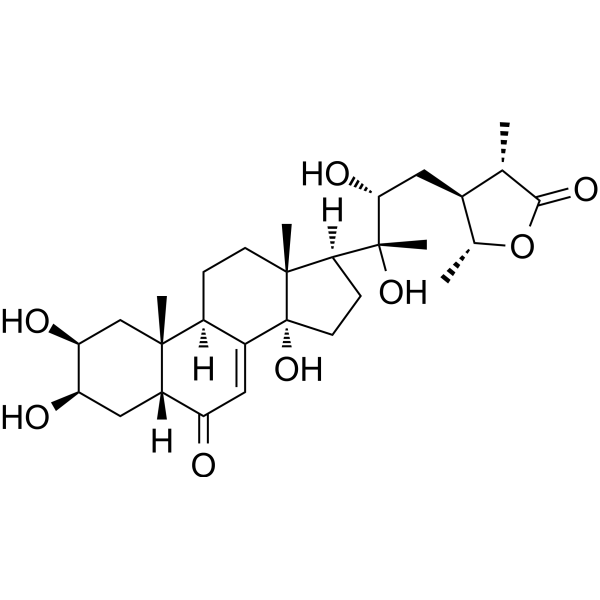
  • HY-N0211
    Cyasterone
    2 Publications Verification

    EGFR Apoptosis Cancer
    Cyasterone, a natural EGFR inhibitor, mainly isolated from Ajuga decumbens Thunb (Labiatae). Cyasterone manifests anti-proliferation effect by induced apoptosis and cell cycle arrests. Cyasterone may serves as a therapeutic anti-tumor agent against human tumors .
    Cyasterone
  • HY-W416291

    Poly(A)

    Biochemical Assay Reagents Cancer
    Polyadenylic acid potassium, also known as Poly(A), is enzymatically added to messenger RNA (mRNA) in eukaryotic cells to stabilize mRNAs. Poly(A) is used to evaluate binding on cationic liposomes doped with non-ionic nucleolipids. Poly(A) is used in small molecule mRNA targeted drug development to evaluate the binding of potential therapeutic agents such as the Isoquinoline group of alkaloids. Small molecules that could bind to this poly(A) tail could influence and possibly inhibit mRNA function and subsequent protein production in the cell leading to the development of new type of therapeutic agents.
    Polyadenylic acid potassium
  • HY-113064
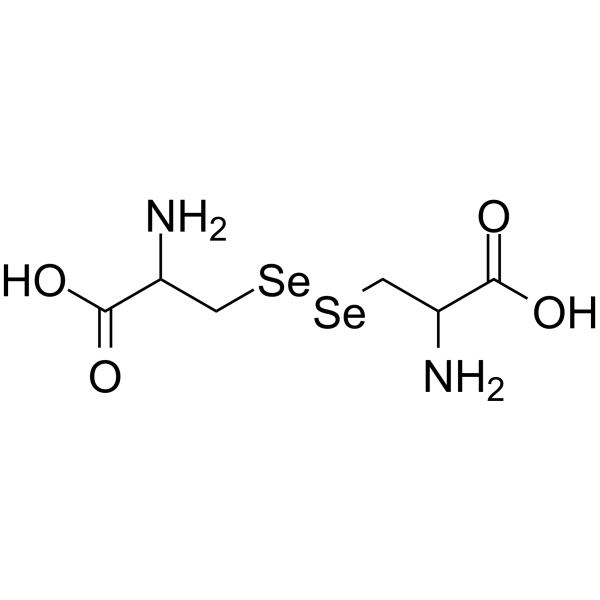
    Selenocystine
    1 Publications Verification

    Endogenous Metabolite Cancer
    Selenocystine is a broad-spectrum anti-cancer agent. Selenocystine induces DNA damage in HepG2 cells, particularly in the form of DNA double strand breaks (DSBs). Selenocystine exhibits great promise as a therapeutic or adjuvant agent targeting DNA repair for cancer treatment .
    Selenocystine
  • HY-N6022

    Others Metabolic Disease
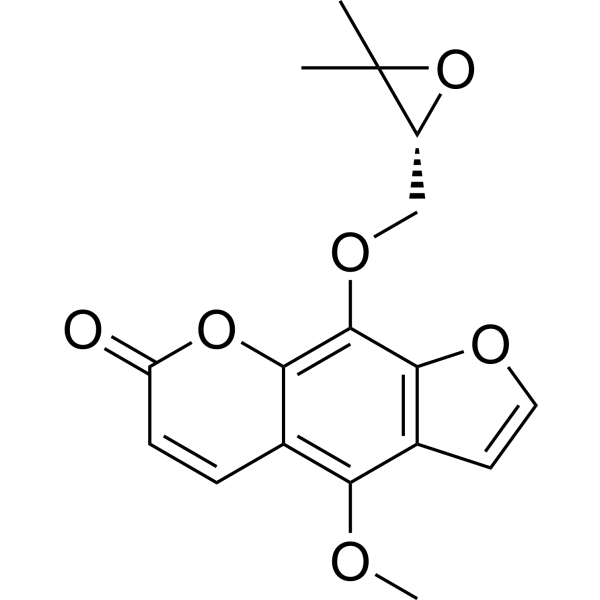
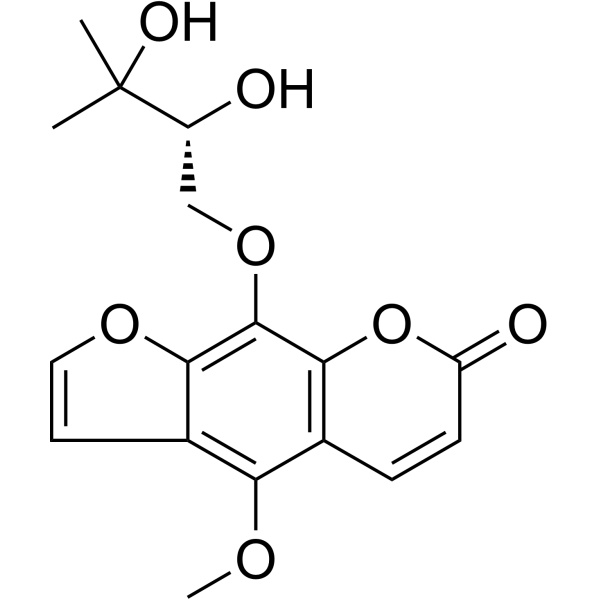
    Byakangelicin, one of the active compounds found in the roots of Angelica gigas, can serve as a modulator to improve brain accumulation of diverse active compounds (Umb, Cur, and Dox) and enhance therapeutic effects . Byakangelicin is likely to increase the expression of all PXR target genes (such as MDR1) and induce a wide range of agent-agent interactions. Byakangelicin can inhibit the effects of sex hormones, it may increase the catabolism of endogenous hormones .
    Byakangelicin
  • HY-114376

    BSH-10B12

    Isotope-Labeled Compounds Biochemical Assay Reagents Cancer
    Borocaptate-10B12 (BSH-10B12) sodium is a boron-10 labeled Borocaptate (HY-142041). Borocaptate sodium is a boron-containing compound that can be used as a therapeutic agent in boron neutron capture therapy (BNCT), exhibiting anticancer activity .
    Borocaptate-10B12 sodium
  • HY-102070

    Potassium Channel Neurological Disease
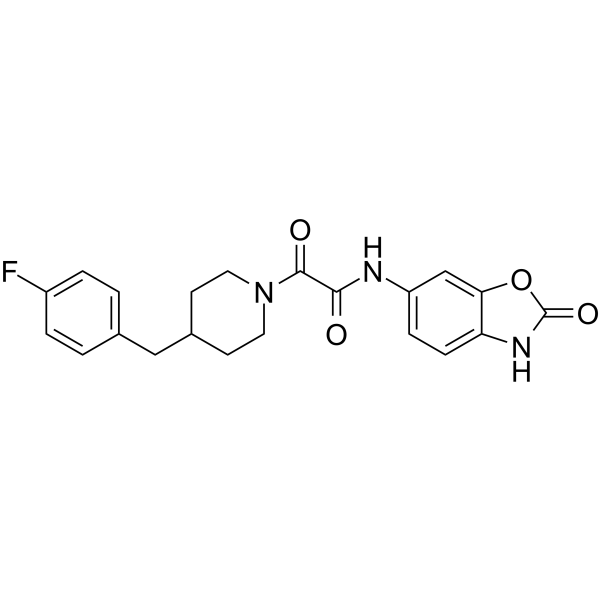
    NS13001 is a potent, selective, orally active allosteric positive modulator of SK channels (small conductance calcium-activated potassium channels). The EC50s are 1.8 and 0.14 μM for SK2 and SK3, respectively. NS13001 holds promise as a potential therapeutic agent for treatment of spinocerebellar ataxia type 2 (SCA2) and possibly other cerebellar ataxias .
    NS13001
  • HY-N0074
    Byakangelicol
    1 Publications Verification

    COX Inflammation/Immunology
    Byakangelicol, isolated from Angelica dahurica, inhibits interleukin-1beta (IL-1beta) -induced prostaglandin E2 (PGE2) release in A549 cells mediated by suppression of cyclooxygenase-2 (COX-2) expression and the activity of COX-2 enzyme. Byakangelicol has therapeutic potential as an anti-inflammatory agent on airway inflammation .
    Byakangelicol
  • HY-117002
    SRI 37892
    1 Publications Verification

    Wnt Cancer
    SRI 37892 is a small molecule compound inhibitor of Frizzled protein 7 (Fzd7) with inhibitory activity against cancer cell proliferation (IC50=2μM). SRI 37892 significantly blocks Wnt/Fzd7 signaling. SRI 3789 can be used in the research of developing cancer therapeutic agents .
    SRI 37892
  • HY-Y0320E

    Cholinesterase (ChE) Bacterial Infection Inflammation/Immunology Cancer
    Dimethyl sulfoxide (suitable for HPLC) is an aprotic solvent that can dissolve water-insoluble therapeutic and toxic agents. Dimethyl sulfoxide (DMSO) has a strong affinity for water and has the ability to rapidly penetrate or enhance the penetration of other substances through biological membranes. Dimethyl sulfoxide also has potential free radical scavenging and anticholinesterase effects and may affect coagulation activity. Dimethyl sulfoxide also induces histamine release from mast cells but is thought to have low systemic toxicity. Dimethyl sulfoxide (suitable for HPLC) is suitable for HPLC .
    Dimethyl sulfoxide (suitable for HPLC)
  • HY-123535

    CDK Inflammation/Immunology
    P18IN003 is a potent p18(INK4C) inhibitor andspecifically block the activity of p18 protein. P18IN003 has the potential to be aneffective chemical agent for therapeutic expansion of HSC .
    P18IN003
  • HY-W440834

    Liposome Others
    DSPE-PEG5000-azide is a click chemistry reactive phospholipid polyPEG which forms lipid bilayer or micelles in an aqueous solution. The polymer can be used to prepare liposomes or nanoparticles used for delivering nutrients or therapeutic agents, for example mRNA or DNA vaccine.
    DSPE-PEG5000-azide
  • HY-N6973R
    Boldine (Standard)
    1 Publications Verification

    Reference Standards RANKL/RANK Inflammation/Immunology
    Boldine (Standard) is the analytical standard of Boldine. This product is intended for research and analytical applications. Boldine is an aporphine isoquinoline alkaloid extracted from the root of Litsea cubeba and also possesses these properties, including antioxidant, anti-inflammatory and cytoprotective effects. Boldine suppresses osteoclastogenesis, improves bone destruction by down-regulating the OPG/RANKL/RANK signal pathway and may be a potential therapeutic agent for rheumatoid arthritis .
    Boldine (Standard)
  • HY-170779

    FAP Cancer
    DOTA-NI-FAPI-04 is a FAP inhibitor (IC50 = 7.44 nM). By integrating FAP targeting with hypoxia-sensitive groups (nitroimidazole), DOTA-NI-FAPI-04 significantly enhances tumor uptake and retention capabilities. DOTA-NI-FAPI-04 chelates metallic isotopes (such as 68Ga and 177Lu) through DOTA to produce radioactive probes ([68Ga]Ga/DOTA-NI-FAPI-04 and [177Lu]Lu/DOTA-NI-FAPI-04), which can be used for research in tumor diagnostics and therapeutic agents. DOTA-NI-FAPI-04 holds dual targeting potential in the fields of cancer imaging, tumor microenvironment analysis, and radionuclide therapy, particularly suitable for scenarios where the tumor stroma and hypoxic regions synergistically interact .
    DOTA-NI-FAPI-04
  • HY-169204

    Mitophagy Cancer
    Mito-fisetin mF3 is a potent anticancer and anti-aging therapeutic agent that targets mitophagy. .
    Mito-fisetin mF3
  • HY-P10644

    Fluorescent Dye Cancer
    CPP9 is a small, amphipathic, cyclic cell penetrating peptide (CPP). CPPs bind directly to the plasma membrane phospholipids and enter mammalian cells via endocytosis, followed by efficient release from the endosome. CPP9 can be used for intracellular delivery of therapeutic agents and chemical probes .
    CPP9
  • HY-13106A

    EMA401 sodium; PD-126055 sodium

    Angiotensin Receptor Neurological Disease Endocrinology
    Olodanrigan (EMA401) sodium is a highly selective, orally active, peripherally restricted angiotensin II type 2 receptor (AT2R) antagonist. Olodanrigan sodium is under development as a neuropathic pain therapeutic agent. Olodanrigan sodium analgesic action appears to involve inhibition of augmented AngII/AT2R induced p38 and p42/p44 MAPK activation, and hence inhibition of DRG neuron hyperexcitability and sprouting of DRG neurons .
    Olodanrigan sodium
  • HY-42649

    Bacterial Neurological Disease
    NSC 14699 is a small molecule non-peptide inhibitor of botulinum neurotoxin serotype E. NSC 14699 is promising for research of therapeutic and cosmetic agents .
    NSC 14699
  • HY-139684

    MNK Infection Inflammation/Immunology Cancer
    MNK1/2-IN-5 is a potent and selective MNK1/2 inhibitor as a therapeutic agent.
    MNK1/2-IN-5
  • HY-147050

    Target Protein Ligand-Linker Conjugates Others
    Ahx-DM1 (compound 2A) is a conjugate of protein/peptide which can be combined with a therapeutic, diagnostic or labelling agent .
    Ahx-DM1
  • HY-W581819

    Biochemical Assay Reagents Others
    Ferric glycinate is an iron amino acid chelate used as a food fortifier and therapeutic agent, which can prevent and ameliorate iron deficiency anemia .
    Ferric glycinate
  • HY-143655

    BMI1 Autophagy Cancer
    QW24 exerts potent anti-tumor activity by down-regulating BMI-1 and is used as an effective therapeutic agent for clinical colorectal cancer research.
    QW24
  • HY-W440945

    Liposome Others
    Stearic acid-PEG2000-amine is an amphiphilic PEG polymer which forms micelles in an aqueous solution. The terminal amine can react with an NHS ester to form a stable amide linkage. The aliphatic chain of stearic acid can be used to encapsulate or congregate hydrophobic therapeutic agents while the PEG chain enhances overall solubility of the polymer. Reagent grade, for research use only.
    Stearic acid-PEG2000-amine
  • HY-119916

    DNA/RNA Synthesis Cancer
    Tauromustine is an orally active nitrosourea anticancer agent. Tauromustine has an alkylation effect and can damage the DNA function. Tauromustine has a high therapeutic index, especially in the study of Walker 256 rat sarcoma. It is also active against melanoma, breast cancer, pleural mesothelioma and ovarian cancer. Tauromustine is mainly metabolized in the liver, but some of its metabolites also have cytotoxicity .
    Tauromustine
  • HY-19106

    Secretin Receptor Inflammation/Immunology Endocrinology
    MCI-727 free base is an orally active anti-ulcer agent. MCI-727 free base can increase the plasma secretin concentration in rats and dogs. MCI-727 free base can also stimulate the exocrine function of the pancreas in rats by promoting the release of endogenous secretin, and exert preventive and therapeutic effects on mild acute pancreatitis. MCI-727 free base can be used in the research of ulcer-related diseases .
    MCI-727 free base
  • HY-14565

    ABT-089

    nAChR Neurological Disease
    Pozanicline (ABT-089) selectively activate neuronal nicotinic acetylcholine receptor (nAChR) subtypes, is a novel cholinergic agent that is a partial agonist at α4β2* nAChRs (Ki=16 nM) and shows high selectivity for α6β2* and α4α5β2 nAChR subtypes, the binding affinity (Ki, rat) for Pozanicline to [ 3H] cytisine sites is 16.7 nM. Pozanicline reverses nicotine withdrawal-induced cognitive deficits, may be an effective component of novel therapeutic strategies for nicotine addiction .
    Pozanicline
  • HY-178504

    Bacterial Infection
    Lug-15 is a rapid bactericidal agent. Lug-15 exhibits strong antibacterial activity against both Gram-positive and Gram-negative bacteria, including drug-resistant strains. Lug-15 rapidly kills bacteria primarily through membrane disruption and had a very low propensity to induce bacterial resistance. Lug-15 demonstrates low hemolytic toxicity and significant therapeutic potential in various infection models. Lug-15 can be used for research on combating infections caused by multi-drug resistant bacteria .
    Lug-15
  • HY-155297

    FLA-136

    Histamine Receptor Cardiovascular Disease
    Nebidrazine is a centrally-acting hypotensive agent compared to clonidine, demonstrating weaker cardiovascular effects in rats. It induces dose-dependent hypotension and bradycardia when administered intracerebroventricularly (i.c.v.), with significantly lower sedative potential than clonidine in conscious rats. Yohimbine attenuates the cardiovascular effects of both Nebidrazine and clonidine, suggesting involvement of central alpha-autoreceptors sensitive to yohimbine. Unlike clonidine, Nebidrazine does not affect peripheral alpha-adrenoceptors in pithed rats, indicating a selective central mechanism. Chemical sympathectomy reduces Nebidrazine's cardiovascular effects more than clonidine's, and metiamide diminishes responses to both drugs, implicating central histamine receptors. These findings highlight Nebidrazine's distinct pharmacological profile and potential therapeutic application in managing hypertension through central alpha-autoreceptor stimulation .
    Nebidrazine
  • HY-P11091

    Bacterial Infection
    PA2-GNU7 is an antimicrobial peptide (AMP). PA2-GNU7 exhibits potent antimicrobial activity with minimal inhibitory concentration (MIC) against P. aeruginosa, E. coli, S. typhimurium, S. aureus, and C. albicans are 2 μM, 1 μM, 2 μM, 2 μM, and 8 μM, respectively. PA2-GNU7 rapidly and selectively kills Pseudomonas aeruginosa without affecting other commensal bacteria. PA2-GNU7 significantly improves survival of mice infected with P. aeruginosa. PA2-GNU7 can be used for the research and development of therapeutic agents against MDR Pseudomonas aeruginosa infections .
    PA2-GNU7
  • HY-139834

    Bacterial Infection
    Antistaphylococcal agent 1 is an antistaphylococcal therapeutic agent.
    Antistaphylococcal agent 1
  • HY-139835

    Bacterial Infection
    Antistaphylococcal agent 2 is an antistaphylococcal therapeutic agent.
    Antistaphylococcal agent 2
  • HY-139836

    Bacterial Infection
    Antistaphylococcal agent 3 is an antistaphylococcal therapeutic agent.
    Antistaphylococcal agent 3
  • HY-130003

    Others Metabolic Disease
    Hypoglycemic agent 1 acts as a therapeutic and/or prophylactic agent for diabetes. Hypoglycemic agent 1 has an action for lowering blood sugar .
    Hypoglycemic agent 1
  • HY-153592

    Glycosidase Others
    Therapeutic agent-1 is a heteroaryl compound that can be used in Gaucher disease glucocerebrosidase activity enzyme replacement therapy .
    Therapeutic agent-1
  • HY-145033

    Biochemical Assay Reagents Others
    VL-6 can be used in the synthesis of biomimetic nanomaterials which for delivery of therapeutic, diagnostic, or prophylactic agents .
    VL-6
  • HY-116277

    EGFR Epigenetic Reader Domain Cancer
    Z118332870 is a potent dual inhibitor of EGFR and BRD4, exhibiting significant potential as a therapeutic agent for overcoming resistance in cancer treatment.
    Z118332870
  • HY-147050A

    Target Protein Ligand-Linker Conjugates Others
    Ahx-DM1 (TFA) (compound 2A) is a conjugate of protein/peptide which can be combined with a therapeutic, diagnostic or labelling agent .
    Ahx-DM1 TFA

Inquiry Online

Your information is safe with us. * Required Fields.

Salutation


Country or Region *

Applicant Name *


Organization Name *

Department *


Email Address *


Product Name *

Cat. No.


Requested quantity *

Phone Number *


Remarks

Inquiry Online

Inquiry Information

Product Name:
Cat. No.:
Quantity:
MCE Japan Authorized Agent:

