

1. Search Result
Search Result
Results for "

tissue proteins

" in MedChemExpress (MCE) Product Catalog:

242

Inhibitors & Agonists

12

Screening Libraries

13

Fluorescent Dyes

23

Biochemical Assay Reagents

17

Peptides

5

MCE Kits

4

Inhibitory Antibodies

23

Natural
Products

23

Isotope-Labeled Compounds

2

Click Chemistry

23

Oligonucleotides

1

GMP Molecules

Cat. No. Product Name Target Research Areas Chemical Structure
  • HY-W250978
    Ovalbumins
    4 Publications Verification

    Endogenous Metabolite Cardiovascular Disease Infection Inflammation/Immunology Cancer
    Ovalbumins (OVA), the main protein found in egg whites, have various biological activities such as anticancer, antihypertensive, antibacterial, antioxidant and immunomodulatory activities. Ovalbumins are the most abundant proteins synthesized in progesterone- or estrogen-treated fallopian tubes and are commonly used as markers to study hormone regulation of gene expression in tissues .
    We recommend using Ovalbumin, low endotoxin (HY-W250978A) to establish an asthma model.
    Ovalbumins
  • HY-B0496
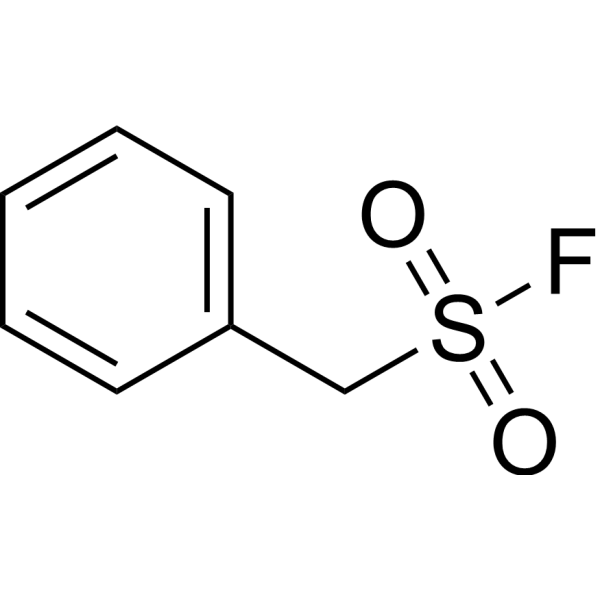
    PMSF
    145+ Cited Publications

    Phenylmethylsulfonyl fluoride; Benzylsulfonyl fluoride

    Cathepsin Ser/Thr Protease Neurological Disease
    PMSF (Phenylmethylsulfonyl fluoride) is a nonspecific and irreversible serine proteases inhibitor. PMSF inhibits some thiol proteases, non-protease enzymes, and acetylcholinesterase. PMSF can be used to prepare protein extracts from tissue and cell lysates .
    PMSF
  • HY-115768
    Compound 48/80
    5 Publications Verification

    Poly-p-methoxyphenethylmethylamine

    Phospholipase Neurological Disease Cancer
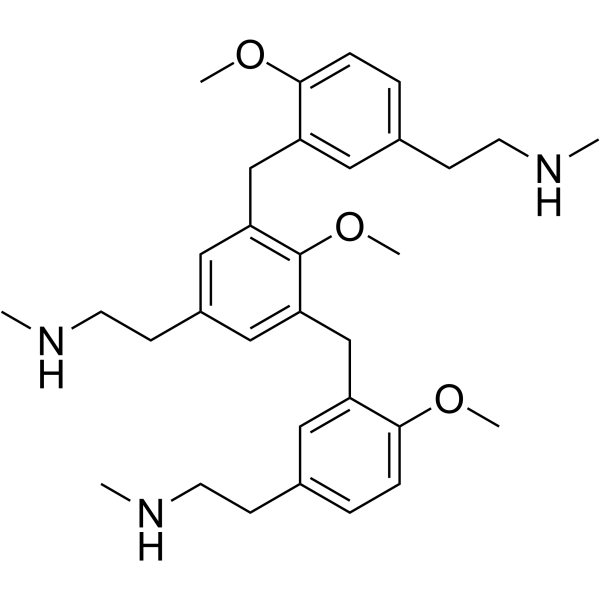
    Compound 48/80 (Poly-p-methoxyphenethylmethylamine) is widely used in animal and tissue models as a "selective" mast cell activator. Compound 48/80 acts at the mast cell membrane to stimulate trimeric G-proteins and induces degranulation via phospholipase C and D pathways .
    Compound 48/80
  • HY-112641A
    AkaLumine hydrochloride
    5 Publications Verification

    Fluorescent Dye Cancer
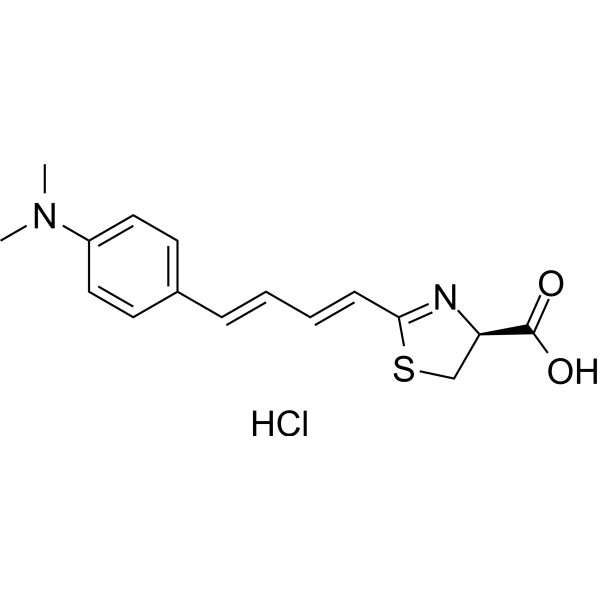
    AkaLumine hydrochloride is a D-luciferin (HY-12591A) analogue with a Km of 2.06 μM for recombinant firefly luciferase (Fluc) protein. AkaLumine hydrochloride emits near-infrared (NIR) light (λmax=677 nm) in reactions with native Fluc. AkaLumine hydrochloride has high tissue-penetration and increases detection sensitivity from deep-tissue targets .
    AkaLumine hydrochloride
  • HY-P3160
    Fibronectin
    Maximum Cited Publications
    8 Publications Verification

    Integrin Cardiovascular Disease Inflammation/Immunology
    Fibronectin, a glycoprotein present in blood as well as in cells, is a biomarker of tissue injury. Fibronectin binds to membrane-spanning receptor proteins called integrins. Fibronectin also binds to other extracellular matrix proteins such as collagen, fibrin, and heparan sulfate proteoglycans .
    This product is a human Fibronectin obtained by recombinant expression in a rice expression system.
    Fibronectin
  • HY-P2995
    Hemoglobin
    4 Publications Verification

    Biochemical Assay Reagents Heme Oxygenase (HO) Others
    Hemoglobin is a iron-containing protein in red blood cells with oxygen binding properties. Hemoglobin is an inducer of HO-1. Hemoglobin consits of heme, which binds to oxygen. Hemoglobin also transports other gases, such as carbon dioxide, nitric oxide, hydrogen sulfide and sulfide. Hemoglobin absorbs unneeded oxygen in tissues, as an antioxidant .
    Hemoglobin
  • HY-128643
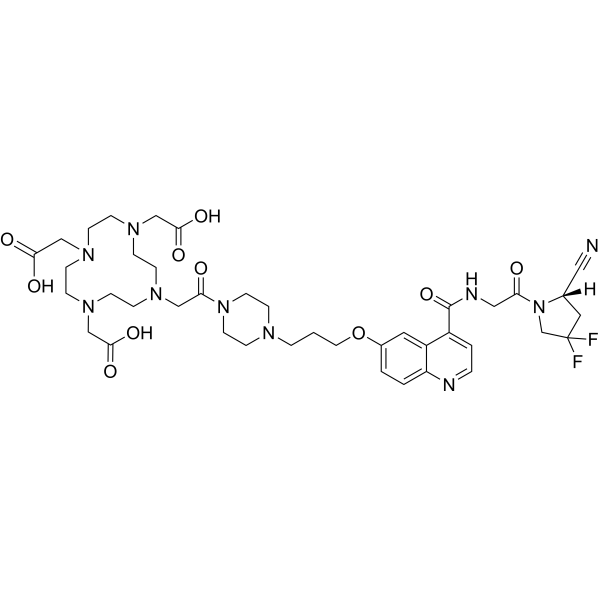
    FAPI-4
    30+ Cited Publications

    FAP Cancer
    FAPI-4 is a potent fibroblast activation protein (FAP) inhibitor for the targeting FAP. FAPI-4 can be used in cancer research. 68Ga-FAPI-4 PET/CT is a promising new diagnostic method for imaging various kinds of cancer, with good tumor-to-background contrast ratios .
    FAPI-4
  • HY-D0001
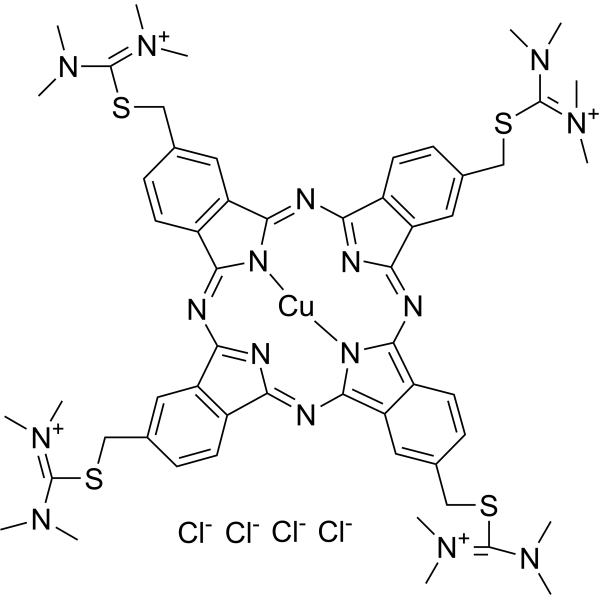
    Alcian Blue 8GX
    4 Publications Verification

    Fluorescent Dye Others
    Alcian Blue 8GX is a commonly used phthalocyanine dye that binds to glycoproteins and glycosaminoglycans. Alcian Blue 8GX has a wide range of applications in biological staining, including proteins in brain tumors and DNA in cells and tissues .
    Alcian Blue 8GX
  • HY-103243
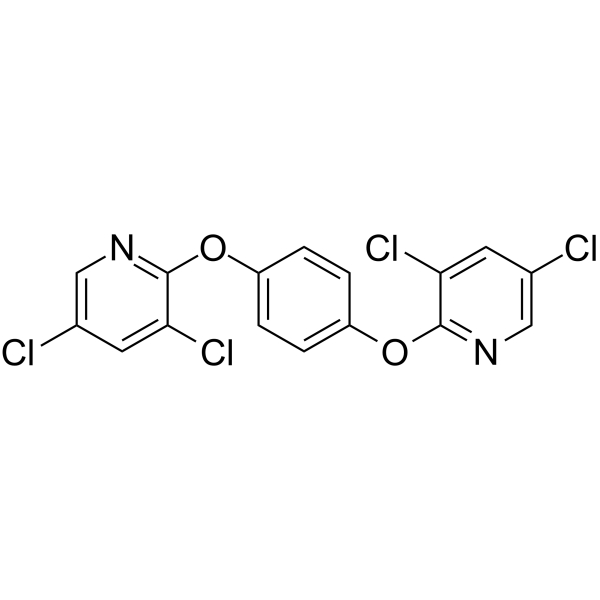
    TCPOBOP
    4 Publications Verification

    Bcl-2 Family Cancer
    TCPOBOP is a constitutive androstane receptor (CAR) agonist that induces robust hepatocyte proliferation and hepatomegaly without any liver injury or tissue loss . TCPOBOP attenuates Fas-induced murine liver injury by altering Bcl-2 proteins .
    TCPOBOP
  • HY-N0593S
    Deoxycholic acid-d4
    1 Publications Verification

    Isotope-Labeled Compounds G protein-coupled Bile Acid Receptor 1 Endogenous Metabolite Metabolic Disease
    Deoxycholic acid-d4 is the deuterium labeled Deoxycholic acid. Deoxycholic acid is specifically responsible for activating the G protein-coupled bile acid receptor TGR5 that stimulates brown adipose tissue (BAT) thermogenic activity.
    Deoxycholic acid-d4
  • HY-W250978A

    Biochemical Assay Reagents Inflammation/Immunology
    Ovalbumin, low endotoxin (OVA, low endotoxin), the main protein found in egg whites, have various biological activities such as anticancer, antihypertensive, antibacterial, antioxidant and immunomodulatory activities. Ovalbumins are the most abundant proteins synthesized in progesterone- or estrogen-treated fallopian tubes and are commonly used as markers to study hormone regulation of gene expression in tissues . Ovalbumin, a low endotoxin, can be used to establish an asthma model .
    Ovalbumin, low endotoxin
  • HY-P1821
    Myelin Basic Protein
    2 Publications Verification

    MHP4-14

    PKC Neurological Disease
    Myelin Basic Protein (MHP4-14), a synthetic peptide comprising residues 4-14 of myelin basic protein, is a very selective PKC substrate (Km=7 μM). Myelin Basic Protein is not phosphorylated by cyclic AMP-dependent protein kinase, casein kinases I and II, Ca 2+/calmodulin-dependent protein kinase II, or phosphorylase kinase, and can be routinely used for the assay of protein kinase C with low background in the crude tissue extracts .
    Myelin Basic Protein
  • HY-P5623A

    RVG29-Cys; RDP-Cys; Rabies Virus Glycoprotein-29-Cys

    RABV Others
    RVG-Cys (RVG29-Cys) is a peptide derived from rabies virus glycoprotein (RVG29) with Cys attached to facilitate subsequent conjugation. RVG-Cys enhances the specific targeted delivery of proteins in brain tissue and neurons .
    RVG-Cys
  • HY-122266

    Biochemical Assay Reagents Metabolic Disease
    Orcein is an irreversible stain that specifically targets elastic fibers and can interact hydrophobically with the protein components in elastic fibers. Orcein makes elastic fibers in tissues appear purple or purple-red. Orcein can be used for morphological studies of Drosophila polytene chromosomes and for qualitative and quantitative analysis of elastic fibers, collagen fibers and other components in atherosclerotic plaques .
    Orcein
  • HY-109076

    EBC-46

    PKC Caspase Cancer
    Tigilanol tiglate (EBC-46) is a protein kinase C (PKC)/C1 domain activator. Tigilanol tiglate is associated with mitochondrial/endoplasmic reticulum (ER) dysfunction, leading to activation of the unfolded protein response (UPRmt/ER) and subsequent induction of ATP depletion, organelles expansion, Caspase activation, gasdermin E cleavage, and terminal necrosis. Tigilanol tiglate, as a small anti-tumor molecule with immunomodulatory effects, can be used in the study of head and neck squamous cell carcinoma and soft tissue sarcoma .
    Tigilanol tiglate
  • HY-N3031

    Bacterial Apoptosis Bcl-2 Family MDM-2/p53 Glutathione Peroxidase SOD TNF Receptor Interleukin Related Infection Inflammation/Immunology
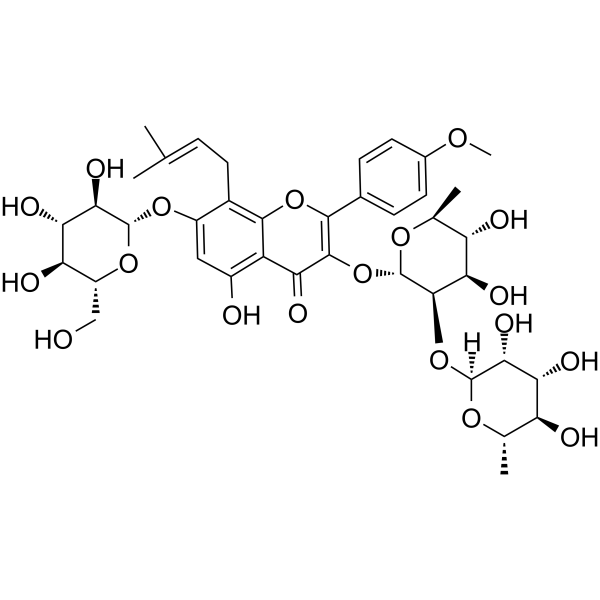
    Grosvenorine is an orally active flavonoid glycoside found in S. grosvenorii. Grosvenorine exhibits antibacterial, antioxidant and antiinflammation activities. Grosvenorine can induce apoptosis and increases anti-apoptotic Bcl-2 protein expression and reduces pro-apoptotic P53 protein expression in gastric tissues. Grosvenorine enhances mucin/glycoprotein secretion, regulates gastric pH, and reduces gastric lesion incidence.Grosvenorine increases glutathione peroxidase, catalase, and SOD levels, reduces lipid peroxidation (MDA), and lowers TNF-α and IL-6 levels. Grosvenorine can be used for the researches of bacterial infection and Gastric ulcer .
    Grosvenorine
  • HY-W324435

    Sodium 2,4-dinitrobenzenesulfonate; DNBS sodium salt; DNBSO sodium salt

    NF-κB p38 MAPK COX Inflammation/Immunology
    2,4-Dinitrobenzenesulfonic acid (DNBS; DNBSO) sodium salt (Sodium 2,4-dinitrobenzenesulfonate) is a classic colitis inducer that relies on activation of the NF-κB p65/COX-2/p38 pathway. As a hapten, 2,4-Dinitrobenzenesulfonic acid sodium salt stimulates the production of immune responses in colonic tissues, triggers oxidative stress and inflammatory reactions, and thereby leads to colonic injury. 2,4-Dinitrobenzenesulfonic acid sodium salt successfully induces models of colitis and ulcerative colitis in rats, causing pathological changes such as ulcers, edema, stenosis, shortening and organ adhesion in the distal colon, along with significant increases in the levels of inflammatory indicators and endoplasmic reticulum stress marker proteins. 2,4-Dinitrobenzenesulfonic acid sodium salt is widely used in studies on the mechanisms related to colitis and ulcerative colitis .
    2,4-Dinitrobenzenesulfonic acid sodium salt
  • HY-P99244

    ILV 094

    Interleukin Related JAK STAT Caspase Bcl-2 Family Inflammation/Immunology
    Fezakinumab (ILV 094) is an anti-IL-22 monoclonal antibody. Fezakinumab inhibits IL-22 signal transduction, and regulates the JAK1/STAT3 pathway as well as apoptotic proteins. Fezakinumab alleviates airway remodeling, alveolar enlargement and inflammatory cell infiltration in lung tissues. Fezakinumab reduces the levels of neutrophils, lymphocytes, eosinophils and macrophages in lung tissues. Fezakinumab can be used in the research of chronic obstructive pulmonary disease and skin diseases .
    Fezakinumab
  • HY-B1257

    Sodium cefmetazole

    Bacterial Antibiotic Infection Cancer
    Cefmetazole sodium (Sodium cefmetazole) is a semisynthetic cephamycin antibiotic with broad-spectrum antibacterial activity, covering gram-positive, gram-negative, and anaerobic bacteria. Cefmetazole sodium binds to penicillin binding proteins (PBPs), resulting in interfering bacterial cell wall biosynthesis. Cefmetazole sodium is used for the research of gynecologic, intraabdominal, urinary tract, respiratory tract and skin and soft tissue infections .
    Cefmetazole sodium
  • HY-B1421

    LY031537

    Adrenergic Receptor Trace Amine-associated Receptor (TAAR) Metabolic Disease
    Ractopamine hydrochloride (LY031537) is a potent and orally active β-adrenergic receptor (βAR) agonist with Kd value of ~25 nM for pig β1AR and β2AR. Ractopamine hydrochloride also is a mTAAR1 agonist with an EC50 of 16 μM. Ractopamine hydrochloride promotes muscle mass development, limits fat deposition, reduces feed consumption, increases total cellular protein synthesis, and improves growth rate and feed efficiency in finishing swine. Ractopamine hydrochloride can be used for researching to increase lean tissue growth and improve production efficiency in pigs .
    Ractopamine hydrochloride
  • HY-D2186
    BTD probe-1
    1 Publications Verification

    Biochemical Assay Reagents Others
    BTD probe-1 is a benzothiazine-based chemoproteomic probe and selective protein S-sulfenic acid (Cys-SOH) labeling agent. BTD probe-1 labels protein S-sulfenic acids in vitro in cell and tissue samples, and in situ in intact cells, enabling detection or enrichment of modified proteins/peptides. BTD probe-1 exhibits no cytotoxicity in cells at concentrations ≤1 mM. BTD probe-1 enables global, site-specific mapping and quantification of cysteine S-sulfenylation in complex proteomes with lower input material .
    BTD probe-1
  • HY-Y0469
    1-Aminohydantoin hydrochloride
    1 Publications Verification

    Drug Metabolite Others
    1-Aminohydantoin hydrochloride is a major metabolite of nitrofurantoin in animal tissues and can be used as a standard for the determination of residues of veterinary agents in meat, milk et.al. 1-Aminohydantoin hydrochloride covalently binds to tissue proteins and is released from the tissues under slightly acidic conditions and derivatized with 2-nitrobenzaldehyde to form nitrophenyl derivatives of AHD before detection .
    1-Aminohydantoin hydrochloride
  • HY-NP005

    Biochemical Assay Reagents Inflammation/Immunology
    Avidin, chicken egg white is a glycoprotein derived from egg protein. Avidin, chicken egg white has excellent affinity with biotin and is often used in combination with biotin for immunoassays to detect the location of antigens in tissues .
    Avidin, chiken egg white
  • HY-125858
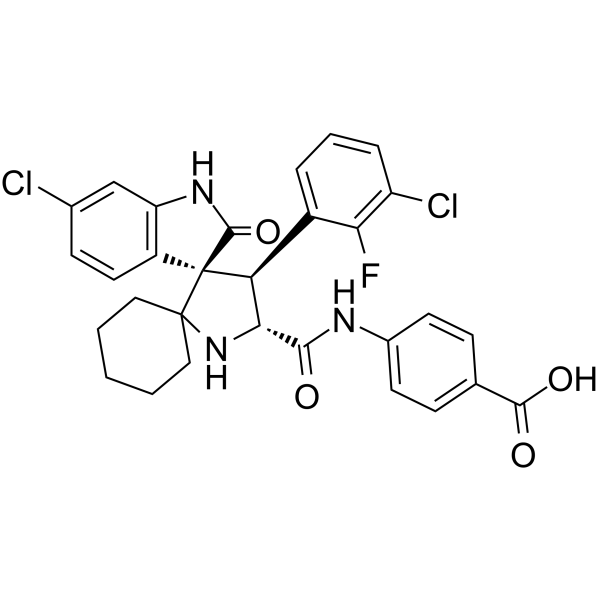
    MI-1061
    3 Publications Verification

    MDM-2/p53 E1/E2/E3 Enzyme Apoptosis Cancer
    MI-1061 is a potent, orally bioavailable, and chemically stable MDM2 (MDM2-p53 interaction) inhibitor (IC50=4.4 nM; Ki=0.16 nM). MI-1061 potently activates p53 and induces apoptosis in the SJSA-1 xenograft tumor tissue in mice. Anti-tumor activity .
    MI-1061
  • HY-P5623A1

    RVG29-Cys acetate; RDP-Cys acetate; Rabies Virus Glycoprotein-29-Cys acetate

    RABV Others
    RVG-Cys (RVG29-Cys) acetate is a peptide derived from rabies virus glycoprotein (RVG29) with Cys attached to facilitate subsequent conjugation. RVG-Cys acetate enhances the specific targeted delivery of proteins in brain tissue and neurons .
    RVG-Cys acetate
  • HY-147149

    DNA/RNA Synthesis Neurological Disease
    BPN-15477 is a potent SMC (splicing modulator compound) that restores correct splicing of ELP1 (Elongator complex protein 1) exon 20. BPN-15477 corrects splicing of the ELP1 transcript, significantly increases the level of functional protein in vivo in all tissues, including brain. BPN-15477 can be used for frontotemporal dementia research .
    BPN-15477
  • HY-132292

    PROTACs Androgen Receptor Cancer
    ARD-2128 is a highly potent, orally bioavailable PROTAC androgen receptor (AR) degrader. ARD-2128 effectively reduces AR protein, suppresses AR-regulated genes in tumor tissues, and inhibits growth of tumor without signs of toxicity. ARD-2128 has the potential for the research of the prostate cancer .
    ARD-2128
  • HY-128849

    Amyloid-β Inflammation/Immunology
    Eprodisate (70% in water) is an amyloid inhibitor that interferes with the interaction between amyloidogenic proteins and glycosaminoglycans, thereby inhibiting the aggregation of amyloid fibrils and the deposition of fibrils in tissues. Eprodisate (70% in water) slows the progression of renal disease associated with AA amyloidosis and may be useful for other types of amyloidosis .
    Eprodisate (70% in water)
  • HY-P1597
    Malantide
    1 Publications Verification

    PKA PKC Cancer
    Malantide is a synthetic dodecapeptide derived from the site phosphorylated by cAMP-dependent protein kinase (PKA) on the β-subunit of phosphorylase kinase. Malantide is a highly specific substrate for PKA with a Km of 15 μM and shows protein inhibitor (PKI) inhibition >90% substrate phosphorylation in various rat tissue extracts . Malantide is also an efficient substrate for PKC with a Km of 16 μM .
    Malantide
  • HY-B1595

    CS 1170

    Antibiotic Bacterial Infection Cancer
    Cefmetazole (CS 1170) is a semisynthetic cephamycin antibiotic with broad-spectrum antibacterial activity, covering gram-positive, gram-negative and anaerobic bacteria. Cefmetazole binds to penicillin binding proteins (PBPs), resulting in interfering bacterial cell wall biosynthesis. Cefmetazole is used for the research of gynecologic, intraabdominal, urinary tract, respiratory tract and skin and soft tissue infections .
    Cefmetazole
  • HY-143792

    Huntingtin P-glycoprotein Neurological Disease
    HTT-D3 is an orally active, blood-brain barrier penetrant splicing modulator of huntingtin (HTT). HTT-D3 promotes the inclusion of a pseudo-exon containing a premature termination codon into HTT pre-mRNA, triggers nonsense-mediated mRNA degradation and reduces HTT protein levels. HTT-D3 induces dose-dependent, comparable reductions in mutant HTT protein in both the brain and peripheral tissues of transgenic mouse models. HTT-D3 can be used for the research of Huntington's disease .
    HTT-D3
  • HY-W587780

    SMX-NO

    Biochemical Assay Reagents Inflammation/Immunology
    Sulfamethoxazole-NO (SMX-NO) is the major immunogen in sulfonamide allergy, producing modest ascorbic acid depletion and hemoglobin adduct formation. Sulfamethoxazole-NO haptens tissue proteins and is immunogenic in rodents .
    Sulfamethoxazole-NO
  • HY-N0593S1

    Isotope-Labeled Compounds G protein-coupled Bile Acid Receptor 1 Endogenous Metabolite Metabolic Disease
    Deoxycholic acid-d5 is the deuterium labeled Deoxycholic acid. Deoxycholic acid is specifically responsible for activating the G protein-coupled bile acid receptor TGR5 that stimulates brown adipose tissue (BAT) thermogenic activity.
    Deoxycholic acid-d5
  • HY-N0593S3

    Cholanoic Acid-13C; Desoxycholic acid-13C

    G protein-coupled Bile Acid Receptor 1 Endogenous Metabolite Metabolic Disease
    Deoxycholic acid- 13C is the 13C-labeled Deoxycholic acid. Deoxycholic acid is specifically responsible for activating the G protein-coupled bile acid receptor TGR5 that stimulates brown adipose tissue (BAT) thermogenic activity.
    Deoxycholic acid-13C
  • HY-P1821A
    Myelin basic protein (4-14) TFA
    2 Publications Verification

    MHP4-14 TFA

    PKC Neurological Disease
    Myelin Basic Protein (MHP4-14) TFA, a synthetic peptide comprising residues 4-14 of myelin basic protein, is a very selective PKC substrate (Km=7 μM). Myelin Basic Protein TFA is not phosphorylated by cyclic AMP-dependent protein kinase, casein kinases I and II, Ca 2+/calmodulin-dependent protein kinase II, or phosphorylase kinase, and can be routinely used for the assay of protein kinase C with low background in the crude tissue extracts .
    Myelin basic protein (4-14) TFA
  • HY-102073

    Glutaminase Integrin FAK Src Cancer
    TG53 is a potent inhibitor of tissue transglutaminase (TG2) and fibronectin (FN) protein-protein interaction. TG53 inhibits formation of a complex with integrin β1 and activation of FAK and c-Src during SKOV3 cell attachment onto FN. TG53 can be used for ovarian cancer research .
    TG53
  • HY-170933

    SGK Cancer
    SGK1-IN-6 is a selective SGK1 inhibitor with an IC50 of 0.39 μM, showing selectivity over SGK2/3. SGK1-IN-6 inhibits cancer cell migration and invasion, improves SGK1 protein thermal stability. SGK1-IN-6 decreases SGK1 protein levels in tumor tissues, suppresses tumor growth in mouse xenograft models. SGK1-IN-6 can be used for the research of prostate cancer .
    SGK1-IN-6
  • HY-D2377

    Fluorescent Dye Others
    F8 is a small molecule GPR84 fluorescent probe that can visualize and detect GPR84 protein levels at the cellular and tissue levels .
    F8
  • HY-177117

    MALT1 Infection Neurological Disease Cancer
    Ocipumaltib (Example 2) is an inhibitor of mucosa associated lymphoid tissue protein 1 (MALT1). Ocipumaltib is an antitumor agent. Ocipumaltib can be studied in research for cancer, infection, neurological and hematological diseases .
    Ocipumaltib
  • HY-N0593S2

    Cholanoic acid-d6; Desoxycholic acid-d6

    Isotope-Labeled Compounds G protein-coupled Bile Acid Receptor 1 Endogenous Metabolite Metabolic Disease
    Deoxycholic acid-d6 is the deuterium labeled Deoxycholic acid. Deoxycholic acid is specifically responsible for activating the G protein-coupled bile acid receptor TGR5 that stimulates brown adipose tissue (BAT) thermogenic activity.
    Deoxycholic acid-d6
  • HY-P2841

    Biochemical Assay Reagents Others
    Elastin from pig (Elastin) is a key matrix protein that imparts elasticity to organs and tissues. Elastin from pig is a stable, insoluble protein, and utilized in biomaterial for human tissue repairment .
    Elastin from pig
  • HY-148973

    ATP Synthase Metabolic Disease
    ZW290 is a compound to activate brown adipose tissue (BAT) thermogenic function. ZW290 increases the expression of uncoupling Protein 1 (UCP1) protein and inhibits ATP synthesis in BAT .
    ZW290
  • HY-177739

    Drug Derivative Collagen Inflammation/Immunology
    Antifibrotic agent 2 (Compound 636) is a polycyclic pyridinone derivative with antifibrotic activity. Antifibrotic agent 2 reduces the pathological accumulation of fibrosis-related proteins such as fibronectin and collagen, prevents excessive fibrous connective tissue from depositing in organs or tissues, and reverses or delays the remodeling of tissue fibrosisby regulating the abnormal proliferation and activation of fibroblasts. Antifibrotic agent 2 can be used for research on pulmonary fibrosis .
    Antifibrotic agent 2
  • HY-177921

    Liposome Others
    PL53 is a kind of cycloalkylamine lipid nanoparticles. PL53 exhibits outstanding transfection efficiency both in vitro and in vivo, especially showing strong protein expression ability and potential tissue targeting after intramuscular injection. PL53 can be used for the study of nucleic acid delivery .
    PL53
  • HY-131162

    Angiotensin Receptor Cardiovascular Disease
    Chymase is a protein-digester enzyme found primarily in mast cells (MC), fibroblasts, and vascular endothelial cells. Chymase is released into the extracellular stroma in the context of inflammatory signals, tissue injury and cellular stress. Chymase is also involved in angiotensin II (Ang II) production, which is used in cardiovascular disease studies .
    Chymase
  • HY-155684

    PROTACs VEGFR PDGFR Ephrin Receptor Cancer
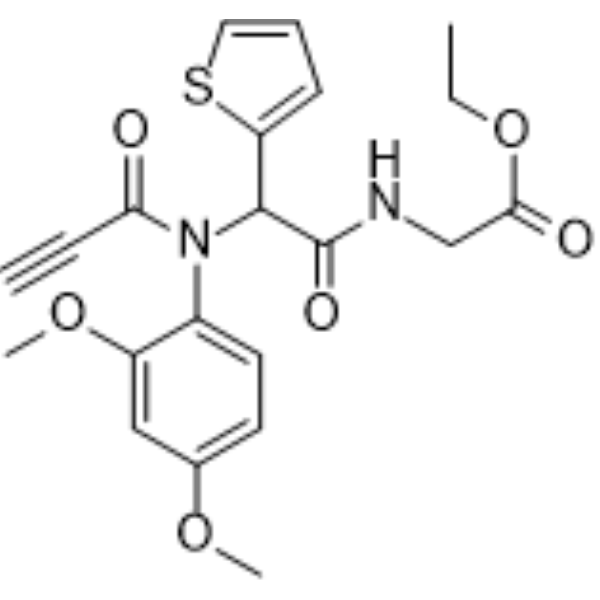
    SA-PA is an intracellular self-assembled PROTAC based on azide and alkyne. SA-PA is able to selectively degrade VEGFR-2, PDGFR-β and EphB4 proteins in U87 cells. SA-PA can be converted to PROTAC in situ by click reaction with the help of endogenous copper in tumor tissues .
    SA-PA
  • HY-174620

    mRNA Inflammation/Immunology
    Human IL22 mRNA encodes the human interleukin 22 (IL22) protein, a member of the IL10 family of cytokines that mediate cellular inflammatory responses. IL22 functions in antimicrobial defense at mucosal surfaces and in tissue repair. It also has pro-inflammatory properties and plays a role in in the pathogenesis of several intestinal diseases.
    Human IL22 mRNA
  • HY-113781

    LY031537 free base

    Adrenergic Receptor Trace Amine-associated Receptor (TAAR) Metabolic Disease
    Ractopamine (LY031537 free base) is a potent and orally active β-adrenergic receptor (βAR) agonist with Kd value of ~25 nM for pig β1AR and β2AR. Ractopamine also is a mTAAR1 agonist with an EC50 of 16 μM. Ractopamine promotes muscle mass development, limits fat deposition, reduces feed consumption, increases total cellular protein synthesis, and improves growth rate and feed efficiency in finishing swine. Ractopamine can be used for researching to increase lean tissue growth and improve production efficiency in pigs .
    Ractopamine
  • HY-174670

    mRNA Cancer
    Human HGF mRNA encodes the human hepatocyte growth factor (HGF) protein, a protein that binds to the hepatocyte growth factor receptor to regulate cell growth, cell motility and morphogenesis in numerous cell and tissue types. It also plays a role in angiogenesis, tumorogenesis, and tissue regeneration.
    Human HGF mRNA
  • HY-174679

    mRNA Cancer
    Human FOXA2 mRNA encodes the human forkhead box A2 (FOXA2) protein, a member of the forkhead class of DNA-binding proteins. FOXA2 is involved in embryonic development, establishment of tissue-specific gene expression and regulation of gene expression in differentiated tissues.
    Human FOXA2 mRNA

Inquiry Online

Your information is safe with us. * Required Fields.

Salutation


Country or Region *

Applicant Name *


Organization Name *

Department *


Email Address *


Product Name *

Cat. No.


Requested quantity *

Phone Number *


Remarks

Inquiry Online

Inquiry Information

Product Name:
Cat. No.:
Quantity:
MCE Japan Authorized Agent:

