

1. Search Result
Search Result
Results for "

tomatoes

" in MedChemExpress (MCE) Product Catalog:

73

Inhibitors & Agonists

7

Biochemical Assay Reagents

6

Peptides

38

Natural
Products

2

Isotope-Labeled Compounds

Cat. No. Product Name Target Research Areas Chemical Structure
  • HY-N0287
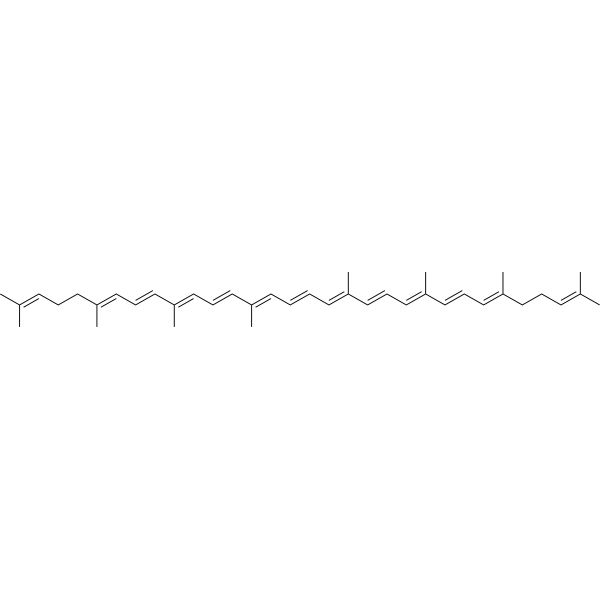
    Lycopene
    15+ Cited Publications

    Reactive Oxygen Species (ROS) Endogenous Metabolite Cardiovascular Disease Cancer
    Lycopene is naturally occurring carotenoids found in tomato, tomato products, and in other red fruits and vegetables; exhibits antioxidant effects.
    Lycopene
  • HY-N0153
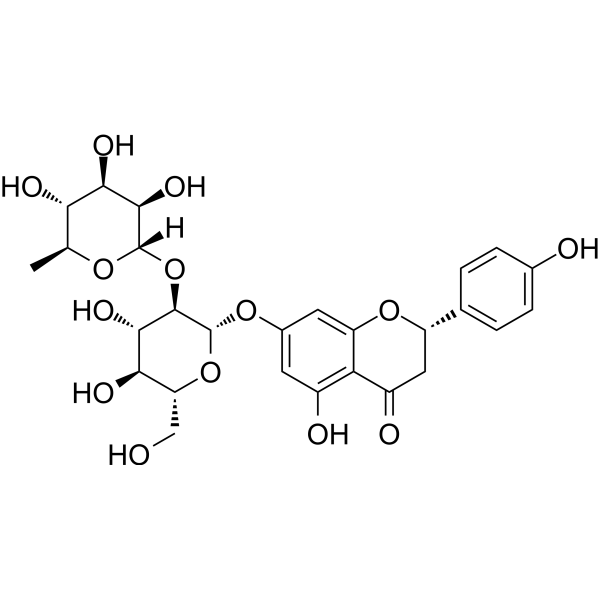
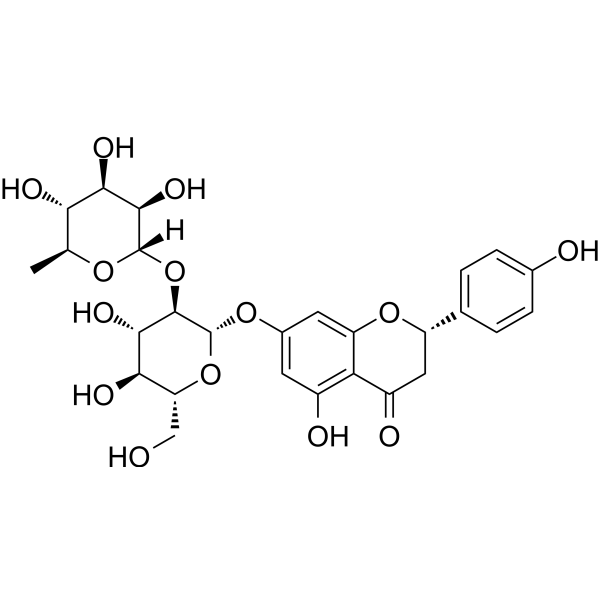
    Naringin
    Maximum Cited Publications
    24 Publications Verification

    Naringoside

    Cytochrome P450 Autophagy Mitophagy Endogenous Metabolite Inflammation/Immunology Cancer
    Naringin is a major flavanone glycoside obtained from tomatoes, grapefruits, and many other citrus fruits. Naringin exhibits biological properties such as antioxidant, anti-inflammatory, and antiapoptotic activities. Naringin also inhibits proliferation and invasion and induces apoptosis in human osteosarcoma cells by inhibiting zinc finger E-box binding homeobox 1 (Zeb1) .
    Naringin
  • HY-N2166
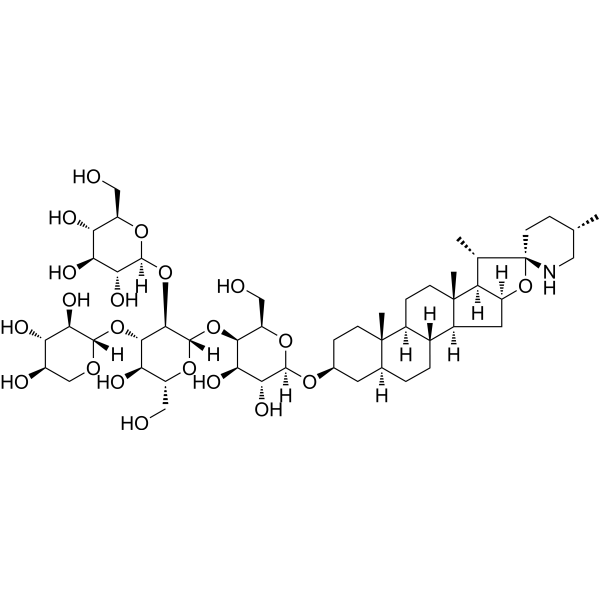
    Tomatine
    2 Publications Verification

    α-Tomatine; Lycopersicin; Tomatin

    Proteasome Apoptosis Neurological Disease
    Tomatine is a glycoalkaloid, found in the tomato plant (Lycopersicon esculentum Mill.). Tomatine elicits neurotoxicity in RIP1 kinase and caspase-independent manner. Tomatine promotes the upregulation of nuclear apoptosis inducing factor (AIF) in neuroblastoma cells. Tomatine also inhibits 20S proteasome activity .
    Tomatine
  • HY-W004263

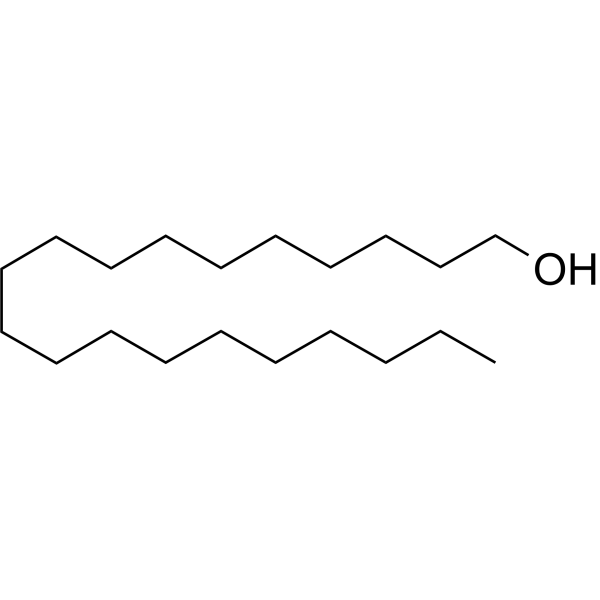
    Arachidyl alcohol

    Environmental Pollutants Fungal Infection
    1-Eicosanol (Arachidyl alcohol) is a long-chain fatty alcohol and volatile organic compound that can be isolated from the leaves of Leea indica and produced by Bacillus velezensis ZJ1. 1-Eicosanol inhibits mycelial growth of Alternaria solani and Botrytis cinerea. 1-Eicosanol is applicable to research related to tomato early blight and tomato gray mold .
    1-Eicosanol
  • HY-N0119
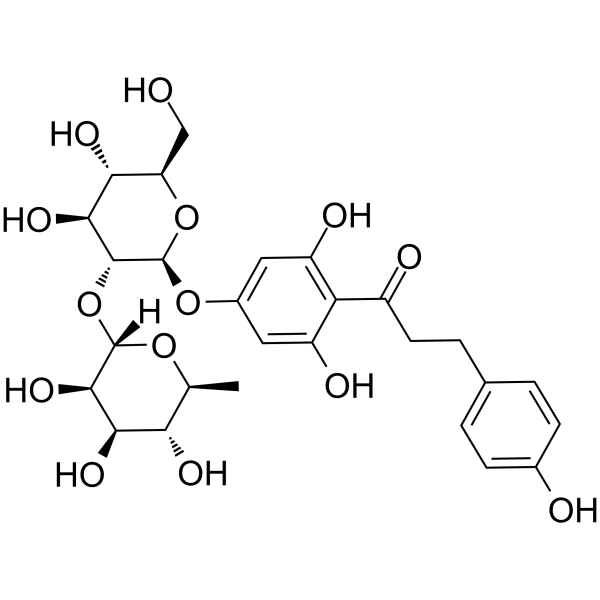
    Naringin Dihydrochalcone
    4 Publications Verification

    Naringin DC

    NF-κB Cancer
    Naringin Dihydrochalcone is an artificial sweetener derived from naringin. Naringin is a major flavanone glycoside obtained from tomatoes, grapefruits, and many other citrus fruits. Naringin exhibits biological properties such as antioxidant, anti-inflammatory, and antiapoptotic activities. Naringin suppresses NF-κB signaling pathway.
    Naringin Dihydrochalcone
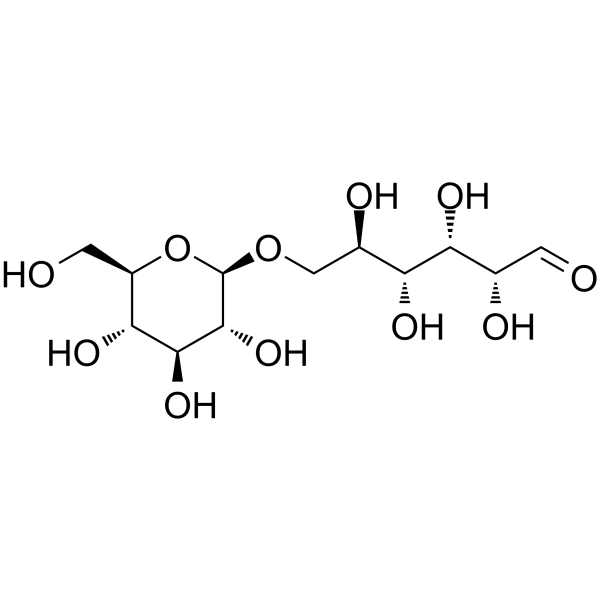
  • HY-N9497

    Galectin Fungal Infection
    Galactinol is a disaccharide carbohydrate serving as a galactosyl donor, which belongs to the raffinose family oligosaccharide pathway and acts as an important osmoprotectant. Galactinol not only induces disease resistance in plants against fungal and bacterial pathogens, but also significantly enhances plant tolerance to abiotic stresses such as drought, high salinity, low temperature and oxidative damage. In addition, Galactinol has the ability to scavenge hydroxyl radicals, can act as a signaling component for root colonization-induced systemic resistance, and is positively correlated with seed longevity in various crops, making it a potential biomarker for evaluating seed vigor. Therefore, Galactinol can be used in the research of various plant diseases including fungal leaf spot, bacterial angular leaf spot, gray mold and soft rot .
    Galactinol
  • HY-P10533

    Tyrosinase Others
    Cysteine peptide is a tyrosinase inhibitor with skin-whitening, antioxidant and multi-regulatory activities. Cysteine peptide inhibits enzyme activity and blocks melanin transport, effectively reducing UV-B-induced skin erythema and pigmentation. Cysteine peptide synergistically maintains skin health by quenching ROS, resisting oxidative stress and promoting pheomelanin production. Cysteine peptide safely prevents daily ultraviolet damage and supports moderate sun exposure for vitamin D synthesis. Cysteine peptide also acts as a plant signaling factor to regulate vegetative growth, development and stress resistance responses .
    Cysteine peptide
  • HY-Y1426

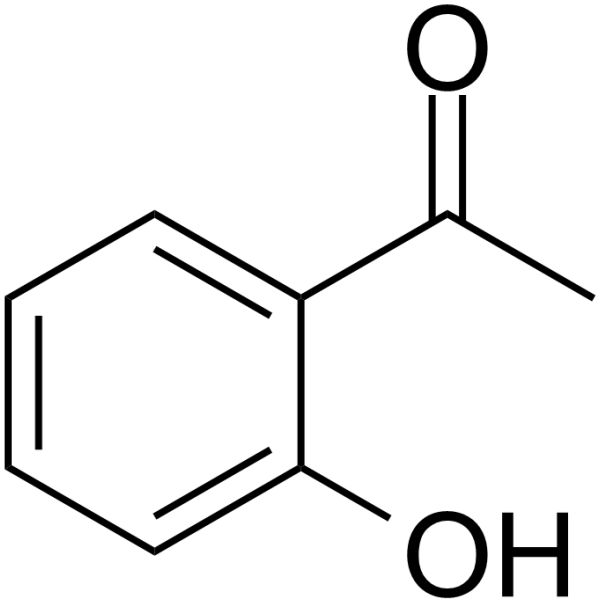
    o-Hydroxyacetophenone; o-Acetylphenol

    Drug Intermediate Others
    2'-Hydroxyacetophenone is found in alcoholic beverages. 2'-Hydroxyacetophenone is present in tomato, cassia, fried beef, rum, whiskey, cocoa, coffee and black tea. 2'-Hydroxyacetophenone is a flavouring ingredient. Building block in chemical synthesis.
    2'-Hydroxyacetophenone
  • HY-N8393

    Bacterial Fungal Infection
    Ascr#18, an ascaroside, is a hormone of nematodes. Ascr#18 is expressed during nematode development. Ascr#18 increases resistance in Arabidopsis, tomato, potato and barley to viral, bacterial, oomycete, fungal and nematode infections .
    Ascr#18
  • HY-P11056

    MDM-2/p53 Others
    REF1 peptide is a PORK1 agonist with an EC50 of 0.028 nM in tomato. REF1 peptide binds to the extracellular domain of PORK1, triggers receptor autophosphorylation, and drives downstream MPK3/MPK6 activation, thereby initiating defense and regeneration signaling cascades. REF1 peptide induces callus formation, inhibits shoot regeneration upon continuous exposure, and enhances the regeneration and transformation efficiency of recalcitrant dicotyledonous and monocotyledonous crops .
    REF1 peptide
  • HY-116954

    DNA/RNA Synthesis Others
    Metribuzin is a low-cost non-selective herbicide belonging to the chemical class of triazinones. Metribuzin inhibits plant DNA synthesis and acts on photosystem II, ultimately suppressing photosynthesis. Metribuzin provides excellent control of important annual grass and broadleaf weeds .
    Metribuzin
  • HY-W011654

    4-Aminophenyl-beta-D-galactopyranoside, 98%

    Glycosidase Inflammation/Immunology Cancer
    4-Aminophenyl-β-D-galactopyranoside, 98% is a highly efficient substrate for β-galactosidase. It is specifically hydrolyzed by this enzyme to release galactose and electroactive p-aminophenol. 4-Aminophenyl-β-D-galactopyranoside, 98% is widely used in colorimetric and electrochemical assays for detecting β-galactosidase activity and determining enzyme kinetics, such as in biosensing fields including cellular senescence, pathogen and contaminant detection. In addition, since β-galactosidase is often overexpressed in primary ovarian cancer, 4-Aminophenyl-β-D-galactopyranoside, 98% can also be applied to related research on primary ovarian cancer .
    4-Aminophenyl-β-D-galactopyranoside, 98%
  • HY-17520
    Penthiopyrad
    1 Publications Verification

    MTF-753

    Environmental Pollutants Fungal Infection
    Penthiopyrad (MTF-753) is a carboxamide Fungicide. Penthiopyrad inhibits SDH. Penthiopyrad exhibits broad-spectrum antifungal activity, being effective not only against Basidiomycetes, but also against Ascomycetes and Deuteromycetes. Penthiopyrad inhibits the mycelial growth of Alternaria mali, Botrytis cinerea, Monilinia mali, Rhizoctonia solani and Sclerotinia sclerotiorum on PDA medium, with EC50 values ranging from <0.4 ppm to 0.34 ppm and MIC values ranging from 6.6 ppm to 47.9 ppm .
    Penthiopyrad
  • HY-N8165
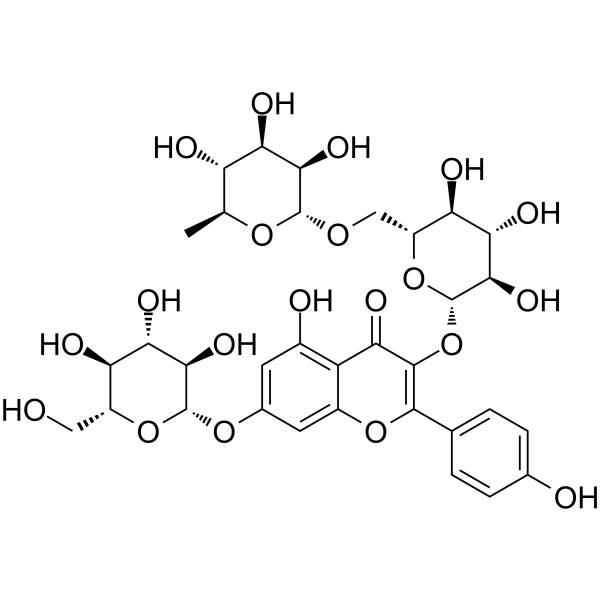
    Kaempferol 3-O-rutinoside 7-O-glucoside
    1 Publications Verification

    Others Others
    Kaempferol 3-O-rutinoside 7-O-glucoside is a flavonoid glycoside from red tomato .
    Kaempferol 3-O-rutinoside 7-O-glucoside
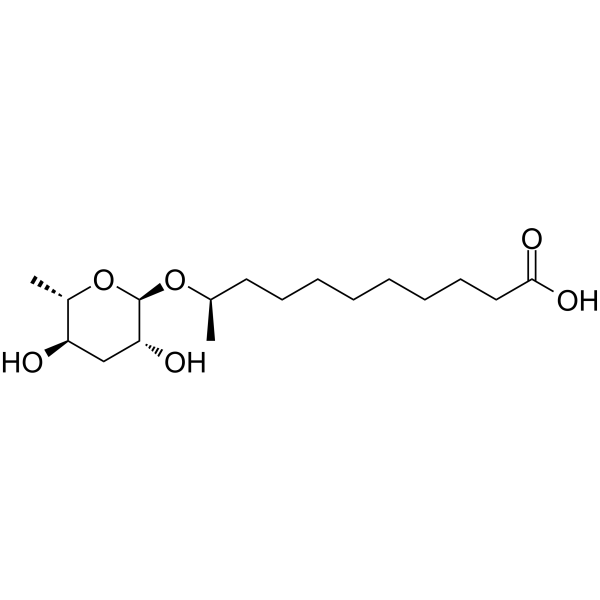
  • HY-137940

    Gentiobiose

    Others Others
    β-Gentiobiose (Gentiobiose) is a natural oligosaccharide. β-Gentiobiose can promote ripening of tomato fruit .
    β-Gentiobiose
  • HY-P0279

    Endogenous Metabolite Others
    Systemin, an 18-amino acid polypeptide, has been isolated from tomato leaves that is a powerful inducer of over 15 defensive genes.
    Systemin
  • HY-W744966

    Environmental Pollutants Antibiotic Infection
    Mandipropamid displays outstanding activity against late blight diseases of potato and tomato, combined with excellent efficacy on downy mildew diseases of grape and cucumber .
    Mandipropamid
  • HY-121584
    Lycoperodine-1
    1 Publications Verification

    Cyclomethyltryptophan

    CaSR Metabolic Disease
    Lycoperodine-1 (Cyclomethyltryptophan) is an active product that can be isolated from tomato fruits (Lycopersicon sculentum). Lycoperodine-1 act as an agonist of Ca 2+ sensing receptors (CaSR) .
    Lycoperodine-1
  • HY-W009811

    Environmental Pollutants Insecticide Others
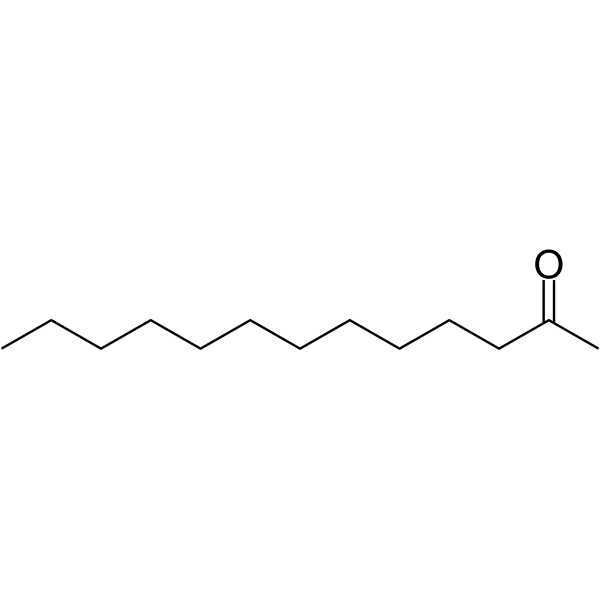
    2-Tridecanone, a nonalkaloid insecticide, is isolated from the wild tomato Lycopersicon hirsutum f. glabratum. 2-Tridecanone is a volatile organic compound .
    2-Tridecanone
  • HY-P10447

    Fengycin IX; SNA-60-367-3

    Phospholipase Infection
    Plipastatin A1 is a lipopeptide with phospholipase A2 inhibitory activity. Plipastatin A1 inhibits conidial germination of Botrytis cinerea in vitro and reduces the incidence of gray mold on tomato leaves. Plipastatin A1 is applicable to research related to gray mold .
    Plipastatin A1
  • HY-B2008

    DPX-JE874

    Environmental Pollutants Fungal Infection
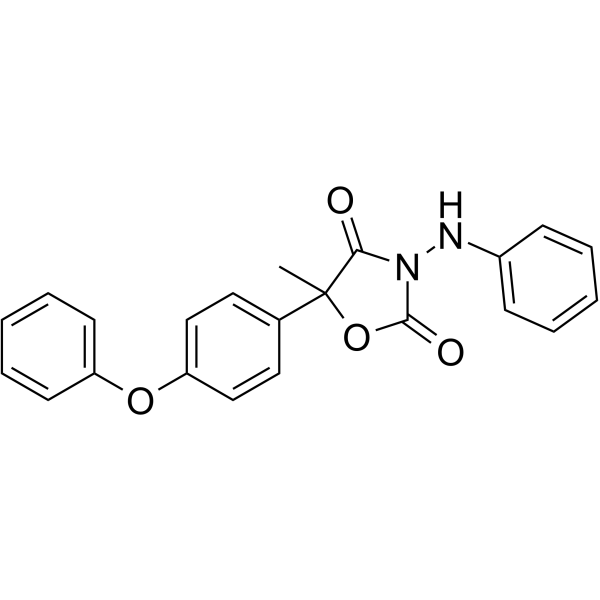
    Famoxadone is a fungicide active against various oomycetes. Famoxadone induces rapid lysis of zoospores of P. viticola and P. infestans, and inhibits sporangial differentiation, zoospore release, sporangial germination and mycelial growth. Famoxadone exerts a preventive control effect on plant diseases. Famoxadone can be used in research related to grape downy mildew, potato late blight, tomato late blight and plant oomycete diseases .
    Famoxadone
  • HY-B2062
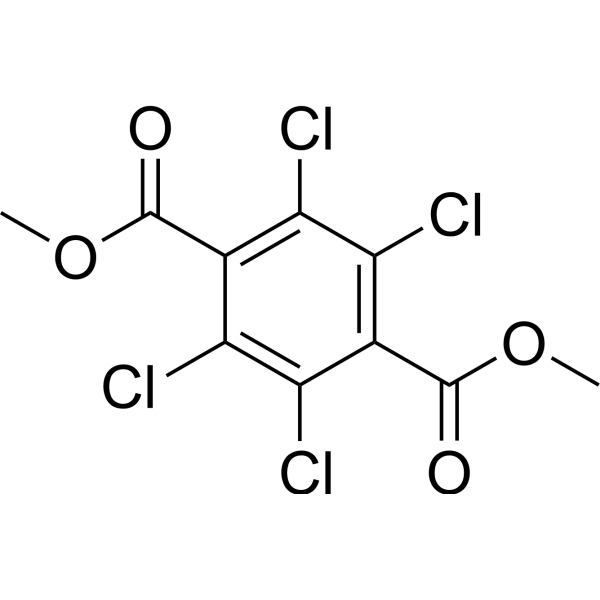
    Chlorthal-dimethyl
    1 Publications Verification

    Dimethyl tetrachloroterephthalate

    Environmental Pollutants Biochemical Assay Reagents Others
    Chlorthal-dimethyl (Dimethyl tetrachloroterephthalate) is a plant growth regulator. Chlorthal-dimethyl affects cell division and differentiation, interfering with the normal development of vascular tissue. Chlorthal-dimethyl causes localized swelling of tomato hypocotyls and disrupts normal mitosis in germinating millet seedlings .
    Chlorthal-dimethyl
  • HY-N8491A

    Others Others
    (+)-Dihydrocarvone elicits strong antennal responses of A. mellifera. (+)-Dihydrocarvone influences bee foraging preference for tomato .
    (+)-Dihydrocarvone
  • HY-NP188

    LEL (FITC)

    Fluorescent Dye Biochemical Assay Reagents Others
    Lycopersicon esculentum (Tomato) Lectin (FITC) is Lycopersicon esculentum (Tomato) Lectin (HY-NP071) labeled with FITC (HY-66019). Lycopersicon esculentum (Tomato) Lectin (FITC) binds to poly-N-acetyllactosamine oligosaccharides. Lycopersicon esculentum (Tomato) Lectin (FITC) is a major component of carbohydrates on the surface of endothelial and epithelial cells .
    Lycopersicon esculentum (Tomato) Lectin (FITC)
  • HY-118448

    Antibiotic Bacterial Fungal Parasite Infection
    2,4-Diacetylphloroglucinol is a polyketide antibiotic produced by Pseudomonas fluorescens. 2,4-Diacetylphloroglucinol exhibits broad-spectrum toxicity against various organisms such as bacteria, fungi, oomycetes, and nematodes. 2,4-Diacetylphloroglucinol can also inhibit plant pathogens and affect the root development of tomato seedlings .
    2,4-Diacetylphloroglucinol
  • HY-N0153R
    Naringin (Standard)
    Maximum Cited Publications
    24 Publications Verification

    Naringoside (Standard)

    Endogenous Metabolite Cytochrome P450 Mitophagy Autophagy Reference Standards Inflammation/Immunology Cancer
    Naringin is a major flavanone glycoside obtained from tomatoes, grapefruits, and many other citrus fruits. Naringin exhibits biological properties such as antioxidant, anti-inflammatory, and antiapoptotic activities. Naringin also inhibits proliferation and invasion and induces apoptosis in human osteosarcoma cells by inhibiting zinc finger E-box binding homeobox 1 (Zeb1) .
    Naringin (Standard)
  • HY-17518

    IR5885; Valiphenal

    Environmental Pollutants Bacterial Fungal Infection
    Valifenalate (IR5885; Valiphenal) is an insecticide agent and fungicide, which is approved for application on high-value crops such as grapes, tomatoes and other vegetables. Valifenalate interferes with cell-wall synthesisValifenalate is effective against various types of mildew. Valifenalate can be used against crown rot of rose cuased by Phytophthora citrophthora. Valifenalate induces non-adverse thyroid changes via adaptive induction of uridine 5’-diphosphoglucuronosyltransferase (UGT) in the liver of dogs and rats .
    Valifenalate
  • HY-N3007A

    Others Inflammation/Immunology
    (E)-Naringenin chalcone is an orally active anti-allergic agent. (E)-Naringenin chalcone also has antioxidant, anti-inflammatory activities. (E)-Naringenin chalcone can improve adipocyte functions. (E)-Naringenin chalcone inhibits histamine release from rat peritoneal mast cell .
    (E)-Naringenin chalcone
  • HY-NP148

    LEL (Biotin)

    Fluorescent Dye Others
    Lycopersicon esculentum (Tomato) Lectin Biotin is a plant lectin that can be used as a probe to specifically bind biomolecules (such as polysaccharides, peptides, etc.). Lycopersicon esculentum (Tomato) Lectin Biotin is a biological material or organic compound that can be used in life science research .
    Lycopersicon esculentum (Tomato) Lectin (Biotin)
  • HY-W762060

    Fungal Infection
    Metiram is a polymeric dithiocarbamate pesticide active as a fungicide. Metiram is widely used to protect crops such as tomatoes, potatoes, apples, grapevines, etc. Human and environmental exposure from the representative use of Metiram on potatoes is considered non-negligible. Metiram is considered necessary in the control of serious threats to plant health that cannot be suppressed by other available means, including non-chemical methods .
    Metiram
  • HY-NP0136

    LEL (Fluorescein)

    Fluorescent Dye Others
    Lycopersicon esculentum (Tomato) Lectin (LEL) Fluorescein is a plant lectin that can be used as a probe to specifically bind biomolecules (such as polysaccharides, peptides, etc.).Lycopersicon esculentum (Tomato) Lectin (LEL) Fluorescein is a biological material or organic compound that can be used in life science research .
    Lycopersicon esculentum  (Tomato) Lectin (Fluorescein)
  • HY-W336192

    Environmental Pollutants Endogenous Metabolite Endocrinology
    (3E,8Z,11Z)-3,8,11-Tetradecatrienyl acetate is a sex pheromone capable of attracting male South American tomato pinworms (Scrobipalpuloides absoluta), which can be isolated from the tomato pest .
    (3E,8Z,11Z)-3,8,11-Tetradecatrienyl acetate
  • HY-B2026

    Fungal Infection
    Propamocarb is a systemic fungicide. Propamocarb is widely used to protect cucumbers, tomatoes and other plants from pathogens .
    Propamocarb
  • HY-N16388

    Autophagy Parasite Infection
    α-Costic acid is a plant sesquiterpene that can induce oxidative stress and autophagy in tomatoes. α-Costic acid has acaricidal activity .
    α-Costic acid
  • HY-N2166R

    α-Tomatine (Standard); Lycopersicin (Standard); Tomatin (Standard)

    Reference Standards Proteasome Apoptosis Neurological Disease
    Tomatine is a glycoalkaloid, found in the tomato plant (Lycopersicon esculentum Mill.). Tomatine elicits neurotoxicity in RIP1 kinase and caspase-independent manner. Tomatine promotes the upregulation of nuclear apoptosis inducing factor (AIF) in neuroblastoma cells. Tomatine also inhibits 20S proteasome activity .
    Tomatine (Standard)
  • HY-N5097

    PPAR Metabolic Disease
    13-Oxo-9E,11E-octadecadienoic acid, an isomer of 9-oxo-ODA, is a potent PPARα activator derived from tomato juice. 13-Oxo-9E,11E-octadecadienoic acid decreases plasma and hepatic triglyceride in obese diabetic mice .
    13-Oxo-9E,11E-octadecadienoic acid
  • HY-B2062R

    Dimethyl tetrachloroterephthalate (Standard)

    Drug Intermediate Mitosis Reference Standards Others
    Chlorthal-dimethyl (Standard) is the analytical standard of Chlorthal-dimethyl. This product is intended for research and analytical applications. Chlorthal-dimethyl (Dimethyl tetrachloroterephthalate) is a plant growth regulator. Chlorthal-dimethyl affects cell division and differentiation, interfering with the normal development of vascular tissue. Chlorthal-dimethyl causes localized swelling of tomato hypocotyls and disrupts normal mitosis in germinating millet seedlings .
    Chlorthal-dimethyl (Standard)
  • HY-NP071

    LEL

    Biochemical Assay Reagents Others
    Lycopersicon esculentum (Tomato) Lectin (LEL) specifically recognizes and binds to sugar structures, that combines with fluorescein for fluorescent labeling and imaging of cells and tissues. Lycopersicon esculentum (Tomato) Lectin is used to visualizes the vasculature within transplanted tissues by labeling with fluorescein .
    Lycopersicon esculentum (Tomato) Lectin
  • HY-W726127

    Fungal Infection
    Propamocarb hydrochloride is a systemic fungicide. Propamocarb hydrochloride is widely used to protect cucumbers, tomatoes and other plants from pathogens .
    Propamocarb hydrochloride
  • HY-Y1426R

    o-Hydroxyacetophenone (Standard); o-Acetylphenol (Standard)

    Reference Standards Others Others
    2'-Hydroxyacetophenone (Standard) is the analytical standard of 2'-Hydroxyacetophenone. This product is intended for research and analytical applications. 2'-Hydroxyacetophenone is found in alcoholic beverages. 2'-Hydroxyacetophenone is present in tomato, cassia, fried beef, rum, whiskey, cocoa, coffee and black tea. 2'-Hydroxyacetophenone is a flavouring ingredient. Building block in chemical synthesis.
    2'-Hydroxyacetophenone (Standard)
  • HY-W170614

    Endogenous Metabolite Others
    Citramalic acid is an organic acid and soil phosphorus-solubilizing agent. Citramalic acid can be secreted by beet roots, and low phosphorus conditions promote its secretion .
    Citramalic acid
  • HY-121584R

    Cyclomethyltryptophan (Standard)

    CaSR Reference Standards Metabolic Disease
    Lycoperodine-1 (Standard) is the analytical standard of Lycoperodine-1. This product is intended for research and analytical applications. Lycoperodine-1 (Cyclomethyltryptophan) is an active product that can be isolated from tomato fruits (Lycopersicon sculentum). Lycoperodine-1 act as an agonist of Ca2+ sensing receptors (CaSR) .
    Lycoperodine-1 (Standard)
  • HY-P10685

    [Tyr5,12,Lys7]-Polyphemusin II

    HIV CMV Infection
    T-22 (polyphemusin II with [Tyr5,12,Lys7]) is a new synthetic peptide that fights HIV, with an EC50 of 0.008 μg/mL and a CC50 of 54 μg/mL. T22 promotes plant height, photosynthesis, total chlorophyll content, and gas exchange in tomatoes, and it can resist CMV .
    T-22
  • HY-169281

    COX Infection
    Antiviral agent 61 (compound Z40) is a potent antiviral agent. Antiviral agent 61 shows anti tomato spotted wilt virus (TSWV) activity with an EC50 value of 252 μg/mL. Antiviral agent 61 increases the RNA expression of Ndufb9,COX6B,7.1.2.2,E,COX5B,Ndufs4,and SDHB,decreases the RNA expression of Ndufb7,Ndufa5,and G .
    Antiviral agent 61
  • HY-124385

    Biochemical Assay Reagents Others
    Tunaxanthin is a xanthophyll, exists in fruits of various tomato strains and their hybrid. Tunaxanthin is also a carotenoid present in fish .
    Tunaxanthin
  • HY-132967

    Others Infection
    Anti-TSWV agent 1 exhibits excellent inactivation activity against tomato spotted wilt virus (TSWV), with an EC50 value of 144 μg/mL.
    Anti-TSWV agent 1
  • HY-W751460

    Drug Derivative Infection
    (R)-(-)-Curcumene is a 7-epizingiberene derivative and repellent. (R)-(-)-Curcumene can be derived from Tomato. (R)-(-)-Curcumene repells B. tabaci .
    (R)-(-)-Curcumene
  • HY-B2026S

    Fungal Infection
    Propamocarb-d7 is the deuterium labeled Propamocarb . Propamocarb is a systemic fungicide. Propamocarb is widely used to protect cucumbers, tomatoes and other plants from pathogens .
    Propamocarb-d7
  • HY-B2026R

    Reference Standards Fungal Infection
    Propamocarb (Standard) is the analytical standard of Propamocarb. This product is intended for research and analytical applications. Propamocarb is a systemic fungicide. Propamocarb is widely used to protect cucumbers, tomatoes and other plants from pathogens .
    Propamocarb (Standard)
  • HY-W744966R

    Reference Standards Fungal Infection
    Mandipropamid (Standard) is the analytical standard of Mandipropamid. This product is intended for research and analytical applications. Mandipropamid displays outstanding activity against late blight diseases of potato and tomato, combined with excellent efficacy on downy mildew diseases of grape and cucumber .
    Mandipropamid (Standard)

Inquiry Online

Your information is safe with us. * Required Fields.

Salutation


Country or Region *

Applicant Name *


Organization Name *

Department *


Email Address *


Product Name *

Cat. No.


Requested quantity *

Phone Number *


Remarks

Inquiry Online

Inquiry Information

Product Name:
Cat. No.:
Quantity:
MCE Japan Authorized Agent:

