1. Search Result
Search Result
Results for "

vasorelaxation

" in MedChemExpress (MCE) Product Catalog:

16

Inhibitors & Agonists

1

Biochemical Assay Reagents

7

Natural
Products

Cat. No. Product Name Target Research Areas Chemical Structure
  • HY-N2409
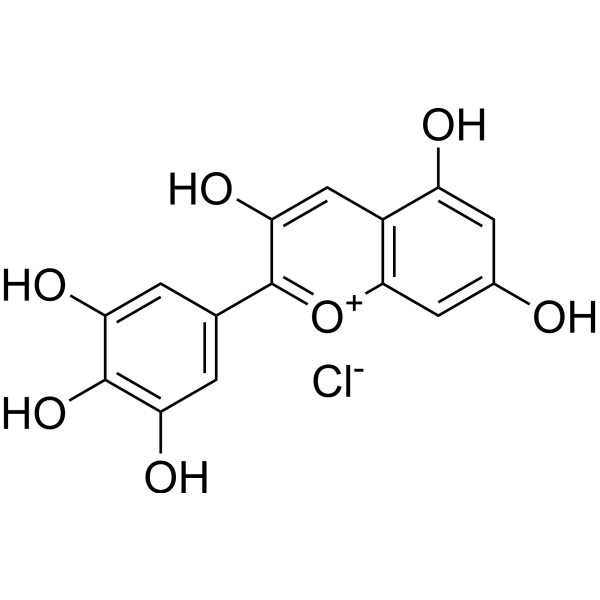
    Delphinidin chloride
    2 Publications Verification

    Apoptosis EGFR JAK STAT Cardiovascular Disease Cancer
    Delphinidin chloride is an anthocyanin isolated from berries and red wine. Delphinidin chloride exhibits endothelium-dependent vasodilation and anticancer activity. Delphinidin chloride also modulates JAK/STAT3 and MAPK signaling, thereby inducing apoptosis in HCT116 cells. Delphinidin chloride is also a potent inhibitor of EGFR (IC50: 1.3 μM), shutting down downstream signaling cascades .
    Delphinidin chloride
  • HY-N0657
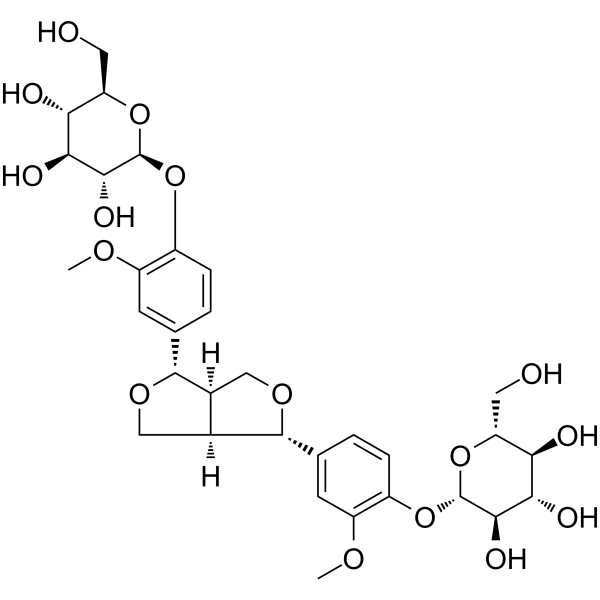
    Pinoresinol Diglucoside
    1 Publications Verification

    NF-κB Keap1-Nrf2 Heme Oxygenase (HO) TGF-beta/Smad Akt mTOR PI3K Cardiovascular Disease Neurological Disease Metabolic Disease Inflammation/Immunology
    Pinoresinol Diglucoside is an orally active lignan with multifunctional bioactivity. Pinoresinol Diglucoside interacts with targets including ALB, HIF1A, GSK3B, BCL2, MARK3, IL6, NF-κB p65, Nrf2, HO-1, and TLR4, and modulates pathways including PI3K-Akt, estrogen, MAPK, Rap1, AKT/mTOR/NF-κB, and TGF-β1/Smads. Pinoresinol Diglucoside regulates osteogenesis, bone resorption, oxidative stress, inflammation, apoptosis, ferroptosis, ferritinophagy, cardiac fibrosis, and vasorelaxation. Pinoresinol Diglucoside can be used for the research of osteoporosis, ischemia/reperfusion-induced brain injury, Alzheimer’s disease, myocardial ischemia-reperfusion injury, chondrodysplasia, diabetic cardiomyopathy, cardiac hypertrophy, hypertension, cisplatin-induced hearing loss, atherosclerotic cardiovascular diseases, and disuse osteoporosis .
    Pinoresinol Diglucoside
  • HY-N8307

    NO Synthase NF-κB Akt AMPK Calcium Channel Inflammation/Immunology
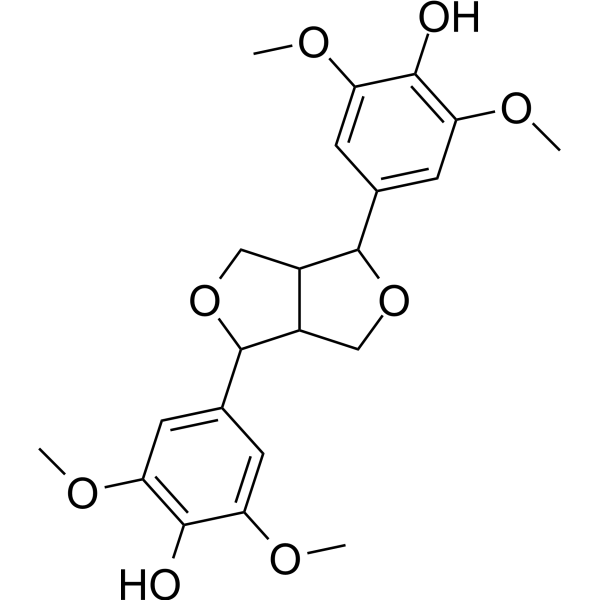
    Syringaresinol is a lignan-type phytochemical with anti-inflammatory activities. Syringaresinol inhibits the NF-κB and AKT signaling pathway in IL-1β-activated mouse chondrocytes. Syringaresinol increases phosphorylation of AMPK, eNOS, and intracellular Ca 2+ levels in HUVECs. Syringaresinol attenuates osteoarthritis progression in mice with Destabilization of the Medial Meniscus (DMM)-induced osteoarthritis. Syringaresinol can be used for the study of osteoarthritis (OA) .
    Syringaresinol
  • HY-14903

    TZP-101

    GHSR Adrenergic Receptor Metabolic Disease
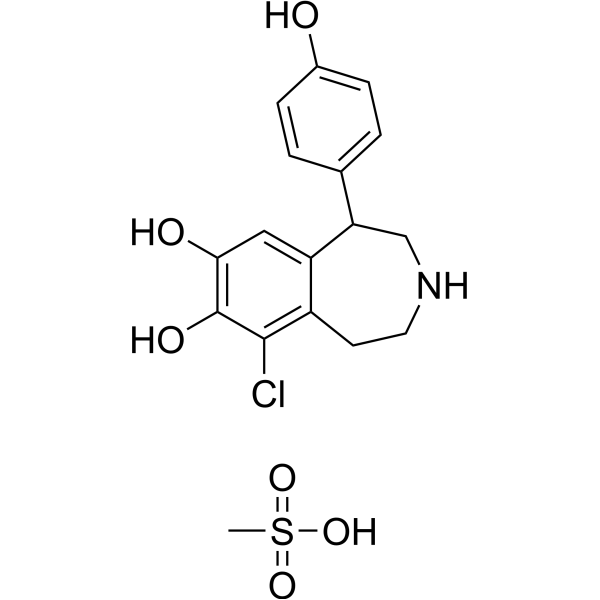
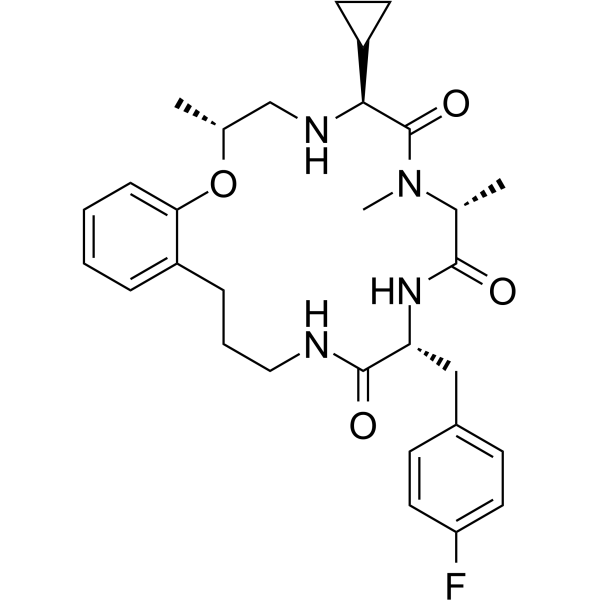
    Ulimorelin (TZP-101) is a ghrelin receptor (GRLN) agonist with an EC50 of 29 nM and a Ki of 16 nM. Ulimorelin is a prokinetic agent and causes vasorelaxation through competitive antagonist action at α1-adrenoceptors. Ulimorelin stimulates intestinal motility and is used for malnutrition .
    Ulimorelin
  • HY-147323

    Ferulic acid 4-sulfate

    Drug Metabolite Cardiovascular Disease
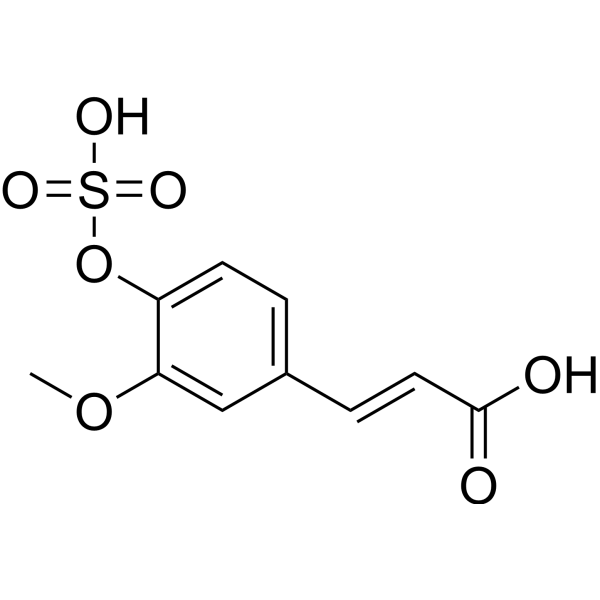
    Ferulic acid 4-O-sulfate (Ferulic acid 4-sulfate) is a metabolite of Ferulic acid (HY-N0060). Ferulic acid 4-O-sulfate relaxes arteries and lowers blood pressure in mice .
    Ferulic acid 4-O-sulfate
  • HY-100613

    Chloride Channel Cardiovascular Disease
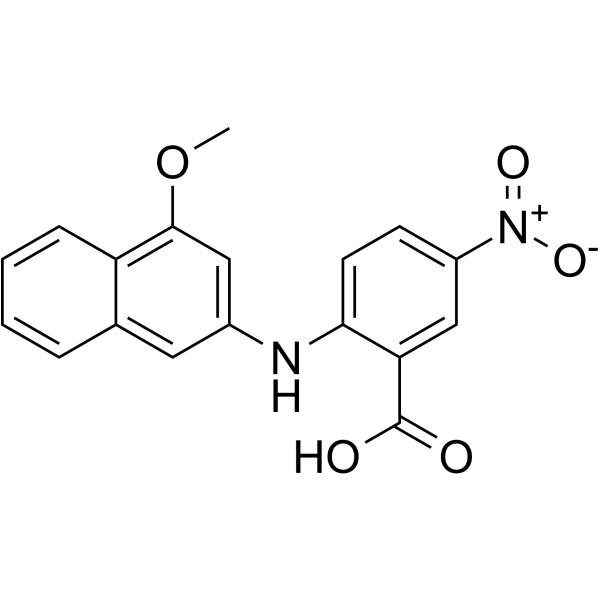
    MONNA is a potent transmembrane protein 16A (TMEM16A, Anoctamin-1) blocker with an IC50 of 80 nM. MONNA induces vasorelaxation of rodent resistance arteries in presence or absence of chloride ions .
    MONNA
  • HY-N8095

    Others Cardiovascular Disease
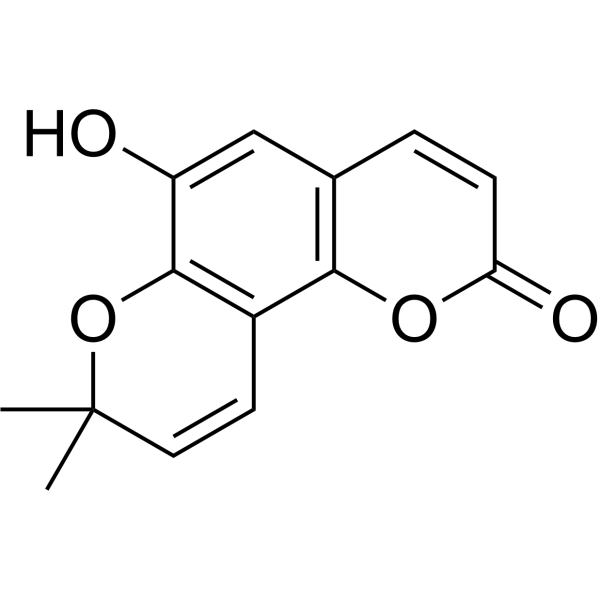
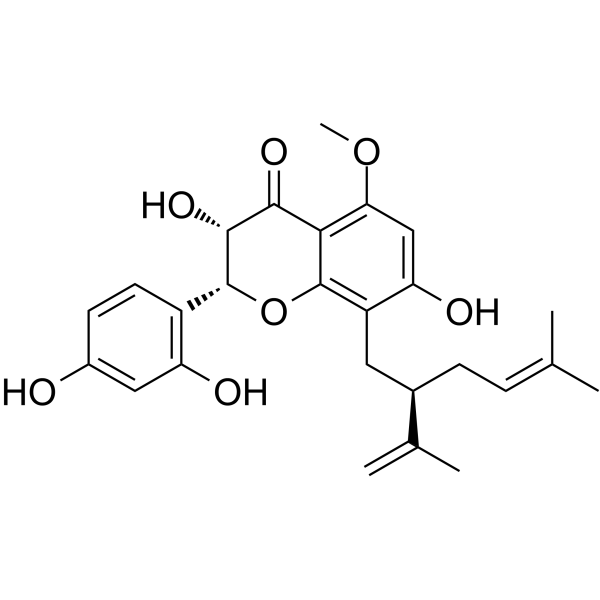
    Kushenol N is a prenylated flavonoid that can be isolated from the root of Sophora flavescens. Kushenol N has anti-allergic and vasorelaxation activities .
    Kushenol N
  • HY-147384

    Calcium Channel Cardiovascular Disease
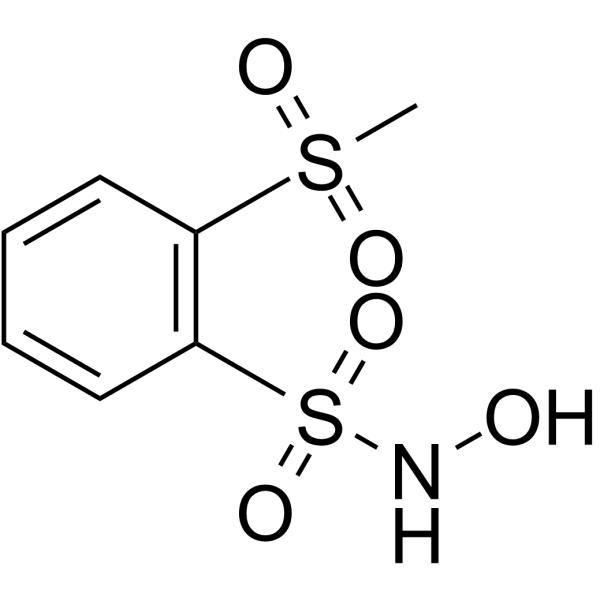
    CXL-1020 is a hydroxylamine-based nitroxyl (HNO) donor. CXL-1020 improves cardiac inotropy/lusitropy and Ca 2+ cycling in rats with abnormal relaxation. CXL-1020 induces vasorelaxation and improves cardiac function in canine models. CXL-1020 has been used to research systolic heart failure and stable heart failure .
    CXL-1020
  • HY-N2409R

    Apoptosis EGFR JAK STAT Reference Standards Cardiovascular Disease Cancer
    Delphinidin (chloride) (Standard) is the analytical standard of Delphinidin (chloride). This product is intended for research and analytical applications. Delphinidin chloride is an anthocyanin isolated from berries and red wine. Delphinidin chloride exhibits endothelium-dependent vasodilation and anticancer activity. Delphinidin chloride also modulates JAK/STAT3 and MAPK signaling, thereby inducing apoptosis in HCT116 cells. Delphinidin chloride is also a potent inhibitor of EGFR (IC50: 1.3 μM), shutting down downstream signaling cascades .
    Delphinidin chloride (Standard)
  • HY-120221

    Guanylate Cyclase NO Synthase Cardiovascular Disease
    SE 175 is an organic nitrate compound that acts as an NO donor in vivo following reductive transformation of the nitrate group to nitric oxide. SE 175 stimulates endothelial soluble guanylate cyclase and induces aortic vasorelaxation with an EC50 of 0.20 µM .
    SE 175
  • HY-147377

    Calcium Channel ERK Potassium Channel Guanylate Cyclase NF-κB Cardiovascular Disease Neurological Disease Inflammation/Immunology
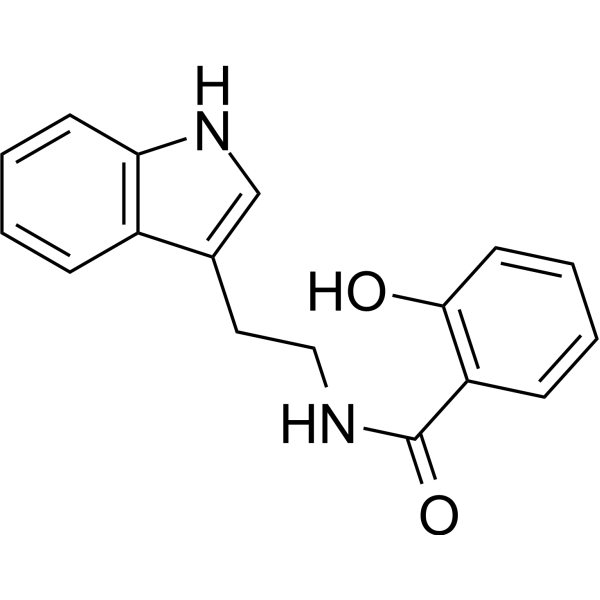
    N-Salicyloyltryptamine acts on voltage-dependent Na +, Ca 2+, and K + ion channels inhibitor. N-Salicyloyltryptamine inhibits K + currents with an IC50 value of 34.6 μM (Ito). N-Salicyloyltryptamine also exhibits anticonvulsant, anti-inflammatory, analgesic, and vasorelaxation effect - .
    N-Salicyloyltryptamine
  • HY-147323R

    Ferulic acid 4-sulfate (Standard)

    Reference Standards Drug Metabolite Cardiovascular Disease
    Ferulic acid 4-O-sulfate (Standard) is the analytical standard of Ferulic acid 4-O-sulfate. This product is intended for research and analytical applications. Ferulic acid 4-O-sulfate (Ferulic acid 4-sulfate) is a metabolite of Ferulic acid (HY-N0060). Ferulic acid 4-O-sulfate relaxes arteries and lowers blood pressure in mice[1].
    Ferulic acid 4-O-sulfate (Standard)
  • HY-N0657R

    Reference Standards NF-κB Keap1-Nrf2 Heme Oxygenase (HO) TGF-beta/Smad Akt mTOR PI3K Cardiovascular Disease Neurological Disease Metabolic Disease Inflammation/Immunology
    Pinoresinol Diglucoside (Standard) is the analytical standard of Pinoresinol Diglucoside (HY-N0657). This product is intended for research and analytical applications. Pinoresinol Diglucoside is an orally active lignan with multifunctional bioactivity. Pinoresinol Diglucoside interacts with targets including ALB, HIF1A, GSK3B, BCL2, MARK3, IL6, NF-κB p65, Nrf2, HO-1, and TLR4, and modulates pathways including PI3K-Akt, estrogen, MAPK, Rap1, AKT/mTOR/NF-κB, and TGF-β1/Smads. Pinoresinol Diglucoside regulates osteogenesis, bone resorption, oxidative stress, inflammation, apoptosis, ferroptosis, ferritinophagy, cardiac fibrosis, and vasorelaxation. Pinoresinol Diglucoside can be used for the research of osteoporosis, ischemia/reperfusion-induced brain injury, Alzheimer’s disease, myocardial ischemia-reperfusion injury, chondrodysplasia, diabetic cardiomyopathy, cardiac hypertrophy, hypertension, cisplatin-induced hearing loss, atherosclerotic cardiovascular diseases, and disuse osteoporosis.
    Pinoresinol Diglucoside (Standard)
  • HY-19138

    Potassium Channel Cardiovascular Disease
    SR 47063 is an ATP-sensitive potassium channel (KATP) agonist. SR 47063 selectively activates KATP channels in vascular smooth muscle cells (IC50: 8.1 nM in human saphenous vein, 3.86 nM in rat aorta). SR 47063 promotes potassium efflux and cellular hyperpolarization to induce vasorelaxation. SR 4706 is promising for research of hypertension and related cardiovascular disorders .
    SR 47063
  • HY-180529

    Keap1-Nrf2 Reactive Oxygen Species (ROS) Potassium Channel Cardiovascular Disease
    4-Octyl itaconate-Bn-S-NH2 (Compound 8b) is a vasodilator. 4-Octyl itaconate-Bn-S-NH2 can slowly and stably release H₂S, and it alleviates oxidative stress through an antioxidant reaction that depends on the activation of Nrf2. 4-Octyl itaconate-Bn-S-NH2 inhibits the production of intracellular ROS caused by H₂O₂ damage and the cytotoxicity of cells, and activates potassium channel. 4-Octyl itaconate-Bn-S-NH2 can be used for research on hypertension .
    4-Octyl itaconate-Bn-S-NH2
  • HY-N17816

    Apoptosis Reactive Oxygen Species (ROS) α-synuclein Succinate Dehydrogenase Bcl-2 Family Caspase Cardiovascular Disease Neurological Disease Metabolic Disease Inflammation/Immunology Cancer
    Tambulin is an orally active flavonol compound found in Zanthoxylum armatum. Tambulin can inhibit cell proliferation, induce apoptosis and inhibit ROS production. Tambulin upregulates cleaved caspase-3, cleaved caspase-9, and Bax, downregulates Bcl-2 levels. Tambulin can stimulate glucose-dependent insulin secretion and induce endothelium-independent vasorelaxation. Tambulin binds to succinate dehydrogenase (SDH) (Ki = 11.02 μM) and shows significant ferric reducing power. Tambulin can enhances oxidative stress resistance, reduces, lipofuscin deposits, lipid levels, α-synuclein levels, improves locomotary behavior, and dopamine levels in in age-synchronized L1 hermaphrodite Caenorhabditis elegans models of ageing and Parkinson's disease. Tambulin can be used for the researches of Parkinson's disease, lung squamous cell carcinoma, and diabetes .
    Tambulin

Inquiry Online

Your information is safe with us. * Required Fields.

Salutation


Country or Region *

Applicant Name *


Organization Name *

Department *


Email Address *


Product Name *

Cat. No.


Requested quantity *

Phone Number *


Remarks

Inquiry Online

Inquiry Information

Product Name:
Cat. No.:
Quantity:
MCE Japan Authorized Agent:

