1. Search Result
Search Result
Results for "

very-long-chain

" in MedChemExpress (MCE) Product Catalog:

57

Inhibitors & Agonists

1

Biochemical Assay Reagents

14

Peptides

10

Natural
Products

9

Isotope-Labeled Compounds

3

Antibodies

Targets Recommended:
Cat. No. Product Name Target Research Areas Chemical Structure
  • HY-N7109
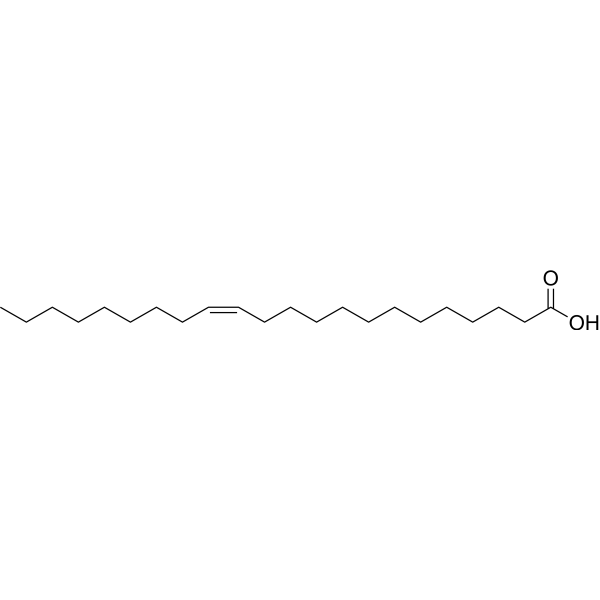
    Erucic acid
    2 Publications Verification

    PI3K Endogenous Metabolite Neurological Disease
    Erucic acid, a monounsaturated fatty acid (MUFA), is isolated from the seed of Raphanus sativus L. Erucic acid can readily cross the blood-brain barrier (BBB), it has been reported to normalize the accumulation of very long-chain fatty acids in the brain. Erucic acid can improve cognitive impairment and be effective against dementia .
    Erucic acid
  • HY-W010629
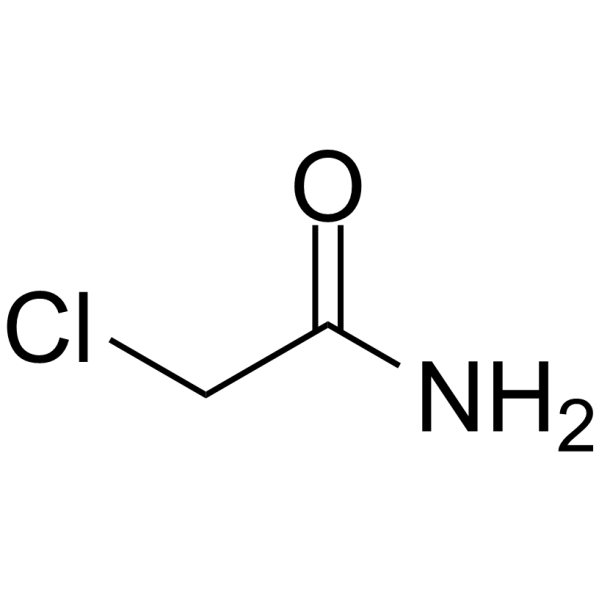
    2-Chloroacetamide
    2 Publications Verification

    Bacterial Infection
    2-Chloroacetamide is a preservative and is a herbicide for both uplands and paddy fields. 2-Chloroacetamide is a biocide in agriculture, glues, paints and coatings. 2-Chloroacetamide inhibits very-long-chain fatty acid elongase .
    2-Chloroacetamide
  • HY-P3479

    Insulin Receptor Metabolic Disease
    Insulin (swine) is an orally active insulin derived from pigs. Insulin (swine) when administered orally acts as an antigen to reduce the severity of pancreatic lymphocyte infiltration, but has no metabolic effect on blood glucose levels. Insulin (swine) increases glucose oxidation, stimulates lipogenesis, and lowers blood glucose levels. Insulin (swine) can be used in diabetes research .
    Insulin (swine)
  • HY-113301
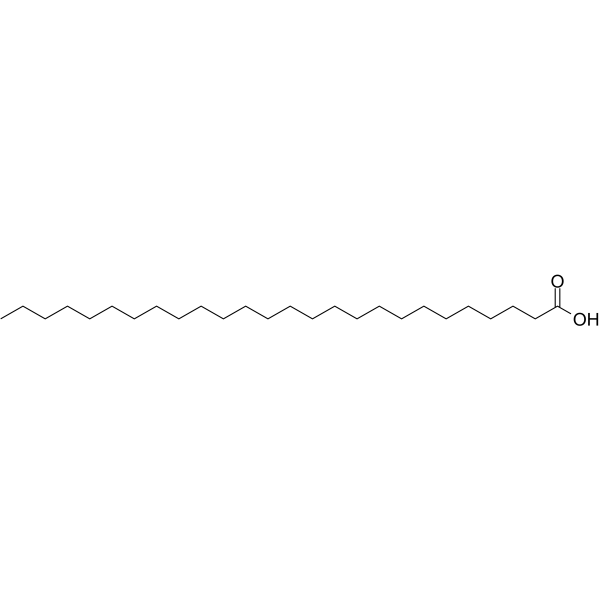
    Hexacosanoic acid
    1 Publications Verification

    Endogenous Metabolite Cardiovascular Disease Neurological Disease
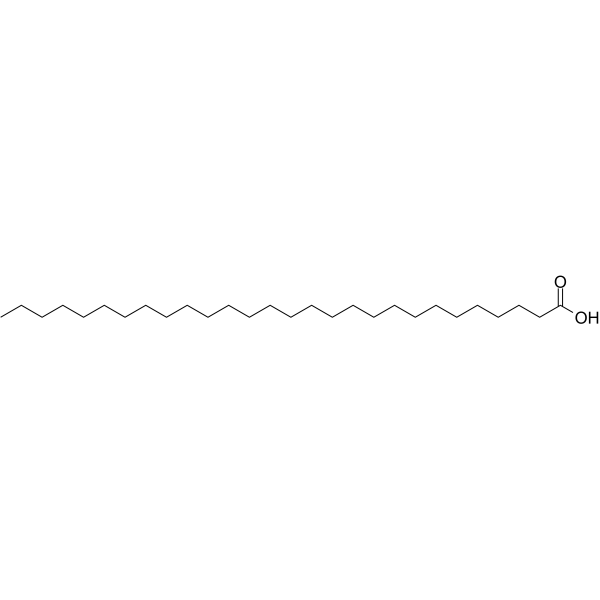
    Hexacosanoic acid is a very long-chain fatty acid. Abnormally elevated levels of Hexacosanoic acid are closely associated with various diseases, such as X-linked adrenoleukodystrophy, adrenomyeloneuropathy, atherosclerosis, and dementia .
    Hexacosanoic acid
  • HY-145272
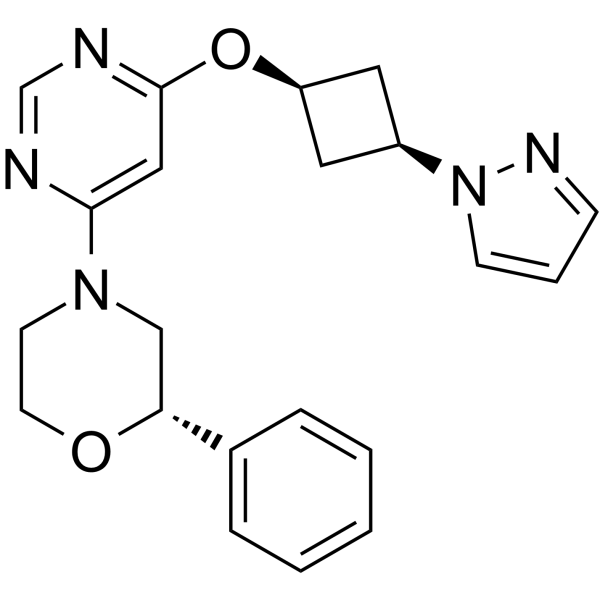
    ELOVL1-IN-3
    1 Publications Verification

    ELOVL Neurological Disease
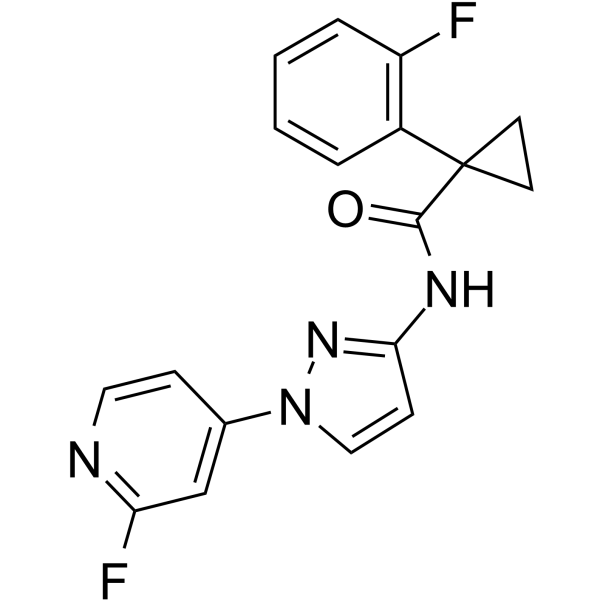
    ELOVL1-IN-3 (Compound 22) is a potent and orally active inhibitor of elongation of very long chain fatty acid 1 (ELOVL1) enzyme. ELOVL1-IN-3 serves as a useful tool for researching adrenoleukodystrophy (ALD) [1].
    ELOVL1-IN-3
  • HY-170794

    Acyltransferase Ceramidase Metabolic Disease
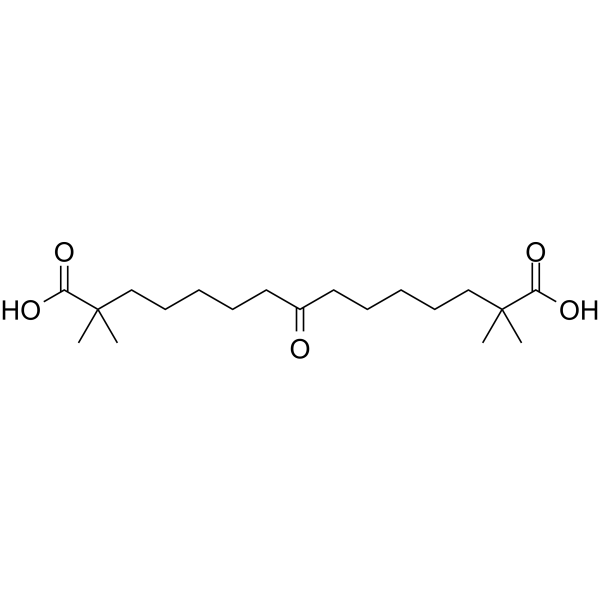
    ALT-007 is an orally active serine palmitoyltransferase (SPT) inhibitor that selectively reduces the levels of toxic very-long-chain deoxysphingolipids to enhance protein homeostasis. ALT-007 restores aging-related loss of muscle mass in a mouse model of sarcopenia. ALT-007 enhances protein homeostasis in both mouse and C. elegans models of aging and disease. ALT-007 can be used for age-related neuromuscular diseases research .
    ALT-007
  • HY-113201

    Endogenous Metabolite Neurological Disease
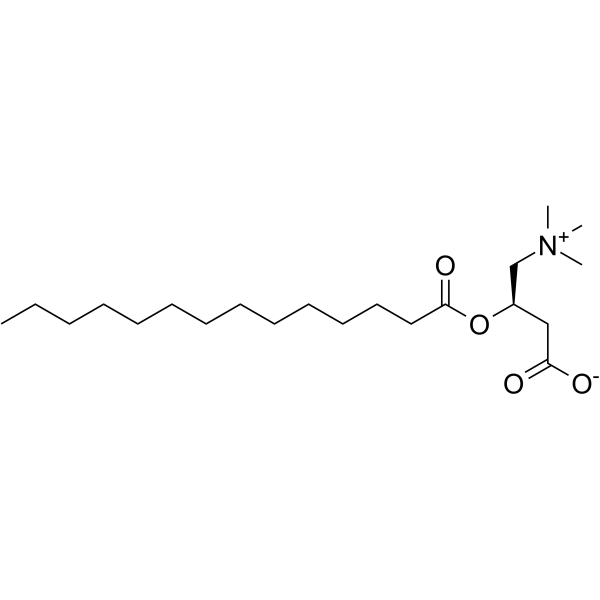
    Tetradecanoylcarnitine is an acylcarnitine involved in mitochondrial β-oxidation of long-chain saturated fatty acids and fatty acid metabolism. Tetradecanoylcarnitine serves as a biomarker for very long-chain acyl-CoA dehydrogenase deficiency and MPTP (HY-15608)-induced Parkinson's disease. Tetradecanoylcarnitine exhibits a characteristic significant elevation in plasma levels in patients with sarcopenia, including those complicated with hypertension, and this elevation is closely associated with an increased risk of death. Tetradecanoylcarnitine is widely used in research on the pathological mechanisms of diseases such as Parkinson's disease and sarcopenia .
    Tetradecanoylcarnitine
  • HY-145270

    ELOVL Metabolic Disease
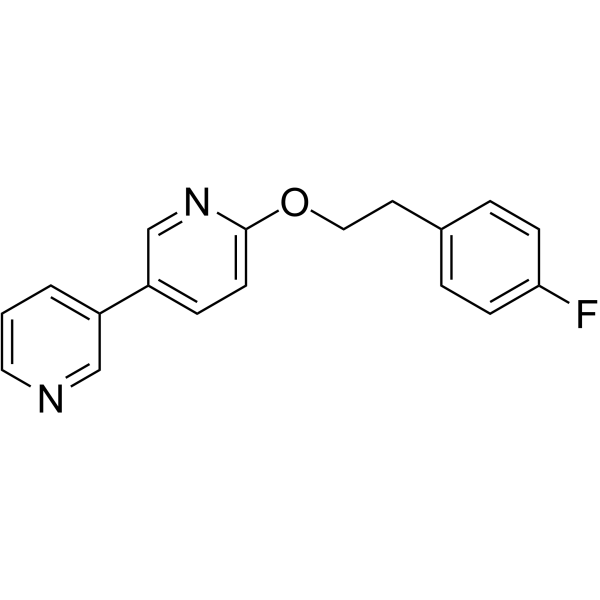
    ELOVL1-IN-2 is an elongation of very long chain fatty acid 1 (ELOVL1) enzyme inhibitor, ELOVL1-IN-2 shows weak ELOVL1 inhibition (IC50=21 μM) and moderate potency in a primary cellular assay (HEK293 C26 IC50=6.7 μM) .
    ELOVL1-IN-2
  • HY-119435

    Herbicide Environmental Pollutants Others
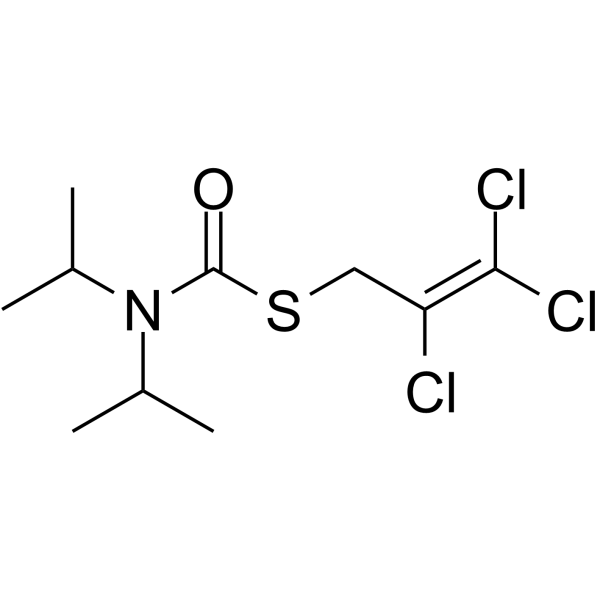
    Triallate is a selective thiocarbamate herbicide. Triallate regulates the biosynthesis of very-long-chain fatty acids and inhibits the elongation and division of plant cells. Triallate is used to control wild oats in barley, spring wheat, durum wheat, winter wheat and sugar beets .
    Triallate
  • HY-N8425

    Montanic acid

    Endogenous Metabolite Metabolic Disease
    Octacosanoic acid is a very long-chain saturated fatty acid. It is the major component of D-003, a mixture of very long-chain aliphatic acids purified from sugar cane wax that has antiplatelet and cholesterol-lowering activities in animal models .
    Octacosanoic acid
  • HY-136373

    BAS 479H

    Herbicide Cytochrome P450 DNA/RNA Synthesis Others
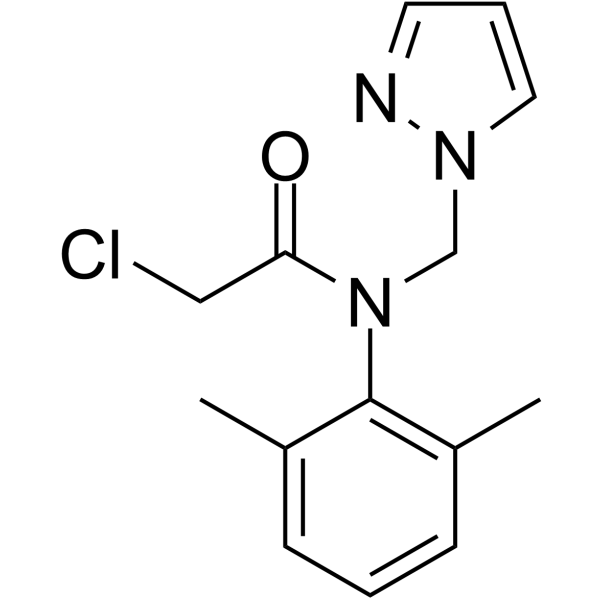
    Metazachlor (BAS 479H) is a herbicide belonging to the chloroacetamides class. Metazachlor can inhibit the synthesis of very long chain fatty acids during the germination and emergence of weed seeds, thereby interfering with cell division and tissue differentiation, and thus hindering the normal growth and development of weeds .
    Metazachlor
  • HY-145122
    ELOVL1-IN-1
    1 Publications Verification

    ELOVL Metabolic Disease
    ELOVL1-IN-1 is an ELOVL1 inhibitor extracted from patent WO2018107056A1, compound 87. ELOVL1-IN-1 can reduce very long chain fatty acid levels. ELOVL1-IN-1 can be used for the research of adrenoleukodystrophy (ALD) .
    ELOVL1-IN-1
  • HY-148978

    Exosomes Endogenous Metabolite Liposome Metabolic Disease
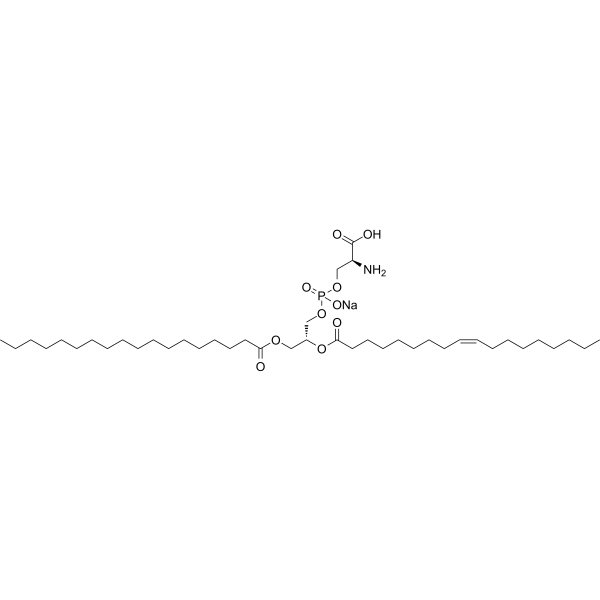
    18:0,18:1 PS sodium is the dominant phosphatidylserine subtype in cells, exosomes and HIV particles. It is abundant in the brain and is essential for maintaining membrane structure, lipid raft organization and intracellular trafficking. 18:0,18:1 PS sodium mediates interleaflet membrane coupling through cholesterol-dependent interactions with very long-chain sphingolipids, and can induce the clustering of glycosylphosphatidylinositol-anchored proteins. In addition, clusters formed by the binding of 18:0,18:1 PS sodium to cholesterol not only facilitate the proper distribution of cholesterol in lipid bilayers, but also effectively protect cholesterol from oxidative damage .
    18:0,18:1 PS sodium
  • HY-N7864

    all-cis-4,7,10,13,16-Docosapentaenoic acid

    Biochemical Assay Reagents Others
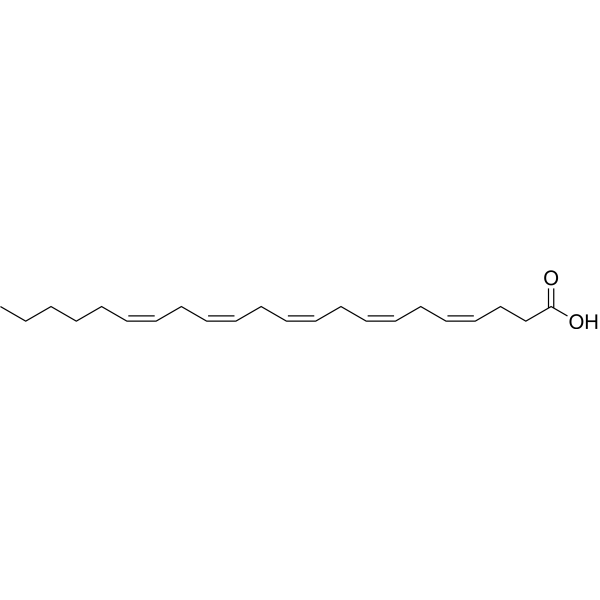
    Docosapentaenoic acid (DPA) is a 22-carbon fatty acid found in fish oil. It is a minor component of total serum unsaturated fatty acids in humans, ranging from 0.1% to 1%, and increasing with dietary supplementation. all-cis-4,7,10,13,16-DPA, also known as Austrian acid, is an isomer of DPA. It is an omega-6 fatty acid formed by the extension and desaturation of arachidonic acid. During fatty acid desaturase syndrome, levels of this fatty acid may be reduced, which may affect development. Upregulated hepatic elongate expression of very long fatty acid protein 6 and elevated levels of very long chain fatty acids, including all-cis 4,7,10,13,16-DPA, are characteristic of nonalcoholic steatohepatitis, a precancerous disease of hepatocellular carcinoma.
    Osbond acid
  • HY-156679

    Thyroid Hormone Receptor Neurological Disease Cancer
    VK-0214 is an agonist of the thyroid β receptor (TRβ). By activating the expression of ABCD2, it can reduce the accumulation of very long-chain fatty acids (VLCFAs) and further alleviate glioblastoma multiforme. VK-0214 has the effect of regulating fatty acid metabolism and can be used in the research of X-linked adrenoleukodystrophy (X-ALD) .
    VK-0214
  • HY-P3432

    Biochemical Assay Reagents Others
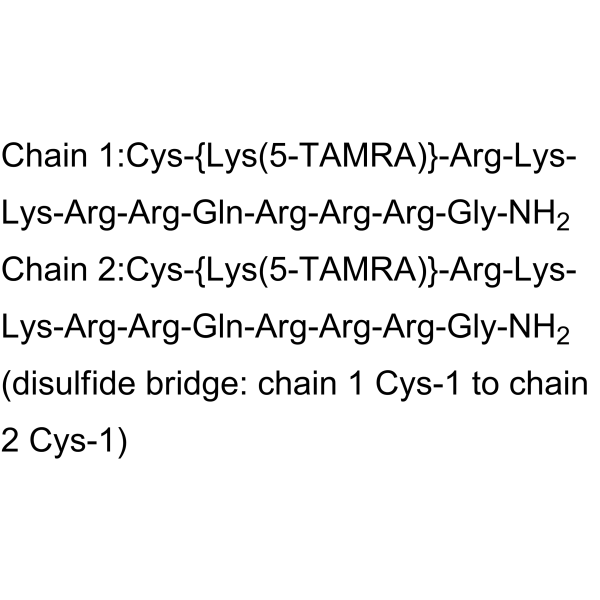
    DfTat is a dimer of the prototypical cell-penetrating peptide TAT. DfTat can deliver small molecules, peptides and proteins into live cells with a particularly high efficiency. DfTat labeled with the rhodamine can be used as a tracer for easy detection .
    DfTat
  • HY-136373S

    BAS 479H-d6

    Isotope-Labeled Compounds Herbicide Cytochrome P450 DNA/RNA Synthesis Others
    Metazachlor-d6 (BAS 479H-d6) is a deuterium labeled Metazachlor (HY-136373). Metazachlor (BAS 479H) is a herbicide belonging to the chloroacetamides class. Metazachlor can inhibit the synthesis of very long chain fatty acids during the germination and emergence of weed seeds, thereby interfering with cell division and tissue differentiation, and thus hindering the normal growth and development of weeds .
    Metazachlor-d6
  • HY-120958

    C24:6n-3

    Endogenous Metabolite Metabolic Disease
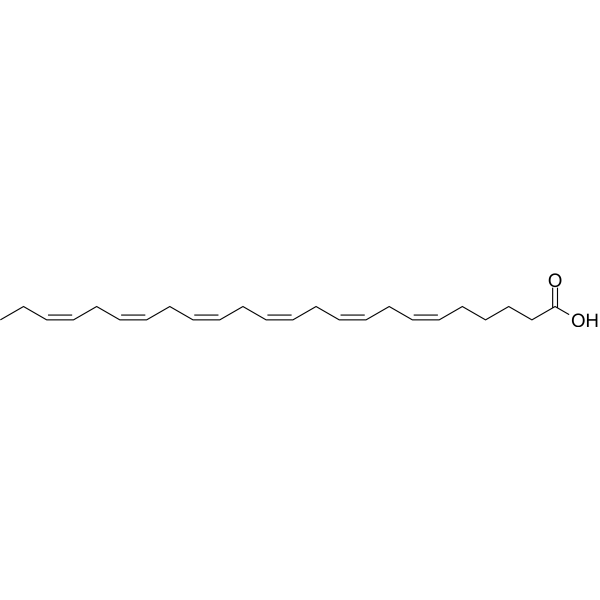
    Nisinic acid (C24:6n-3) is a very long chain polyunsaturated fatty acid (VLCPUFA) that is a component of triglycerides and cholesterol esters in mouse and rat testis .
    Nisinic acid
  • HY-117057S

    Isotope-Labeled Compounds Endogenous Metabolite Metabolic Disease
    Hexaenoic acid-d6 is deuterium labeled Hexaenoic acid. Very long chain polyunsaturated fatty acids (VLCPUFAs) are important components of ceramides and sphingomyelin and are present in retina, sperm, and brain. Tetratriaconta-16(Z),19(Z),22(Z),25(Z),28(Z),31(Z)-hexaenoic acid is a C34:6 VLCPUFA whose specific biological actions are largely unknown. This VLCPUFA, along with others, has been investigated for its role in activating protein kinase C .
    Hexaenoic acid-d6
  • HY-P10204

    Wnt Cancer
    FZD7 antagonist 1 (peptide 34) is a dFz7-21 analogue. FZD7 antagonist 1 is an FZD7 antagonist that inhibits the wnt3a with IC50 value of 9.2 nM. FZD7 antagonist 1 blocks TcdB−FZD interaction via targeting FZD receptors .
    FZD7 antagonist 1
  • HY-148978A

    Exosomes Liposome Endogenous Metabolite Metabolic Disease
    18:0,18:1 PS is the dominant phosphatidylserine subtype in cells, exosomes and HIV particles. It is abundant in the brain and is essential for maintaining membrane structure, lipid raft organization and intracellular trafficking. 18:0,18:1 PS mediates interleaflet membrane coupling through cholesterol-dependent interactions with very long-chain sphingolipids, and can induce the clustering of glycosylphosphatidylinositol-anchored proteins. In addition, clusters formed by the binding of 18:0,18:1 PS to cholesterol not only facilitate the proper distribution of cholesterol in lipid bilayers, but also effectively protect cholesterol from oxidative damage .
    18:0,18:1 PS
  • HY-W010629R

    Reference Standards Bacterial Infection
    2-Chloroacetamide (Standard) is the analytical standard of 2-Chloroacetamide. This product is intended for research and analytical applications. 2-Chloroacetamide is a preservative and is a herbicide for both uplands and paddy fields. 2-Chloroacetamide is a biocide in agriculture, glues, paints and coatings. 2-Chloroacetamide inhibits very-long-chain fatty acid elongase .
    2-Chloroacetamide (Standard)
  • HY-P4890

    RXFP Receptor Neurological Disease
    Relaxin H3 (human) is a kind of relaxin peptide. Relaxin H3 (human) exerts antifibrotic actions via RXFP1 .
    Relaxin H3 (human)
  • HY-P10693

    TNF Receptor Bacterial Infection Inflammation/Immunology
    CZEN-002 is a derivative of alpha-melanocyte-stimulating hormone that has anti-inflammatory and antibacterial properties, inhibiting the production of TNF-α .
    CZEN-002
  • HY-P11246

    RXFP Receptor Metabolic Disease
    A13:B7-24-GG is an engineered analogue of insulin-like peptide 5 (INSL5), a selective RXFP4 agonist with a Ki value of 2.29 nM. A13:B7-24-GG has an extremely low binding affinity for RXFP3 (Ki = 602.56 nM) and an inhibitory effect on cAMP (EC50) of 1.17 nM. Activation of RXFP4 by A13:B7-24-GG leads to the recruitment of β-Arrestin2, with an EC50 of 22.39 nM. A13:B7-24-GG can be used for research on chronic constipation .
    A13:B7-24-GG
  • HY-W010629S

    Bacterial Infection
    2-Chloroacetamide-d4 is the deuterium labeled 2-Chloroacetamide . 2-Chloroacetamide is a preservative and is a herbicide for both uplands and paddy fields. 2-Chloroacetamide is a biocide in agriculture, glues, paints and coatings. 2-Chloroacetamide inhibits very-long-chain fatty acid elongase .
    2-Chloroacetamide-d4
  • HY-119435R

    Herbicide Reference Standards Environmental Pollutants Others
    Triallate (Standard) is the analytical standard of Triallate (HY-119435). This product is intended for research and analytical applications. Triallate is a selective thiocarbamate herbicide. Triallate regulates the biosynthesis of very-long-chain fatty acids and inhibits the elongation and division of plant cells. Triallate is used to control wild oats in barley, spring wheat, durum wheat, winter wheat and sugar beets
    Triallate (Standard)
  • HY-N8425R

    Montanic acid (Standard)

    Reference Standards Endogenous Metabolite Metabolic Disease
    Octacosanoic acid (Standard) is the analytical standard of Octacosanoic acid. This product is intended for research and analytical applications. Octacosanoic acid is a very long-chain saturated fatty acid. It is the major component of D-003, a mixture of very long-chain aliphatic acids purified from sugar cane wax that has antiplatelet and cholesterol-lowering activities in animal models .
    Octacosanoic acid (Standard)
  • HY-CE01045

    3-Hydroxytetracosanoyl-coenzyme A

    Biochemical Assay Reagents Metabolic Disease
    3-Hydroxytetracosanoyl-CoA (3-Hydroxytetracosanoyl-coenzyme A) is a very long-chain fatty acyl-CoA.
    3-Hydroxytetracosanoyl-CoA
  • HY-E70276

    Endogenous Metabolite Metabolic Disease
    Heneicosanoyl-CoA is a substrate of Very long-chain acyl-CoA dehydrogenase (VLCAD) in the anaerobic electron transfer flavoprotein (ETF) assay .
    Heneicosanoyl-CoA
  • HY-CE00395

    (S)-3-Hydroxyhexacosanoyl-coenzyme A

    Biochemical Assay Reagents Metabolic Disease
    (S)-3-Hydroxyhexacosanoyl-CoA ((S)-3-Hydroxyhexacosanoyl-coenzyme A) is a very long-chain hydroxy fatty acyl-CoA.
    (S)-3-Hydroxyhexacosanoyl-CoA
  • HY-122129

    Endogenous Metabolite Metabolic Disease
    Very long chain polyunsaturated fatty acids (VLCPUFA) are present in retina, sperm, and brain. Though little is known of their biosynthesis or functional roles in these tissues, recent studies using the elongation of very long-chain FA-4 protein suggest a unique role for VLCPUFA in retinal development and macular degeneration. Dotriaconta-14,17,20,23,26,29-hexaenoic acid is a C32:6 VLCPUFA whose specific biological actions are largely unknown, but are thought to involve normal photoreceptor cell function in the retina.
    Dotriaconta-14,17,20,23,26,29-hexaenoic acid
  • HY-121423

    Apoptosis Reactive Oxygen Species (ROS) Metabolic Disease
    Dimethachlor, a synthetic herbicide, inhibits the undesirable growth of weeds via the suppression of very long-chain fatty acid synthesis. Dimethachlor disrupts normal developmental processes via the induction of apoptosis and ROS production .
    Dimethachlor
  • HY-113301S1

    Isotope-Labeled Compounds Endogenous Metabolite Cardiovascular Disease Neurological Disease
    Hexacosanoic acid-d4-11 is the deuterium labeled Hexacosanoic acid (HY-113301). Hexacosanoic acid is a very long-chain fatty acid. Abnormally elevated levels of Hexacosanoic acid are closely associated with various diseases, such as X-linked adrenoleukodystrophy, adrenomyeloneuropathy, atherosclerosis, and dementia .
    Hexacosanoic acid-d4-1
  • HY-113301S

    Isotope-Labeled Compounds Endogenous Metabolite Cardiovascular Disease Neurological Disease
    Hexacosanoic acid-d4 is the deuterium labeled Hexacosanoic acid (HY-113301). Hexacosanoic acid is a very long-chain fatty acid. Abnormally elevated levels of Hexacosanoic acid are closely associated with various diseases, such as X-linked adrenoleukodystrophy, adrenomyeloneuropathy, atherosclerosis, and dementia .
    Hexacosanoic acid-d4
  • HY-113301R

    Reference Standards Endogenous Metabolite Cardiovascular Disease Neurological Disease
    Hexacosanoic acid (Standard) is the analytical standard of Hexacosanoic acid (HY-113301). This product is intended for research and analytical applications. Hexacosanoic acid is a very long-chain fatty acid. Abnormally elevated levels of Hexacosanoic acid are closely associated with various diseases, such as X-linked adrenoleukodystrophy, adrenomyeloneuropathy, atherosclerosis, and dementia.
    Hexacosanoic acid (Standard)
  • HY-113301S2

    Isotope-Labeled Compounds Endogenous Metabolite Cardiovascular Disease Neurological Disease
    Hexacosanoic acid-d3 is deuterium labeled Hexacosanoic acid (HY-113301). Hexacosanoic acid is a very long-chain fatty acid. Abnormally elevated levels of Hexacosanoic acid are closely associated with various diseases, such as X-linked adrenoleukodystrophy, adrenomyeloneuropathy, atherosclerosis, and dementia .
    Hexacosanoic acid-d3
  • HY-121423R

    Reference Standards Apoptosis Reactive Oxygen Species (ROS) Metabolic Disease
    Dimethachlor (Standard) is the analytical standard of Dimethachlor. This product is intended for research and analytical applications. Dimethachlor, a synthetic herbicide, inhibits the undesirable growth of weeds via the suppression of very long-chain fatty acid synthesis. Dimethachlor disrupts normal developmental processes via the induction of apoptosis and ROS production .
    Dimethachlor (Standard)
  • HY-W720961

    Reactive Oxygen Species (ROS) Metabolic Disease
    Dimethachlor-d6 is the deuterium labeled Dimethachlor (HY-121423). Dimethachlor, a synthetic herbicide, inhibits the undesirable growth of weeds via the suppression of very long-chain fatty acid synthesis. Dimethachlor disrupts normal developmental processes via the induction of apoptosis and ROS production .
    Dimethachlor-d6
  • HY-122129S

    Isotope-Labeled Compounds Endogenous Metabolite Metabolic Disease
    Dotriaconta-14,17,20,23,26,29-hexaenoic acid-d6 is deuterium labeled Dotriaconta-14,17,20,23,26,29-hexaenoic acid. Very long chain polyunsaturated fatty acids (VLCPUFA) are present in retina, sperm, and brain. Though little is known of their biosynthesis or functional roles in these tissues, recent studies using the elongation of very long-chain FA-4 protein suggest a unique role for VLCPUFA in retinal development and macular degeneration. Dotriaconta-14,17,20,23,26,29-hexaenoic acid is a C32:6 VLCPUFA whose specific biological actions are largely unknown, but are thought to involve normal photoreceptor cell function in the retina .
    Dotriaconta-14,17,20,23,26,29-hexaenoic acid-d6
  • HY-N7109B

    PI3K Endogenous Metabolite Neurological Disease
    Erucic acid sodium, a monounsaturated fatty acid (MUFA), is isolated from the seed of Raphanus sativus L. Erucic acid sodium can readily cross the blood-brain barrier (BBB), it has been reported to normalize the accumulation of very long-chain fatty acids in the brain. Erucic acid sodium can improve cognitive impairment and be effective against dementia .
    Erucic acid sodium
  • HY-E70254

    Others Others
    Tricosanoyl-CoA triammonium is a very long-chain fatty acyl-CoA that results from the formal condensation of the thiol group of coenzyme A (HY-128851) with the carboxy group of tricosanoic acid (HY-W009081). Tricosanoyl-CoA is functionally related to a tricosanoic acid. Tricosanoyl-CoA is a conjugate acid of a tricosanoyl-CoA(4-).
    Tricosanoyl-CoA triammonium
  • HY-N7109R

    Reference Standards PI3K Endogenous Metabolite Neurological Disease
    Erucic acid (Standard) is the analytical standard of Erucic acid. This product is intended for research and analytical applications. Erucic acid, a monounsaturated fatty acid (MUFA), is isolated from the seed of Raphanus sativus L. Erucic acid can readily cross the blood-brain barrier (BBB), it has been reported to normalize the accumulation of very long-chain fatty acids in the brain. Erucic acid can improve cognitive impairment and be effective against dementia .
    Erucic acid (Standard)
  • HY-136373R

    BAS 479H (Standard)

    Herbicide Reference Standards Cytochrome P450 DNA/RNA Synthesis Others
    Metazachlor (Standard) (BAS 479H (Standard)) is the analytical standard of Metazachlor (HY-136373). This product is intended for research and analytical applications. Metazachlor (BAS 479H) is a herbicide belonging to the chloroacetamides class. Metazachlor can inhibit the synthesis of very long chain fatty acids during the germination and emergence of weed seeds, thereby interfering with cell division and tissue differentiation, and thus hindering the normal growth and development of weeds .
    Metazachlor (Standard)
  • HY-158575

    14(Z),17(Z),20(Z),23(Z),26(Z),29(Z)-Dotriacontahexaenol

    Drug Intermediate Others
    all-cis-14,17,20,23,26,29-Dotriacontahexaenol (14(Z),17(Z),20(Z),23(Z),26(Z),29(Z)-Dotriacontahexaenol) is a long-chain fatty alcohol. It is an intermediate in the synthesis of the very long-chain PUFA all-cis-14,17,20,23,26,29-dotriacontahexaenoic acid .
    all-cis-14,17,20,23,26,29-Dotriacontahexaenol
  • HY-117057

    Endogenous Metabolite Metabolic Disease
    Very long chain polyunsaturated fatty acids (VLCPUFAs) are important components of ceramides and sphingomyelin and are present in retina, sperm, and brain. Tetratriaconta-16(Z),19(Z),22(Z),25(Z),28(Z),31(Z)-hexaenoic acid is a C34:6 VLCPUFA whose specific biological actions are largely unknown. This VLCPUFA, along with others, has been investigated for its role in activating protein kinase C.
    Hexaenoic acid
  • HY-148978R

    Reference Standards Exosomes Endogenous Metabolite Liposome Metabolic Disease
    Resorantel (Standard) is the analytical standard of Resorantel. This product is intended for research and analytical applications. 18:0,18:1 PS sodium is the dominant phosphatidylserine subtype in cells, exosomes and HIV particles. It is abundant in the brain and is essential for maintaining membrane structure, lipid raft organization and intracellular trafficking. 18:0,18:1 PS sodium mediates interleaflet membrane coupling through cholesterol-dependent interactions with very long-chain sphingolipids, and can induce the clustering of glycosylphosphatidylinositol-anchored proteins. In addition, clusters formed by the binding of 18:0,18:1 PS sodium to cholesterol not only facilitate the proper distribution of cholesterol in lipid bilayers, but also effectively protect cholesterol from oxidative damage .
    18:0,18:1 PS sodium (Standard)
  • HY-175088

    C48:2 EOP (t18:0/30:0w18:2 (9Z,12Z)); N-(30-Linoleoyloxy-triacontanoyl)-phytosphingosine

    Drug Derivative Others
    EOP (t18:0/30:0/18:2) (C48:2 EOP (t18:0/30:0w18:2 (9Z,12Z)); N-(30-Linoleoyloxy-triacontanoyl)-phytosphingosine) is a plant ceramide-based EOS analog. EOP (t18:0/30:0/18:2) is formed by esterifying an ω-hydroxy very long chain ceramide (C28-36) with the essential fatty acid linoleic acid. EOP (t18:0/30:0/18:2) has been used as a component of a model stratum corneum lipid mixture .
    EOP (t18:0/30:0/18:2)
  • HY-P4062

    BIL

    Insulin Receptor Metabolic Disease
    Insulin peglispro (BIL) is a basal insulin with a flat, prolonged activity profile. Insulin peglispro can exhibit better glycaemic control compared to conventional insulins .
    Insulin peglispro
  • HY-P4890A

    RXFP Receptor Neurological Disease
    Relaxin H3 (human) (TFA) is a kind of relaxin peptide. Relaxin H3 (human) (TFA) exerts antifibrotic actions via RXFP1 .
    Relaxin H3 (human) TFA

Inquiry Online

Your information is safe with us. * Required Fields.

Salutation


Country or Region *

Applicant Name *


Organization Name *

Department *


Email Address *


Product Name *

Cat. No.


Requested quantity *

Phone Number *


Remarks

Inquiry Online

Inquiry Information

Product Name:
Cat. No.:
Quantity:
MCE Japan Authorized Agent:

