



Infection
-
Infection Related Products (18488)
Related Products (18488)

-
Antibodies (22)

-
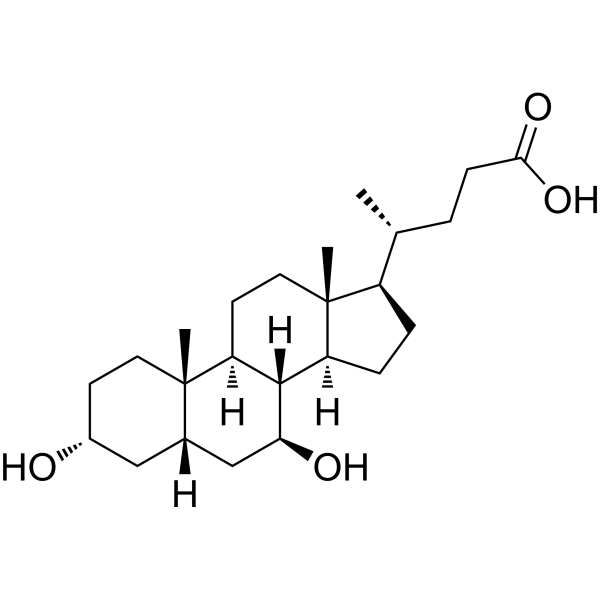
Ursodeoxycholic acid
 0 Images
Ursodeoxycholic acid (Ursodeoxycholate) is a secondary bile acid issued from the transformation of (cheno)deoxycholic acid by intestinal bacteria, acting as a key regulator of the intestinal barrier integrity and essential for lipid metabolism. Ursodeoxycholic acid acts as signaling molecule, exerting its effects by interacting with bile acid activated receptors, including G-protein coupled bile acid receptor 5 (TGR5, GPCR19) and the farnesoid X receptor (FXR). Ursodeoxycholic acid can be used for the research of a variety of hepatic and gastrointestinal diseases. Ursodeoxycholic acid also reduces ACE2 expression and is beneficial for reducing SARS-CoV-2 infection. Orally active.
-
Eflornithine
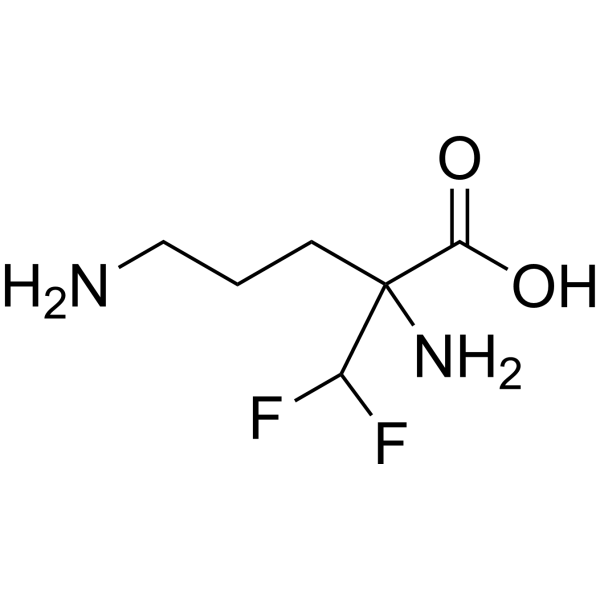 0 ImagesSynonyms: DFMO; MDL71782; RMI71782; α-difluoromethylornithine
Eflornithine is a specific, irreversible inhibitor of the enzyme ornithine decarboxylase. Eflornithine is a medication for the treatment of African trypanosomiasis and excessive facial hair growth in women.
-
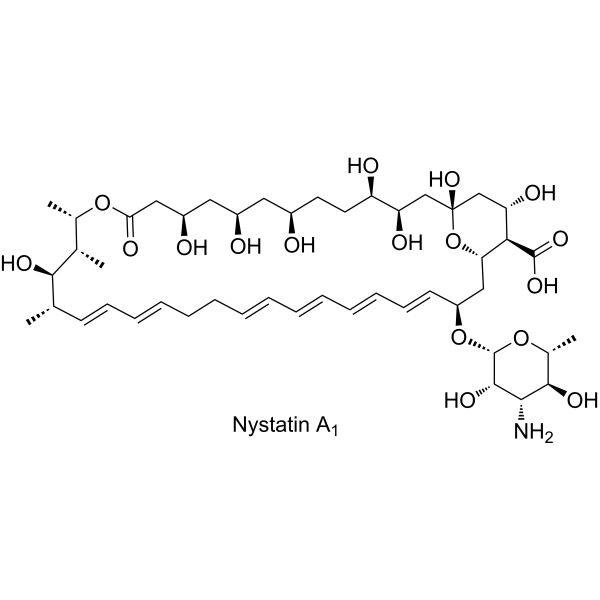
Nystatin
 0 Images
Nystatin is an orally active polyene antifungal antibiotic effective against yeast and mycoplasma. Nystatin increases the permeability of plasma membranes to small monovalent ions, including chloridion. Nystatin is a cholesterol-sequestering agent, partially prevents Oxaliplatin-induced lipid raft aggregation, DR4 and DR5 clustering, and thereby reduces apoptosis.
-
Valproic acid sodium
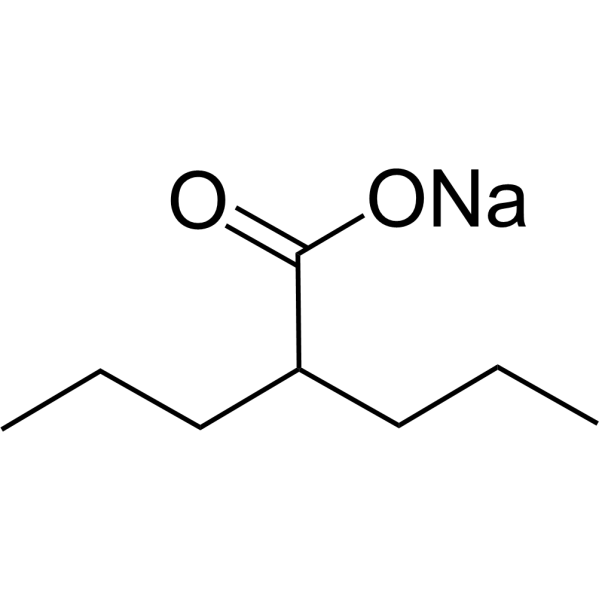 0 ImagesSynonyms: Sodium Valproate; VPA sodium; 2-Propylpentanoic acid sodium
Valproic acid (Sodium Valproate) sodium is an orally active HDAC inhibitor, with IC50 in the range of 0.5 and 2 mM, also inhibits HDAC1 (IC50, 400 μM), and induces proteasomal degradation of HDAC2. Valproic acid sodium activates Notch1 signaling and inhibits proliferation in small cell lung cancer (SCLC) cells. Valproic acid sodium is used in the treatment of epilepsy, bipolar disorder, metabolic disease, HIV infection and prevention of migraine headaches.
-
Berzosertib
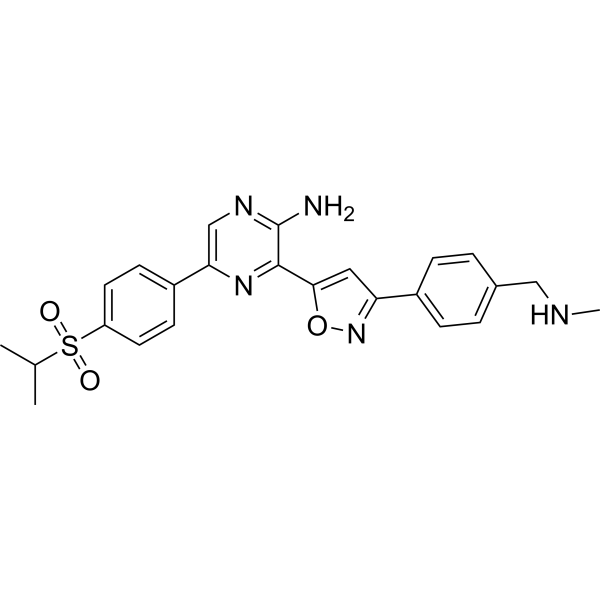 0 ImagesSynonyms: VE-822; VX-970; M6620
Berzosertib (VE-822) is an orally active, CNS-penetrant, and selective ATR kinase inhibitor. Berzosertib blocks ATR kinase activity, abrogates G2/M cell cycle checkpoint, impairs DNA damage repair. Berzosertib induces apoptosis, inhibnits conlony migration, inhibits cell proliferation, and activates cGAS-STING axes in cancer cells. Berzosertib can be used for the research of cancers, such as head and neck squamous cell carcinoma, and colorectal cancer.
-
Chloramphenicol
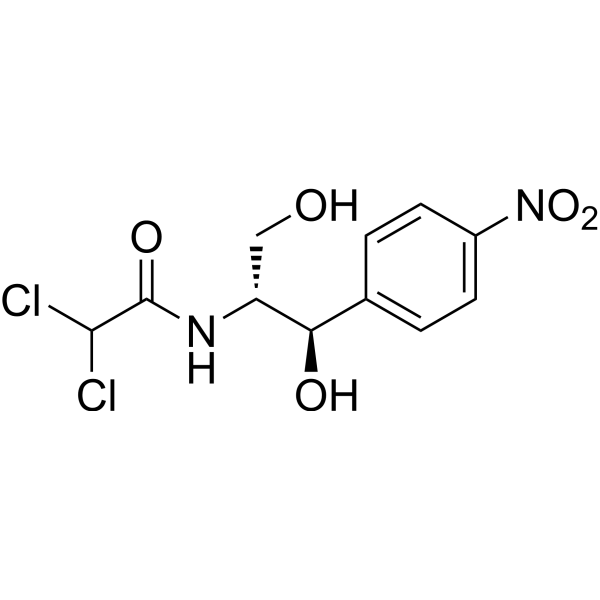 0 Images
Chloramphenicol is an orally active, potent and broad-spectrum antibiotic. Chloramphenicol shows antibacterial activity. Chloramphenicol represses the oxygen-labile transcription factor and hypoxia inducible factor-1 alpha (HIF-1α) in hypoxic A549 and H1299 cells. Chloramphenicol suppresses the mRNA levels of vascular endothelial growth factor (VEGF) and glucose transporter 1, eventually decreasing VEGF release. Chloramphenicol can be used for anaerobic infections and lung cancer research.
-
Dihydroartemisinin
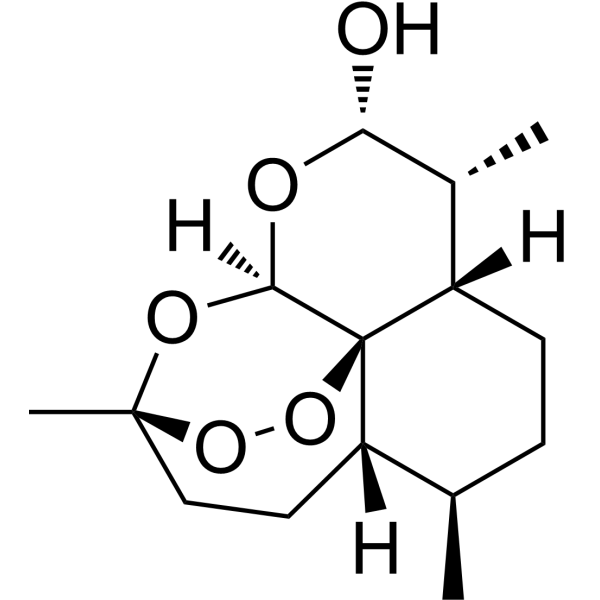 0 ImagesSynonyms: Dihydroqinghaosu; β-Dihydroartemisinin; Artenimol
Dihydroartemisinin is an orally active metabolite of rtemisinin (HY-B0094) and antimalarial agent. Dihydroartemisinin induces Autophagy by inhibiting NF-κB activation. Dihydroartemisinin promotes ROS accumulation. Dihydroartemisinin exhibits anticancer activity in esophageal cancer cells. Dihydroartemisinin shows schistosomicidal activity against juvenile and adult worms of Schistosoma japonicum, reduces worm burden, and displays antiparasitic activity. Dihydroartemisinin can be used in research related to multiple myeloma, promyelocytic leukemia, esophageal cancer, and Schistosoma japonicum infection.
-
Lipopolysaccharides, from E. coli O111:B4
 0 ImagesCat. No.: HY-D1056A1Synonyms: LPS, from Escherichia coli (O111:B4)
Lipopolysaccharides, from E. coli O111:B4 (LPS, from Escherichia coli (O111:B4)) are endotoxins and TLR4 activators extracted from Escherichia coli (E. coli O111:B4) and are classified as S (smooth) type LPS. Lipopolysaccharides (LPS), from E. coli O111:B4 possess the typical three-part structure: O-antigen, R3-type core oligosaccharide, and lipid A. Lipopolysaccharides (LPS), from E. coli O111:B4 activate TLR-4 in immune cells and can cause significant gastric diseases. Lipopolysaccharides (LPS), from E. coli O111:B4 can be used to induce cellular inflammation and establish animal models related to inflammation.
It is recommended to prepare a solution with concentration ≥2 mg/mL. Vortex thoroughly for more than 10 minutes. Due to the adsorption characteristics of LPS, silanized container or low adsorption centrifuge tubes should be used for aliquoting and storage, and mix thoroughly before use.
-
Gentamicin sulfate
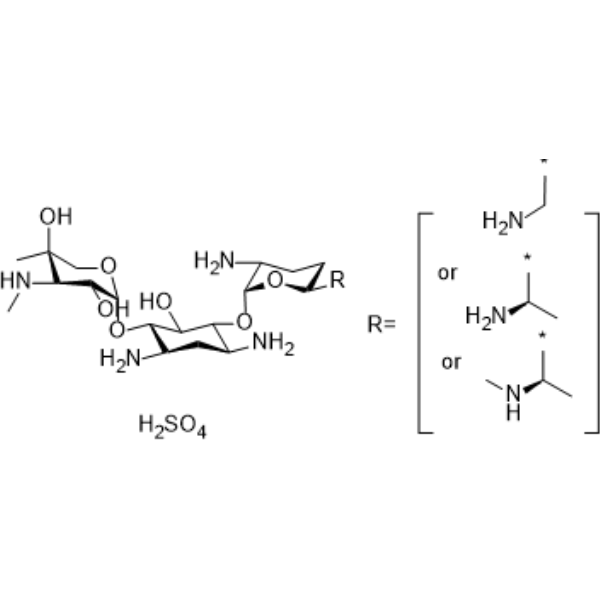 0 Images
Gentamicin sulfate, an aminoglycoside antibiotic, inhibits the growth of both gram-positive and gram-negative bacteria and to inhibit several strains of mycoplasma in tissue culture. Gentamicin sulfate inhibits DNase I with an IC50 of 0.57 mM.
-
Meropenem
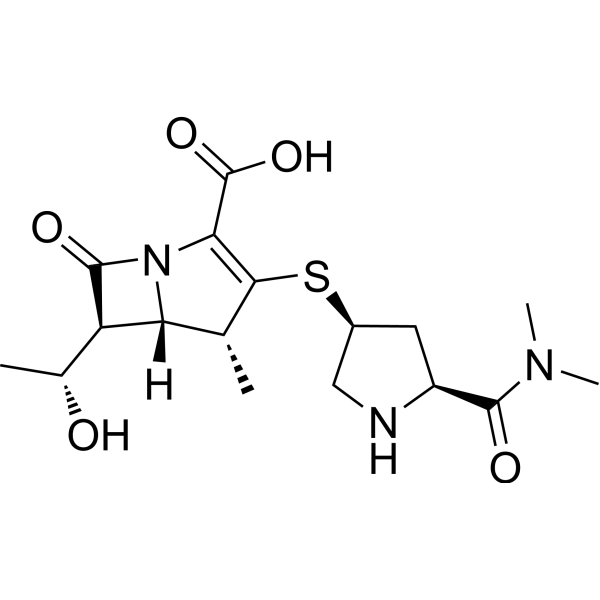 0 ImagesSynonyms: SM 7338
Meropenem (SM 7338) is a carbapenem antibiotic with broad-spectrum antibacterial activity. Meropenem has activity against susceptible and resistant N. gonorrhoeae (MIC value of 0.02-0.06 mg/mL), H. influenzae (MIC value of 0.03-0.12 mg/mL), and H. ducreyi (MIC value of 0.015-0.12 mg/mL).
-
Ribavirin
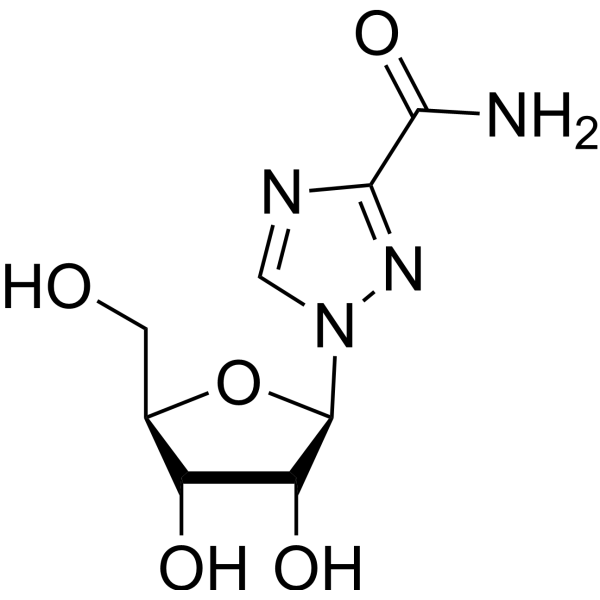 0 ImagesSynonyms: Ribasphere
Ribavirin (ICN-1229) is an antiviral agent against a broad spectrum of viruses including HCV, HIVl, and RSV. Ribavirin also has anti-orthopoxvirus and anti-variola activities.
-
Rolipram
 0 ImagesSynonyms: (R,S)-Rolipram; (±)-Rolipram; ZK 62711
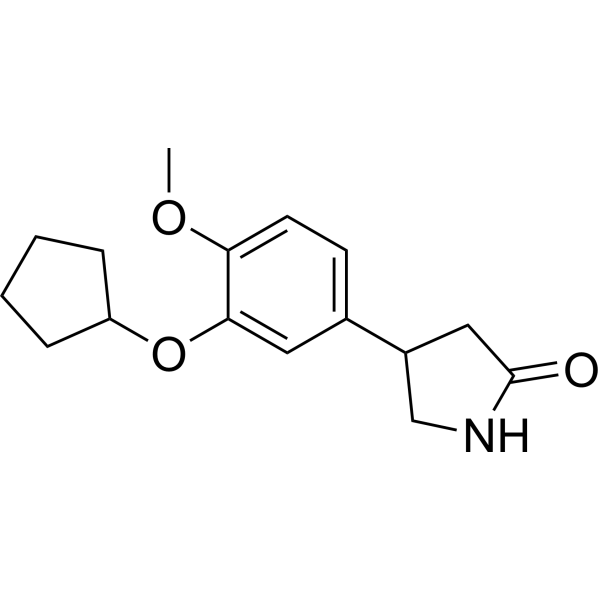
Rolipram is a PDE4 inhibitor, with blood-brain barrier permeability, that reverses β-amyloid-induced learning and memory impairment in rats. Rolipram elevates intracellular cAMP and clevels and regulates the cAMP/CREB signaling pathway, thereby alleviating neuroinflammation and apoptotic responses. Rolipram promotes neuronal differentiation of human bone marrow mesenchymal stem cells and inhibits Methamphetamine- and morphine-induced hyperlocomotion in mice. Rolipram also reduces the viability of glioblastoma stem-like cells and enhances Bevacizumab (HY-P9906)-induced cell death. Rolipram inhibits the expression of proinflammatory cytokines and enhances central noradrenergic transmission. Rolipram is mainly used in studies related to various central nervous system diseases including Alzheimer's disease, major depressive disorder, glioblastoma multiforme, and multiple sclerosis.
-
Beta-Sitosterol (purity>98%)
 0 ImagesSynonyms: β-Sitosterol (purity>98%); 22,23-Dihydrostigmasterol (purity>98%)
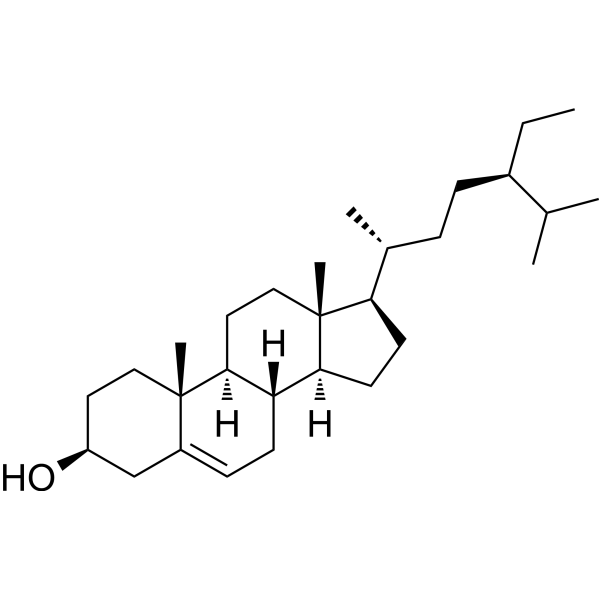
Beta-Sitosterol (purity>98%) is orally active. Beta-Sitosterol exhibits multiple activities, including anti-inflammatory, anticancer, antioxidant, antimicrobial, antidiabetic, antioxidant enzyme, and analgesic. Beta-Sitosterol inhibits inflammation and impaired adipogenesis in bovine mammary epithelial cells by reducing levels of ROS, TNF-α, IL-1β, and NF-κB p65 and restoring the activity of the HIF-1α/mTOR signaling pathway. Beta-Sitosterol induces apoptosis in cancer cells through ROS-mediated mitochondrial dysregulation and p53 activation. Beta-Sitosterol exerts its anticancer effects in cancer cells by activating caspase-3, caspase-8, and caspase-9, mediating PARP inactivation, MMP loss, altered Bcl-2-Bax ratio, and cytochrome c release. Beta-Sitosterol modulates macrophage polarization and reduces rheumatoid inflammation in mice. Beta-Sitosterol inhibits tumor growth in multiple mouse cancer models. Beta-Sitosterol can be used in the research of arthritis, lung cancer, breast cancer and other cancers, diabetes, etc.
-
Paeoniflorin
 0 ImagesSynonyms: Peoniflorin
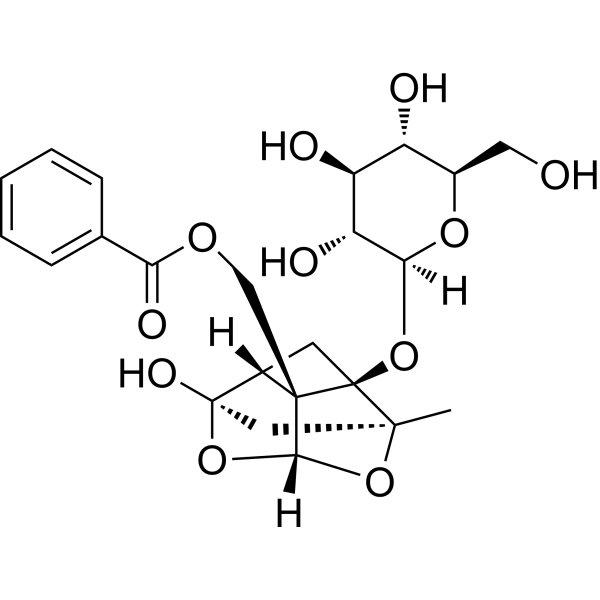
Paeoniflorin is a heat shock protein-inducing compound and commonly exists in the plants of Paeoniaceae family, with various biological activities, including anticancer activity, anti-inflammatory activity, enhancing cognition and attenuating learning impairment, anti-oxidative stress, antiplatelet aggregation, expansion of blood vessels, and reducing blood viscosity.
-
CK-666
 0 Images
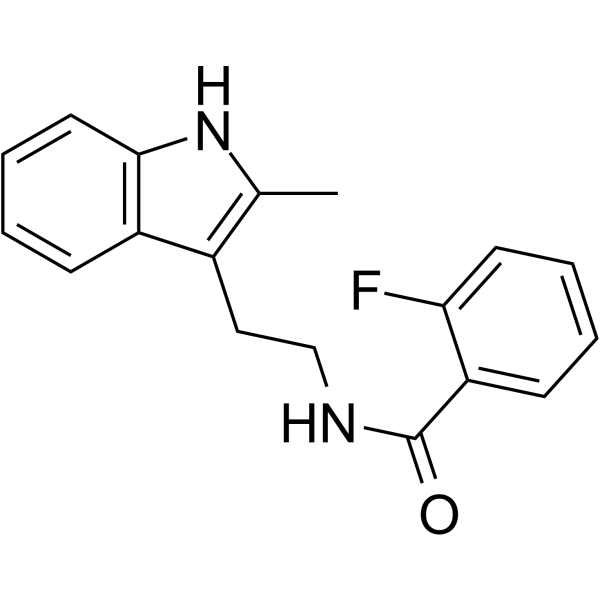
CK-666 is a cell-permeable actin-related protein Arp2/3 complex inhibitor (IC50=12 μM). CK-666 binds to Arp2/3 complex, stabilizes the inactive state of the complex, blocking movement of the Arp2 and Arp3 subunits into the activated filament-like (short pitch) conformation.
-
Chlorogenic acid
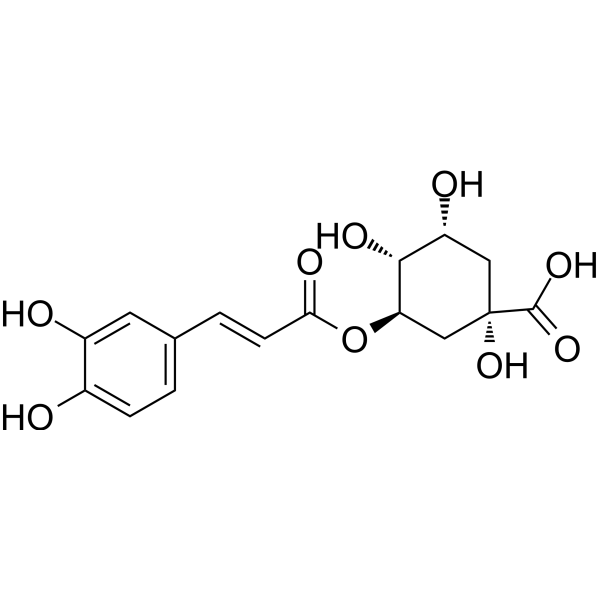 0 ImagesSynonyms: 3-O-Caffeoylquinic acid; Heriguard; NSC-407296
Chlorogenic acid is a major phenolic compound in Lonicera japonica Thunb. It is an orally active antioxidant activity, antibacterial, hepatoprotective, cardioprotective, anti-inflammatory, antipyretic, neuroprotective, anti-obesity, antiviral, anti-microbial, anti-hypertension compound.
-
Mitoxantrone
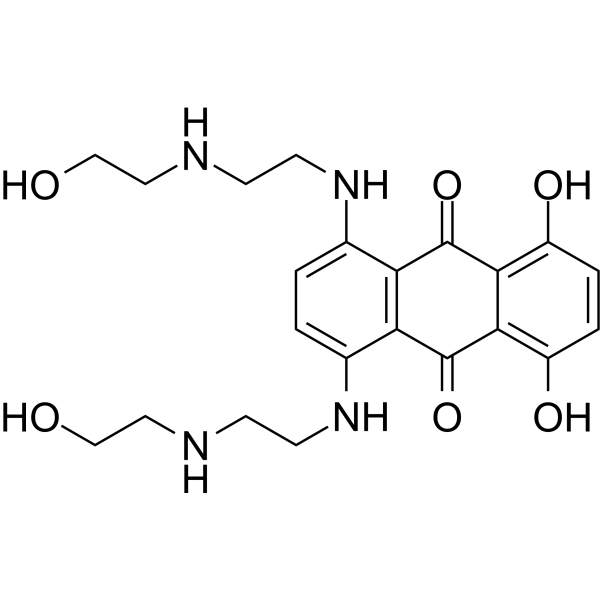 0 ImagesSynonyms: Mitozantrone; NSC 301739
Mitoxantrone is a potent topoisomerase II inhibitor. Mitoxantrone also inhibits protein kinase C (PKC) activity with an IC50 of 8.5 μM. Mitoxantrone induces apoptosis of B-CLL (B-chronic lymphocytic leukaemia) cells. Mitoxantrone shows antitumor activity. Mitoxantrone also has anti-orthopoxvirus activity with EC50s of 0.25 μM and and 0.8 μM for cowpox and monkeypox, respectively.
-
Doxycycline hydrochloride
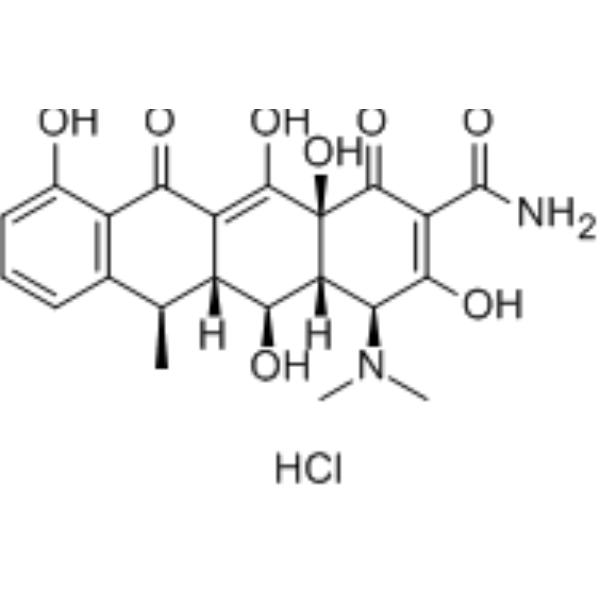 0 Images
Doxycycline hydrochloride, an antibiotic, is an orally active and broad-spectrum metalloproteinase (MMP) inhibitor. Doxycycline hydrochloride shows antibacterial activity and anti-cancer cell proliferation activity. Doxycycline hydrochloride can be used to construct gene expression regulation models.




