



ATM/ATR
Ataxia telangiectasia mutated; ATM and RAD3 related
ATM/ATR, members of the phosphatidyl inositol 3-kinase-like family of serine/threonine protein kinases (PIKKs), are widely known as being central players in the mitotic DNA damage response (DDR), mounting responses to DNA double-strand breaks (DSBs) and single-stranded DNA (ssDNA) respectively. Activation of ATM by ionizing radiation results in the activation of signal transduction pathways that induce cell cycle arrest at G1/S, S and G2/M. ATR is required for cell cycle arrest in response to DNA-damaging agents such as ultraviolet radiation that cause bulky lesions.
Upon activation, ATM/ATR phosphorylate numerous targets to stabilize stalled replication forks, repair damaged DNA, and inhibit cell cycle progression to ensure survival of the cell and safeguard integrity of the genome. ATM and ATR are central players in activating cell cycle checkpoints and function as an active barrier against genome instability and tumorigenesis in replicating cells.
ATM/ATR Isoform Specific Products
All Product Categories
-
ATM/ATR Related Products (121)
Related Products (121)

-
Antibodies (7)
-
ATM/ATR Isoform Comparison
-
Hexapeptide-11
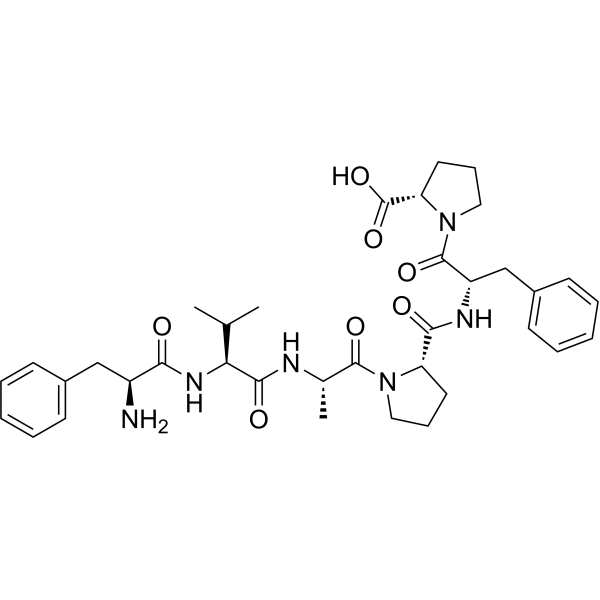 0 ImagesHexapeptide-11 is an anti-aging peptide that can protect fibroblasts from premature cell senescence mediated by oxidative stress. Hexapeptide-11 is also a potential stimulator of hyaluronic acid in keratinocytes, and can enhance skin barrier function by upregulating the expression of HAS2 and EGR3, and downregulating the expression of HYAL2. Hexapeptide-11 can also improve skin elasticity.
-
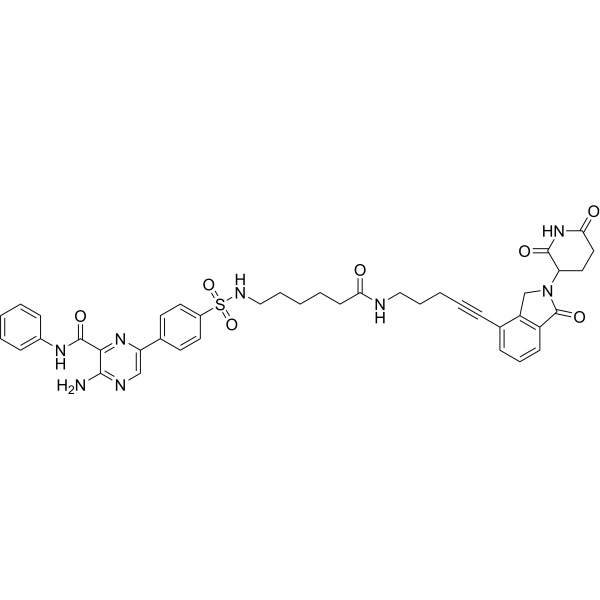
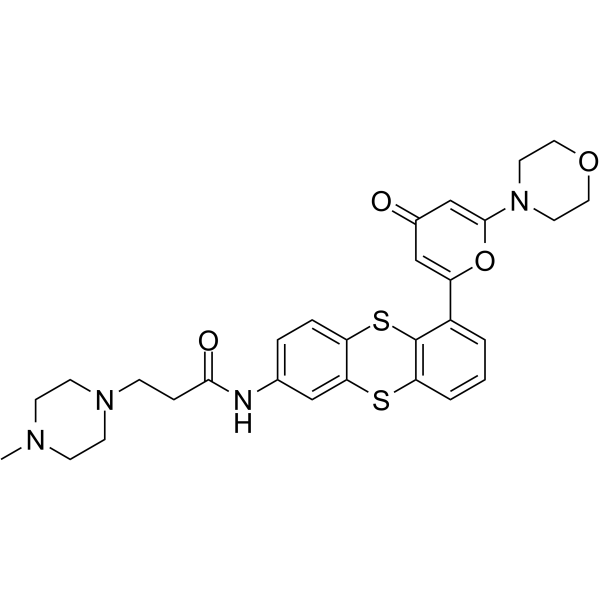
PROTAC ATM degrader-1
 0 ImagesPROTAC ATM degrader-1 is a ATM PROTAC degrader with a KD value of 1.17 nM. PROTAC ATM degrader-1 triggers DNA damage response, cell cycle arrest, and apoptosis in cancer cells via the ubiquitin-proteasome-dependent degradation pathway. PROTAC ATM degrader-1 can be used for research on colorectal cancer.
-
Theasaponin E1
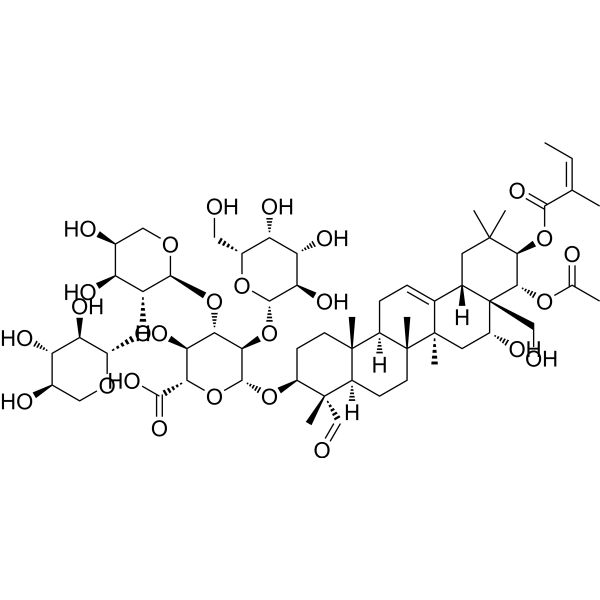 0 ImagesTheasaponin E1 is an orally effective tea saponin. Theasaponin E1 inhibits the proliferation of cancer cells by activating apoptosis. Theasaponin E1 inhibits angiogenesis in ovarian cancer cells and HUVECs by reducing the expression of VEGF. Theasaponin E1 upregulates the phosphorylation level of ATM protein and the expression level of PTEN protein in cancer cells, decreases the phosphorylation levels of Akt, mTOR, p70S6K and 4E-BP1 proteins, downregulates the expression of HIF-1α and NF-κB, and reduces the protein expression of Notch ligands Dll4 and Jagged1. Theasaponin E1 exerts neuroprotective effects by inhibiting the activity of acetylcholinesterase, activating α-secretase and neprilysin, reducing the concentration of Aβ, and inhibiting the activities of β-secretase and γ-secretase. Theasaponin E1 exhibits toxic effects on cancer cells and quinone reductase-inducing activity, and inhibits tumor growth in vivo. Theasaponin E1 induces ferroptosis in Pomacea canaliculata by synergistically disrupting cholesterol homeostasis and sphingolipid metabolism. Theasaponin E1 possesses anti-biofilm activity against Candida albicans. Theasaponin E1 can be used in the research of ovarian cancer, obesity, Alzheimer's disease and fungal infections.
-
Elimusertib-d3
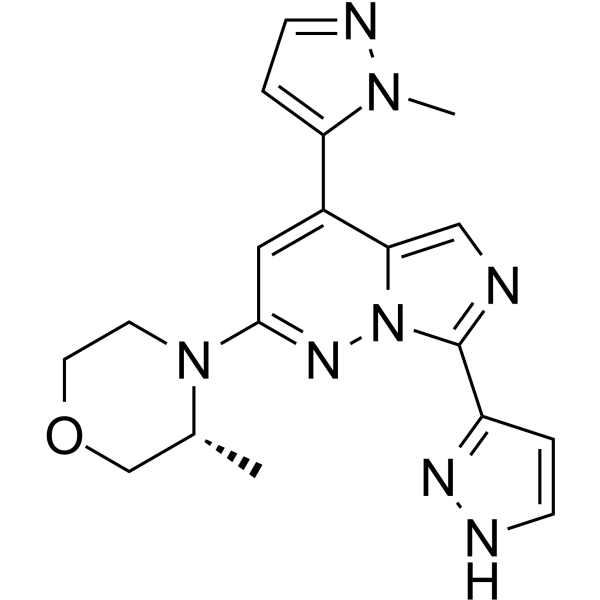
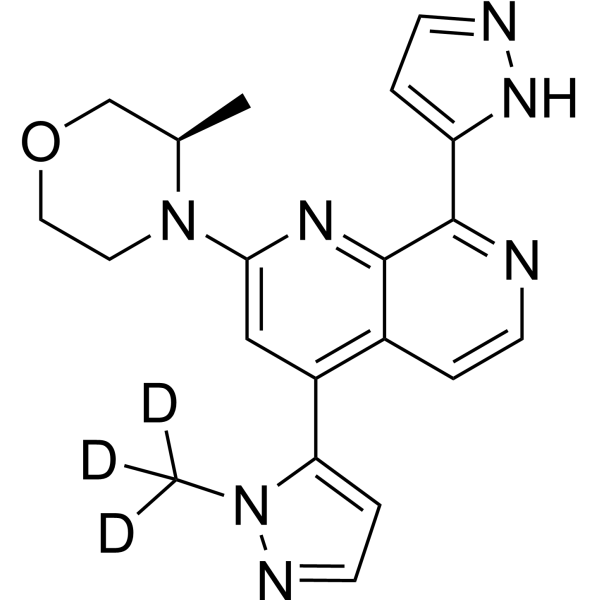 0 ImagesCat. No.: HY-101566SPurity: 99.30%Synonyms: BAY 1895344-d3Elimusertib-d3 (BAY 1895344-d3) is the deuterium labeled Elimusertib (BAY 1895344). Elimusertib is a potent, orally active and selective ATR inhibitor and has anti-tumor activity.



-
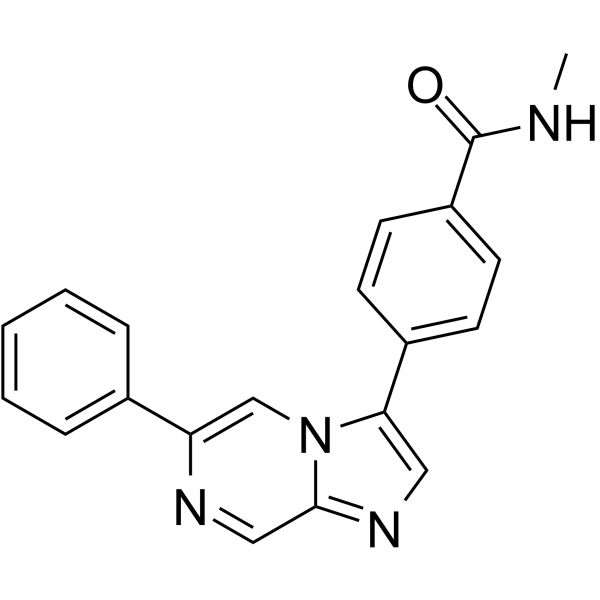
ATR-IN-9
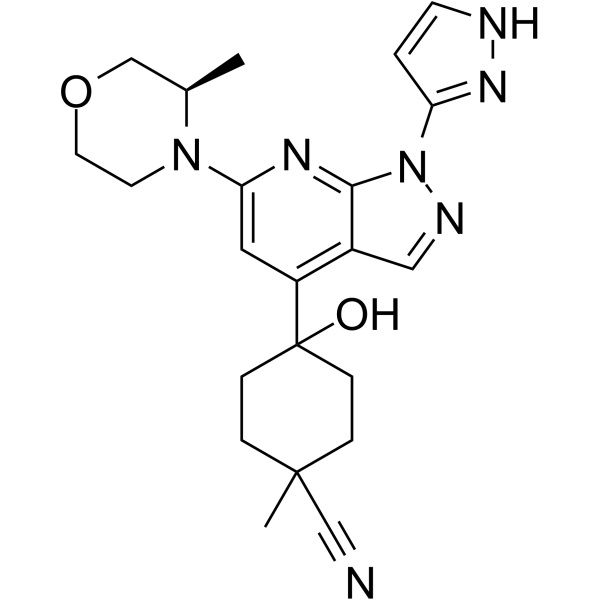 0 ImagesCat. No.: HY-145450CAS No.: 2417513-43-8ATR-IN-9 is a potent inhibitor of Ataxia-telangiectasia and RAD-3-related protein kinase (ATR) extracted from patent WO2020087170A1, compound 59, has an IC50 of 10 nM.
-
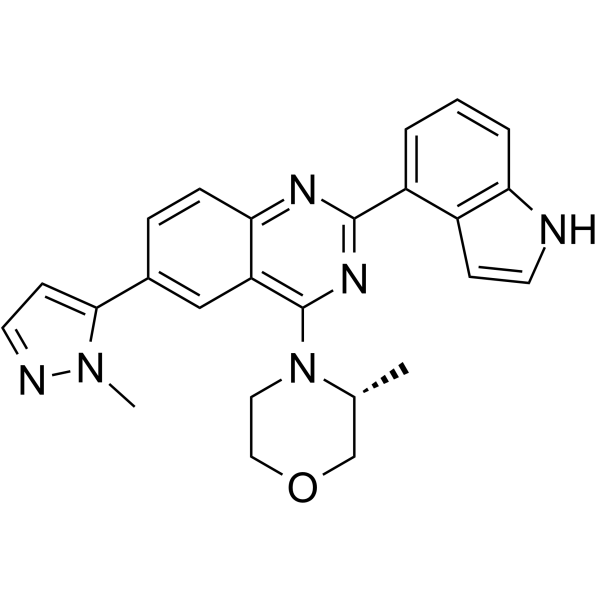
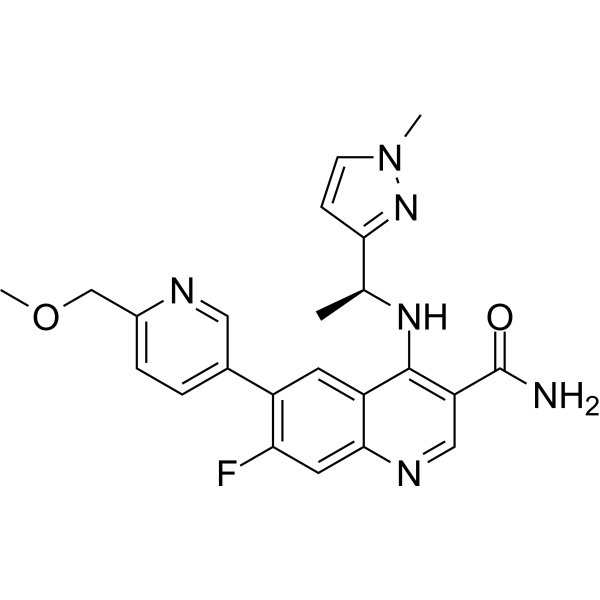
ATM Inhibitor-1
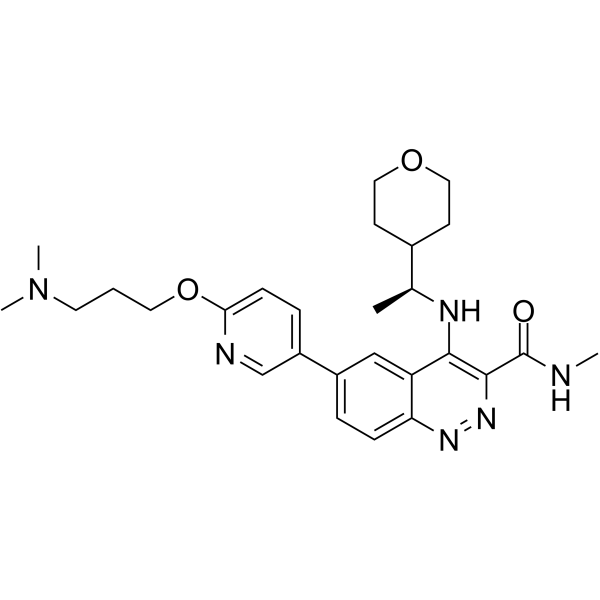 0 ImagesCat. No.: HY-112614CAS No.: 2135639-94-8ATM Inhibitor-1 is a highly potent, selective and orally active ATM inhibitor, with an IC50 of 0.7 nM, shows weak activity against mTOR (IC50, 21 μM), DNAPK (IC50, 2.8 μM), PI3Kα (IC50, 3.8 μM), PI3Kβ (IC50, 10.3 μM), PI3Kγ (IC50, 3 μM) and PI3Kδ (IC50, 0.73 μM). ATM Inhibitor-1 exhibits anti-tumor activity.
-
ATR-IN-14
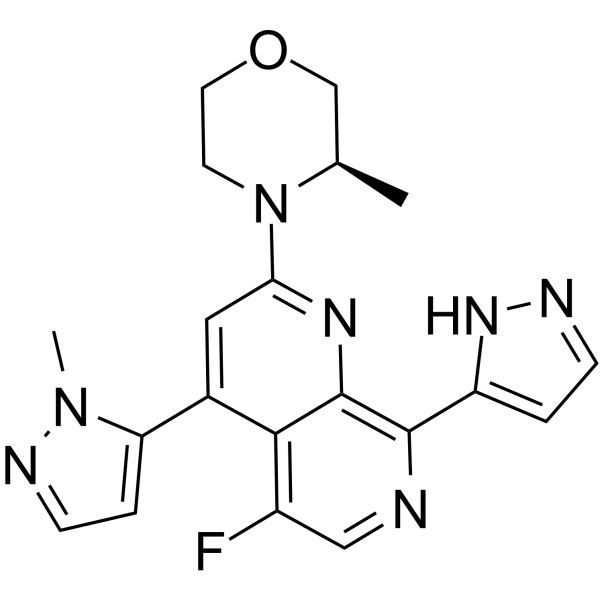 0 ImagesCat. No.: HY-147566CAS No.: 2765785-88-2ATR-IN-14 (compound 1) is a potent ATR kinase inhibitor. ATR-IN-14 inhibits ATR signaling pathways downstream CHKI protein phosphorylation, with inhibition of 98.03% at 25 nM. ATR-IN-14 shows good anticancer activity in LoVo cells, with an IC50 of 64 nM.
-
ATR-IN-24
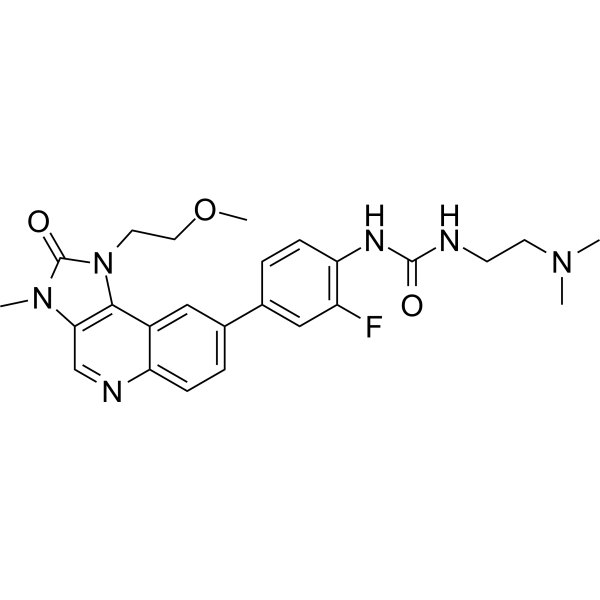
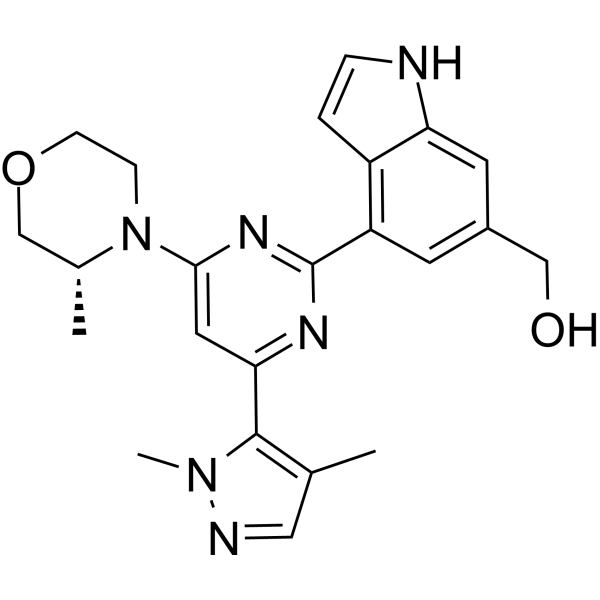 0 ImagesCat. No.: HY-153462CAS No.: 2370889-43-1ATR-IN-24 (Compound 1) is a ATR inhibitor. ATR-IN-24 has anticancer activity.
-
ATR/PARP1-IN-1
 0 ImagesCat. No.: HY-174828ATR/PARP1-IN-1 is a potent ATR and PARP1 dual inhibitor with IC50s of 17.3 nM and 0.38 nM, respectively. ATR/PARP1-IN-1 effectively reduces cell viability, induces apoptosis and DNA damage. ATR/PARP1-IN-1 significantly impairs triple-negative breast cancer (TNBC) colony formation, migration, and invasion. ATR/PARP1-IN-1 suppresses tumor growth effectively in MDA-MB-468 xenografted mice, with no significant body weight change.
-
ATR-IN-6
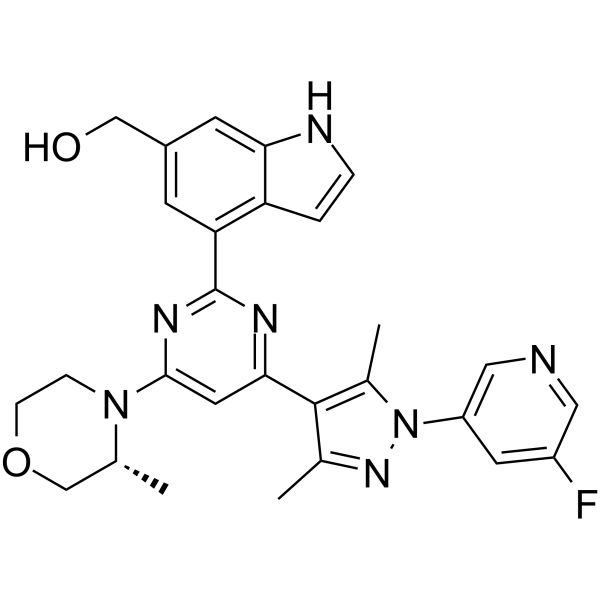 0 ImagesCat. No.: HY-142672CAS No.: 2746446-99-9ATR-IN-6 is a potent inhibitor of ATR. ATR is a class of protein kinases involved in genome stability and DNA damage repair, and is a member of the PIKK family. ATR-IN-6 has the potential for the research of ATR kinase-mediated diseases such as proliferative diseases and cancer (extracted from patent WO2021233376A1, compound A22).




