



Amyloid-β
β-amyloid peptide; Aβ; Abeta
Amyloid-β (Aβ) denotes peptides of 36–43 amino acids that are crucially involved in Alzheimer's disease as the main component of theamyloid plaques found in the brains of Alzheimer patients. The peptides result from the amyloid precursor protein (APP), which is being cut by certain enzymes to yield Aβ. Amyloid-β molecules can aggregate to form flexible soluble oligomers which may exist in several forms. Amyloid-β peptide is due to overproduction of Aβ and/or the failure of clearance mechanisms. Amyloid-β self-aggregates into oligomers, which can be of various sizes, and forms diffuse and neuritic plaques in the parenchyma and blood vessels. Amyloid-β oligomers and plaques are potent synaptotoxins, block proteasome function, inhibit mitochondrial activity, alter intracellular Ca2+levels and stimulate inflammatory processes. Loss of the normal physiological functions of Aβ is also thought to contribute to neuronal dysfunction.
All Product Categories
-
Amyloid-β Inhibitors
(469)
View all products
-
Amyloid-β Agonists
(2)
View all products
-
Amyloid-β Antagonists
(5)
View all products
-
Amyloid-β Activators
(5)
View all products
-
Amyloid-β Modulators
(4)
View all products
-
Amyloid-β Chemicals
(7)
View all products
-
Amyloid-β Inducers
(5)
View all products
-
Amyloid-β Degraders
(6)
View all products
-
Amyloid-β Controls
(3)
View all products
-
Amyloid-β Substrate
(1)
View all products
-
Amyloid-β Ligands
(11)
View all products
-
Amyloid-β Related Products (744)
Related Products (744)

-
Antibodies (9)
-
(-)-Secoisolariciresinol 4-O-β-D-glucopyranoside
 0 ImagesCat. No.: HY-N20640CAS No.: 129102-89-2(-)-Secoisolariciresinol 4-O-β-D-glucopyranoside is a lignan that can be found in the roots and rhizomes of Valeriana amurensis. (-)-Secoisolariciresinol 4-O-β-D-glucopyranoside shows no significant neuroprotective effect against Aβ1-42-induced injury to neuronal cells.
-
5-O-Methylvisammioside (Standard)
 0 ImagesCat. No.: HY-N0442RCAS No.: 84272-85-5Synonyms: 4'-O-β-D-Glucosyl-5-O-methylvisamminol (Standard)5-O-Methylvisammioside (4'-O-β-D-Glucosyl-5-O-methylvisamminol) (Standard) is the analytical standard of 5-O-Methylvisammioside. This product is intended for research and analytical applications. 5-O-Methylvisammioside is an orally active natural chromone glycoside and multiple biological activities. 5-O-Methylvisammioside inhibits ferroptosis by activating the Nrf2/HO-1 signaling axis. 5-O-Methylvisammioside alleviates intestinal barrier damage by inhibiting the ROS/NF-κB/NLRP3 pathway. 5-O-Methylvisammioside exerts a protective effect against acute liver injury by reducing ALT/AST, decreasing inflammatory infiltration, and inhibiting IκB-α phosphorylation and NF-κB nuclear translocation. 5-O-Methylvisammioside blocks the HMGB1/RAGE/MEK/ERK signaling axis to exert anti-tumor and anti-angiogenic effects. 5-O-Methylvisammioside improves depression-like behaviors by inhibiting Src kinase and the NF-κB pathway.
-
NIAD-4 (Standard)
 0 ImagesCat. No.: HY-111263RCAS No.: 868592-56-7NIAD-4 (Standard) is the analytical standard of NIAD-4 (HY-111263). This product is intended for research and analytical applications. NIAD-4 is a blood-brain barrier permeable fluorophore for optical imaging of amyloid-β (Aβ) in the central nervous system (CNS) for Alzheimer’s disease (AD). NIAD-4 binds to the same Aβ site with the binding affinity (Ki) of 10 nM.
-
β-Amyloid (1-8)
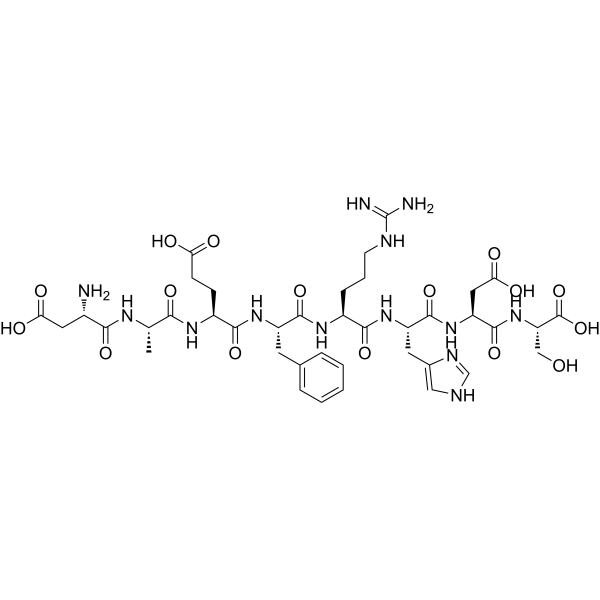 0 ImagesCat. No.: HY-P5946CAS No.: 659739-33-0β-Amyloid (1-8) is aAβ Fragment.
-
Glp-amyloid-β (3-40) peptide (human)
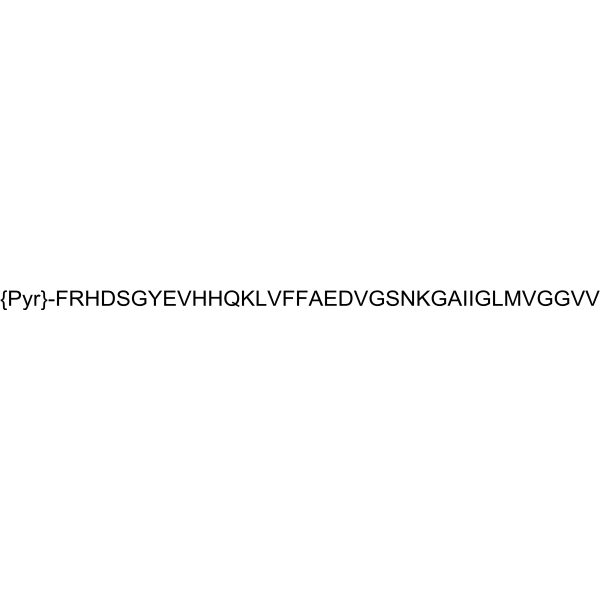 0 ImagesCat. No.: HY-P4885CAS No.: 161818-04-8Synonyms: AβpE3-40Glp-Amyloid-β (3-40) Peptide (human) (AβpE3-40) is a minor amounts of pyroglutamate-modified Aβ isolated from from 24-month-old Amyloid precursor protein (APP) transgenic Mice.
-
Ro 90-7501 (Standard)
 0 ImagesCat. No.: HY-103241RCAS No.: 293762-45-5Ro 90-7501 (Standard) is the analytical standard of Ro 90-7501 (HY-103241). This product is intended for research and analytical applications. Ro 90-7501 is an amyloid β42 (Aβ42) fibril assembly inhibitor that reduces Aβ42-induced cytotoxicity (EC50 of 2 μM). Ro 90-7501 inhibits ATM phosphorylation and DNA repair. RO 90-7501 selectively enhances toll-like receptor 3 (TLR3) and RIG-I-like receptor (RLR) ligand-induced IFN-β gene expression and antiviral response. Ro 90-7501 also inhibits protein phosphatase 5 (PP5) in a TPR-dependent manner. Ro 90-7501 has significant radiosensitizing effects on cervical cancer cells.
-
BF 227 (Standard)
 0 ImagesBF 227 (Standard) is the analytical standard of BF 227 (HY-105252A). This product is intended for research and analytical applications. BF 227 is a candidate for an amyloid imaging probe for PET, with a Ki of 4.3 nM for Aβ1-42 fibrils.
-
Glimepiride-d4-2
 0 ImagesCat. No.: HY-B0104S3CAS No.: 1131981-32-2Synonyms: Glimperide-d4-2; HOE-490-d4-2Glimepiride-d4-2 (GliAmperide-d4-2) is deuterium labeled Glimepiride. Glimepiride (Glimperide) is a medium-to-long acting sulfonylurea anti-diabetic compound with an ED50 of 182 μg/kg.
-
3-O-Methyltolcapone
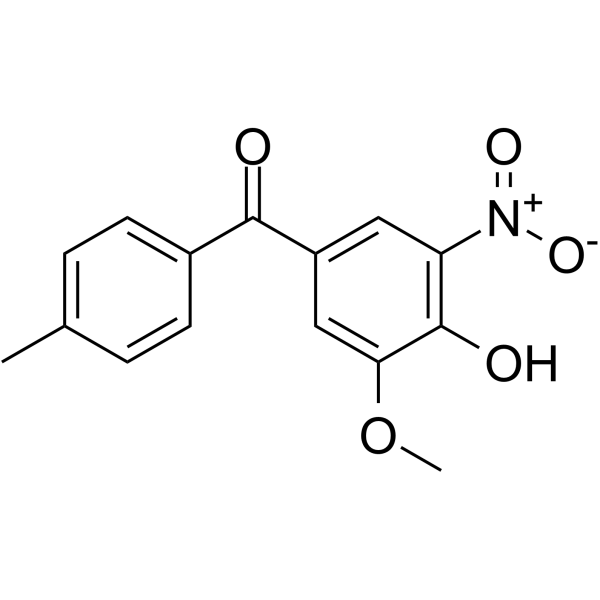 0 ImagesSynonyms: Ro 40-75913-O-Methyltolcapone (Ro 40-7591) is a metabolite of Tolcapone (HY-17406). Tolcapone (Ro 40-7592) is a selective, potent and orally active COMT inhibitor with an IC50of 773 nM. Tolcapone can inhibits α-syn and Aβ42 oligomerization and fibrillogenesis. Tolcapone can cause oxidative stress and induce cancer cells apoptosis and ROS production. Tolcapone can be used for the researches of cancer and neurological disease, such as Parkinson disease and neuroblastoma.
-
Pyridoxal 5'-phosphate hydrate (Standard)
 0 ImagesSynonyms: Pyridoxal phosphate hydrate (Standard)Pyridoxal 5'-phosphate (hydrate) (Standard) is the analytical standard of Pyridoxal 5'-phosphate (hydrate) (HY-W011727). This product is intended for research and analytical applications. Pyridoxal 5'-phosphate hydrate, the active form of vitamin B6, is an essential cofactor for multiple enzymes, including aromatic l-amino acid decarboxylase that catalyzes the final stage in the production of the neurotransmitters dopamine and serotonin. Pyridoxal 5'-phosphate hydrate is the most important coenzyme variant in the process of vitamin B6 intracellular phosphorylation and is interconvertible with other variants, including pyridoxine 5′‐phosphate (PNP) and pyridoxamine 5′-phosphate (PMP).
-
Aβ aggregation modulator-1
 0 ImagesCat. No.: HY-13325CAS No.: 71939-12-3Aβ aggregation modulator-1 is a stimulator of amyloid-β (Aβ) fibrillogenesis. Aβ aggregation modulator-1 binds hydrophobic residues in Aβ peptides and stabilizes β-sheet-rich protofibrils and fibrils. Aβ aggregation modulator-1 accelerates Aβ polymerization and reduces concentrations of small, toxic Aβ oligomers in heterogeneous aggregation reactions. Aβ aggregation modulator-1 suppresses long-term potentiation (LTP) inhibition by Aβ oligomers in hippocampal brain slices. Aβ aggregation modulator-1 can be used for the study of Alzheimer's disease (AD).
-
Notoginsenoside R1 (Standard)
 0 ImagesCat. No.: HY-N0615RCAS No.: 80418-24-2Synonyms: Sanchinoside R1 (Standard); Sanqi glucoside R1 (Standard)Notoginsenoside R1 (Standard) is the analytical standard of Notoginsenoside R1. This product is intended for research and analytical applications. Notoginsenoside R1 (Sanchinoside R1), a saponin, is isolated from P. notoginseng. Notoginsenoside R1 exhibits anti-oxidation, anti-inflammatory, anti-angiogenic, and anti-apoptosis activities. Notoginsenoside R1 provides cardioprotection against ischemia/reperfusion (I/R) injury. Notoginsenoside R1 also provides neuroprotection in H2O2-induced oxidative damage in PC12 cells.
-
Emrusolmin (Standard)
 0 ImagesSynonyms: Anle138b (Standard)Emrusolmin (Standard) (Anle138b (Standard)) is the analytical standard of Emrusolmin (HY-101855). This product is intended for research and analytical applications. Emrusolmin (Anle138b), an oligomeric aggregation inhibitor, blocks the formation of pathological aggregates of prion protein (PrPSc) and of α-synuclein (α-syn). Emrusolmin strongly inhibits oligomer accumulation, neuronal degeneration, and disease progression in vivo. Emrusolmin has low toxicity and an excellent oral bioavailability and blood-brain-barrier penetration. Emrusolmin blocks Aβ channels and rescues disease phenotypes in a mouse model for amyloid pathology.
-
10-Undecenoic acid zinc salt (Standard)
 0 ImagesCat. No.: HY-B0914ARCAS No.: 557-08-4Synonyms: Zinc undecylenate (Standard)10-Undecenoic acid (zinc salt) (Standard) is the analytical standard of 10-Undecenoic acid (zinc salt). This product is intended for research and analytical applications. 10-Undecenoic acid zinc salt (Undecylenic acid zinc salt) is an antifungal agent. 10-Undecenoic acid zinc salt inhibits Aβ oligomerization, scavenges ROS and inhibits μ-calpain activity. 10-Undecenoic acid zinc salt has neuroprotective effects. 10-Undecenoic acid zinc salt has anticancer effects on a variety of tumors. 10-Undecenoic acid zinc salt inhibits C. albicans biofilm formation and MRSA infection. 10-Undecenoic acid zinc salt inhibits quorum sensing signals of Bacillus subtilis and Pseudomonas aeruginosa.
-
Schizotenuin A
 0 ImagesCat. No.: HY-N19921CAS No.: 144608-09-3Schizotenuin A is a Aβ and hIAPP fibrillation inhibitor with human-derived IC50 values of 2.93 µM and 0.58 µM, respectively, and exhibits antioxidant activity. Schizotenuin A scavenges DPPH free radicals and inhibits lipid peroxidation in rat liver microsomes. Schizotenuin A can be used in research related to Alzheimer's disease and type 2 diabetes.
-
TPT-260
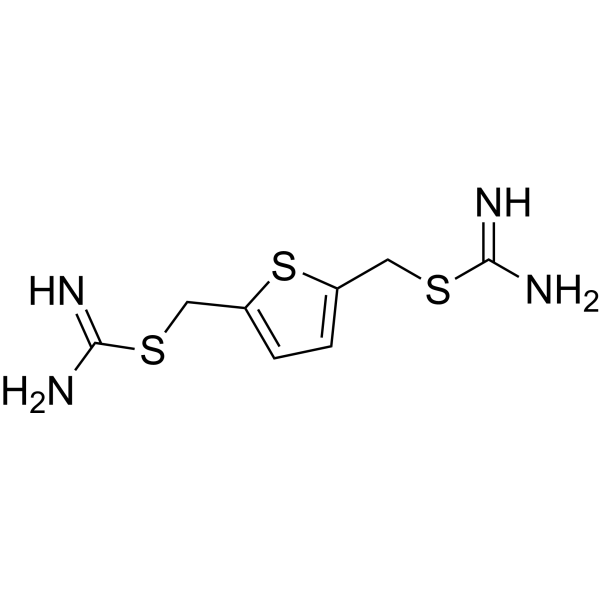 0 ImagesCat. No.: HY-13769CAS No.: 769856-81-7Synonyms: TPU260TPT-260 (TPU260), a thiophene thiourea derivative, is a retromer complex stabilizer against thermal denaturation (Kd = ~5 µM). TPT-260 increases the levels of retromer proteins, shifts amyloid-precursor protein (APP) away from the endosome, and decreases the pathogenic processing of APP. TPT-260 inhibits TLR4 upregulation, IKKβ phosphorylation, NF-κB p65 nuclear translocation, and NLRP3 inflammasome formation. TPT-260 improves retromer-mediated cargo trafficking, reduces brain infarct area, and decreases amyloid plaque deposition. TPT-260 exhibits minimal cytotoxicity to primary microglia at tested concentrations. TPT-260 can be used for the research of inflammatory bowel disease, ischemic stroke and Alzheimer's disease.
-
Azeliragon dihydrochloride
 0 ImagesCat. No.: HY-50682ACAS No.: 1284150-65-7Synonyms: TTP488 dihydrochloride; PF-04494700 dihydrochlorideAzeliragon dihydrochloride (TTP488) is an orally bioavailable inhibitor of the receptor for advanced glycation end products (RAGE) in development as a potential treatment to slow disease progression with mild Alzheimer’s disease (AD). Azeliragon dihydrochloride also can cross the blood-brain barrier (BBB).
-
Miridesap (Standard)
 0 ImagesSynonyms: CPHPC (Standard); Ro63-8695 (Standard); GSK2315698 (Standard)
-
DCDAPH
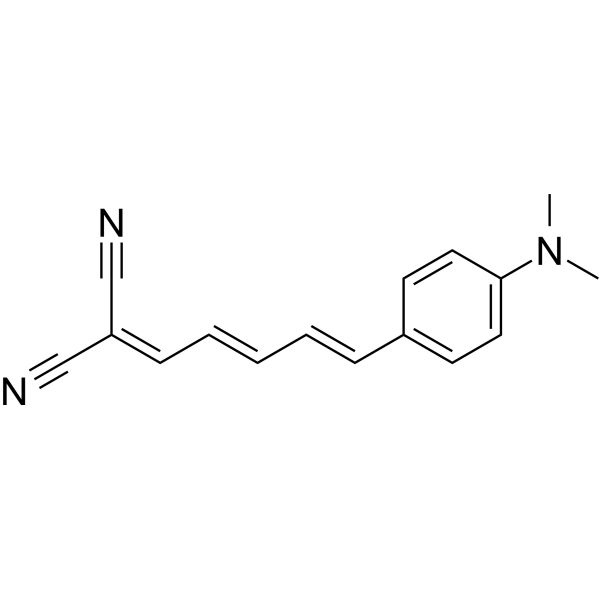 0 ImagesCat. No.: HY-D1684CAS No.: 125113-96-4DCDAPH (Compound 2c) is a novel smart NIRF probe for detection of β-amyloid (Aβ) plaques (λex/λem=597/665 nm in PBS). DCDAPH shows high affinity for Aβ aggregates (Ki=37 nM, Kd=27 nM). DCDAPH shows good blood brain barrier permeation and can meet most of the requirements for the detection of Aβ plaques both in vitro and in vivo.
-
[Ala28]-β Amyloid(25-35)
![[Ala28]-β Amyloid(25-35)](https://file.medchemexpress.com/product_pic/hy-p5968.gif "Click to View [Ala28]-β Amyloid(25-35) Product Detail") 0 ImagesCat. No.: HY-P5968CAS No.: 173993-86-7Synonyms: β(25-35)KA[Ala28]-β Amyloid(25-35) (β(25-35)KA) is an electrically neutral mutant peptide of Aβ(25-35) that accelerates the aggregation of Firefly Luciferase.
0 ImagesCat. No.: HY-P5968CAS No.: 173993-86-7Synonyms: β(25-35)KA[Ala28]-β Amyloid(25-35) (β(25-35)KA) is an electrically neutral mutant peptide of Aβ(25-35) that accelerates the aggregation of Firefly Luciferase.




