



DNA/RNA Synthesis
RNA synthesis, which is also called DNA transcription, is a highly selective process. Transcription by RNA polymerase II extends beyond RNA synthesis, towards a more active role in mRNA maturation, surveillance and export to the cytoplasm.
Single-strand breaks are repaired by DNA ligase using the complementary strand of the double helix as a template, with DNA ligase creating the final phosphodiester bond to fully repair the DNA.DNA ligases discriminate against substrates containing RNA strands or mismatched base pairs at positions near the ends of the nickedDNA. Bleomycin (BLM) exerts its genotoxicity by generating free radicals, whichattack C-4′ in the deoxyribose backbone of DNA, leading to opening of the ribose ring and strand breakage; it is an S-independentradiomimetic agent that causes double-strand breaks in DNA.
First strand cDNA is synthesized using random hexamer primers and M-MuLV Reverse Transcriptase (RNase H). Second strand cDNA synthesis is subsequently performed using DNA Polymerase I and RNase H. The remaining overhangs are converted into blunt ends using exonuclease/polymerase activity. After adenylation of the 3′ ends of DNA fragments, NEBNext Adaptor with hairpin loop structure is ligated to prepare the samples for hybridization. Cell cycle and DNA replication are the top two pathways regulated by BET bromodomain inhibition. Cycloheximide blocks the translation of mRNA to protein.
DNA/RNA Synthesis Isoform Specific Products
All Product Categories
-
DNA/RNA Synthesis Inhibitors
(1439)
View all products
-
DNA/RNA Synthesis Agonists
(10)
View all products
-
DNA/RNA Synthesis Antagonists
(2)
View all products
-
DNA/RNA Synthesis Activators
(42)
View all products
-
DNA/RNA Synthesis Modulators
(33)
View all products
-
DNA/RNA Synthesis Chemicals
(20)
View all products
-
DNA/RNA Synthesis Inducers
(15)
View all products
-
DNA/RNA Synthesis Degraders
(3)
View all products
-
DNA/RNA Synthesis Controls
(5)
View all products
-
DNA/RNA Synthesis Substrates
(6)
View all products
-
DNA/RNA Synthesis Ligands
(5)
View all products
-
DNA/RNA Synthesis Related Products (2832)
Related Products (2832)

-
Antibodies (248)
-
DNA/RNA Synthesis Isoform Comparison
-
(±)-Enitociclib
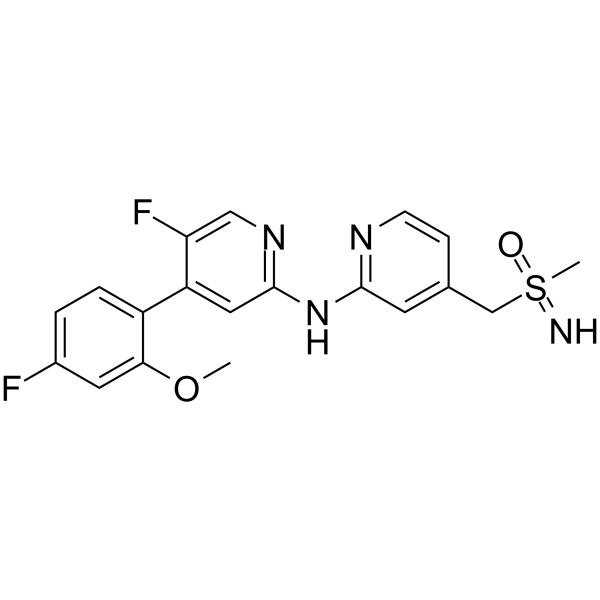 0 ImagesSynonyms: (±)-BAY-1251152; (±)-VIP152(±)-Enitociclib ((±)-BAY-1251152) is the racemic mixture of Enitociclib (HY-103019E). Enitociclib is a selective CDK9 inhibitor and apoptosis inducer. Enitociclib inhibits CDK9 activity and reduces the phosphorylation of Ser2 in the carboxyl-terminal domain (CTD) of RNA polymerase Pol II, thereby downregulating the transcription of key oncogenes such as MYC and MCL1. Enitociclib has anti-proliferative activity targeting MYC+ lymphoma and multiple myeloma (MM) cells, and has synergistic effects with Bortezomib (HY-10227) and Lenalidomide (HY-A0003), and can be used in the research of hematological malignancies.
-
Metarrestin
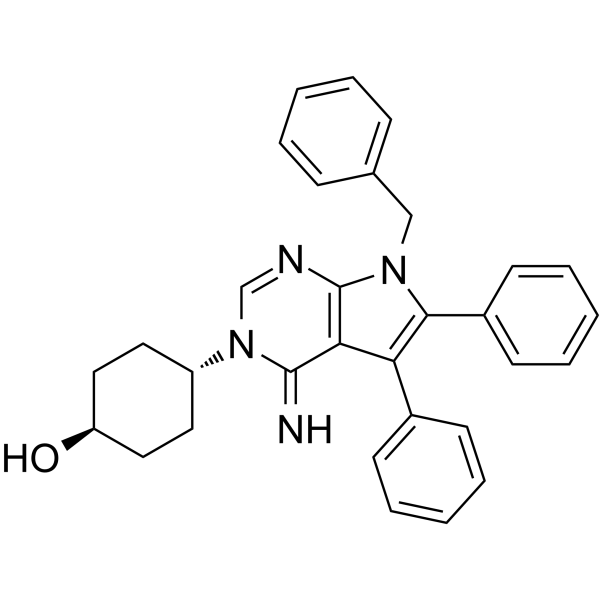 0 ImagesSynonyms: ML246Metarrestin (ML246) is an orally active, first-in-class and specific perinucleolar compartment inhibitor. Metarrestin disrupts the nucleolar structure and inhibits RNA polymerase (Pol) I transcription, at least in part by interacting with the translation elongation factor eEF1A2. Metarrestin blocks metastatic development and extends survival in mouse cancer models.
-
RNase L-IN-2
 0 ImagesRNase L-IN-2 (compound 2) is an activtor of RNase L with EC50 value of 22 μM.
-
Cylindrospermopsin
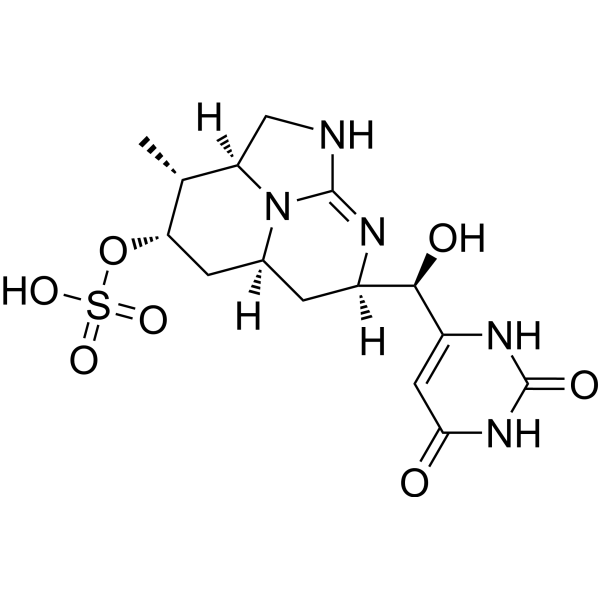 0 ImagesCylindrospermopsin, a cyanotoxin, is a polycyclic uracil derivative containing guanidine and sulfate groups, which can inhibit protein synthesis and covalently modify DNA or RNA. Cylindrospermopsin induces hepatocellular hypertrophy, renal cellular hypertrophy, intracellular reactive oxygen species (ROS), DNA strand breaks, mitochondrial hyperpolarisation, ultrastructural damage, and altered gene expression in liver, kidney, and intestinal cells. Cylindrospermopsin can be used in research including hepatocellular carcinoma and water quality testing.
-
20-5,14-HEDE
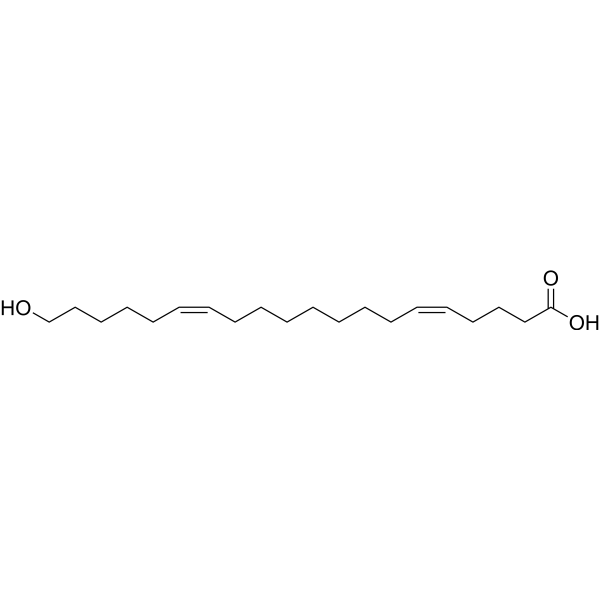 0 ImagesSynonyms: WIT00320-5,14-HEDE (WIT003) is an analog of 20-HETE. 20-5,14-HEDE activates PI3K/Akt signaling pathway, thereby exhibiting anti-apoptotic and cell survival promoting effects. 20-5,14-HEDE is the agonist for 20-HETE that increases intracellular Ca2+ concentrations, thereby enhancing vasoconstriction.
-
2'-OMe-A(Bz) Phosphoramidite
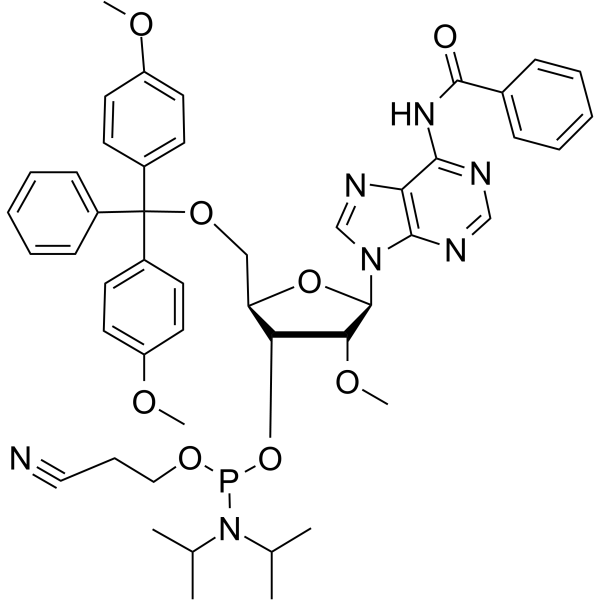 0 Images2'-OMe-A(Bz) Phosphoramidite is a modified phosphoramidite monomer, which can be used for the oligonucleotide synthesis.
-
Spermine-d8 tetrahydrochloride
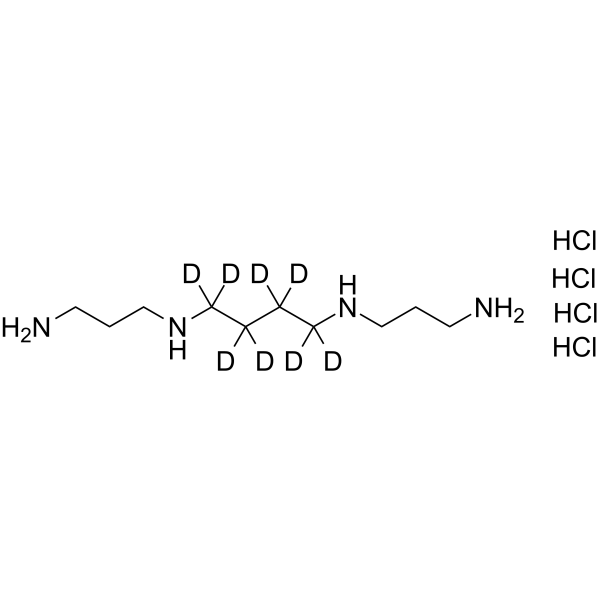 0 ImagesSpermine-d8 (tetrahydrochloride) is the deuterium labeled Spermine tetrahydrochloride. Spermine tetrahydrochloride is a polyamine nitric oxide donor that can provide nitric oxide to platelets and inhibit platelet activation to a certain extent concentration-dependently. Spermine tetrahydrochloride occurs in mammalian tissues, plants, bacteria, ribosomes and bacteriophage. Spermine tetrahydrochloride inhibits primary human embryo lung fibroblasts in vitro. Spermine is a natural antioxidant and anti-inflammatory agent. Spermine is known to inhibit some bacterial cultures, especially strains of Staphylococcus aureus. Spermine induces neurotoxicity in the striarum dose-dependently. Spermine can reversibly inhibits DNA synthetic response, mixed lymphocyte response and the induction of cytolytic lymphocyte response in primary cultures of murine spleen cells.
-
Tris(1-chloro-2-propyl) phosphate
 0 ImagesSynonyms: Tris(1-chloropropan-2-yl) phosphateTris (1-chloro-2-propyl) phosphate (Tris (1-chloropropan-2-yl) phosphate) is a chlorinated organophosphate flame retardant. Tris (1-chloro-2-propyl) phosphate induces DNA damage, elevates intracellular ROS levels, and triggers oxidative stress. Tris (1-chloro-2-propyl) phosphate disrupts mitochondrial membrane potential, leading to mitochondrial dysfunction. Tris (1-chloro-2-propyl) phosphate can trigger cell Apoptosis. Tris (1-chloro-2-propyl) phosphate reduces the survival rate of umbilical vein endothelial cells at relatively high concentrations.
-
Nuclease S1, Aspergillus oryzae
 0 ImagesCat. No.: HY-P2773CAS No.: 37288-25-8Nuclease S1, Aspergillus oryzae is a specific endonuclease that degrades single stranded DNA (ssDNA) and RNA. Nuclease S1 can also remove protruding single-strand ends from double-stranded DNA.
-
2'-Deoxycytidine-5'-monophosphate
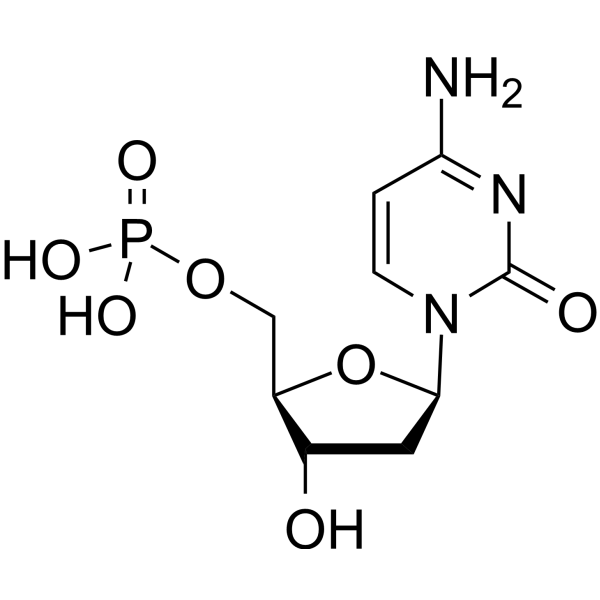 0 ImagesSynonyms: 5'-dCMP; Deoxy-CMP; 2'-Deoxycytidine-5'-monophosphoric acid2'-Deoxycytidine-5'-monophosphate (5'-dCMP) is a compound that binds to the adenovirus terminal protein with a molecular weight of 80000 daltons. 2'-Deoxycytidine-5'-monophosphate forms a covalent complex with this protein and is associated with adenovirus DNA replication.
-
1,4-Naphthoquinone
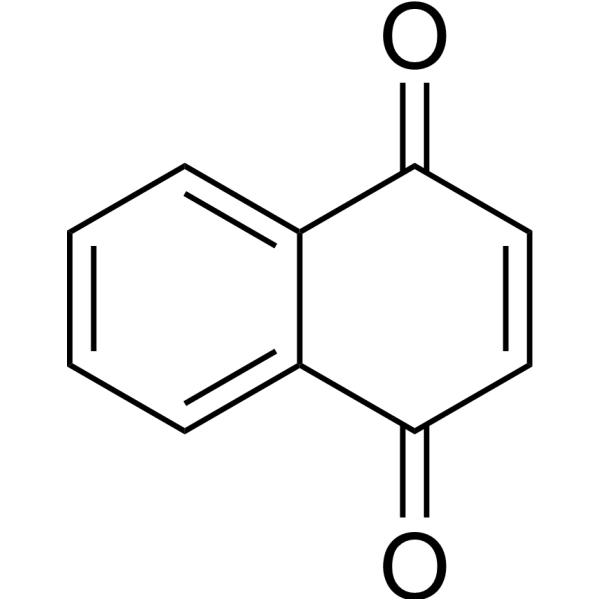 0 Images1,4-Naphthoquinone is an inhibitor with broad-spectrum inhibitory activity targeting DNA polymerase, NF-κB and monoamine oxidase (MAO-A/B), with antibacterial and anti-biofilm efficacy. 1,4-Naphthoquinone is a competitive inhibitor of MAO-B (Ki=1.4 μM) and a non-competitive inhibitor of MAO-A (Ki=7.7 μM). 1,4-Naphthoquinone inhibits DNA polymerase pol α, β, γ, δ, ε, λ with IC50 ranging from 5.57-128 μM. 1,4-Naphthoquinone inhibits tumor cell proliferation, induces apoptosis and necrosis, and has anti-angiogenic and anti-inflammatory activities by inducing oxidative stress, depleting glutathione (GSH), inhibiting DNA polymerase-mediated DNA synthesis and blocking NF-κB nuclear translocation. 1,4-Naphthoquinone can be used in anti-bacterial , anti-tumor and anti-inflammatory studies, including inhibition of melanoma and colon cancer cell growth and endothelial cell function, as well as LPS-induced inflammation models.
-
POLA1 inhibitor 1
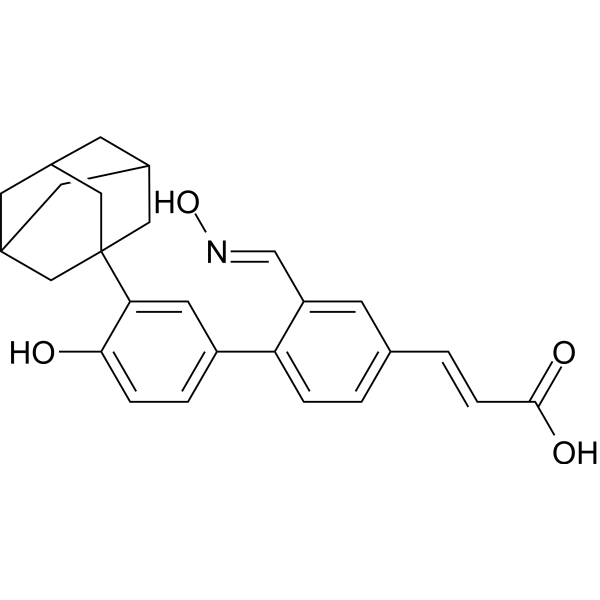 0 ImagesPOLA1 inhibitor 1 (Compound 12) is an orally active POLA1 inhibitor. POLA1 inhibitor 1 shows antitumor activity against several tumor histotypes and Adarotene-resistant cell line.
-
NP1867
 0 ImagesCat. No.: HY-173455CAS No.: 2930070-08-7NP1867 is a potent, selective, covalent PMS2 inhibitor. NP1867 functionally inhibits DNA mismatch repair. NP1867 enhances immune surveillance. NP1867 can be used in the research of colorectal cancer.
-
Taq DNA polymerase
 0 ImagesCat. No.: HY-E70086CAS No.: 2304873-37-6Taq DNA polymerase is a thermostable DNA polymerase that can be used in PCR.
-
Cycloguanil hydrochloride
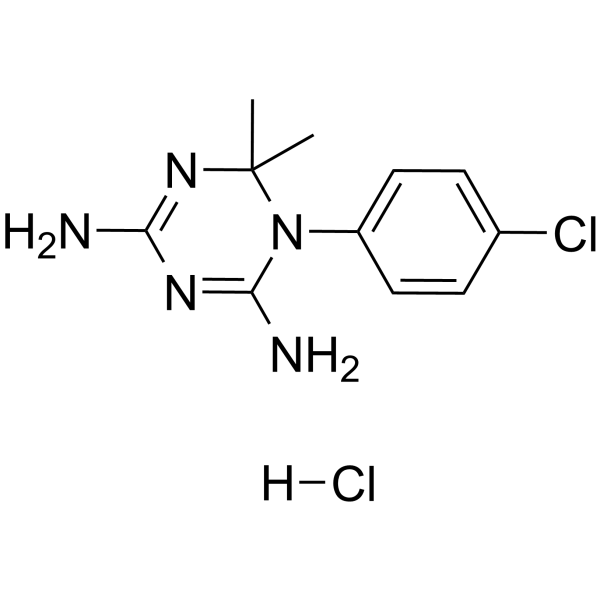 0 ImagesCycloguanil (Chlorguanide triazine) hydrochloride is a dihydrofolate reductase (DHFR) inhibitor with an IC50 of 10.8 μM against human DHFR. Cycloguanil hydrochloride blocks the folate metabolic pathway, thereby affecting nucleotide synthesis and interfering with DNA replication. Cycloguanil inhibits DHFR in Plasmodium and is thus used in malaria research. Cycloguanil hydrochloride also potently inhibits DHFR in human cancer cells and blocks the transcriptional activity of STAT3, thereby exhibiting anticancer activity.
-
NSC 194308
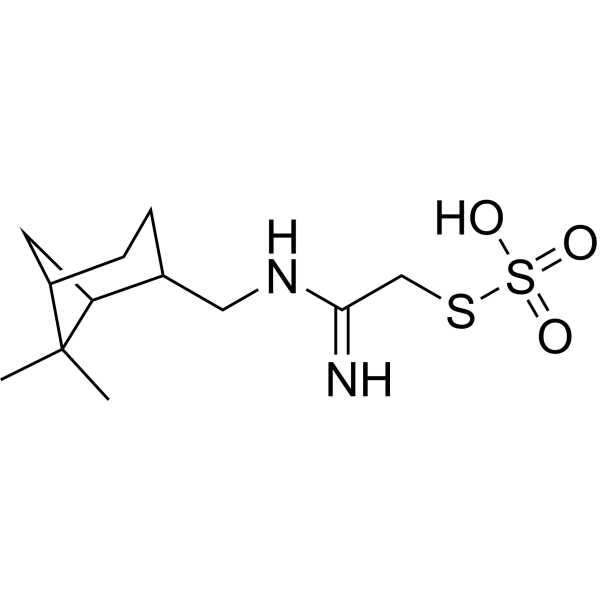 0 ImagesNSC 194308, a U2AF2-RNA complexes enhancer, increases association of the U2AF1-U2AF2-SF1-splice site RNA complex by binding a site between the U2AF2 RNA recognition motifs (RRM1 and RRM2). NSC 194308 inhibits pre-mRNA splicing by stalling spliceosome assembly at the point where U2AF helps recruit U2 snRNP to the branchpoint. NSC 194308 enhances the binding of pre-mRNA to U2AF2, selectively triggering cell death in leukemia cell lines containing spliceosome mutations.




