



HSP
Heat shock proteins
HSP (Heat shock proteins) are a group of proteins induced by heat shock, the most prominent members of this group are a class of functionally related proteins involved in the folding and unfolding of other proteins. HSP expression is increased when cells are exposed to elevated temperatures or other stress. This increase in expression is transcriptionally regulated. The dramatic upregulation of the heat shock proteins is a key part of the heat shock response and is induced primarily by heat shock factor (HSF). HSPs are found in virtually all living organisms, from bacteria to humans. Heat shock proteins appear to serve a significant cardiovascular role. Hsp90, Hsp84, Hsp70, Hsp27, Hsp20 and alpha B crystallin all have been reported as having roles in the cardiovasculature.
Alle HSP Isoform-spezifische Produkte anzeigen
All Product Categories
-
HSP Inhibitors
(323)
View all products
-
HSP Agonists
(2)
View all products
-
HSP Antagonists
(5)
View all products
-
HSP Activators
(88)
View all products
-
HSP Modulators
(6)
View all products
-
HSP Inducers
(6)
View all products
-
HSP Degraders
(7)
View all products
-
HSP Pre-designed Set
(1)
View all products
-
HSP Controls
(2)
View all products
-
HSP Ligands
(9)
View all products
-
HSP Verwandte Produkte (499)
Verwandte Produkte (499)

-
Antibodies (46)
-
HSP Isoform Comparison
-
Palmitic acid-d4-1
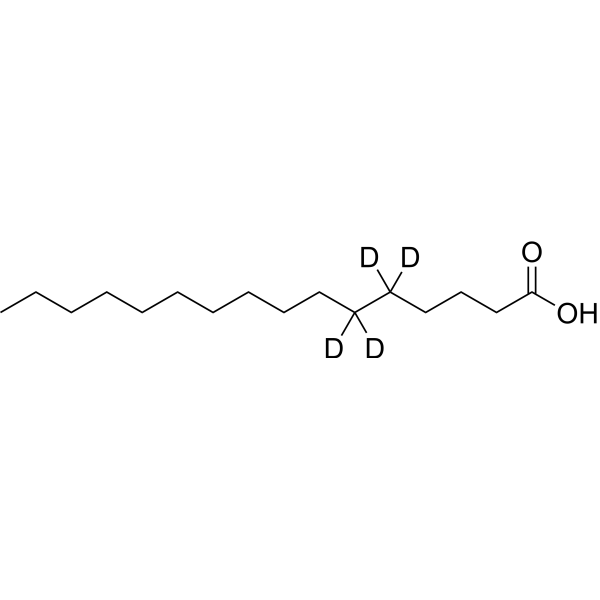 0 ImagesPalmitic acid-d4-1 is the deuterium labeled Palmitic acid. Palmitic acid is a long-chain saturated fatty acid commonly found in both animals and plants. PA can induce the expression of glucose-regulated protein 78 (GRP78) and CCAAT/enhancer binding protein homologous protein (CHOP) in in mouse granulosa cells.
-
HEMTAC WEE1 degrader-1
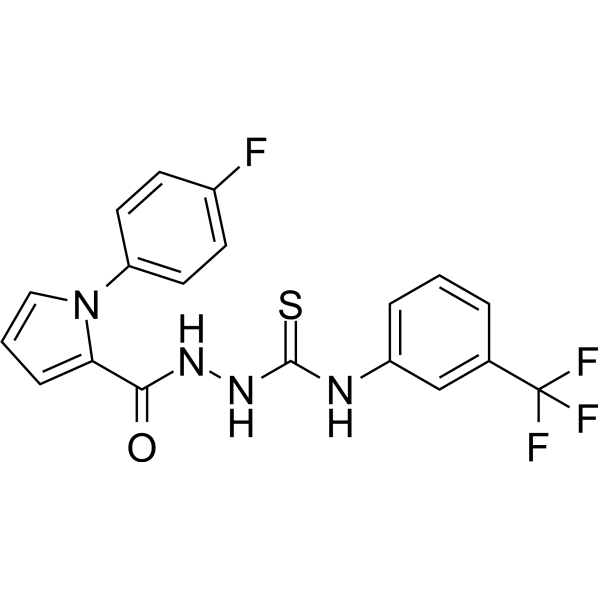
 0 ImagesHEMTAC WEE1 degrader-1 is a HSP90-mediated targeting chimera (HEMTAC) degrader of WEE1 (HSP90 enzyme inhibitory activity is IC50: 16.76 nM). HEMTAC WEE1 degrader-1 promotes the ubiquitination and degradation of WEE1. HEMTAC WEE1 degrader-1 blocks the G2/M cell cycle. HEMTAC WEE1 degrader-1 has anticancer activity in acute myeloid leukemia (AML) patient-derived xenograft (PDX) models. HEMTAC WEE1 degrader-1 can be used in AML research. (Pink: HSP90 binder; Blue: WEE1 ligand; Black: linker).
-
CH5138303
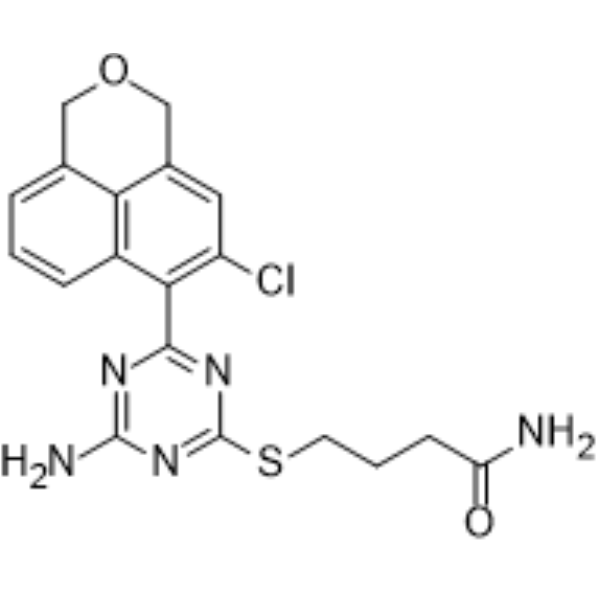 0 ImagesCH5138303 is a potent and orally active Hsp90 inhibitor. CH5138303 shows high binding affinity for N-terminal Hsp90α, with Kd of 0.52 nM. CH5138303 shows potent anti-proliferative activity against human cancer cell lines (HCT116 and NCI-N87), with IC50 values of 0.098 and 0.066 μM, respectively. CH5138303 shows high oral bioavailability in mice (F=44.0%). CH5138303 shows potent antitumor efficacy in a human NCI-N87 gastric cancer xenograft model.
-
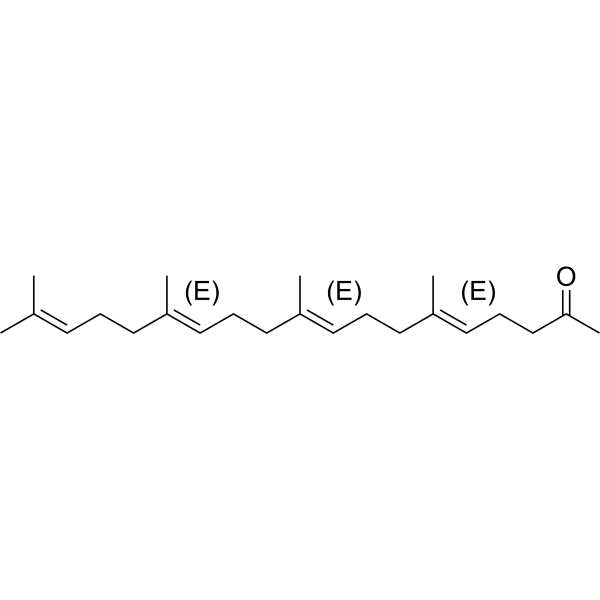
Palmitic acid-1,2,3,4-13C4
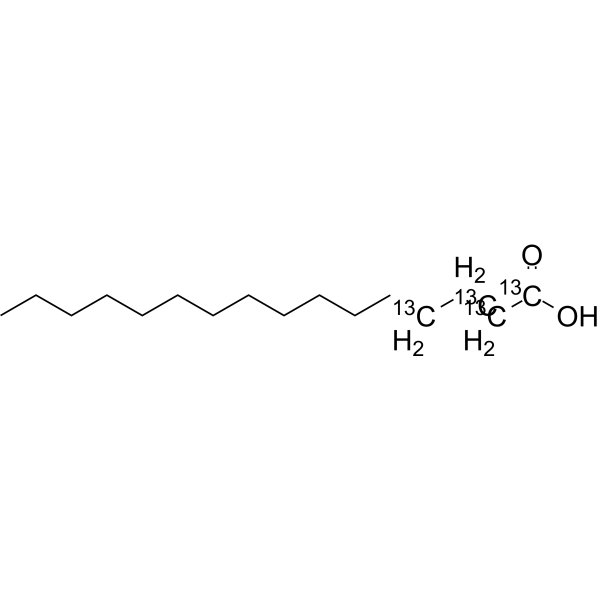 0 ImagesPalmitic acid-1,2,3,4-13C4 is the 13C-labeled Palmitic acid. Palmitic acid is a long-chain saturated fatty acid commonly found in both animals and plants. Palmitic acid can induce the expression of glucose-regulated protein 78 (GRP78) and CCAAT/enhancer binding protein homologous protein (CHOP) in in mouse granulosa cells.
-
Delphinidin-3-O-galactoside chloride
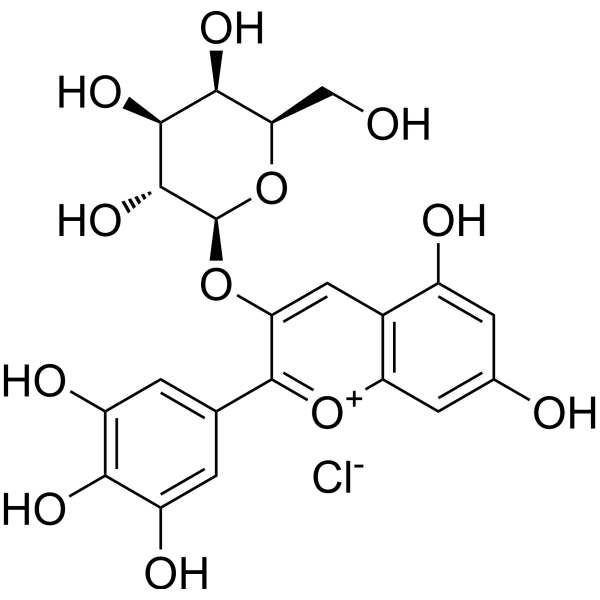 0 ImagesDelphinidin-3-O-galactoside chloride is an anthocyanin found in abbiteye blueberry. Delphinidin-3-O-galactoside chloride show inhibitory activitiesagainst α-glucosidase with an IC50 of 68.33 μM, and tyrosinase with an IC50 of 34.14 μM. Delphinidin-3-O-galactoside chloride attenuates HO-1 and HSP70 messenger RNA down-regulation, suppresses cytotoxicity, reduces endoplasmic reticulum stress responses, scavenges free radicals, reduces intracellular triglyceride levels and lipid droplet accumulation. Delphinidin-3-O-galactoside chloride can be used for the researches of diabesity, melanoma and inflammation.
-
AurAP14
 0 ImagesAurAP14 is an Aurora A PROTAC degrader (DC50 = 120 nM). AurAP14 can form a stable ternary complex with Aurora A kinase and HSP90, recruiting cullin family E3 ubiquitin ligases and MDM2 to mediate the ubiquitination and proteasome degradation of Aurora A kinase. AurAP14 increases p53 levels and decreases C-MYC levels; AurAP14 induces Apoptosis. AurAP14 can be used in the study of non-small cell lung cancer.
-
Hsp110/sGC-modulator-1
 0 ImagesHsp110/sGC-modulator-1 (compound 17i), an orally active Hsp110/sGC dual-target regulator, exhibits optimal Hsp110 and sGC molecular activities as well as remarkable cell malignant phenotypes inhibitory and vasodilatory effects. Hsp110/sGC-modulator-1 (compound 17i) attenuates pulmonary vascular remodeling and right ventricular hypertrophy via Hsp110 suppression.
-
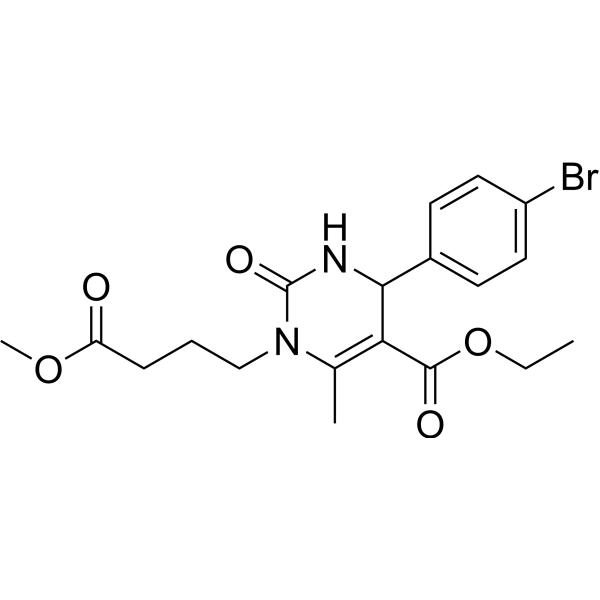
AP-4-139B
 0 ImagesAP-4-139B is a blood-brain barrier-permeable HSP70 inhibitor with a IC50 of 180 nM against hHSP70. AP-4-139B binds directly to HSP70 and inhibits its ATPase activity. AP-4-139B promotes Autophagy by increasing the phosphorylation of Beclin-1. AP-4-139B exerts antitumor effects in preclinical models of colorectal cancer and pancreatic ductal adenocarcinoma.
-
SARD279
 0 ImagesArt. -Nr.: HY-164807CAS. Nr.: 1489236-55-6SARD279 is a HyT degrader of androgen receptor (AR). SARD279 binds to AR, recruits HSP70, mediates ubiquitin-dependent proteasomal degradation, and competitively inhibits the transactivation of AR. SARD279 exhibits antiproliferative activity in AR-dependent prostate cancer cells and castration-resistant prostate cancer cells, including those harboring the ARF876L mutation. SARD279 can be used in studies related to prostate cancer and castration-resistant prostate cancer.
-
HSP90-IN-22
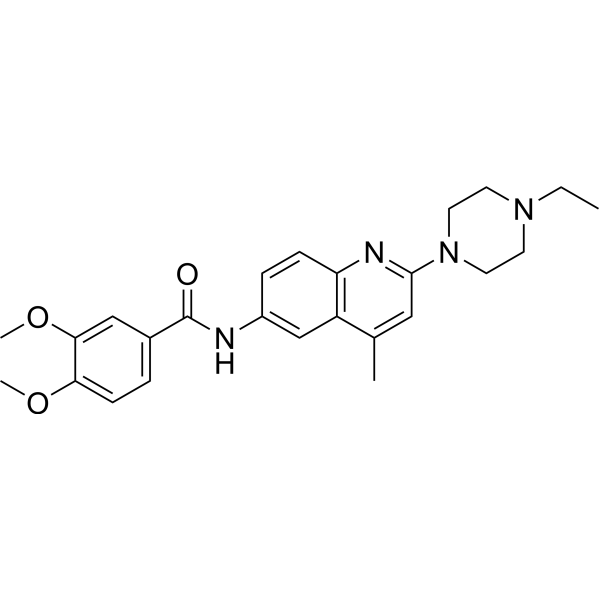 0 ImagesHSP90-IN-22 (Compound 35) is an Hsp90 inhibitor with antiproliferative properties on cells with IC50 values of 3.65 μM for MCF7 breast cancer cells and 2.71 μM for SKBr3 breast cancer cells, respectively.
-
HS-27
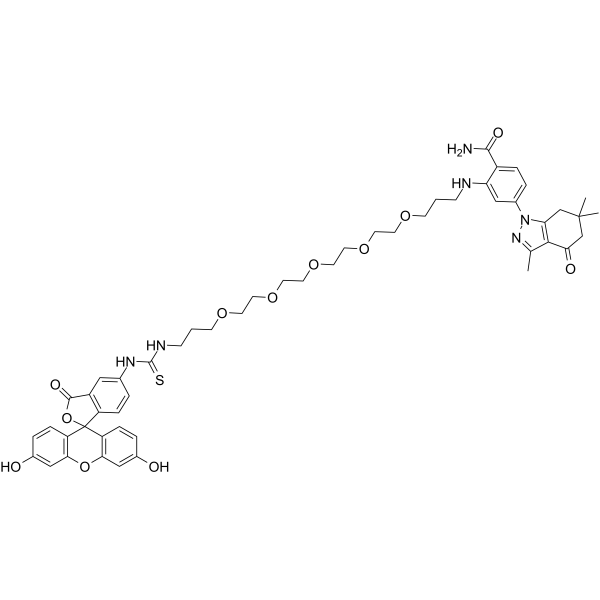 0 ImagesHS-27, a fluorescently-tethered Hsp90 inhibitor, assays surface Hsp90 expression on intact tissue specimens. HS-27 is made up of the core elements of SNX-5422, an Hsp90 inhibitor, tethered via a PEG linker to a fluorescein derivative (fluorescein isothiocyanate or FITC), that binds to ectopically expressed Hsp90. HS-27 has potential use in a see-and-treat paradigm in breast cancer.
-
HSP70-IN-9
 0 ImagesArt. -Nr.: HY-184106CAS. Nr.: 1268273-85-3HSP70-IN-9 is an Hsp70 inhibitor that induces caspase-3,7 activation with an IC50 of 25.2 μM. HSP70-IN-9 reversibly binds to the allosteric pocket of the N-terminal domain, disrupts the Hsp70-HOP-Hsp90 mega-complex, and inhibits client protein refolding, thereby inducing apoptosis and degradation of Hsp90-Hsp70 tumor client proteins, ultimately inhibiting cancer cell growth. HSP70-IN-9 can be used for research on breast cancer, pancreatic cancer, and acute myeloid leukemia.
-
Isoxazole
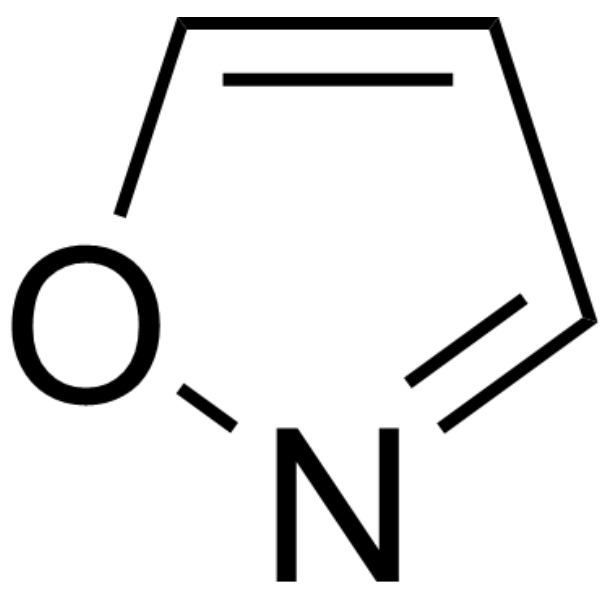 0 ImagesIsoxazole is a member of the five-membered heterocycle drug scaffold. Isoxazole has been used as a BET bromodomain inhibitor and can improve β-cell function in a diabetic mouse model. Isoxazole and its derivatives exhibit broad biological activities (such as antimicrobial, antibacterial, antifungal, antiviral, anticancer, anti-inflammatory, immunomodulatory, analgesic, anti-tuberculosis, and anti-diabetic effects). For example, the bicyclic Isoxazole can act as an HSP90 inhibitor, and the tricyclic Isoxazole is promising as a selective multidrug resistance protein (MRP1) inhibitor.
-
Bimoclomol
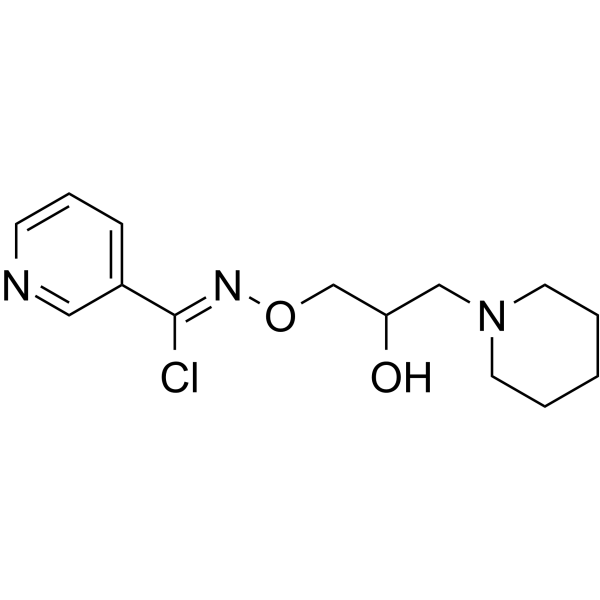 0 ImagesBimoclomol is a heat shock protein (HSP) coinducer, used for treatment of cardiovascular diseases.
-
PET-16
 0 ImagesPET-16 is a selective HSP70 inhibitor that binds to an allosteric pocket of the substrate-binding domain. PET-16 inhibits the ability of HSP70 to cycle between ATP-bound and ADP-bound states. PET-16 induces apoptosis in multiple myeloma.
-
Hsp90-Cdc37-IN-1
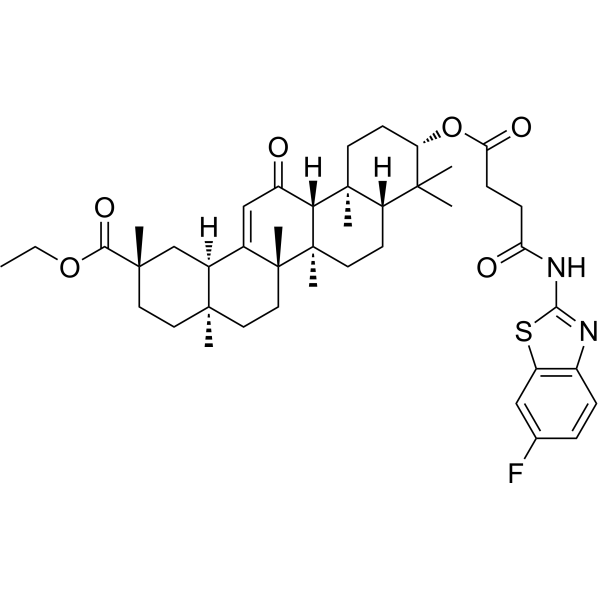 0 ImagesHsp90-Cdc37-IN-1 is an Hsp90-Cdc37 interaction disruptor that inhibit cell migration and reverse agent resistance, with an IC50 of 140 nM.
-
CCT245232
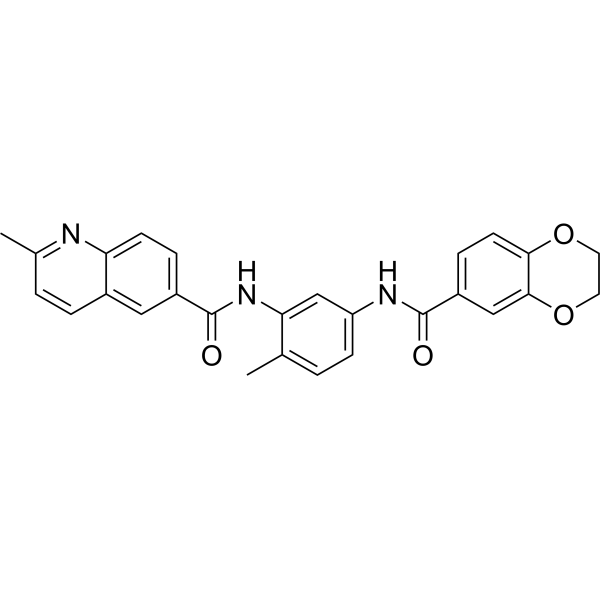 0 ImagesCCT245232 is a potent inhibitor of heat shock factor 1 (HSF1). HSF1 is the master regulator of the heat shock response, in which multiple genes are induced in response to temperature increase and other stresses. CCT245232 has the potential for the research of proliferative diseases, such as cancer (extracted from patent WO2015049535A1).




