



P-glycoprotein
P-gp; Pgp; Multidrug resistance protein 1; MDR1; ATP-binding cassette sub-family B member 1; ABCB1; Cluster of differentiation 243; CD243
P-glycoprotein (P-gp) also known as multidrug resistance protein 1 (MDR1) is an important protein of the cell membrane that pumps many foreign substances out of cells. More formally, it is an ATP-dependent efflux pump with broad substrate specificity. P-gp is extensively distributed and expressed in the intestinal epithelium where it pumps xenobiotics (such as toxins or drugs) back into the intestinal lumen, in liver cells where it pumps them into bile ducts, in the cells of the proximal tubular of the kidney where it pumps them into urine-conducting ducts, and in the capillary endothelial cells comprising the blood–brain barrier and blood-testis barrier, where it pumps them back into the capillaries. Some cancer cells also express large amounts of P-gp, which renders these cancers multi-drug resistant. P-gp is an ATP-dependent drug efflux pump for xenobiotic compounds with broad substrate specificity. It is responsible for decreased drug accumulation in multidrug-resistant cells and often mediates the development of resistance to anticancer drugs. This protein also functions as a transporter in the blood–brain barrier.
All Product Categories
-
P-glycoprotein Inhibitors
(275)
View all products
-
P-glycoprotein Agonists
(2)
View all products
-
P-glycoprotein Antagonist
(1)
View all products
-
P-glycoprotein Activators
(3)
View all products
-
P-glycoprotein Modulators
(24)
View all products
-
P-glycoprotein Inducer
(1)
View all products
-
P-glycoprotein Controls
(3)
View all products
-
P-glycoprotein Substrates
(22)
View all products
-
P-glycoprotein Ligand
(1)
View all products
-
P-glycoprotein Related Products (373)
Related Products (373)

-
Antibodies (3)
-
Selamectin
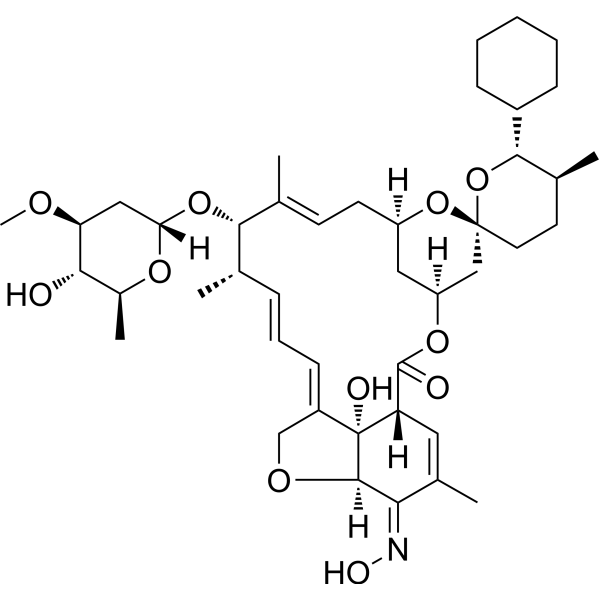 0 ImagesSelamectin, a semi-synthetic macrocyclic lactone, is a potent parasiticide and anthelminthic. Selamectin activates glutamate-gated chloride channels in neurons and pharyngeal muscles to prevent heartworm, Lymphatic filariae, and nematode infection. Selamectin is also a potent P-glycoprotein substrate and a P-glycoprotein inhibitor with an IC50 of 120 nM.
-
Coniferyl ferulate
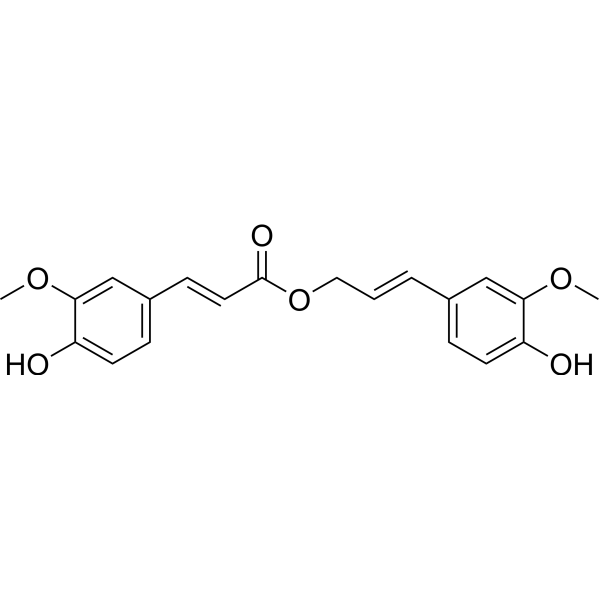 0 ImagesConiferyl ferulate is an orally active phenolic acid compound. Coniferyl ferulate is a potent inhibitor of glutathione S-transferase (GST) (IC50 = 0.3 μM), which downregulates P-gp expression, induces apoptosis in B-MD-C1 (ADR+/+) cells, and reverses multidrug resistance. Coniferyl ferulate blocks the NMDAR/NR2B-CaMKII-MAPKs signaling pathway, inhibits ROS production and mitochondrial apoptosis, while reshapes the intestinal microbiota and microbial metabolism, ameliorates colonic inflammation and alleviates depressive symptoms in mice. Coniferyl ferulate can alleviate the toxicity of xylene to hematopoietic stem and progenitor cells by targeting Mgst2. Coniferyl ferulate exhibits antibacterial activity against the Gram-positive Bacillus subtilis and Staphylococcus aureus.
-
Encequidar mesylate
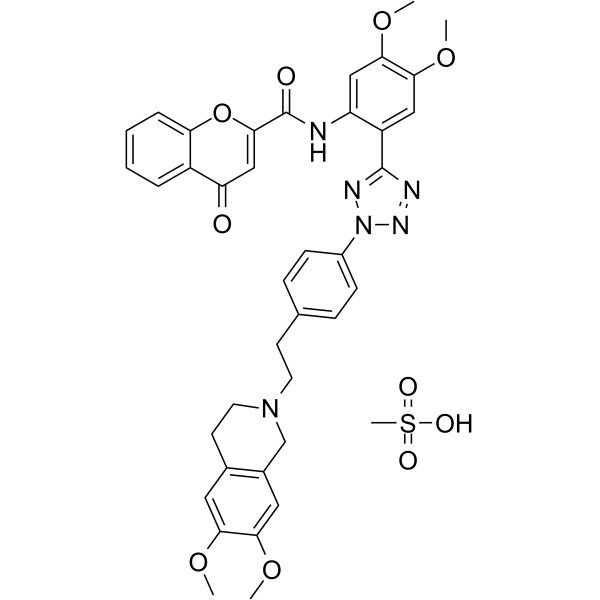 0 ImagesSynonyms: HM30181 mesylate; HM30181A mesylateEncequidar mesylate (HM30181 mesylate; HM30181A mesylate) is a competitive and potent P-glycoprotein inhibitor.
-
Estradiol 17-(β-D-Glucuronide)
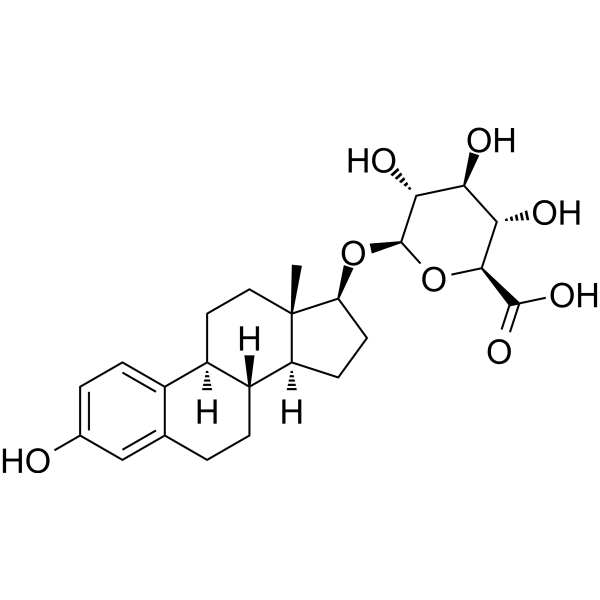 0 ImagesEstradiol 17-(β-D-Glucuronide) is a D-ring glucuronide metabolite of natural estrogen formed in the liver. Estradiol 17-(β-D-Glucuronide) is a substrate of the organic anion-transporting polypeptide family (Oatp) and multidrug resistance-associated protein 2 (Mrp2). Estradiol 17-(β-D-Glucuronide) regulates MRP8-mediated transport processes and inhibits MRP8-mediated transport of dehydroepiandrosterone 3-sulfate and taurocholic acid. Estradiol 17-(β-D-Glucuronide) induces immediate, reversible reduction of bile flow and acute intrahepatic cholestasis in female rats without altering the bile acid composition in bile. Estradiol 17-(β-D-Glucuronide) can be used in studies related to intrahepatic cholestasis.
-
Glycocholic acid sodium
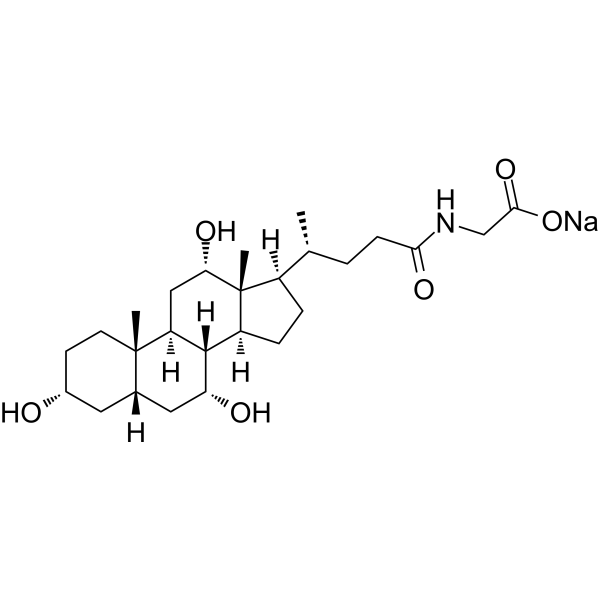 0 ImagesGlycocholic acid sodium is a bile acid derivative. Glycocholic acid downregulates MDR1, Bcl-2, MRP1, MRP2 and FXR, upregulates Bax, p53, caspase-9, caspase-3, TGR5 and S1PR2. Glycocholic acid sodium inhibits multidrug resistance and efflux pumps, induces mitochondrial apoptosis, and enhances chemosensitivity. Glycocholic acid sodium modulates related bile acid receptor signaling. Glycocholic acid sodium suppresses growth and conjugation of Enterobacteriaceae and increases their antibiotic susceptibility. Glycocholic acid sodium can be used for the research of colon adenocarcinoma and cholangiocarcinoma (CCA).
-
Glycocholic acid-d4
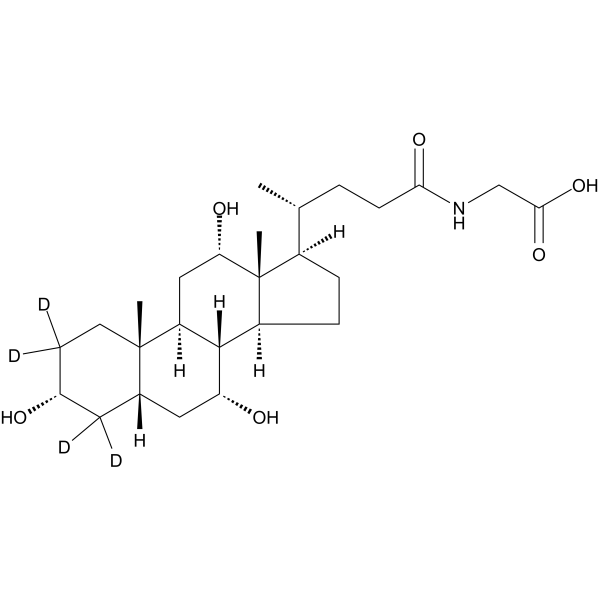 0 ImagesGlycocholic acid-d4 is the deuterium labeled Glycocholic acid (HY-N1423). Glycocholic acid is a bile acid derivative. Glycocholic acid downregulates MDR1, Bcl-2, MRP1, MRP2 and FXR, upregulates Bax, p53, caspase-9, caspase-3, TGR5 and S1PR2. Glycocholic acid inhibits multidrug resistance and efflux pumps, induces mitochondrial apoptosis, and enhances chemosensitivity. Glycocholic acid modulates related bile acid receptor signaling. Glycocholic acid suppresses growth and conjugation of Enterobacteriaceae and increases their antibiotic susceptibility. Glycocholic acid can be used for the research of colon adenocarcinoma and cholangiocarcinoma (CCA).
-
(R)-Verapamil hydrochloride
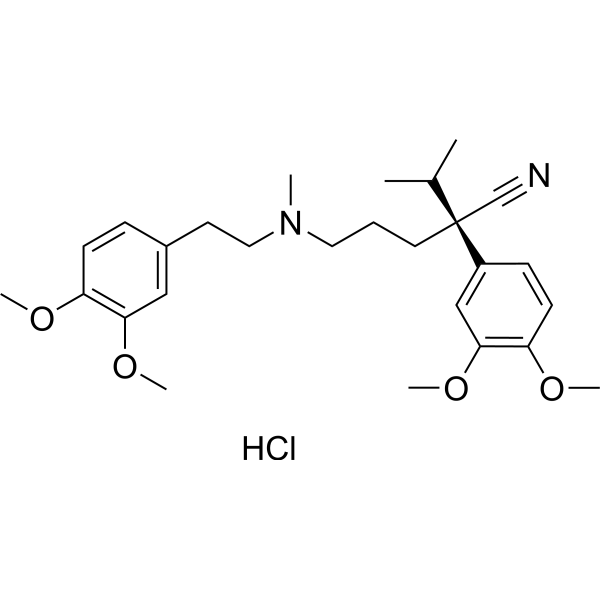 0 ImagesSynonyms: (R)-(+)-Verapamil hydrochloride(R)-Verapamil hydrochloride ((R)-(+)-Verapamil hydrochloride) is an orally active P-Glycoprotein inhibitor. (R)-Verapamil hydrochloride blocks MRP1 mediated transport. (R)-Verapamil hydrochloride induces Apoptosis and inhibits L-type calcium channels BZPcc, DHPcc and PLLcc. (R)-Verapamil hydrochloride has anti-septic shock and anti-diabetic effects.
-
5(6)-Carboxy-2',7'-dichlorofluorescein diacetate
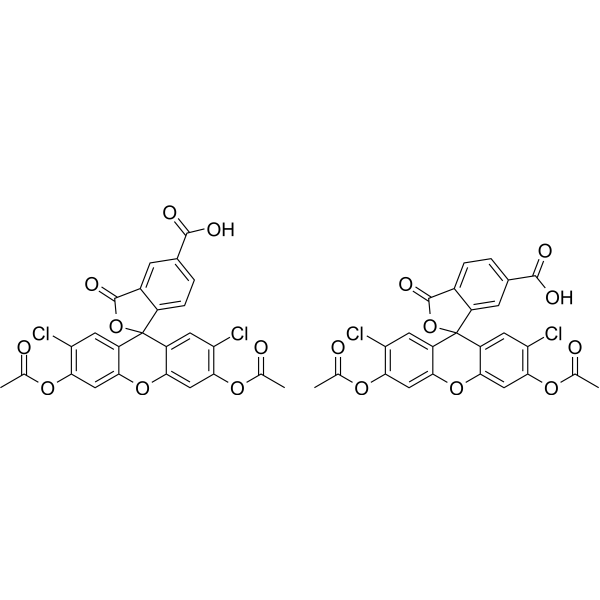 0 ImagesCat. No.: HY-D1078CAS No.: 127770-45-05 (6)-Carboxy-2',7'-dichlorofluorescein diacetate is a fluorescein-based reactive oxygen species (ROS) probe and also a MRP2 substrate. 5 (6)-Carboxy-2',7'-dichlorofluorescein diacetate serves as a substrate for intracellular esterases, which cleave its acetate groups to generate a fluorescent product capable of detecting intracellular ROS. 5 (6)-Carboxy-2',7'-dichlorofluorescein diacetate is ATP-dependent and is transported via a single MRP2 binding site; it competes with LTC4 for MRP2 binding sites and inhibits MRP2-mediated LTC4 transport (Ex/Em = 496/525 nm).
-
Atazanavir sulfate
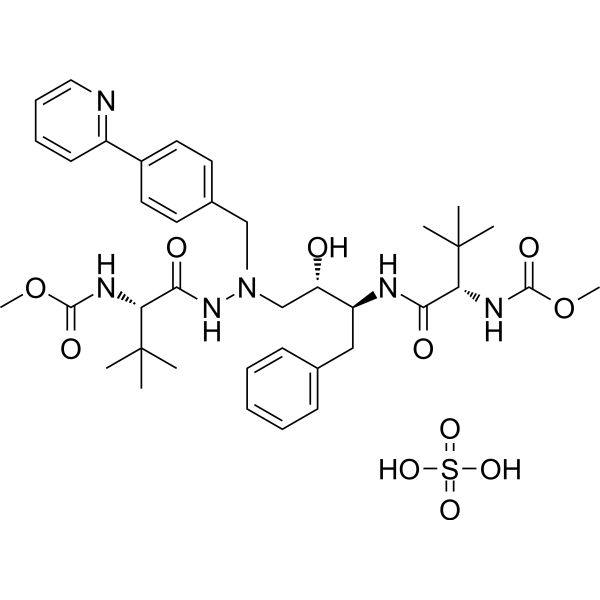 0 ImagesSynonyms: BMS-232632 sulfateAtazanavir (BMS-232632) sulfate is a highly selective and orally active HIV-1 protease inhibitor with blood-brain barrier permeability. Atazanavir sulfate is a substrate and inhibitor of CYP3A4, and an inhibitor of P-glycoprotein (P-gp). Atazanavir sulfate is also a SARS-CoV 3CLpro inhibitor with an IC50 of 3.49 μM. Atazanavir sulfate inhibits cardiac fibrosis, hyperlipidemia and induces malignant glioma death.
-
IKK 16 hydrochloride
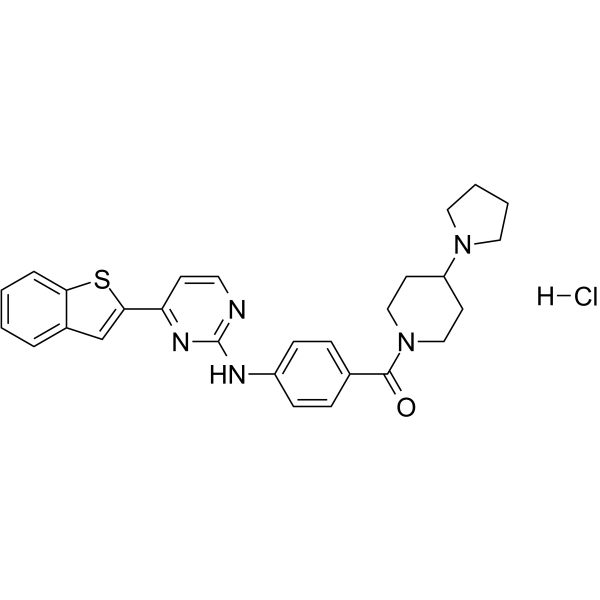 0 ImagesIKK 16 hydrochloride is an orally active IKK inhibitor. IKK 16 hydrochloride shows IC50s of 40 nM, 70 nM, 200 nM, and 50 nM for IKK2, IKK complex, IKK1, and LRRK 2, respectively. IKK 16 hydrochloride is also a pan-PKD inhibitor, inhibiting PKD1, PKD2, and PKD3 with IC50s of 153.9, 115, and 99.7 nM, respectively. IKK 16 hydrochloride is also an ABCB1 inhibitor, interfering with the binding of ABCB1 to its substrates. IKK 16 hydrochloride protects against LPS (HY-D1056)-induced multiple organ dysfunction by reducing the acute inflammatory response induced by endotoxin exposure. IKK 16 hydrochloride can restore renal function and alleviate fibrosis in acute kidney injury. IKK 16 hydrochloride attenuates cardiac dysfunction associated with polymicrobial sepsis in mice with type 2 diabetes mellitus (T2DM) by inhibiting the NF-κB pathway.
-
Saikosaponin B2
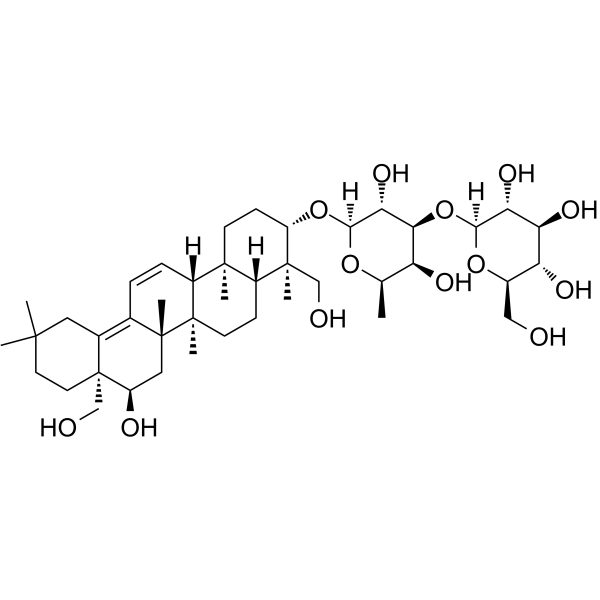 0 ImagesSaikosaponin B2 is an antiviral and anticancer agent that regulates multiple transporters (such as various solute carriers and ATP-binding cassette transporters including MRP1, MRP2, and OCT2). Saikosaponin B2 is isolated from the plant glycoside component of the roots of Bupleurum scorzonerifolium. Saikosaponin B2 enhances the liver targeting of anticancer drugs via vinegar-baked Radix Bupleuri. Saikosaponin B2 inhibits HCV entry, replication, and translation, is effective against Daclatasvir (HY-10466)-resistant strains, and exerts a synergistic effect when used in combination with Daclatasvir. Saikosaponin B2 is commonly used in studies related to hepatocellular carcinoma and HCV infection.
-
N-Desmethyl imatinib
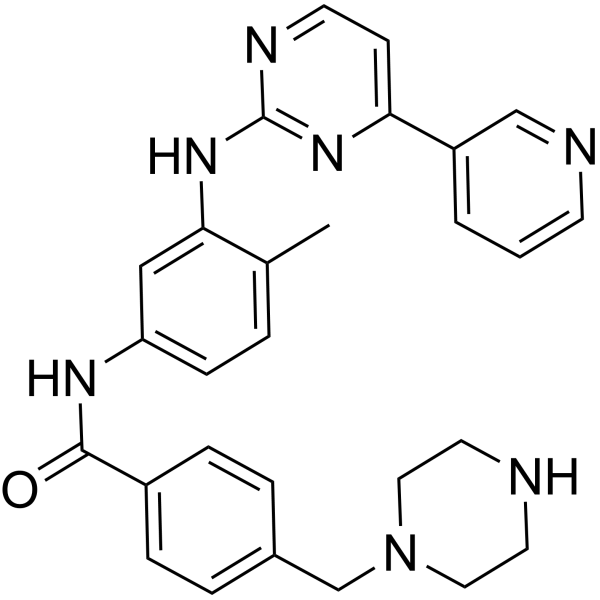 0 ImagesSynonyms: Norimatinib; Imatinib metabolite N-Desmethyl imatinib; CGP 74588N‑Desmethyl imatinib (Norimatinib) is an active metabolite of Imatinib (HY-15463), a selective c‑Abl inhibitor, and a substrate of P‑glycoprotein. N-Desmethyl imatinib binds to the c-Abl catalytic domain to prevent substrate phosphorylation, inhibits c-Abl-mediated α-synuclein activation and downstream inflammatory signaling pathways. N-Desmethyl imatinib induces apoptosis in K562 human leukemia cells. N-Desmethyl imatinib shows significantly elevated plasma levels in gastrointestinal stromal tumor (GIST) models with mild SARS-CoV-2 infection. N-Desmethyl imatinib can be used for the research of Parkinson’s disease, gastrointestinal stromal tumor, and chronic myeloid leukemia.
-
Convallatoxin
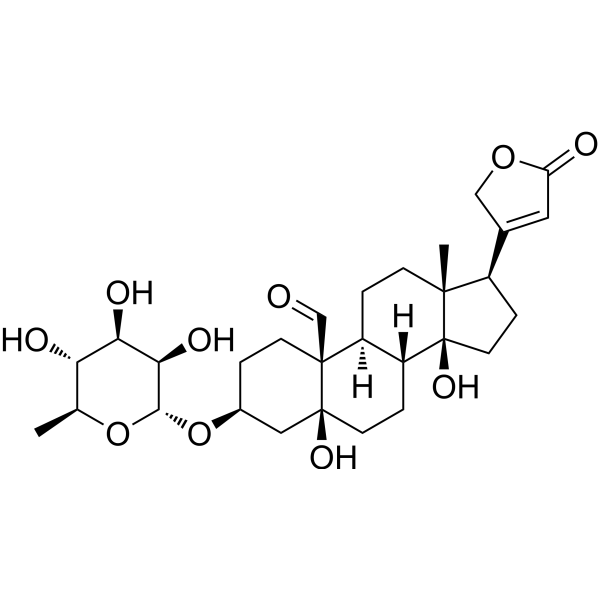 0 ImagesConvallatoxin is a cardiac glycoside isolated from Adonis amurensis Regel et Radde. Convallatoxin ameliorates colitic inflammation via activation of PPARγ and suppression of NF-κB. Convallatoxin is a P-glycoprotein (P-gp) substrate and recognized Val982 as an important amino acid involved in its transport. Convallatoxin is an enhancer of ligand-induced MOR endocytosis with high potency and efficacy. Anti-inflammatory and anti-proliferative properties.
-
Befotertinib
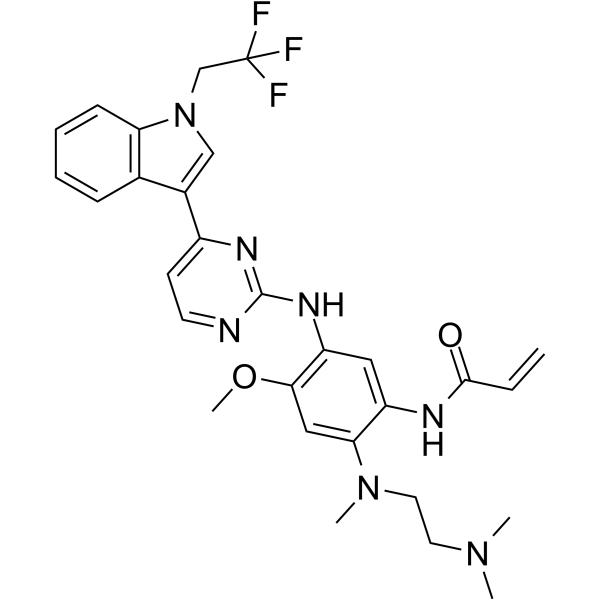 0 ImagesSynonyms: D-0316Befotertinib (D-0316) is an orally active EGFR inhibitor and ABCB1 inhibitor. Befotertinib selectively targets EGFR mutations including EGFRT790M, EGFRL858R and delE746-A750, forms covalent bonds with EGFRC797, inhibits oncogenic signaling pathways, and exerts antiproliferative effects. Befotertinib inhibits ABCB1-mediated drug efflux, activates the ATPase activity of ABCB1, acts as a chemosensitizer and apoptosis enhancer, and restores the sensitivity of multidrug-resistant cancer cells. Befotertinib can be used in research related to multidrug-resistant cancers and non-small cell lung cancer.
-
Sinapine thiocyanate
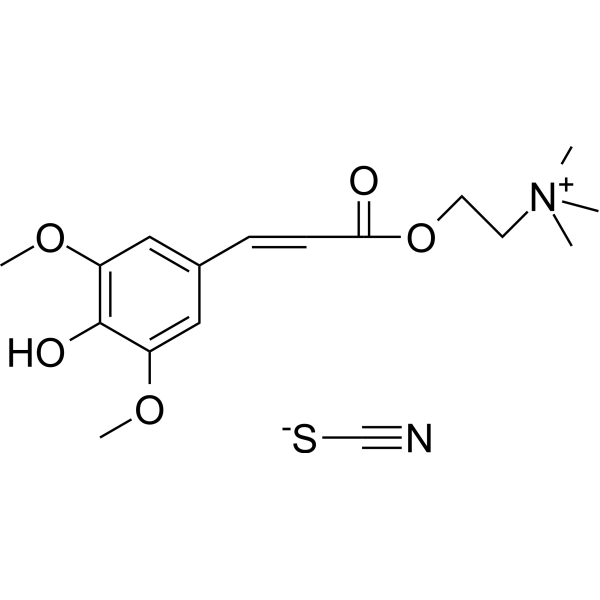 0 ImagesSinapine thiocyanate is an alkaloid isolated from seeds of the cruciferous species. Sinapine thiocyanate exhibits anti-inflammatory, anti-oxidant, anti-tumor, anti-angiogenic and radio-protective effects. Sinapine thiocyanate is also an acetylcholinesterase (AChE) inhibitor and can be used for the research of Alzheimer’s disease, ataxia, myasthenia gravis, and Parkinson’s disease.
-
(S)-Verapamil hydrochloride
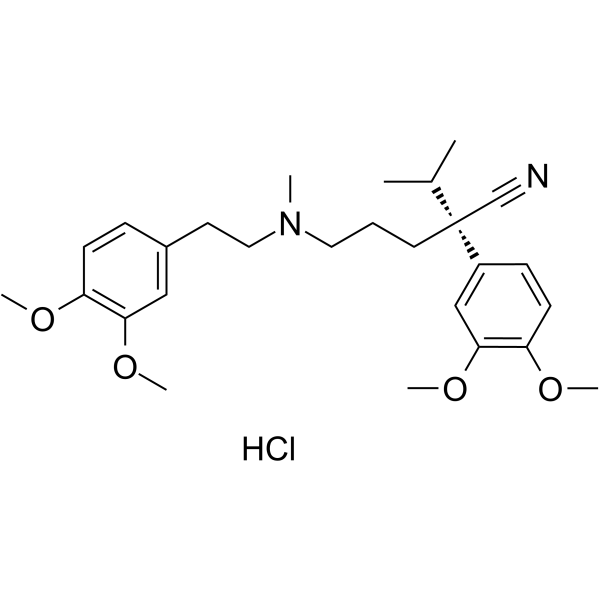 0 ImagesSynonyms: (S)-(-)-Verapamil hydrochloride(S)-Verapamil hydrochloride (S(-)-Verapamil hydrochloride) inhibits leukotriene C4 (LTC4) and calcein transport by MRP1. (S)-Verapamil hydrochloride leads to the death of potentially resistant tumor cells.
-
Glycocholic acid (Standard)
 0 ImagesGlycocholic acid (Standard) is the analytical standard of Glycocholic acid (HY-N1423). This product is intended for research and analytical applications. Glycocholic acid is a bile acid with anticancer activity, targeting against pump resistance-related and non-pump resistance-related pathways.
-
Indican
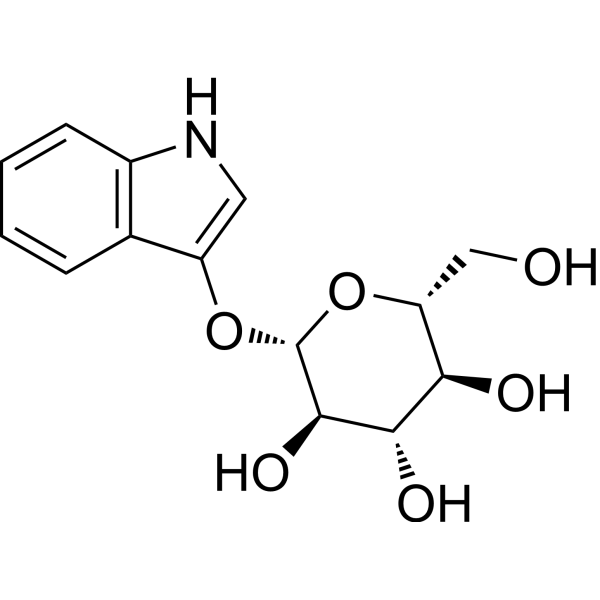 0 ImagesIndican (Indoxyl-β-D-glucoside), a glycoside of indoxyl, is a precursor of the dyesindigo and indirubin. Indican has a major metabolite, indoxyl sulfate (IS). IS, an uremic toxin, is a substrate/inhibitor of organic anion transporter (OAT) 1, OAT 3 and multidrug resistance-associated protein (MRP) 4.
-
Norverapamil hydrochloride
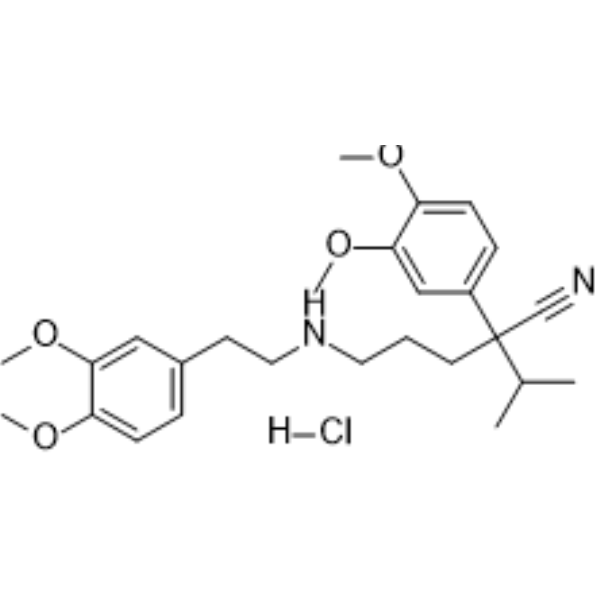 0 ImagesSynonyms: (±)-Norverapamil hydrochloride; D591 hydrochlorideNorverapamil hydrochloride ((±)-Norverapamil hydrochloride), an N-demethylated metabolite of Verapamil, is a L-type calcium channel blocker and a P-glycoprotein (P-gp) function inhibitor.
-
TTT-28
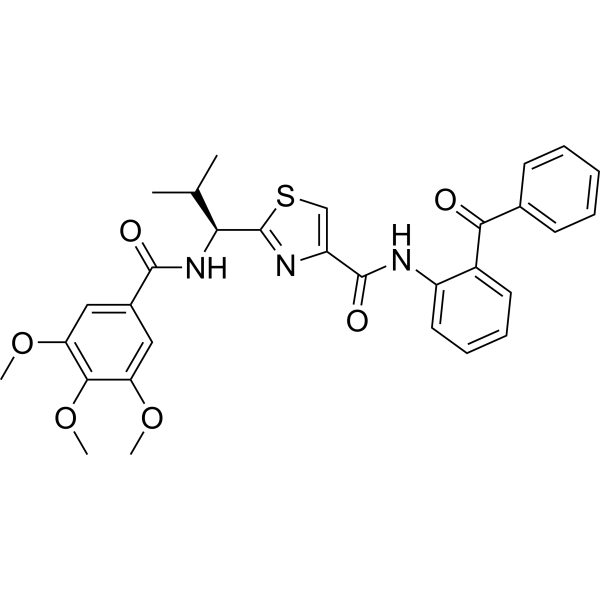 0 ImagesTTT-28 is a synthesized thiazole-valine peptidomimetic, a novel selective inhibitor of ABCB1 (P-gp/MDR1) with high efficacy and low toxicity, which reverses the ATP-binding cassette sub-family B member 1 (ABCB1)-mediated multidrug resistance (MDR) by selectively blocking the efflux function of ABCB1.




