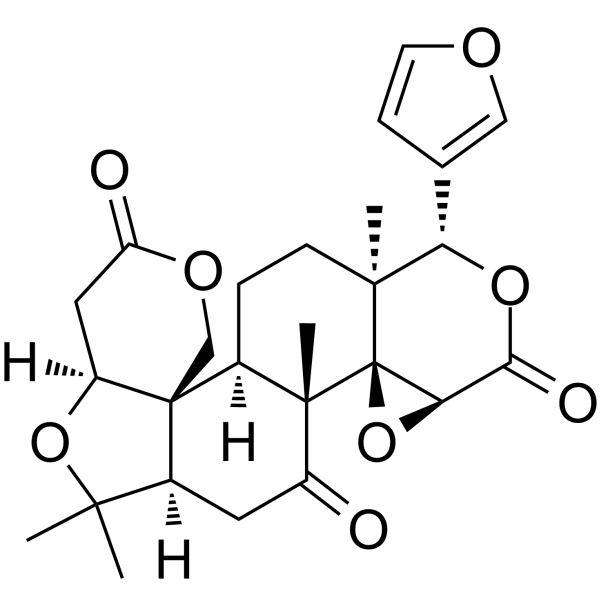
P-glycoprotein Inhibitor
-
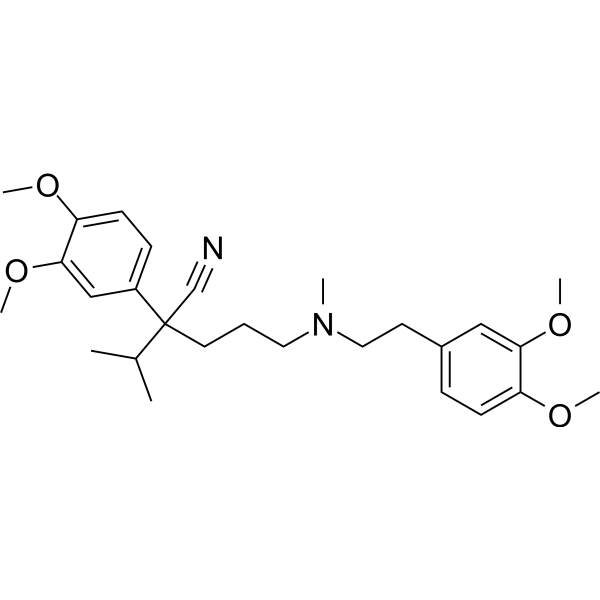
Verapamil
 0 Images
Verapamil ((±)-Verapamil) is a calcium channel blocker and a potent and orally active first-generation P-glycoprotein (P-gp) inhibitor. Verapamil also inhibits CYP3A4. Verapamil has the potential for high blood pressure, heart arrhythmias and angina research.
-
Elacridar
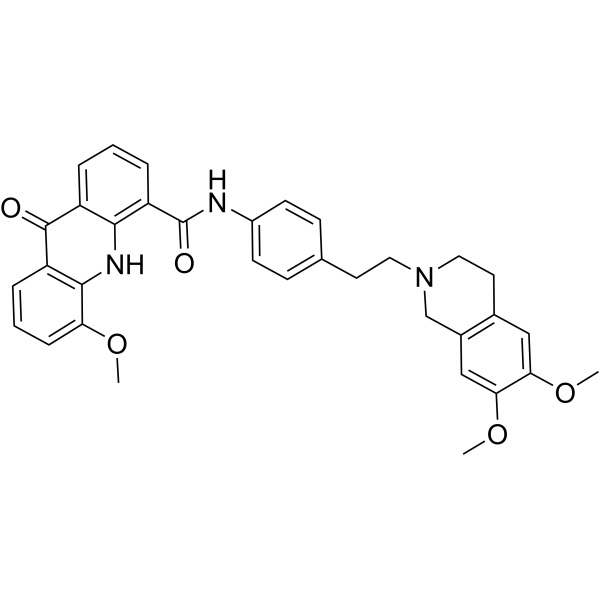 0 ImagesSynonyms: GF120918; GW0918; GG918; GW120918
Elacridar is an orally active P-glycoprotein (Pgp) and breast cancer resistance protein (BCRP) inhibitor. Elacridar can be used to examine the influence of efflux transporters on agent distribution to brain and the research of cancer.
-
Verapamil hydrochloride
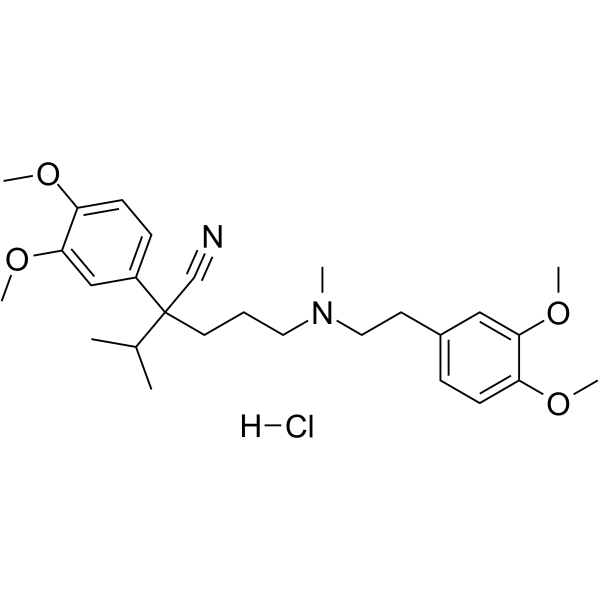 0 ImagesSynonyms: (±)-Verapamil hydrochloride; CP-16533-1 hydrochloride
Verapamil hydrochloride ((±)-Verapamil hydrochloride) is a calcium channel blocker and a potent and orally active first-generation P-glycoprotein (P-gp) inhibitor. Verapamil hydrochloride also inhibits CYP3A4. Verapamil hydrochloride has the potential for high blood pressure, heart arrhythmias and angina research.
-
Glibenclamide
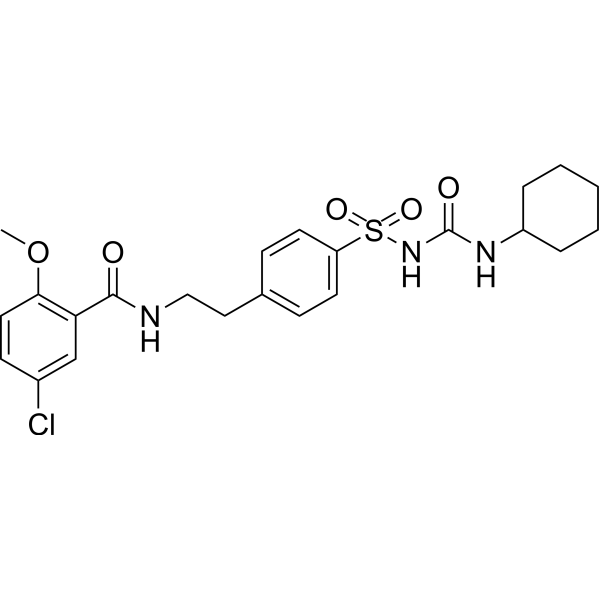 0 ImagesSynonyms: Glyburide
Glibenclamide (Glyburide) is an orally active ATP-sensitive K+ channel (KATP) inhibitor and can be used for the research of diabetes and obesity. Glibenclamide inhibits P-glycoprotein. Glibenclamide directly binds and blocks the SUR1 subunits of KATP and inhibits the cystic fibrosis transmembrane conductance regulator protein (CFTR). Glibenclamide interferes with mitochondrial bioenergetics by inducing changes on membrane ion permeability. Glibenclamide can induce autophagy.
-
Tariquidar
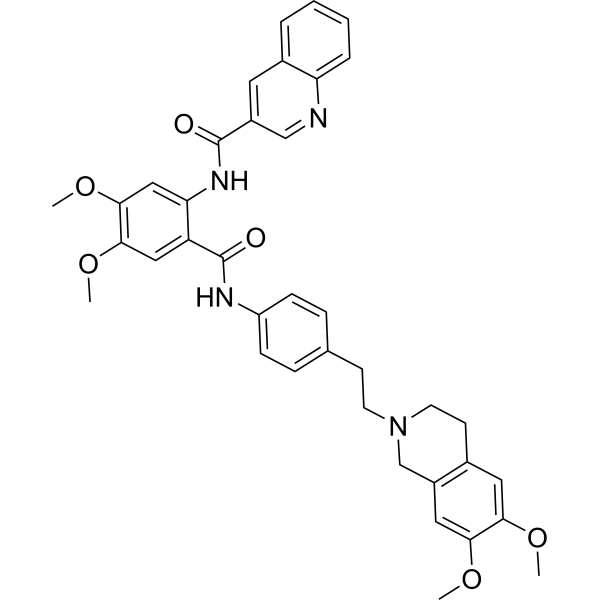 0 ImagesSynonyms: XR9576
Tariquidar (XR9576) is a potent and specific inhibitor of P-glycoprotein (P-gp) with the high affinity (Kd=5.1 nM).
-
Glycocholic acid
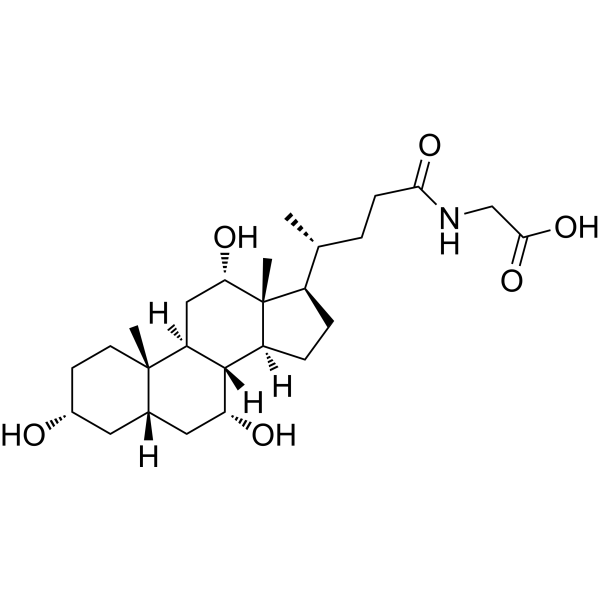 0 Images
Glycocholic acid is a bile acid derivative. Glycocholic acid downregulates MDR1, Bcl-2, MRP1, MRP2 and FXR, upregulates Bax, p53, caspase-9, caspase-3, TGR5 and S1PR2. Glycocholic acid inhibits multidrug resistance and efflux pumps, induces mitochondrial apoptosis, and enhances chemosensitivity. Glycocholic acid modulates related bile acid receptor signaling. Glycocholic acid suppresses growth and conjugation of Enterobacteriaceae and increases their antibiotic susceptibility. Glycocholic acid can be used for the research of colon adenocarcinoma and cholangiocarcinoma (CCA).
-
CP-724714
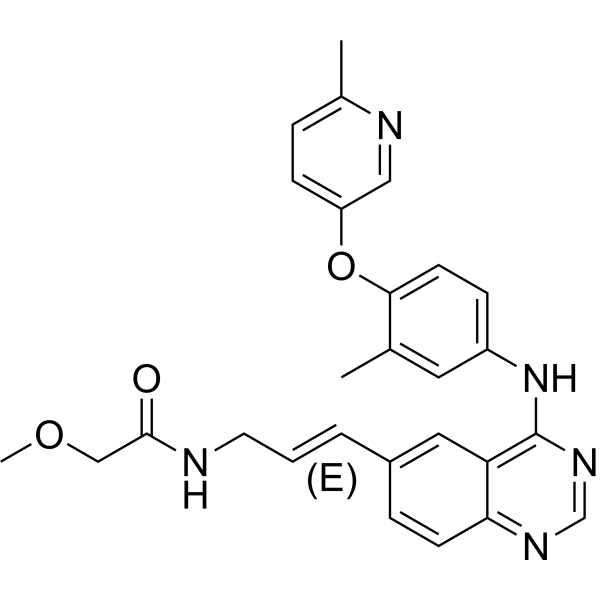 0 Images
CP-724714 is an orally active and selective HER2 tyrosine kinase inhibitor with an IC50 of 10 nM. CP-724714 inhibits HER2 receptor autophosphorylation and blocks the downstream Ras-Raf-Mek-Erk signaling pathway, thereby inducing cell cycle arrest and apoptosis in tumor cells. CP-724714 exhibits antiviral activity and inhibits various porcine diarrheal coronaviruses, including SADS-CoV (IC50 of 0.91 μM). CP-724714 is an inhibitor of the hepatic transport receptors OATP1B1/MDR1/BSEP, and can enter hepatocytes via active uptake and trigger the accumulation of drugs and bile acids within hepatocytes. CP-724714 can be used in research related to HER2-overexpressing breast cancer and porcine diarrheal coronavirus infection.
-
MK-571
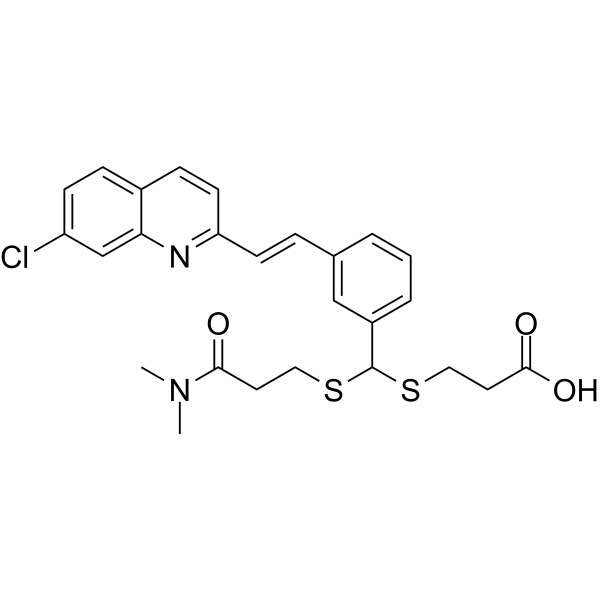 0 ImagesSynonyms: L-660711
MK-571 (L-660711) is an orally active, potent and selective competitive leukotriene D4 (LTD4) receptor antagonist, with Ki values of 0.22 and 2.1 nM in guinea pig and human lung membranes, respectively. MK-571 is also a MRP4 and ABCC1 (MRP1) inhibitor. MK-571 inhibits constitutive and antigen-stimulated S1P (sphingosine-1-phosphate) release.
-
Risperidone
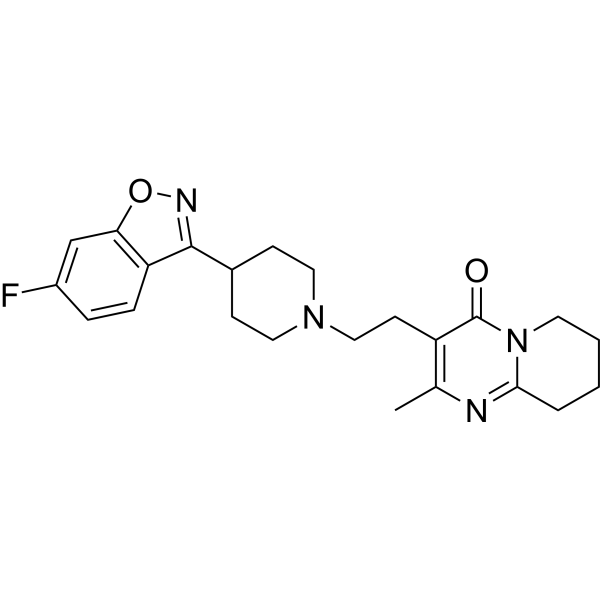 0 ImagesSynonyms: R 64 766
Risperidone is a serotonin 5-HT2 receptor blocker, P-Glycoprotein inhibitor and potent dopamine D2 receptor antagonist, with Kis of 4.8, 5.9 nM for 5-HT2A and dopamine D2 receptor, respectively.
-
IKK 16
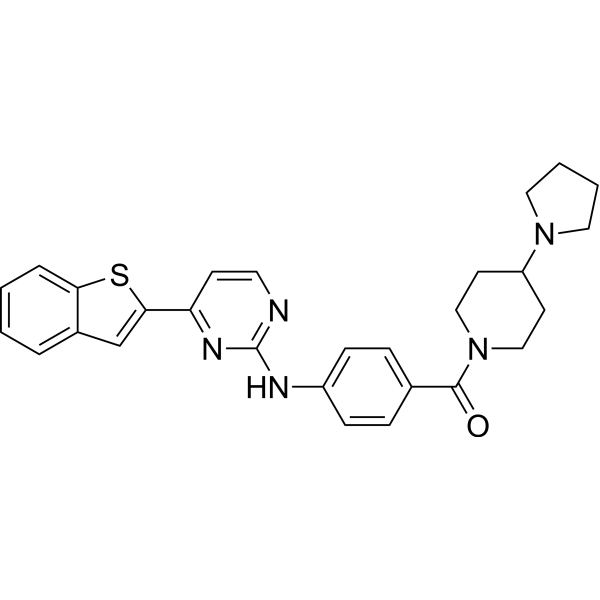 0 Images
IKK 16 is an orally active IKK inhibitor. IKK 16 shows IC50s of 40 nM, 70 nM, 200 nM, and 50 nM for IKK2, IKK complex, IKK1, and LRRK 2, respectively. IKK 16 is also a pan-PKD inhibitor, inhibiting PKD1, PKD2, and PKD3 with IC50s of 153.9, 115, and 99.7 nM, respectively. IKK 16 is also an ABCB1 inhibitor, interfering with the binding of ABCB1 to its substrates. IKK 16 protects against LPS (HY-D1056)-induced multiple organ dysfunction by reducing the acute inflammatory response induced by endotoxin exposure. IKK 16 can restore renal function and alleviate fibrosis in acute kidney injury. IKK 16 attenuates cardiac dysfunction associated with polymicrobial sepsis in mice with type 2 diabetes mellitus (T2DM) by inhibiting the NF-κB pathway.
-
Piperine
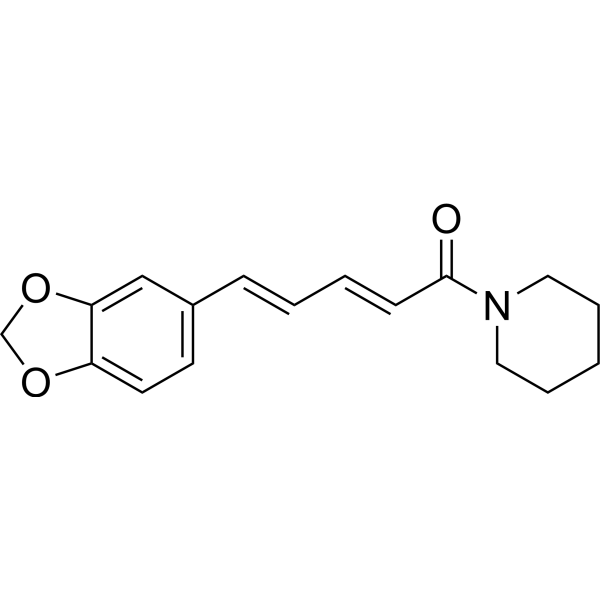 0 Images
Piperine is an alkaloid, can be isolated from pepper. Piperine can inhibit the activity of P-glycoprotein and CYP3A4. Piperine inhibits HeLa cells with an IC50 of 61.94±0.054 μg/mL.
-
Quinidine (15% dihydroquinidine)
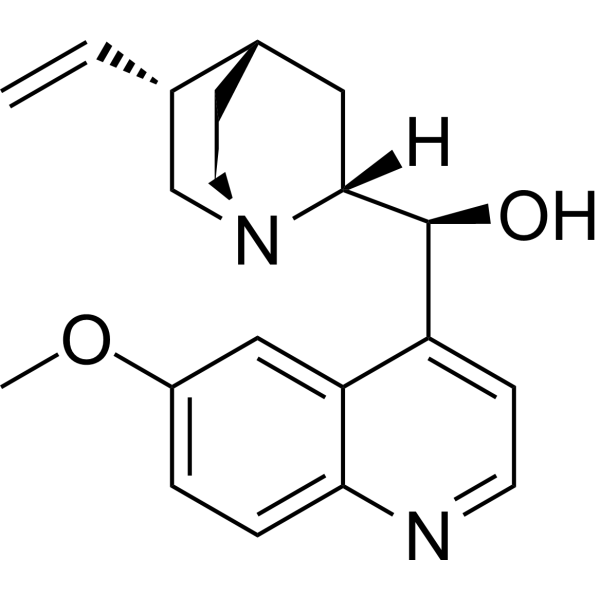 0 Images
Quinidine (15% dihydroquinidine) is an orally active antiarrhythmic agent. Quinidine (15% dihydroquinidine) reduces the expression level of P-gp, inhibits P-gp-mediated efflux, increases the intracellular accumulation of P-gp substrates, induces PARP cleavage and Caspase-3 activation, and elevates the proportion of Apoptotic cells at the sub-G1 phase. Quinidine (15% dihydroquinidine) exerts sustained block and open-channel block effects on IK(f). Quinidine (15% dihydroquinidine) alters the urinary metabolic ratio of Amphetamine, modulates the Pentylenetetrazol-induced seizure threshold, and regulates the anticonvulsant effect of Dextromethorphan. Quinidine (15% dihydroquinidine) can be used in studies related to uterine sarcoma and seizures.
-
Zosuquidar
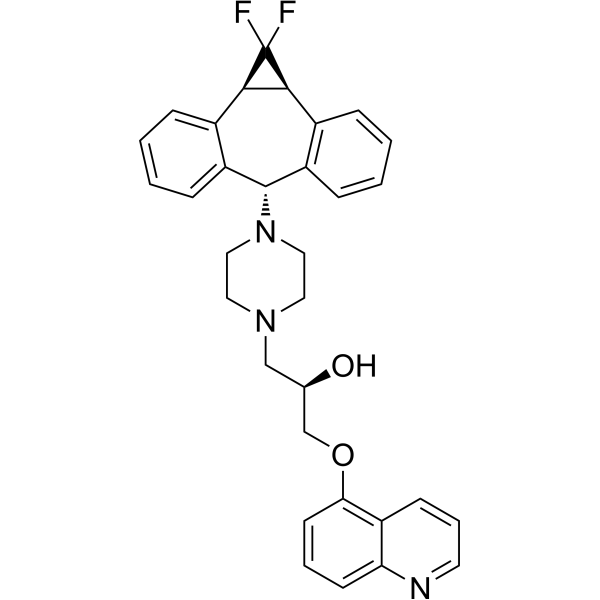 0 ImagesSynonyms: RS 33295-198; LY-335979
Zosuquidar (LY335979) is a P-glycoprotein (P-gp) inhibitor (Ki=59 nM). Zosuquidar shows anti-tumor activities, and can be used in acute myelogenous leukemia (AML) research.
-
MK-571 sodium
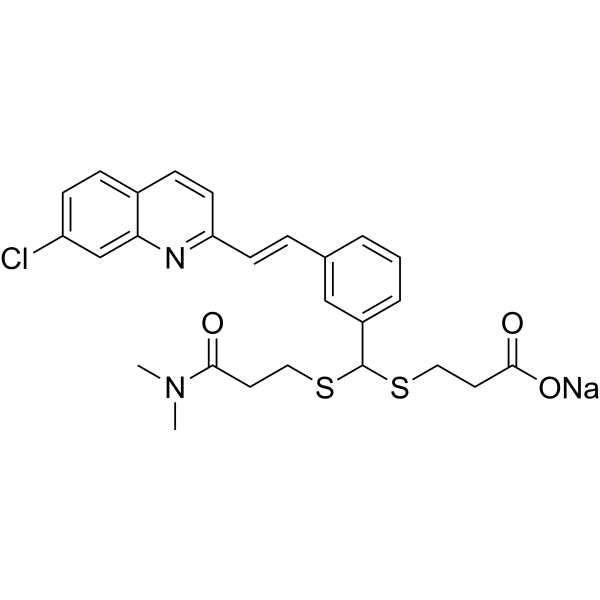 0 ImagesSynonyms: L-660711 sodium
MK-571 (L-660711) sodium is an orally active, potent and selective competitive leukotriene D4 (LTD4) receptor antagonist, with Ki values of 0.22 and 2.1 nM in guinea pig and human lung membranes, respectively. MK-571 sodium is also a inhibitor of multidrug resistance-associated protein MRP4 (ABCC4) and ABCC1 (MRP1). MK-571 sodium inhibits constitutive and antigen-stimulated S1P (sphingosine-1-phosphate) release.
-
Zosuquidar trihydrochloride
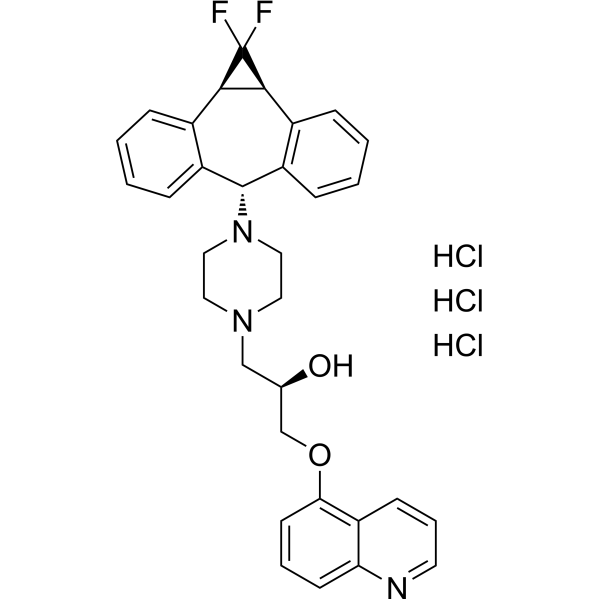 0 ImagesSynonyms: RS 33295-198 trihydrochloride; LY-335979 trihydrochloride
Zosuquidar (LY335979) trihydrochloride is a P-glycoprotein (P-gp) inhibitor (Ki=59 nM). Zosuquidar trihydrochloride shows anti-tumor activities, and can be used in acute myelogenous leukemia (AML) research.
-
CP-100356 hydrochloride
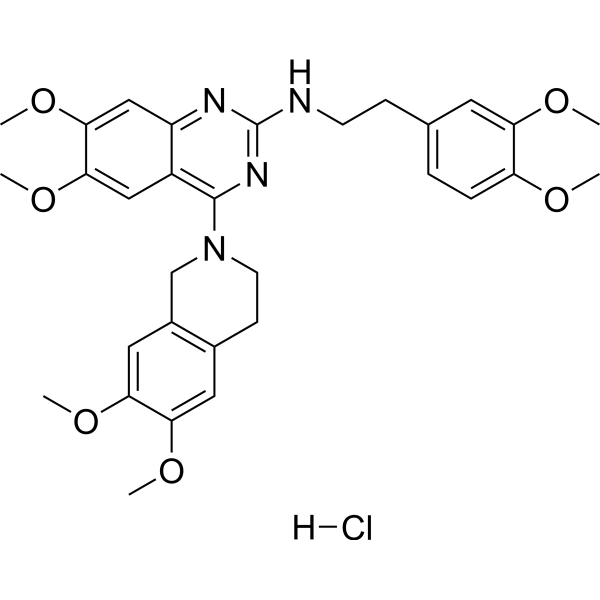 0 Images
CP-100356 hydrochloride is an orally active dual MDR1 (P-gp)/BCRP inhibitor, with an IC50s of 0.5 and 1.5 µM for inhibiting MDR1-mediated Calcein-AM transport and BCRP-mediated Prazosin transport, respectively. CP-100356 hydrochloride is also a weak inhibitor of OATP1B1 (IC50=∼66 µM). CP-100356 hydrochloride is devoid of inhibition against MRP2 and major human P450 enzymes (IC50>15 µM).
-
Trifluoperazine dihydrochloride
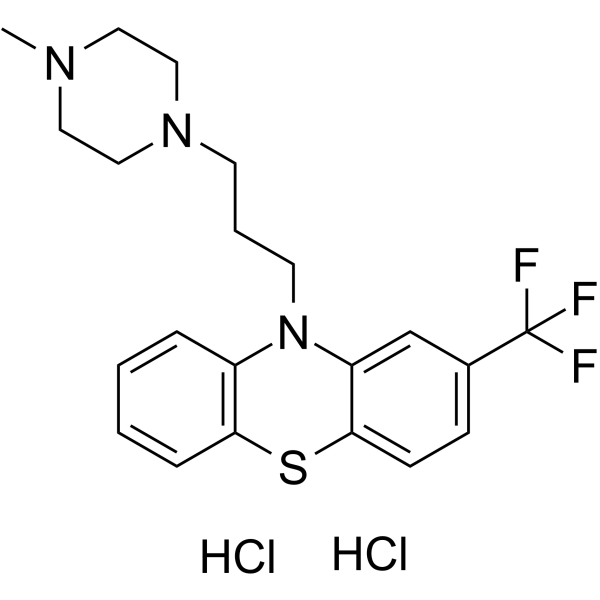 0 Images
Trifluoperazine dihydrochloride, an antipsychotic agent, acts by blocking central dopamine receptors. Trifluoperazine dihydrochloride is a potent α1-adrenergic receptor antagonist. Trifluoperazine dihydrochloride is a potent NUPR1 inhibitor exerting anticancer activity. Trifluoperazine dihydrochloride is a calmodulin inhibitor, and also inhibits P-glycoprotein. Trifluoperazine dihydrochloride can be used for the research of schizophrenia. Trifluoperazine dihydrochloride acts as a reversible inhibitor of influenza virus morphogenesis.
-
Valspodar
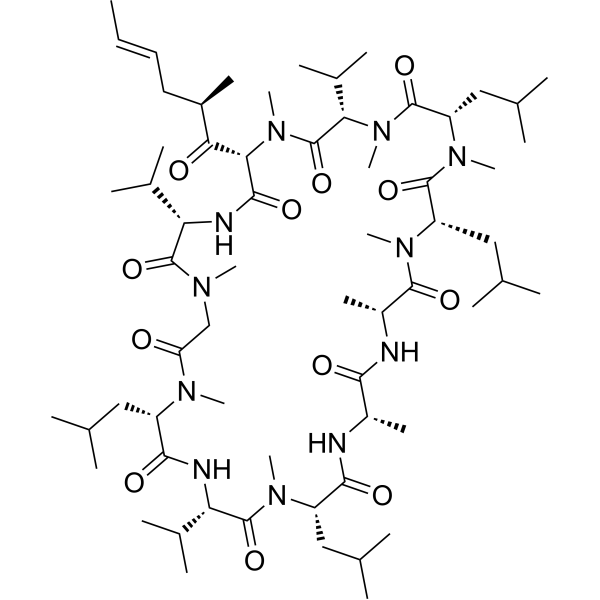 0 ImagesSynonyms: PSC 833
Valspodar (PSC 833) is a selective P-glycoprotein inhibitor that has been used as an experimental cancer treatment and chemosensitizer.
-
Elacridar hydrochloride
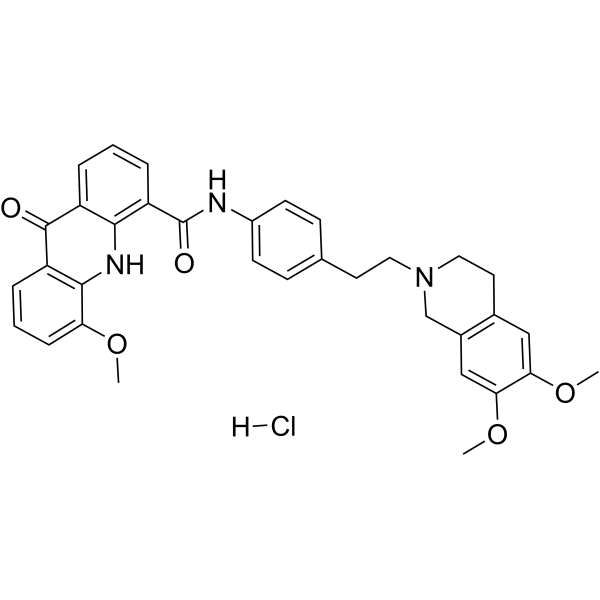 0 ImagesSynonyms: GF120918A
Elacridar hydrochloride (GF120918A) is an orally active P-glycoprotein (P-gp) and breast cancer resistance protein (BCRP) inhibitor. Elacridar hydrochloride can be used to examine the influence of efflux transporters on agent distribution to brain and it can be used for the research of cancer.