



Proteasome
Proteasomes are very large protein complexes inside all eukaryotes and archaea, and in some bacteria. In eukaryotes, they are located in the nucleus and the cytoplasm. The main function of the proteasome is to degrade unneeded or damaged proteins by proteolysis, a chemical reaction that breaks peptide bonds. Enzymes that carry out such reactions are called proteases. Proteasomes are part of a major mechanism by which cells regulate the concentration of particular proteins and degrade misfolded proteins. The degradation process yields peptides of about seven to eight amino acids long, which can then be further degraded into amino acids and used in synthesizing new proteins. Proteins are tagged for degradation with a small protein called ubiquitin. The tagging reaction is catalyzed by enzymes called ubiquitin ligases. Once a protein is tagged with a single ubiquitin molecule, this is a signal to other ligases to attach additional ubiquitin molecules. The result is a polyubiquitin chain that is bound by the proteasome, allowing it to degrade the tagged protein.
All Product Categories
-
Proteasome Inhibitors
(215)
View all products
-
Proteasome Activators
(10)
View all products
-
Proteasome Modulator
(1)
View all products
-
Proteasome Degraders
(3)
View all products
-
Proteasome Controls
(3)
View all products
-
Proteasome Substrates
(6)
View all products
-
Proteasome Ligands
(6)
View all products
-
Proteasome Related Products (283)
Related Products (283)

-
Antibodies (22)
-
MG-101
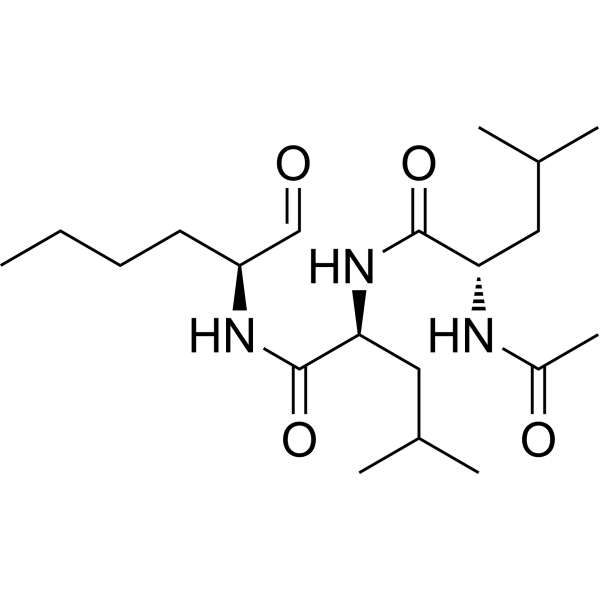 0 ImagesSynonyms: Calpain inhibitor I; Ac-LLnL-CHO; ALLNMG-101 (ALLN) is an inhibitor of cysteine proteases which inhibits calpain I, calpain II, cathepsin B and cathepsin L with Kis of 190, 220, 150 and 500 pM, respectively. MG-101 induces apoptosis and inhibits tumor growth, it can be used for the research of colon cancer.
-
Ixazomib citrate
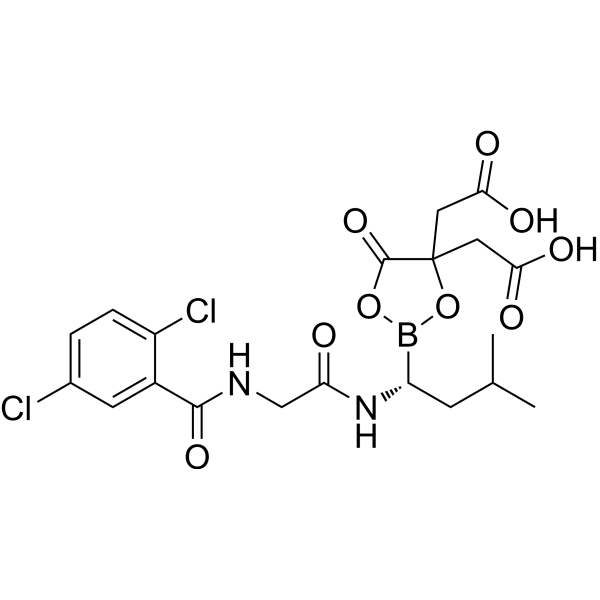 0 ImagesSynonyms: MLN9708Ixazomib citrate (MLN9708) is a selective, orally active, second-generation proteasome inhibitor. Ixazomib citrate can be used for the study of a broad range of human malignancies.
-
Z-Leu-Leu-Glu-AMC
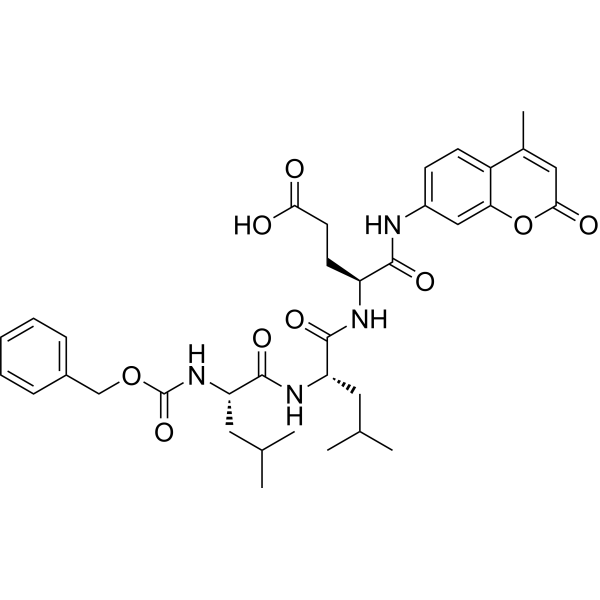 0 ImagesSynonyms: Z-LLE-AMCZ-Leu-Leu-Glu-AMC (Z-LLE-AMC) is a peptide-AMC linked substrate used to measure the postacidic-like hydrolysing activity of proteasome. Z-Leu-Leu-Glu-AMC can be used for the research of parkinson's disease.
-
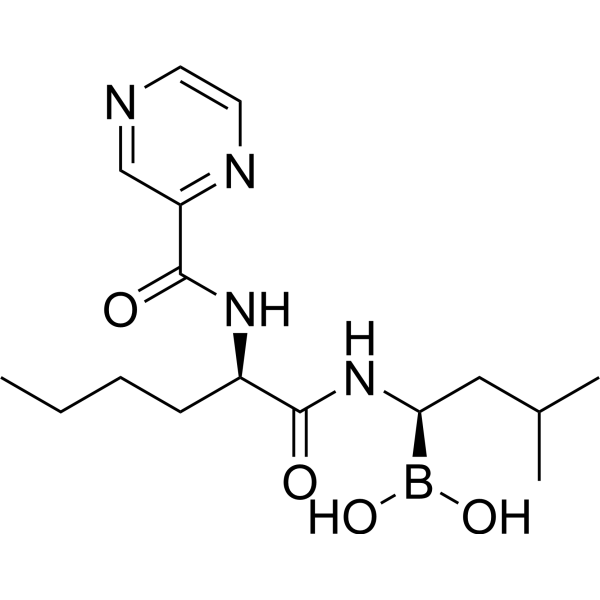
Capzimin
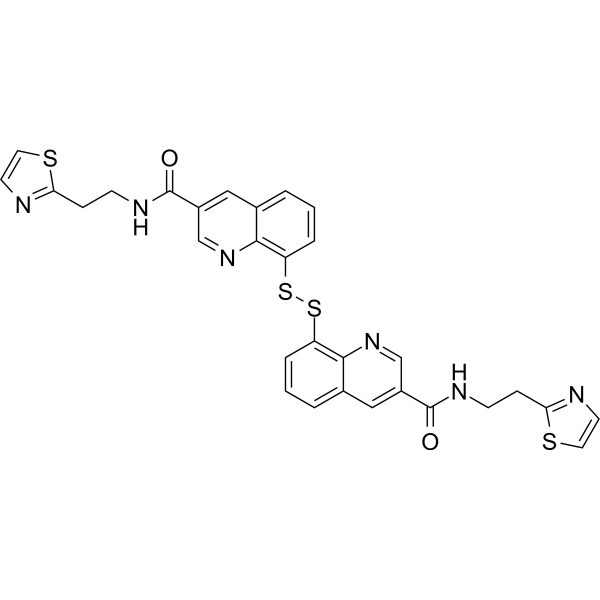 0 ImagesCapzimin is a potent and moderately specific proteasome isopeptidase Rpn11 inhibitor.
-
18α-Glycyrrhetinic acid
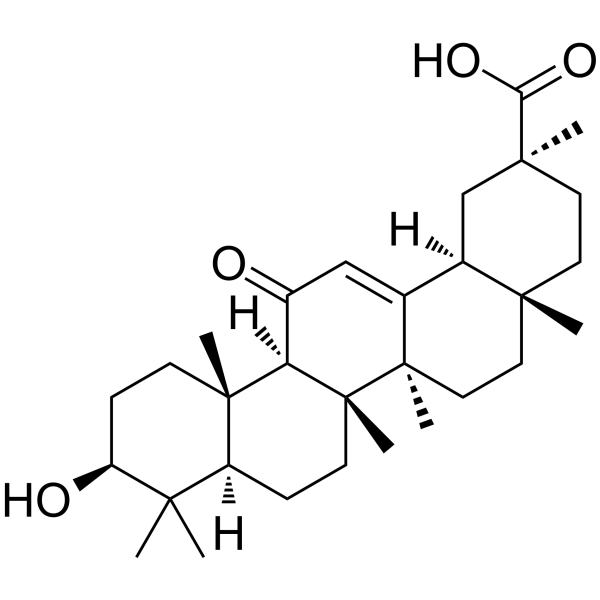 0 Images18α-Glycyrrhetinic acid, a diet-derived compound, is an inhibitor of NF-kB and an activator of proteasome, which serves as pro-longevity and anti-aggregation factor in a multicellular organism. 18α-Glycyrrhetinic acid induces apoptosis.
-
Aclacinomycin A
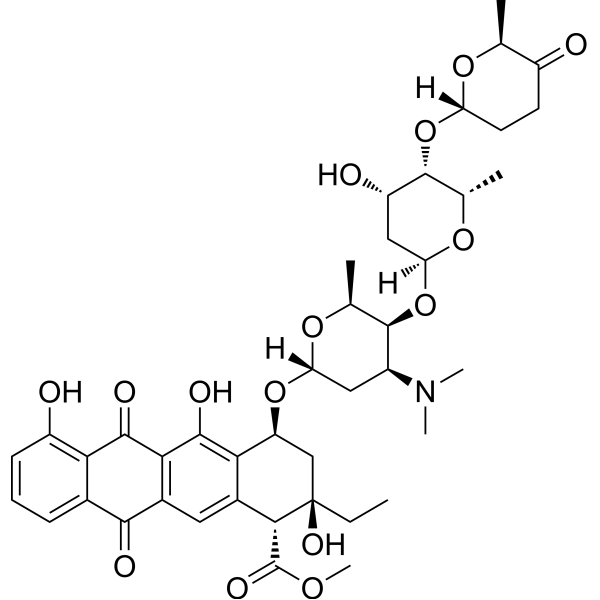 0 ImagesCat. No.: HY-N2306CAS No.: 57576-44-0Synonyms: AclarubicinAclacinomycin A (Aclarubicin) is an orally active and potent anthracycline antitumor antibiotic. Aclacinomycin A is an inhibitor of topoisomerase I and II. Aclacinomycin A inhibits synthesis of nucleic acid, especially RNA. Aclacinomycin A might inhibit the 26S protease complex as well as the ubiquitin-ATP-dependent proteolysis.
-
Tomatine
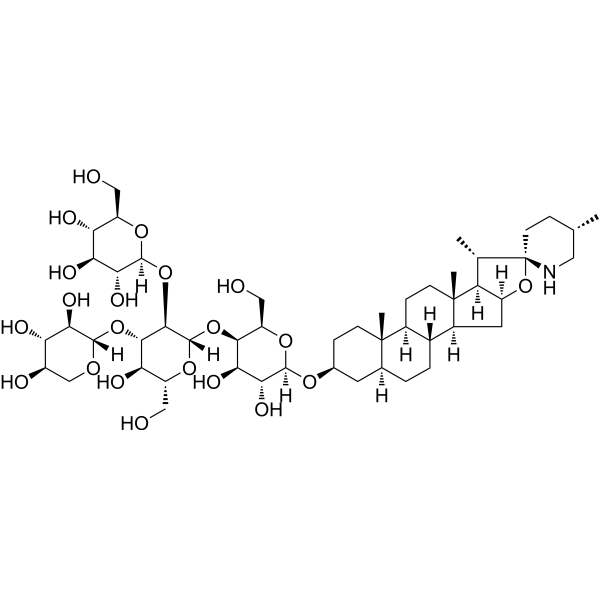 0 ImagesSynonyms: α-Tomatine; Lycopersicin; TomatinTomatine is a glycoalkaloid, found in the tomato plant (Lycopersicon esculentum Mill.). Tomatine elicits neurotoxicity in RIP1 kinase and caspase-independent manner. Tomatine promotes the upregulation of nuclear apoptosis inducing factor (AIF) in neuroblastoma cells. Tomatine also inhibits 20S proteasome activity.
-
Delanzomib
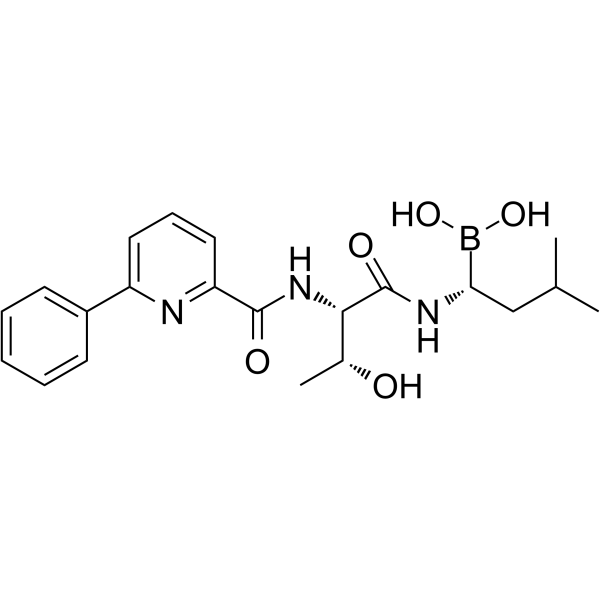 0 ImagesSynonyms: CEP-18770Delanzomib (CEP-18770) is a potent and orally active chymotrypsin-like activity of the proteasome inhibitor with an IC50 of 3.8 nM. Delanzomib inhibits NF-κB activity, induces cancer cell apoptotic, and has strong antiangiogenic and anti-cancer activities.
-
Vimentin-IN-1
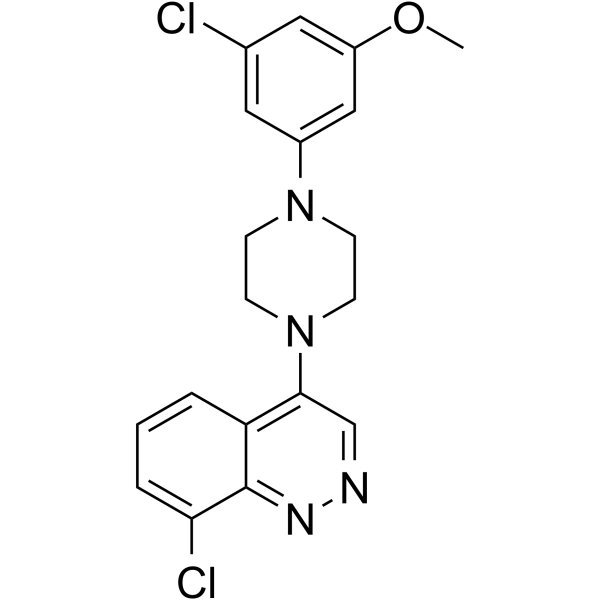 0 ImagesVimentin-IN-1 is a FiVe1 derivative, an orally active and selective anticancer agent. FiVe1 binds type III intermediate filament protein vimentin (VIM), to induce hyperphosphorylation of Ser56, resulting selective disruption of mitosis and multinucleation in transformed VIM-expressing mesenchymal cancer cells. Vimentin-IN-1 shows better oral bioavailability and pharmacokinetic profiles than FiVe1.
-
Oprozomib
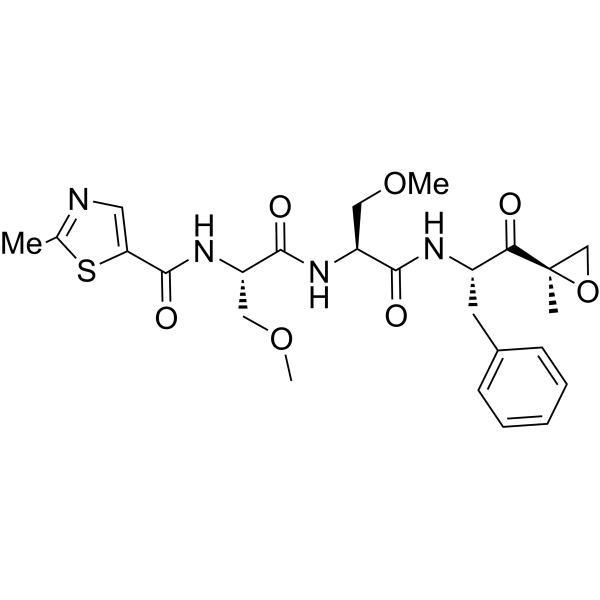 0 ImagesSynonyms: ONX 0912; PR-047Oprozomib (PR-047) is an orally bioavailable and selective peptide epoxyketone proteasome inhibitor with IC50s of 36 and 82 nM for proteasome (β5) and immunoproteasome (LMP7), respectively. Oprozomib (ONX 0912) induces apoptosis in MM cells.
-
TCH-165
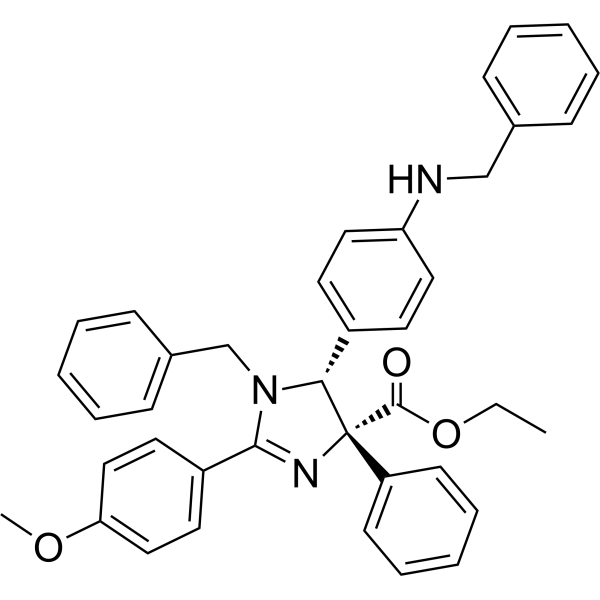 0 ImagesTCH-165 is a small molecule modulator of proteasome assembly, which increases 20S levels and facilitates 20S-mediated protein degradation.
-
20S Proteasome activator 1
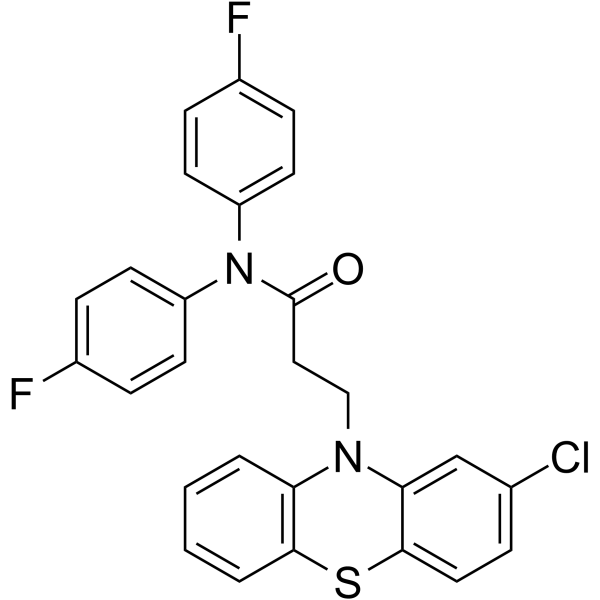 0 Images20S Proteasome activator 1 is a potent 20S proteasome activator with EC200 values of 0.3 μM, 0.7 μM and 1.8 μM for trypsin-like site, chymotrypsin-like site and caspase-like site. 20S Proteasome activator 1 translates well in a cellular system, preventing the accumulation of the pathogenic A53T mutant of α-synuclein. 20S Proteasome activator 1 can be used for researching neurodegenerative diseases.
-
FiVe1
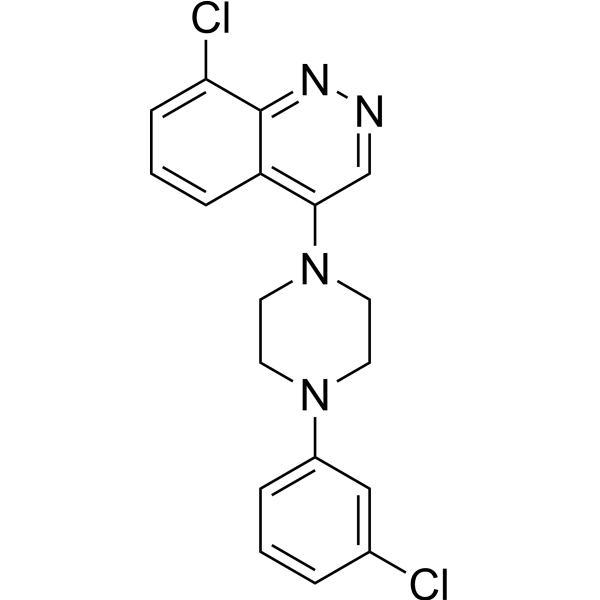 0 ImagesFiVe1 is a vimentin (VIM) inhibitor. FiVe1 binds to the rod domain of VIM, causing metaphase VIM disassembly and hyperphosphorylation at Ser56, ultimately leading to mitotic catastrophe, multinucleation, and loss of stemness. FiVe1 has anticancer activity against soft tissue sarcomas. FiVe1 increases the sensitivity of ovarian cancer to Cisplatin (HY-17394). FiVe1 can be used for researches of mesenchymal cancers (including breast cancer and soft tissue sarcoma) and ovarian cancers.
-
Gabexate mesylate
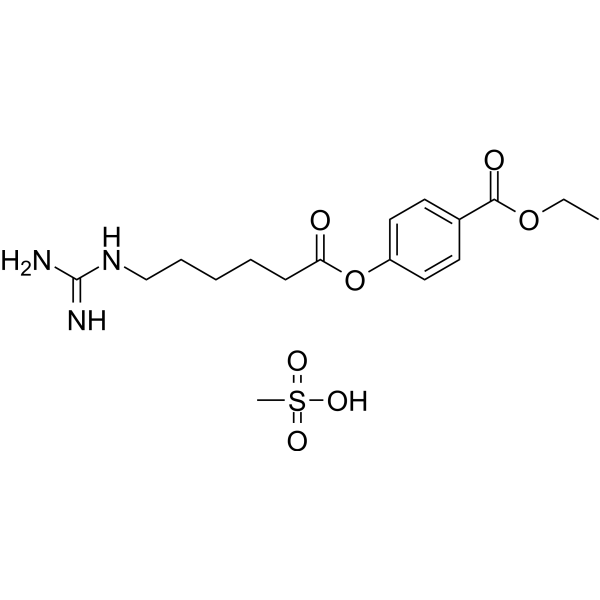 0 ImagesSynonyms: FOYGabexate mesylate (FOY) is is a competitive and non-antigenic synthetic inhibitor of trypsin-like serine proteinases. Gabexate mesylate inhibits human thrombin, urokinase, plasmin, and Factor Xa with Kis of 0.97, 1.3, 1.6, and 8.5 μM, respectively. Gabexate mesylate binds to human and bovine tryptase with Kis of 3.4 nM and 18 μM, respectively. Gabexate mesylate exerts an anticoagulant effect on the clotting activity of thrombin and has anti-inflammatory effect by viainhibition of NF-κB, proinflammatory cytokines, and nitric oxide. Gabexate mesylate is used for pancreatitis and disseminated intravascular coagulation.
-
MG-115
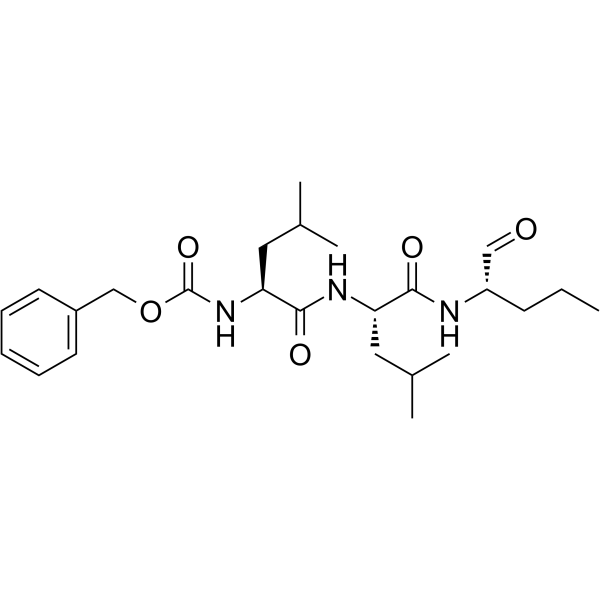 0 ImagesMG-115 is a potent and reversible proteasome inhibitor, with Kis of 21 nM and 35 nM for 20S and 26S proteasome, respectively. MG-115 specifically inhibit the chymotrypsin-like activity of the proteasome, induces p53-dependent apoptosis.
-
Z-Ala-Arg-Arg-AMC
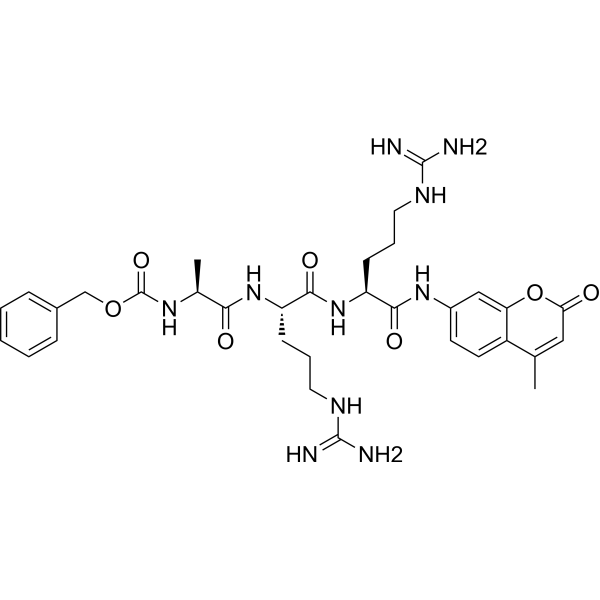 0 ImagesSynonyms: Fluorogenic Proteasome Substrate; Z-ARR-AMCZ-Ala-Arg-Arg-AMC (Fluorogenic Proteasome Substrate) is a fluorogenic substrate for assaying trypsin-like activity of proteasome.
-
Merbromin
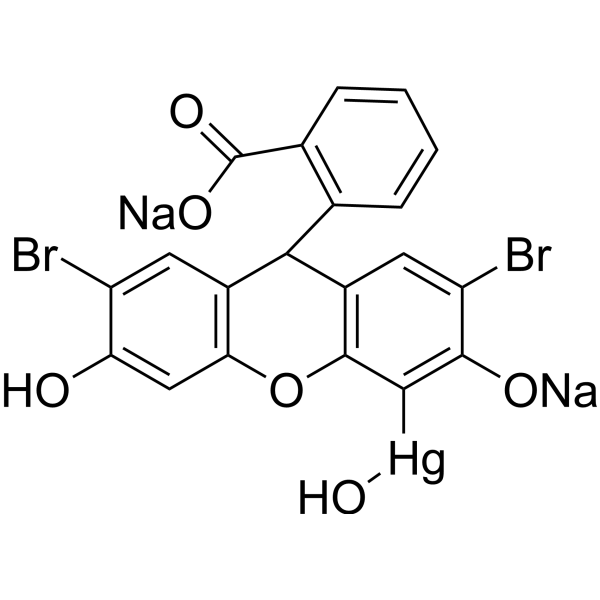 0 ImagesMerbromin is a mixed inhibitor of the 3-chymotrypsin-like protease (3CLpro) of SARS-CoV-2, with an IC50 of 2.7 μM. Merbromin effectively inhibits the replication of the Zika virus (ZIKV) and shows anti-ZIKV activity by inhibiting ZIKVpro. Merbromin can also be used as a topical disinfectant for cuts and scrapes, and it serves as a biological dye.
-
K-7174
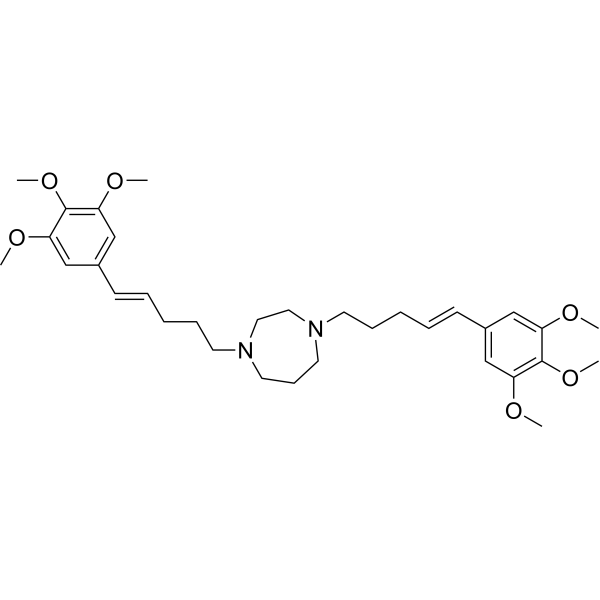 0 ImagesK-7174 is an orally active proteasome and GATA inhibitor. K-7174 is a cell adhesion inhibitor. K-7174 induces cell apoptosis. K-7174 shows antitumor activities, it can be used for the research of cancer.
-
Collagenase (Type A, animal free)
 0 ImagesCat. No.: HY-E70005KCAS No.: 9001-12-1Collagenase (Type A, animal free) is a proteolytic enzyme targeting collagen, capable of releasing corneal endothelial cells (CECs) without damaging cell junctions.




