



Aquaporin Inhibitor
- 1
-
RG100204
 0 Images
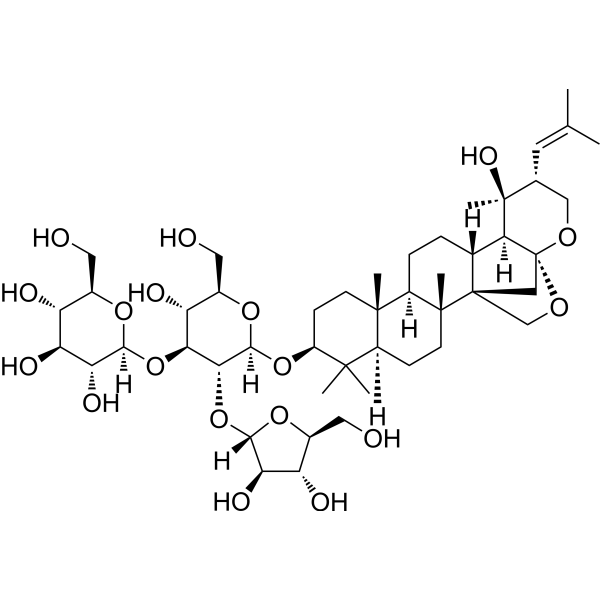
RG100204 is a selective, orally available inhibitor of the aquaporin AQP9. RG100204 directly inhibits AQP9 channel function, preventing the transmembrane transport of water, glycerol, and H2O2. RG100204 reduces the activation of the NLRP3 inflammasome and p38 MAPK signaling pathways, thereby alleviating inflammation and pyroptosis. RG100204 reduces multi-organ dysfunction in a mouse sepsis model and shows glucose-regulating effects in diabetic db/db mice.
-
TC AQP1 1
 0 ImagesSynonyms: m-Phenylenediacrylic acid; m-Benzenediacrylic acid
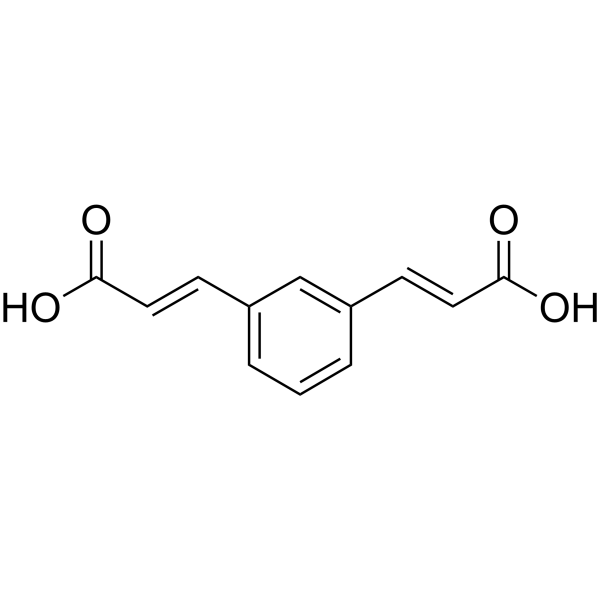
TC AQP1 1 (m-Phenylenediacrylic acid) is a potent AQP1 inhibitor. TC AQP1 1 inhibits AQP1-mediated water flux in oocytes, with an IC50 of 8 μM.
-
Steviol
 0 Images
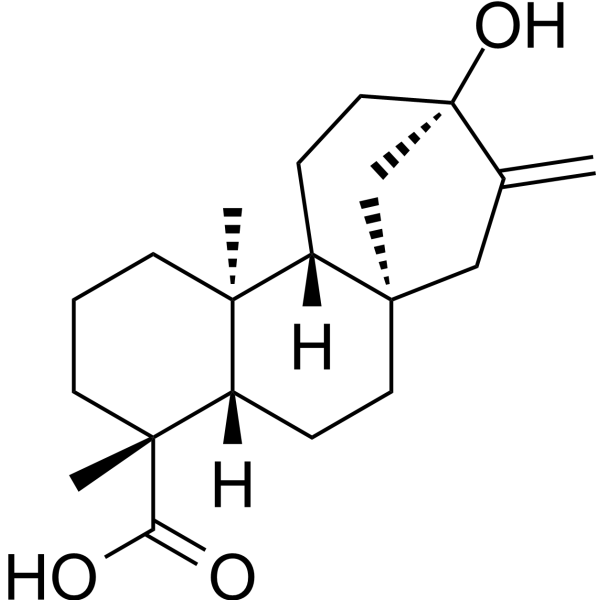
Steviol is the main metabolite of steviol glycosides and an inhibitor of AQP2/CFTR. Steviol slows down the growth of renal cysts by inhibiting the activity of CFTR, reducing the expression of AQP2, and promoting the degradation of AQP2 and CFTR. Steviol can be used in the research of polycystic kidney disease.
-
Aristolactam I
 0 ImagesSynonyms: Aristololactam; Aristolactam
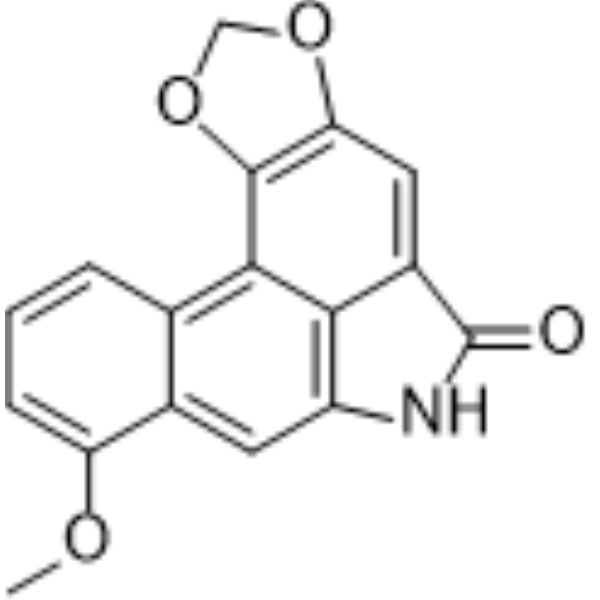
Aristolactam I is an AQP1 inhibitor and Aristolochic acid I metabolite. Aristolactam I can be isolated from Aristolochia plants. Aristolactam I downregulates Twist1 expression, increases E-cadherin expression, and activates the TGF-β/Smad signaling pathway. Aristolactam I has anticancer activity against breast cancer. Aristolactam I is nephrotoxic. Aristolactam I is mainly used in the study of breast cancer and kidney diseases such as renal interstitial fibrosis.
-
Bacopaside I
 0 Images
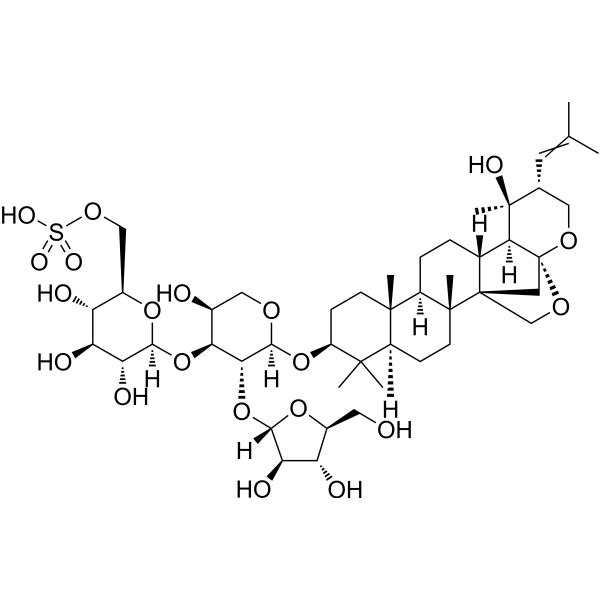
Bacopaside I is an orally active aquaporin AQP1 inhibitor and PKC modulator with neuroprotective and anticancer activities. Bacopaside I specifically blocks the water channel and cGMP-gated ion channel activities of AQP1 without affecting AQP4, thereby inhibiting the migration of colon cancer cells expressing AQP1. Bacopaside I activates the Akt pathway by interacting with PI3K, specifically inhibits MAO-A, effectively alleviates neuron necrosis and apoptosis induced by oxygen-glucose deprivation, reduces oxidative stress, and regulates the surface expression of neuroreceptors. When combined with Bacopaside II (HY-N6016), Bacopaside I significantly reduces the viability, proliferation and invasion ability of breast cancer cells, and binds to the pregnane X receptor (PXR). Bacopaside I is applicable to the research of colon cancer, breast cancer, vascular dementia, cerebral ischemia and other related diseases.
-
3-Phenoxy-1,2-propanediol
 0 ImagesCat. No.: HY-W017091CAS No.: 538-43-2
3-Phenoxy-1,2-propanediol (compound 15) is a weak aquaporin 4 (AQP4) inhibitor. 3-Phenoxy-1,2-propanediol is an important intermediate for pharmaceuticals.
-
RF03176
 0 ImagesCat. No.: HY-148823CAS No.: 685123-50-6
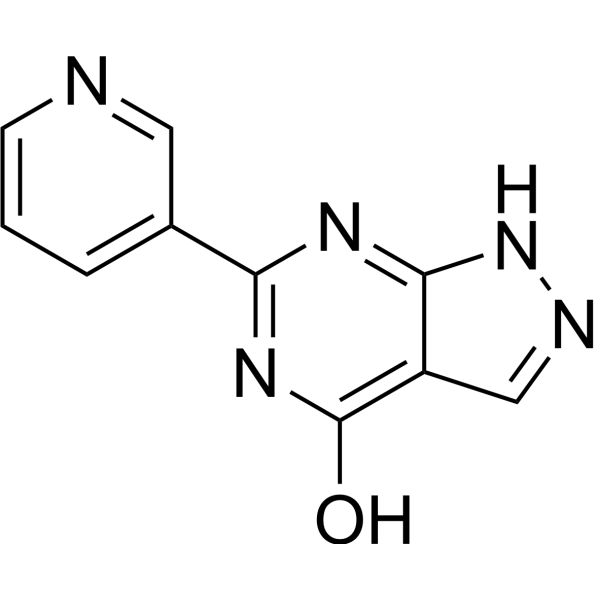
RF03176 is an aquaporin-9 (AQP-9) inhibitor, also exhibiting moderate inhibition effects on mAQP3 and mAQP7. RF03176 shows no activity against mAQP8.
-
Bacopaside I (Standard)
 0 ImagesCat. No.: HY-N4246RCAS No.: 382148-47-2
Bacopaside I (Standard) is the analytical standard of Bacopaside I. This product is intended for research and analytical applications. Bacopaside I is an orally active aquaporin AQP1 inhibitor and PKC modulator with neuroprotective and anticancer activities. Bacopaside I specifically blocks the water channel and cGMP-gated ion channel activities of AQP1 without affecting AQP4, thereby inhibiting the migration of colon cancer cells expressing AQP1. Bacopaside I activates the Akt pathway by interacting with PI3K, specifically inhibits MAO-A, effectively alleviates neuron necrosis and apoptosis induced by oxygen-glucose deprivation, reduces oxidative stress, and regulates the surface expression of neuroreceptors. When combined with Bacopaside II (HY-N6016), Bacopaside I significantly reduces the viability, proliferation and invasion ability of breast cancer cells, and binds to the pregnane X receptor (PXR). Bacopaside I is applicable to the research of colon cancer, breast cancer, vascular dementia, cerebral ischemia and other related diseases.
-
Bacopaside II (Standard)
 0 ImagesCat. No.: HY-N6016RCAS No.: 382146-66-9
Bacopaside II (Standard) is the analytical standard of Bacopaside II. This product is intended for research and analytical applications. Bacopaside II, an extract from the medicinal herb Bacopa monnieri, blocks the Aquaporin-1 (AQP1) water channel and impairs migration of cells that express AQP1. Bacopaside II induces cell cycle arrest and apoptosis.
-
HTS13286
 0 Images
HTS13286 is a novel AQP9 inhibitor. HTS13286 prevents the LPS-induced increase of NO. HTS13286 reduces glucose output. HTS13286 can be used in the research of endotoxin shock.
-
AQP3-IN-1
 0 ImagesCat. No.: HY-157979CAS No.: 198711-19-2
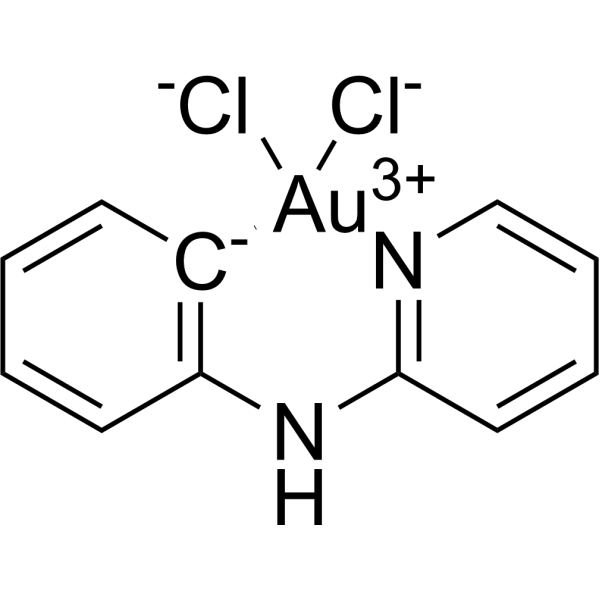
AQP3-IN-1 (compounds 3) is an AQP3 inhibitor with a IC50 value of 8.91 μM. AQP3-IN-1 inhibits cell proliferation of melanoma cells.

-
Aquaporumab
 0 ImagesCat. No.: HY-P991869Synonyms: AQmabAM; rAb-53
Aquaporumab (AQmabAM) is an engineered human monoclonal IgG antibody. Aquaporumab is a selective inhibitor of aquaporin 4 (AQP4), binding tightly to AQP4 and competitively displacing AQP4-IgG from serum [1][2]. Aquaporumab significantly reduces neuromyelitis optica lesions in spinal cord slice cultures and in mice receiving intracerebral injection of AQP4-IgG and complement [1][2]. Aquaporumab can be used for research on neuromyelitis optica spectrum disorders [1][2]."}
-
Steviol (Standard)
 0 Images
Steviol (Standard) is the analytical standard of Steviol (HY-N2057). This product is intended for research and analytical applications. Steviol is the main metabolite of steviol glycosides and an inhibitor of AQP2/CFTR. Steviol slows down the growth of renal cysts by inhibiting the activity of CFTR, reducing the expression of AQP2, and promoting the degradation of AQP2 and CFTR. Steviol can be used in the research of polycystic kidney disease.
-
TC AQP1 1 (Standard)
 0 ImagesCat. No.: HY-110200RCAS No.: 37710-81-9Synonyms: m-Phenylenediacrylic acid (Standard); m-Benzenediacrylic acid (Standard)
- 1



