



Idasanutlin
Based on 52 publication(s) in Google Scholar
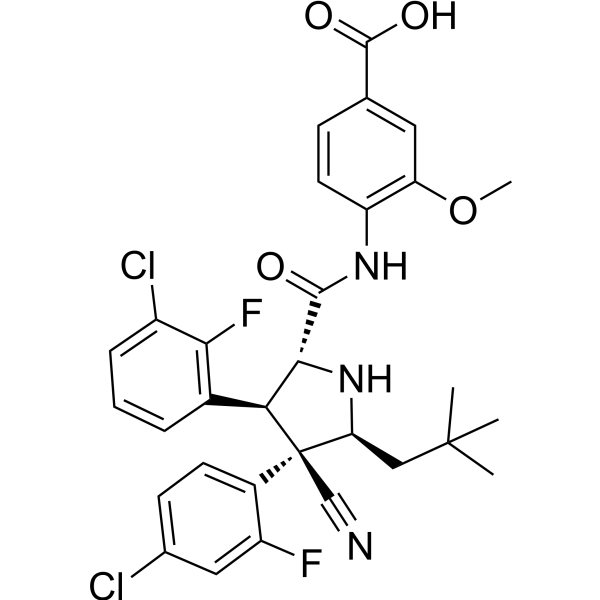
Idasanutlin (RG7388) is an orally bioavailable MDM2 inhibitor with an IC50 of 6 nM. Idasanutlin disrupts MDM2-p53 binding, stabilizes and activates p53, triggering cell cycle arrest, apoptosis, and reduced cancer cell viability. Idasanutlin reduces EGFR protein expression and phosphorylation, suppresses downstream SHP2, MEK1/2, ERK1/2, AKT, mTOR, p70(S6K1), and S6 signaling. Idasanutlin induces mitochondrial ROS production, drives p38 MAPK phosphorylation, upregulates NOXA, and mediates caspase-3-dependent apoptosis and gasdermin E-mediated pyroptosis. Idasanutlin can be used for the research of TP53-mutant non-small cell lung cancer, T-cell acute lymphoblastic leukemia, colorectal carcinoma, melanoma, diffuse large B-cell lymphoma, mantle cell lymphoma, non-Hodgkin lymphoma, severe fever with thrombocytopenia syndrome, neuroblastoma, acute lymphoblastic leukemia, relapsed or refractory acute myeloid leukemia, osteosarcoma, solid tumors, and hematological tumors.
For research use only. We do not sell to patients.
- Purity : 99.93%
- CAS No.: 1229705-06-9
- Formula: C31H29Cl2F2N3O4
- Molecular Weight:616.48
-
Storage:Powder -20°C, 3 years , 4°C, 2 years ; In solvent -80°C, 1 year , -20°C, 6 months

To place orders, for customer services and technical support, please contact: MedChemExpress USA
Tel: 609-228-6898 E-mail: [email protected] [email protected]


-
 Biological Activity
-
Chemical Information
-
Solvent & Solubility
- Protocols
- Purity & Documentation
- References
-
 Help & FAQs


-
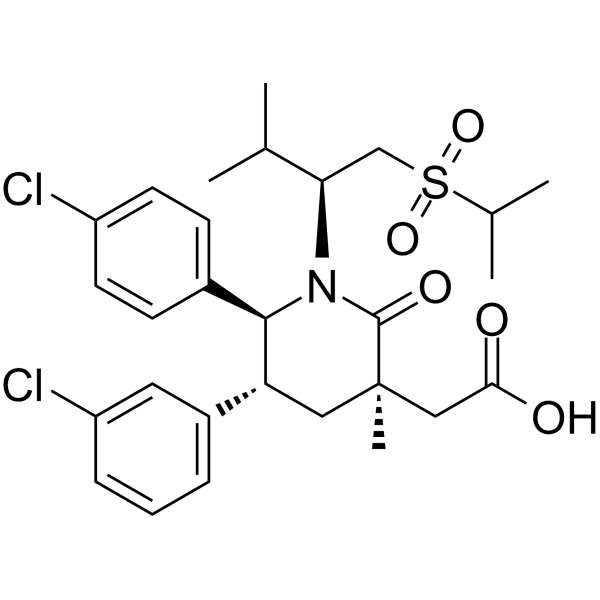
HY-12296
NavtemadlinMDM2-p53 Interaction Inhibitor -
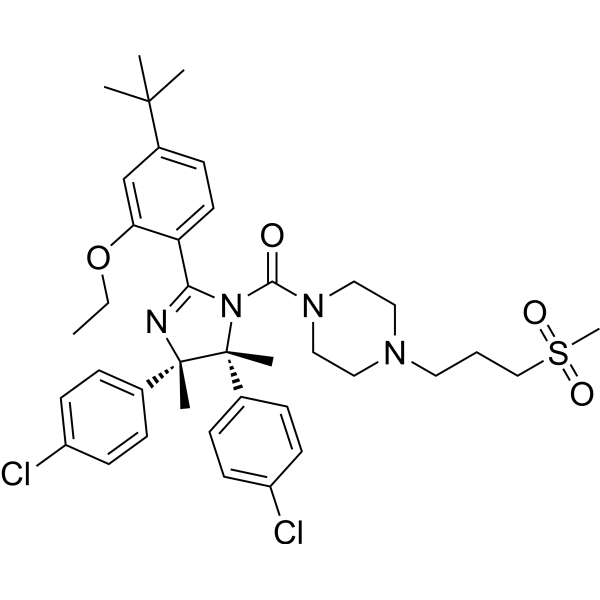
HY-10959
RG7112MDM2 Antagonist -
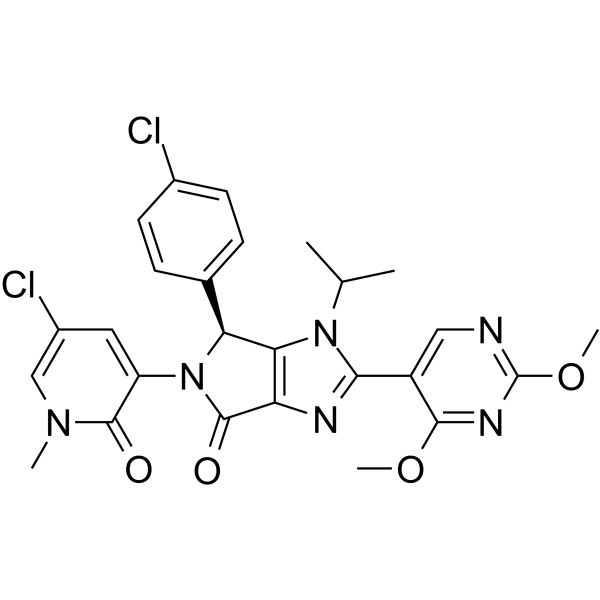
HY-18658
Siremadlinp53-MDM2 Inhibitor -
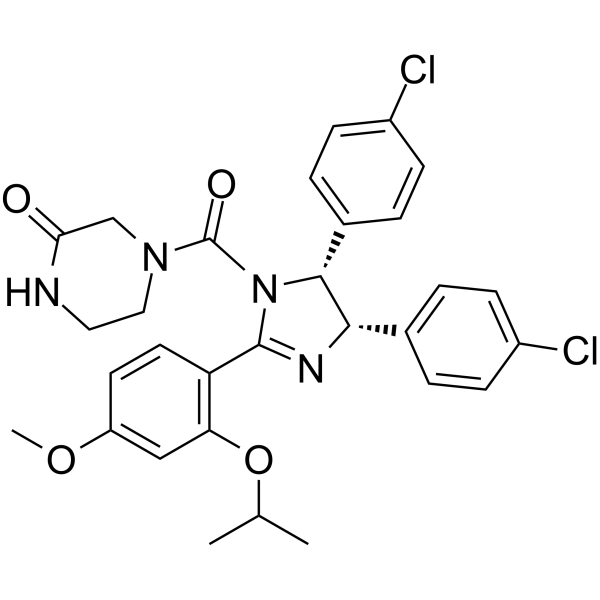
HY-10029
Nutlin-3aMDM2 Antagonist -
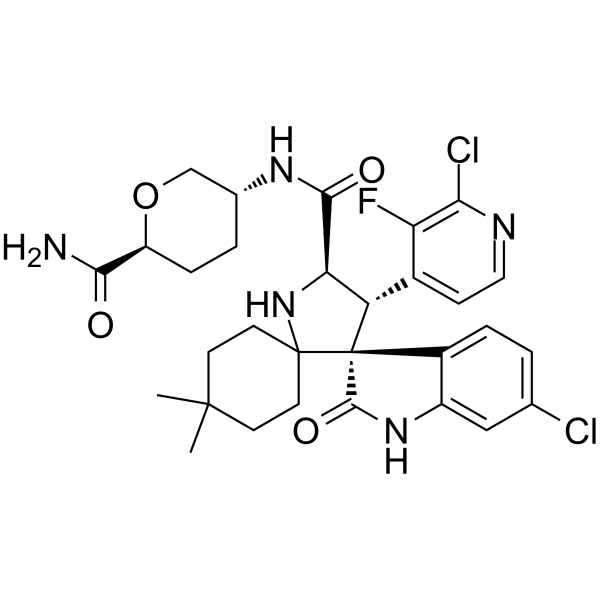
HY-101266
MilademetanMDM2 Inhibitor -
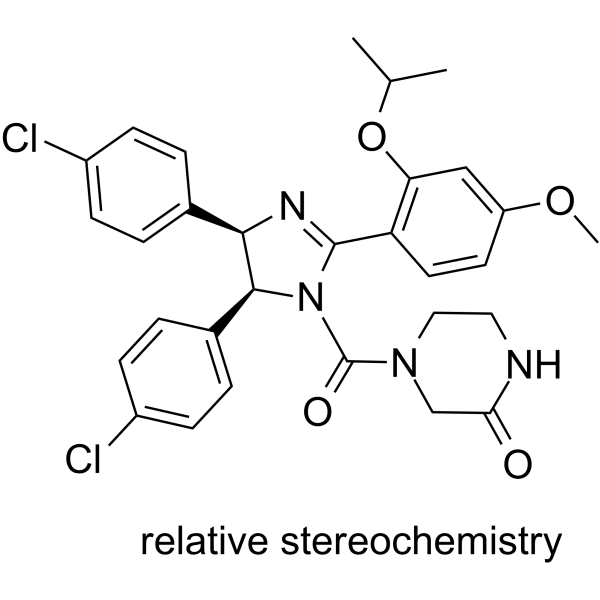
HY-50696
Nutlin-3p53-MDM2 Inhibitor -
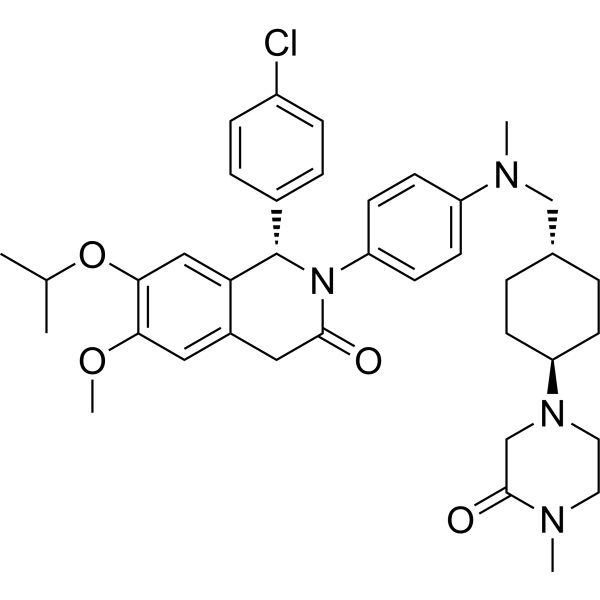
HY-15954
NVP-CGM097MDM2 Inhibitor -
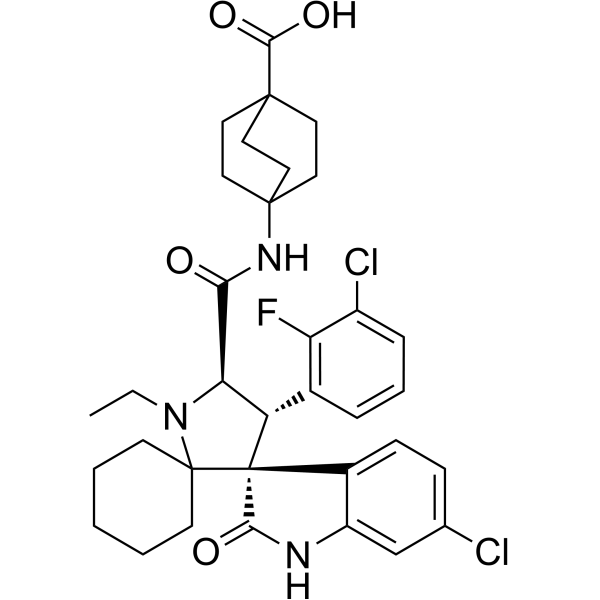
HY-101518
AlrizomadlinMDM2 Inhibitor -
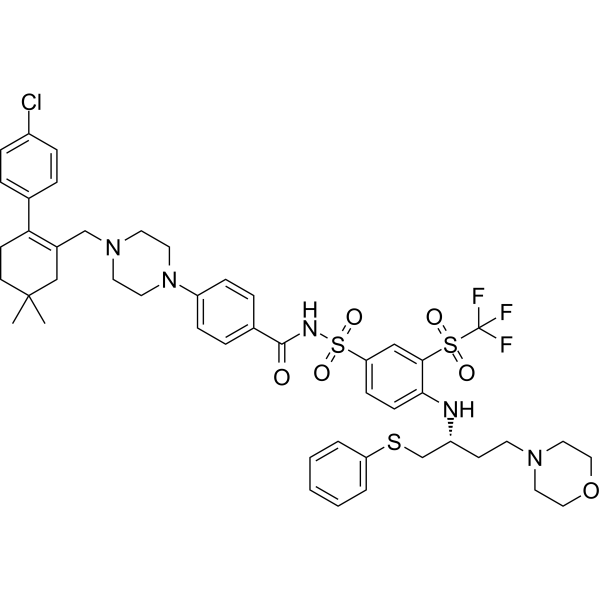
HY-10087
NavitoclaxBcl-2 Inhibitor -
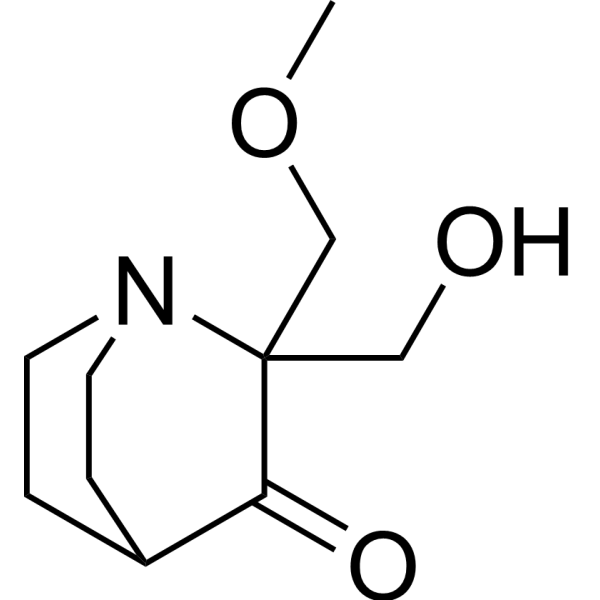
HY-19980
Eprenetapoptp53 Activator -
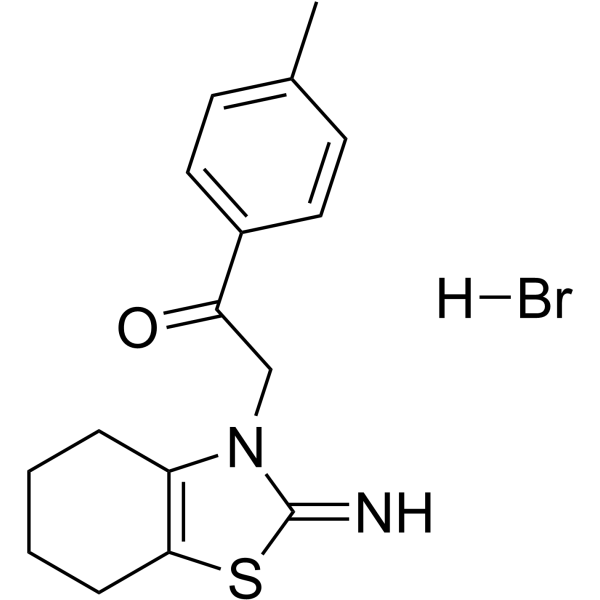
HY-15484
Pifithrin-α hydrobromidep53 Inhibitor -
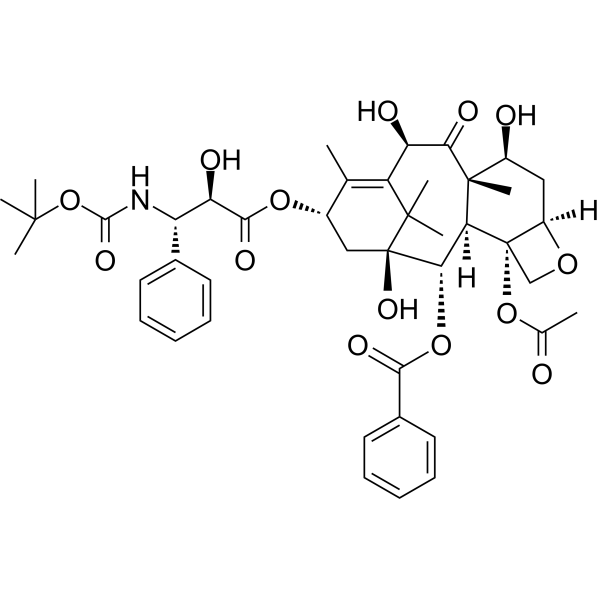
HY-B0011
DocetaxelTubulin Stabilizer
Publications Citing Use of MedChemExpress (MCE) Idasanutlin
More- Nat Genet. 2025 Jan;57(1):140-153. [Abstract]
- Cancer Res. 2019 May 1;79(9):2404-2414. [Abstract]
- Cancer Res. 2019 Jan 1;79(1):251-262. [Abstract]
- Nat Commun. 2026 Jun 15. [Abstract]
- Nat Commun. 2026 Feb 12;17(1):1214. [Abstract]
- Nat Commun. 2023 Apr 6;14(1):1941. [Abstract]
- J Exp Clin Cancer Res. 2021 Aug 12;40(1):255. [Abstract]
- Adv Sci (Weinh). 2024 Oct;11(38):e2402329. [Abstract]
- Cell Rep Med. 2025 Dec 16;6(12):102467. [Abstract]
- Cell Death Differ. 2023 Mar;30(3):779-793. [Abstract]
- J Control Release. 2025 Nov 10:387:114225. [Abstract]
- Cell Death Dis. 2025 Jun 17;16(1):452. [Abstract]
- Cancer Lett. 2025 Feb 28:611:217446. [Abstract]
- Cancer Genet. 2022 Aug:266-267:57-68. [Abstract]
- Genome Med. 2021 Sep 1;13(1):142. [Abstract]
- Cell Death Discov. 2021 May 3;7(1):90. [Abstract]
- Cell Chem Biol. 2021 Jun 17;28(6):855-865.e9. [Abstract]
- Leukemia. 2022 Feb;36(2):370-382. [Abstract]
- EMBO J. 2019 Oct 15;38(20):e102096. [Abstract]
- Haematologica. 2018 Nov;103(11):1862-1872. [Abstract]
- Anal Chem. 2025 Jul 29;97(29):15687-15697. [Abstract]
- Int J Oncol. 2022 Mar;60(3):32. [Abstract]
- Sci Data. 2024 Sep 19;11(1):1024. [Abstract]
- JCI Insight. 2020 Dec 3;5(23):e140169. [Abstract]
- Breast Cancer Res. 2021 Mar 4;23(1):29. [Abstract]
- Cells. 2026 Mar 5;15(5):473. [Abstract]
- Oncogenesis. 2022 Jul 2;11(1):37. [Abstract]
- Cells. 2018 Dec 22;8(1):8. [Abstract]
- Colloids Surf B Biointerfaces. 2025 Aug 19;256(Pt 2):115058. [Abstract]
- Cancer Biol Ther. 2019;20(10):1328-1336. [Abstract]
- Int J Mol Sci. 2025 Jan 26;26(3):1078. [Abstract]
- Cancers (Basel). 2022 Dec 21;15(1):29. [Abstract]
- Cell Signal. 2024 Aug:120:111238. [Abstract]
- Biomedicines. 2024 Jun 28;12(7):1449. [Abstract]
- iScience. 2024 Apr 9;27(5):109693. [Abstract]
- Pharm Res. 2021 Jun;38(6):1067-1079. [Abstract]
- Cancer Res Commun. 2026 Mar 1;6(3):616-629. [Abstract]
- ACS Med Chem Lett. 2023 Dec 6;15(1):93-98. [Abstract]
- Sci Pharm. 2023 Feb;91(1), 12.
- Epigenomics. 2025 Oct;17(15):1057-1068. [Abstract]
- Medicina (Kaunas). 2019 Jan 29;55(2):30. [Abstract]
- Biochem Biophys Res Commun. 2020 Dec 17;533(4):665-671. [Abstract]
- Biomed Pharmacother. 2025 Dec:193:118868. [Abstract]
- bioRxiv. 2025 Nov 30:2025.11.26.690792. [Abstract]
- Preprints. 2023 Oct 25.
- Preprints. 2023 Sep 25, 2023091653.
- bioRxiv. 2023 Mar 10.
- Patent. US20220347186A1.
- Patent. US20220340976A1.
- Purdue University. 2020 May.
- Biomedical Journal of Scientific & Technical Research. 2019 Jan.
- Methods Mol Biol. 2018:1711:351-398. [Abstract]
 Customer Validation & Images

-
WB
-
Cell Proliferation/Viability Assay
-
WB
-
WB
-
WB
All Caspase Isoforms
More

Biological Activity
Description
IC50 & Target
IC50: 6 nM (p53-MDM2)[1]
Cellular Effect
|
Cell Line

|
Type | Value | Description | References |
|---|---|---|---|---|
| HCT-116 | IC50 |
0.01 μM
Compound: 12, RG7388
|
Cytotoxicity against human HCT116 cells expressing wild type p53 assessed as growth inhibition by MTT assay
Cytotoxicity against human HCT116 cells expressing wild type p53 assessed as growth inhibition by MTT assay
|
[PMID: 23808545] |
| MDA-MB-435 | IC50 |
9.1 μM
Compound: 12, RG7388
|
Cytotoxicity against human MDA-MB-435 cells expressing p53 mutant assessed as growth inhibition by MTT assay
Cytotoxicity against human MDA-MB-435 cells expressing p53 mutant assessed as growth inhibition by MTT assay
|
[PMID: 23808545] |
| RKO | IC50 |
0.07 μM
Compound: 12, RG7388
|
Cytotoxicity against human RKO cells expressing wild type p53 assessed as growth inhibition by MTT assay
Cytotoxicity against human RKO cells expressing wild type p53 assessed as growth inhibition by MTT assay
|
[PMID: 23808545] |
| SJSA-1 | IC50 |
0.01 μM
Compound: 12, RG7388
|
Cytotoxicity against human SJSA1 cells expressing wild type p53 assessed as growth inhibition by MTT assay
Cytotoxicity against human SJSA1 cells expressing wild type p53 assessed as growth inhibition by MTT assay
|
[PMID: 23808545] |
| SJSA-1 | IC50 |
45 nM
Compound: RG7388
|
Antiproliferative activity against human SJSA1 cells assessed as inhibition of EdU incorporation after 1 hr by Click-iT EdU HCS assay in presence of 10% human serum
Antiproliferative activity against human SJSA1 cells assessed as inhibition of EdU incorporation after 1 hr by Click-iT EdU HCS assay in presence of 10% human serum
|
[PMID: 24456472] |
| SJSA-1 | IC50 |
45 nM
Compound: RG7388
|
Cytotoxicity against human SJSA1 cells assessed as growth inhibition after 16 hrs by EdU incorporation assay in presence of 10% human serum
Cytotoxicity against human SJSA1 cells assessed as growth inhibition after 16 hrs by EdU incorporation assay in presence of 10% human serum
|
[PMID: 24601644] |
| SW480 | IC50 |
13.3 μM
Compound: 12, RG7388
|
Cytotoxicity against human SW480 cells expressing p53 mutant assessed as growth inhibition by MTT assay
Cytotoxicity against human SW480 cells expressing p53 mutant assessed as growth inhibition by MTT assay
|
[PMID: 23808545] |
In Vitro
Adezmapimod (SB 203580) (HY-10256) (40 μM; 1 h pre-treatment, 6 h treatment) prevents Idasanutlin (60 μM; 6 h)-induced apoptosis and pyroptosis in TP53mutant NSCLC cell lines HCC827, NCI-H23, PC9, and NCI-H1975, reversing cell death and restoring colony-forming ability[1].
Idasanutlin (60 μM; 6 h) remodels the tumor microenvironment in TP53mutant NSCLC cell lines HCC827 and PC9 by upregulating immune-related gene expression, increasing pro-inflammatory cytokine secretion, and reducing PD-L1 expression[1].
Idasanutlin (30-90 nM; 24-72 h) induces p53-dependent growth inhibition, apoptosis, and upregulation of pro-apoptotic p53 target genes BAX and BBC3 in wildtype TP53 MOLT-3 human T-ALL cells, while TP53 knockout MOLT-3 cells are completely resistant[2].
Idasanutlin (1.5 μM; 24-72 h) induces modest growth inhibition, p53 target gene upregulation, apoptosis, and G1 cell cycle arrest in wildtype TP53 DFCI12 T-ALL PDX cells[2].
Idasanutlin (1.5 μM; 16 h) activates the p53 pathway and upregulates p53 target genes in wildtype TP53 DFCI12 T-ALL PDX cells[2].
Idasanutlin (0.5-5 μM; 8-24 h) increases p53, p21, and (in CT26 cells) MDM2 protein levels in p53wt B16-F10 and CT26 cells, but not in p53mut MC38 cells[3].
Idasanutlin (0.05-5 μM; 8-24 h) dose-dependently activates p53 transcriptional activity, inducing a 2-3-fold luminescence increase in p53wt B16-F10 and CT26 cells and a 6-fold increase in U-2 OS cells, but has no effect on p53mut MC38 cells[3].
Idasanutlin (5 days) reduces cell viability in a p53-dependent manner, with EC50 values of 0.186 μM for B16-F10 cells, 1.492 μM for CT26 cells, 49.665 μM for MC38 cells, and 0.046 μM for U-2 OS cells[3].
Idasanutlin (0.05-5 μM; 24 h) induces dose-dependent cell cycle arrest in p53wt B16-F10, CT26, and U-2 OS cells, reducing S-phase cell fractions, with a stronger response in U-2 OS cells[3].
Idasanutlin (0.05-5 μM; 24-72 h) induces dose-dependent caspase 3/7 activation in B16-F10 cells, but does not activate caspase 3/7 in CT26 cells[3].
Idasanutlin (0.5-2 μM; 5 days) dose-dependently decreases the proliferation of activated human T cells co-cultured with U-2 OS cells[3].
Idasanutlin (1-40 μM) exhibits no cellular toxicity in HeLa cells at concentrations ≤10 μM[5].
Idasanutlin (1-40 μM) potently inhibits SFTSV replication in HeLa cells with an IC50 of approximately 5 μM[5].
Idasanutlin (10 μM) activates p53 and Apaf-1 accumulation, induces apoptosis, and inhibits SFTSV replication in SFTSV-infected HeLa cells, while having no such effects in uninfected HeLa cells[5].
Idasanutlin (10 nM-1 μM; 72 h) acts as a resensitizing agent for Venetoclax (HY-15531)-resistant KCNR and SJNB12 human neuroblastoma cells, demonstrating greater efficacy in resistant cells under venetoclax pressure than in non-resistant cells[6].
Idasanutlin (25 nM-400 nM (KCNR); 62.5 nM-1 μM (SJNB12); 15.5 nM-1 μM (FACS); 72 h) induces p21-mediated growth arrest in non-resistant and Venetoclax-resistant KCNR and SJNB12 human neuroblastoma cells, and BAX-mediated apoptosis in Venetoclax-resistant KCNR and SJNB12 human neuroblastoma cells treated with venetoclax[6].
Idasanutlin (1 nM-100 μM; 24 h-72 h) potently induces dose- and time-dependent cell death in ABC, GCB, Rituximab (HY-P9913)-sensitive, and Rituximab-resistant DLBCL cell lines with 48-hour IC50 values ranging from 0.7 μM to 63.07 μM[7].
Idasanutlin (1 μM) reduces mitochondrial membrane potential in ABC (TMD8, U2932) and GCB (VAL, OCILy2, DHL4, ROS50) DLBCL cell lines[7].
Idasanutlin (1 μM; 24 h) decreases MDM2 expression in ABC (TMD8, U2932) and GCB (VAL, OCILy2, DHL4, ROS50) DLBCL cell lines, decreases XIAP expression in VAL and DHL4 GCB DLBCL cell lines, and increases PUMA expression in these DLBCL cell lines[7].
Idasanutlin (48 h) induces significant apoptosis in high-risk adult ALL patient-derived samples after 48 hours of treatment at respective EC50 concentrations, as shown by increased annexin-V positivity (mean 59.0%) and >3-fold higher cleaved PARP levels[8].
Idasanutlin (RG7388) potently and selectively inhibits proliferation of wild-type p53 human cancer cell lines (SJSA1, RKO, HCT116) with an average IC50 of 0.03 μM and a selectivity ratio of 344 relative to mutant p53 cell lines (SW480, MDA-MB435)[10].
Idasanutlin (RG7388) induces dose-dependent p53 stabilization, cell cycle arrest, and apoptosis in wild-type p53 cancer cells via a nongenotoxic p53 activation mechanism[10].
Idasanutlin (RG7388) (0.5-2 μM; 20 h) activates the p53 pathway in SJSA1 osteosarcoma cells, increasing p53, MDM2, and p21 protein levels after 20 h of incubation at concentrations of 0.5 μM, 1 μM, and 2 μM[10].
Idasanutlin (0.01-30 μM; 5 days) potently inhibits the viability of p53 wild-type cancer cell lines (including SJSA, RKO, HCT116, H460, A375, SK-MEL-5) with an average IC90 of 300 nM, while showing minimal activity against p53-mutant lines (SW480, MDA435, HeLa)[11].
Idasanutlin (300 nM-1.8 μM; 16-hour treatment) induces sustained apoptosis in SJSA osteosarcoma cells after a single 16-hour treatment, with 1.8 μM producing a maximal response of 48% annexin V positivity at 48 hours post-washout, eliminating the need for continuous drug exposure[11].
Idasanutlin (0.3-1.8 μM; 16-hour treatment) activates the p53 pathway in SJSA osteosarcoma cells, with p53 protein remaining elevated for at least 48 hours after a single 16-hour 1.8 μM treatment, supporting sustained antitumor activity without continuous dosing[11].
Idasanutlin (0.6-2000 nM; 72 h) dose-dependently reduces viability in p53 wild-type MV4-11 (relative IC50 55 nM), MOLM-13 (relative IC50 35 nM), and OCI-AML-3 (relative IC50 164 nM) AML cell lines, but has no effect on p53 mutant HL-60 AML cells[12].
Idasanutlin (0.6-2000 nM; 72 h) induces apoptosis in a dose-dependent manner in p53 wild-type MV4-11 (relative IC50 203 nM) and MOLM-13 (relative IC50 102 nM) AML cell lines, has minimal apoptotic activity in OCI-AML-3 cells, and has no effect on p53 mutant HL-60 AML cells[12].
Idasanutlin (60 nM; 72 h) induces G1 cell cycle arrest in MV4-11 and MOLM-13 AML cell lines, with apoptosis only evident after cells have gone through at least two cell cycles[12].
Idasanutlin (100 nM; 6 h) induces significant changes in gene expression in MOLM-13 AML cells, activating the TP53 pathway and inhibiting the CCND1 pathway to drive G1 cell cycle arrest[12].
Idasanutlin (100 nM; 7-16 h) increases p53 protein levels, induces caspase-3 cleavage (after 16 h), and downregulates Mcl-1 expression over time in MOLM-13 and MV4-11 AML cell lines[12].
MedChemExpress (MCE) has not independently confirmed the accuracy of these methods. They are for reference only.
Parmacokinetics
In Vivo
Idasanutlin (50-200 mg/kg; p.o.; daily; 14 days) at 50 mg/kg synergizes with anti-PD-1 to significantly reduce CT26 tumor growth in BALB/c mice, while higher doses (100 and 200 mg/kg) fail to control tumor progression and 200 mg/kg reduces circulating T cell numbers[3].
Idasanutlin (100-200 mg/kg; p.o.; daily; 14 days) at 200 mg/kg combined with anti-PD-1 produces a significant therapeutic effect in the aggressive B16-F10/C57BL/6 melanoma mouse model, while 100 mg/kg idasanutlin alone or combined with anti-PD-1 does not[3].
Idasanutlin (30 mg/kg; p.o.; days 13-17, 20-24, 27-29) monotherapy induces 56% tumor growth inhibition in female SCID beige mice bearing subcutaneous DoHH-2 DLBCL tumors[4].
Idasanutlin (80-100 mg/kg; p.o.; days 18-22, 25-36) monotherapy induces 67% tumor growth inhibition in female SCID beige mice bearing subcutaneous Z-138 MCL tumors[4].
Idasanutlin (10 μmol/L) inhibits SFTSV replication and reduces organoid death in SFTSV-infected mouse liver bile duct organoids[5].
Idasanutlin (25 mg/kg/day; p.o.; daily; up to three weeks) monotherapy significantly inhibits KCNR neuroblastoma xenograft growth[6].
Idasanutlin (25 mg/kg/day; p.o.; daily; three weeks) alone or in combination with venetoclax does not significantly inhibit KP-N-YN neuroblastoma xenograft growth due to low BCL-2 dependency and MCL-1-mediated effects[6].
Idasanutlin (25 mg/kg/day; p.o.; daily; 10 days) monotherapy significantly inhibits CHOA-NBX-4 patient-derived neuroblastoma xenograft growth[6].
Idasanutlin (12.5-50 mg/kg; p.o.) exhibits potent in vivo efficacy against established SJSA1 osteosarcoma xenografts in nude mice, with 88% tumor growth inhibition at 12.5 mg/kg and greater than 100% tumor growth inhibition at 25 mg/kg[10].
Idasanutlin (RG7388) (1.11-200 mg/kg; p.o.; daily, once weekly, twice weekly, intermittent, single dose) induces potent, statistically equivalent antitumor activity, apoptosis, and antiproliferation in SJSA osteosarcoma xenografts with both continuous daily dosing (e.g., 30 mg/kg daily producing >100% TGI) and multiple intermittent regimens (e.g., 50 mg/kg twice weekly producing 96% TGI, 80 mg/kg 5 days on/23 days off producing >100% TGI)[11].
Idasanutlin (30 mg/kg; p.o.; daily; 21 days) induces 30% tumor growth inhibition in female nude mice bearing subcutaneous MV4-11 AML xenografts[12].
Idasanutlin (30 mg/kg; p.o.; daily; 21 days) increases lifespan by 35% in female NOD/SCID mice bearing orthotopic MV4-11 AML xenografts[12].
Idasanutlin (30 mg/kg; p.o.; daily; 21 days) increases lifespan by 10% in female NOD/SCID mice bearing orthotopic MOLM-13 AML xenografts[12].
MedChemExpress (MCE) has not independently confirmed the accuracy of these methods. They are for reference only.
-
Animal Model:NSG mice (immunodeficient)[2]
-
Dosage:40 mg/kg
-
Administration:p.o.; daily on a 5-days-on 2-days-off schedule; 14 days
-
Result:Induced a significant decrease in T-ALL burden in 3 of 4 tested xenografts.
Demonstrated synergistic tumor burden suppression.
Significantly increased overall survival in the combination treatment group compared to single-agent or vehicle controls.
-
Animal Model:BALB/c (6- to 10-week-old; syngeneic subcutaneous colorectal carcinoma model via injection of 1×10⁶ CT26 cells into a single flank)[3]
-
Dosage:50 mg/kg; 100 mg/kg; 200 mg/kg
-
Administration:p.o.; daily; 14 days
-
Result:Slowed tumor growth in 2/8 mice at 50 mg/kg monotherapy.
Significantly reduced tumor size when combined with anti-PD-1 at 50 mg/kg, with only 2/8 mice developing tumors ≥1000 mm3.
Led to 6/8 mice being sacrificed before day 15, with all tumors reaching ≥1000 mm3 at 100 mg/kg monotherapy.
Led to 4/8 mice surviving to day 15, with all tumors reaching ≥1000 mm3 at 200 mg/kg monotherapy.
Caused a significant decrease in the proportion of TCR-positive T cells within the blood lymphocyte population between day 0 and day 7 at 200 mg/kg monotherapy, with the most pronounced decrease when combined with anti-PD-1.
Did not affect PD-1 expression on CD4+ or CD8+ T cells across all doses of monotherapy.
Showed no significant changes in CD69+ and CD25+ T cell populations across all groups.
-
Animal Model:C57BL/6 (syngeneic subcutaneous melanoma model via injection of B16-F10 cells into a single flank)[3]
-
Dosage:100 mg/kg; 200 mg/kg
-
Administration:p.o.; daily; 14 days
-
Result:Provided some tumor growth control at 200 mg/kg monotherapy.
Produced a significant therapeutic effect when combined with anti-PD-1 at 200 mg/kg.
Showed no therapeutic effects at 100 mg/kg alone or combined with anti-PD-1.
-
Animal Model:SCID beige (female, bearing established subcutaneous human DoHH-2 tumors)[4]
-
Dosage:30 mg/kg
-
Administration:p.o.; days 13-17, 20-24, 27-29
-
Result:Achieved 56% tumor growth inhibition (TGI) with a normalized percent tumor control rate (npTCR) of 0.48.
-
Animal Model:SCID beige (female, bearing established subcutaneous human Z-138 tumors)[4]
-
Dosage:100 mg/kg (days 18-22); 80 mg/kg (days 25-36)
-
Administration:p.o.; days 18-22, 25-36
-
Result:Achieved 67% tumor growth inhibition (TGI) with a normalized percent tumor control rate (npTCR) of 0.43.
-
Animal Model:NMRI nu-/nu- (female, 6-15-weeks-old, 20-30 g, subcutaneous xenograft of BCL-2-dependent, p53 wild-type KCNR neuroblastoma cells)[6]
-
Dosage:25 mg/kg/day (monotherapy; combination with 100 mg/kg/day venetoclax)
-
Administration:p.o.; daily; up to three weeks
-
Result:Resulted in an average tumor volume change of 186% after three weeks, compared with 512% for vehicle control.
In combination with venetoclax, resulted in an average tumor volume change of -80%, with 1/6 complete remissions, 2/6 very good partial responses, and 3/6 partial regressions.
Increased BAX levels in tumors, with more pronounced upregulation in combination-treated tumors.
Mice receiving delayed combination therapy (one week venetoclax monotherapy followed by two weeks combination treatment) showed slightly less favorable responses, with 1 very good partial response, 3 partial regressions, and 3 no responses.
-
Animal Model:NMRI nu-/nu- (female, 6-15-weeks-old, 20-30 g, subcutaneous xenograft of BCL-2-expressing, p53 wild-type KP-N-YN neuroblastoma cells)[6]
-
Dosage:25 mg/kg/day (monotherapy; combination with 100 mg/kg/day venetoclax)
-
Administration:p.o.; daily; three weeks
-
Result:Resulted in an average tumor volume change of 138% after three weeks, compared with 236% for vehicle control.
In combination with venetoclax, resulted in an average tumor volume change of 97%.
No statistically significant differences in tumor volume change were observed between treatment groups and vehicle control.
BIM was already bound to MCL-1 in untreated xenografts, and complex levels increased upon combination treatment.
-
Animal Model:nu-/nu- athymic (female, 5-6-weeks-old, 18 g, subcutaneous patient-derived xenograft of BCL-2-dependent CHOA-NBX-4 tumor)[6]
-
Dosage:25 mg/kg/day (monotherapy; combination with 100 mg/kg/day venetoclax)
-
Administration:p.o.; daily; 10 days
-
Result:Resulted in an average tumor volume change of 96% after 10 days, compared with 597% for vehicle control, and led to 1/4 stable disease.
In combination with venetoclax, resulted in an average tumor volume change of -72%, with 5/6 partial regressions.
Upregulated p53, MDM2, and BAX levels, and combination therapy increased cleaved PARP levels, indicating enhanced apoptosis.
-
Animal Model:nu-/nu- athymic (female, 5-6-weeks-old, 18 g, subcutaneous patient-derived xenograft of BCL-2-dependent, p53 wild-type COG-N-424x tumor)[6]
-
Dosage:25 mg/kg/day (monotherapy; combination with 100 mg/kg/day venetoclax)
-
Administration:p.o.; daily; 4 days
-
Result:Resulted in an average tumor volume change of 185% after 4 days, compared with 216% for vehicle control.
In combination with venetoclax, resulted in an average tumor volume change of 178%.
No statistically significant differences in tumor volume change were observed between treatment groups and vehicle control, and no treatment responses were seen.
Combination therapy led to enhanced PARP cleavage, and idasanutlin treatment upregulated p53 and MDM2 levels.
-
Animal Model:Nude mice[10]
-
Dosage:12.5 mg/kg; 25 mg/kg; 50 mg/kg
-
Administration:p.o.
-
Result:Achieved 88% tumor growth inhibition with an AUC of 23 μg·h/mL.
Achieved greater than 100% tumor growth inhibition with an AUC of 29 μg·h/mL.
Resulted in mean tumor volumes near baseline through day 32 post-tumor cell implant.
-
Animal Model:Crl:NU-Foxn1nu (female, 10-12 weeks old, implanted with human SJSA osteosarcoma cells)[11]
-
Dosage:1.11 mg/kg; 3.33 mg/kg; 10 mg/kg; 30 mg/kg; 50 mg/kg; 80 mg/kg; 100 mg/kg; 200 mg/kg
-
Administration:p.o.; daily (21 days, 28 days, 5 days); once weekly (21 days, 28 days); twice weekly (21 days); 5 days on / 23 days off (28-day cycle); 2 days on / 5 days off (4 cycles over 28 days); single dose
-
Result:Achieved 11% tumor growth inhibition (TGI), 0 partial regressions (PR), and 0% increase in lifespan (ILS) at 1.11 mg/kg daily.
Achieved 50% TGI, 0 PR, and 25% ILS at 3.33 mg/kg daily.
Achieved 77% TGI, 1 PR, and 25% ILS at 10 mg/kg daily.
Achieved >100% TGI, 9 PR, and 125% ILS at 30 mg/kg daily for 21 days.
Achieved >100% TGI, 7 PR, and 127% ILS at 30 mg/kg daily for 28 days.
Achieved 79% TGI, 1 PR, and 32% ILS at 50 mg/kg once weekly.
Achieved 96% TGI, 3 PR, and 57% ILS at 50 mg/kg twice weekly.
Achieved >100% TGI, 6 PR, and 127% ILS at 80 mg/kg 5 days on/23 days off.
Achieved >100% TGI, 9 PR, and 188% ILS at 100 mg/kg 2 days on/5 days off.
Achieved >100% TGI, 7 PR, and 162% ILS at 200 mg/kg once weekly (split dose).
Produced statistically significant increase in caspase 3/7 luminescence (max at 48 hours post-dose), increased cleaved PARP-1 (cPARP-1) levels, and reduced Ki-67 positive nuclei at 48 hours post-dose at single 80 mg/kg dose compared to vehicle.
Produced statistically significant increase in caspase 3/7 luminescence (max at 48 hours post-dose), maximal increase in cPARP-1 levels, and maximal reduction in Ki-67 positive nuclei at 48 hours post-dose at single 200 mg/kg dose compared to vehicle.
Produced statistically significant increase in caspase 3/7 luminescence and cPARP-1 levels, plus reduction in Ki-67 positive nuclei, with maximal effects observed on day 3 of dosing at 80 mg/kg daily for 5 days compared to vehicle.
Showed statistical equivalence between 30 mg/kg daily and 50 mg/kg twice weekly; between 50 mg/kg once weekly and 10 mg/kg daily; and between multiple intermittent regimens and 30 mg/kg daily.
-
Animal Model:Nude mice (female, 7-week-old) bearing acute myeloid leukemia[12]
-
Dosage:30 mg/kg
-
Administration:p.o.; daily; 21 days
-
Result:Achieved 30% tumor growth inhibition relative to vehicle control, with a treatment-to-control ratio (TCR) of 0.5 and 95% confidence interval (CI) of 0.26-0.98.
-
Animal Model:NOD/SCID mice (female, 10-week-old)[12]
-
Dosage:30 mg/kg
-
Administration:p.o.; daily; 21 days
-
Result:Resulted in a median survival of 52 days post-inoculation, corresponding to a 35% increase in lifespan (ILS) relative to vehicle control (median survival 38.5 days).\nResulted in a median survival of 23 days post-inoculation, corresponding to a 10% increase in lifespan (ILS) relative to vehicle control (median survival 21 days).
- RNA extraction experimental
- Western Blot
- Mammalian live/dead viability and cytotoxicity staining
- Annexin V plus membrane-impermeant dye apoptosis staining
- BrdU Incorporation Assay
- ROS/oxidative-stress fluorescent staining
- Protocol for Cell Cycle
- CCK-8/WST-8 Cell Proliferation Assay
- Cell Viability Determination by MTT Colorimetric Assay
- Protocol For Protein Expression And Purification
- Kinase activity and phosphorylation assays
- Detection of Apoptosis
- TUNEL staining for apoptotic DNA fragmentation
- Flow cytometric DNA-content cell-cycle staining
- Cell Cytotoxicity Assay
- Apoptosis Solutions
- Protocol for Kinase activity and phosphorylation assays
- MTT Cell Proliferation Assay
- Pyroptosis Solutions
Clinical Trial
| NCT Number | Sponsor | Condition | Start Date |
Phase
|
|---|---|---|---|---|
| NCT01329991 | Plexxikon| | 2011-05 | PHASE1 |


Chemical Information
-
CAS No. 1229705-06-9
-
Appearance Solid
-
Molecular Weight 616.48
-
Formula C31H29Cl2F2N3O4
-
Color White to off-white
-
SMILES
O=C(O)C1=CC(OC)=C(NC([C@H]2[C@H](C3=C(F)C(Cl)=CC=C3)[C@](C4=CC=C(Cl)C=C4F)(C#N)[C@H](CC(C)(C)C)N2)=O)C=C1
-
Synonyms
RG7388
-
Shipping
Room temperature in continental US; may vary elsewhere.
-
Storage
Powder -20°C 3 years 4°C 2 years In solvent -80°C 1 year -20°C 6 months


Publications (52)
-
Journal Impact Factor
-
Most Recent
-
Nat Genet
2025 Jan;57(1):140-153. PMID: 39774325 -
Cancer Res
2019 May 1;79(9):2404-2414. PMID: 30755442
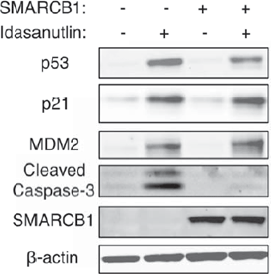
Idasanutlin purchased from MedChemExpress. Usage Cited in: Cancer Res. 2019 May 1;79(9):2404-2414. [Abstract]
Immunoblot for p53 pathway responses to 壹dasanutlin treatment (1 μM for 24h) in TTC642 cells reexpressing SMARCB1. Images are representative of three biological replicates.
-
Cancer Res
MDM2-Recruiting PROTAC Offers Superior, Synergistic Antiproliferative Activity via Simultaneous Degradation of BRD4 and Stabilization of p53. [Abstract]2019 Jan 1;79(1):251-262. PMID: 30385614 -
Nat Commun
SMARCA4 loss reprograms p300 chromatin occupancy to subvert p53-mediated transcriptional repression in ovarian small cell carcinoma. [Abstract]2026 Jun 15. PMID: 42297809 -
Nat Commun
Human iPSC-based Modeling of Pulmonary Fibrosis Reveals p300/CBP Inhibition Suppresses Alveolar Transitional Cell State. [Abstract]2026 Feb 12;17(1):1214. PMID: 41680175 -
Nat Commun
Targeting USP2 regulation of VPRBP-mediated degradation of p53 and PD-L1 for cancer therapy. [Abstract]2023 Apr 6;14(1):1941. PMID: 37024504
Idasanutlin purchased from MedChemExpress. Usage Cited in: Nat Commun. 2023 Apr 6;14(1):1941. [Abstract]
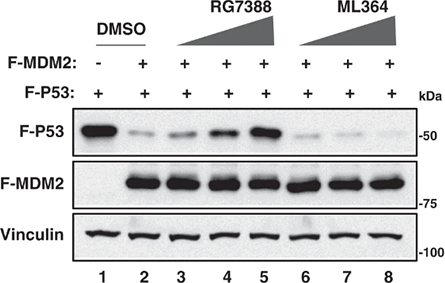
Idasanutlin (RG7388; 1, 2.5, 10 μM; 30 min) reverses the Mdm2-induced decreased expression of p53 in H1299 cells.
-
J Exp Clin Cancer Res
XPO1/CRM1 is a promising prognostic indicator for neuroblastoma and represented a therapeutic target by selective inhibitor verdinexor. [Abstract]2021 Aug 12;40(1):255. PMID: 34384466 -
Adv Sci (Weinh)
CircUGP2 Suppresses Intrahepatic Cholangiocarcinoma Progression via p53 Signaling Through Interacting With PURB to Regulate ADGRB1 Transcription and Sponging miR-3191-5p. [Abstract]2024 Oct;11(38):e2402329. PMID: 39120980 -
Cell Rep Med
2025 Dec 16;6(12):102467. PMID: 41308642 -
Cell Death Differ
2023 Mar;30(3):779-793. PMID: 36371602 -
J Control Release
Biodegradable nanofibrous scaffolds enhance standard of care for glioblastoma via localized targeted therapy. [Abstract]2025 Nov 10:387:114225. PMID: 40945534 -
Cell Death Dis
Repurposing MDM2 inhibitor RG7388 for TP53-mutant NSCLC: a p53-independent pyroptotic mechanism via ROS/p-p38/NOXA/caspase-3/GSDME axis. [Abstract]2025 Jun 17;16(1):452. PMID: 40523886 -
Cancer Lett
FLT3 inhibitors induce p53 instability, driven by STAT5/MDM2/p53 competitive interactions in acute myeloid leukemia. [Abstract]2025 Feb 28:611:217446. PMID: 39756787 -
Cancer Genet
Enhancement of MDM2 inhibitory effects through blocking nuclear export mechanisms in ovarian cancer cells. [Abstract]2022 Aug:266-267:57-68. PMID: 35785714 -
Genome Med
2021 Sep 1;13(1):142. PMID: 34470667 -
Cell Death Discov
MDM2 inhibitor APG-115 exerts potent antitumor activity and synergizes with standard-of-care agents in preclinical acute myeloid leukemia models. [Abstract]2021 May 3;7(1):90. PMID: 33941774 -
Cell Chem Biol
Development of potent and selective inhibitors targeting the papain-like protease of SARS-CoV-2. [Abstract]2021 Jun 17;28(6):855-865.e9. PMID: 33979649 -
Leukemia
PHF6 and JAK3 mutations cooperate to drive T-cell acute lymphoblastic leukemia progression. [Abstract]2022 Feb;36(2):370-382. PMID: 34465864 -
EMBO J
Residual apoptotic activity of a tumorigenic p53 mutant improves cancer therapy responses. [Abstract]2019 Oct 15;38(20):e102096. PMID: 31483066 -
Haematologica
MDM2- and FLT3-inhibitors in the treatment of FLT3-ITD acute myeloid leukemia, specificity and efficacy of NVP-HDM201 and midostaurin. [Abstract]2018 Nov;103(11):1862-1872. PMID: 29976747 -
Anal Chem
Combining the NanaPPI Toolbox and AI-Driven Virtual Inhibitor Screening for the p53-MDM2 Interaction. [Abstract]2025 Jul 29;97(29):15687-15697. PMID: 40624834 -
Int J Oncol
Targeting the TP53/MDM2 axis enhances radiation sensitivity in atypical teratoid rhabdoid tumors. [Abstract]2022 Mar;60(3):32. PMID: 35179215 -
Sci Data
High-throughput drug screening identifies novel therapeutics for Low Grade Serous Ovarian Carcinoma. [Abstract]2024 Sep 19;11(1):1024. PMID: 39300112 -
JCI Insight
2020 Dec 3;5(23):e140169. PMID: 33268594 -
Breast Cancer Res
First in class dual MDM2/MDMX inhibitor ALRN-6924 enhances antitumor efficacy of chemotherapy in TP53 wild-type hormone receptor-positive breast cancer models. [Abstract]2021 Mar 4;23(1):29. PMID: 33663585 -
Cells
PROTAC-Mediated Targeted Degradation of MDM2 Induces Tumor-Suppressive Signaling in Osteosarcoma Cells. [Abstract]2026 Mar 5;15(5):473. PMID: 41827906 -
Oncogenesis
LIN28B inhibition sensitizes cells to p53-restoring PPI therapy through unleashed translational suppression. [Abstract]2022 Jul 2;11(1):37. PMID: 35780125 -
Cells
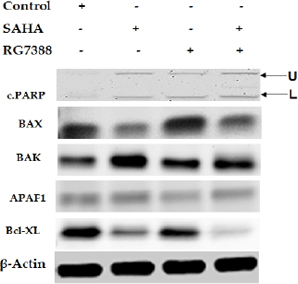
Differential Mechanisms of Cell Death Induced by HDAC Inhibitor SAHA and MDM2 Inhibitor RG7388 in MCF-7 Cells. [Abstract]2018 Dec 22;8(1):8. PMID: 30583560
Idasanutlin purchased from MedChemExpress. Usage Cited in: Cells. 2018 Dec 22;8(1):8. [Abstract]
Modulation of apoptosis-related protein expressions in MCF-7 cells after SAHA (7.5 μM), RG7388 (2.0 μM) and SAHA + RG7388 treatment for 24 h.
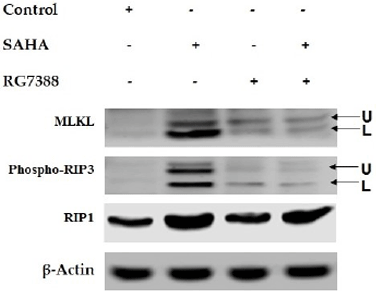
Idasanutlin purchased from MedChemExpress. Usage Cited in: Cells. 2018 Dec 22;8(1):8. [Abstract]
Modulation of necroptosis-related protein expressions in MCF-7 cells after (7.5 μM), RG7388 (2.0 μM) and SAHA + RG7388 treatment for 24 h
-
Colloids Surf B Biointerfaces
Idasanutlin-ionizable lipid nanocomplex for enhanced solubility, stability, and anticancer activity in p53 sensitive lung cancer. [Abstract]2025 Aug 19;256(Pt 2):115058. PMID: 40848448 -
Cancer Biol Ther
MDM2 inhibitor RG7388 potently inhibits tumors by activating p53 pathway in nasopharyngeal carcinoma. [Abstract]2019;20(10):1328-1336. PMID: 31311404 -
Int J Mol Sci
Pharmacological Inhibition of MDM2 Induces Apoptosis in p53-Mutated Triple-Negative Breast Cancer. [Abstract]2025 Jan 26;26(3):1078. PMID: 39940844 -
Cancers (Basel)
TP-0903 Is Active in Preclinical Models of Acute Myeloid Leukemia with TP53 Mutation/Deletion. [Abstract]2022 Dec 21;15(1):29. PMID: 36612026 -
Cell Signal
KLF11 promotes the proliferation of breast cancer cells by inhibiting p53-MDM2 signaling. [Abstract]2024 Aug:120:111238. PMID: 38810862 -
Biomedicines
The Strong Activation of p53 Tumor Suppressor Drives the Synthesis of the Enigmatic Isoform of DUSP13 Protein. [Abstract]2024 Jun 28;12(7):1449. PMID: 39062022 -
iScience
Ubiquitin-specific protease 7 inhibitors reveal a differentiated mechanism of p53-driven anti-cancer activity. [Abstract]2024 Apr 9;27(5):109693. PMID: 38689642 -
Pharm Res
Development of CD133 Targeting Multi-Drug Polymer Micellar Nanoparticles for Glioblastoma - In Vitro Evaluation in Glioblastoma Stem Cells. [Abstract]2021 Jun;38(6):1067-1079. PMID: 34100216 -
Cancer Res Commun
Mutant Isocitrate Dehydrogenase 1 Sensitizes Intrahepatic Cholangiocarcinoma Cells to MDM2 Inhibitors. [Abstract]2026 Mar 1;6(3):616-629. PMID: 41747217 -
ACS Med Chem Lett
MDM2 Antagonist Idasanutlin Reduces HDAC1/2 Abundance and Corepressor Partners but Not HDAC3. [Abstract]2023 Dec 6;15(1):93-98. PMID: 38229760 -
Idasanutlin purchased from MedChemExpress. Usage Cited in: Sci Pharm. 2023 Feb;91(1), 12.
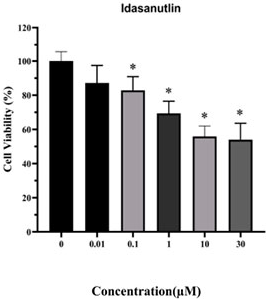
Idasanutlin (1, 10, 30 µM; 24 h) inhibits viability of MCF-7 cells.
-
Epigenomics
MDM2 and DNMT1 inhibitors induce neuroblastoma cell death through p53-dependent and independent pathways. [Abstract]2025 Oct;17(15):1057-1068. PMID: 40958635 -
Medicina (Kaunas)
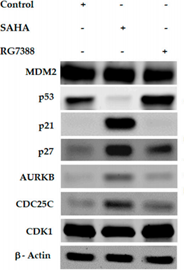
Cell Cycle Arrest and Cytotoxic Effects of SAHA and RG7388 Mediated through p21WAF1/CIP1 and p27KIP1 in Cancer Cells. [Abstract]2019 Jan 29;55(2):30. PMID: 30700046
Idasanutlin purchased from MedChemExpress. Usage Cited in: Medicina (Kaunas). 2019 Jan 29;55(2):30. [Abstract]
Effect of SAHA and RG7388 treatments on Cell Cycle related Protein levels in MCF-7 cells. Figure shows upregulation of p21, p27, AURKB and CDC25C levels after treatment with 7.5 µM concentration of SAHA and p53 upregulation after RG7388 treatment.
-
Biochem Biophys Res Commun
Combination of metformin and RG7388 enhances inhibition of growth and induction of apoptosis of ovarian cancer cells through the PI3K/AKT/mTOR pathway. [Abstract]2020 Dec 17;533(4):665-671. PMID: 33051060 -
Biomed Pharmacother
Balancing cell cycle arrest and immune activation: A synergistic window for idasanutlin and anti-PD-1 therapy in a syngeneic mouse model. [Abstract]2025 Dec:193:118868. PMID: 41349257 -
bioRxiv
Uncovering senescent fibroblast heterogeneity connects DNA damage response to idiopathic pulmonary fibrosis. [Abstract]2025 Nov 30:2025.11.26.690792. PMID: 41394576 -
-
-
-
-
-
-
-
Methods Mol Biol
2018:1711:351-398. PMID: 29344898


Solvent & Solubility
In Vitro:
DMSO : ≥ 45 mg/mL (73.00 mM; Hygroscopic DMSO has a significant impact on the solubility of product, please use newly opened DMSO)
* "≥" means soluble, but saturation unknown.
Please refer to the solubility information to select the appropriate solvent. Once prepared, please aliquot and store the solution to prevent product inactivation from repeated freeze-thaw cycles.
Storage method and period of stock solution: -80°C, 1 year; -20°C, 6 months. When stored at -80°C, please use it within 1 year. When stored at -20°C, please use it within 6 months.
Please refer to the solubility information to select the appropriate solvent. Once prepared, please aliquot and store the solution to prevent product inactivation from repeated freeze-thaw cycles.
Storage method and period of stock solution: -80°C, 1 year; -20°C, 6 months. When stored at -80°C, please use it within 1 year. When stored at -20°C, please use it within 6 months.
Concentration (start) × Volume (start) = Concentration (final) × Volume (final)
In Vivo:
Select the appropriate dissolution method based on your experimental animal and administration route.
- For the following dissolution methods, please ensure to first prepare a clear stock solution using an In Vitro approach and then sequentially add co-solvents:
- To ensure reliable experimental results, the clarified stock solution can be appropriately stored based on storage conditions. As for the working solution for In Vivo experiments, it is recommended to prepare freshly and use it on the same day.
- The percentages shown for the solvents indicate their volumetric ratio in the final prepared solution. If precipitation or phase separation occurs during preparation, heat and/or sonication can be used to aid dissolution.
For the following dissolution methods, please prepare the working solution directly:
It is recommended to prepare fresh solutions and use them promptly within a short period of time.
The percentages shown for the solvents indicate their volumetric ratio in the final prepared solution. If precipitation or phase separation occurs during preparation, heat and/or sonication can be used to aid dissolution.
Add each solvent one by one: 0.5% HPMC/1% Tween-80 in Saline water
Solubility: 10 mg/mL (16.22 mM); Suspended solution; Need ultrasonic
In Vivo Dissolution Calculator
Please enter the basic information of animal experiments:
-
-
-
-
Recommended: Prepare an additional quantity of animals to account for potential losses during experiments.
Please enter your animal formula composition:
-
%DMSO +
Recommended: Keep the proportion of DMSO in working solution below 2% if your animal is weak.
-
%+
-
+%Tween-80 + +
-
%Saline +
The co-solvents required include: DMSO, . All of co-solvents are available by MedChemExpress (MCE). , Tween 80. All of co-solvents are available by MedChemExpress (MCE).
Working solution concentration: 0.22 mg/mL
Method for preparing stock solution: mg drug dissolved in μL DMSO. Stock solution concentration: mg/mL.
1. Take μL DMSO stock solution;
2. Add μL .
μL , mix evenly;
3. Then add μL Tween 80, mix evenly;
4. Then add μL
Please ensure that the stock solution in the first step is dissolved to a clear state, and add co-solvents in sequence. You can use ultrasonic heating (ultrasonic cleaner, recommended frequency 20-40 kHz), vortexing, etc. to assist dissolution.


Purity & Documentation
-
Data Sheet (333 KB)
-
SDS (393 KB)
- English - EN (393 KB)
- Français - FR (393 KB)
- Deutsch - DE (393 KB)
- Norwegian - NO (393 KB)
- Español - ES (393 KB)
- Swedish - SV (393 KB)
- Italian - IT (393 KB)
- Korean - KR (393 KB)
- Portuguese - PT (393 KB)
-
Handling Instructions (2659 KB)
References
[1]. Tang G, et al.. Repurposing MDM2 inhibitor RG7388 for TP53-mutant NSCLC: a p53-independent pyroptotic mechanism via ROS/p-p38/NOXA/caspase-3/GSDME axis. Cell death & disease. 2025 Jun 17;16(1):452. [Content Brief]
[2]. Johansson KB, et al.. Idasanutlin and navitoclax induce synergistic apoptotic cell death in T-cell acute lymphoblastic leukemia. Leukemia. 2023 Dec;37(12):2356-2366. [Content Brief]
[3]. Nieznanska A, et al.. Balancing cell cycle arrest and immune activation: A synergistic window for idasanutlin and anti-PD-1 therapy in a syngeneic mouse model. Biomedicine & pharmacotherapy = Biomedecine & pharmacotherapie. 2025 Dec;193:118868. [Content Brief]
[5]. Liu Z, et al.. RG7388 inhibits SFTSV replication by suppressing MDM2-mediated p53 degradation and preventing apoptosome disruption. Science Bulletin. 2025 Jun 21. [Content Brief]
[6]. Vernooij L, et al.. High-Throughput Screening Identifies Idasanutlin as a Resensitizing Drug for Venetoclax-Resistant Neuroblastoma Cells. Molecular cancer therapeutics. 2021 Jun;20(6):1161-1172. [Content Brief]
[10]. Ding Q, et al. Discovery of RG7388, a potent and selective p53-MDM2 inhibitor in clinical development. Journal of medicinal chemistry. 2013 Jul 25;56(14):5979-83. [Content Brief]
[11]. Higgins B, et al. Preclinical optimization of MDM2 antagonist scheduling for cancer treatment by using a model-based approach. Clinical cancer research : an official journal of the American Association for Cancer Research. 2014 Jul 15;20(14):3742-52. [Content Brief]
[12]. Lehmann C, et al.. Superior anti-tumor activity of the MDM2 antagonist idasanutlin and the Bcl-2 inhibitor venetoclax in p53 wild-type acute myeloid leukemia models. Journal of hematology & oncology. 2016 Jun 28;9(1):50. [Content Brief]


Complete Stock Solution Preparation Table
Please refer to the solubility information to select the appropriate solvent. Once prepared, please aliquot and store the solution to prevent product inactivation from repeated freeze-thaw cycles.
Storage method and period of stock solution: -80°C, 1 year; -20°C, 6 months. When stored at -80°C, please use it within 1 year. When stored at -20°C, please use it within 6 months.
| Optional Solvent | Concentration Solvent Mass | 1 mg | 5 mg | 10 mg | 25 mg |
|---|---|---|---|---|---|
| DMSO | 1 mM | 1.6221 mL | 8.1106 mL | 16.2211 mL | 40.5528 mL |
| 5 mM | 0.3244 mL | 1.6221 mL | 3.2442 mL | 8.1106 mL | |
| 10 mM | 0.1622 mL | 0.8111 mL | 1.6221 mL | 4.0553 mL | |
| 15 mM | 0.1081 mL | 0.5407 mL | 1.0814 mL | 2.7035 mL | |
| 20 mM | 0.0811 mL | 0.4055 mL | 0.8111 mL | 2.0276 mL | |
| 25 mM | 0.0649 mL | 0.3244 mL | 0.6488 mL | 1.6221 mL | |
| 30 mM | 0.0541 mL | 0.2704 mL | 0.5407 mL | 1.3518 mL | |
| 40 mM | 0.0406 mL | 0.2028 mL | 0.4055 mL | 1.0138 mL | |
| 50 mM | 0.0324 mL | 0.1622 mL | 0.3244 mL | 0.8111 mL | |
| 60 mM | 0.0270 mL | 0.1352 mL | 0.2704 mL | 0.6759 mL |


Idasanutlin Related Classifications
HY-15676 Related Classifications
 Powered by Bioz
Keywords
- Idasanutlin
- 1229705-06-9
- RG7388
- RG 7388
- RG-7388
- MDM-2/p53
- E1/E2/E3 Enzyme
- Apoptosis
- Pyroptosis
- Reactive Oxygen Species (ROS)
- Caspase
- non-small cell lung cancer
- diffuse large B-cell lymphoma
- severe fever with thrombocytopenia syndrome virus
- neuroblastoma
- acute myeloid leukemia
- MDM2
- T-cell acute lymphoblastic leukemia
- p53
- colorectal carcinoma
- melanoma
- Inhibitor
- inhibitor
- inhibit