



Budesonide-d8

Based on 1 Customer Validation
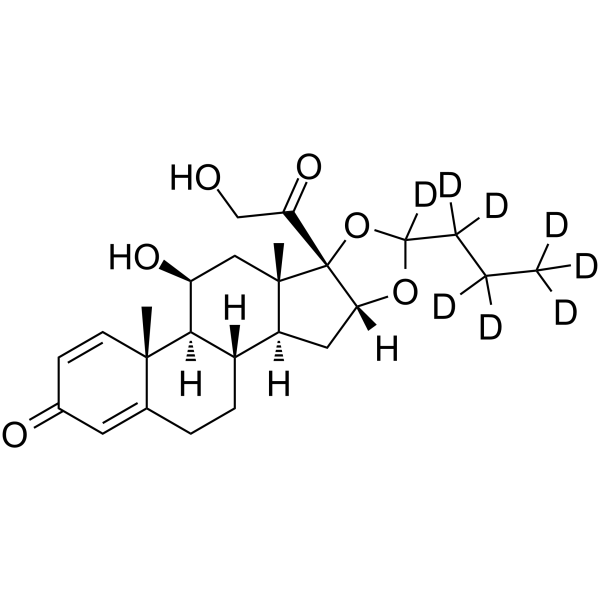
Budesonide-d8 is the deuterium labeled Budesonide. Budesonide, an inhaled glucocortical steroid, is an orally active glucocorticoid receptor agonist. Budesonide decreases the size of lung tumors, reverses DNA hypomethylation and modulates mRNA expression of genes. Budesonide is an anti-inflammatory agent used for asthma.
연구목적의 판매만을 진행합니다. 환자를 대상으로 한 판매는 하지 않습니다.
- Purity : 97.73%
- CAS No.: 1105542-94-6
- 화학식: C25H26D8O6
- 분자량:438.58
-
보관:
-20°C, sealed storage, away from moisture
* In solvent : -80°C, 6 months; -20°C, 1 month (sealed storage, away from moisture)

To place orders, for customer services and technical support, please contact: MedChemExpress USA
Tel: 609-228-6898 E-mail: [email protected] [email protected]


-
 Biological Activity
-
Chemical Information
-
용액&용해도
- Protocol
- 순도&문서
- References
-
 Help & FAQs


-
HY-B1060
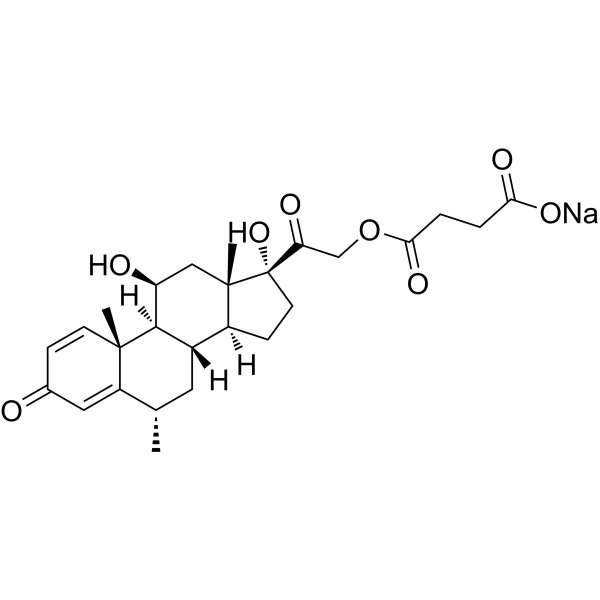
Methylprednisolone succinate sodiumGlucocorticoid Agonist -
HY-B1900
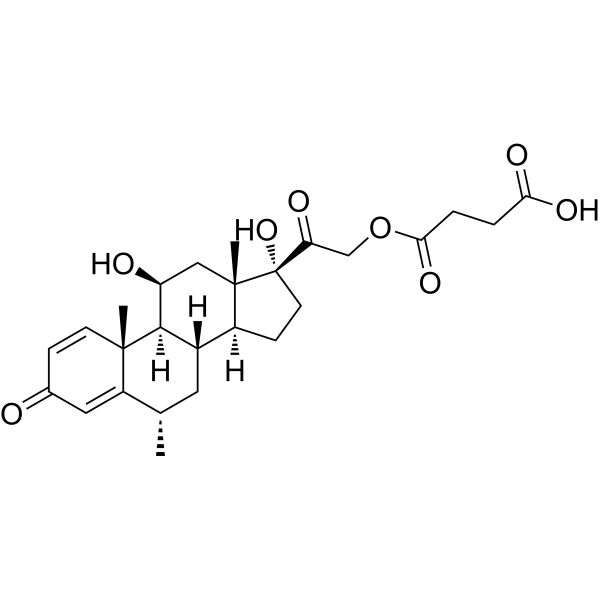
Methylprednisolone succinateGlucocorticoid Agonist -

HY-P4146
SurvodutideGCGR/GLP-1R Agonist -
HY-115702S
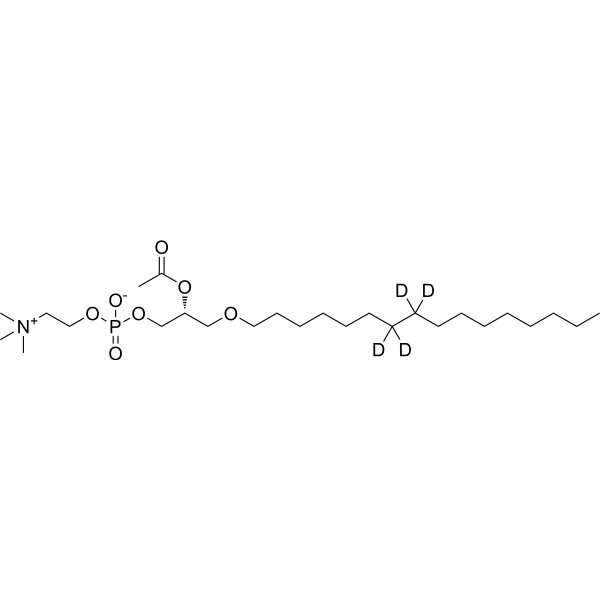
1-Palmityl-2-O-acetyl-3-glyceryl phosphorylcholine-d4Stable Isotope -
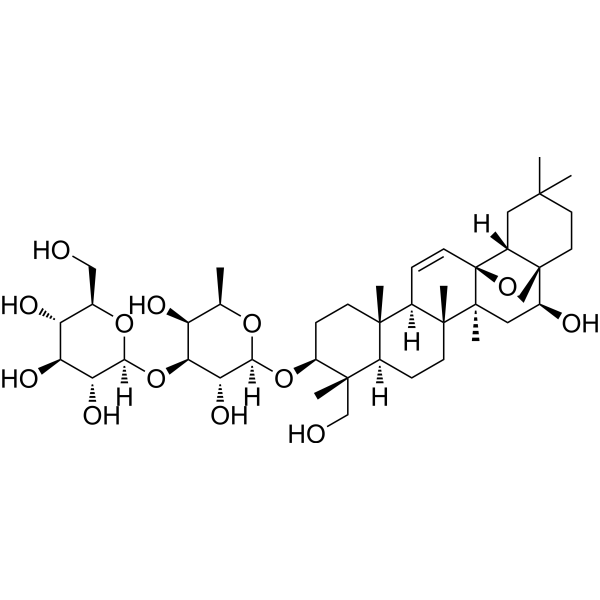
HY-N0246
Saikosaponin AAnti-inflammatory Agent -
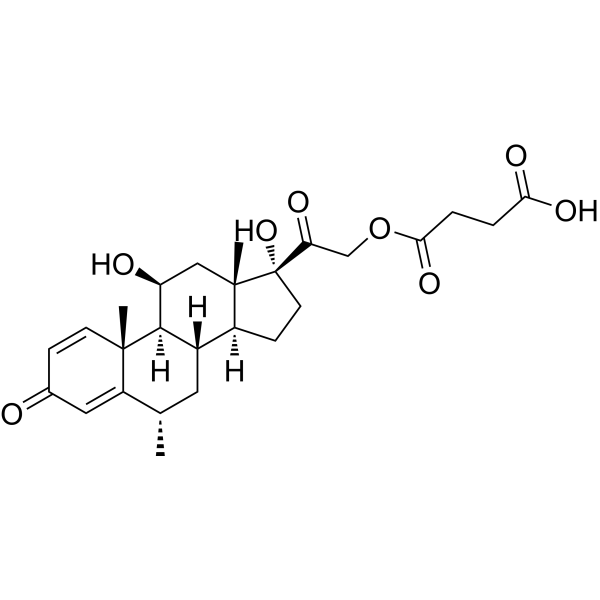
HY-B1900R
Methylprednisolone succinate (Standard)Analytical Standard -
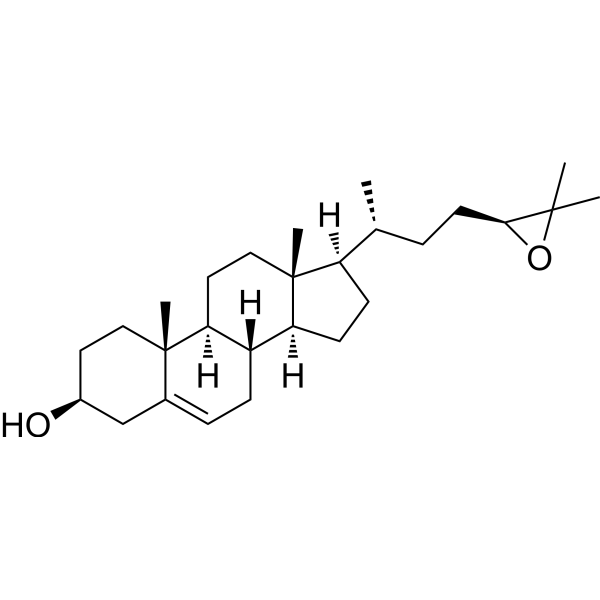
HY-W040150
(24S,25)-EpoxycholesterolLXR Agonist -
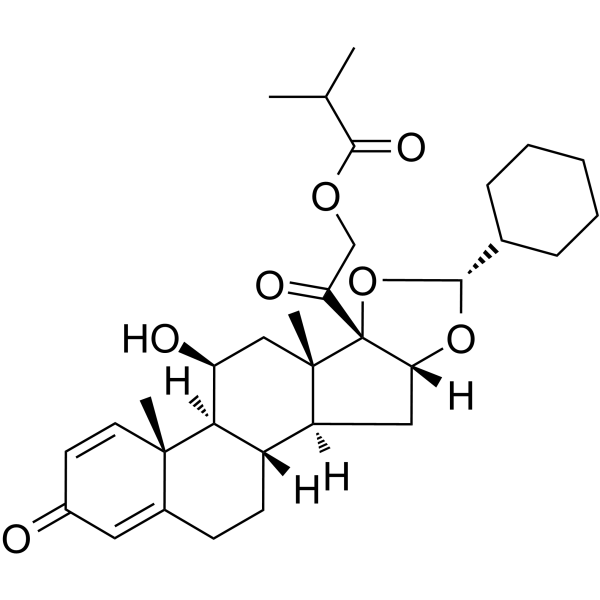
HY-B0625
CiclesonideGlucocorticoid -
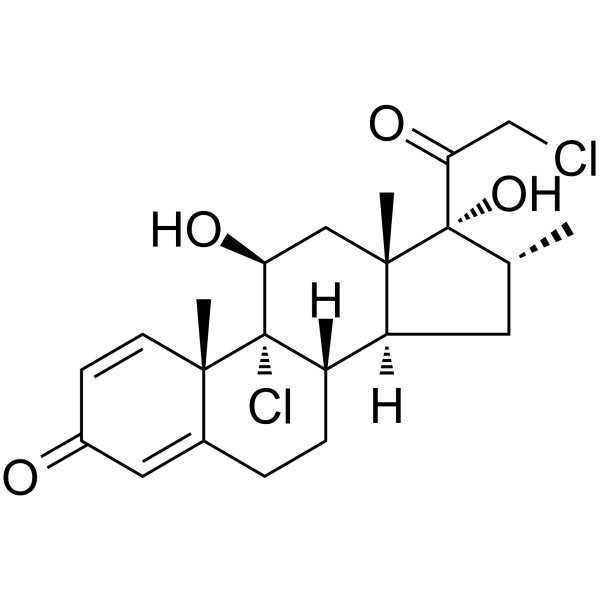
HY-B0629
MometasoneInhaled Glucocorticoid -

HY-W814363
Octadec-9-enoic acid-13C5Stable Isotope -
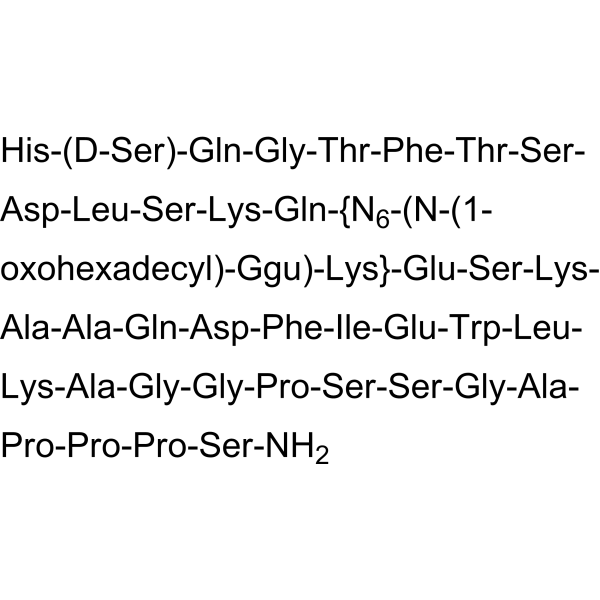
HY-P10018
BamadutideGLP-1R/GCGR Agonist -

HY-141633
Sucrose monolaurateSurfactant


Biological Activity
제품 설명
In Vitro
Stable heavy isotopes of hydrogen, carbon, and other elements have been incorporated into drug molecules, largely as tracers for quantitation during the drug development process. Deuteration has gained attention because of its potential to affect the pharmacokinetic and metabolic profiles of drugs[1].
MedChemExpress (MCE) has not independently confirmed the accuracy of these methods. They are for reference only. Further protocols information, click here.
신청
1. This compound can be used as a tracer
2. This compound can be used as an internal standard for quantitative analysis by NMR, GC-MS, or LC-MS.


Chemical Information
-
CAS No. 1105542-94-6
-
Unlabeled CAS 51333-22-3
-
Appearance Solid
-
분자량 438.58
-
화학식 C25H26D8O6
-
Color White to off-white
-
SMILES
OCC([C@]12[C@@]3([C@@]([C@@]4([H])[C@]([C@@]5(C(CC4)=CC(C=C5)=O)C)([H])[C@H](C3)O)([H])C[C@@]1([H])OC(O2)([2H])C([2H])([2H])C([2H])([2H])C([2H])([2H])[2H])C)=O
-
선적
Room temperature in continental US; may vary elsewhere.
-
보관
-20°C, sealed storage, away from moisture
* In solvent : -80°C, 6 months; -20°C, 1 month (sealed storage, away from moisture)


용액&용해도
In Vitro:
DMSO : 215 mg/mL (490.22 mM; Need ultrasonic and warming; Hygroscopic DMSO has a significant impact on the solubility of product, please use newly opened DMSO)
Please refer to the solubility information to select the appropriate solvent. Once prepared, please aliquot and store the solution to prevent product inactivation from repeated freeze-thaw cycles.
Storage method and period of stock solution: -80°C, 6 months; -20°C, 1 month (sealed storage, away from moisture). When stored at -80°C, please use it within 6 months. When stored at -20°C, please use it within 1 month.
Please refer to the solubility information to select the appropriate solvent. Once prepared, please aliquot and store the solution to prevent product inactivation from repeated freeze-thaw cycles.
Storage method and period of stock solution: -80°C, 6 months; -20°C, 1 month (sealed storage, away from moisture). When stored at -80°C, please use it within 6 months. When stored at -20°C, please use it within 1 month.
Concentration (start) × Volume (start) = Concentration (final) × Volume (final)

Protocol
-
RT-PCR
Reverse transcription technology uses RNA as a template to synthesize DNA. RT-PCR is simple, specific and sensitive, and can be used to detect gene expression levels and expression differences in cells; detect RNA virus content; clone cDNA sequences of specific genes.
-
RNA extraction experimental
By lysing cells, releasing RNA, and removing impurities such as proteins and DNA, high-purity RNA products are finally obtained. The commonly used traditional method is the guanidine isothiocyanate/phenol/chloroform method (Trizol), which is suitable for a variety of animal materials including animal tissues, microorganisms, cultured cells, etc., and most plant materials.
-
Research Protocol for Endocrine Diseases
Endocrine diseases often arise from disrupted hormone production, hormone signaling, or target-tissue responsiveness; for diabetes-focused endocrine disease models, insulin signaling regulates glucose uptake, hepatic glucose output, lipid metabolism, and β-cell compensation. Type 2 diabetes develops through interacting defects in insulin resistance, β-cell dysfunction, adipose inflammation, hepatic glucose overproduction, altered incretin signaling, and ectopic lipid metabolism. A major unresolved question is whether endocrine dysfunction is driven primarily by target-tissue insulin resistance, intrinsic β-cell failure, immune/inflammatory stress, or combined multi-organ failure that differs by disease stage.
-
Research Protocol for Inflammation-related Diseases
The NLRP3 inflammasome is a cytosolic innate immune signaling platform that integrates priming signals and danger-signal activation to promote caspase-1 activation, maturation of IL-1β and IL-18, and gasdermin D-mediated pyroptotic cell death. The core experimental logic is to determine whether inflammatory disease phenotypes are driven by increased NLRP3 expression, ASC-containing inflammasome assembly, caspase-1 cleavage, GSDMD cleavage, and extracellular release of IL-1β/IL-18 rather than by nonspecific cell injury alone. The pathway is strongly linked to inflammation-related disease phenotypes because monosodium urate crystals activate NALP3/NLRP3 inflammasome signaling in gout-like crystal inflammation, cholesterol crystals activate NLRP3 inflammasomes in atherogenesis models, and DSS-induced intestinal inflammation has been reported to involve NLRP3 inflammasome activity. However, experimental colitis studies also show context-dependent protective effects of NLRP3 inflammasome co
-
Real Time qPCR (Q-PCR)
Real-time quantitative PCR (qPCR) quantifies an amplifiable nucleic-acid target by monitoring fluorescence during PCR cycling rather than measuring product only after amplification. The increase in fluorescence tracks accumulation of PCR product, and the quantification cycle (Cq; historically also Ct/CP) is related to the initial amount of target: samples containing more starting target generally reach the defined fluorescence threshold in fewer cycles.


순도&문서
-
Data Sheet (278 KB)
-
SDS (558 KB)
- English - EN (558 KB)
- Français - FR (558 KB)
- Deutsch - DE (558 KB)
- Norwegian - NO (558 KB)
- Español - ES (558 KB)
- Swedish - SV (558 KB)
- Italian - IT (558 KB)
- Korean - KR (558 KB)
- Portuguese - PT (558 KB)
-
Handling Instructions (2659 KB)
References
[1]. Russak EM, et al. Impact of Deuterium Substitution on the Pharmacokinetics of Pharmaceuticals. Ann Pharmacother. 2019;53(2):211-216. [Content Brief]
[2]. Claudia Grossmann, et al. Transactivation via the Human Glucocorticoid and Mineralocorticoid Receptor by Therapeutically Used Steroids in CV-1 Cells: A Comparison of Their Glucocorticoid and Mineralocorticoid Properties. Eur J Endocrinol. 2004 Sep;151(3):397-406.;Liang Dong, et al. Intranasal Application of Budesonide Attenuates Lipopolysaccharide-Induced Acute Lung Injury by Suppressing Nucleotide-Binding Oligomerization Domain-Like Receptor Family, Pyrin Domain-Containing 3 Inflammasome Activation in Mice. J Immunol Res. 2019 Feb 27;2019:7264383.;Michael A Pereira, et al. Modulation by Budesonide of DNA Methylation and mRNA Expression in Mouse Lung Tumors. Int J Cancer. 2007 Mar 1;120(5):1150-3. [Content Brief]


Complete Stock Solution Preparation Table
Please refer to the solubility information to select the appropriate solvent. Once prepared, please aliquot and store the solution to prevent product inactivation from repeated freeze-thaw cycles.
Storage method and period of stock solution: -80°C, 6 months; -20°C, 1 month (sealed storage, away from moisture). When stored at -80°C, please use it within 6 months. When stored at -20°C, please use it within 1 month.
| Optional Solvent | Concentration Solvent Mass | 1 mg | 5 mg | 10 mg | 25 mg |
|---|---|---|---|---|---|
| DMSO | 1 mM | 2.2801 mL | 11.4004 mL | 22.8009 mL | 57.0021 mL |
| 5 mM | 0.4560 mL | 2.2801 mL | 4.5602 mL | 11.4004 mL | |
| 10 mM | 0.2280 mL | 1.1400 mL | 2.2801 mL | 5.7002 mL | |
| 15 mM | 0.1520 mL | 0.7600 mL | 1.5201 mL | 3.8001 mL | |
| 20 mM | 0.1140 mL | 0.5700 mL | 1.1400 mL | 2.8501 mL | |
| 25 mM | 0.0912 mL | 0.4560 mL | 0.9120 mL | 2.2801 mL | |
| 30 mM | 0.0760 mL | 0.3800 mL | 0.7600 mL | 1.9001 mL | |
| 40 mM | 0.0570 mL | 0.2850 mL | 0.5700 mL | 1.4251 mL | |
| 50 mM | 0.0456 mL | 0.2280 mL | 0.4560 mL | 1.1400 mL | |
| 60 mM | 0.0380 mL | 0.1900 mL | 0.3800 mL | 0.9500 mL | |
| 80 mM | 0.0285 mL | 0.1425 mL | 0.2850 mL | 0.7125 mL | |
| 100 mM | 0.0228 mL | 0.1140 mL | 0.2280 mL | 0.5700 mL |


Budesonide-d8 Related Classifications
HY-13580S Related Classifications
 Powered by Bioz