



Buffer Reagents

Buffer solutions are generally composed of mixtures of weak acids or weak bases and their corresponding salts,commonly used to maintain the stability of the pH value of the reaction system and ensure the integrity of biomolecules and reactions.
MCE provides a range of high-purity grade raw materials that can be used to prepare various buffer solutions such as inorganic salt buffers, zwitterionic buffers and PCR buffers.
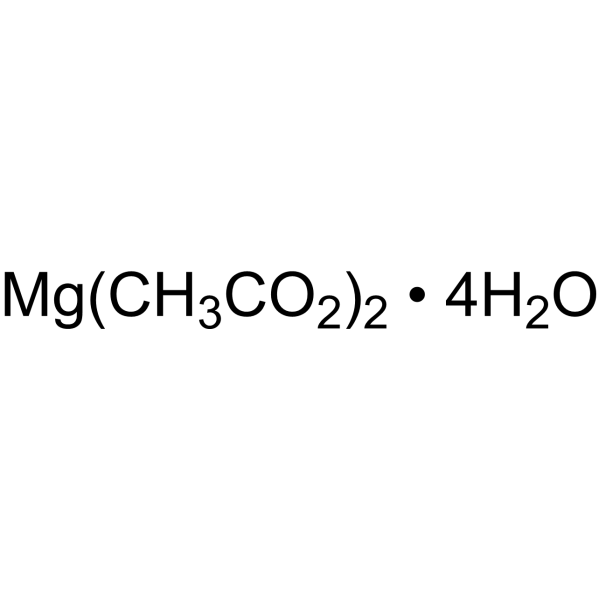
- Formula: C4H14MgO8
- Molecular Weight: 214.45
Magnesium acetate tetrahydrate, for molecular biology is a carboxylic acid and short-chain fatty acid (SCFAs). Magnesium acetate tetrahydrate, for molecular biology activates AMPK, increases ROS, cleaved caspase 9, PPARα, downregulates SREBP-1c, ChREBP expression. Magnesium acetate tetrahydrate, for molecular biology exhibits antifungal activity against Saccharomyces cerevisiae W303-1A. Magnesium acetate tetrahydrate, for molecular biology regulates energy metabolism. Magnesium acetate tetrahydrate, for molecular biology has anticancer activity against gastric cancer. Magnesium acetate tetrahydrate, for molecular biology induces writhing reaction and ulcerative colitis. Magnesium acetate tetrahydrate, for molecular biology can be used in the researches for gastric cancer, ulcerative colitis, hepatic steatosis, and pain.
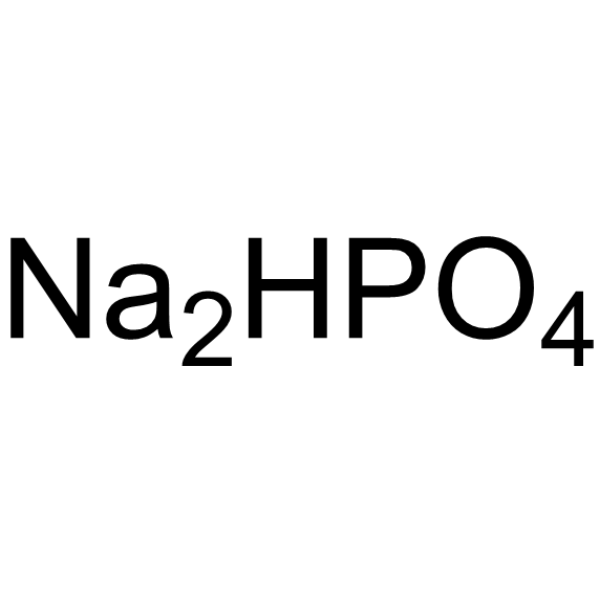
- Formula: Na2HPO4
- Molecular Weight: 141.96
Sodium phosphate dibasic (Disodium hydrogen phosphate), meets analytical specification of Ph. Eur. BP USP FCC E339 is an inorganic dibasic phosphate that functions as an electrolyte supplement, a buffer carrier for injectable drugs, while also exhibiting nephrotoxicity. Sodium phosphate dibasic, meets analytical specification of Ph. Eur. BP USP FCC E339 induces extensive nephrotic syndrome-like changes, including systemic symptoms such as persistent proteinuria, lipemia, hypercholesterolemia, and anemia, and causes severe renal pathological alterations such as renal enlargement, glomerular calcification, podocyte injury, and tubulointerstitial lesions. Sodium phosphate dibasic, meets analytical specification of Ph. Eur. BP USP FCC E339 has the ability to induce phosphate-induced nephropathy and glomerular calcification, and can be widely used in studies on nephrotic syndrome and related renal pathological mechanisms.

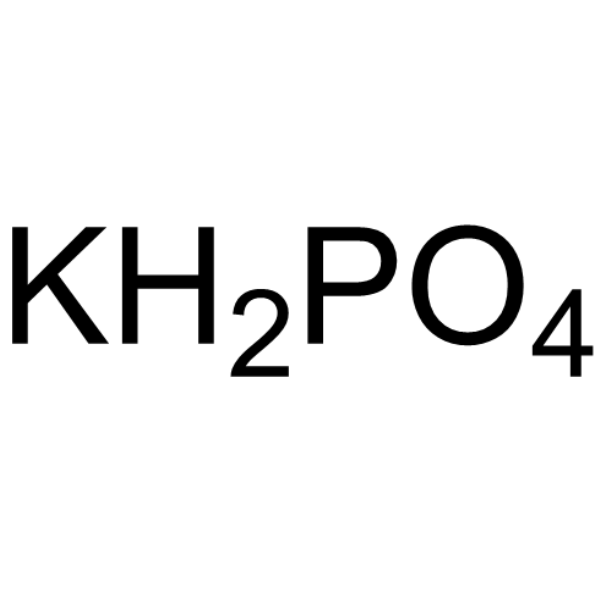
- Formula: H2KO4P
- Molecular Weight: 136.09
Potassium dihydrogen phosphate, meets analytical specification of Ph. Eur., NF, E340 (Potassium phosphate monobasic, meets analytical specification of Ph. Eur., NF, E340) is a potassium salt. Potassium dihydrogen phosphate, meets analytical specification of Ph. Eur., NF, E340 activates NF-κB. Potassium dihydrogen phosphate, meets analytical specification of Ph. Eur., NF, E340 upregulates the expression of dental/osteogenic markers (OCN, DSP/DSPP, OSX, RUNX2, ALP) and enhances the mineralization capacity of human periodontal ligament stem cells. Potassium dihydrogen phosphate, meets analytical specification of Ph. Eur., NF, E340 promotes the proliferation of human periodontal ligament stem cells in logarithmic growth phase. Potassium dihydrogen phosphate, meets analytical specification of Ph. Eur., NF, E340 promotes the growth of somatic embryos of Dendrobium Sonia, increases leaf number, leaf length and fresh weight of tissue-cultured seedlings. Potassium dihydrogen phosphate, meets analytical specification of Ph. Eur., NF, E340 is applicable to periodontal disease-related research.
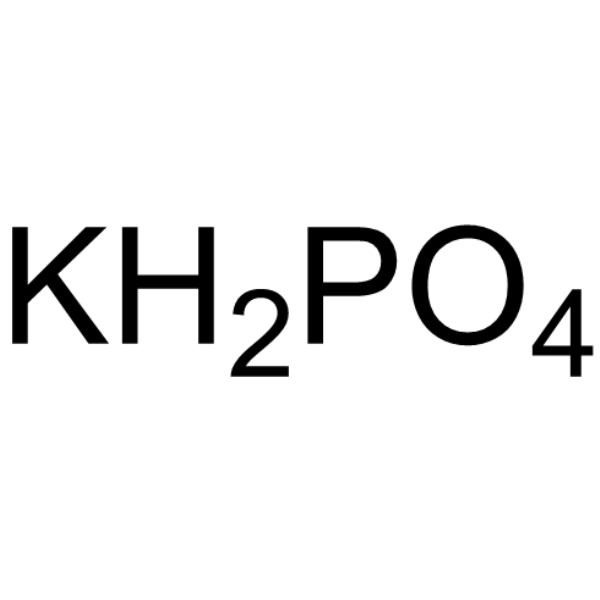
- Formula: H2KO4P
- Molecular Weight: 136.09
Potassium dihydrogen phosphate, United States Pharmacopeia (USP) Reference Standard (Potassium phosphate monobasic (Pharmaceutical primary standard, USP)) is a potassium salt. Potassium dihydrogen phosphate, United States Pharmacopeia (USP) Reference Standard activates NF-κB. Potassium dihydrogen phosphate, United States Pharmacopeia (USP) Reference Standard upregulates the expression of dental/osteogenic markers (OCN, DSP/DSPP, OSX, RUNX2, ALP) and enhances the mineralization capacity of human periodontal ligament stem cells. Potassium dihydrogen phosphate, United States Pharmacopeia (USP) Reference Standard promotes the proliferation of human periodontal ligament stem cells in logarithmic growth phase. Potassium dihydrogen phosphate, United States Pharmacopeia (USP) Reference Standard promotes the growth of somatic embryos of Dendrobium Sonia, increases leaf number, leaf length and fresh weight of tissue-cultured seedlings. Potassium dihydrogen phosphate, United States Pharmacopeia (USP) Reference Standard is applicable to periodontal disease-related research.
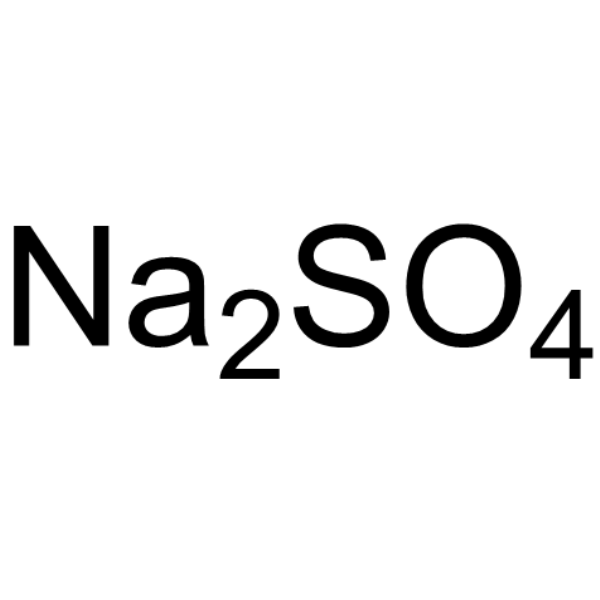
- Formula: Na2O4S
- Molecular Weight: 142.04
Sodium sulfate anhydrous (Disodium sulfate), meets analytical specification of Ph. Eur. BP USP is an orally active multifunctional ionic salt that serves as a protein precipitant, collagen fibril bundling inducer, and chlorine-free sodium source. Sodium sulfate anhydrous, meets analytical specification of Ph. Eur. BP USP promotes collagen fibril bundling to increase matrix pore size, alters cancer cell morphology and regulates their migration direction via geometric signals, and separates plasma/serum proteins or concentrates proteins at 37°C without causing thermal denaturation. In poultry farming applications, Sodium sulfate anhydrous, meets analytical specification of Ph. Eur. BP USP improves laying performance and eggshell quality, and is safe and effective at an addition level of 0.3-1.5%, while a high concentration of 3.0% causes negative physiological effects. Sodium sulfate anhydrous, meets analytical specification of Ph. Eur. BP USP can be widely applied in scientific research on cervical cancer and related fields.
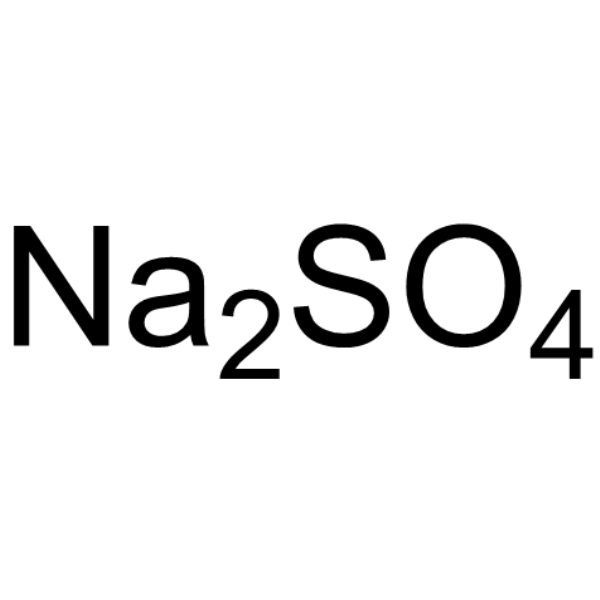
- Formula: Na2O4S
- Molecular Weight: 142.04
Sodium sulfate anhydrous (Disodium sulfate), can be widely used as a desiccant, pH regulator, etc. in biochemical experiments. It is a reference standard grade of the United States Pharmacopeia (USP), pharmaceutical primary standard.
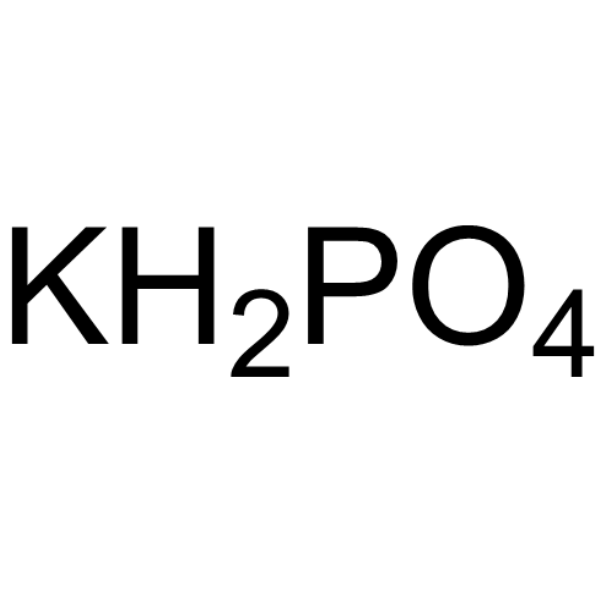
- Formula: KH2PO4
- Molecular Weight: 136.09
Potassium dihydrogen phosphate, for molecular biology (Potassium phosphate monobasic, for molecular biology) is a potassium salt. Potassium dihydrogen phosphate, for molecular biology activates NF-κB. Potassium dihydrogen phosphate, for molecular biology upregulates the expression of dental/osteogenic markers (OCN, DSP/DSPP, OSX, RUNX2, ALP) and enhances the mineralization capacity of human periodontal ligament stem cells. Potassium dihydrogen phosphate, for molecular biology promotes the proliferation of human periodontal ligament stem cells in logarithmic growth phase. Potassium dihydrogen phosphate, for molecular biology promotes the growth of somatic embryos of Dendrobium Sonia, increases leaf number, leaf length and fresh weight of tissue-cultured seedlings. Potassium dihydrogen phosphate, for molecular biology is applicable to periodontal disease-related research.
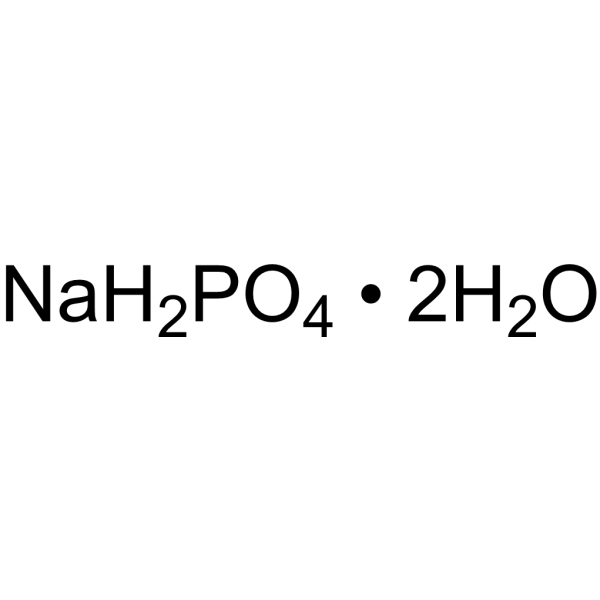
- Formula: NaH2PO4·2H2O
- Molecular Weight: 156.02
Sodium dihydrogen phosphate dihydrate (Sodium phosphate monobasic dihydrate), for molecular biology is a phosphate compound and nucleating agent. At a content of 1.2%, Sodium dihydrogen phosphate dihydrate, for molecular biology eliminates the supercooling degree of sodium acetate trihydrate to 0°C while maintaining or slightly enhancing its latent heat storage capacity. Sodium dihydrogen phosphate dihydrate, for molecular biology can serve as a starting material for the synthesis of degradable sodium phosphate glasses, which are applied in craniomaxillofacial bone repair. Sodium dihydrogen phosphate dihydrate, for molecular biology is widely used in research on craniomaxillofacial bone repair and related fields.
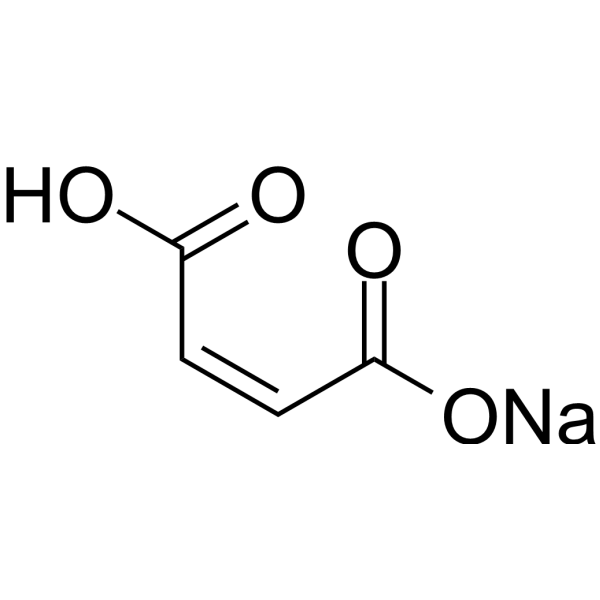
- Formula: C4H3NaO4
- Molecular Weight: 138.05
Maleate trihydrate sodiumIt is an organic compound belonging to the salt class. It is formed from the neutralization reaction between maleic acid and sodium hydroxide and has a slightly bitter taste. Maleate trihydrate sodiumIt has a variety of applications in industrial settings, especially as an intermediate in the synthesis of various chemicals and polymers. Additionally, it is used in the food and beverage industry as a buffer, flavor enhancer and preservative.
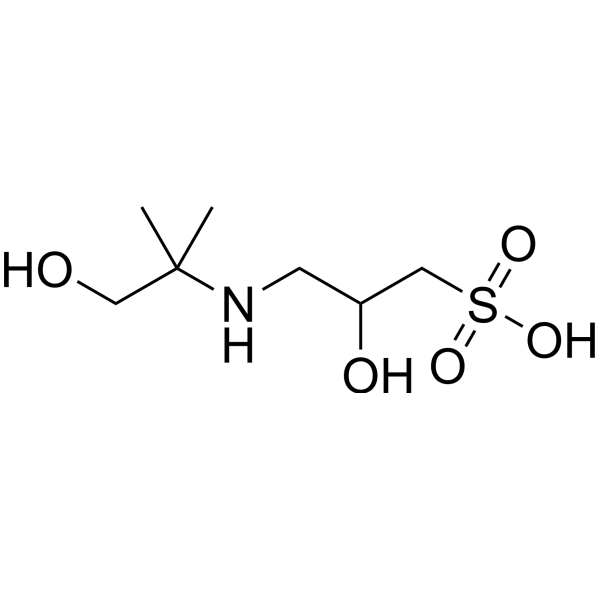
- Formula: C7H17NO5S
- Molecular Weight: 227.28
AMPSO is an alkaline transfer buffer that can be used to transfer strongly basic proteins from gels into nitrocellulose without reducing the transfer efficiency of other proteins. AMPSO can be used for Western Blot analysis, PCR amplification and many other applications.

- Formula: C10H20N2Na2O8S2
- Molecular Weight: 406.38
POPSO sodium A zwitterionic buffer.

- Formula: Na3PO4.12H2O
- Molecular Weight: 380.12
Trisodium phosphate dodecahydrate, 98% is an Antibacterial agent. Trisodium phosphate dodecahydrate, 98% reduces the counts of Escherichia coli O157:H7 and Salmonella typhimurium attached to the surfaces of beef fat and fascia. Trisodium phosphate dodecahydrate, 98% modulates the growth parameters of Listeria monocytogenes in vitro: low concentrations shorten the lag phase and increase the maximum growth rate, while high concentrations prolong the lag phase and decrease the maximum growth rate. Trisodium phosphate dodecahydrate, 98% is used in poultry processing.

- Formula: K2SO4
- Molecular Weight: 174.26
Potassium sulfate, for cell culture (Salt of lemery, for cell culture) can be used in plant cell culture and as a potassium source in media preparation, promoting cell growth and maintaining osmotic balance.

- Formula: C9H19N2NaO5S
- Molecular Weight: 290.31
HEPPSO (sodium) is a biological buffer. HEPPSO (sodium) is a biomaterial or organic compound that can be used in life science research.
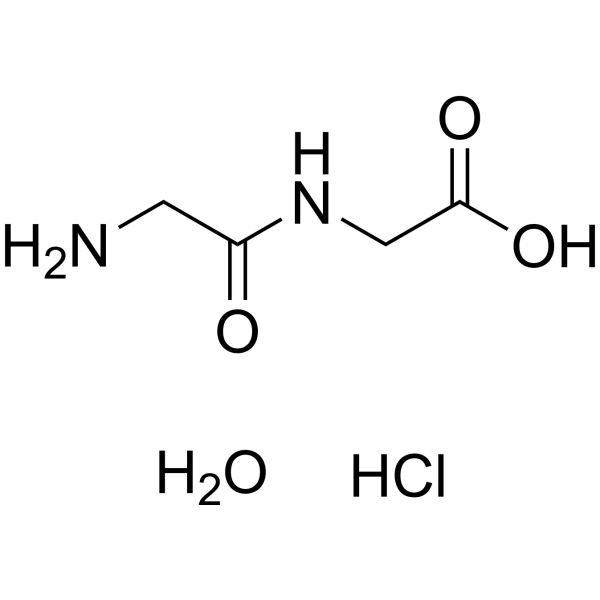
- Formula: C4H11ClN2O4
- Molecular Weight: 186.59
Glycylglycine hydrochloride hydrate is a non-selective Glycylglycine hydrochloride hydrate dipeptidase substrate and iNOS inhibitor. Glycylglycine hydrochloride hydrate can cross the cell membrane by passive diffusion and is hydrolyzed to glycine in the cell, participating in energy metabolism and antioxidant processes. Glycylglycine hydrochloride hydrate promotes spermatogonial stem cells (SSCs) proliferation, inhibits astrocyte overactivation and reduces nitric oxide (NO) release, while upregulating the expression of neurotrophic factors (such as PDGFA, FGF2, CNTF) to support nerve myelin repair. Glycylglycine hydrochloride hydrate can be used to study male reproductive biology (such as SSCs proliferation regulation) and neurodegenerative diseases (such as neuroprotective mechanisms in multiple sclerosis).
Sodium Citrate Buffer, 0.5M, pH 5.5 is a metal chelator and buffering agent. Sodium Citrate Buffer, 0.5M, pH 5.5 requires oxygen to participate in the oxidation process to reduce pink defects in cooked ground turkey, and it does not function via heme iron chelation or iron complex interaction. When mixed with 50% (by vol.) 1,3-dimethylimidazolium methyl sulfate, Sodium Citrate Buffer, 0.5M, pH 5.5 can serve as an aqueous buffering medium to maintain the catalytic efficiency of the hyperthermophilic β-glycosidase CelB for lactose hydrolysis at 80°C, while also acting as a reaction medium for CelB-catalyzed lactose hydrolysis and galactosyltransferase assays.
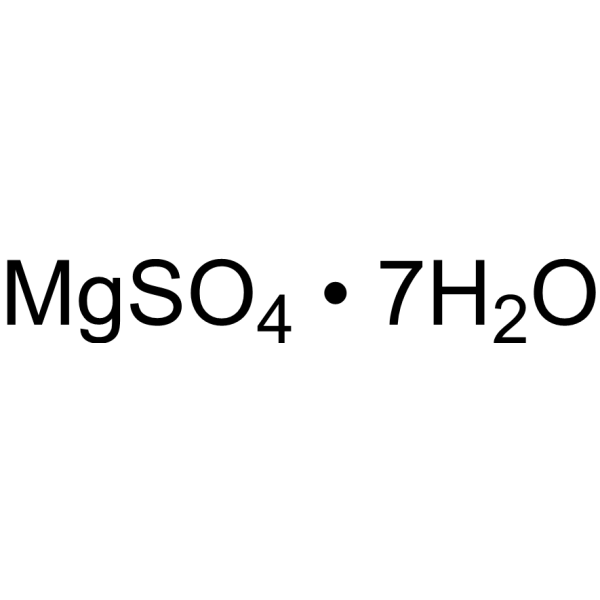
- Formula: MgSO4.7H2O
- Molecular Weight: 246.47
Magnesium sulfate heptahydrate, United States Pharmacopeia (USP) Reference Standard (Epsom salts (Pharmaceutical primary standard, USP)) is a reference standard for Magnesium sulfate (HY-Y1267). Magnesium sulfate is a calcium antagonist and a potent L-type calcium channel inhibitor, as well as a tocolytic. Magnesium sulfate has anti-inflammatory, anticonvulsant, vasodilatory, and neuroprotective effects. Magnesium sulfate can be used in the research of diseases such as preeclampsia/eclampsia.



