Search Result
Results for "
α-Syn Inhibitor
" in MedChemExpress (MCE) Product Catalog:
4
Isotope-Labeled Compounds
| Cat. No. |
Product Name |
Target |
Research Areas |
Chemical Structure |
-
- HY-17406
-
|
Ro 40-7592
|
COMT
Amyloid-β
Apoptosis
Reactive Oxygen Species (ROS)
|
Neurological Disease
Cancer
|
|
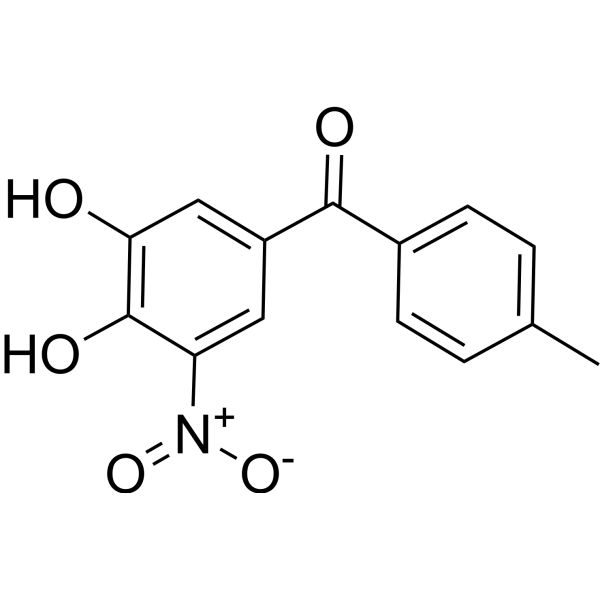
Tolcapone (Ro 40-7592) is a selective, potent and orally active COMT inhibitor with an IC50of 773 nM. Tolcapone can inhibits α-syn and Aβ42 oligomerization and fibrillogenesis. Tolcapone can cause oxidative stress and induce cancer cells apoptosis and ROS production. Tolcapone can be used for the researches of cancer and neurological disease, such as Parkinson disease and neuroblastoma .
|
-
-
- HY-101855
-
|
Anle138b
|
Amyloid-β
|
Neurological Disease
|
|
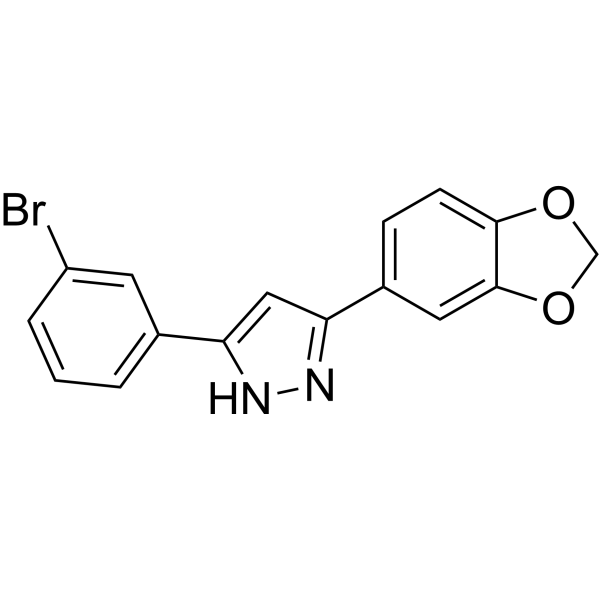
Emrusolmin (Anle138b), an oligomeric aggregation inhibitor, blocks the formation of pathological aggregates of prion protein (PrPSc) and of α-synuclein (α-syn). Emrusolmin strongly inhibits oligomer accumulation, neuronal degeneration, and disease progression in vivo. Emrusolmin has low toxicity and an excellent oral bioavailability and blood-brain-barrier penetration. Emrusolmin blocks Aβ channels and rescues disease phenotypes in a mouse model for amyloid pathology .
|
-
-
- HY-16009
-
|
(+)-Phenserine; ANVS401
|
α-synuclein
|
Neurological Disease
Inflammation/Immunology
|
|
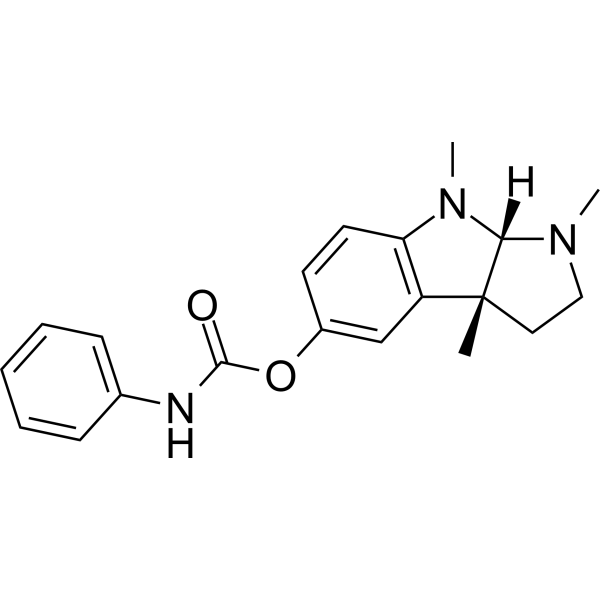
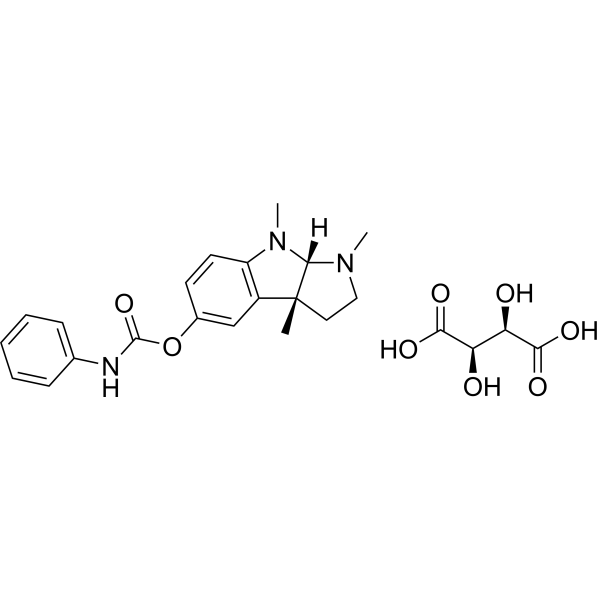
Buntanetap ((+)-Phenserine) is a selective acetylcholinesterase inhibitor. Buntanetap is a multiple neurotoxic protein translation inhibitor with oral activity, including amyloid precursor protein (APP), α-synuclein (αSYN) and huntingtin protein (HTT). Buntanetap reduces the production of β-amyloid precursor protein by blocking its mRNA translation. Buntanetap has anti-inflammatory effects and can be used in the study of Alzheimer's disease and Parkinson's disease .
|
-
-
- HY-145580
-
|
UCB0599; (R)-NPT200-11
|
α-synuclein
|
Neurological Disease
|
|
Minzasolmin (UCB0599; (R)-NPT200-11) is an orally active, blood-brain-permeable α-synuclein (α-Syn) inhibitor that selectively binds to α-Syn misfolded intermediates (such as oligomers) and inhibits aggregation and fibril formation by regulating their conformational stability. Minzasolmin can reduce the generation of pathological oligomers and block neurotoxic signaling, thereby reducing the abnormal accumulation of α-Syn in the brain. Minzasolmin significantly improved motor deficits, reduced neuroinflammatory markers, and α-Syn-related pathological deposition in transgenic mouse models .
|
-
-
- HY-139307
-
|
|
Tau Protein
|
Neurological Disease
|
|
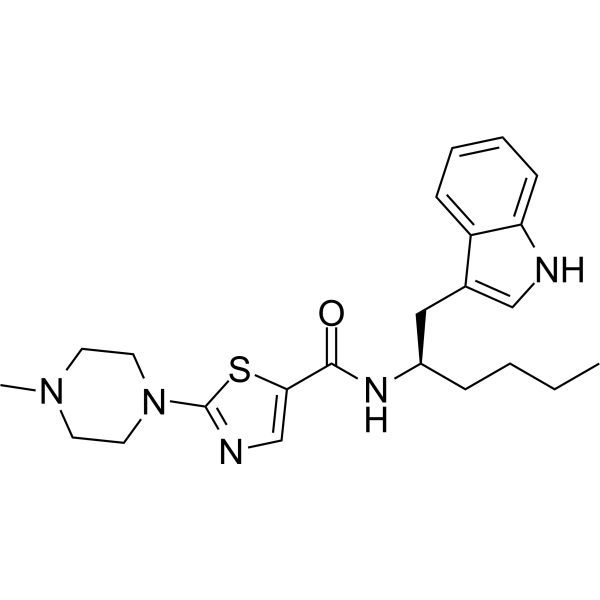
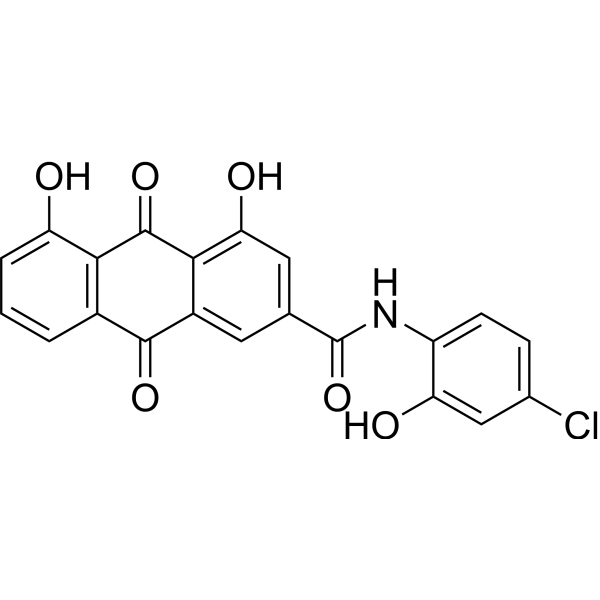
MG-2119 is a potent monomeric tau and α-syn aggregation inhibitor. MG-2119 is a potential agent for neurological disorders research .
|
-
-
- HY-N0901A
-
|
|
α-synuclein
|
Neurological Disease
Cancer
|
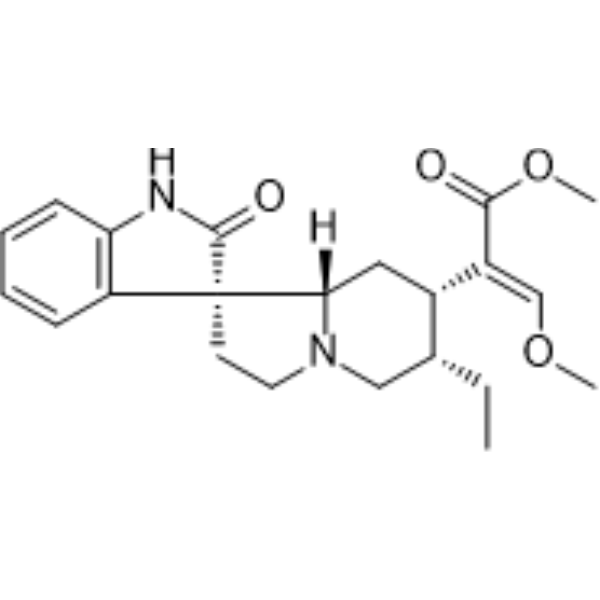
Corynoxine B is an alkaloid-based autophagy inducer and α-synuclein aggregation inhibitor that ameliorates Mn-induced dysregulation of autophagy and enhances α-synuclein (α-syn) clearance in Parkinson's disease mice .
|
-
-
- HY-163830
-
|
DAD9
|
Dopamine Receptor
|
Neurological Disease
|
|
Pegasus (DAD9) is a potent dopamine receptor agonist. Pegasus shows antioxidant and anti-inflammatory properties. Pegasus inhibits α-Syn amyloid aggregation. Pegasus has the potential for the research of Parkinson’s disease .
|
-
-
- HY-157308
-
|
|
α-synuclein
|
Neurological Disease
|
|
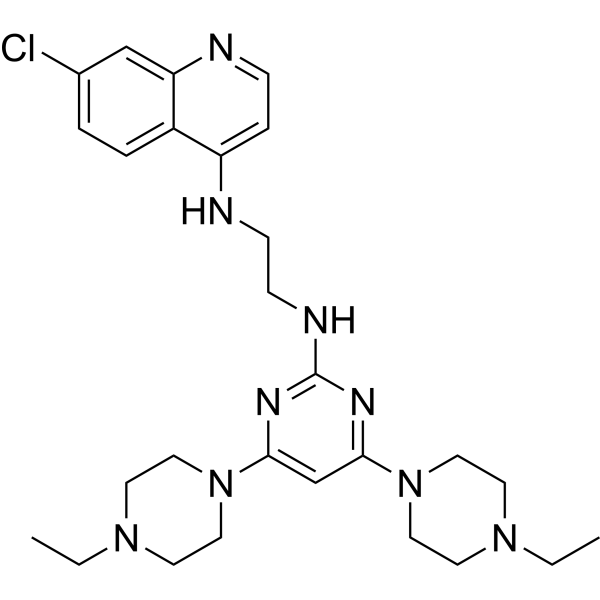
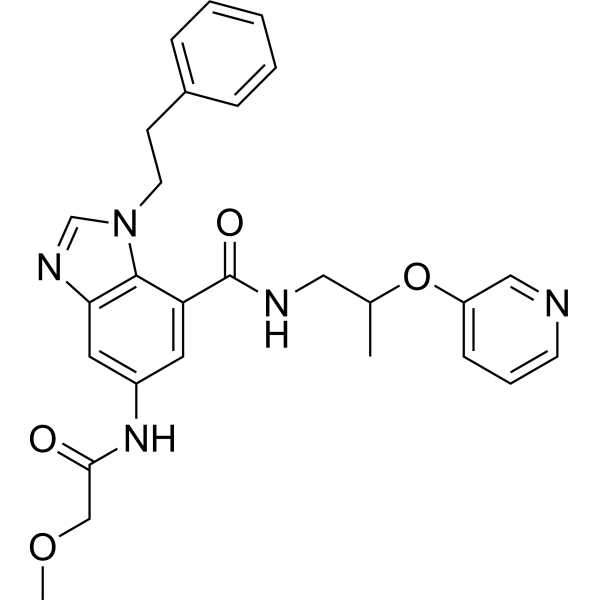
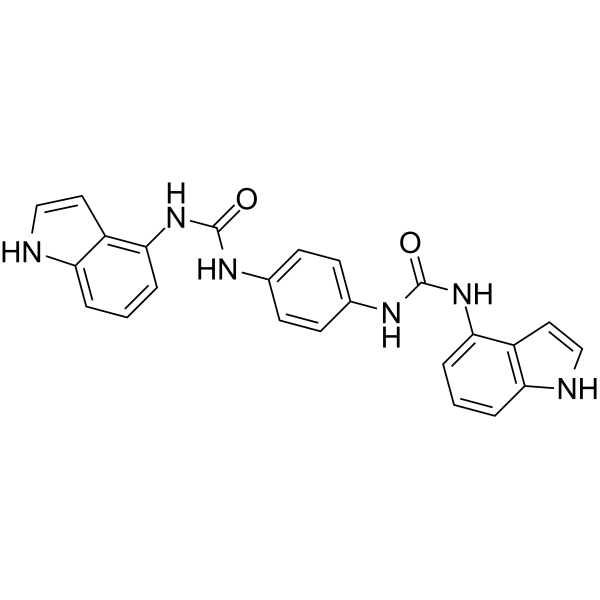
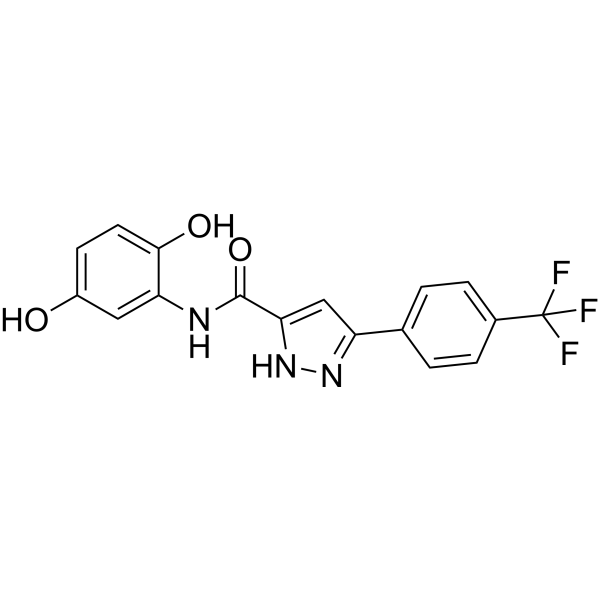
α-Synuclein inhibitor 10 (compound a8) inhibits the activity of α-Syn aggregation with low IC50 value (1.08 μM). α-Synuclein inhibitor 10 exhibits good binding affinity to α-Syn residues. α-Synuclein inhibitor 10 can be used in the research of Parkinson's disease (PD) .
|
-
-
- HY-170381
-
|
|
α-synuclein
|
Neurological Disease
|
|
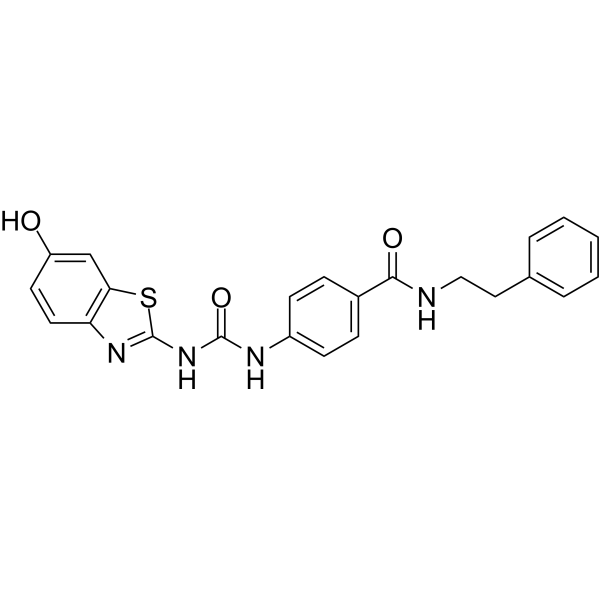
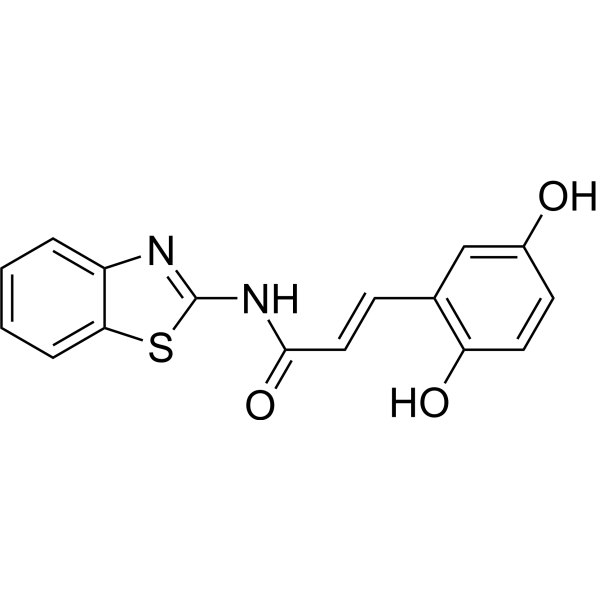
α-syn aggregation inhibitor-1 (Compound 2e) is an inhibitor for α-syn aggregation. α-syn aggregation inhibitor-1 inhibits the cell viability of SH-SY5Y .
|
-
-
- HY-17406S1
-
|
Ro 40-7592-d4
|
Isotope-Labeled Compounds
COMT
Amyloid-β
Apoptosis
Reactive Oxygen Species (ROS)
|
Neurological Disease
Cancer
|
|
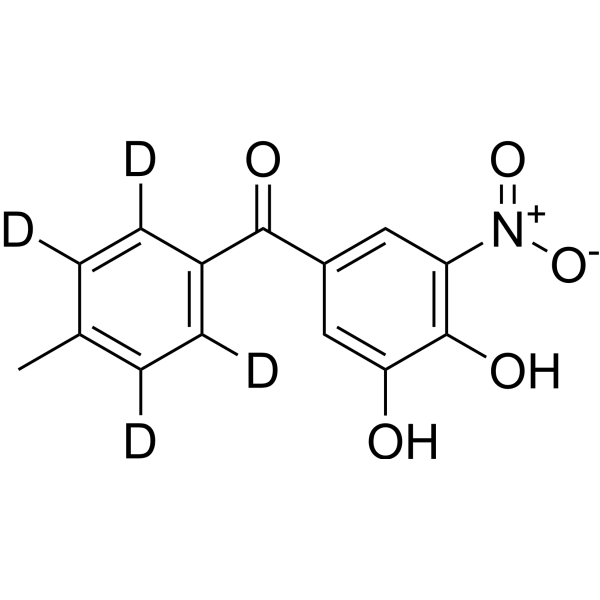
Tolcapone-d4 (Ro 40-7592-d4) is the deuterium labeled Tolcapone (HY-17406). Tolcapone (Ro 40-7592) is a selective, potent and orally active COMT inhibitor with an IC50of 773 nM. Tolcapone can inhibits α-syn and Aβ42 oligomerization and fibrillogenesis. Tolcapone can cause oxidative stress and induce cancer cells apoptosis and ROS production. Tolcapone can be used for the researches of cancer and neurological disease, such as Parkinson disease and neuroblastoma .
|
-
-
- HY-139830
-
|
|
DYRK
|
Neurological Disease
|
|
Dyrk1A-IN-1 is a triple inhibitor of Dyrk1A kinase activity (IC50 = 119 nM) and the aggregation of tau and α-syn oligomers.
|
-
-
- HY-163145
-
|
|
α-synuclein
|
Neurological Disease
|
|
α-Synuclein inhibitor 11 (compound 1) is a selective α-synuclein (α-syn) oligomer formation inhibitor. α-Synuclein inhibitor 11 does not inhibits tau 4R (isoforms 0N4R, 2N4R) or p-tau (isoform 1N4R). α-Synuclein inhibitor 11 can be used for Parkinson's disease (PD) research .
|
-
-
- HY-16009B
-
|
(+)-Phenserine L-Tartrate; ANVS401 L-Tartrate
|
Amyloid-β
|
Neurological Disease
|
|
Buntanetap L-Tartrate (Phenserine L-Tartrate) is a selective AChE inhibitor (IC50 = 22.2 nM). Buntanetap is a multiple neurotoxic protein translation inhibitor with oral activity, including amyloid precursor protein (APP), α-synuclein (αSYN) and huntingtin protein (HTT). Buntanetap reduces the production of β-amyloid precursor protein by blocking its mRNA translation. Buntanetap has anti-inflammatory effects and can be used in the study of Alzheimer's disease and Parkinson's disease .
|
-
-
- HY-N10306
-
|
|
α-synuclein
|
Neurological Disease
|
|
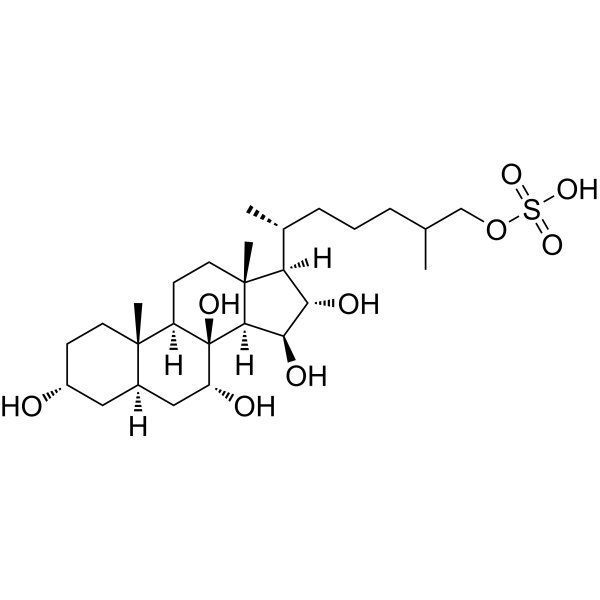
Sycosterol A is a sterol-based α-synuclein (α-syn) inhibitor that targets α-synuclein aggregates and inhibits α-synuclein aggregation. Sycosterol A can be used in the study of anti-neurodegenerative diseases .
|
-
-
- HY-170553
-
|
|
α-synuclein
|
Neurological Disease
|
|
ZPD-2 inhibits the aggregation of C-terminally truncated and full-length α-synuclein. ZPD-2 inhibits the formation and fibrillation of α-Syn, thereby preventing its propagation. ZPD-2 can be used in research of Parkinson's disease .
|
-
-
- HY-157225
-
|
|
α-synuclein
|
Metabolic Disease
|
|
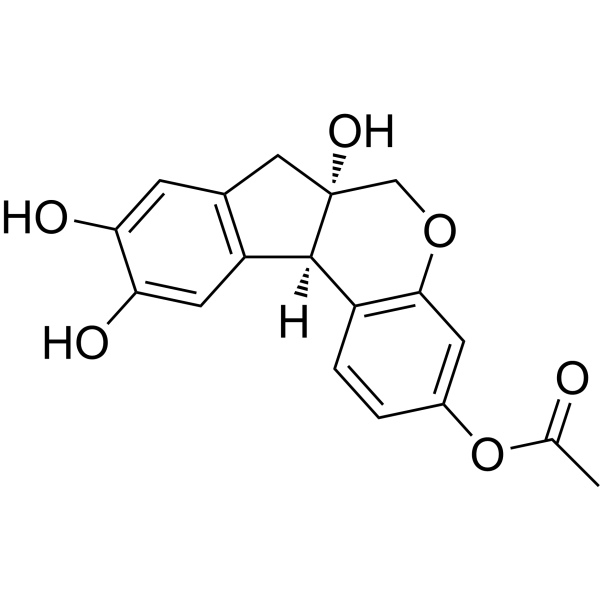
Brazilin-7-acetate (B-7-A) is an inhibitor of α-synuclein (α-Syn) aggregates. Brazilin-7-acetate inhibits the formation of α-synuclein fibril, mitigates cytotoxicity, and decreases oxidative stress. Brazilin-7-acetate can be used in the research of Parkinson's disease .
|
-
-
- HY-163739
-
|
|
α-synuclein
|
Neurological Disease
|
|
LETC is an orally active α-synuclein (α-Syn) aggregation inhibitor with an EC50 of 66 nM in transfected DH60.21 neuroblastoma cells. LETC can cross the blood-brain barrier. LETC can be used for the study of synucleinopathies .
|
-
-
- HY-163519
-
|
|
α-synuclein
|
Neurological Disease
|
|
α-Synuclein inhibitor 13 is an inhibitor of α-synuclein (α-Syn). α-Synuclein inhibitor 13 inhibits the aggregation of α-Syn proteins and is able to break down formed fibers. It is mainly used in Parkinson's disease research .
|
-
-
- HY-157806
-
|
|
α-synuclein
|
Neurological Disease
|
|
α-Synuclein inhibitor 12 (compound 4ce) is an inhibitor of α-Syn (α-synuclein) aggregation and can be used in the study of neurological diseases .
|
-
-
- HY-147668
-
|
|
α-synuclein
|
Neurological Disease
|
|
α-Synuclein inhibitor 6 (compound 3ge) is a potent and BBB-penetrated inhibitor of α-Synuclein (α-Syn) aggregation, with an IC50 of 1.70 μM and inhibition ratio at 30 μM of 94.4% .
|
-
-
- HY-147666
-
|
|
α-synuclein
|
Neurological Disease
|
|
α-Synuclein inhibitor 4 (compound 3gh) is a potent and BBB-penetrated inhibitor of α-Synuclein (α-Syn) aggregation, with an IC50 of 0.98 μM and inhibition ratio at 30 μM of 91.2% .
|
-
-
- HY-147669
-
|
|
α-synuclein
|
Neurological Disease
|
|
α-Synuclein inhibitor 7 (compound 3gf) is a potent and BBB-penetrated inhibitor of α-Synuclein (α-Syn) aggregation, with an IC50 of 1.95 μM and inhibition ratio at 30 μM of 85.8% .
|
-
-
- HY-147667
-
|
|
α-synuclein
|
Neurological Disease
|
|
α-Synuclein inhibitor 5 (compound 4aa) is a potent and BBB-penetrated inhibitor of α-Synuclein (α-Syn) aggregation, with an IC50 of 1.22 μM and inhibition ratio at 30 μM of 94.3% .
|
-
-
- HY-130398
-
|
|
α-synuclein
|
Neurological Disease
|
|
Aerophobin-2 is a bromine compound, which can be isolated from sponge Verongia aerophoba. Aerophobin-2 inhibits aggregation of α-synuclein (α-syn) and phosphorylated α-synuclein (pSyn), exhibits neuroprotective efficacy .
|
-
-
- HY-161328
-
|
|
α-synuclein
|
Neurological Disease
|
|
MAO-B-IN-31 (Compound 30) is an effective and selective inhibitor of monoamine oxidase B (monoamine oxidase B). The IC50 value is 41 nM. MAO-B-IN-31 also inhibits α-syn and tau aggregation. MAO-B-IN-31 has neuroprotective activity .
|
-
-
- HY-159945
-
|
|
α-synuclein
|
Neurological Disease
|
|
Tau Protein/α-synuclein-IN-2 (Compound 14T) is a blood-brain barrier penetrating tau and α-syn inhibitor. Through its thiourea linker structure, Tau Protein/α-synuclein-IN-2 dose-dependently reduces α-syn oligomerization. In biosensor cells, Tau Protein/α-synuclein-IN-2 prevents the seeding effect of tau aggregation. In the M17D neuroblastoma model, Tau Protein/α-synuclein-IN-2 exhibits anti-inclusion effects. Additionally, Tau Protein/α-synuclein-IN-2 reduces Aβ plaque formation. Tau Protein/α-synuclein-IN-2 holds promise for Alzheimer's disease and Parkinson's disease research.
|
-
-
- HY-N0901AR
-
|
|
α-synuclein
Reference Standards
|
Neurological Disease
Cancer
|
|
Corynoxine B Standard is an analytical standard for Corynoxine B. This product is intended for research and analytical applications. Corynoxine B is an alkaloid-type autophagy inducer and α-synuclein aggregation inhibitor that ameliorates Mn-induced dysregulation of autophagy and enhances the clearance of α-synuclein (α-syn) in Parkinson's disease mice .
|
-
-
- HY-156435
-
|
|
α-synuclein
|
Neurological Disease
|
|
tau protein/α-synuclein-IN-1 is a dual inhibitor of tau protein and α-synuclein. tau protein/α-synuclein-IN-1 reduces α-syn inclusions development in M17D neuroblastoma cells. tau protein/α-synuclein-IN-1 can be used in study Alzheimer’s disease .
|
-
-
- HY-159941
-
|
|
α-synuclein
|
Neurological Disease
|
|
tau-0N4R-IN-1 (Compound 6T) is an BBB-penetrable inhibitor of tau 0N4R oligomerization. tau-0N4R-IN-1 effectively inhibits the fibrosis of tau 0N4R, 2N3R, and 2N4R, exhibits an anti-seeding effect on tau in vitro, reduces the oligomerization of α-syn dose-dependently, and prevents formation of α-syn inclusions. tau-0N4R-IN-1 is stable in mouse microsomes and reduces Aβ plaques in brain tissues from AD patients. tau-0N4R-IN-1 has good pharmacokinetic properties in mice .
|
-
-
- HY-100642
-
|
Ro 40-7591
|
Drug Metabolite
COMT
Amyloid-β
Apoptosis
Reactive Oxygen Species (ROS)
|
Neurological Disease
Cancer
|
|
3-O-Methyltolcapone (Ro 40-7591) is a metabolite of Tolcapone (HY-17406). Tolcapone (Ro 40-7592) is a selective, potent and orally active COMT inhibitor with an IC50of 773 nM. Tolcapone can inhibits α-syn and Aβ42 oligomerization and fibrillogenesis. Tolcapone can cause oxidative stress and induce cancer cells apoptosis and ROS production. Tolcapone can be used for the researches of cancer and neurological disease, such as Parkinson disease and neuroblastoma .
|
-
-
- HY-17406R
-
|
Ro 40-7592 (Standard)
|
Reference Standards
COMT
Amyloid-β
Apoptosis
Reactive Oxygen Species (ROS)
|
Neurological Disease
Cancer
|
|
Tolcapone (Standard) (Ro 40-7592 (Standard)) is the analytical standard of Tolcapone (HY-17406). Tolcapone (Ro 40-7592) is a selective, potent and orally active COMT inhibitor with an IC50of 773 nM. Tolcapone can inhibits α-syn and Aβ42 oligomerization and fibrillogenesis. Tolcapone can cause oxidative stress and induce cancer cells apoptosis and ROS production. Tolcapone can be used for the researches of cancer and neurological disease, such as Parkinson disease and neuroblastoma .
|
-
-
- HY-149509
-
|
|
α-synuclein
|
Neurological Disease
|
|
α-Synuclein inhibitor 9 (Compound 20C) is an α-Synuclein inhibitor. α-Synuclein inhibitor 9 binds to cavities in mature α-synuclein fibrils and reduces the β-sheet structure. α-Synuclein inhibitor 9 inhibits A53T α-Syn aggregation. α-Synuclein inhibitor 9 has neuroprotective effect, improves brain functional connection and relieves motor dysfunction.α-Synuclein inhibitor 9 can be used for Parkinson’s disease (PD) research. .
|
-
-
- HY-17406S
-
|
Ro 40-7592-d7
|
Isotope-Labeled Compounds
COMT
Amyloid-β
Apoptosis
Reactive Oxygen Species (ROS)
|
Neurological Disease
Cancer
|
|
Tolcapone-d7 (Ro 40-7592-d7) is the deuterium labeled Tolcapone (HY-17406). Tolcapone (Ro 40-7592) is a selective, potent and orally active COMT inhibitor with an IC50of 773 nM. Tolcapone can inhibits α-syn and Aβ42 oligomerization and fibrillogenesis. Tolcapone can cause oxidative stress and induce cancer cells apoptosis and ROS production. Tolcapone can be used for the researches of cancer and neurological disease, such as Parkinson disease and neuroblastoma .
|
-
-
- HY-126194
-
|
Ro 61-1448
|
Drug Metabolite
COMT
Amyloid-β
Apoptosis
Reactive Oxygen Species (ROS)
|
Others
|
|
Tolcapone 3-β-D-glucuronide (Ro 61-1448) is an O-methyl metabolite of Tolcapone (HY-17406) and is pharmacologically inactive. Tolcapone (Ro 40-7592) is a selective, potent and orally active COMT inhibitor with an IC50of 773 nM. Tolcapone can inhibits α-syn and Aβ42 oligomerization and fibrillogenesis. Tolcapone can cause oxidative stress and induce cancer cells apoptosis and ROS production. Tolcapone can be used for the researches of cancer and neurological disease, such as Parkinson disease and neuroblastoma .
|
-
-
- HY-120156
-
|
|
Dopamine Receptor
α-synuclein
Amyloid-β
|
Neurological Disease
|
|
D-520 is a potent and brain-penetrant dopamine D2/D3 agonist (D2 EC50 = 4.73 nM, Ki = 41.8 nM; D3 EC50 = 2.18 nM, Ki = 0.35 nM). D-520 inhibits the formation of Aβ aggregates in vitro and promotes the disaggregation of both alpha-synuclein (α-syn) and Aβ aggregates. D-520 exhibits efficacious activity in animal models of Parkinson’s disease (PD). D-520 can be used for PD and PD with dementia (PDD) research [1][2].
|
-
-
- HY-100642R
-
|
Ro 40-7591 (Standard)
|
Reference Standards
Drug Metabolite
COMT
Amyloid-β
Apoptosis
Reactive Oxygen Species (ROS)
|
Neurological Disease
Cancer
|
|
3-O-Methyltolcapone (Standard) (Ro 40-7591 (Standard)) is the analytical standard of 3-O-Methyltolcapone (HY-174062). 3-O-Methyltolcapone (Ro 40-7591) is a metabolite of Tolcapone (HY-17406). Tolcapone (Ro 40-7592) is a selective, potent and orally active COMT inhibitor with an IC50of 773 nM. Tolcapone can inhibits α-syn and Aβ42 oligomerization and fibrillogenesis. Tolcapone can cause oxidative stress and induce cancer cells apoptosis and ROS production. Tolcapone can be used for the researches of cancer and neurological disease, such as Parkinson disease and neuroblastoma .
|
-
-
- HY-173049
-
|
|
α-synuclein
|
Neurological Disease
|
|
2N4R Tau/α-Syn against-1 (Compound 4d) targets α-synuclein and tau protein, inhibits the fibrillation and oligomer formation of α-synuclein and tau proteins, exhibits disaggregation activity on Aβ fibers. 2N4R Tau/α-Syn against-1 can be used in research of Parkinson's disease and Alzheimer's disease .
|
-
-
- HY-147644
-
|
|
α-synuclein
|
Neurological Disease
|
|
α-Synuclein inhibitor 3 (Compound 7g) is a α-synuclein (α -Syn) aggregation inhibitor. α-Synuclein inhibitor 3 can be used for Parkinson’s disease research .
|
-
-
- HY-100642S
-
|
Ro 40-7591 d7
|
Isotope-Labeled Compounds
Drug Metabolite
COMT
Amyloid-β
Apoptosis
Reactive Oxygen Species (ROS)
|
Neurological Disease
Cancer
|
|
3-O-Methyltolcapone-d7 (Ro 40-7591 d7) is a deuterium labeled 3-O-Methyltolcapone (HY-174062). 3-O-Methyltolcapone (Ro 40-7591) is a metabolite of Tolcapone (HY-17406). Tolcapone (Ro 40-7592) is a selective, potent and orally active COMT inhibitor with an IC50of 773 nM. Tolcapone can inhibits α-syn and Aβ42 oligomerization and fibrillogenesis. Tolcapone can cause oxidative stress and induce cancer cells apoptosis and ROS production. Tolcapone can be used for the researches of cancer and neurological disease, such as Parkinson disease and neuroblastoma .
|
-
-
- HY-100642S1
-
|
Ro 40-7591-d4
|
Isotope-Labeled Compounds
Drug Metabolite
COMT
Amyloid-β
Apoptosis
Reactive Oxygen Species (ROS)
|
Neurological Disease
Cancer
|
|
3-O-Methyltolcapone-d4 (Ro 40-7591 d4) is a deuterium labeled 3-O-Methyltolcapone (HY-174062). 3-O-Methyltolcapone (Ro 40-7591) is a metabolite of Tolcapone (HY-17406). Tolcapone (Ro 40-7592) is a selective, potent and orally active COMT inhibitor with an IC50of 773 nM. Tolcapone can inhibits α-syn and Aβ42 oligomerization and fibrillogenesis. Tolcapone can cause oxidative stress and induce cancer cells apoptosis and ROS production. Tolcapone can be used for the researches of cancer and neurological disease, such as Parkinson disease and neuroblastoma .
|
-
-
- HY-125984
-
|
|
α-synuclein
|
Neurological Disease
|
|
Syn-516 is an inhibitor of α-synuclein (α-Syn). Syn-516 targets the 5' untranslated region (5'UTR) of α-Syn mRNA, with an IC50 value of 1.8 μM, thereby inhibiting the translation process of α-Syn. Syn-516 improves motor dysfunction and colonic motility abnormalities associated with α-Syn overexpression in mouse models. α-Syn can be used to study diseases such as Parkinson's disease and Lewy body dementia .
|
-
-
- HY-101855R
-
|
Anle138b (Standard)
|
Reference Standards
Amyloid-β
|
Neurological Disease
|
|
Emrusolmin (Standard) (Anle138b (Standard)) is the analytical standard of Emrusolmin (HY-101855). This product is intended for research and analytical applications. Emrusolmin (Anle138b), an oligomeric aggregation inhibitor, blocks the formation of pathological aggregates of prion protein (PrPSc) and of α-synuclein (α-syn). Emrusolmin strongly inhibits oligomer accumulation, neuronal degeneration, and disease progression in vivo. Emrusolmin has low toxicity and an excellent oral bioavailability and blood-brain-barrier penetration. Emrusolmin blocks Aβ channels and rescues disease phenotypes in a mouse model for amyloid pathology .
|
-
-
- HY-156898
-
|
|
α-synuclein
Caspase
Reactive Oxygen Species (ROS)
|
Neurological Disease
|
|
NPT100-18A is an αSyn oligomerization inhibitor. NPT10018A rescues cleaved caspase-3 levels to control levels. NPT10018A attenuates mitochondrial oxidative stress probe levels in a compartment-specific manner and, at higher concentrations, increases ATP signals. NPT100-18A can be used for the study of Parkinson’s disease (PD) .
|
-
| Cat. No. |
Product Name |
Category |
Target |
Chemical Structure |
| Cat. No. |
Product Name |
Chemical Structure |
-
- HY-17406S1
-
|
|
|
Tolcapone-d4 (Ro 40-7592-d4) is the deuterium labeled Tolcapone (HY-17406). Tolcapone (Ro 40-7592) is a selective, potent and orally active COMT inhibitor with an IC50of 773 nM. Tolcapone can inhibits α-syn and Aβ42 oligomerization and fibrillogenesis. Tolcapone can cause oxidative stress and induce cancer cells apoptosis and ROS production. Tolcapone can be used for the researches of cancer and neurological disease, such as Parkinson disease and neuroblastoma .
|
-
-
- HY-17406S
-
|
|
|
Tolcapone-d7 (Ro 40-7592-d7) is the deuterium labeled Tolcapone (HY-17406). Tolcapone (Ro 40-7592) is a selective, potent and orally active COMT inhibitor with an IC50of 773 nM. Tolcapone can inhibits α-syn and Aβ42 oligomerization and fibrillogenesis. Tolcapone can cause oxidative stress and induce cancer cells apoptosis and ROS production. Tolcapone can be used for the researches of cancer and neurological disease, such as Parkinson disease and neuroblastoma .
|
-
-
- HY-100642S
-
|
|
|
3-O-Methyltolcapone-d7 (Ro 40-7591 d7) is a deuterium labeled 3-O-Methyltolcapone (HY-174062). 3-O-Methyltolcapone (Ro 40-7591) is a metabolite of Tolcapone (HY-17406). Tolcapone (Ro 40-7592) is a selective, potent and orally active COMT inhibitor with an IC50of 773 nM. Tolcapone can inhibits α-syn and Aβ42 oligomerization and fibrillogenesis. Tolcapone can cause oxidative stress and induce cancer cells apoptosis and ROS production. Tolcapone can be used for the researches of cancer and neurological disease, such as Parkinson disease and neuroblastoma .
|
-
-
- HY-100642S1
-
|
|
|
3-O-Methyltolcapone-d4 (Ro 40-7591 d4) is a deuterium labeled 3-O-Methyltolcapone (HY-174062). 3-O-Methyltolcapone (Ro 40-7591) is a metabolite of Tolcapone (HY-17406). Tolcapone (Ro 40-7592) is a selective, potent and orally active COMT inhibitor with an IC50of 773 nM. Tolcapone can inhibits α-syn and Aβ42 oligomerization and fibrillogenesis. Tolcapone can cause oxidative stress and induce cancer cells apoptosis and ROS production. Tolcapone can be used for the researches of cancer and neurological disease, such as Parkinson disease and neuroblastoma .
|
-
Your information is safe with us. * Required Fields.
Inquiry Information
- Product Name:
- Cat. No.:
- Quantity:
- MCE Japan Authorized Agent:

