
108 Results for "

B16F10 cell

" in MedChemExpress (MCE) Product Catalog:
Products (108)

108 Results for "B16F10 cell" in MCE Product Catalog:

58
58 Publications Verification
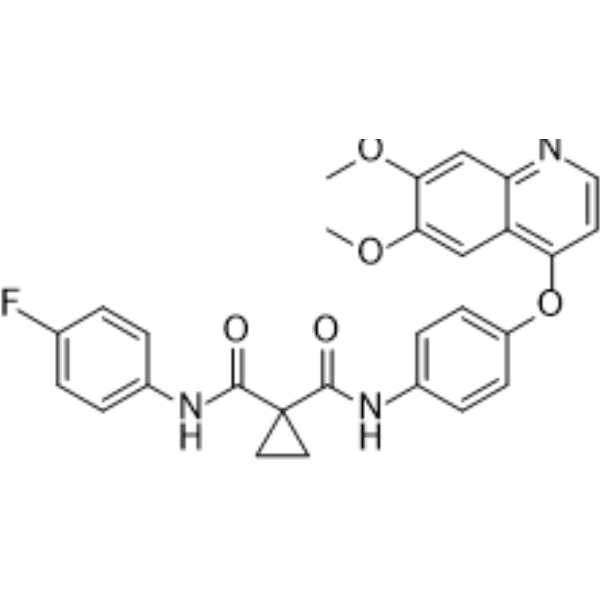
Cat. No.: HY-13016
CAS No.: 849217-68-1
Purity:  99.96%
Synonyms: XL184; BMS-907351
Research Areas:  

Cancer

Cabozantinib is a potent and orally active inhibitor of VEGFR2 and MET, with IC50 values of 0.035, and 1.3 nM, respectively. Cabozantinib displays strong inhibition of KIT, RET, AXL, TIE2, and FLT3 (IC50=4.6, 5.2, 7, 14.3, and 11.3 nM, respectively). Cabozantinib shows antiangiogenic activity. Cabozantinib disrupts tumor vasculature and promotes tumor and endothelial cell apoptosis .
loading...
    loading...
20
20 Cited Publications
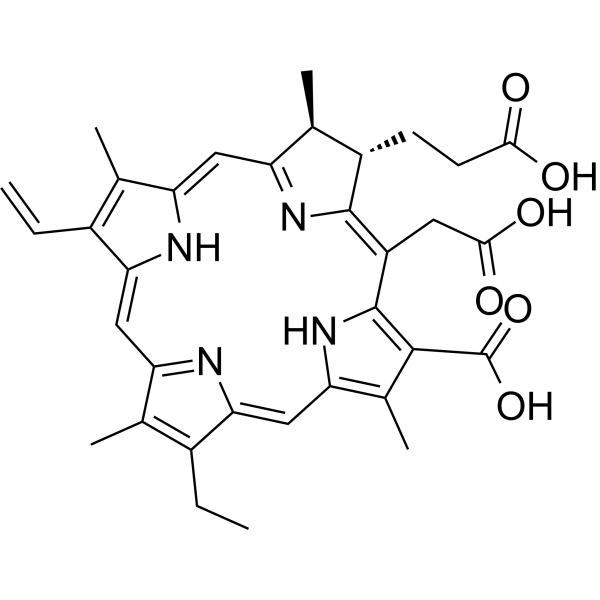
Cat. No.: HY-13594
CAS No.: 19660-77-6
Purity:  98.31%
Synonyms: Ce6
Chlorin e6 is a photosensitizer and has strong absorption peaks at wavelength of 402 and 662 nm, as well as exhibiting intense fluorescence at 668 nm. Chlorin e6 has antimicrobial efficacy and anticancer activity. Chlorin e6 induces cell apoptosis via caspase-3 activation and can be used for the research of cancer .
loading...
    loading...
4
4 Cited Publications
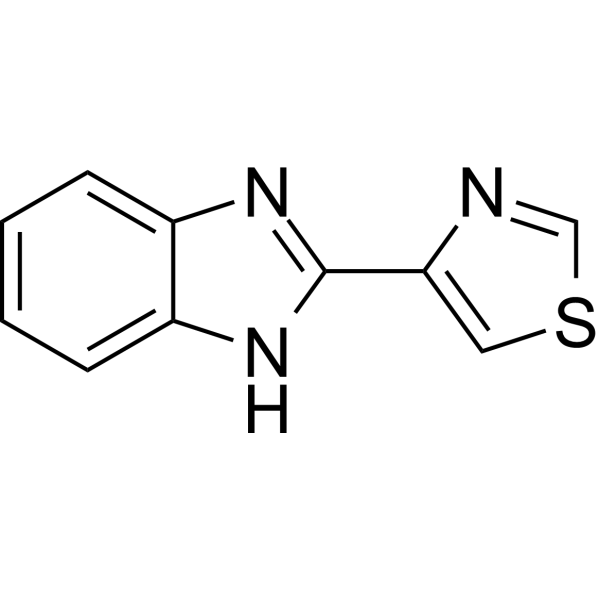
Cat. No.: HY-B0263
CAS No.: 148-79-8
Synonyms: Tiabendazole; 2-(4-Thiazolyl)benzimidazole
Thiabendazole is an orally available benzimidazole fungicide with repellent and anticancer activities. Thiabendazole can result in developmental malformations. Thiabendazole can be used for modeling .
loading...
    loading...
4
4 Cited Publications
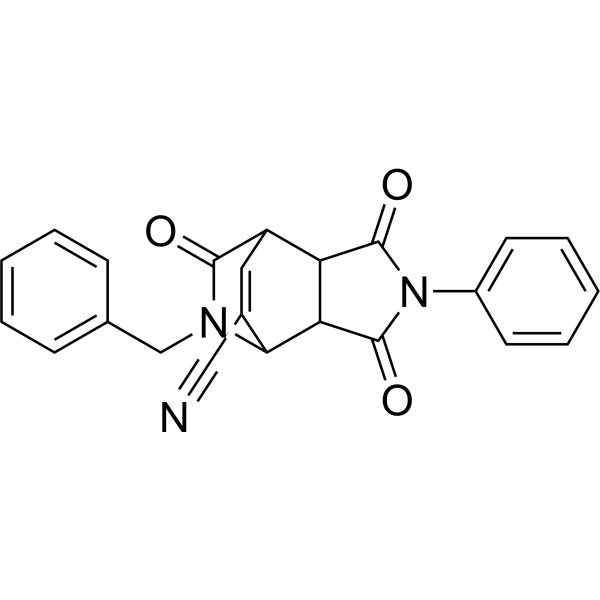
Cat. No.: HY-157122
CAS No.: 2765319-65-9
Purity:  99.68%
VJDT is a TREM1 inhibitor that can effectively block TREM1 signaling. VJDT inhibits tumor cell proliferation and migration and induces cell cycle arrest. VJDT has immunomodulatory and antitumor activities, and can be used for the research of tumors such as melanoma .
loading...
    loading...
4
4 Cited Publications
Cat. No.: HY-P2336A
Target:  

Melanocortin Receptor

Research Areas:  

Cancer

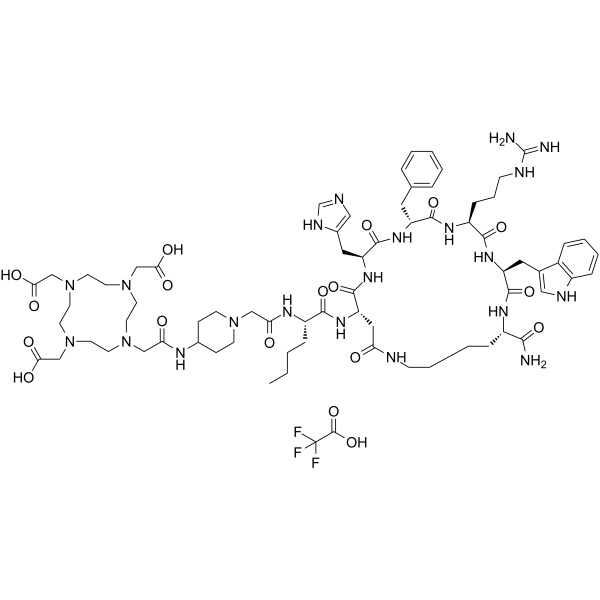
CCZ01048 TFA, a α-MSH analogue, exhibits high binding affinity to melanocortin 1 receptor (MC1R) with a Ki of 0.31 nM. CCZ01048 TFA shows rapid internalization into B16F10 melanoma cells and high in vivo stability. CCZ01048 TFA is a promising candidate for PET imaging of malignant melanoma .
loading...
    loading...
3
3 Cited Publications
Cat. No.: HY-B0984
CAS No.: 13636-18-5
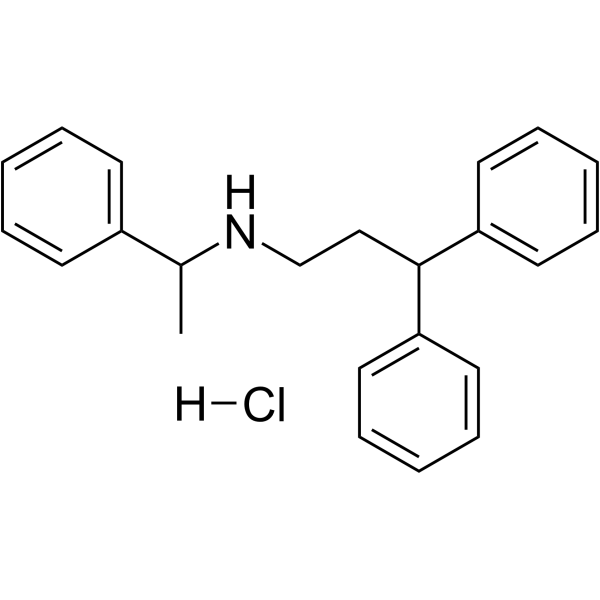
Fendiline hydrochloride, a diphenylalkylamine type of antianginal agent, is an L-type calcium channel blocker (IC50 of 17 µM). Fendiline hydrochloride is also a selective K-Ras inhibitor, and has no effect on H-Ras and N-Ras. Fendiline hydrochloride inhibits K-Ras plasma membrane localization (IC50 of 9.64 μM), inhibits K-Ras signal output and blocks the proliferation of pancreatic, colon, lung, and endometrial cancer cell lines expressing oncogenic mutant K-Ras. Fendiline hydrochloride is a STING agonist and is able to inhibit the growth of multiple refractory cold tumors (MC38, CT26 and B16F10) .
loading...
    loading...
3
3 Cited Publications
Cat. No.: HY-B0984A
CAS No.: 13042-18-7
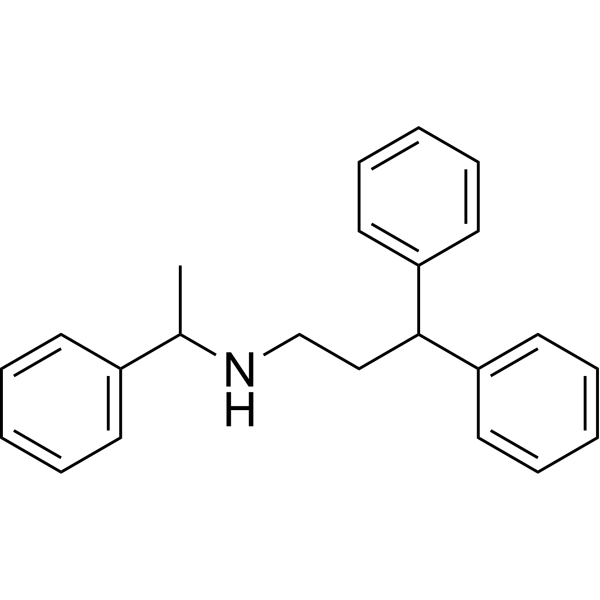
Fendiline, a diphenylalkylamine type of antianginal agent, is an L-type calcium channel blocker (IC50 of 17 µM). Fendiline is also a selective K-Ras inhibitor, and has no effect on H-Ras and N-Ras. Fendiline inhibits K-Ras plasma membrane localization (IC50 of 9.64 μM), inhibits K-Ras signal output and blocks the proliferation of pancreatic, colon, lung, and endometrial cancer cell lines expressing oncogenic mutant K-Ras. Fendiline is a STING agonist and is able to inhibit the growth of multiple refractory cold tumors (MC38, CT26 and B16F10) .
loading...
    loading...
2
2 Cited Publications
Cat. No.: HY-N9481
CAS No.: 56411-57-5
Lipoteichoic acid is an orally effect anti-inflammatory and antitumor agent. Lipoteichoic acid is a crucial immune molecule in Gram-positive bacteria that activates the complement system by inducing C3 and inhibiting CD55. Lipoteichoic acid regulates macrophage autophagy through the PI3K/Akt/mTOR pathway. Lipoteichoic acid induces lung damage in mice. Lipoteichoic acid inhibits the production of melanin .
loading...
    loading...
2
2 Cited Publications
Cat. No.: HY-18976
CAS No.: 537672-41-6
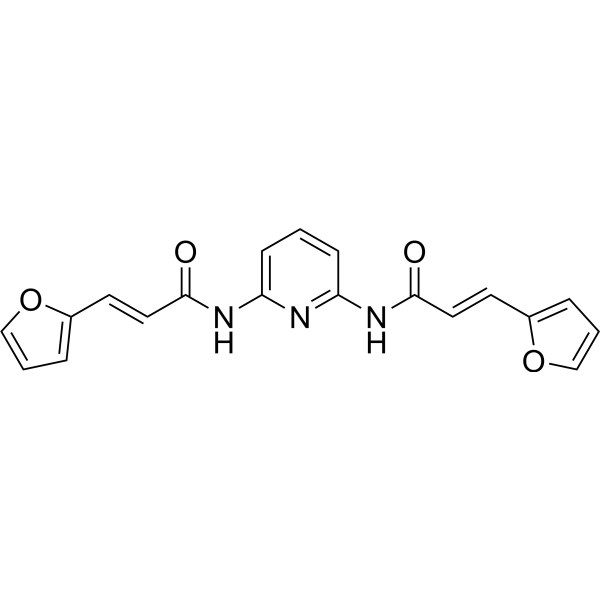
UF010 is a selective inhibitor of class I HDAC. UF010 has cytotoxicity to cancer cells and reduces neuroinflammation in the hippocampus. UF010 can be used for the research of neurological diseases .
loading...
    loading...
2
2 Cited Publications
Cat. No.: HY-N6843
CAS No.: 34532-68-8
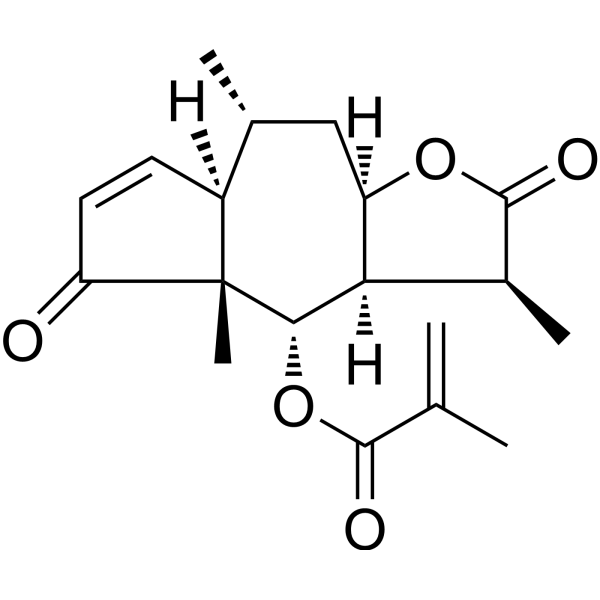
Arnicolide D is a sesquiterpene lactone that can be isolated from Centipeda minima. Arnicolide D is cytotoxic to tumor cells and can induce cell cycle arrest, apoptosis, and oncosis in tumor cells. Arnicolide D has anti-tumor activity .
loading...
    loading...
2
2 Cited Publications
Cat. No.: HY-P990131

Target:  

CD47

Anti-Mouse CD47/IAP Antibody (MIAP301) is an anti-mouse CD47/IAP IgG2a monoclonal antibody. Anti-Mouse CD47/IAP Antibody (MIAP301) can effectively block CD47 signaling and enhance macrophage phagocytic function. Anti-Mouse CD47/IAP Antibody (MIAP301) can increase the infiltration of immune cells. Anti-Mouse CD47/IAP Antibody (MIAP301) restores the phagocytic function of myeloid cells and alleviate B cell inhibition. Anti-Mouse CD47/IAP Antibody (MIAP301) may interfere with wound healing. Anti-Mouse CD47/IAP Antibody (MIAP301) can be used for researches on cancer, inflammation and infection conditions such as melanoma, intestinal mucosal repair and sepsis .
loading...
    loading...
2
2 Cited Publications
Cat. No.: HY-156483
CAS No.: 1164471-33-3
Purity:  99.76%
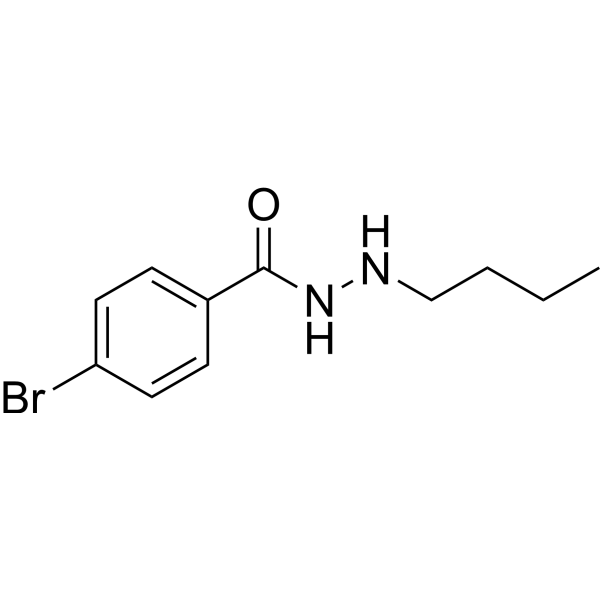
TT-012 is a MITF inhibitor with a human MITF IC50 of 13.1 nM and a human MITF Kd value of 15.5 nM. TT-012 reduces mRNA levels of MITF downstream genes linked to melanosome biogenesis, cell survival, and proliferation, and upregulates cell cycle-inhibiting genes. TT-012 can be used for the research of melanoma[1][2][3].
loading...
    loading...
1
1 Cited Publications
Cat. No.: HY-126437
CAS No.: 25988-63-0
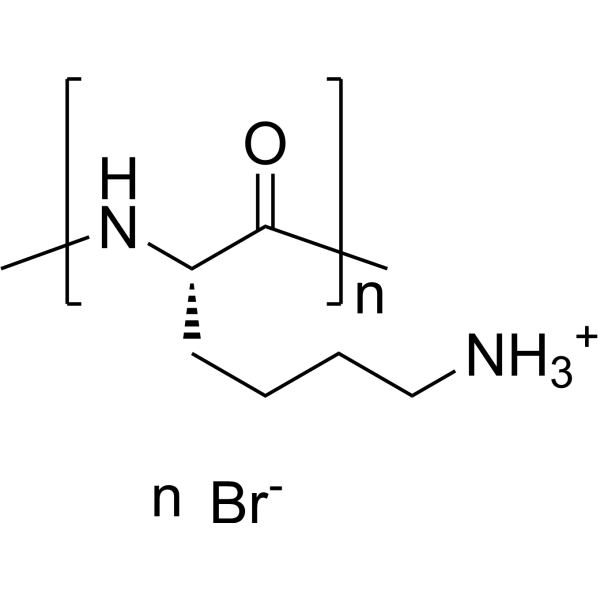
Poly-L-lysine hydrobromide (MW 30000-70000) is a water-soluble synthetic polypeptide. Poly-L-lysine hydrobromide (MW 30000-70000) downregulates Bcl-2 and upregulates Bax and p53 proteins. Poly-L-lysine hydrobromide (MW 30000-70000) promotes Apoptosis and reduces VEGF expression. Poly-L-lysine hydrobromide (MW 30000-70000) shows anticancer activity against a variety of tumors. Poly-L-lysine hydrobromide (MW 30000-70000) can also be used as a coating material .
loading...
    loading...
1
1 Cited Publications
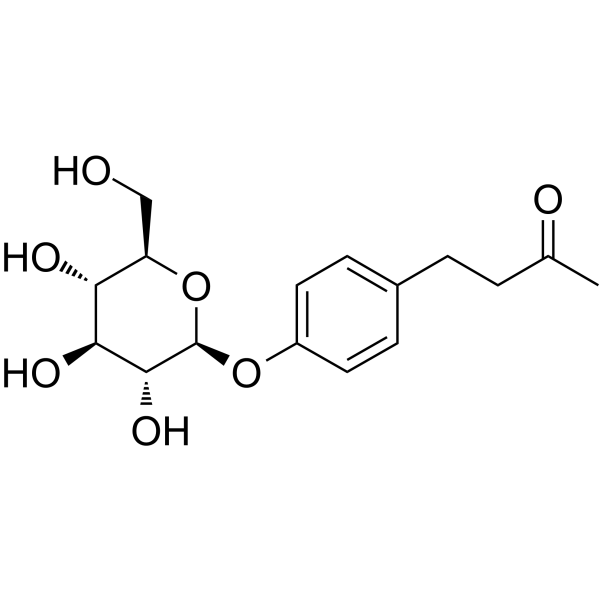
Cat. No.: HY-N6069
CAS No.: 38963-94-9
Raspberry ketone glucoside is a melanogenesis inhibitor. Raspberry ketone glucoside inhibits melanogenesis by activating the IL6/JAK1/STAT3 pathway, inhibiting the transcriptional activity of MITFa, and its downstream expression levels of the TYR and TYRP1a genes. Raspberry ketone glucoside shows remarkable whitening activity on both B16F10 cells in vitro and zebrafish model in vivo .
loading...
    loading...
1
1 Cited Publications
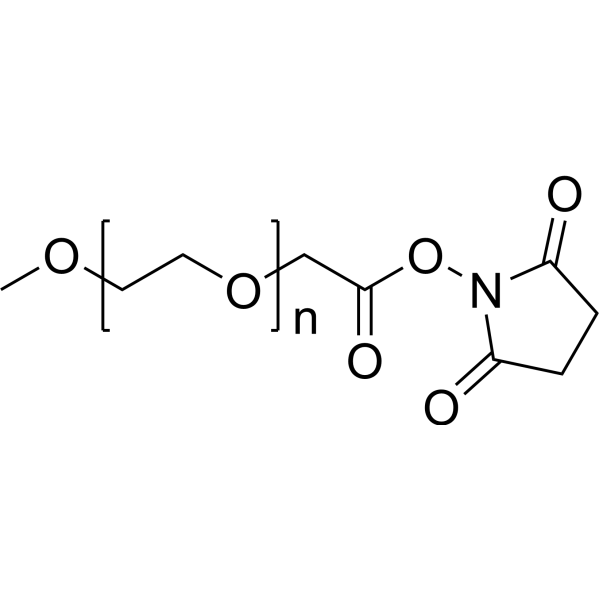
Cat. No.: HY-W591424
CAS No.: 92451-01-9
Synonyms: mPEG2000-SC; mPEG2000-Succinimidyl ester
m-PEG2000-NHS ester (mPEG2000-SC) is a reagent with both cell adhesion inhibition and peptide conjugation functions. The NHS ester group of m-PEG2000-NHS ester forms stable amide bonds with primary amine-containing molecules (e.g., the N-terminus of MMP-2-cleavable octapeptide) to generate mPEG-peptide intermediates for liposome surface modification. When m-PEG2000-NHS ester is immobilized on a cystamine-modified gold surface, it can construct an in vitro model for cell adhesion kinetic studies, and higher PEG density and thicker layers correlate with lower cell adhesion rates. m-PEG2000-NHS ester can synthesize MMP-2-responsive PEGylated lipid conjugates to achieve MMP-triggered dePEGylation in the tumor microenvironment. m-PEG2000-NHS ester can be used in studies related to colon cancer and other conditions .
loading...
    loading...
1
1 Cited Publications
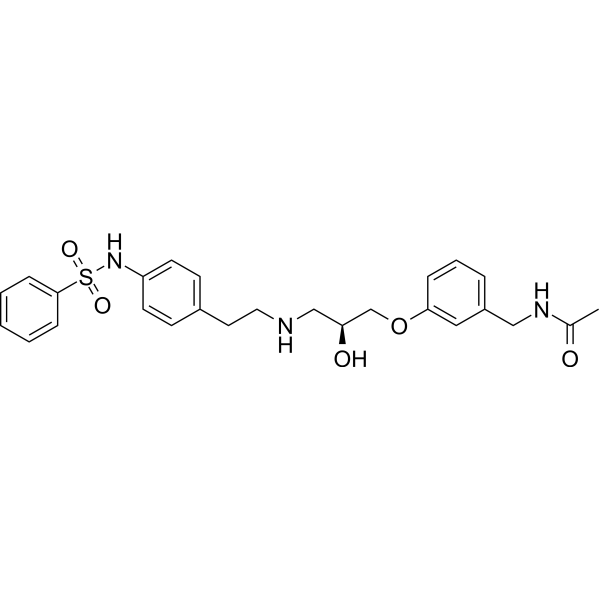
Cat. No.: HY-103211
CAS No.: 244192-94-7
Purity:  ≥99.0%
L748337 is a potent β3-adrenergic receptor antagonist and displays selectivity over β1 and β2 receptors. The Ki values of L748337 for β3-, β2- and β1-adrenoceptors are 4.0 nM, 204 nM and 390 nM, respectively . L748337 couples predominantly to Gi to activate MAPK signaling and increases phosphorylation of Erk1/2 with pEC50 value of 11.6 . L748337 can be used for the research of cancer, nonalcoholic fatty liver disease (NAFLD), and cardiovascular related diseases .
loading...
    loading...
1
1 Cited Publications
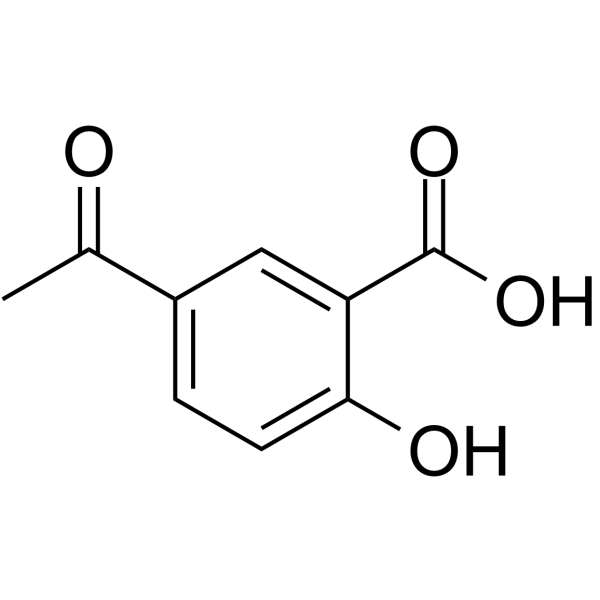
Cat. No.: HY-107831
CAS No.: 13110-96-8
Purity:  99.84%
Target:  

Drug Derivative

Research Areas:  

Inflammation/Immunology Cancer

5-Acetylsalicylic acid is the derivate of Aspirin (HY-14654), with anti-inflammatory property. 5-Acetylsalicylic acid is the active metabolite of Sulfasalazine (HY-14655) and its production is regulated by beneficial bacteria in the gut but is confined to the intestinal tract. 5-Acetylsalicylic acid exhibits a mild cytotoxicity effect on B16F10 cells. 5-Acetylsalicylic acid can be used for the study of inflammatory bowel disease (IBD) such as ulcerative colitis (UC) .
loading...
    loading...
1
1 Cited Publications
Cat. No.: HY-112476
CAS No.: 893449-38-2
Purity:  99.10%
Target:  

Phosphatase

Research Areas:  

Cancer

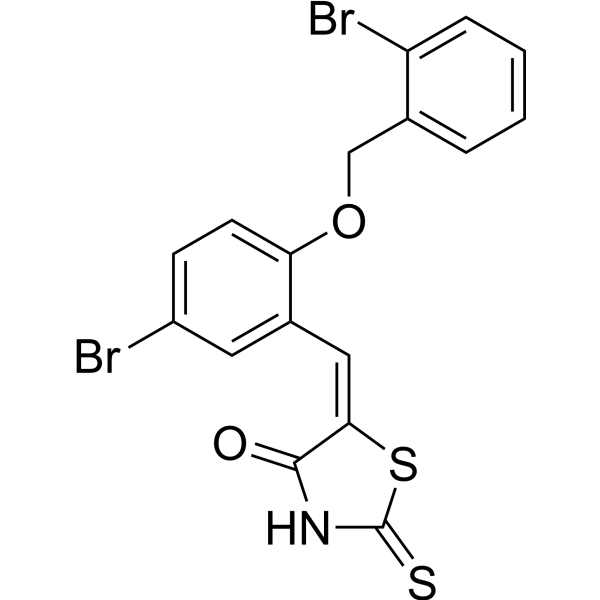
PRL-3 Inhibitor I is a potent PRL-3 inhibitor with an IC50 of 0.9 μM. PRL-3 Inhibitor I shows a reduced invasion in cell-based assay .
loading...
    loading...
1
1 Cited Publications
Cat. No.: HY-N6829
CAS No.: 1245-15-4
Synonyms: Quercetin-​3,​3',​4',​7-​tetramethylether
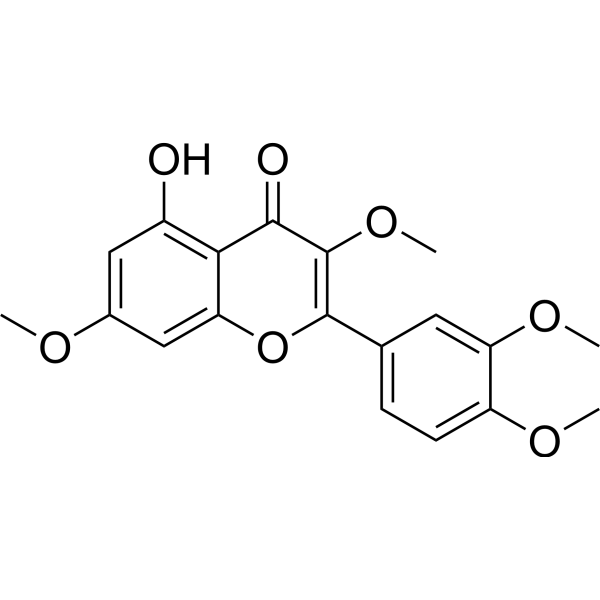
Retusin (Quercetin-3,3',4',7-tetramethylether) is a tyrosinase inhibitor, with IC50 values of 50.9 μM and 51.8 μM against mushroom and intracellular tyrosinase, respectively. Retusin also acts as a free radical scavenger, melanogenesis inhibitor, anti-apoptosis agent, neuroprotective agent, antiemetic, antifungal agent, and antiviral agent. Retusin scavenges ABTS• + and DPPH• free radicals. Retusin can be used in studies related to hyperpigmentation, vomiting, Aspergillus niger infection, and COVID-19 infection .
loading...
    loading...
1
1 Cited Publications
Cat. No.: HY-10615
CAS No.: 272769-49-0
Target:  

PARP

Research Areas:  

Cancer

A-620223 is a PARP-1 inhibitor with a Ki of 8 nM against PARP-1 and EC50 of 3 nM in a whole cell assay. A-620223 demonstrates good in vivo efficacy in a B16F10 subcutaneous murine melanoma model in combination with Temozolomide (TMZ) (HY-17364) and in an MX-1 breast xenograph model in combination with Cisplatin (HY-17394). A-620223 can be used for the studies of melanoma and breast cancer .
loading...
    loading...

