



Poly-L-lysine hydrobromide (MW 30000-70000)
Based on 1 publication(s) in Google Scholar
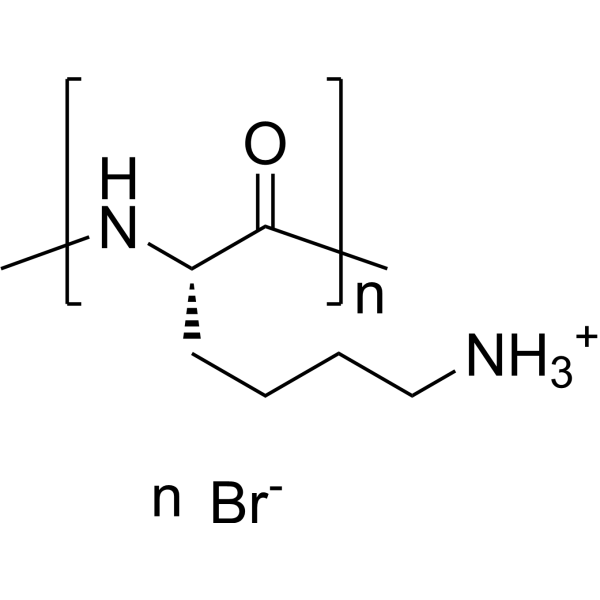
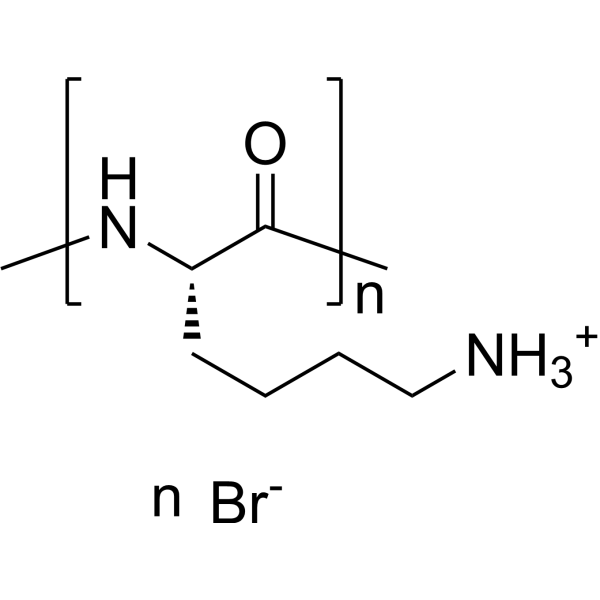
Poly-L-lysine hydrobromide (MW 30000-70000) is a water-soluble synthetic polypeptide. Poly-L-lysine hydrobromide (MW 30000-70000) downregulates Bcl-2 and upregulates Bax and p53 proteins. Poly-L-lysine hydrobromide (MW 30000-70000) promotes Apoptosis and reduces VEGF expression. Poly-L-lysine hydrobromide (MW 30000-70000) shows anticancer activity against a variety of tumors. Poly-L-lysine hydrobromide (MW 30000-70000) can also be used as a coating material.
연구목적의 판매만을 진행합니다. 환자를 대상으로 한 판매는 하지 않습니다.
- CAS No.: 25988-63-0
- 화학식: C8H19BrN2O
- 분자량:30000-70000
-
보관:
-20°C, protect from light, stored under nitrogen
* In solvent : -80°C, 6 months; -20°C, 1 month (protect from light, stored under nitrogen)

To place orders, for customer services and technical support, please contact: MedChemExpress USA
Tel: 609-228-6898 E-mail: [email protected] [email protected]


-
 Biological Activity
-
Chemical Information
-
용액&용해도
- Protocol
- 순도&문서
- References
-
 Help & FAQs


-

HY-126437E
Poly-L-lysine hydrobromide (MW 15000-30000)Cell Culture Additive -

HY-126437H
Poly-L-lysine hydrobromide (MW 4000-15000)Cell Culture Additive -
HY-126437B
Poly-L-lysine hydrobromide (MW 70000-150000)Cell Attachment Factor -

HY-126437I
Poly-L-lysine hydrobromide (MW 1000-5000)Gene Delivery Vector -
HY-139201
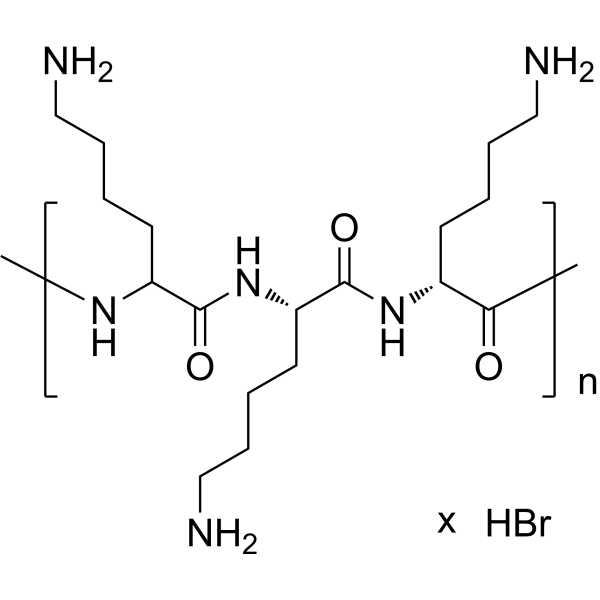
Poly-D-lysine hydrobromide (MW 30000-70000)CaSR Agonist -
HY-17394
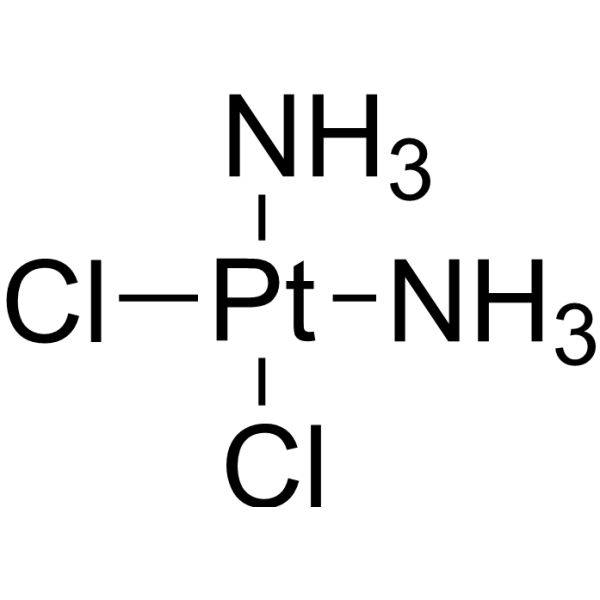
CisplatinDNA Alkylator -

HY-126437J
Poly-L-lysine solution (0.01%, sterile-filtered, MW 150000-300000)Biochemical Reagent -

HY-126437K
Poly-L-lysine solution (0.01%, sterile-filtered, MW 70000-150000)Biochemical Reagent -
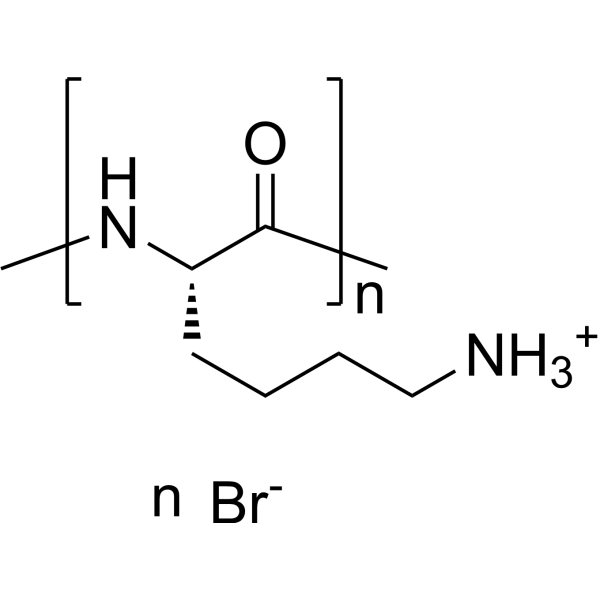
HY-126437C
Poly-L-lysine hydrobromide (MW 150000-300000)Lysine Polymer -

HY-159181
p-NCS-Bz-DOTA-GAChelating Agent -
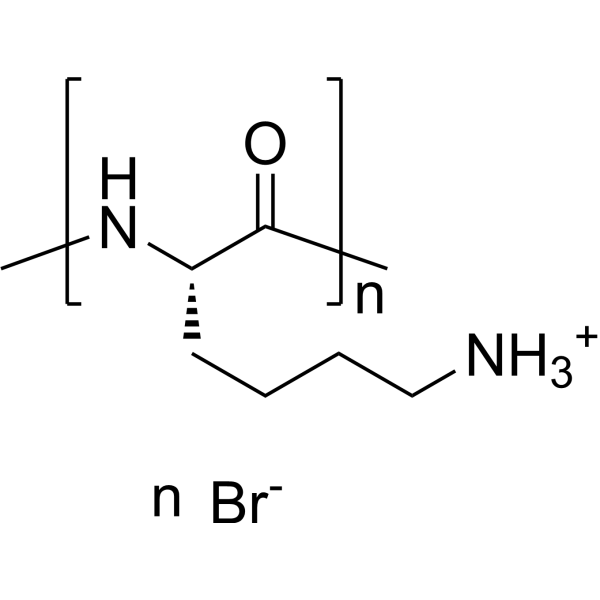
HY-126437D
Poly-L-lysine hydrobromide (MW >300000)Cell Attachment Factor -
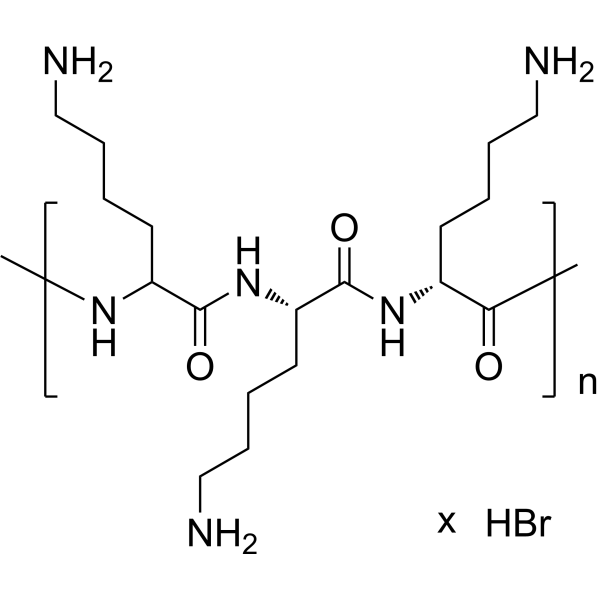
HY-139201A
Poly-D-lysine hydrobromide (MW 70000-150000)CaSR Agonist
Publications Citing Use of MedChemExpress (MCE) Poly-L-lysine hydrobromide (MW 30000-70000)
MoreAll VEGFR Isoforms
More

Biological Activity
제품 설명
|
Bax |
Bcl-2 |
In Vitro
Poly-L-lysine hydrobromide (MW 30000-70000) ( 0.1-25 µg/mL, 24 h) shows anti-proliferative activities against human cancer cells, with IC50 values of 3.36 µM, 8.23 µM, 3.53 µM and 6.04 µM for K562, A549, U937, and B16F10 cells respectively[2].
Poly-L-lysine hydrobromide (MW 30000-70000) (0.5-40 µg/mL, 48 h) shows antiproliferative activity in MCF-7 cells (an IC50 value of 4.22 µg/mL)[3].
Poly-L-lysine hydrobromide (MW 30000-70000) (0.5-30.0 μg/mL, 24-72 h) decreases cell proliferation in in-vitro HUVECs and DAL cells, with alteration in cellular morphology in DAL cells[4].
Poly-L-lysine hydrobromide (MW 30000-70000) (0-200 μg/mL) stimulates arachidonic acid release in cultures of 3T3 Swiss mouse fibroblasts biosynthetically labeled with [3H]arachidonic acid[5].
Poly-L-lysine hydrobromide (MW 30000-70000) (at the working pH, isoelectric point ∼10.5)/heparin multilayer coatings prevent blood protein adsorption[6].
Poly-L-lysine hydrobromide (MW 30000-70000) (1.0-40.0 μg/mL, 48 h) inhibits the proliferation of MDA-MB-231 and B16F10 cancer cells[7].
Poly-L-lysine hydrobromide (MW 30000-70000) (10-120 μg/mL, 2-4 h) dose-dependently decreases viability of HeLa cells[8].
MedChemExpress (MCE) has not independently confirmed the accuracy of these methods. They are for reference only. Further protocols information, click here.
-
Cell Line:K562, A549, U937, and B16F10 cells
-
Concentration:0.1, 0.5,1, 5, 10, 20, 25 µg/mL
-
Incubation Time:24 h
-
Result:Showed anti-proliferative activities in cancers cells (K562, A549, U937, and B16F10).
Was the most potent in K562 cells.
In Vivo
Poly-L-lysine hydrobromide (MW 30000-70000) (20-40mg/kg, i.p., 21 days) inhibits sarcoma-180 solid tumor in Swiss female albino mice[2].
Poly-L-lysine hydrobromide (MW 30000-70000) (20-40mg/kg, i.p., starts 10 days after tumor inoculations and was continued for 21 days) inhibits DAL solid tumor growth in mice[4].
Poly-L-lysine hydrobromide (MW 30000-70000) (20-40mg/kg, i.p., starts 10 days after tumor inoculations and was continued for 21 days) induces apoptosis in 2D and 3D tumor microenvironment of both MDA-MB-231 and B16F10 induced mice model[7].
MedChemExpress (MCE) has not independently confirmed the accuracy of these methods. They are for reference only.
-
Animal Model:EAC tumor bearing mouse (inoculated with 0.1 ml of tumor cell suspension, prepared in phosphate buffer solution containing 2×10⁶ cells/mL)[2]
-
Dosage:20, 40 mg/kg
-
Administration:Intraperitoneal injection (i.p.), 14 days
-
Result:Reduced the ascite fluid volume, packed cell volume and viable tumor cell count, whereas, increased non-viable tumor cell count in a dose dependent manner.
Increased the hemoglobin counts towards the normal levels.
Showed chromatin condensation, blebbing of plasma membrane, irregularity in cell morphology (EAC).
Inhibited peritoneal angiogenesis.
Showed apoptosis of EAC cells.
-
Animal Model:Sarcoma-180 solid tumor model (given subcutaneous inoculation (s.c.) of 0.1 ml sarcoma-180 cell suspension containing 2×10⁶ cells/mL)[2]
-
Dosage:20, 40 mg/kg
-
Administration:Intraperitoneal injection (i.p.), 21 days
-
Result:Inhibited tumor growth.
Could bring down the WBC level compare to Sarcoma-180 control group.
Enhanced the survival of sarcoma-180 bearing mice.
Showed less proliferation and muscle invasion in extents areas of coagulative necrosis.
Induced cell apoptosis by triggering the expression of p53 and Bcl-2.


Chemical Information
-
CAS No. 25988-63-0
-
Appearance Solid
-
분자량 30000-70000
-
화학식 C8H19BrN2O
-
Color White to off-white
-
SMILES
CN[C@@H](CCCC[NH3+])C(C)=O.[n].[Br-].[n]
-
선적
Room temperature in continental US; may vary elsewhere.
-
보관
-20°C, protect from light, stored under nitrogen
* In solvent : -80°C, 6 months; -20°C, 1 month (protect from light, stored under nitrogen)


Publications (1)
-
Journal Impact Factor
-
Most Recent
-
Sci Adv
Surficial nano-deposition locoregionally yielding bactericidal super CAR-macrophages expedites periprosthetic osseointegration. [Abstract]2023 Jun 2;9(22):eadg3365. PMID: 37256944


용액&용해도
In Vitro:
H2O : 100 mg/mL (Need ultrasonic)

Protocol
-
RNA extraction experimental
By lysing cells, releasing RNA, and removing impurities such as proteins and DNA, high-purity RNA products are finally obtained. The commonly used traditional method is the guanidine isothiocyanate/phenol/chloroform method (Trizol), which is suitable for a variety of animal materials including animal tissues, microorganisms, cultured cells, etc., and most plant materials.
-
Apoptosis
Apoptosis, also called programmed cell death, is generally characterized by distinct morphological characteristics.
-
TUNEL staining for apoptotic DNA fragmentation
TUNEL staining detects DNA strand breaks by using terminal deoxynucleotidyl transferase to add labeled nucleotides to exposed 3′-OH DNA termini, generating either microscopic staining in fixed cells or tissue sections, or fluorescence/cytometric signal in cell suspensions. TUNEL positivity reflects DNA fragmentation but should not be interpreted alone as definitive apoptosis, because TUNEL can also label necrotic, autolytic, mechanically damaged, or DNA-repair-associated DNA breaks.
-
Annexin V plus membrane-impermeant dye apoptosis staining
Annexin V-based apoptosis assays rely on the detection of phosphatidylserine (PS) externalization from the inner leaflet of the plasma membrane to the outer leaflet, an early biochemical hallmark of apoptosis. Fluorescently labeled Annexin V binds PS in a calcium-dependent manner, enabling identification of early apoptotic cells by flow cytometry or fluorescence microscopy. When combined with a membrane-impermeant DNA-binding dye (e. g. , propidium iodide), this approach allows discrimination between viable (Annexin V−/dye−), early apoptotic (Annexin V+/dye−), and late apoptotic or necrotic (Annexin V+/dye+) cell populations by assessing membrane integrity and PS exposure.
-
Apoptosis Solutions
Apoptosis is a regulated, generally non-lytic cell-death pathway that removes unwanted, damaged, infected, or abnormal cells through coordinated morphological changes, caspase activation, DNA fragmentation, and membrane remodeling. The intrinsic apoptosis pathway is controlled mainly by mitochondrial outer membrane permeabilization, BCL-2 family proteins, cytochrome c release, apoptosome formation, caspase-9 activation, and downstream executioner caspase-3/7 activation. The extrinsic apoptosis pathway is initiated by death receptors such as Fas, TNFR, and TRAIL receptors, which recruit adaptor proteins and activate caspase-8 before engaging executioner caspases or mitochondrial amplification through BID cleavage. Apoptosis is linked to many phenotypes, including cancer cell killing, tissue homeostasis, immune regulation, neurodegeneration, infection response, and treatment-induced cytotoxicity; unresolved questions include how apoptosis interacts with necroptosis, pyroptosis, ferroptos


순도&문서
-
Data Sheet (279 KB)
-
SDS (393 KB)
- English - EN (393 KB)
- Français - FR (393 KB)
- Deutsch - DE (393 KB)
- Norwegian - NO (393 KB)
- Español - ES (393 KB)
- Swedish - SV (393 KB)
- Italian - IT (393 KB)
- Korean - KR (393 KB)
- Portuguese - PT (393 KB)
-
Handling Instructions (2659 KB)
References
[1]. Archishman Ghosh, et al. Three archetypical classes of macromolecular regulators of protein liquid-liquid phase separation. Proc Natl Acad Sci U S A. 2019;116(39):19474-19483. [Content Brief]
[2]. Debnath S, et al. Poly-L-Lysine Inhibits Tumor Angiogenesis and Induces Apoptosis in Ehrlich Ascites Carcinoma and in Sarcoma S-180 Tumor. Asian Pac J Cancer Prev. 2017 Aug 27;18(8):2255-2268. [Content Brief]
[3]. Mukherjee A, et al. DNA interactive property of poly-L-lysine induces apoptosis in MCF-7 cells through DNA interaction. J Biochem Mol Toxicol. 2023 Aug;37(8):e23378. [Content Brief]
[4]. Debnath S, et al. Induction of apoptosis, anti-proliferation, tumor-angiogenic suppression and down-regulation of Dalton's Ascitic Lymphoma (DAL) induced tumorigenesis by poly-l-lysine: A mechanistic study. Biomed Pharmacother. 2018 Jun;102:1064-1076. [Content Brief]
[5]. Shier WT, et al. Polycations as prostaglandin synthesis inducers. Stimulation of arachidonic acid release and prostaglandin synthesis in cultured fibroblasts by poly(L-lysine) and other synthetic polycations. Biochim Biophys Acta. 1984 Apr 18;793(2):238-50. [Content Brief]
[6]. Barrantes A, et al. Poly-l-lysine/heparin multilayer coatings prevent blood protein adsorption. J Colloid Interface Sci. 2017 Jan 1;485:288-295. [Content Brief]
[7]. Debnath S, et al. Poly-l-Lysine inhibits VEGF and c-Myc mediated tumor-angiogenesis and induces apoptosis in 2D and 3D tumor microenvironment of both MDA-MB-231 and B16F10 induced mice model. Int J Biol Macromol. 2021 Jul 31;183:528-548. [Content Brief]
[8]. Lin CW, et al. Protective role of autophagy in branched polyethylenimine (25K)- and poly(L-lysine) (30-70K)-induced cell death. Eur J Pharm Sci. 2012 Dec 18;47(5):865-74. [Content Brief]

Calculators
Concentration (start) × Volume (start) = Concentration (final) × Volume (final)


Poly-L-lysine hydrobromide (MW 30000-70000) Related Classifications
HY-126437 Related Classifications
 Powered by Bioz