203 Results for "

CYP 1A1

" in MedChemExpress (MCE) Product Catalog:
Products (203)

203 Results for "CYP 1A1" in MCE Product Catalog:

  • Isoforms Recommended:
20
20 Publications Verification
Cat. No.: HY-N0382
CAS No.: 548-83-4
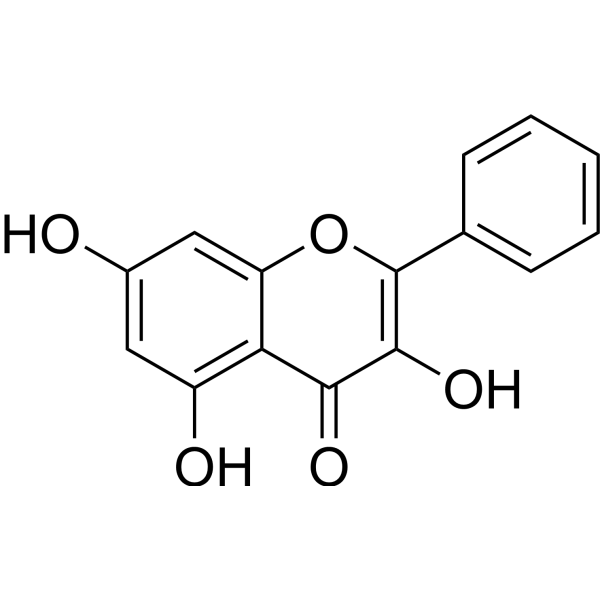
Synonyms: Norizalpinin; 3,5,7-Trihydroxyflavone
Galangin (Norizalpinin) is an agonist/antagonist of the arylhydrocarbon receptor. Galangin (Norizalpinin) also shows inhibition of CYP1A1 activity.
loading...
    loading...
19
19 Cited Publications
Cat. No.: HY-122272
CAS No.: 61869-08-7
Purity:  99.92%
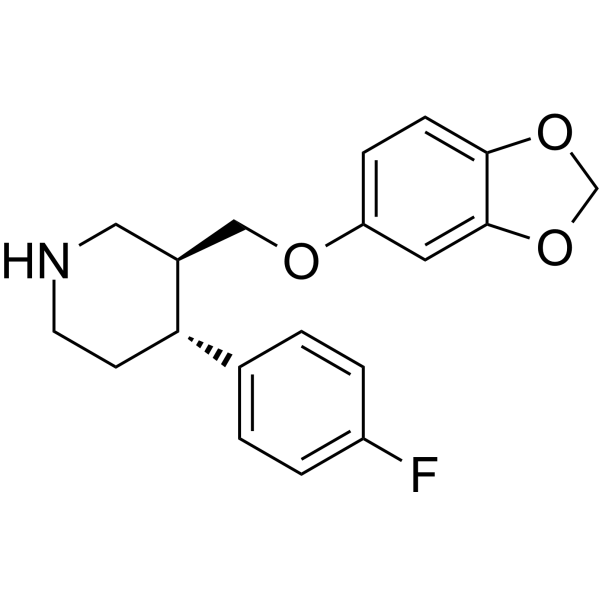
Synonyms: BRL29060
Paroxetine (BRL29060) is an orally active and selective serotonin reuptake inhibitor (SSRI) and apoptosis inducer with blood-brain barrier permeability. Paroxetine inhibits nitric oxide synthase and CYP2D6, induces desensitization of 5-HT1A/1B/1D autoreceptors, downregulates 5-HT2 receptors, and promotes the production of inflammatory cytokines. Paroxetine is a weak norepinephrine (NE) uptake inhibitor and possesses antitumor activity. Paroxetine is widely used in research concerning depression, obsessive-compulsive disorder, panic disorder, social phobia, generalized anxiety disorder, post-traumatic stress disorder, premenstrual dysphoric disorder, hot flashes, and related conditions .
loading...
    loading...
19
19 Cited Publications
Cat. No.: HY-B0492
CAS No.: 78246-49-8
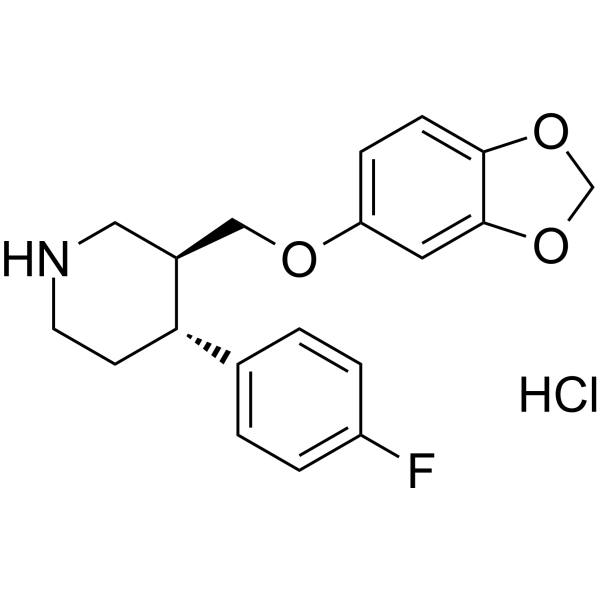
Synonyms: BRL29060 hydrochloride; BRL29060A
Paroxetine (BRL29060) hydrochloride is an orally active and selective serotonin reuptake inhibitor (SSRI) and apoptosis inducer with blood-brain barrier permeability. Paroxetine hydrochloride inhibits nitric oxide synthase and CYP2D6, induces desensitization of 5-HT1A/1B/1D autoreceptors, downregulates 5-HT2 receptors, and promotes the production of inflammatory cytokines. Paroxetine hydrochloride is a weak norepinephrine (NE) uptake inhibitor and possesses antitumor activity. Paroxetine hydrochloride is widely used in research concerning depression, obsessive-compulsive disorder, panic disorder, social phobia, generalized anxiety disorder, post-traumatic stress disorder, premenstrual dysphoric disorder, hot flashes, and related conditions .
loading...
    loading...
11
11 Cited Publications
Cat. No.: HY-B0492A
CAS No.: 110429-35-1
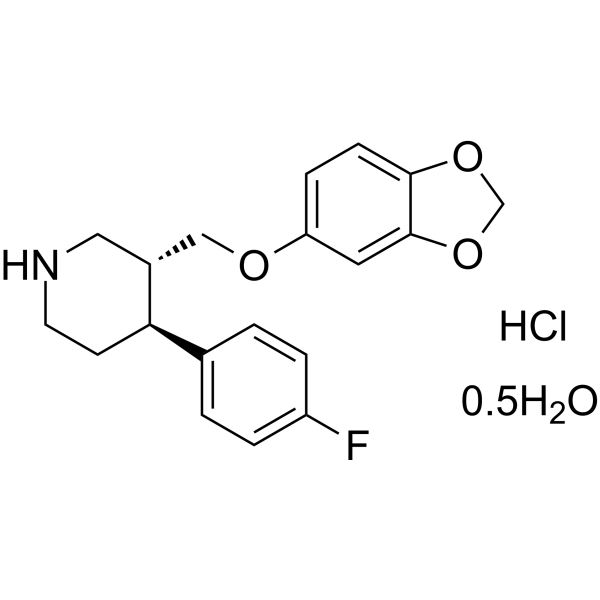
Synonyms: BRL29060 hydrochloride hemihydrate; BRL29060A hemihydrate
Paroxetine (BRL29060) hydrochloride hemihydrate is an orally active and selective serotonin reuptake inhibitor (SSRI) and apoptosis inducer with blood-brain barrier permeability. Paroxetine hydrochloride hemihydrate inhibits nitric oxide synthase and CYP2D6, induces desensitization of 5-HT1A/1B/1D autoreceptors, downregulates 5-HT2 receptors, and promotes the production of inflammatory cytokines. Paroxetine hydrochloride hemihydrate is a weak norepinephrine (NE) uptake inhibitor and possesses antitumor activity. Paroxetine hydrochloride hemihydrate is widely used in research concerning depression, obsessive-compulsive disorder, panic disorder, social phobia, generalized anxiety disorder, post-traumatic stress disorder, premenstrual dysphoric disorder, hot flashes, and related conditions .
loading...
    loading...
9
9 Cited Publications
Cat. No.: HY-19340
CAS No.: 24144-92-1
Synonyms: (E)-2,3',4,5'-tetramethoxystilbene
Target:  

Cytochrome P450

Research Areas:  

Cancer

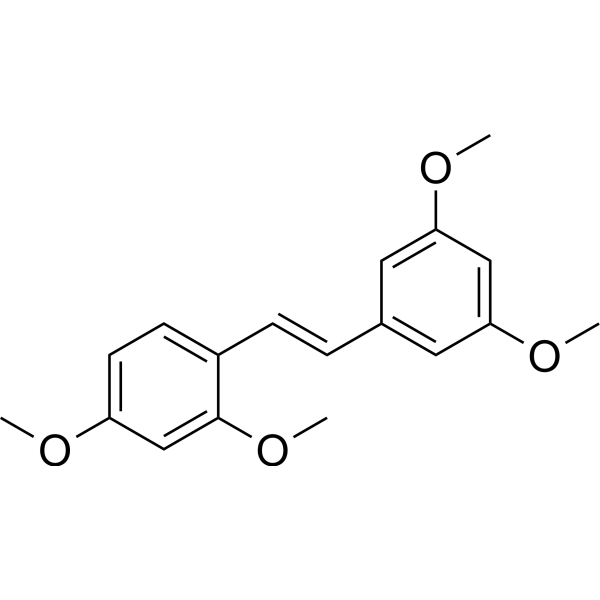
TMS ((E)-2,3',4,5'-tetramethoxystilbene) is a selective and competitive CYP1B1 inhibitor with an IC50 of 6 nM and a Ki value of 3 nM. TMS shows a lesser extent inhibitory effect on CYP1A1 (IC50=300 nM) and CYP1A2 (IC50=3.1 μM). TMS is a methylated derivative of resveratrol and has anti-cancer activity .
loading...
    loading...
8
8 Cited Publications
Cat. No.: HY-N2194
CAS No.: 7380-40-7
Synonyms: 5-Geranoxypsoralen; Bergamotine; Bergaptin
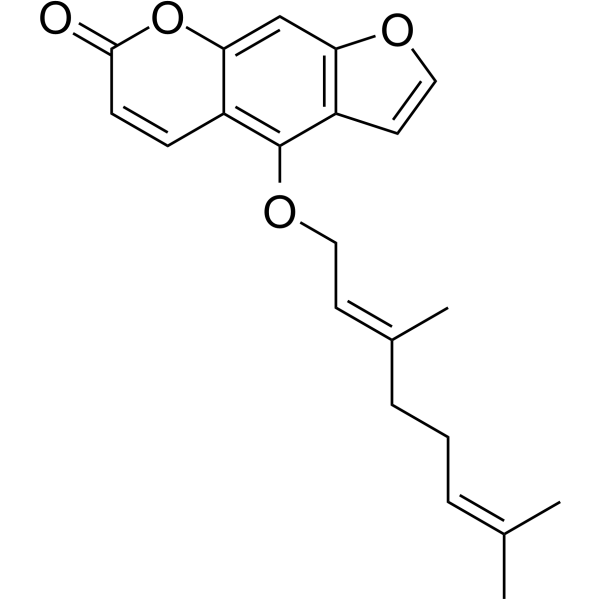
Bergamottin is a potent and competitive CYP1A1 inhibitor with a Ki of 10.703 nM.
loading...
    loading...
6
6 Cited Publications
Cat. No.: HY-N0762
CAS No.: 31524-62-6
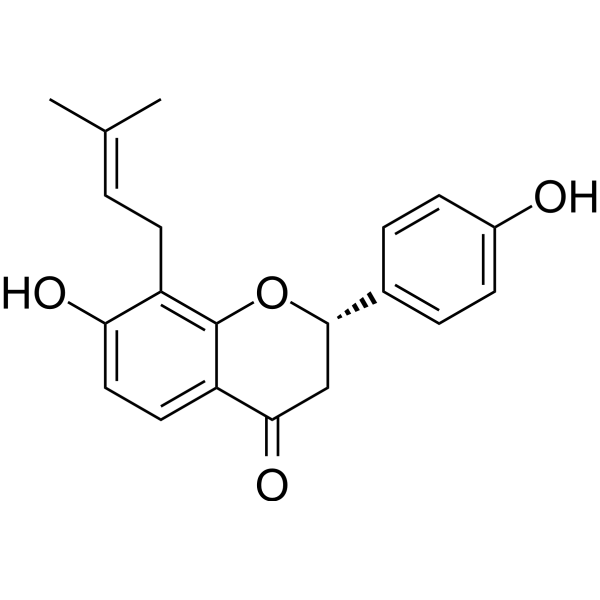
Isobavachin is an orally active, blood-brain barrier-penetrating prenylated flavonoid present in Psoralea corylifolia. Isobavachin inhibits human CYP2B6, CYP2C9, CYP2C19, UGT1A1, UGT1A9, and UGT2B7. Isobavachin suppresses MAPK activation, NF-κB nuclear translocation, overexpression of iNOS/COX-2, FcεRI-mediated signaling pathways, and RANKL-induced osteoclastogenesis. Isobavachin induces autophagy, cytotoxicity, neuronal differentiation, and NRF2 activation; it alleviates oxidative damage, inflammatory responses, apoptosis, iron accumulation, mitochondrial biogenesis, and mast cell degranulation. Isobavachin is applicable to research related to liver injury, inflammatory diseases, osteoporosis, liver cancer, prostate cancer, glioma, periodontitis-induced bone loss, and Alzheimer's disease .
loading...
    loading...
5
5 Cited Publications
Cat. No.: HY-N0904
CAS No.: 39262-14-1
Synonyms: Ginsenoside compound K; Ginsenoside K
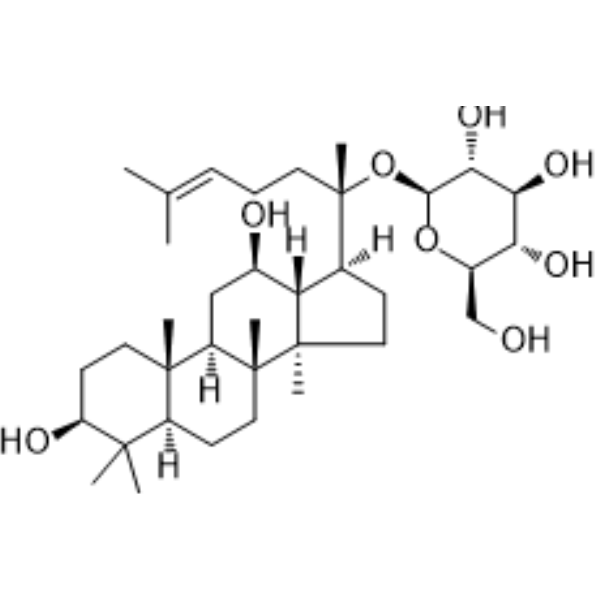
Ginsenoside C-K, a bacterial metabolite of G-Rb1, exhibits anti-inflammatory effects by reducing iNOS and COX-2. Ginsenoside C-K exhibits an inhibition against the activity of CYP2C9 and CYP2A6 in human liver microsomes with IC50s of 32.0±3.6 μM and 63.6±4.2 μM, respectively.
loading...
    loading...
4
4 Cited Publications
Cat. No.: HY-N2259
CAS No.: 19431-84-6
Synonyms: (+)-Curcumenol
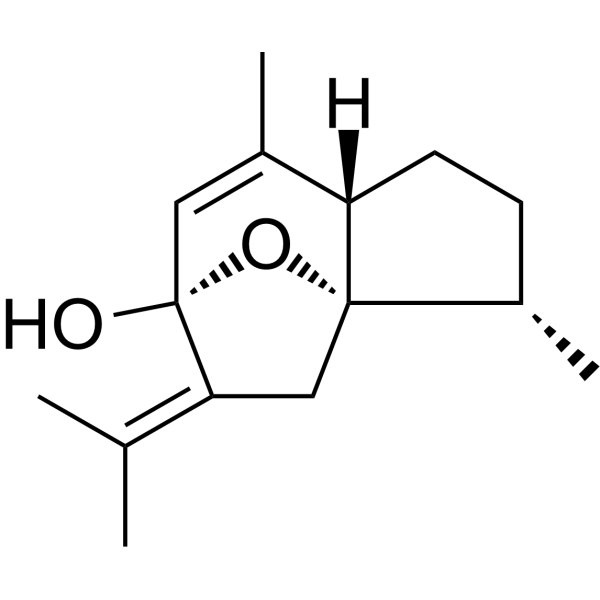
Curcumenol ((+)-Curcumenol) is a natural compound with oral efficacy, exhibiting an IC50 of 12.6 μM and a Ki of 10.8 μM against human CYP3A4. Curcumenol inhibits TNFα-induced phosphorylation/degradation of IκBα, phosphorylation/nuclear translocation of NF-κB p65, as well as the upregulation of MMP3, MMP9, MMP13, TRAF3, IL1RL1, TNFα and IL-1β. Curcumenol suppresses LPS-induced phosphorylation of Akt and p38 MAPK, as well as the production of pro-inflammatory mediators/proteins, and downregulates the SLC7A11/NF-κB/TGF-β pathway. Curcumenol binds to and inhibits the activation of Fyn and Lyn, blocks the function of downstream FcεRI signaling components, and reduces the release of allergic mediators/cytokines. Curcumenol upregulates the expression of KDM6B, and promotes chondrocyte proliferation and cartilage repair. Curcumenol induces ferroptosis and apoptosis, regulates the EMT process, and inhibits tumor growth and metastasis of triple-negative breast cancer. Curcumenol possesses anti-inflammatory, neuroprotective, antioxidant, antitumor, antiviral and hepatoprotective activities. Curcumenol can be used in research related to intervertebral disc degeneration, cancer, inflammation, central nervous system neurodegenerative diseases, allergic reactions and knee osteoarthritis .
loading...
    loading...
2
2 Cited Publications
Cat. No.: HY-134217
CAS No.: 2247950-73-6
Purity:  98.17%
Research Areas:  

Cancer

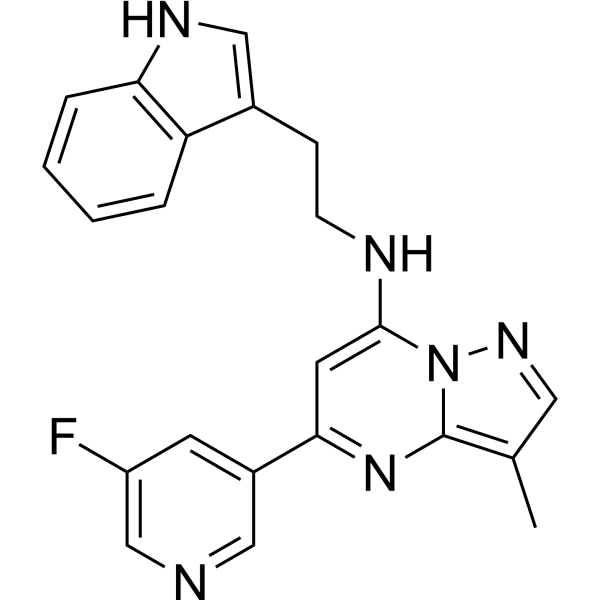
KYN-101 is a potent, selective and orally active AHR inhibitor. KYN-101 decreases the CYP1A1 mRNA expression. KYN-101 shows anti-cancer activity .
loading...
    loading...
2
2 Cited Publications
Cat. No.: HY-N2374
CAS No.: 855-96-9
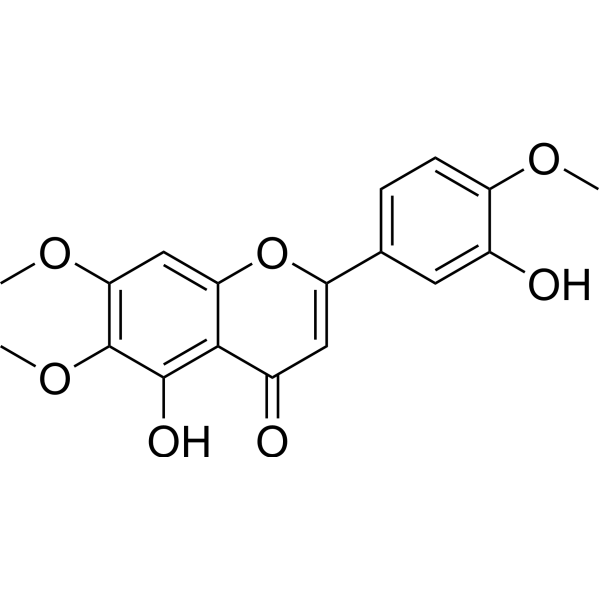
Eupatorin is an orally active flavonoid with antiproliferative and vasodilatory properties. Eupatorin downregulates the expression levels of NF-κB, MMP9, IL-1β and TNF-α. Eupatorin induces apoptosis, G2/M phase cell cycle arrest, and reactive oxygen species (ROS) production. Eupatorin modulates the activities of muscarinic receptors and β-adrenergic receptors; inhibits sarcoplasmic reticulum calcium release and calcium channels; and activates the NO/sGC/cGMP pathway, indomethacin-sensitive pathway, and potassium channel pathway. Eupatorin exerts cytotoxic effects on cancer cell lines, and is metabolized by CYP1A1 and CYP1 family enzymes to form metabolites with antiproliferative activity. Eupatorin can be used in research related to breast cancer, hypertension, and leukemia .
loading...
    loading...
2
2 Cited Publications
Cat. No.: HY-G0007
CAS No.: 88546-55-8
Synonyms: Omeprazole sulphone
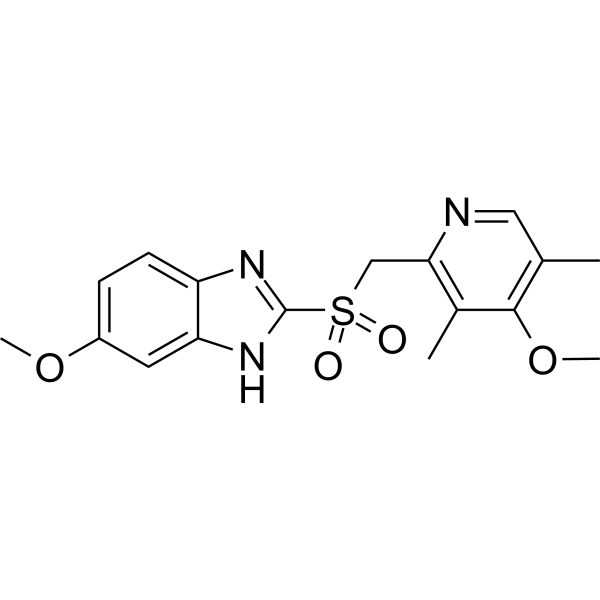
Omeprazole sulfone (Omeprazole sulphone) is one of the major circulating metabolites of Omeprazole (HY-B0113) in vivo, and belongs to class 4 non-mutagenic impurities. Omeprazole sulfone does not bind to the aryl hydrocarbon receptor (AhR), nor does it induce the expression of CYP1A1 or CYP1A2. However, Omeprazole sulfone promotes the migration of gastric epithelial cells under basal conditions and reverses the inhibitory effect of Indomethacin (HY-14397) on cell migration. Omeprazole sulfone does not promote cell proliferation, nor does it upregulate COX-2 expression or activate signaling pathways such as ERK, P38 MAPK and PI3K. Omeprazole sulfone maintains basal ulcer healing under non-acid-dependent conditions and can be used in studies related to gastric ulcer repair .
loading...
    loading...
1
1 Cited Publications
Cat. No.: HY-N0043
CAS No.: 52705-93-8
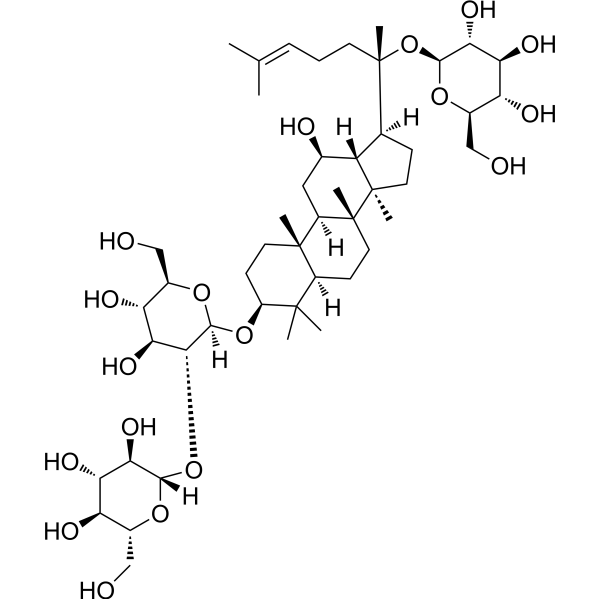
Synonyms: Gypenoside VIII
Ginsenoside Rd inhibits TNFα-induced NF-κB transcriptional activity with an IC50 of 12.05±0.82 μM in HepG2 cells. Ginsenoside Rd inhibits expression of COX-2 and iNOS mRNA. Ginsenoside Rd also inhibits Ca 2+ influx. Ginsenoside Rd inhibits CYP2D6, CYP1A2, CYP3A4, and CYP2C9, with IC50s of 58.0±4.5 μM, 78.4±5.3 μM, 81.7±2.6 μM, and 85.1±9.1 μM, respectively.
loading...
    loading...
1
1 Cited Publications
Cat. No.: HY-Y0110
CAS No.: 135-19-3
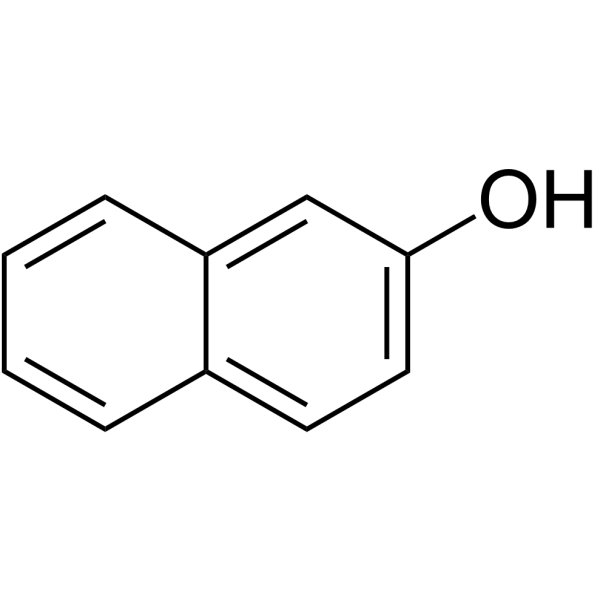
2-Naphthol is a metabolite of naphthalene, catalyzed by cytochrome P450 (CYP) isozymes (CYP 1A1, CYP 1A2, CYP 2A1, CYP 2E1 and CYP 2F2).
loading...
    loading...
1
1 Cited Publications
Cat. No.: HY-N2425
CAS No.: 86831-54-1
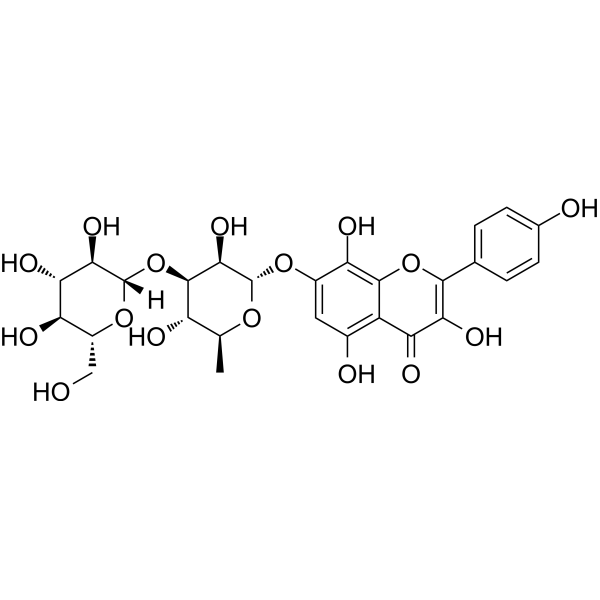
Rhodiosin is a double inhibitor of CYP2D6 and AChE, and can be isolated from Rhodiolis rhodiolis root. The IC50 for CYP2D6 is 0.761 μM, and the Ki is 0.769 μM. Rhodiosin has antioxidant and neuroprotective activity and can regulate HIF-1α signaling pathway to protect the central nervous system
loading...
    loading...
1
1 Cited Publications
Cat. No.: HY-101285
CAS No.: 1821143-80-9
Purity:  ≥98.0%
Target:  

Cytochrome P450

Research Areas:  

Cancer

DMU2139 is a potent and specific CYP1B1 inhibitor, with IC50s of 9 nM and 795 nM for CYP1B1 and CYP1A1, respectively.
loading...
    loading...
1
1 Cited Publications
Cat. No.: HY-146393
CAS No.: 2411389-67-6
Purity:  98.09%
Target:  

PROTACs Cytochrome P450

Research Areas:  

Cancer

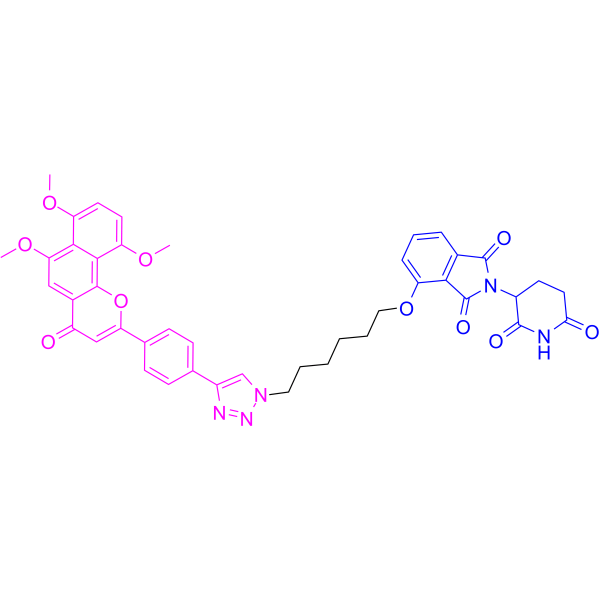
PROTAC CYP1B1 degrader-1 is a CYP1B1 PROTAC degrader with a human IC50 of 95.1 nM. PROTAC CYP1B1 degrader-1 induces concentration-dependent CYP1B1 degradation. PROTAC CYP1B1 degrader-1 can be used for the research of CYP1B1-mediated Docetaxel (HY-B0011)-resistant prostate cancer .
loading...
    loading...
1
1 Cited Publications
Cat. No.: HY-D0145
CAS No.: 5725-91-7
Synonyms: Resorufin ethyl ether
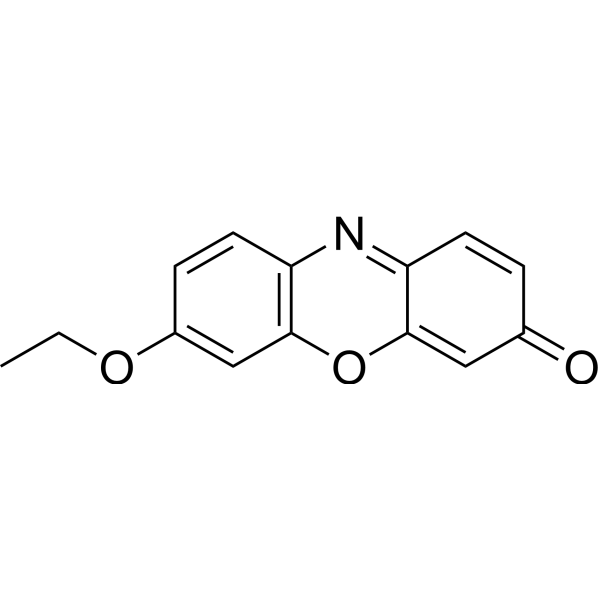
7-Ethoxyresorufin (Resorufin ethyl ether) is a fluorometric substrate and competitive inhibitor of cytochrome P450, especially CYP1A1. 7-Ethoxyresorufin also inhibits NO synthase .
loading...
    loading...
1
1 Cited Publications
Cat. No.: HY-13269
CAS No.: 729607-74-3
Purity:  99.99%
Target:  

HIV HIV Integrase

Research Areas:  

Infection Inflammation/Immunology

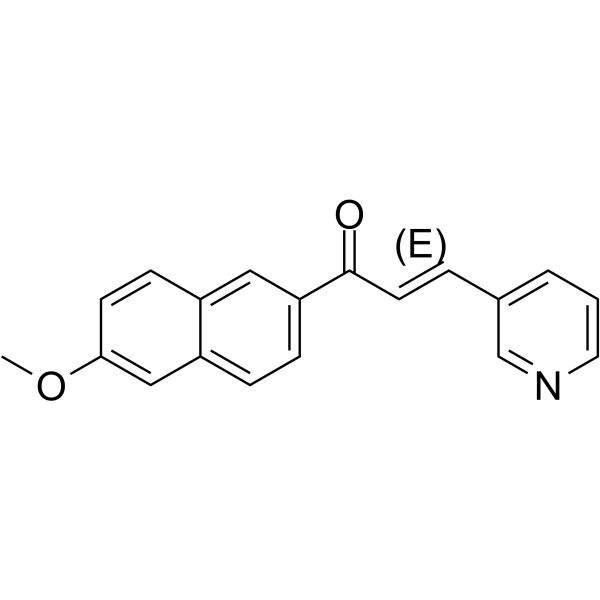
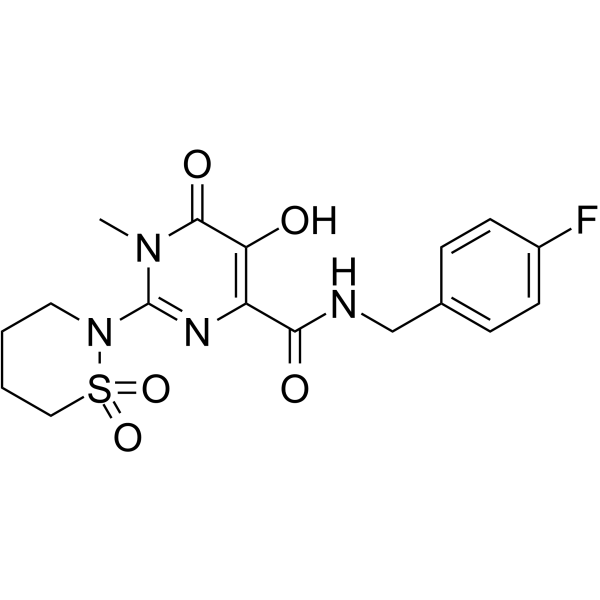
BMS-707035 is a potent orally active HIV-1 integrase strand transfer inhibitor (INSTI). BMS-707035 has enzyme inhibitory with an IC50 value of 3 nM. BMS-707035 also has weak CYP inhibiton and antiviral activity. BMS-707035 can be used for the research of human immunodeficiency virus-1 (HIV-1) .
loading...
    loading...
1
1 Cited Publications
Cat. No.: HY-W017113
CAS No.: 149-30-4
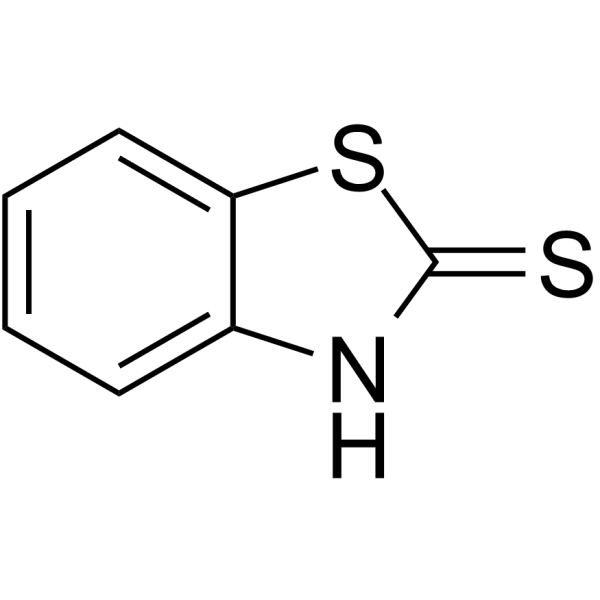
2-Mercaptobenzothiazole is an activator of the aryl hydrocarbon receptor (AhR) , inhibiting thyroid hormone synthesis and dopamine beta-hydroxylase activity . 2-Mercaptobenzothiazole promotes bladder cancer cell invasion by altering the conformation of the AhR ligand binding domain (LBD), activating AhR transcription, and upregulating the mRNA and protein expression of target genes CYP1A1 and CYP1B1 . 2-Mercaptobenzothiazole inhibits thyroid peroxidase (TPO) with an IC50 value of 11.5 μM, induces histological changes such as follicular cell hypertrophy in Xenopus laevis tadpoles, delaying metamorphosis . 2-Mercaptobenzothiazole increases chromosomal aberrations and sister chromatid exchanges (SCEs) in Chinese hamster ovary (CHO) cells, and enhances carcinogenicity in F344/N rats . 2-Mercaptobenzothiazole inhibits norepinephrine synthesis in mice and completely blocks the conversion of exogenous dopamine to norepinephrine in rat cardiomyocytes .
loading...
    loading...

