
Search Result
Results for "
Cachexia
" in MedChemExpress (MCE) Product Catalog:
1
Biochemical Assay Reagents
4
Isotope-Labeled Compounds
| Cat. No. |
Product Name |
Target |
Research Areas |
Chemical Structure |
-
- HY-N0109
-
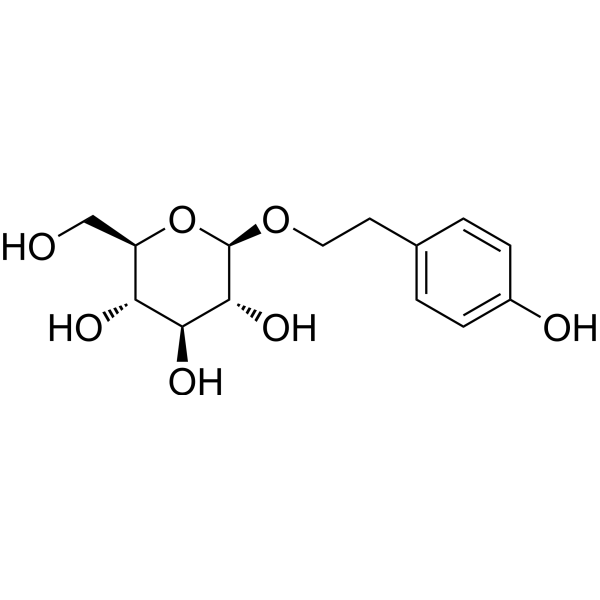
Salidroside
Maximum Cited Publications
44 Publications Verification
Rhodioloside
|
PINK1/Parkin
mTOR
Apoptosis
Prolyl Endopeptidase (PREP)
|
Cancer
|
|
Salidroside (Rhodioloside) is a prolyl endopeptidase inhibitor. Salidroside alleviates cachexia symptoms in mouse models of cancer cachexia via activating mTOR signalling. Salidroside protects dopaminergic neurons by enhancing PINK1/Parkin-mediated mitophagy.
|
-
-
- HY-112288
-
|
TTI-101
|
STAT
Apoptosis
DNA Methyltransferase
|
Metabolic Disease
Inflammation/Immunology
Cancer
|
|
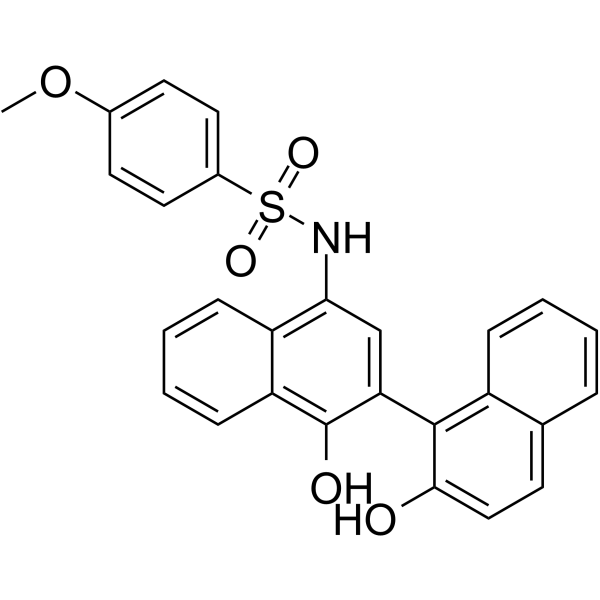
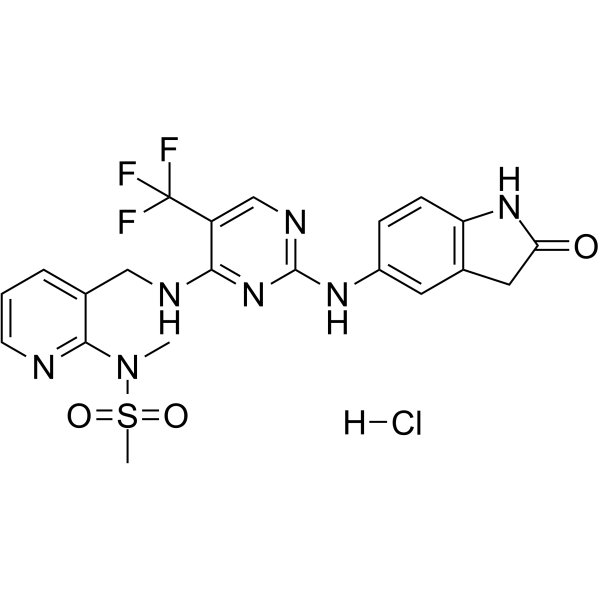
C188-9 (TTI-101) is a STAT3 inhibitor with a Kd value of 4.7 nM. C188-9 targets the SH2 domain of STAT3, blocks the processes of STAT3 ligand binding, receptor recruitment, homodimerization and phosphorylation, and regulates STAT3-mediated genes associated with tumorigenesis and radioresistance. C188-9 regulates STAT1-mediated genes related to radioresistance and reduces the activation level of STAT1. C188-9 downregulates the expression of DNMT1, enhances DAC-induced demethylation and re-expression of RASSF1A, and simultaneously potentiates the anti-tumor effect of DAC on pancreatic cancer cells. C188-9 inhibits both anchorage-dependent and anchorage-independent growth of cancer cells, induces Apoptosis, blocks the growth of tumor xenografts, and suppresses muscle atrophy. C188-9 maintains muscle mass, increases body weight and improves grip strength in tumor-bearing mice. C188-9 can be used in research related to head and neck squamous cell carcinoma, pancreatic cancer, sepsis-related skeletal muscle wasting, non-small cell lung cancer, acute myeloid leukemia and cancer cachexia .
|
-
-
- HY-P99241
-
|
PF 06946860
|
TGF-beta/Smad
|
Cancer
|
|
Ponsegromab is a Growth differentiation factor 15 (GDF15) inhibitor with human, cynomolgus monkey, and mouse target IC50 values of 0.123 nM, 0.053 nM, and 0.102 nM, respectively . Ponsegromab acts as a chemosensitizer, increases intracellular reactive oxygen species, reduces glutathione levels . Ponsegromab can be used for the research of oxaliplatin-resistant colorectal cancer .
|
-
-
- HY-13676
-
|
|
Progesterone Receptor
Autophagy
HIV
|
Endocrinology
Cancer
|
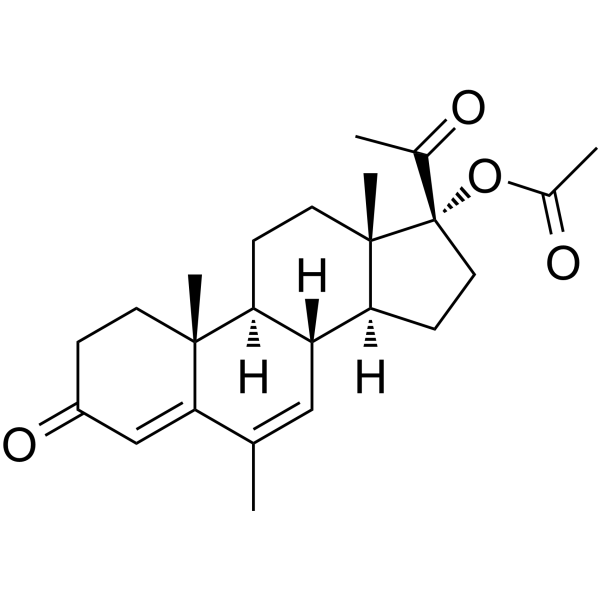
Megestrol acetate is a synthetic and orally active progesteronal agent. Megestrol acetate is effective as an appetite stimulant for wasting syndromes such as cachexia. Megestrol acetate decreases nuclear and cytosol androgen receptors human BPH tissue. Megestrol acetate has the potential for HIV study and downregulates autophagic catabolic pathway .
|
-
-
- HY-14734
-
|
RC-1291; ONO-7643
|
GHSR
|
Endocrinology
Cancer
|
|
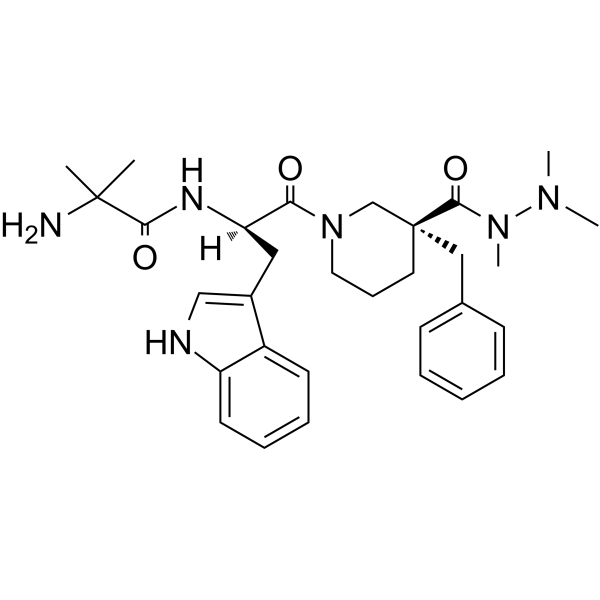
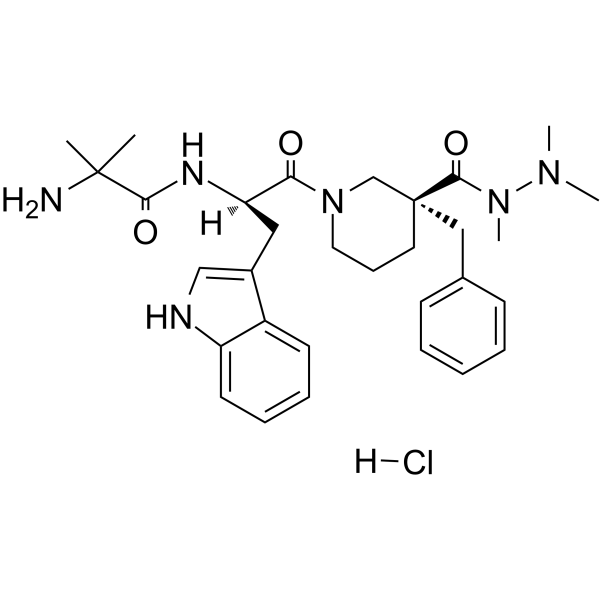
Anamorelin (RC-1291) is an orally active Ghrelin receptor agonist with an EC50 of 0.74 nM. Anamorelin can promote appetite, increase body weight, and stimulate the secretion of growth hormone and insulin-like growth factor-1. Anamorelin can be used in the research of anorexia and cancer cachexia .
|
-
-
- HY-12176
-
|
CGP 60536; CGP60536B; SPP 100
|
Renin
Autophagy
|
Cardiovascular Disease
Cancer
|
|
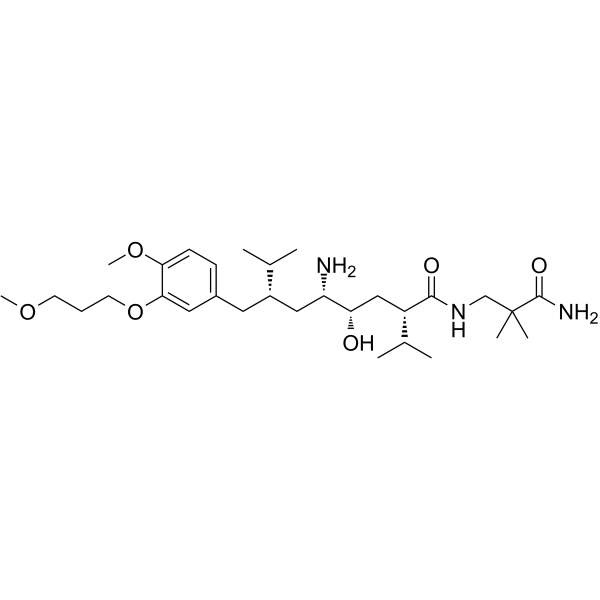
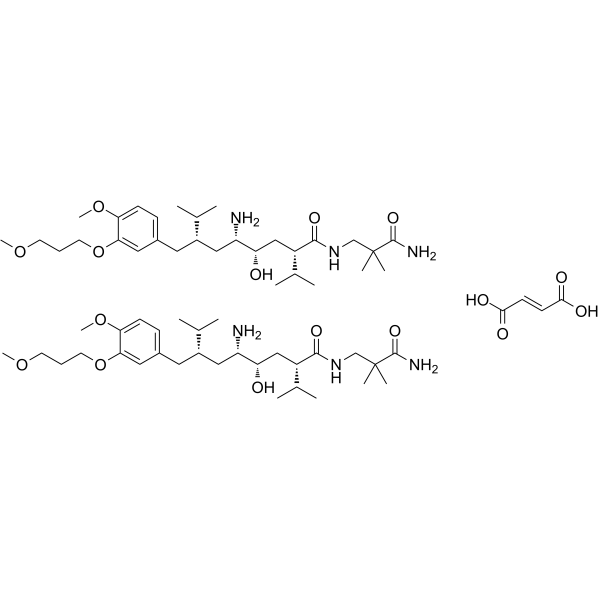
Aliskiren is an orally active, highly potent and selective renin inhibitor, with IC50 of 1.5 nM. Aliskiren can be used for the research of hypertension, cardiovascular diseases and cancer cachexia .
|
-
-
- HY-148349
-
-
-
- HY-100186
-
|
|
Androgen Receptor
|
Cardiovascular Disease
Others
Metabolic Disease
Inflammation/Immunology
Endocrinology
Cancer
|
|
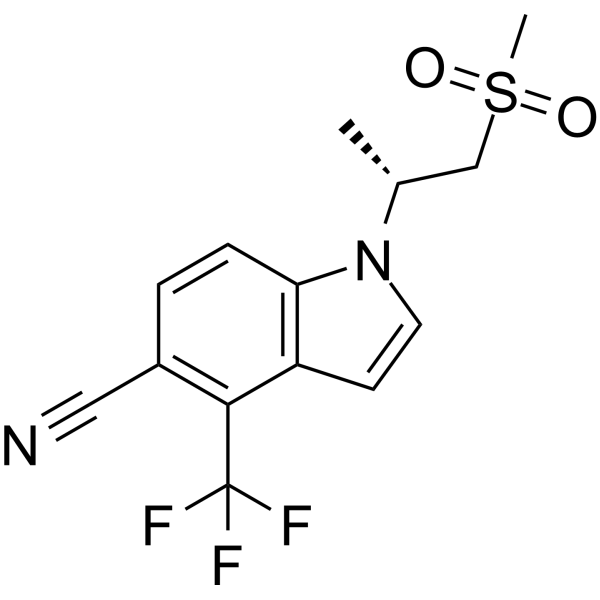
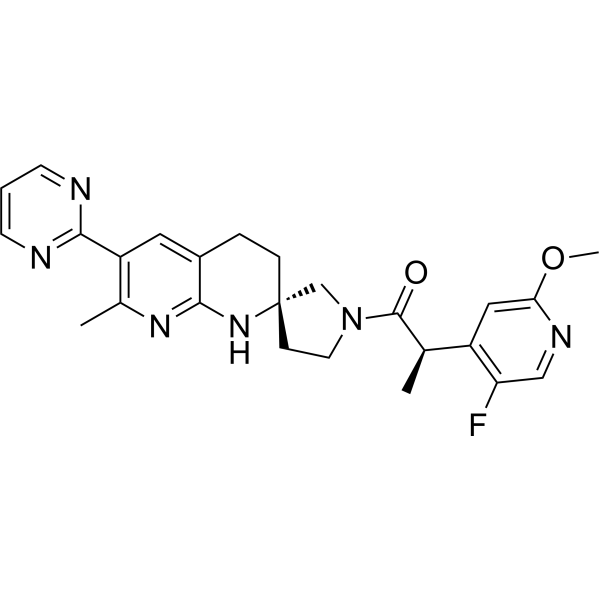
GSK-2881078 is an orally active and nonsteroidal selective androgen receptor modulator (SARM) which act as partial AR agonists in androgenic tissues while mainly as complete AR agonists in synthetic metabolic tissues,induces AR-mediated transcriptional activation in PC3(AR)2 cells (EC50 = 3.99 nM) and the effect can be inhibited by the non-steroidal AR antagonist Bicalutamide. GSK-2881078 can be used in research of muscle weakness and cachexia associated with both chronic and acute illness .
|
-
-
- HY-P5971
-
-
-
- HY-12177
-
|
CGP 60536 hemifumarate; CGP60536B hemifumarate; SPP 100 hemifumarate
|
Renin
Autophagy
|
Cardiovascular Disease
Cancer
|
|
Aliskiren (CGP 60536; CGP60536B; SPP 100) hemifumarate is an orally active and selective renin inhibitor, with IC50 of 1.5 nM. Aliskiren hemifumarate can be used for the research of hypertension, cardiovascular diseases and cancer cachexia .
|
-
-
- HY-14820A
-
|
EP-1572 acetate; AEZS-130 acetate
|
GHSR
|
Neurological Disease
Endocrinology
Cancer
|
|
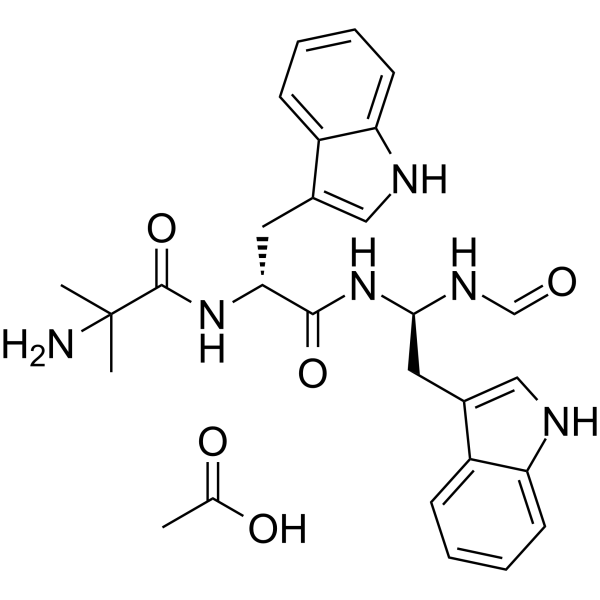
Macimorelin (EP-1572) acetate, a GH secretagogue, is an orally active GHSR agonist. Macimorelin acetate stimulates GH release. Macimorelin acetate can be used in the research of adult growth hormone deficiency (AGHD), and Cancer anorexia-cachexia syndrome (CACS) .
|
-
-
- HY-14734A
-
|
RC-1291 hydrochloride; ONO-7643 hydrochloride
|
GHSR
|
Endocrinology
Cancer
|
|
Anamorelin (RC-1291) hydrochloride is an orally active Ghrelin receptor agonist with an EC50 of 0.74 nM. Anamorelin hydrochloride can promote appetite, increase body weight, and stimulate the secretion of growth hormone and insulin-like growth factor-1. Anamorelin hydrochloride can be used in the research of anorexia and cancer cachexia .
|
-
-
- HY-19884B
-
|
RM-131 TFA; BIM-28131 TFA
|
GHSR
|
Metabolic Disease
|
|
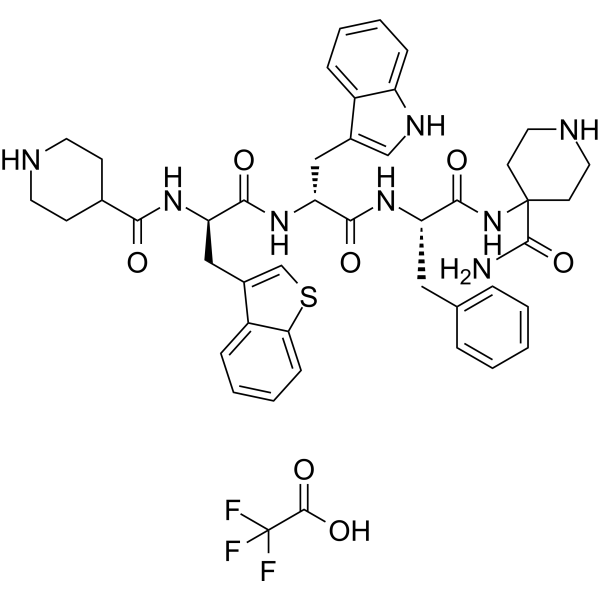
Relamorelin (RM-131) TFA, a pentapeptide ghrelin analog, is a selective ghrelin/growth hormone secretagogue receptor (GHSR) agonist with a Ki of 0.42 nM for GHS-1a receptor. Relamorelin TFA is centrally penetrant. Relamorelin TFA increases growth hormone levels and accelerates gastric emptying. Relamorelin TFA has the potential for cachexia, gastroparesis, and gastric/intestinal dysmobility disorders research .
|
-
-
- HY-129531
-
|
|
E1/E2/E3 Enzyme
|
Neurological Disease
|
|
MuRF1-IN-1 is an orally active MuRF1 inhibitor. MuRF1-IN-1 can inhibit the interaction between MuRF1 and titin as well as E3 ligase activity. MuRF1-IN-1 can alleviate skeletal muscle atrophy and dysfunction in cardiac cachexia .
|
-
-
- HY-164027
-
|
|
E1/E2/E3 Enzyme
|
Metabolic Disease
Cancer
|
|
MyoMed 205 is an orally active muscle ring finger protein 1 (MuRF1) inhibitor. MyoMed-205 reduces ubiquitination and subsequent proteasomal degradation of muscle proteins by inhibiting MuRF1 activity. MyoMed 205 augments muscle performance, attenuates muscle weight loss and alleviates disease-induced weight loss. MyoMed 205 can be used for the research of cancer cachexia, type 2 diabetes mellitus, and heart failure with preserved ejection fraction .
|
-
-
- HY-B0580B
-
|
(+)-Ketorolac
|
Ras
|
Cancer
|
|
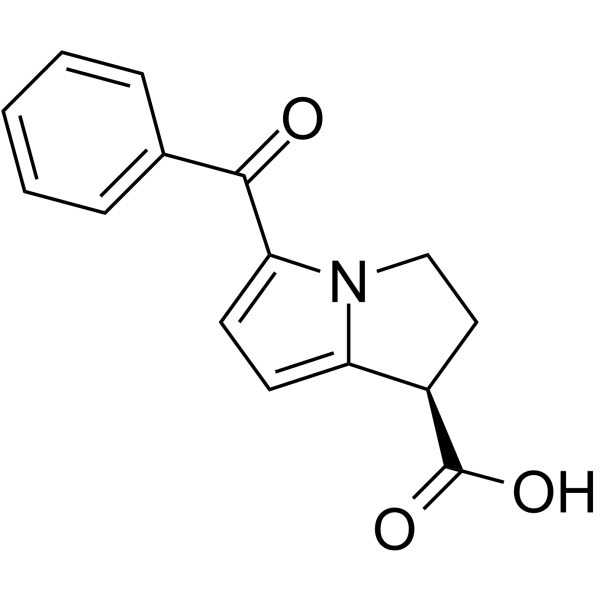
(R)-Ketorolac is an orally active Cdc42 and Rac1 inhibitor. (R)-Ketorolac inhibits GTPase. (R)-Ketorolac alters ovarian cancer cell behaviors critical for invasion and metastasis. (R)-Ketorolac ameliorates cancer-associated cachexia .
|
-
-
- HY-B1834
-
-
-
- HY-129692
-
|
|
iGluR
|
Neurological Disease
Cancer
|
|
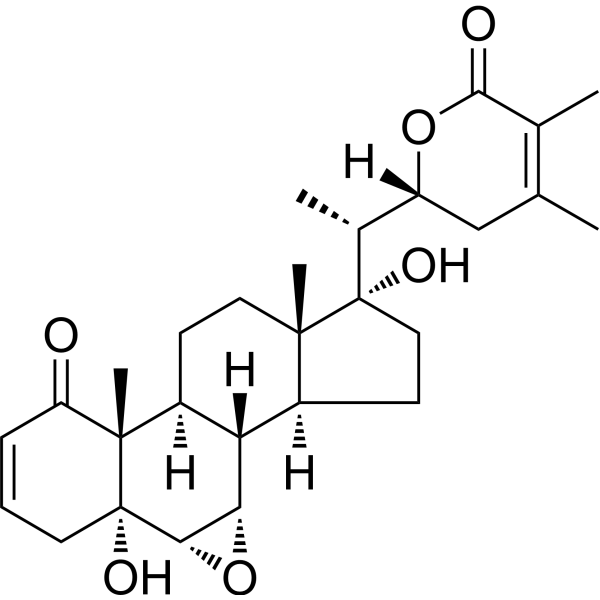
Withanone is an active ingredient from the roots of Withania somnifera and a GRP75 inhibitor. Withanone has multifunctional neuroprotective effects in alleviating cognitive dysfunction. In neuron-like cells, Withanone can inhibit NMDA-induced excitotoxicity. Withanone can inhibit white adipose tissue browning by blocking the formation of the GRP75-ANT2-UCP1 complex, thereby alleviating cancer-related cachexia. Withanone can be used in the research of tumors and nervous system diseases .
|
-
-
- HY-13676R
-
|
|
Reference Standards
Progesterone Receptor
Autophagy
HIV
|
Endocrinology
Cancer
|
Megestrol acetate (Standard) is the analytical standard of Megestrol acetate. This product is intended for research and analytical applications. Megestrol acetate is a synthetic and orally active progesteronal agent. Megestrol acetate is effective as an appetite stimulant for wasting syndromes such as cachexia. Megestrol acetate decreases nuclear and cytosol androgen receptors human BPH tissue. Megestrol acetate has the potential for HIV study and downregulates autophagic catabolic pathway .
|
-
-
- HY-78985
-
|
Trimesic acid
|
MOFs
|
Others
|
|
Benzene-1,3,5-tricarboxylic acid (Trimesic acid) is a rigid planar small-molecule scaffold and crosslinker. Benzene-1,3,5-tricarboxylic acid induces bicyclic peptides to adopt a planar conformation, so as to maximize surface area and bind to the flat protein surfaces involved in protein-protein interactions. Benzene-1,3,5-tricarboxylic acid forms ionic crosslinks, hydrogen bonds and π-π bonds with chitosan, thereby constructing a hydrogel network. Benzene-1,3,5-tricarboxylic acid endows chitosan hydrogel systems with specific mechanical properties, enabling sustained release of cancer therapeutic drugs including 5-fluorouracil (HY-90006) .
|
-
-
- HY-156354
-
|
|
Orphan GPCR
|
Metabolic Disease
|
|
GPR61 Inverse agonist 1 (Compound 1) is a GPR61 inverse agonist (IC50: 11 nM). GPR61 Inverse agonist 1 can be used for research of disorders of metabolism and body weight, such as obesity and cachexia .
|
-
-
- HY-161875
-
|
|
Histone Acetyltransferase
|
Metabolic Disease
Cancer
|
|
NAT1-IN-1 (compound 350) is a potent N-acetyltransferase 1 (NAT1)-targeted inhibitor, with an IC50 of 44 nM. NAT1-IN-1 can be used for the research of hypermetabolic diseases such as amyotrophic lateral sclerosis, cancer cachexia, and sepsis .
|
-
-
- HY-N0109R
-
|
Rhodioloside (Standard)
|
Prolyl Endopeptidase (PREP)
mTOR
Apoptosis
PINK1/Parkin
Reference Standards
|
Cancer
|
|
Salidroside (Standard) is the analytical standard of Salidroside. This product is intended for research and analytical applications. Salidroside (Rhodioloside) is a prolyl endopeptidase inhibitor. Salidroside alleviates cachexia symptoms in mouse models of cancer cachexia via activating mTOR signalling. Salidroside protects dopaminergic neurons by enhancing PINK1/Parkin-mediated mitophagy.
|
-
-
- HY-P5971A
-
|
|
Melanocortin Receptor
|
Metabolic Disease
|
|
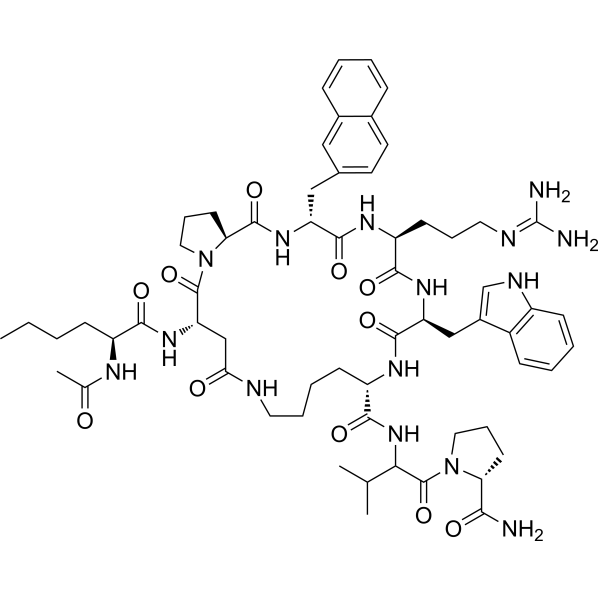
TCMCB07 TFA, a cyclic nonapeptide peptide, is an orally active and brain-penetrant melanocortin receptor 4 (MC4R) antagonist. TCMCB07 TFA plays an important role in cachexia .
|
-
-
- HY-19884
-
|
RM-131; BIM-28131
|
GHSR
|
Metabolic Disease
|
|
Relamorelin (RM-131), a pentapeptide ghrelin analog, is a selective ghrelin/growth hormone secretagogue receptor (GHSR) agonist with a Ki of 0.42 nM for GHS-1a receptor. Relamorelin is centrally penetrant. Relamorelin increases growth hormone levels and accelerates gastric emptying. Relamorelin has the potential for cachexia, gastroparesis, and gastric/intestinal dysmobility disorders research .
|
-
-
- HY-179571
-
|
PPTD
|
Reactive Oxygen Species (ROS)
Ferroptosis
|
Cancer
|
|
ZIP 14-IN-1 (PPTD) is a selective and orally active ZIP14 inhibitor. ZIP 14-IN-1 inhibits ZIP14 while sparing ZIP8 (SLC39A8). ZIP 14-IN-1 efficiently blocks ZIP14-mediated uptake of multiple divalent metals (zinc, iron, manganese and cadmium). ZIP 14-IN-1 binds to a pocket formed at the dimer interface of ZIP14, obstructing the metal transport pathway. ZIP 14-IN-1 effectively reverses the consequent elevation of reactive oxygen species (ROS) and lipid peroxidation, attenuating metal-induced cytotoxicity. ZIP 14-IN-1 can be uses for cancer cachexia research .
|
-
-
- HY-14820
-
|
EP-1572; AEZS-130
|
GHSR
|
Endocrinology
Cancer
|
|
Macimorelin (EP-1572), a GH secretagogue, is an orally active GHSR agonist. Macimorelin stimulates GH release. Macimorelin can be used in the research of adult growth hormone deficiency (AGHD), and Cancer anorexia-cachexia syndrome (CACS) .
|
-
-
- HY-119125
-
|
|
GHSR
|
Cancer
|
|
BMS-317180 is an orally active and potent growth hormone secretagogue receptor (GHS-R) agonist (EC50=7.9 nM). BMS-317180 stimulates endogenous growth hormone (GH) release. BMS-317180 is promising for research of age-related frailty, osteoporosis, and cancer cachexia .
|
-
-
- HY-19884A
-
|
RM-131 acetate; BIM-28131 acetate
|
GHSR
|
Metabolic Disease
|
|
Relamorelin (RM-131) acetate, a pentapeptide ghrelin analog, is a selective ghrelin/growth hormone secretagogue receptor (GHSR) agonist with a Ki of 0.42 nM for GHS-1a receptor. Relamorelin acetate is centrally penetrant. Relamorelin acetate increases growth hormone levels and accelerates gastric emptying. Relamorelin acetate has the potential for cachexia, gastroparesis, and gastric/intestinal dysmobility disorders research .
|
-
-
- HY-13676S
-
|
|
Isotope-Labeled Compounds
Progesterone Receptor
Autophagy
HIV
|
Endocrinology
Cancer
|
Megestrol acetate-d3 is the deuterium labeled Megestrol acetate. Megestrol acetate is a synthetic and orally active progesteronal agent. Megestrol acetate is effective as an appetite stimulant for wasting syndromes such as cachexia. Megestrol acetate decreases nuclear and cytosol androgen receptors human BPH tissue. Megestrol acetate has the potential for HIV study and downregulates autophagic catabolic pathway .
|
-
-
- HY-12176B
-
|
CGP 60536 fumarate; CGP60536B fumarate; SPP 100 fumarate
|
Renin
Autophagy
|
Cardiovascular Disease
Cancer
|
|
Aliskiren fumarate is an orally active, highly potent and selective renin inhibitor, with IC50 of 1.5 nM. Aliskiren fumarate can be used for the research of hypertension, cardiovascular diseases and cancer cachexia .
|
-
-
- HY-12176A
-
|
CGP 60536 hydrochloride; CGP60536B hydrochloride; SPP 100 hydrochloride
|
Renin
Autophagy
|
Cardiovascular Disease
Cancer
|
|
Aliskiren (CGP 60536; CGP60536B; SPP 100) hydrochloride is an orally active and selective renin inhibitor, with IC50 of 1.5 nM. Aliskiren hydrochloride can be used for the research of hypertension, cardiovascular diseases and cancer cachexia - .
|
-
-
- HY-12176R
-
|
CGP 60536 (Standard); CGP60536B (Standard); SPP 100 (Standard)
|
Reference Standards
Renin
Autophagy
|
Cardiovascular Disease
Cancer
|
|
Aliskiren (Standard) is the analytical standard of Aliskiren. This product is intended for research and analytical applications. Aliskiren is an orally active, highly potent and selective renin inhibitor, with IC50 of 1.5 nM. Aliskiren can be used for the research of hypertension, cardiovascular diseases and cancer cachexia .
|
-
-
- HY-12177R
-
|
CGP 60536 hemifumarate (Standard); CGP60536B hemifumarate (Standard); SPP 100 hemifumarate (Standard)
|
Renin
Autophagy
Reference Standards
|
Cardiovascular Disease
Cancer
|
|
Aliskiren (hemifumarate) (Standard) is the analytical standard of Aliskiren (hemifumarate). This product is intended for research and analytical applications. Aliskiren (CGP 60536; CGP60536B; SPP 100) hemifumarate is an orally active and selective renin inhibitor, with IC50 of 1.5 nM. Aliskiren hemifumarate can be used for the research of hypertension, cardiovascular diseases and cancer cachexia .
|
-
-
- HY-11032
-
|
|
Others
|
Metabolic Disease
|
|
SM-350300 is a glucoprotein. SM-350300 stimulates lipolysis in white adipocytes by activating the cyclic AMP (cAMP) pathway, and upregulates the expression of lipolytic enzymes and uncoupling proteins (UCP1, UCP3) in brown adipose tissue (BAT) and white adipose tissue (WAT). SM-350300 reduces body weight by decreasing carcass fat while increasing lean muscle mass in metabolic disorder models. SM-350300 can be used for the study of metabolic disorders including obesity, type 2 diabetes, and cachexia .
|
-
-
- HY-W747043
-
|
|
Isotope-Labeled Compounds
Drug Metabolite
|
Inflammation/Immunology
|
|
Megestrol-d3 is the deuterium labeled Megestrol (HY-B1834). Megestrol is a synthetic progestin and used for the treatment of anorexia, cachexia, or an unexplained significant weight loss in patients with an acquired immunodeficiency syndrome diagnosis .
|
-
-
- HY-14734B
-
|
RC-1291 Fumarate; ONO-7643 Fumarate
|
GHSR
|
Endocrinology
Cancer
|
|
Anamorelin (RC-1291) Fumarate is an orally active Ghrelin receptor agonist with an EC50 of 0.74 nM. Anamorelin Fumarate can promote appetite, increase body weight, and stimulate the secretion of growth hormone and insulin-like growth factor-1. Anamorelin Fumarate can be used in the research of anorexia and cancer cachexia .
|
-
-
- HY-B1834S1
-
-
-
- HY-B1834R
-
-
-
- HY-13676S1
-
|
|
Isotope-Labeled Compounds
Progesterone Receptor
Autophagy
HIV
|
Endocrinology
Cancer
|
Megestrol acetate-d3-1 is deuterium labeled Megestrol acetate. Megestrol acetate is a synthetic and orally active progesteronal agent. Megestrol acetate is effective as an appetite stimulant for wasting syndromes such as cachexia. Megestrol acetate decreases nuclear and cytosol androgen receptors human BPH tissue. Megestrol acetate has the potential for HIV study and downregulates autophagic catabolic pathway .
|
-
-
- HY-14734R
-
|
RC-1291 (Standard); ONO-7643 (Standard)
|
Reference Standards
GHSR
|
Endocrinology
Cancer
|
|
Anamorelin (Standard) (RC-1291 (Standard)) is the analytical standard of Anamorelin (HY-14734). This product is intended for research and analytical applications. Anamorelin (RC-1291) is an orally active Ghrelin receptor agonist with an EC50 of 0.74 nM. Anamorelin can promote appetite, increase body weight, and stimulate the secretion of growth hormone and insulin-like growth factor-1. Anamorelin can be used in the research of anorexia and cancer cachexia .
|
-
-
- HY-129692R
-
|
|
Reference Standards
iGluR
|
Neurological Disease
Cancer
|
|
Withanone (Standard) is the analytical standard of Withanone (HY-129692). This product is intended for research and analytical applications. Withanone is an active ingredient from the roots of Withania somnifera and a GRP75 inhibitor. Withanone has multifunctional neuroprotective effects in alleviating cognitive dysfunction. In neuron-like cells, Withanone can inhibit NMDA-induced excitotoxicity. Withanone can inhibit white adipose tissue browning by blocking the formation of the GRP75-ANT2-UCP1 complex, thereby alleviating cancer-related cachexia. Withanone can be used in the research of tumors and nervous system diseases .
|
-
-
- HY-P992393
-
|
|
TGF-β Receptor
|
Cancer
|
|
JMT203 is a monoclonal antibody against GFRAL and a body weight gain inducer. JMT203 induces early-onset, sustained and progressive body weight gain in cancer cachexia. JMT203 can be used for research related to cancer cachexia .
|
-
-
- HY-W1142093
-
-
-
- HY-W1142089
-
|
|
TGF-β Receptor
|
Cancer
|
|
ActRIIB-IN-2 is an ActRIIB inhibitor with an IC50 of 1.1 nM. ActRIIB-IN-2 can be used for the research of cancer cachexia .
|
-
-
- HY-178999
-
|
|
Drug Derivative
|
Cancer
|
|
Carnosol analog 1 (Compound 10) is a derivative of carnosol. Carnosol analog 1 attenuates myotube atrophy (67.08% reversal) and adipocyte lipolysis in C26 tumor-conditioned models. Carnosol analog 1 alleviates cachexia-related weight loss without altering tumor progression in C26 tumor-bearing mice. Carnosol analog 1 can be used for the study of cancer cachexia .
|
-
-
- HY-183504
-
|
|
TGF-β Receptor
|
Cancer
|
|
ActRIIB-IN-3 is a ActRIIB inhibitor. ActRIIB-IN-3 inhibits the ActRIIB protein in the MSTN pathway and induces the reversal of skeletal muscle atrophy associated with cancer cachexia. ActRIIB-IN-3 is applicable for the research of cancer cachexia .
|
-
-
- HY-183005
-
|
|
TGF-β Receptor
|
Inflammation/Immunology
Cancer
|
|
ActRIIB-IN-1, 7-azaindole compound is an orally active activin type II receptor B (ActRIIB) inhibitor with an IC50 of 1.8 nM. ActRIIB-IN-1 can alleviate weight loss, muscle atrophy and decreased muscle strength caused by tumor cachexia, as well as improve appetite. ActRIIB-IN-1 can be used for the research of cancer cachexia .
|
-
-
- HY-183106
-
-
-
- HY-182773
-
|
|
Melanocortin Receptor
|
Metabolic Disease
|
|
MC4R Antagonist-1 (compound 1) is an MC4R-selective antagonist (IC50<10 nM). MC4R Antagonist-1 can be used for the research of cachexia, anorexia, anorexia nervosa, involuntary weight loss, failure to thrive, sarcopenia, muscle wasting, muscle weakness, frailty, osteoporosis .
|
-
- HY-181619
-
|
|
MAP3K
|
Neurological Disease
Metabolic Disease
Cancer
|
|
TAO Kinase-IN-3 is a potent pan-TAOK (Thousand-And-One Kinase) inhibitor that specifically binds to and inhibits the kinase activities of TAOK1, TAOK2 and TAOK3 with Kd values of <0.17 nM, 0.34 nM, and 0.17 nM, respectively. TAO Kinase-IN-3 can be used to study Alzheimer's disease, primary tauopathies and related syndromes. In addition, TAO Kinase-IN-3 is also widely used in research on the mechanisms of cancer cachexia and the muscle atrophy it induces .
|
-
- HY-182270
-
|
|
Orphan GPCR
|
Metabolic Disease
|
|
GPR61 Inverse agonist 2 is a selective GPR61 inverse agonist with human IC50 of 6.2 nM and mouse IC50 of 20 nM, human Ki of 0.21 nM, and mouse Ki of 0.72 nM. GPR61 Inverse agonist 2 binds to an induced intracellular allosteric pocket of GPR61, disrupts receptor-Gαs interactions, and abolishes GPR61 constitutive activity. GPR61 Inverse agonist 2 does not alter food intake or body weight in healthy mice. GPR61 Inverse agonist 2 can be used for the research of cachexia/sarcopenia .
|
-
- HY-182271
-
|
|
Orphan GPCR
GABA Receptor
Phosphodiesterase (PDE)
|
Metabolic Disease
|
|
GPR61 Inverse agonist 3 is a selective and brain-penetrant GPR61 inverse agonist with human IC50 of 4.0 nM, mouse IC50 of 8.8 nM, human Ki of 0.34 nM, mouse Ki of 1.1 nM. GPR61 Inverse agonist 3 disrupts GPR61-Gαs protein interactions to abolish GPR61 constitutive activity. GPR61 Inverse agonist 3 moderately inhibits GABAA chloride channel and PDE3A1 with IC50 values of 4.6 and 8.9 μM. GPR61 Inverse agonist 3 shows no functional effect on food intake in adult mice co-administered with a pan-CYP inhibitor. GPR61 Inverse agonist 3 can be used for the research of cachexia/sarcopenia .
|
-
| Cat. No. |
Product Name |
Type |
-
- HY-78985
-
|
Trimesic acid
|
Biochemical Assay Reagents
|
|
Benzene-1,3,5-tricarboxylic acid (Trimesic acid) is a rigid planar small-molecule scaffold and crosslinker. Benzene-1,3,5-tricarboxylic acid induces bicyclic peptides to adopt a planar conformation, so as to maximize surface area and bind to the flat protein surfaces involved in protein-protein interactions. Benzene-1,3,5-tricarboxylic acid forms ionic crosslinks, hydrogen bonds and π-π bonds with chitosan, thereby constructing a hydrogel network. Benzene-1,3,5-tricarboxylic acid endows chitosan hydrogel systems with specific mechanical properties, enabling sustained release of cancer therapeutic drugs including 5-fluorouracil (HY-90006) .
|
| Cat. No. |
Product Name |
Target |
Research Area |
-
- HY-P5971
-
-
- HY-19884B
-
|
RM-131 TFA; BIM-28131 TFA
|
GHSR
|
Metabolic Disease
|
|
Relamorelin (RM-131) TFA, a pentapeptide ghrelin analog, is a selective ghrelin/growth hormone secretagogue receptor (GHSR) agonist with a Ki of 0.42 nM for GHS-1a receptor. Relamorelin TFA is centrally penetrant. Relamorelin TFA increases growth hormone levels and accelerates gastric emptying. Relamorelin TFA has the potential for cachexia, gastroparesis, and gastric/intestinal dysmobility disorders research .
|
-
- HY-P5971A
-
|
|
Melanocortin Receptor
|
Metabolic Disease
|
|
TCMCB07 TFA, a cyclic nonapeptide peptide, is an orally active and brain-penetrant melanocortin receptor 4 (MC4R) antagonist. TCMCB07 TFA plays an important role in cachexia .
|
-
- HY-19884
-
|
RM-131; BIM-28131
|
GHSR
|
Metabolic Disease
|
|
Relamorelin (RM-131), a pentapeptide ghrelin analog, is a selective ghrelin/growth hormone secretagogue receptor (GHSR) agonist with a Ki of 0.42 nM for GHS-1a receptor. Relamorelin is centrally penetrant. Relamorelin increases growth hormone levels and accelerates gastric emptying. Relamorelin has the potential for cachexia, gastroparesis, and gastric/intestinal dysmobility disorders research .
|
-
- HY-19884A
-
|
RM-131 acetate; BIM-28131 acetate
|
GHSR
|
Metabolic Disease
|
|
Relamorelin (RM-131) acetate, a pentapeptide ghrelin analog, is a selective ghrelin/growth hormone secretagogue receptor (GHSR) agonist with a Ki of 0.42 nM for GHS-1a receptor. Relamorelin acetate is centrally penetrant. Relamorelin acetate increases growth hormone levels and accelerates gastric emptying. Relamorelin acetate has the potential for cachexia, gastroparesis, and gastric/intestinal dysmobility disorders research .
|
| Cat. No. |
Product Name |
Target |
Research Area |
Image |
-
- HY-P99241
-
|
PF 06946860
|
TGF-beta/Smad
|
Cancer
|
|
Ponsegromab is a Growth differentiation factor 15 (GDF15) inhibitor with human, cynomolgus monkey, and mouse target IC50 values of 0.123 nM, 0.053 nM, and 0.102 nM, respectively . Ponsegromab acts as a chemosensitizer, increases intracellular reactive oxygen species, reduces glutathione levels . Ponsegromab can be used for the research of oxaliplatin-resistant colorectal cancer .
|
-
(5)
-
- HY-P992393
-
|
|
TGF-β Receptor
|
Cancer
|
|
JMT203 is a monoclonal antibody against GFRAL and a body weight gain inducer. JMT203 induces early-onset, sustained and progressive body weight gain in cancer cachexia. JMT203 can be used for research related to cancer cachexia .
|
-
(5)
| Cat. No. |
Product Name |
Category |
Target |
Chemical Structure |
-
- HY-N0109
-
-
-
- HY-129692
-
|
|
Withania somnifera
Solanaceae
Plants
Steroids
Source Classification
|
iGluR
|
|
Withanone is an active ingredient from the roots of Withania somnifera and a GRP75 inhibitor. Withanone has multifunctional neuroprotective effects in alleviating cognitive dysfunction. In neuron-like cells, Withanone can inhibit NMDA-induced excitotoxicity. Withanone can inhibit white adipose tissue browning by blocking the formation of the GRP75-ANT2-UCP1 complex, thereby alleviating cancer-related cachexia. Withanone can be used in the research of tumors and nervous system diseases .
|
-
-
- HY-N0109R
-
-
-
- HY-129692R
-
|
|
Withania somnifera
Solanaceae
Plants
Steroids
Source Classification
|
Reference Standards
iGluR
|
|
Withanone (Standard) is the analytical standard of Withanone (HY-129692). This product is intended for research and analytical applications. Withanone is an active ingredient from the roots of Withania somnifera and a GRP75 inhibitor. Withanone has multifunctional neuroprotective effects in alleviating cognitive dysfunction. In neuron-like cells, Withanone can inhibit NMDA-induced excitotoxicity. Withanone can inhibit white adipose tissue browning by blocking the formation of the GRP75-ANT2-UCP1 complex, thereby alleviating cancer-related cachexia. Withanone can be used in the research of tumors and nervous system diseases .
|
-
| Cat. No. |
Product Name |
Chemical Structure |
-
- HY-13676S
-
|
|
Megestrol acetate-d3 is the deuterium labeled Megestrol acetate. Megestrol acetate is a synthetic and orally active progesteronal agent. Megestrol acetate is effective as an appetite stimulant for wasting syndromes such as cachexia. Megestrol acetate decreases nuclear and cytosol androgen receptors human BPH tissue. Megestrol acetate has the potential for HIV study and downregulates autophagic catabolic pathway .
|
-
-
- HY-W747043
-
|
|
|
Megestrol-d3 is the deuterium labeled Megestrol (HY-B1834). Megestrol is a synthetic progestin and used for the treatment of anorexia, cachexia, or an unexplained significant weight loss in patients with an acquired immunodeficiency syndrome diagnosis .
|
-
-
- HY-B1834S1
-
|
|
|
Megestrol-d5 is the deuterium labeled Megestrol. Megestrol is an orally active glucocorticoid and progesterone receptor agonist. Megestrol can alleviate anorexia, cachexia or unexplained significant weight loss associated with acquired immunodeficiency syndrome (AIDS). Megestrol may cause glucocorticoid-like effects and an increased risk of mental disorders.
|
-
-
- HY-13676S1
-
|
|
Megestrol acetate-d3-1 is deuterium labeled Megestrol acetate. Megestrol acetate is a synthetic and orally active progesteronal agent. Megestrol acetate is effective as an appetite stimulant for wasting syndromes such as cachexia. Megestrol acetate decreases nuclear and cytosol androgen receptors human BPH tissue. Megestrol acetate has the potential for HIV study and downregulates autophagic catabolic pathway .
|
-
Your information is safe with us. * Required Fields.
Inquiry Information
- Product Name:
- Cat. No.:
- Quantity:
- MCE Japan Authorized Agent:

