1. Search Result
Search Result
Results for "

Cancer chemotherapy

" in MedChemExpress (MCE) Product Catalog:

104

Inhibitors & Agonists

9

Screening Libraries

1

Fluorescent Dyes

3

Peptides

6

Inhibitory Antibodies

11

Natural
Products

8

Isotope-Labeled Compounds

1

Oligonucleotides

Targets Recommended:
Cat. No. Product Name Target Research Areas Chemical Structure
  • HY-17394
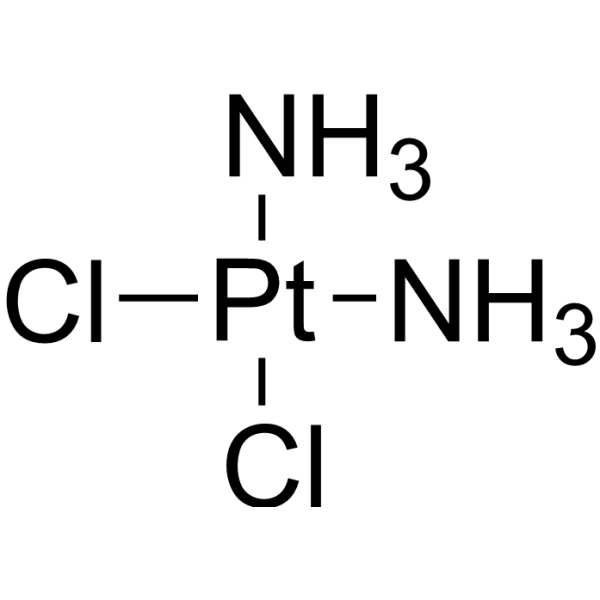
    Cisplatin
    Maximum Cited Publications
    769 Publications Verification

    cis-Platinum; CDDP; cis-Diaminodichloroplatinum

    DNA Alkylator/Crosslinker Ferroptosis Autophagy Pyroptosis Lipoxygenase Cancer
    Cisplatin (CDDP) is an antineoplastic chemotherapy agent by cross-linking with DNA and causing DNA damage in cancer cells. Cisplatin activates ferroptosis and induces autophagy .
    Cisplatin
  • HY-13629
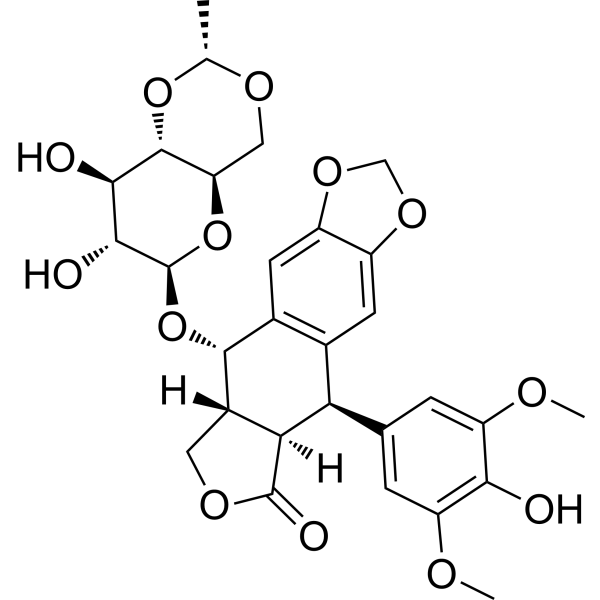
    Etoposide
    170+ Cited Publications

    VP-16; VP-16-213

    Topoisomerase Autophagy Mitophagy Bacterial Apoptosis Antibiotic Infection Cancer
    Etoposide (VP-16; VP-16-213) is an anti-cancer chemotherapy agent. Etoposide inhibits topoisomerase II, thus stopping DNA replication. Etoposide induces cell cycle arrest, apoptosis and autophagy .
    Etoposide
  • HY-15142
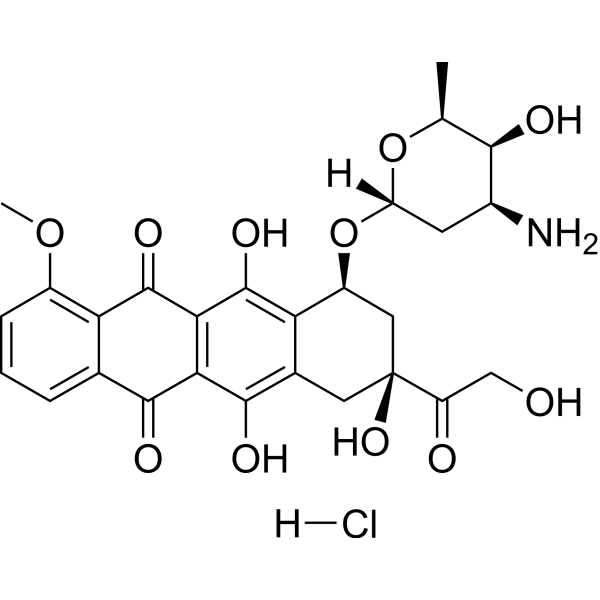
    Doxorubicin hydrochloride
    Maximum Cited Publications
    650 Publications Verification

    Hydroxydaunorubicin hydrochloride; ADR

    Topoisomerase ADC Payload AMPK Autophagy Apoptosis HIV HBV Mitophagy Antibiotic Bacterial Fluorescent Dye Infection Cancer
    Doxorubicin hydrochloride (Hydroxydaunorubicin hydrochloride; ADR), a cytotoxic anthracycline antibiotic, is an anti-cancer chemotherapy agent. Doxorubicin hydrochloride is a potent human DNA topoisomerase I and topoisomerase II inhibitor with IC50s of 0.8 μM and 2.67 μM, respectively. Doxorubicin hydrochloride reduces basal phosphorylation of AMPK and its downstream target acetyl-CoA carboxylase. Doxorubicin hydrochloride induces apoptosis and autophagy .
    Doxorubicin hydrochloride
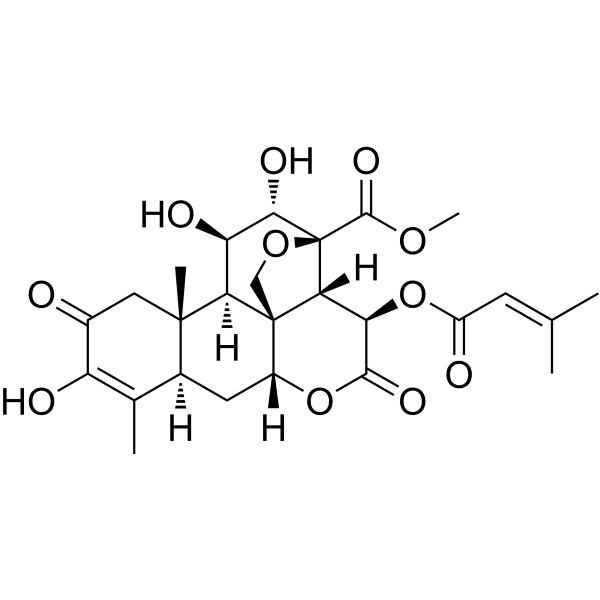
  • HY-19543
    Brusatol
    35+ Cited Publications

    NSC 172924

    Keap1-Nrf2 Apoptosis Cancer
    Brusatol (NSC 172924) is a unique inhibitor of the Nrf2 pathway that sensitizes a broad spectrum of cancer cells to Cisplatin and other chemotherapeutic agents. Brusatol enhances the efficacy of chemotherapy by inhibiting the Nrf2-mediated defense mechanism. Brusatol can be developed into an adjuvant chemotherapeutic agent . Brusatol increases cellular apoptosis .
    Brusatol
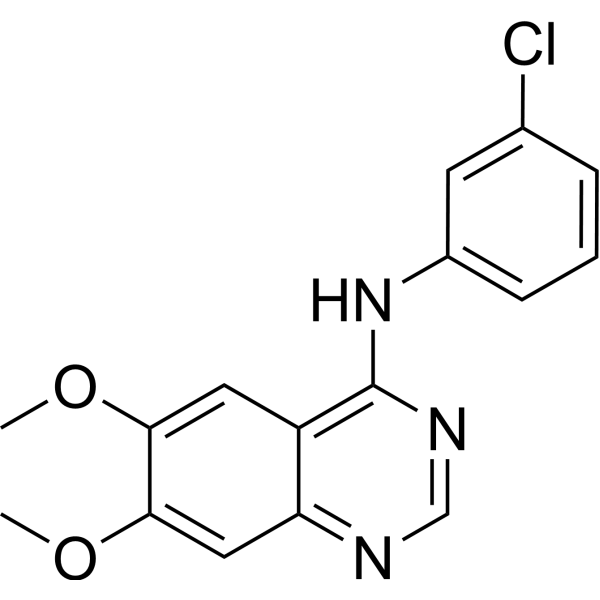
  • HY-13524
    AG-1478
    45+ Cited Publications

    Tyrphostin AG-1478; NSC 693255

    EGFR HCV Influenza Virus Infection Cardiovascular Disease Metabolic Disease Cancer
    AG-1478 (Tyrphostin AG-1478) is a selective EGFR tyrosine kinase inhibitor with IC50 of 3 nM. AG-1478 has antiviral effects against HCV and encephalomyocarditis virus (EMCV).
    AG-1478
  • HY-13630
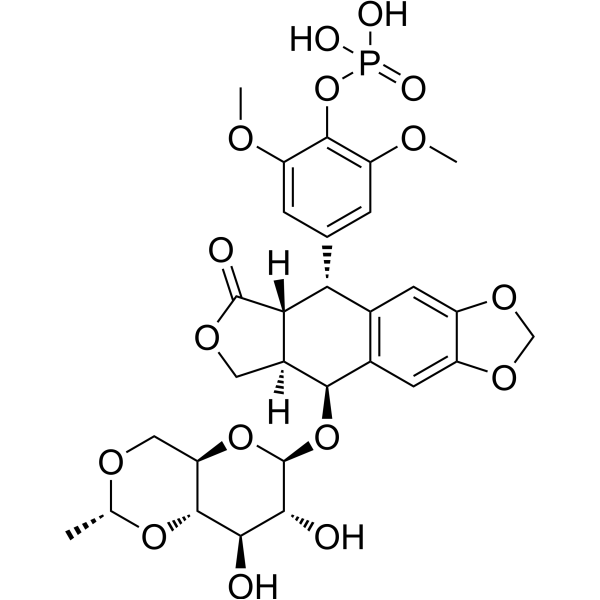
    Etoposide phosphate
    170+ Cited Publications

    BMY-40481

    Topoisomerase Bacterial Autophagy Apoptosis Infection Neurological Disease Cancer
    Etoposide phosphate (BMY-40481) is a potent anti-cancer chemotherapy agent and a selective topoisomerase II inhibitor to prevent re-ligation of DNA strands. Etoposide phosphate is the phosphate ester proagent of etoposide and is considered as active equivalent to Etoposide. Etoposide phosphate induces cell cycle arrest, apoptosis, and autophagy.
    Etoposide phosphate
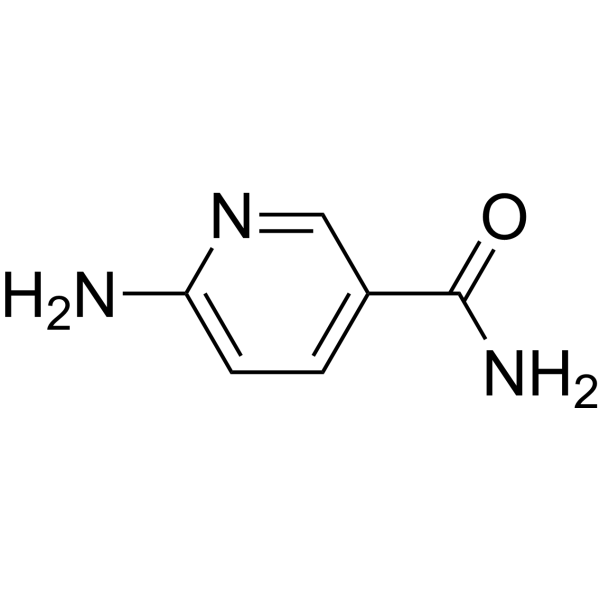
  • HY-W010342
    6-Aminonicotinamide
    15+ Cited Publications

    NADPH Oxidase Cancer
    6-Aminonicotinamide, a potent antimetabolite of nicotinamide, is competitive NADP +-dependent enzyme glucose-6-phosphate dehydrogenase (G6PD) inhibitor (Ki=0.46 μM). 6-Aminonicotinamide resultis ATP depletion and synergizes with DNA-crosslinking chemotherapy agents, such as Cisplatin (HY-17394), in killing cancer cells .
    6-Aminonicotinamide
  • HY-100421
    CPI-455
    10+ Cited Publications

    Histone Demethylase Cancer
    CPI-455 is a specific, pan-KDM5 inhibitor with an IC50 of 10 nM for KDM5A. CPI-455 mediates KDM5 inhibition, elevates global levels of H3K4me3, and decreases the number of drug-tolerant persister cancer cells in multiple cancer cell line models treated with standard chemotherapy or targeted agents .
    CPI-455
  • HY-15142R
    Doxorubicin hydrochloride (Standard)
    5 Publications Verification

    Hydroxydaunorubicin hydrochloride (Standard); ADR (Standard)

    Reference Standards Topoisomerase ADC Payload AMPK Autophagy Apoptosis HIV HBV Mitophagy Antibiotic Bacterial Fluorescent Dye Infection Cancer
    Doxorubicin hydrochloride (Standard) is the analytical standard of Doxorubicin hydrochloride. This product is intended for research and analytical applications. Doxorubicin (Hydroxydaunorubicin) hydrochloride, a cytotoxic anthracycline antibiotic, is an anti-cancer chemotherapy agent. Doxorubicin hydrochloride is a potent human DNA topoisomerase I and topoisomerase II inhibitor with IC50s of 0.8 μM and 2.67 μM, respectively. Doxorubicin hydrochloride reduces basal phosphorylation of AMPK and its downstream target acetyl-CoA carboxylase. Doxorubicin hydrochloride induces apoptosis and autophagy .
    Doxorubicin hydrochloride (Standard)
  • HY-P99160

    hMN14

    Transmembrane Glycoprotein Cancer
    Labetuzumab is a humanised anti-carcinoembryonic antigen (CEA) monoclonal antibody that inhibits tumour growth and sensitises human medullary thyroid cancer xenografts to Dacarbazine chemotherapy .
    Labetuzumab
  • HY-15142A

    Hydroxydaunorubicin

    ADC Payload Antibiotic Bacterial Topoisomerase AMPK HIV Autophagy Mitophagy Apoptosis HBV Fluorescent Dye Infection Cancer
    Doxorubicin (Hydroxydaunorubicin), a cytotoxic anthracycline antibiotic, is an anti-cancer chemotherapy agent. Doxorubicin is a potent human DNA topoisomerase I and topoisomerase II inhibitor with IC50s of 0.8 μM and 2.67 μM, respectively. Doxorubicin reduces basal phosphorylation of AMPK and its downstream target acetyl-CoA carboxylase. Doxorubicin induces apoptosis and autophagy .
    Doxorubicin
  • HY-130250
    SR-4835
    15+ Cited Publications

    CDK Apoptosis Cancer
    SR-4835 is a potent, highly selective and ATP competitive dual inhibitor of CDK12/CDK13 (CDK12: IC50=99 nM, Kd=98 nM; CDK13: Kd=4.9 nM). SR-4835 acts in synergy with DNA-damaging chemotherapy and PARP inhibitors and provokes triple-negative breast cancer (TNBC) cell death .
    SR-4835
  • HY-19542
    C6 Ceramide
    3 Publications Verification

    C6-Cer; N-Hexanoylsphingosine

    Apoptosis Cancer
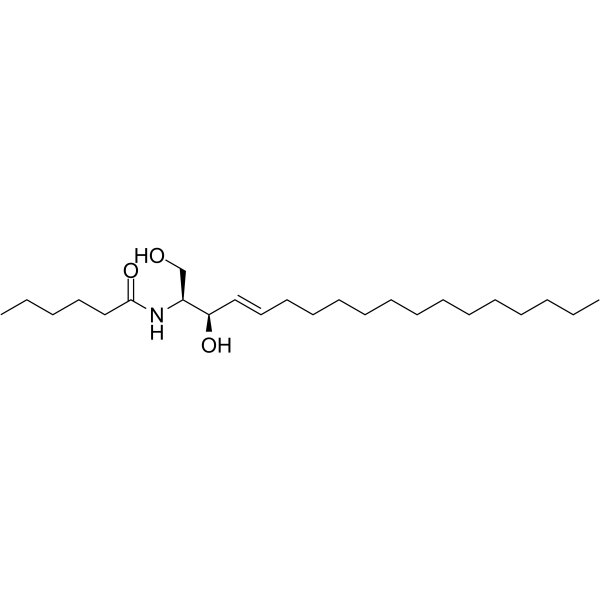
    C6 Ceramide (C6-Cer) is a short-chain, cell-permeable ceramide pathway activator with anticancer activity. C6 Ceramide-mediated miR-29b expression participates in the progression of multiple myeloma through suppressing the proliferation, migration and angiogenesis of endothelial cells by targeting Akt signal pathway. C6 Ceramide exhibits multiple anti-cancer properties including cell cycle arrest, Apoptosis, inhibition of tumor growth and enhances the effects of chemotherapy in drug-resistant cancer cells. C6-ceramide can be used as an adjuvant for chemotherapeutic agents, to enhance anti-tumor effects .
    C6 Ceramide
  • HY-P991628

    PF-08634404

    PD-1/PD-L1 VEGFR Cancer
    SSGJ-707 (PF-08634404) is a bispecific antibody targeting VEGF and PD-1. SSGJ-707 exerts dual anti-tumor effects by neutralizing VEGF and blocking the PD-1 signaling pathway. SSGJ-707 can be combined with platinum-based chemotherapy to inhibit advanced non-small cell lung cancer (NSCLC), and its inhibitory effect is not limited by PD-L1 expression levels. In the HARMONi-2 trial, the objective response rate of SSGJ-707 correlates with the PD-L1 tumor proportion score, and the incidence of grade ≥3 adverse events is comparable to that of Inetetamab (HY-P99969). SSGJ-707 is being extensively investigated for a variety of malignancies including advanced NSCLC, colorectal cancer and small cell lung cancer .
    SSGJ-707
  • HY-B0750

    MDL-73147

    5-HT Receptor Cancer
    Dolasetron (MDL-73147) is a serotonin 5-HT3 receptor antagonist. Dolasetron acts as an antiemetics agent and can be used for the research of chemotherapy-induced nausea and vomiting in cancer .
    Dolasetron
  • HY-13627
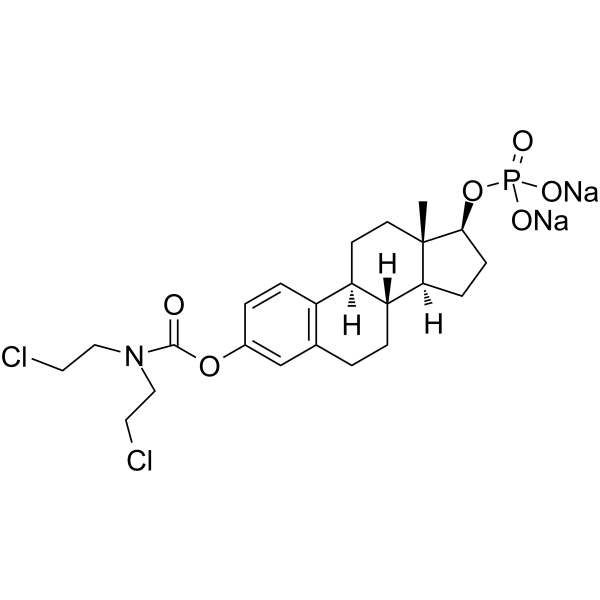
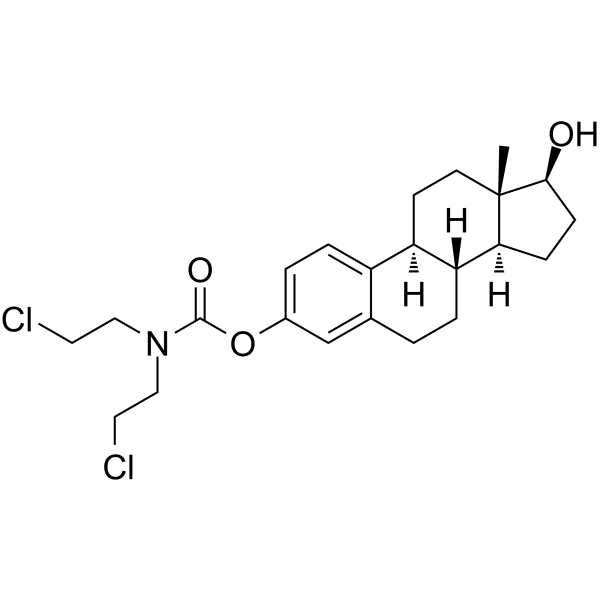
    Estramustine phosphate sodium
    1 Publications Verification

    Apoptosis Microtubule/Tubulin Mitosis Inflammation/Immunology Endocrinology Cancer
    Estramustine phosphate sodium, an estradiol analog, is an orally active antimicrotubule chemotherapy agent. Estramustine phosphate sodium depolymerises microtubules by binding to microtubule associated proteins (MAPs) and/or to tubulin. Estramustine phosphate sodium can interfere mitosis, trigger cell death and induce apoptosis, which can be used for the research of cancer like prostate cancer .
    Estramustine phosphate sodium
  • HY-B0002A

    GR 38032 hydrochloride dihydrate; SN 307 hydrochloride dihydrate

    5-HT Receptor Neurological Disease
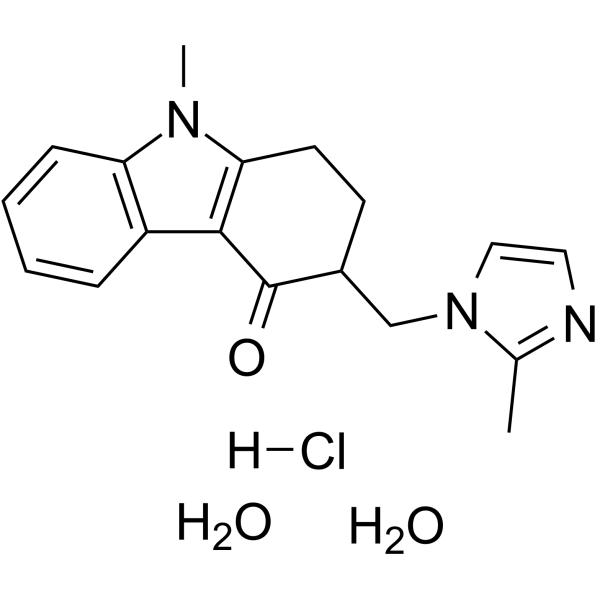
    Ondansetron (GR 38032; SN 307) hydrochloride dehydrate is a highly selective 5-HT3 receptor antagonist with an IC50 value of 103 pM. Ondansetron hydrochloride dehydrate exerts its antiemetic effect by antagonizing 5-HT receptors located in localized neurons in the peripheral and central nervous systems. Ondansetron hydrochloride dehydrate can inhibit nausea and vomiting induced by chemotherapy and radiotherapy .
    Ondansetron hydrochloride dihydrate
  • HY-103711
    Estramustine
    1 Publications Verification

    Microtubule/Tubulin Apoptosis Mitosis Cancer
    Estramustine, an estradiol analog, is an orally active antimicrotubule chemotherapy agent. Estramustine depolymerises microtubules by binding to microtubule associated proteins (MAPs) and/or to tubulin. Estramustine can interfere mitosis, trigger cell death and induce apoptosis, which can be used for the research of cancer like prostate cancer .
    Estramustine
  • HY-16212

    Biochemical Assay Reagents Cancer
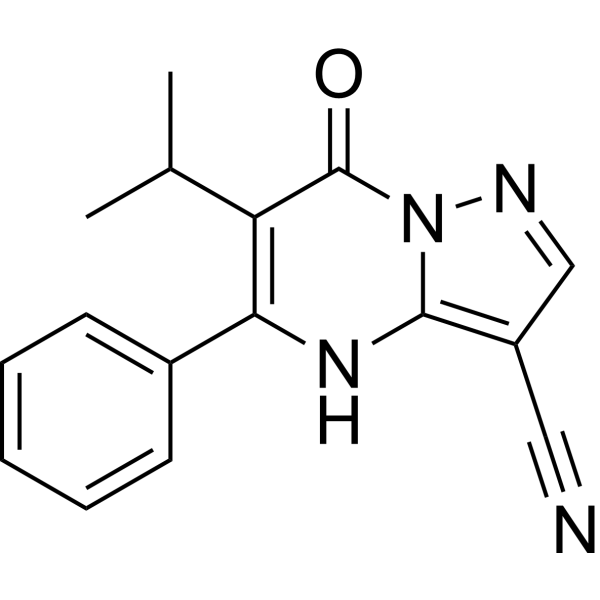
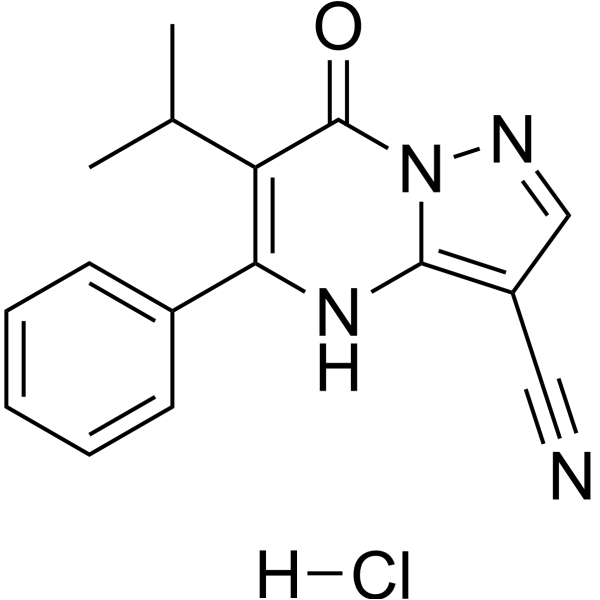
    FR901464 is a potent spliceosome inhibitor with prominent anti-tumor and anti-cancer effects .
    FR901464
  • HY-138832

    APG-1252-M1

    Bcl-2 Family Apoptosis Caspase PARP Cancer
    BM-1244 (APG-1252-M1) is a Bcl-xL/Bcl-2 inhibitor with Kis of 134 nM and 450 nM. BM-1244 has anti-tumor effects by inducing apoptosis and suppressing tumor growth. BM-1244 can induce cytochrome C and Smac release from mitochondria with caspase-3 and PARP cleavage. BM-1244 exhibits synergy with chemotherapy in vivo. BM-1244 can be studied in research for colorectal cancer, acute myeloid leukemia and gastric cancer .
    BM-1244
  • HY-N4168A

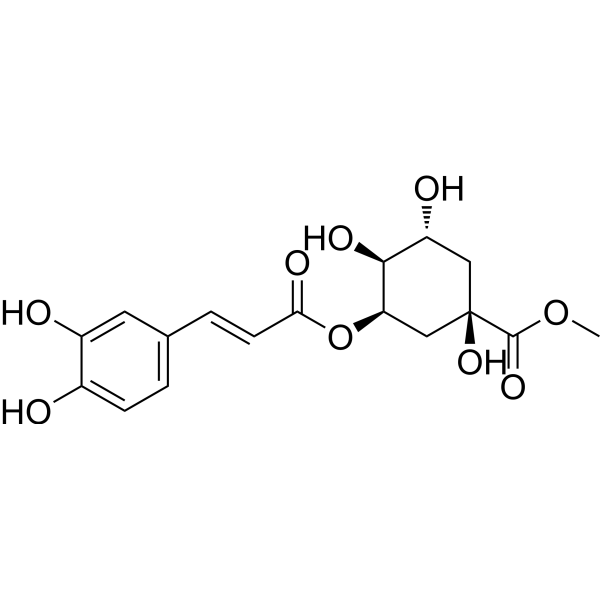
    5-O-Caffeoylquinic acid methyl ester

    Quinone Reductase HBV Infection Cancer
    Neochlorogenic acid (5-O-Caffeoylquinic) methyl ester is a selective quinone reductase inducer (EC50 = 6.7 μM) and also exhibits hydroxyl radical scavenging activity (EC50 = 0.81 μM). Neochlorogenic acid methyl ester scavenges hydroxyl radicals by donating electrons or hydrogen atoms, while simultaneously inducing quinone reductase expression to enhance carcinogen detoxification, thus exerting antioxidant and cancer chemopreventive activities. Neochlorogenic acid methyl ester is used in research on antioxidant damage and promoting detoxification metabolism, primarily in the fields of cancer chemotherapy and antioxidant-related diseases. Neochlorogenic acid methyl ester is also an HBV inhibitor and can be isolated from the flower buds of *L. japonica* .
    Neochlorogenic acid methyl ester
  • HY-113976A

    Endothal

    Environmental Pollutants Phosphatase Cancer
    Endothall (Endothal) is a protein phosphatase 2A (PP2A) inhibitor with IC50s of 90 nM and 5 µM for PP2A and PP1, respectively. Endothall can be used as an herbicide. Endothall also is useful in cancer chemotherapy .
    Endothall
  • HY-108345

    Antibiotic Cancer
    Bleomycin is a glycopeptide antibiotic. Bleomycin has potent antitumour activities against a range of lymphomas, head and neck cancers and germ-cell tumours. Bleomycin can be used for the research of cancer and chemotherapy .
    Bleomycin
  • HY-100421A
    CPI-455 hydrochloride
    10+ Cited Publications

    Histone Demethylase Cancer
    CPI-455 hydrochloride is a specific, pan-KDM5 inhibitor with an IC50 of 10 nM for KDM5A. CPI-455 hydrochloride mediates KDM5 inhibition, elevates global levels of H3K4me3, and decreases the number of drug-tolerant persister cancer cells in multiple cancer cell line models treated with standard chemotherapy or targeted agents .
    CPI-455 hydrochloride
  • HY-P2657

    HIF/HIF Prolyl-Hydroxylase Proton Pump Endogenous Metabolite Cancer
    Verucopeptin is a potent HIF-1 (IC50=0.22 μM) inhibitor and decreases the expression of HIF-1 target genes and HIF-1α protein levels. Verucopeptin strongly inhibits v-ATPase activity by directly targeting the v-ATPase ATP6V1G subunit but not ATP1V1B2 or ATP6V1D. Verucopeptin exhibits antitumor activity against multidrug resistance (MDR) cancers and can be used for cancer research.
    Verucopeptin
  • HY-77554

    Microtubule/Tubulin HIF/HIF Prolyl-Hydroxylase Cancer
    Cephalomannine is a Paclitaxel (HY-B0015) alkaloidal analog that can be isolated from most Cephalotaxus species. Cephalomannine is an orally active anti-tumor agent and can be used as a chemotherapy agent for cancer research .
    Cephalomannine
  • HY-153873

    Keap1-Nrf2 Reactive Oxygen Species (ROS) Cancer
    MSU38225 is an Nrf-2 inhibitor that increases levels of reactive oxygen species (ROS). MSU38225 inhibits the growth of human lung cancer cells and enhances the sensitivity of human lung cancer cells to chemotherapy in vitro and in vivo. MSU38225 can be used in cancer research .
    MSU38225
  • HY-P99261

    OMP 21M18

    Notch Cancer
    Demcizumab (OMP 21M18) is an anti-DLL4 monoclonal antibody. Demcizumab is a potent inhibitor of the Notch pathway. Demcizumab alone or in combination with chemotherapy is effective in various cancer models .
    Demcizumab
  • HY-109050
    Alobresib
    2 Publications Verification

    GS-5829

    Epigenetic Reader Domain Cancer
    Alobresib (GS-5829) is a BET bromodomain inhibitor, which represents a highly effective therapeutics agent against recurrent/chemotherapy resistant uterine serous carcinoma (USC) overexpressing c-Myc. Alobresib can be used in the metastatic castration-resistant prostate cancer (mCRPC) research .
    Alobresib
  • HY-119198

    Apoptosis Histone Methyltransferase Cancer
    NSC745885 an effective anti-tumor agent, shows selective toxicity against multiple cancer cell lines but not normal cells. NSC745885 is an effective down-regulator of EZH2 via proteasome-mediated degradation. NSC745885 provides possibilities for the study of advanced bladder and oral squamous cell carcinoma (OSCC) cancers .
    NSC745885
  • HY-12703
    KSI-3716
    2 Publications Verification

    c-Myc Autophagy Cancer
    KSI-3716 is a potent c-Myc inhibitor that blocks c-MYC/MAX binding to target gene promoters. KSI-3716 is an effective intravesical chemotherapy agent for bladder cancer .
    KSI-3716
  • HY-114842
    TDRL-551
    1 Publications Verification

    DNA/RNA Synthesis Cancer
    TDRL-551 is a potent replication protein A (RPA) inhibitor (IC50 = 18 µM). TDRL-551 inhibits RPA-DNA interaction and increases the anti-cancer efficacy of Platinum (Pt)-based chemotherapy. TDRL-551 can be used for the research of cancer, such as non-small cell lung cancer (NSCLC) .
    TDRL-551
  • HY-13629R
    Etoposide (Standard)
    1 Publications Verification

    VP-16 (Standard); VP-16-213 (Standard)

    Reference Standards Topoisomerase Autophagy Mitophagy Bacterial Apoptosis Antibiotic Infection Cancer
    Etoposide (Standard) is the analytical standard of Etoposide. This product is intended for research and analytical applications. Etoposide (VP-16; VP-16-213) is an anti-cancer chemotherapy agent. Etoposide inhibits topoisomerase II, thus stopping DNA replication. Etoposide induces cell cycle arrest, apoptosis and autophagy .
    Etoposide (Standard)
  • HY-122705

    RAD51 Cancer
    RAD51-IN-1, a derivative of B02, is a potent inhibitor of RAD51. RAD51-IN-1 can be used for cancer research .
    RAD51-IN-1
  • HY-N1773

    Others Cancer
    5,7,3' -tri-O-Methyl (-)-epicatechin (Compound 13) is a phospholipase Cγ1 (PLCγ1) inhibitor. 5,7,3' -tri-o-methyl (-)-epicatechin has a methylene dioxy benzene ring and can express inhibitory activity against PLCγ1. 5,7,3' -tri-O-Methyl (-)-epicatechin can be used in the study of chemotherapy and chemopexic agents for cancer .
    5,7,3'-Tri-O-methyl (-)-epicatechin
  • HY-116972

    SR 2508

    Biochemical Assay Reagents Cancer
    Etanidazole (SR 2508), a 2-nitroimidazole compound, is a hypoxic radiosensitizer used in cancer diagnosis and chemotherapy research .
    Etanidazole
  • HY-103159

    Adenosine Deaminase Cancer
    1-Deazaadenosine is a potent Adenosine deaminase (ADA) inhibitor with a Ki value of 0.66 μM. 1-Deazaadenosine exhibits anti-cancer activities in vitro and has the potential to be a chemotherapy agent for lymphoproliferative disorders .
    1-Deazaadenosine
  • HY-176205

    AB801

    TAM Receptor Cancer
    Ligritinib (AB801) is an orally active AXL receptor tyrosine kinase inhibitor. Ligritinib blocks the downstream signaling pathway by inhibiting the kinase activity of AXL. Ligritinib can be used in cancer research, especially in combination with chemotherapy for non-small cell lung cancer (NSCLC) .
    Ligritinib
  • HY-P991742

    15A7.5; ETx-22 Antibody

    ADC Antibody Cancer
    LY4101174 Antibody is an ADC antibody. LY4101174 is an antibody-drug conjugate (ADC) that targets the nectin-4 protein present on the surface of certain cancer cells. It can directly deliver a potent chemotherapy agent (Exatecan (HY-13631)) to the tumor site and is used for the study of advanced cancers, such as urothelial carcinoma, triple-negative breast cancer, and non-small cell lung cancer .
    LY4101174 Antibody
  • HY-155339

    Apoptosis DNA/RNA Synthesis Cancer
    Anticancer agent 168 (compound d16) is a inhibitor of DNA2. Anticancer agent 168 induces apoptosis and cell-cycle arrest mainly at S-phase, and exhibits anticancer activities and overcomes chemotherapy resistance in mutp53-bearing cancers .
    Anticancer agent 168
  • HY-104067

    NASTRp

    Epigenetic Reader Domain Cancer
    Naphthol AS-MX phosphate (NASTRp) is a small molecule inhibitor of the CREB (cyclic adenosine phosphate reaction element binding protein)-CBP (CREB binding protein) transcription factor complex. Naphthol AS-MX phosphate shows antitumor activity against lung cancer cells, inhibiting tumor cell proliferation (IC50=3.701 μmol/L), colony formation, and anchored independent growth in soft AGAR. Naphthol AS-MX phosphate can be used in the study of KRAS mutated lung cancer, especially for KRAS mutated lung cancer with poor chemotherapy resistance and prognosis .
    Naphthol AS-MX phosphate
  • HY-157169

    AMU302

    Pim mTOR Akt PI3K Cancer
    IBL-302 (AMU302) is an orally available dual-signaling inhibitor of PIM and PI3K/AKT/mTOR with activity against breast cancer and neuroblastoma. IBL-302 demonstrated in vivo efficacy in a nude mouse xenograft model, inhibiting trastuzumab (HY-P9907) resistance challenges. IBL-302 also enhances the effects of common cytotoxic chemotherapy drugs cisplatin (HY-17394), doxorubicin (HY-15142A), and etoposide (HY-13629) .
    IBL-302
  • HY-15142AS1

    Hydroxydaunorubicin-13C,d3 TFA

    Isotope-Labeled Compounds Antibiotic Endogenous Metabolite Infection Cancer
    Doxorubicin- 13C,d3 TFA is the deuterium and 13C labeled Doxorubicin. Doxorubicin (Hydroxydaunorubicin), a cytotoxic anthracycline antibiotic, is an anti-cancer chemotherapy agent. Doxorubicin inhibits topoisomerase II with an IC50 of 2.67 μM, thus stoppin
    Doxorubicin-13C,d3 TFA
  • HY-126042

    (±)-Lisophylline

    Interleukin Related Metabolic Disease Inflammation/Immunology
    (±)-Lisofylline ((±)-Lisophylline) is the racemate of Lisofylline. Lisofylline inhibits the generation of phosphatidic acid and free fatty acids. Lisofylline also blocks the release of pro-inflammatory cytokines in oxidative tissue injury, in response to cancer chemotherapy and in experimental sepsis. Lisofylline can be used for Type 1 diabetes research .
    (±)-Lisofylline
  • HY-D2438

    Fluorescent Dye Cancer
    CDDP-PEG-Cy3 is a CDDP-PEG conjugate labeled with Cy3 (HY-D0822). The Cy3 fluorophore is commonly used in applications such as immunolabeling, nucleic acid labeling, fluorescence microscopy, and flow cytometry. The maximum emission wavelength of Cy3 is approximately 562-570 nm. Cisplatin (CDDP) (HY-17394) is an antineoplastic chemotherapy agent by cross-linking with DNA and causing DNA damage in cancer cells. Cisplatin activates ferroptosis and induces autophagy .
    CDDP-PEG-Cy3
  • HY-176758

    Glutathione Peroxidase Cancer
    GPX4-IN-17 (Compound 9i) is an inhibitor of GPX4 with potent cytotoxicity (IC50 = 0.3 nM). GPX4-IN-17 shows strong binding affinity against GPX4 (KD = 20.4 nM). GPX4-IN-17 inhibits tumor growth in the xenograft tumor mouse model without detectable cytotoxicity. GPX4-IN-17 can enhance cancer chemotherapy and overcome tumor resistance. GPX4-IN-17 can be studied in antitumor reseach .
    GPX4-IN-17
  • HY-175812

    Endonuclease Cancer
    MU876 (Compound 32) is a MUS81 inhibitor with an IC50 of 0.5  μM. MU876 effectively inhibits MUS81-dependent homologous recombination (HR) and break-induced replication (BIR) pathways. MU876 sensitizes cancer cells to DNA-damaging agents, such as Cisplatin (HY-17394), through impairing their ability to repair DNA lesions. MU876 can be used for cancers chemotherapy research .
    MU876
  • HY-13630A

    BMY-40481 disodium

    Topoisomerase Autophagy Apoptosis Neurological Disease Cancer
    Etoposide phosphate disodium (BMY-40481 disodium) is a potent anti-cancer chemotherapy agent and a selective topoisomerase II inhibitor to prevent re-ligation of DNA strands. Etoposide phosphate disodium is the phosphate ester proagent of etoposide and is considered as active equivalent to Etoposide. Etoposide phosphate disodium induces cell cycle arrest, apoptosis, and autophagy.
    Etoposide phosphate disodium
  • HY-124582
    NEO214
    1 Publications Verification

    Autophagy mTOR Cancer
    NEO214 is an autophagy inhibitor and a covalent conjugate of the PDE4 inhibitor Rolipram (HY-16900) and perillyl alcohol (HY-N7000). It has anti-cancer activity and blood-brain barrier (BBB) permeability. Over sex. NEO214 prevents autophagy-lysosome fusion, thereby blocking autophagic flux and triggering glioma cell death. The process involves mTOR activation, andTFEB(Transcription Factor EB) aggregation. NEO214 inhibitionMacroautophagy/autophagy in glioblastoma cells has the potential to overcome chemotherapy resistance in glioblastoma .
    NEO214
  • HY-178467

    FAK PROTACs Cancer
    PROTAC FAK degrader 4 (Compound 9C) is an efficient and selective FAK PROTAC degrader. PROTAC FAK degrader 4 has a DC50 of 3.6 nM in MDA-MB-231 cells. PROTAC FAK degrader 4 significantly inhibits tumor cell proliferation, migration, and invasion, and enhances chemotherapy sensitivity to cisplatin (HY-17394). PROTAC FAK degrader 4 can be used for research on cancer. (Pink: FAK Ligand (HY-43760); Blue: VHL Ligand (HY-125845); Black: Linker (HY-W208616))
    PROTAC FAK degrader 4

Inquiry Online

Your information is safe with us. * Required Fields.

Salutation


Country or Region *

Applicant Name *


Organization Name *

Department *


Email Address *


Product Name *

Cat. No.


Requested quantity *

Phone Number *


Remarks

Inquiry Online

Inquiry Information

Product Name:
Cat. No.:
Quantity:
MCE Japan Authorized Agent:

