1. Search Result
Search Result
Results for "

Chronic pain

" in MedChemExpress (MCE) Product Catalog:

179

Inhibitors & Agonists

2

Screening Libraries

4

Fluorescent Dyes

17

Peptides

6

Inhibitory Antibodies

13

Natural
Products

10

Isotope-Labeled Compounds

Cat. No. Product Name Target Research Areas Chemical Structure
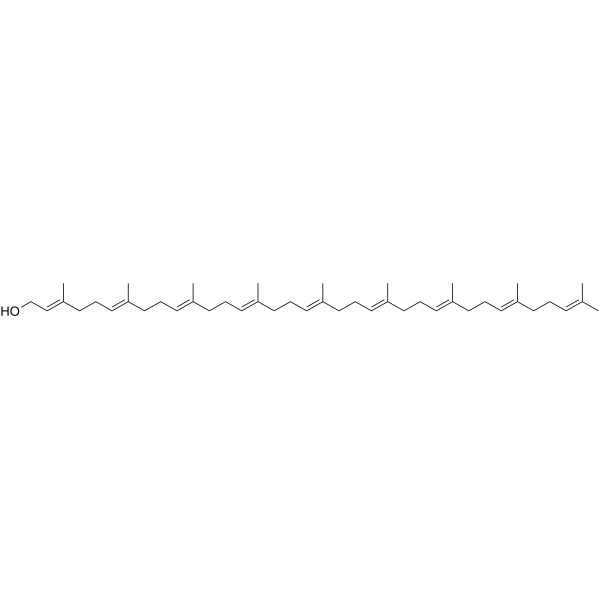
  • HY-108449
    Acoltremon
    2 Publications Verification

    WS-12; AR-15512; AVX-012

    TRP Channel Neurological Disease
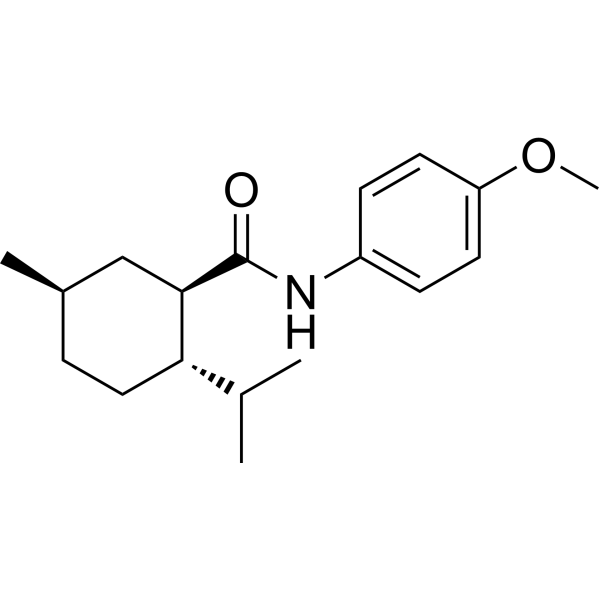
    Acoltremon (WS-12; AR-15512) is a potent and selective TRPM8 agonist, the menthol derivative, as a cooling agent. Acoltremon shows analgesic effect, and can be used in chronic neuropathic pain research .
    Acoltremon
  • HY-B0405
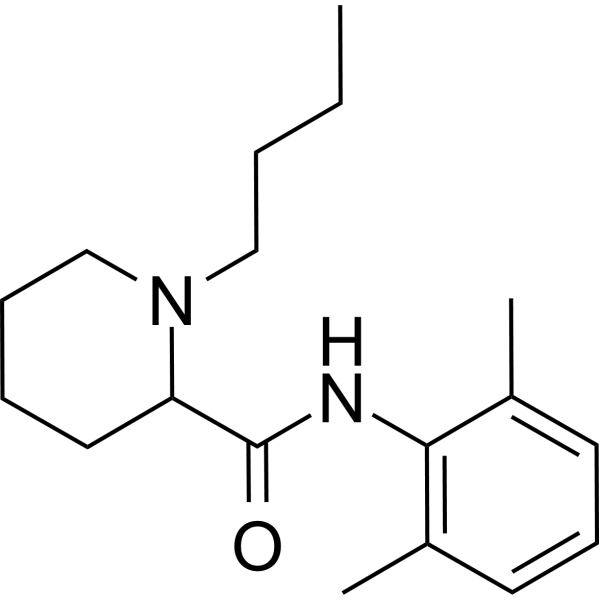
    Bupivacaine
    4 Publications Verification

    iGluR Sodium Channel Calcium Channel Potassium Channel Neurological Disease Cancer
    Bupivacaine is a NMDA receptor inhibitor. Bupivacaine can block sodium, L-calcium, and potassium channels.Bupivacaine potently blocks SCN5A channels with the IC50 of 69.5 μM. Bupivacaine can be used for the research of chronic pain .
    Bupivacaine
  • HY-P99221

    RN-624; PF 4383119

    Trk Receptor Neurological Disease Inflammation/Immunology Cancer
    Tanezumab (RN-624) is a humanized anti-NGF mAb with high affinity and specificity. Tanezumab blocks NGF binding to its receptors, p75 and TrkA, in the peripheral nervous system. Tanezumab can be used in studies of acute and chronic pain such as osteoarthritis, knee and neuralgia, as well as post-herpetic neuralgia .
    Tanezumab
  • HY-P0062B
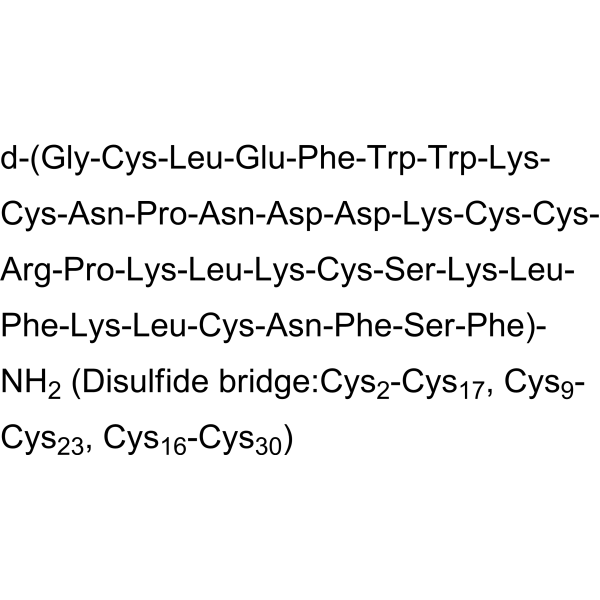
    Ziconotide acetate
    2 Publications Verification

    SNX-111 acetate

    Calcium Channel Cardiovascular Disease Inflammation/Immunology Cancer
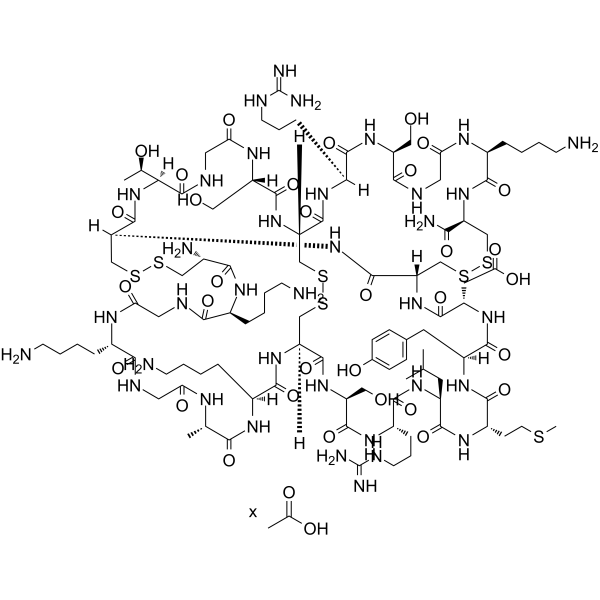
    Ziconotide acetate (SNX-111 acetate), a peptide, is a potent and selective block of N-type calcium channels antagonist. Ziconotide acetate reduces synaptic transmission, and can be used for chronic pain research .
    Ziconotide acetate
  • HY-142240

    HSK16149

    Calcium Channel Neurological Disease
    Crisugabalin is an orally active, selective ligand for the α2δ subunit of voltage-gated calcium channels, with a target IC50 of 3.96 nM in rats. Crisugabalin inhibits the binding of [ 3H]gabapentin to the α2δ subunit, reduces calcium influx, decreases neuronal excitability, and impairs nociceptive transmission. Crisugabalin alleviates mechanical allodynia, neuropathic pain and inflammatory pain in rats, and reduces phase II pain behaviors. Crisugabalin can be used in research related to chronic pain, neuropathic pain, diabetic neuropathy, fibromyalgia, inflammatory pain, diabetic peripheral neuropathy and postherpetic neuralgia.
    Crisugabalin
  • HY-15322
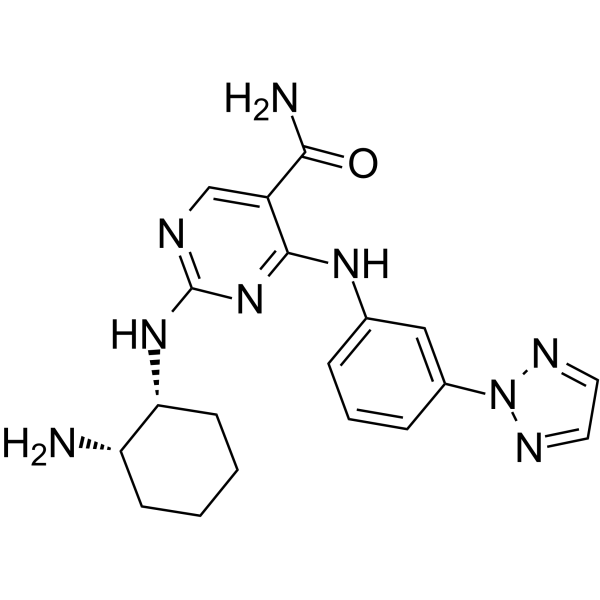
    PRT062607
    4 Publications Verification

    P505-15; PRT-2607; BIIB-057

    Syk Apoptosis Caspase Inflammation/Immunology Cancer
    PRT062607 (P505-15; PRT-2607) is an orally active ATP-competitive Syk inhibitor with an IC50 value of 1 nM, and exhibits at least 80-fold selectivity over other kinases. PRT062607 blocks B cell antigen receptor-mediated activation, Fcε receptor 1-mediated basophil degranulation and microglial phagocytosis, and induces caspase-dependent apoptosis and microglial death. PRT062607 inhibits tumor growth and peripheral nerve injury-induced mechanical allodynia, and prevents neuronal loss. PRT062607 can be used in research related to rheumatoid arthritis, chronic lymphocytic leukemia, non-Hodgkin's lymphoma, neurodegenerative diseases and neuropathic pain .
    PRT062607
  • HY-17474
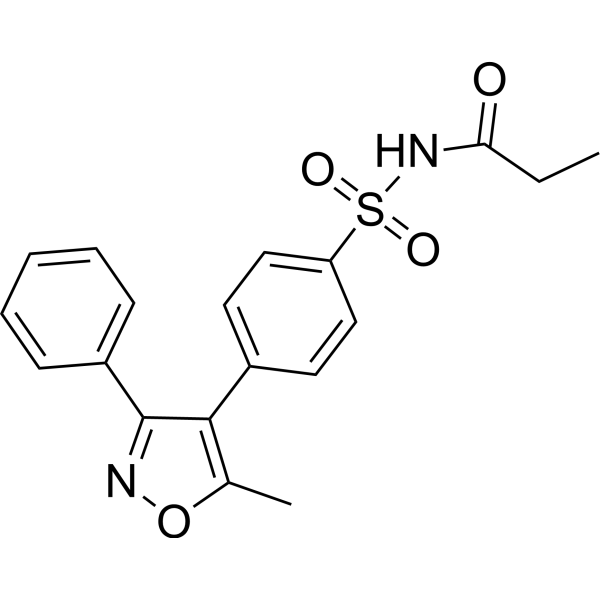
    Parecoxib
    5 Publications Verification

    SC 69124

    COX Infection Neurological Disease Inflammation/Immunology Cancer
    Parecoxib (SC 69124) is a highly selective and orally active COX-2 inhibitor that is permeable to the blood-brain barrier, the proagent of Valdecoxib (HY-15762). Parecoxib Sodium is a nonsteroidal anti-inflammatory agent (NSAID) and inhibits prostaglandin (PG) synthesis. Parecoxib can be used for the relief of acute postoperative pain and symptoms of chronic inflammatory conditions such as osteoarthritis and rheumatoid arthritis in vivo.
    Parecoxib
  • HY-N0388

    Others Neurological Disease
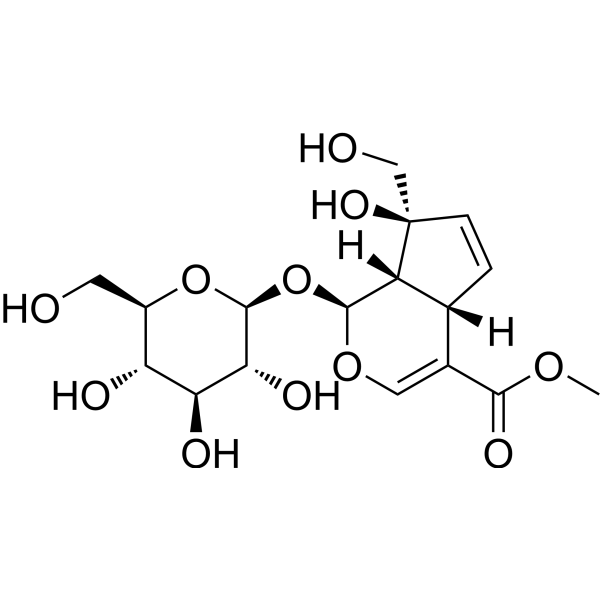
    Gelsemine, an alkaloid from the Chinese herb Gelsemium elegans, is effective in mitigating chronic pain. Antinociceptive effects.
    Gelsemine
  • HY-14777

    RGH-896

    iGluR Neurological Disease
    Radiprodil (RGH-896) is an orally active and selective NMDA NR2B antagonist. A potential therapeutic agent in treatment of neuropathic pain and possibly other chronic pain conditions .
    Radiprodil
  • HY-B0405A
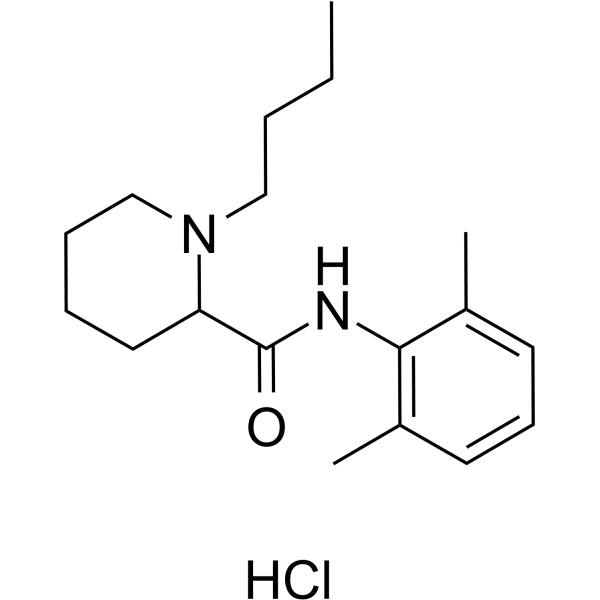
    Bupivacaine hydrochloride
    4 Publications Verification

    iGluR Sodium Channel Calcium Channel Potassium Channel Neurological Disease Cancer
    Bupivacaine hydrochloride is a NMDA receptor inhibitor.Bupivacaine can block sodium, L-calcium, and potassium channels.Bupivacaine potently blocks SCN5A channels with the IC50 of 69.5 μM. Bupivacaine hydrochloride can be used for the research of chronic pain .
    Bupivacaine hydrochloride
  • HY-P1626

    Opioid Receptor Neurological Disease
    Acetyl tetrapeptide-15 is a synthetic peptide. Acetyl tetrapeptide-15 is derived from endomorphin-2 (Tyr-Pro-Phe-Phe-NH2), a human μ-opioid agonist with selective anti-nociceptive effect. Acetyl tetrapeptide-15 reduces skin hyperreactivity producing inflammatory, chronic and neuropathic pain, by increasing the threshold of neuronal excitability in μ-opioid receptor via an endorphin-like pathway. Acetyl tetrapeptide-15 is used in the cosmetics for sensitive skin .
    Acetyl tetrapeptide-15
  • HY-171846

    TRP Channel Neurological Disease Inflammation/Immunology
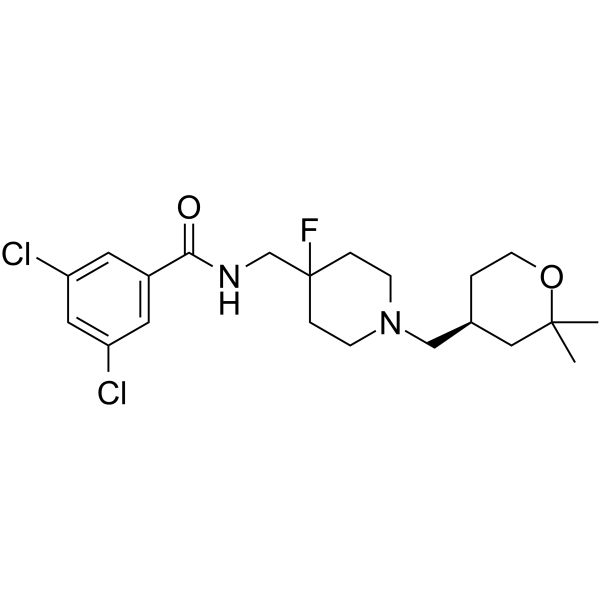
    LY3526318 is an orally active, selective TRPA1 antagonist (IC50=5-6μM). LY3526318 blocks TRPA1 channels, inhibits pain signal transduction mediated by the channel, and exerts analgesic activity. LY3526318 is mainly used in the research of chronic pain-related fields, such as diabetic peripheral neuropathy, chronic low back pain, and pain caused by osteoarthritis .
    LY3526318
  • HY-P0062

    SNX-111

    Calcium Channel Neurological Disease Inflammation/Immunology Cancer
    Ziconotide (SNX-111), a peptide, is a potent and selective block of N-type calcium channels antagonist. Ziconotide reduces synaptic transmission, and can be used for chronic pain research .
    Ziconotide
  • HY-130118

    Mas-related G-protein-coupled Receptor (MRGPR) Neurological Disease
    MRGPRX1 agonist 1 is a highly potent MRGPRX1 agonist (EC50=50 nM) with greater than 50-fold selectivity for δ, μ, and κ opioid receptors. MRGPRX1 agonist 1 is inactive against MRGPRC11. MRGPRC11 inhibits high voltage-activated (HVA) Ca 2+ currents, reduces neurotransmitter release, and mitigates nociceptive transmission in the spinal cord. MRGPRX1 agonist 1 is useful for the study of chronic pain, especially neuropathic pain .
    MRGPRX1 agonist 1
  • HY-110237

    P2X Receptor Calcium Channel Cardiovascular Disease
    BX430 is a potent and selective noncompetitive allosteric human P2X4 receptor channels antagonist with an IC50 of 0.54 μM. BX430 has species specificity. BX430 is used for chronic pain and cardiovascular disease.
    BX430
  • HY-P10908
    H-20
    1 Publications Verification

    PD-1/PD-L1 Others
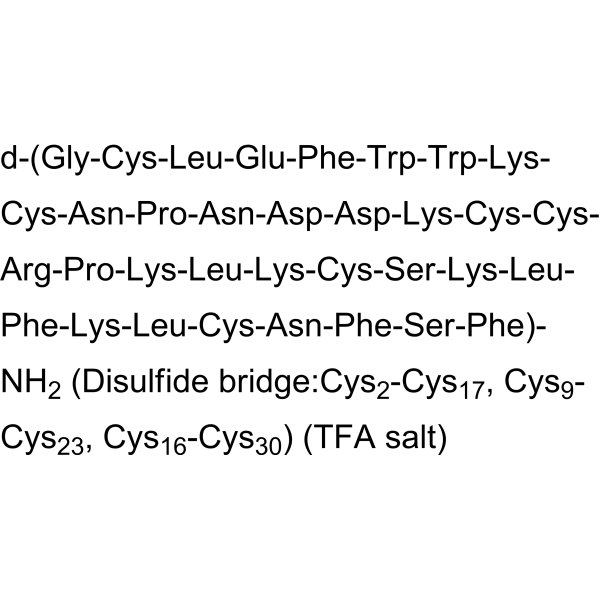
    H-20 is a PD-1 agonist. H-20 can be used in the research of chronic pain .
    H-20
  • HY-156684

    GDC-6599

    TRP Channel Neurological Disease
    GDC-6599 is an orally active TRPA1 inhibitor, with IC50 values of 5.3 nM in humans, 6.6 nM in rats, 9.3 nM in dogs, 7.2 nM in monkeys, and 15 nM in guinea pigs. GDC-6599 can be used in the research of neuropathic pain and respiratory diseases such as asthma and chronic cough .
    Nedizantrep
  • HY-122001

    Sodium Channel Neurological Disease
    PF-05186462 is a potent and selective inhibitor of human Nav1.7 voltage-dependent sodium channel, with an IC50 of 21 nM. PF-05186462 shows significant selectivity for Nav1.7 versus other sodium channels (Nav 1.1, 1.2, 1.3, 1.4, 1.5, 1.6, and 1.8). PF-05186462 can be used for the research of acute or chronic pain .
    PF-05186462
  • HY-17474A
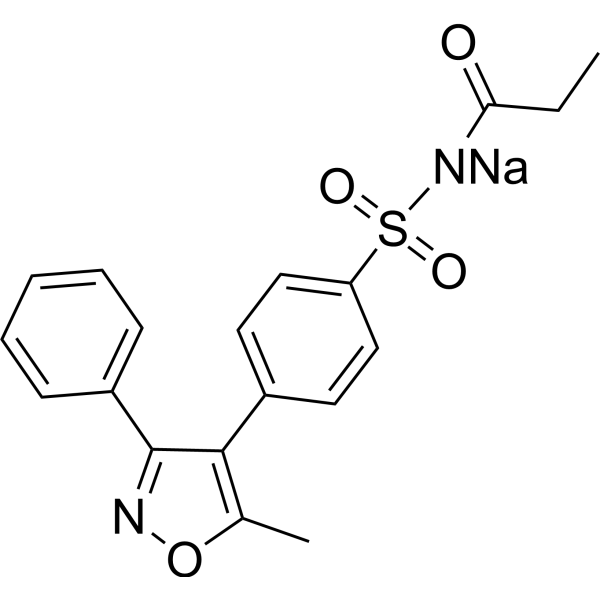
    Parecoxib Sodium
    5 Publications Verification

    SC 69124A

    COX Infection Neurological Disease Inflammation/Immunology Cancer
    Parecoxib Sodium (SC 69124A) is a highly selective and orally active COX-2 inhibitor that is permeable to the blood-brain barrier, the proagent of Valdecoxib (HY-15762). Parecoxib Sodium is a nonsteroidal anti-inflammatory agent (NSAID) and inhibits prostaglandin (PG) synthesis. Parecoxib Sodium can be used for the relief of acute postoperative pain and symptoms of chronic inflammatory conditions such as osteoarthritis and rheumatoid arthritis in vivo.
    Parecoxib Sodium
  • HY-P990071

    LY-3016859

    EGFR Neurological Disease Metabolic Disease Inflammation/Immunology
    Fepixnebart (LY3016859) is a humanized monoclonal hIgG4 antibody, which binds and neutralizes only TGFα and epiregulin with high affinity. Fepixnebart can be used for the study of diabetic nephropathy and broad-spectrum chronic pain, including diabetic peripheral neuropathic pain (DPNP), signs and symptoms of osteoarthritis (OA), and chronic low back pain (CLBP) .
    Fepixnebart
  • HY-163476

    PI4P5K Inflammation/Immunology Cancer
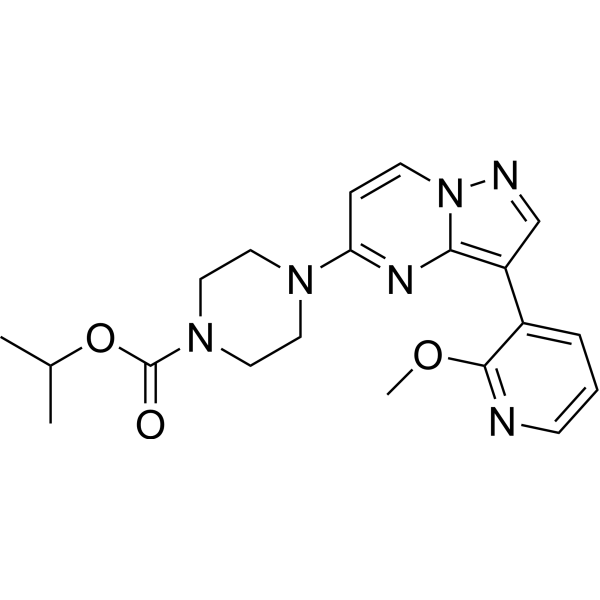
    PIP5K1C-IN-1 (Compound 30) is a potent PIP5K1C inhibitor, with an IC50 of 0.80 nM. PIP5K1C-IN-1 exhibits low total clearance in mice and high levels of kinase selectivity. PIP5K1C-IN-1 can be used for the research of cancer and chronic pain .
    PIP5K1C-IN-1
  • HY-118858

    EAAT Neurological Disease Cancer
    UCPH-102 is a highly selective EAAT1 inhibitor with an IC50 of 0.43 µM. UCPH-102 exhibits a specific anti-proliferative effect on T-ALL cells. UCPH-102 also shows good blood-brain permeability, which can be used in studies of amyotrophic lateral sclerosis, Alzheimer’s disease, chronic pain and obsessive compulsive disorder .
    UCPH-102
  • HY-101546A

    (+)-Cavidine

    p38 MAPK ERK Interleukin Related Neurological Disease Inflammation/Immunology
    Cavidine ((+)-Cavidine) is an analgesic and anti-inflammatory agent. Cavidine can be isolated from Corydalis ternata f. yanhusuo (Y.H.Chou & Chun C.Hsu) Y.C.Zhu. Cavidine reduces the expression of inflammatory factors IL-1β, IL-6 and TNF-α, and inhibits calcium ion influx. Cavidine inhibits the phosphorylation of p38 and ERK1/2. Cavidine increases mechanical and thermal pain thresholds in chronic pain models. Cavidine can be used for the research of chronic pain .
    Cavidine
  • HY-P1073

    Calcium Channel Potassium Channel Sodium Channel TRP Channel Neurological Disease Cancer
    ProTx-I is a toxin derived from Thrixopelma pruriens and a peptide inhibitor targeting TTX-resistant sodium channels. ProTx-I interacts with voltage sensors of multiple domains such as NaV1.7, reduces neuronal excitability through allosteric modulation of channel gating and alteration of voltage dependence. The IC50 values of ProTx-I against human NaV1.7, NaV1.2, NaV1.6, and NaV1.5 are 95 nM, 104 nM, 21 nM, and 358 nM, respectively; ProTx-I also potently inhibits Ba 2+ currents of hCav3.1, while its inhibitory potency against hCav3.2 is approximately 160-fold lower. ProTx-I is applicable to the research of chronic pain .
    ProTx-I
  • HY-B0405AR
    Bupivacaine hydrochloride (Standard)
    1 Publications Verification

    Reference Standards iGluR Sodium Channel Calcium Channel Potassium Channel Neurological Disease Cancer
    Bupivacaine (hydrochloride) (Standard) is the analytical standard of Bupivacaine (hydrochloride). This product is intended for research and analytical applications. Bupivacaine hydrochloride is a NMDA receptor inhibitor.Bupivacaine can block sodium, L-calcium, and potassium channels.Bupivacaine potently blocks SCN5A channels with the IC50 of 69.5 μM. Bupivacaine hydrochloride can be used for the research of chronic pain .
    Bupivacaine hydrochloride (Standard)
  • HY-103550

    mGluR Neurological Disease
    A-841720 is a potent, non-competitive and selective mGlu1 receptor antagonist with an IC50 of 10 nM for human mGlu1 receptor. A-841720 displays 34-fold selectivity over mGlu5 (IC50 of 342 nM), and no significant activity at a range of other neurotransmitter receptors, ion channels, and transporters. A-841720 has the potential for chronic pain research .
    A-841720
  • HY-110358

    Sodium Channel Inflammation/Immunology
    QAQ dichloride, a photoswitchable voltage-gated Nav and Kv channels blocker, blocks channels in its trans form (of the azobenzene photoswitch), but not in its cis form. QAQ dichloride is membrane-impermeant and only infiltrates pain-sensing neurons that express endogenous import channels. QAQ dichloride acts as a light-sensitive analgesic and can be used for studying of signaling mechanisms in acute and chronic pain .
    QAQ dichloride
  • HY-175231

    5-HT Receptor Neurological Disease
    ST171 is a bitopic 5-HT1AR agonist with an Ki of 0.41  nM. ST171 selectively activates Gi/o signaling pathway and inhibits 5-HT1AR-mediated cAMP accumulation without Gs activation and marginal β-arrestin recruitment. T171 reduces hypersensitivity in chronic neuropathic and inflammatory pain mice model. ST171 can be used for pain research .
    ST171
  • HY-B0405S

    Isotope-Labeled Compounds iGluR Sodium Channel Calcium Channel Potassium Channel Neurological Disease
    Bupivacaine-d99 is a deuterium labeled Bupivacaine. Bupivacaine is a NMDA receptor inhibitor.Bupivacaine can block sodium, L-calcium, and potassium channels.Bupivacaine potently blocks SCN5A channels with the IC50 of 69.5 μM. Bupivacaine can be used for the research of chronic pain .
    Bupivacaine-d9
  • HY-P991711

    Trk Receptor Neurological Disease Inflammation/Immunology
    Povovetug is a humanized IgG1κ chimeric monoclonal antibody inhibitor targeting NGF/bNGF. Povovetug has a significant analgesic activity. Povovetug can be used for central neuroinflammation like chronic radicular pain research .
    Povovetug
  • HY-108449S

    WS-12-d3; AR-15512-d3; AVX-012-d3

    Isotope-Labeled Compounds TRP Channel Neurological Disease
    Acoltremon-d3 (WS-12-d3) is the deuterium labeled Acoltremon (HY-108449). Acoltremon is a potent and selective TRPM8 agonist, the menthol derivative, as a cooling agent. Acoltremon shows analgesic effect, and can be used in chronic neuropathic pain research .
    Acoltremon-d3
  • HY-159094

    Sodium Channel Neurological Disease
    Nav1.8-IN-15 (compound 6) is a potent Nav1.8 inhibitor. Nav1.8-IN-15 shows analgesic effect. Nav1.8-IN-15 has the potential for the research of chronic pain .
    Nav1.8-IN-15
  • HY-P5907

    Opioid Receptor Neurological Disease
    Helianorphin-19 is a potent and selective κ-opioid receptor (KOR) activator with a Ki of 21 nM and an EC50 of 45 nM. Helianorphin-19 exhibits strong KOR-specific peripheral analgesic activity in a mouse model of chronic visceral pain .
    Helianorphin-19
  • HY-175366

    Opioid Receptor Arrestin Neurological Disease
    DOR agonist 3 (Compound 10) is a δ-opioid receptor (DOR)-selective positive allosteric modulator. DOR agonist 3 enhances G protein signaling while reducing β-arrestin2 recruitment. DOR agonist 3 is promising for research of chronic pain and depression .
    DOR agonist 3
  • HY-14406

    Neurokinin Receptor Neurological Disease Cancer
    L-733060 is a selective neurokinin-1 (NK-1) receptor antagonist. L-733060 mainly regulates pain transmission and neural plasticity by blocking the binding of Substance P (P substance) to the NK-1 receptor. L-733060 blocks the promoting effect of Substance P on long-term potentiation (LTP) in the hippocampus. L-733060 reverses the orofacial hyperalgesia induced by experimental occlusal interference (EOI) in rats. L-733060 hydrochloride inhibits neurogenic plasma extravasation at a dose that does not cause adverse cardiovascular effects in rodents, and also acts as an anti-tumor agent. L-733060 can be used for the study of chronic orofacial pain .
    L-733060
  • HY-159931

    AAK1 Neurological Disease
    HW161023 (compound 5) is an orally active AP2-associated protein kinase 1 (AAK1) inhibitor with IC50 values of 5.4 nM and 11.9 μM aganist of AAK1and hERG, respectively. HW161023 inhibits the pain in chronic constriction injury of the sciatic nerve rat model .
    HW161023
  • HY-174845

    Sodium Channel Neurological Disease
    Nav1.8-IN-20 (Compound I) is an orally active and potent voltage-gated sodium channel Nav1.8 inhibitor with an IC50 value of 14 nM. Nav1.8-IN-20 blocks the generation and conduction of action potentials in peripheral nociceptive neurons, exerting analgesic effects. Nav1.8-IN-20 is promising for research of various pain types such as acute pain, chronic pain, inflammatory pain, and neuropathic pain .
    Nav1.8-IN-20
  • HY-W344115

    5-HT Receptor Dopamine Transporter Adrenergic Receptor Neurological Disease
    Bicifadine is an orally active serotonin/norepinephrine/dopamine triple reuptake inhibitor. Bicifadine is an effective antinociceptive in several models of acute, persistent, and chronic pain .
    Bicifadine
  • HY-148708

    iGluR Neurological Disease
    Oleoyl-D-lysine is a selective Glycine Transporter-2 (GlyT2) inhibitor based on lipid. Oleoyl-D-lysine reverses neuropathic pain in mice,shows antidrowsiness effect on chronic neuropathic pain. Oleoyl-D-lysine is safe and effective without respiratory depression .
    Oleoyl-D-lysine
  • HY-W415121

    iGluR Sodium Channel Calcium Channel Potassium Channel Neurological Disease Cancer
    Bupivacaine hydrochloride monohydrate is a NMDA receptor inhibitor. Bupivacaine hydrochloride monohydrate can block sodium, L-calcium, and potassium channels. Bupivacaine hydrochloride monohydrate potently blocks SCN5A channels with the IC50 of 69.5 μM. Bupivacaine hydrochloride monohydrate can be used for the research of chronic pain .
    Bupivacaine hydrochloride monohydrate
  • HY-171778

    Sodium Channel Neurological Disease Inflammation/Immunology
    QLS-81 is a Nav1.7 channel inhibitor (IC50: 1.5 μM). QLS-81 has significant analgesic activity and can relieve neuropathic and inflammatory pain. QLS-81 exerts frequency-dependent inhibitory effects by inhibiting the inactivated state of Nav1.7 channels. QLS-81 can be used in the study of chronic pain .
    QLS-81
  • HY-120484

    Calcium Channel Neurological Disease
    A-1048400 is an orally active and selective calcium channel inhibitor with an IC50 value of 1.4 μM for N-type channels, 1.2 μM for T-type channel. A-1048400 inhibits neurotransmitter release and reduces membrane hyperexcitability, exerting potent analgesic activity. A-1048400 is promising for research of neuropathic pain (e.g., pain induced by spinal nerve ligation and chronic constriction injury) .
    A-1048400
  • HY-P10767

    Neurotensin Receptor Neurological Disease
    MD01-67 is a selective macrocyclic compound targeting the neurotensin receptor type 2 (NTS2), with Ki of 2.9 nM. MD01-67 exhibits analgesic and tactile hypersensitivity reducing activity in rats acute/persistent/chronic inflammatory pain models .
    MD01-67
  • HY-142700

    Somatostatin Receptor Neurological Disease
    SSTR4 agonist 3 is a potent agonist of SSTR4. SSTR4 is expressed at relatively high levels in the hippocampus and neocortex, memory and learning regions, and Alzheimer's disease pathology. SSTR4 agonists are potent in rodent models of pain associated with acute and chronic associated anti-peripheral nociceptive and anti-inflammatory activity. SSTR4 agonist 3 has the potential for the research of pain (extracted from patent WO2021233427A1, compound 14) .
    SSTR4 agonist 3
  • HY-P3223A

    Opioid Receptor Neurological Disease
    Biphalin acetate, a BBB-penetrable opioid peptide analog, contains two active enkephalin pharmacophores.Biphalin acetate has high affinity for opioid receptors. Biphalin acetate shows analgesic effect in acute, neuropathic, and chronic animal pain models. Biphalin acetate is also an antiviral, antiproliferative, anti-inflammatory, and neuroprotective agent .
    Biphalin acetate
  • HY-P10898

    nAChR Calcium Channel GABA Receptor Neurological Disease
    GeX-2 is a truncated analogue of αO-conotoxin. GeX-2 activates GABAB receptor. GeX-2 inhibits α9α10 nAChR and CaV2.2 channels. GeX-2 alleviates pain in the rat model of chronic constriction injury .
    GeX-2
  • HY-P991622

    Trk Receptor Neurological Disease Inflammation/Immunology
    MNAC13 is a kind of mouse IgG1 chimeric antibody, targeting to human TrkA. MNAC13 inhibits the NGF dependent signaling pathway by specifically binding to TrkA receptors. MNAC13 has good analgesic effect and long-lasting efficacy. MNAC13 can be used for researches on inflammatory and chronic pain .
    MNAC13
  • HY-169808

    mGluR Neurological Disease
    BOMA (Compound 7) is a potent and selective metabotropic glutamate receptor 5 (mGluR 5) antagonist with an IC50 value of 3 nM and an Ki value of 3 nM. BOMA is promising for research of various pain states, including acute, persistent and chronic pain, inflammatory pain and neuropathic pain .
    BOMA
  • HY-162244

    COX Inflammation/Immunology
    COX-2-IN-40 (compound 17) is a COX-2 inhibitor with the IC50 of 14.86 μM. COX-2-IN-40 can be used for study of chronic pain .
    COX-2-IN-40
  • HY-P991323

    Trk Receptor Neurokinin Receptor Inflammation/Immunology
    MEDI-1912 is a human monoclonal antibody (mAb) targeting NGF/bNGF. MEDI-1912 inhibits signaling through TrkA and p75 receptors. MEDI-1912 can be used in chronic pain research .
    MEDI-1912

Inquiry Online

Your information is safe with us. * Required Fields.

Salutation


Country or Region *

Applicant Name *


Organization Name *

Department *


Email Address *


Product Name *

Cat. No.


Requested quantity *

Phone Number *


Remarks

Inquiry Online

Inquiry Information

Product Name:
Cat. No.:
Quantity:
MCE Japan Authorized Agent:

