88 Results for "

Copper ions

" in MedChemExpress (MCE) Product Catalog:
Products (88)

88 Results for "Copper ions" in MCE Product Catalog:

155
155 Publications Verification
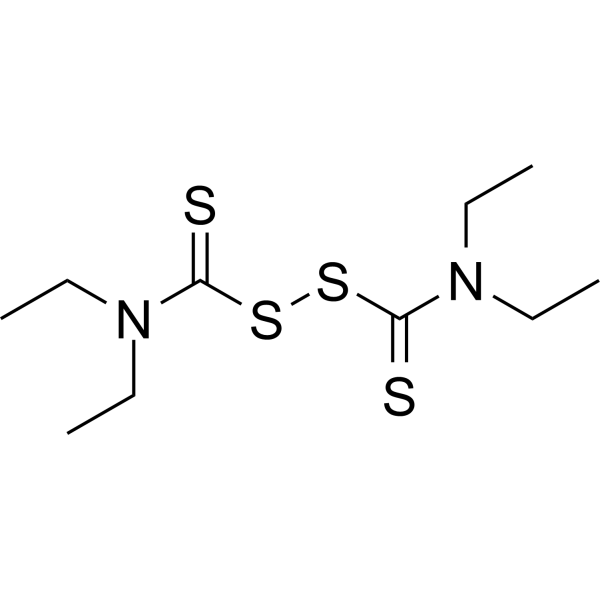
Art. -Nr.: HY-B0240
CAS. Nr.: 97-77-8
Synonyms: Tetraethylthiuram disulfide; TETD
Disulfiram (Tetraethylthiuram disulfide) is a specific inhibitor of aldehyde-dehydrogenase (ALDH1), used for the treatment of chronic alcoholism by producing an acute sensitivity to alcohol. Disulfiram inhibits gasdermin D (GSDMD) pore formation in liposomes and inflammasome-mediated pyroptosis and IL-1β secretion in human and mouse cells. Disulfiram, a copper ion carrier, with Cu 2+ increases intracellular ROS levels and induces cuproptosis .
loading...
    loading...
34
34 Cited Publications
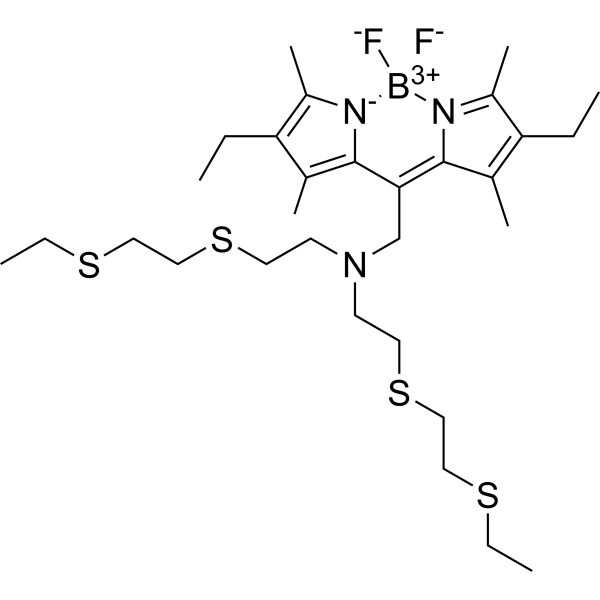
Art. -Nr.: HY-141511
CAS. Nr.: 874748-20-6
Reinheit:  97.74%
Coppersensor-1 (CS1) is a membrane-permeable fluorescent dye. Coppersensor-1 has a picomolar affinity for Cu + with high selectivity over competing cellular metalions. Coppersensor-1 as a probe, can selective and sensitive detection of copper(I) ions (Cu +) in biological samples, including live cells. Coppersensor-1 can be used for the research of imaging of severe diseases such as cancer, cardiovascular disorders and neurogenerative diseases .
loading...
    loading...
7
7 Cited Publications
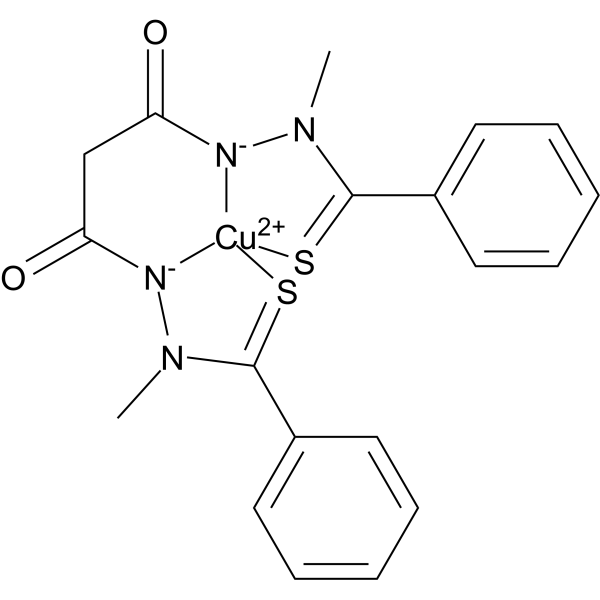
Art. -Nr.: HY-156376
CAS. Nr.: 1224195-72-5
Reinheit:  99.99%
Cu(II)-Elesclomol is a complex formed by Elesclomol (HY-12040) and Cu 2+ (copper ions). Cu(II)-Elesclomol is also a weak inhibitor of DNA topoisomerase I. Cu(II)-Elesclomol exerts anticancer effects by inducing oxidative stress and DNA damage through copper chelation. Cu(II)-Elesclomol can inhibit tumor cell proliferation and induce cell cycle arrest and apoptosis. Cu(II)-Elesclomol can be used in the study of cancer .
loading...
    loading...
6
6 Cited Publications
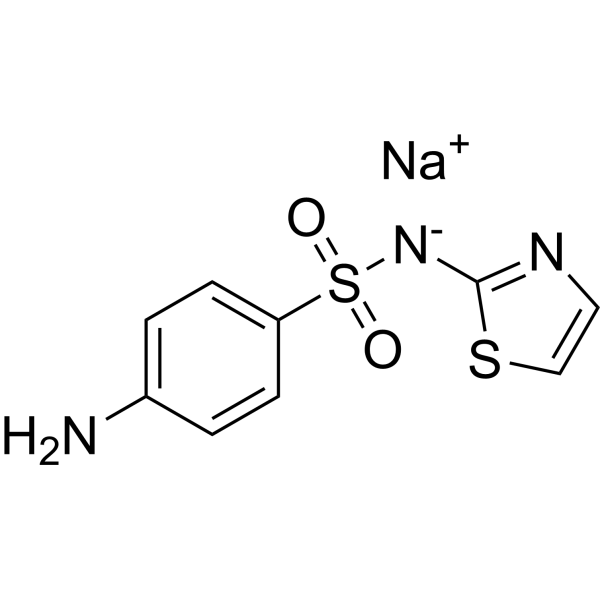
Art. -Nr.: HY-B0507A
CAS. Nr.: 144-74-1
Target:  

Antibiotic Bacterial

Forschungsgebiete:  

Endocrinology Cancer

Sulfathiazole sodium is an orally active, endocrine disruptor targeting the steroidogenic pathway, specifically enhancing the activity of CYP19 in human adrenal cancer cells (H295R) and upregulating the mRN expression of CYP17, CYP19, and 3β-HSD. Sulfathiazole sodium increases the production of 17-estradiol (E2) and has endocrine disrupting effects on aquatic organisms such as the Japanese medaka fish. Sulfathiazole sodium is also a cathodic corrosion inhibitor. It inhibits the corrosion of copper by chloride ions through chemical and physical adsorption on the copper surface, reduces the corrosion current density and shifts the corrosion potential negatively .
loading...
    loading...
4
4 Cited Publications
Art. -Nr.: HY-Y1878
CAS. Nr.: 7758-98-7
Synonyms: Cupric sulfate
Forschungsgebiete:  

Others

Copper(Ⅱ) sulfate (Cupric sulfate) is an inorganic compound that is a source of copper ions. Copper(Ⅱ) sulfate forms coordination compounds through the coordination of copper ions with ligands. Copper(Ⅱ) sulfate can be used for various enzymatic studies and material synthesis .
loading...
    loading...
4
4 Cited Publications
Art. -Nr.: HY-B1306
CAS. Nr.: 61-78-9
Synonyms: p-Aminohippuric acid
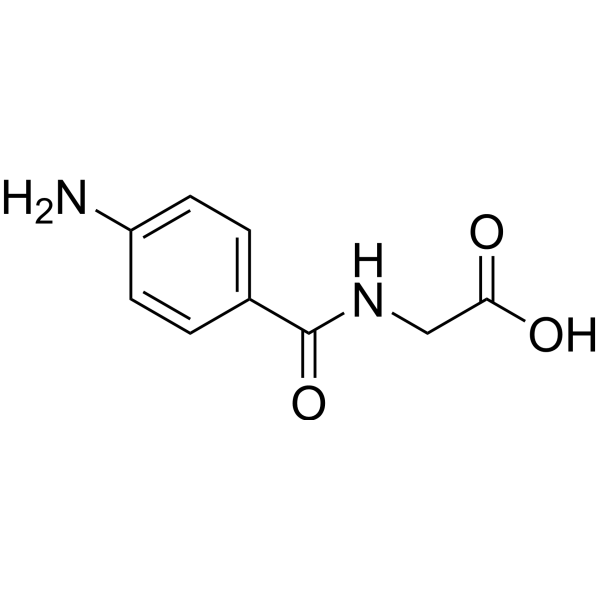
4-Aminohippuric acid (p-Aminohippuric acid) is a coordination ligand for metal ions (such as Cu 2+, Fe 3+, Hg 2+) and a functionalization reagent for nanomaterials. 4-Aminohippuric acid can coordinate with metal ions or modify the surface of materials such as carbon nanotubes and gold nanoparticles through amino and carboxyl groups. 4-Aminohippuric acid can form stable complexes with metal ions or participate in the synthesis of nanomaterials as a reducing agent/stabilizer, enriching metal ions or giving nanoparticles peroxidase-mimicking activity. 4-Aminohippuric acid can be used to construct highly sensitive electrochemical sensors or colorimetric sensors to detect and quantitatively analyze heavy metal ions such as copper, iron, and mercury in environmental water samples and biological samples. 4-Aminohippuric acid may also be a biomarker for attention-deficit/hyperactivity disorder (ADHD) .
loading...
    loading...
2
2 Cited Publications
Art. -Nr.: HY-W034953
CAS. Nr.: 52698-84-7
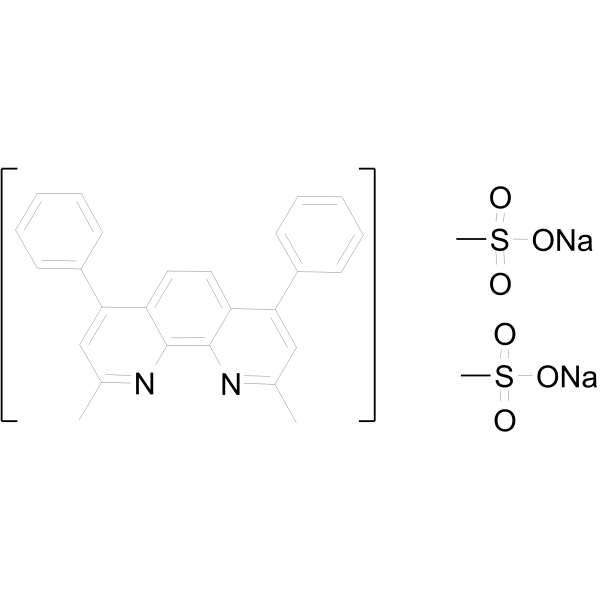
Bathocuproine disulfonate disodium (BCS) is an organic compound used as a highly sensitive colorimetric reagent for copper ions in biochemical and analytical applications. It has a bright yellow color and absorbs light at specific wavelengths, so it can be used to detect and quantify trace copper. In biochemical applications, BCS is commonly used to study the role of copper ions in various biological processes. Copper is an essential nutrient for many organisms, but it can also be toxic in high concentrations, so accurate measurement of copper levels is important to understand its impact on living systems. In terms of analysis, BCS is often used in environmental monitoring and water quality testing to detect copper pollution. It can detect copper even at very low concentrations, making it an invaluable tool for identifying potential sources of pollution and assessing the impact of industrial activities on aquatic ecosystems.
loading...
    loading...
2
2 Cited Publications
Art. -Nr.: HY-W050154
CAS. Nr.: 501-30-4
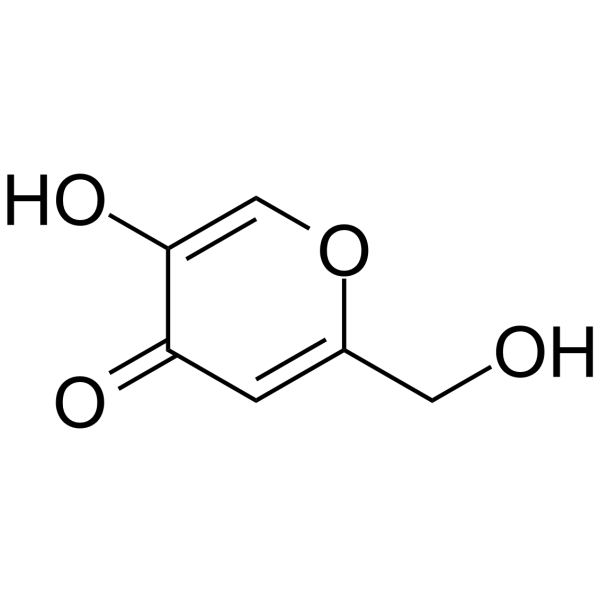
Kojic acid is a substance produced by Aspergillus oryzae that is orally effective and can also be absorbed transdermally. Kojic acid exhibits various biological activities, including anti-aging, anti-nematode, antimicrobial, antioxidant, and anti-inflammatory effects. Kojic acid is a Tyrosinase inhibitor with an Mushroom Tyrosinase IC50 of 182.7 μM. Kojic acid prevents melanin production by capturing copper ions that bind to the tyrosinase active site, thus inhibiting its activation. Kojic acid also suppresses the NF-κB and p21 signaling pathways in human keratinocytes. Kojic acid derivatives have anticancer activity .
loading...
    loading...
2
2 Cited Publications
Art. -Nr.: HY-W004563
CAS. Nr.: 484-11-7
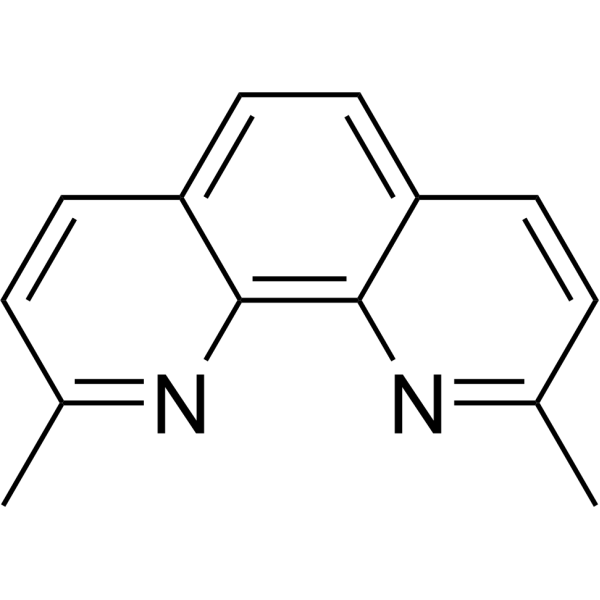
Neocuproine is an organic compound commonly used as a complexing reagent and copper ion detector. It can form stable complexes with copper ions, and can play a catalytic role in certain chemical reactions and analytical methods. In addition, this compound is also widely used in some biomedical fields, such as in the study of copper metabolism disorders and neurodegenerative diseases
loading...
    loading...
2
2 Cited Publications
Art. -Nr.: HY-123645
CAS. Nr.: 74317-53-6
Reinheit:  99.87%
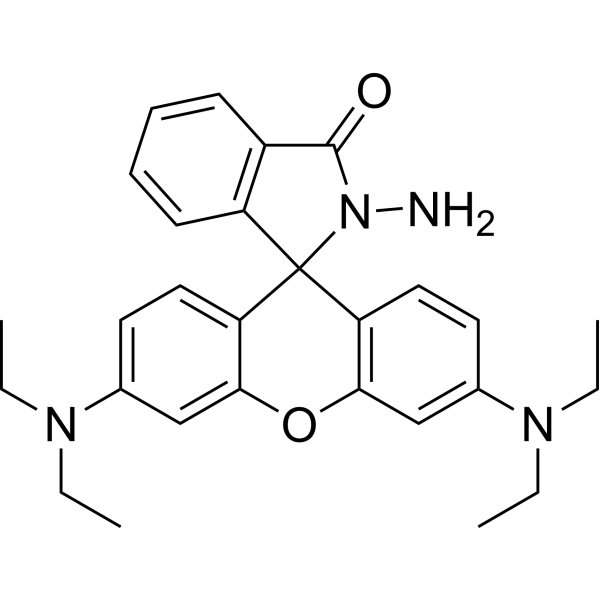
Rhodamine B hydrazide is a fluorescent derivative based on rhodamine B, containing the spirocyclic structure of Rhodamine B (HY-Y0016), which can be used to detect copper ions (Cu 2+), mercury ions, peroxynitrite, hydroxyl radicals and nitric oxide (NO) .
Excitation/emission wavelength:
Conventional detection: 510/578 nm.
Sulfite detection: 554 nm absorption, 574 nm emission (due to the formation of Rhodamine B fluorescent product).
loading...
    loading...
2
2 Cited Publications
Art. -Nr.: HY-111806
CAS. Nr.: 2034-65-3
Reinheit:  99.44%
Synonyms: 5-Deoxykampferol; Resokaempferol
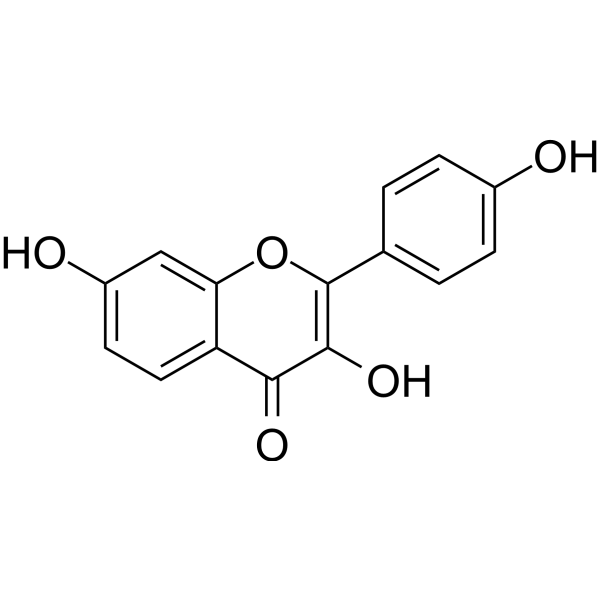
3,7,4'-Trihydroxyflavone (5-Deoxykampferol) is a flavonoid compound that can be isolated from the stems of Rhus javanica var. roxburghiana. 3,7,4'-Trihydroxyflavone has the effect of cleaving DNA in the presence of copper ions. 3,7,4'-Trihydroxyflavone also has anti-inflammatory and antioxidant activities and can scavenge various reactive oxygen species (ROS) and reactive nitrogen species (RNS) .
loading...
    loading...
1
1 Cited Publications
Art. -Nr.: HY-16915
CAS. Nr.: 668463-35-2
Target:  

Potassium Channel

Forschungsgebiete:  

Cardiovascular Disease

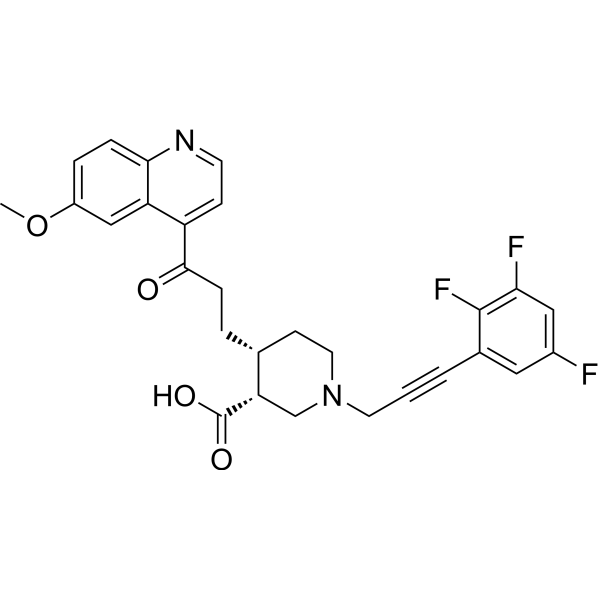
RPR-260243, a potent activator of human ether-a-go-go-related gene (hERG), slows deactivation and attenuates inactivation of hERG1 channels. RPR260243-modified HERG currents are inhibited by Dofetilide (IC50=58 nM). RPR260243 displays no activator-like effects on other voltage-dependent ion channels, including the closely related ERG3 K+ channel . RPR-260243 is a click chemistry reagent, it contains an Alkyne group and can undergo copper-catalyzed azide-alkyne cycloaddition (CuAAc) with molecules containing Azide groups.
loading...
    loading...
1
1 Cited Publications
Art. -Nr.: HY-D1601
CAS. Nr.: 98907-26-7
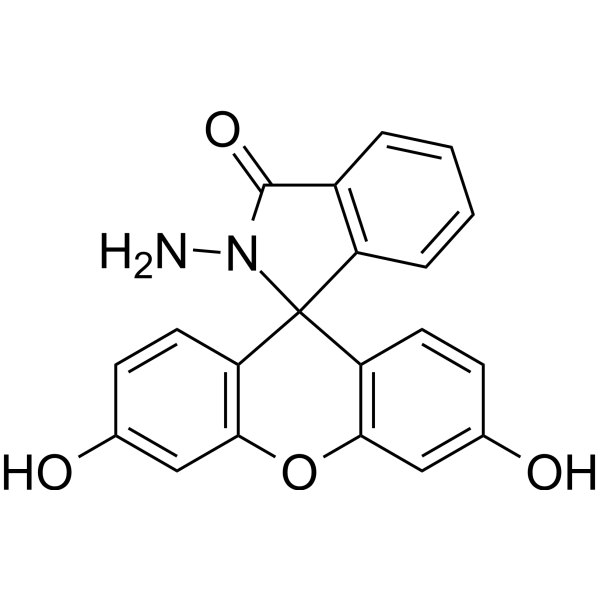
N-Aminofluorescein is a fluorescein hydrazide with spiro form, a highly selective and sensitive fluorescence probe for Cu 2+. N-Aminofluorescein has no selective fluorescence response to other common metal ions, can be used for direct detection of Cu 2+ in biological systems with λex/em=495/516 nm . N-Aminofluorescein can be used to measure the concentration of copper ions in cells .
loading...
    loading...
Art. -Nr.: HY-D0027
CAS. Nr.: 26093-31-2
Synonyms: Coumarin 120; AMC
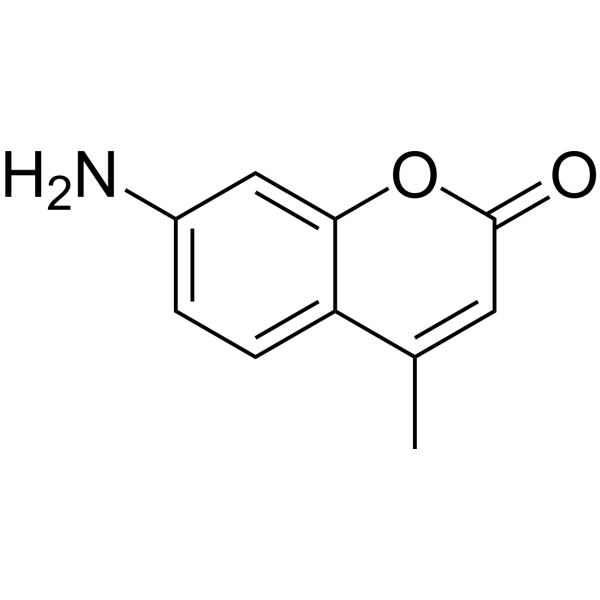
7-Amino-4-methylcoumarin belongs to the coumarin class, can be isolated from the endophytic fungus Xylaria sp. and has a broad spectrum of antibacterial activity. 7-Amino-4-methylcoumarin is also commonly used as an important laser dye that emits in the blue region, capable of analyzing glycoprotein monosaccharides and N-linked oligosaccharides, and is also utilized in tissue pathology analysis, enzyme activity measurement, and copper ion detection. The excitation wavelength and emission wavelength are 351 nm and 430 nm, respectively.
loading...
    loading...
Art. -Nr.: HY-W011956
CAS. Nr.: 2208-41-5
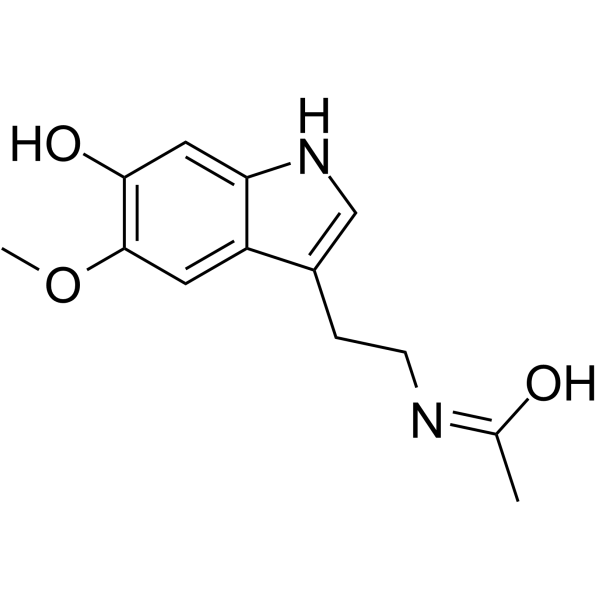
6-Hydroxymelatonin is the main metabolite of melatonin (HY-B0075) after being metabolized by CYP1A2 and can cross the blood-brain barrier. 6-Hydroxymelatonin has strong free radical scavenging ability and antioxidant activity, and can alleviate oxidative damage caused by various neurotoxins. 6-Hydroxymelatonin can cause oxidative DNA damage in the presence of copper ions through a "non-quinone" type redox cycling mechanism .
loading...
    loading...
Art. -Nr.: HY-114243
CAS. Nr.: 1382469-39-7
Reinheit:  98.28%
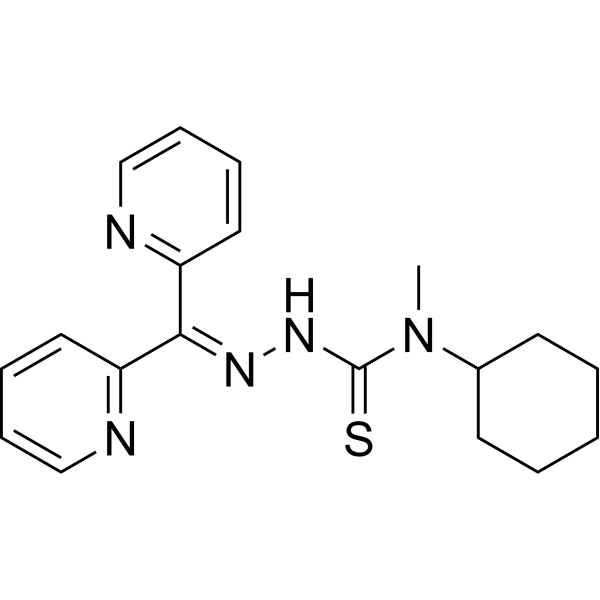
DpC is a selective, orally active iron chelator with anticancer activity. DpC acts on signaling pathway-related targets such as JNK, NF-κB, and its activity is competitively inhibited by another iron chelator Dp44mT (HY-18973). By chelating intracellular iron and copper ions in tumor cells to form redox-active complexes, DpC induces oxidative stress, activates the JNK, NF-κB pathways and downregulates IκBα, upregulates the expressions of neuroglobin and cytoglobin, activates caspase 3/9 to induce tumor cell apoptosis. It also overcomes P-glycoprotein-mediated multidrug resistance through a lysosome-targeting mechanism, and exhibits broad-spectrum synergistic effects when combined with various chemotherapeutic agents. DpC inhibits tumor metastasis and increases TNF-α levels in the tumor microenvironment to enhance endogenous immune responses. DpC is applicable to the research of various malignancies including neuroblastoma, pancreatic cancer, prostate cancer, lung cancer, and breast cancer .
loading...
    loading...
Art. -Nr.: HY-W011060
CAS. Nr.: 23978-09-8
Synonyms: 4,7,13,16,21,24-Hexaoxa-1,10-diazabicyclo[8.8.8]hexacosane
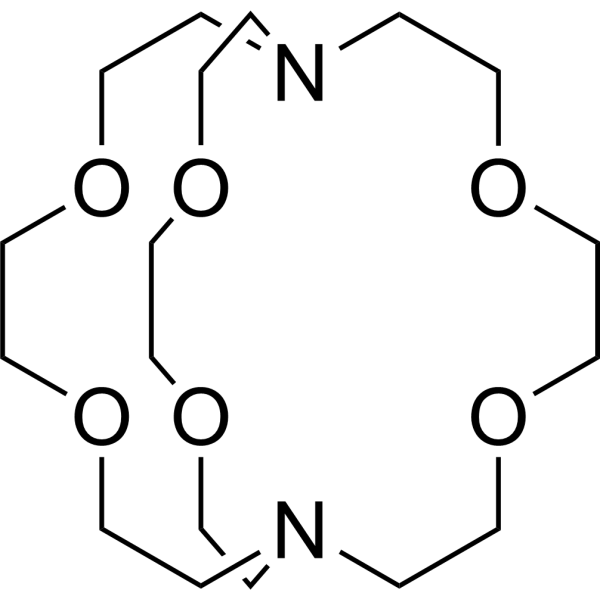
Cryptand 2.2.2 (4,7,13,16,21,24-Hexaoxa-1,10-diazabicyclo[8.8.8]hexacosane) is a metal ion chelator. Cryptand 2.2.2 forms stable mononuclear, protonated and dinuclear complexes with copper (II) ions; forms protonated complexes with hydrogen ions; and also forms stable complexes with Zn 2+, Co 2+, Ni 2+, Cd 2+, Hg 2+ and Pb 2+ ions. Cryptand 2.2.2 can be used for the preparation of nanoparticles, transition metal compounds, etc.
loading...
    loading...
Art. -Nr.: HY-Y0030A
CAS. Nr.: 874-24-8
Synonyms: 3-HPA
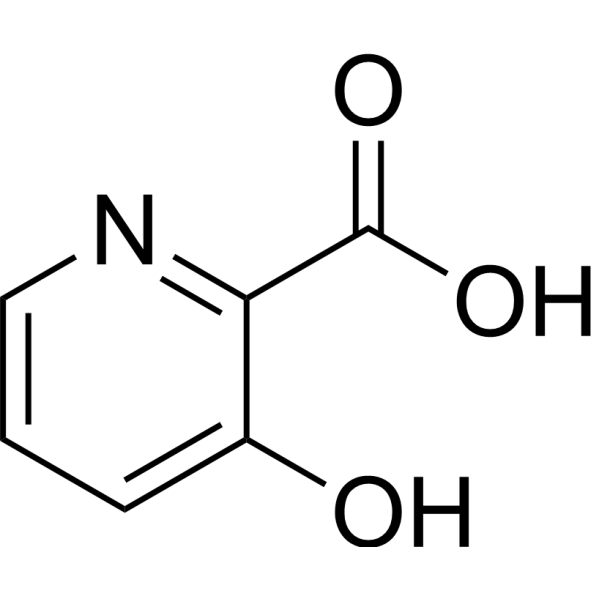
3-Hydroxypicolinic acid, matrix substance for MALDI-MS is a matrix. 3-Hydroxypicolinic acid, matrix substance for MALDI-MS coordinates with metal ions such as copper to form complexes with cytotoxic and antimycobacterial activity. 3-Hydroxypicolinic acid, matrix substance for MALDI-MS is used for the analysis of oligodeoxynucleotides in matrix-assisted laser desorption ionization time-of-flight mass spectrometry (MALDI-TOF MS). 3-Hydroxypicolinic acid, matrix substance for MALDI-MS is useful for nucleic acid analysis and anti-tuberculosis compound development .
loading...
    loading...
Art. -Nr.: HY-W115721
CAS. Nr.: 523-21-7
Synonyms: Sodium rhodizonate dibasic
Rhodizonic acid disodium (Sodium rhodizonate dibasic) is a transition metal-dependent pro-oxidant and lead detection agent that induces reactive oxygen species generation, DNA damage, and inhibits Aconitase activity. Rhodizonic acid disodium generates superoxide anion radicals in an iron (II)-dependent manner, leading to aconitase inactivation. Rhodizonic acid disodium also triggers hydroxyl radical-mediated DNA strand breaks and 8-OHdG formation via copper ion reduction. Rhodizonic acid disodium reacts with lead to form a scarlet precipitate, with the color intensity proportional to lead content, enabling qualitative or quantitative analysis of lead. Rhodizonic acid disodium can also be used for real-time visualization of the dynamic process of lead sequestration in the plant rhizosphere and evaluation of the effects of environmental factors such as soil type on the stability of lead-sequestering structures .
loading...
    loading...
Art. -Nr.: HY-D1895A
CAS. Nr.: 164581-25-3
3,5-DiBr-PAESA sodium is a water-soluble pyridylazo-based highly sensitive chromogenic reagent. With the assistance of EDTA for masking copper and bromide ions for dissociating silver chelates, 3,5-DiBr-PAESA sodium enables accurate determination of sub-milligram level silver ions in strongly acidic high-copper systems via flow injection spectrophotometry .
loading...
    loading...

