
1. Search Result
Search Result
Results for "

Cortical activator

" in MedChemExpress (MCE) Product Catalog:

24

Inhibitors & Agonists

3

Peptides

1

MCE Kits

1

Inhibitory Antibodies

8

Natural
Products

2

Oligonucleotides

Cat. No. Product Name Target Research Areas Chemical Structure
  • HY-108742
    Abaloparatide
    3 Publications Verification

    BA 058; BIM 44058

    PTHR Arrestin Metabolic Disease Cancer
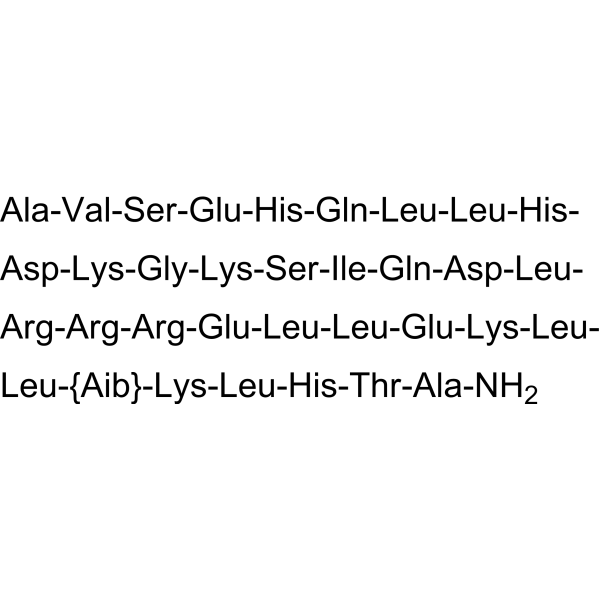
    Abaloparatide (BA 058) is a parathyroid hormone receptor 1 (PTHR1) analog. Abaloparatide also is a selective PTHR1 activator. Abaloparatide enhances Gs/cAMP signaling and β-arrestin recruitment. Abaloparatide enhances bone formation and cortical structure in mice. Abaloparatide has the potential for the research of osteoporosis .
    Abaloparatide
  • HY-N1163

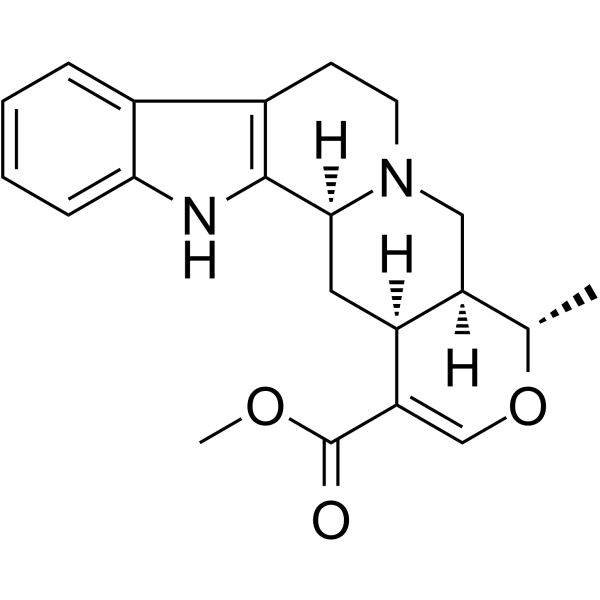
    (-)-Tetrahydroalstonine

    Adrenergic Receptor Atg8/LC3 Akt mTOR Neurological Disease Endocrinology
    Tetrahydroalstonine ((-)-Tetrahydroalstonine) is an indole alkaloid and a selective α₂-adrenergic receptor antagonist. Tetrahydroalstonine exhibits certain neuroprotective effects. Tetrahydroalstonine can regulate autophagy-lysosomal function by activating the Akt/mTOR pathway, significantly reducing OGD/R-induced primary cortical neuronal injury .
    Tetrahydroalstonine
  • HY-N7368

    Adenosine Deaminase Bacterial Caspase Infection Neurological Disease Inflammation/Immunology Cancer
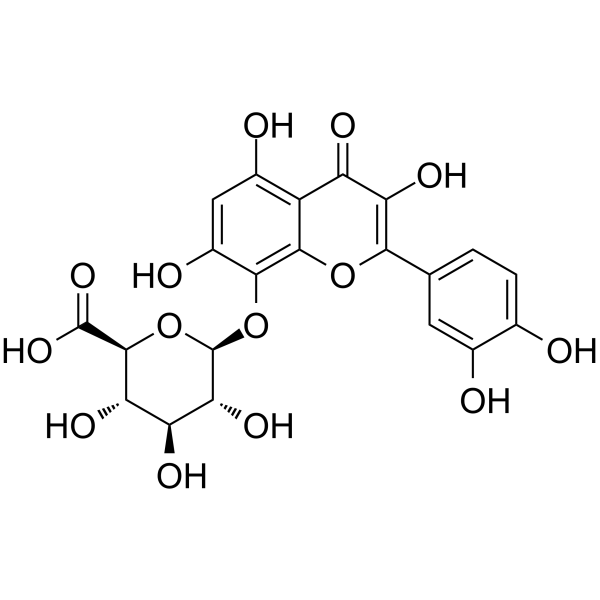
    Hibifolin is a flavonol glycoside that can be isolated from Helicteres isora. Hibifolin is an inhibitor of adenosine deaminase (ADA) (Ki = 49.92 μM). Hibifolin protects neurons against β-amyloid-induced neurotoxicity. Hibifolin possesses a potent protective activity against cell death induced by aggregated Aβ. Hibifolin can abolish Aβ-induced caspase-3 and caspase-7 activation. Hibifolin induces Akt phosphorylation in cortical neurons. Hibifolin is also a natural sortase A (SrtA) inhibitor (IC50 = 31.2 μM) through direct binding to SrtA protein. Hibifolin attenuates the pathogenic behavior of Staphylococcus aureus including adhesion, invasion, and biofilm formation. Hibifolin improves the survival of pneumonia induced by Staphylococcus aureus in mouse model and alleviates pathological damage. Hibifolin shows a synergistic antibacterial effect with Cefotaxime (HY-A0088A) .
    Hibifolin
  • HY-P99019
    Fremanezumab
    2 Publications Verification

    TEV-48125; LBR-101; PF-04427429; RN-307

    CGRP Receptor Neurological Disease Inflammation/Immunology
    Fremanezumab (TEV-48125) is a humanized lgG2 monoclonal antibody that selectively and potently binds to calcitonin gene related peptide (CGRp) (IC50 values = 7.943 nM). Fremanezumab binds to mouse CGRP with an IC50 value of 19.6 nM. Fremanezumab counteracts anti-inflammatory effects of CGRP in vitro, including CGRP-mediated inhibition of LPS (HY-D1056)-induced microglial activation. Fremanezumab selectively inhibits the activation of Aδ meningeal nociceptors by cortical spreading depression (CSD) in rats. Fremanezumab can be used for the study of inflammation and chronic migraine .
    Fremanezumab
  • HY-N0695
    Schisantherin B
    1 Publications Verification

    Gomisin-B; Wuweizi ester-B; Schisantherin-B

    PI3K Akt mTOR GSK-3 Tau Protein TNF Receptor Interleukin Related Apoptosis Neurological Disease Inflammation/Immunology
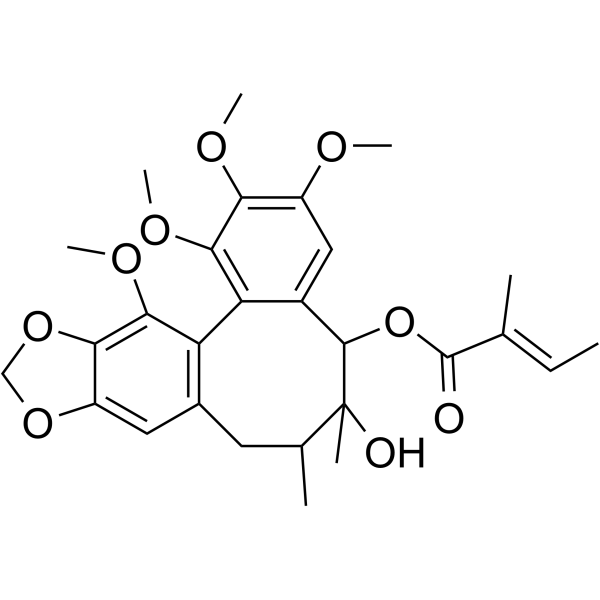
    Schisantherin B (Gomisin-B) is a lignan compound and one of the active components of Schisandra chinensis. Schisantherin B activates the PI3K/AKT signaling pathway, restores the activity of GSK3β, and reduces the hyperphosphorylation of tau protein in hippocampal and cerebral cortical tissues. Schisantherin B upregulates the level of GLT-1, decreases the expression of pro-inflammatory cytokines TNF-α/IL-1β/IL-6, upregulates the expression of IL-10, and inhibits cell apoptosis. Schisantherin B is applicable to the research of spinal cord injury, Alzheimer's disease and depression .
    Schisantherin B
  • HY-160229

    R-1075 sodium

    Toll-like Receptor (TLR) MyD88 Caspase Reactive Oxygen Species (ROS) Autophagy Pyroptosis HIV Infection Neurological Disease
    ssRNA40 sodium (R-1075 sodium) is a single-stranded RNA40 derived from HIV-1. ssRNA40 sodium activates the TLR7, TLR8, TLR2, RIG-I, MDA5, MyD88, Caspase-3, IRE1α, NLRP3 inflammasome and IRF7 signaling pathways. ssRNA40 sodium alters mRNA expression in neutrophils, induces pro-inflammatory cytokines, ROS, autophagy (autophagy), pyroptosis (pyroptosis), neuronal death, neurodegeneration, aggregate formation and NK cell activation. ssRNA40 sodium activates the expression of CD62L, CD11b, CD69, MX1, OAS1, ATG7, LC3B and XBP1 in immune cell and neuronal populations. ssRNA40 sodium causes cortical neuron loss and axonal damage in mice in a TLR7-dependent manner. ssRNA40 sodium can be used in research on HIV-1 infection, neurodegeneration, COVID-19 and HIV-associated neurological disorders .
    ssRNA40 sodium
  • HY-W002199

    6:2 FTOH; 1H,1H,2H,2H-Perfluoro-1-octanol; 2-(Perfluorohexyl)ethanol

    Bacterial Apoptosis ERK TNF Receptor Infection Neurological Disease
    6:2 Fluorotelomer alcohol (6:2 FTOH) is an orally active, blood-brain barrier-permeable modulator of cyclin D1 and ETS1. 6:2 Fluorotelomer alcohol downregulates cyclin D1 expression, upregulates ETS1 via the TNF-α/ERK 1/2 pathway, impairs mitochondrial membrane potential and respiratory function, increases reactive oxygen species levels, disrupts calcium homeostasis and activates endoplasmic reticulum stress markers, and induces cell proliferation inhibition and endothelial-mesenchymal transition. Furthermore, 6:2 Fluorotelomer alcohol induces morphological abnormalities in zebrafish embryos and liver developmental damage, while disrupting the brain immune microenvironment in mice, causing systemic toxicity and delayed pup maturation in CD-1 mice. 6:2 Fluorotelomer alcohol also induces cortical neuron apoptosis, glial cell activation, synaptic abnormalities, colonic barrier damage, intestinal dysbiosis and autism spectrum disorder-like symptoms in mice. 6:2 Fluorotelomer alcohol shows no mutagenic, clastogenic, primary skin/eye irritation or skin sensitizing effects, exhibits no selective reproductive toxicity in CD-1 mice, and is classified as GHS Category 4 for acute oral toxicity. 6:2 Fluorotelomer alcohol can be used in studies of neurodevelopmental disorders and autism spectrum disorders .
    6:2 Fluorotelomer alcohol
  • HY-141867

    Z-Phe-Phe-FMK

    Cathepsin MEK Caspase DNA/RNA Synthesis Apoptosis Cardiovascular Disease Neurological Disease
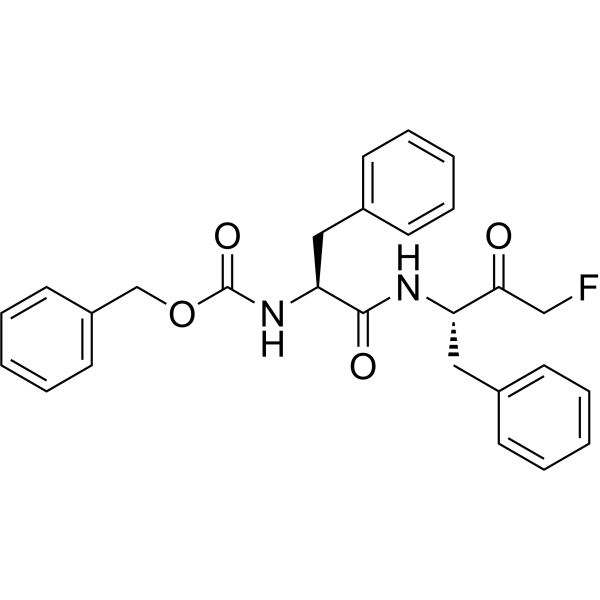
    Z-FF-FMK (Z-Phe-Phe-FMK) is a cell-permeable, irreversible, and cysteine protease inhibitor targeting cathepsin-L. Z-FF-FMK inhibits angiotensin II-induced MEK activation in vascular walls, aortic medial remodeling, blood pressure elevation, and upregulation of cystatin C in aortic walls. Z-FF-FMK prevents β-amyloid-mediated caspase-3 activation, poly (ADP-ribose) polymerase cleavage, DNA fragmentation, and apoptosis of cortical neurons (apoptosis). Z-FF-FMK can be used in research related to hypertension and Alzheimer's disease .
    Z-FF-FMK
  • HY-N8249

    nAChR Interleukin Related Inflammation/Immunology
    Cynandione A is an acetophenone that can be isolated from Cynanchum Wilfordii Radix. Cynandione A protects hepatocytes and cortical neurons from toxicity and improves neurological deficits in a rat model of cerebral ischemia. On the other hand, cynandione A has significant anti-inflammatory effects and inhibits inflammation by activating macrophage α7 nAChR and IL-10 expression .
    Cynandione A
  • HY-108742A
    Abaloparatide TFA
    3 Publications Verification

    BA 058 TFA; BIM 44058 TFA

    Arrestin PTHR Metabolic Disease Endocrinology Cancer
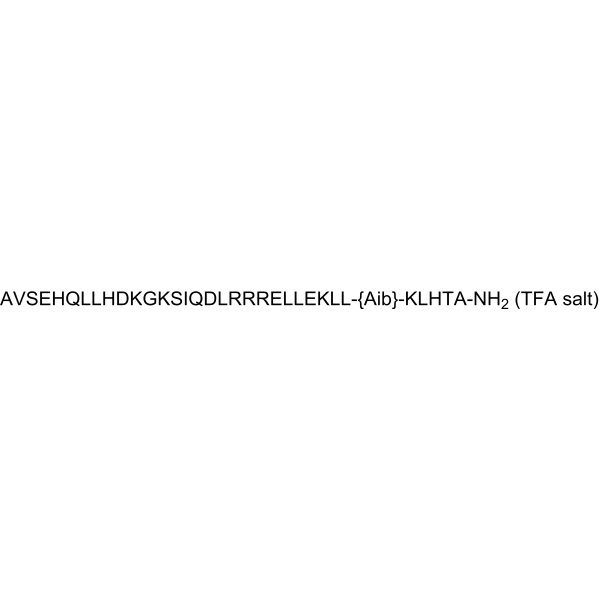
    Abaloparatide TFA (BA 058 TFA) is a parathyroid hormone receptor 1 (PTHR1) analogue. Abaloparatide TFA also is a selective PTHR1 activator. Abaloparatide TFA enhances Gs/cAMP signaling and β-arrestin recruitment. Abaloparatide TFA enhances bone formation and cortical structure in mice. Abaloparatide TFA has the potential for the research of osteoporosis .
    Abaloparatide TFA
  • HY-12294A
    PEAQX tetrasodium hydrate
    Maximum Cited Publications
    8 Publications Verification

    NVP-AAM077 tetrasodium hydrate

    Apoptosis Caspase iGluR Neurological Disease
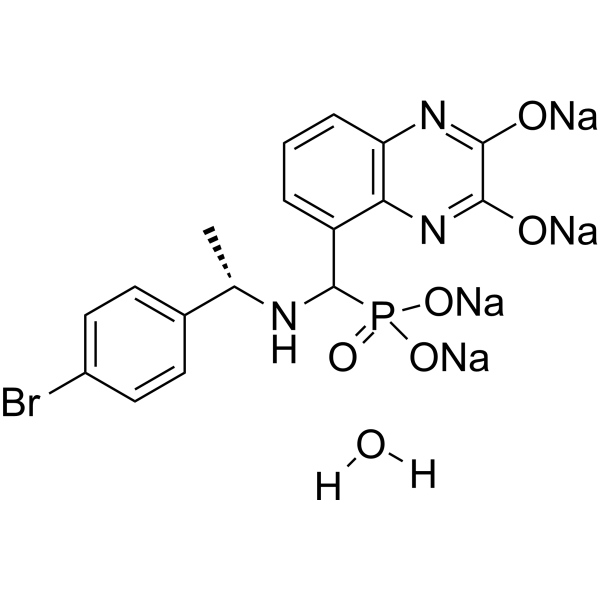
    PEAQX tetrasodium hydrate (NVP-AAM077 tetrasodium hydrate) is a tetrasodium hydrate of PEAQX (HY-12294). PEAQX tetrasodium hydrate is an orally active and selective NMDA antagonist, with IC50 values of 270 nM and 29.6 μM for hNMDAR 1A/2A and hNMDAR 1A/2B, respectively. PEAQX tetrasodium hydrate can promote the activation of caspase-3 and induce cell apoptosis in cortical striatal slice cultures .
    PEAQX tetrasodium hydrate
  • HY-12294

    NVP-AAM077

    Caspase Apoptosis iGluR Neurological Disease
    PEAQX (NVP-AAM077) is an orally active and selective NMDA antagonist, with IC50 values of 270 nM and 29.6 μM for hNMDAR 1A/2A and hNMDAR 1A/2B, respectively. PEAQX can promote the activation of caspase-3 and induce cell apoptosis in cortical striatal slice cultures .
    PEAQX
  • HY-176783

    Toll-like Receptor (TLR) Neurological Disease
    GNE-5152 is an orthosteric SARM1 base-exchange (BE) inhibitor. GNE-5152 sustainably activates SARM1 at subinhibitory concentrations under mildly activating conditions, and this synergistic adverse effect increases NAD consumption, induces axon degradation and neurodegeneration and releases neurofilament-light (NfL) in cortical neurons. GNE-5152 can be used for neurodegenerative diseases research .
    GNE-5152
  • HY-118482

    Saurolactam

    Others Neurological Disease
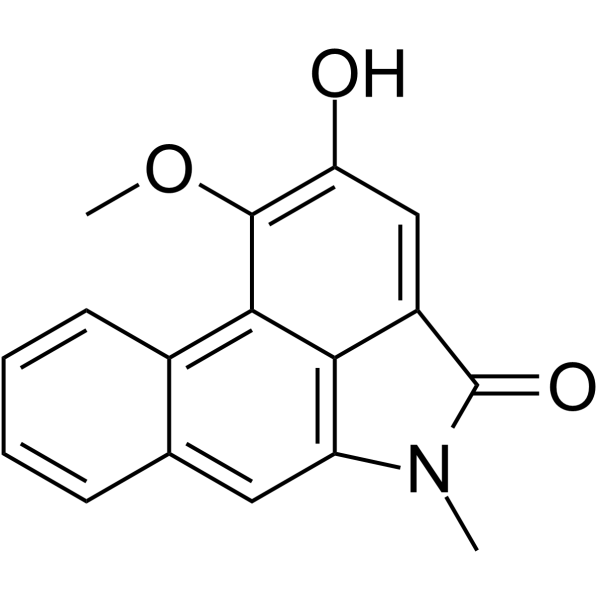
    Sauristolactam, a natural aristolactam isolated from aerial portions of Saururus chinensis, has significant neuroprotective activity against glutamate-induced toxicity in primary cultured rat cortical cells . Sauristolactam also inhibits the receptor activator of nuclear factor-κB ligand (RANKL)-induced osteoclastogenesis and has the potential to inhibit osteoclast differentiation .
    Sauristolactam
  • HY-N0976

    11b-Hydroxy-11b,1-dihydromedicarpin

    Interleukin Related Wnt Inflammation/Immunology
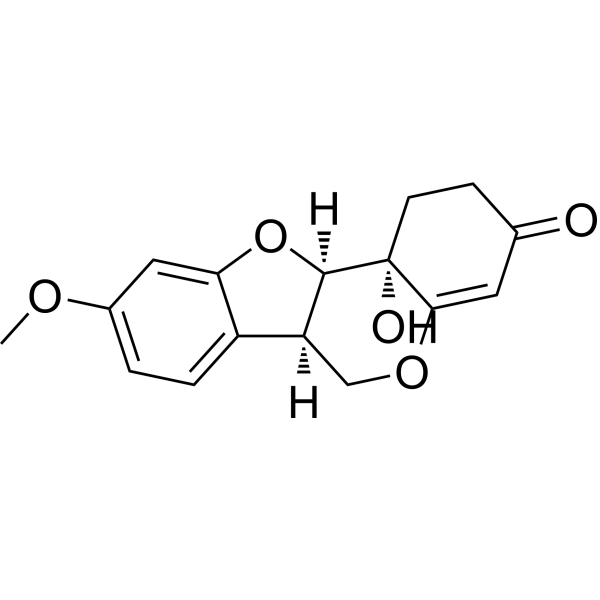
    1,11b-Dihydro-11b-hydroxymedicarpin (11b-Hydroxy-11b,1-dihydromedicarpin) is a pterocarpan from Ononis viscosa subsp. breviflora is a Medicarpin derivative . Medicarpin, a natural pterocarpan, heals cortical bone defect by activation of Notch and Wnt canonical signaling pathways . Medicarpin prevents arthritis in post-menopausal conditions by arresting the expansion of TH17 cells and pro-inflammatory cytokines. Medicarpin down-regulates pro-inflammatory cytokines like TNF-α, IL-6 and IL-17A, while up-regulates anti-inflammatory cytokine IL-10 in arthritis (CIA) model of mice .
    1,11b-Dihydro-11b-hydroxymedicarpin
  • HY-12294B

    (Rac)-NVP-AAM077

    iGluR Caspase Apoptosis Neurological Disease
    (Rac)-PEAQX is a NMDA receptor agonist. (Rac)-PEAQX can promote the activation of caspase-3 and induce cell apoptosis in cortical striatal slice cultures .
    (Rac)-PEAQX
  • HY-161567

    Orexin Receptor (OX Receptor) Neurological Disease
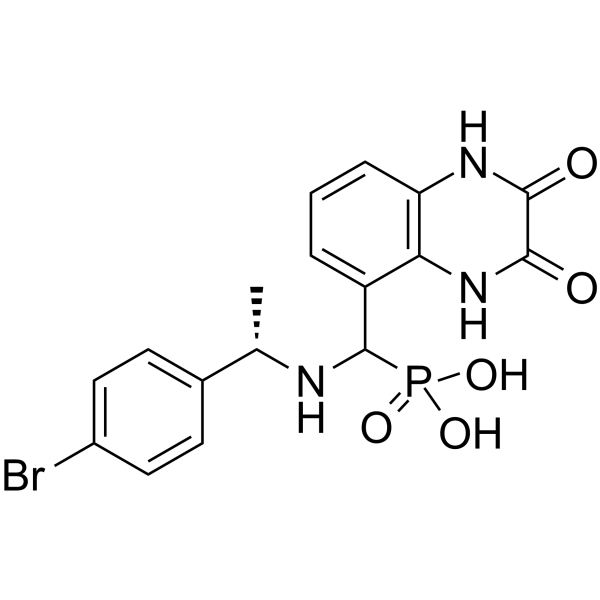
    OX2R-IN-3 (Compound 53) is an orally active type 2 orexin receptor (OX2R) agonist (EC50<100 nM.) .
    OX2R-IN-3
  • HY-131885

    GABA Receptor Neurological Disease
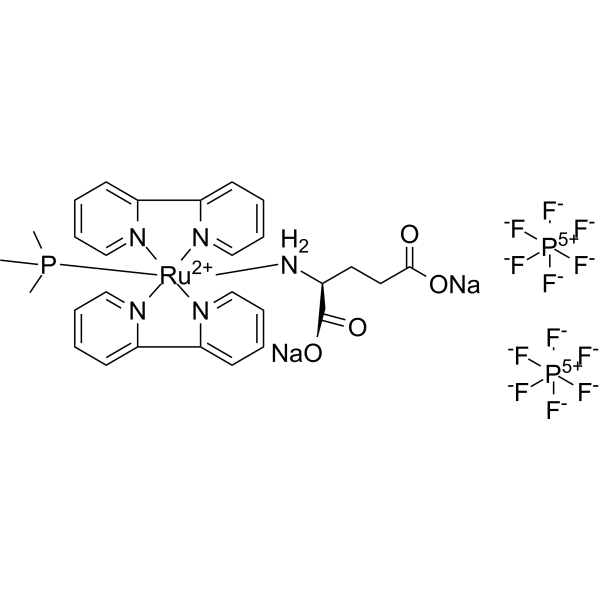
    RuBi-Glutamate hexafluorophosphate sodium is a neuronal activator. RuBi-Glutamate hexafluorophosphate sodium photocleaves to release glutamate upon one- or two-photon excitation, activating glutamate receptors in cortical pyramidal neurons. RuBi-Glutamate hexafluorophosphate sodium reduces peak amplitude of evoked GABAergic inhibitory postsynaptic currents in its caged form. RuBi-Glutamate hexafluorophosphate sodium can be used for the research of Huntington's disease .
    RuBi-Glutamate hexafluorophosphate sodium
  • HY-N0695R

    Gomisin-B (Standard); Wuweizi ester-B (Standard); Schisantherin-B (Standard)

    Reference Standards PI3K Akt mTOR GSK-3 Tau Protein TNF Receptor Interleukin Related Apoptosis Neurological Disease Inflammation/Immunology
    Schisantherin B (Gomisin-B) (Standard) is the analytical standard of Schisantherin B. This product is intended for research and analytical applications. Schisantherin B is a lignan compound and one of the active components of Schisandra chinensis. Schisantherin B activates the PI3K/AKT signaling pathway, restores the activity of GSK3β, and reduces the hyperphosphorylation of tau protein in hippocampal and cerebral cortical tissues. Schisantherin B upregulates the level of GLT-1, decreases the expression of pro-inflammatory cytokines TNF-α/IL-1β/IL-6, upregulates the expression of IL-10, and inhibits cell apoptosis. Schisantherin B is applicable to the research of spinal cord injury, Alzheimer's disease and depression.
    Schisantherin B (Standard)
  • HY-N7368R

    Reference Standards Adenosine Deaminase Bacterial Caspase Neurological Disease Inflammation/Immunology Cancer
    Hibifolin (Standard) is the analytical standard of Hibifolin. This product is intended for research and analytical applications. Hibifolin is a flavonol glycoside that can be isolated from Helicteres isora. Hibifolin is an inhibitor of adenosine deaminase (ADA) (Ki = 49.92 μM). Hibifolin protects neurons against β-amyloid-induced neurotoxicity. Hibifolin possesses a potent protective activity against cell death induced by aggregated Aβ. Hibifolin can abolish Aβ-induced caspase-3 and caspase-7 activation. Hibifolin induces Akt phosphorylation in cortical neurons. Hibifolin is also a natural sortase A (SrtA) inhibitor (IC50 = 31.2 μM) through direct binding to SrtA protein. Hibifolin attenuates the pathogenic behavior of Staphylococcus aureus including adhesion, invasion, and biofilm formation. Hibifolin improves the survival of pneumonia induced by Staphylococcus aureus in mouse model and alleviates pathological damage. Hibifolin shows a synergistic antibacterial effect with Cefotaxime (HY-A0088A) .
    Hibifolin (Standard)
  • HY-174479

    mRNA Cardiovascular Disease
    Mouse Mef2c mRNA encodes the mouse myocyte enhancer factor 2C (Mef2c) protein, a transcription activator which binds specifically to the MEF2 element present in the regulatory regions of many muscle-specific genes. Mef2c controls cardiac morphogenesis and myogenesis, and is also involved in vascular development, neurogenesis and the development of cortical architecture.
    Mouse Mef2c mRNA
  • HY-181160

    JNK Wnt β-catenin Amyloid-β Reactive Oxygen Species (ROS) Beclin1 GSK-3 Beta-secretase Neurological Disease
    JNK3/Wnt/β-catenin modulator-1 is a brain-penetrant JNK3 inhibitor and Wnt/β-catenin activator. JNK3/Wnt/β-catenin modulator-1 decreases 1-42 production and reduced ROS generation. JNK3/Wnt/β-catenin modulator-1 inhibits the activation of JNK and Puma, promotes Beclin-1 expression, reduces GSK-3β and BACE1 expression and activates Wnt/β-catenin signaling. JNK3/Wnt/β-catenin modulator-1 improves cognitive and memory performance, attenuates histopathological brain damage, preserves structure of hippocampal pyramidal cells and cerebral cortical neurons. JNK3/Wnt/β-catenin modulator-1 can be used for the research of Alzheimer's disease .
    JNK3/Wnt/β-catenin modulator-1
  • HY-186169

    5-HT Receptor Drug Derivative Neurological Disease
    R-MDDMA, 4-methylenedioxymethamphetamine (MDMA) analogue, is a 5-HT2A/5-HT2C receptor modulator. R-MDDMA shows antagonistic activity against 5-HT2A/5-HT2C with IC50 values of 642 and 137 nM, and also shows partial agonist activity with EC50 values of 24.5 and 14.4 nM, but does not activate 5-HT2B receptors. R-MDDMA promotes cortical neuron growth. R-MDDMA facilitates fear extinction learning and produces antidepressant-like effects in preclinical rodent models. R-MDDMA can be used for the researches of post-traumatic stress disorder and depression .
    R-MDDMA
  • HY-186073

    HDAC Neurological Disease
    HDAC1 activator-1 is a specific HDAC1 activator with orally activity, exerting no significant effects on other HDAC family members. HDAC1 activator-1 exhibits neuroprotective activity, ameliorates cognitive and motor function deficits by reducing neuronal loss and gliosis. HDAC1 activator-1 specifically activates HDAC1 in SH-SY5Y cells and exerts regulatory effects on aberrant cell cycle and DNA damage. HDAC1 activator-1 can be used for the research of TDP-43 proteinopat1-related neurodegenerative diseases including Amyotrophic Lateral Sclerosis (ALS) and cerebral ischemia-related neurological injury .
    HDAC1 activator-1

Inquiry Online

Your information is safe with us. * Required Fields.

Salutation


Country or Region *

Applicant Name *


Organization Name *

Department *


Email Address *


Product Name *

Cat. No.


Requested quantity *

Phone Number *


Remarks

Inquiry Online

Inquiry Information

Product Name:
Cat. No.:
Quantity:
MCE Japan Authorized Agent:

