
From 11:00 pm to 12:00 pm EST ( 8:00 pm to 9:00 pm PST ) on January 6th, the website will be under maintenance. We are sorry for the inconvenience. Please arrange your schedule properly.
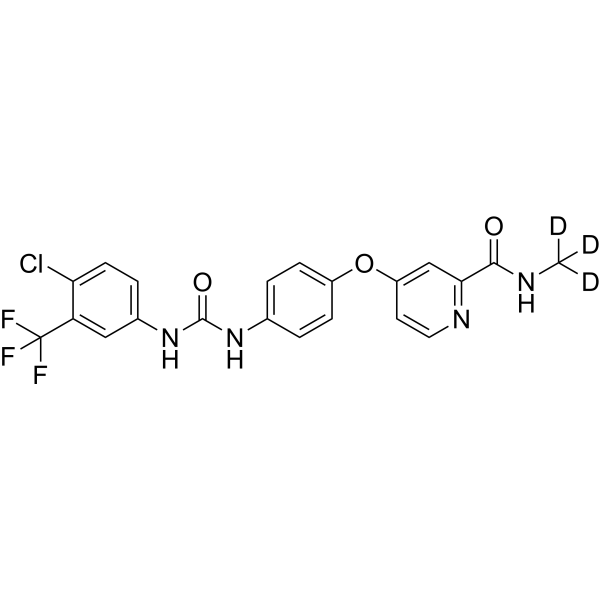
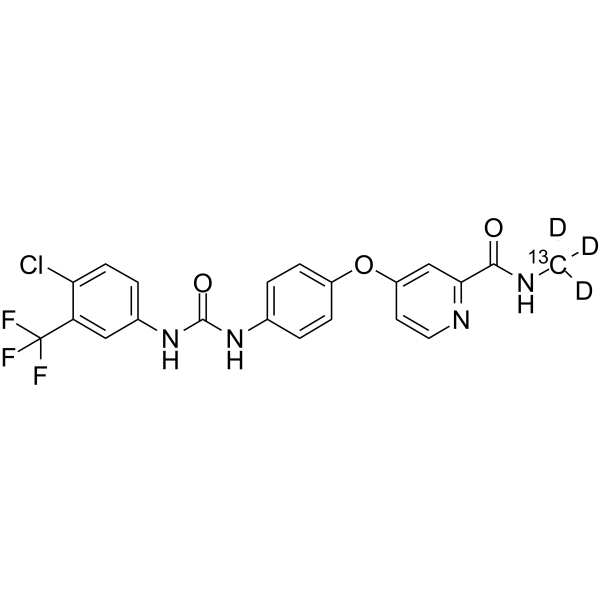
Sorafenib (Bay 43-9006) is a potent oral active multikinase inhibitor. Sorafenib blocks autophosphorylation and activity of receptor tyrosine kinases (VEGFR-2, VEGFR-3) and RAF family kinases, thereby suppressing the RAF/MEK/ERK and PI3K/Akt pathways, inhibiting STAT3 phosphorylation, and selectively inhibiting the MAPK pathway in cancer cells. Sorafenib induces cell cycle arrest, autophagy, apoptosis, and PARP cleavage, reduces Bcl-2, Bcl-XL, cyclin D1 levels, and activates Bak and Bax. Sorafenib inhibits tumor growth and metastasis in mouse and rat models. Sorafenib can be used for cancer research, such as colon, breast, non-small-cell lung cancer (NSCLC), ovarian, pancreatic, melanoma, colorectal and hepatocellular carcinoma .
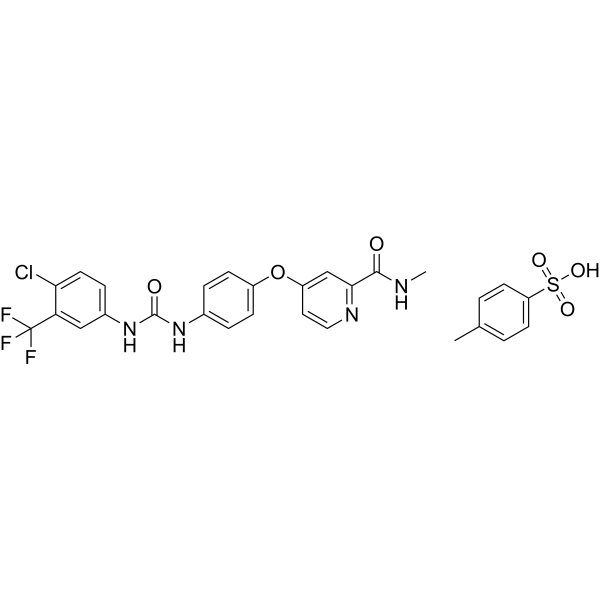
Sorafenib (Bay 43-9006) tosylate is a potent oral active multikinase inhibitor. Sorafenib blocks autophosphorylation and activity of receptor tyrosine kinases (VEGFR-2, VEGFR-3) and RAF family kinases, thereby suppressing the RAF/MEK/ERK and PI3K/Akt pathways, inhibiting STAT3 phosphorylation, and selectively inhibiting the MAPK pathway in cancer cells. Sorafenib tosylate induces cell cycle arrest, autophagy, apoptosis, and PARP cleavage, reduces Bcl-2, Bcl-XL, cyclin D1 levels, and activates Bak and Bax. Sorafenib tosylate inhibits tumor growth and metastasis in mouse and rat models. Sorafenib tosylate can be used for cancer research, such as colon, breast, non-small-cell lung cancer (NSCLC), ovarian, pancreatic, melanoma, colorectal and hepatocellular carcinoma .
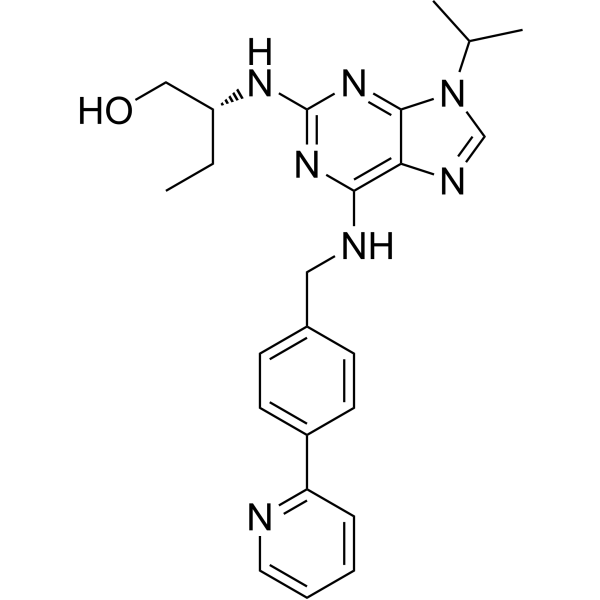
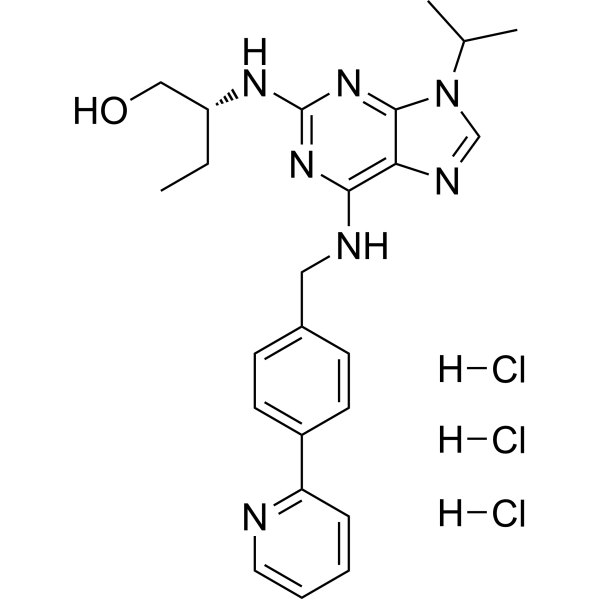
(R)-CR8, a second-generation analog of Roscovitine, is a potent CDK1/2/5/7/9 inhibitor. (R)-CR8 inhibits CDK1/cyclin B (IC50=0.09 μM), CDK2/cyclin A (0.072 μM), CDK2/cyclin E (0.041 μM), CDK5/p25 (0.11 μM), CDK7/cyclin H (1.1 μM), CDK9/cyclin T (0.18 μM) and CK1δ/ε (0.4 μM). (R)-CR8 induces apoptosis and has neuroprotective effect . (R)-CR8 acts as a molecular glue degrader that depletes cyclinK .
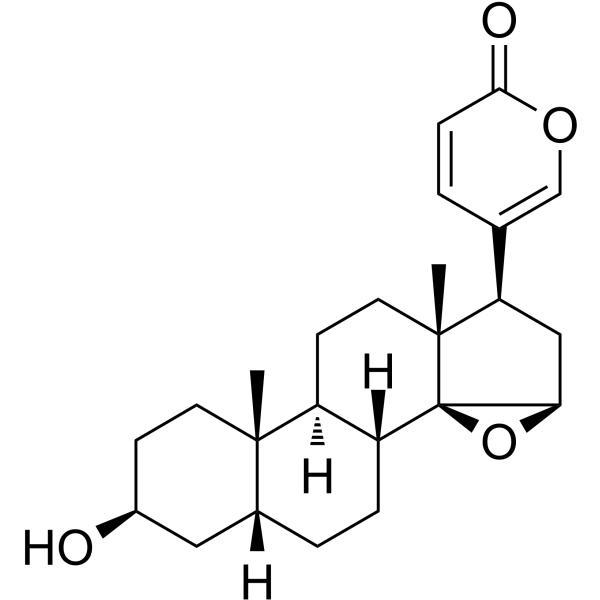
Resibufogenin is an orally active anticancer agent. Resibufogenin can be extracted from toad venom. Resibufogenin blocks signaling pathways such as PI3K/Akt, NF-κB, AP-1, activates GSK-3β, and regulates cyclin D1. Resibufogenin can activate central neurons. Resibufogenin has anti-inflammatory activity. Resibufogenin has anti-tumor effects on a variety of tumors such as multiple myeloma, renal cancer, colorectal cancer, pancreatic cancer, and glioma .
AUZ 454 (K03861) is a type II CDK2 inhibitor with Kd of 8.2 nM. AUZ 454 (K03861) inhibits CDK2 activity by competing with binding of activating cyclins.
HQ461 is a molecular glue that promotes CDK12-DDB1 interaction to trigger cyclinK degradation. HQ461-mediated degradation of cyclinK impairs CDK12 function, resulting in decreased CDK12 substrate phosphorylation, downregulation of DNA damage response genes, and cell death .
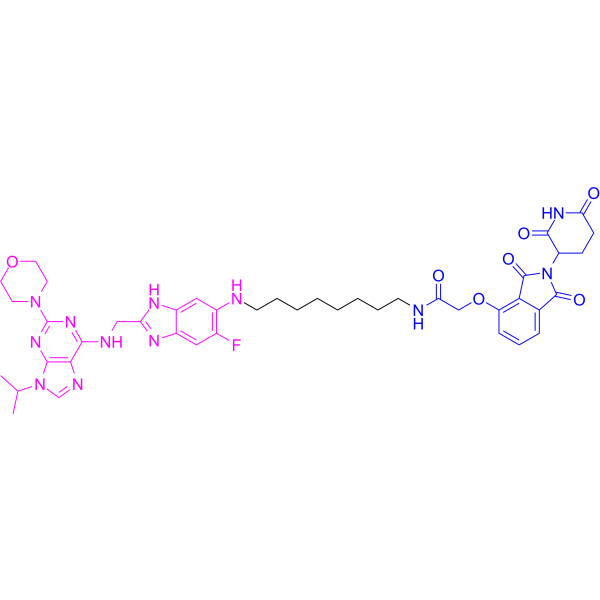
BSJ-5-63 is a potent CDK12, CDK7, CDK9 PROTAC degrader. BSJ-5-63 BSJ-5-63 decreases the protein expression of CDK12, CDK7, CDK9, RNAPII, CyclinK. BSJ-5-63 decreases the mRNA expression of BRCA1, BRCA2. BSJ-5-63 shows anticancer activity and has the potential for the research of prostate cancer (Pink: ligand for target protein (HY-150948); black: linker (HY-W140827); Blue: E3 ligase ligand (HY-112078)) .
LL-K12-18 is a CDK12 kinase inhibitor and a dual-site molecular glue. LL-K12-18 inhibits human CDK12 with an IC50 value of 283.9 nM, and selectively degrades cyclinK via the ubiquitin-proteasome system by stabilizing the CDK12-DDB1 complex. LL-K12-18 downregulates DNA damage response genes, reduces the phosphorylation level of CTD Ser2 in RNA polymerase II, and modulates biomarkers such as ATM, RAD51, γ-H2AX and cleaved PARP, thereby effectively inducing apoptosis and inhibiting proliferation of breast cancer cells. LL-K12-18 exhibits high target selectivity and serves as a research tool for studies on triple-negative breast cancer .
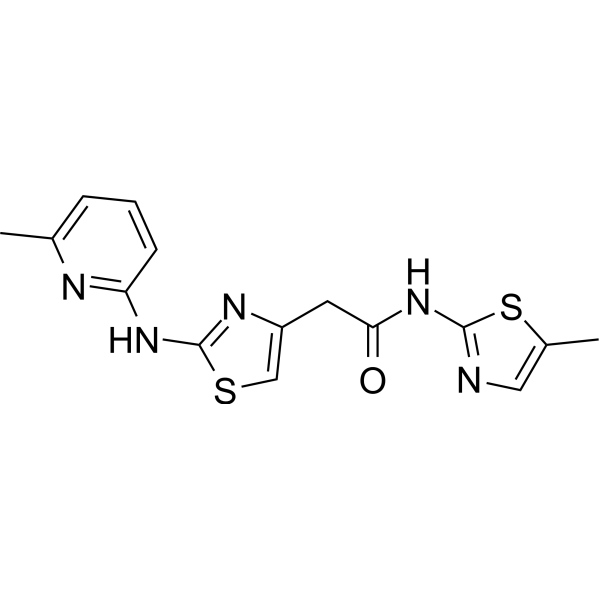
K00546 is a potent CDK1 and CDK2 inhibitor with IC50s of 0.6 nM and 0.5 nM for CDK1/cyclin B and CDK2/cyclin A, respectively. K00546 is also a potent CDC2-like kinase 1 (CLK1) and CLK3 inhibitor with IC50s of 8.9 nM and 29.2 nM, respectively .
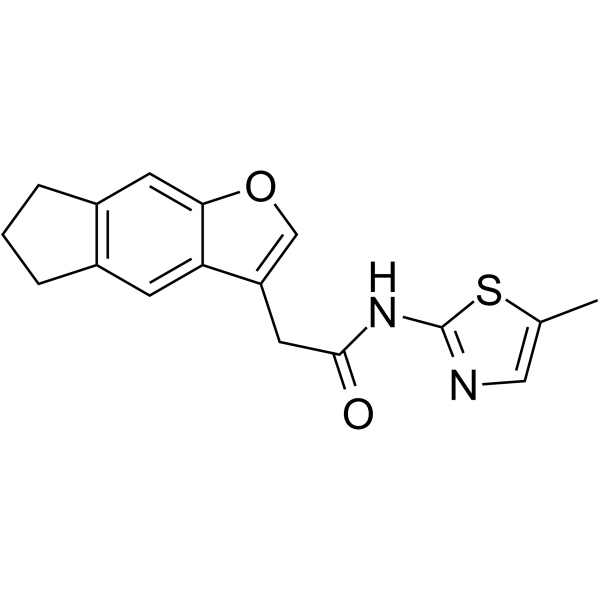
dCeMM2 (Compound 2) is a molecular glue-type degrader that targets cyclinK. dCeMM2 induces ubiquitination and degradation of cyclinK by prompting an interaction of CDK12-cyclinK with a CRL4B ligase complex .
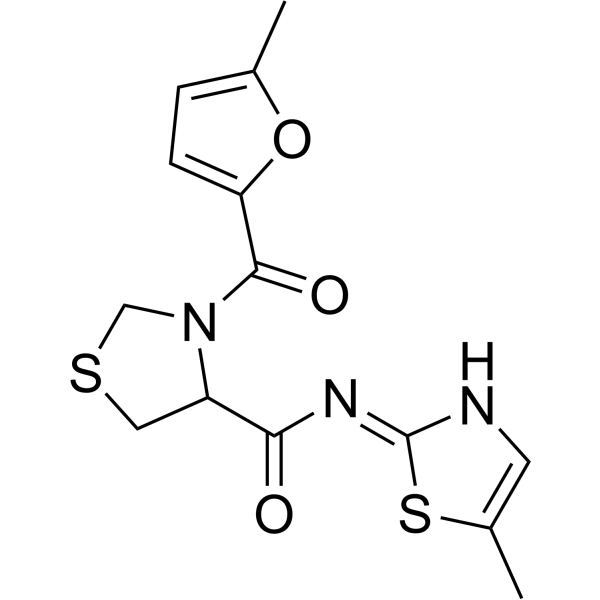
dCeMM4 (Compound 5) is a molecular glue degrader. dCeMM4 induces ubiquitination and degradation of cyclinK by prompting an interaction of CDK12-cyclinK with a CRL4B ligase complex .
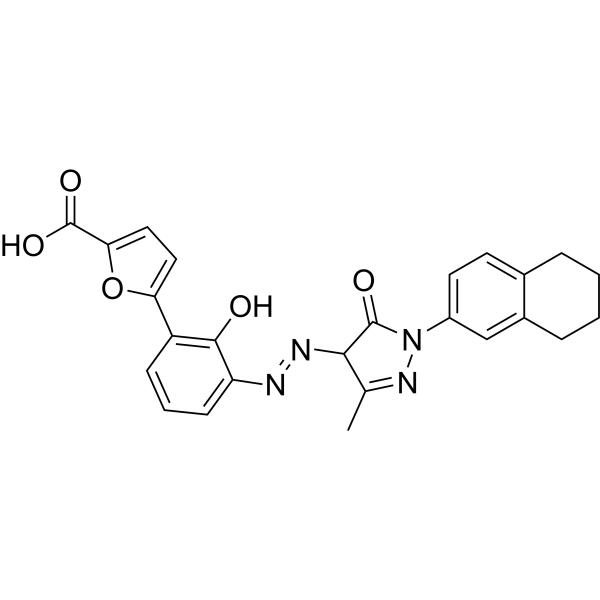
Rafutrombopag (tautomerism) (Hetrombopag) is an orally active nonpeptide thrombopoietin receptor (TPOR/MPL) agonist. Rafutrombopag can chelate iron and alleviate iron overload while promoting haematopoiesis. Rafutrombopag specifically stimulates proliferation and differentiation of human TPOR‐expressing cells, including 32D‐ MPL and human hematopoietic stem cells through stimulation of STAT, PI3K and ERK signalling pathways. Rafutrombopag effectively up-regulates G1-phase-related proteins, including p-RB, Cyclin D1 and CDK4/6, normalizes progression of the cell cycle, and prevents apoptosis by modulating BCL-XL/BAK expression in 32D-MPL cells. Rafutrombopag protects cardiomyocyte survival from oxidative stress damage as an enhancer of stem cells. Rafutrombopag can be used for the study of immune thrombocytopenia and oxidative stress-related cardiovascular disease .
CyclinK degrader 1 (compound 40) is an AT7519 (HY-50940) based CyclinK degrader with DC50 of 21 nM. CyclinK degrader 1 has an affinity for cyclinK that is ~500-fold higher than its affinity for CDK12 .
(R)-CR8 (CR8) trihydrochloride, a second-generation analog of Roscovitine, is a potent CDK1/2/5/7/9 inhibitor. (R)-CR8 trihydrochloride inhibits CDK1/cyclin B (IC50=0.09 μM), CDK2/cyclin A (0.072 μM), CDK2/cyclin E (0.041 μM), CDK5/p25 (0.11 μM), CDK7/cyclin H (1.1 μM), CDK9/cyclin T (0.18 μM) and CK1δ/ε (0.4 μM). (R)-CR8 trihydrochloride induces apoptosis and has neuroprotective effect . (R)-CR8 trihydrochloride acts as a molecular glue degrader that depletes cyclinK .
LL-K8-22 is a potent, selective and durable PROTAC CDK8-cyclin C dual degrader, with DC50 values of 2.52 and 2.64 μM, respectively. LL-K8-22 also suppresses STAT1 Ser 727 phosphorylation. LL-K8-22 inhibits E2F- and MYC-driven carcinogenic transcriptional programs. LL-K8-22 can be used for triplenegative breast cancer (TNBC) research. (Pink: Ligand for target protein (HY-168683); Black: Linker (HY-Y0340); Blue: Ligand for E3 ligase (HY-N2427)) .
NCT02 is a molecular glue degrader based on the E3 ubiquitin ligase DDB1 that targets CDK12 and its binding partner CCNK. NCT02 triggers the ubiquitination and proteasomal degradation of CCNK, thereby downregulating CDK12 protein levels and inhibiting its downstream signaling pathways. NCT02 can induce tumor cell apoptosis, arrest the cell cycle, and selectively inhibit the proliferation of colorectal cancer cells carrying TP53 defects or belonging to the consensus molecular subtype CMS4. NCT02 has the potential to inhibit tumor growth in in vitro and in vivo models .
PP-C8 is a potent and selective PROTAC CDK12-CyclinK degrader. PP-C8 induces CDK12-CyclinK degradation with DC50s of 416 and 412 nM for CDK12 and CyclinK, respectively. PP-C8 demonstrates profound synergistic antiproliferative effects with PARP inhibitor in triple-negative breast cancer (TNBC) .
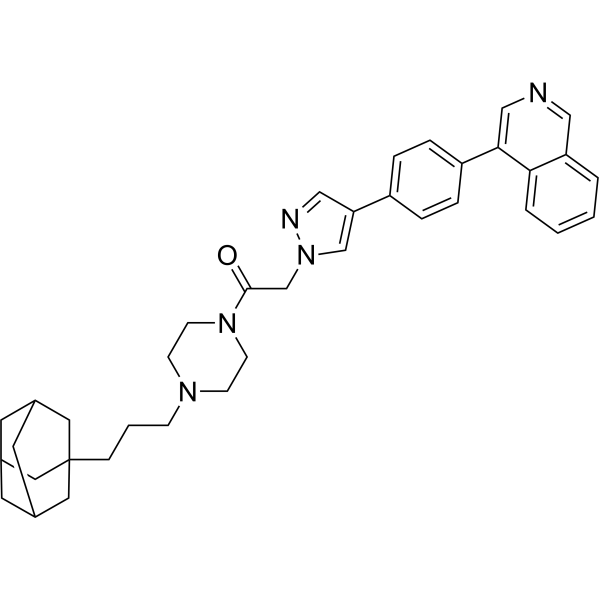
dCeMM3 (Compound 3) is a molecular glue degrader. dCeMM3 induces ubiquitination and degradation of cyclinK by prompting an interaction of CDK12-cyclinK with a CRL4B ligase complex .
ZLY025 is a potent and orally active CCNK molecular glue degrader with an DC50 of 42.7 nM. ZLY025 exhibits broad-spectrum antiproliferative activity against various tumor cells with IC50 values ranging from 0.08 to 2.45 μM. ZLY025 can induce cells apoptosis and G1 phase arrest. ZLY025 can be used for the research of cancer, such as lung cancer .
Rafutrombopag (Hetrombopag) is an orally active nonpeptide thrombopoietin receptor (TPOR/MPL) agonist. Rafutrombopag can chelate iron and alleviate iron overload while promoting haematopoiesis. Rafutrombopag specifically stimulates proliferation and differentiation of human TPOR-expressing cells, including 32D-MPL and human hematopoietic stem cells through stimulation of STAT, PI3K and ERK signalling pathways. Rafutrombopag effectively up-regulates G1-phase-related proteins, including p-RB, Cyclin D1 and CDK4/6, normalizes progression of the cell cycle, and prevents apoptosis by modulating BCL-XL/BAK expression in 32D-MPL cells. Rafutrombopag protects cardiomyocyte survival from oxidative stress damage as an enhancer of stem cells. Rafutrombopag can be used for the study of immune thrombocytopenia and oxidative stress-related cardiovascular disease .
LL-K9-3 is a potent small-molecule degrader of CDK9-cyclin T1. LL-K9-3 has anti-proliferative and pro-apoptotic activities and suppresses downstream signaling of CDK9 and AR. Moreover, LL-K9-3 inhibits AR and Myc-driven oncogenic transcriptional programs .
PPA-037 TFA is an orally active, highly potent and selective inhibitor of cyclin-dependent kinase 12 (CDK12). PPA-037 TFA induces the degradation of cyclinK (CyclinK), enhancing antiproliferative effects on tumor cells. PPA-037 TFA is promising for research of cancers .
SR-1277 is a potent, selective and ATP competitive CK1δ/ε inhibitor, with IC50s of 49 nM and 260 nM, respectively. SR-1277 also inhibits FLT3, CDK4/cyclin D1, CDK6/cyclin D3 and CDK9/cyclinK, with IC50s of 305 nM, 1340 nM, 311 nM and 109 nM, respectively. SR-1277 can be used for the research of cancer .
CyclinK degrader 2 is a molecular glucose degrading agent that targets the cyclinK protein. CyclinK degrader 2 has inhibitory activity against CDK1 and CDK9. CyclinK degrader 2 causes a decrease in RNA polymerase II Ser2 phosphorylation levels, downregulation of DNA damage response gene expression, accumulation of DNA damage, G1 phase arrest of the cell cycle, and apoptosis. CyclinK degrader 2 can be used for cancer research .
SGC-CDKL2/AAK1/BMP2K-1 (Compound 9) is a potent and selective CDKL2 (Cyclin-dependent kinase-like 2) inhibitor with an IC50 value of 460 nM. CDKL2 is involved in various biological processes such as tumorigenesis, development, and viral infections. SGC-CDKL2/AAK1/BMP2K-1 serves as a powerful tool for studying the biological functions of CDKL2 and holds promise for research in fields related to cancer, infections, and other diseases .
TR-213 is a potent molecular glue degrader that targets CyclinK (CDK). TR-213 induces 91% and 56% decrease in CDK12 and Cyclin at 1 μM. TR-213 can inhibit RNA polymerase II activity and regulates alternative polyadenylation (APA) activity. TR-213 can be used for the research of cancer .
CDK-IN-9 (compound 24) is a potent CDK inhibitor, also as a molecular glue inducing an interaction between CDK12 and DDB1, with an IC50 values of 4 nM for CDK2/E. CDK-IN-9 leads to polyubiquitination of cyclinK and its subsequent degradation. CDK-IN-9 induce apoptosis through dephosphorylation of retinoblastoma protein and RNA polymerase II .
CDK12-CyclinK ligand-1 is a ligand of PROTAC degrader that binds to the E3 ligase. CDK12-CyclinK ligand-1 can be used in the synthesis of PROTAC degrader such as PP-C8 (HY-144691) .
PPA-037 is an orally active, highly potent and selective inhibitor of cyclin-dependent kinase 12 (CDK12). PPA-037 induces the degradation of cyclinK (CyclinK), enhancing antiproliferative effects on tumor cells. PPA-037 is promising for research of cancers .
CDK12-CyclinK Ligand-Linker Conjugates 1 is an Target Protein Ligand-Linker Conjugate that incorporates a ligand for CDK12-CyclinK (HY-176790) and a PROTAC linker (HY-W244922), which recruits E3 ligases. CDK12-CyclinK Ligand-Linker Conjugates 1 can be used for synthesis of PROTAC PP-C8 (HY-144691) .
EGFR-IN-182 (Compound 4) is an EGFR inhibitor with an IC50 value of 199 nM. EGFR-IN-182 inhibits HSP90 and PI3K, with IC50 values of 5.007 and 13.596 μM respectively. EGFR-IN-182 exhibits strong anti-proliferative activity against MCF-7 and MDA-MB-231 cells. EGFR-IN-182 downregulates Cyclin D1, inducing cell cycle arrest; it enhances the activity of caspase-9, inducing cell apoptosis. EGFR-IN-182 downregulates the expressions of ERK and AKT. EGFR-IN-182 can be used for research on breast cancer .
CDK12 ligand-3 is a molecular glucose degrading agent that targets the CDK12 protein (DC50 = 35 nM). CDK12 ligand-3 degrades CDK12, CDK13 and their regulatory subunit CyclinK in a concentration dependent manner, and inhibits RNA polymerase II CTD (Ser2) phosphorylation. CDK12 ligand-3 exhibits potent anti proliferative activity against Jurkat cells. CDK12 ligand-3 can be used for research on cancers such as leukemia .
Sotetsuflavone is a flavonoid that can be isolated from Cycas revolute. Sotetsuflavone inhibits phosphorylation of PI3K, Akt, mTOR, JNK, and p38 MAPK; modulates expression of Cyclin D1, CDK4, Bcl-2, Bax, cleaved caspases 3/9, MMP-9, TGF-β, STAT3, and β-catenin. Sotetsuflavone induces G0/G1 cell cycle arrest, apoptosis, autophagy, and intracellular ROS elevation, inhibits cancer cell proliferation. Sotetsuflavone inhibits tumor growth in mouse tumor xenograft models. Sotetsuflavone can be used for the research of non-small cell lung cancer and Crohn’s disease .
H1k, a Eudistomin Y derivative, is a lysosome-targeted antiproliferation agent. H1k increases the autophagy signal and downregulate the expression of cyclin-dependent kinase (CDK1) and cyclin B1. H1k can be used in research of cancer .
Adamantane-Butyl alcohol is a selective and persistent degrader targeting the CDK8-cyclin C complex. Adamantane-Butyl alcohol is the linker for LL-K8-22 (PROTACCDK8-cyclin C, HY-149209) and HyT .
SLM6 is a sangivamycin-like molecule. SLM6 is a CDK9 inhibitor. SLM6 inhibits CDK9/cyclinK and CDK9/cyclin T1 kinase activity with IC50s of 280 nM and 133 nM, respectively. SLM6 also inhibits CDK1/cyclin B and CDK2/
cyclin A with IC50s of less than 300 nM. SLM6 induces apoptosis in multiple myeloma (MM) cells .
Resibufogenin (Standard) is the analytical standard of Resibufogenin. This product is intended for research and analytical applications. Resibufogenin is an orally active anticancer agent. Resibufogenin can be extracted from toad venom. Resibufogenin blocks signaling pathways such as PI3K/Akt, NF-κB, AP-1, activates GSK-3β, and regulates cyclin D1. Resibufogenin can activate central neurons. Resibufogenin has anti-inflammatory activity. Resibufogenin has anti-tumor effects on a variety of tumors such as multiple myeloma, renal cancer, colorectal cancer, pancreatic cancer, and glioma .
K00546 (Standard) is the analytical standard of K00546 (HY-103647). This product is intended for research and analytical applications. K00546 is a potent CDK1 and CDK2 inhibitor with IC50s of 0.6 nM and 0.5 nM for CDK1/cyclin B and CDK2/cyclin A, respectively. K00546 is also a potent CDC2-like kinase 1 (CLK1) and CLK3 inhibitor with IC50s of 8.9 nM and 29.2 nM, respectively .
PI3Kα-IN-33 is an orally active and selective PI3Kα inhibitor with an IC50 of 9.9 nM. PI3Kα-IN-33 blocks the PI3K/Akt/mTOR signaling pathway. PI3Kα-IN-33 induces apoptosis and triggers G2/M-phase arrest via Cyclin B1 and CDK1 downregulation. PI3Kα-IN-33 can be used for the research of colorectal cancer .
CKD-712 is an orally active multi-target tetrahydroisoquinoline derivatived and a potent inhibitor of the NF-κB pathway . CKD-712 selectively inhibits MMP-9 with no effect on MMP-2, downregulates the expression of TNF-α, IL-6, cyclin A, cyclin B, CDK-1 and other proteins, and activates the PI3K/Akt signaling pathway . CKD-712 blocks the activation and nuclear translocation of NF-κB, downregulates inflammatory factors and pro-tumor metastatic proteins, and induces G2/M phase arrest in tumor cells and thereby inhibits the invasion of cancer cells . CKD-712 can be used for the research of sepsis, myocardial ischemia-reperfusion injury and non-small cell lung cancer .
Resibufogenin is an orally active anticancer agent. Resibufogenin can be extracted from toad venom. Resibufogenin blocks signaling pathways such as PI3K/Akt, NF-κB, AP-1, activates GSK-3β, and regulates cyclin D1. Resibufogenin can activate central neurons. Resibufogenin has anti-inflammatory activity. Resibufogenin has anti-tumor effects on a variety of tumors such as multiple myeloma, renal cancer, colorectal cancer, pancreatic cancer, and glioma .
Sotetsuflavone is a flavonoid that can be isolated from Cycas revolute. Sotetsuflavone inhibits phosphorylation of PI3K, Akt, mTOR, JNK, and p38 MAPK; modulates expression of Cyclin D1, CDK4, Bcl-2, Bax, cleaved caspases 3/9, MMP-9, TGF-β, STAT3, and β-catenin. Sotetsuflavone induces G0/G1 cell cycle arrest, apoptosis, autophagy, and intracellular ROS elevation, inhibits cancer cell proliferation. Sotetsuflavone inhibits tumor growth in mouse tumor xenograft models. Sotetsuflavone can be used for the research of non-small cell lung cancer and Crohn’s disease .
Resibufogenin (Standard) is the analytical standard of Resibufogenin. This product is intended for research and analytical applications. Resibufogenin is an orally active anticancer agent. Resibufogenin can be extracted from toad venom. Resibufogenin blocks signaling pathways such as PI3K/Akt, NF-κB, AP-1, activates GSK-3β, and regulates cyclin D1. Resibufogenin can activate central neurons. Resibufogenin has anti-inflammatory activity. Resibufogenin has anti-tumor effects on a variety of tumors such as multiple myeloma, renal cancer, colorectal cancer, pancreatic cancer, and glioma .
The CDK9 protein plays a central role in transcriptional regulation, promoting the transition from ineffective to efficient elongation by phosphorylating POLR2A, SUPT5H, and RDBP. As part of the CDK9/cyclin-T complex, it participates in phosphorylation events affecting EP300, MYOD1, RPB1/POLR2A, AR, DSIF, and NELFE. CDK9-CCNK Heterodimer Protein, Human (sf9) is a recombinant protein dimer complex containing human-derived CDK9-CCNK Heterodimer protein, expressed by sf9 insect cells , with tag free.
The CDK9 protein plays a central role in transcriptional regulation, promoting the transition from ineffective to efficient elongation by phosphorylating POLR2A, SUPT5H, and RDBP. As part of the CDK9/cyclin-T complex, it participates in phosphorylation events affecting EP300, MYOD1, RPB1/POLR2A, AR, DSIF, and NELFE. CDK9-CCNT1 Heterodimer Protein, Human (sf9, GST, His) is the recombinant human-derived CDK9-CCNT1, expressed by Sf9 insect cells, with N-His, N-GST labeled tag.
The CDK9 protein plays a central role in transcriptional regulation, promoting the transition from ineffective to efficient elongation by phosphorylating POLR2A, SUPT5H, and RDBP. As part of the CDK9/cyclin-T complex, it participates in phosphorylation events affecting EP300, MYOD1, RPB1/POLR2A, AR, DSIF, and NELFE. CDK9-CCNT2 Heterodimer Protein, Human (sf9, GST, Flag, His) is the recombinant human-derived CDK9-CCNT2, expressed by Sf9 insect cells, with N-His, N-GST, N-Flag labeled tag.
The CDK9 protein plays a central role in transcriptional regulation, promoting the transition from ineffective to efficient elongation by phosphorylating POLR2A, SUPT5H, and RDBP. As part of the CDK9/cyclin-T complex, it participates in phosphorylation events affecting EP300, MYOD1, RPB1/POLR2A, AR, DSIF, and NELFE. CDK9-CCNK Heterodimer Protein, Human (sf9, GST, FLAG) is a recombinant protein dimer complex containing human-derived CDK9-CCNK Heterodimer protein, expressed by sf9 insect cells , with N-Flag, N-GST labeled tag.
The CDK12 protein is a cyclin-dependent kinase that critically phosphorylates the C-terminal domain of POLR2A, thereby regulating transcription elongation. It selectively targets "Ser-5" phosphorylated at "Ser-7" in the CTD repeat and can also target "Ser-2". CDK12-CCNT1 Protein, Human (sf9, GST, Flag, His) is the recombinant human-derived CDK12-CCNT1, expressed by Sf9 insect cells, with N-His, N-GST, N-Flag labeled tag.
The CDK12 protein is a cyclin-dependent kinase that critically phosphorylates the C-terminal domain of POLR2A, thereby regulating transcription elongation. It selectively targets "Ser-5" phosphorylated at "Ser-7" in the CTD repeat and can also target "Ser-2". CDK12-CCNK Heterodimer Protein, Human (sf9) is a recombinant protein dimer complex containing human-derived CDK12-CCNK Heterodimer protein, expressed by sf9 insect cells , with tag free.
The CDK12 protein is a cyclin-dependent kinase that critically phosphorylates the C-terminal domain of POLR2A, thereby regulating transcription elongation. It selectively targets "Ser-5" phosphorylated at "Ser-7" in the CTD repeat and can also target "Ser-2". CDK12-CCNK Heterodimer Protein, Human (sf9, GST, FLAG) is a recombinant protein dimer complex containing human-derived CDK12-CCNK Heterodimer protein, expressed by sf9 insect cells , with N-Flag, N-GST labeled tag.
The CDK12 protein is a cyclin-dependent kinase that critically phosphorylates the C-terminal domain of POLR2A, thereby regulating transcription elongation. It selectively targets "Ser-5" phosphorylated at "Ser-7" in the CTD repeat and can also target "Ser-2". CDK12-CCNK Heterodimer Protein, Human (sf9) is a recombinant protein dimer complex containing human-derived CDK12-CCNK Heterodimer protein, expressed by sf9 insect cells , with tag free.
The CDK9 protein plays a central role in transcriptional regulation, promoting the transition from ineffective to efficient elongation by phosphorylating POLR2A, SUPT5H, and RDBP. As part of the CDK9/cyclin-T complex, it participates in phosphorylation events affecting EP300, MYOD1, RPB1/POLR2A, AR, DSIF, and NELFE. CDK9-CCNT1 Heterodimer Protein, Human (sf9) is a recombinant protein dimer complex containing human-derived CDK9-CCNT1 Heterodimer protein, expressed by sf9 insect cells , with tag free.
The CDK8-CCNC-MED12 protein is an important component of the mediator complex, acting as a bridge for gene transcription regulation, transmitting information from gene-specific regulatory factors to RNA polymerase II. It is recruited to the promoter, assembles a preinitiation complex, and promotes transcription. CDK8 Protein, Human ( Unactive, sf9, GST) is the recombinant human-derived CDK8, expressed by Sf9 insect cells, with GST labeled tag. The total length of CDK8 Protein, Human ( Unactive, sf9, GST) is 464 a.a..
The CDK8-CCNC-MED12 protein is an important component of the mediator complex, acting as a bridge for gene transcription regulation, transmitting information from gene-specific regulatory factors to RNA polymerase II. It is recruited to the promoter, assembles a preinitiation complex, and promotes transcription. CDK8-CCNC Protein, Human (Active, sf9, His-GST) is the recombinant human-derived CDK8-CCNK, expressed by Sf9 insect cells, with N-6*His and N-GST labeled tag.
The CDK9 protein plays a central role in transcriptional regulation, promoting the transition from ineffective to efficient elongation by phosphorylating POLR2A, SUPT5H, and RDBP. As part of the CDK9/cyclin-T complex, it participates in phosphorylation events affecting EP300, MYOD1, RPB1/POLR2A, AR, DSIF, and NELFE. CDK9-CCNT2 Heterodimer Protein, Human (sf9) is a recombinant protein dimer complex containing human-derived CDK9-CCNT2 Heterodimer protein, expressed by sf9 insect cells , with tag free.
The CDK8-CCNC-MED12 protein is an important component of the mediator complex, acting as a bridge for gene transcription regulation, transmitting information from gene-specific regulatory factors to RNA polymerase II. It is recruited to the promoter, assembles a preinitiation complex, and promotes transcription. CDK8 Protein, Human (Sf9) is the recombinant human-derived CDK8, expressed by Sf9 insect cells, with tag-free. The total length of CDK8 Protein, Human (Sf9) is 464 a.a..
The CDK8-CCNC-MED12 protein is an important component of the mediator complex, acting as a bridge for gene transcription regulation, transmitting information from gene-specific regulatory factors to RNA polymerase II. It is recruited to the promoter, assembles a preinitiation complex, and promotes transcription. CDK8-CCNC-MED12 Protein, Human (sf9, GST, FLAG, His) is the recombinant human-derived CDK8-CCNC-MED12 protein, expressed by sf9 insect cells , with N-6*His, N-Flag, N-GST labeled tag.
Western blot analysis of extracts from THP-1(lane 2(20μg), Jurkat (lane 3(20μg) and NIH3T3(lane 4(20μg) using FOXO1A (HY-P80132) Rabbit mAb. Proteins were transferred
to a PVDF membrane and blocked with 5% non-fat milk in TBST for 2 hour at room temperature. The primary antibody (1/1000) and Loading control antibody (Beta Actin, HY-P80438, 1/10000) was
used in 5% non-fat milk in TBST at 4°C overnight. Goat Anti-Mouse/Rabbit IgG-HRP Secondary Antibody (1/10000) was used for 1 hour at room temperature.
Western blot analysis of extracts from THP-1(lane 2(20μg), Jurkat (lane 3(20μg) and NIH3T3(lane 4(20μg) using FOXO1A (HY-P80132) Rabbit mAb. Proteins were transferred
to a PVDF membrane and blocked with 5% non-fat milk in TBST for 2 hour at room temperature. The primary antibody (1/1000) and Loading control antibody (Beta Actin, HY-P80438, 1/10000) was
used in 5% non-fat milk in TBST at 4°C overnight. Goat Anti-Mouse/Rabbit IgG-HRP Secondary Antibody (1/10000) was used for 1 hour at room temperature.
Western blot analysis of extracts from THP-1(lane 2(20μg), Jurkat (lane 3(20μg) and NIH3T3(lane 4(20μg) using FOXO1A (HY-P80132) Rabbit mAb. Proteins were transferred
to a PVDF membrane and blocked with 5% non-fat milk in TBST for 2 hour at room temperature. The primary antibody (1/1000) and Loading control antibody (Beta Actin, HY-P80438, 1/10000) was
used in 5% non-fat milk in TBST at 4°C overnight. Goat Anti-Mouse/Rabbit IgG-HRP Secondary Antibody (1/10000) was used for 1 hour at room temperature.
Western blot analysis of extracts from THP-1(lane 2(20μg), Jurkat (lane 3(20μg) and NIH3T3(lane 4(20μg) using FOXO1A (HY-P80132) Rabbit mAb. Proteins were transferred
to a PVDF membrane and blocked with 5% non-fat milk in TBST for 2 hour at room temperature. The primary antibody (1/1000) and Loading control antibody (Beta Actin, HY-P80438, 1/10000) was
MedchemExpress Validation 03
Western blot analysis of extracts from THP-1(lane 2(20μg), Jurkat (lane 3(20μg) and NIH3T3(lane 4(20μg) using FOXO1A (HY-P80132) Rabbit mAb. Proteins were transferred
MedchemExpress Validation 04
Western blot analysis of extracts from THP-1(lane 2(20μg), Jurkat (lane 3(20μg) and NIH3T3(lane 4(20μg) using FOXO1A (HY-P80132) Rabbit mAb. Proteins were transferred
to a PVDF membrane and blocked with 5% non-fat milk in TBST for 2 hour at room temperature. The primary antibody (1/1000) and Loading control antibody (Beta Actin, HY-P80438, 1/10000) was
used in 5% non-fat milk in TBST at 4°C overnight. Goat Anti-Mouse/Rabbit IgG-HRP Secondary Antibody (1/10000) was used for 1 hour at room temperature.
MedchemExpress Validation
Western blot analysis of extracts from THP-1(lane 2(20μg), Jurkat (lane 3(20μg) and NIH3T3(lane 4(20μg) using FOXO1A (HY-P80132) Rabbit mAb. Proteins were transferred
to a PVDF membrane and blocked with 5% non-fat milk in TBST for 2 hour at room temperature. The primary antibody (1/1000) and Loading control antibody (Beta Actin, HY-P80438, 1/10000) was
used in 5% non-fat milk in TBST at 4°C overnight. Goat Anti-Mouse/Rabbit IgG-HRP Secondary Antibody (1/10000) was used for 1 hour at room temperature.
Western blot analysis of extracts from THP-1(lane 2(20μg), Jurkat (lane 3(20μg) and NIH3T3(lane 4(20μg) using FOXO1A (HY-P80132) Rabbit mAb. Proteins were transferred
to a PVDF membrane and blocked with 5% non-fat milk in TBST for 2 hour at room temperature. The primary antibody (1/1000) and Loading control antibody (Beta Actin, HY-P80438, 1/10000) was
used in 5% non-fat milk in TBST at 4°C overnight. Goat Anti-Mouse/Rabbit IgG-HRP Secondary Antibody (1/10000) was used for 1 hour at room temperature.
MedchemExpress Validation
Western blot analysis of extracts from THP-1(lane 2(20μg), Jurkat (lane 3(20μg) and NIH3T3(lane 4(20μg) using FOXO1A (HY-P80132) Rabbit mAb. Proteins were transferred
to a PVDF membrane and blocked with 5% non-fat milk in TBST for 2 hour at room temperature. The primary antibody (1/1000) and Loading control antibody (Beta Actin, HY-P80438, 1/10000) was
used in 5% non-fat milk in TBST at 4°C overnight. Goat Anti-Mouse/Rabbit IgG-HRP Secondary Antibody (1/10000) was used for 1 hour at room temperature.
MedchemExpress Validation
Western blot analysis of extracts from THP-1(lane 2(20μg), Jurkat (lane 3(20μg) and NIH3T3(lane 4(20μg) using FOXO1A (HY-P80132) Rabbit mAb. Proteins were transferred
to a PVDF membrane and blocked with 5% non-fat milk in TBST for 2 hour at room temperature. The primary antibody (1/1000) and Loading control antibody (Beta Actin, HY-P80438, 1/10000) was
used in 5% non-fat milk in TBST at 4°C overnight. Goat Anti-Mouse/Rabbit IgG-HRP Secondary Antibody (1/10000) was used for 1 hour at room temperature.
MedchemExpress Validation
Western blot analysis of extracts from THP-1(lane 2(20μg), Jurkat (lane 3(20μg) and NIH3T3(lane 4(20μg) using FOXO1A (HY-P80132) Rabbit mAb. Proteins were transferred
to a PVDF membrane and blocked with 5% non-fat milk in TBST for 2 hour at room temperature. The primary antibody (1/1000) and Loading control antibody (Beta Actin, HY-P80438, 1/10000) was
used in 5% non-fat milk in TBST at 4°C overnight. Goat Anti-Mouse/Rabbit IgG-HRP Secondary Antibody (1/10000) was used for 1 hour at room temperature.
MedchemExpress Validation
Western blot analysis of extracts from THP-1(lane 2(20μg), Jurkat (lane 3(20μg) and NIH3T3(lane 4(20μg) using FOXO1A (HY-P80132) Rabbit mAb. Proteins were transferred
to a PVDF membrane and blocked with 5% non-fat milk in TBST for 2 hour at room temperature. The primary antibody (1/1000) and Loading control antibody (Beta Actin, HY-P80438, 1/10000) was
used in 5% non-fat milk in TBST at 4°C overnight. Goat Anti-Mouse/Rabbit IgG-HRP Secondary Antibody (1/10000) was used for 1 hour at room temperature.
MedchemExpress Validation
Western blot analysis of extracts from THP-1(lane 2(20μg), Jurkat (lane 3(20μg) and NIH3T3(lane 4(20μg) using FOXO1A (HY-P80132) Rabbit mAb. Proteins were transferred
to a PVDF membrane and blocked with 5% non-fat milk in TBST for 2 hour at room temperature. The primary antibody (1/1000) and Loading control antibody (Beta Actin, HY-P80438, 1/10000) was
used in 5% non-fat milk in TBST at 4°C overnight. Goat Anti-Mouse/Rabbit IgG-HRP Secondary Antibody (1/10000) was used for 1 hour at room temperature.
MedchemExpress Validation
Western blot analysis of extracts from THP-1(lane 2(20μg), Jurkat (lane 3(20μg) and NIH3T3(lane 4(20μg) using FOXO1A (HY-P80132) Rabbit mAb. Proteins were transferred
to a PVDF membrane and blocked with 5% non-fat milk in TBST for 2 hour at room temperature. The primary antibody (1/1000) and Loading control antibody (Beta Actin, HY-P80438, 1/10000) was
used in 5% non-fat milk in TBST at 4°C overnight. Goat Anti-Mouse/Rabbit IgG-HRP Secondary Antibody (1/10000) was used for 1 hour at room temperature.
MedChemExpress values your privacy and your trust is important to us. We use cookies to enhance your website experience. Some cookies are necessary to run the website.
Privacy and Cookie Policy

