1. Search Result
Search Result
Pathways Recommended: Cell Cycle/DNA Damage
Results for "

DNA replication

" in MedChemExpress (MCE) Product Catalog:

476

Inhibitors & Agonists

3

Screening Libraries

7

Fluorescent Dyes

10

Biochemical Assay Reagents

7

Peptides

51

Natural
Products

2

Recombinant Proteins

56

Isotope-Labeled Compounds

13

Antibodies

13

Click Chemistry

69

Oligonucleotides

1

GMP Molecules

Cat. No. Product Name Target Research Areas Chemical Structure
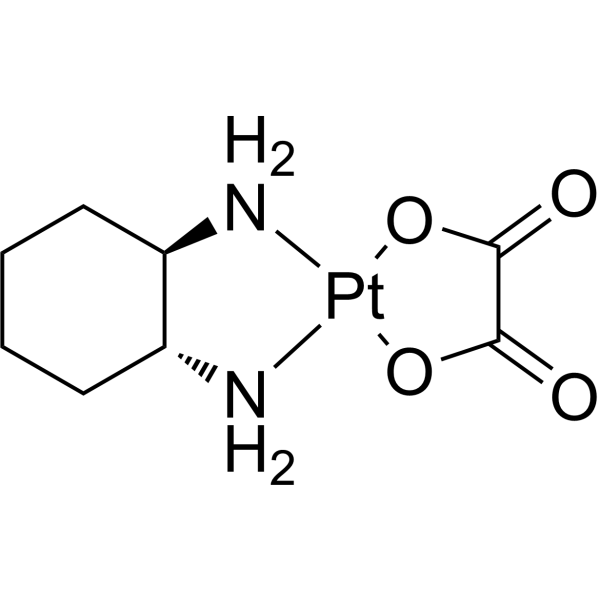
  • HY-17371
    Oxaliplatin
    Maximum Cited Publications
    226 Publications Verification

    DNA/RNA Synthesis Apoptosis Inflammation/Immunology Cancer
    Oxaliplatin is a DNA synthesis inhibitor. Oxaliplatin causes DNA crosslinking damage, prevents DNA replication and transcription and induces apoptosis. Oxaliplatin can be used for cancer research .
    Oxaliplatin
  • HY-17393
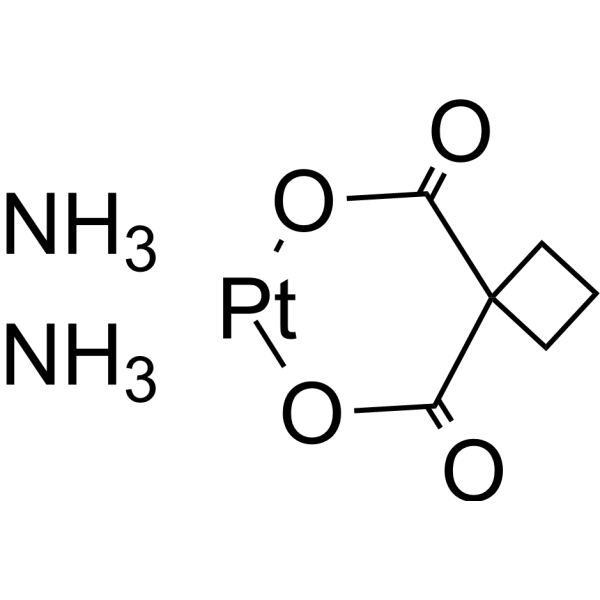
    Carboplatin
    90+ Cited Publications

    NSC 241240

    DNA Alkylator/Crosslinker Autophagy DNA/RNA Synthesis Cancer
    Carboplatin (NSC 241240) is a DNA synthesis inhibitor which binds to DNA, inhibits replication and transcription and induces cell death. Carboplatin (NSC 241240) is a derivative of CDDP and a potent anti-cancer agent.
    Carboplatin
  • HY-N1150
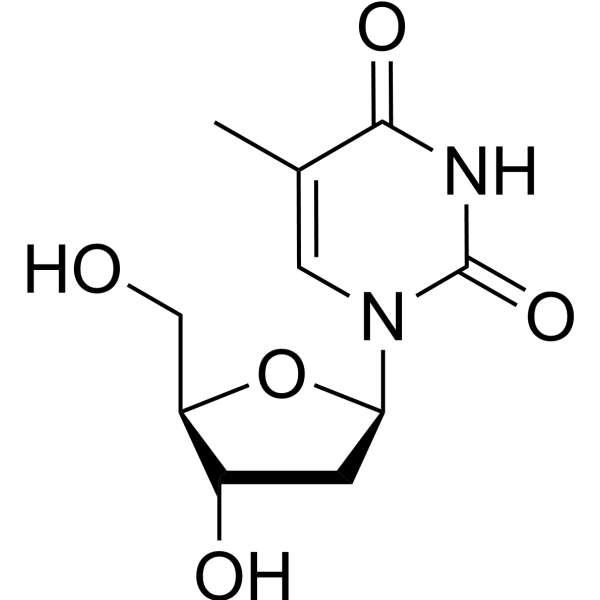
    Thymidine
    20+ Cited Publications

    DThyd; NSC 21548

    DNA/RNA Synthesis Endogenous Metabolite Orthopoxvirus Cancer
    Thymidine, a specific precursor of deoxyribonucleic acid, is used as a cell synchronizing agent. Thymidine is a DNA synthesis inhibitor that can arrest cell at G1/S boundary, prior to DNA replication .
    Thymidine
  • HY-18174
    Prexasertib
    35+ Cited Publications

    LY2606368

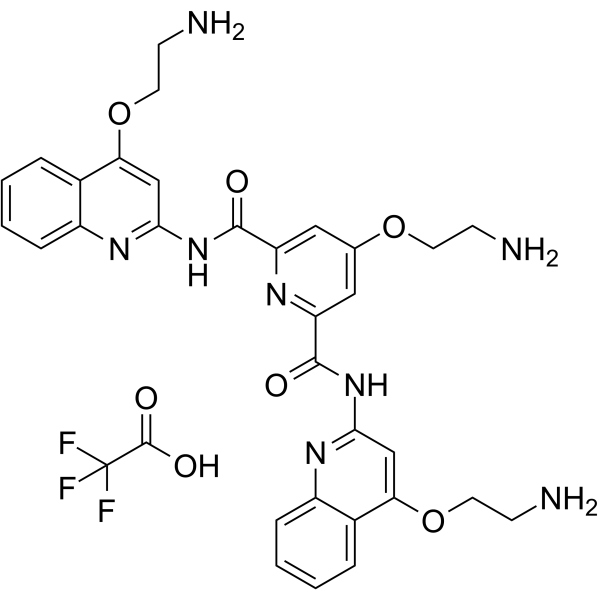
    Checkpoint Kinase (Chk) Apoptosis Cancer
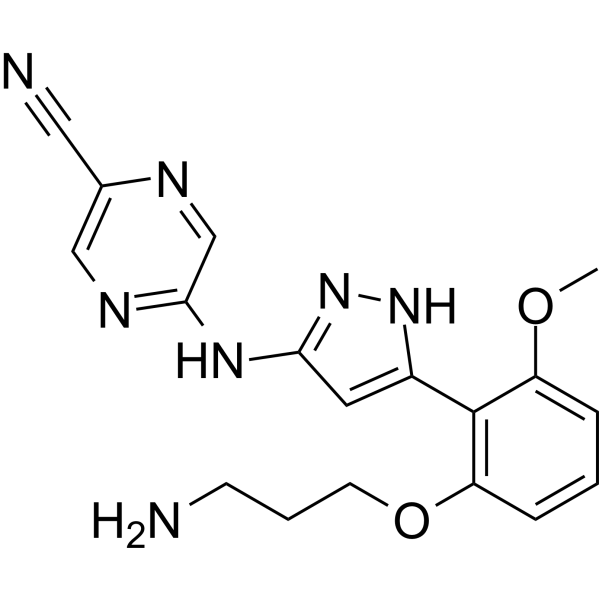
    Prexasertib (LY2606368) is a selective, ATP-competitive second-generation checkpoint kinase 1 (CHK1) inhibitor with a Ki of 0.9 nM and an IC50 of <1 nM. Prexasertib inhibits CHK2 (IC50=8 nM) and RSK1 (IC50=9 nM). Prexasertib causes double-stranded DNA breakage and replication catastrophe resulting in apoptosis. Prexasertib shows potent anti-tumor activity .
    Prexasertib
  • HY-13637
    Ganciclovir
    25+ Cited Publications

    BW 759; 2'-Nor-2'-deoxyguanosine

    CMV HSV Antibiotic Nucleoside Antimetabolite/Analog Infection Cancer
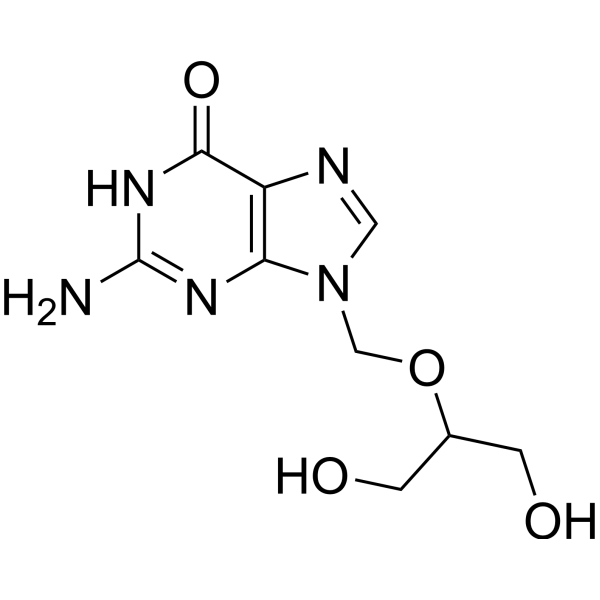
    Ganciclovir (BW 759), a nucleoside analogue, is an orally active antiviral agent with activity against CMV. Ganciclovir also has activity in vitro against members of the herpes group and some other DNA viruses. Ganciclovir inhibits the in vitro replication of human herpes viruses (HSV 1 and 2, CMV) and adenovirus serotypes 1, 2, 4, 6, 8, 10, 19, 22 and 28. Ganciclovir has an IC50 of 5.2 μM for feline herpesvirus type-1 (FHV-1) and can diffuse into the brain .
    Ganciclovir
  • HY-B1046
    Clofazimine
    Maximum Cited Publications
    13 Publications Verification

    Bacterial Antibiotic DNA/RNA Synthesis Interleukin Related Apoptosis Infection Inflammation/Immunology Cancer
    Clofazimine is an orally-active anti-mycobacterial agent with a wide range of anti-mycobacterial activity including leprosy and tuberculosis. Clofazimine exerts anti-inflammatory activities and anti-tumor activities by interfering DNA replication and inhibiting IL2 (IC50 = 1.10 ± 0.26 μM, Jurkat T) production. Clofazimine can be used in mycobacterial and cancer research .
    Clofazimine
  • HY-P0109A
    Z-FA-FMK
    5+ Cited Publications

    (1S)-Z-FA-FMK

    SARS-CoV Cathepsin Apoptosis Caspase Infection Cancer
    Z-FA-FMK ((1S)-Z-FA-FMK) is a potent Cathepsin B and L inhibitor. Z-FA-FMK blocks the induction of DEVDase activity, DNA fragmentation, and externalization of phosphatidylserine by selective synthetic retinoid-related molecules (RRMs). Z-FA-FMK inhibits apoptosis. Z-FA-FMK inhibits caspase activity and selectively inhibits recombinant effector caspases 2, -3, -6, and -7. Z-FA-FMK is a viral inhibitor. Z-FA-FMK inhibits reovirus replication in a susceptible host .
    Z-FA-FMK
  • HY-18174A
    Prexasertib dihydrochloride
    35+ Cited Publications

    LY2606368 dihydrochloride

    Checkpoint Kinase (Chk) Apoptosis Cancer
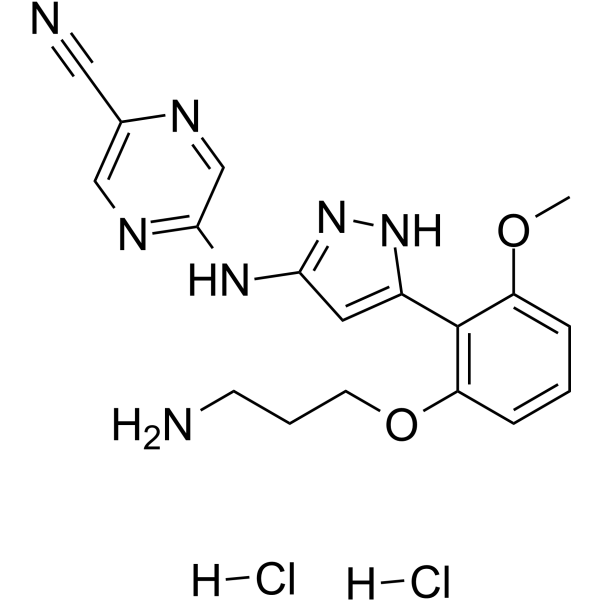
    Prexasertib dihydrochloride (LY2606368 dihydrochloride) is a selective, ATP-competitive second-generation checkpoint kinase 1 (CHK1) inhibitor with a Ki of 0.9 nM and an IC50 of <1 nM. Prexasertib dihydrochloride inhibits CHK2 (IC50=8 nM) and RSK1 (IC50=9 nM). Prexasertib dihydrochloride causes double-stranded DNA breakage and replication catastrophe resulting in apoptosis. Prexasertib dihydrochloride shows potent anti-tumor activity .
    Prexasertib dihydrochloride
  • HY-106014

    DNA/RNA Synthesis Nucleoside Antimetabolite/Analog Apoptosis Cancer
    Tezacitabine is a cytostatic and cytotoxic antimetabolite and a nucleoside analogue. Tezacitabine irreversibly inhibits the ribonucleotide reductase and interferes with DNA replication and repair. Tezacitabine effectively induces cells apoptotic. Tezacitabine has the potential for leukemias and solid tumors (carcinomas) treatment .
    Tezacitabine
  • HY-103713
    Seclidemstat
    10+ Cited Publications

    SP-2577

    Histone Demethylase Cancer
    Seclidemstat is a potent noncompetitive and reversible KDM1A (LSD1) inhibitor (Ki=31 nM, IC50=13 nM). Seclidemstat promotes antitumor immunity in switch/sucrose nonfermentable (SWI/SNF) complex mutated ovarian cancer, as well as inhibit virus production, viral DNA replication, and late gene expression. Seclidemstat can be used for the research of Ewing Sarcoma .
    Seclidemstat
  • HY-113306

    Endogenous Metabolite Others
    1-Methyladenine is a gonad maturation-promoting regulator. 1-Methyladenine is produced in testes and ovarian follicle cells of starfish under the induction of gonad-stimulating substance (GSS). 1-Methyladenine promotes starfish oocyte maturation and spawning, and modifies bases that regulate DNA structure. 1-Methyladenine converts T-A base pairs in double-stranded DNA into non-disruptive T (anti)m1A (syn) Hoogsteen conformation. If this conformational base is not repaired in a timely manner, 1-Methyladenine transforms into cytotoxic DNA damage and blocks the replication process .
    1-Methyladenine
  • HY-111397
    Bizelesin
    1 Publications Verification

    NSC 615291; U-77779

    DNA Alkylator/Crosslinker Cancer
    Bizelesin (NSC 615291; U-77779) is an AT-specific DNA alkylating agent that can generate DNA interstrand crosslinks, effectively inhibit DNA replication, and has potential anticancer activity .
    Bizelesin
  • HY-B0738

    Anthralin

    DNA/RNA Synthesis Inflammation/Immunology
    Dithranol (Anthralin) is an anthraquinone derivative, with potent anti-psoriatic effects. Dithranol can inhibit DNA replication and repair .
    Dithranol
  • HY-W011117

    Bacterial DNA/RNA Synthesis Antibiotic Infection
    Danofloxacin is an orally active quinolone antibiotic. Danofloxacin targets bacterial DNA gyrase and inhibits bacterial DNA replication, transcription and growth. Danofloxacin can be used for various bacterial infections caused by Escherichia coli, Mycoplasma and other pathogens .
    Danofloxacin
  • HY-18174E
    Prexasertib dimesylate
    35+ Cited Publications

    LY2606368 dimesylate

    Checkpoint Kinase (Chk) Apoptosis Cancer
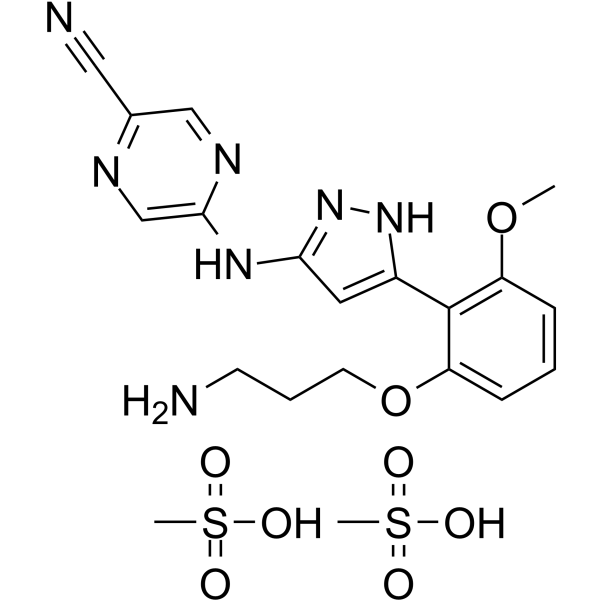
    Prexasertib dimesylate (LY2606368 dimesylate) is a selective, ATP-competitive second-generation checkpoint kinase 1 (CHK1) inhibitor with a Ki of 0.9 nM and an IC50 of <1 nM. Prexasertib dimesylate inhibits CHK2 (IC50=8 nM) and RSK1 (IC50=9 nM). Prexasertib dimesylate causes double-stranded DNA breakage and replication catastrophe resulting in apoptosis. Prexasertib dimesylate shows potent anti-tumor activity .
    Prexasertib dimesylate
  • HY-19743
    Triazavirin
    1 Publications Verification

    Nucleoside Antimetabolite/Analog Influenza Virus DNA/RNA Synthesis Infection
    Triazavirin is a nucleoside analogue of nucleic acid and an antiviral agent. Triazavirin works by inhibiting the synthesis of viral RNA and DNA and replication of genomic fragments. Triazavirin is also an effective protective agent on the transmission stage of influenza .
    Triazavirin
  • HY-W009216
    2'-Deoxycytidine-5'-monophosphate
    1 Publications Verification

    5'-dCMP; Deoxy-CMP; 2'-Deoxycytidine-5'-monophosphoric acid

    DNA/RNA Synthesis Infection
    2'-Deoxycytidine-5'-monophosphate (5'-dCMP) is a compound that binds to the adenovirus terminal protein with a molecular weight of 80000 daltons. 2'-Deoxycytidine-5'-monophosphate forms a covalent complex with this protein and is associated with adenovirus DNA replication .
    2'-Deoxycytidine-5'-monophosphate
  • HY-103713A
    Seclidemstat mesylate
    10+ Cited Publications

    SP-2577 mesylate

    Histone Demethylase Cancer
    Seclidemstat (SP-2577) mesylate is a potent noncompetitive and reversible KDM1A (LSD1) inhibitor (Ki=31 nM, IC50=13 nM). Seclidemstat mesylate promotes antitumor immunity in switch/sucrose nonfermentable (SWI/SNF) complex mutated ovarian cancer, as well as inhibit virus production, viral DNA replication, and late gene expression. Seclidemstat mesylate can be used for the research of Ewing Sarcoma .
    Seclidemstat mesylate
  • HY-137697D

    HIV DNA/RNA Synthesis Nucleoside Antimetabolite/Analog Drug Metabolite HIV Protease Infection
    ddCTP trilithium solution (100 mM) is a chain-terminating dideoxynucleotide. ddCTP trilithium is a type of chain-terminating deoxynucleotide. ddCTP trilithium can be incorporated into the extension primer chain that lacks the 3'-hydroxyl group, thereby terminating primer extension, viral genome replication, and DNA synthesis. ddCTP trilithium can distinguish almost identical RNA through distinguishable extension products in primer extension inhibition experiments. ddCTP trilithium is the active metabolite of Zalcitabine (HY-17392), which can competitively inhibit HIV reverse transcriptase, terminate the synthesis of viral DNA chains, and thereby inhibit HIV replication .
    ddCTP trisodium solution (100 mM)
  • HY-138616
    dGTP
    1 Publications Verification

    2'-Deoxyguanosine-5'-triphosphate

    DNA/RNA Synthesis Nucleoside Antimetabolite/Analog Inflammation/Immunology
    dGTP (2'-Deoxyguanosine-5'-triphosphate) is one of the precursors for DNA synthesis, and serves as a direct substrate for DNA replication and repair. dGTP is prone to oxidative damage; under the action of reactive oxygen species and other factors, dGTP is oxidized to form 8-oxo-dGTP .
    dGTP
  • HY-138155

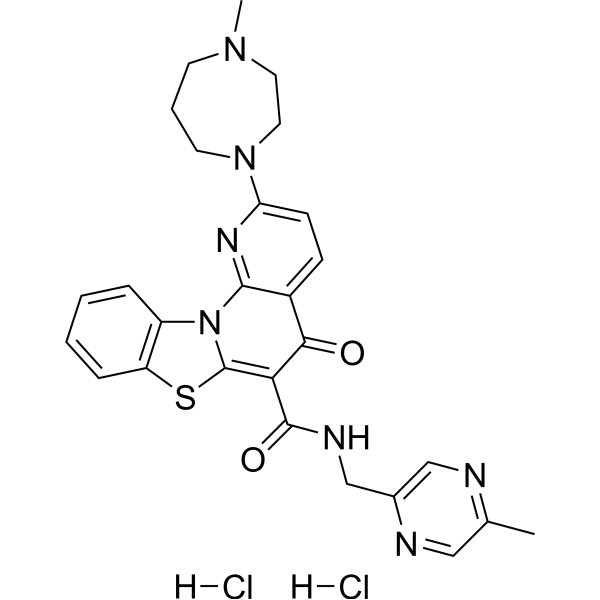
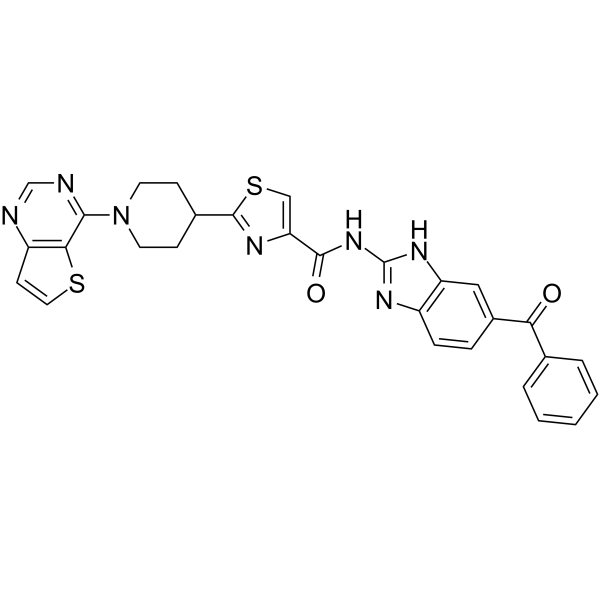
    DNA/RNA Synthesis Cancer
    NSC15520 is a small molecular inhibitor of Replication Protein A (RPA). NSC15520 specifically recognizes the RPA N-terminal DNA binding domain (DBD), and blocks the interaction of RPA with p53 or RAD9. NSC15520 also inhibtis helix destabilization of a duplex DNA (dsDNA) oligonucleotide, involves in DNA replication, DNA repair, DNA recombination, and DNA damage response signaling .
    NSC15520
  • HY-116887

    Endogenous Metabolite Nucleoside Antimetabolite/Analog DNA/RNA Synthesis Cancer
    N6-Methyladenine is a DNA epigenetic modification that involves the addition of a methyl group to the sixth position of adenine. N6-Methyladenine plays an important role in distinguishing host DNA from exogenous DNA and controls many biological functions, such as DNA replication, transcription, mismatch repair, and chromosome replication. N6-Methyladenine can be used for the kidney diseases .
    N6-Methyladenine
  • HY-N1150R

    DThyd (Standard); NSC 21548 (Standard)

    Reference Standards DNA/RNA Synthesis Endogenous Metabolite Orthopoxvirus Cancer
    Thymidine (Standard) is the analytical standard of Thymidine. This product is intended for research and analytical applications. Thymidine, a specific precursor of deoxyribonucleic acid, is used as a cell synchronizing agent. Thymidine is a DNA synthesis inhibitor that can arrest cell at G1/S boundary, prior to DNA replication .
    Thymidine (Standard)
  • HY-150785

    Apoptosis Cancer
    TAS1553 is a potent, orally active protein-protein interaction (PPI) inhibitor with an IC50 values of 0.0396 μM. TAS1553 inhibits DNA replication and reduces intracellular dATP pool. TAS1553 induces apoptosis. TAS1553 can be used for cancer research .
    TAS1553
  • HY-136648

    dATP

    Endogenous Metabolite DNA/RNA Synthesis Others
    2'-Deoxyadenosine-5'-triphosphate (dATP) is a nucleotide used in cells for DNA synthesis (or replication), as a substrate of DNA polymerase .
    2'-Deoxyadenosine-5'-triphosphate
  • HY-B0330S

    (-)-Ofloxacin-d8

    Bacterial Antibiotic Infection
    Levofloxacin-d8 is the deuterium labeled Levofloxacin. Levofloxacin, a synthetic fluoroquinolone, is an antibacterial agent that inhibits the supercoiling activity of bacterial DNA gyrase, halting DNA replication.
    Levofloxacin-d8
  • HY-14429
    (-)-Irofulven
    1 Publications Verification

    MGI 114; 6-Hydroxymethylacylfulvene; NSC 683863

    DNA Alkylator/Crosslinker Apoptosis Cancer
    (-)-Irofulven (MGI 114), an Illudin S analog, is a DNA alkylating agent. (-)-Irofulven inhibits the replication of DNA, induces tumor cells apoptosis, and has potent antitumor activity .
    (-)-Irofulven
  • HY-N1150S11

    DThyd-13C10; NSC 21548-13C10

    Isotope-Labeled Compounds DNA/RNA Synthesis Endogenous Metabolite Orthopoxvirus Cancer
    Thymidine- 13C10 (DThyd- 13C10; NSC 21548- 13C10) is 13C-labeled Thymidine (HY-N1150). Thymidine, a specific precursor of deoxyribonucleic acid, is used as a cell synchronizing agent. Thymidine is a DNA synthesis inhibitor that can arrest cell at G1/S boundary, prior to DNA replication.
    Thymidine-13C10
  • HY-W190976

    5-VINYL-DURD

    DNA/RNA Synthesis Apoptosis Cancer
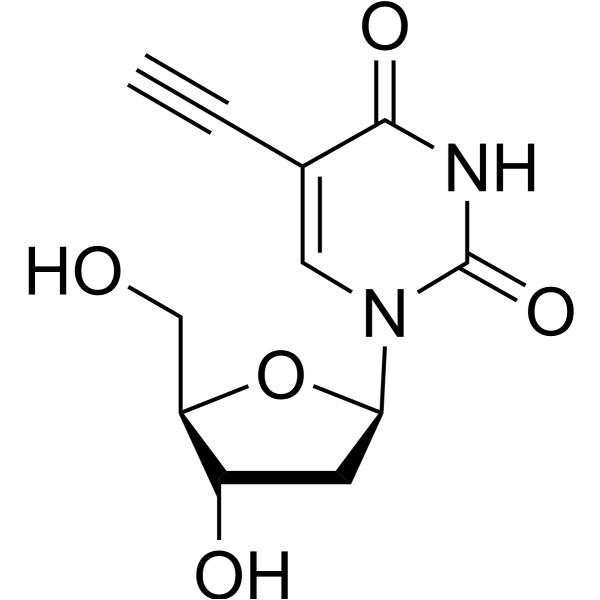
    5-Vinyl-2'-deoxyuridine (5-VINYL-DURD), a thymidine analogue, is incorporated into cellular DNA during DNA replication. 5-Vinyl-2'-deoxyuridine is a click chemistry reagent, it contains an Alkyne group and induces DNA damage leads to apoptosis in human cultured cells .
    5-Vinyl-2'-deoxyuridine
  • HY-137697

    Nucleoside Antimetabolite/Analog DNA/RNA Synthesis HIV Protease HIV Drug Metabolite Infection
    ddCTP is a type of chain-terminating deoxynucleotide. ddCTP can be incorporated into the extension primer chain that lacks the 3'-hydroxyl group, thereby terminating primer extension, viral genome replication, and DNA synthesis. ddCTP can distinguish almost identical RNA through distinguishable extension products in primer extension inhibition experiments. ddCTP is the active metabolite of Zalcitabine (HY-17392), which can competitively inhibit HIV reverse transcriptase, terminate the synthesis of viral DNA chains, and thereby inhibit HIV replication .
    ddCTP
  • HY-13637A
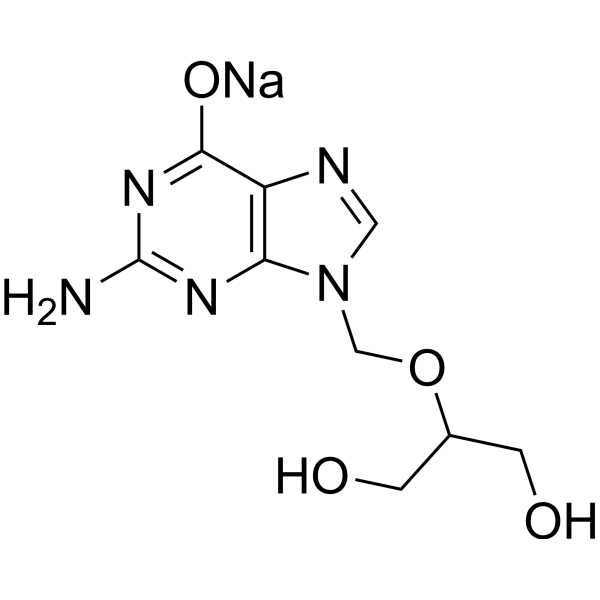
    Ganciclovir sodium
    25+ Cited Publications

    BW 759 sodium; 2'-Nor-2'-deoxyguanosine sodium

    CMV HSV Antibiotic Nucleoside Antimetabolite/Analog Infection Cancer
    Ganciclovir (BW 759) sodium, a nucleoside analogue, is an orally active antiviral agent with activity against CMV. Ganciclovir sodium also has activity in vitro against members of the herpes group and some other DNA viruses. Ganciclovir sodium inhibits the in vitro replication of human herpes viruses (HSV 1 and 2, CMV) and adenovirus serotypes 1, 2, 4, 6, 8, 10, 19, 22 and 28. Ganciclovir sodium has an IC50 of 5.2 μM for feline herpesvirus type-1 (FHV-1) and can diffuse into the brain .
    Ganciclovir sodium
  • HY-13637R

    BW 759 (Standard); 2'-Nor-2'-deoxyguanosine (Standard)

    Reference Standards CMV HSV Antibiotic Nucleoside Antimetabolite/Analog Infection Cancer
    Ganciclovir (Standard) is the analytical standard of Ganciclovir. This product is intended for research and analytical applications. Ganciclovir (BW 759), a nucleoside analogue, is an orally active antiviral agent with activity against CMV. Ganciclovir also has activity in vitro against members of the herpes group and some other DNA viruses. Ganciclovir inhibits the in vitro replication of human herpes viruses (HSV 1 and 2, CMV) and adenovirus serotypes 1, 2, 4, 6, 8, 10, 19, 22 and 28. Ganciclovir has an IC50 of 5.2 μM for feline herpesvirus type-1 (FHV-1) and can diffuse into the brain .
    Ganciclovir (Standard)
  • HY-123523

    Nucleoside Antimetabolite/Analog DNA/RNA Synthesis CMV Infection Cancer
    Enocitabine is a nucleoside analog, and is a potent DNA replication inhibitor, and a DNA chain terminator. Enocitabine inhibits the replication of human cytomegalovirus. Enocitabine has antileukemic and antiviral activities .
    Enocitabine
  • HY-N1150S8

    DThyd-13C10,15N2; NSC-13C10,15N2

    DNA/RNA Synthesis Endogenous Metabolite Orthopoxvirus Cancer
    Thymidine- 13C10, 15N2 is the 13C and 15N labeled Thymidine[1]. Thymidine, a specific precursor of deoxyribonucleic acid, is used as a cell synchronizing agent. Thymidine is a DNA synthesis inhibitor that can arrest cell at G1/S boundary, prior to DNA replication[2][3][4].
    Thymidine-13C10,15N2
  • HY-155798

    Checkpoint Kinase (Chk) Cancer
    BBI-2779 is a highly selective, orally active CHK1 inhibitor with a CHK1 IC50 of 0.3 nM. BBI-2779 leverages transcription-replication conflicts on extrachromosomal DNA (ecDNA) to induce synthetic lethality, replication stress, DNA damage and cell death in ecDNA-positive tumor cells. BBI-2779 blocks ecDNA-mediated acquired resistance to targeted therapies and inhibits tumor growth in mouse models of gastric cancer. BBI-2779 is applicable to ecDNA-positive cancer-related research .
    BBI-2779
  • HY-148170

    EBV DNA/RNA Synthesis Nucleoside Antimetabolite/Analog Infection
    L-I-OddU, a L-5'-halo- dioxolane nucleoside analogue, is a potent and selective anti-Epstein-Barr virus (EBV) agent with an EC50 value of 0.03μM. L-I-OddU has low cytotoxicity with a CC50 value of 1000 nM. L-I-OddU has antiviral activity by suppressing replicative EBV DNA and viral protein synthesis .
    L-I-OddU
  • HY-144874

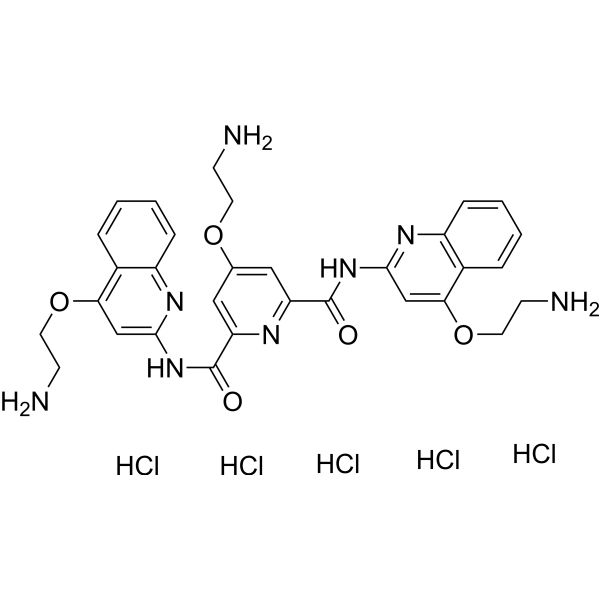
    PARP Neurological Disease Cancer
    AZ3391 is a potent inhibitor of PARP. AZ3391 is a quinoxaline derivative. PARP family of enzymes play an important role in a number of cellular processes, such as replication, recombination, chromatin remodeling, and DNA damage repair. AZ3391 has the potential for the research of diseases and conditions occurring in tissues in the central nervous system, such as the brain and spinal cord (extracted from patent WO2021260092A1, compound 23) .
    AZ3391
  • HY-135389

    Drug Metabolite Antibiotic Infection
    Desmethyl Levofloxacin is a metabolite of Levofloxacin. Levofloxacin, a synthetic fluoroquinolone, is an antibacterial agent that inhibits the supercoiling activity of bacterial DNA gyrase, halting DNA replication .
    Desmethyl Levofloxacin
  • HY-W394106

    Nucleoside Antimetabolite/Analog Others
    5-Hydroxymethyl uridine is a thymidine analogue. Analogs of this series have insertional activity towards replicated DNA. They can be used to label cells and track DNA synthesis .
    5-Hydroxymethyl uridine
  • HY-W704973

    DNA/RNA Synthesis Cancer
    F-ara-EdU is a low-toxic, highly stable probe for DNA synthesis that is used as a marker for cell proliferation and DNA replication by binding to DNA or RNA in cells. F-ara-EdU can also be used to detect the rate of DNA synthesis within cells, as well as to study the mechanisms of DNA repair and damage .
    F-ara-EdU
  • HY-116887R

    Endogenous Metabolite Nucleoside Antimetabolite/Analog DNA/RNA Synthesis Reference Standards Cancer
    N6-Methyladenine (Standard) is the analytical standard of N6-Methyladenine (HY-116887). This product is intended for research and analytical applications. N6-Methyladenine is a modified purine that is widely present in prokaryotes. In prokaryotes, N6-Methyladenine plays an important role in distinguishing host DNA from exogenous DNA and controls many biological functions, such as DNA replication, transcription, mismatch repair, and chromosome replication. N6-Methyladenine can be used for the kidney diseases .
    N6-Methyladenine (Standard)
  • HY-N1150S10

    DThyd-d14; NSC 21548-d14

    Isotope-Labeled Compounds DNA/RNA Synthesis Endogenous Metabolite Orthopoxvirus Cancer
    Thymidine-d14 (DThyd-d14; NSC 21548-d14) is deuterium labeled Thymidine (HY-N1150). Thymidine, a specific precursor of deoxyribonucleic acid, is used as a cell synchronizing agent. Thymidine is a DNA synthesis inhibitor that can arrest cell at G1/S boundary, prior to DNA replication.
    Thymidine-d14
  • HY-18174H

    LY2606368 lactate

    Checkpoint Kinase (Chk) Apoptosis DNA/RNA Synthesis Cancer
    Prexasertib lactate (LY2606368 lactate) is the lactate form of Prexasertib (HY-18174). Prexasertib lactate is a selective, ATP-competitive second-generation checkpoint kinase 1 (CHK1) inhibitor with a Ki of 0.9 nM and an IC50 of <1 nM. Prexasertib lactate inhibits CHK2 (IC50=8 nM) and RSK1 (IC50=9 nM). Prexasertib lactate causes double-stranded DNA breakage and replication catastrophe resulting in apoptosis. Prexasertib lactate shows potent anti-tumor activity .
    Prexasertib lactate
  • HY-N1150S6

    DThyd-d2; NSC 21548-d2

    Isotope-Labeled Compounds DNA/RNA Synthesis Endogenous Metabolite Orthopoxvirus Cancer
    Thymidine-d2 is the deuterium labeled Thymidine. Thymidine, a specific precursor of deoxyribonucleic acid, is used as a cell synchronizing agent. Thymidine is a DNA synthesis inhibitor that can arrest cell at G1/S boundary, prior to DNA replication[1
    Thymidine-d2
  • HY-17371A

    DNA/RNA Synthesis Apoptosis Cancer
    (rel)-Oxaliplatin is a DNA synthesis inhibitor. (rel)-Oxaliplatin causes DNA crosslinking damage, prevents DNA replication and transcription and induces apoptosis. (rel)-Oxaliplatin can be used for cancer research .
    (rel)-Oxaliplatin
  • HY-152557

    Nucleoside Antimetabolite/Analog Cancer
    5-Methoxymethyluridine is a thymidine analog. Analogs of this series have insertional activity towards replicated DNA. They can be used to label cells and track DNA synthesis .
    5-Methoxymethyluridine
  • HY-152434

    Nucleoside Antimetabolite/Analog Others
    5-Hydroxymethyl-arauridine is a thymidine analogue. Analogs of this series have insertional activity towards replicated DNA. They can be used to label cells and track DNA synthesis .
    5-Hydroxymethyl-arauridine
  • HY-154719

    Nucleoside Antimetabolite/Analog Cancer
    5’-O-Benzoylthymidine is a thymidine analog. Analogs of this series have insertional activity towards replicated DNA. They can be used to label cells and track DNA synthesis .
    5’-O-Benzoylthymidine
  • HY-152823

    Nucleoside Antimetabolite/Analog Others
    5-Benzylaminocarbonyl-2’-O-methyluridine is a thymidine analogue. Analogs of this series have insertional activity towards replicated DNA. They can be used to label cells and track DNA synthesis .
    5-Benzylaminocarbonyl-2’-O-methyluridine
  • HY-W011950
    Acridin-9-amine hydrochloride hydrate
    4 Publications Verification

    DNA/RNA Synthesis Others
    Acridin-9-amine (9-Aminoacridine) hydrochloride hydrate is a mutagen and DNA modifier. Acridin-9-amine hydrochloride hydrate induces mutagenic lesions during DNA replication .
    Acridin-9-amine hydrochloride hydrate

Inquiry Online

Your information is safe with us. * Required Fields.

Salutation


Country or Region *

Applicant Name *


Organization Name *

Department *


Email Address *


Product Name *

Cat. No.


Requested quantity *

Phone Number *


Remarks

Inquiry Online

Inquiry Information

Product Name:
Cat. No.:
Quantity:
MCE Japan Authorized Agent:

