Search Result
Results for "
Fusarium
" in MedChemExpress (MCE) Product Catalog:
1
Biochemical Assay Reagents
27
Isotope-Labeled Compounds
| Cat. No. |
Product Name |
Target |
Research Areas |
Chemical Structure |
-
- HY-N6719
-
|
|
Acyltransferase
|
Infection
|
|
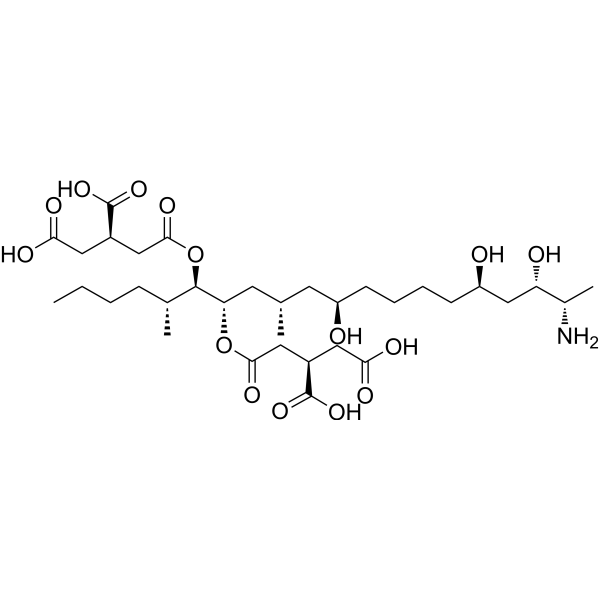
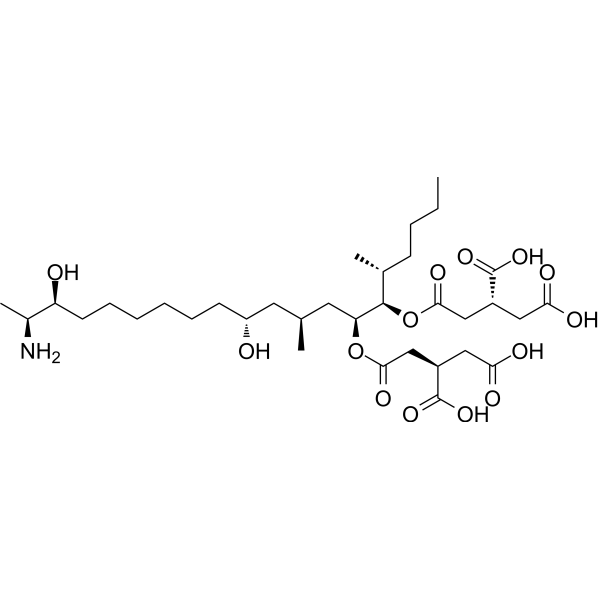
Fumonisin B1 is a mycotoxin produced from Fusarium moniliforme. Fumonisin B1 is a potent inhibitor of sphingosine N-acyltransferase (ceramide synthase) and disrupts de novo sphingolipid biosynthesis. Fumonisin B1 is the most abundant and toxic fumonisin .
|
-
-
- HY-103447
-
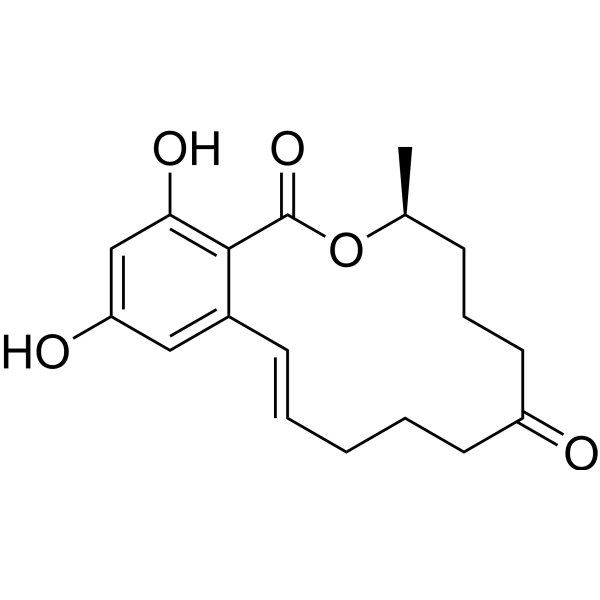
Zearalenone
Maximum Cited Publications
10 Publications Verification
Mycotoxin F2; Toxin F2
|
Estrogen Receptor/ERR
|
Others
|
|
Zearalenone is a mycotoxin produced mainly by fungi belonging to the genus Fusarium in foods and feeds. Possess oestrogenic activity in pigs, cattle and sheep, with low acute toxicity. Causes precocious development of mammae and other estrogenic effects in young gilts .
|
-
-
- HY-13582
-
|
|
Environmental Pollutants
Fungal
Parasite
|
Infection
Cancer
|
|
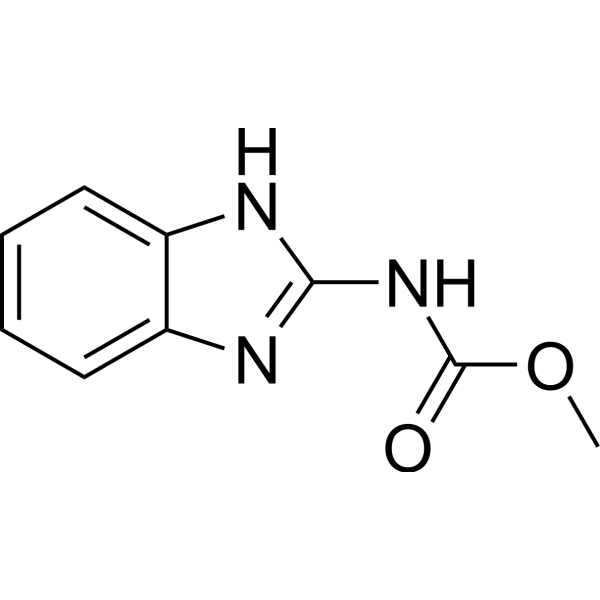
Carbendazim is a potent and orally active broad-spectrum benzimidazole fungicide and can be acts as a pesticide for fungal diseases research, such as Seproria, Fusarium and Sclerotina . Carbendazim is a benzimidazole (HY-Y1825) derivative with antitumor activity and used for cancer research, especially advanced solid tumors and lymphoma .
|
-
-
- HY-30220
-
-
-
- HY-B1584
-
|
|
Environmental Pollutants
Bacterial
|
Others
|
|
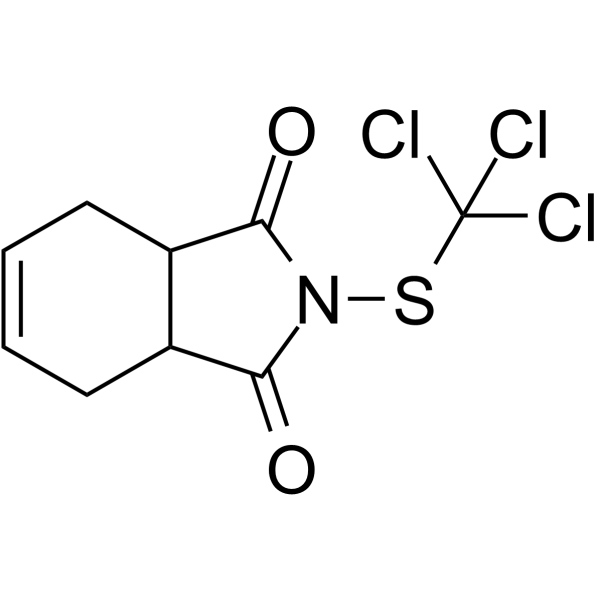
Captan is a common agricultural fungicide used to control Botrytis, Fusarium, Fusicoccum, Pythium. Captan enhances denitrifying and total culturable bacteria .
|
-
-
- HY-N11678
-
|
DON-3-β-D-glucoside; Deoxynivalenol 3-glucoside
|
Drug Metabolite
|
Metabolic Disease
|
|
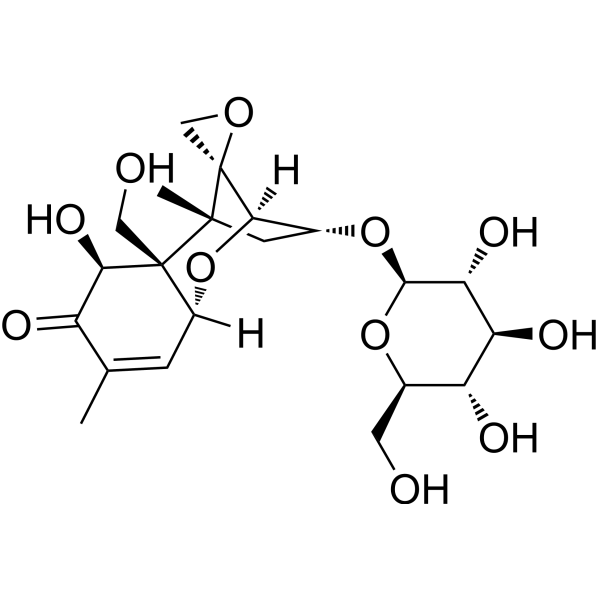
Deoxynivalenol-3-β-D-glucoside (DON-3-β-D-glucoside) is a plant metabolite of the Fusarium mycotoxin Deoxynivalenol (HY-N6684). Deoxynivalenol-3-β-D-glucoside exhibits lower toxicity than Deoxynivalenol in vitro and in vivo .
|
-
-
- HY-N6723
-
|
|
Ceramidase
Acyltransferase
|
Infection
Cancer
|
|
Fumonisin B2 is a selective ceramide synthase inhibitor and carcinogenic mycotoxin with toxicity comparable to that of Fumonisin B1 (HY-N6719). Fumonisin B2 inhibits de novo sphingolipid biosynthesis by blocking the amide bond formation between fatty acids and dihydrosphingosine, which leads to a massive intracellular accumulation of free dihydrosphingosine, altered sphingosine levels, subsequent inhibition of cell proliferation, and induction of cell death. Fumonisin B2 is used to investigate the pathogenesis of diseases associated with Fusarium verticillioides contamination, including equine leukoencephalomalacia, porcine pulmonary edema syndrome, human esophageal cancer, and rat hepatocellular carcinoma .
|
-
-
- HY-W053519
-
|
|
Drug Intermediate
|
Infection
|
|
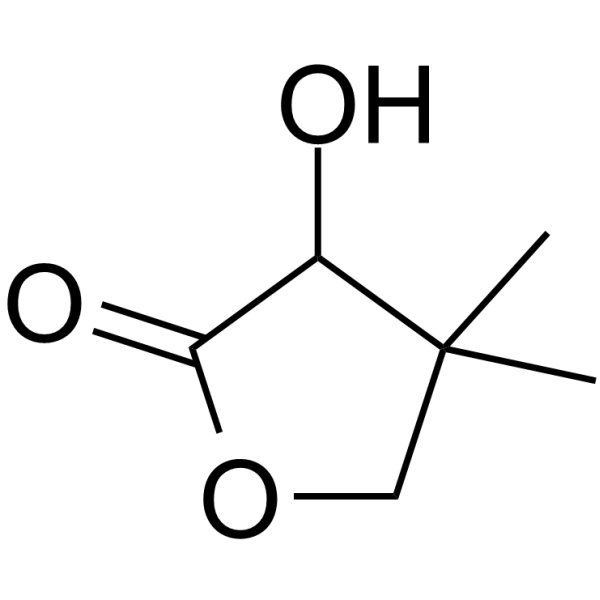
DL-Pantolactone is a γ-lactone that can be hydrolyzed to Pantoic acid (HY-W399035) by the lactonohydrolase of Fusarium oxysporum. DL-Pantolactone also can be used in the preparation of 3,5-dinitrobenzoyl-DL-pantolactone .
|
-
-
- HY-B0842
-
-
-
- HY-N6726
-
|
|
Fungal
Endogenous Metabolite
|
Infection
Cancer
|
|
Fumonisin B3 is an orally active fumonisin Mycotoxin. Fumonisin B3 can be isolated from Fusarium moniliforme, Fusarium proliferatum and Fusarium nygamai. Fumonisin B3 induces precancerous lesions, triggers embryonic death of chicken embryos, causes severe hemorrhage in dead chicken embryos. Fumonisin B3 can be used in studies related to hepatocellular carcinoma .
|
-
-
- HY-Y0603
-
|
m-Hydroxyacetophenone
|
Drug Intermediate
Fungal
|
Others
|
|
3-Hydroxyacetophenone (m-Hydroxyacetophenone) is a hydroxy-substituted alkyl phenyl ketone and also a plant defensin in carnations. 3-Hydroxyacetophenone has antifusarium activity. In addition, 3-Hydroxyacetophenone can be used to synthesize Rivastigmine (HY-17368) .
|
-
-
- HY-13582R
-
|
|
Parasite
Fungal
Reference Standards
|
Infection
Cancer
|
|
Carbendazim (Standard) is the analytical standard of Carbendazim. This product is intended for research and analytical applications. Carbendazim is a potent and orally active broad-spectrum benzimidazole fungicide and can be acts as a pesticide for fungal diseases research, such as Seproria, Fusarium and Sclerotina . Carbendazim is a benzimidazole (HY-Y1825) derivative with antitumor activity and used for cancer research, especially advanced solid tumors and lymphoma .
|
-
-
- HY-W115529
-
|
Geranate; NSC 229335; GAGE
|
Environmental Pollutants
Fungal
Tyrosinase
|
Infection
Cancer
|
|
Geranic acid (Geranate) acts as a tyrosinase inhibitor and antifungal agent, with an IC50 value of 0.14-2.3 mM against mushroom tyrosinase. Geranic acid reduces the viability of human pancreatic cancer cells and B-lymphoma cells. Geranic acid inhibits mycelial growth of the maize pathogens Colletotrichum graminicola and Fusarium graminearum. Geranic acid is applicable to research related to fungal infections, pancreatic cancer and B-lymphoma .
|
-
-
- HY-101905
-
-
-
- HY-N3806
-
|
|
Acyltransferase
ERK
|
Infection
Cardiovascular Disease
Cancer
|
|
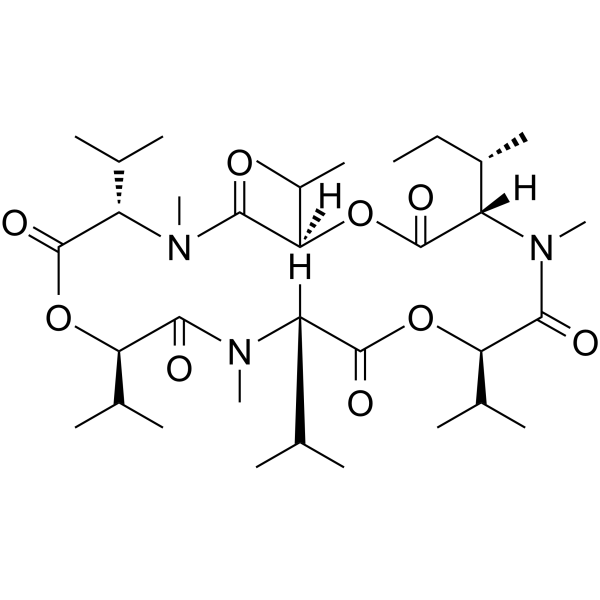
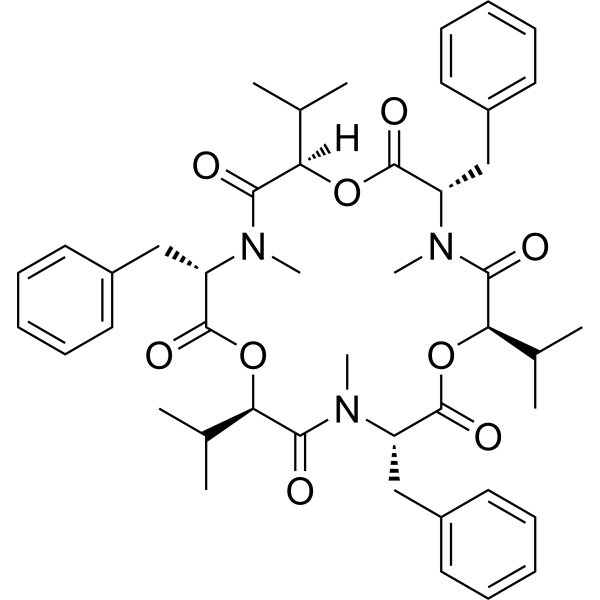
Enniatin B is a Fusarium mycotoxin. Enniatin B inhibits acyl-CoA: cholesterol acyltransferase (ACAT) activity with an IC50 of 113 μM in an enzyme assay using rat liver microsomes . Enniatins B decreases the activation of ERK (p44/p42) .
|
-
-
- HY-N8420
-
|
|
Fungal
|
Infection
Cancer
|
|
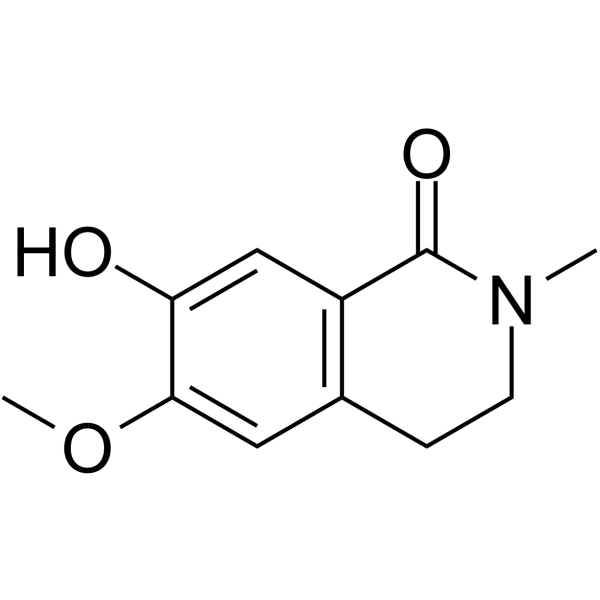
Thalifoline is an isoquinoline alkaloid. Thalifoline exerts cytotoxic effects on cancer cells. Thalifoline inhibits the growth of Fusarium oxysporum f. sp. lycopersici. Thalifoline can be used in research related to lung adenocarcinoma, colon cancer, oral epidermoid carcinoma, and fungal infections .
|
-
-
- HY-N6740S
-
|
|
Isotope-Labeled Compounds
Apoptosis
|
Metabolic Disease
|
|
β-Zearalanol-d4 is a deuterium labeled Beta-Zearalanol (HY-N6740) . Beta-Zearalenol is an mycotoxin produced by Fusarium spp, which causes apoptosis and oxidative stress in mammalian reproductive cells . Beta-Zearalenol is the derivative of zearalenone (ZEA) which can conjugate with glucuronic acid .
|
-
-
- HY-N1320
-
|
|
Fungal
|
Infection
|
|
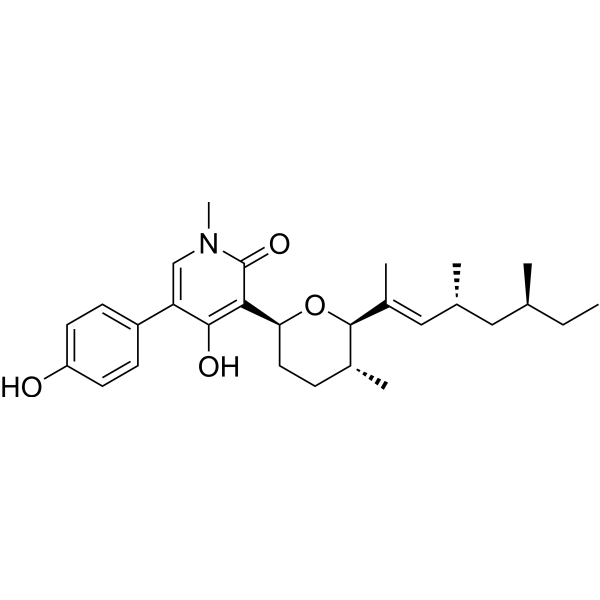
Sambutoxin is a mycotoxin. Sambutoxin can be isolated from wheat culture of Fusarium sambucinum .
|
-
-
- HY-N6741
-
|
|
Others
|
Infection
Endocrinology
|
|
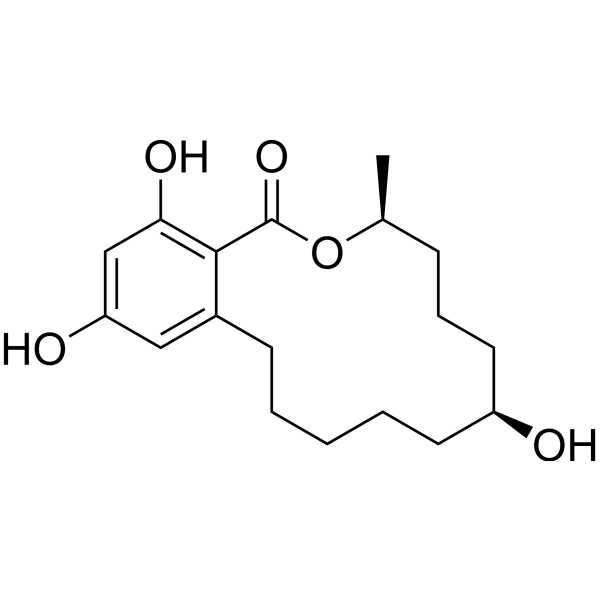
β-Zearalenol is a non-steroidal estrogenic mycotoxin synthesized by Fusarium species. β-Zearalenol potentially influences transcription and effects gene expression on translational level .
|
-
-
- HY-N10014
-
|
|
Fungal
|
Infection
|
|
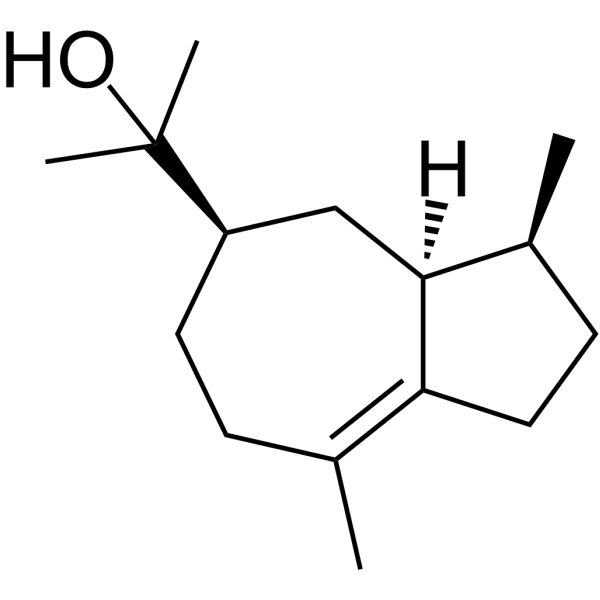
Bulnesol is a sesquiterpenoid that can be isolated from Salvia dorystaechas. Bulnesol inhibits the activity of Fusarium moniliforme with an EC50 value of 0.6 mg/mL. Bulnesol can be used for the research of fungal infection .
|
-
-
- HY-N6740
-
|
|
Apoptosis
|
Metabolic Disease
|
|
Beta-Zearalenol is an mycotoxin produced by Fusarium spp, which causes apoptosis and oxidative stress in mammalian reproductive cells . Beta-Zearalenol is the derivative of zearalenone (ZEA) which can conjugate with glucuronic acid .
|
-
-
- HY-130307
-
|
|
Bacterial
|
Neurological Disease
Inflammation/Immunology
Cancer
|
|
Rubrofusarin is an orange polyketide pigment from Fusarium graminearum . Rubrofusarin is also an active ingredient of the Cassia species and ameliorates chronic restraint stress (CRS) -induced depressive symptoms through PI3K/Akt signaling. Rubrofusarin has anticancer, antibacterial, and antioxidant effects .
|
-
-
- HY-N6799
-
|
|
Others
|
Infection
|
|
Neosolaniol is a type A trichothecene mycotoxin from Fusarium sp . Neosolaniol evokes robust anorectic response .
|
-
-
- HY-W286805
-
|
Phenalenone
|
Fungal
|
Infection
|
|
Perinaphthenone has antifungal activity, with IC50s of 36.2 μM (at day 3), 13.3 μM (at day 3), and 39.0 μM (at 60 h) for Botrytis spp., Fusarium spp. and Botryodiplodia spp., respectively .
|
-
-
- HY-169972
-
|
|
Succinate Dehydrogenase
|
Infection
|
|
Succinate dehydrogenase-IN-5 (Compound M8) is the inhibitor for succinate dehydrogenase. Succinate dehydrogenase-IN-5 interfers with the energy metabolism and growth of fungi, inhibits Rhizoctonia solani, Sclerotinia sclerotiorum, Botrytis cinerea and Fusarium graminearum with EC50 < 0.3 μg/mL .
|
-
-
- HY-W017611
-
|
|
Environmental Pollutants
Reactive Oxygen Species (ROS)
Fungal
DNA/RNA Synthesis
|
Infection
|
|
4-Propylphenol is a plant-derived phenolic compound. 4-Propylphenol causes an increase in ROS within the Fusarium graminearum cells, leading to damage to the DNA and cell membranes of the mycelia, effectively inhibiting the growth of the mycelia. 4-Propylphenol also has a growth inhibitory effect on walnut pathogenic fungi (C. gloeosporioides, C. siamense, A. alternata), with its EC50 ranging from 29.11 to 31.89 mg/L, and it also inhibits spore germination, with EC50 being 55.04-71.85 mg/L. 4-Propylphenol can be used in the research of fungal diseases in walnuts and wheat Fusarium head blight .
|
-
-
- HY-N6685
-
-
-
- HY-N6726S
-
|
|
Isotope-Labeled Compounds
Fungal
Endogenous Metabolite
|
Infection
Cancer
|
|
Fumonisin B3- 13C34 is the 13C labeled Fumonisin B3 (HY-N6726). Fumonisin B3 is an orally active fumonisin Mycotoxin. Fumonisin B3 can be isolated from Fusarium moniliforme, Fusarium proliferatum and Fusarium nygamai. Fumonisin B3 induces precancerous lesions, triggers embryonic death of chicken embryos, causes severe hemorrhage in dead chicken embryos. Fumonisin B3 can be used in studies related to hepatocellular carcinoma .
|
-
-
- HY-125706
-
|
|
Fungal
|
Infection
|
|
1233B is a secondary metabolite from filamentous fungus, Fusarium sp. RK97-94 .
|
-
-
- HY-N6702
-
-
-
- HY-N6706
-
|
|
Bacterial
Acyltransferase
Apoptosis
|
Infection
Cancer
|
|
Enniatin complex is a mixture of cyclohexadepsipeptides isolated largely from Fusarium species of fungi, and has ionophoric, antibiotic, and in vitro hypolipidaemic properties. Enniatin complex inhibits enzymes like acyl-CoA: cholesterol acyl transferase and induces apoptosis in several cancer lines .
|
-
-
- HY-122200R
-
|
JS399-19 (Standard)
|
Reference Standards
Myosin
Fungal
|
Infection
|
|
Phenamacril (Standard) is the analytical standard of Phenamacril. This product is intended for research and analytical applications. Phenamacril (JS399-19) inhibits activity of myosin I non-competitively with an IC50 of 360 nM through suppression of the ATPase activity, exhibits therefore an antifungal efficacy towards Fusarium species .
|
-
-
- HY-N12167
-
|
|
Others
|
Others
|
|
3-epi-Bufalin (compound 2a) is the microbial transformation product of bufadienolide .
|
-
-
- HY-103447S
-
|
|
Isotope-Labeled Compounds
|
Others
|
|
(Rac)-Zearalenone-d6 is the deuterium labled Zearalenone (HY-103447). Zearalenone is a mycotoxin produced mainly by fungi belonging to the genus Fusarium in foods and feeds. Possess oestrogenic activity in pigs, cattle and sheep, with low acute toxicity. Causes precocious development of mammae and other estrogenic effects in young gilts .
|
-
-
- HY-N6723S
-
|
|
Isotope-Labeled Compounds
|
Infection
|
|
Fumonisin B2- 13C34 is the 13C labeled Fumonisin B2 (HY-N6723) . Fumonisin B2, a mycotoxin produced by Fusarium moniliforme in various grains, is a potent inhibitor of sphingosine N-acyltransferase (ceramide synthase) and disrupts de novo sphingolipid biosynthesis .
|
-
-
- HY-135445
-
|
21-Norrapamycin
|
Fungal
|
Infection
|
|
Prolylrapamycin (21-Norrapamycin) is the derivative of Rapamycin (HY-10219). Prolylrapamycin exhibits antifungal activity, that inhibits Candida albicans, Saccharomyces cerevisiae, and Fusarium oxysporum with MIC of 0.125-2 μg/mL .
|
-
-
- HY-179120
-
|
|
Myosin
|
Infection
|
|
ZJS178 is a novel inhibitor of myosin I. ZJS178 is a fungicide that has inhibitory activity against Fusarium graminearum and can reduce DON toxin synthesis. ZJS178 can be used for research on plant diseases such as wheat scab .
|
-
-
- HY-W414596
-
|
|
Fungal
|
Infection
|
|
Metconazole is a 14α-demethylation inhibitor (DMI) fungicide. Metconazole inhibits fungal ergosterol biosynthesis, inhibits mycelial growth and conidial germ tube elongation. Metconazole reduces antioxidant enzyme activities. Metconazole reduces occurrence of Fusarium crown rot in wheat .
|
-
-
- HY-142003
-
|
|
Fungal
|
Infection
|
|
27-O-Demethylrapamycin, a Rapamycin (HY-10219) derivative, is an antifungal agent. 27-O-Demethylrapamycin inhibits Candida albicans, Saccharomyces cerevisiae, and Fusarium oxysporum .
|
-
-
- HY-122200
-
|
JS399-19
|
Myosin
Fungal
|
Infection
|
|
Phenamacril (JS399-19) inhibits activity of myosin I non-competitively with an IC50 of 360 nM through suppression of the ATPase activity, exhibits therefore an antifungal efficacy towards Fusarium species .
|
-
-
- HY-B1584R
-
|
|
Reference Standards
Bacterial
|
Others
|
|
Captan (Standard) is the analytical standard of Captan. This product is intended for research and analytical applications. Captan is a common agricultural fungicide used to control Botrytis, Fusarium, Fusicoccum, Pythium. Captan enhances denitrifying and total culturable bacteria .
|
-
-
- HY-122785
-
|
|
Fungal
|
Infection
|
|
Fusapyrone is a broad-spectrum antifungal metabolite first isolated from Fusarium species. It has been investigated for use in the control of postharvest crop diseases such as inhibiting the growth of ochratoxin-producing strains of Aspergillus section Nigri in wine grapes.
|
-
-
- HY-W099582
-
-
-
- HY-103447R
-
|
Mycotoxin F2(Standard); Toxin F2 (Standard)
|
Reference Standards
Estrogen Receptor/ERR
|
Others
|
|
Zearalenone (Standard) is the analytical standard of Zearalenone. This product is intended for research and analytical applications. Zearalenone is a mycotoxin produced mainly by fungi belonging to the genus Fusarium in foods and feeds. Possess oestrogenic activity in pigs, cattle and sheep, with low acute toxicity. Causes precocious development of mammae and other estrogenic effects in young gilts .
|
-
-
- HY-103447R1
-
|
Mycotoxin F2 in Acetonitrile (Standard); Toxin F2 in Acetonitrile (Standard)
|
Reference Standards
Estrogen Receptor/ERR
|
Others
|
|
Zearalenone in Acetonitrile (Standard) is the solution of Zearalenone (Standard) . This product is intended for research and analytical applications. Zearalenone is a mycotoxin produced mainly by fungi belonging to the genus Fusarium in foods and feeds. Possess oestrogenic activity in pigs, cattle and sheep, with low acute toxicity. Causes precocious development of mammae and other estrogenic effects in young gilts .
|
-
-
- HY-N3348
-
|
|
Fungal
|
Infection
Inflammation/Immunology
|
|
Lyoniside is a lignan glycoside with antioxidant, allelopathic and antifungal activities, which can be isolated from the rhizomes and stems of bilberry (Vaccinium myrtillus L.). Lyoniside exhibits radical scavenging properties with an IC50 value of 23 μg/mL in DPPH assay. Lyoniside inhibits the mycelial growth of Fusarium oxysporum and Mucor hiemalis at 50 μg/mL with inhibitory rates of 78% and 80%, respectively .
|
-
-
- HY-N10232
-
|
|
Others
|
Infection
|
|
Agistatin E is a pyranacetal originally isolated from a Fusarium sp. that inhibits the cholesterol biosynthesis .
|
-
-
- HY-N10231
-
-
-
- HY-N6799R
-
|
|
Reference Standards
Others
|
Infection
|
|
Neosolaniol (Standard) is the analytical standard of Neosolaniol. This product is intended for research and analytical applications. Neosolaniol is a type A trichothecene mycotoxin from Fusarium sp . Neosolaniol evokes robust anorectic response .
|
-
-
- HY-156270
-
|
|
Bacterial
|
Infection
|
|
SDH-IN-9 (compound Ip) is a potent inhibitor of Succinate Dehydrogenase. SDH-IN-9 shows fungicidal activity against Fusarium graminearum Schw with the EC50 of 0.93 μg/mL .
|
-
- HY-155658
-
|
|
Fungal
|
Infection
|
|
Antifungal agent 62 (Compound 3a) is a fungicidal agent with excellent fungicidal activities against Fusarium oxysporum f.sp. cucumerinum. Antifungal agent 62 can be used for antiviral and fungicidal research .
|
-
- HY-155669
-
|
|
Fungal
|
Infection
|
|
Antifungal agent 64 (Compound 5c) is a fungicidal agent with excellent fungicidal activities against Fusarium oxysporum f.sp. cucumerinum. Antifungal agent 64 can be used for antiviral and fungicidal research .
|
-
- HY-155670
-
|
|
Fungal
|
Infection
|
|
Antifungal agent 65 (Compound 5d) is a fungicidal agent with excellent fungicidal activities against Fusarium oxysporum f.sp. cucumerinum. Antifungal agent 65 can be used for antiviral and fungicidal research .
|
-
- HY-155660
-
|
|
Fungal
|
Infection
|
|
Antifungal agent 63 (Compound 3i) is a fungicidal agent with excellent fungicidal activities against Fusarium oxysporum f.sp. cucumerinum. Antifungal agent 63 can be used for antiviral and fungicidal research .
|
-
- HY-N10239
-
|
|
Others
|
Metabolic Disease
|
|
Aquastatin A is an inhibitor of mammalian adenosine triphosphatases. Aquastatin A is isolated from a fungus identified as Fusarium aquaeductuum. Aquastatin A inhibits Na+/K(+)-ATPase with an IC50 value of 7.1 μM, and H+/K(+)-ATPase with an apparent IC50 value of 6.2 μM .
|
-
- HY-126787
-
|
YP-02259L-C
|
Bacterial
|
Infection
Inflammation/Immunology
|
|
17-Hydroxyventuricidin A (YP-02259L-C) is an antimicrobial compound.17-Hydroxyventuricidin A inhibits the growth of the two tested filamentous fungi (Verticillium dahlia and Fusarium sp.) and of Candida tropicalis R2 CIP203 .
|
-
- HY-W392548
-
|
|
Bacterial
Fungal
|
Infection
|
|
1-O-4-Hydroxybenzoyl-glycerol is an antimicrobial agent against Staphylococcus aureus, Escherichia coli, Saccharomyces cerevisiae, and Fusarium culmorum (20 mM, maximum inhibition rate: 70%). 1-O-(4-Hydroxybenzoyl)-glycerol stimulates low skin irritation .
|
-
- HY-N16445
-
|
(-)-Strevertene A
|
Endogenous Metabolite
Antibiotic
Fungal
|
Infection
|
|
Strevertene A ((-)-Strevertene A) (Compound 1), a pentaene macrolide, is a microbial secondary metabolite. Strevertene A is an antibiotic and has a potent antifungal activity. Strevertene A significantly inhibits the mycelial growth of phytopathogenic fungi (such as Alternaria mali, Aspergillus oryzae and Cylindrocarpon destructans) with IC50s of 4-16 μg/mL. Strevertenes A can strongly prevent Fusarium wilt development on tomato plants .
|
-
- HY-P10329
-
|
|
Fungal
|
Infection
|
|
KK14(R) is an analog of the de novo synthetic peptide KK14, which exhibits antifungal activity against Fusarium culmorum, Penicillium expansum and Aspergillus niger , with MICs of 6.25, 12.5 and 12.5 μg/mL, respecitvely. KK14(R) exhibits good heat- and pH-stability. KK14(R) exhibits cytotoxicity against cells Caco-2 and RAW264.7 .
|
-
- HY-13582A
-
|
|
Fungal
Parasite
|
Infection
Cancer
|
|
Carbendazim hydrochloride is a potent and orally active broad-spectrum?benzimidazole fungicide and can be acts as a pesticide for fungal diseases research, such as Seproria,?Fusarium?and?Sclerotina . Carbendazim hydrochloride is a benzimidazole (HY-Y1825) derivative with antitumor activity and used for cancer research, especially advanced solid tumors and lymphoma .
|
-
- HY-174831
-
|
|
Fungal
Succinate Dehydrogenase
|
Infection
|
|
SDH-IN-28 is a succinate dehydrogenase inhibitor with an IC50 value of 2.65 mg/L. SDH-IN-28 demonstrates broad-spectrum fungicidal efficacy, with EC50 values of 0.21 (Valsa mali), 0.95 (Botrytis cinerea), 0.64 (Rhizoctonia solani), 1.33 (Fusarium graminearum), and 0.66 mg/L (Gaeumannomyces graminis). SDH-IN-28 effectively prevents V. mali infection in apples .
|
-
- HY-125727
-
|
|
Fungal
|
Infection
Cancer
|
|
Globosuxanthone A is a dihydroxanthenone with obvious antifungal activity towards Fusarium graminearum, Fusarium solani, and Botrytis cinerea with MIC values of 4, 8, and 16 μg/mL, respectively. Anticancer activity .
|
-
- HY-N14474
-
|
|
Others
|
Others
|
|
Fusarubin is a metabolite of Fusarium solani .
|
-
- HY-N14983
-
|
|
Others
|
Others
|
|
Fusarielin A is a natural product found in?Fusarium tricinctum .
|
-
- HY-N6726R
-
|
|
Reference Standards
Fungal
Endogenous Metabolite
|
Infection
Cancer
|
|
Fumonisin B3 (Standard) is the analytical standard of Fumonisin B3. This product is intended for research and analytical applications. Fumonisin B3 is an orally active fumonisin Mycotoxin. Fumonisin B3 can be isolated from Fusarium moniliforme, Fusarium proliferatum and Fusarium nygamai. Fumonisin B3 induces precancerous lesions, triggers embryonic death of chicken embryos, causes severe hemorrhage in dead chicken embryos. Fumonisin B3 can be used in studies related to hepatocellular carcinoma .
|
-
- HY-N14059
-
|
|
Others
|
Others
|
|
Halymecin B is found in the strain of Fusarium sp. FE-71-1 .
|
-
- HY-N6726S1
-
|
|
Isotope-Labeled Compounds
Fungal
Endogenous Metabolite
|
Infection
Cancer
|
|
Fumonisin B3-13C34-1 is the isotopic internal standard of Fumonisin B3 (HY-N6726). Fumonisin B3 is an orally active fumonisin Mycotoxin. Fumonisin B3 can be isolated from Fusarium moniliforme, Fusarium proliferatum and Fusarium nygamai. Fumonisin B3 induces precancerous lesions, triggers embryonic death of chicken embryos, causes severe hemorrhage in dead chicken embryos. Fumonisin B3 can be used in studies related to hepatocellular carcinoma .
|
-
- HY-W699936
-
|
|
Cytochrome P450
|
Others
|
|
6β-Hydroxy androstenedione is a steroid product that can be isolated from Fusarium culmorum .
|
-
- HY-132878
-
|
|
p38 MAPK
|
Infection
|
|
FgGpmk1-IN-1 is a novel fusarium graminearum mitogen-activated protein kinase (FgGpmk1) inhibitor with an EC50 value of 3.46 μg/mL.
|
-
- HY-N10273
-
|
|
Fungal
|
Infection
|
|
Deoxyfusapyrone is an antifungal alpha-pyrone from Fusarium semitectum. Deoxyfusapyrone shows a strong antibiotic activity towards Geotrichum candidum in disk diffusion assays, but is not toxic to Artemia salina larvae .
|
-
- HY-B1584S
-
|
|
Bacterial
|
Others
|
|
Captan-d6 is the deuterium labeled Captan . Captan is a common agricultural fungicide used to control Botrytis, Fusarium, Fusicoccum, Pythium. Captan enhances denitrifying and total culturable bacteria .
|
-
- HY-132968
-
|
|
Fungal
|
Infection
|
|
Antifungal agent 20 exhibits remarkable antifungal activity against Colletotrichum gloeosprioides, Rhizoctonia solani, Phytophthora nicotianae var. nicotianae, Diplodia pinea, Colletotrichum acutatum, and Fusarium oxysporum f. sp. niveum.
|
-
- HY-30220R
-
|
L-(-)-3-Phenyllactic Acid (Standard)
|
Endogenous Metabolite
Fungal
Reference Standards
|
Infection
Metabolic Disease
|
|
(S)-2-Hydroxy-3-phenylpropanoic acid (Standard) is the analytical standard of (S)-2-Hydroxy-3-phenylpropanoic acid. This product is intended for research and analytical applications. (S)-2-Hydroxy-3-phenylpropanoic acid is the L-configuration of 2-Hydroxy-3-phenylpropanoic acid, and its level is closely related to some diseases, such as phenylketonuria .
|
-
- HY-N10256
-
|
|
Endogenous Metabolite
|
Infection
|
|
Varioxepine A is a 3H-oxepine-containing alkaloid with a new oxa-cage found in the marine algal-derived endophytic fungus Paecilomyces variotii. Varioxepine A inhibits plant pathogenic fungus Fusarium graminearum .
|
-
- HY-N11528
-
|
7-Noreugenitin
|
Others
|
Infection
|
|
Eugenitol (Compound 3) is an antifungal metabolite isolated and purified from Diaporthe eucalyptorum. Eugenitol has inhibitory effect on four plant pathogenic fungi (Alternaria solani, Botrytis cinerea, Fusarium solani and Gibberella saubinettii) .
|
-
- HY-106315
-
|
|
Cytochrome P450
|
Inflammation/Immunology
|
|
4-Ipomeanol is a pneumotoxin. 4-Ipomeanol can be produced by the common sweet potato, Ipomoea batatas, in the presence of Fusarium solani. 4-Ipomeanol can be bioactivated by CYP4B1 .
|
-
- HY-N14302
-
|
|
Antibiotic
Bacterial
|
Infection
Cancer
|
|
44-HomooIigomycin A is an antitumor antibiotic. 44-Homooligomycin A has activity against fungi such as Aspergillus, Penicillium and Fusarium, but not against yeast and bacteria. 44-Homooligomycin A has moderate anti-tumor activity against Colon 26 in vivo .
|
-
- HY-N14305
-
|
|
Antibiotic
Bacterial
|
Infection
Cancer
|
|
44-HomooIigomycin B is an antitumor antibiotic. 44-Homooligomycin B has activity against fungi such as Aspergillus, Penicillium and Fusarium, but not against yeast and bacteria. 44-Homooligomycin B has moderate anti-tumor activity against Colon 26 in vivo .
|
-
- HY-W017611S
-
|
|
Isotope-Labeled Compounds
Fungal
Reactive Oxygen Species (ROS)
DNA/RNA Synthesis
|
Infection
|
|
4-Propylphenol-d12 is the deuterium labeled 4-Propylphenol. 4-Propylphenol is a plant-derived phenolic compound. 4-Propylphenol causes an increase in ROS within the Fusarium graminearum cells, leading to damage to the DNA and cell membranes of the mycelia, effectively inhibiting the growth of the mycelia. 4-Propylphenol also has a growth inhibitory effect on walnut pathogenic fungi (C. gloeosporioides, C. siamense, A. alternata), with its EC50 ranging from 29.11 to 31.89 mg/L, and it also inhibits spore germination, with EC50 being 55.04-71.85 mg/L. 4-Propylphenol can be used in the research of fungal diseases in walnuts and wheat Fusarium head blight.
|
-
- HY-N6741R
-
|
|
Reference Standards
Others
|
Infection
Endocrinology
|
|
β-Zearalenol (Standard) is the analytical standard of β-Zearalenol. This product is intended for research and analytical applications. β-Zearalenol is a non-steroidal estrogenic mycotoxin synthesized by Fusarium species. β-Zearalenol potentially influences transcription and effects gene expression on translational level .
|
-
- HY-137085
-
|
|
Antibiotic
Fungal
|
Infection
|
|
Antibiotic AB023b is part of macrocyclic pentaene antibiotic complex, forming the main components with Antibiotic AB023a (HY-137084). Antibiotic AB023b exhibits antifungal activity against Candida albicans, and plant pathogenic fungi, Botrytis cinerea, Fusarium moniliforme and Pythium ultimum .
|
-
- HY-137084
-
|
|
Antibiotic
Fungal
|
Infection
|
|
Antibiotic AB023a is part of macrocyclic pentaene antibiotic complex, forming the main components with Antibiotic AB023b (HY-137085). Antibiotic AB023a exhibits antifungal activity against Candida albicans, and plant pathogenic fungi, Botrytis cinerea (MIC= 5 μg/mL), Fusarium moniliforme and Pythium ultimum .
|
-
- HY-N15755
-
|
|
Bacterial
Fungal
|
Infection
|
|
Sepiumol A is a polyphenolic compound that can be isolated from the bark of Periploca sepium Bunge. Sepiumol A has antibacterial and antifungal activities. Sepiumol A can be added to e-cigarette liquid to exert antibacterial effects and reduce the sweetness and greasiness during smoking .
|
-
- HY-N14111
-
|
|
Bacterial
Fungal
|
Infection
|
|
Cuevaene A can be isolated from the strain of gdmAI-disrupted Streptomyces sp. LZ35 and. Cuevaene A displays moderate activity against Gram-positive bacteria (e.g., Bacillus subtilis strain ATCC 11060) and modest activity against fungi (e.g., Fusarium verticillioides strain S68 and Rhizoctonia solani strain GXE4) .
|
-
- HY-N6704
-
|
|
ERK
Apoptosis
|
Cancer
|
|
Enniatin A1 isolated from Fusarium mycotoxins is a cyclic hexadepsipeptide consisting of alternating D-α-hydroxyisovaleric acids and N-methyl-L-amino acids. Enniatin A1 possesses anticarcinogenic properties by induction of apoptosis and disruption of ERK signalling pathway. Enniatin A1 inhibits ACAT with an IC50 of 49 μM in rat liver microsomes .
|
-
- HY-181492
-
|
|
Fungal
|
Infection
Inflammation/Immunology
|
|
Antifungal agent 155 hydrochloride is an antifungal agent. Antifungal agent 155 hydrochloride induces bent, twisted, abnormally swollen hyphae, compromises fungal hyphal plasma membrane integrity, and triggers fungal cell death. Antifungal agent 155 hydrochloride can be used for the research of fusarium keratitis .
|
-
- HY-W016983
-
|
|
Drug Derivative
|
Others
|
|
3-Phenylphenol is a secondary metabolite. 3-Phenylphenol can induce the hbp gene cluster in Pseudomonas sp. strain P1B16. 3-Phenylphenol can bind to the Sge1 transcription factor of Fusarium oxysporum f. sp. cubense and disrupt the function of virulence regulators. 3-Phenylphenol can be used in studies related to banana fusarium wilt .
|
-
- HY-185574
-
|
|
Succinate Dehydrogenase
Fungal
|
Infection
|
|
Enpyracymid is a succinate dehydrogenase inhibitor (SDHI) fungicide with fungicidal activity against fungal. It can be used in studies related to Fusarium head blight (FHB) .
|
-
- HY-171699
-
|
|
Bacterial
|
Infection
|
|
Antibacterial agent 339 is an antibacterial agent. Antibacterial agent 339 inhibits the growth of Fusarium oxysporum f.sp.cubense Race 4 with a MIC of 50.5 μM. Antibacterial agent 339 shows low toxicity in mice. FLT3-IN-30 can be used for the research of banana wilt .
|
-
- HY-175647
-
|
|
Myosin
Fungal
|
Infection
|
|
Myosin-5-IN-2 (Compound G19) is a Myosin-5 inhibitor. Myosin-5-IN-2 has an antifungal activity against Fusarium graminearum (Fg), Botrytis cinerea and Rhizoctonia solani with an EC50 s of 0.326 μg/mL for Fg. Myosin-5-IN-2 has effective protective and curative control efficiency for wheat leaves. Myosin-5-IN-2 severely damages the surface integrity of mycelial cells and induces cytoplasmic leakage. Myosin-5-IN-2 can be used for fungal infections like fusarium head blight (FHB) research .
|
-
- HY-N18128
-
|
|
Fungal
|
Infection
|
|
Hunnemanine is a protoberberine-type isoquinoline alkaloid with significant antifungal activity. At a concentration of 1000 ppm, Hunnemanine completely inhibits spore germination of a variety of phytopathogenic fungi, including Alternaria brassicae, Helminthosporium pennisetti, and Fusarium lini. Hunnemanine can be applied to studies on the infection mechanisms of phytopathogenic fungi and related control strategies .
|
-
- HY-122480
-
|
SYP-1620
|
Fungal
ATP Synthase
Cytochrome P450
|
Infection
|
|
Fenaminstrobin (SYP-1620) is a strobilurin Fungicide. Fenaminstrobin binds to cytochrome bc1 in the mitochondrial respiratory chain, thereby inhibiting ATP production. Fenaminstrobin exhibits acute toxicity to Daphnia magna. Fenaminstrobin effectively controls diseases such as Fusarium ear rot, downy mildew, rice blast and pear scab .
|
-
- HY-183295
-
|
|
Fungal
Reactive Oxygen Species (ROS)
|
Infection
|
|
Antifungal agent 160 is a cytochrome bc1 complex inhibitor with activity against Alternaria solani, Gibberella zeae, Colletotrichum gloeosporioides, and Fusarium oxysporum f. sp. melonis. Antifungal agent 160 impairs ATP synthesis, suppresses ATPase activity, induces ROS bursts, compromises plasma membrane integrity, and suppresses fungal growth. Antifungal agent 160 can be used for the research of fungal infection .
|
-
- HY-N14060
-
|
|
Others
|
Others
|
|
Halymecin C is found in the strain of Fusarium sp. FE-71-1 .
|
-
- HY-101905S
-
-
- HY-N6702S
-
|
|
Isotope-Labeled Compounds
Acyltransferase
|
Infection
|
|
Enniatin A- 13C36 is the 13C-labeled Enniatin A (HY-N6702). Enniatin A is a Fusarium mycotoxin. Enniatin A inhibits acyl-CoA: cholesterol acyltransferase (ACAT) activity with an IC50 of 22 μM in an enzyme assay using rat liver microsomes .
|
-
- HY-N6741S
-
|
|
Isotope-Labeled Compounds
|
Infection
|
|
β-Zearalenol- 13C18 is the 13C-labeled β-Zearalenol. β-Zearalenol is a non-steroidal estrogenic mycotoxin synthesized by Fusarium species. β-Zearalenol potentially influences transcription and effects gene expression on translational level .
|
-
- HY-W597735
-
|
|
Others
|
Others
|
|
(S)-(-)-Citronellic acid is a monoterpenoid carboxylic acid .
|
-
- HY-Y0603R
-
|
|
Drug Intermediate
Fungal
Reference Standards
|
Others
|
|
3-Hydroxyacetophenone (Standard) is the analytical standard of 3-Hydroxyacetophenone (HY-Y0603). This product is intended for research and analytical applications. 3-Hydroxyacetophenone (m-Hydroxyacetophenone) is a hydroxy-substituted alkyl phenyl ketone and also a plant defensin in carnations. 3-Hydroxyacetophenone has antifusarium activity. In addition, 3-Hydroxyacetophenone can be used to synthesize Rivastigmine (HY-17368) .
|
-
- HY-N6740S1
-
|
|
Isotope-Labeled Compounds
|
Metabolic Disease
|
|
β-Zearalanol- 13C18 is the 13C-labeled β-Zearalanol. Beta-Zearalenol is an mycotoxin produced by Fusarium spp, which causes apoptosis and oxidative stress in mammalian reproductive cells . Beta-Zearalenol is the derivative of zearalenone (ZEA) which can conjugate with glucuronic acid .
|
-
- HY-W007980
-
|
|
Fungal
|
Infection
|
|
Antifungal agent 98 (compound 2) is an antifungal agent. Antifungal agent 98 (100 μg/mL) shows insecticidal activity against Bipolaris sorokinianum, Fusarium oxysporium f. sp.vasinfectum, Pyricularia oryzae, Alternaria
Brassicae and Alternaria alternata with a death rate of 41.5%, 40.0%, 23.4, 36.8%, and 35.0% .
|
-
- HY-W053519R
-
|
|
Drug Intermediate
Reference Standards
|
Infection
|
|
DL-Pantolactone (Standard) is the analytical standard of DL-Pantolactone (HY-W053519). This product is intended for research and analytical applications. DL-Pantolactone is a γ-lactone that can be hydrolyzed to Pantoic acid (HY-W399035) by the lactonohydrolase of Fusarium oxysporum. DL-Pantolactone also can be used in the preparation of 3,5-dinitrobenzoyl-DL-pantolactone.
|
-
- HY-N15498
-
|
|
Insecticide
|
Infection
|
|
Gibepyrone D is an α-pyrone compound found in Gibberella fujikuroi and the endophytic fungus Fusarium oxysporum 162. Gibepyrone D exhibits significant lethal activity against nematodes with an LC50 value of 134 μg/mL (72 h) against the J2 larvae of Meloidogyne incognita. Gibepyrone D is promising for research of nematicides .
|
-
- HY-W093399
-
-
- HY-N6027
-
|
|
Fungal
Bacterial
|
Infection
|
|
Cyclosporin C is a fungal metabolite that has been found in T. inflatum and has diverse biological activities, including antifungal, antiviral, and immunosuppressant properties. Cyclosporin C shows no activity against bacteria or yeasts .
|
-
- HY-103447S2
-
|
Mycotoxin F2-13C7; Toxin F2-13C7
|
Isotope-Labeled Compounds
Estrogen Receptor/ERR
|
Others
|
|
Zearalenone- 13C7 (Mycotoxin F2- 13C7) is 13C labeled Zearalenone. Zearalenone is a mycotoxin produced mainly by fungi belonging to the genus Fusarium in foods and feeds. Possess oestrogenic activity in pigs, cattle and sheep, with low acute toxicity. Causes precocious development of mammae and other estrogenic effects in young gilts .
|
-
- HY-N6678S
-
|
|
Isotope-Labeled Compounds
Estrogen Receptor/ERR
|
Endocrinology
|
|
(Rac)-Zearalanone-d6 is the racemate of Zearalanone. Zearalenone is a nonsteroidal estrogenic mycotoxin produced by Fusarium species, which colonizes several grains. Zearalenone has low acute toxicity and carcinogenicity. Due to its agonistic effect on the estrogen receptor, Zearalenone exhibits distinct estrogenic and anabolic properties in several animal species, resulting in severe effects on the reproductive system .
|
-
- HY-N16428
-
|
NSC 356436
|
Endogenous Metabolite
Fungal
Bacterial
|
Infection
Cancer
|
|
Neoaspergillic acid (NSC 356436) (Compound 2) is a microbial secondary metabolite. Neoaspergillic acid can be isolated from the endophytic fungus Aspergillus sp. SPH2. Neoaspergillic acid has potent antifungal activity against Alternaria alternata, Botrytis cinerea and Fusarium oxysporum. Neoaspergillic acid appears during the exponential phase of fungal growth. Neoaspergillic acid also antitumor and antibacterial effects .
|
-
- HY-120805
-
|
|
Antibiotic
|
Others
|
|
Aurofusarin is a secondary metabolite produced by Fusarium graminearum, a widespread pathogen of important crops in temperate climates. F. graminearum also produces monomorphic mannitol, fusarin C, antibiotic Y, 2-amino-14,16-dimethyloctadecane-3-ol (2-AOD-3-ol), aerosporin, and eniacin .
|
-
- HY-N6740S2
-
|
|
Isotope-Labeled Compounds
Apoptosis
|
Metabolic Disease
|
|
Beta-Zearalanol-d5 is the deuterium labeled Beta-Zearalanol (HY-N6740). Beta-Zearalenol is an mycotoxin produced by Fusarium spp, which causes apoptosis and oxidative stress in mammalian reproductive cells . Beta-Zearalenol is the derivative of Zearalenone (HY-103447) which can conjugate with glucuronic acid .
|
-
- HY-N14112
-
|
|
Bacterial
Fungal
|
Infection
|
|
Cuevaene B can be isolated from the strain of gdmAI-disrupted Streptomyces sp. LZ35 and. Cuevaene B displays moderate activity against Gram-positive bacteria (e.g., Bacillus subtilis strain ATCC 11060) and modest activity against fungi (e.g., Fusarium verticillioides strain S68 and Rhizoctonia solani strain GXE4) .
|
-
- HY-13582S
-
|
|
Isotope-Labeled Compounds
Fungal
|
Infection
Cancer
|
|
Carbendazim-d4 is the deuterium labeled Carbendazim. Carbendazim is a potent and orally active broad-spectrum?benzimidazole fungicide and can be acts as a pesticide for fungal diseases research, such as Seproria,?Fusarium?and?Sclerotina . Carbendazim is a benzimidazole (HY-Y1825) derivative with antitumor activity and used for cancer research, especially advanced solid tumors and lymphoma .
|
-
- HY-176746
-
|
|
Fungal
|
Infection
|
|
CMLD009688 is a cationic amphiphilic antifungal agent. CMLD009688 selectively inhibits plant pathogenic fungi such as Fusarium graminearum. CMLD009688 interacts with biological membranes, perturbing vacuolar and mitochondrial membrane structures to induce fungal cell death. CMLD009688 is promising for research of plant fungal diseases (e.g., wheat head blight, gray mold) .
|
-
- HY-N12497
-
|
|
Fungal
|
Infection
|
|
Moracin B is a phytoalexin with antifungal activity. Moracin B can be isolated from the cortex and phloem tissues of mulberry (Morus alba Linne) infected with Fusarium solani f. sp. mori. Moracin B can be used to study plant disease resistance mechanisms against microbial infections, particularly showing potential application value in the field of plant disease control .
|
-
- HY-13582S1
-
|
|
Isotope-Labeled Compounds
Fungal
Parasite
|
Others
|
|
Carbendazimb-d3 is the deuterium labeled Carbendazimb (HY-13582). Carbendazim is a potent and orally active broad-spectrum?benzimidazole fungicide and can be acts as a pesticide for fungal diseases research, such as Seproria,?Fusarium?and?Sclerotina . Carbendazim is a benzimidazole (HY-Y1825) derivative with antitumor activity and used for cancer research, especially advanced solid tumors and lymphoma .
|
-
- HY-N6719S
-
|
|
Isotope-Labeled Compounds
|
Infection
|
|
Fumonisin B1- 13C34 is the 13C labeled Fumonisin B1 (HY-N6719) . Fumonisin B1 is a mycotoxin produced from Fusarium moniliforme. Fumonisin B1 is a potent inhibitor of sphingosine N-acyltransferase (ceramide synthase) and disrupts de novo sphingolipid biosynthesis. Fumonisin B1 is the most abundant and toxic fumonisin .
|
-
- HY-N6678R
-
|
|
Reference Standards
Estrogen Receptor/ERR
|
Endocrinology
|
|
Zearalanone (Standard) is the analytical standard of Zearalanone. This product is intended for research and analytical applications. Zearalenone is a nonsteroidal estrogenic mycotoxin produced by Fusarium species, which colonizes several grains. Zearalenone has low acute toxicity and carcinogenicity. Due to its agonistic effect on the estrogen receptor, Zearalenone exhibits distinct estrogenic and anabolic properties in several animal species, resulting in severe effects on the reproductive system .
|
-
- HY-181346
-
|
|
Fungal
Succinate Dehydrogenase
|
Infection
|
|
SDH-IN-44 is a succinate dehydrogenase (SDH) inhibitor with an IC50 of 12.5 μg/mL against Alternaria solani. SDH-IN-44 exhibits antifungal activity and inhibits fungal mycelial growth. SDH-IN-44 is applicable to research related to fungal infections .
|
-
- HY-B1948
-
|
S-3308
|
Fungal
|
Infection
|
|
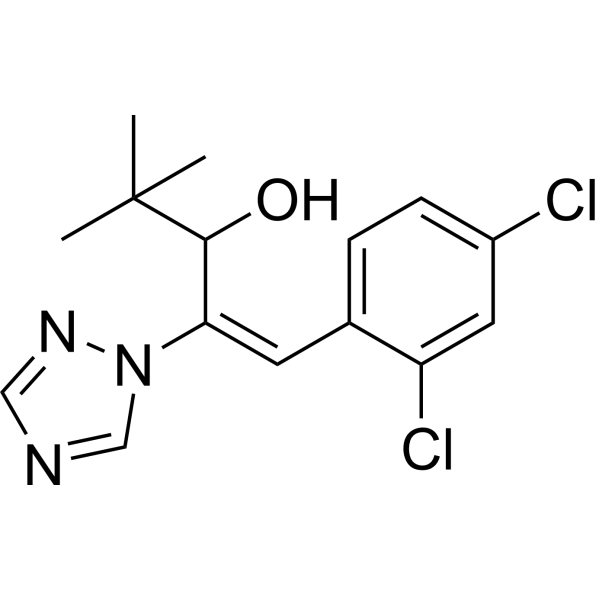
Diniconazole (S-3308) is a newly developed fungicide. Diniconazole exhibits fungicidal activity against Bolrytis cintrca, Sordaria fumicola, Fusarium graminearum, Sclerotium cepivornm, and Bipolaris sorokiniana with IC50 values of 0.012, <0.001, 0.008, 0.02, and 0.06 mg/L, respectively. Diniconazole can be used in research related to the prevention and control of plant fungal diseases and plant growth regulation .
|
-
- HY-N3806S
-
|
|
Isotope-Labeled Compounds
Acyltransferase
ERK
|
Infection
|
|
Enniatin B- 13C33 is the 13C-labeled Enniatin B (HY-N3806). Enniatin B is a Fusarium mycotoxin. Enniatin B inhibits acyl-CoA: cholesterol acyltransferase (ACAT) activity with an IC50 of 113 μM in an enzyme assay using rat liver microsomes . Enniatins B decreases the activation of ERK (p44/p42) .
|
-
- HY-N6678S1
-
|
|
Isotope-Labeled Compounds
|
Endocrinology
|
|
Zearalanone- 13C18 is the 13C-labeled Zearalanone (HY-N6678). Zearalenone is a nonsteroidal estrogenic mycotoxin produced by Fusarium species, which colonizes several grains. Zearalenone has low acute toxicity and carcinogenicity. Due to its agonistic effect on the estrogen receptor, Zearalenone exhibits distinct estrogenic and anabolic properties in several animal species, resulting in severe effects on the reproductive system .
|
-
- HY-N6685S1
-
-
- HY-N12982
-
|
|
Others
|
Others
|
|
α-Calacorene is a sesquiterpene that can be isolated from Réunion vetiver oil .
|
-
- HY-N6685R
-
|
3-AcDON (Standard); 3-ADON (Standard)
|
Reference Standards
Endogenous Metabolite
Interleukin Related
|
Infection
Inflammation/Immunology
|
|
3-Acetyldeoxynivalenol (3-AcDON; 3ADON) (Standard) is the analytical standard of 3-Acetyldeoxynivalenol (HY-N6685). This product is intended for research and analytical applications. 3-Acetyldeoxynivalenol, a trichothecene mycotoxin deoxynivalenol (DON) acetylated derivative, is a brain-penetrant Fusarium mycotoxin. 3-Acetyldeoxynivalenol induces mRNA expression and production of inflammatory chemokine IL-8 in intestinal cells .
|
-
- HY-N16462
-
|
|
Bacterial
|
Infection
|
|
2-(2-Heptenyl)-3-methyl-4(1H)-quinolone is a quinoline alkaloid found in Burkholderia sp. VY81. 2-(2-Heptenyl)-3-methyl-4(1H)-quinolone is promising for research of bacterial diseases in rice (e.g., soft rot) and other plant pathogens (e.g., Pythium ultimum, Fusarium oxysporum) .
|
-
- HY-174390
-
|
|
Fungal
Succinate Dehydrogenase
|
Infection
|
|
SDH-IN-29 (Compound A33) is a SDH inhibitor with an IC50 of 0.0709 μM. SDH-IN-29 has a broad spectrum of antifungal activities (EC50s of 0.356, 0.798 and 0.146 μg/mL for Fusarium graminearum, Sclerotinia sclerotiorum, and Rhizoctonia solani, respectively). SDH-IN-29 has moderate to significant protective effects against rice blast, wheat scab and cucumber powdery mildew .
|
-
- HY-103447S1
-
|
Mycotoxin F2-13C18; Toxin F2-13C18
|
Isotope-Labeled Compounds
|
Others
|
|
Zearalenone- 13C18 (Mycotoxin F2- 13C18; Toxin F2- 13C18) is the 13C labeled Zearalenone (HY-103447) . Zearalenone is a mycotoxin produced mainly by fungi belonging to the genus Fusarium in foods and feeds. Possess oestrogenic activity in pigs, cattle and sheep, with low acute toxicity. Causes precocious development of mammae and other estrogenic effects in young gilts .
|
-
- HY-147814
-
|
|
Bacterial
Fungal
|
Infection
|
|
KFU-127 (Compound 6b) is a broad spectrum topical antimicrobial capable of one-shot targeting of bacterial and fungal-bacterial biofilms. KFU-127 is considerably toxic for eukaryotic cells . KFU-127 is a click chemistry reagent, it contains an Alkyne group and can undergo copper-catalyzed azide-alkyne cycloaddition (CuAAc) with molecules containing Azide groups.
|
-
- HY-183091
-
|
|
Fungal
|
Infection
|
|
Antifungal agent 159 is an antifungal agent with broad-spectrum activity against phytopathogenic fungi. Antifungal agent 159 binds tightly to the active sites of exo-β-(1,3)-glucanase, topoisomerase II-DNA-nucleotide, dihydrofolate reductase, sterol 14-α demethylase and chitin synthase. Antifungal agent 159 can be used in studies related to phytopathogenic fungal infections .
|
-
- HY-N6739
-
|
|
Bacterial
Apoptosis
Fungal
PI3K
Akt
TNF Receptor
Interleukin Related
|
Infection
Cancer
|
|
Beauvericin is a cyclohexapeptide Fusarium toxin with insecticidal, antibacterial, anticancer, antiviral and cytotoxic activities. Beauvericin causes cellular genotoxicity by producing DNA breaks, chromosomal aberrations and micronuclei, and inhibits the PI3K/AKT pathway to induce apoptosis, thereby inhibiting the growth of HCC. In addition, Beauvericin affects immune function by inhibiting lymphocyte proliferation and interfering with the differentiation process of human monocytes into macrophages .
|
-
- HY-N3807
-
|
|
Acyltransferase
ERK
NF-κB
|
Infection
Cardiovascular Disease
Cancer
|
|
Enniatin B1 is a Fusarium mycotoxin. Enniatin B1 inhibits acyl-CoA: cholesterol acyltransferase (ACAT) activity with an IC50 of 73 μM in an enzyme assay using rat liver microsomes . Enniatin B1 crosss the blood-brain barrier . Enniatin B1 decreases the activation of ERK (p44/p42). Enniatin B1 inhibits moderately TNF-α-induced NF-κB activation .
|
-
- HY-W716702
-
|
Lexamine M-13-d6; MAPD-d6
|
Isotope-Labeled Compounds
Fungal
Bacterial
Antibiotic
Biochemical Assay Reagents
Insecticide
|
Inflammation/Immunology
|
|
Aldox-d6 (Lexamine M-13-d6; MAPD-d6) is the deuterium labeled Myristamidopropyl dimethylamine (HY-W099582). Myristamidopropyl dimethylamine (MAPD) is an antimicrobial agent (including against bacteria and fungi) and an insecticide, exhibiting inhibitory activity against Pseudomonas aeruginosa, Staphylococcus aureus, Candida albicans, Fusarium solani, and Acanthamoeba polyphaga. Myristamidopropyl dimethylamine can be used in research on microbial-induced keratitis .
|
-
- HY-W743904
-
|
|
Drug Derivative
Fungal
|
Infection
|
|
Quininone is a Quinine (HY-D0143) derivative that exhibits in vitro antifungal activity. Quininone can be used for antifungal research .
|
-
- HY-W402074
-
|
Butenolide
|
Mitochondrial Metabolism
Reactive Oxygen Species (ROS)
|
Metabolic Disease
|
|
5-Acetamide-Butenolide (Butenolide) is a mycotoxin with pro-oxidant activity, which is found in Fusarium. 5-Acetamide-Butenolide disrupts the mitochondrial membrane potential in primary neonatal rat cardiomyocytes. 5-Acetamide-Butenolide also induces the production of thiobarbituric acid reactive substances (TBARS) in isolated rat myocardial mitochondria. 5-Acetamide-Butenolide increases the production of reactive oxygen species (ROS), decreases the levels of GSH and reduces the viability of HepG2 cells .
|
-
- HY-N6704S
-
|
|
Isotope-Labeled Compounds
ERK
Apoptosis
|
Cancer
|
|
Enniatin A1- 13C35 is the 13C-labeled Enniatin A1 (HY-N6704). Enniatin A1 isolated from Fusarium mycotoxins is a cyclic hexadepsipeptide consisting of alternating D-α-hydroxyisovaleric acids and N-methyl-L-amino acids. Enniatin A1 possesses anticarcinogenic properties by induction of apoptosis and disruption of ERK signalling pathway. Enniatin A1 inhibits ACAT with an IC50 of 49 μM in rat liver microsomes .
|
-
- HY-N19838
-
-
- HY-N7432
-
|
|
Antibiotic
Bacterial
Fungal
|
Infection
|
|
DIMBOA, an antibiotic, has antibacterial properties and inhibits bacteria such as Staphylococcus aureus and the mycotoxin-producing fungus Fusarium graminearum (which causes scab). DIMBOA exhibits strong free radical scavenging activity and weak iron(III) ion reducing activity, and has antioxidant activity. DIMBOA inhibits the biosynthesis and accumulation of toxic trichothecenes by affecting the expression of Tri6 and Tri5. DIMBOA reduces plant susceptibility to scab. DIMBOA also exhibits cytotoxicity to plant cells, causing plasmolysis, cell collapse, and cell rupture .
|
-
- HY-178717
-
|
|
Fungal
|
Infection
|
|
WML-01 is a fungicide with EC50s of 0.079, 0.72 and 2.02 μg/mL against F. graminearum, F. fujikuroi and S. sclerotiorum. WML-01 disrupts the cell membrane of F. graminearum and induces deposition of lipid droplets. WML-01 inhibits Deoxynivalenol (DON) (HY-N6684) biosynthesis with no cross-resistance and strongly suppresses ribosomal subunit assembly, impairing protein synthesis. WML-01 effectively controls the fusarium head blight (FHB) epidemic .
|
-
- HY-B1948R
-
|
S 3308 (Standard)
|
Reference Standards
Fungal
|
Infection
|
|
Diniconazole (Standard) is the analytical standard of Diniconazole (HY-B1948). This product is intended for research and analytical applications. Diniconazole (S-3308) is a newly developed fungicide. Diniconazole exhibits fungicidal activity against Bolrytis cintrca, Sordaria fumicola, Fusarium graminearum, Sclerotium cepivornm, and Bipolaris sorokiniana with IC50 values of 0.012, <0.001, 0.008, 0.02, and 0.06 mg/L, respectively. Diniconazole can be used in research related to the prevention and control of plant fungal diseases and plant growth regulation .
|
-
- HY-113430
-
|
5-Heneicosylresorcinol
|
Fungal
|
Infection
|
|
5-n-Heneicosylresorcinol (5-Heneicosylresorcinol) is an active n-alkyl(enyl)resorcinols (AR) occurring in cereal products from Colombia. Antifungal activity .
|
-
- HY-N6739S
-
|
|
Acyltransferase
Isotope-Labeled Compounds
|
Infection
|
|
Beauvericin- 13C45 is 13C labeled Beauvericin (HY-N6739). Beauvericin is a cyclohexapeptide Fusarium toxin with insecticidal, antibacterial, anticancer, antiviral and cytotoxic activities. Beauvericin causes cellular genotoxicity by producing DNA breaks, chromosomal aberrations and micronuclei, and inhibits the PI3K/AKT pathway to induce apoptosis, thereby inhibiting the growth of HCC. In addition, Beauvericin affects immune function by inhibiting lymphocyte proliferation and interfering with the differentiation process of human monocytes into macrophages .
|
-
- HY-N11678S
-
|
DON-3-β-D-glucoside-13C15; Deoxynivalenol 3-glucoside-13C15
|
Isotope-Labeled Compounds
|
Metabolic Disease
|
|
Deoxynivalenol-3-β-D-glucoside- 13C15 (DON-3-β-D-glucoside- 13C15) is the 13C-labeled Deoxynivalenol-3-β-D-glucoside. Deoxynivalenol-3-β-D-glucoside (DON-3-β-D-glucoside) is a plant metabolite of the Fusarium mycotoxin Deoxynivalenol (HY-N6684). Deoxynivalenol-3-β-D-glucoside exhibits lower toxicity than Deoxynivalenol in vitro and in vivo .
|
-
- HY-N6801
-
|
|
Caspase
Apoptosis
Bcl-2 Family
|
Infection
Inflammation/Immunology
Cancer
|
|
Nivalenol, a trichothecene mycotoxin that can be produced by Fusarium graminearum, is a fungal metabolite present in agricultural product. Nivalenol modulates apoptotic pathway, cell cycle regulation, Bax, ERK, caspase-3, and poly-ADP-ribose synthase activity in macrophages. Nivalenol inhibits ribosomal peptidyltransferase site, protein synthesis, DNA synthesis, and cell proliferation. Nivalenol induces late-stage apoptotic morphological changes, reduces cellular metabolism, and decreases cell proliferation in erythroleukemia cells. Nivalenol induces lymphocyte apoptosis in murine thymus, spleen, and Peyer's patches. Nivalenol can be used for the research of erythroleukemia .
|
-
- HY-N3807S
-
|
|
Isotope-Labeled Compounds
Acyltransferase
ERK
NF-κB
|
Infection
|
|
Enniatin B1- 13C34 is the 13C-labeled Enniatin B1 (HY-N3807). Enniatin B1 is a Fusarium mycotoxin. Enniatin B1 inhibits acyl-CoA: cholesterol acyltransferase (ACAT) activity with an IC50 of 73 μM in an enzyme assay using rat liver microsomes . Enniatin B1 crosss the blood-brain barrier . Enniatin B1 decreases the activation of ERK (p44/p42). Enniatin B1 inhibits moderately TNF-α-induced NF-κB activation .
|
-
- HY-183792
-
|
|
Bacterial
Reactive Oxygen Species (ROS)
|
Infection
|
|
Antibacterial agent 347 (Compound 4d) is an Antibacterial agent. Antibacterial agent 347 exhibits selective antibacterial activity against Streptococcus mutans. Antibacterial agent 347 shows moderate ABTS• + free radical scavenging activity .
|
-
- HY-174388
-
|
|
Fungal
Herbicide
Reactive Oxygen Species (ROS)
|
Infection
|
|
Antifungal agent 134 (Compound B13) is an antifungal agent with EC50s of 3.24, 1.89, 1.70, 0.36, 4.27, and 1.50 μg/mL for Botrytis cinerea, Alternaria solani, Fusarium graminearum, Rhizoctonia solani, Colletotrichum orbiculare, and Alternaria alternata, respectively. Antifungal agent 134 can disrupt the cell membrane and mitochondria of the hyphae, leading to significant ROS accumulation. Antifungal agent 134 also has significant herbicidal activities against field weeds, such as Amaranthus retroflexus L and Abutilon theophrasti Medicus. Antifungal agent 134 can be used for crop diseases and field weeds research .
|
-
- HY-N8301
-
|
LL-Z 1272ζ
|
Bacterial
|
Infection
|
|
Ilicicolin F is a fungal metabolite that has been found in Fusarium and has diverse biological activities. It inhibits T. vivax alternative oxidase and the E. coli ubiquinol oxidase cytochrome bo (IC50s=0.43 and 0.37 μM, respectively) but not the E. coli ubiquinol oxidase cytochrome bd (IC50=85 μM).2 Ilicicolin F is active against the fungi A. fumigatus and C. albicans (MICs=1.66-3.33 and 6.66-13.33 μg/mL, respectively). It is cytotoxic to HeLa cells with an EC50 value of 0.003 μg/mL.
|
-
- HY-N7432R
-
|
|
Antibiotic
Bacterial
Fungal
Reference Standards
|
Infection
|
|
DIMBOA (Standard) is the analytical standard of DIMBOA. This product is intended for research and analytical applications. DIMBOA, an antibiotic, has antibacterial properties and inhibits bacteria such as Staphylococcus aureus and the mycotoxin-producing fungus Fusarium graminearum (which causes scab). DIMBOA exhibits strong free radical scavenging activity and weak iron(III) ion reducing activity, and has antioxidant activity. DIMBOA inhibits the biosynthesis and accumulation of toxic trichothecenes by affecting the expression of Tri6 and Tri5. DIMBOA reduces plant susceptibility to scab. DIMBOA also exhibits cytotoxicity to plant cells, causing plasmolysis, cell collapse, and cell rupture[1][2][3][4][5].
|
-
- HY-N6801S
-
|
|
Isotope-Labeled Compounds
Caspase
Apoptosis
Bcl-2 Family
|
Infection
Inflammation/Immunology
Cancer
|
|
Nivalenol- 13C15 is the 13C labeled Nivalenol (HY-N6801) . Nivalenol, a trichothecene mycotoxin that can be produced by Fusarium graminearum, is a fungal metabolite present in agricultural product. Nivalenol modulates apoptotic pathway, cell cycle regulation, Bax, ERK, caspase-3, and poly-ADP-ribose synthase activity in macrophages. Nivalenol inhibits ribosomal peptidyltransferase site, protein synthesis, DNA synthesis, and cell proliferation. Nivalenol induces late-stage apoptotic morphological changes, reduces cellular metabolism, and decreases cell proliferation in erythroleukemia cells. Nivalenol induces lymphocyte apoptosis in murine thymus, spleen, and Peyer's patches. Nivalenol can be used for the research of erythroleukemia.
|
-
- HY-E70119
-
|
|
Fungal
|
Infection
|
|
Pectate Lyase is an enzyme that exists in microorganisms, plants and animals. Pectate Lyase degrades pectic acid via the β-elimination mechanism. Pectate Lyase induces plant immune responses and participates in virulence. Pectate Lyase is applied in fields such as plant fiber degumming and fruit and vegetable processing .
|
-
- HY-N6801R
-
|
|
Reference Standards
Caspase
Apoptosis
Bcl-2 Family
|
Infection
Inflammation/Immunology
Cancer
|
|
Nivalenol (Standard) is the analytical standard of Nivalenol (HY-N6801). This product is intended for research and analytical applications. Nivalenol, a trichothecene mycotoxin that can be produced by Fusarium graminearum, is a fungal metabolite present in agricultural product. Nivalenol modulates apoptotic pathway, cell cycle regulation, Bax, ERK, caspase-3, and poly-ADP-ribose synthase activity in macrophages. Nivalenol inhibits ribosomal peptidyltransferase site, protein synthesis, DNA synthesis, and cell proliferation. Nivalenol induces late-stage apoptotic morphological changes, reduces cellular metabolism, and decreases cell proliferation in erythroleukemia cells. Nivalenol induces lymphocyte apoptosis in murine thymus, spleen, and Peyer's patches. Nivalenol can be used for the research of erythroleukemia.
|
-
- HY-125048
-
|
229-B; Streptothricin D
|
Bacterial
|
Infection
|
|
Racemomycin B (229-B; Streptothricin D), the main component from Streptomyces lavendulae OP-2, is a streptothricin antibiotic containing three β-lysine groups. RM-B exhibits antimicrobial activity against plant pathogenic microorganisms and effectively inhibits the growth of Brassica rapa L. roots at 50 ppm. RM-B showed a minimum inhibitory concentration (MIC) of 0.4 μg/ml against Pseudomonas syringae pv. tabaci IFO-3508 and a MIC range of 0.1-2.0 μg/ml against six strains of Fusarium oxysporum, showing stronger antimicrobial activity than RM-A and RM-C. The biological activity of racemomycin compounds increases with the increase in the number of β-lysine groups.
|
-
- HY-N9768
-
|
9-oxo-ODA
|
Fungal
PPAR
|
Infection
|
|
(10E,12E)-9-Oxo-10,12-octadecadienoic acid (9-oxo-ODA) is a PPARα agonist that can be isolated from the basidiomycete Gomphus floccosus. (10E,12E)-9-Oxo-10,12-octadecadienoic acid enhances fatty acid oxidation through PPARα activation, thereby inhibiting triglyceride accumulation. (10E,12E)-9-Oxo-10,12-octadecadienoic acid also has antifungal (Fungal) activity .
|
-
- HY-W988754
-
|
|
Herbicide
|
Others
|
|
O-(2,4-Dichlorophenyl) O-methyl isopropylphosphoramidothioate (Zytron) is a herbicide. At conventional application doses, Zytron exerts no adverse effects on molds, actinomycetes or soil bacteria in field plots or model systems. Zytron can be degraded by Aspergillus clavatus .
|
-
- HY-N19724
-
|
|
Fungal
Lipoxygenase
COX
|
Infection
|
|
Buddledin A is a 5-LOX inhibitor (IC50 = 50.4 μM) and a COX inhibitor (IC50 = 13.7 μM). Buddedin A inhibits arachidonic acid metabolism via the 5-LOX and COX pathways, suppresses fungal growth, and exerts toxic effects on fish. Buddedin A may play an ecological role in protecting plant roots and stem barks from fungal infection. Buddedin A can be used in studies related to fungal infections .
|
-
- HY-N19881
-
|
|
Fungal
|
Infection
|
|
Drimenal is a pimarane-type natural sesquiterpene with antifungal activity. Drimenal inhibits the growth of yeasts and dermatophytes. Drimenal can be used for the development of pesticide candidates and in research related to fungal infections .
|
-
- HY-W047478
-
|
NSC 10154
|
Fungal
Interleukin Related
|
Infection
Inflammation/Immunology
Cancer
|
|
3-Methylcarbazole (NSC 10154) is a carbazole alkaloid with an IC50 of 25 μg/mL against human fibrosarcoma cells. 3-Methylcarbazole inhibits mycelial growth and conidial germination of a variety of phytopathogenic fungi. 3-Methylcarbazole exhibits anti-inflammatory and antitumor activities. 3-Methylcarbazole can be used in studies related to fibrosarcoma, phytopathogenic fungal infections and inflammatory diseases .
|
-
- HY-183722
-
|
|
Fungal
Succinate Dehydrogenase
|
Infection
|
|
SDH-IN-46 is a succinate dehydrogenase (SDH) inhibitor with an IC50 of 1.21 μM. SDH-IN-46 disrupts fungal respiration via mitochondrial respiratory chain enzyme targeting and exhibits broad-spectrum antifungal activity. SDH-IN-46 exhibits substantial protective effects against S. sclerotiorum on oilseed rape leaves, Rhizoctonia solani on rice leaves, and Valsa mali on apple fruits .
|
-
- HY-W104752
-
-
- HY-N19781
-
|
|
Bacterial
|
Infection
|
|
Kipukasin B is an antibacterial agent. Kipukasin B exhibits activity against the Gram-positive strain Bacillus subtilis. Kipukasin B is isolated from Aspergillus versicolor obtained from Hawaii. Kipukasin B can be used in the research of Gram-positive bacterial infections .
|
-
| Cat. No. |
Product Name |
Type |
-
- HY-W093399
-
|
|
Biochemical Assay Reagents
|
|
Ammonium bicarbonate,AR,99% is an analytical reagent-grade ammonium bicarbonate. Ammonium bicarbonate has antifungal activity. Ammonium bicarbonate is widely used in laboratory analysis, food processing, agricultural fertilization and other fields .
|
| Cat. No. |
Product Name |
Target |
Research Area |
-
- HY-P10329
-
|
|
Fungal
|
Infection
|
|
KK14(R) is an analog of the de novo synthetic peptide KK14, which exhibits antifungal activity against Fusarium culmorum, Penicillium expansum and Aspergillus niger , with MICs of 6.25, 12.5 and 12.5 μg/mL, respecitvely. KK14(R) exhibits good heat- and pH-stability. KK14(R) exhibits cytotoxicity against cells Caco-2 and RAW264.7 .
|
| Cat. No. |
Product Name |
Category |
Target |
Chemical Structure |
-
- HY-N6719
-
-
-
- HY-103447
-
-
-
- HY-N6739
-
-
-
- HY-30220
-
-
-
- HY-N11678
-
|
DON-3-β-D-glucoside; Deoxynivalenol 3-glucoside
|
Natural Products
Microorganisms
Source Classification
|
Drug Metabolite
|
|
Deoxynivalenol-3-β-D-glucoside (DON-3-β-D-glucoside) is a plant metabolite of the Fusarium mycotoxin Deoxynivalenol (HY-N6684). Deoxynivalenol-3-β-D-glucoside exhibits lower toxicity than Deoxynivalenol in vitro and in vivo .
|
-
-
- HY-N7432
-
-
-
- HY-N6723
-
-
-
- HY-W053519
-
-
-
- HY-N6726
-
-
-
- HY-Y0603
-
-
-
- HY-N3807
-
-
-
- HY-N6801
-
|
|
Infection
Structural Classification
Microorganisms
Classification of Application Fields
Terpenoids
Sesquiterpenes
Inflammation/Immunology
Disease Research Fields
Source Classification
|
Caspase
Apoptosis
Bcl-2 Family
|
|
Nivalenol, a trichothecene mycotoxin that can be produced by Fusarium graminearum, is a fungal metabolite present in agricultural product. Nivalenol modulates apoptotic pathway, cell cycle regulation, Bax, ERK, caspase-3, and poly-ADP-ribose synthase activity in macrophages. Nivalenol inhibits ribosomal peptidyltransferase site, protein synthesis, DNA synthesis, and cell proliferation. Nivalenol induces late-stage apoptotic morphological changes, reduces cellular metabolism, and decreases cell proliferation in erythroleukemia cells. Nivalenol induces lymphocyte apoptosis in murine thymus, spleen, and Peyer's patches. Nivalenol can be used for the research of erythroleukemia .
|
-
-
- HY-W115529
-
-
-
- HY-101905
-
-
-
- HY-N3806
-
-
-
- HY-N8420
-
-
-
- HY-N1320
-
-
-
- HY-N6741
-
-
-
- HY-N10014
-
-
-
- HY-N6740
-
-
-
- HY-130307
-
-
-
- HY-N9768
-
|
9-oxo-ODA
|
Microorganisms
Ketones, Aldehydes, Acids
Source Classification
|
Fungal
PPAR
|
|
(10E,12E)-9-Oxo-10,12-octadecadienoic acid (9-oxo-ODA) is a PPARα agonist that can be isolated from the basidiomycete Gomphus floccosus. (10E,12E)-9-Oxo-10,12-octadecadienoic acid enhances fatty acid oxidation through PPARα activation, thereby inhibiting triglyceride accumulation. (10E,12E)-9-Oxo-10,12-octadecadienoic acid also has antifungal (Fungal) activity .
|
-
-
- HY-W047478
-
-
-
- HY-N6799
-
-
-
- HY-N6685
-
-
-
- HY-125706
-
-
-
- HY-N6702
-
-
-
- HY-N6706
-
-
-
- HY-N12167
-
-
-
- HY-N12982
-
-
-
- HY-135445
-
|
21-Norrapamycin
|
Natural Products
Microorganisms
Source Classification
|
Fungal
|
|
Prolylrapamycin (21-Norrapamycin) is the derivative of Rapamycin (HY-10219). Prolylrapamycin exhibits antifungal activity, that inhibits Candida albicans, Saccharomyces cerevisiae, and Fusarium oxysporum with MIC of 0.125-2 μg/mL .
|
-
-
- HY-142003
-
-
-
- HY-103447R
-
-
-
- HY-103447R1
-
|
Mycotoxin F2 in Acetonitrile (Standard); Toxin F2 in Acetonitrile (Standard)
|
Microorganisms
Ketones, Aldehydes, Acids
Phenols
Polyphenols
Source Classification
|
Reference Standards
Estrogen Receptor/ERR
|
|
Zearalenone in Acetonitrile (Standard) is the solution of Zearalenone (Standard) . This product is intended for research and analytical applications. Zearalenone is a mycotoxin produced mainly by fungi belonging to the genus Fusarium in foods and feeds. Possess oestrogenic activity in pigs, cattle and sheep, with low acute toxicity. Causes precocious development of mammae and other estrogenic effects in young gilts .
|
-
-
- HY-N3348
-
-
-
- HY-120805
-
-
-
- HY-N6801R
-
|
|
Structural Classification
Microorganisms
Terpenoids
Sesquiterpenes
Source Classification
|
Reference Standards
Caspase
Apoptosis
Bcl-2 Family
|
|
Nivalenol (Standard) is the analytical standard of Nivalenol (HY-N6801). This product is intended for research and analytical applications. Nivalenol, a trichothecene mycotoxin that can be produced by Fusarium graminearum, is a fungal metabolite present in agricultural product. Nivalenol modulates apoptotic pathway, cell cycle regulation, Bax, ERK, caspase-3, and poly-ADP-ribose synthase activity in macrophages. Nivalenol inhibits ribosomal peptidyltransferase site, protein synthesis, DNA synthesis, and cell proliferation. Nivalenol induces late-stage apoptotic morphological changes, reduces cellular metabolism, and decreases cell proliferation in erythroleukemia cells. Nivalenol induces lymphocyte apoptosis in murine thymus, spleen, and Peyer's patches. Nivalenol can be used for the research of erythroleukemia.
|
-
-
- HY-N10232
-
-
-
- HY-N10231
-
-
-
- HY-N6799R
-
-
-
- HY-N10239
-
-
-
- HY-126787
-
-
-
- HY-W392548
-
-
-
- HY-N16445
-
-
-
- HY-125727
-
-
-
- HY-N14474
-
-
-
- HY-N14983
-
-
-
- HY-N6726R
-
-
-
- HY-N14059
-
-
-
- HY-W699936
-
-
- HY-N10273
-
-
- HY-30220R
-
-
- HY-N10256
-
-
- HY-N11528
-
|
7-Noreugenitin
|
Natural Products
Microorganisms
Source Classification
|
Others
|
|
Eugenitol (Compound 3) is an antifungal metabolite isolated and purified from Diaporthe eucalyptorum. Eugenitol has inhibitory effect on four plant pathogenic fungi (Alternaria solani, Botrytis cinerea, Fusarium solani and Gibberella saubinettii) .
|
-
- HY-N14302
-
-
- HY-N14305
-
-
- HY-N6741R
-
-
- HY-N15755
-
-
- HY-N14111
-
|
|
Microorganisms
Antibiotics
Other Antibiotics
Source Classification
|
Bacterial
Fungal
|
|
Cuevaene A can be isolated from the strain of gdmAI-disrupted Streptomyces sp. LZ35 and. Cuevaene A displays moderate activity against Gram-positive bacteria (e.g., Bacillus subtilis strain ATCC 11060) and modest activity against fungi (e.g., Fusarium verticillioides strain S68 and Rhizoctonia solani strain GXE4) .
|
-
- HY-N6704
-
-
- HY-W053519R
-
-
- HY-N15498
-
|
|
Microorganisms
Ketones, Aldehydes, Acids
Source Classification
|
Insecticide
|
|
Gibepyrone D is an α-pyrone compound found in Gibberella fujikuroi and the endophytic fungus Fusarium oxysporum 162. Gibepyrone D exhibits significant lethal activity against nematodes with an LC50 value of 134 μg/mL (72 h) against the J2 larvae of Meloidogyne incognita. Gibepyrone D is promising for research of nematicides .
|
-
- HY-N14112
-
|
|
Microorganisms
Antibiotics
Other Antibiotics
Source Classification
|
Bacterial
Fungal
|
|
Cuevaene B can be isolated from the strain of gdmAI-disrupted Streptomyces sp. LZ35 and. Cuevaene B displays moderate activity against Gram-positive bacteria (e.g., Bacillus subtilis strain ATCC 11060) and modest activity against fungi (e.g., Fusarium verticillioides strain S68 and Rhizoctonia solani strain GXE4) .
|
-
- HY-N12497
-
|
|
Phenols
Polyphenols
Morus alba L.
Plants
Moraceae
Source Classification
|
Fungal
|
|
Moracin B is a phytoalexin with antifungal activity. Moracin B can be isolated from the cortex and phloem tissues of mulberry (Morus alba Linne) infected with Fusarium solani f. sp. mori. Moracin B can be used to study plant disease resistance mechanisms against microbial infections, particularly showing potential application value in the field of plant disease control .
|
-
- HY-N6678R
-
-
- HY-N6685R
-
-
- HY-W402074
-
-
- HY-N7432R
-
|
|
Structural Classification
Zea mays L.
Antibiotics
Gramineae
Antibacterial
Disease Research
Plants
Other Antibiotics
Source Classification
|
Antibiotic
Bacterial
Fungal
Reference Standards
|
|
DIMBOA (Standard) is the analytical standard of DIMBOA. This product is intended for research and analytical applications. DIMBOA, an antibiotic, has antibacterial properties and inhibits bacteria such as Staphylococcus aureus and the mycotoxin-producing fungus Fusarium graminearum (which causes scab). DIMBOA exhibits strong free radical scavenging activity and weak iron(III) ion reducing activity, and has antioxidant activity. DIMBOA inhibits the biosynthesis and accumulation of toxic trichothecenes by affecting the expression of Tri6 and Tri5. DIMBOA reduces plant susceptibility to scab. DIMBOA also exhibits cytotoxicity to plant cells, causing plasmolysis, cell collapse, and cell rupture[1][2][3][4][5].
|
-
- HY-125048
-
|
229-B; Streptothricin D
|
Natural Products
Microorganisms
Source Classification
|
Bacterial
|
|
Racemomycin B (229-B; Streptothricin D), the main component from Streptomyces lavendulae OP-2, is a streptothricin antibiotic containing three β-lysine groups. RM-B exhibits antimicrobial activity against plant pathogenic microorganisms and effectively inhibits the growth of Brassica rapa L. roots at 50 ppm. RM-B showed a minimum inhibitory concentration (MIC) of 0.4 μg/ml against Pseudomonas syringae pv. tabaci IFO-3508 and a MIC range of 0.1-2.0 μg/ml against six strains of Fusarium oxysporum, showing stronger antimicrobial activity than RM-A and RM-C. The biological activity of racemomycin compounds increases with the increase in the number of β-lysine groups.
|
-
- HY-N18128
-
-
- HY-N14060
-
-
- HY-W597735
-
-
- HY-Y0603R
-
-
- HY-N16428
-
|
NSC 356436
|
Natural Products
Microorganisms
Source Classification
|
Endogenous Metabolite
Fungal
Bacterial
|
|
Neoaspergillic acid (NSC 356436) (Compound 2) is a microbial secondary metabolite. Neoaspergillic acid can be isolated from the endophytic fungus Aspergillus sp. SPH2. Neoaspergillic acid has potent antifungal activity against Alternaria alternata, Botrytis cinerea and Fusarium oxysporum. Neoaspergillic acid appears during the exponential phase of fungal growth. Neoaspergillic acid also antitumor and antibacterial effects .
|
-
- HY-N16462
-
|
|
Natural Products
Microorganisms
Source Classification
|
Bacterial
|
|
2-(2-Heptenyl)-3-methyl-4(1H)-quinolone is a quinoline alkaloid found in Burkholderia sp. VY81. 2-(2-Heptenyl)-3-methyl-4(1H)-quinolone is promising for research of bacterial diseases in rice (e.g., soft rot) and other plant pathogens (e.g., Pythium ultimum, Fusarium oxysporum) .
|
-
- HY-W743904
-
-
- HY-N19838
-
-
- HY-N19724
-
-
- HY-N19881
-
-
- HY-N19781
-
-
| Cat. No. |
Product Name |
Chemical Structure |
-
- HY-N6740S
-
|
|
|
β-Zearalanol-d4 is a deuterium labeled Beta-Zearalanol (HY-N6740) . Beta-Zearalenol is an mycotoxin produced by Fusarium spp, which causes apoptosis and oxidative stress in mammalian reproductive cells . Beta-Zearalenol is the derivative of zearalenone (ZEA) which can conjugate with glucuronic acid .
|
-
-
- HY-13582S
-
|
|
|
Carbendazim-d4 is the deuterium labeled Carbendazim. Carbendazim is a potent and orally active broad-spectrum?benzimidazole fungicide and can be acts as a pesticide for fungal diseases research, such as Seproria,?Fusarium?and?Sclerotina . Carbendazim is a benzimidazole (HY-Y1825) derivative with antitumor activity and used for cancer research, especially advanced solid tumors and lymphoma .
|
-
-
- HY-103447S1
-
|
|
|
Zearalenone- 13C18 (Mycotoxin F2- 13C18; Toxin F2- 13C18) is the 13C labeled Zearalenone (HY-103447) . Zearalenone is a mycotoxin produced mainly by fungi belonging to the genus Fusarium in foods and feeds. Possess oestrogenic activity in pigs, cattle and sheep, with low acute toxicity. Causes precocious development of mammae and other estrogenic effects in young gilts .
|
-
-
- HY-N6801S
-
|
|
|
Nivalenol- 13C15 is the 13C labeled Nivalenol (HY-N6801) . Nivalenol, a trichothecene mycotoxin that can be produced by Fusarium graminearum, is a fungal metabolite present in agricultural product. Nivalenol modulates apoptotic pathway, cell cycle regulation, Bax, ERK, caspase-3, and poly-ADP-ribose synthase activity in macrophages. Nivalenol inhibits ribosomal peptidyltransferase site, protein synthesis, DNA synthesis, and cell proliferation. Nivalenol induces late-stage apoptotic morphological changes, reduces cellular metabolism, and decreases cell proliferation in erythroleukemia cells. Nivalenol induces lymphocyte apoptosis in murine thymus, spleen, and Peyer's patches. Nivalenol can be used for the research of erythroleukemia.
|
-
-
- HY-N6726S
-
|
|
|
Fumonisin B3- 13C34 is the 13C labeled Fumonisin B3 (HY-N6726). Fumonisin B3 is an orally active fumonisin Mycotoxin. Fumonisin B3 can be isolated from Fusarium moniliforme, Fusarium proliferatum and Fusarium nygamai. Fumonisin B3 induces precancerous lesions, triggers embryonic death of chicken embryos, causes severe hemorrhage in dead chicken embryos. Fumonisin B3 can be used in studies related to hepatocellular carcinoma .
|
-
-
- HY-103447S
-
|
|
|
(Rac)-Zearalenone-d6 is the deuterium labled Zearalenone (HY-103447). Zearalenone is a mycotoxin produced mainly by fungi belonging to the genus Fusarium in foods and feeds. Possess oestrogenic activity in pigs, cattle and sheep, with low acute toxicity. Causes precocious development of mammae and other estrogenic effects in young gilts .
|
-
-
- HY-N6723S
-
|
|
|
Fumonisin B2- 13C34 is the 13C labeled Fumonisin B2 (HY-N6723) . Fumonisin B2, a mycotoxin produced by Fusarium moniliforme in various grains, is a potent inhibitor of sphingosine N-acyltransferase (ceramide synthase) and disrupts de novo sphingolipid biosynthesis .
|
-
-
- HY-N6719S
-
|
|
|
Fumonisin B1- 13C34 is the 13C labeled Fumonisin B1 (HY-N6719) . Fumonisin B1 is a mycotoxin produced from Fusarium moniliforme. Fumonisin B1 is a potent inhibitor of sphingosine N-acyltransferase (ceramide synthase) and disrupts de novo sphingolipid biosynthesis. Fumonisin B1 is the most abundant and toxic fumonisin .
|
-
-
- HY-N6739S
-
|
|
|
Beauvericin- 13C45 is 13C labeled Beauvericin (HY-N6739). Beauvericin is a cyclohexapeptide Fusarium toxin with insecticidal, antibacterial, anticancer, antiviral and cytotoxic activities. Beauvericin causes cellular genotoxicity by producing DNA breaks, chromosomal aberrations and micronuclei, and inhibits the PI3K/AKT pathway to induce apoptosis, thereby inhibiting the growth of HCC. In addition, Beauvericin affects immune function by inhibiting lymphocyte proliferation and interfering with the differentiation process of human monocytes into macrophages .
|
-
-
- HY-N6726S1
-
|
|
|
Fumonisin B3-13C34-1 is the isotopic internal standard of Fumonisin B3 (HY-N6726). Fumonisin B3 is an orally active fumonisin Mycotoxin. Fumonisin B3 can be isolated from Fusarium moniliforme, Fusarium proliferatum and Fusarium nygamai. Fumonisin B3 induces precancerous lesions, triggers embryonic death of chicken embryos, causes severe hemorrhage in dead chicken embryos. Fumonisin B3 can be used in studies related to hepatocellular carcinoma .
|
-
-
- HY-B1584S
-
|
|
|
Captan-d6 is the deuterium labeled Captan . Captan is a common agricultural fungicide used to control Botrytis, Fusarium, Fusicoccum, Pythium. Captan enhances denitrifying and total culturable bacteria .
|
-
-
- HY-W017611S
-
|
|
|
4-Propylphenol-d12 is the deuterium labeled 4-Propylphenol. 4-Propylphenol is a plant-derived phenolic compound. 4-Propylphenol causes an increase in ROS within the Fusarium graminearum cells, leading to damage to the DNA and cell membranes of the mycelia, effectively inhibiting the growth of the mycelia. 4-Propylphenol also has a growth inhibitory effect on walnut pathogenic fungi (C. gloeosporioides, C. siamense, A. alternata), with its EC50 ranging from 29.11 to 31.89 mg/L, and it also inhibits spore germination, with EC50 being 55.04-71.85 mg/L. 4-Propylphenol can be used in the research of fungal diseases in walnuts and wheat Fusarium head blight.
|
-
-
- HY-103447S2
-
|
|
|
Zearalenone- 13C7 (Mycotoxin F2- 13C7) is 13C labeled Zearalenone. Zearalenone is a mycotoxin produced mainly by fungi belonging to the genus Fusarium in foods and feeds. Possess oestrogenic activity in pigs, cattle and sheep, with low acute toxicity. Causes precocious development of mammae and other estrogenic effects in young gilts .
|
-
-
- HY-N6678S
-
|
|
|
(Rac)-Zearalanone-d6 is the racemate of Zearalanone. Zearalenone is a nonsteroidal estrogenic mycotoxin produced by Fusarium species, which colonizes several grains. Zearalenone has low acute toxicity and carcinogenicity. Due to its agonistic effect on the estrogen receptor, Zearalenone exhibits distinct estrogenic and anabolic properties in several animal species, resulting in severe effects on the reproductive system .
|
-
-
- HY-N6740S2
-
|
|
|
Beta-Zearalanol-d5 is the deuterium labeled Beta-Zearalanol (HY-N6740). Beta-Zearalenol is an mycotoxin produced by Fusarium spp, which causes apoptosis and oxidative stress in mammalian reproductive cells . Beta-Zearalenol is the derivative of Zearalenone (HY-103447) which can conjugate with glucuronic acid .
|
-
-
- HY-13582S1
-
|
|
|
Carbendazimb-d3 is the deuterium labeled Carbendazimb (HY-13582). Carbendazim is a potent and orally active broad-spectrum?benzimidazole fungicide and can be acts as a pesticide for fungal diseases research, such as Seproria,?Fusarium?and?Sclerotina . Carbendazim is a benzimidazole (HY-Y1825) derivative with antitumor activity and used for cancer research, especially advanced solid tumors and lymphoma .
|
-
-
- HY-N6685S1
-
|
|
|
3-Acetyldeoxynivalenol (3-AcDON; 3ADON)- 13C17 is the 13C labeled 3-Acetyldeoxynivalenol (HY-N6685). 3-Acetyldeoxynivalenol, a trichothecene mycotoxin deoxynivalenol (DON) acetylated derivative, is a brain-penetrant Fusarium mycotoxin. 3-Acetyldeoxynivalenol induces mRNA expression and production of inflammatory chemokine IL-8 in intestinal cells .
|
-
-
- HY-W716702
-
|
|
|
Aldox-d6 (Lexamine M-13-d6; MAPD-d6) is the deuterium labeled Myristamidopropyl dimethylamine (HY-W099582). Myristamidopropyl dimethylamine (MAPD) is an antimicrobial agent (including against bacteria and fungi) and an insecticide, exhibiting inhibitory activity against Pseudomonas aeruginosa, Staphylococcus aureus, Candida albicans, Fusarium solani, and Acanthamoeba polyphaga. Myristamidopropyl dimethylamine can be used in research on microbial-induced keratitis .
|
-
-
- HY-101905S
-
|
|
|
Moniliformin- 13C4 sodium is the 13C-labeled Moniliformin sodium (HY-101905). Moniliformin sodium salt is a potent mycotoxin isolate from Fusarium moniliforme.
|
-
-
- HY-N6702S
-
|
|
|
Enniatin A- 13C36 is the 13C-labeled Enniatin A (HY-N6702). Enniatin A is a Fusarium mycotoxin. Enniatin A inhibits acyl-CoA: cholesterol acyltransferase (ACAT) activity with an IC50 of 22 μM in an enzyme assay using rat liver microsomes .
|
-
-
- HY-N6741S
-
|
|
|
β-Zearalenol- 13C18 is the 13C-labeled β-Zearalenol. β-Zearalenol is a non-steroidal estrogenic mycotoxin synthesized by Fusarium species. β-Zearalenol potentially influences transcription and effects gene expression on translational level .
|
-
-
- HY-N6740S1
-
|
|
|
β-Zearalanol- 13C18 is the 13C-labeled β-Zearalanol. Beta-Zearalenol is an mycotoxin produced by Fusarium spp, which causes apoptosis and oxidative stress in mammalian reproductive cells . Beta-Zearalenol is the derivative of zearalenone (ZEA) which can conjugate with glucuronic acid .
|
-
-
- HY-N3806S
-
|
|
|
Enniatin B- 13C33 is the 13C-labeled Enniatin B (HY-N3806). Enniatin B is a Fusarium mycotoxin. Enniatin B inhibits acyl-CoA: cholesterol acyltransferase (ACAT) activity with an IC50 of 113 μM in an enzyme assay using rat liver microsomes . Enniatins B decreases the activation of ERK (p44/p42) .
|
-
-
- HY-N6678S1
-
|
|
|
Zearalanone- 13C18 is the 13C-labeled Zearalanone (HY-N6678). Zearalenone is a nonsteroidal estrogenic mycotoxin produced by Fusarium species, which colonizes several grains. Zearalenone has low acute toxicity and carcinogenicity. Due to its agonistic effect on the estrogen receptor, Zearalenone exhibits distinct estrogenic and anabolic properties in several animal species, resulting in severe effects on the reproductive system .
|
-
-
- HY-N6704S
-
|
|
|
Enniatin A1- 13C35 is the 13C-labeled Enniatin A1 (HY-N6704). Enniatin A1 isolated from Fusarium mycotoxins is a cyclic hexadepsipeptide consisting of alternating D-α-hydroxyisovaleric acids and N-methyl-L-amino acids. Enniatin A1 possesses anticarcinogenic properties by induction of apoptosis and disruption of ERK signalling pathway. Enniatin A1 inhibits ACAT with an IC50 of 49 μM in rat liver microsomes .
|
-
-
- HY-N11678S
-
|
|
|
Deoxynivalenol-3-β-D-glucoside- 13C15 (DON-3-β-D-glucoside- 13C15) is the 13C-labeled Deoxynivalenol-3-β-D-glucoside. Deoxynivalenol-3-β-D-glucoside (DON-3-β-D-glucoside) is a plant metabolite of the Fusarium mycotoxin Deoxynivalenol (HY-N6684). Deoxynivalenol-3-β-D-glucoside exhibits lower toxicity than Deoxynivalenol in vitro and in vivo .
|
-
-
- HY-N3807S
-
|
|
|
Enniatin B1- 13C34 is the 13C-labeled Enniatin B1 (HY-N3807). Enniatin B1 is a Fusarium mycotoxin. Enniatin B1 inhibits acyl-CoA: cholesterol acyltransferase (ACAT) activity with an IC50 of 73 μM in an enzyme assay using rat liver microsomes . Enniatin B1 crosss the blood-brain barrier . Enniatin B1 decreases the activation of ERK (p44/p42). Enniatin B1 inhibits moderately TNF-α-induced NF-κB activation .
|
-
Your information is safe with us. * Required Fields.
Inquiry Information
- Product Name:
- Cat. No.:
- Quantity:
- MCE Japan Authorized Agent:

