



Captan

Based on 1 Customer Validation
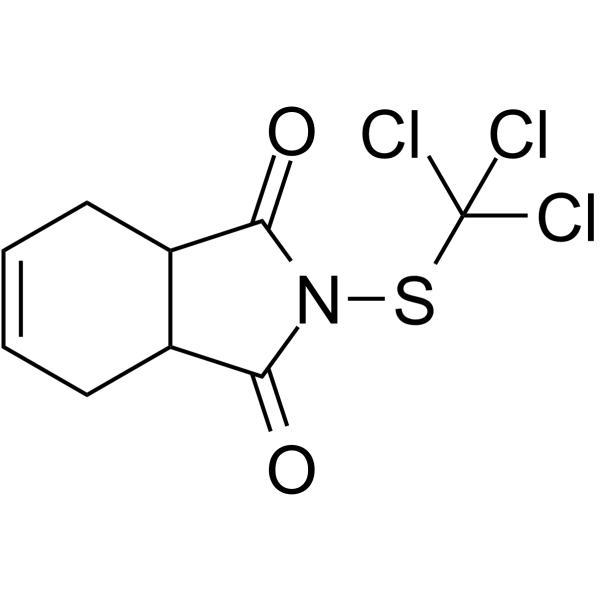
Captan is a thiol-reactive fungicide. Captan irreversibly depletes protein and non-protein thiols (including glutathione), reducing enzyme activity and fungal respiration/metabolism. Captan inhibits DNA synthesis and replication fork progression, and induces ROS accumulation, oxidative stress, inflammation, ER stress, mitochondrial dysfunction, autophagy, DNA damage, and apoptosis as well as loss of membrane integrity with necrosis. Captan is used to control fungal diseases of various fruits, vegetables, and ornamental plants.
For research use only. We do not sell to patients.
- Purity : 99.61%
- CAS No.: 133-06-2
- Formula: C9H8Cl3NO2S
- Molecular Weight:300.59
-
Storage:Powder -20°C, 3 years , 4°C, 2 years ; In solvent -80°C, 6 months , -20°C, 1 month

To place orders, for customer services and technical support, please contact: MedChemExpress USA
Tel: 609-228-6898 E-mail: [email protected] [email protected]


-
 Biological Activity
-
Chemical Information
-
Solvent & Solubility
- Protocols
- Purity & Documentation
- References
-
 Help & FAQs


-
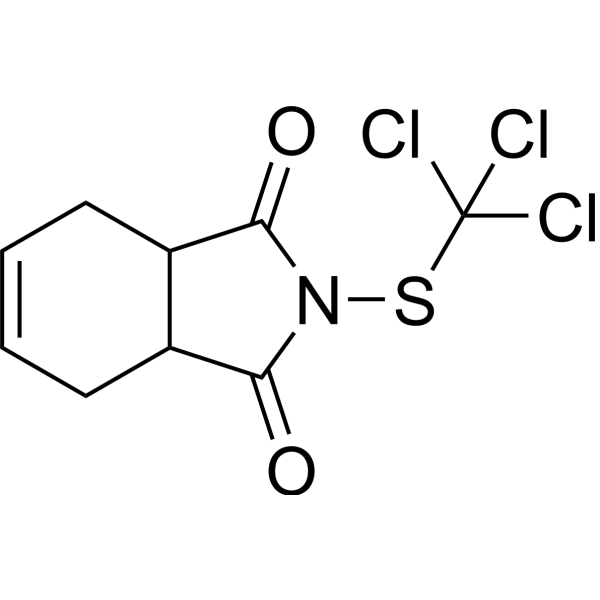
HY-B1584R
Captan (Standard)Reference Standard -
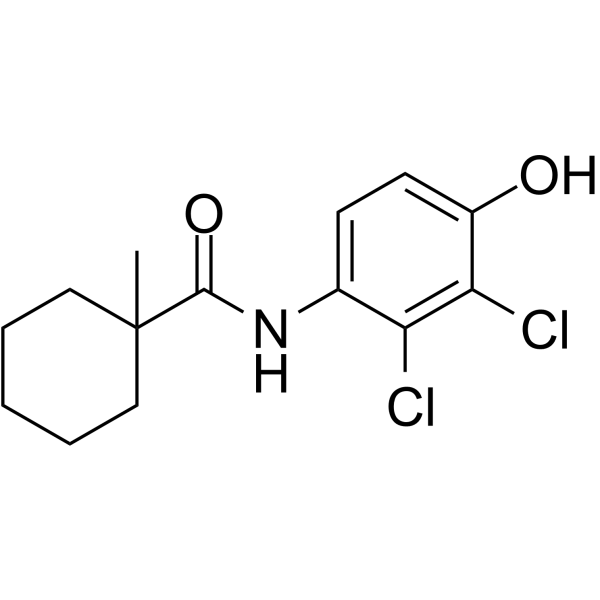
HY-118065
FenhexamidAntifungal Agent -
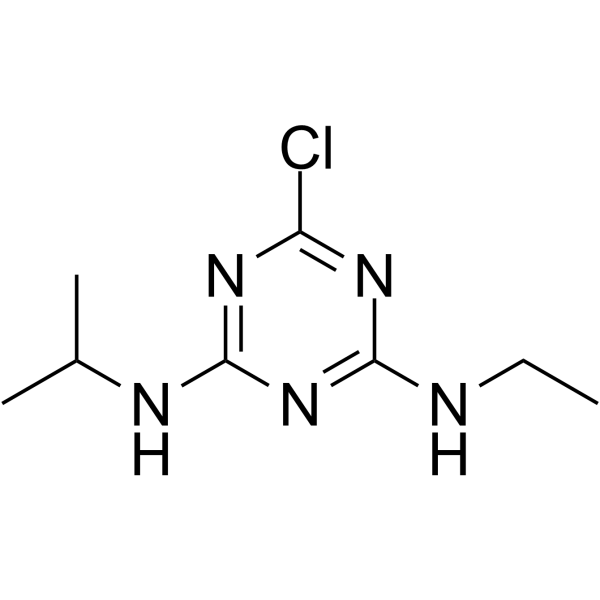
HY-N7091
AtrazinePhotophosphorylation Inhibitor -
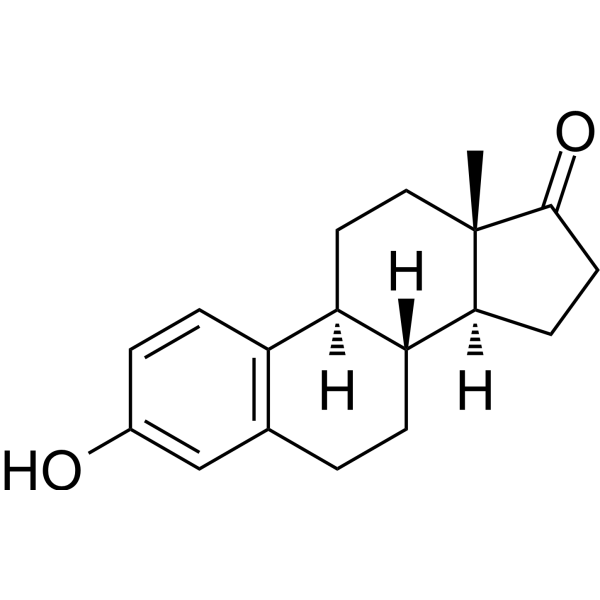
HY-B0234
EstroneEndogenous Metabolite -
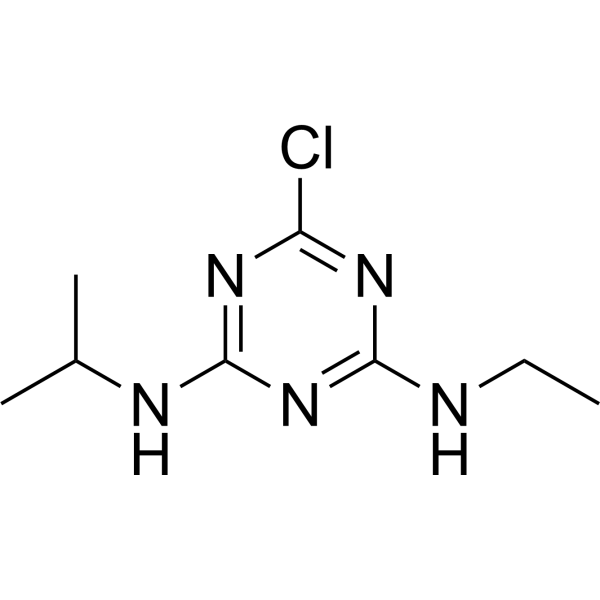
HY-N7091R
Atrazine (Standard)Photophosphorylation Inhibitor -
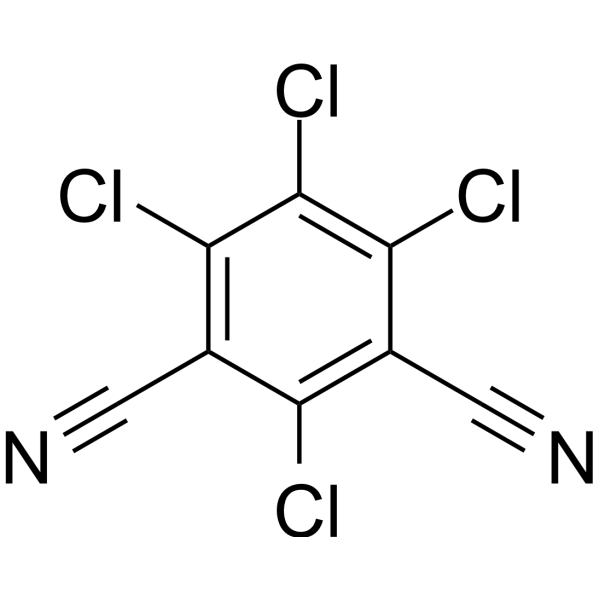
HY-N6625
ChlorothalonilBroad-spectrum foliar fungicide -
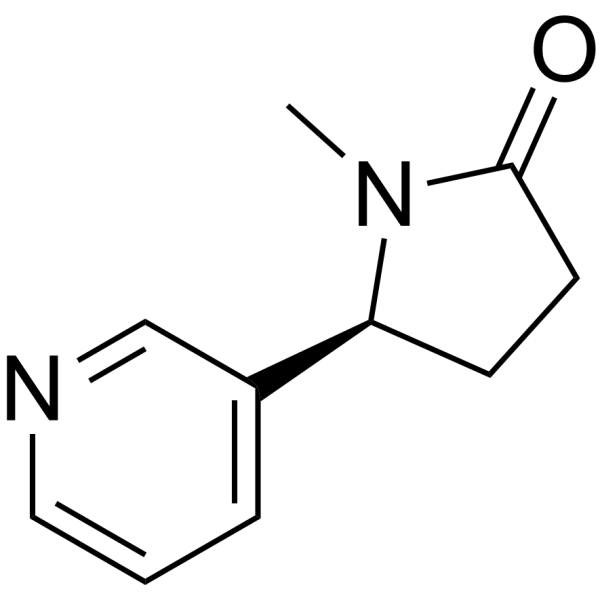
HY-B1178
CotinineEndogenous Metabolite -
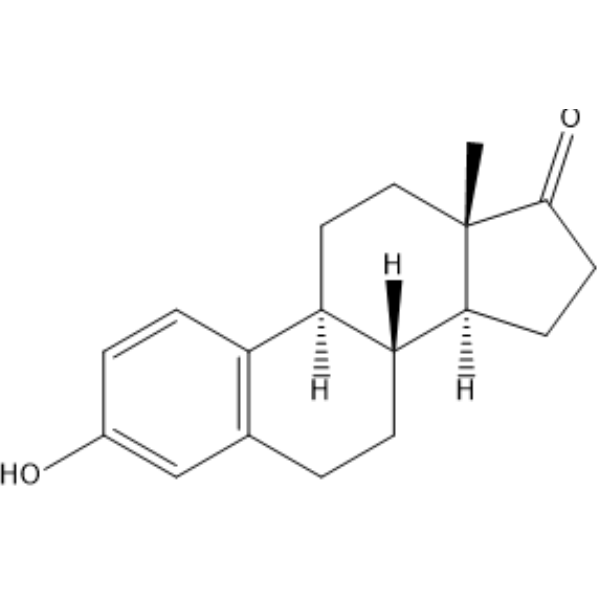
HY-B0234R
Estrone (Standard) -
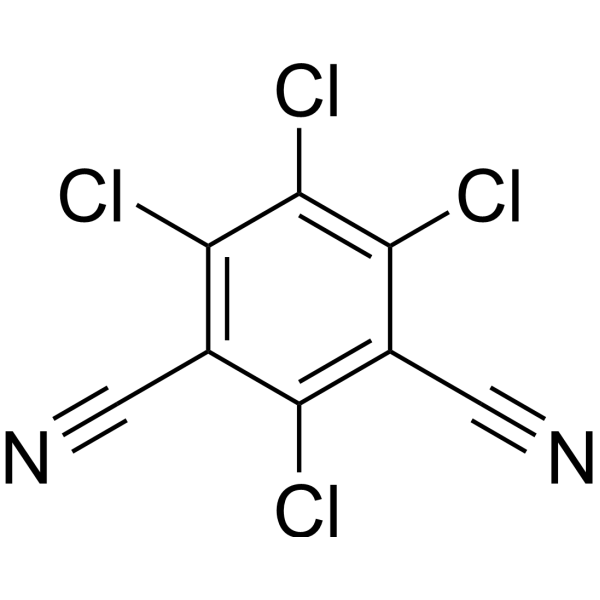
HY-N6625R
Chlorothalonil (Standard)Broad-spectrum foliar fungicide -

HY-118065R
Fenhexamid (Standard)Antifungal Agent -

HY-B1178R
Cotinine (Standard)Endogenous Metabolite


Biological Activity
Description
In Vitro
Captan (1-20 µM; 2 h) induces γH2AX and 53BP1 DNA damage responses in HeLa cells, with a γH2AX-positive/53BP1-negative subpopulation[2].
Captan (20 µM; 2 h) activates replicative-stress markers pCHK1 and FANCD2 monoubiquitylation in HeLa cells[2].
Captan (10 µM; 2 h) induces 53BP1 foci in HeLa cells, with a higher proportion after ATR depletion[2].
Captan (10-30 μM; 1 h; 0.5 h annexin V-FITC/PI) induces annexin V-positive living rat thymic lymphocytes before cell death at 30 μM, consistent with an apoptotic process[4].
Captan (1-30 μM; 1.5 h total) lowers cellular nonprotein thiol content in rat thymic lymphocytes at 10 and 30 μM[4].
Captan (10-30 μM; 1.5 h) increases superoxide anion levels in rat thymic lymphocytes at 10 and 30 μM[4].
Captan (3-10 μM; 3 h) increases the cytotoxicity of 300 μM H2O2 toward rat thymic lymphocytes at 3 and 10 μM[4].
Captan (1-10 µM; 24 h) increases micronucleus formation in CHO cells, with greater induction in XRCC1-deficient EM9 cells[2].
Captan (1 µM; 2 h; 0-60 min recovery) induces Fpg-sensitive base lesions in AA8 and EM9 CHO cells whose repair requires XRCC1[2].
Captan (1 µM; 2 h) increases alkaline comet DNA damage in human PBMC[2].
Captan (1-30 μM; 1 h) raises intracellular Ca2+ in rat thymic lymphocytes at 10 and 30 μM by increasing membrane Ca2+ permeability dependent on external Ca2+[4].
Captan (1-30 μM; 1 h) raises intracellular Zn2+ in rat thymic lymphocytes at 10 and 30 μM by increasing intracellular Zn2+ release independently of external Zn2+[4].
MedChemExpress (MCE) has not independently confirmed the accuracy of these methods. They are for reference only.
-
Cell Line:HeLa cells transfected with control or XRCC1 siRNA
-
Concentration:0.2, 0.5, and 1 µM
-
Incubation Time:66-90 h post-transfection
-
Result:XRCC1-depleted HeLa cells showed lower clonogenic survival than control siRNA cells; at 1 µM, XRCC1-depleted cells were more sensitive than controls.
-
Cell Line:HeLa cells
-
Concentration:1, 10, and 20 µM
-
Incubation Time:2 h
-
Result:A dose-dependent increase in both γH2AX-positive and 53BP1-positive HeLa cells was observed at 1-20 µM.
A subclass of cells accumulated γH2AX without 53BP1 foci.
-
Cell Line:HeLa cells
-
Concentration:20 µM
-
Incubation Time:2 h
-
Result:CHK1 phosphorylation at S345 and FANCD2 monoubiquitylation were increased compared with non-treated cells.
-
Cell Line:HeLa cells transfected with control or ATR siRNA
-
Concentration:0.2, 0.5, and 1 µM
-
Incubation Time:66-90 h post-transfection
-
Result:ATR-depleted HeLa cells showed lower clonogenic survival than control siRNA cells, with reduced viability at 1 µM.
-
Cell Line:HeLa cells transfected with control or ATR siRNA
-
Concentration:10 µM
-
Incubation Time:2 h
-
Result:The proportion of 53BP1-positive cells increased; the proportion was higher after ATR depletion than in control siRNA cells.
In Vivo
MedChemExpress (MCE) has not independently confirmed the accuracy of these methods. They are for reference only.
- Annexin V plus membrane-impermeant dye apoptosis staining
- BrdU Incorporation Assay
- ROS/oxidative-stress fluorescent staining
- Research Protocol for Inflammation-related Diseases
- EdU Incorporation Assay (Click Chemistry-Based DNA Synthesis Measurement)
- Detection of Apoptosis
- TUNEL staining for apoptotic DNA fragmentation
- Mitochondrial membrane-potential and mitochondrial mass staining
- Autophagy
- Apoptosis Solutions
- Lysosome and acidic-vesicle live-cell staining
- Macroautophagy Solutions
- Genotoxicity/Mutagenicity Study


Chemical Information
-
CAS No. 133-06-2
-
Appearance Solid
-
Molecular Weight 300.59
-
Formula C9H8Cl3NO2S
-
Color Off-white to light yellow
-
SMILES
O=C1N(SC(Cl)(Cl)Cl)C(C2CC=CCC12)=O
-
Shipping
Room temperature in continental US; may vary elsewhere.
-
Storage
Powder -20°C 3 years 4°C 2 years In solvent -80°C 6 months -20°C 1 month


Solvent & Solubility
In Vitro:
DMSO : 50 mg/mL (166.34 mM; Need ultrasonic; Hygroscopic DMSO has a significant impact on the solubility of product, please use newly opened DMSO)
Please refer to the solubility information to select the appropriate solvent. Once prepared, please aliquot and store the solution to prevent product inactivation from repeated freeze-thaw cycles.
Storage method and period of stock solution: -80°C, 6 months; -20°C, 1 month. When stored at -80°C, please use it within 6 months. When stored at -20°C, please use it within 1 month.
Concentration (start) × Volume (start) = Concentration (final) × Volume (final)
In Vivo Dissolution Calculator
Please enter the basic information of animal experiments:
-
-
-
-
Recommended: Prepare an additional quantity of animals to account for potential losses during experiments.
Working solution concentration: 0.22 mg/mL


Purity & Documentation
-
Data Sheet (327 KB)
-
SDS (949 KB)
- English - EN (949 KB)
- Français - FR (949 KB)
- Deutsch - DE (949 KB)
- Norwegian - NO (949 KB)
- Español - ES (949 KB)
- Swedish - SV (949 KB)
- Italian - IT (949 KB)
- Korean - KR (949 KB)
- Portuguese - PT (949 KB)
-
Handling Instructions (2659 KB)
References


Complete Stock Solution Preparation Table
Please refer to the solubility information to select the appropriate solvent. Once prepared, please aliquot and store the solution to prevent product inactivation from repeated freeze-thaw cycles.
Storage method and period of stock solution: -80°C, 6 months; -20°C, 1 month. When stored at -80°C, please use it within 6 months. When stored at -20°C, please use it within 1 month.
| Optional Solvent | Concentration Solvent Mass | 1 mg | 5 mg | 10 mg | 25 mg |
|---|---|---|---|---|---|
| DMSO | 1 mM | 3.3268 mL | 16.6340 mL | 33.2679 mL | 83.1698 mL |
| 5 mM | 0.6654 mL | 3.3268 mL | 6.6536 mL | 16.6340 mL | |
| 10 mM | 0.3327 mL | 1.6634 mL | 3.3268 mL | 8.3170 mL | |
| 15 mM | 0.2218 mL | 1.1089 mL | 2.2179 mL | 5.5447 mL | |
| 20 mM | 0.1663 mL | 0.8317 mL | 1.6634 mL | 4.1585 mL | |
| 25 mM | 0.1331 mL | 0.6654 mL | 1.3307 mL | 3.3268 mL | |
| 30 mM | 0.1109 mL | 0.5545 mL | 1.1089 mL | 2.7723 mL | |
| 40 mM | 0.0832 mL | 0.4158 mL | 0.8317 mL | 2.0792 mL | |
| 50 mM | 0.0665 mL | 0.3327 mL | 0.6654 mL | 1.6634 mL | |
| 60 mM | 0.0554 mL | 0.2772 mL | 0.5545 mL | 1.3862 mL | |
| 80 mM | 0.0416 mL | 0.2079 mL | 0.4158 mL | 1.0396 mL | |
| 100 mM | 0.0333 mL | 0.1663 mL | 0.3327 mL | 0.8317 mL |


Captan Related Classifications
HY-B1584 Related Classifications
 Powered by Bioz
Keywords