
1. Search Result
Search Result
Results for "

GBM

" in MedChemExpress (MCE) Product Catalog:

97

Inhibitors & Agonists

1

Fluorescent Dyes

5

Peptides

3

Inhibitory Antibodies

5

Natural
Products

1

Isotope-Labeled Compounds

Cat. No. Product Name Target Research Areas Chemical Structure
  • HY-17595
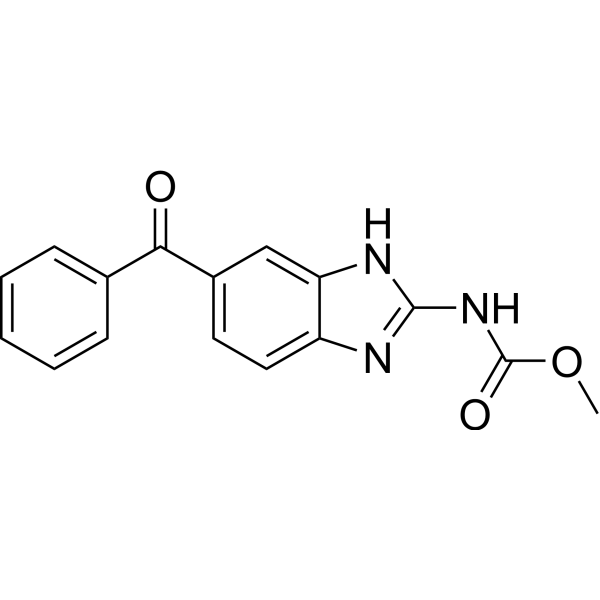
    Mebendazole
    Maximum Cited Publications
    8 Publications Verification

    Parasite Apoptosis Microtubule/Tubulin Infection Cancer
    Mebendazole is a highly effective, broad-spectrum antihelmintic against nematode infestations. Mebendazole also exhibits inhibitory effect against glioblastoma multiforme (GBM), inhibits Hedgehog pathway and tubulin polymerization. Mebendazole is orally active and can cross CNS penetration .
    Mebendazole
  • HY-152859

    BI 907828

    E1/E2/E3 Enzyme MDM-2/p53 Cancer
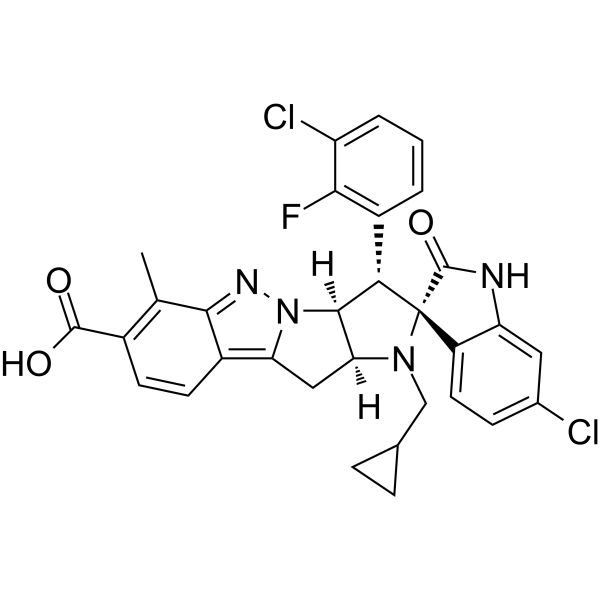
    Brigimadlin (BI 907828) is an orally active E3 ubiquitin-protein ligase MDM-2 inhibitor, preventing MDM-2 from negatively regulating the tumor suppressor p53. Brigimadlin can be used for antineoplastic research .
    Brigimadlin
  • HY-12456

    Antibiotic ADC Payload DNA Alkylator/Crosslinker Necroptosis Apoptosis Cancer
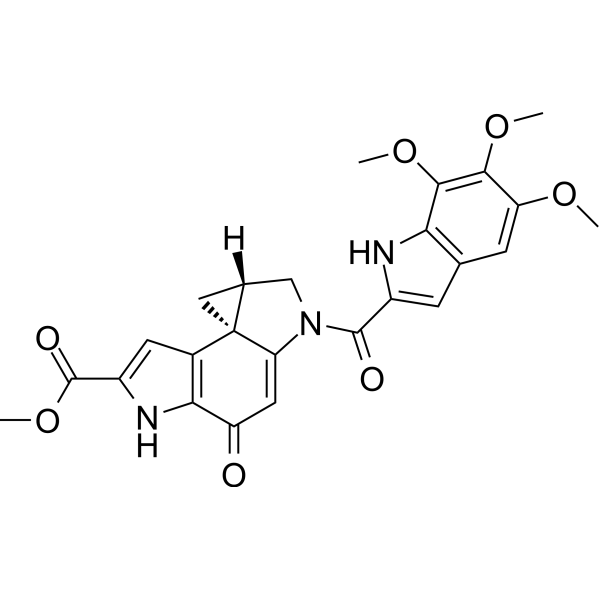
    Duocarmycin SA is an orally active antitumor antibiotic with an IC50 of 10 pM . Duocarmycin SA is an extremely potent cytotoxic agent capable of inducing a sequence-selective alkylation of duplex DNA. Duocarmycin SA demonstrates synergistic cytotoxicity against glioblastoma multiforme (GBM) cells treated with proton radiation in vitro .
    Duocarmycin SA
  • HY-13314
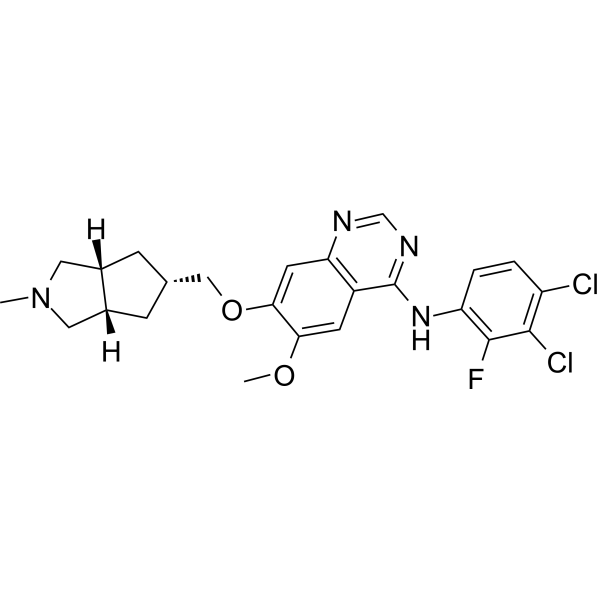
    Tesevatinib
    4 Publications Verification

    XL-647; EXEL-7647; KD-019

    EGFR VEGFR Src Cancer
    Tesevatinib (XL-647) is an orally available, blood-brain barrier-penetrant inhibitor of the epidermal growth factor receptor (EGFR). Tesevatinib significantly reduces cellular viability, with IC50 values of 11 nM and 102 nM in GBM12 and GBM6, respectively. Tesevatinib also inhibits HER2 (IC50=16.1 nM), VEGFR2 (IC50=1.5 nM), and Src (IC50=10.3 nM). Tesevatinib can inhibit tumor proliferation and exhibits antitumor activity .
    Tesevatinib
  • HY-108476
    INDY
    2 Publications Verification

    DYRK Cancer
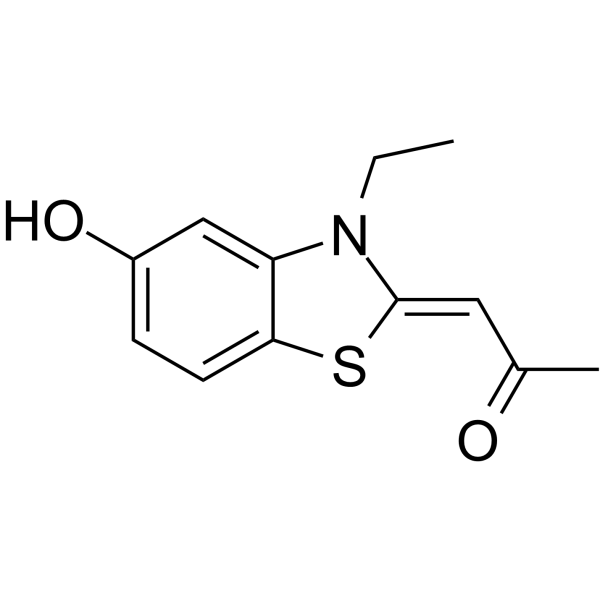
    INDY is a potent and ATP-competitive Dyrk1A and Dyrk1B inhibitor with IC50s of 0.24 μM and 0.23 μM, respectively. INDY binds in the ATP pocket of the enzyme and has a Ki value of 0.18 μM for Dyrk1A. INDY sharply reduces the self-renewal capacity of normal and tumorigenic cells in primary Glioblastoma (GBM) cell lines and neural progenitor cells .
    INDY
  • HY-13610A

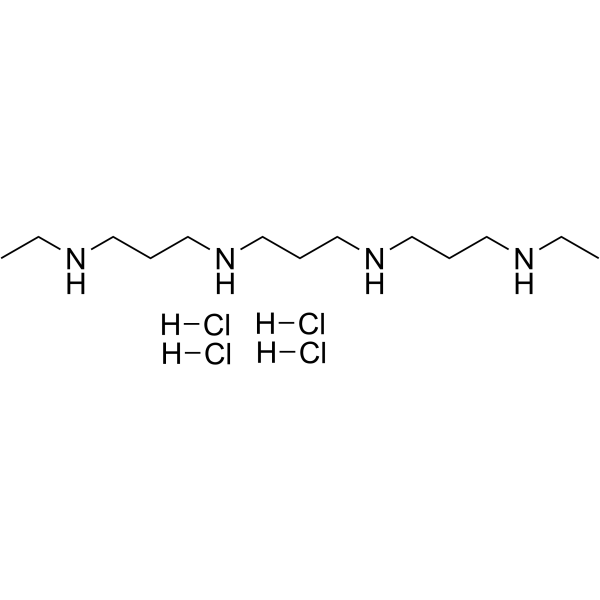
    Diethylnorspermine tetrahydrochloride; DENSPM tetrahydrochloride; BENSPM tetrahydrochloride

    Caspase mTOR Cancer
    N1, N11-Diethylnorspermine tetrahydrochloride (DENSPM tetrahydrochloride) is a potent anticancer agent. N1,N11-Diethylnorspermine tetrahydrochloride activates polyamine catabolism and downregulates mTOR protein. N1,N11-Diethylnorspermine tetrahydrochloride induces the release of cytochrome c from mitochondria, resulting in activation of caspase 3. N1,N11-Diethylnorspermine tetrahydrochloride kills glioblastoma multiforme (GBM) through induction of SSAT (spermidine/spermine N1-acetyltransferase) coupled with H2O2 production .
    N1,N11-Diethylnorspermine tetrahydrochloride
  • HY-122815

    Fusicoccin A

    Apoptosis Cancer
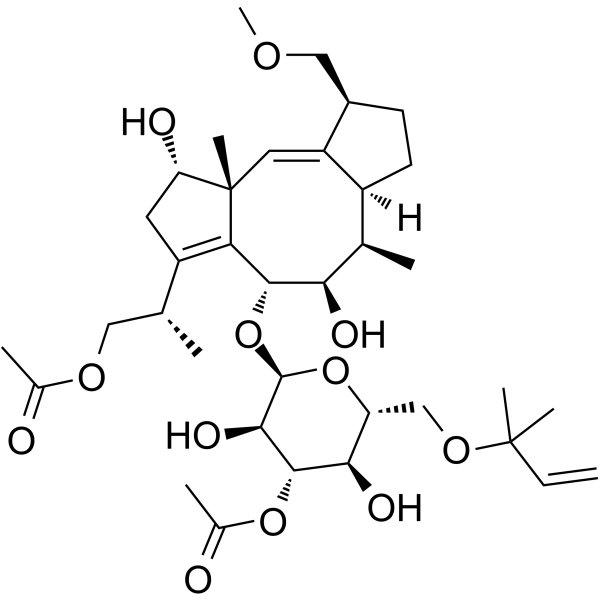
    Fusicoccin (Fusicoccin A), a fungal pytotoxin, is a stabilizer of specific 14-3-3 protein-protein interactions. Fusicoccin sabilizes H +-ATPase/14-3-3 cmplex in pants, maintaining the enzyme in activated state. Fusicoccin also stabilizes 14-3-3 protein interactions with binding partners containing a C-terminal 14-3-3 recognition motif (a mode 3 motif), such as ERα, GPIbα, TASK3, CTFR, and p53. Fusicoccin induces apoptosis in cancer cells and has anticancer activity .
    Fusicoccin
  • HY-19939S
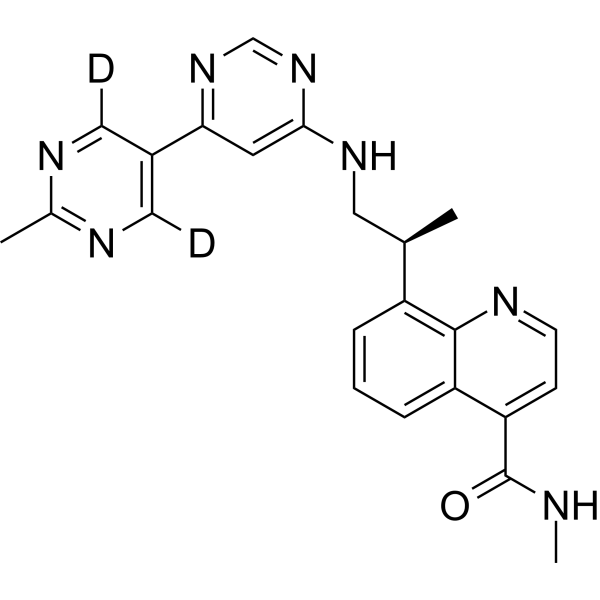
    VX-984
    4 Publications Verification

    M9831

    DNA-PK Cancer
    VX-984 is an orally active, potent, selective and BBB-penetrated DNA-PK inhibitor. VX-984 efficiently inhibits NHEJ (non-homologous end joining) and increases DSBs (DNA double-strand breaks). VX-984 can be used for glioblastomas (GBM) and non-small cell lung cancer (NSCLC) research. VX-984 is a de novo deuterium .
    VX-984
  • HY-P99139

    Interleukin Related Reactive Oxygen Species (ROS) Ferroptosis Cardiovascular Disease Inflammation/Immunology Cancer
    Anti-Mouse IL-1b Antibody (B122) is an anti-mouse IL-1b IgG monoclonal antibody. Anti-Mouse IL-1b Antibody (B122) enhances ferroptosis and increases levels of reactive oxygen species (ROS) combined with Sulfasalazine (SAS) (HY-14655). Anti-Mouse IL-1b Antibody (B122) can reduce monocyte infiltration and alleviate T cell exhaustion by blocking IL-1β signaling. Anti-Mouse IL-1b Antibody (B122) can be used for researches on cancer and cardiovascular conditions such as oral squamous cell carcinoma (OSCC), glioblastoma (GBM) and heart failure .
    Anti-Mouse IL-1b Antibody (B122)
  • HY-153268
    Silevertinib
    2 Publications Verification

    BDTX-1535; EGFR-IN-76

    EGFR Infection Neurological Disease Metabolic Disease Cancer
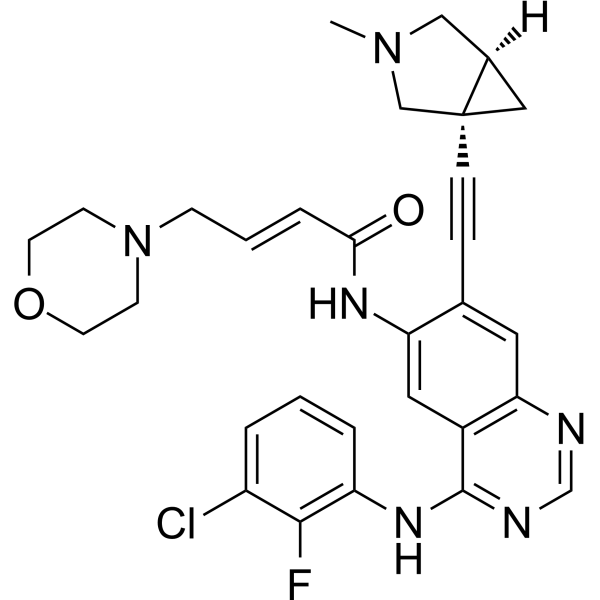
    Silevertinib (BDTX-1535) is an irreversible, brain-penetrant, selective and orally active EGFR inhibitor with wild-type EGFR-sparing. Silevertinib targets key EGFR resistance mutations, including the kinase domain (C797S, L718Q, G724S, S768I), extracellular domain (EGFRvIII, A289X), and EGFR amplification. Silevertinib exerts anti-tumor activity with well tolerated in vivo. Silevertinib can be used for non-small cell lung cancer (NSCLC) and glioblastoma (GBM) research .
    Silevertinib
  • HY-10996A
    KHS101 hydrochloride
    1 Publications Verification

    FGFR Neurological Disease Cancer
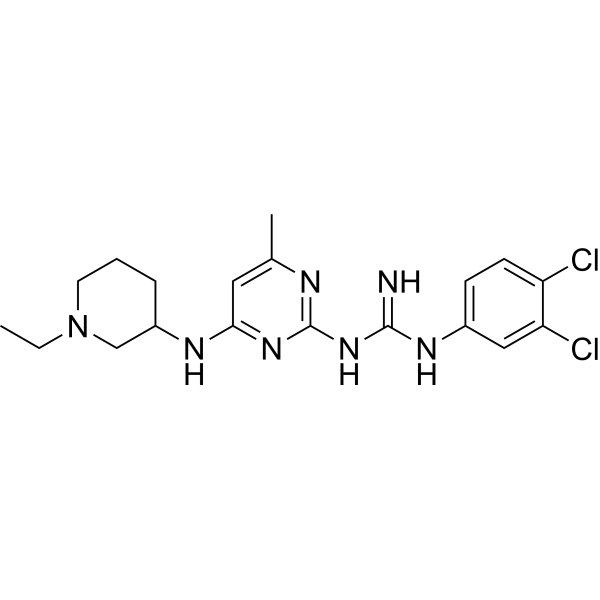
    KHS101 hydrochloride is a selective neuronal differentiation inducer that can cross the blood-brain barrier. KHS101 hydrochloride exhibits selective cytotoxicity against glioblastoma multiforme (GBM). KHS101 hydrochloride interacts with transforming acidic coiled-coil protein (TACC3). KHS101 hydrochloride can be used in GBM research .
    KHS101 hydrochloride
  • HY-14942A

    RTA 744; WP 744; WP 769 hydrochloride

    NF-κB Apoptosis Caspase Drug Derivative Neurological Disease Cancer
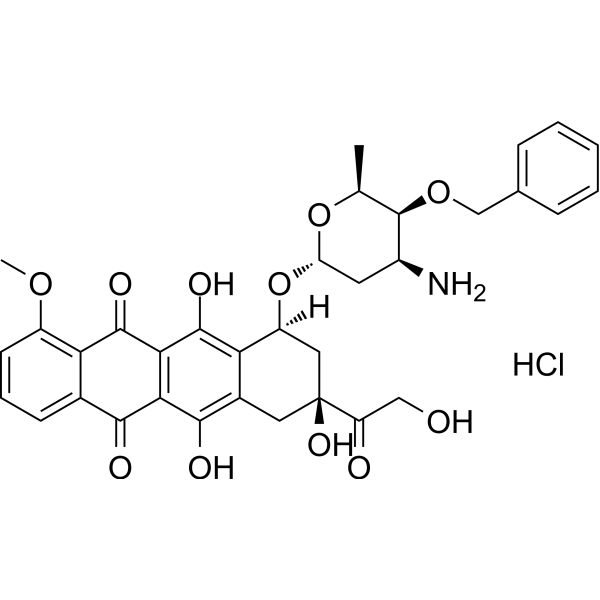
    Berubicin (RTA 744) hydrochloride is a Doxorubicin (HY-15142A) analog that can cross the blood-brain barrier. Berubicin hydrochloride inhibits P-gp and MRP1-mediated efflux and suppresses glioblastoma multiforme (GBM). Berubicin hydrochloride exerts toxic effects on leukemia cells by activating nuclear factor κB (NF-κB) and induces apoptosis in neuroblastoma cells. Berubicin hydrochloride can be used in the study of tumors related to the nervous system .
    Berubicin hydrochloride
  • HY-P99445

    APG101; CAN008

    TNF Receptor Inflammation/Immunology Cancer
    Asunercept (APG101; CAN008) is a soluble CD95-Fc fusion protein (hIgG1) targeting CD95L. Asunercept disrupts CD95/CD95L signaling by selectively binding to CD95L. Asunercept can be used in the research of glioblastoma multiforme (GBM), myelodysplastic syndrome (MDS), and graft-versus-host disease (GvHD) .
    Asunercept
  • HY-115630

    RIP kinase Caspase Apoptosis Cancer
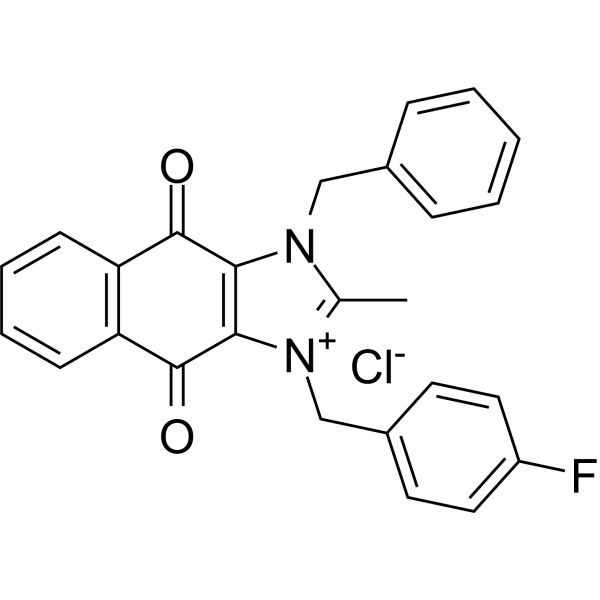
    cRIPGBM chloride, an orally active, proapoptotic derivative. cRIPGBM can be generated from glioblastoma multiforme (GBM) cancer stem cells (CSCs). cRIPGBM(chloride) targets to receptor-interacting protein kinase 2 (RIPK2) to induce caspase 1-dependent apoptosis. cRIPGBM(chloride) suppresses the formation of RIPK2/TAK1 (prosurvival complex), and increases the formation of RIPK2/caspase 1 (proapoptotic complex). cRIPGBM(chloride) exerts potent anti-tumor activity in vivo in animal models .
    cRIPGBM chloride
  • HY-160972

    LXR Neurological Disease Cancer
    MM0299 is a selective lanosterol synthase (LSS) inhibitor with an IC50 value of 2.22 μM. MM0299 depletes intracellular cholesterol and acts as a growth inhibitor for glioma stem-like cells. MM0299 exhibits anti-glioblastoma activity. MM0299 is applicable to research related to glioblastoma .
    MM0299
  • HY-125427

    OLIG2 Cancer
    SKOG102 is a potent OLIG2 inhibitor that is directly engaging OLIG2 and interferes with the ability of OLIG2 to bind DNA. SKOG102 can be used for the research of glioblastoma (GBM) .
    SKOG102
  • HY-124813

    113B7

    FAK EGFR MMP NF-κB SDCBP Cancer
    PDZ1i (113B7) is a inhibitor of MDA-9/Syntenin, with selective binding to the PDZ1 domain. PDZ1i inhibits radiation-induced invasion of glioblastoma (GBM) cells, radiosensitizes GBM cells, and impairs GBM-related signaling pathways (including Src/EphA2, EGFRvIII/FAK, and NF-κB). PDZ1i reduces radiation-induced secretion of invasion-related proteases (MMP-2, MMP-9, ADAM9). PDZ1i shows anti-tumor effects in nude mice bearing intracranial U1242-luc xenografts or GBM xenografts. PDZ1i can be used for the study of glioblastoma (GBM), breast cancer and prostate cancer .
    PDZ1i
  • HY-175207

    Glycosidase Cancer
    CHI3L1-IN-3 is a CHI3L1 inhibitor. CHI3L1-IN-3 binds to CHI3L1 with Kds of 13.76 μM and 13.5 μM in MST and SPR assays, respectively. CHI3L1-IN-3 demonstrates extended plasma half-lives and microsomal stability, along with reduced intrinsic clearance. CHI3L1-IN-3 induces dose-dependent cytotoxicity, reduces spheroid mass and inhibits migration in a 3D multicellular glioblastoma (GBM) spheroid model. CHI3L1-IN-3 can be used for the study of GBM .
    CHI3L1-IN-3
  • HY-162153

    FGFR Cancer
    CYY292 is an FGFR1 inhibitor that specifically targets the FGFR1/AKT/Snail pathway in GBM cells. CYY292 dose-dependently inhibits cancer cell proliferation, epithelial-mesenchymal transition, stemness, invasion, and migration in vitro .
    CYY292
  • HY-118545

    STAT Inflammation/Immunology Cancer
    Butamirate is an orally active antitussive agent that acts centrally through the receptors in the brainstem. Butamirate also reduces the resistance in the airways by inhibiting bronchospasm and anti-inflammatory effect. Butamirate inhibits glioblastoma (GBM) growth and STAT3 activity. Butamirate can be used for the study of glioblastoma .
    Butamirate
  • HY-146320
    ANO1-IN-1
    2 Publications Verification

    Chloride Channel Cancer
    ANO1-IN-1 (Compound 9c) is a selective ANO1 channel blocker with an IC50 of 2.56 μM and 15.43 μM against ANO1 and ANO2, respectively. ANO1-IN-1 suppresses strongly proliferation of glioblastoma cells .
    ANO1-IN-1
  • HY-117357

    SGK Cancer
    SI-113 is a SGK1 inhibitor, with an IC50 of 600 nM. SI113 induces autophagy .
    SI-113
  • HY-N5025

    P2X Receptor Apoptosis ERK p38 MAPK c-Myc NF-κB Reactive Oxygen Species (ROS) Neurological Disease Inflammation/Immunology Cancer
    Bullatine A, a diterpenoid alkaloid, is a potent P2X7 antagonist. Bullatine A possesses anti-rheumatic, anti-inflammatory and anti-nociceptive effects. Bullatine A inhibits ATP-induced BV-2 cell death/apoptosis and P2X receptor-mediated inflammatory responses. Bullatine A suppresses glioma cell growth by targeting SIRT6. Bullatine A specifically attenuates pain hypersensitivity in rats. Bullatine A attenuates LPS (HY-D1056)-induced systemic inflammatory response by inhibiting the ROS/JNK/NF-κB pathway in mice. Bullatine A improves despair behavior in Chronic chronic social defeat stress (CSDS) mice. Bullatine A can be used for the study of inflammation, glioblastoma (GBM) and depression .
    Bullatine A
  • HY-156679

    Thyroid Hormone Receptor Neurological Disease Cancer
    VK-0214 is an agonist of the thyroid β receptor (TRβ). By activating the expression of ABCD2, it can reduce the accumulation of very long-chain fatty acids (VLCFAs) and further alleviate glioblastoma multiforme. VK-0214 has the effect of regulating fatty acid metabolism and can be used in the research of X-linked adrenoleukodystrophy (X-ALD) .
    VK-0214
  • HY-118545A

    STAT Inflammation/Immunology Cancer
    Butamirate citrate is an orally active antitussive agent that acts centrally through the receptors in the brainstem. Butamirate citrate also reduces the resistance in the airways by inhibiting bronchospasm and anti-inflammatory effect. Butamirate citrate inhibits glioblastoma (GBM) growth and STAT3 activity. Butamirate citrate can be used for the study of glioblastoma .
    Butamirate citrate
  • HY-112293

    EGFR Cancer
    GW2974 is a potent dual inhibitor of EGFR and HER2 with IC50 value of 0.007 μM and 0.016 μM, respectively. GW2974 demonstrates in vitro inhibition of the EGFR and HER2 and inhibits the growth of tumor cell. GW2974 can be used for glioblastoma multiforme (GBM) disease research .
    GW2974
  • HY-156019

    FGFR Cancer
    FGFR1 inhibitor-10 (Compound 4i) is an FGFR1 inhibitor (IC50: 28 nM). FGFR1 inhibitor-10 inhibits the phosphorylation of FGFR1. FGFR1 inhibitor-10 has anti-angiogenic, anti-invasion activity, and anti-tumor effect .
    FGFR1 inhibitor-10
  • HY-168708

    Histone Demethylase Apoptosis Cancer
    AH2-14c is an inhibitor for DNA demethylase ALKBH2. AH2-14c inhibits the cell viability (IC50 is 4.56 µM) and migration of GBM U87. AH2-14c regulates the expression of apoptosis-related genes, and induces apoptosis in GBM U87 cell .
    AH2-14c
  • HY-17595R

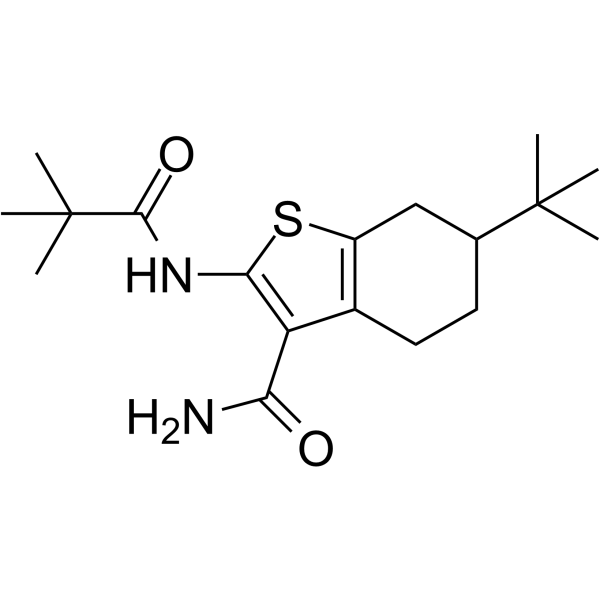
    Reference Standards Parasite Apoptosis Microtubule/Tubulin Infection Cancer
    Mebendazole (Standard) is the analytical standard of Mebendazole. This product is intended for research and analytical applications. Mebendazole is a highly effective, broad-spectrum antihelmintic against nematode infestations. Mebendazole also exhibits inhibitory effect against glioblastoma multiforme (GBM), inhibits Hedgehog pathway and tubulin polymerization. Mebendazole is orally active and can cross CNS penetration .
    Mebendazole (Standard)
  • HY-155888

    Epigenetic Reader Domain Cancer
    IV-255 is a selective small molecule inhibitor of the BRG1 bromodomain. IV-255 increases the extent of DNA damage induced by Temozolomide (HY-17364) and Bleomycin (HY-108345). IV-255 inhibits the invasiveness of GBM cells. IV-255 enhances Temozolomide-induced cell death and the apoptosis-inducing activity of Temozolomide .
    IV-255
  • HY-148833

    MDM-2/p53 Cancer
    MDM2-p53-IN-16 is a MDM2-p53 complex inhibitor with an IC50 value of 4.3 nM to dissociate human p53/MDM2 complex. MDM2-p53-IN-16 reactivates p53, and induces Glioblastoma Multiforme (GBM) cell apoptosis and cell-cycle arrest. MDM2-p53-IN-16 can be used for the cancer research .
    MDM2-p53-IN-16
  • HY-173066

    PROTACs Indoleamine 2,3-Dioxygenase (IDO) Cancer
    NU227326 is a blood-brain barrier penetrant IDO1 PROTAC degrader, with a DC50 of 4.5 nM in HiBiT degradation assays. NU227326 degrades IDO1 in U87 and GBM43 cells, with DC50 values of 7.1 nM and 11.8 nM, respectively (WB assays). NU227326 is applicable to research related to glioblastoma, prostate cancer, triple-negative breast cancer, pancreatic cancer, and ovarian cancer .
    NU227326
  • HY-122910

    Apoptosis Cancer
    RIPGBM is a selective inducer of apoptosis in glioblastoma multiforme (GBM) cancer stem cells (CSCs) with an EC50 of ≤500 nM .
    RIPGBM
  • HY-161025

    c-Fms VEGFR Cancer
    SYHA1813 is a dual inhibitor of CSF1R and VEGFR. SYHA1813 has potent antitumor activity against GBM .
    SYHA1813
  • HY-111187

    KX-02

    Src Microtubule/Tubulin Apoptosis Cancer
    KX2-361 (KX-02) is a Src-kinase and tubulin polymerization inhibitor. KX2-361 shows good oral bioavailability and readily crosses the BBB in mice. KX2-361 shows anti-tumor activity and induces apoptosis of Glioblastoma (GBM) cell .
    KX2-361
  • HY-N3001
    Isolinderalactone
    1 Publications Verification

    STAT VEGFR Bcl-2 Family Survivin IAP NF-κB Apoptosis Caspase Neurological Disease Inflammation/Immunology Cancer
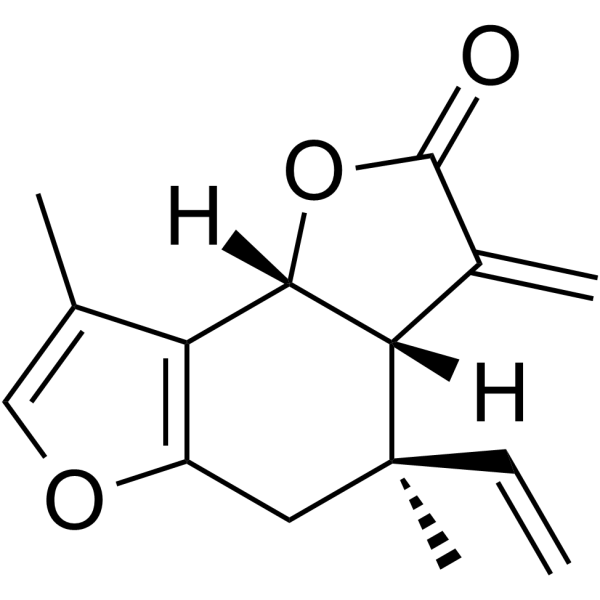
    Isolinderalactone is a sesquiterpene that exhibits anti-cancer, anti-inflammatory, and neuroprotective effects. Isolinderalactone inhibits VEGF expression and tyrosine phosphorylation of VEGFR2. Isolinderalactone decreases viability and induces apoptosis in U-87 glioblastoma (GBM) cells and colorectal cancer (CRC) cells. Isolinderalactone induces G2/M phase cell cycle arrest, ROS generation, pJNK/p38 MAPK activation, in colorectal cancer (CRC) cells. Isolinderalactone blocks LPS (HY-D1056)-induced NF-κB activation while activating Nrf2-HMOX1 signaling in RAW264.7 macrophages. Isolinderalactone improves cognitive dysfunction in APP/PS1 mice. Isolinderalactone can be used for the study of Glioblastoma multiforme (GBM), colorectal cancer, Alzheimer’s disease and acute lung injury .
    Isolinderalactone
  • HY-14942

    RTA 744 free base; WP 744 free base; WP 769

    NF-κB Apoptosis Caspase Drug Derivative Neurological Disease Cancer
    Berubicin (RTA 744 free base) is a Doxorubicin (HY-15142A) analog that can cross the blood-brain barrier. Berubicin inhibits P-gp and MRP1-mediated efflux and suppresses glioblastoma multiforme (GBM). Berubicin exerts toxic effects on leukemia cells by activating nuclear factor κB (NF-κB) and induces apoptosis in neuroblastoma cells. Berubicin can be used in the study of tumors related to the nervous system .
    Berubicin
  • HY-125964

    Survivin Cancer
    LLP-3 is a potent Survivin inhibitor that disrupts the Survivin-Ran interaction in cancer cells. LLP-3 can be used in the research of Glioblastoma multiforme (GBM) .
    LLP-3
  • HY-P1828A

    EGFR Cancer
    EGFRvIII peptide (PEPvIII) TFA is a tumor-specific mutation that is widely expressed in glioblastoma multiforme (GBM) and other neoplasms and its expression enhances tumorigenicity. EGFRvIII peptide TFA represents a truly tumor-specific target for antitumor immunotherapy .
    EGFRvIII peptide (PEPvIII) TFA
  • HY-103407A

    Dopamine Receptor Neurological Disease Cancer
    PD 168568 dihydrochloride is a orally active and potent dopamine receptor D4 (DRD4) antagonist. PD 168568 dihydrochloride contains an isoindolinone and is selective for the D4 receptor versus D2 and D3, with Ki values of 8.8, 1842, and 2682 nM, respectively. PD 168568 dihydrochloride can be used for glioblastoma (GBM) research .
    PD 168568 dihydrochloride
  • HY-162384

    Histone Methyltransferase Cancer
    EPIC-0628 is an inhibitor of the HOTAIR-EZH2 interaction and promotes ATF3 expression. The long noncoding RNA HOTAIR has been found to regulate glioblastoma (GBM) progression and mediate DNA damage repair (DDR) by interacting with the catalytic subunit EZH2 of PRC2. EPIC-0628 also inhibits the ATF3-p38-E2F1 DDR pathway to inhibit the HR pathway and upregulates CDKN1A (p21) expression, causing cell cycle arrest. EPIC-0628 also synergizes with Temozolomide (TMZ) (HY-17364) to enhance its in vivo potency .
    EPIC-0628
  • HY-144720

    SWI/SNF Complex Cancer
    BRG1-IN-1 (Compound 11d) is a potent inhibitor of SMARCA4/BRG1. BRG1-IN-1 shows better efficacy than PFI-3 in sensitizing GBM cells to the antiproliferative and cell death inducing effects of Temozolomide in vitro. BRG1-IN-1 enhances the inhibitor effect of Temozolomide on the growth of subcutaneous GBM tumors .
    BRG1-IN-1
  • HY-175781

    Glycosidase STAT Cancer
    CHI3L1-IN-4 (Compound 8) is a Chitinase-3-Like Protein 1 (CHI3L1) inhibitor with a Kd of 6.8  μM. CHI3L1-IN-4 significantly reduces glioblastoma (GBM) spheroids viability and attenuates phospho-STAT3 levels by disrupting CHI3L1 pathway. CHI3L1-IN-4 can be used for GBM research .
    CHI3L1-IN-4
  • HY-P1828

    EGFR Cancer
    EGFRvIII peptide (PEPvIII) is a tumor-specific mutation that is widely expressed in glioblastoma multiforme (GBM) and other neoplasms and its expression enhances tumorigenicity. EGFRvIII peptide represents a truly tumor-specific target for antitumor immunotherapy .
    EGFRvIII peptide (PEPvIII)
  • HY-P99715

    EGFR Cancer
    Losatuxizumab is an anti-EGFR monoclonal antibody. Losatuxizumab binds to EGFR with EC50s of 0.96 nM for EGFR wild-type, 0.09 nM for EGFR C271A,C283A, 0.12 nM for EGFRvIII, 0.66 nM for EGFR1-501. Losatuxizumab can be used for research of EGFR-expressing cancers .
    Losatuxizumab
  • HY-118545AR

    Reference Standards STAT Inflammation/Immunology Cancer
    Butamirate citrate (Standard) is the analytical standard of Butamirate citrate (HY-118545A). This product is intended for research and analytical applications. Butamirate citrate is an orally active antitussive agent that acts centrally through the receptors in the brainstem. Butamirate citrate also reduces the resistance in the airways by inhibiting bronchospasm and anti-inflammatory effect. Butamirate citrate inhibits glioblastoma (GBM) growth and STAT3 activity. Butamirate citrate can be used for the study of glioblastoma .
    Butamirate citrate (Standard)
  • HY-147409

    CDK Cancer
    Ulecaciclib is an orally activitive inhibitor of cyclin-dependent kinase (CDK), with Ki values of 0.62 μM (CDK2/Cyclin A), 0.2 nM (CDK4/Cyclin D1), 3 nM (CDK6/Cyclin D3), and 0.63 μM (CDK7/Cyclin H), respectively. Ulecaciclib can cross blood brain barrier and has good pharmacokinetic characteristics .
    Ulecaciclib
  • HY-175299

    Hedgehog Apoptosis DNA Methyltransferase Cancer
    Hedgehog IN-11 is an orally active Hedgehog inhibitor. Hedgehog IN-11 downregulates the expression of O6-methylguanine-DNA methyltransferase (MGMT) to impair the Temozolomide (TMZ) (HY-17364) resistance by inhibiting the Hedgehog pathway. Hedgehog IN-11 shows improved inhibition of cell migration and invasion, and induced cell apoptosis in TMZ-resistant GBM cell lines. Hedgehog IN-11 is predicted by computer simulation to have good blood-brain barrier penetration. Hedgehog IN-11 can be used for the study of glioblastoma (GBM) .
    Hedgehog IN-11
  • HY-164527

    Src FAK EGFR Cancer
    Si306 is a Src inhibitor with antitumor activity. Si306 reduces the phosphorylation of focal adhesion kinase (FAK) and the expression of epidermal growth factor receptor (EGFR), and inhibits the invasion of human glioblastoma (GBM) .
    Si306
  • HY-103407

    Dopamine Receptor Neurological Disease Cancer
    PD 168568 is a orally active and potent dopamine receptor D4 (DRD4) antagonist. PD 168568 contains an isoindolinone and is selective for the D4 receptor versus D2 and D3, with Ki values of 8.8, 1842, and 2682 nM, respectively. PD 168568 can be used for glioblastoma (GBM) research .
    PD 168568

Inquiry Online

Your information is safe with us. * Required Fields.

Salutation


Country or Region *

Applicant Name *


Organization Name *

Department *


Email Address *


Product Name *

Cat. No.


Requested quantity *

Phone Number *


Remarks

Inquiry Online

Inquiry Information

Product Name:
Cat. No.:
Quantity:
MCE Japan Authorized Agent:

