337 Results for "

HCT

" in MedChemExpress (MCE) Product Catalog:
Products (337)

337 Results for "HCT" in MCE Product Catalog:

71
71 Publications Verification
Cat. No.: HY-13323
CAS No.: 1138549-36-6
Purity:  99.49%
Target:  

DNA/RNA Synthesis

Research Areas:  

Cancer

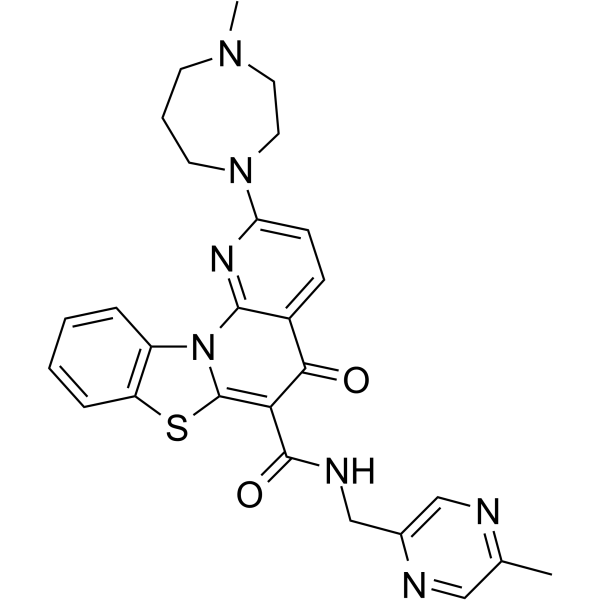
CX-5461 is a potent and oral rRNA synthesis inhibitor. It inhibits RNA polymerase I-driven transcription of rRNA with IC50s of 142, 113, and 54 nM in HCT-116, A375, and MIA PaCa-2 cells, respectively .
loading...
    loading...
71
71 Publications Verification
Cat. No.: HY-13323A
Purity:  99.41%
Target:  

DNA/RNA Synthesis

Research Areas:  

Cancer

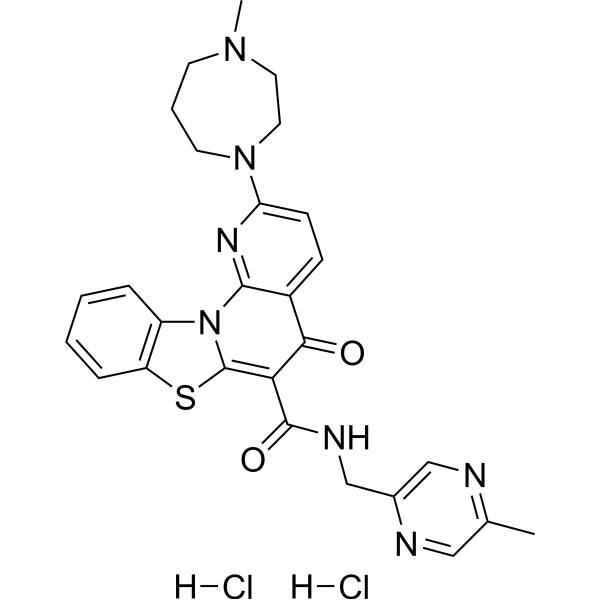
CX-5461 dihydrochloride is a potent and orally bioavailable inhibitor of Pol I-mediated rRNA synthesis, with IC50s of 142 nM in HCT-116, 113 nM in A375, and 54 nM in MIA PaCa-2 cells, and shows little or no effect on Pol II (IC50 ≥25 μM).
loading...
    loading...
39
39 Cited Publications
Cat. No.: HY-12137
CAS No.: 755038-65-4
Purity:  99.87%
Synonyms: BI 6727
Research Areas:  

Cancer

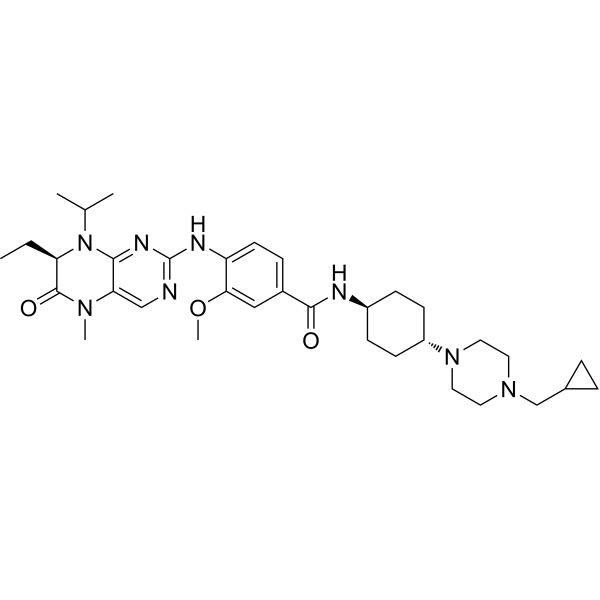
Volasertib (BI 6727) is an orally active, highly potent and ATP-competitive Polo-like kinase 1 (PLK1) inhibitor with an IC50 of 0.87 nM. Volasertib inhibits PLK2 and PLK3 with IC50s of 5 and 56 nM, respectively. Volasertib induces mitotic arrest and apoptosis. Volasertib, a dihydropteridinone derivative, shows marked antitumor activity in multiple cancer models .
loading...
    loading...
39
39 Cited Publications
Cat. No.: HY-12137A
CAS No.: 946161-17-7
Synonyms: BI 6727 trihydrochloride
Research Areas:  

Cancer

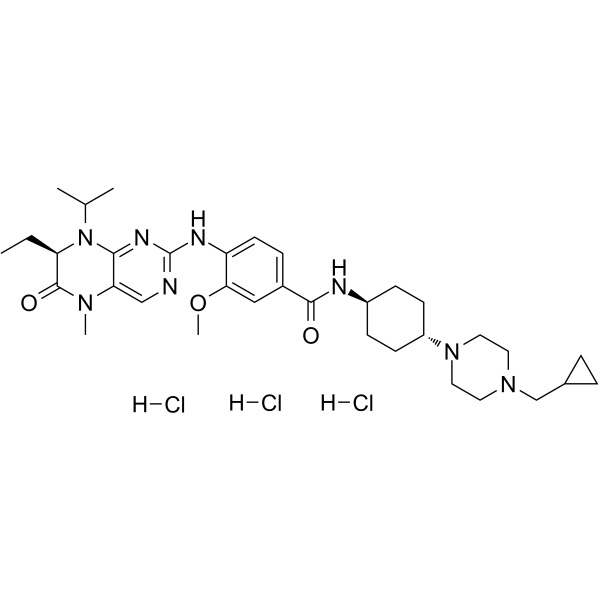
Volasertib (BI 6727) trihydrochloride is an orally active, highly potent and ATP-competitive Polo-like kinase 1 (PLK1) inhibitor with an IC50 of 0.87 nM. Volasertib trihydrochloride inhibits PLK2 and PLK3 with IC50s of 5 and 56 nM, respectively. Volasertib trihydrochloride induces mitotic arrest and apoptosis. Volasertib trihydrochloride, a dihydropteridinone derivative, shows marked antitumor activity in multiple cancer models .
loading...
    loading...
11
11 Cited Publications
Cat. No.: HY-15610
CAS No.: 1168091-68-6
Purity:  98.74%
Synonyms: RG 7421; MEK inhibitor 1
Target:  

MEK Apoptosis

Research Areas:  

Cancer

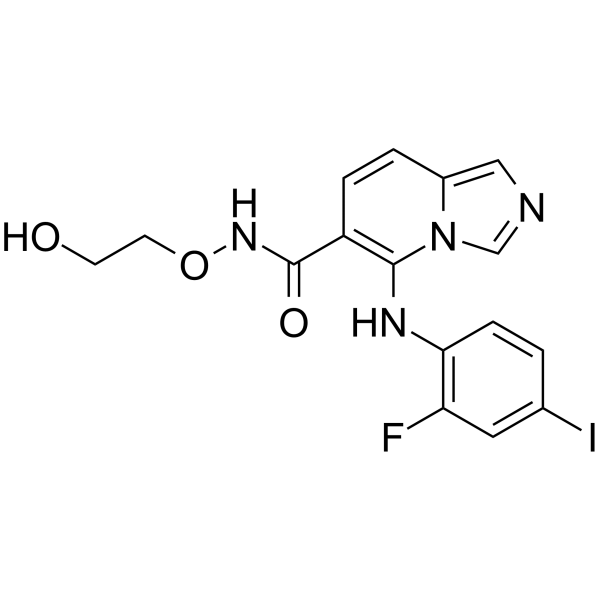
GDC-0623 (RG 7421) is a potent, ATP-uncompetitive inhibitor of MEK1 (Ki=0.13 nM, +ATP), and displays 6-fold weaker potency against HCT116 (KRAS (G13D), EC50=42 nM) versus A375 (BRAF V600E, EC50=7 nM).
loading...
    loading...
4
4 Cited Publications
Cat. No.: HY-120079
CAS No.: 1592908-16-1
Purity:  99.00%
Target:  

Bcl-2 Family Apoptosis

Research Areas:  

Cancer

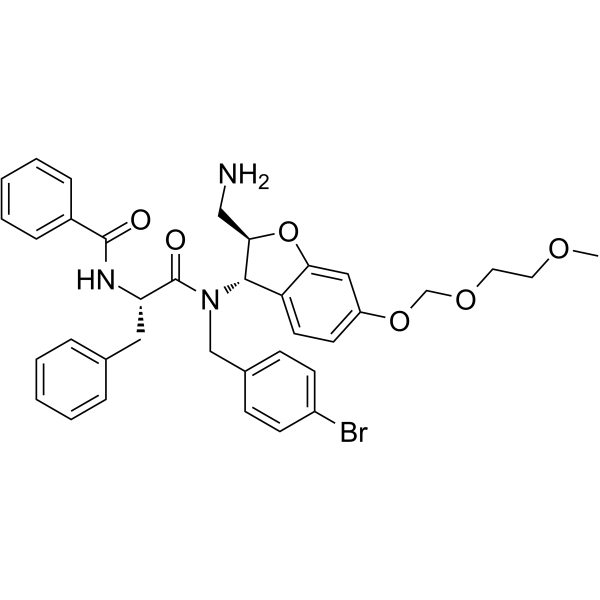
MSN-125 is a potent Bax and Bak oligomerization inhibitor. MSN-125 prevents mitochondrial outer membrane permeabilization (MOMP) with an IC50 of 4 μM. MSN-125 potently inhibits Bax/Bak-mediated apoptosis in HCT-116, BMK Cells, and primary cortical neurons, protects primary neurons against glutamate excitotoxicity .
loading...
    loading...
4
4 Cited Publications
Cat. No.: HY-N0589
CAS No.: 2680-81-1
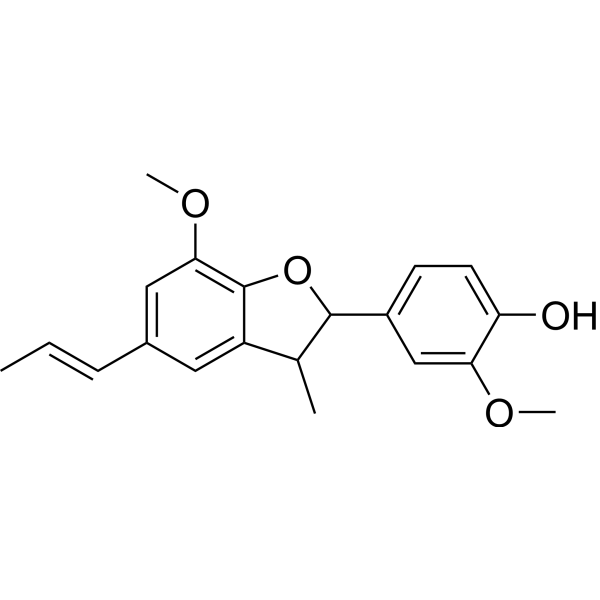
Dehydrodiisoeugenol is an orally active anti-inflammatory and anti-tumor agent. Dehydrodiisoeugenol inhibits the proliferation of colorectal cancer cells, and induces apoptosis, autophagy, endoplasmic reticulum stress and cell cycle arrest. Dehydrodiisoeugenol also exerts anti-inflammatory effects by inhibiting the activation of NF-κB and the expression of COX-2. Dehydrodiisoeugenol can be used in the research related to colorectal cancer, inflammatory diseases and ulcerative colitis .
loading...
    loading...
4
4 Cited Publications
Cat. No.: HY-N2445
CAS No.: 37308-75-1
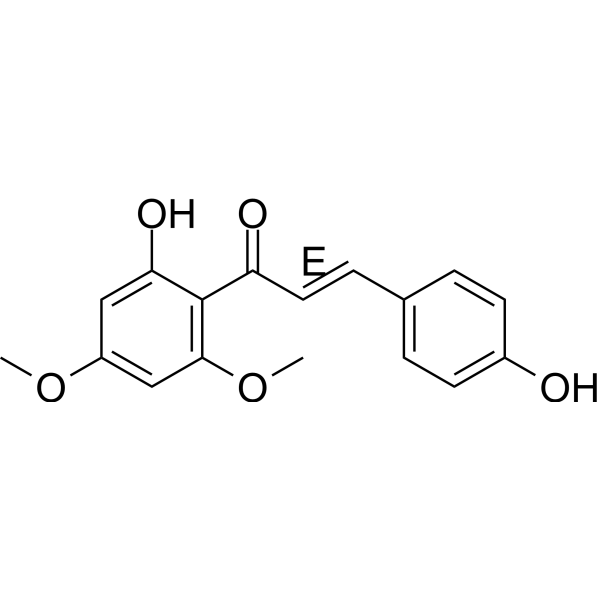
Flavokawain C is an orally active natural chalcone. Flavokawain C inhibits the proliferation of various cancer cells. Flavokawain C upregulates GADD153 in cancer cells, inhibits the phosphorylation of Akt and JNK, suppresses early ERK phosphorylation, activates late ERK phosphorylation, activates caspase related subtypes, induces PARP-1 cleavage, causes upregulation of p21 and p27, downregulation of mutant p53 and anti-apoptotic IAP proteins, elevates intracellular ROS levels, reduces SOD activity, and induces apoptosis. Flavokawain C downregulates FABP4, induces autophagy in cancer cells, and activates the AMPK/mTOR pathway . Flavokawain C decreases the expression of glycolysis-related proteins GLUT1 and HK2, and inhibits glycolysis in nasopharyngeal carcinoma cells. Flavokawain C inhibits the activation of the EGFR/PI3K/Akt/mTOR signaling pathway and reduces the expression of HSP90B1. Flavokawain C inhibits angiogenesis by decreasing the expression of angiogenic proteins Ang-1 and VEGF in human umbilical vein endothelial cells. Flavokawain C increases γ-H2AX levels in cells, inhibits the phosphorylation of FAK, PI3K and AKT in cells, and induces DNA damage in cells. Flavokawain C exerts anti-tumor activity in multiple tumor xenograft mouse models. Flavokawain C is applicable to research related to colorectal cancer, colon adenocarcinoma, nephroblastoma, nasopharyngeal carcinoma and liver cancer .
loading...
    loading...
3
3 Cited Publications
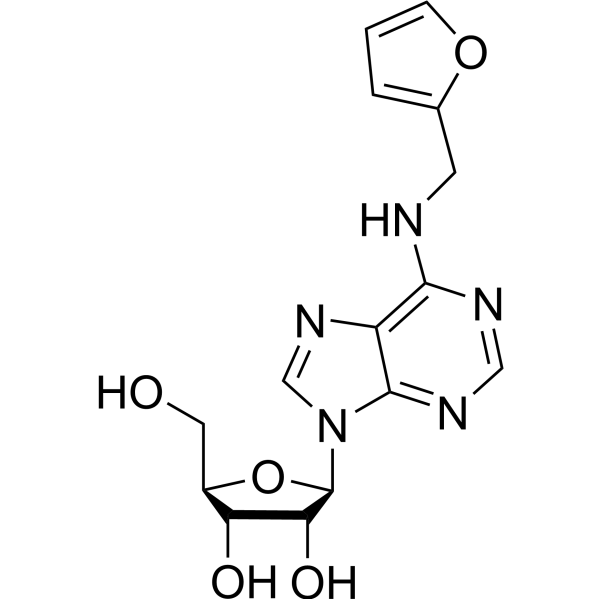
Cat. No.: HY-101055
CAS No.: 4338-47-0
Purity:  99.88%
Synonyms: N6-Furfuryladenosine
Target:  

Apoptosis

Research Areas:  

Cancer

Kinetin riboside, a cytokinin analog, can induce apoptosis in cancer cells. It inhibits the proliferation of HCT-15 cells with an IC50 of 2.5 μM.
loading...
    loading...
3
3 Cited Publications
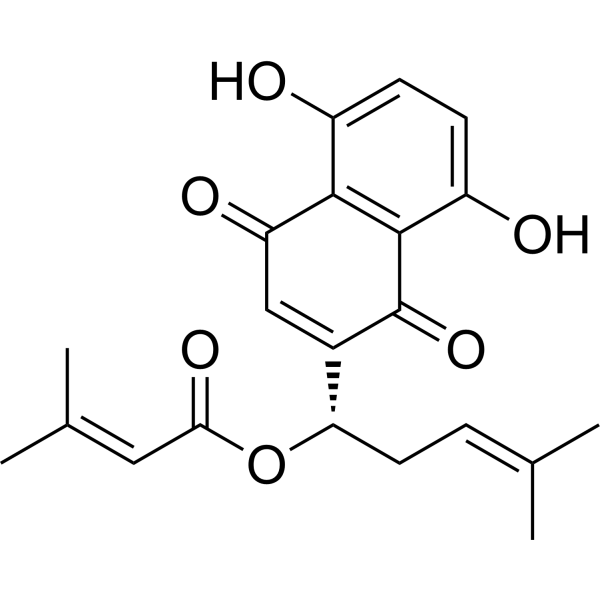
Cat. No.: HY-N5112A
CAS No.: 34539-65-6
Synonyms: Arnebin 1
β,β-Dimethylacrylalkannin (Arnebin 1) is an orally active FGFR1 inhibitor (IC50=2.5 μM) and the main active component of Lithospermum erythrorhizon. β,β-Dimethylacrylalkannin blocks downstream signaling by binding to the ATP pocket of FGFR1, and regulates the CDK1/Cdc25C pathway and ROS-JNK axis, thereby inducing G2/M phase arrest, necrosis and apoptosis in cancer cells, and inhibiting tumor proliferation. β,β-Dimethylacrylalkannin also acts as a colistin adjuvant to disrupt the cell membrane of Gram-negative bacteria. β,β-Dimethylacrylalkannin exhibits significant tumor-inhibitory effects with no obvious toxicity in PDX models, but chronic exposure to high doses may alter the relative lung/liver weights of rats, while acute exposure to high doses causes responses such as reduced motor activity. β,β-Dimethylacrylalkannin finds wide application in studies related to hepatocellular carcinoma, colorectal cancer, colistin-resistant bacterial infections, hepatitis and psoriasis .
loading...
    loading...
2
2 Cited Publications
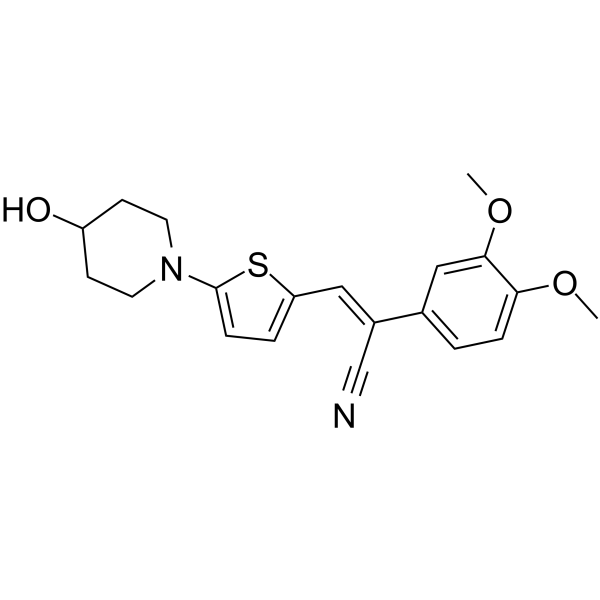
Cat. No.: HY-12757
CAS No.: 912287-56-0
Purity:  99.65%
Target:  

BCRP

Research Areas:  

Cancer

YHO-13177, a acrylonitrile derivative, is an orally active, potent and specific inhibitor of breast cancer resistance protein (BCRP) and ABCG2 with an IC50 value of 10 nM. YHO-13177 potentiates the cytotoxicity of SN-38 in HCT116 and A549 cells that express BCRP. YHO-13177 combined with Irinotecan (HY-16562) significantly suppresses the tumor growth in an HCT116/BCRP xenograft model .
loading...
    loading...
2
2 Cited Publications
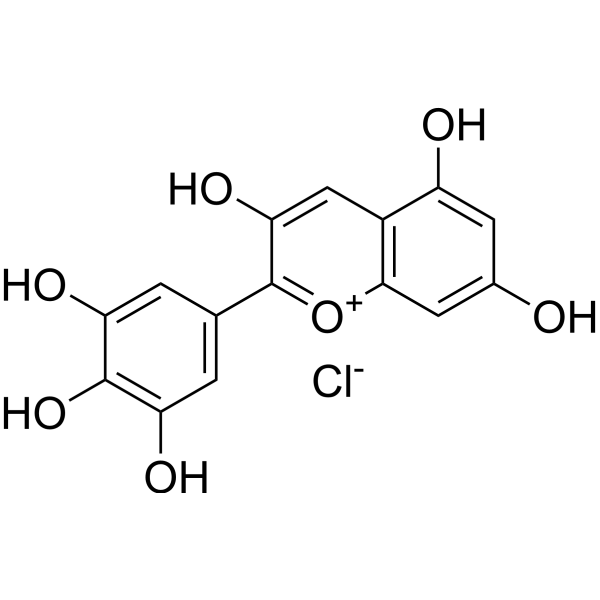
Cat. No.: HY-N2409
CAS No.: 528-53-0
Delphinidin chloride is an anthocyanin isolated from berries and red wine. Delphinidin chloride exhibits endothelium-dependent vasodilation and anticancer activity. Delphinidin chloride also modulates JAK/STAT3 and MAPK signaling, thereby inducing apoptosis in HCT116 cells. Delphinidin chloride is also a potent inhibitor of EGFR (IC50: 1.3 μM), shutting down downstream signaling cascades .
loading...
    loading...
1
1 Cited Publications
Cat. No.: HY-145778
CAS No.: 2377492-26-5
Purity:  99.94%
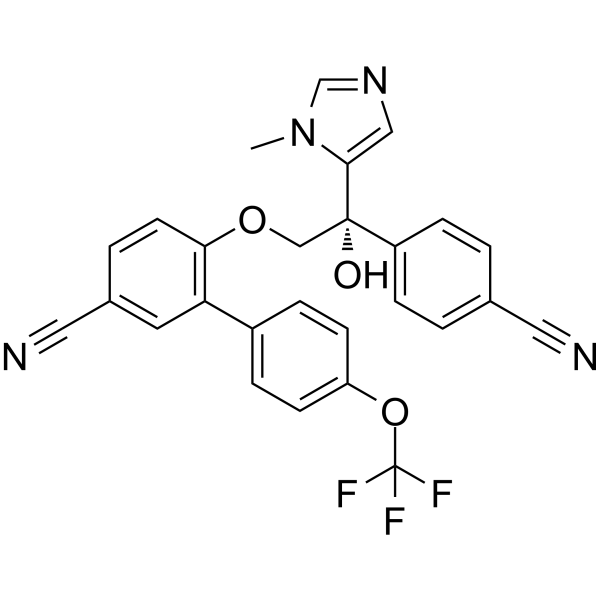
AGI-41998 is a potent and orally active inhibitor of methionine adenosyltransferase 2A (MAT2A) that effectively penetrates the blood-brain barrier. AGI-41998 exhibits inhibitory activities against MAT2A and S-adenosyl methionine (SAM) in HCT-116 MTAP-null cells with IC50s of 22 nM and 34 nM. AGI-41998 can significantly inhibit the proliferation of HCT-116 cells and tumor growth. AGI-41998 can be used to study the role of SAM regulation in the central nervous system (CNS) and colon cancer .
loading...
    loading...
1
1 Cited Publications
Cat. No.: HY-155360
CAS No.: 3008262-76-5
Purity:  99.05%
Target:  

YAP Apoptosis

Research Areas:  

Cancer

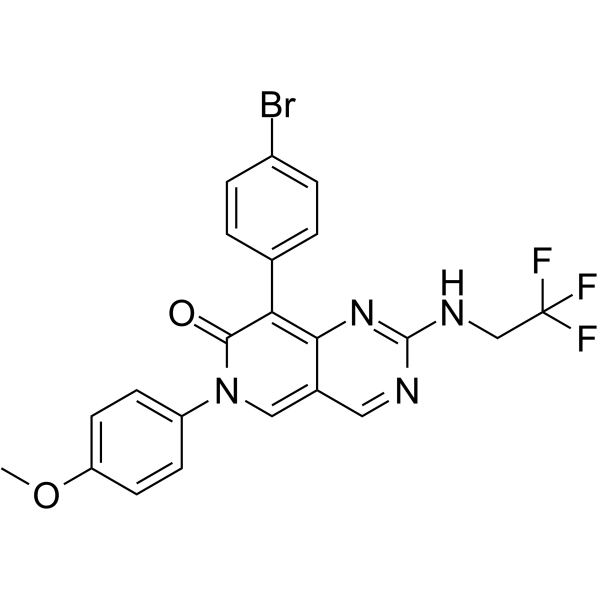
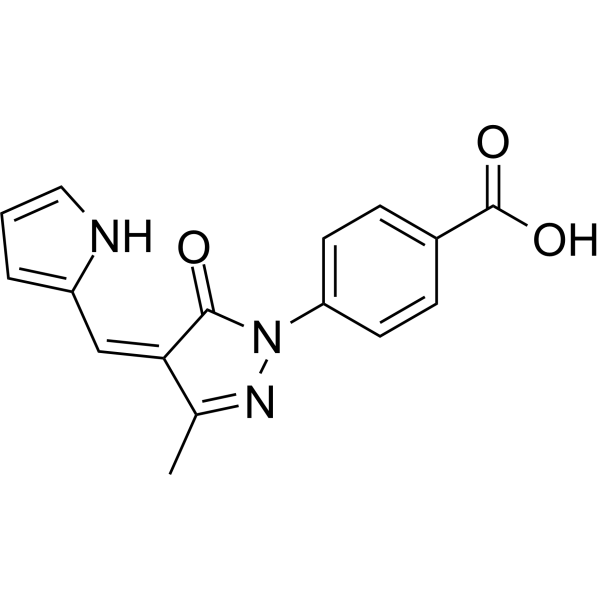
MY-1076 is an inhibitor of YAP. MY-1076 induces YAP degradation and cell apoptosis. MY-1076 inhibits MGC-803, SGC-7901, HCT-116 and KYSE450 cells proliferation with IC50 s of 0.019, 0.017, 0.020 and 0.044 μM, respectively .
loading...
    loading...
1
1 Cited Publications
Cat. No.: HY-119257
CAS No.: 450839-40-4
Purity:  98.18%
Research Areas:  

Cancer

ABT-100, a chemical probe, is a potent, highly selective and orally active farnesyltransferase inhibitor. ABT-100 inhibits cell proliferation (IC50s of 2.2 nM, 3.8 nM, 5.9 nM, 6.9 nM, 9.2 nM, 70 nM and 818 nM for EJ-1, DLD-1, MDA-MB-231, HCT-116, MiaPaCa-2, PC-3, and DU-145 cells, respectively), increases apoptosis and decreases angiogenesis. ABT-100 possesses broad-spectrum antitumor activity .
loading...
    loading...
1
1 Cited Publications
Cat. No.: HY-N6002
CAS No.: 475231-21-1
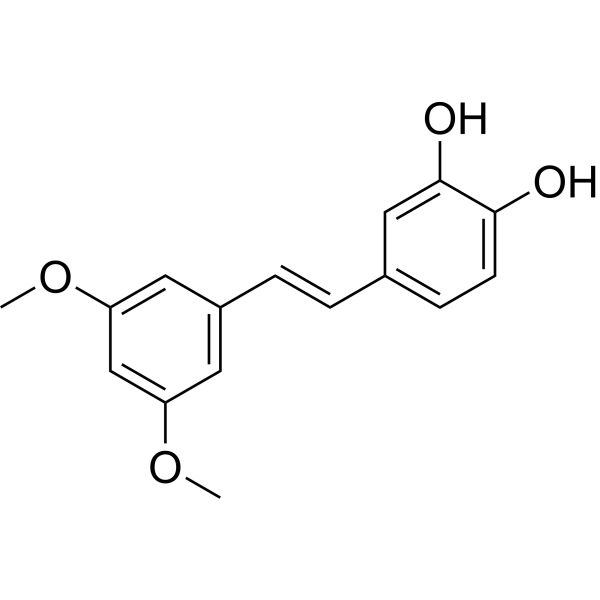
3'-Hydroxypterostilbene is a Pterostilbene (HY-N0828) analogue. 3'-Hydroxypterostilbene inhibits the growth of COLO 205, HCT-116 and HT-29 cells with IC50s of 9.0, 40.2 and 70.9 μM, respectively. 3'-Hydroxypterostilbene significantly down-regulates PI3K/Akt and MAPKs signaling pathways and effectively inhibits the growth of human colon cancer cells by inducing apoptosis and autophagy. 3'-Hydroxypterostilbene can be used for the research of cancer .
loading...
    loading...
1
1 Cited Publications
Cat. No.: HY-149302
CAS No.: 28532-21-0
Purity:  98.26%
Research Areas:  

Cancer

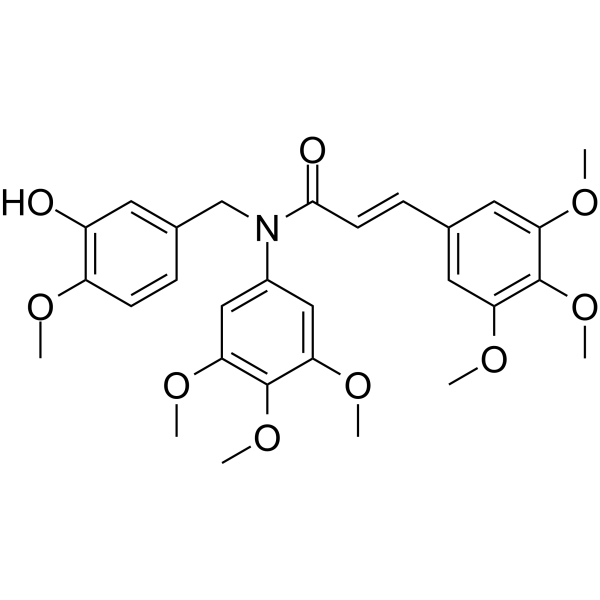
MC4033 shows IC50s of 39.4 μM, 52.1 μM, 41 μM and 30.1 μM in HCT116, H1299, A549 and U937, respectively .
MC4033 (25, 50, 100, and 200 μM, 72 h) reduces the level of H4K16Ac in HT29 cells, suggesting its ability to inhibit KAT8 in cells .
loading...
    loading...
Cat. No.: HY-137131
CAS No.: 166023-21-8
Purity:  99.91%
Synonyms: DC-Cholesterol hydrochloride
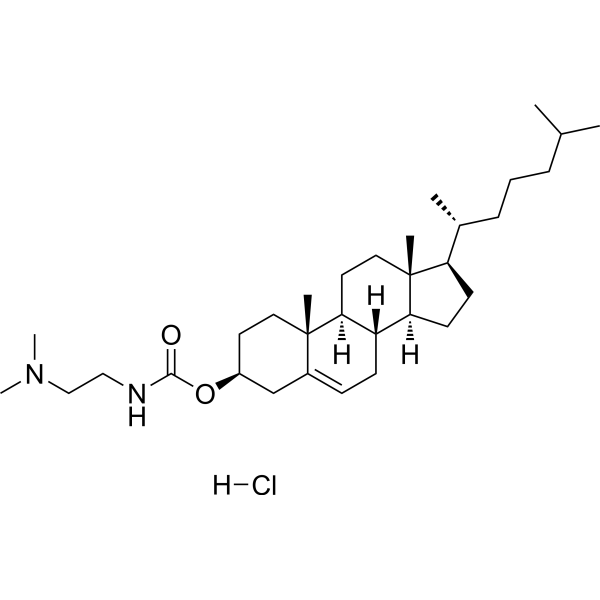
DC-Chol hydrochloride is a cationic lipid. DC-Chol hydrochloride could inhibit Aβ40 fibril formation under appropriate experimental conditions. DC-Chol hydrochloride strongly inhibits amyloidogenesis of oxidized hCT in a dose-dependent manner. DC-Chol hydrochloride induces the production of Th1 (IL-2 and IFN-γ) and Th2 (IL-5) cytokines. DC-Chol hydrochloride can enhance the body's immune response to antigens. DC-Chol hydrochloride is used as a gene delivery vector. DC-Chol hydrochloride can be used in research in areas such as hepatitis B vaccines to improve vaccine immunity .
loading...
    loading...
Cat. No.: HY-N6790
CAS No.: 6833-84-7
Synonyms: Ammonium ionophore I
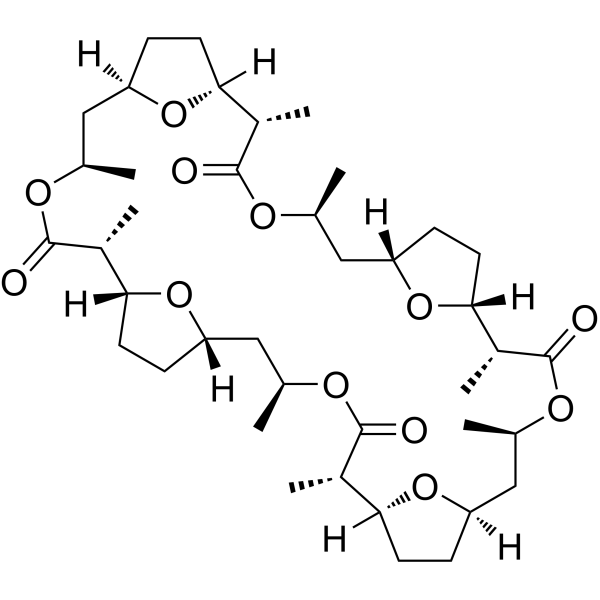
Nonactin is a macrotetrolide antibiotic and mitochondrial uncoupler with antibacterial, insecticidal, and acaricidal activities. Nonactin acts as an ionophore for monovalent cations, including K +, and NH4 +, and it can also inhibit the surface expression of endogenous HSP60. In addition, Nonactin can induce apoptosis in β-catenin mutant tumor cells and has anti-tumor activity .
loading...
    loading...
Cat. No.: HY-144315
CAS No.: 2415281-52-4
Purity:  99.76%
Synonyms: Snail/HDAC-IN-1
Target:  

HDAC

Research Areas:  

Cancer

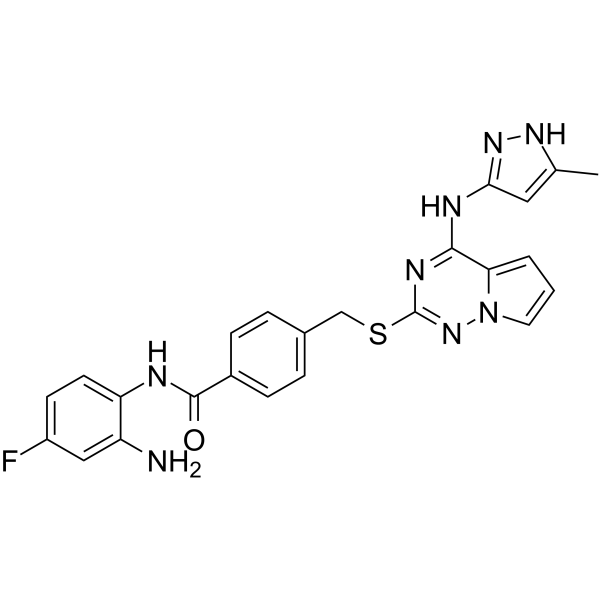
CYD19 is a potent Snail/HDAC dual target inhibitor. CYD19 displays potent inhibitory activity against HDAC1 with an IC50 of 0.405 μM and potent inhibition against Snail with a Kd of 0.18 μM. CYD19 increases histone H4 acetylation in HCT-116 cells and decreases the expression of Snail protein to induce cell apoptosis .
loading...
    loading...

