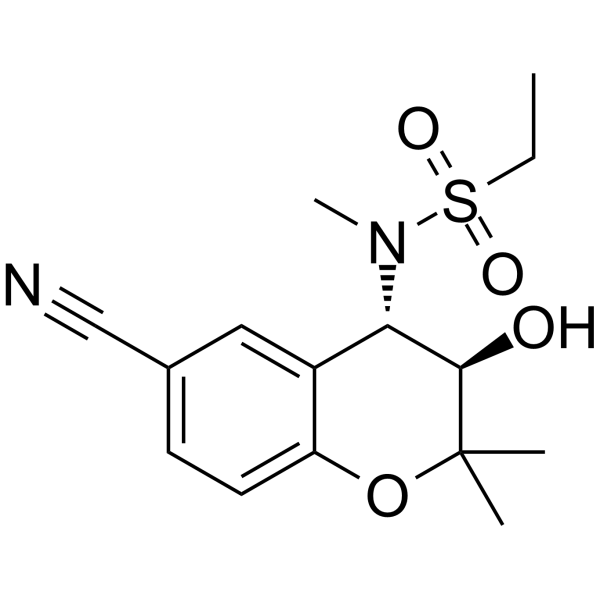
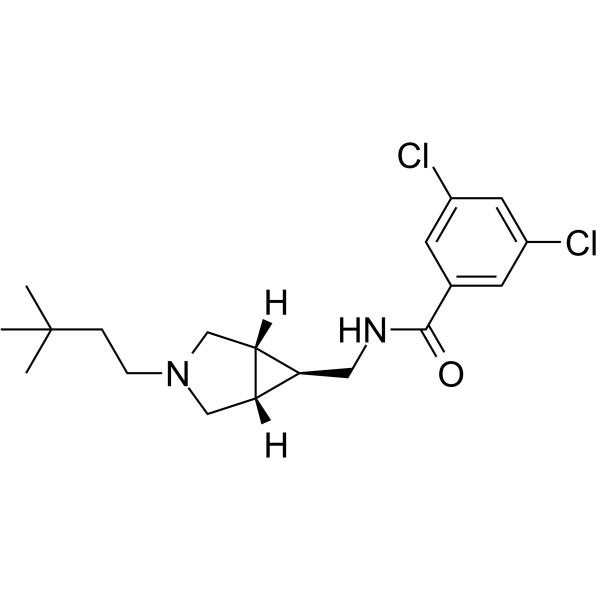
Search Result
Results for "
KATP
" in MedChemExpress (MCE) Product Catalog:
1
Biochemical Assay Reagents
17
Isotope-Labeled Compounds
| Cat. No. |
Product Name |
Target |
Research Areas |
Chemical Structure |
-
- HY-15206
-
Glibenclamide
Maximum Cited Publications
27 Publications Verification
Glyburide
|
Potassium Channel
Mitochondrial Metabolism
Autophagy
CFTR
P-glycoprotein
|
Metabolic Disease
|
|
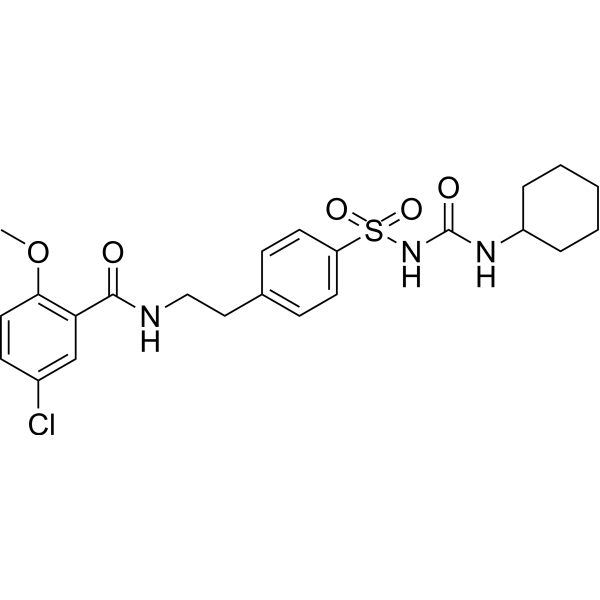
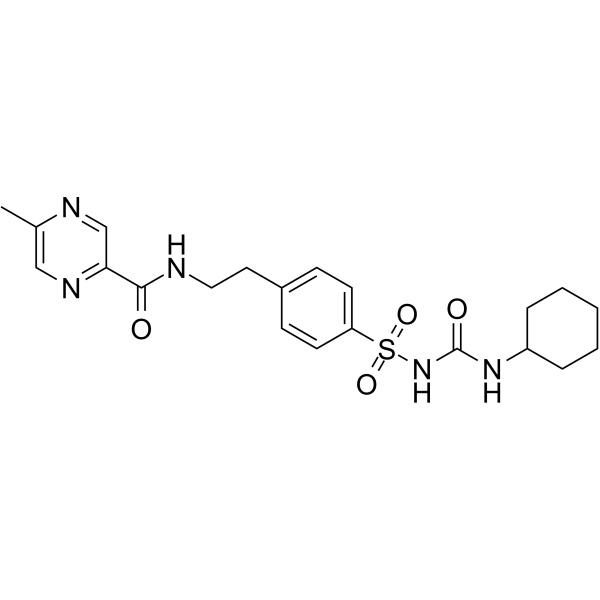
Glibenclamide (Glyburide) is an orally active ATP-sensitive K + channel (KATP) inhibitor and can be used for the research of diabetes and obesity . Glibenclamide inhibits P-glycoprotein. Glibenclamide directly binds and blocks the SUR1 subunits of KATP and inhibits the cystic fibrosis transmembrane conductance regulator protein (CFTR) . Glibenclamide interferes with mitochondrial bioenergetics by inducing changes on membrane ion permeability . Glibenclamide can induce autophagy .
|
-
-
- HY-B0112
-
Minoxidil
Maximum Cited Publications
11 Publications Verification
U10858
|
Potassium Channel
Endogenous Metabolite
|
Cardiovascular Disease
Cancer
|
|
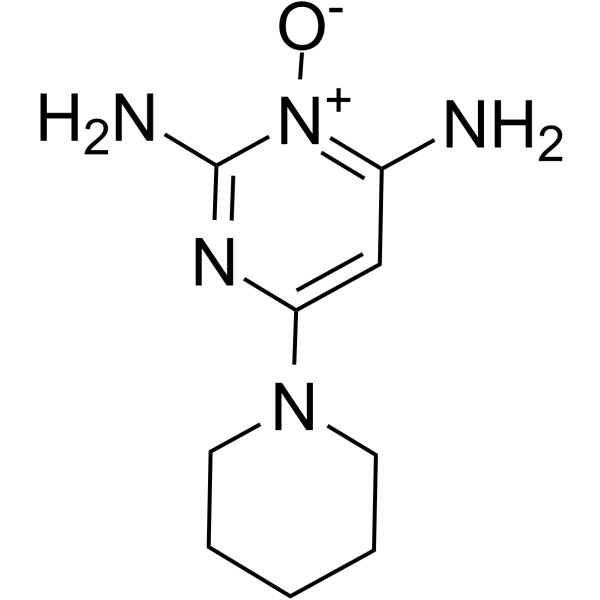
Minoxidil (U10858) is an ATP-sensitive potassium (KATP) channel opener, a potent oral antihypertensive agent and a peripheral vasodilator that promotes vasodilation also affects hair growth. Minoxidil is also a potent inhibitor of soybean lipoxygenaseare with an IC50 of 20 μM .
|
-
-
- HY-B0401
-
|
|
Na+/K+ ATPase
|
Metabolic Disease
Cancer
|
|
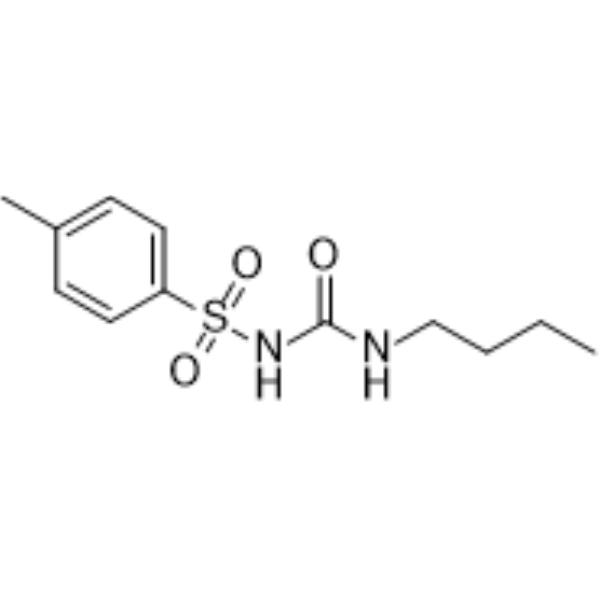
Tolbutamide is an orally active KATP inhibitor. Tolbutamide inhibits cell proliferation, stimulates exocytosis of glucagon and reduces fetal lethality of mice. Tolbutamide can be used in the research of diabete .
|
-
-
- HY-15589
-
|
|
Free Fatty Acid Receptor
Potassium Channel
|
Cardiovascular Disease
Metabolic Disease
Inflammation/Immunology
|
|
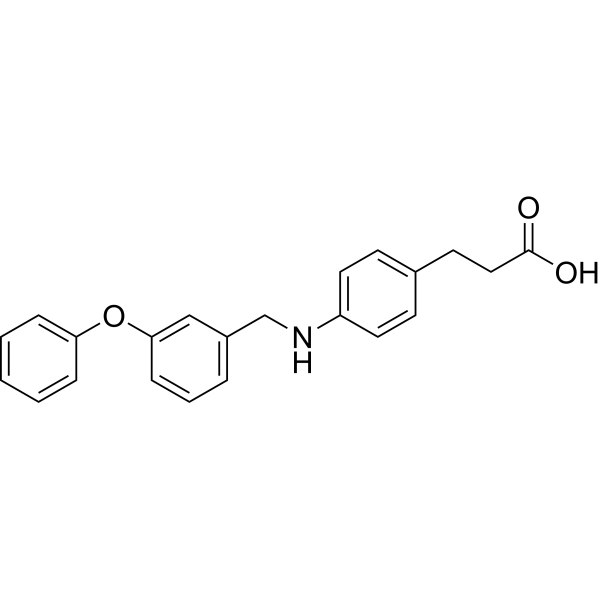
GW9508 is a potent and selective G protein-coupled receptors FFA1 (GPR40) and GPR120 agonist with pEC50s of 7.32 and 5.46, respectively. GW9508 shows ~100-fold selectivity for GPR40 over GPR120. GW9508 is inactive against other GPCRs, kinases, proteases, integrins and PPARs. GW9508 is a glucose-sensitive insulin secretagogue and an ATP-sensitive potassium (KATP) channels opener. Anti-inflammatory and anti-atherosclerotic activities .
|
-
-
- HY-D1297
-
|
|
Fluorescent Dye
|
Others
|
|
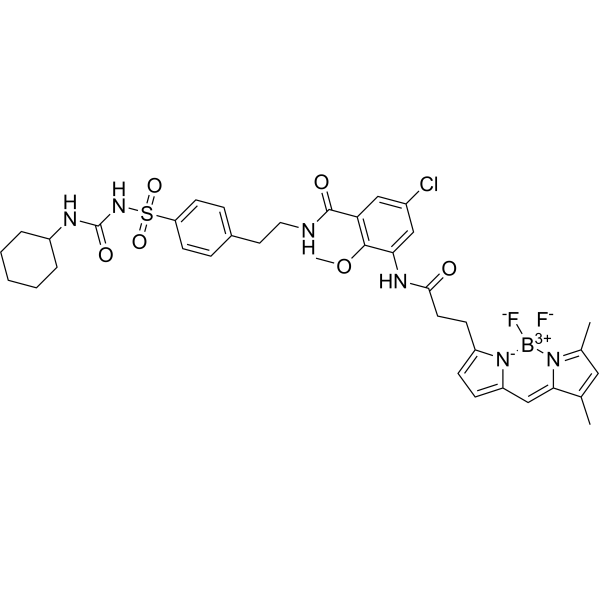
ER-Tracker dye is a derivative of BODIPY series dyes coupled with Glibenclamide (HY-15206), highly selective binding to the endoplasmic reticulum, non-toxic to cells at low concentrations, this type of dye is an environmentally sensitive probe, and formaldehyde treatment can still retain part of the fluorescence, with high fluorescence life, good extinction coefficient and other characteristics. Glibenclamide is an atp-dependent K + channel blocker (Kir6, KATP) and CFTR Cl-channel blocker that binds in the endoplasmic reticulum. ER-Tracker is not suitable for staining cells after fixation .
|
-
-
- HY-D1431
-
|
|
Fluorescent Dye
|
Cancer
|
|
ER-Tracker dye is a derivative of BODIPY series dyes coupled with Glibenclamide (HY-15206), highly selective binding to the endoplasmic reticulum, non-toxic to cells at low concentrations, this type of dye is an environmentally sensitive probe, and formaldehyde treatment can still retain part of the fluorescence, with high fluorescence life, good extinction coefficient and other characteristics. Glibenclamide is an atp-dependent K + channel blocker (Kir6, KATP) and CFTR Cl-channel blocker that binds in the endoplasmic reticulum. ER-Tracker is not suitable for staining cells after fixation. Ex/Em=587/615 nm .
|
-
-
- HY-113147
-
|
|
Potassium Channel
Endogenous Metabolite
|
Cardiovascular Disease
Metabolic Disease
|
|
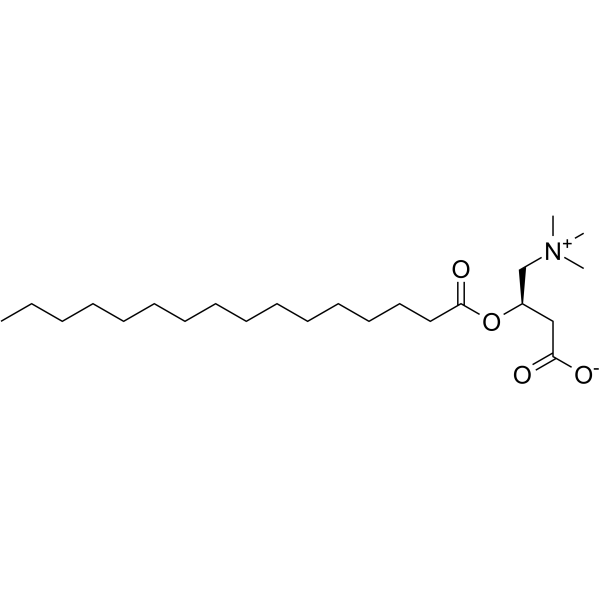
L-Palmitoylcarnitine, a long-chain acylcarnitine and a fatty acid metabolite, accumulates in the sarcolemma and deranges the membrane lipid environment during ischaemia. L-Palmitoylcarnitine inhibits KATP channel activity, without affecting the single channel conductance, through interaction with Kir6.2 .
|
-
-
- HY-N0466
-
|
|
Glycosidase
HMG-CoA Reductase (HMGCR)
Fatty Acid Synthase (FASN)
LDLR
|
Others
|
|
Rebaudioside A is an orally effective steviol glycoside with high sweetness. Rebaudioside A acts as an inhibitor of α-glucosidase with an IC50 value of 35.01 μg/mL. Rebaudioside A increases the ATP/ADP ratio in β cells in a glucose-dependent manner, thereby inhibiting KATP channels, leading to membrane depolarization, calcium influx, and ultimately stimulating insulin secretion. Rebaudioside A activates the SREBP signaling pathway by inhibiting HMGCR, the rate-limiting enzyme in cholesterol synthesis, resulting in increased expression of LDLR on the cell surface, thus promoting the uptake of LDL-C in the blood. Rebaudioside A can be used for studies on blood glucose and lipid regulation as well as anti-obesity .
|
-
-
- HY-113147A
-
|
|
Potassium Channel
Endogenous Metabolite
|
Cardiovascular Disease
Metabolic Disease
|
|
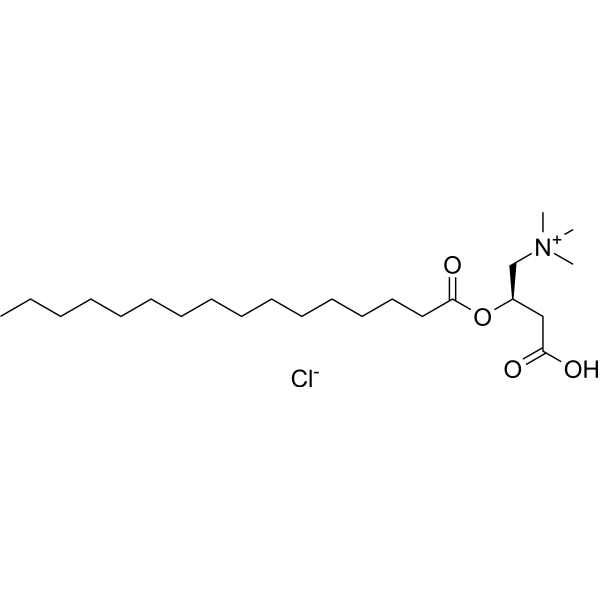
L-Palmitoylcarnitine chloride, a long-chain acylcarnitine and a fatty acid metabolite, accumulates in the sarcolemma and deranges the membrane lipid environment during ischaemia. L-Palmitoylcarnitine chloride inhibits KATP channel activity, without affecting the single channel conductance, through interaction with Kir6.2 .
|
-
-
- HY-136615
-
|
|
Potassium Channel
|
Neurological Disease
|
|
5-Hydroxydecanoate sodium is a selective ATP-sensitive K + (KATP) channel blocker (IC50 of ~30 μM). 5-Hydroxydecanoate sodium is a substrate for mitochondrial outer membrane acyl-CoA synthetase and has antioxidant activity .
|
-
-
- HY-B0341
-
|
SG-75
|
Potassium Channel
|
Cardiovascular Disease
|
|
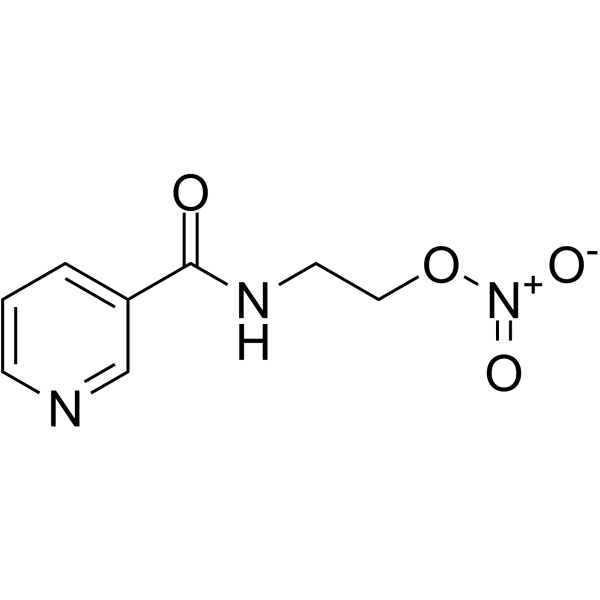
Nicorandil (SG-75) is a potent potassium channel activator and targets vascular nucleoside diphosphate-dependent K + channels and cardiac ATP-sensitive K + channels (KATP). Nicorandil is a nicotinamide ester with vasodilatory and cardioprotective effects and has the potential for angina and forischemic heart diseases .
|
-
-
- HY-108575
-
|
|
Potassium Channel
CFTR
|
Cardiovascular Disease
|
|
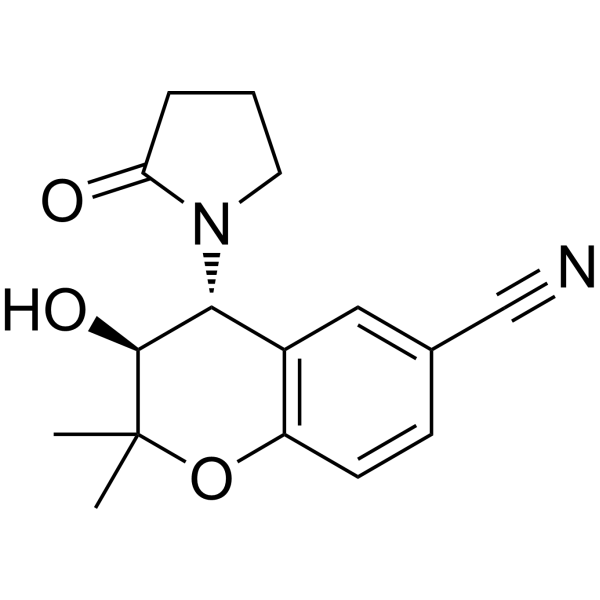
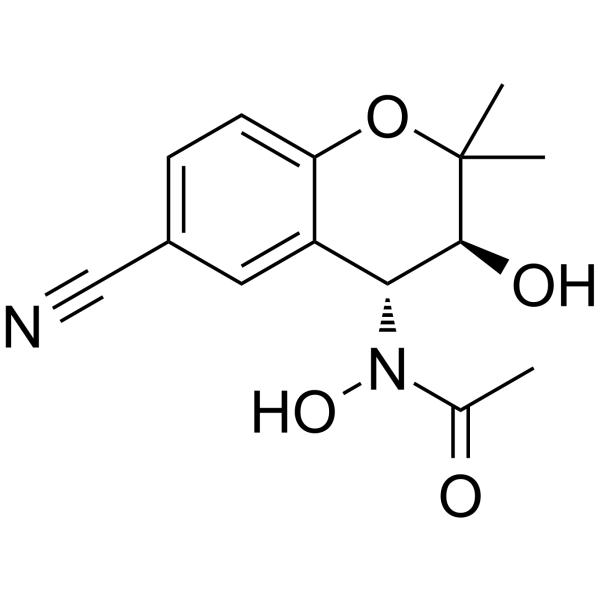
Chromanol 293B is a selective blocker of the slow delayed rectifier K + current (IKs) with IC50 of 1-10 μM and a weak inhibitor of KATP channel. Chromanol 293B also blocks the CFTR chloride current with an IC50 of 19 μM .
|
-
-
- HY-B0254
-
|
CP 28720; K 4024
|
Potassium Channel
|
Metabolic Disease
Cancer
|
|
Glipizide (CP 2872; K 4024)?a potent, orally active and sulfonylurea class anti-diabetic agent and can be used for type 2?diabetes mellitus research but not type 1. Glipizide acts by partially blocking ATP-sensitive potassium?(KATP) channels among β cells of pancreatic islets of Langerhans .
|
-
-
- HY-113147AS
-
|
|
Potassium Channel
Endogenous Metabolite
|
Cardiovascular Disease
Metabolic Disease
|
|
L-Palmitoylcarnitine-d3 hydrochloride is the deuterium labeled L-Palmitoylcarnitine hydrochloride. L-Palmitoylcarnitine hydrochloride, a long-chain acylcarnitine and a fatty acid metabolite, accumulates in the sarcolemma and deranges the membrane lipid environment during ischaemia. L-Palmitoylcarnitine hydrochloride inhibits KATP channel activity, without affecting the single channel conductance, through interaction with Kir6.2 .
|
-
-
- HY-108573
-
P-1075
1 Publications Verification
|
Potassium Channel
|
Cardiovascular Disease
|
|
P-1075 is a potent activator of sulfonylurea receptor 2-associated ATP-sensitive potassium channels (SUR2-KIR6), with an EC50 value of 45 nM for SUR2B-KIR6 channel activation . P-1075 also P1075 opens mitochondrial K(ATP) channels and generates reactive oxygen species resulting in cardioprotection of rabbit hearts .
|
-
-
- HY-D1429
-
|
|
Fluorescent Dye
|
Others
|
|
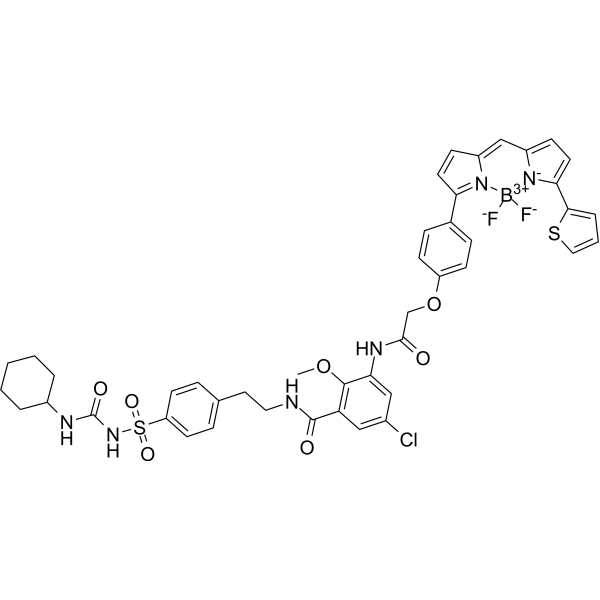
ER-Tracker dye is a derivative of BODIPY series dyes coupled with Glibenclamide (HY-15206), highly selective binding to the endoplasmic reticulum, non-toxic to cells at low concentrations, this type of dye is an environmentally sensitive probe, and formaldehyde treatment can still retain part of the fluorescence, with high fluorescence life, good extinction coefficient and other characteristics. Glibenclamide is an atp-dependent K + channel blocker (Kir6, KATP) and CFTR Cl-channel blocker that binds in the endoplasmic reticulum. ER-Tracker is not suitable for staining fixed cells. Staining followed by fixation is possible, but cells fixed with aldehydes will only retain partial fluorescence (Ex/Em = 374/ 430-640 nm) .
|
-
-
- HY-B0327
-
|
Dicloguamine
|
Phosphodiesterase (PDE)
NF-κB
AP-1
TRP Channel
Interleukin Related
|
Inflammation/Immunology
Cancer
|
|
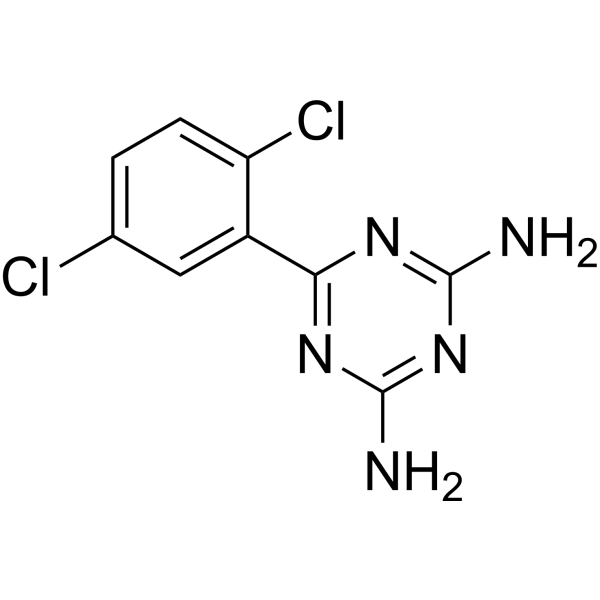
Irsogladine (Dicloguamine) is an orally active gastric mucosal protective agent. Irsogladine inhibits breast cancer recurrence and lung metastasis in nude mice . Irsogladine inhibits the transcriptional activities of NF-κB and AP-1, suppresses the activities of PDE and PDE4 to elevate intracellular cAMP levels, and activates TRPV1 and KATP channels. Irsogladine enhances iNOS expression, NO production, and the activation of cAMP-responsive elements. Irsogladine inhibits the development and progression of intestinal polyps in Apc-mutant mice. Irsogladine alleviates oxidative stress, increases gastric mucosal blood flow, and stimulates the production of endogenous prostaglandins. Irsogladine promotes insulin secretion in MIN6 cells. Irsogladine inhibits tumor angiogenesis, cancer cell proliferation, and the production of proinflammatory cytokines. Irsogladine exerts protective effects on astrocytes in ethanol/hydrochloric acid-induced gastric ulcers in mice. Irsogladine prevents colitis in IL-10 gene-deficient mice by reducing the production of IL-12 and IL-23. Irsogladine upregulates gap junction intercellular communication in pancreatic cancer cells via the PKA pathway. Irsogladine is applicable to research related to breast cancer, intestinal polyposis, gastric ulcer, spontaneous colitis, glioma, liver cancer, and pancreatic cancer [5][6] .
|
-
-
- HY-N1504
-
|
|
PAI-1
Potassium Channel
ERK
JNK
|
Metabolic Disease
|
|
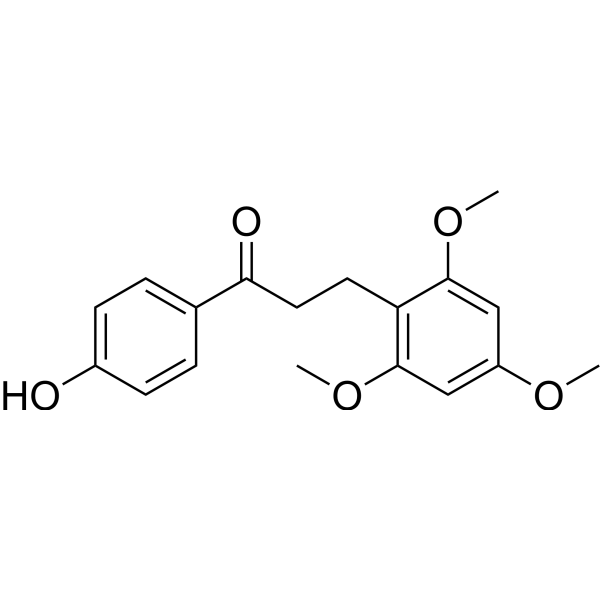
Loureirin B, a flavonoid extracted from Dracaena cochinchinensis, is an inhibitor of plasminogen activator inhibitor-1 (PAI-1), with an IC50 of 26.10 μM; Loureirin B also inhibits KATP, the phosphorylation of ERK and JNK, and has anti-diabetic activity.
|
-
-
- HY-103309
-
ML218
2 Publications Verification
|
Calcium Channel
|
Neurological Disease
|
|
ML218 is a potent, selective and orally active T-type Ca 2+ channels (Cav3.1, Cav3.2, Cav3.3) inhibitor with IC50s of 310 nM and 270 nM for Cav3.2 and Cav3.3, respectively. ML218 inhibits the burst activity in subthalamic nucleus (STN) neurons. ML218 has no significant inhibition of L- or N-type calcium channels, KATP or hERG potassium channels. ML218 can penetrate the blood-brain barrier .
|
-
-
- HY-14255
-
-
-
- HY-B0682A
-
|
KAD-1229; S-21403
|
Potassium Channel
|
Metabolic Disease
|
|
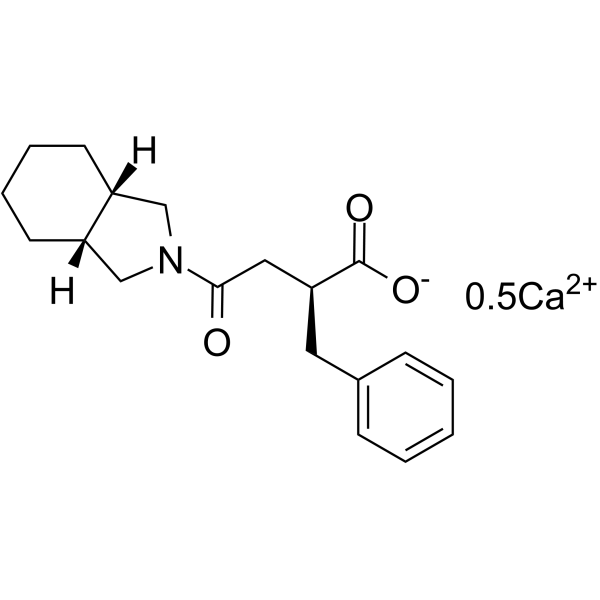
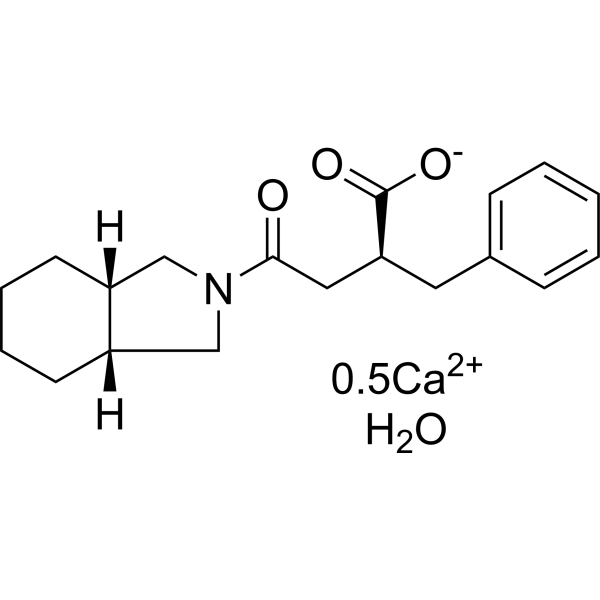
Mitiglinide calcium hydrate (KAD-1229), an insulinotropic agent, is an ATP-sensitive K + (KATP) channel antagonist. Mitiglinide calcium hydrate is highly specific to the Kir6.2/SUR1 complex (the pancreatic beta-cell KATP channel). Mitiglinide Calcium hydrate can be used for the research of type 2 diabetes .
|
-
-
- HY-17398
-
|
KAD-1229 anhydrous; S21403 anhydrous
|
Potassium Channel
|
Metabolic Disease
|
|
Mitiglinide Calcium (KAD-1229 anhydrous), an insulinotropic agent, is an ATP-sensitive K + (KATP) channel antagonist. Mitiglinide Calcium is highly specific to the Kir6.2/SUR1 complex (the pancreatic beta-cell KATP channel). Mitiglinide Calcium can be used for the research of type 2 diabetes .
|
-
-
- HY-15206S1
-
|
Glyburide-d3
|
Potassium Channel
Mitochondrial Metabolism
Autophagy
CFTR
P-glycoprotein
|
Metabolic Disease
|
|
Glyburide-d3 is the deuterium labeled Glibenclamide. Glibenclamide (Glyburide) is an orally active ATP-sensitive K+ channel (KATP) inhibitor and can be used for the research of diabetes and obesity[1]. Glibenclamide inhibits P-glycoprotein. Glibenclamide directly binds and blocks the SUR1 subunits of KATP and inhibits the cystic fibrosis transmembrane conductance regulator protein (CFTR)[3]. Glibenclamide interferes with mitochondrial bioenergetics by inducing changes on membrane ion permeability[4]. Glibenclamide can induce autophagy[5].
|
-
-
- HY-B0112R
-
|
U10858 (Standard)
|
Reference Standards
Potassium Channel
Endogenous Metabolite
|
Cardiovascular Disease
Cancer
|
|
Minoxidil (Standard) is the analytical standard of Minoxidil. This product is intended for research and analytical applications. Minoxidil (U10858) is an ATP-sensitive potassium (KATP) channel opener, a potent oral antihypertensive agent and a peripheral vasodilator that promotes vasodilation also affects hair growth. Minoxidil is also a potent inhibitor of soybean lipoxygenaseare with an IC50 of 20 μM .
|
-
-
- HY-DY1074
-
|
|
Fluorescent Dye
|
Others
|
ER-Tracker dye is a derivative of BODIPY series dyes coupled with Glibenclamide (HY-15206) , highly selective binding to the endoplasmic reticulum, non-toxic to cells at low concentrations, this type of dye is an environmentally sensitive probe, and formaldehyde treatment can still retain part of the fluorescence, with high fluorescence life, good extinction coefficient and other characteristics. Glibenclamide is an atp-dependent K + channel blocker (Kir6, KATP) and CFTR Cl-channel blocker that binds in the endoplasmic reticulum. ER-Tracker is not suitable for staining fixed cells. Staining followed by fixation is possible, but cells fixed with aldehydes will only retain partial fluorescence . Solvent and concentration: DMSO: 1 mM
|
-
-
- HY-108589
-
|
PNU 37883A
|
Potassium Channel
|
Neurological Disease
|
|
PNU 37883 hydrochloride (PNU 37883A) is a selective vascular ATP-sensitive potassium (Kir6, KATP) channels blocker. PNU 37883 hydrochloride has diuretic effects with specific binding in kidney and vascular smooth muscle rather than in brain or pancreatic beta cells .
|
-
-
- HY-162322
-
|
|
Potassium Channel
|
Cardiovascular Disease
|
|
VU0542270 is a selective vascular Kir6.1/SUR2B KATP channel inhibitor with an IC50 value of 100 nM. VU0542270 has an IC50 > 30 μM for the other nine members of the Kir channel family. VU0542270 can be used in the study of cardiovascular disease .
|
-
-
- HY-15206S
-
|
|
Isotope-Labeled Compounds
Potassium Channel
Mitochondrial Metabolism
Autophagy
CFTR
P-glycoprotein
|
Metabolic Disease
|
|
Glyburide-d11 is the deuterium labeled Glibenclamide. Glibenclamide (Glyburide) is an orally active ATP-sensitive K+ channel (KATP) inhibitor and can be used for the research of diabetes and obesity . Glibenclamide inhibits P-glycoprotein. Glibenclamide directly binds and blocks the SUR1 subunits of KATP and inhibits the cystic fibrosis transmembrane conductance regulator protein (CFTR) . Glibenclamide interferes with mitochondrial bioenergetics by inducing changes on membrane ion permeability . Glibenclamide can induce autophagy .
|
-
-
- HY-113147B
-
|
|
Endogenous Metabolite
Potassium Channel
|
Cardiovascular Disease
Metabolic Disease
|
|
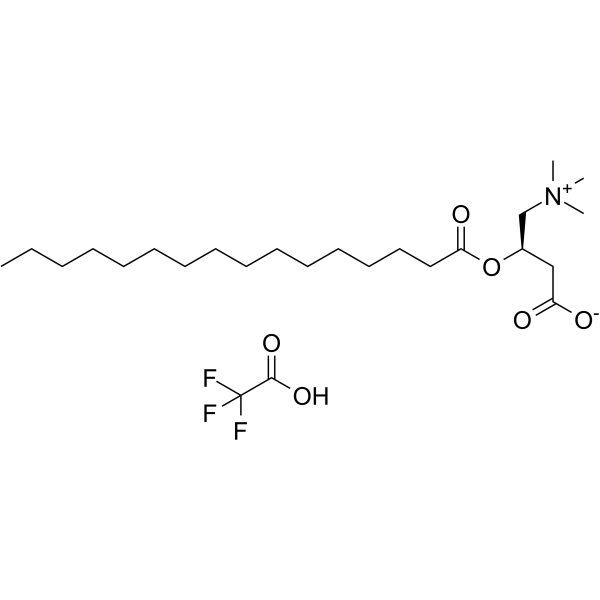
L-Palmitoylcarnitine TFA, a long-chain acylcarnitine and a fatty acid metabolite, accumulates in the sarcolemma and deranges the membrane lipid environment during ischaemia. L-Palmitoylcarnitine TFA inhibits KATP channel activity, without affecting the single channel conductance, through interaction with Kir6.2 .
|
-
-
- HY-B0401R
-
|
|
Reference Standards
Na+/K+ ATPase
|
Metabolic Disease
Cancer
|
|
Tolbutamide (Standard) is the analytical standard of Tolbutamide. This product is intended for research and analytical applications. Tolbutamide is an orally active KATP inhibitor. Tolbutamide inhibits cell proliferation, stimulates exocytosis of glucagon and reduces fetal lethality of mice. Tolbutamide can be used in the research of diabete .
|
-
-
- HY-23196S
-
|
|
Potassium Channel
|
Neurological Disease
|
|
Minoxidil-d10 (U10858-d10) is the deuterium labeled Minoxidil. Minoxidil (U10858) is an ATP-sensitive potassium (KATP) channel opener, a potent oral antihypertensive agent and a peripheral vasodilator that promotes vasodilation also affects hair growth. Minoxidil is also a potent inhibitor of soybean lipoxygenaseare with an IC50 of 20 μM[1][2][3].
|
-
-
- HY-106577
-
|
Cifenline; Ro 22-7796
|
Potassium Channel
|
Cardiovascular Disease
Metabolic Disease
|
|
Cibenzoline is a class Ia antiarrhythmic active molecule with low anticholinergic activity. Cibenzoline is a KATP channel inhibitor, acting through the pore forming subunit Kir6.2, with an IC50 of 22.2 μM. Cibenzoline inhibits IKr and IKs currents with IC50 values of 8.8 μM and 12.3 μM, respectively. Cibenzoline is used in the study of cardiac diseases. In addition, Cibenzoline can induce hypoglycemia .
|
-
-
- HY-W017387
-
|
Sodium 4-methyl-2-oxopentanoate; 2-Ketoisocaproic acid sodium salt
|
Branched Chain Amino Acid Transaminase (BCAT)
Potassium Channel
Na+/Ca2+ Exchanger
|
Metabolic Disease
|
|
Sodium α-ketoisocaproate (Sodium 4-methyl-2-oxopentanoate) is an insulin secretagogue. Sodium α-ketoisocaproate undergoes transamination catalyzed by BCAT and BCATm to produce α-ketoglutarate and leucine; it also binds to the SUR1 site to inhibit KATP channel activity, but does not directly affect the Kir6.2 subunit. Sodium α-ketoisocaproate regulates Ca 2+ influx. Sodium α-ketoisocaproate exerts insulinotropic activity in pancreatic islets and intact mouse pancreata with sufficient BCATm expression. Sodium α-ketoisocaproate can be used in research related to type 2 diabetes .
|
-
-
- HY-15208
-
|
HMR 1098
|
Potassium Channel
|
Neurological Disease
|
|
Clamikalant sodium (HMR 1098) is an ATP-sensitive potassium (KATP) channel blocker. Clamikalant sodium can be used for the research of arrhythmia .
|
-
-
- HY-14256
-
-
-
- HY-12184
-
|
|
Prostaglandin Receptor
Endogenous Metabolite
|
Cardiovascular Disease
|
|
ONO-AE 248 is a selective EP3 receptor agonist with cardioprotective activity. ONO-AE 248 reduces myocardial infarction size by selectively binding to the EP3α receptor in mice. The cardioprotective effect of ONO-AE 248 is independent of hemodynamic effects. The mechanism of ONO-AE 248 may involve activation of protein kinase C and opening of K(ATP) channels .
|
-
-
- HY-B0254S
-
|
|
Isotope-Labeled Compounds
Potassium Channel
|
Metabolic Disease
|
|
Glipizide-d11 is the deuterium labeled Glipizide. Glipizide (CP 2872; K 4024)?a potent, orally active and sulfonylurea class anti-diabetic agent and can be used for type 2?diabetes mellitus research but not type 1. Glipizide acts by partially blocking ATP-sensitive potassium?(KATP) channels among β cells of pancreatic islets of Langerhans .
|
-
-
- HY-B0254R
-
|
CP 28720 (Standard); K 4024 (Standard)
|
Reference Standards
Potassium Channel
|
Metabolic Disease
|
|
Glipizide (Standard) is the analytical standard of Glipizide. This product is intended for research and analytical applications. Glipizide (CP 2872; K 4024) a potent, orally active and sulfonylurea class anti-diabetic agent and can be used for type 2 diabetes mellitus research but not type 1. Glipizide acts by partially blocking ATP-sensitive potassium (KATP) channels among β cells of pancreatic islets of Langerhans .
|
-
-
- HY-167548
-
|
|
PKC
Potassium Channel
|
Others
|
|
L-α-Phosphatidylinositol-4,5-bisphosphate ammonium is a key signaling lipid. L-α-Phosphatidylinositol-4,5-bisphosphate ammonium is an activator of PKC in the presence of calcium ions and phospholipid serine. L-α-Phosphatidylinositol-4,5-bisphosphate ammonium is also an antagonist of the KIR3.4 (ATP-sensitive potassium, KATP) channel. L-α-Phosphatidylinositol-4,5-bisphosphate ammonium can be used in research related to signal transduction, ion channel regulation, and membrane transport.
|
-
-
- HY-DY1043
-
|
|
Fluorescent Dye
|
Others
|
ER-Tracker dye is a derivative of BODIPY series dyes coupled with Glibenclamide (HY-15206) , highly selective binding to the endoplasmic reticulum, non-toxic to cells at low concentrations, this type of dye is an environmentally sensitive probe, and formaldehyde treatment can still retain part of the fluorescence, with high fluorescence life, good extinction coefficient and other characteristics. Glibenclamide is an atp-dependent K + channel blocker (Kir6, KATP) and CFTR Cl-channel blocker that binds in the endoplasmic reticulum. ER-Tracker is not suitable for staining cells after fixation . Solvent and concentration: DMSO: 1 mM
|
-
-
- HY-108069
-
|
|
Potassium Channel
nAChR
|
Neurological Disease
|
|
Iptakalim hydrochloride, a lipophilic para-amino compound, is a novel ATP-sensitive potassium channel (KATP) opener, as well as an α4β2-containing nicotinic acetylcholine receptor (nAChR) antagonist .
|
-
-
- HY-155941
-
|
|
Potassium Channel
|
Neurological Disease
|
|
5-Hydroxydecanoic acid (5-HD) is a KATP channel antagonist,which has the effect of blocking the K KATP channel only during ischaemia by competing with the ATP binding site and does not affect pancreatic KATP channels .
|
-
-
- HY-169249
-
|
Z1620764636
|
Potassium Channel
|
Metabolic Disease
|
|
Aekatperone is a reversible KATP channel inhibitor, with an IC50 of 9 μM. Aekatperone can be used for the research of congenital hyperinsulinism (CHI) .
|
-
-
- HY-A0176
-
-
-
- HY-101069
-
-
-
- HY-B0341S
-
|
|
Isotope-Labeled Compounds
Potassium Channel
|
Cardiovascular Disease
|
|
Nicorandil-d4 (SG-75-d4) is the deuterium labeled Nicorandil. Nicorandil (SG-75) is a potent potassium channel activator and targets vascular nucleoside diphosphate-dependent K+ channels and cardiac ATP-sensitive K+ channels (KATP). Nicorandil is a nicotinamide ester with vasodilatory and cardioprotective effects and has the potential for angina and forischemic heart diseases .
|
-
-
- HY-DY1026
-
|
|
Fluorescent Dye
|
Cancer
|
ER-Tracker dye is a derivative of BODIPY series dyes coupled with Glibenclamide (HY-15206) , highly selective binding to the endoplasmic reticulum, non-toxic to cells at low concentrations, this type of dye is an environmentally sensitive probe, and formaldehyde treatment can still retain part of the fluorescence, with high fluorescence life, good extinction coefficient and other characteristics. Glibenclamide is an atp-dependent K + channel blocker (Kir6, KATP) and CFTR Cl-channel blocker that binds in the endoplasmic reticulum. ER-Tracker is not suitable for staining cells after fixation. Ex/Em=587/615 nm . Solvent and concentration: DMSO: 1 mM
|
-
-
- HY-15589R
-
|
|
Free Fatty Acid Receptor
Potassium Channel
Reference Standards
|
Cardiovascular Disease
Metabolic Disease
Inflammation/Immunology
|
|
GW9508 (Standard) is the analytical standard of GW9508. This product is intended for research and analytical applications. GW9508 is a potent and selective G protein-coupled receptors FFA1 (GPR40) and GPR120 agonist with pEC50s of 7.32 and 5.46, respectively. GW9508 shows ~100-fold selectivity for GPR40 over GPR120. GW9508 is inactive against other GPCRs, kinases, proteases, integrins and PPARs. GW9508 is a glucose-sensitive insulin secretagogue and an ATP-sensitive potassium (KATP) channels opener. Anti-inflammatory and anti-atherosclerotic activities .
|
-
-
- HY-100276
-
-
-
- HY-B0682
-
|
KAD-1229 free acid anhydrous; S21403 free acid anhydrous
|
Potassium Channel
|
Metabolic Disease
|
|
Mitiglinide (KAD-1229), an insulinotropic agent, is an ATP-sensitive K + (KATP) channel antagonist. Mitiglinide is highly specific to the Kir6.2/SUR1 complex (the pancreatic beta-cell KATP channel). Mitiglinide can be used for the research of type 2 diabetes .
|
-
- HY-17451
-
-
- HY-U00173
-
-
- HY-19116
-
|
|
Potassium Channel
|
Neurological Disease
Metabolic Disease
|
|
KRN-2391 is a KATP channel opener with NO donor properties. KRN-2391 exerts dual inhibitory effects on overactive bladder (OAB) by activating KATP channels (causing cellular hyperpolarization and bladder smooth muscle relaxation) and releasing NO (enhancing relaxation via cGMP pathways). KRN-2391 is promising for research of OAB .
|
-
- HY-15206R
-
|
Glyburide (Standard)
|
Mitochondrial Metabolism
Autophagy
CFTR
P-glycoprotein
Potassium Channel
Reference Standards
|
Metabolic Disease
|
|
Glibenclamide (Standard) is the analytical standard of Glibenclamide. This product is intended for research and analytical applications. Glibenclamide (Glyburide) is an orally active ATP-sensitive K + channel (KATP) inhibitor and can be used for the research of diabetes and obesity . Glibenclamide inhibits P-glycoprotein. Glibenclamide directly binds and blocks the SUR1 subunits of KATP and inhibits the cystic fibrosis transmembrane conductance regulator protein (CFTR) . Glibenclamide interferes with mitochondrial bioenergetics by inducing changes on membrane ion permeability . Glibenclamide can induce autophagy .
|
-
- HY-108582
-
|
|
Potassium Channel
|
Cardiovascular Disease
|
|
Y-27152, a proagent of the KATP (Kir6) channel opener Y-26763, is a long-acting K+ channel opener with less tachycardia: antihypertensive effects in hypertensive rats and dogs in conscious state .
|
-
- HY-W037817
-
|
Dimethyl glutamate
|
Potassium Channel
Bacterial
|
Infection
Metabolic Disease
|
|
Dimethyl L-glutamate (Dimethyl glutamate), a membrane-permeable analog of Glutamate, can stimulate insulin release induced by Glucose. Dimethyl L-glutamate suppresses the KATP channel activities. Dimethyl L-glutamate inhibits E. gracilis growth and causes abnormal cell division. Dimethyl L-glutamate can be used in the research of diabetes, glucose transport, phosphorylation, and further metabolism .
|
-
- HY-115606
-
|
|
NKCC
Endogenous Metabolite
|
Neurological Disease
|
|
ML007 is a selective antagonist targeting the neuron-specific potassium-chloride co-transporter 2 (KCC2) with an IC50 for KCC2 is 537 nM, while its inhibitory activity on KCC1 is extremely weak (IC50 > 50 μM). ML077 inhibits the chloride ion excretion function of KCC2, increasing the intracellular chloride ion concentration, thereby enhancing the depolarization mediated by chloride ion channels. ML007 can promote glucose-stimulated insulin secretion (GSIS) without relying on KATP channels. ML007 can be used to study the functions related to pain, epilepsy, and insulin secretion .
|
-
- HY-N0466R
-
|
|
Reference Standards
Glycosidase
HMG-CoA Reductase (HMGCR)
Fatty Acid Synthase (FASN)
LDLR
|
Others
|
|
Rebaudioside A (Standard) is the analytical standard of Rebaudioside A. This product is intended for research and analytical applications. Rebaudioside A is an orally effective steviol glycoside with high sweetness. Rebaudioside A acts as an inhibitor of α-glucosidase with an IC50 value of 35.01 μg/mL. Rebaudioside A increases the ATP/ADP ratio in β cells in a glucose-dependent manner, thereby inhibiting KATP channels, leading to membrane depolarization, calcium influx, and ultimately stimulating insulin secretion. Rebaudioside A activates the SREBP signaling pathway by inhibiting HMGCR, the rate-limiting enzyme in cholesterol synthesis, resulting in increased expression of LDLR on the cell surface, thus promoting the uptake of LDL-C in the blood. Rebaudioside A can be used for studies on blood glucose and lipid regulation as well as anti-obesity.
|
-
- HY-B0341R
-
|
SG-75 (Standard)
|
Reference Standards
Potassium Channel
|
Cardiovascular Disease
|
|
Nicorandil (Standard) is the analytical standard of Nicorandil. This product is intended for research and analytical applications. Nicorandil (SG-75) is a potent potassium channel activator and targets vascular nucleoside diphosphate-dependent K + channels and cardiac ATP-sensitive K + channels (KATP). Nicorandil is a nicotinamide ester with vasodilatory and cardioprotective effects and has the potential for angina and forischemic heart diseases .
|
-
- HY-121183
-
|
RP 52891
|
Potassium Channel
|
Cardiovascular Disease
|
|
Aprikalim (RP 52891), a potassium channel opener (KCO), activates ATP-sensitive K+ (KATP) channels in guinea pig ventricular myocytes. Using patch-clamp techniques, it was found that aprikalim enhances KATP channel activity more effectively in Mg-NDP solution compared to standard solutions. In Mg-NDP solution, aprikalim reduced the sensitivity of KATP channels to ATP, increasing the concentration of ATP required to inhibit channel activity by half (K1) from 56 μM to 180 μM. However, this effect diminished over time. Aprikalim's ability to activate KATP channels in Mg-NDP solution suggests potential therapeutic implications in modulating cardiac excitability and may relate to changes in channel protein enzymatic activity under experimental conditions .
|
-
- HY-120158
-
|
|
Potassium Channel
|
Neurological Disease
|
|
ZD0947 is an ATP-sensitive potassium channel activator with relatively effective activation of smooth muscle KATP channels (SUR2B/Kir6.1 and SUR2B/Kir6.2). ZD0947 partially antagonizes pancreatic KATP channels (SUR1/Kir6.2) and cardiac KATP channels (SUR2A/Kir6.2). ZD0947 is potentially used to inhibit overactive bladder (OAB) .
|
-
- HY-B0682S2
-
|
|
Isotope-Labeled Compounds
Potassium Channel
|
Metabolic Disease
|
|
Mitiglinide-d5 (calcium) is deuterium labeled Mitiglinide. Mitiglinide (KAD-1229), an insulinotropic agent, is an ATP-sensitive K+ (KATP) channel antagonist. Mitiglinide is highly specific to the Kir6.2/SUR1 complex (the pancreatic beta-cell KATP channel). Mitiglinide can be used for the research of type 2 diabetes .
|
-
- HY-B0682S1
-
|
|
Isotope-Labeled Compounds
Potassium Channel
|
Metabolic Disease
|
|
(2R)-Mitiglinide-d5 (calcium) is deuterium labeled Mitiglinide. Mitiglinide (KAD-1229), an insulinotropic agent, is an ATP-sensitive K+ (KATP) channel antagonist. Mitiglinide is highly specific to the Kir6.2/SUR1 complex (the pancreatic beta-cell KATP channel). Mitiglinide can be used for the research of type 2 diabetes .
|
-
- HY-17398R
-
|
KAD-1229 anhydrous (Standard); S21403 anhydrous (Standard)
|
Potassium Channel
Reference Standards
|
Metabolic Disease
|
|
Mitiglinide (calcium) (Standard) is the analytical standard of Mitiglinide (calcium). This product is intended for research and analytical applications. Mitiglinide Calcium (KAD-1229 anhydrous), an insulinotropic agent, is an ATP-sensitive K+ (KATP) channel antagonist. Mitiglinide Calcium is highly specific to the Kir6.2/SUR1 complex (the pancreatic beta-cell KATP channel). Mitiglinide Calcium can be used for the research of type 2 diabetes .
|
-
- HY-B0682AR
-
|
KAD-1229 (Standard); S-21403 (Standard)
|
Reference Standards
Potassium Channel
|
Metabolic Disease
|
|
Mitiglinide (calcium hydrate) (Standard) is the analytical standard of Mitiglinide (calcium hydrate). This product is intended for research and analytical applications. Mitiglinide calcium hydrate (KAD-1229), an insulinotropic agent, is an ATP-sensitive K + (KATP) channel antagonist. Mitiglinide calcium hydrate is highly specific to the Kir6.2/SUR1 complex (the pancreatic beta-cell KATP channel). Mitiglinide Calcium hydrate can be used for the research of type 2 diabetes .
|
-
- HY-W777434
-
|
|
Isotope-Labeled Compounds
Potassium Channel
|
Metabolic Disease
|
|
Mitiglinide (calcium hydrate)-d8 is the deuterium labeled Mitiglinide (calcium hydrate) (HY-B0682A). Mitiglinide calcium hydrate (KAD-1229), an insulinotropic agent, is an ATP-sensitive K+ (KATP) channel antagonist. Mitiglinide calcium hydrate is highly specific to the Kir6.2/SUR1 complex (the pancreatic beta-cell KATP channel). Mitiglinide Calcium hydrate can be used for the research of type 2 diabetes .
|
-
- HY-B0682S
-
|
|
Potassium Channel
|
Metabolic Disease
|
|
Mitiglinide-d8 calcium hydrate (KAD-1229-d8) is the deuterium labeled Mitiglinide calcium hydrate. Mitiglinide calcium hydrate (KAD-1229), an insulinotropic agent, is an ATP-sensitive K+ (KATP) channel antagonist. Mitiglinide calcium hydrate is highly specific to the Kir6.2/SUR1 complex (the pancreatic beta-cell KATP channel). Mitiglinide Calcium hydrate can be used for the research of type 2 diabetes .
|
-
- HY-119306
-
|
|
Potassium Channel
|
Cardiovascular Disease
|
MCC-134, a blocker of mitochondrial and opener of surface ATP-sensitive K+ (KATP) channels, abrogates cardioprotective effects of chronic hypoxia. MCC-134 is a vasorelaxing agent .
|
-
- HY-17451R
-
|
|
Reference Standards
Potassium Channel
|
Metabolic Disease
|
|
Glibornuride (Standard) is the analytical standard of Glibornuride. This product is intended for research and analytical applications. Glibornuride is a blocker of ATP-sensitive K+ channels (KATP channel) with a pKi of 5.75 . Antidiabetic agent .
|
-
- HY-15206S2
-
|
Glyburide-13C6
|
Isotope-Labeled Compounds
Autophagy
Mitochondrial Metabolism
Potassium Channel
CFTR
P-glycoprotein
|
Metabolic Disease
|
|
Glibenclamide- 13C6 (Glyburide- 13C6) is 13C labeled Glibenclamide. Glibenclamide (Glyburide) is an orally active ATP-sensitive K + channel (KATP) inhibitor and can be used for the research of diabetes and obesity . Glibenclamide inhibits P-glycoprotein. Glibenclamide directly binds and blocks the SUR1 subunits of KATP and inhibits the cystic fibrosis transmembrane conductance regulator protein (CFTR) . Glibenclamide interferes with mitochondrial bioenergetics by inducing changes on membrane ion permeability . Glibenclamide can induce autophagy .
|
-
- HY-114690
-
|
BVT.3531
|
Potassium Channel
|
Neurological Disease
|
|
PNU-140975 (BVT.3531) is a novel and potent bioactive compound. PNU-140975 can reduce body weight and activates KATP channel in isolated arcuate neurons in rats .
|
-
- HY-U00201
-
|
|
Potassium Channel
|
Cardiovascular Disease
|
|
KRN4884 is a K + channel opener. In the presence of intracellular ATP (1 mM), KRN4884 (0.1-3 μM) activates KATP channels in a concentration-dependent manner (EC50=0.55 μM).
|
-
- HY-117283
-
|
rel-RP 52891
|
Potassium Channel
|
Others
|
|
rel-Aprikalim (rel-RP 52891) is the relative configuration of Aprikalim (HY-121183). Aprikalim (RP 52891), a potassium channel opener (KCO), activates ATP-sensitive K + (KATP) channels in guinea pig ventricular myocytes .
|
-
- HY-117255
-
|
|
Potassium Channel
|
Others
|
|
ZM260384 is a KATP channel opener that accelerates metabolism and inhibits the decline of guinea pig isolated diaphragm function, thereby affecting muscle contraction. ZM260384 can be used to study muscle function under hypoxic conditions .
|
-
- HY-14257
-
|
|
Potassium Channel
Lactate Dehydrogenase
|
Cardiovascular Disease
|
|
BMS-191095 hydrochloride is a mitochondrial KATP channel opener. BMS-191095 hydrochloride can protect the myocardium without causing vasodilation or affecting electrophysiology, by prolonging the contraction time during ischemia, improving contractile function after reperfusion, and reducing lactate dehydrogenase (LDHM) release, thereby exerting its cardioprotective effects .
|
-
- HY-115014
-
|
Cifenline succinate; Ro 22-7796 succinate
|
Potassium Channel
|
Cardiovascular Disease
Metabolic Disease
|
|
Cibenzoline succinate (Cifenline succinate) is the succinate form of Cibenzoline (HY-106577). Cibenzoline succinate is an inhibitor for ATP-sensitive potassium (KATP) channel by affecting the pore-forming Kir6.2 subunit with IC50 of 22.2 µM. Cibenzoline succinate affects insulin secretion and exhibits antiarrhythmic and antidiabetic activities .
|
-
- HY-113147S1
-
-
- HY-113147AR
-
|
|
Reference Standards
Potassium Channel
Endogenous Metabolite
|
Cardiovascular Disease
Metabolic Disease
|
|
L-Palmitoylcarnitine (chloride) (Standard) is the analytical standard of L-Palmitoylcarnitine (chloride). This product is intended for research and analytical applications. L-Palmitoylcarnitine chloride, a long-chain acylcarnitine and a fatty acid metabolite, accumulates in the sarcolemma and deranges the membrane lipid environment during ischaemia. L-Palmitoylcarnitine chloride inhibits KATP channel activity, without affecting the single channel conductance, through interaction with Kir6.2[1].
|
-
- HY-N1504R
-
|
|
Reference Standards
PAI-1
Potassium Channel
ERK
JNK
|
Metabolic Disease
|
|
Loureirin B (Standard) is the analytical standard of Loureirin B. This product is intended for research and analytical applications. Loureirin B, a flavonoid extracted from Dracaena cochinchinensis, is an inhibitor of plasminogen activator inhibitor-1 (PAI-1), with an IC50 of 26.10 μM; Loureirin B also inhibits KATP, the phosphorylation of ERK and JNK, and has anti-diabetic activity.
|
-
- HY-152013S
-
|
|
Isotope-Labeled Compounds
Endogenous Metabolite
Potassium Channel
|
Cardiovascular Disease
|
|
L-Palmitoylcarnitine-d3-1 (hydrochloride) is deuterium labeled L-Palmitoylcarnitine (chloride). L-Palmitoylcarnitine chloride, a long-chain acylcarnitine and a fatty acid metabolite, accumulates in the sarcolemma and deranges the membrane lipid environment during ischaemia. L-Palmitoylcarnitine chloride inhibits KATP channel activity, without affecting the single channel conductance, through interaction with Kir6.2 .
|
-
- HY-119322R
-
|
NN414 (Standard)
|
Potassium Channel
Reference Standards
|
Metabolic Disease
|
|
Tifenazoxide (Standard) is the analytical standard of Tifenazoxide. This product is intended for research and analytical applications. Tifenazoxide (NN414) is a potent, orally active and SUR1/Kir6.2 selective KATP channels opener. Tifenazoxide has antidiabetic effect, can inhibit glucose stimulated insulin release in vitro and in vivo, and has a beneficial effect on glucose homeostasis .
|
-
- HY-19244
-
|
|
Potassium Channel
|
Cardiovascular Disease
|
|
JTV-506 is a potent ATP-sensitive potassium channel opener. JTV-506 inhibits Histamine (HY-B1204)-induced contraction of tracheal smooth muscle by activation of KATP channels. JTV-506 attenuates pulmonary vascular tone through its direct action on vascular smooth muscle cells. JTV-506 can be used for pulmonary hypertension research .
|
-
- HY-126704
-
|
KC-8857
|
Potassium Channel
|
Cardiovascular Disease
|
|
Tedisamil (KC-8857) is an antiarrhythmic compound with important biological activities. Tedisamil exhibits a significant slowing effect on heart rate, which is achieved by inhibiting the transient outward potassium current (I(to)) in the atrium. Tedisamil inhibits multiple potassium currents, including IK, K(ATP), and PKA-activated chloride channels, thereby prolonging the cardiac action potential and QT interval, and increasing cardiac reentry. Tedisamil has antiarrhythmic effects on ventricular arrhythmias and atrial flutter in animal models .
|
-
- HY-106577R
-
|
Cifenline (Standard); Ro 22-7796 (Standard)
|
Reference Standards
Potassium Channel
|
Cardiovascular Disease
Metabolic Disease
|
|
Cibenzoline (Standard) is the analytical standard of Cibenzoline. This product is intended for research and analytical applications. Cibenzoline is a class Ia antiarrhythmic active molecule with low anticholinergic activity. Cibenzoline is a KATP channel inhibitor, acting through the pore forming subunit Kir6.2, with an IC50 of 22.2 μM. Cibenzoline inhibits IKr and IKs currents with IC50 values of 8.8 μM and 12.3 μM, respectively. Cibenzoline is used in the study of cardiac diseases. In addition, Cibenzoline can induce hypoglycemia .
|
-
- HY-103309A
-
|
|
Calcium Channel
|
Neurological Disease
|
|
ML218 hydrochloride is a potent, selective and orally active T-type Ca 2+ channels (Cav3.1, Cav3.2, Cav3.3) inhibitor with IC50s of 310 nM and 270 nM for Cav3.2 and Cav3.3, respectively. ML218 hydrochloride inhibits the burst activity in subthalamic nucleus (STN) neurons. ML218 hydrochloride has no significant inhibition of L- or N-type calcium channels, KATP or hERG potassium channels. ML218 hydrochloride can penetrate the blood-brain barrier .
|
-
- HY-106577S
-
|
Cifenline-d4; Ro 22-7796-d4
|
Isotope-Labeled Compounds
Potassium Channel
|
Cardiovascular Disease
Metabolic Disease
|
|
Cibenzoline-d4 (Cifenline-d4) is deuterium labeled Cibenzoline. Cibenzoline is a class Ia antiarrhythmic active molecule with low anticholinergic activity. Cibenzoline is a KATP channel inhibitor, acting through the pore forming subunit Kir6.2, with an IC50 of 22.2 μM. Cibenzoline inhibits IKr and IKs currents with IC50 values of 8.8 μM and 12.3 μM, respectively. Cibenzoline is used in the study of cardiac diseases. In addition, Cibenzoline can induce hypoglycemia .
|
-
- HY-108573R
-
|
|
Potassium Channel
|
Cardiovascular Disease
|
|
P-1075 (Standard) is the analytical standard of P-1075. This product is intended for research and analytical applications. P-1075 is a potent activator of sulfonylurea receptor 2-associated ATP-sensitive potassium channels (SUR2-KIR6), with an EC50 value of 45 nM for SUR2B-KIR6 channel activation . P-1075 also P1075 opens mitochondrial K(ATP) channels and generates reactive oxygen species resulting in cardioprotection of rabbit hearts .
|
-
- HY-W008125S
-
|
Methyl acetobromo-α-D-glucuronate-13C6 methyl ester
|
Isotope-Labeled Compounds
Biochemical Assay Reagents
Drug Intermediate
|
Cardiovascular Disease
|
|
Acetobromo-a-D-glucuronic acid- 13C6 methyl ester (Methyl acetobromo-α-D-glucuronate- 13C6 methyl ester) is 13C labeled Acetobromo-α-D-glucuronic acid methyl ester, 98% (HY-W008125). Acetobromo-α-D-glucuronic acid methyl ester, 98% is an intermediate. Acetobromo-α-D-glucuronic acid methyl ester, 98% can be used to synthesize HMR1098-S-Glucuronide Methyl Ester. HMR1098 is a novel KATP blocker that is metabolized to S-glucuronide in rat and dog bile. Acetobromo-α-D-glucuronic acid methyl ester, 98% can be used in the research of sudden cardiac death .
|
-
- HY-103309S
-
|
|
Calcium Channel
|
Neurological Disease
|
|
ML218-d9 is the deuterium labeled ML218. ML218 is a potent, selective and orally active T-type Ca2+ channels (Cav3.1, Cav3.2, Cav3.3) inhibitor with IC50s of 310 nM and 270 nM for Cav3.2 and Cav3.3, respectively. ML218 inhibits the burst activity in subthalamic nucleus (STN) neurons. ML218 has no significant inhibition of L- or N-type calcium channels, KATP or hERG potassium channels. ML218 can penetrate the blood-brain barrier .
|
-
- HY-15026
-
|
|
Endogenous Metabolite
|
Inflammation/Immunology
|
|
ATB-429, a novel H2S-releasing derivative of mesalamine, demonstrates significant anti-nociceptive and anti-inflammatory effects in models of irritable bowel syndrome (IBS). By releasing hydrogen sulfide (H2S), ATB-429 modulates colorectal distension-induced hypersensitivity in both healthy and postcolitic rats. It attenuates abdominal withdrawal responses and suppresses spinal c-Fos mRNA expression, indicating its potential to alleviate pain associated with gastrointestinal inflammation. Moreover, ATB-429 down-regulates colonic cyclooxygenase-2 and interleukin-1β mRNA expression, effects not observed with mesalamine alone. The mechanism involves ATP-sensitive K+ (KATP) channels, as evidenced by reversal of ATB-429's effects with glibenclamide. These findings suggest ATB-429 could offer therapeutic benefits for managing painful intestinal disorders linked to inflammation .
|
-
- HY-138983
-
|
|
Potassium Channel
|
Neurological Disease
|
|
A-278637 is a selective KATP channel opening agent with an EC50 of 102 nM. A-278637 does not interact with other ion channels, including L-type calcium channels or other neurotransmitter receptor systems. A-278637 possesses a greater functional selectivity for urinary bladder versus vascular smooth muscle in vivo. A-278637 can be used for the study of overactive bladder .
|
-
- HY-19138
-
|
|
Potassium Channel
|
Cardiovascular Disease
|
|
SR 47063 is an ATP-sensitive potassium channel (KATP) agonist. SR 47063 selectively activates KATP channels in vascular smooth muscle cells (IC50: 8.1 nM in human saphenous vein, 3.86 nM in rat aorta). SR 47063 promotes potassium efflux and cellular hyperpolarization to induce vasorelaxation. SR 4706 is promising for research of hypertension and related cardiovascular disorders .
|
-
- HY-100276R
-
-
- HY-15210
-
|
|
Potassium Channel
|
Metabolic Disease
|
|
Meglitinide is an ATP-sensitive potassium (KATP) channel inhibitor. Meglitinide exhibits IC50 values of 0.26 μM, 0.53 μM and 1.6 μM against KATP channels containing SUR1, SUR2A and SUR2B, respectively, with a Kd value of 7 μM for both SUR1 and SUR2A, and a Kd value of 8 μM for SUR2B. Meglitinide binds to the SUR1, SUR2A and SUR2B subunits with high affinity to close KATP channels, acting on a binding site shared by all SUR subtypes, and its interaction with SUR1 carrying the S1237Y mutation remains unchanged. Meglitinide is applicable to research related to type 2 diabetes .
|
-
- HY-19185
-
|
|
Potassium Channel
|
Endocrinology
|
|
ZD-2767 is a selective ATP-sensitive potassium channel agonist. ZD-276 reduces cell membrane excitability and contractility by activating KATP channels in bladder smooth muscle. ZD-2767 is promising for research of overactive bladder .
|
-
- HY-B0112A
-
|
U10858 hydrochloride
|
Potassium Channel
Endogenous Metabolite
|
Cardiovascular Disease
|
|
Minoxidil (U10858) hydrochloride is an ATP-sensitive potassium (KATP) channel opener, a potent oral antihypertensive agent and a peripheral vasodilator that promotes vasodilation also affects hair growth. Minoxidil hydrochloride is also a potent inhibitor of soybean lipoxygenaseare with an IC50 of 20 μM .
|
-
- HY-165486
-
|
|
Potassium Channel
Calcium Channel
|
Cardiovascular Disease
|
|
AWD 122-60 is a potassium channel blocker and calcium sensitizer, with IC50 values of 11 μM and 29 μM, respectively, against mouse skeletal muscle ATP-sensitive potassium (KATP) channels. AWD 122-60 exerts potent positive inotropic activity. AWD 122-60 exhibits antiarrhythmic activity in vivo and prolongs myocardial refractory period in vitro. AWD 122-60 can be used for research related to arrhythmias .
|
-
- HY-126704A
-
|
KC-8857 dihydrochloride
|
Potassium Channel
|
Cardiovascular Disease
|
|
Tedisamil (KC-8857) dihydrochloride is an antiarrhythmic compound with important biological activities. Tedisamil dihydrochloride exhibits a significant slowing effect on heart rate, which is achieved by inhibiting the transient outward potassium current (I(to)) in the atrium. Tedisamil dihydrochloride inhibits multiple potassium currents, including IK, K(ATP), and PKA-activated chloride channels, thereby prolonging the cardiac action potential and QT interval, and increasing cardiac reentry. Tedisamil dihydrochloride has antiarrhythmic effects on ventricular arrhythmias and atrial flutter in animal models .
|
-
- HY-106577S1
-
|
Cifenline-d5; Ro 22-7796-d5
|
Isotope-Labeled Compounds
|
Cardiovascular Disease
Metabolic Disease
|
|
Cibenzoline-d5 (Cifenline-d5) is deuterium labeled Cibenzoline. Cibenzoline is a class Ia antiarrhythmic active molecule with low anticholinergic activity. Cibenzoline is a KATP channel inhibitor, acting through the pore forming subunit Kir6.2, with an IC50 of 22.2 μM. Cibenzoline inhibits IKr and IKs currents with IC50 values of 8.8 μM and 12.3 μM, respectively. Cibenzoline is used in the study of cardiac diseases. In addition, Cibenzoline can induce hypoglycemia .
|
-
- HY-103309R
-
|
|
Reference Standards
Calcium Channel
|
Neurological Disease
|
|
ML218 (Standard) is the analytical standard of ML218 (HY-103309). This product is intended for research and analytical applications. ML218 is a potent, selective and orally active T-type Ca2+ channels (Cav3.1, Cav3.2, Cav3.3) inhibitor with IC50s of 310 nM and 270 nM for Cav3.2 and Cav3.3, respectively. ML218 inhibits the burst activity in subthalamic nucleus (STN) neurons. ML218 has no significant inhibition of L- or N-type calcium channels, KATP or hERG potassium channels. ML218 can penetrate the blood-brain barrier .
|
-
| Cat. No. |
Product Name |
Type |
-
- HY-D1297
-
|
|
Fluorescent Dye
|
|
ER-Tracker dye is a derivative of BODIPY series dyes coupled with Glibenclamide (HY-15206), highly selective binding to the endoplasmic reticulum, non-toxic to cells at low concentrations, this type of dye is an environmentally sensitive probe, and formaldehyde treatment can still retain part of the fluorescence, with high fluorescence life, good extinction coefficient and other characteristics. Glibenclamide is an atp-dependent K + channel blocker (Kir6, KATP) and CFTR Cl-channel blocker that binds in the endoplasmic reticulum. ER-Tracker is not suitable for staining cells after fixation .
|
-
- HY-D1431
-
|
|
Fluorescent Dye
|
|
ER-Tracker dye is a derivative of BODIPY series dyes coupled with Glibenclamide (HY-15206), highly selective binding to the endoplasmic reticulum, non-toxic to cells at low concentrations, this type of dye is an environmentally sensitive probe, and formaldehyde treatment can still retain part of the fluorescence, with high fluorescence life, good extinction coefficient and other characteristics. Glibenclamide is an atp-dependent K + channel blocker (Kir6, KATP) and CFTR Cl-channel blocker that binds in the endoplasmic reticulum. ER-Tracker is not suitable for staining cells after fixation. Ex/Em=587/615 nm .
|
-
- HY-D1429
-
|
|
Fluorescent Dye
|
|
ER-Tracker dye is a derivative of BODIPY series dyes coupled with Glibenclamide (HY-15206), highly selective binding to the endoplasmic reticulum, non-toxic to cells at low concentrations, this type of dye is an environmentally sensitive probe, and formaldehyde treatment can still retain part of the fluorescence, with high fluorescence life, good extinction coefficient and other characteristics. Glibenclamide is an atp-dependent K + channel blocker (Kir6, KATP) and CFTR Cl-channel blocker that binds in the endoplasmic reticulum. ER-Tracker is not suitable for staining fixed cells. Staining followed by fixation is possible, but cells fixed with aldehydes will only retain partial fluorescence (Ex/Em = 374/ 430-640 nm) .
|
-
- HY-DY1074
-
|
|
Fluorescent Dye
|
ER-Tracker dye is a derivative of BODIPY series dyes coupled with Glibenclamide (HY-15206) , highly selective binding to the endoplasmic reticulum, non-toxic to cells at low concentrations, this type of dye is an environmentally sensitive probe, and formaldehyde treatment can still retain part of the fluorescence, with high fluorescence life, good extinction coefficient and other characteristics. Glibenclamide is an atp-dependent K + channel blocker (Kir6, KATP) and CFTR Cl-channel blocker that binds in the endoplasmic reticulum. ER-Tracker is not suitable for staining fixed cells. Staining followed by fixation is possible, but cells fixed with aldehydes will only retain partial fluorescence . Solvent and concentration: DMSO: 1 mM
|
-
- HY-DY1043
-
|
|
Fluorescent Dye
|
ER-Tracker dye is a derivative of BODIPY series dyes coupled with Glibenclamide (HY-15206) , highly selective binding to the endoplasmic reticulum, non-toxic to cells at low concentrations, this type of dye is an environmentally sensitive probe, and formaldehyde treatment can still retain part of the fluorescence, with high fluorescence life, good extinction coefficient and other characteristics. Glibenclamide is an atp-dependent K + channel blocker (Kir6, KATP) and CFTR Cl-channel blocker that binds in the endoplasmic reticulum. ER-Tracker is not suitable for staining cells after fixation . Solvent and concentration: DMSO: 1 mM
|
-
- HY-DY1026
-
|
|
Fluorescent Dye
|
ER-Tracker dye is a derivative of BODIPY series dyes coupled with Glibenclamide (HY-15206) , highly selective binding to the endoplasmic reticulum, non-toxic to cells at low concentrations, this type of dye is an environmentally sensitive probe, and formaldehyde treatment can still retain part of the fluorescence, with high fluorescence life, good extinction coefficient and other characteristics. Glibenclamide is an atp-dependent K + channel blocker (Kir6, KATP) and CFTR Cl-channel blocker that binds in the endoplasmic reticulum. ER-Tracker is not suitable for staining cells after fixation. Ex/Em=587/615 nm . Solvent and concentration: DMSO: 1 mM
|
| Cat. No. |
Product Name |
Type |
-
- HY-167548
-
|
|
Biochemical Assay Reagents
|
|
L-α-Phosphatidylinositol-4,5-bisphosphate ammonium is a key signaling lipid. L-α-Phosphatidylinositol-4,5-bisphosphate ammonium is an activator of PKC in the presence of calcium ions and phospholipid serine. L-α-Phosphatidylinositol-4,5-bisphosphate ammonium is also an antagonist of the KIR3.4 (ATP-sensitive potassium, KATP) channel. L-α-Phosphatidylinositol-4,5-bisphosphate ammonium can be used in research related to signal transduction, ion channel regulation, and membrane transport.
|
| Cat. No. |
Product Name |
Target |
Research Area |
-
- HY-W037817
-
|
Dimethyl glutamate
|
Potassium Channel
Bacterial
|
Infection
Metabolic Disease
|
|
Dimethyl L-glutamate (Dimethyl glutamate), a membrane-permeable analog of Glutamate, can stimulate insulin release induced by Glucose. Dimethyl L-glutamate suppresses the KATP channel activities. Dimethyl L-glutamate inhibits E. gracilis growth and causes abnormal cell division. Dimethyl L-glutamate can be used in the research of diabetes, glucose transport, phosphorylation, and further metabolism .
|
| Cat. No. |
Product Name |
Category |
Target |
Chemical Structure |
| Cat. No. |
Product Name |
Chemical Structure |
-
- HY-113147AS
-
|
|
|
L-Palmitoylcarnitine-d3 hydrochloride is the deuterium labeled L-Palmitoylcarnitine hydrochloride. L-Palmitoylcarnitine hydrochloride, a long-chain acylcarnitine and a fatty acid metabolite, accumulates in the sarcolemma and deranges the membrane lipid environment during ischaemia. L-Palmitoylcarnitine hydrochloride inhibits KATP channel activity, without affecting the single channel conductance, through interaction with Kir6.2 .
|
-
-
- HY-15206S1
-
|
|
|
Glyburide-d3 is the deuterium labeled Glibenclamide. Glibenclamide (Glyburide) is an orally active ATP-sensitive K+ channel (KATP) inhibitor and can be used for the research of diabetes and obesity[1]. Glibenclamide inhibits P-glycoprotein. Glibenclamide directly binds and blocks the SUR1 subunits of KATP and inhibits the cystic fibrosis transmembrane conductance regulator protein (CFTR)[3]. Glibenclamide interferes with mitochondrial bioenergetics by inducing changes on membrane ion permeability[4]. Glibenclamide can induce autophagy[5].
|
-
-
- HY-15206S
-
|
|
|
Glyburide-d11 is the deuterium labeled Glibenclamide. Glibenclamide (Glyburide) is an orally active ATP-sensitive K+ channel (KATP) inhibitor and can be used for the research of diabetes and obesity . Glibenclamide inhibits P-glycoprotein. Glibenclamide directly binds and blocks the SUR1 subunits of KATP and inhibits the cystic fibrosis transmembrane conductance regulator protein (CFTR) . Glibenclamide interferes with mitochondrial bioenergetics by inducing changes on membrane ion permeability . Glibenclamide can induce autophagy .
|
-
-
- HY-23196S
-
|
|
|
Minoxidil-d10 (U10858-d10) is the deuterium labeled Minoxidil. Minoxidil (U10858) is an ATP-sensitive potassium (KATP) channel opener, a potent oral antihypertensive agent and a peripheral vasodilator that promotes vasodilation also affects hair growth. Minoxidil is also a potent inhibitor of soybean lipoxygenaseare with an IC50 of 20 μM[1][2][3].
|
-
-
- HY-B0254S
-
|
|
|
Glipizide-d11 is the deuterium labeled Glipizide. Glipizide (CP 2872; K 4024)?a potent, orally active and sulfonylurea class anti-diabetic agent and can be used for type 2?diabetes mellitus research but not type 1. Glipizide acts by partially blocking ATP-sensitive potassium?(KATP) channels among β cells of pancreatic islets of Langerhans .
|
-
-
- HY-B0341S
-
|
|
|
Nicorandil-d4 (SG-75-d4) is the deuterium labeled Nicorandil. Nicorandil (SG-75) is a potent potassium channel activator and targets vascular nucleoside diphosphate-dependent K+ channels and cardiac ATP-sensitive K+ channels (KATP). Nicorandil is a nicotinamide ester with vasodilatory and cardioprotective effects and has the potential for angina and forischemic heart diseases .
|
-
-
- HY-B0682S2
-
|
|
|
Mitiglinide-d5 (calcium) is deuterium labeled Mitiglinide. Mitiglinide (KAD-1229), an insulinotropic agent, is an ATP-sensitive K+ (KATP) channel antagonist. Mitiglinide is highly specific to the Kir6.2/SUR1 complex (the pancreatic beta-cell KATP channel). Mitiglinide can be used for the research of type 2 diabetes .
|
-
-
- HY-B0682S1
-
|
|
|
(2R)-Mitiglinide-d5 (calcium) is deuterium labeled Mitiglinide. Mitiglinide (KAD-1229), an insulinotropic agent, is an ATP-sensitive K+ (KATP) channel antagonist. Mitiglinide is highly specific to the Kir6.2/SUR1 complex (the pancreatic beta-cell KATP channel). Mitiglinide can be used for the research of type 2 diabetes .
|
-
-
- HY-W777434
-
|
|
|
Mitiglinide (calcium hydrate)-d8 is the deuterium labeled Mitiglinide (calcium hydrate) (HY-B0682A). Mitiglinide calcium hydrate (KAD-1229), an insulinotropic agent, is an ATP-sensitive K+ (KATP) channel antagonist. Mitiglinide calcium hydrate is highly specific to the Kir6.2/SUR1 complex (the pancreatic beta-cell KATP channel). Mitiglinide Calcium hydrate can be used for the research of type 2 diabetes .
|
-
-
- HY-B0682S
-
|
|
|
Mitiglinide-d8 calcium hydrate (KAD-1229-d8) is the deuterium labeled Mitiglinide calcium hydrate. Mitiglinide calcium hydrate (KAD-1229), an insulinotropic agent, is an ATP-sensitive K+ (KATP) channel antagonist. Mitiglinide calcium hydrate is highly specific to the Kir6.2/SUR1 complex (the pancreatic beta-cell KATP channel). Mitiglinide Calcium hydrate can be used for the research of type 2 diabetes .
|
-
-
- HY-15206S2
-
|
|
|
Glibenclamide- 13C6 (Glyburide- 13C6) is 13C labeled Glibenclamide. Glibenclamide (Glyburide) is an orally active ATP-sensitive K + channel (KATP) inhibitor and can be used for the research of diabetes and obesity . Glibenclamide inhibits P-glycoprotein. Glibenclamide directly binds and blocks the SUR1 subunits of KATP and inhibits the cystic fibrosis transmembrane conductance regulator protein (CFTR) . Glibenclamide interferes with mitochondrial bioenergetics by inducing changes on membrane ion permeability . Glibenclamide can induce autophagy .
|
-
-
- HY-113147S1
-
|
|
|
L-Palmitoylcarnitine-d9 is deuterium labeled L-Palmitoylcarnitine. L-Palmitoylcarnitine, a long-chain acylcarnitine and a fatty acid metabolite, accumulates in the sarcolemma and deranges the membrane lipid environment during ischaemia. L-Palmitoylcarnitine inhibits KATP channel activity, without affecting the single channel conductance, through interaction with Kir6.2 .
|
-
-
- HY-152013S
-
|
|
|
L-Palmitoylcarnitine-d3-1 (hydrochloride) is deuterium labeled L-Palmitoylcarnitine (chloride). L-Palmitoylcarnitine chloride, a long-chain acylcarnitine and a fatty acid metabolite, accumulates in the sarcolemma and deranges the membrane lipid environment during ischaemia. L-Palmitoylcarnitine chloride inhibits KATP channel activity, without affecting the single channel conductance, through interaction with Kir6.2 .
|
-
-
- HY-106577S
-
|
|
|
Cibenzoline-d4 (Cifenline-d4) is deuterium labeled Cibenzoline. Cibenzoline is a class Ia antiarrhythmic active molecule with low anticholinergic activity. Cibenzoline is a KATP channel inhibitor, acting through the pore forming subunit Kir6.2, with an IC50 of 22.2 μM. Cibenzoline inhibits IKr and IKs currents with IC50 values of 8.8 μM and 12.3 μM, respectively. Cibenzoline is used in the study of cardiac diseases. In addition, Cibenzoline can induce hypoglycemia .
|
-
-
- HY-W008125S
-
|
|
|
Acetobromo-a-D-glucuronic acid- 13C6 methyl ester (Methyl acetobromo-α-D-glucuronate- 13C6 methyl ester) is 13C labeled Acetobromo-α-D-glucuronic acid methyl ester, 98% (HY-W008125). Acetobromo-α-D-glucuronic acid methyl ester, 98% is an intermediate. Acetobromo-α-D-glucuronic acid methyl ester, 98% can be used to synthesize HMR1098-S-Glucuronide Methyl Ester. HMR1098 is a novel KATP blocker that is metabolized to S-glucuronide in rat and dog bile. Acetobromo-α-D-glucuronic acid methyl ester, 98% can be used in the research of sudden cardiac death .
|
-
-
- HY-103309S
-
|
|
|
ML218-d9 is the deuterium labeled ML218. ML218 is a potent, selective and orally active T-type Ca2+ channels (Cav3.1, Cav3.2, Cav3.3) inhibitor with IC50s of 310 nM and 270 nM for Cav3.2 and Cav3.3, respectively. ML218 inhibits the burst activity in subthalamic nucleus (STN) neurons. ML218 has no significant inhibition of L- or N-type calcium channels, KATP or hERG potassium channels. ML218 can penetrate the blood-brain barrier .
|
-
-
- HY-106577S1
-
|
|
|
Cibenzoline-d5 (Cifenline-d5) is deuterium labeled Cibenzoline. Cibenzoline is a class Ia antiarrhythmic active molecule with low anticholinergic activity. Cibenzoline is a KATP channel inhibitor, acting through the pore forming subunit Kir6.2, with an IC50 of 22.2 μM. Cibenzoline inhibits IKr and IKs currents with IC50 values of 8.8 μM and 12.3 μM, respectively. Cibenzoline is used in the study of cardiac diseases. In addition, Cibenzoline can induce hypoglycemia .
|
-
Your information is safe with us. * Required Fields.
Inquiry Information
- Product Name:
- Cat. No.:
- Quantity:
- MCE Japan Authorized Agent:

