59 Results for "

LDH inhibitor

" in MedChemExpress (MCE) Product Catalog:
Products (59)

59 Results for "LDH inhibitor" in MCE Product Catalog:

69
69 Publications Verification
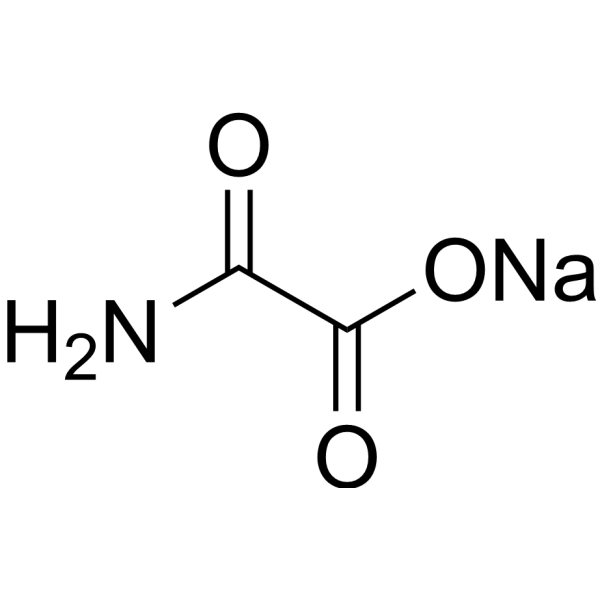
Cat. No.: HY-W013032A
CAS No.: 565-73-1
Synonyms: Sodium oxamate
Research Areas:  

Cancer

Oxamic acid (oxamate) sodium salt is a lactate dehydrogenase-A (LDH-A) inhibitor. Oxamic acid sodium salt shows anti-tumor activity, and anti-proliferative activity against cancer cells, and can induce apoptosis .
loading...
    loading...
69
69 Publications Verification
Cat. No.: HY-W013032
CAS No.: 471-47-6
Synonyms: Oxamidic acid
Category:  

Microorganisms

Oxamic acid is a lactate dehydrogenase-A (LDH-A) inhibitor. Oxamic acid shows anti-tumor activity, and anti-proliferative activity against cancer cells, and can induce apoptosis .
loading...
    loading...
20
20 Cited Publications
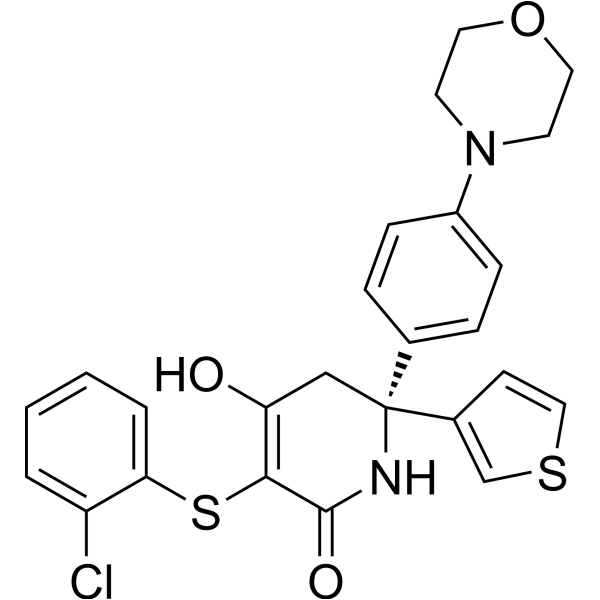
Cat. No.: HY-100742A
CAS No.: 2003234-63-5
Purity:  99.73%
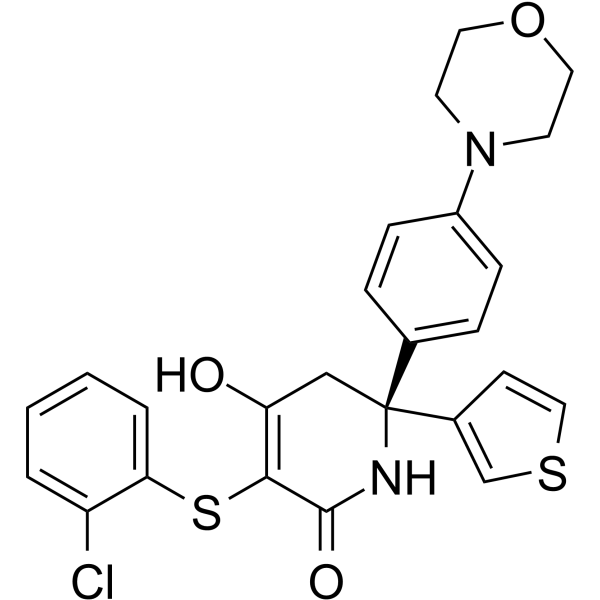
(R)-GNE-140 is a potent inhibitor of lactate dehydrogenase (LDH) A, B and C, with IC50 values of 3, 5 and 5 nM against LDHA, LDHB, LDHC, respectively. (R)-GNE-140 blocks the conversion of pyruvate to lactate, reduces lactate production and histone lysine lactylation, and inhibits glycolysis. (R)-GNE-140 attenuates cardiac hypertrophy, alleviates PM2.5-induced pulmonary inflammation and fibrosis, blocks MRSA-induced Arg1 expression. (R)-GNE-140 is applicable to research related to pathological cardiac hypertrophy, pulmonary fibrosis, MRSA infection and pancreatic cancer .
loading...
    loading...
17
17 Cited Publications
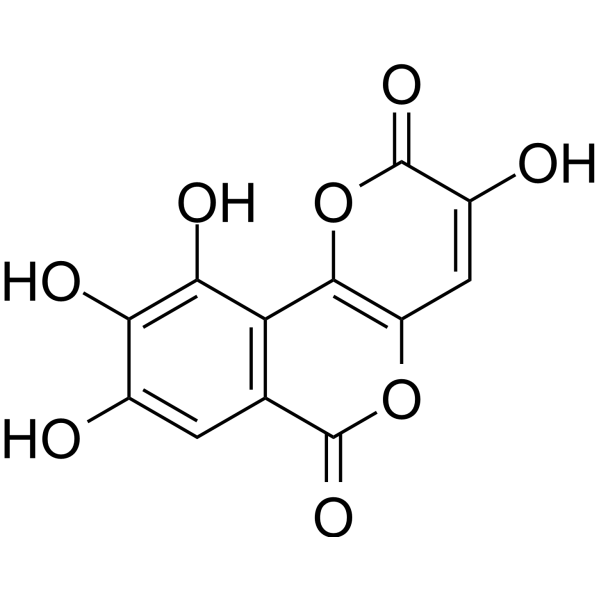
Cat. No.: HY-W040118
CAS No.: 568-80-9
Target:  

Lactate Dehydrogenase

Research Areas:  

Cancer

Galloflavin is a potent lactate dehydrogenase (LDH) inhibitor. The calculated Kis for pyruvate are 5.46 μM (LDH-A) and 15.06 μM (LDH-B). Galloflavin hinders the proliferation of cancer cells by blocking glycolysis and ATP production .
loading...
    loading...
6
6 Cited Publications
Cat. No.: HY-113308
CAS No.: 516-90-5
Purity:  98.06%
Taurolithocholic acid is an orally active bile acid and antiviral agent. Taurolithocholic acid upregulates FADS2 by activating the TGR5-PI3K/AKT-SREBP2 signaling axis, inhibits SFTSV-induced ferroptosis (Ferroptosis), viral replication and viral entry of HBV/HDV, while reducing the release of IL-1β, lipid ROS and LDH. While exerting antiviral protective effects, Taurolithocholic acid also stimulates the recycling of hepatocellular membrane transporters, impairs canalicular bile acid secretion function, and induces hepatocyte cholestasis, apoptosis and acute hepatocellular injury. Taurolithocholic acid serves as an experimental model compound for hepatocellular cholestasis. At concentrations ≤200 μM, Taurolithocholic acid shows no cytotoxicity and does not activate the interferon pathway. Taurolithocholic acid not only protects mice from lethal SFTSV infection but also is suitable for studies related to severe fever with thrombocytopenia syndrome and cholestasis .
loading...
    loading...
6
6 Cited Publications
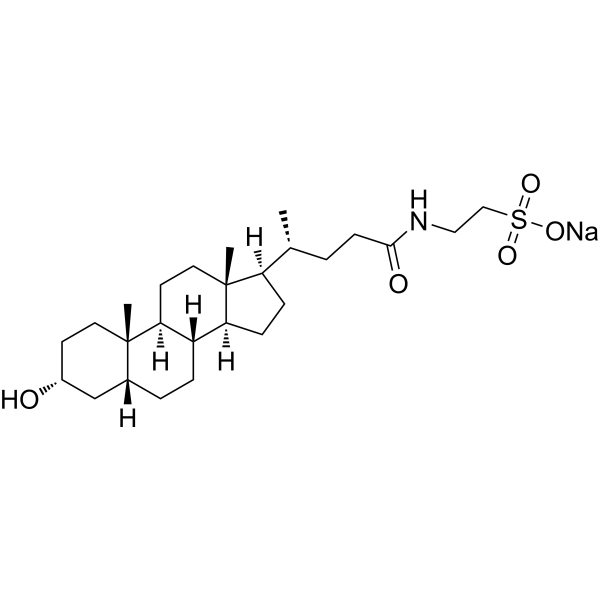
Cat. No.: HY-113308A
CAS No.: 6042-32-6
Purity:  99.81%
Taurolithocholic acid sodium salt is an orally active bile acid and antiviral agent. Taurolithocholic acid sodium salt upregulates FADS2 by activating the TGR5-PI3K/AKT-SREBP2 signaling axis, inhibits SFTSV-induced ferroptosis, viral replication and viral entry of HBV/HDV, while reducing the release of IL-1β, lipid ROS and LDH. While exerting antiviral protective effects, Taurolithocholic acid sodium salt also stimulates the recycling of hepatocellular membrane transporters, impairs canalicular bile acid secretion function, and induces hepatocyte cholestasis, apoptosis and acute hepatocellular injury. Taurolithocholic acid sodium salt serves as an experimental model compound for hepatocellular cholestasis. At concentrations ≤200 μM, Taurolithocholic acid sodium salt shows no cytotoxicity and does not activate the interferon pathway. Taurolithocholic acid sodium salt not only protects mice from lethal SFTSV infection but also is suitable for studies related to severe fever with thrombocytopenia syndrome and cholestasis .
loading...
    loading...
2
2 Cited Publications
Cat. No.: HY-111108
CAS No.: 1964515-43-2
Purity:  99.84%
Target:  

Lactate Dehydrogenase

Research Areas:  

Cancer

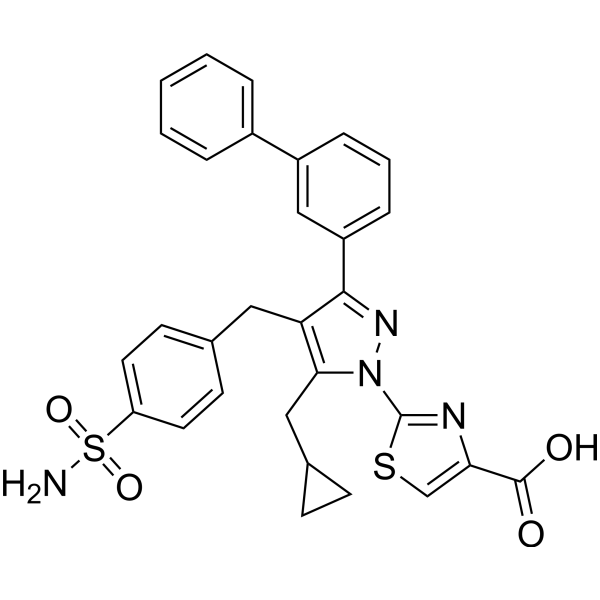
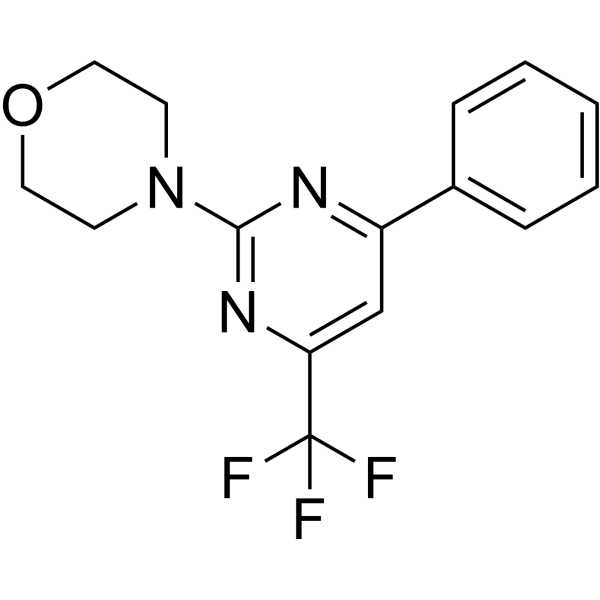
LDH-IN-1 is a novel pyrazole-based inhibitor of human lactate dehydrogenase (LDH) with IC50s of 32 and 27 nM for LDHA and LDHB, respectively.
loading...
    loading...
2
2 Cited Publications
Cat. No.: HY-150753
CAS No.: 2097925-52-3
Research Areas:  

Cancer

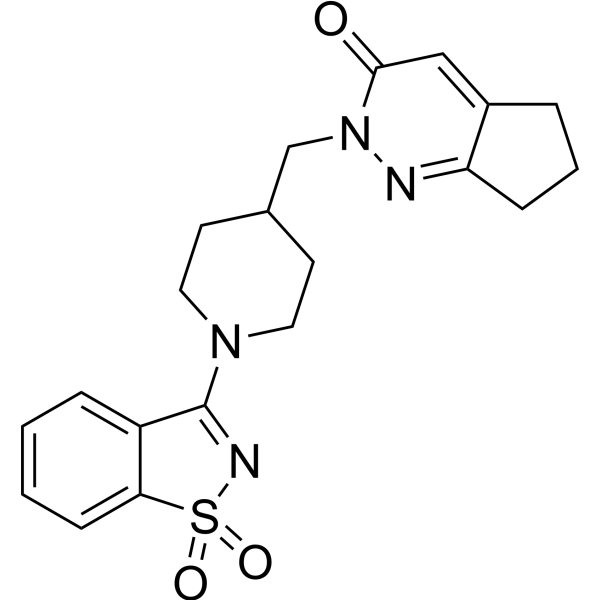
RS6212 is a specific LDH (lactate dehydrogenase) inhibitor with an IC50 value of 12.03 μM . RS6212 inhibits tumor growth and exhibits potent anticancer activity in multiple cancer cell lines .
loading...
    loading...
1
1 Cited Publications
Cat. No.: HY-152670
CAS No.: 937820-89-8
Purity:  98.03%
Research Areas:  

Inflammation/Immunology

JC2-11 is an inhibitor of inflammatory corpuscles. JC2-11 inhibits domain-containing protein NLRC 4, absent in melanoma 2 (AIM 2) and non-canonical (NC) inflammatory corpuscles. JC2-11 reduces the secretion of caspase-1 (p20), the cleavage of gasdermin D (GSDMD), and the releases of IL-1β and lactate dehydrogenases (LDH) in inflammatory bodies. JC2-11 inhibits the activation of inflammatory bodies by destroying the production of reactive oxygen species and the activity of caspase-1 .
loading...
    loading...
Cat. No.: HY-131485
CAS No.: 86-08-8
Purity:  90.29%
Synonyms: 3-APAD, 90%; 3-Acetylpyridine NAD, 90%
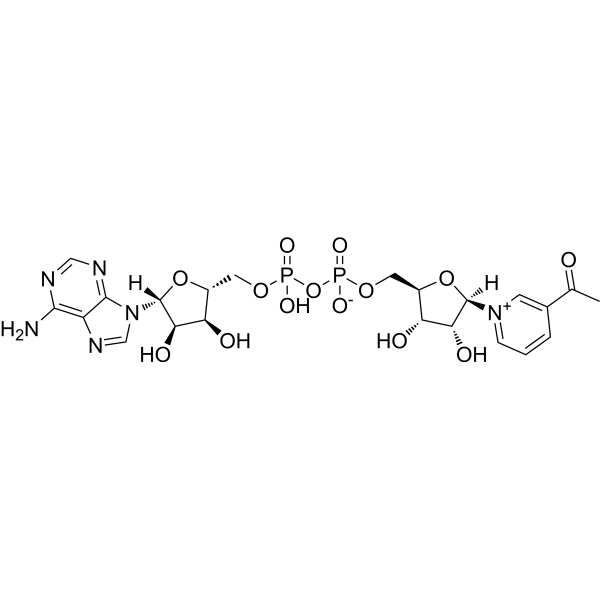
3-Acetylpyridine adenine dinucleotide, 90% is an analog of nicotinamide adenine dinucleotide (NAD). 33-Acetylpyridine adenine dinucleotide, 90% collaboratively inhibits Lactate Dehydrogenase (LDH) with bisulfite .
loading...
    loading...
Cat. No.: HY-176798
CAS No.: 1964516-64-0
NCI-006 is an orally active lactate dehydrogenase (LDH) inhibitor (LDHA IC50 = 0.06 μM; LDHB IC50 = 0.03 μM). NCI-006 inhibits intratumoral LDH activity, lactate production, and tumor growth in a mouse pancreatic cancer model. NCI-006 inhibits glycolysis and induces apoptosis in vitro. NCI-006 enhances the radiosensitivity of glycolytic tumor cell lines while sparing non-glycolytic/normal cells (1522, skin fibroblasts) in combination with ionizing radiation (IR). NCI-006 exhibits synergistic antitumor effects in combination with IACS-010759 (HY-112037) against colorectal and gastric cancers. NCI-006 targets glycolysis by inhibiting lactate dehydrogenase impairs tumor growth in an Ewing sarcoma model .
loading...
    loading...
Cat. No.: HY-100742B
CAS No.: 2003234-64-6
Purity:  99.07%
Target:  

Lactate Dehydrogenase

Research Areas:  

Cancer

(S)-GNE-140 (Compound 30-S) is the S-enantiomer of GNE-140 (HY-118241). (S)-GNE-140 is an effective lactate dehydrogenase (LDH) inhibitor, with IC50 values of 55 nM for LDHA and 140 nM for LDHB. (S)-GNE-140 can be used in cancer research .
loading...
    loading...
Cat. No.: HY-153129
CAS No.: 615273-95-5
Purity:  98.69%
Research Areas:  

Endocrinology

EP2 receptor antagonist-2 (CID891729) is an antagonist of EP2 receptor. EP2 receptor antagonist-2 inhibits the EP2 receptor activation induced by PGE2. EP2 receptor antagonist-2 also suppresses lactate dehydrogenase (LDH) release induced by N-methyl-D-aspartate (NMDA) .
loading...
    loading...
Cat. No.: HY-P10939A
Target:  

Caspase Pyroptosis

Research Areas:  

Inflammation/Immunology Cancer

Ac-DMLD-CMK TFA is a caspase 3 inhibitor and a GSDME inhibitor. Ac-DMLD-CMK TFA binds directly to the catalytic domain of caspase-3, blocks caspase-3-mediated cleavage of GSDME, inhibits the activation of caspase 3 and Gsdme in the caspase 3-Gsdme signaling pathway, and reduces the levels of pyroptosis and apoptosis as well as the expression of LDH, IL-6, IL-1β and IL-18. Ac-DMLD-CMK TFA alleviates renal function deterioration, renal tubular epithelial cell injury, inflammatory cytokine secretion, pulmonary structural damage, and chemotherapy-induced nephrotoxicity .
loading...
    loading...
Cat. No.: HY-N5073
CAS No.: 178468-00-3
Synonyms: 4''-O-Glucosylvitexin
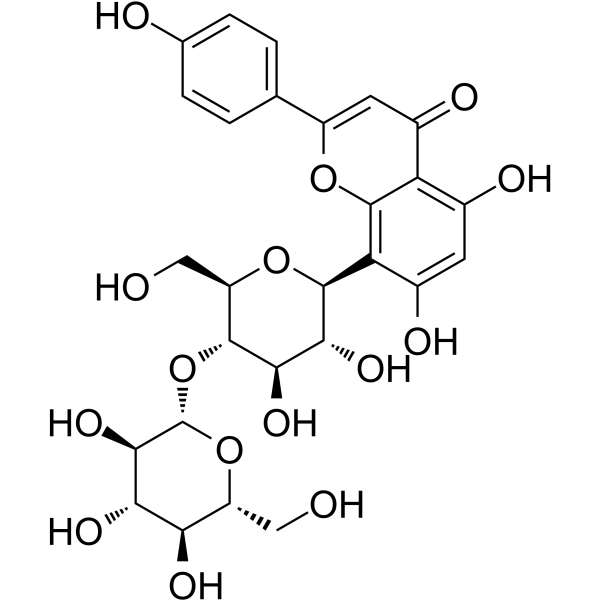
Vitexin-4''-O-glucoside (4''-O-Glucosylvitexin) is an orally active natural flavonoid component with multiple pharmacological effects including antioxidation, anti-inflammation, cytoprotection and anti-apoptosis. Vitexin-4''-O-glucoside regulates the MAPK signaling pathway by downregulating the phosphorylation levels of JNK and p38, thereby blocking endoplasmic reticulum stress responses. Vitexin-4''-O-glucoside alleviates oxidative stress by reducing MDA content and upregulating the activities of SOD and CAT, attenuates inflammation by downregulating the expressions of inflammatory factors TNF-α, IL-1β and IL-6, and also reduces LDH release and inhibits caspase-3 activation. Vitexin-4''-O-glucoside effectively improves drug-induced acute liver injury and exerts significant protective effects against myocardial hypoxia/reoxygenation injury. Vitexin-4''-O-glucoside can be used in studies on acute liver injury, cardiovascular diseases and myocardial hypoxia-reoxygenation injury .
loading...
    loading...
Cat. No.: HY-N2177
CAS No.: 29220-16-4
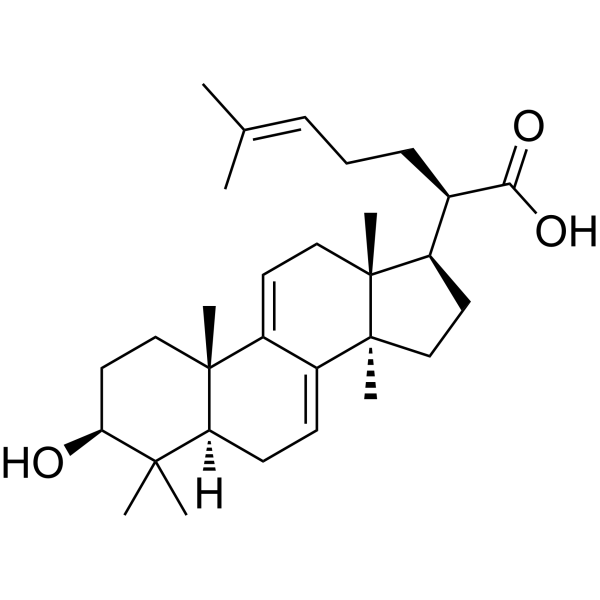
3-​Dehydrotrametenolic acid, isolated from the sclerotium of Poria cocos, is a lactate dehydrogenase (LDH) inhibitor. 3-​Dehydrotrametenolic acid promotes adipocyte differentiation in vitro and acts as an insulin sensitizer in vivo. 3-​Dehydrotrametenolic acid induces apoptosis and has anticancer activity .
loading...
    loading...
Cat. No.: HY-129101
CAS No.: 70310-73-5
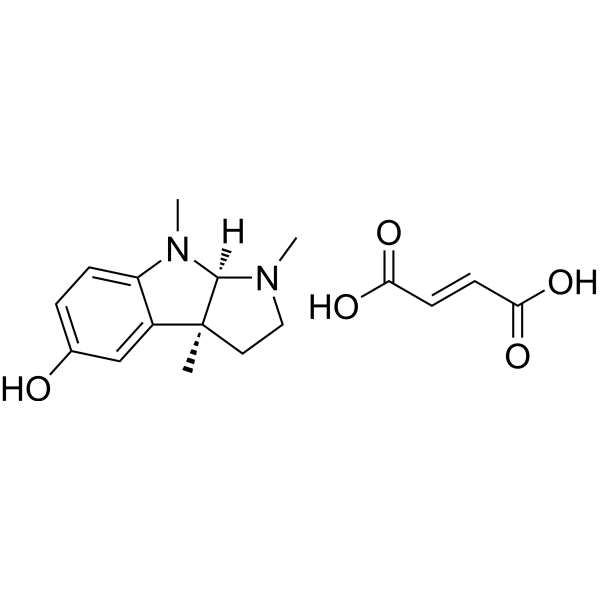
Synonyms: Eseroline fumarate
Target:  

5-HT Receptor

Research Areas:  

Neurological Disease

(-)-Eseroline fumarate is a metabolic of Physostigmine (HY-N6608), an AChE inhibitor. (-)-Eseroline fumarate elicits a leakage of lactic acid dehydrogenase (LDH) from cancer cells. (-)-Eseroline fumarate also induces the release of adenine nucleotides and 5-hydroxytryptamine (5-HT) from neuronal cells, thus induce cell death. (-)-Eseroline fumarate inhibits the electrically evoked twitches of the mouse vas deferens and of the guinea-pig ileum .
loading...
    loading...
Cat. No.: HY-P10939
CAS No.: 2588354-33-8
Target:  

Caspase Pyroptosis

Research Areas:  

Inflammation/Immunology Cancer

Ac-DmLD-CMK is a caspase 3 inhibitor and a GSDME inhibitor. Ac-DmLD-CMK binds directly to the catalytic domain of caspase-3, blocks caspase-3-mediated cleavage of GSDME, inhibits the activation of caspase 3 and Gsdme in the caspase 3-Gsdme signaling pathway, and reduces the levels of pyroptosis and apoptosis as well as the expression of LDH, IL-6, IL-1β and IL-18. Ac-DmLD-CMK alleviates renal function deterioration, renal tubular epithelial cell injury, inflammatory cytokine secretion, pulmonary structural damage, and chemotherapy-induced nephrotoxicity .
loading...
    loading...
Cat. No.: HY-N10131
CAS No.: 182426-37-5
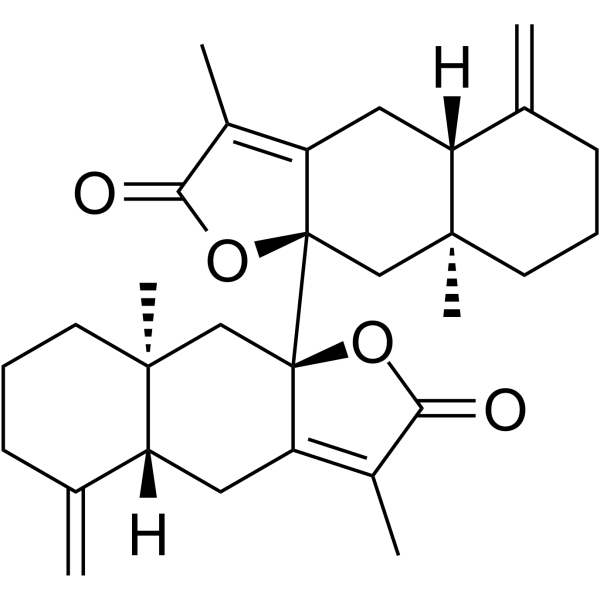
Synonyms: (+)-Biatractylolide
Target:  

Apoptosis

Research Areas:  

Neurological Disease Cancer

Biatractylolide is a compound isolated from the ethyl acetate extract of Atractylodes macrocephala. Biatractylolide has antitumor and antioxidant activities. Biatractylolide improves cell viability, inhibits the apoptosis of cells induced by glutamate, and reduces the activity of LDH. Biatractylolide has neuroprotective effects .
loading...
    loading...
Cat. No.: HY-113308S1
CAS No.: 2410279-96-6
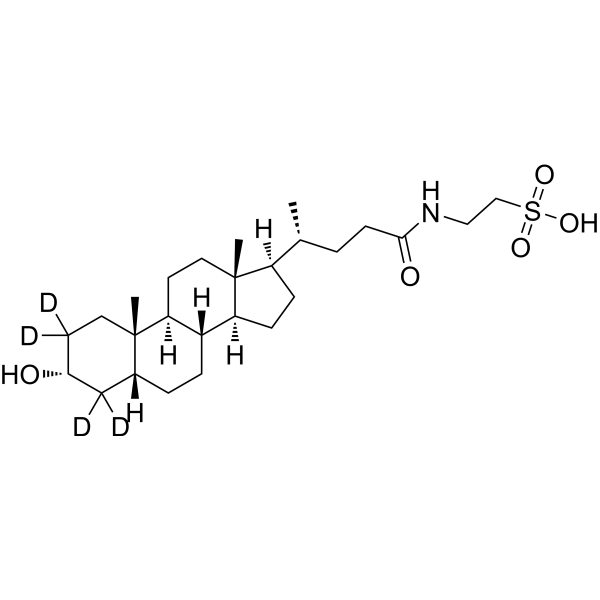
Taurolithocholic acid-d4 is deuterium labeled Taurolithocholic acid. Taurolithocholic acid is an orally active bile acid and antiviral agent. Taurolithocholic acid upregulates FADS2 by activating the TGR5-PI3K/AKT-SREBP2 signaling axis, inhibits SFTSV-induced ferroptosis, viral replication and viral entry of HBV/HDV, while reducing the release of IL-1β, lipid ROS and LDH. While exerting antiviral protective effects, Taurolithocholic acid also stimulates the recycling of hepatocellular membrane transporters, impairs canalicular bile acid secretion function, and induces hepatocyte cholestasis, apoptosis and acute hepatocellular injury. Taurolithocholic acid serves as an experimental model compound for hepatocellular cholestasis. At concentrations ≤200 μM, Taurolithocholic acid shows no cytotoxicity and does not activate the interferon pathway. Taurolithocholic acid not only protects mice from lethal SFTSV infection but also is suitable for studies related to severe fever with thrombocytopenia syndrome and cholestasis .
loading...
    loading...

