Search Result
Results for "
M. tuberculosis
" in MedChemExpress (MCE) Product Catalog:
5
Isotope-Labeled Compounds
| Cat. No. |
Product Name |
Target |
Research Areas |
Chemical Structure |
-
- HY-16566A
-
|
Kanamycin A sulfate
|
Bacterial
Antibiotic
|
Infection
|
|
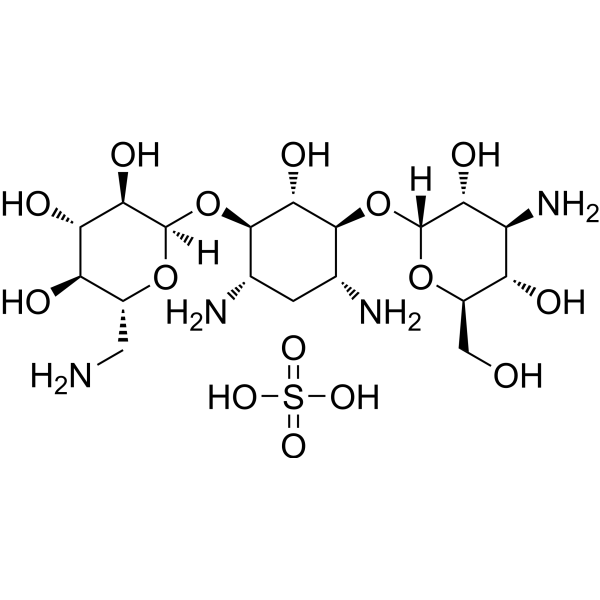
Kanamycin (Kanamycin A) sulfate is an orally active antibacterial (gram-negative/positive bacteria) agent, inhibits translocation and causes misencoding by binding to the 70 S ribosomal subunit. Kanamycin sulfate shows good inhibitory activity to both M. tuberculosis (sensitive and drug-resistant ) and K. pneumonia, which can be used in studies of tuberculosis and pneumonia .
|
-
-
- HY-B1906
-
Streptomycin
Maximum Cited Publications
46 Publications Verification
Agrept; Agrimycin; Streptomycin A
|
Environmental Pollutants
Antibiotic
Bacterial
|
Infection
Neurological Disease
|
|
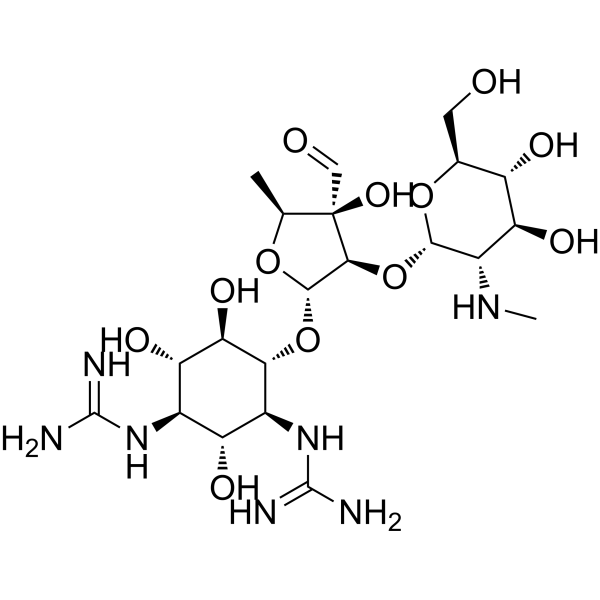
Streptomycin (Agrept) is an effective antibiotic against M. tuberculosis, is used for the research of tuberculosis (TB). Streptomycin also is a bacteriocidal agent that can be used for the research of a number of bacterial infections. Streptomycin can bind strongly to nucleic acids, interferes and blocks protein synthesis while permitting continued RNA and DNA synthesis. Streptomycin, as a common antibiotic used in culture media, also is a blocker of stretch-activated and mechanosensitive ion channels in neurons and cardiac myocytes .
|
-
-
- HY-16566
-
|
Kanamycin A
|
Antibiotic
Bacterial
|
Infection
Inflammation/Immunology
|
|
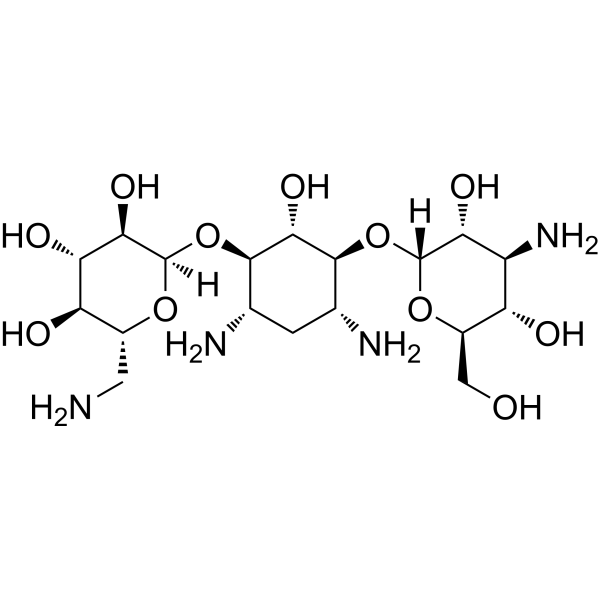
Kanamycin (Kanamycin A) is an orally active antibacterial (gram-negative/positive bacteria) agent, inhibits translocation and causes misencoding by binding to the 70 S ribosomal subunit. Kanamycin shows good inhibitory activity to both M. tuberculosis (sensitive and drug-resistant ) and K. pneumonia, which can be used in studies of tuberculosis and pneumonia .
|
-
-
- HY-10844
-
|
PA-824; (S)-PA 824
|
Bacterial
Antibiotic
|
Infection
Cancer
|
|
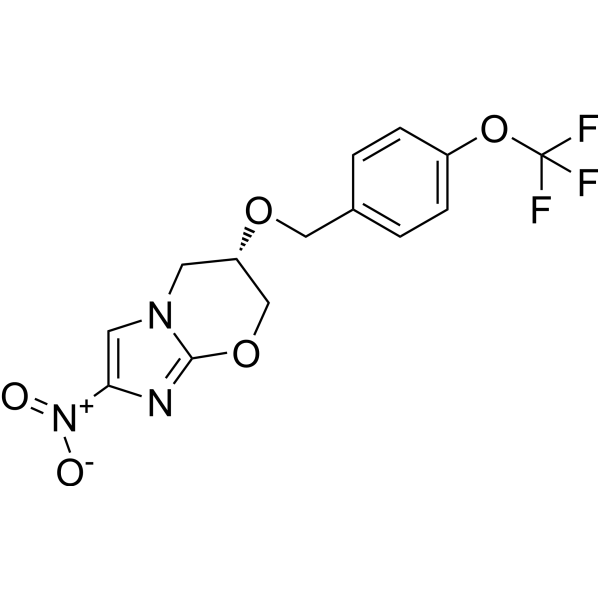
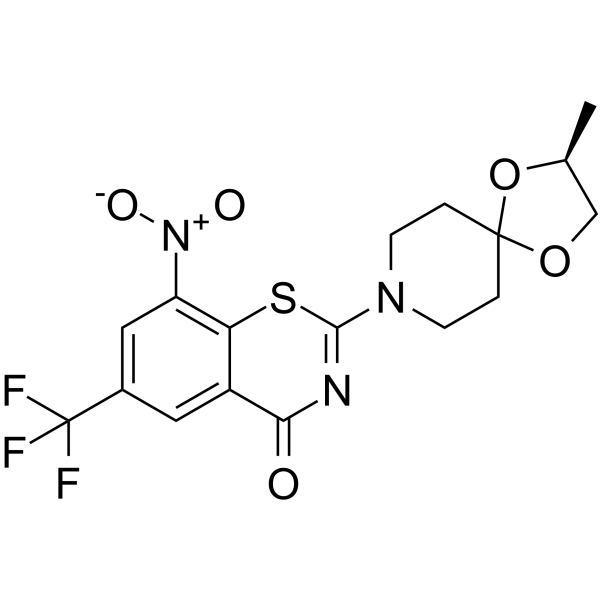
Pretomanid (PA-824) is an antibiotic used for the research of multi-drug-resistant tuberculosis affecting the lungs. Pretomanid exhibits a sub-micromolar MIC against M. tuberculosis (MTB). The MIC values of PA-824 against a panel of MTB pan-sensitive and Rifampin mono-resistant clinical isolates range from 0.015 to 0.25 μg/mL.
|
-
-
- HY-N2033
-
-
-
- HY-B0271
-
|
Pyrazinecarboxamide; Pyrazinoic acid amide
|
Bacterial
Autophagy
Antibiotic
|
Infection
|
|
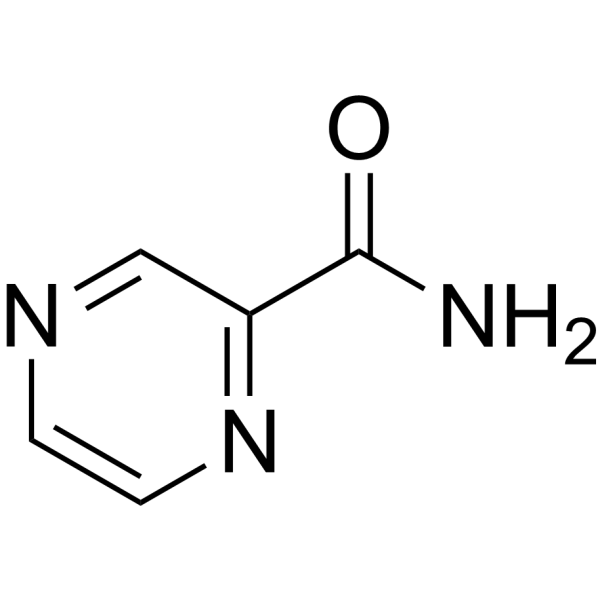
Pyrazinamide (Pyrazinecarboxamide; Pyrazinoic acid amide) is a potent and orally active antitubercular antibiotic. Pyrazinamide is a proagent that is converted to the active form pyrazinoic acid (POA) by PZase/nicotinamidase encoded by the pncA gene in M. tuberculosis.
|
-
-
- HY-125785A
-
|
|
Bacterial
|
Infection
|
|
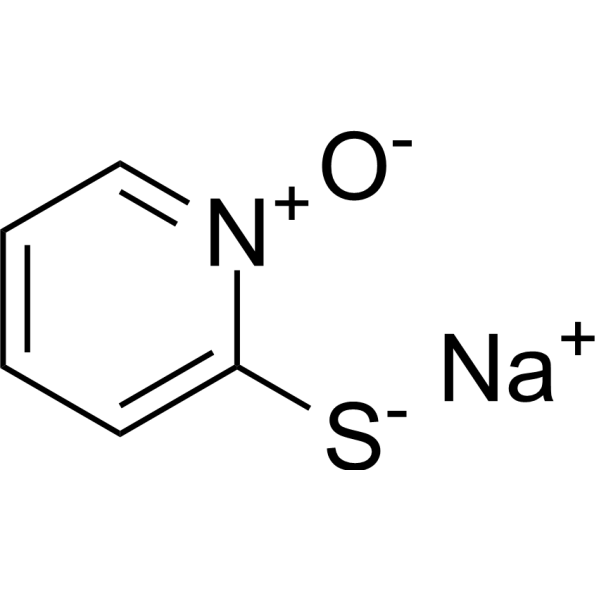
2-Mercaptopyridine N-oxide sodium has bactericidal effect and is against a standard strain of Mycobacterium tuberculosis H37Rv (ATCC 27294) with MIC90 of 7.20 μM. 2-Mercaptopyridine N-oxide sodium and its complex with iron, gallium, and bismuth have good anti-M. tuberculosis activity. 2-Mercaptopyridine N-oxide sodium has potential for the treatment of tuberculosis .
|
-
-
- HY-76260
-
|
|
Bacterial
Antibiotic
|
Infection
|
|
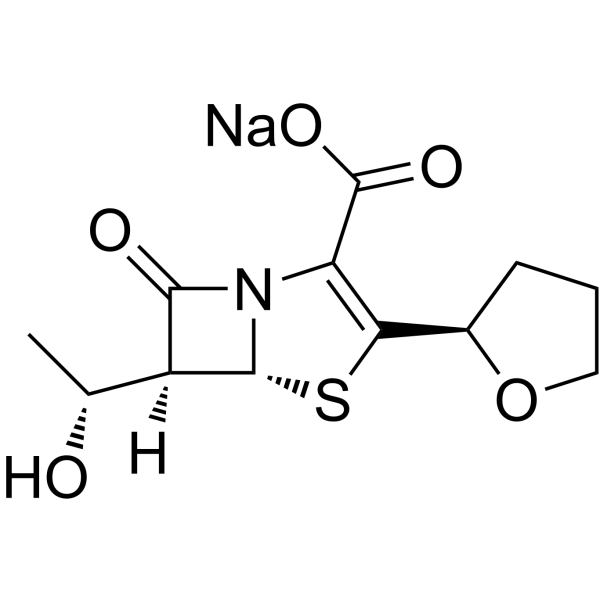
Faropenem sodium is an orally bioavailable penem antibiotic. Faropenem sodium regulates inorganic phosphate transporter Npt1. Faropenem sodium inhibits M. tuberculosis (MIC of 1.3 μg/mL) and B. anthracis .
|
-
-
- HY-100725
-
BM212
4 Publications Verification
|
Bacterial
|
Infection
|
|
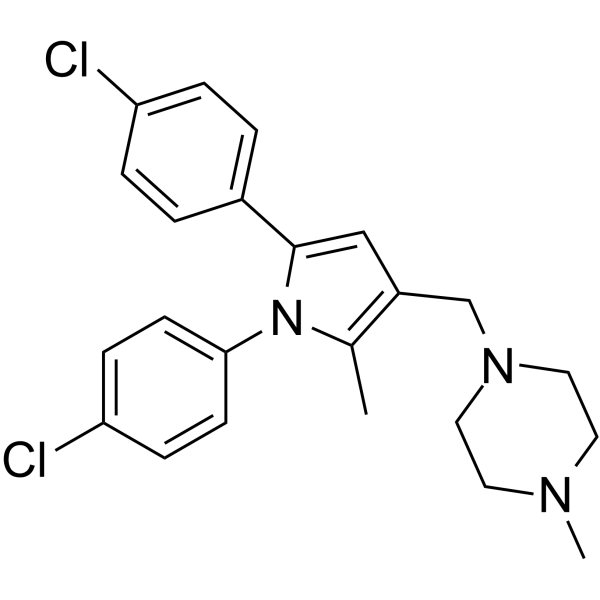
BM212 is a potent Mycobacterial membrane protein Large 3 (MmpL3) inhibitor. BM212 has strong bactericidal activity against both M. tuberculosis and some nontuberculosis mycobacteria. BM212 exhibits antimycobacterial activity against M. tuberculosis H37Rv with an MIC of 5 µM .
|
-
-
- HY-177105
-
|
|
Bacterial
|
Infection
|
|
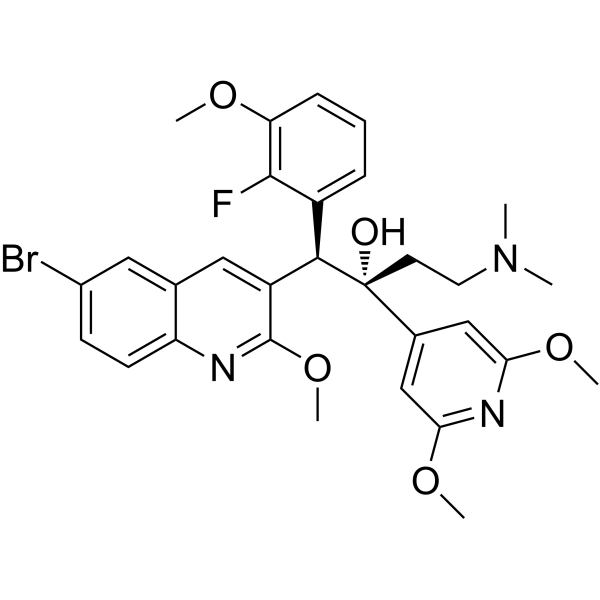
JNJ-6640 is an inhibitor targeting mycobacterial PurF (the first enzyme in the de novo purine biosynthesis pathway) with potent anti-tuberculosis activity. JNJ-6640 exhibits bactericidal activity against Mycobacterium tuberculosis in vitro, with an MIC90 of 8.6 nM. JNJ-6640 disrupts de novo purine biosynthesis, inhibits M. tuberculosis DNA replication in vivo. JNJ-6640 exhibits anti-tuberculosis efficacy in acutely infected mice. JNJ-6640 can be used for the study of tuberculosis .
|
-
-
- HY-13579
-
BTZ043
4 Publications Verification
|
Bacterial
Antibiotic
|
Infection
|
|
BTZ043 is an inhibitor of decaprenyl-phosphoribose-epimerase (DprE1), with MICs of of 2.3 nM and 9.2 nM for M. tuberculosis H37Rv and Mycobacterium smegmatis, respectively.
|
-
-
- HY-125941
-
|
|
Bacterial
|
Infection
|
|
PNU-101603 is a sulfoxide metabolite of Sutezolid (HY-10392). PNU-101603 alone or combined with SQ109 (HY-14989) shows excellent activity against Mycobacterium tuberculosis (MTB), as well as against agent-susceptible and multidrug-resistant TB .
|
-
-
- HY-100750
-
-
-
- HY-P4284
-
|
|
Proteasome
ClpP
Bacterial
|
Infection
|
|
Z-GGF-CMK is an Antibacterial agent, an inhibitor of the ClpP1P2 serine protease complex (with an IC50 of 50 μM against intracellular ClpP1P2 protease activity in Mycobacterium bovis BCG), and a selective inhibitor of the mycobacterial Proteasome (with an IC50 of 50 μM against the proteasome in M. bovis BCG). Z-GGF-CMK inhibits the growth of mycobacteria. Z-GGF-CMK exhibits cytotoxic activity against liver cancer cells. Z-GGF-CMK can be used in the research of tuberculosis .
|
-
-
- HY-B1907A
-
|
Rifamycin SV
|
Antibiotic
Bacterial
DNA/RNA Synthesis
|
Infection
|
|
Rifamycin (Rifamycin SV) is an orally active ansamycin antibiotic. Rifamycin inhibits DNA-dependent RNA synthesis. Rifamycin has antibacterial activity against Mycobacterium tuberculosis. Rifamycin interferes with hepatic bile acid metabolism. Rifamycin has anti-inflammatory effects. Rifamycin can be used in the study of Mycobacterium tuberculosis, Bacteroides fragilis infection, and Lipopolysaccharide (HY-D1056B3)-induced inflammation .
|
-
-
- HY-145301
-
|
|
Bacterial
|
Infection
|
|
Mycobactin-IN-1, a pyrazoline analogue, is a mycobactin biosynthesis inhibitor against mycobacteria. Mycobactin-IN-1 binds to salicyl-AMP ligase (MbtA), a key enzyme in the mycobactin biosynthetic pathway. Mycobactin-IN-1 inhibits whole-cell drug efflux pumps in M. smegmatis. Mycobactin-IN-1 eradicates intracellularly surviving mycobacteria. Mycobactin-IN-1 shows an excellent in vivo pharmacokinetic profile. Mycobactin-IN-1 can be used for the research of tuberculosis .
|
-
-
- HY-108941
-
|
|
Bacterial
|
Infection
|
|
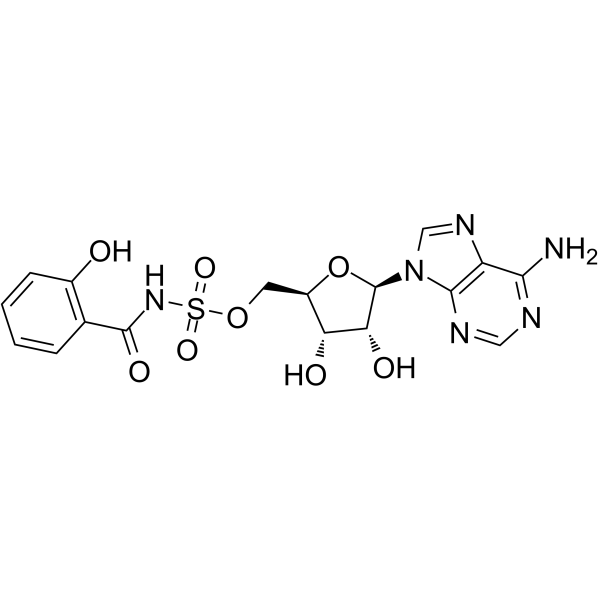
Salicyl-AMS is a mycobactin biosynthesis inhibitor which can also inhibit M. tuberculosis growth in vitro under iron-limited conditions.
|
-
-
- HY-109587
-
|
|
Bacterial
|
Infection
|
|
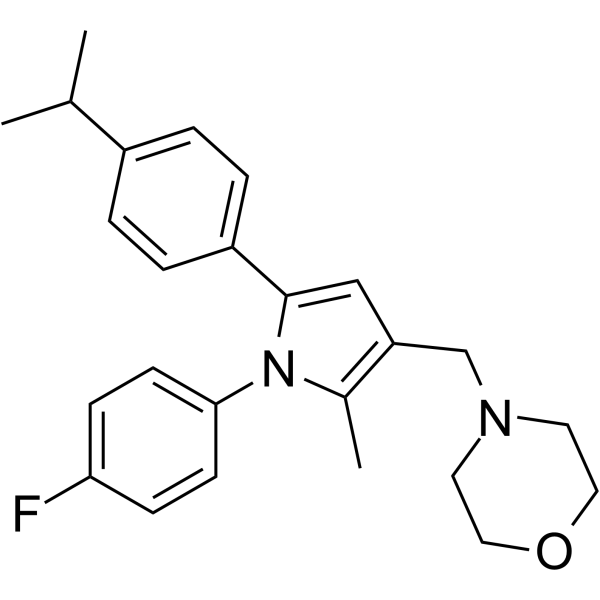
BM635 is a MmpL3 inhibitor with outstanding anti-mycobacterial activity. BM635 has an MIC50 of 0.12 μM against M. tuberculosis H37Rv.
|
-
-
- HY-B0271R
-
|
Pyrazinecarboxamide (Standard); Pyrazinoic acid amide (Standard)
|
Reference Standards
Bacterial
Autophagy
Antibiotic
|
Infection
|
|
Pyrazinamide (Standard) is the analytical standard of Pyrazinamide. This product is intended for research and analytical applications. Pyrazinamide (Pyrazinecarboxamide; Pyrazinoic acid amide) is a potent and orally active antitubercular antibiotic. Pyrazinamide is a proagent that is converted to the active form pyrazinoic acid (POA) by PZase/nicotinamidase encoded by the pncA gene in M. tuberculosis.
|
-
-
- HY-B1906R
-
|
Agrept (Standard); Agrimycin (Standard); Streptomycin A (Standard)
|
Reference Standards
Antibiotic
Bacterial
|
Infection
Neurological Disease
|
|
Streptomycin (Standard) is the analytical standard of Streptomycin. This product is intended for research and analytical applications. Streptomycin (Agrept) is an effective antibiotic against M. tuberculosis, is used for the research of tuberculosis (TB). Streptomycin also is a bacteriocidal agent that can be used for the research of a number of bacterial infections. Streptomycin can bind strongly to nucleic acids, interferes and blocks protein synthesis while permitting continued RNA and DNA synthesis. Streptomycin, as a common antibiotic used in culture media, also is a blocker of stretch-activated and mechanosensitive ion channels in neurons and cardiac myocytes .
|
-
-
- HY-162142
-
|
|
Bacterial
Succinate Dehydrogenase
Reactive Oxygen Species (ROS)
|
Infection
|
|
BB2-50F is an antimicrobial agent and succinate dehydrogenase and F1Fo-ATP synthase inhibitor. BB2-50F induces ROS. BB2-50F inhibits succinate oxidation and reduces tricarboxylic acid (TCA) cycle activity. BB2-50F inhibits the growth of Mycobacterium tuberculosis H37Rv and its auxotrophic, attenuated derivative mc2 6230 (ΔRD1, ΔpanCD) with an MIC of 8 μM .
|
-
-
- HY-134648
-
|
GSK656 free base; GSK3036656 free base; GSK070 free base
|
Bacterial
|
Infection
|
|
Ganfeborole (GSK656 free base) is a potent, selective and orally active inhibitor of M. tuberculosis leucyl-tRNA synthetase, with an IC50 of 0.20 μM. Ganfeborole can be used for the research of tuberculosis .
|
-
-
- HY-146120
-
|
|
Bacterial
|
Infection
|
|
Antitubercular agent-25 (Compound 28) is an anti-tubercular agent with an extracellular IC50 of 0.42 μM and an intracellular IC50 of 0.20 μM against M. tuberculosis H37Rv. Antitubercular agent-25 exhibits good metabolic stability .
|
-
-
- HY-124781
-
|
|
Bacterial
Antibiotic
|
Infection
|
|
ML406 is a small molecule probe that shows anti-tubercular activity via M.tuberculosis BioA (DAPA synthase) enzyme inhibition with an IC50 of 30 nM. M.tuberculosis BioA is an enzyme involved in biotin biosynthesis in M.tuberculosis .
|
-
-
- HY-146158
-
|
WX-081
|
Bacterial
Potassium Channel
Antibiotic
|
Infection
|
|
Fudapirine, an anti-tuberculosis agent, displays excellent anti-mycobacterial activity against M. tuberculosis H37Rv and low cytotoxicity. Fudapirine exhibits potent activity with MIC50s of 0.083 and 0.11 μg/mL for agent susceptible tuberculosis (DS-TB) and multidrug resistant tuberculosis (MDR-TB) strains. Fudapirine also inhibits hERG channel with the IC50 of 1.89 μM.
|
-
-
- HY-153571
-
|
|
PROTACs
Bacterial
|
Infection
|
|
Homo-BacPROTAC6 is a ClpC1NTD BacPROTAC degrader and can targets ClpC2. Homo-BacPROTAC7 efficiently kill M. tuberculosis .
|
-
-
- HY-172349
-
|
|
Bacterial
|
Infection
|
|
JNJ-2901 is an inhibitor of M. tuberculosis cytochrome bc1:aa3. JNJ-2901 reduces bacterial load in the acute/chronic mouse infection models of M. tuberculosis H37Rv-ΔcydAB. JNJ-2901 can be used in tuberculosis (TB) research .
|
-
-
- HY-139618
-
|
|
Bacterial
Antibiotic
|
Infection
|
|
DuP-721 is a broad spectrum and orally active antibacterial agent against a variety of clinically susceptible and resistant bacteria, especially M. tuberculosis .
|
-
-
- HY-124814
-
|
|
Bacterial
|
Infection
|
|
C215 is a potent inhibitor of MmpL3. C215 is identified in HTS with glycerol independent activity against M. tuberculosis, limited non-specific toxicity against mammalian cells, an IC90 of 16 μM against M. tuberculosis, and efficacy against M. tuberculosis growing in macrophages .
|
-
-
- HY-151514
-
|
|
Bacterial
|
Infection
|
|
Antituberculosis agent-5 (compound 52) is a nitrofuranylamide derivative, inhibits M. tuberculosis UDP-Gal mutase. Antituberculosis agent-5 inhibits Glf activity with an IC50 value of 99 μM/mL and resists tuberculosis (TB) with a MIC value of 1.6 μg/mL .
|
-
-
- HY-129943
-
|
|
Bacterial
|
Infection
|
|
Benzothiohydrazide is an analogue of anti–tubercular agent Isoniazid. Benzothiohydrazide exhibits anti–tubercular activity, with MICs of 132 μM and 264 μM for M. tuberculosis wild type (H37Rv) and clinical mutant strains (IC1 and IC2) .
|
-
-
- HY-151204
-
|
|
Bacterial
|
Infection
Inflammation/Immunology
|
|
PknB-IN-1 (Compound 2) is a protein kinase B (PknB) inhibitor (IC50=14.4 μM). PknB-IN-1 shows anti-mycobacterial activity, can inhibit M. tuberculosis H37Rv strain growth (MIC=6.2 μg/mL) .
|
-
-
- HY-139987A
-
|
|
Bacterial
|
Infection
|
|
LeuRS-IN-1 hydrochloride is a potent, orally active M. tuberculosis leucyl-tRNA synthetase (M.tb LeuRS) inhibitor. LeuRS-IN-1 hydrochloride has IC50 and Kd values of 0.06 μM, 0.075 μM for M.tb LeuRS, respectively . LeuRS-IN-1 hydrochloride inhibits human cytoplasmic LeuRS (IC50=38.8 μM), and HepG2 protein synthesis (EC50=19.6 μM) .
|
-
-
- HY-B0271S1
-
|
Pyrazinecarboxamide-13C,15N; Pyrazinoic acid amide-13C,15N
|
Autophagy
Antibiotic
Bacterial
Isotope-Labeled Compounds
|
Infection
|
|
Pyrazinamide- 13C, 15N is 15N and 13C labeled Pyrazinamide (HY-B0271). Pyrazinamide (Pyrazinecarboxamide; Pyrazinoic acid amide) is a potent and orally active antitubercular antibiotic. Pyrazinamide is a proagent that is converted to the active form pyrazinoic acid (POA) by PZase/nicotinamidase encoded by the pncA gene in M. tuberculosis.
|
-
-
- HY-N3612
-
|
(+)-Communic acid
|
Bacterial
Akt
MMP
|
Infection
Inflammation/Immunology
|
|
Communic acid ((+)-Communic acid) is a natural compound isolated from the branches of Platycladus orientalis. Communic acid displays minimum inhibitory concentration of 31 μM and IC50 of 15 μM against M. tuberculosis H37Ra.Communic acid exhibits protective effects against UVB-induced skin aging .
|
-
-
- HY-152138
-
|
|
Bacterial
Fungal
|
Infection
|
|
Antituberculosis agent-8 (Compound 9i) is an antitubercular agent with an MIC of 3.53 μM (1.6 μg/mL) against M. tuberculosis H37Rv. Antituberculosis agent-8 also shows good antifungal activity against A. niger with an MIC of 62.50 μM .
|
-
-
- HY-N11048
-
|
|
Bacterial
|
Infection
Cancer
|
|
Amycolatopsin A is a 20-membered macrolide, that can be isolated from a strain of the rare actinomycete Amycolatopsis sp. MST‐108494. Amycolatopsin A shows antimycobacterial activity against Mycobacterium bovis (BCG) and M. tuberculosis (H37Rv) with IC50 values of 0.4 µM and 4.4 µM, respectively .
|
-
-
- HY-112702
-
|
|
Bacterial
|
Infection
|
|
CRS400393 is a potent antimycobacterial agent, with MIC of 0.03, 2, and ≤ 0.12 µg/mL
against M. abs., M. avium, M. intracellulare, and M. tuberculosis, respectively .
|
-
-
- HY-179301
-
|
|
Bacterial
|
Infection
|
|
GuaB-IN-2 (Compound 54) is a GuaB inhibitor, with an IC50 of 0.2 nM for M. tuberculosis GuaB. GuaB-IN-2 can be used in the research of bacterial infections and tuberculosis .
|
-
-
- HY-44688
-
|
|
Bacterial
Fungal
|
Infection
|
|
S.pombe lumazine synthase-IN-1 is an inhibitor of lumazine synthases with Ki values of 243 μM and 9.6 μM for Schizosaccharomyces pombe and Mycobacterium tuberculosis lumazine synthases, respectively .
|
-
-
- HY-163181
-
|
|
Bacterial
|
Infection
|
|
MSU-43085 is an orally active MmpL3 inhibitor of Mycobacterium tuberculosis (Mtb). MSU-43085 effectively inhibits Mtb in an acute murine tuberculosis infection model. MSU-43085 can be used in tuberculosis research .
|
-
-
- HY-150967
-
|
|
Bacterial
|
Infection
|
|
MmpL3-IN-1 (compound 32) is a potent Mycobacterial membrane protein large 3 (MmpL3) inhibitor. MmpL3-IN-1 has anti-tuberculosis activity with the MIC<0.016 μg/mL in M. tuberculosis and can be used in studies of drug-resistant tuberculosis .
|
-
-
- HY-163625
-
|
|
Monoamine Oxidase
Bacterial
|
Infection
|
|
Mtb-IN-7 (compoun R7) is a MAO-A/MAO-B inhibitor with the IC50 values over 40 μM. Mtb-IN-7 shows antimycobacterial activity against M. tuberculosis H37Rv with the MIC of 2.01 μM .
|
-
-
- HY-146055
-
|
|
Bacterial
|
Infection
|
|
Antituberculosis agent-1 (Compound 8a) is an antituberculosis agent with an MIC of 3.84 μg/mL against M. tuberculosis H37Rv .
|
-
-
- HY-146104
-
|
|
Bacterial
|
Infection
|
|
Antimycobacterial agent-1 (compound 33) has selectively antimycobacterial activity against Mycobacterium tuberculosis (M. tuberculosis) H37Ra with a MIC value of 1 μg/ml. Antimycobacterial agent-1 has relatively low cytotoxicity in normal cells (Vero cells IC50 = 143.2 μg/ml) .
|
-
-
- HY-156412
-
|
|
Bacterial
|
Infection
|
|
DHFR-IN-10 (compound 4c) is a potent DHFR inhibitor, with an IC50 of 4.21 μM for M. tuberculosis DHFR enzyme. DHFR-IN-10 exhibits potent antituberculosis efficiency .
|
-
-
- HY-146119
-
|
|
Bacterial
|
Infection
|
|
Antitubercular agent-24 (Compound 1) is an anti-tubercular agent with an extracellular IC50 of 0.83 μM and an intracellular IC50 of 0.17 μM against M. tuberculosis H37Rv .
|
-
-
- HY-156414
-
-
-
- HY-162521
-
|
|
Bacterial
Fungal
|
Infection
|
|
Antibacterial agent 215 (Compound 3b) is an inhibitor for carbonic anhydrase (CA), with Ki of 17.61, 5.14 and 43.74 nM, for hCA I, hCA II and AChE, respectively. Antibacterial agent 215 exhibits anti-tuberculosis, with MIC of 62.5 µg/ml against M. tuberculosis. Antibacterial agent 215 exhibits antifungal activities against Candida spp. strains ATCC 14053, ATCC 1369, and ATCC 15126, with MICs of 125 µg/ml .
|
-
-
- HY-136348
-
|
|
Bacterial
|
Infection
|
|
ML338 is a selective small molecule inhibitor probe of non-replicating Mycobacterium tuberculosis bacilli and is against the non-replicating M. tuberculosis with IC90 and IC99 values of 1 μM and 4 μM, respectively by CFU. ML338 is a invaluable tool for identifying both essential functions and vulnerabilities of the M. tuberculosis bacilli in the nutrient deprivation states. ML338 can be used for the study of M. tuberculosis chemotherapy .
|
-
- HY-151339
-
|
|
Bacterial
|
Infection
|
|
Antitubercular agent-31 (Compound 2) is an antitubercular agent with an MIC of 0.03 μM against M. tuberculosis H37Rv. Antitubercular agent-31 also inhibits DprE1 with an IC50 of 1.1 μM .
|
-
- HY-151205
-
|
|
Bacterial
|
Infection
Inflammation/Immunology
|
|
Antituberculosis agent-3 (Compound 2) is an antituberculosis agent. Antituberculosis agent-3 shows anti-mycobacterial activity, and can inhibit M. tuberculosis H37Rv strain growth (MIC=12.5 μg/mL) .
|
-
- HY-N12600
-
|
|
Bacterial
|
Infection
|
|
Thiolopyrrolone A (compound 1) exhibits antibacterial activities against BCG, M. tuberculosis and S. aureus with minimum inhibitory concentrations (MIC) of 10, 10 and 100 μg/mL, respectively .
|
-
- HY-101702
-
|
|
Bacterial
|
Infection
|
|
U-97456 is a N-hydroxyacetyl derivate with antibacterial activity. U-97456 shows MIC <50 μg/mL against M. tuberculosis H37Rv. U-97456 can be used for the research of infection .
|
-
- HY-146098
-
|
|
Bacterial
Antibiotic
|
Infection
|
|
Antibacterial agent 105 (Compound 17) is a phenanthrolinic analog of quinolones show antibacterial activity against M. tuberculosis with antibacterial activity (MIC90=2.64 μM). Antibacterial agent 105 exhibits antibacterial activities against different bacterial species with MIC90s of 11.18, 11.18, 0.70, 1.40, 44.70, and 22.35 μM for M. smegmatis, M. aurum, M. marinum, BCG, E. aerogenes and S. aureus, respectively .
|
-
- HY-139987
-
|
|
Bacterial
|
Infection
|
|
LeuRS-IN-1 is a potent, orally active M. tuberculosis leucyl-tRNA synthetase (M.tb LeuRS) inhibitor. LeuRS-IN-1 has IC50 and Kd values of 0.06 μM, 0.075 μM for M.tb LeuRS, respectively . LeuRS-IN-1 inhibits human cytoplasmic LeuRS (IC50=38.8 μM), and HepG2 protein synthesis (EC50=19.6 μM) .
|
-
- HY-151958
-
|
|
Bacterial
|
Infection
|
|
Antitubercular agent-35 (compound 42l) is an antitubercular agent. Antitubercular agent-35 inhibits the growth of MtbH37Rv and M. Marinum with MIC90 values of 1.25 and 2 μg/mL, respectively. Antitubercular agent-35 shows the ability of escaping metabolic degradation by human liver microsomes. Antitubercular agent-35 can be used for the research of tuberculosis .
|
-
- HY-152136
-
|
|
Bacterial
Fungal
|
Infection
|
|
Antituberculosis agent-6 (compound 9g) is a potent antimycobacterial agent. Antituberculosis agent-6 shows significant activity against M. tuberculosis, with a MIC of 3.49 μM. Antituberculosis agent-6 also shows good antifungal activity against A. niger, with a MIC of 62.50 μM. Antituberculosis agent-6 shows high GI absorption .
|
-
- HY-152137
-
|
|
Bacterial
Fungal
Antibiotic
|
Infection
Inflammation/Immunology
|
|
Antituberculosis agent-7, an oxetanyl-quinoline derivative, has shown good antibacterial activity against P. mirabilis with a MIC of 31.25 μM. Antituberculosis agent-7 shows good antifungal activity against A. niger with a MIC of 62.5 μM. Antituberculosis agent-7 shows excellent antimycobacterial activity with MIC 3.41 μM for M. tuberculosis H37Rv .
|
-
- HY-152139
-
|
|
Bacterial
Fungal
Antibiotic
|
Infection
Inflammation/Immunology
|
|
Antibacterial agent 129, an oxetanyl-quinoline derivative, has shown good antibacterial activity against P. mirabilis and B. subtilis with MICs of 31.25 μM and 31.5 μM and . Antibacterial agent 129 shows good antifungal activity against A. niger with a MIC of 31.25 μM. Antibacterial agent 129 shows excellent antimycobacterial activity with MIC 57.73 μM for M. tuberculosis H37Rv .
|
-
- HY-146121
-
|
|
Bacterial
|
Infection
|
|
Antitubercular agent-26 (Compound 32) is an orally active anti-tubercular agent with an extracellular IC50 of 0.50 μM and an intracellular IC50 of 0.51 μM against M. tuberculosis H37Rv. Antitubercular agent-26 shows good metabolic stability, low risk of cardiotoxicity and no genotoxicity .
|
-
- HY-139618R
-
|
|
Reference Standards
Bacterial
Antibiotic
|
Infection
|
|
Celiprolol (hydrochloride) (Standard) is the analytical standard of Celiprolol (hydrochloride). This product is intended for research and analytical applications. Celiprolol (REV 5320) is a potent, cardioselective and orally active β1-andrenoceptor r antagonist with partial β2 agonist activity, with Ki values of 0.14-8.3 μM. Celiprolol has antihypertensive and antianginal activity, and can be used for the research of cardiovascular disease such as high blood pressure .
|
-
- HY-N12823
-
|
|
Bacterial
|
Metabolic Disease
|
|
Caprazene is an antimycobacterial compound and precursor molecule for semi-synthetic antibacterial antibiotics, used for studies on tuberculosis and Mycobacterium avium complex infections, which can be isolated from the acid-treated caprazamycin (CPZ) A-G mixture .
|
-
- HY-124781R
-
|
|
Reference Standards
Bacterial
Antibiotic
|
Infection
|
|
ML406 (Standard) is the analytical standard of ML406. This product is intended for research and analytical applications. ML406 is a small molecule probe that shows anti-tubercular activity via M.tuberculosis BioA (DAPA synthase) enzyme inhibition with an IC50 of 30 nM. M.tuberculosis BioA is an enzyme involved in biotin biosynthesis in M.tuberculosis[1].
|
-
- HY-E70360A
-
|
|
Bacterial
|
Infection
|
|
Acid phosphatase, M. tuberculosis (EC 3.1.3.2) is one of the main enzymes of Mycobacterium tuberculosis metabolism. Acid phosphatase, M. tuberculosis (EC 3.1.3.2) is a probable target for antituberculosis compounds.
|
-
- HY-146699
-
|
|
Bacterial
Thymidylate Synthase
|
Infection
|
|
MtTMPK-IN-5 (compound 17) is a potent M. tuberculosis thymidylate kinase (MtbTMPK) inhibitor with an IC50 value of 34 μM. MtTMPK-IN-5 combines favorable enzyme inhibitory activity with significant activity against M. tuberculosis (MIC = 12.5 μM). MtTMPK-IN-5 can be used for researching tuberculosis .
|
-
- HY-149064
-
|
|
Bacterial
|
Infection
|
|
Antituberculosis agent-9 (Compound 5a) is an orally active antitubercular agent with an MIC of 0.5 μg/mL against H37Ra .
|
-
- HY-151599
-
|
|
Bacterial
|
Infection
|
|
Pks13-TE inhibitor 3 (compound 23) is a 13-Thioesterase (Pks13-TE) inhibitor (IC50=1.55 μM). Pks13-TE inhibitor 3 shows good anti-tuberculosis activity against both agent-sensitive and drug-resistant Mtb strains (MIC=0.0625-0.25 μg/mL). Pks13-TE inhibitor 3 can be used in studies of multidrug-resistant TB and extensively drug-resistant TB .
|
-
- HY-151598
-
|
|
Bacterial
|
Infection
|
|
Pks13-TE inhibitor 2 (compound 32) is a 13-Thioesterase (Pks13-TE) inhibitor (IC50=1.30 μM). Pks13-TE inhibitor 2 shows good anti-tuberculosis activity against both agent-sensitive and drug-resistant Mtb strains (MIC=0.0039-0.0078 μg/mL). Pks13-TE inhibitor 2 can be used in studies of multidrug-resistant TB and extensively drug-resistant TB .
|
-
- HY-146700
-
|
|
Bacterial
Thymidylate Synthase
|
Infection
|
|
MtTMPK-IN-6 (compound 1) is a potent M. tuberculosis thymidylate kinase (MtbTMPK) inhibitor with an IC50 value of 29 μM. MtTMPK-IN-6 can be used for researching tuberculosis .
|
-
- HY-137604A
-
|
|
Biochemical Assay Reagents
|
Infection
|
|
(γ-AmNS)UTP (trisodium) is a fluorescent derivative of UTP and enables the detection of RNA polymerase activity. Incorporation of UMP in RNA results in the release of γ-AmNS-PPi, which has higher intrinsic fluorescence than (γ-AmNS) UTP. (γ-AmNS)UTP (trisodium) can be used for antibacterial and antituberculosis agents study .
|
-
- HY-147661
-
|
|
Antifolate
|
Infection
|
|
DHFR-IN-2 (compound 4e) is a potent and uncompetitive inhibitor for MtDHFR (dihydrofolate reductase from M. tuberculosis), with an IC50 of 7 μM. DHFR-IN-2 can be used for tuberculosis (TB) research .
|
-
- HY-146373
-
|
|
Bacterial
|
Infection
|
|
The minimum inhibitory concentration (MIC) of a new 2- (quinoline-4-methoxy) acetamide antituberculotic agent against the reference strain of Mycobacterium tuberculosis H37Rv was as low as 0.3 μ M. It also inhibited the growth of Mycobacterium tuberculosis in the macrophage model of tuberculosis infection.
|
-
- HY-172397
-
|
|
Bacterial
|
Infection
|
|
Mycobacterium Tuberculosis-IN-7 (Compound 4c) inhibits M. tuberculosis H37Ra with MIC of 5.34 μg/mL. Mycobacterium Tuberculosis-IN-7 exhibits slight cytotoxicity in cancer cell Vero, A549, and HepG2 (IC50s >50 μM) .
|
-
- HY-172462
-
|
|
Bacterial
|
Infection
|
|
Mtb-IN-11 (Compound 1e) is an inhibitor of Mycobacterium tuberculosis salicylate synthase (MbtI), with an IC50 of 11.2 μM. Mtb-IN-11 exhibits good in vitro anti-tuberculosis activity, with a MIC99 of 32 μM against M. bovis BCG. Mtb-IN-11 can be used for the research of tuberculosis .
|
-
- HY-146555
-
|
|
Bacterial
|
Infection
|
|
Antitubercular agent-14 (Compound 1) is an antitubercular agent with an MIC of 0.3 µg/mL against M. tuberculosis .
|
-
- HY-135328
-
-
- HY-100750R
-
|
(±)-Norverapamil hydrochloride (Standard); D591 hydrochloride (Standard)
|
Reference Standards
Calcium Channel
P-glycoprotein
Drug Metabolite
|
Cardiovascular Disease
|
|
Norverapamil (hydrochloride) (Standard) is the analytical standard of Norverapamil (hydrochloride). This product is intended for research and analytical applications. Norverapamil hydrochloride ((±)-Norverapamil hydrochloride), an N-demethylated metabolite of Verapamil, is a L-type calcium channel blocker and a P-glycoprotein (P-gp) function inhibitor[1][2].
|
-
- HY-139654
-
|
|
Bacterial
|
Infection
|
|
α/β-Hydrolase-IN-1 exhibits the best-in-class MICs of 50 μM (25 μg/mL) and 16 μM (8.4 μg/mL) against M. smegmatis and M. tuberculosis H37Ra, respectively.
|
-
- HY-146374
-
|
|
Bacterial
|
Infection
|
|
Antibacterial agent 96 (compound 4k) is a potent antibacterial agent. Antibacterial agent 96 shows antitubercular activity against agent-susceptible and multidrug-resistantMycobacterium tuberculosis (M. tuberculosis) strains. Antibacterial agent 96 shows toxicity to HepG2 and Vero cells .
|
-
- HY-100725R
-
|
|
Reference Standards
Bacterial
|
Infection
|
|
BM212 (Standard) is the analytical standard of BM212. This product is intended for research and analytical applications. BM212 is a potent Mycobacterial membrane protein Large 3 (MmpL3) inhibitor. BM212 has strong bactericidal activity against both M. tuberculosis and some nontuberculosis mycobacteria. BM212 exhibits antimycobacterial activity against M. tuberculosis H37Rv with an MIC of 5 µM .
|
-
- HY-169384
-
|
|
Bacterial
|
Infection
|
|
Antimycobacterial agent-10 (compound 5) is a DNA gyrase inhibitor with anti-bacterial actiity (IC50=96 nM, M. tuberculosis gyrase).
|
-
- HY-151941
-
|
|
Bacterial
|
Infection
|
|
MtInhA-IN-1 is a selective and orally active Mycobacterium tuberculosis NADH-dependent enoyl-acyl carrier protein reductase (MtInhA) inhibitor with an IC50 of 0.23 μM. MtInhA-IN-1 potently against M. tuberculosis H37Rv strain with a MIC value of 0.4 μM .
|
-
- HY-146702
-
|
|
Bacterial
Thymidylate Synthase
|
Infection
|
|
MtTMPK-IN-8 (compound 27) is a moderate M. tuberculosis thymidylate kinase (MtbTMPK) inhibitor. MtTMPK-IN-8 has sub-micromolar activity against mycobacteria (MICs = 0.78~9.4 μM) without significant cytotoxicity. MtTMPK-IN-8 can be used for researching tuberculosis .
|
-
- HY-135328S
-
-
- HY-175262
-
|
|
Bacterial
Cytochrome P450
|
Infection
|
|
Mtb-IN-12 (Compound 5m) is a dual-target inhibitor that can target the CYP125 (KD: 40 nM; KI: 0.1 μM) and CYP142 (KD: 160 nM; KI: 0.05 μM) enzymes of Mycobacterium tuberculosis. Mtb-IN-12 exhibits good inhibitory activity against both drug-sensitive strains and multidrug-resistant tuberculosis strains, with low toxicity to macrophages. Mtb-IN-12 can be used in the research of anti-tuberculosis drugs .
|
-
- HY-146057
-
|
|
Bacterial
|
Infection
|
|
Antituberculosis agent-2 (Compound 8d) is an antituberculosis agent against agent-sensitive and multidrug-resistant tuberculosis. Antituberculosis agent-2 shows anti-tuberculosis activity with MIC values of 0.454, 1.757 and 1.644 μg/mL against M. tuberculosis H37Rv, 13946 and 14862, respectively. Antituberculosis agent-2 displays favorable mouse and human microsomal stability, low cytotoxicity, and acceptable oral bioavailability .
|
-
- HY-146701
-
|
|
Bacterial
Thymidylate Synthase
|
Infection
|
|
MtTMPK-IN-7 (compound 26) is a moderate M. tuberculosis thymidylate kinase (MtbTMPK) inhibitor with an IC50 value of 47 μM. MtTMPK-IN-7 has sub-micromolar activity against mycobacteria (MICs = 2.3~4.7 μM) without significant cytotoxicity. MtTMPK-IN-7 can be used for researching tuberculosis .
|
-
- HY-146703
-
|
|
Bacterial
Thymidylate Synthase
|
Infection
|
|
MtTMPK-IN-9 (compound 28) is a moderate M. tuberculosis thymidylate kinase (MtbTMPK) inhibitor with an IC50 value of 48 μM. MtTMPK-IN-9 has sub-micromolar activity against mycobacteria (MICs = 6.25~9.4 μM) without significant cytotoxicity. MtTMPK-IN-9 can be used for researching tuberculosis .
|
-
- HY-138671
-
|
|
Bacterial
|
Infection
|
|
DprE1-IN-4 is a potent and orally active noncovalent DprE1 inhibitor with an IC50 of 0.90 μg/mL. DprE1-IN-4 exhibits potent in vitro activity against M. tuberculosis H37Rv and drug-resistant tuberculosis strain with MIC values of 0.12 μg/mL and 0.24 μg/mL, respectively. DprE1-IN-4 displays acceptable pharmacokinetic property and shows significant bactericidal activity in an acute mouse model of tuberculosis.
|
-
- HY-139596
-
-
- HY-163033
-
|
|
Bacterial
|
Infection
|
|
Antitubercular agent-42(19) is a selective fatty acyl-AMP ligase (FAAL) inhibitor (MIC90 = 1.4 µg/mL for M. tuberculosis H37Rv). Antitubercular agent-42 shows antitubercular activity .
|
-
- HY-149066
-
|
|
Bacterial
|
Cancer
|
|
Diaporthein B is one of the most highly oxidized pimarane diterpenes. Diaporthein B exhibits activity against M. tuberculosis, with a MIC of 3.1 μg/mL. Diaporthein B reveals IC50s of 1.5-3 μM against HCT 116 and LoVo colon cancer cells .
|
-
- HY-170519
-
|
|
Bacterial
|
Infection
|
|
K13787 is an acetohydroxyacid synthase (AHAS) inhibitor with antibacterial activity. K13787 has antibacterial activity against a variety of nontuberculous mycobacteria (NTM) and clarithromycin (CLR) resistant strains .
|
-
- HY-179532
-
|
|
Bacterial
|
Inflammation/Immunology
|
|
Antimycobacterial agent-14 (compound 20s) is an antimycobacterial agent with potent activity against Mycobacterium tuberculosis (M.tb) H37Ra strain with a MIC of 11.37 μM. Antimycobacterial agent-14 can be used for tuberculosis (TB) research .
|
-
- HY-153572A
-
|
|
PROTACs
Bacterial
|
Infection
|
|
Homo-BacPROTAC7 TFA is a PROTAC protein degrader targeting ClpC1/ClpC2 with a Kd of 0.5-2.5 nM for both targets. Homo-BacPROTAC7 (TFA) acts as a bactericidal agent, induces killing of pathogenic mycobacteria, retains activity against dormant-like mycobacterial cells with reduced intracellular ATP levels, and shows elevated antibiotic potency relative to its parent monomer. Homo-BacPROTAC7 (TFA) can be used for the research of tuberculosis .
|
-
- HY-116693
-
|
|
Bacterial
|
Infection
|
|
DprE1-IN-12 (compound 377790) is a covalent and DprE1 inhibitors and shows great activity against M. tuberculosis with an IC50 of 0.5 μM .
|
-
- HY-180149
-
|
|
ATP Synthase
Bacterial
|
Infection
|
|
PRP020 is a potent and specific inhibitor of mycobacterial ATP synthase. PRP020 does not inhibit acidification driven by succinate. PRP020 exihibits MIC95 against M. tuberculosis of 2 μM, and it remains active against most drug-resistant mutant strains. PRP020 is highly safe and can be used in anti-tuberculosis research .
|
-
- HY-170575
-
|
|
Bacterial
|
Infection
|
|
Pks13-IN-1 (Compound 44) is an orally active inhibitor for Mycobacterium tuberculosis Polyketide synthase 13 (Pks13). Pks13-IN-1 inhibits M. tuberculosis strain H37Rv with a MIC of 0.07 μM. Pks13-IN-1 exhibits antibacterial efficacy in mouse model .
|
-
- HY-179383
-
|
|
Bacterial
|
Infection
|
|
DprE1-IN-14 (Compound 77) is a DprE1 inhibitor, with an IC50 value of 2.5 nM for M. tb. DprE1-IN-14 exhibits anti-tuberculosis activity, with an MIC₉₀ of 0.3 μM for the M. tb mc26230 strain. DprE1-IN-14 mainly shows bacteriostatic activity, demonstrating a time-dependent bactericidal effect at 10-fold MIC concentrations. DprE1-IN-14 can be used in anti-tuberculosis research .
|
-
- HY-B1907
-
|
Rifamycin SV sodium
|
Antibiotic
Bacterial
DNA/RNA Synthesis
|
Infection
Inflammation/Immunology
|
|
Rifamycin sodium (Rifamycin SV monosodium) is an orally active ansamycin antibiotic. Rifamycin sodium inhibits DNA-dependent RNA synthesis. Rifamycin sodium has antibacterial activity against Mycobacterium tuberculosis. Rifamycin sodium interferes with hepatic bile acid metabolism. Rifamycin sodium has anti-inflammatory effects. Rifamycin sodium can be used in the study of Mycobacterium tuberculosis, Bacteroides fragilis infection, and Lipopolysaccharide (HY-D1056B3)-induced inflammation .
|
-
- HY-D3391
-
|
|
Bacterial
|
Infection
|
|
RMR-Tre is a fluorescent probe targeting the mycobacterial acyltransferase Ag85. Under the catalysis of Ag85, RMR-Tre undergoes 6-position mycoloylation and anchors to the mycobacterial membrane, while achieving fluorescence activation by inhibiting the intramolecular twisted charge transfer state transition. RMR-Tre can distinguish live mycobacteria from dead ones through metabolism-driven labeling, enabling rapid, wash-free, low-background detection of viable bacteria. RMR-Tre reports the drug resistance of Mycobacterium tuberculosis via the trehalose catalytic shift activity readout associated with TreS. In addition, RMR-Tre can be combined with flow cytometry or high-content imaging techniques to visualize and quantitatively analyze the metabolic heterogeneity of Mycobacterium tuberculosis related to persistence and drug resistance. RMR-Tre is widely used in tuberculosis-related research .
|
-
- HY-124195
-
|
|
Bacterial
|
Infection
|
|
Antitubercular agent-57 is a selective antimycobacterial agent with low in vitro toxicity against mammalian cell lines including hepatocyte cell lines. Antitubercular agent-57 exhibits activity against drug-sensitive, multidrug-resistant and extensively drug-resistant Mycobacterium tuberculosis strains, and shows no cross-resistance with first-line or second-line antitubercular agents. Antitubercular agent-57 has no activity against Gram-positive bacteria, Gram-negative bacteria and fungal strains. Antitubercular agent-57 can be used in the research of tuberculosis and multidrug-resistant tuberculosis .
|
-
- HY-45854
-
GWP-042
2 Publications Verification
|
Bacterial
|
Infection
|
|
GWP-042 is a potent inhibitor of mycobacterial alanine dehydrogenase (Ald) Rv2780, with the IC50 of 0.21 μM. GWP-042 has antimicrobial activity against M. tuberculosis infection in vivo .
|
-
- HY-155395
-
|
|
Fluorescent Dye
|
Infection
|
|
DDAN-MT is an enzymatic activated near-infrared fluorescent probe. DDAN-MT can be used for rapid, highly selective, and real-time monitoring of endogenous MtMET-AP1 activity in M. tuberculosis .
|
-
- HY-143290
-
|
|
Bacterial
|
Infection
|
|
Antibacterial agent 118 (compound 20) is an antimycobacterial agent. Antibacterial agent 118 shows antibacterial activity against Mtb H37Ra, M. aurum, M. smegmatis, Mtb H37Rv and M. avium with MIC values of 40.7, 10.2, 163.0, 62.5 and 62.5 μM, respectively. Antibacterial agent 118 can be used for the research of tuberculosis .
|
-
- HY-N2876
-
|
|
Parasite
Bacterial
|
Infection
|
|
Anisofolin A is a flavonoid that can be isolated from Anisomeles indica. Anisofolin A has antimalarial activity (IC50: 4.39 μM), and antimycobacterium activity (IC50: 4.50 μM) against M. tuberculosis H37Ra .
|
-
- HY-178802
-
|
|
Bacterial
|
Infection
|
|
Antitubercular agent-53 (Compound 5b) is an antitubercular agent and antibacterial agent. Antitubercular agent-53 shows antitubercular activity against M. tuberculosis H37RV with an MIC of 4 μg/mL .
|
-
- HY-146107
-
|
|
Bacterial
Fungal
|
Infection
|
|
Antitubercular agent-23 (Compound 3a) is a potent anticandidiasis and antitubercular agent with MIC values of 1.1 µg/ml and 1 µg/ml against Candida albicans MTCC 3017 and M. tuberculosis (H37Rv), respectively .
|
-
- HY-146106
-
|
|
Bacterial
Fungal
|
Infection
|
|
Antitubercular agent-22 (Compound 2) is a potent anticandidiasis and antitubercular agent with MIC values of 2.34 µg/ml and 2 µg/ml against Candida albicans MTCC 3017 and M. tuberculosis (H37Rv), respectively .
|
-
- HY-10844S
-
|
|
Isotope-Labeled Compounds
Bacterial
Antibiotic
|
Infection
Cancer
|
|
Pretomanid-d4 is the deuterium labeled Pretomanid. Pretomanid (PA-824) is an antibiotic used for the research of multi-drug-resistant tuberculosis affecting the lungs. Pretomanid exhibits a sub-micromolar MIC against M. tuberculosis (MTB). The MIC values of PA-824 against a panel of MTB pan-sensitive and Rifampin mono-resistant clinical isolates range from 0.015 to 0.25 μg/mL .
|
-
- HY-16566R
-
|
Kanamycin A (Standard)
|
Reference Standards
Antibiotic
Bacterial
|
Infection
Inflammation/Immunology
|
|
Kanamycin (Standard) is the analytical standard of Kanamycin. This product is intended for research and analytical applications. Kanamycin (Kanamycin A) is an orally active antibacterial (gram-negative/positive bacteria) agent, inhibits translocation and causes misencoding by binding to the 70 S ribosomal subunit. Kanamycin shows good inhibitory activity to both M. tuberculosis (sensitive and drug-resistant ) and K. pneumonia, which can be used in studies of tuberculosis and pneumonia[1][2][3][4].
|
-
- HY-173617
-
|
SAM002706100
|
Bacterial
|
Infection
Inflammation/Immunology
|
|
GDI-5755 (SAM002706100), an antibacterial agent by inhibiting ClpP1P2, inhibits the growth of Mtb and M. bovis BCG, the model organism of mycobacteria. GDI-5755 can be used in the research for tuberculosis (TB) .
|
-
- HY-N2033R
-
|
|
Reference Standards
DNA/RNA Synthesis
TGF-beta/Smad
Proton Pump
|
Infection
|
|
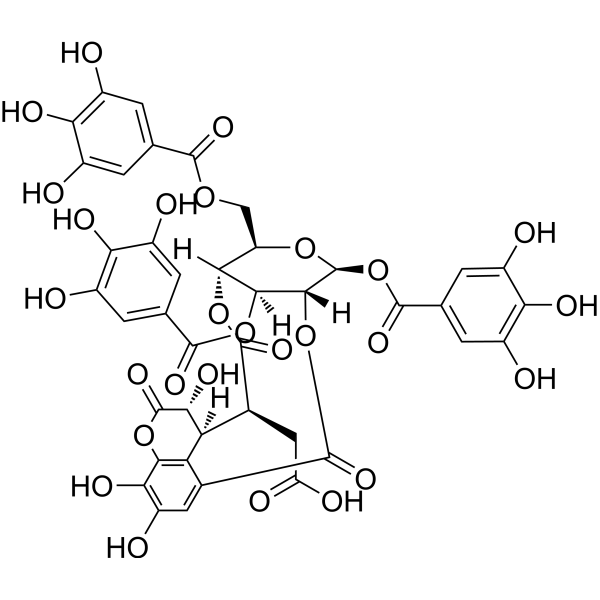
Chebulinic acid (Standard) is the analytical standard of Chebulinic acid. This product is intended for research and analytical applications. Chebulinic acid is a potent natural inhibitor of M. tuberculosis DNA gyrase, also can inhibit SMAD-3 phosphorylation, inhibit H+ K+-ATPase activity.
|
-
- HY-128866
-
|
|
Bacterial
|
Infection
|
|
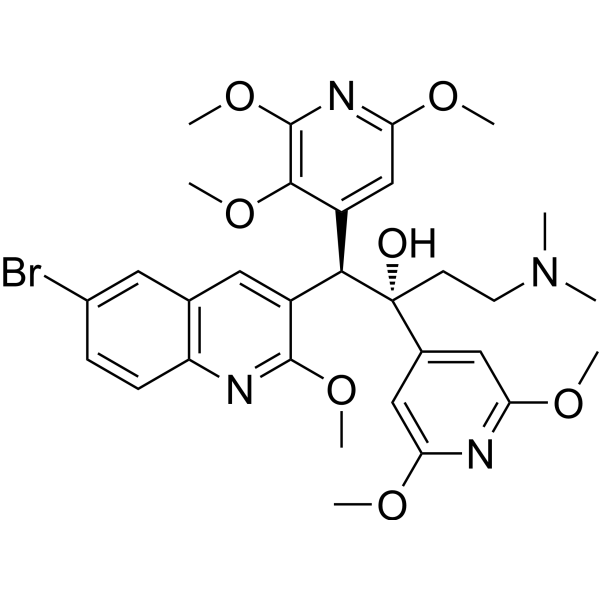
TBAJ-876 is an orally active diarylquinoline anti-Mycobacterium agent. TBAJ-876 regulates energy metabolism by targeting the c and ε subunits of Mycobacterium tuberculosis F-ATP synthase, exerts bactericidal activity against replicating Mycobacterium tuberculosis, and retains activity against strains carrying the Rv0678 mutation. TBAJ-876 undergoes N-demethylation in vivo to form its major active metabolite TBAJ-876-M3, which has lower lipophilicity and hERG potassium channel binding affinity. TBAJ-876 is well tolerated in BALB/c mice and significantly reduces the colony-forming units of Mycobacterium tuberculosis in the lungs. In addition, TBAJ-876 exhibits inhibitory activity against Mycobacterium abscessus, reduces bacterial loads in the lungs and spleens of infected mice, and shows no antagonistic effect when used in combination with common antibiotics. TBAJ-876 can be used in studies related to tuberculosis and Mycobacterium abscessus pulmonary diseases .
|
-
- HY-10844R
-
|
PA-824 (Standard); (S)-PA 824 (Standard)
|
Reference Standards
Bacterial
Antibiotic
|
Infection
Cancer
|
|
Pretomanid (Standard) is the analytical standard of Pretomanid. This product is intended for research and analytical applications. Pretomanid (PA-824) is an antibiotic used for the research of multi-drug-resistant tuberculosis affecting the lungs. Pretomanid exhibits a sub-micromolar MIC against M. tuberculosis (MTB). The MIC values of PA-824 against a panel of MTB pan-sensitive and Rifampin mono-resistant clinical isolates range from 0.015 to 0.25 μg/mL.
|
-
- HY-10844S1
-
|
PA-824-d5; (S)-PA 824-d5
|
Antibiotic
Bacterial
Isotope-Labeled Compounds
|
Infection
Cancer
|
|
Pretomanid-d5 is deuterated labeled Pretomanid (HY-10844). Pretomanid (PA-824) is an antibiotic used for the research of multi-drug-resistant tuberculosis affecting the lungs. Pretomanid exhibits a sub-micromolar MIC against M. tuberculosis (MTB). The MIC values of PA-824 against a panel of MTB pan-sensitive and Rifampin mono-resistant clinical isolates range from 0.015 to 0.25 μg/mL.
|
-
- HY-161802
-
|
|
Bacterial
|
Infection
|
|
Antibacterial agent 228 (Compound 8) inhibits the mycobacterial ribosome (IC50 for Mycobacterium smegmatis is 2.31 μM) and exhibits antibacterial activity against M. tuberculosis H37Rv (MIC=2 and 0.25 μg/mL for wildtype and Δ1258c mutant), M. abscessus ATCC 19977 (MIC=8 and 8 μg/mL for wildtype and Δ2780c mutant) and M. smegmatis (MIC=8 μg/mL) .
|
-
- HY-B0271S
-
|
Pyrazinecarboxamide-d3; Pyrazinoic acid amide-d3
|
Isotope-Labeled Compounds
Bacterial
Autophagy
Antibiotic
|
Infection
|
|
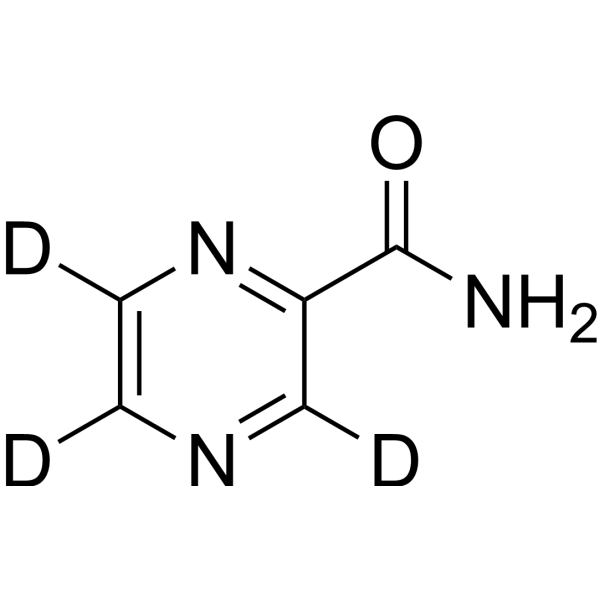
Pyrazinamide-d3 is deuterium labeled Pyrazinamide. Pyrazinamide (Pyrazinecarboxamide; Pyrazinoic acid amide) is a potent and orally active antitubercular antibiotic. Pyrazinamide is a proagent that is converted to the active form pyrazinoic acid (POA) by PZase/nicotinamidase encoded by the pncA gene in M. tuberculosis .
|
-
- HY-151614
-
|
|
Bacterial
|
Infection
|
|
Anti-infective agent 7 is a potent anti-infectious agent. Anti-infective agent 7 has anti-infection activity against P. falciparum (IC50=2.5 μM) and M. tuberculosis (MIC=9 μM) .
|
-
- HY-108941R
-
|
|
Reference Standards
Bacterial
|
Infection
|
|
Salicyl-AMS (Standard) is the analytical standard of Salicyl-AMS (HY-108941). This product is intended for research and analytical applications. Salicyl-AMS is a mycobactin biosynthesis inhibitor which can also inhibit M. tuberculosis growth in vitro under iron-limited conditions.
|
-
- HY-P0263R
-
|
|
Reference Standards
Bacterial
Fungal
Antibiotic
|
Infection
|
|
Kanamycin (sulfate) (Standard) is the analytical standard of Kanamycin (sulfate). This product is intended for research and analytical applications. Kanamycin (Kanamycin A) sulfate is an orally active antibacterial (gram-negative/positive bacteria) agent, inhibits translocation and causes misencoding by binding to the 70 S ribosomal subunit. Kanamycin sulfate shows good inhibitory activity to both M. tuberculosis (sensitive and drug-resistant ) and K. pneumonia, which can be used in studies of tuberculosis and pneumonia .
|
-
- HY-16566AR
-
|
Kanamycin A sulfate (Standard)
|
Reference Standards
Bacterial
Antibiotic
|
Infection
|
|
Kanamycin (sulfate) (Standard) is the analytical standard of Kanamycin (sulfate). This product is intended for research and analytical applications. Kanamycin (Kanamycin A) sulfate is an orally active antibacterial (gram-negative/positive bacteria) agent, inhibits translocation and causes misencoding by binding to the 70 S ribosomal subunit. Kanamycin sulfate shows good inhibitory activity to both M. tuberculosis (sensitive and drug-resistant ) and K. pneumonia, which can be used in studies of tuberculosis and pneumonia .
|
-
- HY-179529
-
|
|
EGFR
Bacterial
|
Infection
Cancer
|
|
EGFR/InhA-IN-1 (Compound 15) is an inhibitor of the anti-cancer target EGFR tyrosine kinase (1M17) (Ki = 0.05 μM) and the anti-tuberculosis target InhA enzyme (1OUZ) (Ki = 0.02 μM). EGFR/InhA-IN-1 exhibits anti-proliferative activity against A549 cells, with an IC50 of 10.38 μM. EGFR/InhA-IN-1 has inhibitory activity against Mycobacterium tuberculosis H37Rv, with a MIC of 6.25 μM. EGFR/InhA-IN-1 can be used for research on non-small cell lung cancer and Mycobacterium tuberculosis infection .
|
-
- HY-13579R
-
|
|
Reference Standards
Bacterial
Antibiotic
|
Infection
|
|
BTZ043 (Standard) is the analytical standard of BTZ043. This product is intended for research and analytical applications. BTZ043 is an inhibitor of decaprenyl-phosphoribose-epimerase (DprE1), with MICs of of 2.3 nM and 9.2 nM for M. tuberculosis H37Rv and Mycobacterium smegmatis, respectively.
|
-
- HY-P2909
-
|
|
Biochemical Assay Reagents
|
Others
|
|
Formaldehyde dehydrogenase is a widely occuring enzyme that can catalyze S-hydroxymethylglutathione in the presence of NAD. Formaldehyde dehydrogenase detoxifies formaldehyde within cells through capturing and limiting it from reaching a toxic level. Formaldehyde dehydrogenase can be studied in research on M. tuberculosis .
|
-
- HY-109587B
-
|
|
Bacterial
|
Infection
|
|
BM635 mesylate is a MmpL3 inhibitor with outstanding anti-mycobacterial activity. BM635 mesylate has a MIC50 of 0.6 μM against M. tuberculosis H37Rv. BM635 mesylate significantly improves the bioavailability compared to free-base BM635 .
|
-
- HY-109587A
-
|
|
Bacterial
|
Infection
|
|
BM635 hydrochloride is a MmpL3 inhibitor with outstanding anti-mycobacterial activity. BM635 hydrochloride has an MIC50 of 0.08 μM against M.tuberculosis H37Rv. BM635 hydrochloride doubles the in vivo exposure with respect to the free base BM635 .
|
-
- HY-169916
-
|
|
Bacterial
Estrogen Receptor/ERR
|
Infection
|
|
GuaB-IN-1 (Compound 15) exhibits high potency against M.tb with a MIC value of 0.25 μM. GuaB-IN-1 has a favorable 28% hERG inhibition profile at 10 μM. GuaB-IN-1 is promising for research of tuberculosis .
|
-
- HY-175183
-
|
|
Bacterial
|
Infection
|
|
Antituberculosis agent-15 (Compound 18c) is a selective antimycobacterial agent with MICs of 0.45 and 0.28 μM for M. tuberculosis H37Rv (ATCC 27294) and its wild-type H37Rv-LP (ATCC 25618), respectively. Antituberculosis agent-15 has potent intracellular inhibitory activities in macrophage infection models with IC50s of 0.16 μM. Antituberculosis agent-15 can be used for tuberculosis research .
|
-
- HY-119631
-
|
|
Bacterial
|
Infection
|
|
Nornidulin is a depsidone originally isolated from A. nidulans that has antibacterial activity against M. tuberculosis and M. ranoe as well as antifungal activity against T. tonsurans and M. audouini. It also inhibits the growth of methicillin-resistant S. aureus (MRSA; MIC=2 μg/mL).2 Nornidulin has cytotoxic activity in MOLT-3 cells (IC50=35.7 μM) but not HuCCA-1, HepG2, or A549 cells (IC50s=>116.4 μM).
|
-
- HY-147818
-
|
|
Bacterial
DNA/RNA Synthesis
|
Infection
|
|
DNA Gyrase-IN-2 (Compound 22a) is a bacterial DNA gyrase B inhibitor with IC50s of 3.29-10.49 and 4.41-5.61 µM for E. coli DNA gyrase and M. tuberculosis DNA gyrase. Anti-tubercular and antibacterial activity .
|
-
- HY-P6312
-
|
|
MHC
|
Inflammation/Immunology
|
|
ESAT6 Epitope is a ESAT6 CD4 + T cell epitope. ESAT6 Epitope binds to MHC class I molecules with an IC50 value of approximately 180 nM. ESAT6 Epitope has weak immunogenicity. ESAT6 Epitope can be used in studies related to pulmonary tuberculosis .
|
-
- HY-107813R
-
|
BAY 41-6551 sulfate (Standard)
|
Reference Standards
Bacterial
Antibiotic
|
Infection
Cancer
|
|
Streptomycin (Standard) is the analytical standard of Streptomycin. This product is intended for research and analytical applications. Streptomycin (Agrept) is an effective antibiotic against M. tuberculosis, is used for the research of tuberculosis (TB). Streptomycin also is a bacteriocidal agent that can be used for the research of a number of bacterial infections. Streptomycin can bind strongly to nucleic acids, interferes and blocks protein synthesis while permitting continued RNA and DNA synthesis. Streptomycin, as a common antibiotic used in culture media, also is a blocker of stretch-activated and mechanosensitive ion channels in neurons and cardiac myocytes .
|
-
- HY-146051
-
|
|
Bacterial
|
Infection
|
|
Antitubercular agent-18 (Compound 9a) is an antitubercular agent with MIC values of 2, 2, 2 and 128 µg/ml against M. tuberculosis H37Rv, Spec. 192, Spec 210 and Spec. 800, respectively. Antitubercular agent-18 shows highly selective antimycobacterial effects .
|
-
- HY-146050
-
|
|
Bacterial
|
Infection
|
|
Antitubercular agent-17 (Compound 8a) is an antitubercular agent with MIC values of 2, 2, 2 and 128 µg/ml against M. tuberculosis H37Rv, Spec. 192, Spec 210 and Spec. 800, respectively. Antitubercular agent-17 shows highly selective antimycobacterial effects .
|
-
- HY-N8373
-
|
|
Bacterial
|
Infection
|
|
Beauvericin A is a cyclodepsipeptide and derivative of beauvericin originally isolated from B. bassiana that has diverse biological activities. It is active against M. tuberculosis (MIC=25 μg/mL) and P. falciparum (IC50=12 μg/mL).2 Beauvericin A is toxic to brine shrimp (LD100=32 μg/mL).
|
-
- HY-170773
-
|
|
Bacterial
|
Infection
|
|
Mtb-IN-9 (Compound M1) is a specific Mtb inhibitor that inhibits MtbFadD32 and MtbFadD28 activity. Mtb-IN-9 curtails the Mtb survival in infected macrophages and reduces Mtb burden and tubercular granulomas in a chronic infection model of BALB/c mice. Mtb-IN-9 is promising for research of tuberculosis .
|
-
- HY-161890
-
|
|
DNA/RNA Synthesis
Bacterial
|
Infection
|
|
Antimycobacterial agent-8 (Compound 49) is an inhibitor for DNA gyrase. Antimycobacterial agent-8 exhibits antibacterial activity against Mycobacterium tuberculosis and M. abscessus with MIC90 of 2.5 μM and 0.63 μM. Antimycobacterial agent-8 exhibits good plasma protein binding ability in mice .
|
-
- HY-147505
-
|
|
Bacterial
Fungal
|
Infection
|
|
Antitubercular agent-21 (Compound 15) is an antitubercular agent with an MIC of o.4 µg/mL against M. tuberculosis H37Rv. Antitubercular agent-21 exhibits lower activity against other microorganism such as bacteria gram-positive, gram-negative or fungi. Antitubercular agent-21 shows low cytotoxicity .
|
-
- HY-151340
-
|
|
Bacterial
|
Infection
|
|
Antitubercular agent-32 is a derivate of Benzothiazinone (HY-13579A), inhibits M. tuberculosis, and shows improved metabolic stability and enhanced water solubility. Antitubercular agent-32 exerts antitubercular effect by targeting decaprenylphosphoryl-β-D-ribose 2’-oxidase (DprE1, IC50=3.9 μM) .
|
-
- HY-N10069
-
|
|
Bacterial
|
Infection
|
|
Bonducellin is a a homoisoflavonoid, which can be isolated from Caesalpinia digyna roots. Bonducellin is a potent inhibitor of efflux pump (EP), while EP induces resistance in mycobacteria and serves as a target of anti-TB (tuberculosis) agents. Bonducellin reduces MIC of EtBr by 8-fold against M. smegmatis (MIC=62.5 mg/L) .
|
-
- HY-45588
-
-
- HY-B1046
-
-
- HY-B1046R
-
|
|
Reference Standards
Bacterial
Antibiotic
DNA/RNA Synthesis
Interleukin Related
Apoptosis
|
Infection
Inflammation/Immunology
Cancer
|
|
Clofazimine (Standard) is the analytical standard of Clofazimine. This product is intended for research and analytical applications. Clofazimine is an orally-active anti-mycobacterial agent with a wide range of anti-mycobacterial activity including leprosy and tuberculosis. Clofazimine exerts anti-inflammatory activities and anti-tumor activities by interfering DNA replication and inhibiting IL2 (IC50 = 1.10 ± 0.26 μM, Jurkat T) production. Clofazimine can be used in mycobacterial and cancer research .
|
-
- HY-147704
-
|
|
Bacterial
|
Infection
|
|
Antimycobacterial agent-2 (compound 58) is a potent antimycobacterial agent. Antimycobacterial agent-2 shows anti-mycobacterial activities with an MIC99 of 0.8 µM for Mycobacterium tuberculosis (M.tb) H37Rv. Antimycobacterial agent-2 shows cytotoxic activities with an IC50 of48.1 µM for CHO cells .
|
-
- HY-111747
-
|
|
Bacterial
|
Infection
Cardiovascular Disease
|
|
TBAJ-587, a potent anti-tuberculosis agent, inhibits M.tb strain H37Rv growth with MIC90s of 0.006 and <0.02 μg/mL in MABA and LORA assay, respectively. TBAJ-587 inhibits hERG channel minimally, attenuates inhibition of the cardiac potassium channel protein coded by the hERG, which is important for cardiac repolarization .
|
-
- HY-N8060A
-
|
Orotidine monophosphate trisodium; Orotidylic acid trisodium
|
Endogenous Metabolite
DNA/RNA Synthesis
|
Metabolic Disease
|
|
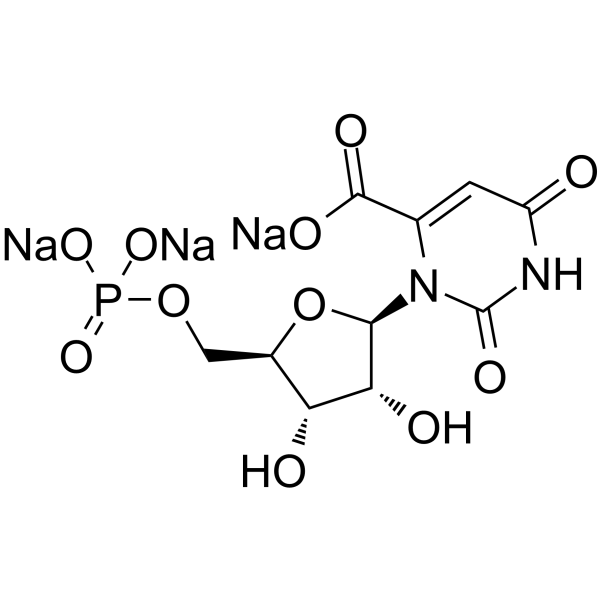
Orotidine 5'-monophosphate trisodium is a pyrimidine nucleotide. Orotidine 5'-monophosphate trisodium is synthesized via the de novo synthesis pathway for DNA synthesis in a large number of microorganisms including M. tuberculosis, S. cerevisiae, S. typhimurium and P. falciparum to name a few. The synthesis of orotidine 5'-monophosphate trisodium uses phosphoribosyl pyrophosphate (PRPP) and orotic acid (OA) as the substrates catalyzed by orotate phosphoribosyltransferase (OPRT) .
|
-
- HY-171317
-
|
|
Bacterial
|
Infection
Neurological Disease
|
|
SMARt751 targets the transcriptional regulatory factor VirS, inhibits its DNA binding ability, upregulates the mymA operon expression, thereby activating Ethionamide (HY-B0276), enhancing the antimicrobial activity of Ethionamide. SMARt751 enhances the antibacterial activity of Ethionamide against M. tuberculosis, reverses the Ethionamide resistance. SMARt751 improves the antibacterial effect of Ethionamide and reduces its effective dose in mouse models .
|
-
- HY-146557
-
|
|
Bacterial
|
Infection
|
|
Antitubercular agent-16 (Compound 5q) is an antitubercular agent with MIC90 values of 0.40, 20.11, 23.51, 19.62, 10.93 and 13.62 μg/mL against M. tuberculosis H37Rv, CF16, CF61, CF76, CF152 and CF161, respectively. Antitubercular agent-16 shows low cytotoxicity against macrophages and pulmonary fibroblasts .
|
-
- HY-146556
-
|
|
Bacterial
|
Infection
|
|
Antitubercular agent-15 (Compound 5n) is an antitubercular agent with MIC90 values of 0.73, 7.69, 9.38, 18.80, 7.53 and 7.31 μg/mL against M. tuberculosis H37Rv, CF16, CF61, CF76, CF152 and CF161, respectively. Antitubercular agent-15 shows low cytotoxicity against macrophages and pulmonary fibroblasts .
|
-
- HY-179127
-
|
|
Carbonic Anhydrase
Bacterial
|
Infection
|
|
Carbonic anhydrase-IN-36 (Compound 5p) is a MtCA 3 inhibitor with a Ki of 0.07 µM against MtCA 3. Carbonic anhydrase-IN-36 inhibits the β-class enzyme MtCA 3. Carbonic anhydrase-IN-36 demonstrates potent antimycobacterial activity, with an MIC of 8 µg/mL against Mtb. Carbonic anhydrase-IN-36 retains activity against Rifampicin (HY-B0272)-resistant M. tuberculosis .
|
-
- HY-144737
-
|
|
Bacterial
TNF Receptor
|
Infection
Inflammation/Immunology
|
|
Anti-inflammatory agent 15 (compound 29) is a potent antimycobacterial and anti-inflammatory agent. Anti-inflammatory agent 15 inhibits Mtb H37Rv and M299 growth, with MIC50 (minimum inhibitory concentration 50%) of 2.3 and 7.8 μM, respectively. Anti-inflammatory agent 15 inhibits NO through the suppression of iNOS expression, and also inhibited the production of TNF-α and IL-1β. Anti-inflammatory agent 15 can be used for tuberculosis (TB) research .
|
-
- HY-144727
-
|
|
Bacterial
TNF Receptor
|
Infection
Inflammation/Immunology
|
|
Anti-inflammatory agent 11 (compound 16) is a potent antimycobacterial and anti-inflammatory agent. Anti-inflammatory agent 11 inhibits Mtb H37Rv and M299 growth, with MIC50 (minimum inhibitory concentration 50%) of 1.3 and 6.9 μM, respectively. Anti-inflammatory agent 11 inhibits NO through the suppression of iNOS expression, and also inhibited the production of TNF-α and IL-1β. Anti-inflammatory agent 11 can be used for tuberculosis (TB) research .
|
-
- HY-N16771
-
|
|
Caspase
Apoptosis
Bcl-2 Family
Bacterial
VEGFR
|
Cancer
|
|
Clausenidin is a selective inhibitor targeting apoptosis-related pathways, including the mitochondrial pathway and death receptor pathway, and vascular endothelial growth factor (VEGF). Clausenidin induces mitochondrial membrane depolarization by activating caspase-3, caspase-8 and caspase-9, upregulating the pro-apoptotic protein Bax and downregulating the anti-apoptotic protein Bcl-2. Clausenidin also inhibits VEGF expression and blocks angiogenesis, exerting anti-tumor activity. Clausenidin has inhibitory effects against Mycobacterium tuberculosis (MIC=200 μg/mL). Clausenidin can induce apoptosis in liver cancer cells, arrest the cell cycle in the G2/M phase, and inhibit tumor angiogenesis. Clausenidin can be used in the research of malignant tumors such as liver cancer .
|
-
- HY-175987
-
|
|
Bacterial
|
Infection
|
|
Antimycobacterial agent-12 (Compound Ec42), a derivative of Platensimycin (HY-127146), is a dual-functional inhibitor KasA and KasB. Antimycobacterial agent-12 has antibacterial activity with a MICs of 2, 2 and 4 μg/mL against Staphylococcus aureus ATCC 29213, Mycobacterium smegmatis and its Isoniazid (HY-B0329)-resistant strain, respectively. Antimycobacterial agent-12 has a superior antimycobacterial activity in M. smegmatis-infected mouse models. Antimycobacterial agent-12 can be used for tuberculosis research .
|
-
- HY-N8470
-
|
NSC 204855; U 40615
|
Bacterial
|
Infection
|
|
Steffimycin B is an anthracycline bacterial metabolite originally isolated from Streptomyces. It binds to DNA, preferentially intercalating at sites containing cytosine and guanine.2 Steffimycin B is cytotoxic to MCF-7, KB, NCI-H187, and Vero cells (IC50s=3.5, 6.75, 3.28, and 10.5 μM, respectively). It is active against M. tuberculosis (MIC=5.2 nM), B. cereus (MIC=1.56 μg/mL), and P. falciparum (IC50=2.19 μM).
|
-
- HY-155846
-
|
|
Parasite
Bacterial
|
Infection
|
|
Antileishmanial agent-22 (compound 15b) is a parasite inhibitor and an antibacterial agent, with antileishmanial, antimalarial, and anti-tubercular activities. Antileishmanial agent-22 inhibits leishmanial (IC50=0.408 μM) based on antifolate mechanism. And, Antileishmanial agent-22 inhibits Folic acid and Folinic acid at 100 μM with inhibitory rates of 88% and 94%, respectively. Antileishmanial agent-22 inhibits P. berghei in vivo and in vitro, with 96.67% suppression under 48.4 μM/kg/day and 0.038 μM (IC50), respectively. Moreover, Antileishmanial agent-22 inhibits M. tuberculosis with MIC of 28.44 μM .
|
-
- HY-D2919
-
|
|
Fluorescent Dye
|
Infection
|
|
DMN-Tre is a conjugate of a solvatochromic fluorescent dye and trehalose. DMN-Tre takes advantage of the substrate promiscuity of the endogenous antigen 85 protein complex in mycobacteria to be metabolically integrated into the hydrophobic mycobacterial membrane. Once entering this hydrophobic environment, the linked DMN dye fluorescence is "turned on", enabling specific labeling . DMN-Tre can be used to reflect bacterial metabolic activity and support physiological studies of Mycobacterium tuberculosis .
|
-
| Cat. No. |
Product Name |
Type |
-
- HY-B1046
-
|
|
Fluorescent Dye
|
|
Clofazimine is an orally-active anti-mycobacterial agent with a wide range of anti-mycobacterial activity including leprosy and tuberculosis. Clofazimine exerts anti-inflammatory activities and anti-tumor activities by interfering DNA replication and inhibiting IL2 (IC50 = 1.10 ± 0.26 μM, Jurkat T) production. Clofazimine can be used in mycobacterial and cancer research .
|
-
- HY-D2919
-
|
|
Fluorescent Dye
|
|
DMN-Tre is a conjugate of a solvatochromic fluorescent dye and trehalose. DMN-Tre takes advantage of the substrate promiscuity of the endogenous antigen 85 protein complex in mycobacteria to be metabolically integrated into the hydrophobic mycobacterial membrane. Once entering this hydrophobic environment, the linked DMN dye fluorescence is "turned on", enabling specific labeling . DMN-Tre can be used to reflect bacterial metabolic activity and support physiological studies of Mycobacterium tuberculosis .
|
-
- HY-B1046R
-
|
|
Fluorescent Dye
|
|
Clofazimine (Standard) is the analytical standard of Clofazimine. This product is intended for research and analytical applications. Clofazimine is an orally-active anti-mycobacterial agent with a wide range of anti-mycobacterial activity including leprosy and tuberculosis. Clofazimine exerts anti-inflammatory activities and anti-tumor activities by interfering DNA replication and inhibiting IL2 (IC50 = 1.10 ± 0.26 μM, Jurkat T) production. Clofazimine can be used in mycobacterial and cancer research .
|
-
- HY-D3391
-
|
|
Fluorescent Dye
|
|
RMR-Tre is a fluorescent probe targeting the mycobacterial acyltransferase Ag85. Under the catalysis of Ag85, RMR-Tre undergoes 6-position mycoloylation and anchors to the mycobacterial membrane, while achieving fluorescence activation by inhibiting the intramolecular twisted charge transfer state transition. RMR-Tre can distinguish live mycobacteria from dead ones through metabolism-driven labeling, enabling rapid, wash-free, low-background detection of viable bacteria. RMR-Tre reports the drug resistance of Mycobacterium tuberculosis via the trehalose catalytic shift activity readout associated with TreS. In addition, RMR-Tre can be combined with flow cytometry or high-content imaging techniques to visualize and quantitatively analyze the metabolic heterogeneity of Mycobacterium tuberculosis related to persistence and drug resistance. RMR-Tre is widely used in tuberculosis-related research .
|
| Cat. No. |
Product Name |
Target |
Research Area |
-
- HY-P6312
-
|
|
MHC
|
Inflammation/Immunology
|
|
ESAT6 Epitope is a ESAT6 CD4 + T cell epitope. ESAT6 Epitope binds to MHC class I molecules with an IC50 value of approximately 180 nM. ESAT6 Epitope has weak immunogenicity. ESAT6 Epitope can be used in studies related to pulmonary tuberculosis .
|
-
- HY-P4284
-
|
|
Proteasome
ClpP
Bacterial
|
Infection
|
|
Z-GGF-CMK is an Antibacterial agent, an inhibitor of the ClpP1P2 serine protease complex (with an IC50 of 50 μM against intracellular ClpP1P2 protease activity in Mycobacterium bovis BCG), and a selective inhibitor of the mycobacterial Proteasome (with an IC50 of 50 μM against the proteasome in M. bovis BCG). Z-GGF-CMK inhibits the growth of mycobacteria. Z-GGF-CMK exhibits cytotoxic activity against liver cancer cells. Z-GGF-CMK can be used in the research of tuberculosis .
|
-
- HY-P0263R
-
|
|
Reference Standards
Bacterial
Fungal
Antibiotic
|
Infection
|
|
Kanamycin (sulfate) (Standard) is the analytical standard of Kanamycin (sulfate). This product is intended for research and analytical applications. Kanamycin (Kanamycin A) sulfate is an orally active antibacterial (gram-negative/positive bacteria) agent, inhibits translocation and causes misencoding by binding to the 70 S ribosomal subunit. Kanamycin sulfate shows good inhibitory activity to both M. tuberculosis (sensitive and drug-resistant ) and K. pneumonia, which can be used in studies of tuberculosis and pneumonia .
|
| Cat. No. |
Product Name |
Category |
Target |
Chemical Structure |
-
- HY-16566A
-
-
-
- HY-B1906
-
Streptomycin
Maximum Cited Publications
46 Publications Verification
Agrept; Agrimycin; Streptomycin A
|
Microorganisms
Source Classification
|
Environmental Pollutants
Antibiotic
Bacterial
|
|
Streptomycin (Agrept) is an effective antibiotic against M. tuberculosis, is used for the research of tuberculosis (TB). Streptomycin also is a bacteriocidal agent that can be used for the research of a number of bacterial infections. Streptomycin can bind strongly to nucleic acids, interferes and blocks protein synthesis while permitting continued RNA and DNA synthesis. Streptomycin, as a common antibiotic used in culture media, also is a blocker of stretch-activated and mechanosensitive ion channels in neurons and cardiac myocytes .
|
-
-
- HY-N2033
-
-
-
- HY-B1907
-
-
-
- HY-B0271
-
|
Pyrazinecarboxamide; Pyrazinoic acid amide
|
Source Classification
|
Bacterial
Autophagy
Antibiotic
|
|
Pyrazinamide (Pyrazinecarboxamide; Pyrazinoic acid amide) is a potent and orally active antitubercular antibiotic. Pyrazinamide is a proagent that is converted to the active form pyrazinoic acid (POA) by PZase/nicotinamidase encoded by the pncA gene in M. tuberculosis.
|
-
-
- HY-N8060A
-
-
-
- HY-B0271R
-
|
Pyrazinecarboxamide (Standard); Pyrazinoic acid amide (Standard)
|
Microorganisms
Source Classification
|
Reference Standards
Bacterial
Autophagy
Antibiotic
|
|
Pyrazinamide (Standard) is the analytical standard of Pyrazinamide. This product is intended for research and analytical applications. Pyrazinamide (Pyrazinecarboxamide; Pyrazinoic acid amide) is a potent and orally active antitubercular antibiotic. Pyrazinamide is a proagent that is converted to the active form pyrazinoic acid (POA) by PZase/nicotinamidase encoded by the pncA gene in M. tuberculosis.
|
-
-
- HY-B1906R
-
|
Agrept (Standard); Agrimycin (Standard); Streptomycin A (Standard)
|
Microorganisms
Source Classification
|
Reference Standards
Antibiotic
Bacterial
|
|
Streptomycin (Standard) is the analytical standard of Streptomycin. This product is intended for research and analytical applications. Streptomycin (Agrept) is an effective antibiotic against M. tuberculosis, is used for the research of tuberculosis (TB). Streptomycin also is a bacteriocidal agent that can be used for the research of a number of bacterial infections. Streptomycin can bind strongly to nucleic acids, interferes and blocks protein synthesis while permitting continued RNA and DNA synthesis. Streptomycin, as a common antibiotic used in culture media, also is a blocker of stretch-activated and mechanosensitive ion channels in neurons and cardiac myocytes .
|
-
-
- HY-16566R
-
|
Kanamycin A (Standard)
|
Microorganisms
Source Classification
|
Reference Standards
Antibiotic
Bacterial
|
|
Kanamycin (Standard) is the analytical standard of Kanamycin. This product is intended for research and analytical applications. Kanamycin (Kanamycin A) is an orally active antibacterial (gram-negative/positive bacteria) agent, inhibits translocation and causes misencoding by binding to the 70 S ribosomal subunit. Kanamycin shows good inhibitory activity to both M. tuberculosis (sensitive and drug-resistant ) and K. pneumonia, which can be used in studies of tuberculosis and pneumonia[1][2][3][4].
|
-
-
- HY-N3612
-
|
(+)-Communic acid
|
Animals
Ketones, Aldehydes, Acids
Source Classification
|
Bacterial
Akt
MMP
|
|
Communic acid ((+)-Communic acid) is a natural compound isolated from the branches of Platycladus orientalis. Communic acid displays minimum inhibitory concentration of 31 μM and IC50 of 15 μM against M. tuberculosis H37Ra.Communic acid exhibits protective effects against UVB-induced skin aging .
|
-
-
- HY-N11048
-
-
-
- HY-N2876
-
-
-
- HY-N2033R
-
-
-
- HY-N10069
-
-
-
- HY-N12600
-
-
-
- HY-N12823
-
|
|
Microorganisms
Antibiotics
Source Classification
|
Bacterial
|
|
Caprazene is an antimycobacterial compound and precursor molecule for semi-synthetic antibacterial antibiotics, used for studies on tuberculosis and Mycobacterium avium complex infections, which can be isolated from the acid-treated caprazamycin (CPZ) A-G mixture .
|
-
-
- HY-P0263R
-
|
|
Structural Classification
Natural Products
Animals
Source Classification
|
Reference Standards
Bacterial
Fungal
Antibiotic
|
|
Kanamycin (sulfate) (Standard) is the analytical standard of Kanamycin (sulfate). This product is intended for research and analytical applications. Kanamycin (Kanamycin A) sulfate is an orally active antibacterial (gram-negative/positive bacteria) agent, inhibits translocation and causes misencoding by binding to the 70 S ribosomal subunit. Kanamycin sulfate shows good inhibitory activity to both M. tuberculosis (sensitive and drug-resistant ) and K. pneumonia, which can be used in studies of tuberculosis and pneumonia .
|
-
-
- HY-16566AR
-
-
-
- HY-N16771
-
|
|
Structural Classification
Rutaceae
Coumarins
Phenylpropanoids
Plants
Clausena excavata N. L. Burman
Source Classification
|
Caspase
Apoptosis
Bcl-2 Family
Bacterial
VEGFR
|
|
Clausenidin is a selective inhibitor targeting apoptosis-related pathways, including the mitochondrial pathway and death receptor pathway, and vascular endothelial growth factor (VEGF). Clausenidin induces mitochondrial membrane depolarization by activating caspase-3, caspase-8 and caspase-9, upregulating the pro-apoptotic protein Bax and downregulating the anti-apoptotic protein Bcl-2. Clausenidin also inhibits VEGF expression and blocks angiogenesis, exerting anti-tumor activity. Clausenidin has inhibitory effects against Mycobacterium tuberculosis (MIC=200 μg/mL). Clausenidin can induce apoptosis in liver cancer cells, arrest the cell cycle in the G2/M phase, and inhibit tumor angiogenesis. Clausenidin can be used in the research of malignant tumors such as liver cancer .
|
-
| Cat. No. |
Product Name |
Chemical Structure |
-
- HY-B0271S
-
|
|
|
Pyrazinamide-d3 is deuterium labeled Pyrazinamide. Pyrazinamide (Pyrazinecarboxamide; Pyrazinoic acid amide) is a potent and orally active antitubercular antibiotic. Pyrazinamide is a proagent that is converted to the active form pyrazinoic acid (POA) by PZase/nicotinamidase encoded by the pncA gene in M. tuberculosis .
|
-
-
- HY-10844S1
-
|
|
|
Pretomanid-d5 is deuterated labeled Pretomanid (HY-10844). Pretomanid (PA-824) is an antibiotic used for the research of multi-drug-resistant tuberculosis affecting the lungs. Pretomanid exhibits a sub-micromolar MIC against M. tuberculosis (MTB). The MIC values of PA-824 against a panel of MTB pan-sensitive and Rifampin mono-resistant clinical isolates range from 0.015 to 0.25 μg/mL.
|
-
-
- HY-10844S
-
|
|
|
Pretomanid-d4 is the deuterium labeled Pretomanid. Pretomanid (PA-824) is an antibiotic used for the research of multi-drug-resistant tuberculosis affecting the lungs. Pretomanid exhibits a sub-micromolar MIC against M. tuberculosis (MTB). The MIC values of PA-824 against a panel of MTB pan-sensitive and Rifampin mono-resistant clinical isolates range from 0.015 to 0.25 μg/mL .
|
-
-
- HY-B0271S1
-
|
|
|
Pyrazinamide- 13C, 15N is 15N and 13C labeled Pyrazinamide (HY-B0271). Pyrazinamide (Pyrazinecarboxamide; Pyrazinoic acid amide) is a potent and orally active antitubercular antibiotic. Pyrazinamide is a proagent that is converted to the active form pyrazinoic acid (POA) by PZase/nicotinamidase encoded by the pncA gene in M. tuberculosis.
|
-
-
- HY-135328S
-
|
|
|
Norverapamil-d7 is a deuterium labeled Norverapamil ((±)-Norverapamil). Norverapamil, an N-demethylated metabolite of Verapamil, is a L-type calcium channel blocker and a P-glycoprotein (P-gp) function inhibitor .
|
-
Your information is safe with us. * Required Fields.
Inquiry Information
- Product Name:
- Cat. No.:
- Quantity:
- MCE Japan Authorized Agent:

