

49 Results for "

MCAo

" in MedChemExpress (MCE) Product Catalog:
Products (49)

49 Results for "MCAo" in MCE Product Catalog:

25
25 Publications Verification
Cat. No.: HY-13817
CAS No.: 314245-33-5
Purity:  99.30%
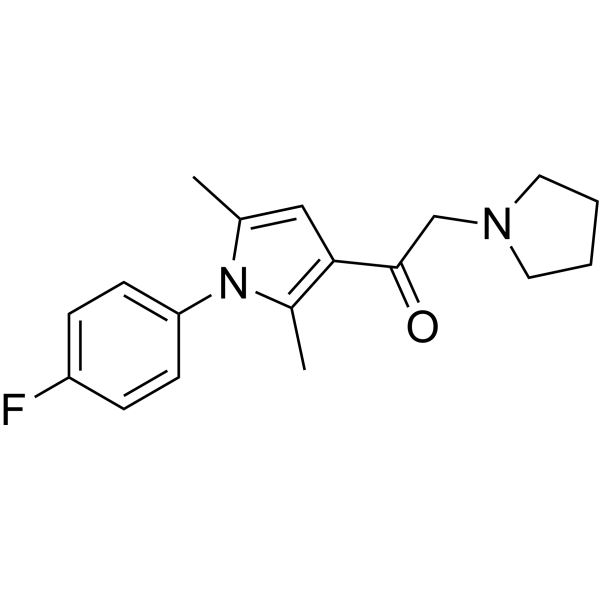
IU1 is a selective, reversible USP14 inhibitor with an IC50 of 4-5 μM. IU1 binds USP14’s catalytic cleft to block deubiquitinase activity. IU1 induces calpain-dependent Tau cleavage, causes ATP deficits, reduces E1~Ub thioester levels and 26S proteasome assembly. IU1 enhances 26S proteasome chymotrypsin-like activity, modulates LC3B-dependent autophagy flux, reduces cancer cell proliferation and migration, and blocks G0/G1 to S phase cell cycle transition in follicular thyroid cancer cells. IU1 activates autophagy-lysosomal and ubiquitin-proteasome pathways, triggers apoptosis, and reduces cervical cancer cell growth. IU1 enhances degradation of proteasome substrates linked to neurodegenerative disease, accelerates oxidized protein degradation, and increases oxidative stress resistance. IU1 can be used for the research of Alzheimer’s disease, follicular thyroid cancer, ischemic stroke, cervical cancer, and neurodegenerative disease .
loading...
    loading...
19
19 Cited Publications
Cat. No.: HY-17468
CAS No.: 28395-03-1
Synonyms: Ro 10-6338; PF 1593
Target:  

NKCC

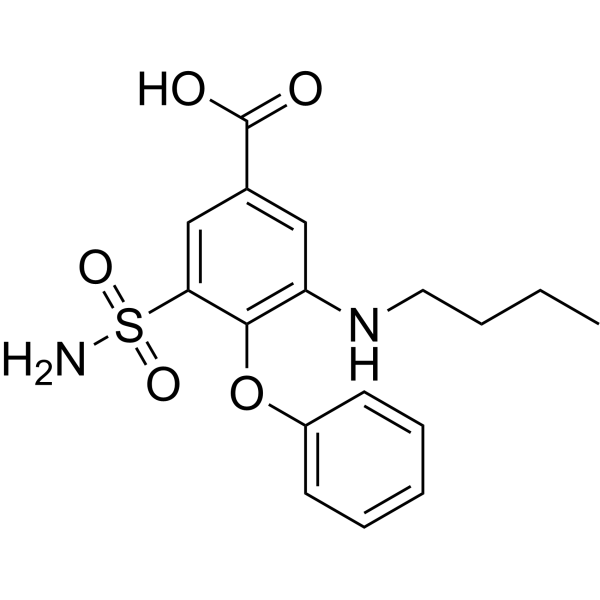
Bumetanide (Ro 10-6338; PF 1593), a highly potent loop diuretic, is a Na +-K +-Cl + cotransporter (NKCC) blocker. Bumetanide is a selective NKCC1 inhibitor, but also inhibits NKCC2, with IC50s of 0.68 μM and 4.0 μM for hNKCC1A and hNKCC2A, respectively .
loading...
    loading...
5
5 Cited Publications
Cat. No.: HY-N2255
CAS No.: 25127-29-1
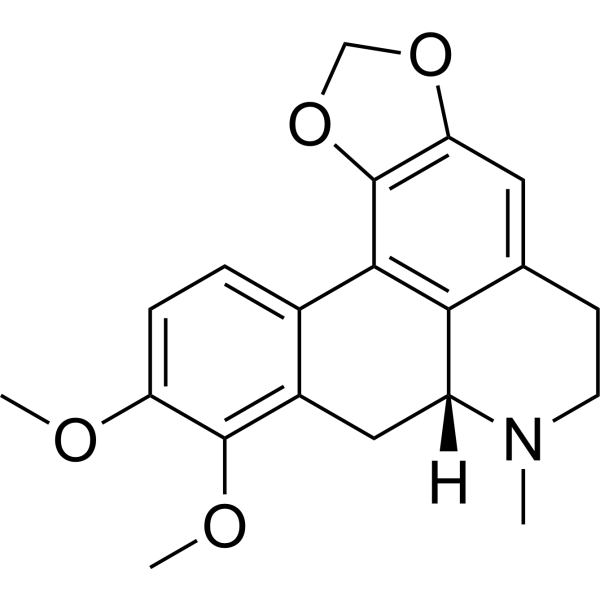
Crebanine is an isoquinoline-like alkaloid that can be derived from Stephania. Crebanine is an antagonist of the α7-nAChR with an IC50 of 19.1 μM. Crebanine suppresses the proliferation, migration, and invasion of cancer cells, triggers reactive oxygen species (ROS) burst, and promotes apoptosis. Crebanine inhibits the AKT/FoxO3a, NF-κB and MAPK signaling pathways. Crebanine attenuates NOX2 hyperactivation, exhibits antioxidant properties by reducing reactive oxygen species and peroxidation in microglia cells. Crebanine inhibits voltage-dependent Na + current in guinea-pig ventricular myocytes. Crebanine has high inhibitory activity against gram-positive animal pathogenic bacteria. Crebanine ameliorates ischemia-reperfusion brain damage in middle cerebral artery occlusion and reperfusion (MCAO/R) rats. Crebanine significantly improves Scopolamine (HY-N0296)-induced cognitive deficits in ICR mice. Crebanine can be used for the study of hepatocellular carcinoma (HCC), cerebral ischemia and Alzheimer's disease .
loading...
    loading...
4
4 Cited Publications
Cat. No.: HY-N0361
CAS No.: 19408-84-5
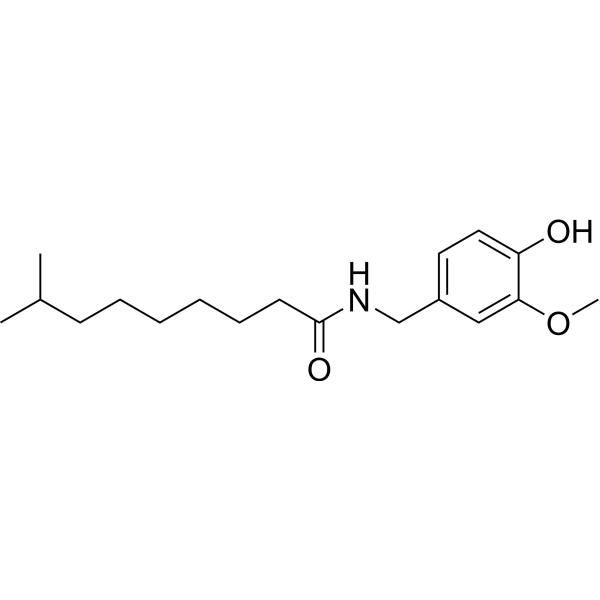
Dihydrocapsaicin, a capsaicin, is a potent and selective TRPV1 (transient receptor potential vanilloid channel 1) agonist. Dihydrocapsaicin reduces AIF, Bax, and Caspase-3 expressions, and increased Bcl-2, Bcl-xL and p-Akt levels. Dihydrocapsaicin enhances the hypothermia-induced neuroprotection following ischemic stroke via PI3K/Akt regulation in rat .
loading...
    loading...
3
3 Cited Publications
Cat. No.: HY-18939
CAS No.: 36396-99-3
Synonyms: CHA
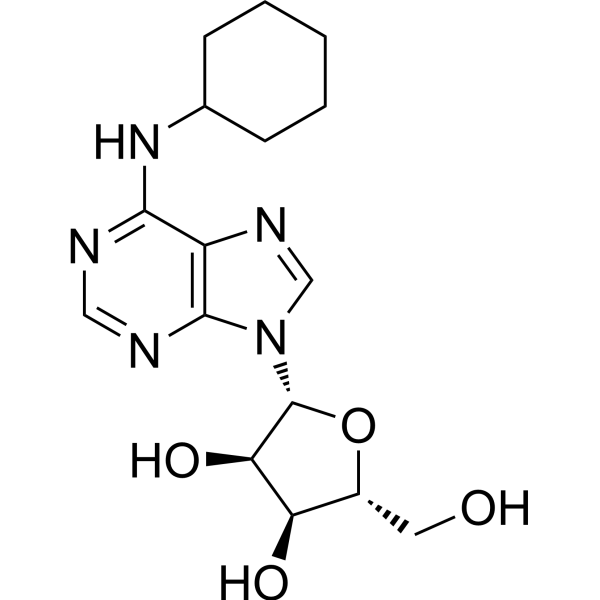
N6-Cyclohexyladenosine is a selective adenosine A1 receptor agonist (EC50 = 8.2 nM). N6-Cyclohexyladenosine enhances the activation of the PI3K/Akt/CREB/BDNF axis. N6-Cyclohexyladenosine promotes remyelination, induces sleep, and improves 3-NP-induced Huntington's disease. N6-Cyclohexyladenosine can be used in liver cancer research .
loading...
    loading...
3
3 Cited Publications
Cat. No.: HY-139192
CAS No.: 2243506-33-2
Purity:  99.59%
Synonyms: NMDAR/TRPM4-IN-2
Target:  

iGluR TRP Channel ERK

Research Areas:  

Neurological Disease

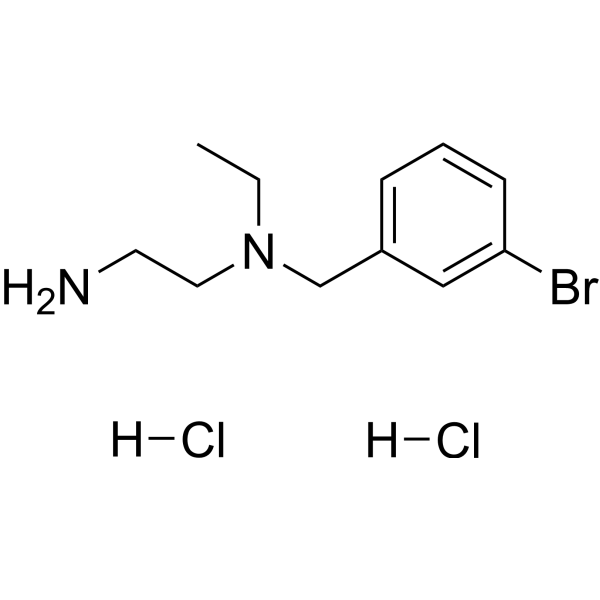
Brophenexin (compound 8) is a potent NMDAR/TRPM4 interaction interface inhibitor. Brophenexin shows neuroprotective activity. Brophenexin prevents NMDA-induced cell death and mitochondrial dysfunction in hippocampal neurons, with an IC50 of 2.1 μM. Brophenexin protects mice from MCAO-induced brain damage and NMDA-induced retinal ganglion cell loss .
loading...
    loading...
3
3 Cited Publications
Cat. No.: HY-139192A
CAS No.: 1353979-43-7
Purity:  99.24%
Synonyms: NMDAR/TRPM4-IN-2 free base
Target:  

iGluR TRP Channel ERK

Research Areas:  

Neurological Disease

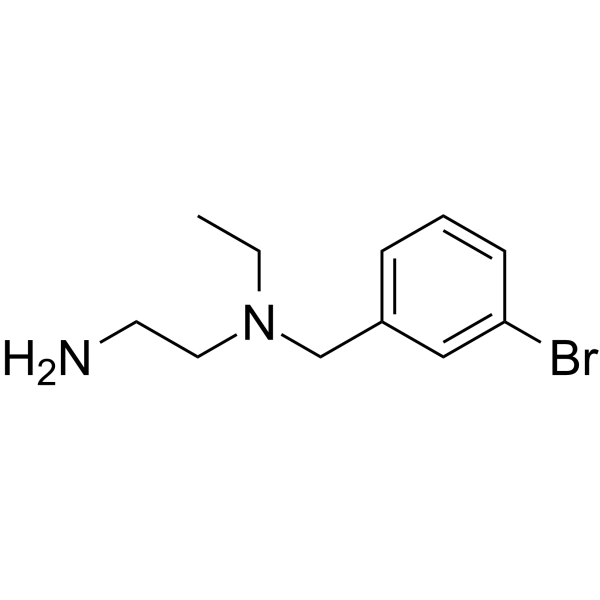
Brophenexin free base (compound 8) is a potent NMDAR/TRPM4 interaction interface inhibitor. Brophenexin free base shows neuroprotective activity. Brophenexin free base prevents NMDA-induced cell death and mitochondrial dysfunction in hippocampal neurons, with an IC50 of 2.1 μM. Brophenexin free base protects mice from MCAO-induced brain damage and NMDA-induced retinal ganglion cell loss .
loading...
    loading...
2
2 Cited Publications
Cat. No.: HY-N0353
CAS No.: 13657-68-6
Synonyms: (+)-Curdione
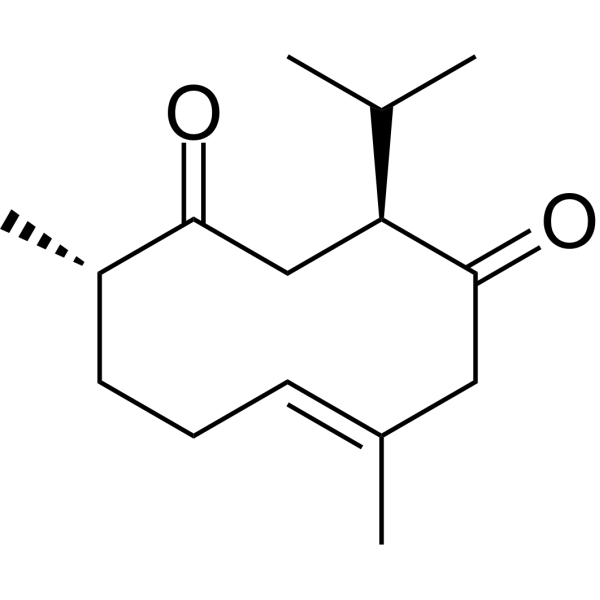
Curdione ((+)-Curdione) is an orally active sesquiterpenoid. Curdione inhibits platelet aggregation. Curdione induces ferroptosis in colorectal cancer via m6A methylation mediated by METTL14 and YTHDF2. Curdione inhibits ferroptosis in Isoproterenol (HY-B0468)-induced myocardial infarction by regulating the Keap1/Trx1/GPX4 signaling pathway, suppressing oxidative stress (ROS) and apoptosis. Curdione ameliorates Doxorubicin (HY-15142)-induced cardiotoxicity by inhibiting oxidative stress (ROS) and activating the Nrf2/HO-1 pathway. Curdione ameliorates sepsis-induced lung injury by inhibiting platelet-mediated neutrophil extracellular trap formation. Curdione ameliorates Bleomycin (HY-17565A)-induced pulmonary fibrosis by inhibiting TGF-β-induced fibroblast-to-myofibroblast differentiation. Curdione exhibits neuroprotective effects against focal cerebral ischemia-reperfusion injury in rats. Curdione exerts antiproliferative effects against human uterine leiomyosarcoma by targeting IDO1. Curdione protects vascular endothelial cells and atherosclerosis by regulating DNMT1-mediated ERBB4 promoter methylation. Curdione inhibits inducible prostaglandin E2 production (IC50 = 1.1 μM) and cyclooxygenase 2 expression .
loading...
    loading...
2
2 Cited Publications
Cat. No.: HY-125039
CAS No.: 1287585-40-3
Purity:  99.57%
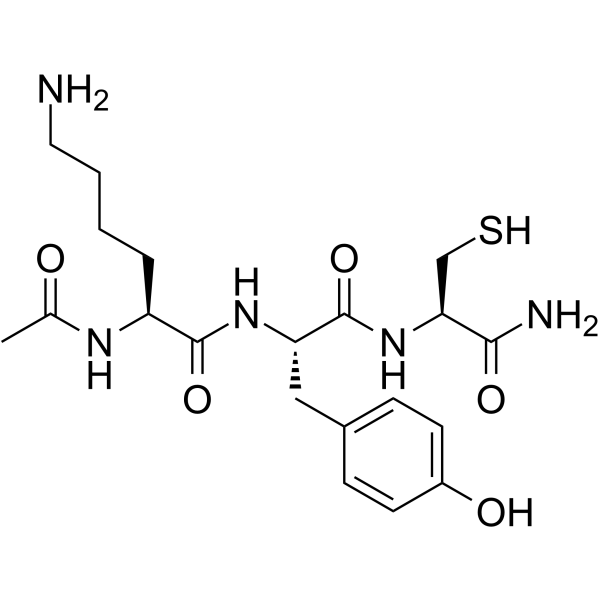
N-Acetyl lysyltyrosylcysteine amide is a potent, reversible, specific, and non-toxic tripeptide inhibitor of myeloperoxidase (MPO). N-Acetyl lysyltyrosylcysteine amide effectively inhibits MPO generation of toxic oxidants in vivo. N-Acetyl lysyltyrosylcysteine amide reduces neuronal damage and preserves brain tissue and neurological function in the stroked brain. N-Acetyl lysyltyrosylcysteine amide inhibits MPO-dependent hypochlorous acid (HOCl) generation, protein nitration, and LDL oxidation .
loading...
    loading...
1
1 Cited Publications
Cat. No.: HY-108801A
CAS No.: 862111-32-8
Purity:  97.66%

Target:  

VEGFR

Research Areas:  

Cardiovascular Disease Cancer

Aflibercept (VEGF Trap) is a soluble decoy VEGFR constructed by fusing the Ig domains of VEGFR1 and VEGFR2 with the Fc region of human IgG1. Aflibercept inhibits VEGF signaling by reducing VEGF-regulated processes. Aflibercept can be used for thr research of age-related macular degeneration (AMD) and cardiovascular disease .
loading...
    loading...
1
1 Cited Publications
Cat. No.: HY-108801
CAS No.: 862111-32-8
Synonyms: VEGF Trap; VEGF-TRAPR1R2; VEGF-trapR1

Target:  

VEGFR

Aflibercept (VEGF Trap) is a soluble decoy VEGFR constructed by fusing the Ig domains of VEGFR1 and VEGFR2 with the Fc region of human IgG1. Aflibercept inhibits VEGF signaling by reducing VEGF-regulated processes. Aflibercept can be used for thr research of age-related macular degeneration (AMD) and cardiovascular disease .
loading...
    loading...
1
1 Cited Publications
Cat. No.: HY-149164
CAS No.: 245728-44-3
Purity:  99.39%
Target:  

GPR65

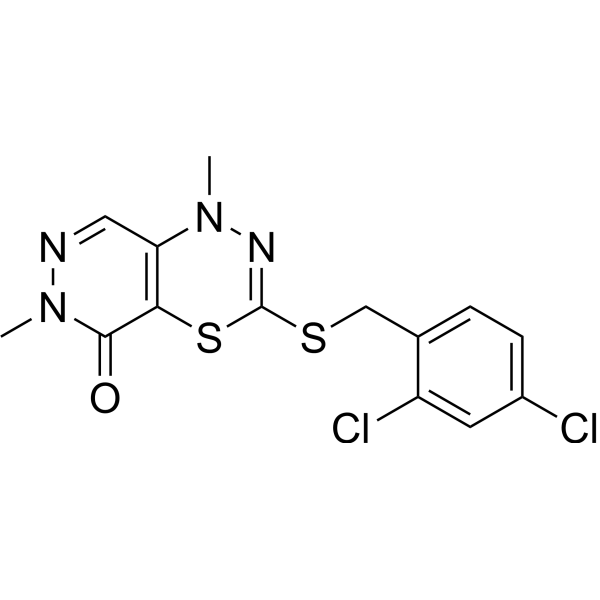
BTB09089 is a T cell death-associated gene 8 (TDAG8/GPR65) specific agonist. BTB09089 increases TDAG8 expression and regulates the cytokine production of T cells and macrophages .
loading...
    loading...
1
1 Cited Publications
Cat. No.: HY-B0612A
CAS No.: 132866-11-6
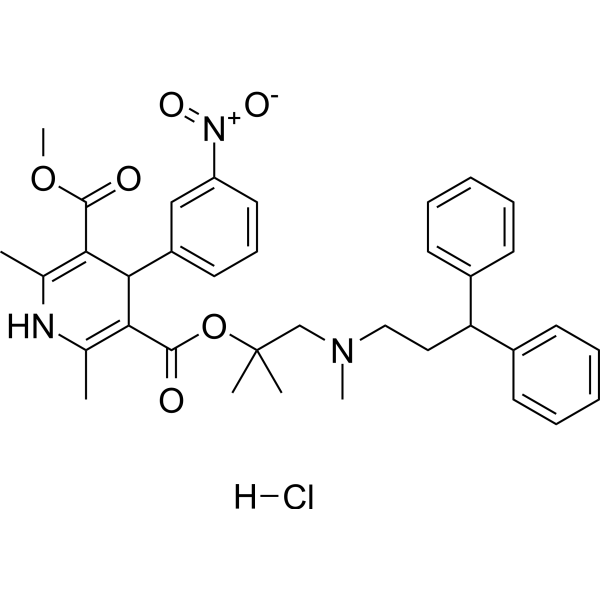
Lercanidipine is a third-generation, lipophilic, brain-penetrant, vascular-selective and orally active dihydropyridine-calcium channel blocker with a pIC50 of 7.74 (converts from μM). Lercanidipine has long lasting antihypertensive action as well as reno- and neuro-protective effect. Lercanidipine also shows anti-oxidant, anti-inflammatory and anti-apoptotic properties. Lercanidipine can be used in cardiovascular and neurological research .
loading...
    loading...
1
1 Cited Publications
Cat. No.: HY-B0612
CAS No.: 100427-26-7
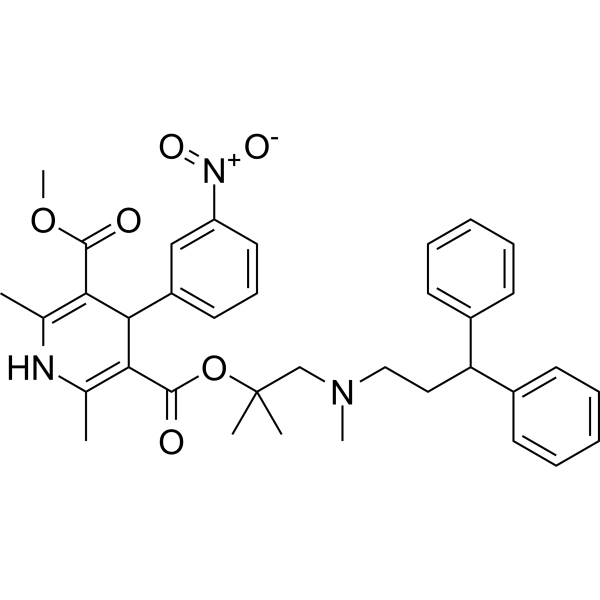
Lercanidipine is a third-generation, lipophilic, brain-penetrant, vascular-selective and orally active dihydropyridine-calcium channel blocker with a pIC50 of 7.74 (converts from μM). Lercanidipine has long lasting antihypertensive action as well as reno- and neuro-protective effect. Lercanidipine also shows anti-oxidant, anti-inflammatory and anti-apoptotic properties. Lercanidipine can be used in cardiovascular and neurological research .
loading...
    loading...
1
1 Cited Publications
Cat. No.: HY-14256
CAS No.: 166095-21-2
Purity:  98.01%
BMS-191095 is a selective activator of mitochondrial ATP-sensitive potassium (mitoKATP) channels. BMS-191095 inhibits human platelet aggregation by opening mitochondrial K(ATP) channels .
loading...
    loading...
1
1 Cited Publications
Cat. No.: HY-161104
CAS No.: 2252448-93-2
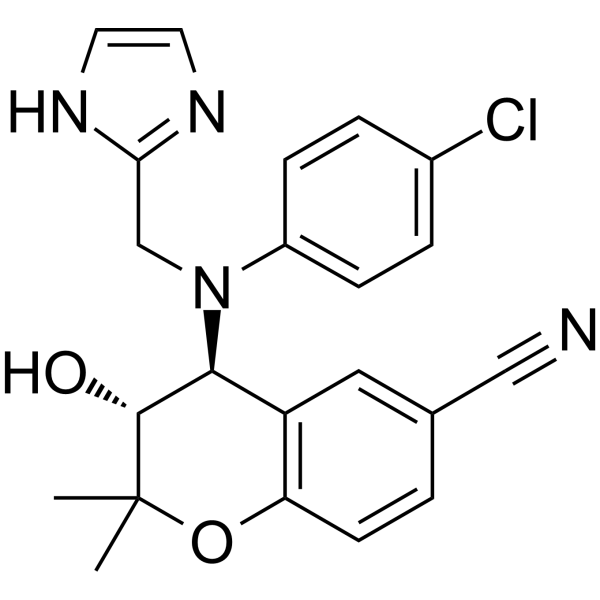
Kv2.1-IN-1 is an orally active and blood-brain barrier penetrant Kv2.1 inhibitor with an IC50 of 0.07 μM. Kv2.1-IN-1 exhibits a selectivity >130 fold over other K +, Na +, and Ca 2+ ion channels. Kv2.1-IN-1 decreases the apoptosis of HEK293 cells induced by H2O2. Kv2.1-IN-1 produces significant neuroprotection efficacy in middle cerebral artery occlusion (MCAO) rat. Kv2.1-IN-1 can be used for the study of ischemic stroke .
loading...
    loading...
Cat. No.: HY-175032
CAS No.: 2952703-90-9
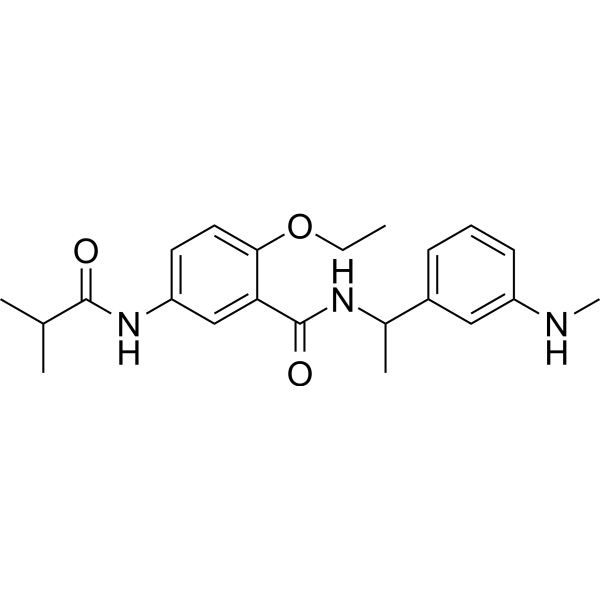
ATF3-IN-1 is a ferroptosis and ATF3 inhibitor. ATF3-IN-1 inhibits oxidative stress and ferroptosis through the ATF3/SLC7A11/GPX4 pathway, exerting anti-ischemic stroke effects. ATF3-IN-1 can attenuate ischemia/reperfusion (I/R) injury and improve neuronal survival. ATF3-IN-1 has neuroprotective effects and can be used to study ischemic stroke .
loading...
    loading...
Cat. No.: HY-B1216
CAS No.: 52432-72-1
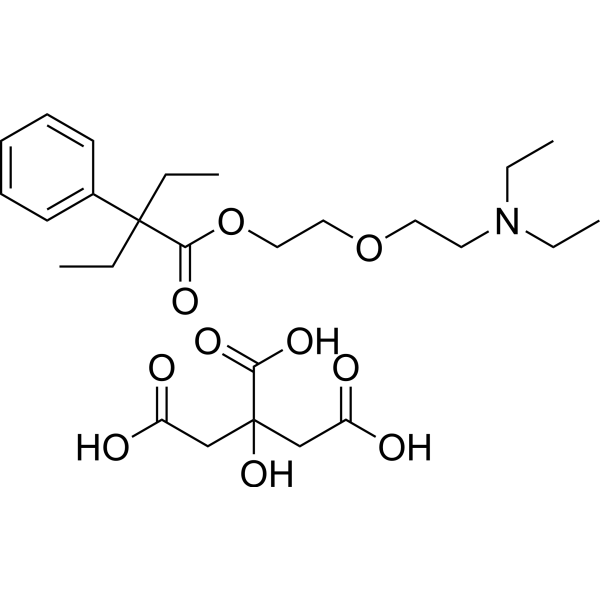
Oxeladin citrate is an orally active and brain-penetrant cough suppressant as well as a selective sigma 1 receptor agonist (Ki = 25 nM). Oxeladin can be used for pulmonary diseases and stroke research .
loading...
    loading...
Cat. No.: HY-N3847
CAS No.: 38965-51-4
Synonyms: Eriodictyol 7-O-β-D-glucoside
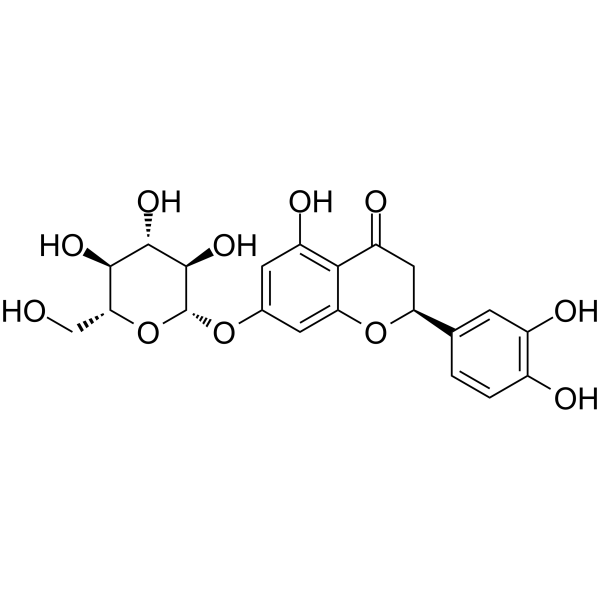
Eriodictyol-7-O-glucoside (Eriodictyol 7-O-β-D-glucoside), a flavonoid, is an Nrf2 activator. Eriodictyol-7-O-glucoside exhibits significant scavenging effects on both hydroxyl radicals and superoxide anions, with IC50 values of 0.28 mM and 0.30 mM, respectively. Eriodictyol-7-O-glucoside increases the nuclear localization of Nrf2 and induces the expression of the Nrf2/ARE-dependent genes. Eriodictyol-7-O-glucoside provides protection against oxygen and glucose deprivation (OGD)-induced oxidative insult. Eriodictyol-7-O-glucoside demonstrates neuroprotective efficacy in a rat model of focal cerebral ischemia (MCAO). Eriodictyol-7-O-glucoside can be used for the study of stroke .
loading...
    loading...
Cat. No.: HY-P2159
CAS No.: 75790-53-3
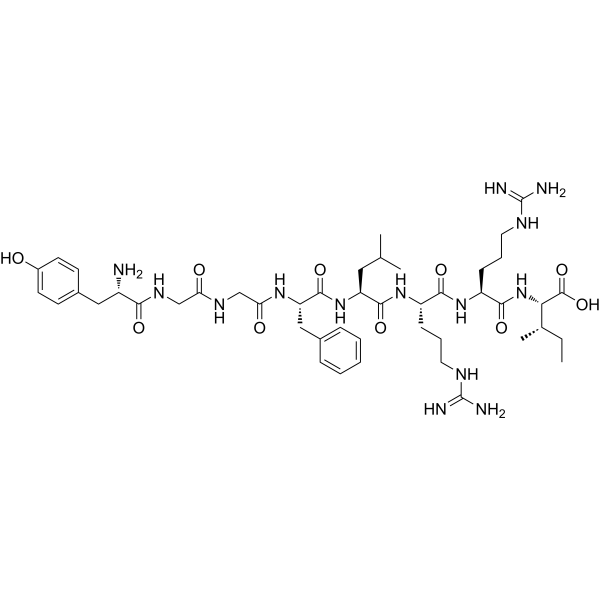
Dynorphin A (1-8) is a ligand with preference for the κ-opioid receptor, and its IC50 value against human placental κ-opioid receptor is 330 nM. Dynorphin A (1-8) mediates neuroprotective effects by inhibiting oxidative stress, suppressing apoptosis, and competitively displacing the binding of κ partial agonists. Dynorphin A (1-8) is the dominant opioid peptide in human placental villi and tissue extracts; it undergoes rapid hydrolysis and can enter the central nervous system via intranasal administration. Dynorphin A (1-8) can be used in studies related to ischemic stroke .
loading...
    loading...

