Search Result
Results for "
MIA PaCa-2 cell
" in MedChemExpress (MCE) Product Catalog:
-
- HY-13323
-
CX-5461
Maximum Cited Publications
66 Publications Verification
|
DNA/RNA Synthesis
|
Cancer
|
|
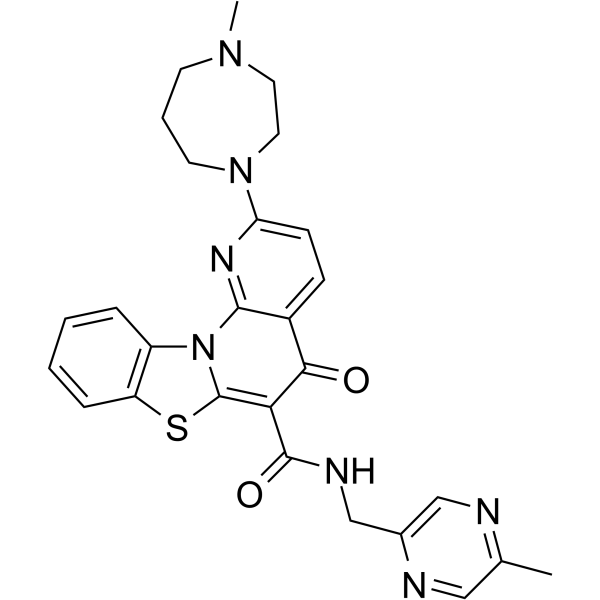
CX-5461 is a potent and oral rRNA synthesis inhibitor. It inhibits RNA polymerase I-driven transcription of rRNA with IC50s of 142, 113, and 54 nM in HCT-116, A375, and MIA PaCa-2 cells, respectively .
|
-
-
- HY-130149
-
|
MRTX849
|
Ras
|
Cancer
|
|
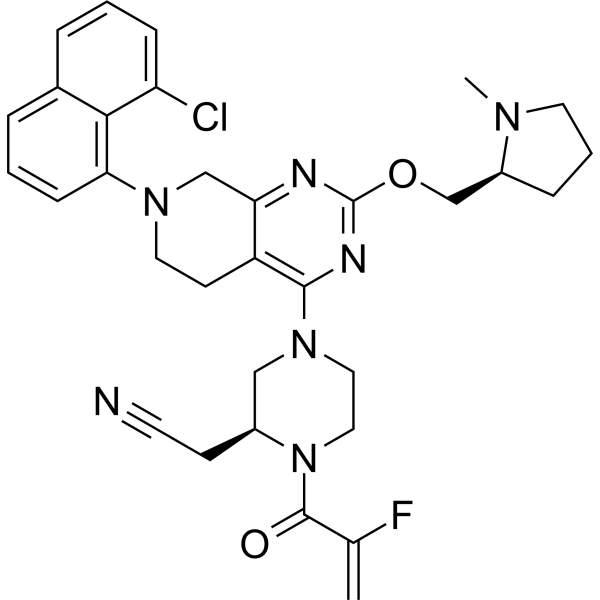
Adagrasib (MRTX849) is a potent, orally-available, and mutation-selective covalent inhibitor of KRAS G12C with potential antineoplastic activity. Adagrasib covalently binds to KRAS G12C at the cysteine at residue 12, locks the protein in its inactive GDP-bound conformation, and inhibits KRAS-dependent signal transduction .
|
-
-
- HY-13594
-
|
Ce6
|
MOFs
Bcl-2 Family
Caspase
PARP
Apoptosis
Fluorescent Dye
|
Infection
Cancer
|
|
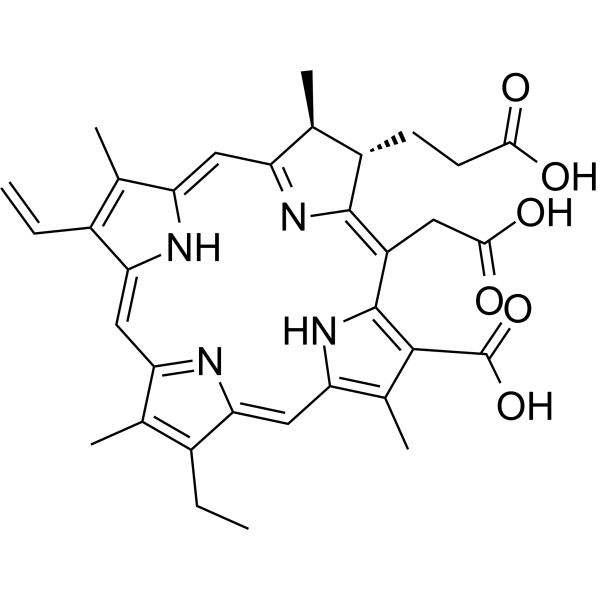
Chlorin e6 is a photosensitizer and has strong absorption peaks at wavelength of 402 and 662 nm, as well as exhibiting intense fluorescence at 668 nm. Chlorin e6 has antimicrobial efficacy and anticancer activity. Chlorin e6 induces cell apoptosis via caspase-3 activation and can be used for the research of cancer .
|
-
-
- HY-100367
-
|
|
Quinone Reductase
NF-κB
|
Cancer
|
|
ES 936 is a potent and specific NQO1 inhibitor. ES 936 inhibits the growth of MIA PaCa-2 and BxPC-3 cells, with IC50 values of 108 nM and 365 nM, respectively. ES936 significantly inhitbits the growth rate of MIA PaCa-2 xenograft tumors in mice. ES 936 can be used for the study of pancreatic cancer .
|
-
-
- HY-13323A
-
|
|
DNA/RNA Synthesis
|
Cancer
|
|
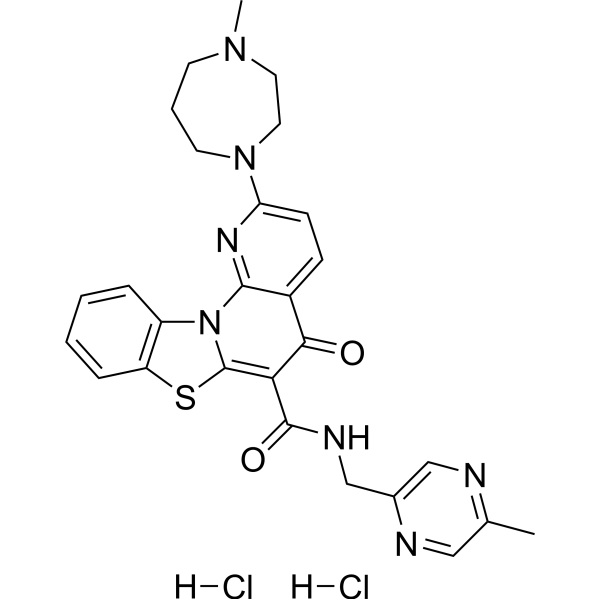
CX-5461 dihydrochloride is a potent and orally bioavailable inhibitor of Pol I-mediated rRNA synthesis, with IC50s of 142 nM in HCT-116, 113 nM in A375, and 54 nM in MIA PaCa-2 cells, and shows little or no effect on Pol II (IC50 ≥25 μM).
|
-
-
- HY-128522
-
|
|
Ras
|
Cancer
|
|
ARS-1323-alkyne is a covalent inhibitor probe that covalently binds to the Switch-II pocket (S-IIP) of the KRAS G12C mutant protein. ARS-1323-alkyne visualizes the covalent modification of KRAS G12C and quantitatively measures the binding efficiency of the inhibitor to the target. ARS-1323-alkyne can be used to validate the target occupancy of KRAS G12C inhibitors and the synergistic mechanism of combination therapy .
|
-
-
- HY-144310
-
|
|
Oxidative Phosphorylation
Mitochondrial Metabolism
|
Cancer
|
|
DX3-213B is a highly potent, orally active oxidative phosphorylation (OXPHOS) complex I inhibitor (IC50=3.6 nM). DX3-213B impairs ATP generation (IC50=11 nM), and blocks MIA PaCa-2 cell growth (GI50=11 nM). DX3-213B is used for the research of the pancreatic cancer .
|
-
-
- HY-153090
-
|
|
Transketolase
|
Infection
Cancer
|
|
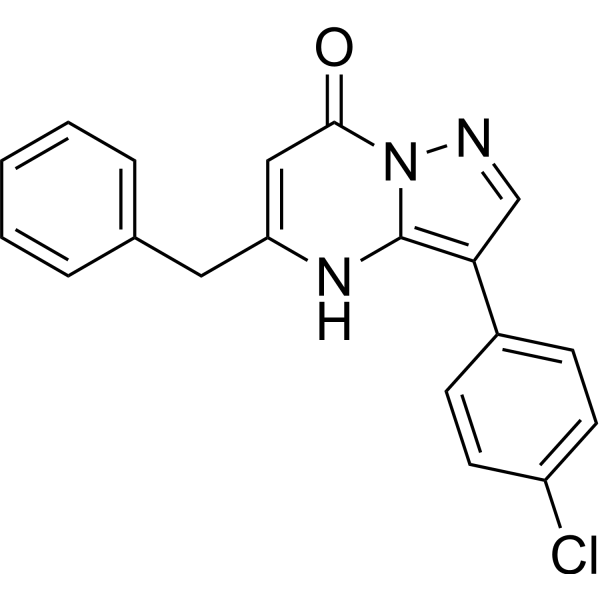
Transketolase-IN-4 is a potent inhibitor of transketolase with an IC50 value of 3.9 μM. Transketolase-IN-4 inhibits the proliferation of tumor cells including SW620, LS174T and MIA PaCa-2. Transketolase-IN-4 can be used for tumor research .
|
-
-
- HY-141477
-
|
|
Ras
|
Cancer
|
|
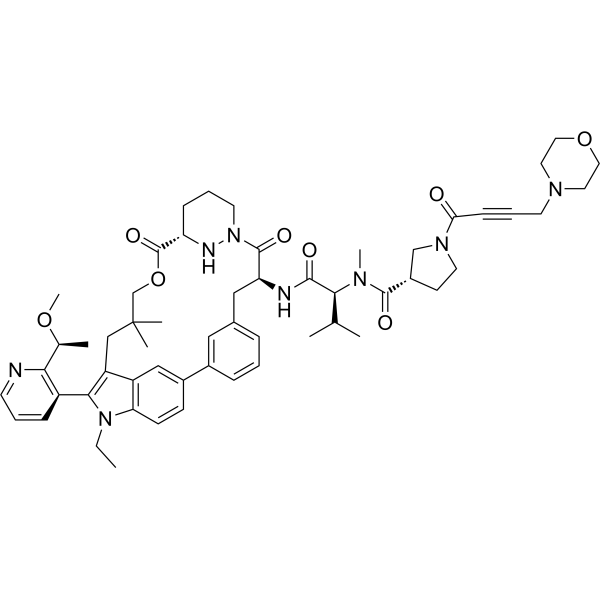
RM-018 is a potent, functionally distinct tricomplex KRAS G12C active-state inhibitor. RM-018 retains the ability to bind and inhibit KRAS G12C/Y96D and could overcome resistance. RM-018 binds specifically to the GTP-bound, active [“RAS(ON)”] state of KRAS G12C .
|
-
-
- HY-145321
-
|
|
Phosphodiesterase (PDE)
Molecular Glues
|
Cancer
|
|
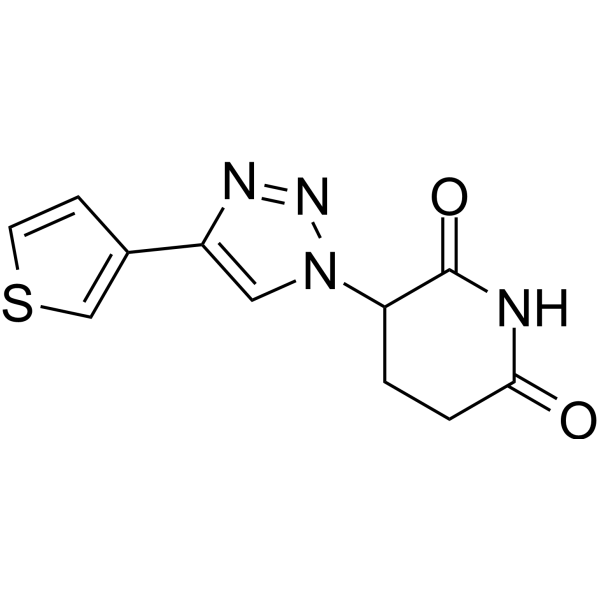
TMX-4100 is a selective phosphodiesterase 6D (PDE6D) degrader. TMX-4100 shows a high degradation preference for PDE6D with the DC50 values less than 200 nM in MOLT4, Jurkat, and MM.1S cells. TMX-4100 can be used for the research of multiple myeloma .
|
-
-
- HY-155356
-
|
|
PROTACs
Ras
|
Cancer
|
|
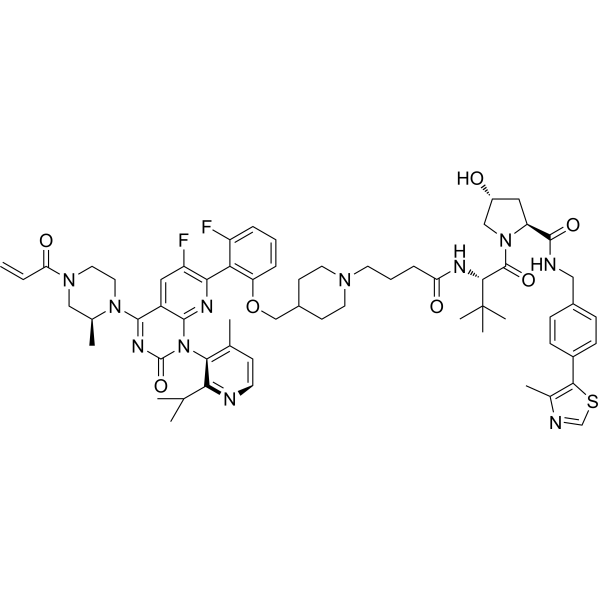
YN14 is a KRASG12C proteolysis targeting chimera (PROTAC). YN14 is highly potent and selective KRASG12C degrader and induces a stable KRASG12C: YN14: VHL ternary complex with low binding free energy (ΔG). YN14 has antiproliferative effects and significantly inhibits KRASG12C-mutant cancer cell growth. YN14 leads to tumor regression with tumor growth inhibition (TGI%) rates more than 100 % in the MIA PaCa-2 xenograft model.
|
-
-
- HY-176798
-
|
|
Lactate Dehydrogenase
Reactive Oxygen Species (ROS)
Apoptosis
|
Cancer
|
|
NCI-006 is an orally active lactate dehydrogenase (LDH) inhibitor (LDHA IC50 = 0.06 μM; LDHB IC50 = 0.03 μM). NCI-006 inhibits intratumoral LDH activity, lactate production, and tumor growth in a mouse pancreatic cancer model. NCI-006 inhibits glycolysis and induces apoptosis in vitro. NCI-006 enhances the radiosensitivity of glycolytic tumor cell lines while sparing non-glycolytic/normal cells (1522, skin fibroblasts) in combination with ionizing radiation (IR). NCI-006 exhibits synergistic antitumor effects in combination with IACS-010759 (HY-112037) against colorectal and gastric cancers. NCI-006 targets glycolysis by inhibiting lactate dehydrogenase impairs tumor growth in an Ewing sarcoma model .
|
-
-
- HY-W115529
-
|
Geranate; NSC 229335; GAGE
|
Environmental Pollutants
Fungal
Tyrosinase
|
Infection
Cancer
|
|
Geranic acid (Geranate) acts as a tyrosinase inhibitor and antifungal agent, with an IC50 value of 0.14-2.3 mM against mushroom tyrosinase. Geranic acid reduces the viability of human pancreatic cancer cells and B-lymphoma cells. Geranic acid inhibits mycelial growth of the maize pathogens Colletotrichum graminicola and Fusarium graminearum. Geranic acid is applicable to research related to fungal infections, pancreatic cancer and B-lymphoma .
|
-
-
- HY-177106
-
|
|
Drug Intermediate
Ras
|
Cancer
|
|
ADT-1004 is an orally active prodrug of ADT-007 (HY-157887). ADT-007 is a reversible, highly potent and selective pan-RAS inhibitor that binds to the nucleotide-free conformation of RAS proteins and blocks their GTP activation, thereby inhibiting the downstream MAPK and AKT signaling pathways. ADT-1004 can be used for the research of pancreatic ductal adenocarcinoma .
|
-
-
- HY-161767
-
|
|
Molecular Glues
Oxidative Phosphorylation
Ras
|
Cancer
|
JWJ-01-306 is a CRBN-recruiting ZBTB11 Molecular Glues degrader. JWJ-01-306 degrades ZBTB11 and reprograms cellular metabolism, thereby reducing the level of Oxidative Phosphorylation and the activity of the tricarboxylic acid cycle. JWJ-01-306 enhances the response of organoids to K-Ras inhibition. JWJ-01-306 inhibits the proliferation of pancreatic ductal adenocarcinoma cells and melanoma cells. JWJ-01-306 can be used in studies related to pancreatic ductal adenocarcinoma and melanoma .
|
-
-
- HY-171745
-
|
|
ATM/ATR
|
Cancer
|
|
ATR-IN-32 is an orally active ATR inhibitor. ATR-IN-32 potently inhibits the proliferation of MIA PaCa-2 cells. ATR-IN-32 exerts significant tumor growth inhibition in mice bearing LOVO and HT-29 xenografts. ATR-IN-32 can be used for the study of cancers mediated by ATR protein kinase, such as colorectal cancer, pancreatic cancer .
|
-
-
- HY-146459
-
|
|
Akt
|
Cancer
|
|
Akt1-IN-1 (compound 5b) is a potent and selective Akt1 inhibitor with an IC50 value of 18.79 nM in MIA Paca-2 cells. Akt1-IN-1 does not exhibit obvious teratogenicity, hepatotoxicity and cardiotoxicity (No Observed Adverse Effect Level > 100 µM). Akt1-IN-1 can be used for researching anticancer .
|
-
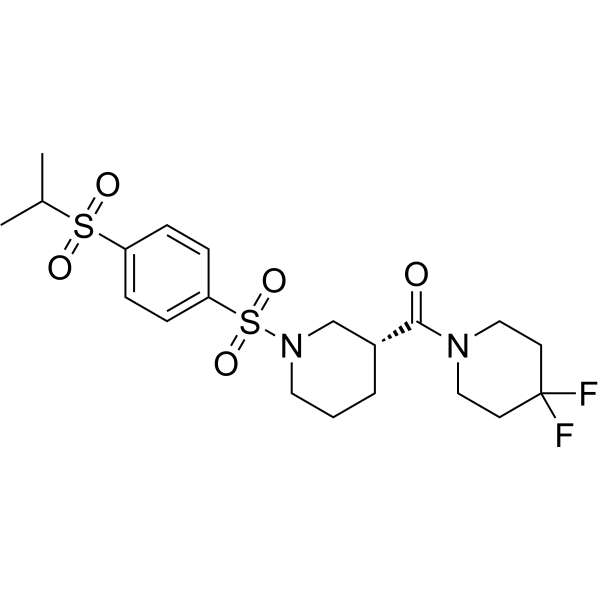
-
- HY-146544
-
|
|
Ras
|
Cancer
|
|
KRAS inhibitor-14 (compound 3-22) is a potent KRAS G12C inhibitor with an IC50 of 0.249 µM. KRAS inhibitor-14 shows p-ERK inhibition activities with IC50s of 1.12, >33.3 µM in MIA PaCA-2, A549 cells, respectively. KRAS inhibitor-14 has the potential for the research of pancreatic, colorectal, and lung cancers .
|
-
-
- HY-163299
-
|
|
Ras
Apoptosis
PI3K
Akt
p38 MAPK
|
Cancer
|
|
pan-KRAS-IN-5 is a pan-KRAS translation inhibitor by targeting 5′-UTR RNA G-quadruplexes (rG4s). pan-KRAS-IN-5 strongly binds to and stabilizes KRAS rG4s, inhibits KRAS translation, and blocks the MAPK and PI3K-AKT pathways. pan-KRAS-IN-5 induces cell cycle arrest, prompts apoptosis in KRAS-driven cancer cells. pan-KRAS-IN-5 inhibits tumor growth and KRAS expression in KRAS-mutant xenograft. KRAS-IN-5 can be used for KRAS-driven cancer research .
|
-
-
- HY-142946
-
|
|
Ras
|
Cancer
|
|
KRAS G12C inhibitor 44 (compound 54) is a potent and orally active KRAS G12C inhibitor. KRAS G12C inhibitor 44 shows anti-proliferation activities with IC50s of 0.016, 0.028 µM in MIA PaCA-2, H358 cells, respectively. KRAS G12C inhibitor 44 shows antitumor effects in vivo .
|
-
-
- HY-179157
-
|
|
PROTACs
Checkpoint Kinase (Chk)
DNA/RNA Synthesis
Apoptosis
Bcl-2 Family
Caspase
|
Cancer
|
|
MA203 is a highly efficient and selective PROTAC degrader targeting CHK1. MA203 accelerates CRBN-dependent proteasomal degradation of CHK1 in solid tumor-derived cells and acute leukemia cells. MA203 induces DNA replication stress. MA203 blocks cell cycle progression and triggers tumor cell apoptosis. MA203 does not damage healthy differentiated and primitive hematopoietic cells, stromal cells, and retinal epithelial cells. MA203 can be used for the study of CHK1-dependent cancers .
|
-
-
- HY-175230
-
|
|
Lactate Dehydrogenase
Apoptosis
|
Cancer
|
|
ZG-2492 is an orally active LDHA inhibitor with an IC50 of 156 nM. ZG-2492 can reduce lactate production and induce cell cycle arrest and apoptosis in pancreatic cancer cells . ZG-2492 has antitumor activity and can be used in the research of tumors such as pancreatic cancer .
|
-
-
- HY-13323R
-
|
|
Reference Standards
DNA/RNA Synthesis
|
Cancer
|
|
CX-5461 (Standard) is the analytical standard of CX-5461. This product is intended for research and analytical applications. CX-5461 is a potent and oral rRNA synthesis inhibitor. It inhibits RNA polymerase I-driven transcription of rRNA with IC50s of 142, 113, and 54 nM in HCT-116, A375, and MIA PaCa-2 cells, respectively .
|
-
-
- HY-146543
-
|
|
Ras
|
Cancer
|
|
KRAS inhibitor-13 (compound 5-6) is a potent KRAS G12C inhibitor with an IC50 of 0.883 µM. KRAS inhibitor-13 shows p-ERK inhibition activities with IC50s of 5.9, >100 µM in MIA PaCA-2, A549 cells, respectively. KRAS inhibitor-13 has the potential for the research of pancreatic, colorectal, and lung cancers .
|
-
-
- HY-146533
-
|
|
Ras
|
Cancer
|
|
KRAS inhibitor-12 (compound 6-1) is a potent KRAS G12C inhibitor with an IC50 of 0.537 µM. KRAS inhibitor-12 shows p-ERK inhibition activities with IC50s of 1.3, 3.7 µM in MIA PaCA-2, A549 cells, respectively. KRAS inhibitor-12 has the potential for the research of pancreatic, colorectal, and lung cancers .
|
-
-
- HY-146476
-
|
|
Ras
|
Cancer
|
|
KRAS inhibitor-18 (compound 3-10) is a potent KRAS G12C inhibitor with an IC50 of 4.74 µM. KRAS inhibitor-18 shows p-ERK inhibition activities with IC50s of 66.4, 11.1 µM in MIA PaCA-2, A549 cells, respectively. KRAS inhibitor-18 has the potential for the research of pancreatic, colorectal, and lung cancers .
|
-
-
- HY-P2698
-
|
|
HDAC
Apoptosis
|
Cancer
|
|
1-Alaninechlamydocin, a cyclic tetrapeptide, is a potent HDAC inhibitor (IC50=6.4 nM). 1-Alaninechlamydocin induces G2/M cell cycle arrest and apoptosis in MIA PaCa-2 cells .
|
-
-
- HY-175326
-
|
|
SOS1
|
Cancer
|
|
SOS1-IN-21 is an orally active inhibitor of son of Sevenless 1 (SOS1) with an IC50 of 15 nM. SOS1 is a guanine nucleotide exchange factor (GEF) that activates KRAS by facilitating the exchange of GDP for GTP. SOS1-IN-21 exhibits potent antiproliferative activity, with IC50 values of 16 nM in NCI-H358 and 17 nM in Mia Paca-2 cell proliferation assays. SOS1-IN-21 exhibits significant antitumor activity in the Mia Paca-2 xenograft model. SOS1-IN-21 can be used for the study of KRAS mutant tumors, such as pancreatic cancer .
|
-
-
- HY-149607
-
|
|
SHP2
|
Cancer
|
|
SHP2-IN-22 is SHP2 allosteric inhibitor with an IC50 value of 17.7 nM. SHP2-IN-22 inhibits the proliferation, migration, and invasion of MIA PaCa-2 pancreatic cancer cells. SHP2-IN-22 can be used for Kirsten rat sarcoma viral oncogene (KRAS) mutant cancer research .
|
-
-
- HY-173250
-
|
|
PROTACs
Ras
Apoptosis
|
Cancer
|
|
YN14-H is a PROTAC degrader targeting KRAS G12C. YN14-H inhibits cell growth in NCI-H358 and MIA PaCa-2 cells (IC50 values of 0.042, 0.021 μM, DC50 values of 28.9, 18.1 nM, respectively). YN14-H significantly induces apoptosis and inhibits migration. YN14-H demonstrates favorable pharmacokinetic properties and excellent antitumor activity in vivo. (Structure Note: Pink: target protein ligand (HY-173252); Blue: E3 ligase ligand (HY-125905); Black: linker (HY-Y0840); E3 ligase ligand + linker (HY-173253) .
|
-
-
- HY-D2380
-
|
|
G-quadruplex
|
Cancer
|
|
H2S probe 1 (compound 1NND) is a derivative of nitrobenzoxadiazole (NBD) with antitumor activity. H2S probe 1 is cytotoxic to human pancreatic cancer cell MIA PaCa-2 (IC50=77.9 nM) and has a high affinity for human telomeric G-quadruplex (G4) (Kd=1.72 μM). H2S probe 1 can be used in cancer research .
|
-
-
- HY-155065
-
|
|
Reactive Oxygen Species (ROS)
Apoptosis
CDK
|
Cancer
|
|
SB-1295 is an orally active CDK9/T1 inhibitor (IC50=0.17 μM). SB-1295 shows antiproliferative activity in HCT 116 and MIA PaCa-2 cells. SB-1295 also induces MIA PaCa-2 cell death by inducing intracellular ROS production, reducing mitochondrial membrane potential and inducing apoptosis. SB-1295 has the potential to study cancer .
|
-
-
- HY-149511
-
|
|
c-Met/HGFR
Apoptosis
PDGFR
|
Cancer
|
|
MET/PDGFRA-IN-2 (compound 8h) is a MET and PDGFRA protein inhibitor. MET/PDGFRA-IN-2 induces cell apoptosis. MET/PDGFRA-IN-2 inhibits proliferation of MET-positive cells (IC50s: 9.7, 6.1, 12.0, 11.5, 8.6, 34.4 μM for AsPc-1, EBC-1, MKN-45, Mia-Paca-2, HT-29, K562 cells respectively) .
|
-
-
- HY-149510
-
|
|
c-Met/HGFR
Apoptosis
PDGFR
|
Cancer
|
|
MET/PDGFRA-IN-1 (compound 8c) is a MET and PDGFRA protein inhibitor (IC50: 36 μM for MET). MET/PDGFRA-IN-1 inhibits MET phosphorylation and induces cell apoptosis. MET/PDGFRA-IN-1 inhibits proliferation of MET-positive cells (IC50s: 15.3, 19.0, 22.0, 25.6, 21.0, 31.5 μM for AsPc-1, EBC-1, MKN-45, Mia-Paca-2, HT-29, K562 cells respectively) .
|
-
-
- HY-144311
-
-
-
- HY-173047
-
|
|
Ras
ERK
|
Cancer
|
|
KRASG12C IN-15 (Compound 21) is the orally active inhibitor for KRAS G12C, and inhibits SOS1-mediated GDP/GTP exchange with an IC50 of 19 nM. KRASG12C IN-15 inhibits the phosphorylation of ERK with IC50 of 0.051 μM. KRASG12C IN-15 inhibits the cell viability of KRAS G12C mutated MIA PaCa-2 with IC50 of 0.023 μM. KRASG12C IN-15 exhibits antitumor effect in MIA PaCa-2 xenograft mouse models .
|
-
-
- HY-156549
-
|
|
ERK
Ras
|
Cancer
|
|
KRAS G12C inhibitor 61 (Example 3) inhibits phospho-ERK 1/2 in MIA PaCa-2 cells with an IC50 value of 9 nM. KRAS G12C inhibitor 61 can be used for research of pancreatic, colorectal, and lung cancers .
|
-
-
- HY-172259
-
|
|
PI3K
Akt
mTOR
|
Cancer
|
|
Toyaburgine is a unique isoquinoline compound that exhibits anti-tumor activity. It packs a punch by disrupting the PI3K/AKT/mTOR signaling pathway, causing significant morphological changes and cell death in MIA PaCa-2 cells. On top of that, it puts the brakes on cell migration and colony formation. This compound is showing a lot of promise in the realm of pancreatic cancer research .
|
-
-
- HY-123597
-
|
DDUG; NCI C04808
|
Autophagy
Checkpoint Kinase (Chk)
|
Cancer
|
|
NSC 109555 is an ATP-competitive inhibitor of checkpoint kinase 2 (Chk2; IC50=200 nM in a cell-free kinase assay). It is selective for Chk2 over Chk1 and 16 kinases in a panel but does inhibit Brk, c-Met, IGFR, and LCK with IC50 values of 210, 6,000, 7,400, and 7,100 nM, respectively. NSC 109555 inhibits Chk2 autophosphorylation and phosphorylation of the Chk2 substrate histone H1 in vitro (IC50=240 nM). It inhibits the growth of, and induces autophagy in, L1210 leukemia cells in vitro.2 NSC 109555 (1,250 nM) potentiates gemcitabine-induced cytotoxicity in MIA PaCa-2, CFPAC-1, PANC-1, and BxPC-3 pancreatic cancer cells, as well as reduces gemcitabine-induced increases in Chk2 phosphorylation and enhances gemcitabine-induced production of reactive oxygen species (ROS) in MIA PaCa-2 cells.
|
-
-
- HY-164445
-
|
|
STAT
c-Myc
CDK
|
Cancer
|
|
STAT3-IN-32 is an orally active, selective STAT3 SH2 domain inhibitor with a Kd of 21.3 nM, showing selectivity over STAT1/5. STAT3-IN-32 binds to the STAT3 SH2 domain, blocks Tyr705 and Ser727 phosphorylation, abrogates nuclear transcription and mitochondrial oxidative phosphorylation functions. STAT3-IN-32 suppresses pancreatic cancer cell proliferation. STAT3-IN-32 inhibits tumor growth in mouse pancreatic cancer xenograft models. STAT3-IN-32 can be used for the research of pancreatic cancer .
|
-
-
- HY-155356A
-
|
|
PROTACs
|
Cancer
|
|
YN14 mixture of diastereomers is the diastereomers of YN14 (HY-155356).
YN14 is a KRASG12C proteolysis targeting chimera (PROTAC). YN14 is highly potent and selective KRASG12C degrader and induces a stable KRASG12C: YN14: VHL ternary complex with low binding free energy (ΔG). YN14 has antiproliferative effects and significantly inhibits KRASG12C-mutant cancer cell growth .
|
-
-
- HY-146546
-
|
|
Ras
|
Cancer
|
|
KRAS inhibitor-16 (compound 3-11) is a potent KRAS G12C inhibitor with an IC50 of 0.457 µM. KRAS inhibitor-16 shows p-ERK inhibition activities with IC50s of 3.06, 11.1 µM in MIA PaCA-2, A549 cells, respectively. KRAS inhibitor-16 has the potential for the research of pancreatic, colorectal, and lung cancers .
|
-
-
- HY-146475
-
|
|
Ras
|
Cancer
|
|
KRAS inhibitor-17 (compound 3-9) is a potent KRAS G12C inhibitor with an IC50 of 3.37 µM. KRAS inhibitor-17 shows p-ERK inhibition activities with IC50s of 9.25, >33.3 µM in MIA PaCA-2, A549 cells, respectively. KRAS inhibitor-17 has the potential for the research of pancreatic, colorectal, and lung cancers .
|
-
-
- HY-146545
-
|
|
Ras
|
Cancer
|
|
KRAS inhibitor-15 (compound 3-19) is a potent KRAS G12C inhibitor with an IC50 of 0.954 µM. KRAS inhibitor-15 shows p-ERK inhibition activities with IC50s of 2.03, >33.3 µM in MIA PaCA-2, A549 cells, respectively. KRAS inhibitor-15 has the potential for the research of pancreatic, colorectal, and lung cancers .
|
-
-
- HY-146537
-
|
|
Ras
|
Cancer
|
|
KRAS G12C inhibitor 47 (compound 8-1-1) is a potent KRAS G12C inhibitor with an IC50 of 0.172 µM. KRAS G12C inhibitor 47 shows p-ERK inhibition activities with IC50s of 0.046, 69.8 µM in MIA PaCA-2, A549 cells, respectively. KRAS G12C inhibitor 47 has the potential for the research of pancreatic, colorectal, and lung cancers .
|
-
-
- HY-173477
-
|
|
Apoptosis
|
Cancer
|
|
JR5-26B is an orally active apoptosis inducer. JR5-26B induces cell death through copper-mediated apoptosis and necroptosis. JR5-26B exhibits antiproliferative activity on MIA PaCa-2, PANC-1, PAN02, SU.86.86, and KPC-2 cells with IC50s of 0.6, 4.4, 8.0, 1.1, and 3.4μM, respectively .
|
-
-
- HY-161618
-
|
|
JAK
EGFR
PI3K
IGF-1R
GSK-3
|
Inflammation/Immunology
Endocrinology
|
|
MJ04 is a selective inhibitor for Janus Kinase 3 (JAK 3) with an IC50 of 2.03 nM. MJ04 inhibits T cell differentation and inhibits the proinfammatory cytokines in Lipopolysaccharides (HY-D1056)‑induced macrophages. MJ04 exhibits good pharmacokinetic characters in mice, promotes hair growth in DHT-induced androgenetic alopecia (AGA) in athymic mice model, without significant toxicity (LD50 >2 g/kg) .
|
-
-
- HY-162873
-
|
|
MEK
Raf
|
Cancer
|
|
MEK/RAF-IN-1 (Compound 16b) is an inhibitor of both MEK and RAF. It shows potent inhibition with IC50 values of 28 nM for MEK1, and 3 nM each for BRAF and BRAFV600E. MEK/RAF-IN-1 demonstrates significant antitumor activity, effectively inhibiting cell proliferation in vitro against MIA PaCa-2 (G12C KRAS), HCT116 (G13D KRAS), and C26 (G12D KRAS) cells. Additionally, it inhibits tumor growth in xenograft mouse models of colorectal cancer .
|
-
-
- HY-170527
-
|
|
Reactive Oxygen Species (ROS)
|
Neurological Disease
Inflammation/Immunology
Cancer
|
|
Anticancer agent 260 (Compound 3g/4d) is an orally active anticancer agent, that inhibits the proliferation of cancer cell HCT-116, MIA-PaCa2 and MDA-MB231 with IC50s of 98.7, 81.0, and 77.2 µg/mL, respectively. Anticancer agent 260 exhibits promotes ulcer formation and lipid peroxidation, anti-inflammatory and analgesic efficacy .
|
-
-
- HY-170965
-
|
|
CDK
DNA/RNA Synthesis
|
Cancer
|
|
Anticancer agent 264 (Compound 5w) is an anticancer agent that exhibits significant antiproliferative activity across tumor cell lines, with an IC50 range of 7.5-33.67 μM.
Anticancer agent 264 significantly induces G2/M phase arrest in MDA-MB-231, MIA PaCa-2, and DU-145 cell lines.
Anticancer agent 264 reduces the expression of key cell cycle proteins, including CDK1, CDK2, and Cyclin B1, in a dose-dependent manner, and shows strong binding affinity with inhibitor of differentiation (ID) proteins and DNA-binding proteins.
Anticancer agent 264 can be used for research in the field of cancer-related diseases .
|
-
- HY-159577
-
|
|
PI3K
mTOR
Akt
|
Cancer
|
|
Nic-15 (compound 4n) is an anti-constrictive agent used to antagonize the hypovascularity of pancreatic tumors. The hypovascularity allows cancer cells to adapt to the nutrient-deficient tumor microenvironment and develop drug resistance. Nic-15 can regulate the PI3K/Akt/mTOR pathway and alleviate ER stress induced by Gemcitabine (HY-17026). Nic-15 can significantly inhibit the migration and colony formation of MIA PaCa-2 and PANC-1 pancreatic cancer cells. The combination of Nic-15 and Gemcitabine can effectively solve the problem of pancreatic tumor resistance. In an in vivo xenograft model, Nic-15 can significantly enhance the efficacy of Gemcitabine .
|
-
- HY-161858
-
|
|
PI3K
Akt
Apoptosis
|
Cancer
|
|
EpskA21 is an inhibitor for PI3K/AKT signaling pathway, and inhibits the proliferation of cancer cells MCF-7, A549, MIA-PaCa-2, Panc-1 and HepG2, with IC50 of 1.3-7.24 μM. EpskA21 inhibits the cell migration, arrests the cell cycle at G2/M (MCF-7) and S (MIA-PaCa-2) phase, and induces apoptosis in MCF-7 and MIA-PaCa-2. EpskA21 causes the mitochondrial dysfunction .
|
-
- HY-170550
-
|
|
Ras
ERK
|
Cancer
|
|
KRAS G12C inhibitor 69 (Compound K09) is the inhibitor for mutant RAS protein KRASG12C with an IC50 of 4.36 nM. KRAS G12C inhibitor 69 inhibits the ERK phosphorylation in NCI-H358 and MIA-PACA-2 with an IC50 of 12 nM and 7 nM. KRAS G12C inhibitor 69 inhibits the proliferation of cancer cell NCI-H358 and MIA-PACA-2 with IC50 of 3.15 nM and 2.33 nM .
|
-
- HY-170958
-
|
|
Src
Apoptosis
|
Cancer
|
Scr-IN-1 (Compound 4e) is a Tyrosine kinase inhibitor. Scr-IN-1 inhibits HCT-116 cells and MIA-PaCa-2 cells with IC50s of 0.16 μM and 1.16 μM, respectively. Scr-IN-1 displays selectivity profile on HCT-116 cells and MIA-PaCa-2 cells with SI > 625 and SI > 86, respectively. Scr-IN-1 induces Apoptosis in HCT-116 colon cancer cell and does not cause any change in the rate of necrotic cells. Scr-IN-1 is a novel SRC kinase inhibitor candidate for HCT-116 cells. Scr-IN-1 is potential for cancer research .
|
-
- HY-159511
-
|
|
Hedgehog
|
Cancer
|
|
Hedgehog IN-7 (Compound 8g), a purine derivative, acts as an inhibitor of Hedgehog, capable of reducing the expression of Hedgehog genes and inhibiting Hedgehog signaling. Hedgehog IN-7 has significant cytotoxicity and selectivity towards the Hedgehog pathway-dependent pancreatic cancer cell Mia-PaCa-2 cells and can be used in the research of pancreatic cancer .
|
-
- HY-168716
-
|
|
SOS1
Ras
|
Cancer
|
|
SOS1-IN-17 (Compound 8d) is an orally active inhibitor for SOS1-KRASG12C interaction with an IC50 of 5.1 nM. SOS1-IN-17 inhibits ERK phosphorylation in DLD-1 cell with an IC50 of 18 nM. SOS1-IN-17 exhibits anti-proliferative activity in KRASG12C mutated Mia-Paca-2 cell with an IC50 of 0.11 μM. SOS1-IN-17 exhibits antitumor efficacy against pancreatic cancer in mouse model .
|
-
- HY-162629
-
|
|
Lactate Dehydrogenase
|
Cancer
|
|
LDHA-IN-7 (compound 21) is an oral bioactive inhibitor of lactate dehydrogenase-A (LDHA) and LDHB, with the IC50s of 72 nM and 1.2 Μm, respectively .
|
-
- HY-120966
-
|
|
COX
|
Inflammation/Immunology
|
|
NCX 2121 (NO-indomethacin) is an anti-inflammatory agent. NCX 2121 inhibits PaCa-2 cells growth witn an IC50 of 82 μM .
|
-
- HY-162627
-
|
|
Lactate Dehydrogenase
|
Cancer
|
|
LDHA-IN-6 (compound 6) is an oral bioactive inhibitor of lactate dehydrogenase-A (LDHA), with the IC50 of 46 nM. LDHA-IN-6 has antitumor activity .
|
-
- HY-160121
-
|
Patrinoside aglycone
|
Apoptosis
NO Synthase
TNF Receptor
Interleukin Related
PGE synthase
COX
|
Inflammation/Immunology
Cancer
|
|
Patrinoside aglucone (Compound 8) is an iridoid glucoside that can be isolated from the Valeriana tuberosa. Patrinoside aglucone has potent anticancer activity with G2/M phase tumor cell cycle arrest and apoptosis induction. Patrinoside aglucone also significantly inhibits the proliferation of cancer stem cells (such as MDA-MB-231 and U-251MG cells). Patrinoside aglucone has great anti-inflammatory activity by inhibiting NO release (IC50: 43.44 μM) and significantly reduces the level of TNF-α, IL-1β, IL-6, PGE2 and COX-2 .
|
-
- HY-149076
-
|
|
Drug Derivative
|
Cancer
|
|
hGAPDH-IN-1, a 3-bromo-4,5-dihydroisoxazole derivative, is a specific and potent hGAPDH covalent inhibitor. hGAPDH-IN-1 reduces cancer cell growth in different pancreatic cancer cell lines.
|
-
- HY-179577
-
|
|
PIN1
|
Cancer
|
|
PIN1 degrader-3 is a Pin1 (peptidyl-prolyl isomerase protein) (IC50 = 4.65 nM) degrader. PIN1 degrader-3 bound covalently to Pin1. PIN1 degrader-3-induced Pin1 degradation reduced cell viability, with EC50 values after 72 h of 8.4 μM in MIA PaCa-2 cells and 5.3 μM in KPC cell lines.PIN1 degrader-3 can destabilize Pin1 in vitro, causing its degradation in cells. PIN1 degrader-3 can be used for the study of pancreatic cancer .
|
-
- HY-181250
-
|
|
SHP2
|
Cancer
|
|
SHP2-IN-46 is an orally active SHP2 inhibitor (IC50 = 11.76 μM). SHP2-IN-46 inhibits SHP2 enzymatic activity and mediates anti-tumor activity. SHP2-IN-46 suppresses cell proliferation in various cancer cells. SHP2-IN-46 can be used in research related to lung adenocarcinoma, pancreatic cancer and hepatoblastoma .
|
-
- HY-181071
-
|
|
DNA/RNA Synthesis
Drug Intermediate
|
Cancer
|
|
POLRMT-IN-3 is a photosensitive inhibitor of mitochondrial RNA polymerase (POLRMT). POLRMT-IN-3 is biologically inactive in the dark but rapidly releases the active parent compound LJ03 upon illumination with 405 nm light, enabling spatiotemporally precise inhibition of POLRMT. POLRMT-IN-3 exhibits antitumor activity and can be used in research on tumors such as pancreatic cancer and ovarian cancer .
|
-
- HY-125472
-
|
|
p97
|
Cancer
|
|
LC-1028 (Compound 20) is an irreversible, non-competitive, covalent p97 inhibitor with a Ki app value of 33.2 nM. LC-1028 covalently modifies the cysteine residues (Cys105, Cys522, Cys535) of p97. LC-1028 can be used in the research of pancreatic cancer .
|
-
- HY-183257
-
|
|
Autophagy
Beclin1
Reactive Oxygen Species (ROS)
p97
|
Cancer
|
|
ATI-1 is an autophagy initiation inhibitor. ATI-1 targets valosin-containing protein (VCP/p97, disrupts its interaction with UFL1, impairs UFMylation homeostasis associated with VCP, promotes polyubiquitination and degradation of Beclin1, and blocks the formation of early autophagosomes. ATI-1 induces synergistic death of autophagy-dependent malignant tumor cells under nutrient deprivation conditions, accompanied by decreased mitochondrial membrane potential, reduced ROS levels and lysosomal stress. ATI-1 exhibits anti-tumor efficacy in a pancreatic adenocarcinoma xenograft mouse model. ATI-1 can be used for the research of pancreatic adenocarcinoma and lung cancer .
|
-
- HY-120825
-
|
|
Apoptosis
DNA/RNA Synthesis
Reactive Oxygen Species (ROS)
Keap1-Nrf2
|
Cancer
|
|
QD 232 is a quinazolinedione-based ROS inducer and an apoptosis inducer with cytotoxicity and redox regulatory activity. QD 232 promotes ROS accumulation, activates the NRF2-mediated oxidative stress response and unfolded protein response pathways, and upregulates downstream antioxidant and stress response genes. QD 232 inhibits mtDNA transcription driven by HSP2 and LSP promoters, and impairs mitochondrial oxidative phosphorylation function. QD 232 induces apoptosis of pancreatic ductal adenocarcinoma cells and exerts cytotoxicity against gemcitabine (HY-17026)-resistant pancreatic ductal adenocarcinoma cells. QD 232 delays tumor growth in a mouse pancreatic cancer xenograft model .
|
-
- HY-DY1092
-
|
Ce6 (solution)
|
Caspase
Apoptosis
Fluorescent Dye
PARP
Bcl-2 Family
|
Cancer
|
Chlorin e6 (solution) (Ce6 (solution)) is a photosensitizer and has strong absorption peaks at wavelength of 402 and 662 nm, as well as exhibiting intense fluorescence at 668 nm. Chlorin e6 has antimicrobial efficacy and anticancer activity. Chlorin e6 induces cell apoptosis via caspase-3 activation and can be used for the research of cancer . Solvent and concentration: DMSO: 10 mM The 1 mL volume is defined as the base specification. All larger sizes correspond to incremental volumes of this base.
|
-
- HY-181913
-
|
|
Ras
ERK
|
Cancer
|
|
KRAS G12C-IN-76 (Compound 39) is an orally active KRAS G12C inhibitor. KRAS G12C-IN-76 inhibits the phosphorylation of ERK. KRAS G12C-IN-76 exhibits anticancer activity against pancreatic cancer .
|
-
- HY-183786
-
|
|
NF-κB
Fluorescent Dye
Drug Derivative
Autophagy
|
Cancer
|
|
Anticancer agent 327, a fluorescent Andrographolide (HY-N0191) derivative, is an NF-κB p50 inhibitor. Anticancer agent 327 covalently binds to the p50 subunit of NF-κB. Anticancer agent 327 reduces levels of multiple oncogenic p53 proteins via the autophagy/lysosome pathway. Anticancer agent 327 can be used for the research of pancreatic ductal adenocarcinoma (Ex/Em = 488/515 nm)[1].
|
-
- HY-P11781A
-
|
|
Drug Derivative
|
Cancer
|
|
Cys-HW12 is a random peptide containing an N-terminal cysteine. Cys-HW12 can be coupled via the thiol group of Cys. Cys-HW12 can serve as a control for GE11 (HY-P10128)-conjugated mixed micelles targeting EGFR, and also functions as a cytotoxic agent, cellular uptake inhibitor, and tumor growth inhibitor. Cys-HW12 is applicable to pancreatic cancer-related research .
|
-
- HY-181072
-
|
|
Mitochondrial Metabolism
DNA/RNA Synthesis
Oxidative Phosphorylation
|
Cancer
|
|
POLRMT-IN-4 is a photoactivated mitochondrial RNA polymerase (POLRMT) inhibitor. POLRMT-IN-4 can be liberated from the photoactivatable prodrug upon irradiation, enables spatiotemporally precise inhibition and localized tissue selectivity. POLRMT-IN-4 disrupts mitochondrial transcription, impairs oxidative phosphorylation, and suppresses cancer cell proliferation. POLRMT-IN-4 can be used in research on various cancers, such as pancreatic cancer .
|
-
- HY-N19463
-
|
|
Caspase
Reactive Oxygen Species (ROS)
Apoptosis
|
Cancer
|
|
Dicatenarin is a caspase‑3 activator with growth‑inhibitory activity against human cancer cells. Dicatenarin increases caspase‑3 activity, induces intracellular ROS generation, and activates the mitochondrial‑mediated apoptotic pathway. Dicatenarin exerts growth‑inhibitory effects against a panel of human cancer cell lines. Dicatenarin can be used in research on pancreatic cancer, lung cancer, colon cancer, breast cancer, prostate cancer, and ovarian cancer .
|
-
- HY-W100150
-
|
|
Biochemical Assay Reagents
|
Cancer
|
|
N-((6-Methylpyridin-2-yl) carbamothioyl) benzamide (Compound L3) is a thiourea ligand and monodentate ligand. The IC50 of N-((6-Methylpyridin-2-yl) carbamothioyl) benzamide in tested cell lines is > 100 μM. N-((6-Methylpyridin-2-yl) carbamothioyl) benzamide shows no activity against colorectal cancer cells and pancreatic cancer cells .
|
-
- HY-P11781
-
|
|
Drug Derivative
|
Cancer
|
|
HW12 is a random peptide containing an N-terminal cysteine and is not an EGFR ligand. HW12 can serve as a control for GE11 (HY-P10128)-conjugated mixed micelles targeting EGFR. HW12 is applicable to pancreatic cancer-related research .
|
-
- HY-W140346
-
|
|
Environmental Pollutants
Beta-lactamase
|
Infection
Cancer
|
|
Copper (II) pyrithione is a New Delhi metallo-β-lactamase 1 inhibitor. Copper (II) pyrithione inhibits New Delhi metallo-β-lactamase 1 via transmetallation of its zinc (II) cofactor with copper (II). Copper (II) pyrithione exerts cytotoxic effects on pancreatic cancer cells and osteosarcoma cells. Copper (II) pyrithione exhibits antibacterial activity against Gram-positive bacteria and some Gram-negative bacteria. Copper (II) pyrithione can synergistically enhance the activity of β-lactam antibiotics against β-lactam-resistant bacteria. Copper (II) pyrithione can be used in studies related to pancreatic cancer, osteosarcoma and bacterial infections .
|
-
- HY-P992098
-
|
NEI-01
|
Protein Arginine Deiminase
|
Cancer
|
|
Adargiminase (NEI-01) is a modified arginine-depleting enzyme and albumin binder. Adargiminase catalyzes the conversion of arginine to citrulline and ammonia, reduces plasma arginine levels to undetectable levels, and binds to serum albumin from Mus musculus (mouse), Rattus norvegicus (rat), Canis lupus familiaris (dog) and Homo sapiens (human) to extend its half-life. Adargiminase inhibits the viability of ASS1-negative pancreatic cancer cells, and reduces tumor volume and weight. Adargiminase can be used for the research of pancreatic cancer .
|
-
-
- HY-D2380
-
|
|
蛍光色素
|
|
H2S probe 1 (compound 1NND) is a derivative of nitrobenzoxadiazole (NBD) with antitumor activity. H2S probe 1 is cytotoxic to human pancreatic cancer cell MIA PaCa-2 (IC50=77.9 nM) and has a high affinity for human telomeric G-quadruplex (G4) (Kd=1.72 μM). H2S probe 1 can be used in cancer research .
|
-
- HY-DY1092
-
|
Ce6 (solution)
|
蛍光色素
|
Chlorin e6 (solution) (Ce6 (solution)) is a photosensitizer and has strong absorption peaks at wavelength of 402 and 662 nm, as well as exhibiting intense fluorescence at 668 nm. Chlorin e6 has antimicrobial efficacy and anticancer activity. Chlorin e6 induces cell apoptosis via caspase-3 activation and can be used for the research of cancer . Solvent and concentration: DMSO: 10 mM The 1 mL volume is defined as the base specification. All larger sizes correspond to incremental volumes of this base.
|
-
- HY-P2698
-
|
|
HDAC
Apoptosis
|
Cancer
|
|
1-Alaninechlamydocin, a cyclic tetrapeptide, is a potent HDAC inhibitor (IC50=6.4 nM). 1-Alaninechlamydocin induces G2/M cell cycle arrest and apoptosis in MIA PaCa-2 cells .
|
-
- HY-P11781A
-
|
|
Drug Derivative
|
Cancer
|
|
Cys-HW12 is a random peptide containing an N-terminal cysteine. Cys-HW12 can be coupled via the thiol group of Cys. Cys-HW12 can serve as a control for GE11 (HY-P10128)-conjugated mixed micelles targeting EGFR, and also functions as a cytotoxic agent, cellular uptake inhibitor, and tumor growth inhibitor. Cys-HW12 is applicable to pancreatic cancer-related research .
|
-
- HY-P11781
-
|
|
Drug Derivative
|
Cancer
|
|
HW12 is a random peptide containing an N-terminal cysteine and is not an EGFR ligand. HW12 can serve as a control for GE11 (HY-P10128)-conjugated mixed micelles targeting EGFR. HW12 is applicable to pancreatic cancer-related research .
|
| 製品番号 |
製品名 |
Target |
研究分野 |
Image |
-
- HY-P992098
-
|
NEI-01
|
Protein Arginine Deiminase
|
Cancer
|
|
Adargiminase (NEI-01) is a modified arginine-depleting enzyme and albumin binder. Adargiminase catalyzes the conversion of arginine to citrulline and ammonia, reduces plasma arginine levels to undetectable levels, and binds to serum albumin from Mus musculus (mouse), Rattus norvegicus (rat), Canis lupus familiaris (dog) and Homo sapiens (human) to extend its half-life. Adargiminase inhibits the viability of ASS1-negative pancreatic cancer cells, and reduces tumor volume and weight. Adargiminase can be used for the research of pancreatic cancer .
|
-
(5)
| 製品番号 |
製品名 |
Category |
Target |
構造式 |
-
- HY-128522
-
|
|
|
Alkynes
|
|
ARS-1323-alkyne is a covalent inhibitor probe that covalently binds to the Switch-II pocket (S-IIP) of the KRAS G12C mutant protein. ARS-1323-alkyne visualizes the covalent modification of KRAS G12C and quantitatively measures the binding efficiency of the inhibitor to the target. ARS-1323-alkyne can be used to validate the target occupancy of KRAS G12C inhibitors and the synergistic mechanism of combination therapy .
|
-
- HY-159511
-
|
|
|
Azide
|
|
Hedgehog IN-7 (Compound 8g), a purine derivative, acts as an inhibitor of Hedgehog, capable of reducing the expression of Hedgehog genes and inhibiting Hedgehog signaling. Hedgehog IN-7 has significant cytotoxicity and selectivity towards the Hedgehog pathway-dependent pancreatic cancer cell Mia-PaCa-2 cells and can be used in the research of pancreatic cancer .
|
入力情報は安全に管理されます. ※ 必須入力項目.
Inquiry Information
- 製品名:
- 製品番号:
- 数量:
- MCE 日本正規代理店:

