
1. Search Result
Search Result
Results for "

Melanin

" in MedChemExpress (MCE) Product Catalog:

165

Inhibitors & Agonists

2

Fluorescent Dyes

2

Biochemical Assay Reagents

16

Peptides

1

Inhibitory Antibodies

66

Natural
Products

1

Recombinant Proteins

12

Isotope-Labeled Compounds

Targets Recommended:
Cat. No. Product Name Target Research Areas Chemical Structure
  • HY-125860

    Polyphenol oxidase

    Tyrosinase Neurological Disease Endocrinology Cancer
    Tyrosinase (EC 1.14.18.1) (Polyphenol oxidase) is a rate-limiting enzyme that controls the production of melanin. Tyrosinase is mainly found in melanosomes synthesized by skin melanocytes. Tyrosinase can be used in research on Parkinson's disease, melanoma and pigmentation .
    Tyrosinase, Mushroom
  • HY-113485
    Melanin
    1 Publications Verification

    Endogenous Metabolite Others
    Melanin is a unique pigment with myriad functions. It is multifunctional, providing defense against environmental stresses such as ultraviolet (UV) light, oxidizing agents and ionizing radiation.
    Melanin
  • HY-N6006

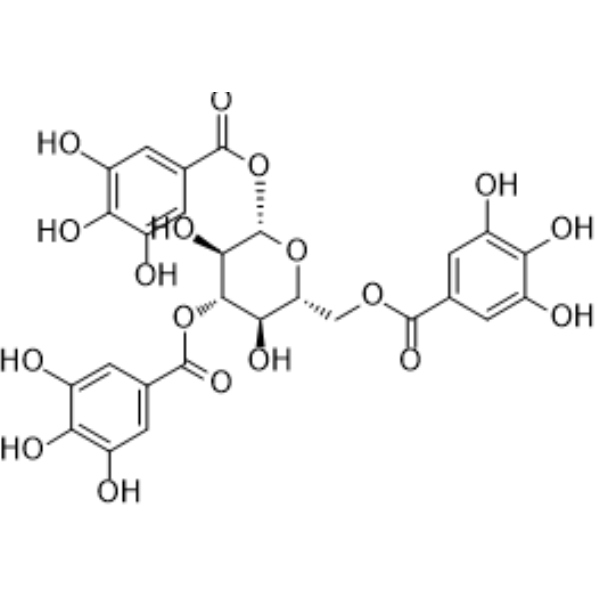
    1,3,6-Tri-O-galloyl-β-D-glucose

    Others Others
    1,3,6-Tri-O-galloyl-beta-D-glucose is a non-covalent inhibitor of tyrosinase (TYR), which can block the rate-limiting step of melanin synthesis and inhibit melanin deposition. 1,3,6-Tri-O-galloyl-beta-D-glucose has antioxidant and anti-inflammatory activities and can be used as a natural active ingredient to develop anti-freckle and whitening skin care products .
    1,3,6-Tri-O-galloyl-beta-D-glucose
  • HY-W015967
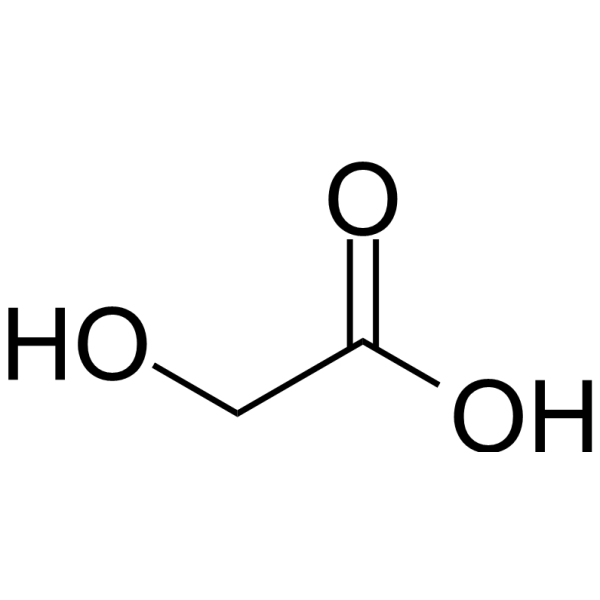
    Glycolic acid
    1 Publications Verification

    Hydroxyethanoic acid

    Environmental Pollutants Endogenous Metabolite Tyrosinase Metabolic Disease
    Glycolic acid is an inhibitor of tyrosinase, suppressing melanin formation and lead to a lightening of skin colour.
    Glycolic acid
  • HY-U00257

    MCHR1 (GPR24) Metabolic Disease Endocrinology
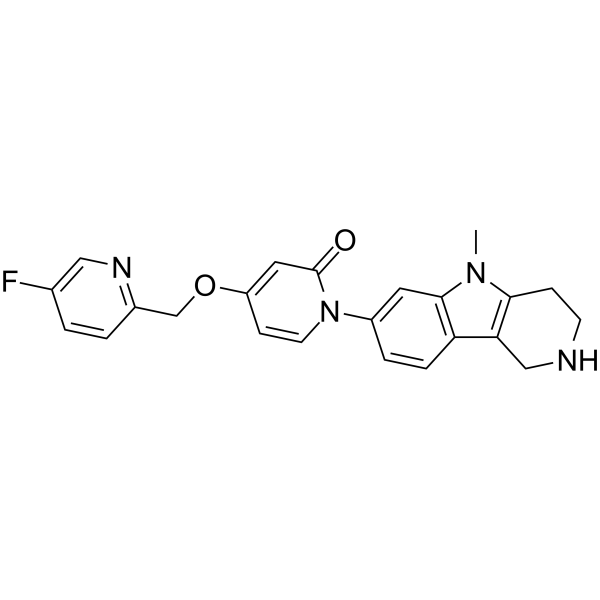
    AZD1979 is a Melanin-concentrating hormone receptor 1 (MCHr1) antagonist with an IC50 of ~12 nM.
    AZD1979
  • HY-101900

    Nile blue sulfate

    Fluorescent Dye Others
    Nile Blue A (Nile blue sulfate) is used to differentiate melanins and lipofuscins. It is also useful for staining fats and preparation of an amperometric glucose sensor .
    Nile Blue A sulfate
  • HY-N6821

    Drug Derivative Inflammation/Immunology Cancer
    2-O-α-D-Glucopyranosyl-L-ascorbic Acid is an orally active glucoside derivative of ascorbic acid. 2-O-α-D-Glucopyranosyl-L-ascorbic Acid can be hydrolyzed by α-glucosidase to release ascorbic acid. 2-O-α-D-Glucopyranosyl-L-ascorbic Acid inhibits melanin synthesis, prevents UV-induced cell damage, and promotes collagen synthesis in skin fibroblasts. 2-O-α-D-Glucopyranosyl-L-ascorbic Acid also induces oxidative stress to inhibit tumor growth. 2-O-α-D-Glucopyranosyl-L-ascorbic Acid can be used in research related to tumors, inflammation, and other conditions .
    2-O-α-D-Glucopyranosyl-L-ascorbic Acid
  • HY-Y0351
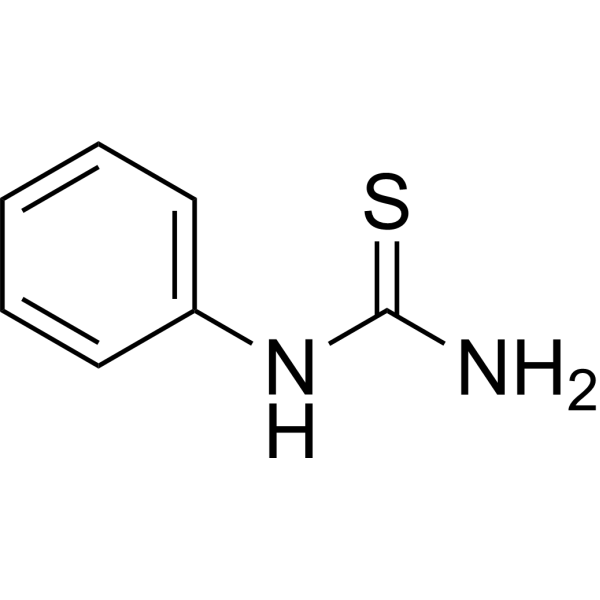
    Phenylthiourea
    3 Publications Verification

    Phenylthiocarbamide

    Tyrosinase Endogenous Metabolite Others
    Phenylthiourea (Phenylthiocarbamide) is an inhibitor for phenoloxidase. Phenylthiourea inhibits enzymatic oxidation of DOPA by phenoloxidase (Ki = 0.21 μM). Phenylthiourea is an effective inhibitor for tyrosinase. Phenylthiourea can lead to graying of hair in black rats due to the interference with melanin formation .
    Phenylthiourea
  • HY-W004288

    Tetradecanoic acid methyl ester

    Environmental Pollutants Drug Derivative Others
    Methyl myristate is a saturated fatty acid methyl ester obtained from the esterification of myristic acid. Methyl myristate shows a high melanin induction in B16F10 melanoma .
    Methyl myristate
  • HY-W018025

    Bacterial Fungal Parasite Endogenous Metabolite Infection Inflammation/Immunology
    5,6-Dihydroxyindole, a melanin precursor, has a broad-spectrum antibacterial, antifungal, antiviral, antiparasitic activity. 5,6-Dihydroxyindole has cytotoxic effects and is strongly toxic against various pathogens .
    5,6-Dihydroxyindole
  • HY-Y0444

    Tyrosinase Metabolic Disease
    D-Tyrosine is the D-isomer of tyrosine. D-Tyrosine negatively regulates melanin synthesis by inhibiting tyrosinase activity. D-Tyrosine inhibits biofilm formation and trigger the self-dispersal of biofilms without suppressing bacterial growth .
    D-Tyrosine
  • HY-P0097
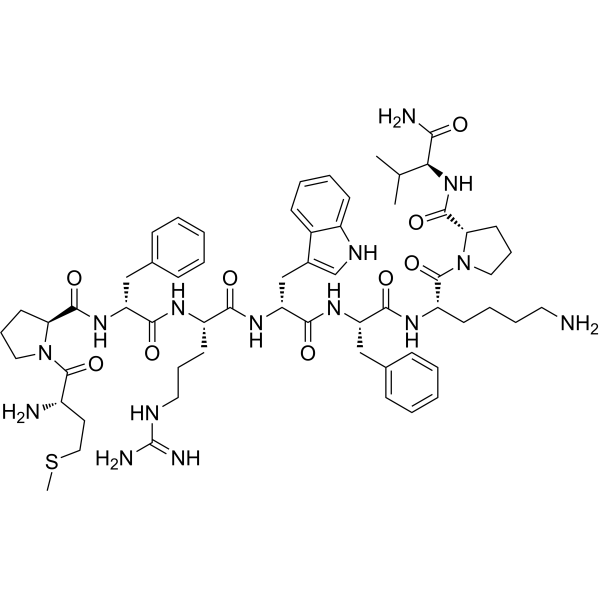
    Nonapeptide-1
    2 Publications Verification

    Melanostatine-5

    Melanocortin Receptor Metabolic Disease Endocrinology Cancer
    Nonapeptide-1 (Melanostatine-5), a peptide hormone, is a selective antagonist of MC1R (Ki: 40 nM). Nonapeptide-1 is a competitive α-MSH antagonist that potently inhibits intracellular cAMP and melanosome dispersion induced by α-MSH in melanocytes (IC50: 2.5 nM and 11 nM, respectively). Nonapeptide-1 inhibits melanin synthesis, and can be used in the research of skin pigmentation and regulation of steroid production in the adrenal gland, skin cancer .
    Nonapeptide-1
  • HY-126052

    COX Tyrosinase HDAC Metabolic Disease Cancer
    Gnetol is a phenolic compound isolated from the root of Gnetum montanum . Gnetol potently inhibits COX-1 (IC50 of 0.78 μM) and HDAC. Gnetol is a potent tyrosinase inhibitor with an IC50 of 4.5 μM for murine tyrosinase and suppresses melanin biosynthesis. Gnetol has antioxidant, antiproliferative, anticancer and hepatoprotective activity. Gnetol also possesses concentration-dependent α-Amylase, α-glucosidase, and adipogenesis activities .
    Gnetol
  • HY-N1481

    Environmental Pollutants Tyrosinase Metabolic Disease
    Methyl linoleate, a major active constituent of Sageretia thea fruit (HFSF), is a major anti-melanogenic compound. Methyl linoleate downregulates microphthalmia-associated transcription factor (MITF) and tyrosinase-related proteins .
    Methyl linoleate
  • HY-N2073

    MCHR1 (GPR24) Cardiovascular Disease
    Ethyl linolenate is a fatty acid ethyl ester (FAEE). Ethyl linolenate plays an active role in inhibition of the cellular production on melanin with an IC50 of 70 μM. Anti-melanogenesis Effects .
    Ethyl linolenate
  • HY-133680

    Tyrosinase Others
    β-Tocopherol is an analogue of vitamin E, exhibits antioxidant properties. β-Tocopherol can inhibit tyrosinase activity and melanin synthesis. β-Tocopherol also can prevent the inhibition of cell growth and of PKC activity caused by d-alpha-tocopherol .
    β-Tocopherol
  • HY-P1205A
    MCH(human, mouse, rat) TFA
    1 Publications Verification

    Melanin-concentrating hormone(human, mouse, rat) TFA

    MCHR1 (GPR24) Neurological Disease Metabolic Disease
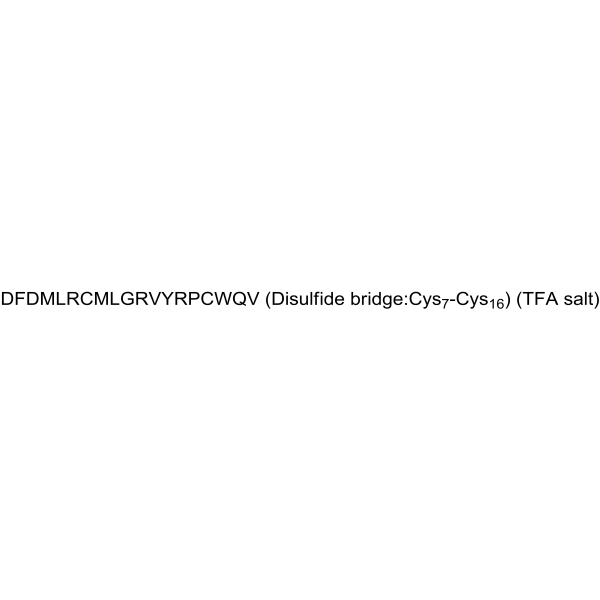
    MCH (human, mouse, rat) TFA is a cyclic neuropeptide mainly synthesized by neurons in the lateral hypothalamic area. MCH (human, mouse, rat) TFA also serves as an endogenous ligand for the melanin-concentrating hormone receptor (MHC receptor), with a binding IC50 of 0.3 nM and 1.5 nM for human MCH-1R and MCH-2R, respectively; its functional EC50 values are 3.9 nM and 88.7 nM. MCH (human, mouse, rat) TFA acts not only as an orexigenic signal but also as a key integrating and regulatory hormone for energy homeostasis and sleep-wake cycles. MCH (human, mouse, rat) TFA can be used in studies related to obesity, sleep disorders, and other associated conditions .
    MCH(human, mouse, rat) TFA
  • HY-N2983

    Tyrosinase Others
    Cajanin is a potent and orally active anti-melanogenic agent. Cajanin shows antiproliferative activity in MNT1 Cells. Cajanin efficiently decreases the melanin content. Cajanin down-regulates the mRNA and protein expression levels of MITF, tyrosinase, TRP-1 and Dct (TRP-2). Cajanin induces cell cycle arrest at G2/M and S phase. Cajanin stimulates osteoblast proliferation. Cajanin has the potential for the research of human hyperpigmented disorders and menopausal osteoporosis .
    Cajanin
  • HY-B0848
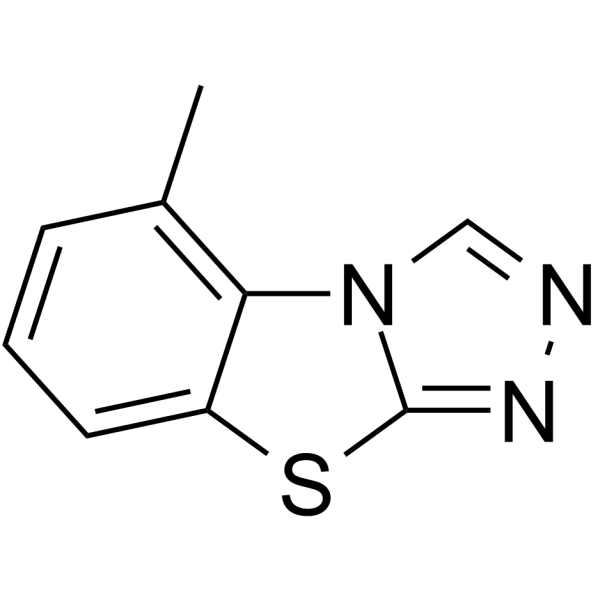
    Tricyclazole
    2 Publications Verification

    Environmental Pollutants Bacterial Infection Metabolic Disease
    Tricyclazole is a pentaketone melanin biosynthesis inhibitor and a unique fungicide for controlling rice blast. Tricyclazole alters the structure and function of fungal cell walls, reduces fungal pathogenicity and penetration, and causes dose-dependent liver damage in animals .
    Tricyclazole
  • HY-N3518

    Tyrosinase Metabolic Disease
    Mulberroside F is one of the main bioactive constituents in mulberry (Morus alba L.) . Mulberroside F shows inhibitory effects on tyrosinase activity and on the melanin formation. Mulberroside F also exhibits superoxide scavenging activity that is involved in the protection against auto-oxidation .
    Mulberroside F
  • HY-P0097A
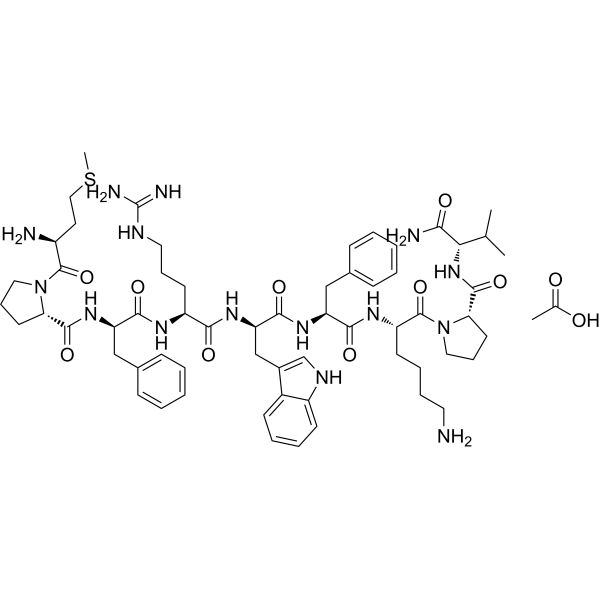
    Nonapeptide-1 acetate salt
    2 Publications Verification

    Melanostatine-5 acetate salt

    Melanocortin Receptor Metabolic Disease Endocrinology Cancer
    Nonapeptide-1 (Melanostatine-5) acetate salt, a peptide hormone, is a selective antagonist of MC1R (Ki: 40 nM). Nonapeptide-1 acetate salt is a competitive α-MSH antagonist that potently inhibits intracellular cAMP and melanosome dispersion induced by α-MSH in melanocytes (IC50: 2.5 nM and 11 nM, respectively). Nonapeptide-1 acetate salt inhibits melanin synthesis, and can be used in the research of skin pigmentation and regulation of steroid production in the adrenal gland, skin cancer .
    Nonapeptide-1 acetate salt
  • HY-B1428

    Ethenzamide

    Tyrosinase Reactive Oxygen Species (ROS) PERK Neurological Disease Inflammation/Immunology Cancer
    2-Ethoxybenzamide (Ethenzamide) is a nonsteroidal anti-inflammatory agent that shows analgesic and antipyretic effects. 2-Ethoxybenzamide induces melanin synthesis via cAMP response element-binding protein (CREB) phosphorylation. 2-Ethoxybenzamide can be used in the research of hypopigmentation and inflammation-related diseases .
    2-Ethoxybenzamide
  • HY-N1434

    Methyl 4-hydroxycinnamate

    Fungal Infection Cancer
    Methyl p-coumarate (Methyl 4-hydroxycinnamate), an orally active esterified derivative of p-Coumaric acid (pCA), can be isolated from the flower of Trixis michuacana var longifolia. Methyl p-coumarate could inhibit the melanin formation in B16 mouse melanoma cells. Methyl p-coumarate also has strong in vitro inhibitory effect on A. alternata and other pathogens .
    Methyl p-coumarate
  • HY-W015967S

    Endogenous Metabolite Tyrosinase Metabolic Disease
    Glycolic acid-d2 is the deuterium labeled Glycolic acid. Glycolic acid is an inhibitor of tyrosinase, suppressing melanin formation and lead to a lightening of skin colour.
    Glycolic acid-d2
  • HY-N3200

    Tyrosinase Cancer
    Neorauflavane is a potent tyrosinase inhibitor derived from Campylotropis hirtella, with an IC50 value of 30 nM for tyrosinase monophenolase activity and an IC50 value of 500 nM for diphenolase activity. Neorauflavane can effectively reduce the melanin content of B16 melanoma cells .
    Neorauflavane
  • HY-11083

    GW-3430

    MCHR1 (GPR24) Metabolic Disease
    GW-803430 (GW-3430) is a potent and selective melanin-concentrating hormone receptor 1 (MCH R1) antagonist with a pIC50 of 9.3. GW-803430 is orally active in an animal model of obesity .
    GW-803430
  • HY-111398
    ALB-127158(a)
    1 Publications Verification

    MCHR1 (GPR24) Metabolic Disease Endocrinology
    ALB-127158(a) is a potent and selective melanin concentrating hormone 1 (MCH1) receptor antagonist.
    ALB-127158(a)
  • HY-112514
    1,3,6,8-Tetrahydroxynaphthalene
    1 Publications Verification

    1,3,6,8-THN; T4HN

    Drug Intermediate Others
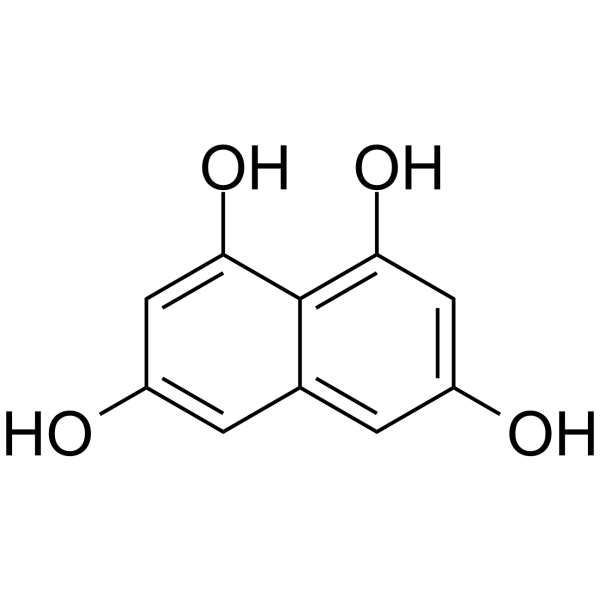
    1,3,6,8-Tetrahydroxynaphthalene (T4HN) is an indispensable precursor to DHN (1,8-Dihydroxynaphthalene) melanin and is an unique symmetrical compound of polyketide origin .
    1,3,6,8-Tetrahydroxynaphthalene
  • HY-100318

    MCHR1 (GPR24) Metabolic Disease
    MCHR1 antagonist 5 (Compound 80) is a melanin-concentrating hormone receptor 1 (MCHR1) antagonist. MCHR1 antagonist 5 can be uesd for the study of a variety of metabolic, feeding and sexual disorders .
    MCHR1 antagonist 5
  • HY-W015782

    Tyrosinase PKA Metabolic Disease Inflammation/Immunology
    4-Ethylresorcinol is a derivative of resorcinol and can serve as a substrate for tyrosinase. 4-Ethylresorcinol has anti-hyperpigmentation and antioxidant effects and can inhibit melanin synthesis. 4-Ethylresorcinol has potential whitening value .
    4-Ethylresorcinol
  • HY-100321

    MCHR1 (GPR24) Potassium Channel Metabolic Disease Endocrinology
    MCHR1 antagonist 2 is an antagonist of melanin concentrating hormone receptor 1, with an IC50 of 65 nM; MCHR1 antagonist 2 also inhibits hERG, with an IC50 of 4.0 nM in IMR-32 cells .
    MCHR1 antagonist 2
  • HY-N6901

    Epigenetic Reader Domain Metabolic Disease
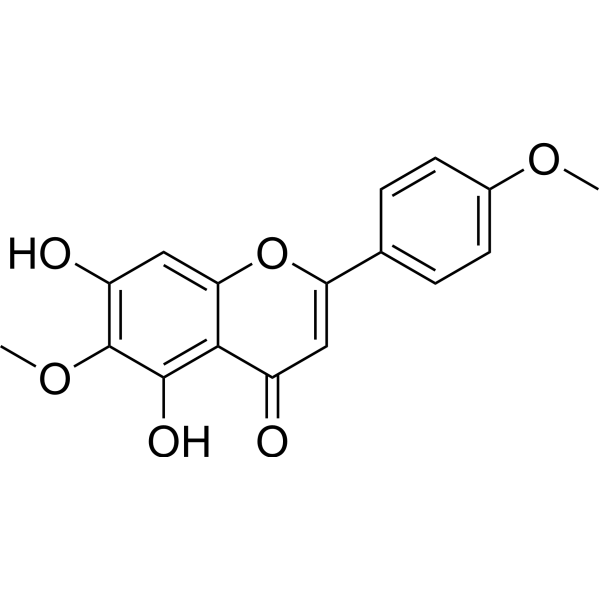
    Luteolin 7-sulfate is isolated from Phyllospadix iwatensis Makino, a marine plant. Luteolin 7-sulfate attenuates TYR gene expression through the intervention of a cAMP-responsive element binding protein (CREB)- and microphthalmia-associated transcription factor (MITF)-mediated signaling pathway, leading to the decreased melanin synthesis .
    Luteolin 7-sulfate
  • HY-P0096

    Tyrosinase Sirtuin Inflammation/Immunology Endocrinology
    Decapeptide-12, a small oligopeptide, is a tyrosinase inhibitor that interacts with C-terminal residue of tyrosinase (Kd: 61.1 μM). Decapeptide-12 is a competitive inhibitor of mushroom tyrosinase (IC50: 40 μM). Decapeptide-12 also increases transcription of SIRT. Decapeptide-12 reduces melanin content in melanocytes. Decapeptide-12 is used for the research of melanogenesis, senescence, inflammation .
    Decapeptide-12
  • HY-N6243

    Fungal Cardiovascular Disease Others
    Veratrosine is a Trihydroxynapthalene reductase (THR) inhibitor and fungal plant pathogen inhibitor with activity against Curvularia lunata THR. Veratrosine interacts with THR, an enzyme in the DHN melanin biosynthesis pathway of Curvularia lunata. Veratrosine can be used for the research of leaf blight of rice, brown spot of rice, and blast disease of foxtail millet .
    Veratrosine
  • HY-P1525

    MCH (salmon)

    MCHR1 (GPR24) Cardiovascular Disease Neurological Disease Metabolic Disease Endocrinology
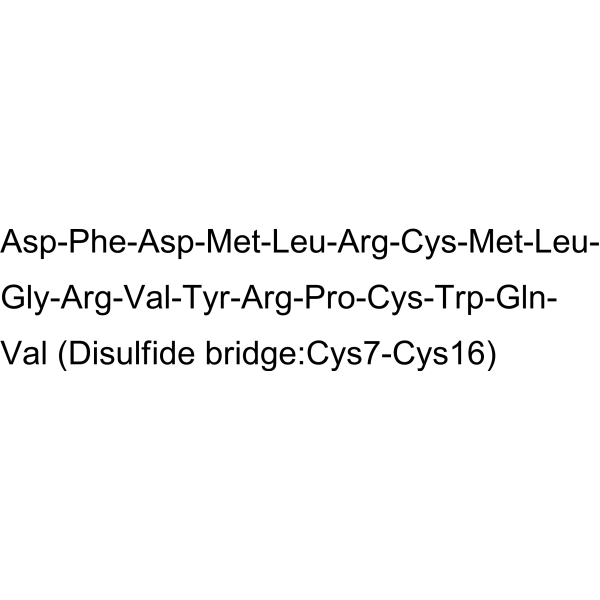
    Melanin Concentrating Hormone, salmon is a 19-amino-acid neuropeptide initially identified in the pituitary gland of teleost fish, which regulates food intake, energy balance, sleep state, and the cardiovascular system. Melanin-concentrating hormone is a ligand for an orphan G protein-coupled receptor (SLC-1/GPR24) and MCHR2.
    Melanin Concentrating Hormone, salmon
  • HY-P1525A

    MCH (salmon) TFA

    MCHR1 (GPR24) Cardiovascular Disease Neurological Disease Metabolic Disease Endocrinology
    Melanin Concentrating Hormone, salmon TFA (MCH (salmon) TFA) is a 19-amino-acid neuropeptide initially identified in the pituitary gland of teleost fish, which regulates food intake, energy balance, sleep state, and the cardiovascular system. Melanin-concentrating hormone is a ligand for an orphan G protein-coupled receptor (SLC-1/GPR24) and MCHR2.
    Melanin Concentrating Hormone, salmon TFA
  • HY-P1205
    MCH(human, mouse, rat)
    1 Publications Verification

    Melanin-concentrating hormone(human, mouse, rat)

    MCHR1 (GPR24) Neurological Disease Metabolic Disease
    MCH (human, mouse, rat) is a cyclic neuropeptide mainly synthesized by neurons in the lateral hypothalamic area. MCH (human, mouse, rat) also serves as an endogenous ligand for the melanin-concentrating hormone receptor (MHC receptor), with a binding IC50 of 0.3 nM and 1.5 nM for human MCH-1R and MCH-2R, respectively; its functional EC50 values are 3.9 nM and 88.7 nM. MCH (human, mouse, rat) acts not only as an orexigenic signal but also as a key integrating and regulatory hormone for energy homeostasis and sleep-wake cycles. MCH (human, mouse, rat) can be used in studies related to obesity, sleep disorders, and other associated conditions .
    MCH(human, mouse, rat)
  • HY-148400

    TXC hydrochloride

    Ser/Thr Protease Drug Derivative Metabolic Disease
    Cetyl tranexamate (TXC) hydrochloride is an ester derivative of Tranexamic acid (HY-B0149). Cetyl tranexamate hydrochloride is an inhibitor of fibrinogen activation and can reduce the production of fibrinogen in keratinocytes induced by ultraviolet rays or damage, indirectly inhibiting the melanin production pathway. Cetyl tranexamate hydrochloride also targets melanin (dark spots) and hemoglobin (red spots), reducing vascular dilation and pigmentation by inhibiting inflammatory mediators (such as prostaglandins, platelet activating factors). Cetyl tranexamate hydrochloride can be used as a cosmetic ingredient and is suitable for epidermal pigment disorders such as photoaging, post-inflammatory hyperpigmentation (PIH), and melasma .
    Cetyl tranexamate hydrochloride
  • HY-N4265

    Others Inflammation/Immunology
    Vinaginsenoside R4, isolated from the leaves of hydroponic Panax ginseng. It has an inhibitory effect on melanin biosynthesis without any cytotoxic effects on the melan-a cells, and enhances the depigmentation on the zebrafish .
    Vinaginsenoside R4
  • HY-133680R

    Reference Standards Tyrosinase Others
    β-Tocopherol (Standard) is the analytical standard of β-Tocopherol. This product is intended for research and analytical applications. β-Tocopherol is an analogue of vitamin E, exhibits antioxidant properties. β-Tocopherol can inhibit tyrosinase activity and melanin synthesis. β-Tocopherol also can prevent the inhibition of cell growth and of PKC activity caused by d-alpha-tocopherol .
    β-Tocopherol (Standard)
  • HY-P3155

    MCHR1 (GPR24) Neurological Disease Metabolic Disease
    Ac-hMCH(6-16)-NH2 binds to and activates equally well both human MCH receptors present in the brain (non-selective agonist), with IC50 values of 0.16 nM and 2.7 nM for MCH-1R and MCH-2R .
    Ac-hMCH(6-16)-NH2
  • HY-W039283

    MCHR1 (GPR24) Neurological Disease Cancer
    MCH-1 antagonist 2 (l-BROMO-2,4-DIFLUORO-5-NITROBEN-ZENE) is a melanin concentrating hormone-1 (MCH1) receptor-selective 4-aryl piperidine. MCH-1 antagonist 2 can be used for the research of depression, anxiety, obesity, urge incontinence, urinary incontinence, major depression, bipolar disorder, agoraphobia, specific phobia, social phobia, obsessive-compulsive disorder, post-traumatic stress disorder, acute stress disorder, urinary frequency, urinary urgency, nocturia, enuresis, bulimia, bulimia nervosa, anorexia nervosa, major depressive disorder, dysthymic disorder, bipolar 1 and 2 disorders, schizoaffective disorder, cognitive disorders with depressed mood, personality disorders, insomnia, hypersomnia, narcolepsy, circadian rhythm sleep disorder, nightmare disorder, sleep terror disorder, sleepwalking disorder, panic disorder, social anxiety disorder, generalized anxiety disorder, overactive bladder .
    MCH-1 antagonist 2
  • HY-W004288S

    Myristic acid methyl ester-d27

    Isotope-Labeled Compounds Drug Derivative Cancer
    Methyl tetradecanoate-d27 is the deuterium labeled Methyl myristate. Methyl myristate is a saturated fatty acid methyl ester obtained from the esterification of myristic acid. Methyl myristate shows a high melanin induction in B16F10 melanoma .
    Methyl tetradecanoate-d27
  • HY-P10895

    Biochemical Assay Reagents Others
    HR97 TFA is a cell-penetrating peptide that can be combined with engineered melanin to prepare eye drops HR97-SunitiGel. The peptide-drug conjugate in HR97-SunitiGel can provide sustained ocular drug delivery .
    HR97 TFA
  • HY-W775186

    Fungal Infection
    Tolprocarb is an oomyces fungicide, which has a strong inhibitory effect on rice blast fungus Magnaporthe grisea by inhibiting polyketide synthase in melanin synthesis pathway .
    Tolprocarb
  • HY-112367

    p38 MAPK Cancer
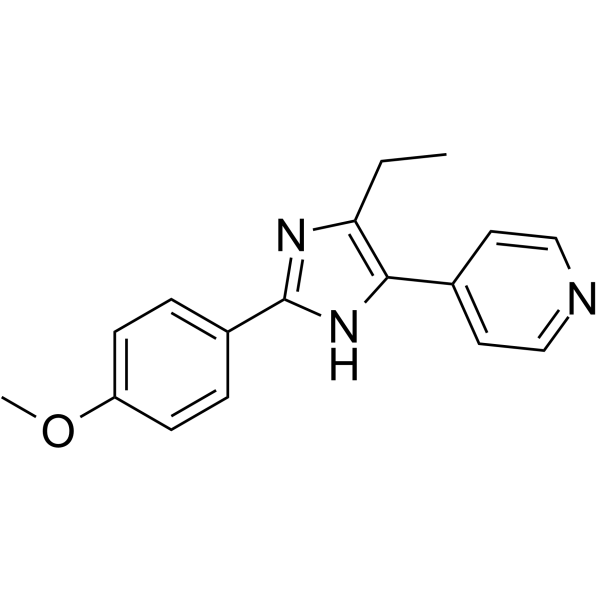
    SB 202474, a negative analog of SB203580. SB 202474, which has no ability to inhibit p38 MAPK activity and is widely used as a negative control compound in p38 MAPK studies, also suppressed melanin synthesis induction .
    SB 202474
  • HY-P5265

    DNA/RNA Synthesis Metabolic Disease
    Tetrapeptide, an analogue of α-MSH, induces melanin synthesis. Tetrapeptide diminishes DNA damage by reducing the production of reactive oxidative species and enhancing repair of DNA photoproducts .
    Tetrapeptide
  • HY-N9521

    Others Cancer
    3-O-β-D-Glucopyranosyl(1→2)-[a-Lrhamnopyranosyl(1→3)]-β-D-glucopyranosyl 28-O-β-D-glucuronopyranoside, a saponin, is isolated from Polaskia chichipe Backbg. 3-O-β-D-Glucopyranosyl(1→2)-[a-Lrhamnopyranosyl(1→3)]-β-D-glucopyranosyl 28-O-β-D-glucuronopyranoside shows ability to inhibit melanin biosynthesis by B16 melanoma cell with inhibitory activity 84.2% at 100μM[1].
    3-O-β-D-Glucopyranosyl(1→2)-[a-Lrhamnopyranosyl(1→3)]-β-D-glucopyranosyl 28-O-β-D-glucuronopyranoside
  • HY-P6294

    Tyrosinase Others
    Pseudostellarin G is a natural cyclic octapeptide. Pseudostellarin G has the activity of inhibiting tyrosinase. Pseudostellarin G can inhibit the production of melanin .
    Pseudostellarin G
  • HY-P1869

    MCHR1 (GPR24) Melanocortin Receptor Neurological Disease Endocrinology
    Neuropeptide EI, rat displays functional melanin concentrating hormone (MCH)-antagonist and melanocyte-stimulating hormone (MSH) agonist activity in different behavioral paradigms .
    Neuropeptide EI, rat

Inquiry Online

Your information is safe with us. * Required Fields.

Salutation


Country or Region *

Applicant Name *


Organization Name *

Department *


Email Address *


Product Name *

Cat. No.


Requested quantity *

Phone Number *


Remarks

Inquiry Online

Inquiry Information

Product Name:
Cat. No.:
Quantity:
MCE Japan Authorized Agent:

