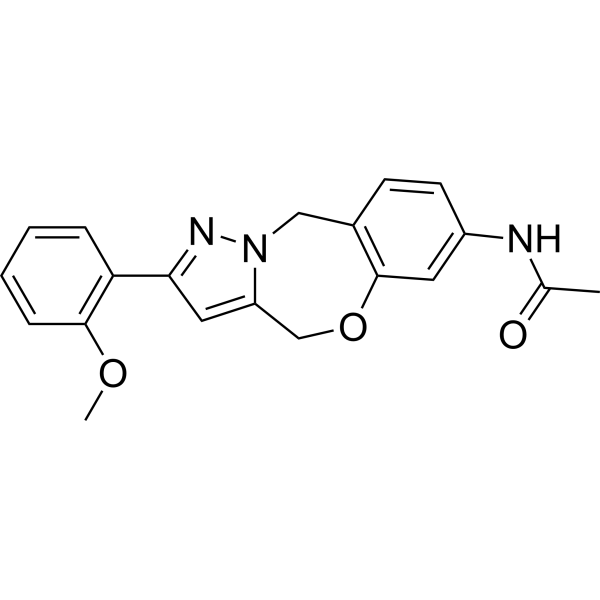
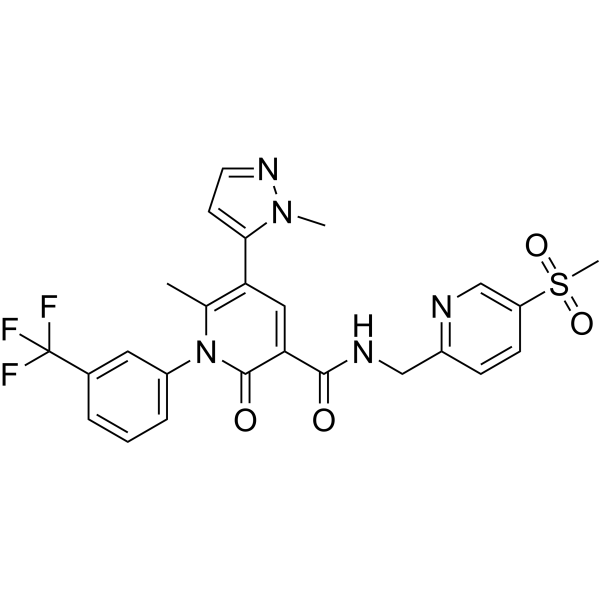

1. Search Result
Search Result
Results for "

NET

" in MedChemExpress (MCE) Product Catalog:

118

Inhibitors & Agonists

2

Screening Libraries

1

Biochemical Assay Reagents

11

Peptides

1

Inhibitory Antibodies

5

Natural
Products

13

Recombinant Proteins

10

Isotope-Labeled Compounds

23

Antibodies

10

Oligonucleotides

Cat. No. Product Name Target Research Areas Chemical Structure
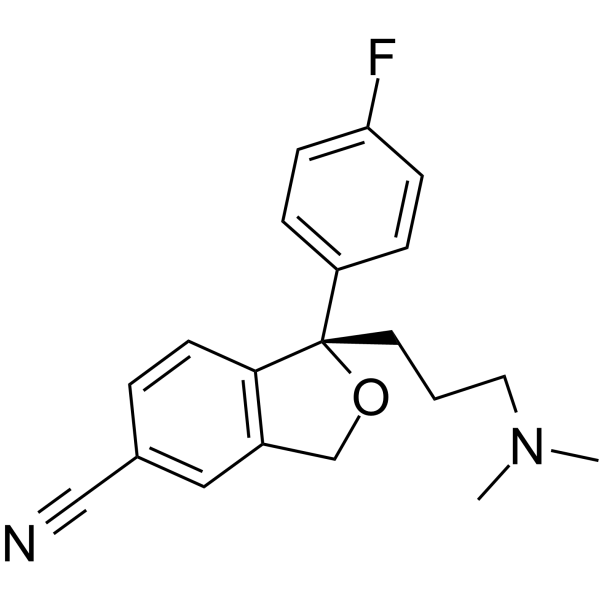
  • HY-14258
    Escitalopram
    10+ Cited Publications

    (S)-Citalopram; (S)-(+)-Citalopram

    Serotonin Transporter Neurological Disease
    Escitalopram ((S)-Citalopram), the S-enantiomer of racemic Citalopram, is a selective serotonin reuptake inhibitor (SSRI) with a Ki of 0.89 nM. Escitalopram has ∼30 fold higher binding affinity than its R(-)-enantiomer and shows selectivity over both dopamine transporter (DAT) and norepinephrine transporter (NET). Escitalopram is an antidepressant for the research of major depression .
    Escitalopram
  • HY-122218
    JHU-083
    5+ Cited Publications

    Glutaminase Neurological Disease
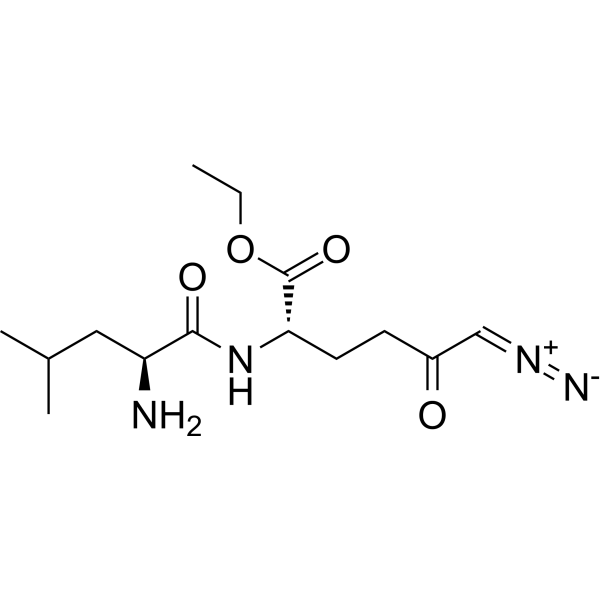
    JHU-083, a proagent of 6-diazo-5-oxo-L-norleucine (DON; HY-108357), is an orally active and selective glutaminase antagonist. JHU-083 blocks glutaminase activity in brain CD11b + cells and experimental cerebral malaria (ECM) resulting in a net decrease of glutamate levels in the animals .
    JHU-083
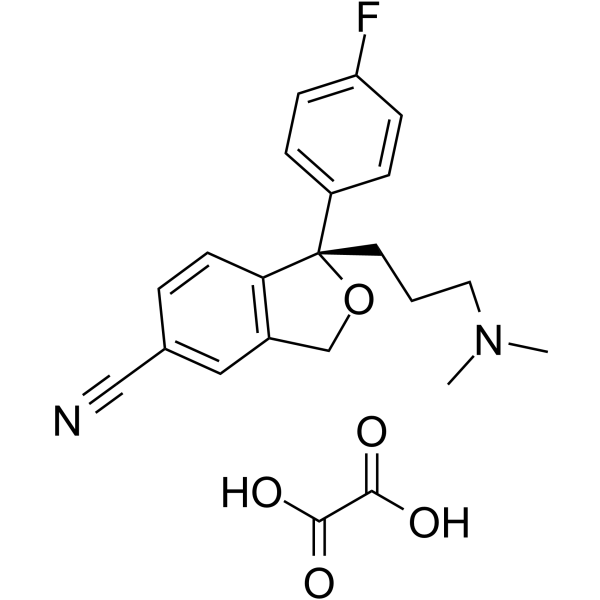
  • HY-14258A
    Escitalopram oxalate
    10+ Cited Publications

    (S)-Citalopram oxalate; (S)-(+)-Citalopram oxalate

    Serotonin Transporter Neurological Disease Cancer
    Escitalopram ((S)-Citalopram) oxalate, the S-enantiomer of racemic Citalopram, is a selective serotonin reuptake inhibitor (SSRI) with a Ki of 0.89 nM. Escitalopram oxalate has ∼30 fold higher binding affinity than its R(-)-enantiomer and shows selectivity over both dopamine transporter (DAT) and norepinephrine transporter (NET). Escitalopram oxalate is an antidepressant for the research of major depression .
    Escitalopram oxalate
  • HY-111674
    LDC7559
    Maximum Cited Publications
    22 Publications Verification

    Pyroptosis Inflammation/Immunology
    LDC7559 is a gasdermin D (GSDMD) inhibitor via blocking neutrophil extracellular trap (NET) in the late stages .
    LDC7559
  • HY-W614269

    Radionuclide-Drug Conjugates (RDCs) Cancer
    DOTA-GA(tBu)4 stabilizes the attachment of radiometals to ligands. DOTA-GA(tBu)4 improves the biodistribution of radiolabeled second-generation Affibody molecules by increasing their net negative charge and reducing hepatic uptake, leading to enhanced tumor-to-blood and tumor-to-liver ratios. DOTA-GA(tBu)4 targets HER2>-expressing breast and gastrointestinal cancer .
    DOTA-GA(tBu)4
  • HY-12798
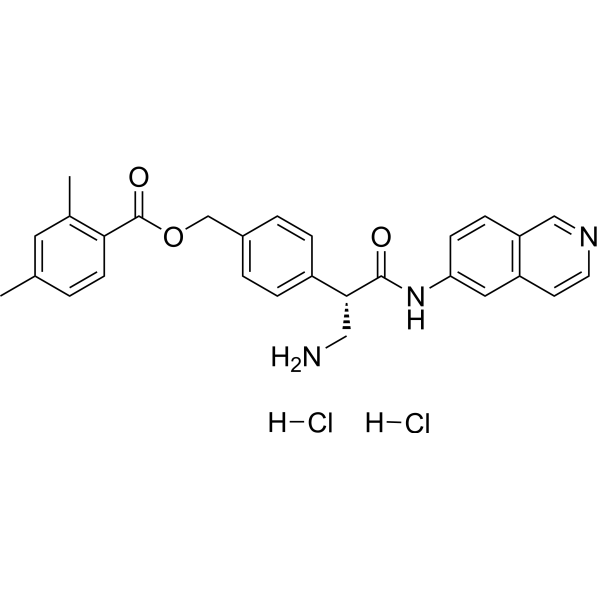
    Netarsudil
    1 Publications Verification

    AR-13324

    Monoamine Transporter ROCK Cardiovascular Disease Neurological Disease
    Netarsudil (AR-13324) is a competitive inhibitor of Rho-associated protein kinases (ROCK I and ROCK II) and a reversible inhibitor of the norepinephrine transporter (NET). Netarsudil reduces intraocular pressure by inhibiting ROCK, causing relaxation of trabecular meshwork cells and dilation of episcleral veins, thereby increasing the ease of aqueous humor outflow, while inhibiting NET to reduce aqueous humor production. Netarsudil is mainly used in the study of ocular hypertension and primary open-angle glaucoma .
    Netarsudil
  • HY-W052508
    Norquetiapine
    1 Publications Verification

    N-Desalkylquetiapine

    Drug Metabolite 5-HT Receptor HCN Channel Serotonin Transporter Neurological Disease
    Norquetiapine ( N-Desalkylauetiapine), a metabolite of Quetiapine (HY-14544), is a selective HCN1 channel inhibitor, with an IC50 of 13.9 μM. Norquetiapine selectively inhibits noradrenaline reuptake, is a partial 5-HT1A (Ki = 45 nM) receptor agonist, and acts as an antagonist at presynapticα2 (Ki = 237 nM), 5-HT2C(Ki = 107 nM), and 5-HT7 (Ki = 76 nM) receptors. Norquetiapine blocks the human cardiac sodium channel Nav1.5 in a state-dependent manner. Norquetiapine shows partial anti-inflammatory effects in LPS (HY-D1056) injected C57BL/6 mice. Norquetiapine can be used for the study of depression and inflammation .
    Norquetiapine
  • HY-12798B
    Netarsudil hydrochloride
    1 Publications Verification

    AR-13324 hydrochloride

    ROCK Cardiovascular Disease Neurological Disease
    Netarsudil (AR-13324) hydrochloride is a competitive inhibitor of Rho-associated protein kinases (ROCK I and ROCK II) and a reversible inhibitor of the norepinephrine transporter (NET). Netarsudil hydrochloride reduces intraocular pressure by inhibiting ROCK, causing relaxation of trabecular meshwork cells and dilation of episcleral veins, thereby increasing the ease of aqueous humor outflow, while inhibiting NET to reduce aqueous humor production. Netarsudil hydrochloride is mainly used in the study of ocular hypertension and primary open-angle glaucoma .
    Netarsudil hydrochloride
  • HY-P5126
    DOTA-LM3
    2 Publications Verification

    Radionuclide-Drug Conjugates (RDCs) Somatostatin Receptor Cancer
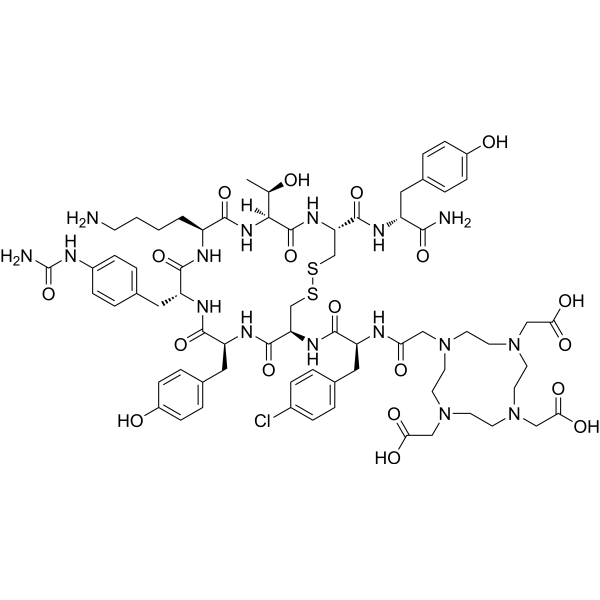
    DOTA-LM3 is a somatostatin receptor (SSTR) antagonist. LM3 refers to p-Cl-Phe- cyclo(D-Cys-Tyr-D-4-amino-Phe(carbamoyl)-Lys-Thr-Cys)D-Tyr- NH2, as well as a somatostatin antagonist. DOTA-LM3 is often isotopically labeled for tracing tumors in vivo, such as 177Lu-DOTA-LM3 and 68 Ga-DOTA-LM3. 68 Ga-DOTA-LM3 shows favorable biodistribution, high tumor uptake, good tumor retention, and few safety concerns. 177Lu-DOTA-LM3 can be used for research in DOTATOC-negative liver metastases, such as pancreatic NET and extensive tumor thrombosis . DOTA-LM3 can be used for the synthesis/research of Radionuclide-Drug Conjugates (RDCs).
    DOTA-LM3
  • HY-W380450

    Viloxazin; Emovit

    5-HT Receptor Neurological Disease
    Viloxazine is a non-brain-penetrant, selective norepinephrine transporter (NET) inhibitor (IC50= 0.26 μM) and 5-HT receptor modulator. Viloxazine antagonizes 5-HT2B receptors (Ki=4.2 μM) and agonizes 5-HT2C receptors (EC50= 32 μM), respectively, and enhances 5-HT neurotransmission by modulating 5-HT2B/C receptors. Viloxazine also competitively inhibits NET from increasing NE and DA levels in the synaptic cleft, and can be used in the study of attention deficit hyperactivity disorder (ADHD) .
    Viloxazine
  • HY-125784

    Viloxazin hydrochloride; Emovit hydrochloride

    5-HT Receptor Neurological Disease
    Viloxazine hydrochloride is a non-brain-penetrant, selective norepinephrine transporter (NET) inhibitor (IC50=0.26 μM) and 5-HT receptor modulator. Viloxazine antagonizes 5-HT2B receptors (Ki=4.2 μM) and agonizes 5-HT2C receptors (EC50=32 μM), respectively, and enhances 5-HT neurotransmission by modulating 5-HT2B/C receptors. Viloxazine also competitively inhibits NET from increasing NE and DA levels in the synaptic cleft, and can be used in the study of attention deficit hyperactivity disorder (ADHD) .
    Viloxazine hydrochloride
  • HY-B1704
    Nisoxetine
    1 Publications Verification

    Monoamine Transporter Sodium Channel Neurological Disease
    Nisoxetine is a potent and selective inhibitor of noradrenaline transporter (NET), with a Kd of 0.76 nM. Nisoxetine is an antidepressant and local anesthetic, it can block voltage-gated sodium channels .
    Nisoxetine
  • HY-19907

    BMS-820836

    Dopamine Transporter Monoamine Transporter Serotonin Transporter Neurological Disease
    Liafensine (BMS-820836) is an orally active, blood-brain barrier-permeable monoamine reuptake inhibitor, with an IC50 of 5.67 nM against DAT, 1.08 nM against SERT, and 7.99 nM against NET. Liafensine binds to DAT to block dopamine reuptake. Liafensine binds to SERT to block serotonin reuptake. Liafensine binds to NET to block norepinephrine reuptake. Liafensine can be used in studies related to depression .
    Liafensine
  • HY-12798A
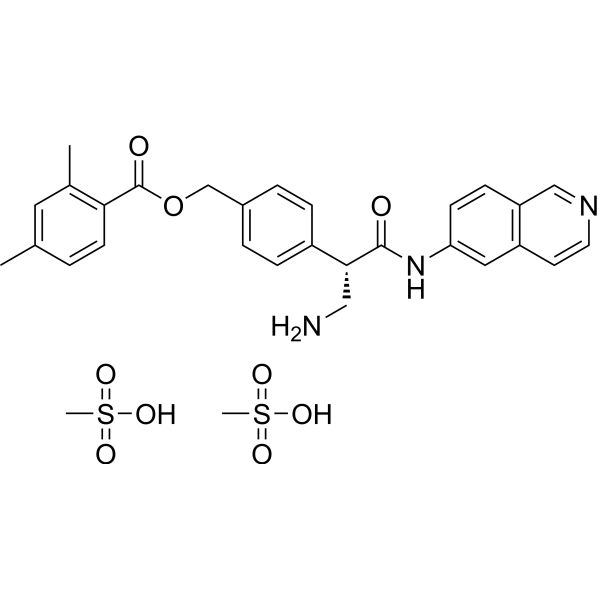
    Netarsudil dimesylate
    1 Publications Verification

    AR-13324 dimesylate

    ROCK Cardiovascular Disease Neurological Disease
    Netarsudil (AR-13324) dimesylate is a competitive inhibitor of Rho-associated protein kinases (ROCK I and ROCK II) and a reversible inhibitor of the norepinephrine transporter (NET). Netarsudil dimesylate reduces intraocular pressure by inhibiting ROCK, causing relaxation of trabecular meshwork cells and dilation of episcleral veins, thereby increasing the ease of aqueous humor outflow, while inhibiting NET to reduce aqueous humor production. Netarsudil dimesylate is mainly used in the study of ocular hypertension and primary open-angle glaucoma .
    Netarsudil dimesylate
  • HY-137655

    Protein Arginine Deiminase Cancer
    BMS-P5 is a selective and orally active peptidylarginine deiminase 4 (PAD4) inhibitor with an IC50 of 98 nM. BMS-P5 shows selective for PAD4 over PAD1, PAD2, and PAD3. BMS-P5 blocks multiple myeloma (MM)-induced neutrophil extracellular trap (NET) formation and delays progression of MM in a syngeneic mouse model .
    BMS-P5
  • HY-137655A

    Protein Arginine Deiminase Cancer
    BMS-P5 free base is a selective and orally active peptidylarginine deiminase 4 (PAD4) inhibitor with an IC50 of 98 nM. BMS-P5 free base shows selective for PAD4 over PAD1, PAD2, and PAD3. BMS-P5 free base blocks multiple myeloma (MM)-induced neutrophil extracellular trap (NET) formation and delays progression of MM in a syngeneic mouse model .
    BMS-P5 free base
  • HY-B1704A
    Nisoxetine hydrochloride
    1 Publications Verification

    Monoamine Transporter Sodium Channel Neurological Disease
    Nisoxetine hydrochloride is a potent and selective inhibitor of noradrenaline transporter (NET), with a Kd of 0.76 nM. Nisoxetine hydrochloride is an antidepressant and local anesthetic, it can block voltage-gated sodium channels .
    Nisoxetine hydrochloride
  • HY-P5126A
    DOTA-LM3 TFA
    2 Publications Verification

    Radionuclide-Drug Conjugates (RDCs) Somatostatin Receptor Cancer
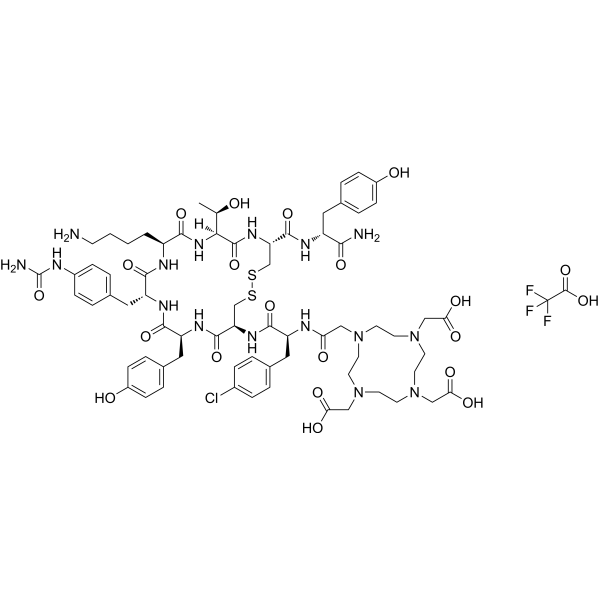
    DOTA-LM3 TFA is a somatostatin receptor (SSTR) antagonist. LM3 refers to p-Cl-Phe- cyclo(D-Cys-Tyr-D-4-amino-Phe(carbamoyl)-Lys-Thr-Cys)D-Tyr- NH2, as well as a somatostatin antagonist. DOTA-LM3 TFA is often isotopically labeled for tracing tumors in vivo, such as 177Lu-DOTA-LM3 TFA and 68 Ga-DOTA-LM3 TFA. 68 Ga-DOTA-LM3 TFA shows favorable biodistribution, high tumor uptake, good tumor retention, and few safety concerns. 177Lu-DOTA-LM3 TFA can be used for research in DOTATOC-negative liver metastases, such as pancreatic NET and extensive tumor thrombosis . DOTA-LM3 (TFA) can be used for the synthesis/research of Radionuclide-Drug Conjugates (RDCs).
    DOTA-LM3 TFA
  • HY-145237
    BM213
    3 Publications Verification

    Complement System Apoptosis Reactive Oxygen Species (ROS) Cancer
    BM213 is a selective C5aR agonist, with an EC50 of 59 nM. BM213 specifically activates the C5a-C5aR1 axis, which in turn promotes neutrophil extracellular trap (NET) formation and exacerbates inflammatory responses. BM213 significantly induces ventricular dilationin, promotes myocardial ROS production, and induces cardiomyocyte apoptosis in rats. BM213 can be used for the study of myocardial ischemia/reperfusion (I/R) injury .
    BM213
  • HY-B0168B
    Levomilnacipran hydrochloride
    1 Publications Verification

    (1S,2R)-Milnacipran hydrochloride; F-2695 hydrochloride

    Serotonin Transporter Trk Receptor PI3K Akt mTOR P-glycoprotein Neurological Disease Inflammation/Immunology
    Levomilnacipran ((1S,2R)-Milnacipran) hydrochloride is the enantiomer of Milnacipran (HY-B0168) and a strong substrate of P-gp that can cross the blood-brain barrier. Levomilnacipran hydrochloride is a serotonin and norepinephrine reuptake inhibitor, with IC50 values of 10.5 nM and 19.0 nM, and Ki values of 92.2 nM and 1.2 nM for human norepinephrine transporter (NET) and serotonin transporter (SERT), respectively. Levomilnacipran hydrochloride has antidepressant and anxiolytic activities. Levomilnacipran hydrochloride can be used for the research of depression .
    Levomilnacipran hydrochloride
  • HY-133116

    Adrenergic Receptor Neurological Disease
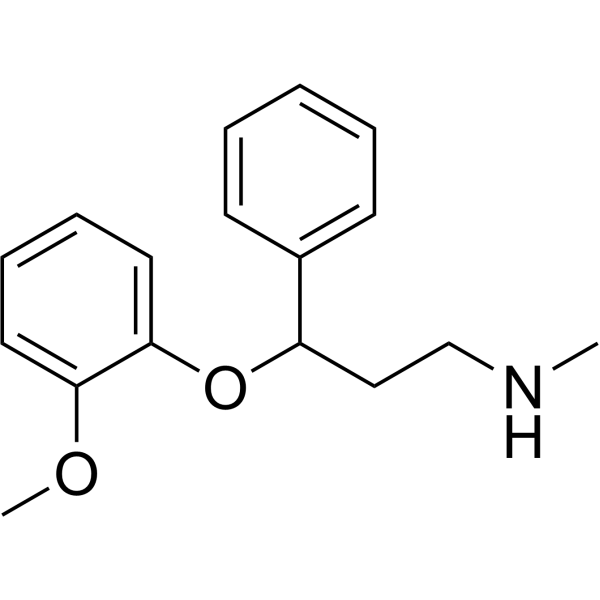
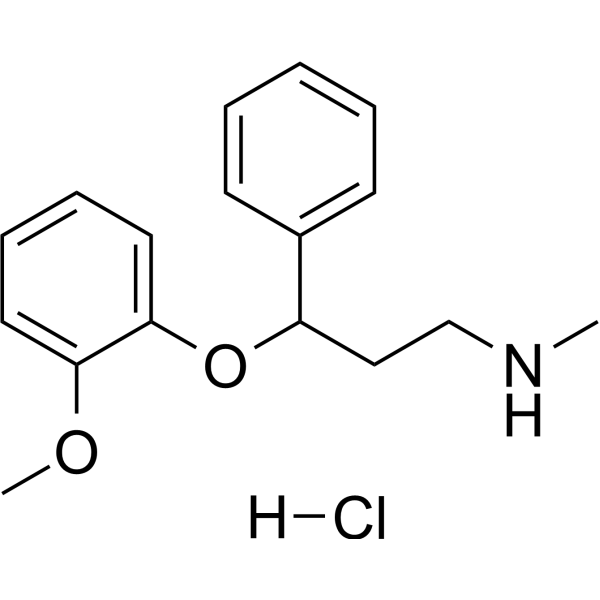
    4-Hydroxyatomoxetine is an active metabolite of Atomoxetine. 4-Hydroxyatomoxetine is metabolized by the enzyme cytochrome P450 2D6 (CYP2D6). Atomoxetine hydrochloride is a potent and selective noradrenalin re-uptake inhibitor (Ki values are 5 nM, 77 nM and 1451 nM for inhibition of radioligand binding to human NET, SERT and DAT respectively) .
    4-Hydroxyatomoxetine
  • HY-W017448

    N,N-Dimethylpiperidinium chloride; PIX

    Environmental Pollutants Biochemical Assay Reagents Others
    Mepiquat chloride (N,N-Dimethylpiperidinium chloride) is a systemic plant growth regulator. Mepiquat chloride reduces the activity of RuBP carboxylase. Mepiquat chloride decreases plant height, total length of vegetative and fruiting branches, and total leaf area of cotton. Mepiquat chloride reduces the net photosynthetic rate of cotton leaves. Mepiquat chloride promotes starch accumulation in cotton leaves without altering sucrose content .
    Mepiquat chloride
  • HY-135615A

    N-Desmethylsibutramine hydrochloride

    Serotonin Transporter Neurological Disease Metabolic Disease
    Desmethyl Sibutramine hydrochloride, the secondary metabolite of Sibutramine, is an orally active norepinephrine transporter (NET) and serotonin transporter (SERT) inhibitor. Desmethyl Sibutramine hydrochloride can be used in the research of obesity and appetite suppressant .
    Desmethyl Sibutramine hydrochloride
  • HY-14258AR

    (S)-Citalopram oxalate (Standard); (S)-(+)-Citalopram oxalate (Standard)

    Reference Standards Serotonin Transporter Neurological Disease Cancer
    Escitalopram (oxalate) (Standard) is the analytical standard of Escitalopram (oxalate). This product is intended for research and analytical applications. Escitalopram ((S)-Citalopram) oxalate, the S-enantiomer of racemic Citalopram, is a selective serotonin reuptake inhibitor (SSRI) with a Ki of 0.89 nM. Escitalopram oxalate has ∼30 fold higher binding affinity than its R(-)-enantiomer and shows selectivity over both dopamine transporter (DAT) and norepinephrine transporter (NET). Escitalopram oxalate is an antidepressant for the research of major depression .
    Escitalopram oxalate (Standard)
  • HY-N12281

    Apoptosis MDM-2/p53 PAK Calcium Channel Endocrinology Cancer
    Sennoside is an orally active apoptosis inducer and stimulant laxative, found in Senna (Cassia angustifolia). Sennoside induces overexpression of wild-type p53 and p21/WAF as part of pathways mediating colonic epithelial cell apoptosis. Sennoside stimulates colonic peristalsis, reverses net water, sodium, chloride absorption to secretion and enhances potassium and calcium secretion. Sennoside increases paracellular permeability to small molecules, accelerates colon transit and softens fecal pellets. Sennoside can be used for the research of constipation, melanosis coli, and colorectal cancer .
    Sennoside
  • HY-17590
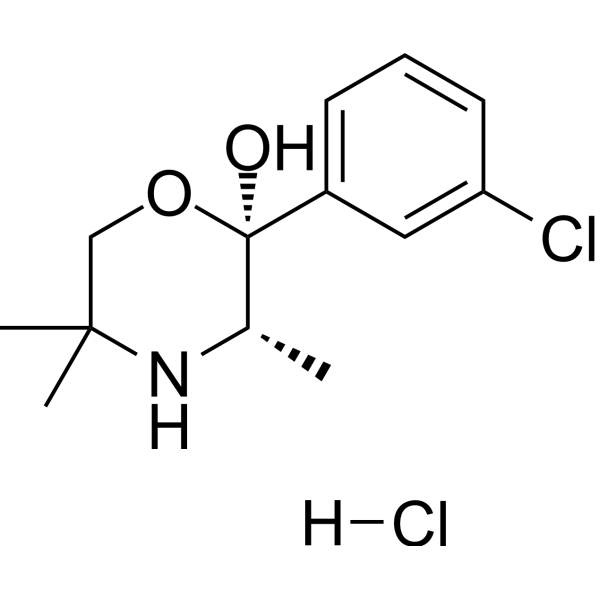
    Radafaxine hydrochloride
    1 Publications Verification

    (S,S)-Hydroxybupropion hydrochloride; GW-353162A; BW-306U

    Monoamine Transporter Neurological Disease
    Radafaxine hydrochloride (GW-353162A) is a DAT (dopamine transporter) and NET(norepinephrine transporter) transporters inhibitor, and nAChR family modulator.
    Radafaxine hydrochloride
  • HY-135096

    Serotonin Transporter 5-HT Receptor Histamine Receptor mAChR Adrenergic Receptor Sodium Channel Trk Receptor Neurological Disease
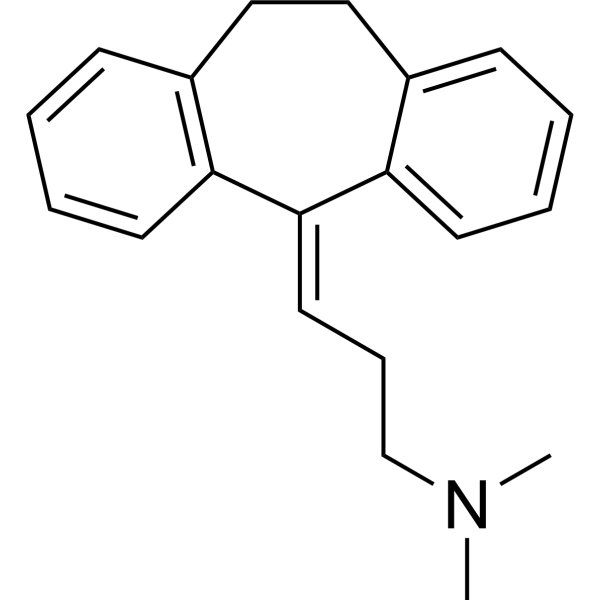
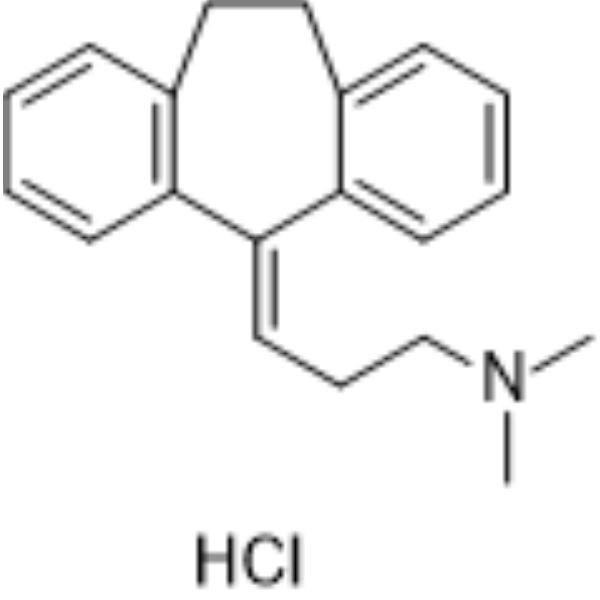
    Amitriptyline-d3 hydrochloride is the deuterium labeled Amitriptyline (hydrochloride). Amitriptyline hydrochloride is an inhibitor of serotonin reuptake transporter (SERT) and noradrenaline reuptake transporter (NET), with Kis of 3.45 nM and 13.3 nM for human SERT and NET, respectively. Amitriptyline hydrochloride also weakly binds to dopamine reuptake transporter (DAT) with a Ki of 2.58 μM. Amitriptyline hydrochloride also inhibits adrenergic, muscarinic, histamine and 5-HT receptors. Amitriptyline hydrochloride is a TrkA and TrkB receptors agonist with potent neurotrophic activity. Amitriptyline hydrochloride has antidepressant activity .
    Amitriptyline-d3 hydrochloride
  • HY-103293A

    Kallidin (380-389) (human, porcine, bovine) TFA

    Bradykinin Receptor Cardiovascular Disease Neurological Disease Inflammation/Immunology
    Lys-Bradykinin TFA is the TFA salt form of Lys-Bradykinin (HY-103293). Lys-Bradykinin TFA is a ligand for kallidin and bradykinin receptor, which can be generated by kininogen protein through enzymatic cleavage by the protease kallikrein. Lys-Bradykinin TFA serves as a vasodilator, which widens blood vessels and increases blood flow. Lys-Bradykinin TFA stimulates net Na+ influx, and contributes to DNA synthesis. Lys-Bradykinin TFA involves in vascular regulation, inflammation and pain sensation .
    Lys-Bradykinin TFA
  • HY-148866

    Calcium Channel Neurological Disease Endocrinology
    Cavα2δ1&NET-IN-3 (example 216) is an inhibitor of the subunit α2δ of voltage-gated calcium channels (VGCC) and noradrenaline transporter (NET). Cavα2δ1&NET-IN-3 has Kis of 100-500 nM for human α2δ-1 subunit of Cav2.2 calcium channel and NET, respectively .
    Cavα2δ1&NET-IN-3
  • HY-117777

    Protein Arginine Deiminase Inflammation/Immunology Cancer
    GSK121 is a selective PAD4 inhibitor. GSK121 can be used in the research of PAD4-related diseases, including those characterized by abnormal NET levels and various tumors .
    GSK121
  • HY-W040555
    Norquetiapine dihydrochloride
    1 Publications Verification

    N-Desalkylquetiapine dihydrochloride

    Drug Metabolite 5-HT Receptor HCN Channel Serotonin Transporter Neurological Disease
    Norquetiapine ( N-Desalkylauetiapine) dihydrochloride, a metabolite of Quetiapine (HY-14544), is a selective HCN1 channel inhibitor, with an IC50 of 13.9 μM. Norquetiapine dihydrochloride selectively inhibits noradrenaline reuptake, is a partial 5-HT1A (Ki = 45 nM) receptor agonist, and acts as an antagonist at presynapticα2 (Ki = 237 nM), 5-HT2C(Ki = 107 nM), and 5-HT7 (Ki = 76 nM) receptors. Norquetiapine dihydrochloride blocks the human cardiac sodium channel Nav1.5 in a state-dependent manner. Norquetiapine dihydrochloride shows partial anti-inflammatory effects in LPS (HY-D1056) injected C57BL/6 mice. Norquetiapine dihydrochloride can be used for the study of depression and inflammation .
    Norquetiapine dihydrochloride
  • HY-W703376

    Serotonin Transporter Monoamine Transporter Dopamine Transporter Neurological Disease
    2-(tert-Butylamino)-1-phenylpropan-1-one hydrochloride (Compound Imp.1) is a non-selective monoamine transporter (DAT/NET/SERT) agonist. tert-Butylcathinone hydrochloride is promising for research of depressive disorders .
    2-(tert-Butylamino)-1-phenylpropan-1-one hydrochloride
  • HY-148863

    Calcium Channel Monoamine Transporter Inflammation/Immunology
    Cavα2δ1&NET-IN-2 (Compound 45CS) is a dual inhibitor of the α2δ‑1 subunit of voltage-gated calcium channels (Cavα2δ-1) and the norepinephrine transporter (NET). Cavα2δ1&NET-IN-2 inhibits Cavα2δ-1 with a Ki of 454 nM. Cavα2δ1&NET-IN-2 inhibits NET with a Ki of 59 nM and IC50 of 7 nM. Cavα2δ1&NET-IN-2 can be used for research of pain .
    Cavα2δ1&NET-IN-2
  • HY-14258AS

    Serotonin Transporter Neurological Disease
    Escitalopram-d6 (oxalate) is the deuterium labeled Escitalopram oxalate. Escitalopram ((S)-Citalopram) oxalate, the S-enantiomer of racemic Citalopram, is a selective serotonin reuptake inhibitor (SSRI) with a Ki of 0.89 nM. Escitalopram oxalate has ~30 fold higher binding affinity than its R(-)-enantiomer and shows selectivity over both dopamine transporter (DAT) and norepinephrine transporter (NET). Escitalopram oxalate is an antidepressant for the research of major depression .
    Escitalopram-d6 oxalate
  • HY-155437

    RAR/RXR Others
    NEt-iFQ is a fluorescent retinoid X receptor (RXR) agonist with potent solvatochromic properties. NEt-iFQ selectively binds to RXR-LBP and fluoresces .
    NEt-iFQ
  • HY-129040
    m-Iodobenzylguanidine
    1 Publications Verification

    MIBG; Iobenguane

    Monoamine Transporter Neurological Disease Endocrinology Cancer
    m-Iodobenzylguanidine (Iobenguane) is a ligand with high affinity against norepinephrine transporter (NET). m-Iodobenzylguanidine is used as an imaging agent in the diagnostic imaging and radionuclide studies of neuroendocrine tumors, such as neuroblastoma, pheochromocytoma and carcinoid tumor .
    m-Iodobenzylguanidine
  • HY-178907

    Serotonin Transporter 5-HT Receptor Neurological Disease
    SERT/5-HT-IN-1 (compound D17) is an orally active and potent dual target inhibitor of SERT/5-HT3A (SERT IC50 = 1.5 nM, NET IC50 = 49 nM, DAT IC50 = 91 nM, 5-HT3A Ki = 12 nM). SERT/5-HT-IN-1 has an IC50 of 39 nM to 5-HT3A. SERT/5-HT-IN-1 has a lower risk of liver, kidney, and cardiac toxicity. SERT/5-HT-IN-1 can be used for research on depressive disorders .
    SERT/5-HT-IN-1
  • HY-107128

    TD-9855 hydrochloride

    Serotonin Transporter Neurological Disease
    Ampreloxetine (TD-9855) hydrochloride is an orally active and CNS-penetrant inhibitor of Norepinephrine transporter (NET) and Serotonin 5-HT uptake transporter (SERT), but not Dopamine transporter (DAT). Ampreloxetine hydrochloride binds norepinephrine transporters (NET) and serotonin transporters (SERT) with EC50 values of 11.7 ng/mL and 50.8 ng/mL, respectively, in plasma .
    Ampreloxetine hydrochloride
  • HY-172421

    Monoamine Transporter Serotonin Transporter Dopamine Transporter Neurological Disease
    Cendifensine is the inhibitor for monoamine reuptake that inhibits the serotonin transporter (SERT), norepinephrine transporter (NET), and dopamine transporter (DAT) .
    Cendifensine
  • HY-W354635

    Dopamine Transporter Monoamine Transporter Neurological Disease
    N-Methyl-2-phenylpropan-1-amine hydrochloride is a β-Methylphenethylamine (BMPEA) analog, and has transmitter releasing action at NET and DAT assay .
    N-Methyl-2-phenylpropan-1-amine hydrochloride
  • HY-B0457S

    Chlorimipramine-d3 hydrochloride; G-34586-d3 hydrochloride; NSC-169865-d3 hydrochloride

    Serotonin Transporter Dopamine Receptor Neurological Disease
    Clomipramine-d3 (hydrochloride) is a deuterium labeled Clomipramine hydrochloride. Clomipramine hydrochloride is a serotonin transporter (SERT), norepinephrine transporter (NET) dopamine transporter (DAT) blocker with Ki of 0.14, 54 and 3 nM, respectively .
    Clomipramine-d3 hydrochloride
  • HY-B0457AS

    Chlorimipramine-d3; G-34586-d3; NSC-169865-d3

    Isotope-Labeled Compounds Serotonin Transporter Dopamine Receptor Neurological Disease
    Clomipramine-d3 is the deuterium labeled Clomipramine. Clomipramine is a serotonin transporter (SERT), norepinephrine transporter (NET) dopamine transporter (DAT) blocker with Ki of 0.14, 54 and 3 nM, respectively .
    Clomipramine-d3
  • HY-B1308

    Adrenergic Receptor Cardiovascular Disease Endocrinology
    Adrenalone hydrochloride is an adrenergic agonist used as a topical vasoconstrictor and hemostatic. Adrenalone hydrochloride is an inhibitor of dopamine β oxidase. Adrenalone hydrochloride is chemically similar to known norepinephrine transporter (NET) ligands with an IC50 of 36.9 μM .
    Adrenalone hydrochloride
  • HY-B1308A

    Adrenergic Receptor Cardiovascular Disease Endocrinology
    Adrenalone is an adrenergic agonist used as a topical vasoconstrictor and hemostatic. Adrenalone is an inhibitor of dopamine β oxidase. Adrenalone is chemically similar to known norepinephrine transporter (NET) ligands with an IC50 of 36.9 μM .
    Adrenalone
  • HY-148862

    Calcium Channel Monoamine Transporter Inflammation/Immunology
    Cavα2δ1&NET-IN-1 (Compound 59S) is a dual inhibitor of the α2δ‑1 subunit of voltage-gated calcium channels (Cavα2δ-1) and the norepinephrine transporter (NET). Cavα2δ1&NET-IN-1 inhibits Cavα2δ-1 with a Ki of 112 nM. Cavα2δ1&NET-IN-1 inhibits NET with a Ki of 383 nM and IC50 of 67 nM. Cavα2δ1&NET-IN-1 can be used for research of pain .
    Cavα2δ1&NET-IN-1
  • HY-103293

    Kallidin (380-389) (human, porcine, bovine)

    Bradykinin Receptor Cardiovascular Disease Neurological Disease Inflammation/Immunology
    Lys-Bradykinin, a kind of kallidin and bradykinin receptor ligand, can be generated by kininogen protein through enzymatic cleavage by the protease kallikrein. Lys-Bradykinin, also a vasodilator, can widen blood vessels and increase blood flow. ys-Bradykinin stimulates net Na+ influx, and also the DNA synthesis. Lys-Bradykinin involves in vascular regulation, inflammation and pain sensation .
    Lys-Bradykinin
  • HY-14258AS1

    (S)-Citalopram-d4 oxalate; (S)-(+)-Citalopram-d4 oxalate

    Isotope-Labeled Compounds Serotonin Transporter Neurological Disease
    Escitalopram-d4 (oxalate) is deuterium labeled Escitalopram (oxalate). Escitalopram ((S)-Citalopram) oxalate, the S-enantiomer of racemic Citalopram, is a selective serotonin reuptake inhibitor (SSRI) with a Ki of 0.89 nM. Escitalopram oxalate has ~30 fold higher binding affinity than its R(-)-enantiomer and shows selectivity over both dopamine transporter (DAT) and norepinephrine transporter (NET). Escitalopram oxalate is an antidepressant for the research of major depression .
    Escitalopram-d4 oxalate
  • HY-18332B

    Dopamine Transporter Adrenergic Receptor 5-HT Receptor Neurological Disease
    DOV-102,677 is an orally sctive triple monoamine neurotransmitter reuptake inhibitor that simultaneously inhibits the dopamine (DAT) (IC50 = 129 nM; Ki = 222 nM), norepinephrine (NET) (IC50 = 103 nM; Ki = 1030 nM), and serotonin (SERT) (IC50 = 133 nM; Ki = 740 nM) transporters. DOV-102,677 demonstrated significant antidepressant-like activity and sensory-motor gating regulatory effects in mouse experiments. DOV-102,677 can be used for research on depression .
    DOV-102,677
  • HY-16525

    Monoamine Transporter Adrenergic Receptor Neurological Disease
    XEN-2174 is a noradrenaline transporter (NET) inhibitor. XEN-2174 inhibits the reuptake of noradrenaline through non-competitive inhibition, increasing the concentration of noradrenaline in the synaptic cleft, thereby activating α2-adrenergic receptor at the spinal level and exerting analgesic effects. XEN-2174 exhibits long-lasting analgesic effects in models of neuropathic pain and postoperative pain in rats. XEN-2174 can be used in pain research .
    XEN-2174
  • HY-14794A

    (1S,2R)-Milnacipran; F2695

    Serotonin Transporter Trk Receptor PI3K mTOR P-glycoprotein Akt Neurological Disease Inflammation/Immunology
    Levomilnacipran ((1S,2R)-Milnacipran) is the enantiomer of Milnacipran (HY-B0168) and a strong substrate of P-gp that can cross the blood-brain barrier. Levomilnacipran is a serotonin and norepinephrine reuptake inhibitor, with IC50 values of 10.5 nM and 19.0 nM, and Ki values of 92.2 nM and 1.2 nM for human norepinephrine transporter (NET) and serotonin transporter (SERT), respectively. Levomilnacipran has antidepressant and anxiolytic activities. Levomilnacipran hydrochloride can be used for the research of depression .
    Levomilnacipran

Inquiry Online

Your information is safe with us. * Required Fields.

Salutation


Country or Region *

Applicant Name *


Organization Name *

Department *


Email Address *


Product Name *

Cat. No.


Requested quantity *

Phone Number *


Remarks

Inquiry Online

Inquiry Information

Product Name:
Cat. No.:
Quantity:
MCE Japan Authorized Agent:

