
1. Search Result
Search Result
Results for "

Neuronal cell death

" in MedChemExpress (MCE) Product Catalog:

50

Inhibitors & Agonists

1

Fluorescent Dyes

1

Biochemical Assay Reagents

11

Peptides

1

Inhibitory Antibodies

10

Natural
Products

1

Isotope-Labeled Compounds

1

Click Chemistry

2

Oligonucleotides

1

GMP Molecules

Cat. No. Product Name Target Research Areas Chemical Structure
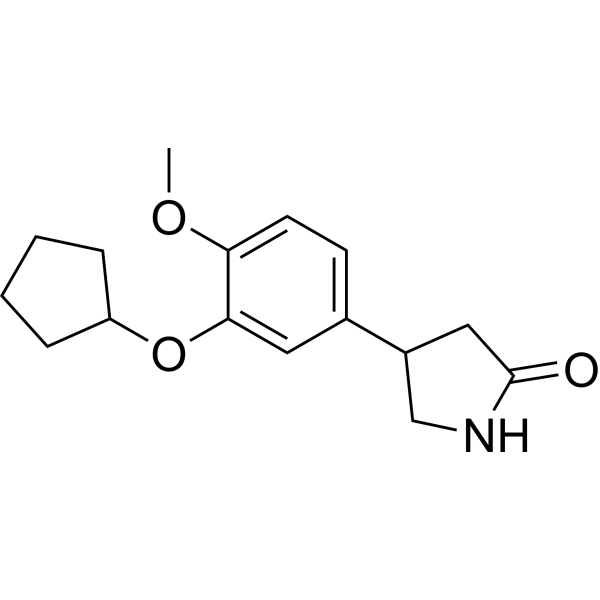
  • HY-16900
    Rolipram
    Maximum Cited Publications
    19 Publications Verification

    (R,S)-Rolipram; (±)-Rolipram; ZK 62711

    Bacterial HIV Phosphodiesterase (PDE) Epigenetic Reader Domain Amyloid-β Infection Neurological Disease Cancer
    Rolipram is a PDE4 inhibitor, with blood-brain barrier permeability, that reverses β-amyloid-induced learning and memory impairment in rats. Rolipram elevates intracellular cAMP and clevels and regulates the cAMP/CREB signaling pathway, thereby alleviating neuroinflammation and apoptotic responses. Rolipram promotes neuronal differentiation of human bone marrow mesenchymal stem cells and inhibits Methamphetamine- and morphine-induced hyperlocomotion in mice. Rolipram also reduces the viability of glioblastoma stem-like cells and enhances Bevacizumab (HY-P9906)-induced cell death. Rolipram inhibits the expression of proinflammatory cytokines and enhances central noradrenergic transmission. Rolipram is mainly used in studies related to various central nervous system diseases including Alzheimer's disease, major depressive disorder, glioblastoma multiforme, and multiple sclerosis .
    Rolipram
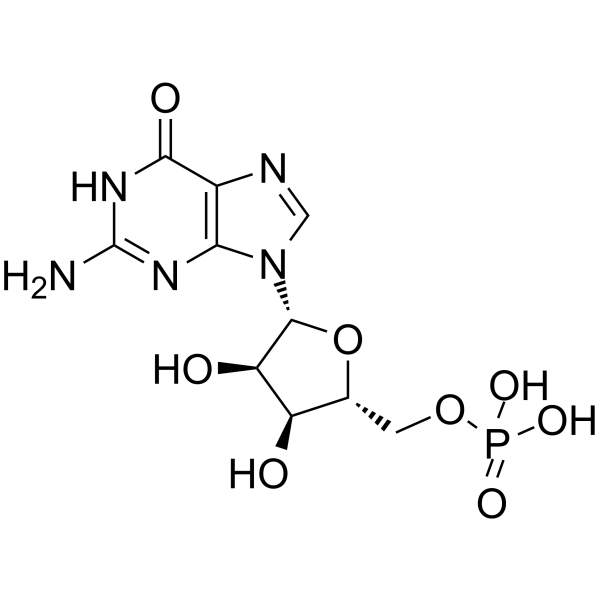
  • HY-N5134
    5'-Guanylic acid
    2 Publications Verification

    5'-GMP; 5'-guanosine monophosphate

    Endogenous Metabolite iGluR Neurological Disease Metabolic Disease
    5'-Guanylic acid is a purine nucleotide that participates in physiological processes such as energy metabolism, signal transduction, and gene expression regulation. 5'-Guanylic acid regulates the expression of genes related to fatty acid metabolism. 5'-Guanylic acid is the weak agonist for ionotropic glutamate receptors (iGluR), reduces the activity of the glutamatergic system and exhibits neuroprotective effect. 5'-Guanylic acid also causes neuronal cell death at high concentrations .
    5'-Guanylic acid
  • HY-100355

    C18-Ceramide

    Endogenous Metabolite Neurological Disease Cancer
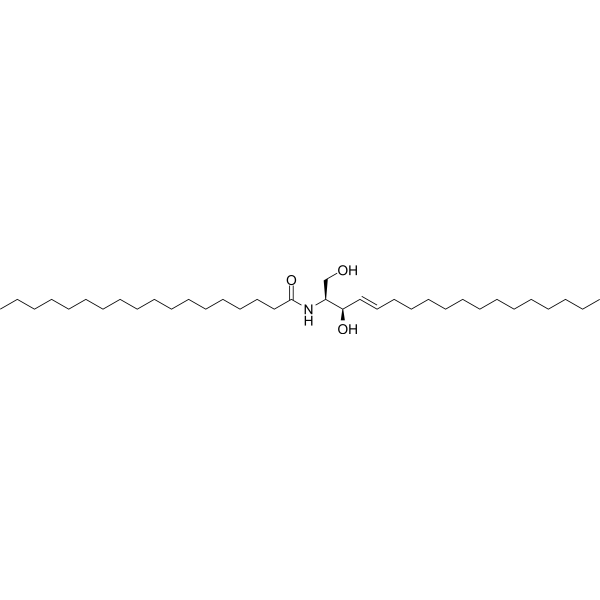
    C18-Ceramide (d18:1/18:0) is a bioactive molecule with multiple functions in cells, not a traditional agonist or inhibitor targeting a single site. It can act on multiple cellular targets, such as proteins related to endoplasmic reticulum stress (e.g., ATF-4, XBP-1, CHOP), proteins in the PI3K/AKT signaling pathway, and SNARE complex proteins. It exerts activities like inducing cell death, promoting autophagy, and regulating exocytosis through mechanisms such as activating endoplasmic reticulum stress, inhibiting the PI3K/AKT signaling pathway, and affecting lipid raft - related functions. It can be used in research on the mechanism of neuronal injury in the field of neuroscience and in the treatment research of cancers such as glioma in the field of oncology .
    C18-Ceramide (d18:1/18:0)
  • HY-30004

    Environmental Pollutants Endogenous Metabolite Cardiovascular Disease Metabolic Disease
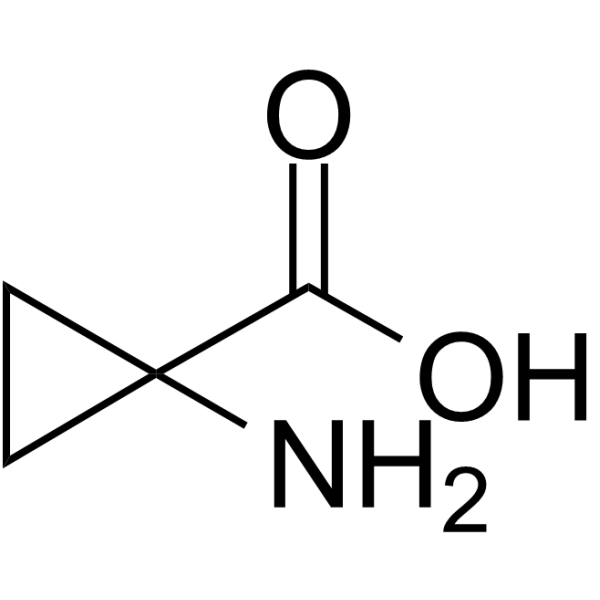
    1-Aminocyclopropane-1-carboxylic acid is an endogenous metabolite. In the presence of low concentrations (1 μM) of glutamate, 1-Aminocyclopropane-1-carboxylic acid acts as a small molecule agonist of NMDA receptors with an EC50 of 0.7-0.9 μM. At high concentrations (10 μM) of glutamate, 1-Aminocyclopropane-1-carboxylic acid acts as a competitive antagonist of NMDA receptors with an EC50 of 81.6 nM. 1-Aminocyclopropane-1-carboxylic acid exerts neuroprotective activity by moderately activating NMDA receptors to prevent neuronal cell death in ischemic animal models. Additionally, 1-Aminocyclopropane-1-carboxylic acid is an antagonist of NMDA receptors, inducing blood pressure reduction and antioxidant effects in stroke-prone hypertensive rats. 1-Aminocyclopropane-1-carboxylic acid enhances object recognition memory and cognitive flexibility dependent on the prefrontal cortex, but does not affect impulsivity nor exhibit an antipsychotic-like profile. 1-Aminocyclopropane-1-carboxylic acid shows promise for research in the field of neurotoxicity. .
    1-Aminocyclopropane-1-carboxylic acid
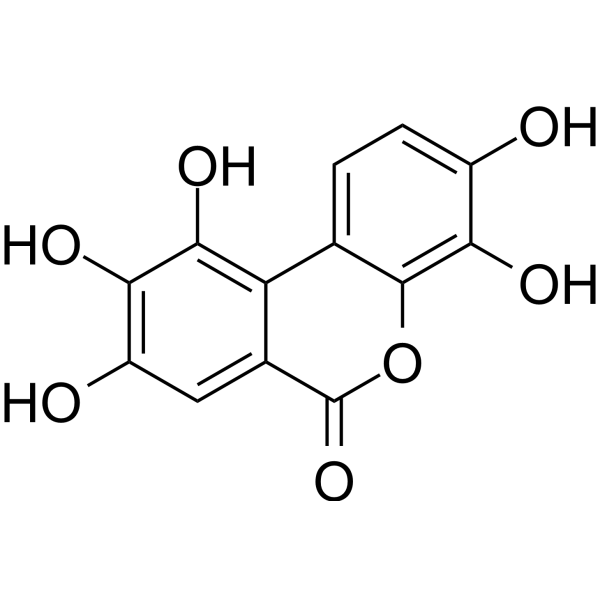
  • HY-N7922
    Urolithin M5
    1 Publications Verification

    Decarboxyellagic acid

    Influenza Virus p38 MAPK EGFR Akt Reactive Oxygen Species (ROS) Apoptosis Infection Neurological Disease
    Urolithin M5 (Decarboxyellagic acid) is an orally active influenza virus neuraminidase inhibitor and neuroprotective agent, with IC50 values of 174.8 μM (HK68), 191.5 μM (pdm09), 243.2 μM (WSN) and 257.1 μM (PR8) against four influenza virus neuraminidases, respectively. Urolithin M5 inhibits viral neuraminidase activity, thereby blocking influenza virus replication (including oseltamivir (HY-13317)-resistant strains), protecting infected mammals from death and improving pulmonary edema. Urolithin M5 forms a hydrogen-bond stabilized complex with IGF1R, and binds to MAPK14, AKT1, NFKB1 and EGFR. Urolithin M5 reduces reactive oxygen species production, inhibits neuronal apoptosis, restores mitochondrial transmembrane potential, and promotes neurite outgrowth of damaged neuronal cells. Urolithin M5 can be used in research related to influenza virus infection and Alzheimer's disease .
    Urolithin M5
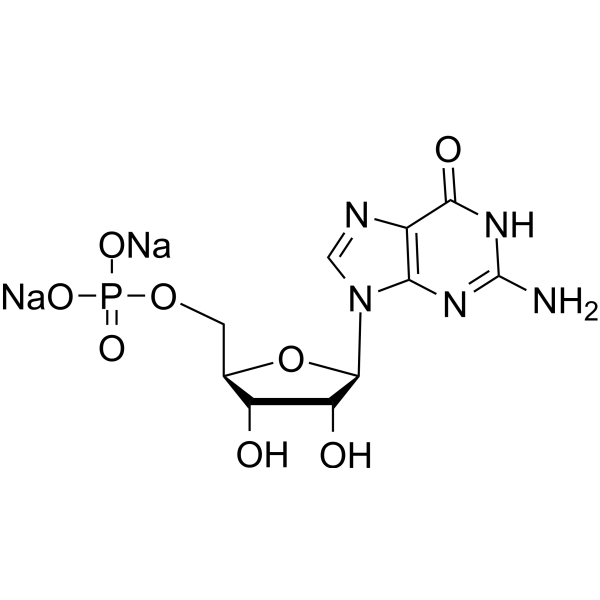
  • HY-W010970
    5'-Guanylic acid disodium salt
    2 Publications Verification

    5'-GMP disodium salt; 5'-guanosine monophosphate disodium salt

    Endogenous Metabolite iGluR Neurological Disease Metabolic Disease
    5'-Guanylic acid disodium salt is the disodium salt form of 5'-Guanylic acid (HY-N5134). 5'-Guanylic acid disodium salt is a purine nucleotide that participates in physiological processes such as energy metabolism, signal transduction, and gene expression regulation. 5'-Guanylic acid disodium salt regulates the expression of genes related to fatty acid metabolism. 5'-Guanylic acid disodium salt is the weak agonist for ionotropic glutamate receptors (iGluR), reduces the activity of the glutamatergic system and exhibits neuroprotective effect. 5'-Guanylic acid disodium salt also causes neuronal cell death at high concentrations .
    5'-Guanylic acid disodium salt
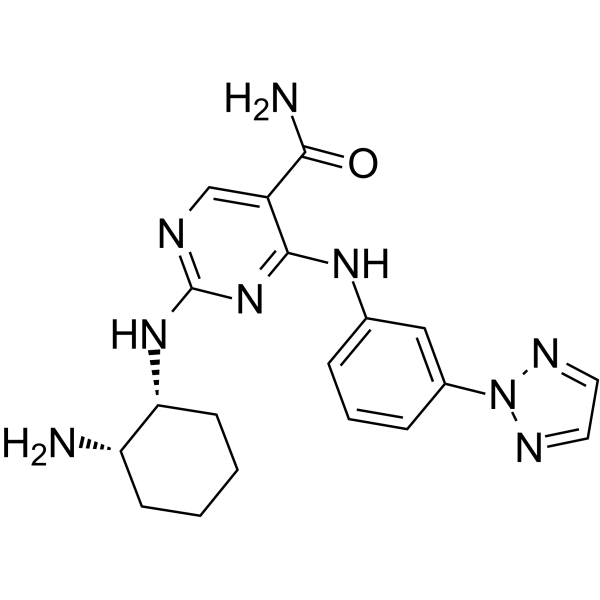
  • HY-15322
    PRT062607
    4 Publications Verification

    P505-15; PRT-2607; BIIB-057

    Syk Apoptosis Caspase Inflammation/Immunology Cancer
    PRT062607 (P505-15; PRT-2607) is an orally active ATP-competitive Syk inhibitor with an IC50 value of 1 nM, and exhibits at least 80-fold selectivity over other kinases. PRT062607 blocks B cell antigen receptor-mediated activation, Fcε receptor 1-mediated basophil degranulation and microglial phagocytosis, and induces caspase-dependent apoptosis and microglial death. PRT062607 inhibits tumor growth and peripheral nerve injury-induced mechanical allodynia, and prevents neuronal loss. PRT062607 can be used in research related to rheumatoid arthritis, chronic lymphocytic leukemia, non-Hodgkin's lymphoma, neurodegenerative diseases and neuropathic pain .
    PRT062607
  • HY-103661
    BI-6C9
    3 Publications Verification

    Mitochondrial Metabolism Apoptosis Neurological Disease
    BI-6C9 is a highly specific BH3 interacting domain (Bid) inhibitor, which prevents mitochondrial outer membrane potential (MOMP) and mitochondrial fission, and protects the cells from mitochondrial apoptosis inducing factor (AIF) release and caspase-independent cell death in neurons .
    BI-6C9
  • HY-160229

    R-1075 sodium

    Toll-like Receptor (TLR) MyD88 Caspase Reactive Oxygen Species (ROS) Autophagy Pyroptosis HIV Infection Neurological Disease
    ssRNA40 sodium (R-1075 sodium) is a single-stranded RNA40 derived from HIV-1. ssRNA40 sodium activates the TLR7, TLR8, TLR2, RIG-I, MDA5, MyD88, Caspase-3, IRE1α, NLRP3 inflammasome and IRF7 signaling pathways. ssRNA40 sodium alters mRNA expression in neutrophils, induces pro-inflammatory cytokines, ROS, autophagy (autophagy), pyroptosis (pyroptosis), neuronal death, neurodegeneration, aggregate formation and NK cell activation. ssRNA40 sodium activates the expression of CD62L, CD11b, CD69, MX1, OAS1, ATG7, LC3B and XBP1 in immune cell and neuronal populations. ssRNA40 sodium causes cortical neuron loss and axonal damage in mice in a TLR7-dependent manner. ssRNA40 sodium can be used in research on HIV-1 infection, neurodegeneration, COVID-19 and HIV-associated neurological disorders .
    ssRNA40 sodium
  • HY-157959

    (±)-Orphenadrine

    iGluR Cytochrome P450 Cholinesterase (ChE) Neurological Disease Cancer
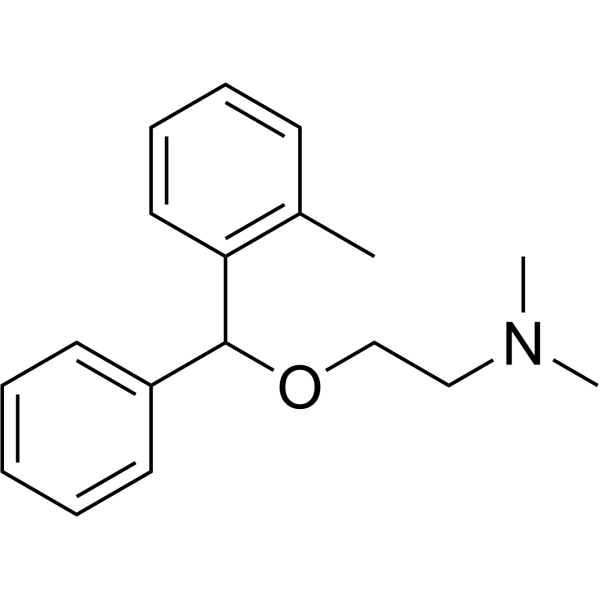
    Orphenadrine ((±)-Orphenadrine) is a skeletal muscle relaxant and NMDA antagonist that also has antiparkinsonian, antihistamine, antitremor, antispasmodic, and analgesic effects. Orphenadrine inhibits the binding of [3H]MK-801 to the phencyclidine (PCP) binding site of the NMDA receptor. Orphenadrine is also an anticholinergic and CYP2B inducer. Orphenadrine may exert pro-tumor effects, causing CAR nuclear translocation, resulting in microsomal reactive oxygen species (ROS) production and oxidative stress. Orphenadrine also exerts neuronal protection, protecting rat cerebellar granule cells (CGC) from 3-NPA-induced death and has inhibitory potential against neurodegenerative diseases mediated by NMDA receptor overactivation .
    Orphenadrine
  • HY-19820A
    NSC45586 sodium
    1 Publications Verification

    Akt Ser/Thr Protease Apoptosis MMP Cardiovascular Disease Neurological Disease Inflammation/Immunology
    NSC45586 sodium is an inhibitor of PHLPP. NSC45586 sodium targets the PP2C phosphatase domains of PHLPP1 and PHLPP2, blocks the phosphatase activity of PHLPP, increases the expression level of FOXO1 in the nucleus, and reduces the protein expression of PHLPP1. NSC45586 sodium activates the AKT survival signaling pathway, enhances IGF-1-induced AKT activation, and inhibits the phosphorylation of AKT/ERK under basal conditions. NSC45586 sodium reduces staurosporine-induced neuronal death, preserves notochord cell morphology and KRT19 expression, inhibits cell apoptosis (apoptosis), improves the viability and proliferation of nucleus pulposus cells, upregulates the expression of ACAN/SOX9, and downregulates the expression of MMP13. NSC45586 sodium binds tightly to bovine serum albumin (bovine serum albumin), and exerts a more significant effect on nucleus pulposus in male individuals. NSC45586 sodium can be used in studies related to global cerebral ischemia and intervertebral disc degeneration .
    NSC45586 sodium
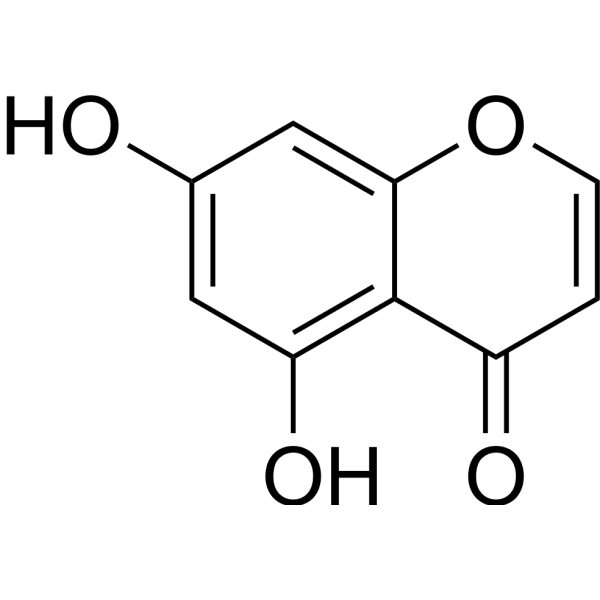
  • HY-N1970
    5,7-Dihydroxychromone
    2 Publications Verification

    Keap1-Nrf2 Caspase PARP Fungal Infection Neurological Disease Metabolic Disease Inflammation/Immunology Cancer
    5,7-Dihydroxychromone is a flavonoid compound with antioxidant properties. 5,7-Dihydroxychromone induces Nrf2 nuclear translocation, increases Nrf2/ARE binding activity, and up-regulates Nrf2-dependent antioxidant genes HO-1, NQO1, GCLc. 5,7-Dihydroxychromone attenuates excessive ROS generation, inhibits activated caspase-3, caspase-9, cleaved PARP expression, and prevents neuronal apoptosis and cell death. 5,7-Dihydroxychromone increases LXRα and PPARγ mRNA expression, induces preadipocyte differentiation, and regulates blood glucose levels. 5,7-Dihydroxychromone inhibits radial growth of soil pathogenic fungi, radicle elongation of select seedlings, and transiently inhibits Bradyrhizobium sp. growth in high mannitol medium. 5,7-Dihydroxychromone can be used for the research of Parkinson’s disease, type 2 diabetes mellitus and pathogenic fungal infection .
    5,7-Dihydroxychromone
  • HY-P2275

    Gap Junction Protein Neurological Disease
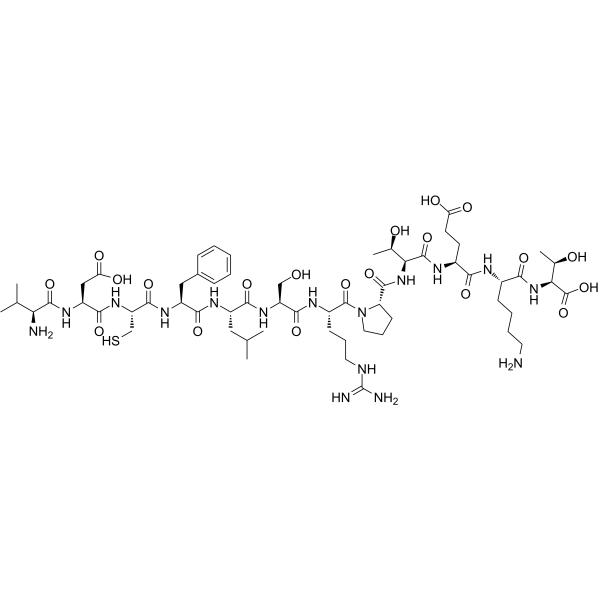
    Peptide5, a connexin 43 mimetic peptide, reduce animals swelling, astrogliosis, and neuronal cell death after spinal cord injury
    Peptide5
  • HY-118355
    ALLM
    1 Publications Verification

    Calpain inhibitor II

    Proteasome Cathepsin Neurological Disease
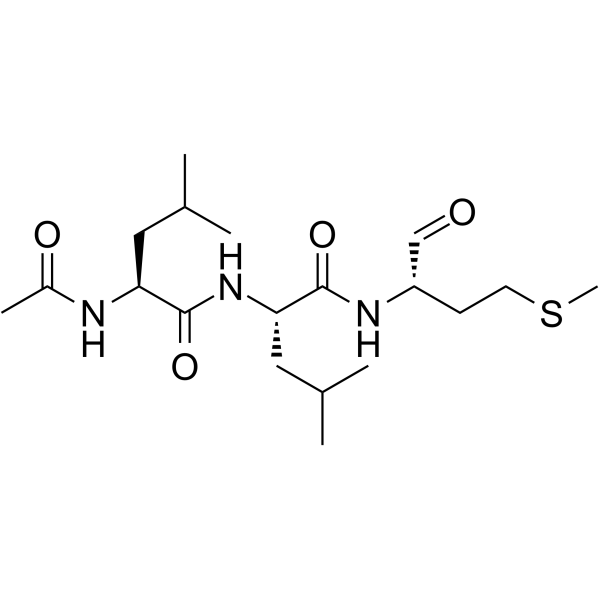
    ALLM (Calpain inhibitor II) is a potent inhibitor of calpain and cathepsin proteases. ALLM inhibits neuronal cell death and improves chronic neurological function after spinal cord injury (SCI) .
    ALLM
  • HY-N5134R

    5'-GMP (Standard); 5'-guanosine monophosphate (Standard)

    Reference Standards Endogenous Metabolite
    5'-Guanylic acid is a purine nucleotide that participates in physiological processes such as energy metabolism, signal transduction, and gene expression regulation. 5'-Guanylic acid regulates the expression of genes related to fatty acid metabolism. 5'-Guanylic acid is the weak agonist for ionotropic glutamate receptors (iGluR), reduces the activity of the glutamatergic system and exhibits neuroprotective effect. 5'-Guanylic acid also causes neuronal cell death at high concentrations .
    5'-Guanylic acid (Standard)
  • HY-121833

    Trk Receptor Akt ERK Neurological Disease Cancer
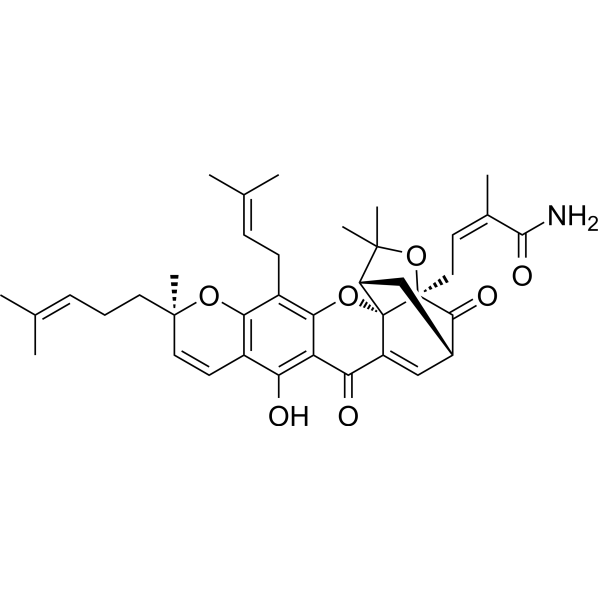
    Gambogic amide is a potent and selective agonist of TrkA and also induces its tyrosine phosphorylation and activation of downstream signaling, including Akt and MAPK. Gambogic amide specifically interacts with the cytoplasmic juxtamembrane domain of the TrkA receptor and triggers its dimerization, leading to activation. Gambogic amide has neuroprotective activity preventing glutamate-induced neuronal cell death. Gambogic amide has improved efficacy in a transient middle cerebral artery occlusion model of stroke and could be used to study neurodegenerative diseases and stroke .
    Gambogic amide
  • HY-P10019

    NLY01

    GCGR Neurological Disease Inflammation/Immunology
    Pegsebrenatide (NLY01) is a blood-brain barrier-penetrant GLP-1R agonist. Pegsebrenatide alleviates retinal inflammation and neuronal death secondary to ocular hypertension . Pegsebrenatide significantly delays onset and reduces disease severity in experimental autoimmune encephalomyelitis . Pegsebrenatide inhibits the formation of A1 reactive astrocytes in nerve cells and reduces the loss of retinal ganglion cells and dopaminergic neurons. Pegsebrenatide exerts neuroprotective effects in a mouse model of Parkinson's disease by directly preventing microglia-mediated conversion of astrocytes to the A1 neurotoxic phenotype. Pegsebrenatide can be used for research on glaucoma, Parkinson's disease, and multiple sclerosis .
    Pegsebrenatide
  • HY-P2612

    TNF Receptor RANKL/RANK Apoptosis Inflammation/Immunology
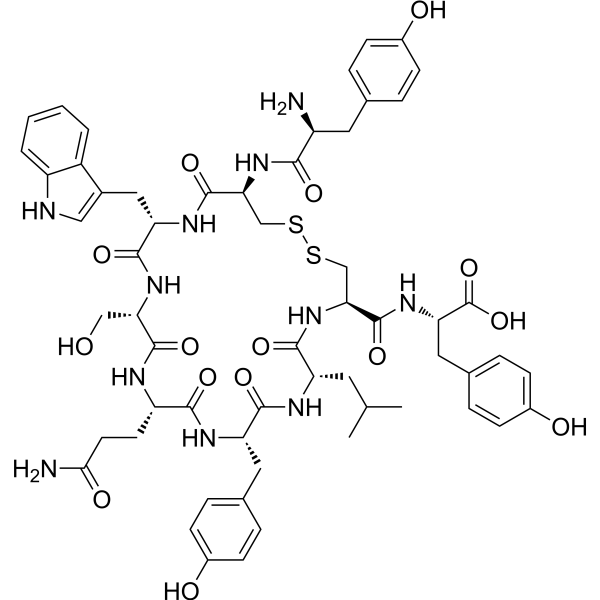
    WP9QY is an inhibitor targeting TNFα and RANKL, which blocks the TNFα-TNFR1 interaction and inhibits TNFα-mediated apoptosis, cytotoxicity and bone destruction. WP9QY inhibits osteoclastogenesis and promotes osteoblast differentiation, induces chondrocyte proliferation and glycosaminoglycan production, and synergizes with TGF-β3 to promote chondrogenesis. WP9QY effectively repairs full-thickness articular cartilage defects in rabbits via intra-articular injection, and inhibits methylmercury-induced reduction of NeuN-positive cells in mouse brain slices. WP9QY can be applied to the research of diseases related to methylmercury-induced neuronal death, cartilage injury, osteoarthritis and bone loss .
    WP9QY
  • HY-129101

    Eseroline fumarate

    5-HT Receptor Neurological Disease
    (-)-Eseroline fumarate is a metabolic of Physostigmine (HY-N6608), an AChE inhibitor. (-)-Eseroline fumarate elicits a leakage of lactic acid dehydrogenase (LDH) from cancer cells. (-)-Eseroline fumarate also induces the release of adenine nucleotides and 5-hydroxytryptamine (5-HT) from neuronal cells, thus induce cell death. (-)-Eseroline fumarate inhibits the electrically evoked twitches of the mouse vas deferens and of the guinea-pig ileum .
    (-)-Eseroline fumarate
  • HY-179055

    PROTACs DAPK Neurological Disease
    PROTAC DAPK1 Degrader-1 (Compound CP1) is a DAPK1 PROTAC degrader with a DC50 of 119.6 nM. PROTAC DAPK1 Degrader-1 significantly increased the MDM2 protein level. PROTAC DAPK1 Degrader-1 significantly reduced the levels of cleaved caspase-3 and cleaved PARP in a cell apoptosis model induced by the neurotoxin ceramide, indicating that it effectively inhibits neuronal apoptosis by degrading DAPK1. PROTAC DAPK1 Degrader-1 can be used to study neurological diseases such as cerebral ischemia and traumatic brain injury (pink: DAPK1 ligand (HY-179071); blue: CRBN ligand (HY-10984); black: linker (HY-40171)) .
    PROTAC DAPK1 Degrader-1
  • HY-W392413

    Drug Derivative Reactive Oxygen Species (ROS) Cardiovascular Disease Neurological Disease Metabolic Disease Inflammation/Immunology
    Glutathione monoethyl ester is a glutathione derivative that can be transported into cells and hydrolyzed into glutathione. Glutathione monoethyl ester downregulates the gene expression of TEN1 and CTC1 while upregulating TERT expression. Glutathione monoethyl ester enhances telomerase activity, promotes proliferation and differentiation in aged bone marrow stromal cells, while elevating glutathione levels and reducing oxidative stress, protein aggregation and cell death in motor neuronal cells. Glutathione monoethyl ester confers broad multi-organ protection against cerebral ischemia, renal injury, liver damage, and pancreatitis. Glutathione monoethyl ester can be used for the research of amyotrophic lateral sclerosis, stroke, acute renal failure, liver injury, and acute pancreatitis .
    Glutathione monoethyl ester
  • HY-W009300
    4-Hydroxyestrone
    1 Publications Verification

    4-OHE1

    Endogenous Metabolite Estrogen Receptor/ERR Sirtuin MDM-2/p53 PDI Ferroptosis Reactive Oxygen Species (ROS) Neurological Disease Metabolic Disease Cancer
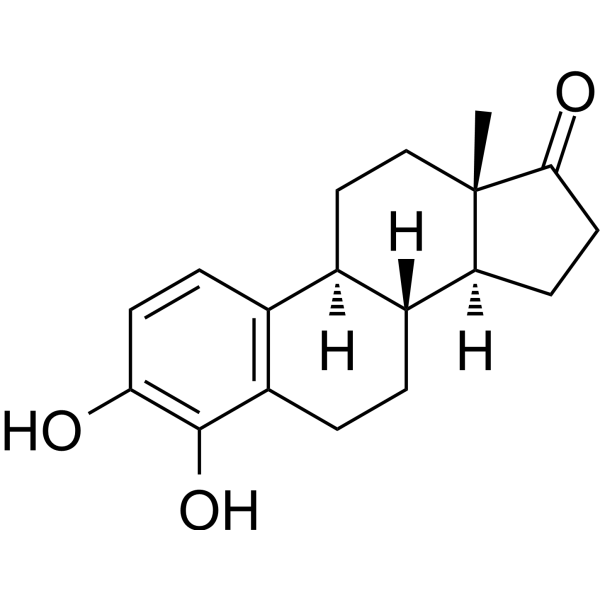
    4-Hydroxyestrone (4-OHE1) is a brain-penetrant estrogen metabolite. 4-Hydroxyestrone shows neuroprotective effects involving increased cytoplasmic localization of p53 resulting from SIRT1-mediated p53 deacetylation. 4-Hydroxyestrone relies on PDI to mediate its protective effect against chemically induced ferroptosis in estrogen receptor-negative cancer cells. 4-Hydroxyestrone inhibits lipid peroxidation and lipid-ROS accumulation. 4-Hydroxyestrone blocks preovulatory luteinizing hormone surges in Rattus norvegicus. 4-Hydroxyestrone can be used for the researches of neurodegeneration, breast cancer and endocrine disease .
    4-Hydroxyestrone
  • HY-30004R

    Reference Standards Endogenous Metabolite Cardiovascular Disease Metabolic Disease
    1-Aminocyclopropane-1-carboxylic acid (Standard) is the analytical standard of 1-Aminocyclopropane-1-carboxylic acid. This product is intended for research and analytical applications. 1-Aminocyclopropane-1-carboxylic acid is an endogenous metabolite. In the presence of low concentrations (1 μM) of glutamate, 1-Aminocyclopropane-1-carboxylic acid acts as a small molecule agonist of NMDA receptors with an EC50 of 0.7-0.9 μM. At high concentrations (10 μM) of glutamate, 1-Aminocyclopropane-1-carboxylic acid acts as a competitive antagonist of NMDA receptors with an EC50 of 81.6 nM. 1-Aminocyclopropane-1-carboxylic acid exerts neuroprotective activity by moderately activating NMDA receptors to prevent neuronal cell death in ischemic animal models. Additionally, 1-Aminocyclopropane-1-carboxylic acid is an antagonist of NMDA receptors, inducing blood pressure reduction and antioxidant effects in stroke-prone hypertensive rats. 1-Aminocyclopropane-1-carboxylic acid enhances object recognition memory and cognitive flexibility dependent on the prefrontal cortex, but does not affect impulsivity nor exhibit an antipsychotic-like profile. 1-Aminocyclopropane-1-carboxylic acid shows promise for research in the field of neurotoxicity. .
    1-Aminocyclopropane-1-carboxylic acid (Standard)
  • HY-P4704A

    α-synuclein Neurological Disease
    α-Synuclein (61-95) (human) TFA is the hydrophobic core region of α-synuclein, and induces neuronal cell death. α-Synuclein (61-95) (human) TFA can be used for research of neurodegenerative diseases, including Alzheimer’s disease (AD) and Parkinson’s disease (PD) .
    α-Synuclein (61-95) (human) TFA
  • HY-108248

    HSP Cardiovascular Disease Neurological Disease Metabolic Disease
    KU-32 is a novel, novobiocin-based Hsp90 inhibitor that can protect against neuronal cell death.
    KU-32
  • HY-P2275B

    Gap Junction Protein NOD-like Receptor (NLR) Inflammation/Immunology
    Peptide5 TFA, a connexin 43 mimetic peptide, reduces animals swelling, astrogliosis, and neuronal cell death after spinal cord injury. Peptide5 TFA also inhibits NLRP3 inflammasome, and is an anti-inflammatory agent .
    Peptide5 TFA
  • HY-P4704

    α-synuclein Neurological Disease
    α-Synuclein (61-95) (human) is the hydrophobic core region of α-synuclein, and induces neuronal cell death. α-Synuclein (61-95) (human) can be used for research of neurodegenerative diseases, including Alzheimer’s disease (AD) and Parkinson’s disease (PD) .
    α-Synuclein (61-95) (human)
  • HY-147681

    FGFR Neurological Disease
    SUN13837 is an orally active, blood-brain barrier permeable FGFR modulator and neuroprotective agent. SUN13837 mimics the activity of basic fibroblast growth factor, stimulates intracellular tyrosine phosphorylation of FGFR and signal transduction in neuronal cells, induces neurite outgrowth, and inhibits glutamate-induced neuronal death. SUN13837 can be used in research related to acute cervical spinal cord injury and severe spinal cord injury .
    SUN13837
  • HY-16900R

    (R,S)-Rolipram (Standard); (±)-Rolipram (Standard); ZK 62711 (Standard)

    Reference Standards Bacterial HIV Phosphodiesterase (PDE) Epigenetic Reader Domain Amyloid-β Neurological Disease Cancer
    Rolipram (Standard) is the analytical standard of Rolipram (HY-16900). This product is intended for research and analytical applications. Rolipram is a PDE4 inhibitor, with blood-brain barrier permeability, that reverses β-amyloid-induced learning and memory impairment in rats. Rolipram elevates intracellular cAMP and clevels and regulates the cAMP/CREB signaling pathway, thereby alleviating neuroinflammation and apoptotic responses. Rolipram promotes neuronal differentiation of human bone marrow mesenchymal stem cells and inhibits Methamphetamine- and morphine-induced hyperlocomotion in mice. Rolipram also reduces the viability of glioblastoma stem-like cells and enhances Bevacizumab (HY-P9906)-induced cell death. Rolipram inhibits the expression of proinflammatory cytokines and enhances central noradrenergic transmission. Rolipram is mainly used in studies related to various central nervous system diseases including Alzheimer's disease, major depressive disorder, glioblastoma multiforme, and multiple sclerosis .
    Rolipram (Standard)
  • HY-N1970R

    Reference Standards Keap1-Nrf2 Caspase PARP Fungal Infection Neurological Disease Metabolic Disease Inflammation/Immunology Cancer
    5,7-Dihydroxychromone (Standard) is the analytical standard of 5,7-Dihydroxychromone (HY-N1970). This product is intended for research and analytical applications. 5,7-Dihydroxychromone is a flavonoid compound with antioxidant properties. 5,7-Dihydroxychromone induces Nrf2 nuclear translocation, increases Nrf2/ARE binding activity, and up-regulates Nrf2-dependent antioxidant genes HO-1, NQO1, GCLc. 5,7-Dihydroxychromone attenuates excessive ROS generation, inhibits activated caspase-3, caspase-9, cleaved PARP expression, and prevents neuronal apoptosis and cell death. 5,7-Dihydroxychromone increases LXRα and PPARγ mRNA expression, induces preadipocyte differentiation, and regulates blood glucose levels. 5,7-Dihydroxychromone inhibits radial growth of soil pathogenic fungi, radicle elongation of select seedlings, and transiently inhibits Bradyrhizobium sp. growth in high mannitol medium. 5,7-Dihydroxychromone can be used for the research of Parkinson’s disease, type 2 diabetes mellitus and pathogenic fungal infection .
    5,7-Dihydroxychromone (Standard)
  • HY-P3319

    iGluR Neurological Disease
    β-Neuroprotectin is a (3H)TCP binding inhibitor with activity against NMDA-mediated neuronal cell death. β-Neuroprotectin can effectively inhibit the binding of [3H]TCP. β-Neuroprotectin provides neuroprotection at low concentrations against NMDA-induced neuronal cell death .
    β-Neuroprotectin
  • HY-120240

    Others Others
    AND-302 is a small molecule anticonvulsant with activity in preventing glutamate- or hydrogen peroxide-induced cell death and decreased neuronal viability in in vitro hippocampal cultures.
    AND-302
  • HY-122525A

    BIIB 722 hydrochloride

    Na+/H+ Exchanger (NHE) Cardiovascular Disease Neurological Disease
    Sabiporide hydrochloride is a NHE-1 inhibitor (Ki: 50 nM). Sabiporide hydrochloride has cardioprotective and neuroprotective effects. Sabiporide hydrochloride inhibits glutamate- or NMDA-induced neuronal cell death .
    Sabiporide hydrochloride
  • HY-161062

    EAAT Neurological Disease
    TAOA AM Ester trimethyl lock is a high-affinity fluorescent prodrug-like inhibitor of the excitatory amino acid transporter (EAAT). It can penetrate the cell membrane and be activated by hydrolysis by endogenous cell esterases to form active EAAT inhibitors. TAOA AM Ester trimethyl lock can be used to study neurodegeneration and neuronal cell death .
    TAOA AM Ester trimethyl lock
  • HY-P1851

    Amino Acid Derivatives Neurological Disease
    AGA-(C8R) HNG17, Humanin derivative is a potent humanin (HN) derivative. AGA-(C8R) HNG17, Humanin derivative completely suppresses neuronal cell death by Alzheimer's disease-relevant insults .
    AGA-(C8R) HNG17, humanin derivative
  • HY-P1851A

    Amino Acid Derivatives Neurological Disease
    AGA-(C8R) HNG17, humanin derivative TFA is a potent humanin (HN) derivative. AGA-(C8R) HNG17, humanin derivative completely suppresses neuronal cell death by Alzheimer's disease-relevant insults .
    AGA-(C8R) HNG17, humanin derivative TFA
  • HY-P3340

    iGluR Neurological Disease
    Leptin (116-130) is a bioactive leptin fragment. Leptin (116-130) promotes AMPA receptor trafficking to synapses and facilitate activity-dependent hippocampal synaptic plasticity. Leptin (116-130) prevents hippocampal synaptic disruption and neuronal cell death in models of amyloid toxicity. Leptin (116-130) has the potential for the research of Alzheimer's disease (AD) .
    Leptin (116-130)
  • HY-117786

    PKC Neurological Disease
    Go 7874 is a protein kinase C (PKC) inhibitor. Go 7874 mediated neuroprotection against LPS/IFNg-induced neuronal cell death in an immune-mediated neurotoxicity model, not through PKC activity. In contrast, the neuroprotective mechanism of Go 7874 involves inhibition of inducible nitric oxide synthase (iNOS) gene expression, followed by reduced nitric oxide (NO) production .
    Go 7874
  • HY-10049

    Neurokinin Receptor Neurological Disease Inflammation/Immunology
    CP 122721 is an orally active NK1 receptor antagonist. CP 122721 attenuates cisplatin-induced vomiting in ferrets (ID50: 0.08 mg/kg). CP 122721 inhibits kainate (KA)-induced seizure activity and CA1 neuronal cell death in rats. CP 122721 is useful in the study of depression, asthma, and irritable bowel syndrome (IBS) .
    CP 122721
  • HY-W101298S

    L-Leucyl-13C6,15N-L-isoleucine TFA

    Isotope-Labeled Compounds Neurological Disease
    (Leu-13C6,15N)-Ile-OH (L-Leucyl-13C6,15N-L-isoleucine) TFA is the deuterium labeled Leu-Ile-OH. Leu-Ile-OH protects against neuronal death by inducing brain-derived neurotrophic factor (BDNF) and glial cell line-derived neurotrophic factor (GDNF) synthesis .
    (Leu-13C6,15N)-Ile-OH TFA
  • HY-146314

    Monoamine Oxidase Amyloid-β Neurological Disease
    MAO-B-IN-9 (compound 16) is a potent, selective, BBB-penetrated, irreversible and time-dependent MAO-B (monoamine oxidase B) inhibitor, with an IC50 of 0.18 μM. MAO-B-IN-9 prevents Aβ1-42-induced neuronal cell death. MAO-B-IN-9 shows neuroprotective effects, which may be the result of its Aβ1-42 anti-aggregation effects . MAO-B-IN-9 is a click chemistry reagent, itcontains an Alkyne group and can undergo copper-catalyzed azide-alkyne cycloaddition (CuAAc) with molecules containing Azide groups.
    MAO-B-IN-9
  • HY-138185

    SF 2738A

    Bacterial Apoptosis Cancer
    Collismycin A is a bacterial metabolite originally isolated from Streptomyces that has diverse biological activities, including antibacterial, antiproliferative, and neuroprotective properties. It is active against a variety of bacteria (MICs=6.25 and 100 μg/mL) and fungi (MICs=12.5-100 μg/mL). It inhibits proliferation of A549 lung, HCT116 colon, and HeLa cervical cancer cells (IC50s=0.3, 0.6, and 0.3 μM, respectively) and NIH373 fibroblasts (IC50=56.6 μM) but not MDA-MD-231 breast cancer cells (IC50=>100 μM). Collismycin A forms a complex with Fe(II) and Fe(III) at a 2:1 ratio, and the addition of iron ions inhibits the antiproliferative effect of collismycin A on HeLa cells, an effect that does not occur with the addition of zinc, manganese, copper, or magnesium ions.3 Collismycin A (1 μM) prevents apoptosis in the brain region of zebrafish larvae in a model of neuronal cell death induced by all-trans retinoic acid.
    Collismycin A
  • HY-179037

    Necroptosis Reactive Oxygen Species (ROS) Mitochondrial Metabolism Neurological Disease
    NecroX-2 is a potent inhibitor of caspase-independent necrosis. NecroX-2 exhibits antioxidant activity by scavenging DPPH radicals and peroxynitrite. NecroX-2 inhibits t-BHP-induced mitochondrial ROS/RNS generation, and protects t-BHP and Doxorubicin (HY-15142A)-induced cell death in vitro. NecroX-2 can be used for research on neurological diseases .
    NecroX-2
  • HY-N18155

    (1(10)E,2α,4β,8α)-form,2-Meether

    Others Neurological Disease
    2-Hydroxy-6-oxo-1(10),7(11)-germacradien-12,8-olide ((1(10)E,2α,4β,8α)-form,2-Meether) is a furanosesquiterpenoid neuroprotective agent that exhibits neuroprotective effect against MPP +-induced neuronal cell death. 2-Hydroxy-6-oxo-1(10),7(11)-germacradien-12,8-olide can be used for the research of parkinson's disease .
    2-Hydroxy-6-oxo-1(10),7(11)-germacradien-12,8-olide
  • HY-103661R

    Reference Standards Mitochondrial Metabolism Apoptosis Neurological Disease
    BI-6C9 (Standard) is the analytical standard of BI-6C9 (HY-103661). This product is intended for research and analytical applications. BI-6C9 is a highly specific BH3 interacting domain (Bid) inhibitor, which prevents mitochondrial outer membrane potential (MOMP) and mitochondrial fission, and protects the cells from mitochondrial apoptosis inducing factor (AIF) release and caspase-independent cell death in neurons .
    BI-6C9 (Standard)
  • HY-181178

    Amyloid-β Neurological Disease
    (Mor-Cor)Ag(III) is a blood-brain barrier-penetrant silver(III) corrole complex that penetrates the blood-brain barrier. (Mor-Cor)Ag(III) scavenges reactive oxygen species induced by Aβ42 and disrupts Aβ42 aggregation, attenuating Aβ42-induced neuronal hyperactivity. (Mor-Cor)Ag(III) can be used for the research of Alzheimer's disease .
    (Mor-Cor)Ag(III)
  • HY-P992060

    CD20 NF-κB Inflammation/Immunology Cancer
    Anti-Mouse CD20 Antibody (18B12) is a B cell depleting agent that targets mouse CD20. Anti-Mouse CD20 Antibody (18B12) not only inhibits the growth of mesothelioma, lung cancer and thymoma, but also significantly enhances the efficacy of adenoviral tumor antigen vaccines and induces tumor regression by increasing the number of tumor-specific CD8 + T cells. Anti-Mouse CD20 Antibody (18B12) reduces B cell infiltration into the central nervous system of mice with experimental autoimmune encephalomyelitis, and delays motor dysfunction and neuronal death after spinal cord injury by alleviating inflammatory responses and tissue damage. Anti-Mouse CD20 Antibody (18B12) is widely applicable to research in fields related to mesothelioma, lung cancer, thymoma, experimental autoimmune encephalomyelitis and spinal cord injury .
    Anti-Mouse CD20 Antibody (18B12)
  • HY-182941

    EAAT Neurological Disease
    Parawixin10 (Compound 2) is an N-acylpolyamine. Parawixin10 fails to enhance glutamate uptake in radioligand uptake assays of EAAT1, EAAT2 or EAAT3. Parawixin10 exhibits no positive allosteric modulatory activity in radioligand uptake assays of EAAT1EAAT3, nor can it improve neuronal survival rates in mice in a dose-dependent and statistically significant manner. Parawixin10 has no neuroprotective activity .
    Parawixin10
  • HY-117578

    Endogenous Metabolite Neurological Disease
    KB 5666 is a benzoxazine derivative with lipid peroxidation inhibitory activity. KB 5666 showed protective effects against post-ischemic neuronal death. KB 5666 effectively protected CA1 neurons when injected 5 minutes before or immediately after ischemia. KB 5666 also showed a dose-dependent protective effect when injected within 1 hour after ischemia. KB 5666 effectively prevented the significant decrease in microtubule-associated protein 2 immunoreactivity within the dendritic field of CA1 pyramidal cells. KB 5666 prevented the decrease in [3H]PDBu binding activity in different layers of the CA1 region after ischemia. The application of KB 5666 showed the ability to improve the cellular and functional consequences of ischemia .
    KB 5666
  • HY-16900G

    Phosphodiesterase (PDE) Epigenetic Reader Domain Amyloid-β Neurological Disease Inflammation/Immunology Cancer
    Rolipram GMP is Rolipram (HY-16900) produced by using GMP guidelines. GMP small molecules works appropriately as an auxiliary reagent for cell therapy manufacture. Rolipram is a PDE4 inhibitor, with blood-brain barrier permeability, that reverses β-amyloid-induced learning and memory impairment in rats. Rolipram elevates intracellular cAMP and clevels and regulates the cAMP/CREB signaling pathway, thereby alleviating neuroinflammation and apoptotic responses. Rolipram promotes neuronal differentiation of human bone marrow mesenchymal stem cells and inhibits Methamphetamine- and morphine-induced hyperlocomotion in mice. Rolipram also reduces the viability of glioblastoma stem-like cells and enhances Bevacizumab (HY-P9906)-induced cell death. Rolipram inhibits the expression of proinflammatory cytokines and enhances central noradrenergic transmission. Rolipram is mainly used in studies related to various central nervous system diseases including Alzheimer's disease, major depressive disorder, glioblastoma multiforme, and multiple sclerosis .
    Rolipram

Inquiry Online

Your information is safe with us. * Required Fields.

Salutation


Country or Region *

Applicant Name *


Organization Name *

Department *


Email Address *


Product Name *

Cat. No.


Requested quantity *

Phone Number *


Remarks

Inquiry Online

Inquiry Information

Product Name:
Cat. No.:
Quantity:
MCE Japan Authorized Agent:

