
1. Search Result
Search Result
Results for "

Nuclear factor κB

" in MedChemExpress (MCE) Product Catalog:

43

Inhibitors & Agonists

1

Screening Libraries

2

Peptides

3

Inhibitory Antibodies

18

Natural
Products

6

Antibodies

Cat. No. Product Name Target Research Areas Chemical Structure
  • HY-N1445
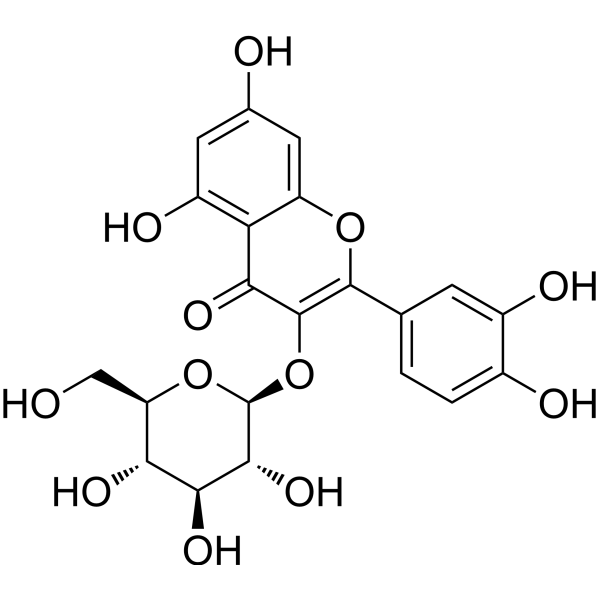
    Isoquercitrin
    Maximum Cited Publications
    7 Publications Verification

    Isoquercetin; Quercetin 3-glucoside

    NF-κB NO Synthase Inflammation/Immunology Cancer
    Isoquercetin (Quercetin 3-glucoside) is a naturally occurring polyphenol that has antioxidant, anti-proliferative, and anti-inflammatory properties. Isoquercetin alleviates ethanol-induced hepatotoxicity, oxidative stress, and inflammatory responses via the Nrf2/ARE antioxidant signaling pathway . Isoquercetin regulates the expression of nitric oxide synthase 2 (NO2) via modulating the nuclear factor-κB (NF-κB) transcription regulation system. Isoquercetin has high bioavailability and low toxicity, is a promising candidate agent to prevent birth defects in diabetic pregnancies .
    Isoquercitrin
  • HY-P9958
    Denosumab
    2 Publications Verification

    AMG-162

    NF-κB Caspase Apoptosis RANKL/RANK Endocrinology Cancer
    Denosumab is a human monoclonal antibody that targets the protein RANKL. Denosumab binds to the receptor activator of nuclear factor kappa-B ligand (RANKL) and prevents its binding to the RANK receptor (KD of 0.003 nM for human RANKL). Denosumab promotes proliferation and spermatogenesis. Denosumab prevents bone resorption through inhibition of the NF-κB pathway. Denosumab can be used in bone-related studies .
    Denosumab
  • HY-N0787
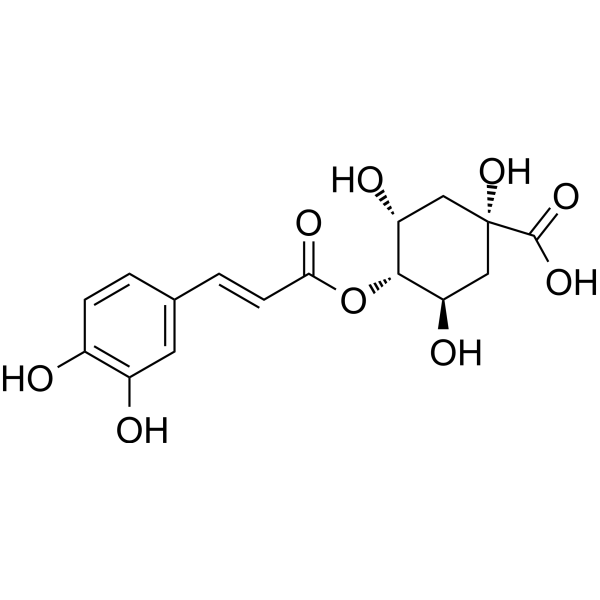
    Cryptochlorogenic acid
    4 Publications Verification

    4-Caffeoylquinic acid; 4-O-Caffeoylquinic acid

    Endogenous Metabolite NF-κB Keap1-Nrf2 mTOR HIF/HIF Prolyl-Hydroxylase Inflammation/Immunology
    Cryptochlorogenic acid (4-Caffeoylquinic acid) is a naturally occurring phenolic acid compound with oral effectiveness, anti-inflammatory, antioxidant and anti-cardiac hypertrophy effects. Alleviating LPS (HY-D1056) and ISO (HY-B0468) by regulating proinflammatory factor expression, inhibiting NF-κB activity, promoting Nrf2 nuclear transfer, and regulating PI3Kα/Akt/ mTOR / HIF-1α signaling pathway Induced physiological stress response .
    Cryptochlorogenic acid
  • HY-N6871
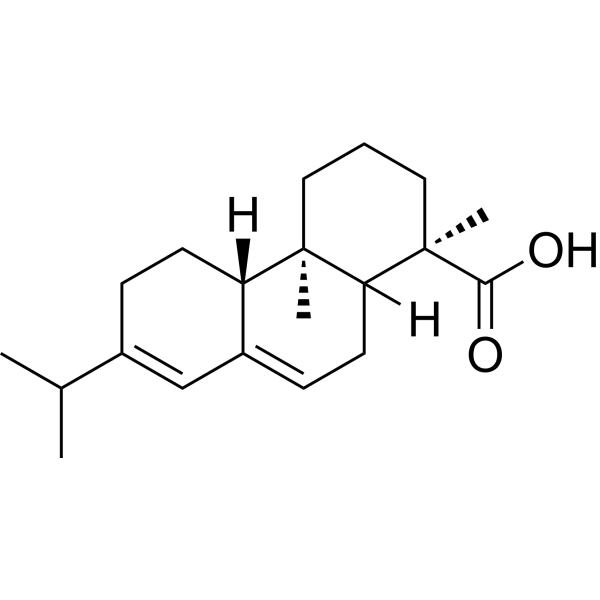
    Abietic acid
    3 Publications Verification

    Bacterial IKK Ferroptosis Infection Metabolic Disease Inflammation/Immunology Cancer
    Abietic acid, an orally active diterpene isolated from Colophony, displays significant anti-proliferative, anti-inflammatory, anti-obesity effect, bacteriostatic, cell cycle arresting and pro-apoptotic activities. Abietic acid inhibits lipoxygenase activity for allergy. Abietic acid enhances cell migration and tube formation in HUVECs. Abietic acid induces significant angiogenic potential, which is associated with upregulation of extracellular signal-regulated kinase (ERK) and p38 expression. Abietic acid attenuates sepsis-induced lung injury by inhibiting nuclear factor kappa-light-chain-enhancer of activated B cells (NF-κB) pathway to inhibit M1 macrophage polarization. Abietic acid exhibits a positive effect against liver injury by attenuating inflammation and ferroptosis. Abietic acid shows accelerated wound closure in a mouse model of cutaneous wounds. Abietic acid significantly reduces the proliferation and growth of NSCLC cells by IKKβ inhibition.Additionally, Abietic acid ameliorates psoriasis-like inflammation and modulates gut microbiota in mice. Abietic acid is promising for research in non-small-cell lung cancer (NSCLC), liver injury-related deseases and psoriasis .
    Abietic acid
  • HY-10496
    SC75741
    Maximum Cited Publications
    32 Publications Verification

    NF-κB Influenza Virus Infection Cancer
    SC75741 is a broad and efficient NF-κB inhibitor with an IC50 of 200 nM for p65 . SC75741 blocks influenza viruses (IV) replication. SC75741 impairs DNA binding of the NF-κB subunit p65, resulting in reduced expression of cytokines, chemokines, and pro-apoptotic factors. SC75741 subsequently inhibits caspase activation and blocks caspase-mediated nuclear export of viral ribonucleoproteins .
    SC75741
  • HY-N0632
    Esculentoside A
    2 Publications Verification

    COX NF-κB Inflammation/Immunology
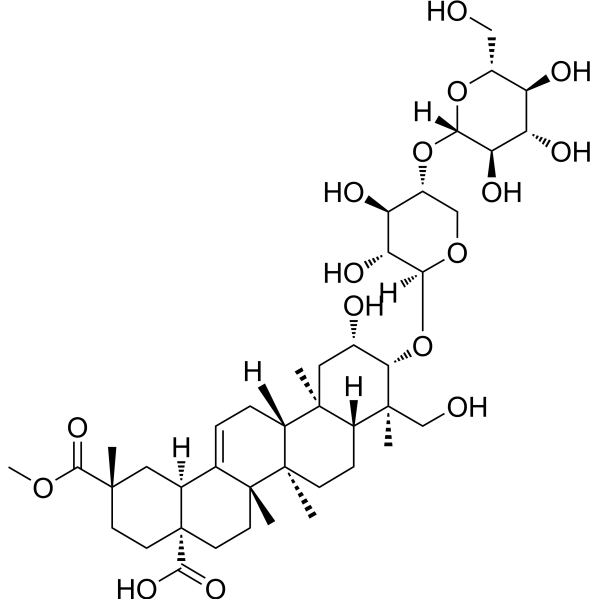
    Esculentoside A (EsA), a kind of triterpene saponin isolated from roots of Phytolacca esculenta . Esculentoside A (EsA) possesses anti-inflammatory activity in acute and chronic experimental models , has selective inhibitory activity towards cyclooxygenase-2 (COX-2) . Esculentoside A (EsA) suppresses inflammatory responses in LPS-induced acute lung injury (ALI) through inhibition of the nuclear factor kappa B (NF-ΚB) and mitogen activated protein kinase (MAPK) signaling pathways .
    Esculentoside A
  • HY-N0277
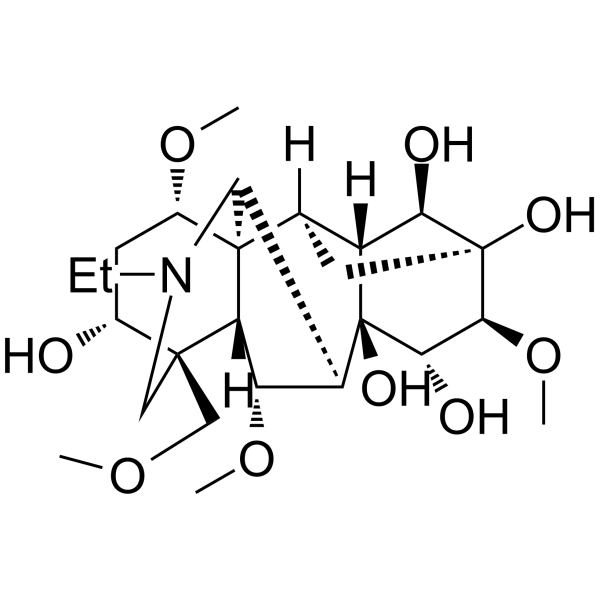
    Aconine
    2 Publications Verification

    Jesaconine

    NF-κB Inflammation/Immunology Cancer
    Aconine inhibits receptor activator of nuclear factor (NF)-κB ligand (RANKL)-induced NF-κB activation.
    Aconine
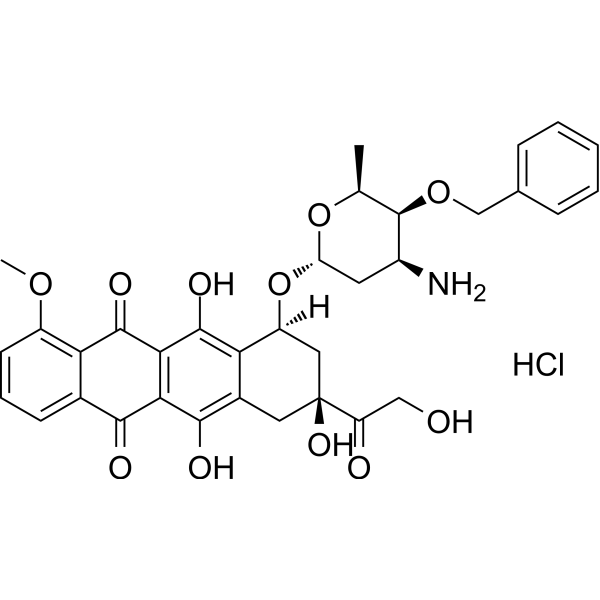
  • HY-14942A

    RTA 744; WP 744; WP 769 hydrochloride

    NF-κB Apoptosis Caspase Drug Derivative Neurological Disease Cancer
    Berubicin (RTA 744) hydrochloride is a Doxorubicin (HY-15142A) analog that can cross the blood-brain barrier. Berubicin hydrochloride inhibits P-gp and MRP1-mediated efflux and suppresses glioblastoma multiforme (GBM). Berubicin hydrochloride exerts toxic effects on leukemia cells by activating nuclear factor κB (NF-κB) and induces apoptosis in neuroblastoma cells. Berubicin hydrochloride can be used in the study of tumors related to the nervous system .
    Berubicin hydrochloride
  • HY-B1051
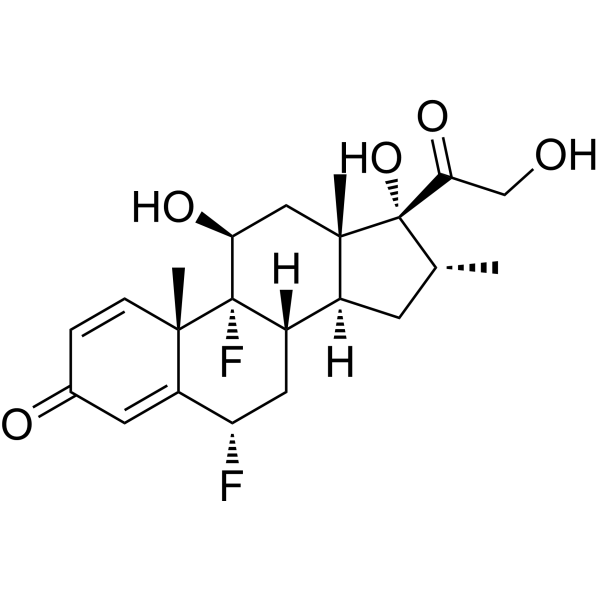
    Flumethasone
    1 Publications Verification

    Flumetasone

    Glucocorticoid Receptor TNF Receptor Interleukin Related Keap1-Nrf2 Inflammation/Immunology Endocrinology Cancer
    Flumethasone (Flumetasone) is an orally active, high selective and potent glucocorticoid receptor (GR) agonist. Flumethasone activates GR to inhibit nuclear factor kappa B (NF-κB)-mediated pro-inflammatory cytokine production (TNF-α, IL-1β) and promotes anti-inflammatory gene expression (IL-10), while also regulating metabolic enzyme activity (tyrosine aminotransferase induction). Flumethasone is promising for research of inflammatory diseases, cancer, and endocrine regulation .
    Flumethasone
  • HY-N2056

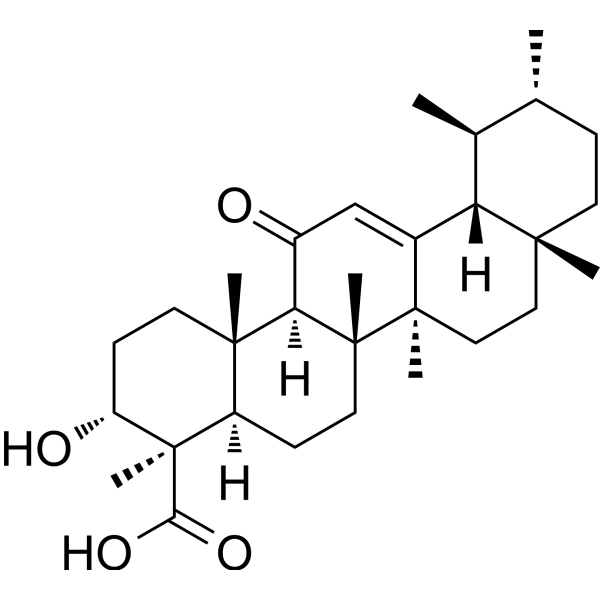
    11-Keto-β-boswellic acid

    Lipoxygenase Leukotriene Receptor NF-κB Metabolic Disease Cancer
    11-Keto-beta-boswellic acid (11-Keto-β-boswellic acid) is a pentacyclic triterpenic acid of the oleogum resin from the bark of the Boswellia serrate tree, popularly known as Indian Frankincense. 11-Keto-beta-boswellic acid has the anti-inflammatory activity is primarily due to inhibit 5-lipoxygenase (5-LOX) and subsequent leukotriene and nuclear factor-kappa B (NF-κB) activation and tumor necrosis factor alpha generation production .
    11-​Keto-​beta-​boswellic acid
  • HY-P9958A
    Denosumab (anti-TNFSF11)
    2 Publications Verification

    RANKL/RANK Apoptosis NF-κB Neurological Disease Endocrinology Cancer
    Denosumab (anti-TNFSF11) is a human monoclonal antibody that targets the protein RANKL. Denosumab binds to the receptor activator of nuclear factor kappa-B ligand (RANKL) and prevents its binding to the RANK receptor (KD of 0.003 nM for human RANKL). Denosumab promotes proliferation and spermatogenesis. Denosumab prevents bone resorption through inhibition of the NF-κB pathway. Denosumab can be used in bone-related studies .
    Denosumab (anti-TNFSF11)
  • HY-136741
    BOT-64
    2 Publications Verification

    IKK Inflammation/Immunology
    BOT-64 is an inhibitory κB (IκB) kinase β (IKKβ) inhibitor with an IC50 of 1 µM. BOT-64 blocks lipopolysaccharide-induced nuclear factor-κB activation and nuclear factor-κB-regulated inflammatory gene transcription .
    BOT-64
  • HY-151970

    STING Inflammation/Immunology
    STING-IN-4 (Compound 1) is a STING inhibitor that inhibits STING expression and hence reducing activation of STING and nuclear factor-κB (NF-κB) signaling. STING-IN-4 shows anti-inflammatory activity and can be used for the research of sepsis .
    STING-IN-4
  • HY-N2106
    Dehydroevodiamine
    2 Publications Verification

    NF-κB COX PGE synthase NO Synthase Inflammation/Immunology
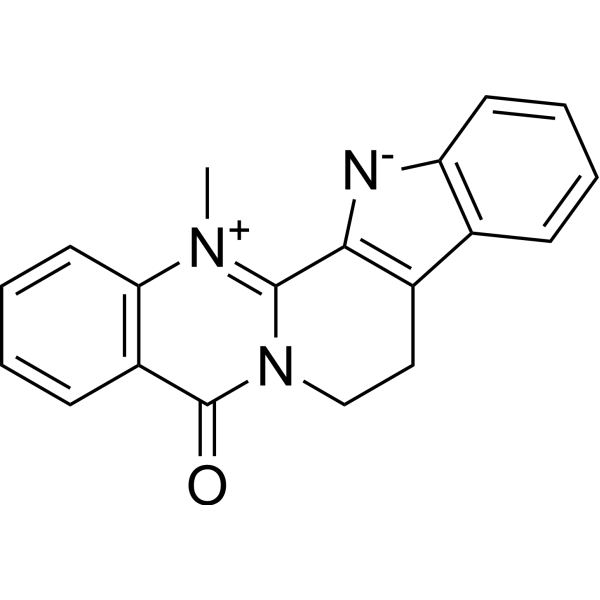
    Dehydroevodiamine is a major bioactive quinazoline alkaloid isolated from Evodiae Fructus, has an antiarrhythmic effect in guinea-pig ventricular myocytes . Dehydroevodiamine inhibits LPS-induced iNOS, COX-2, prostaglandin E2 (PGE2) and nuclear factor-kappa B (NF-κB) expression in murine macrophage cells .
    Dehydroevodiamine
  • HY-N1445R
    Isoquercitrin (Standard)
    1 Publications Verification

    Isoquercetin (Standard); Quercetin 3-glucoside (Standard)

    Reference Standards NF-κB NO Synthase Inflammation/Immunology Cancer
    Isoquercetin (Standard) is the analytical standard of Isoquercetin. This product is intended for research and analytical applications. Isoquercetin (Quercetin 3-glucoside) is a naturally occurring polyphenol that has antioxidant, anti-proliferative, and anti-inflammatory properties. Isoquercetin alleviates ethanol-induced hepatotoxicity, oxidative stress, and inflammatory responses via the Nrf2/ARE antioxidant signaling pathway . Isoquercetin regulates the expression of nitric oxide synthase 2 (NO2) via modulating the nuclear factor-κB (NF-κB) transcription regulation system. Isoquercetin has high bioavailability and low toxicity, is a promising candidate agent to prevent birth defects in diabetic pregnancies .
    Isoquercitrin (Standard)
  • HY-N11011

    NF-κB STAT PERK JNK p38 MAPK PGE synthase Interleukin Related TNF Receptor COX Inflammation/Immunology Cancer
    Withaphysalin A is a withanolide compound with anti-inflammatory and antioxidant activities. Withaphysalin A inhibits LPS (HY-D1056)-induced nuclear translocation of NF-κB p65, as well as phosphorylation of STAT3, ERK, JNK and p38 MAPK. Withaphysalin A upregulates the expression of HO-1. Withaphysalin A inhibits LPS-induced production of NO, PGE2, IL-1β, IL-6 and TNF-α. Withaphysalin A downregulates LPS-induced expression of iNOS and COX-2. Withaphysalin A interacts with B-cell activating factor protein (BAFF) to exert inhibitory effects. Withaphysalin A exhibits ELOVL6 inhibitory activity. Withaphysalin A can be used in the research of inflammatory diseases, nephrotic syndrome and chronic myeloid leukemia .
    Withaphysalin A
  • HY-P1832A
    PTD-p65-P1 Peptide TFA
    3 Publications Verification

    NF-κB Apoptosis Inflammation/Immunology Cancer
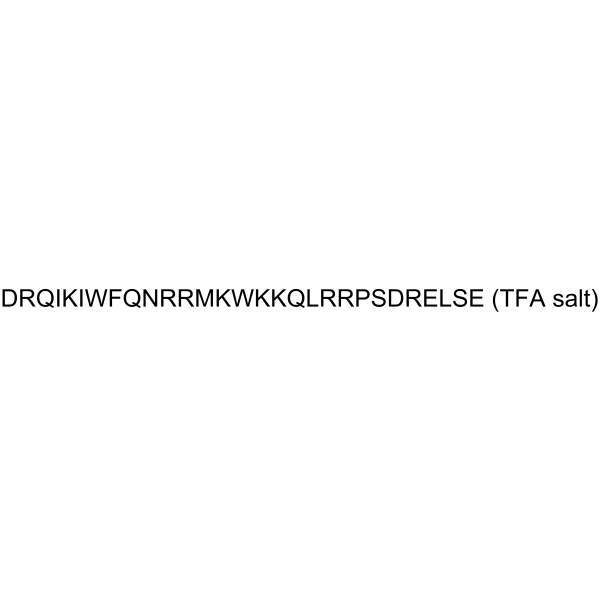
    PTD-p65-P1 Peptide TFA is a potent, selective nuclear transcription factor NF-κB inhibitor and derives from the p65 subunit of NF-κB amino acid residues 271-282, which selectively inhibits NF-κB activation induced by various inflammatory stimulation, down-regulate NF-κB-mediated gene expression and up-regulate apoptosis .
    PTD-p65-P1 Peptide TFA
  • HY-14942

    RTA 744 free base; WP 744 free base; WP 769

    NF-κB Apoptosis Caspase Drug Derivative Neurological Disease Cancer
    Berubicin (RTA 744 free base) is a Doxorubicin (HY-15142A) analog that can cross the blood-brain barrier. Berubicin inhibits P-gp and MRP1-mediated efflux and suppresses glioblastoma multiforme (GBM). Berubicin exerts toxic effects on leukemia cells by activating nuclear factor κB (NF-κB) and induces apoptosis in neuroblastoma cells. Berubicin can be used in the study of tumors related to the nervous system .
    Berubicin
  • HY-120515

    PKC Cancer
    7-Oxostaurosporine is a potent protein kinase C (PKC) inhibitor that effectively inhibits tumor growth by inducing apoptosis and inhibiting the nuclear factor (NF)-κB/p-p65 pathway .
    7-Oxostaurosporine
  • HY-W709413

    NF-κB TNF Receptor Interleukin Related Pregnane X Receptor (PXR) Constitutive Androstane Receptor Cytochrome P450 Neurological Disease
    Panaxytriol is an active component of ginseng. Panaxytriol inhibits the nuclear translocation of NF-κB, thereby reducing the production of pro-inflammatory factors (such as TNF-α, IL-1β, IL-6) and nitric oxide (NO) induced by LPS (HY-D1056). Panaxytriol upregulates CYP3A4 by activating the nuclear receptor PXR/CAR. Panaxytriol improves motor dysfunction in a mouse model of brain inflammation. Panaxytriol can be used in the research of neurodegenerative diseases (such as Alzheimer's disease) .
    Panaxytriol
  • HY-175703

    RANKL/RANK Reactive Oxygen Species (ROS) NF-κB p38 MAPK ERK JNK MMP Metabolic Disease
    RANKL-IN-1 is a selective and orally active Receptor Activator of Nuclear FactorB Ligand (RANKL) inhibitor with a KD value of 7.6 μM. RANKL-IN-1 exhibits inhibitory activity and selectivity against osteoclastogenesis with an IC50 value of 0.07 μM and SI of 82.57. RANKL-IN-1binds directly to RANKL and blocks the RANKL-induced activation of the NF-κB and MAPK pathways. RANKL-IN-1 can be used for the research of metabolic disease, such as osteoporosis .
    RANKL-IN-1
  • HY-P1832

    NF-κB Apoptosis Inflammation/Immunology Cancer
    PTD-p65-P1 Peptide is a potent, selective nuclear transcription factor NF-κB inhibitor and derives from the p65 subunit of NF-κB amino acid residues 271-282, which selectively inhibits NF-κB activation induced by various inflammatory stimulation, down-regulate NF-κB-mediated gene expression and up-regulate apoptosis .
    PTD-p65-P1 Peptide
  • HY-N10009

    NF-κB TNF Receptor COX ERK p38 MAPK Sirtuin Inflammation/Immunology
    Cudraflavone B is a prenylated flavonoid with anti-inflammatory and anti-tumor properties. Cudraflavone B is also a dual inhibitor of COX-1 and COX-2. Cudraflavone B blocks the translocation of nuclear factor κB (NF-κB) from the cytoplasm to the nucleus in macrophages. Thus, Cudraflavone B inhibits tumor necrosis factor α (TNFα) gene expression and secretion. Cudraflavone B also triggers the mitochondrial apoptotic pathway, activates NF-κB, the MAPK p38, and ERK, and induced the expression of SIRT1. Thus Cudraflavone B inhibits the growth of human oral squamous cell carcinoma cells .
    Cudraflavone B
  • HY-118482

    Saurolactam

    Others Neurological Disease
    Sauristolactam, a natural aristolactam isolated from aerial portions of Saururus chinensis, has significant neuroprotective activity against glutamate-induced toxicity in primary cultured rat cortical cells . Sauristolactam also inhibits the receptor activator of nuclear factor-κB ligand (RANKL)-induced osteoclastogenesis and has the potential to inhibit osteoclast differentiation .
    Sauristolactam
  • HY-169703
    SPA0355
    1 Publications Verification

    RANKL/RANK p38 MAPK Akt NF-κB Inflammation/Immunology
    SPA0355 is a thiourea derivative that has antioxidant and anti-inflammatory properties. SPA0355 inhibits the RANKL (receptor activator of nuclear factor κB ligand) induced osteoclast formation in primary bone marrow-derived macrophages. SPA0355 also suppresses the activation of the MAPKs, Akt, and NF-κB pathways. Additionally, SPA0355 promotes osteoblast differentiation, increases alkaline phosphatase activity, and enhances mineral nodule formation. SPA0355 can protect ovariectomized mice from bone loss by stimulating osteoblast differentiation and inhibiting osteoclast resorption, making it useful for studying postmenopausal osteoporosis .
    SPA0355
  • HY-N0632R

    Reference Standards COX NF-κB Inflammation/Immunology
    Esculentoside A (Standard) is the analytical standard of Esculentoside A. This product is intended for research and analytical applications. Esculentoside A (EsA), a kind of triterpene saponin isolated from roots of Phytolacca esculenta . Esculentoside A (EsA) possesses anti-inflammatory activity in acute and chronic experimental models , has selective inhibitory activity towards cyclooxygenase-2 (COX-2) . Esculentoside A (EsA) suppresses inflammatory responses in LPS-induced acute lung injury (ALI) through inhibition of the nuclear factor kappa B (NF-ΚB) and mitogen activated protein kinase (MAPK) signaling pathways .
    Esculentoside A (Standard)
  • HY-126026

    NF-κB Inflammation/Immunology
    NF-κB-IN-17 (Zinc5) is a NF-κB inhibitor. NF-κB-IN-17 inhibits TNF-α-induced NF-κB DNA binding activity in C2C12 cells .
    NF-κB-IN-17
  • HY-144745

    NF-κB Cancer
    HSR1304 (Compound 5d) is a potent inhibitor of NFκB. The multifunctional transcription factor, nuclear factor-κB (NF-κB), is broadly involved in multiple human diseases, such as cancer and chronic inflammation. HSR1304 has the potential for the research of cancer diseases .
    HSR1304
  • HY-P99966

    RANKL/RANK Cancer
    Narlumosbart (JMT103) is an IgG4κ antibody targeting receptor activator of nuclear factor-κB ligand (RANKL) .
    Narlumosbart
  • HY-N10062

    RANKL/RANK Others
    Amakusamine inhibits the receptor activator of nuclear factor-κB ligand (RANKL)-induced formation of multinuclear osteoclasts with an IC50 value of 10.5 μM in RAW264.7 cells.
    Amakusamine
  • HY-139833

    NF-κB IKK Inflammation/Immunology
    Anti-inflammatory agent 6 blocks the phosphorylation of I kappa b kinase α/β (IKKα/β), IκBα, and nuclear factor kB p65 (NF-κB p65) which is a key controller of inflammation, thereby showing anti-inflammatory potential.
    Anti-inflammatory agent 6
  • HY-114568

    Eukaryotic Initiation Factor (eIF) Apoptosis Inflammation/Immunology
    AMC-01 is a potent chemical probe that regulates eIF2-α activity. AMC-01 induces protein kinase RNA activation (PKR) kinase and nuclear factor κb (NF-κB). AMC-01 inhibits apoptosis .
    AMC-01
  • HY-149838

    NF-κB Cancer
    NF-κB-IN-9 is a nuclear factor kappa B (NF-κB) targeting sonosensitizer (λex/λem=489/628 nm). NF-κB-IN-9 exhibits strong inhibition on NF-κB signaling due to its two resveratrol units in one molecule. NF-κB-IN-9 has anti-tumor activity and shows remarkable sonocytotoxicity against cancer cells. NF-κB-IN-9 has biosafety in eenograft mice model.
    NF-κB-IN-9
  • HY-N13098

    NF-κB Inflammation/Immunology
    Elatoside F is a triterpenoid saponin with anti-inflammatory activity. Elatoside F inhibits lipopolysaccharide-induced nitric oxide production and nuclear factor NF-κB activation. Elatoside F can be isolated from Aralia elata in one step.
    Elatoside F
  • HY-123870

    Survivin IAP NF-κB Inflammation/Immunology Cancer
    MX107 is a selective and potent survivin inhibitor that suppresses triple-negative breast cancer (TNBC) cell proliferation. MX107 induces degradation of survivin and inhibitor-of-apoptosis proteins (IAPs), which inhibits nuclear factor κB (NF-κB) activation induced by DNA damage. MX107 enhances tumoricidal efficacy of genotoxic treatments synergized with chemotherapeutic drugs .
    MX107
  • HY-N2106R

    Reference Standards NF-κB COX PGE synthase NO Synthase Inflammation/Immunology
    Dehydroevodiamine is a major bioactive quinazoline alkaloid isolated from Evodiae Fructus, has an antiarrhythmic effect in guinea-pig ventricular myocytes . Dehydroevodiamine inhibits LPS-induced iNOS, COX-2, prostaglandin E2 (PGE2) and nuclear factor-kappa B (NF-κB) expression in murine macrophage cells .
    Dehydroevodiamine (Standard)
  • HY-N2056R

    11-Keto-β-boswellic acid (Standard)

    Reference Standards Lipoxygenase Leukotriene Receptor NF-κB Metabolic Disease Cancer
    11-Keto-beta-boswellic acid (Standard) is the analytical standard of 11-?Keto-?beta-?boswellic acid. This product is intended for research and analytical applications. 11-Keto-beta-boswellic acid (11-Keto-β-boswellic acid) is a pentacyclic triterpenic acid of the oleogum resin from the bark of the Boswellia serrate tree, popularly known as Indian Frankincense. 11-Keto-beta-boswellic acid has the anti-inflammatory activity is primarily due to inhibit 5-lipoxygenase (5-LOX) and subsequent leukotriene and nuclear factor-kappa B (NF-κB) activation and tumor necrosis factor alpha generation production .
    11-Keto-beta-boswellic acid (Standard)
  • HY-W047131

    Bacterial Infection Cancer
    IPrAgCl is an antibacterial agent. IPrAgCl exhibits antiproliferative activity against MCF7 cell line with an IC50 of 30 nM. IPrAgCl has an IC50 of 35 nM against KB cancer cell line. IPrAgCl induces apoptosis in HL60 cell line. IPrAgCl promotes apoptosis-inducing factor translocation from the mitochondrial to the nuclear compartment .
    IPrAgCl
  • HY-10496R

    Reference Standards NF-κB Influenza Virus Infection Cancer
    SC75741 (Standard) is the analytical standard of SC75741 (HY-10496). This product is intended for research and analytical applications. SC75741 is a broad and efficient NF-κB inhibitor with an IC50 of 200 nM for p65 . SC75741 blocks influenza viruses (IV) replication. SC75741 impairs DNA binding of the NF-κB subunit p65, resulting in reduced expression of cytokines, chemokines, and pro-apoptotic factors. SC75741 subsequently inhibits caspase activation and blocks caspase-mediated nuclear export of viral ribonucleoproteins .
    SC75741 (Standard)
  • HY-183934

    NF-κB JNK ERK p38 MAPK TNF Receptor Interleukin Related Inflammation/Immunology
    Anti-inflammatory agent 99 is a chalcone derivative. Anti-inflammatory agent 99 inhibits LPS (HY-D1056)-induced NF-κB nuclear translocation and suppress the phosphorylation of JNK, ERK, and p38. Anti-inflammatory agent 99 inhibits the expression of cytoinflammatory factors such as TNF-α and IL-6 induced by LPS. Anti-inflammatory agent 99 can be used for the research of LPS-induced septic shock .
    Anti-inflammatory agent 99
  • HY-180112

    Keap1-Nrf2 Reactive Oxygen Species (ROS) PI3K Akt p38 MAPK Metabolic Disease
    SH543 is a potent anti-osteoporosis agent. SH543 inhibits nuclear factor κB ligand (RANKL)-induced osteoclastogenesis with an IC50 of 3.3 nM. SH543 directly binds to KEAP1, activates the Nrf2-HO-1 antioxidant pathway, reduces ROS levels, and inhibits PI3K-AKT and MAPK signaling pathways. SH543 attenuates pathological bone loss in ovariectomized mice. SH543 can be used for osteoporosis research .
    SH543
  • HY-114214

    Drug Derivative NF-κB MMP TNF Receptor Interleukin Related Cyclin G-associated Kinase (GAK) CDK PI3K Akt Inflammation/Immunology Cancer
    CKD-712 is an orally active multi-target tetrahydroisoquinoline derivatived and a potent inhibitor of the NF-κB pathway . CKD-712 selectively inhibits MMP-9 with no effect on MMP-2, downregulates the expression of TNF-α, IL-6, cyclin A, cyclin B, CDK-1 and other proteins, and activates the PI3K/Akt signaling pathway . CKD-712 blocks the activation and nuclear translocation of NF-κB, downregulates inflammatory factors and pro-tumor metastatic proteins, and induces G2/M phase arrest in tumor cells and thereby inhibits the invasion of cancer cells . CKD-712 can be used for the research of sepsis, myocardial ischemia-reperfusion injury and non-small cell lung cancer .
    CKD-712
  • HY-N13817

    NF-κB Inflammation/Immunology Cancer
    (8R,12R,13R)-8,12-Epoxylabd-14-en-13-ol is a diterpene found in Abies georgei. (8R,12R,13R)-8,12-Epoxylabd-14-en-13-ol is a nuclear factor kappa B (NF-κB) inhibitor that inhibits TNFα-triggered NF-κB activity (IC50 = 8.7 μg/mL). (8R,12R,13R)-8,12-Epoxylabd-14-en-13-ol exhibits anti-inflammatory activity and can inhibit NO production. (8R,12R,13R)-8,12-Epoxylabd-14-en-13-ol shows significant cytotoxicity against tumor cells .
    (8R,12R,13R)-8,12-Epoxylabd-14-en-13-ol

Inquiry Online

Your information is safe with us. * Required Fields.

Salutation


Country or Region *

Applicant Name *


Organization Name *

Department *


Email Address *


Product Name *

Cat. No.


Requested quantity *

Phone Number *


Remarks

Inquiry Online

Inquiry Information

Product Name:
Cat. No.:
Quantity:
MCE Japan Authorized Agent:

