
45 Results for "

Ovarian Function

" in MedChemExpress (MCE) Product Catalog:
Products (45)

45 Results for "Ovarian Function" in MCE Product Catalog:

20
20 Publications Verification
Art. -Nr.: HY-76201
CAS. Nr.: 149003-01-0
Synonyms: ICRF-187 hydrochloride; ADR-529 hydrochloride; NSC-169780 hydrochloride
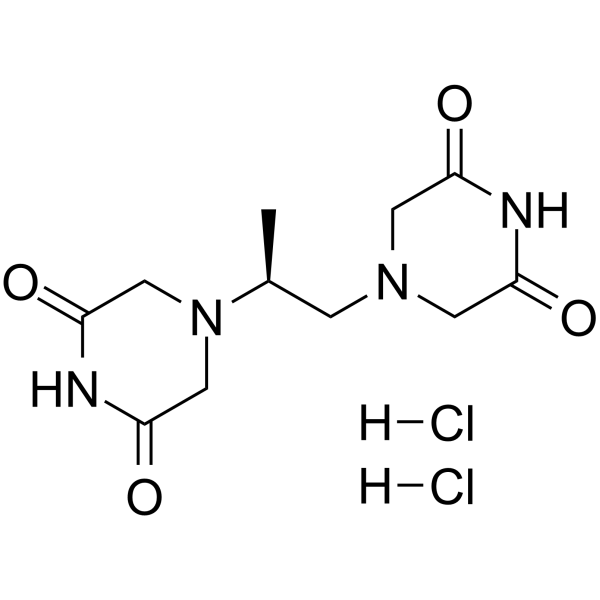
Dexrazoxane hydrochloride (ICRF-187 hydrochloride) is a heart protectant that can help preserve ovarian function and fertility. Dexrazoxane hydrochloride has antioxidant and anti-inflammatory properties, can cross the blood-brain barrier, improves motor function disorders, and offers neuroprotective effects, making it useful in the study of neurodegenerative diseases .
loading...
    loading...
2
2 Cited Publications
Art. -Nr.: HY-13673A
CAS. Nr.: 145781-92-6
Reinheit:  99.92%
Synonyms: ICI-118630 acetate
Target:  

GnRH Receptor Apoptosis

Forschungsgebiete:  

Endocrinology Cancer

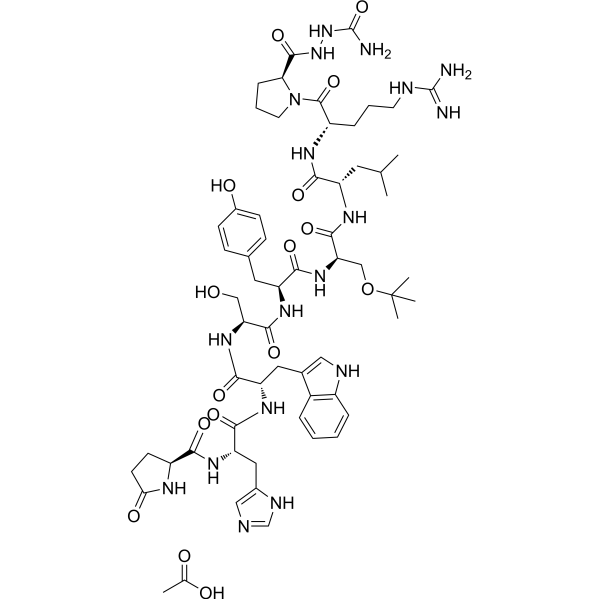
Goserelin acetate (ICI-118630 acetate), a decapeptide analogue of gonadotropin-releasing hormone (GnRH/LHRH), functions as a GnRH agonist. Goserelin acetate can be used for the research of breast cancer, epithelial ovarian cancer and prostate cancer .
loading...
    loading...
2
2 Cited Publications
Art. -Nr.: HY-145722
CAS. Nr.: 915443-09-3
Reinheit:  98.54%
Synonyms: OGX-427 sodium
Target:  

HSP

Forschungsgebiete:  

Cancer

Apatorsen (OGX-427) sodium is a 2'-methoxyethyl-modified antisense oligonucleotide and also a Hsp27 inhibitor. Apatorsen sodium reduces Hsp27 mRNA and protein levels, impairs stress-induced cytoprotective functions, induces cell apoptosis, inhibits tumor growth and prevents metastasis. Apatorsen sodium is applicable to research related to non-small cell lung cancer, castration-resistant prostate cancer, breast cancer, ovarian cancer and bladder cancer .
loading...
    loading...
2
2 Cited Publications
Art. -Nr.: HY-145722A
CAS. Nr.: 1002331-21-6
Synonyms: OGX-427
Target:  

HSP

Forschungsgebiete:  

Cancer

Apatorsen is a 2'-methoxyethyl-modified antisense oligonucleotide and also a Hsp27 inhibitor. Apatorsen reduces Hsp27 mRNA and protein levels, impairs stress-induced cytoprotective functions, induces cell apoptosis, inhibits tumor growth and prevents metastasis. Apatorsen is applicable to research related to non-small cell lung cancer, castration-resistant prostate cancer, breast cancer, ovarian cancer and bladder cancer .
loading...
    loading...
1
1 Cited Publications
Art. -Nr.: HY-N7106
CAS. Nr.: 131-11-3
Synonyms: DMP
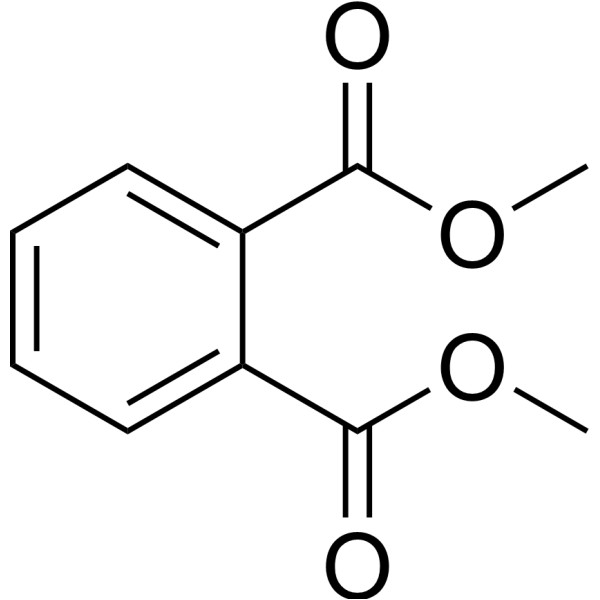
Dimethyl phthalate (DMP) can be used as a plasticizer to impart flexibility to rigid polyvinyl chloride (PVC) resin. Additionally, Dimethyl phthalate is an oral active endocrine disruptor that can cause ovarian dysfunction in mice. Dimethyl phthalate can also induce oxidative stress and apoptosis in cells, thereby affecting blood and red blood cell function in rats .
loading...
    loading...
1
1 Cited Publications
Art. -Nr.: HY-N3415
CAS. Nr.: 3301-49-3
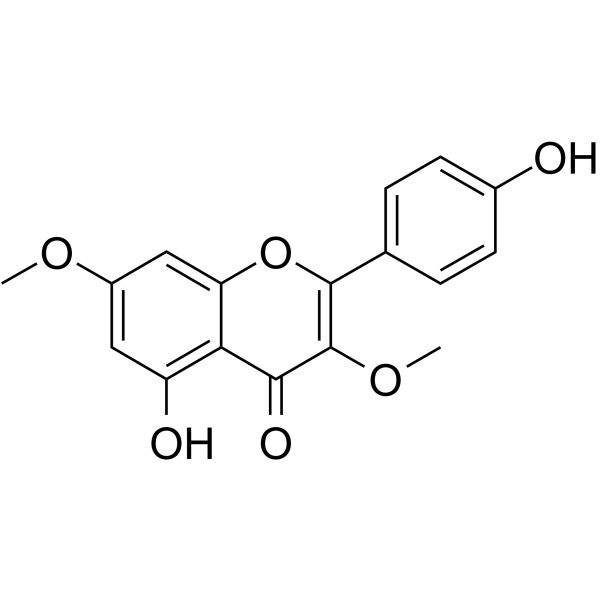
Kumatakenin is an orally active apoptosis inducer and autophagy inhibitor, with a Kd value of 2.94 μM for mouse ATG5. Kumatakenin increases the activities of caspase-3, caspase-8 and caspase-9, thereby inducing caspase-dependent apoptosis in ovarian cancer cells. Kumatakenin reduces the expression of chemokines and pro-oncogenic factors in ovarian cancer cells, and inhibits M2 macrophage polarization. Kumatakenin inactivates TRIM65 function, reduces the expression and stability of FASN, and thus inhibits the proliferation, migration, invasion and tumor progression of esophageal cancer cells. Kumatakenin interacts with ATG5 to reduce its protein level, decrease LC3 level, and reduce the number of autophagosomes in the hippocampus. Kumatakenin binds to Eno3 to upregulate its expression, reduce the stability and expression level of IRP1 mRNA, inhibit ferroptosis, alleviate intestinal inflammation, and restore epithelial barrier function. Kumatakenin enhances the efficacy of antibiotics against pathogenic bacteria, inhibits SARS-CoV-2 replication, and reduces cytokine production. Kumatakenin is applicable to research related to ovarian cancer, esophageal cancer, depression and colitis .
loading...
    loading...
1
1 Cited Publications
Art. -Nr.: HY-159569
CAS. Nr.: 1643444-62-5
Forschungsgebiete:  

Cancer

TfR-1-IN-1 is a transferrin receptor-1 (TfR-1) inhibitor with tumor cell-specific activity. TfR-1-IN-1 reduces TfR-1 expression, impairs mitochondrial function, induces cell apoptosis, necroptosis and ferroptosis, and increases intracellular iron (II) levels. TfR-1-IN-1 decreases the metabolic activity of cancer cells. TfR-1-IN-1 can be used for the research of ovarian cancer, breast cancer and acute myeloid leukemia .
loading...
    loading...
1
1 Cited Publications
Art. -Nr.: HY-117664
CAS. Nr.: 1633660-76-0
Target:  

DNA/RNA Synthesis

Forschungsgebiete:  

Cancer

PNR-7-02 is a dual Rev1 and human DNA polymerase η (hpol η) inhibitor, with an IC50 value of 8 μM against hpol η. PNR-7-02 binds to hpol η to disrupt the orientation of template DNA and block the catalytic function of hpol η. When used in combination with Cisplatin (HY-17394), PNR-7-02 induces DNA damage and replication stress in cells with intact hpol η function. PNR-7-02 can be used in mechanism studies related to chronic myeloid leukemia and ovarian cancer .
loading...
    loading...
1
1 Cited Publications
Art. -Nr.: HY-W012985
CAS. Nr.: 600-22-6
Methyl pyruvate is a p53/p21 axis inhibitor, intrinsic apoptosis inhibitor, cytotoxic agent, ATP production enhancer, proteasome function restorer, TDP-43 localization normalizer, ATP-sensitive potassium (K +ATP) channel inhibitor, depolarizer, and insulin secretagogue .Methyl pyruvate turns off apoptotic pathways, induces cancer cell death, acts as a substrate for dimeric dihydrodiol dehydrogenase, enhances TCA cycle activity, rescues proteasome impairment and TDP-43 mislocalization, inhibits K +ATP channels independent of ATP, depolarizes pancreatic β-cell membranes, modulates insulin secretion, and enters pancreatic β-cell mitochondria via a specific transporter .Methyl pyruvate can be used for the research of lung adenocarcinoma, ovarian clear cell adenocarcinoma, breast adenocarcinoma, amyotrophic lateral sclerosis, and type II diabetes .
loading...
    loading...
Art. -Nr.: HY-106591A
CAS. Nr.: 106-87-6
Reinheit:  ≥98.0%
Synonyms: Vinylcyclohexene diepoxide
4-Vinylcyclohexene dioxide (4-Vinylcyclohexene diepoxide) is an orally active metabolite of 4-vinylcyclohexene. 4-Vinylcyclohexene dioxide induces Apoptosis, increases intracellular ROS, and activates the PI3K/Akt/mTOR pathway. 4-Vinylcyclohexene dioxide selectively damages small ovarian follicles, inhibits granulosa cell function, and disrupts the male reproductive system. 4-Vinylcyclohexene dioxide can be used in the study of premature ovarian insufficiency, reproductive toxicity, and related fertility disorders .
loading...
    loading...
Art. -Nr.: HY-P991097
Synonyms: PM-8002; BNT-327

Target:  

VEGFR PD-1/PD-L1

Forschungsgebiete:  

Cancer

Pumitamig (PM-8002, BNT-327) is a bispecific antibody targeting PD-L1 and VEGF-A, with immune activation and anti-angiogenic activities. By binding to PD-L1, Pumitamig restores the function of effector T cells, while neutralizing VEGF-A in the tumor microenvironment to reverse its inhibition on the infiltration and activation of immune cells and normalize tumor blood vessels. Pumitamig can also be combined with various ADCs targeting TROP2, B7H3, HER2, HER3 for the research of advanced/metastatic solid tumors, including non-small cell lung cancer, ovarian cancer, triple-negative breast cancer, cervical cancer, etc. Pumitamig also exhibits potential efficacy in "cold" tumors with low PD-L1 expression that are insensitive to immunotherapy .
loading...
    loading...
Art. -Nr.: HY-N1255
CAS. Nr.: 6451-73-6
Synonyms: (-)-Scoulerine; Discretamine
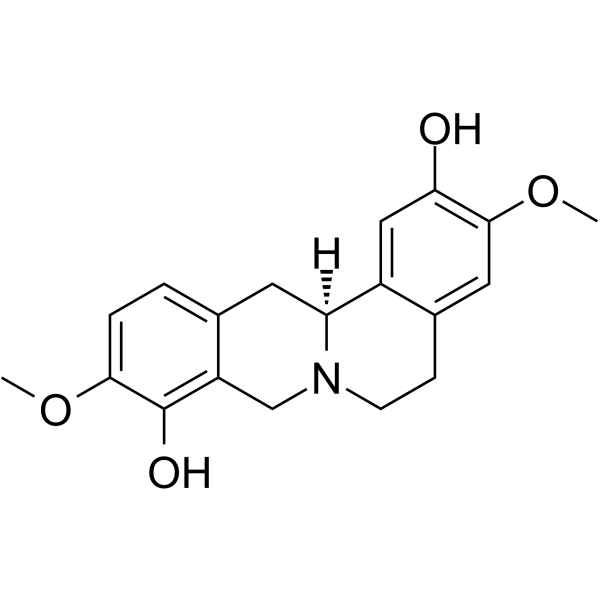
Scoulerine ((-)-Scoulerine; Discretamine) hydrochloride is a multi-target inhibitor with anti-tumor and antioxidant activities. Scoulerine mainly targets the PI3K/Akt/mTOR signaling axis and α1D-adrenergic receptor, disrupts microtubule structure, and induces cell cycle arrest and apoptosis. Scoulerine effectively inhibits mitochondrial dehydrogenase activity, targets GABA receptors and BACE1, and suppresses the proliferation, migration, invasion, epithelial-mesenchymal transition and stem cell properties of cancer cells. Scoulerine also exhibits multiple pharmacological activities including anti-Plasmodium falciparum, antibacterial, antiemetic and antitussive effects, and regulates endoplasmic reticulum stress and mitochondrial function (modulates Bax, Bcl-2 and cytochrome c). Scoulerine is applicable to research related to leukemia, ovarian cancer, and colorectal cancer .
loading...
    loading...
Art. -Nr.: HY-B1012
CAS. Nr.: 152-43-2
Synonyms: W-3566
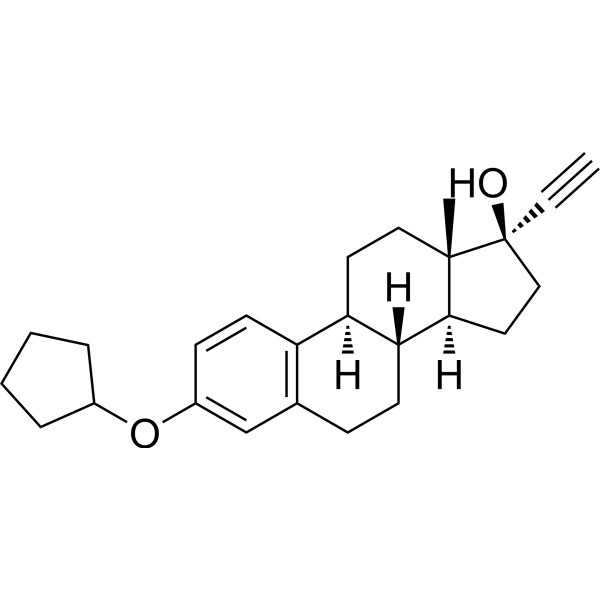
Quinestrol (W-3566) is an orally effective synthetic estrogen compound that acts on CYP3A4, CYP1A2, and GnRH. Quinestrol interferes with GnRH release and disrupts the hypothalamic-pituitary-ovarian axis. Quinestrol downregulates the gene expression of follicle-stimulating hormone β and luteinizing hormone β, induces oxidative stress, damages reproductive organs, reduces sperm density and motility, increases sperm malformation rate, and alters the levels of sex hormones such as testosterone, luteinizing hormone, estradiol, and progesterone. Quinestrol can be used in studies related to reproductive function regulation .
loading...
    loading...
Art. -Nr.: HY-122940
CAS. Nr.: 644-06-4
Reinheit:  99.95%
Synonyms: Ageratochromene
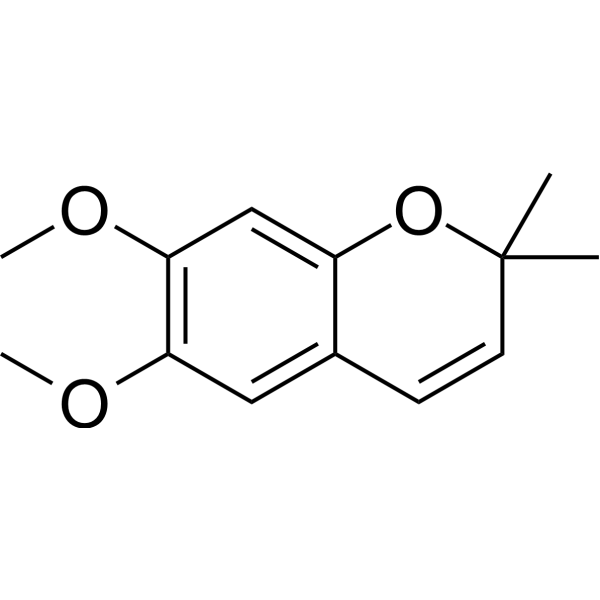
Precocene II (Ageratochromene) is a plant larva hormone antagonists that inhibits the biosynthesis of juvenile hormone. Precocene II inhibits corpora allata function and downregulates juvenile hormone levels, while exerting multiple effects including inducing precocious metamorphosis, forming macropterous morphs, inhibiting ovarian growth, producing cytotoxicity, disrupting insect development, and causing sterility and kidney damage. Precocene II blocks normal nymphal development, causes renal tubular damage and increases blood urea nitrogen levels, and also blocks juvenile hormone biosynthesis in vitro. Precocene II undergoes oxidative metabolism catalyzed by NADPH-dependent monooxygenase to generate a variety of metabolites. Precocene II can be applied in studies related to insect growth regulation and nephrotoxicity .
loading...
    loading...
Art. -Nr.: HY-148215A
CAS. Nr.: 1253584-63-2
Reinheit:  99.27%
Target:  

HSP

Forschungsgebiete:  

Cancer

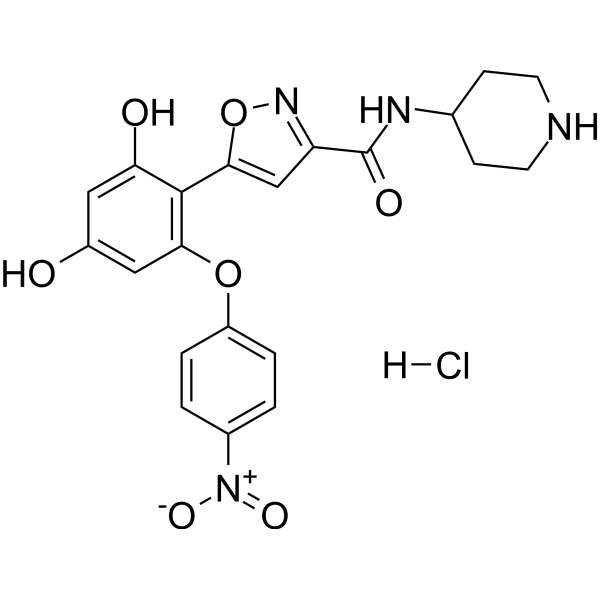
Hsp90-IN-17 hydrochloride is a Hsp90 inhibitor. Hsp90-IN-17 hydrochloride binds to the N-terminal ATP-binding pocket of Hsp90, inhibits its chaperone function, and induces the degradation of Hsp90 client proteins. Hsp90-IN-17 hydrochloride inhibits cancer cell proliferation. Hsp90-IN-17 hydrochloride can be used in the research of ovarian cancer .
loading...
    loading...
Art. -Nr.: HY-N1508
CAS. Nr.: 78285-90-2
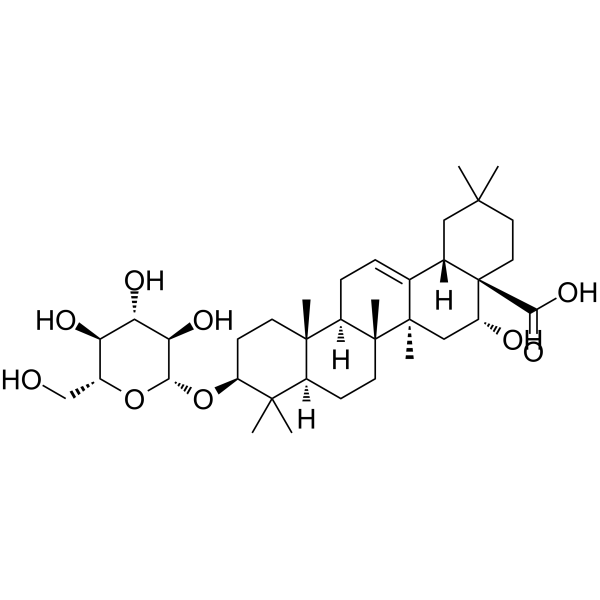
Ecliptasaponin A is an orally active pentacyclic triterpenoid saponin. Ecliptasaponin A exerts anti-tumor activity by activating ASK1/JNK pathway, inducing apoptosis and autophagy in lung cancer cells. Ecliptasaponin A exerts anti-inflammatory/anti-fibrotic effects and protects the cardiovascular system by inhibiting the HMGB1/TLR4/NF-κB pathway, and the expression of COX-2 and MMP-9. Ecliptasaponin A can enhance SOD activity, reduce MDA levels, and alleviate oxidative stress damage. Ecliptasaponin A exerts chondroprotective effects by inhibiting the expression of MMP13 and regulating inflammatory factors. Ecliptasaponin A improves ovarian function and regulates sex hormones by upregulating the expression of ESR1 receptors .
loading...
    loading...
Art. -Nr.: HY-16775
CAS. Nr.: 1262108-14-4
Synonyms: BAY 1002670
Target:  

Progesterone Receptor

Forschungsgebiete:  

Cancer

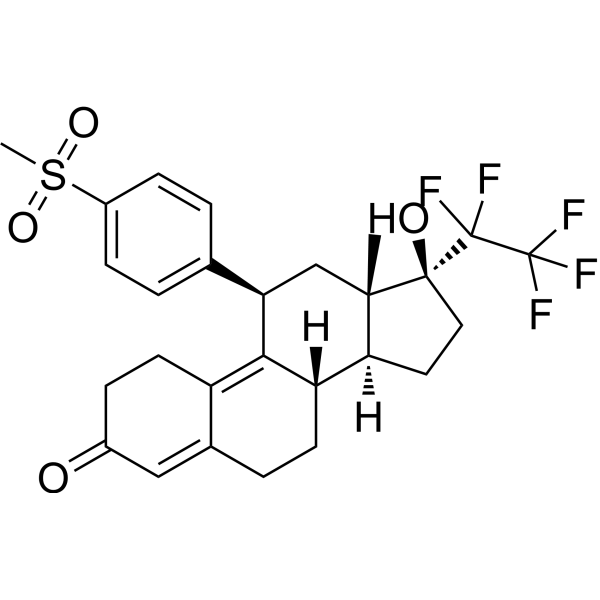
Vilaprisan is a selective progesterone receptor modulator (SPRM), which targets progesterone receptors. Vilaprisan can inhibit cell proliferation and stimulate apoptosis. Vilaprisan has oral efficacy and anti-proliferative activity against uterine leiomyoma (UF ).
loading...
    loading...
Art. -Nr.: HY-13673
CAS. Nr.: 65807-02-5
Synonyms: ICI 118630
Target:  

GnRH Receptor Apoptosis

Forschungsgebiete:  

Endocrinology Cancer

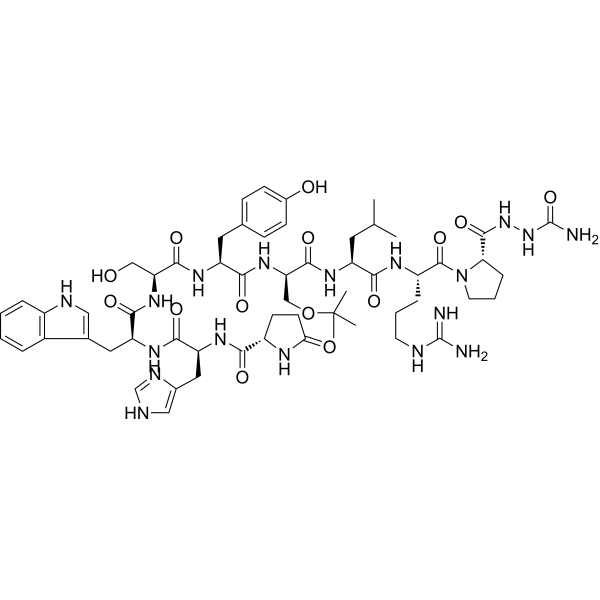
Goserelin (ICI 118630), a decapeptide analogue of gonadotropin-releasing hormone (GnRH/LHRH), functions as a GnRH agonist. Goserelin can be used for the research of breast cancer, epithelial ovarian cancer and prostate cancer .
loading...
    loading...
Art. -Nr.: HY-164399
CAS. Nr.: 1799802-29-1
Target:  

HSP EGFR CDK Akt

Forschungsgebiete:  

Cancer

SST0116CL1 is a HSP90 inhibitor (IC50: 0.21 μM). SST0116CL1 binds to the ATP binding pocket of Hsp90, and interferes with Hsp90 chaperone function thus resulting in client protein (EGFR, CDK4 and AKT) degradation. SST0116CL1 induces degradation of Her2 in BT-474 cell (IC50: 0.2 μM). SST0116CL1 has antiproliferative activity and inhibits tumor growth. SST0116CL1 can be used for the study of leukemia, gastric and ovarian carcinoma .
loading...
    loading...
Art. -Nr.: HY-13673S2
Synonyms: ICI 118630-d7 TFA
Goserelin-d7 (TFA) is deuterium labeled Goserelin. Goserelin (ICI 118630), a decapeptide analogue of gonadotropin-releasing hormone (GnRH/LHRH), functions as a GnRH agonist. Goserelin can be used for the research of breast cancer, epithelial ovarian cancer and prostate cancer .
loading...
    loading...

