Search Result
Results for "
Ovariectomized
" in MedChemExpress (MCE) Product Catalog:
3
Isotope-Labeled Compounds
| Cat. No. |
Product Name |
Target |
Research Areas |
Chemical Structure |
-
- HY-N0528
-
-
-
- HY-W009732
-
|
Sinapic acid
|
HDAC
Angiotensin-converting Enzyme (ACE)
Reactive Oxygen Species (ROS)
Apoptosis
|
Cardiovascular Disease
Metabolic Disease
Cancer
|
|
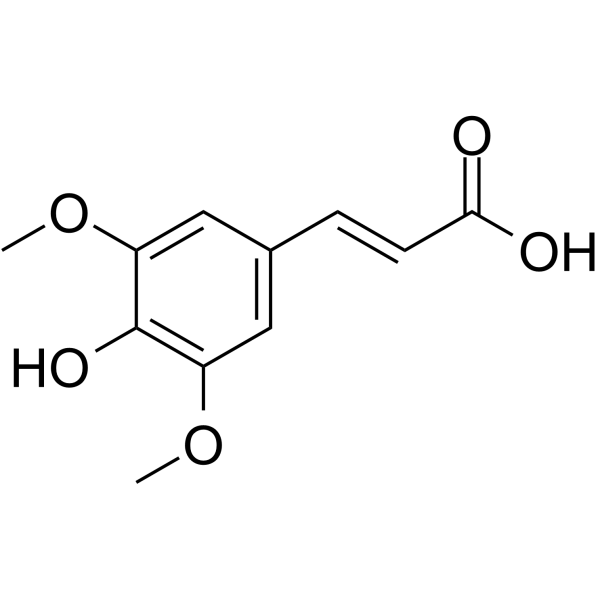
Sinapinic acid (Sinapic acid) is a phenolic compound isolated from Hydnophytum formicarum Jack. Rhizome, acts as an inhibitor of HDAC, with an IC50 of 2.27 mM , and also inhibits ACE-I activity . Sinapinic acid posssess potent anti-tumor activity, induces apoptosis of tumor cells . Sinapinic acid shows antioxidant and antidiabetic activities . Sinapinic acid reduces total cholesterol, triglyceride, and HOMA-IR index, and also normalizes some serum parameters of antioxidative abilities and oxidative damage in ovariectomized rats .
|
-
-
- HY-113293B
-
|
|
Endogenous Metabolite
Estrogen Receptor/ERR
|
Metabolic Disease
Cancer
|
|
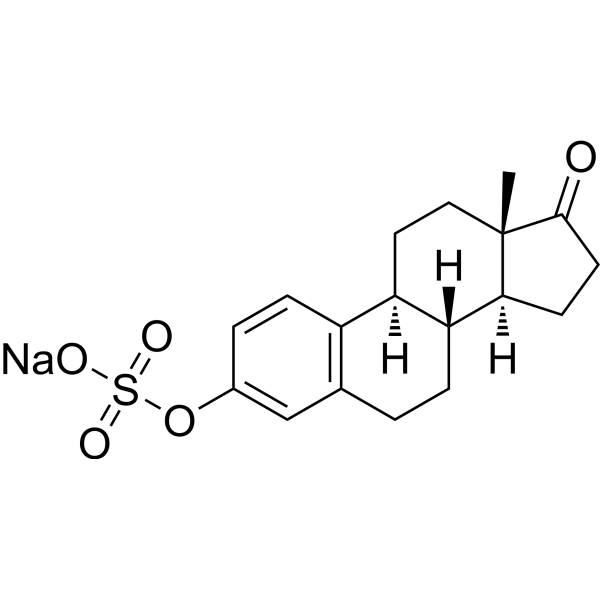
Estrone sulfate sodium is an inactive endogenous estrogen that can be converted into Estrone (HY-B0234) and Estradiol (HY-B0141). Estrone sulfate sodium is also a substrate of the OATP1B3 transporter. Estrone sulfate sodium can be converted into Estrone and Estradiol in normal mammary parenchymal cells. Estrone sulfate sodium stimulates the growth of nitrosomethylurea-induced mammary tumors in ovariectomized rats and the colony formation of dispersed nitrosomethylurea mammary cells, with conversion into Estrone and Estradiol occurring both in vivo and in vitro during this process. Estrone sulfate sodium is applicable to breast cancer-related research .
|
-
-
- HY-13738
-
Raloxifene
Maximum Cited Publications
20 Publications Verification
Keoxifene; LY156758 free base; LY139481
|
Estrogen Receptor/ERR
|
Cancer
|
|
Raloxifene (Keoxifene) is a benzothiophene-derived selective estrogen receptor modulator (SERM). Raloxifene has estrogen-agonistic effects on bone and lipids and estrogen-antagonistic effects on the breast and uterus. Raloxifene is used for breast cancer and osteoporosis research .
|
-
-
- HY-N2393
-
-
-
- HY-113293A
-
|
|
Endogenous Metabolite
Estrogen Receptor/ERR
|
Metabolic Disease
Cancer
|
|
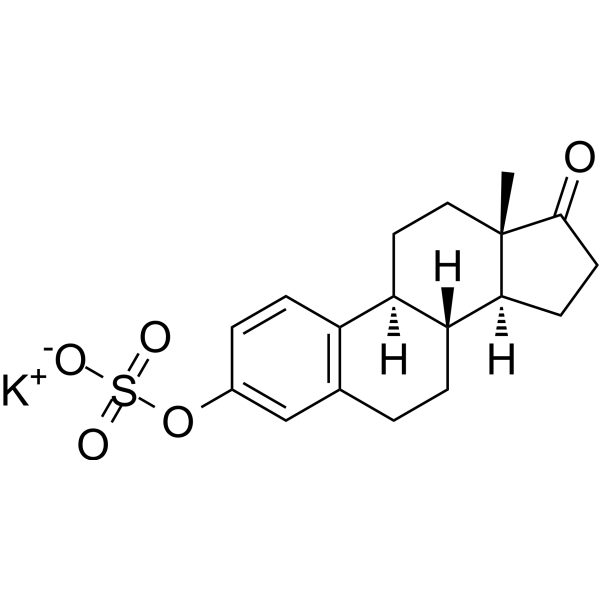
Estrone sulfate potassium is an inactive endogenous estrogen that can be converted into Estrone (HY-B0234) and Estradiol (HY-B0141). Estrone sulfate potassium is also a substrate of the OATP1B3 transporter. Estrone sulfate potassium can be converted into Estrone and Estradiol in normal mammary parenchymal cells. Estrone sulfate potassium stimulates the growth of nitrosomethylurea-induced mammary tumors in ovariectomized rats and the colony formation of dispersed nitrosomethylurea mammary cells, with conversion into Estrone and Estradiol occurring both in vivo and in vitro during this process. Estrone sulfate potassium is applicable to breast cancer-related research .
|
-
-
- HY-N0026
-
|
2'-AA
|
Monoamine Oxidase
RANKL/RANK
TNF Receptor
NF-κB
IKK
|
Cardiovascular Disease
Neurological Disease
Metabolic Disease
|
|
2'-Acetylacteoside (2'-AA) is a natural compound with oral activity and blood-brain barrier permeability. 2'-Acetylacteosideexhibits MAO‑B inhibitory activity (IC50 = 17.71 μM, Ki = 13.81 μM). 2'-Acetylacteoside downregulates the expression of RANK, TRAF6, NF‑κB, NFATc1 and IKKβ, disrupts the RANKL/RANK interaction, blocks downstream signaling pathways, and increases the level of phosphorylated Akt. 2'-Acetylacteoside possesses potent anti-osteoclastogenic, anti-bone resorptive, pro-neurogenic, neuroprotective and antioxidant activities. 2'-Acetylacteoside can be used in the research of osteoporosis, ischemic stroke and Parkinson's disease .
|
-
-
- HY-N0213
-
Peiminine
Maximum Cited Publications
7 Publications Verification
Verticinone; Raddeanine
|
Autophagy
Caspase
Bcl-2 Family
PARP
p38 MAPK
ERK
NF-κB
Apoptosis
|
Inflammation/Immunology
Cancer
|
|
Peiminine is a compound that can be isolated from Bolbostemma paniculatum (Maxim) Franquet (Cucurbitaceae family). Peiminine can induce apoptosis in human hepatocellular carcinoma HepG2 cells through both extrinsic and intrinsic apoptotic pathways. Peiminine has anti-inflammatory, anticancer, anti-osteoporosis, cardioprotective and other activities in many animal models .
|
-
-
- HY-106019
-
|
R75251
|
Cytochrome P450
RAR/RXR
|
Metabolic Disease
Inflammation/Immunology
Cancer
|
|
Liarozole (R75251; R85246) is an imidazole derivative and orally active retinoic acid (RA) metabolism-blocking agent (RAMBA). Liarozole inhibits the cytochrome P450 (CYP26)-dependent 4-hydroxylation of retinoic acid (IC50=7 μM), resulting in increased tissue levels of retinoic acid. Liarozole shows antitumoral properties .
|
-
-
- HY-107245
-
|
|
Estrogen Receptor/ERR
Sirtuin
RUNX
|
Metabolic Disease
|
|
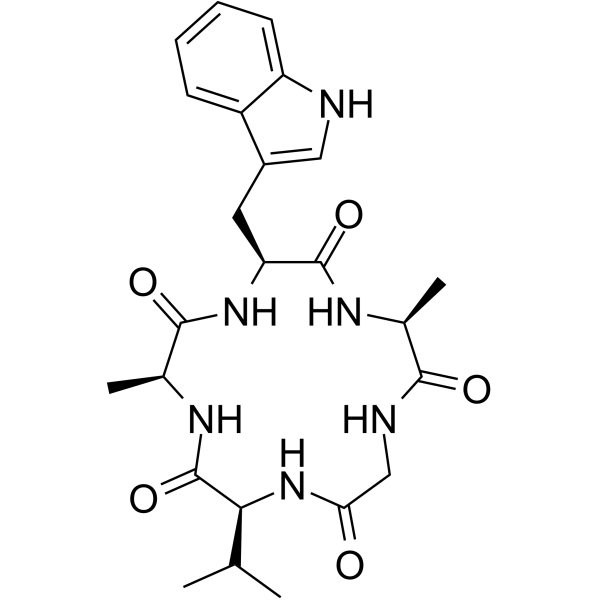
Segetalin B, an orally active cyclopentapeptide found in Vaccaria segetalis, possesses estrogen-like activity. Segetalin B promotes mineralization of ovariectomized rat-derived bone marrow mesenchymal stem cells (BMSCs) in vitro and increases the level of osteocalcin, BMP-2, ALP, and SIRT1 activity. Segetalin B is promising for research of post-menopausal osteoporosis (PMOP) .
|
-
-
- HY-N2135
-
|
|
Apoptosis
Caspase
Bcl-2 Family
Tyrosinase
|
Metabolic Disease
Cancer
|
|
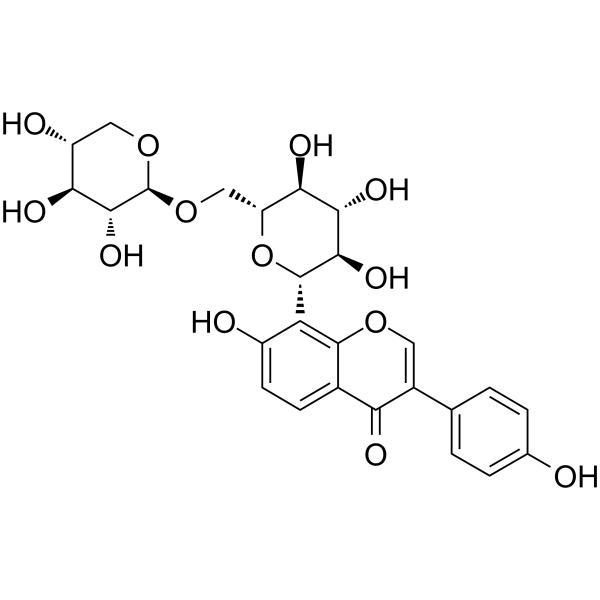
Puerarin 6''-O-Xyloside is one of the major iso-flavones found in P. lobata. Puerarin 6''-O-Xyloside inhibits cancer cells proliferation, induces apoptosis by upregulating cleaved caspase-3, 7, 9, Bax and downregulating Bcl-2 levles and inhibits tumor growth in mice. Puerarin 6''-O-Xyloside has anti-osteoporotic activity in ovariectomized mice. Puerarin 6''-O-Xyloside inhibits mushroom tyrosinase with an IC50 of 513.8 μM. Puerarin 6''-O-Xyloside can be used for the research of human lung carcinoma, osteoporosis, melanosis and melanomar .
|
-
-
- HY-113293BS1
-
|
|
Isotope-Labeled Compounds
Endogenous Metabolite
Estrogen Receptor/ERR
|
Metabolic Disease
Cancer
|
|
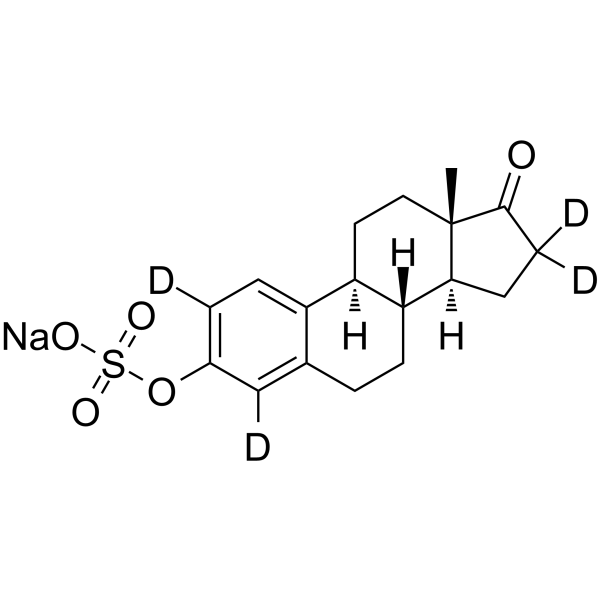
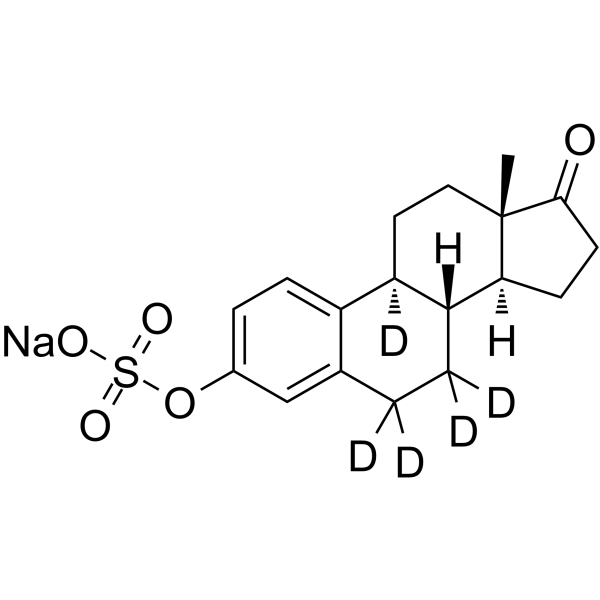
Estrone sulfate-d4 sodium is the deuterium labeled Estrone sulfate sodium (HY-113293B). Estrone sulfate sodium is an inactive endogenous estrogen that can be converted into Estrone (HY-B0234) and Estradiol (HY-B0141). Estrone sulfate sodium is also a substrate of the OATP1B3 transporter. Estrone sulfate sodium can be converted into Estrone and Estradiol in normal mammary parenchymal cells. Estrone sulfate sodium stimulates the growth of nitrosomethylurea-induced mammary tumors in ovariectomized rats and the colony formation of dispersed nitrosomethylurea mammary cells, with conversion into Estrone and Estradiol occurring both in vivo and in vitro during this process. Estrone sulfate sodium is applicable to breast cancer-related research .
|
-
-
- HY-121149
-
|
3-Hydroxytamoxifen
|
Estrogen Receptor/ERR
Apoptosis
|
Cancer
|
|
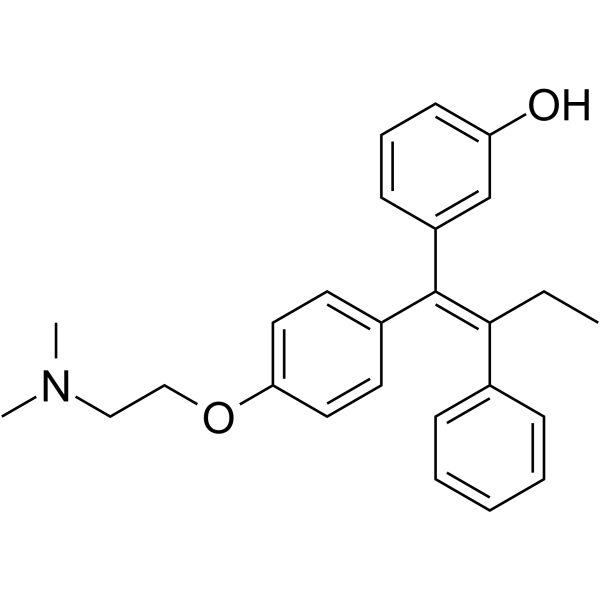
Droloxifene, a Tamoxifen derivative, is an orally active and selective estrogen receptor modulator. Droloxifene shows antiestrogenic and anti-implantation effects. Droloxifene induces p53 expression and apoptosis in MCF-7 cells. Droloxifene prevents bone loss in ovariectomized rats .
|
-
-
- HY-119395B
-
-
-
- HY-121528
-
-
-
- HY-110218
-
CW 008
2 Publications Verification
|
PKA
Epigenetic Reader Domain
|
Others
|
|
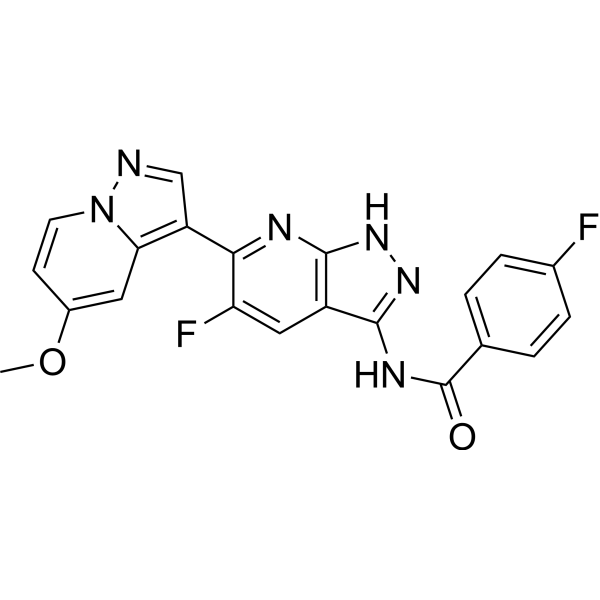
CW 008, a derivative of pyrazole-pyridine, is a CREB or PKA pathway agonist. CW 008 also is a stem cell differentiating agent. CW 008 stimulates osteoblast differentiation of human MSCs and increases bone formation in ovariectomized mice. CW008 promotes osteogenesis by activating cAMP/PKA/CREB signaling pathway and inhibiting leptin secretion .
|
-
-
- HY-106019C
-
|
R75251 dihydrochloride
|
Cytochrome P450
RAR/RXR
|
Metabolic Disease
Inflammation/Immunology
Cancer
|
|
Liarozole (R75251) dihydrochloride is an imidazole derivative and orally active retinoic acid (RA) metabolism-blocking agent (RAMBA). Liarozole dihydrochloride inhibits the cytochrome P450 (CYP26)-dependent 4-hydroxylation of RA (IC50=7 μM), resulting in increased tissue levels of RA. Liarozole dihydrochloride shows antitumoral properties .
|
-
-
- HY-168336
-
|
|
PPAR
|
Metabolic Disease
|
|
E0924G is an orally active activator for PPARδ with EC50 of 2.82 μM. E0924G promotes the upregulation of osteoprotegerin (OPG) with an EC50 of 0.29 μM. E0924G reduces RANKL-induced osteoclast differentiation and inhibites F-actin ring formation in RAW264.7 macrophages. E0924G regulates the bone density and bone loss in ovariectomized (OVX) and age-related osteoporosis models .
|
-
-
- HY-W009732R
-
|
Sinapic acid (Standard)
|
Reference Standards
HDAC
Angiotensin-converting Enzyme (ACE)
Reactive Oxygen Species (ROS)
Apoptosis
|
Cardiovascular Disease
Metabolic Disease
Cancer
|
|
Sinapinic acid (Sinapic acid) is a phenolic compound isolated from Hydnophytum formicarum Jack. Rhizome, acts as an inhibitor of HDAC, with an IC50 of 2.27 mM , and also inhibits ACE-I activity . Sinapinic acid posssess potent anti-tumor activity, induces apoptosis of tumor cells . Sinapinic acid shows antioxidant and antidiabetic activities . Sinapinic acid reduces total cholesterol, triglyceride, and HOMA-IR index, and also normalizes some serum parameters of antioxidative abilities and oxidative damage in ovariectomized rats .
|
-
-
- HY-113293
-
|
|
Endogenous Metabolite
Estrogen Receptor/ERR
|
Metabolic Disease
Cancer
|
|
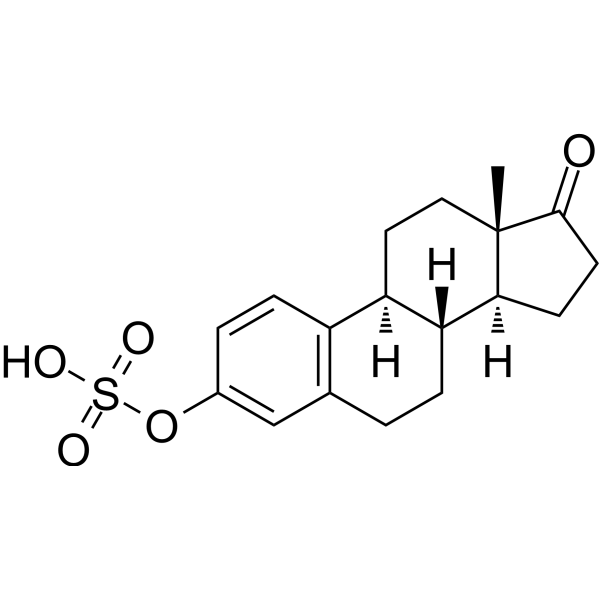
Estrone sulfate is an inactive endogenous estrogen that can be converted into Estrone (HY-B0234) and Estradiol (HY-B0141). Estrone sulfate is also a substrate of the OATP1B3 transporter. Estrone sulfate can be converted into Estrone and Estradiol in normal mammary parenchymal cells. Estrone sulfate stimulates the growth of nitrosomethylurea-induced mammary tumors in ovariectomized rats and the colony formation of dispersed nitrosomethylurea mammary cells, with conversion into Estrone and Estradiol occurring both in vivo and in vitro during this process. Estrone sulfate is applicable to breast cancer-related research .
|
-
-
- HY-119395
-
-
-
- HY-164587
-
|
|
DOCK
|
Metabolic Disease
|
|
E197 is the inhibitor for DOCK5 that destroys the podosome belt structure of osteoclasts, thereby inhibiting the bone resorption (IC50=3.44 μM in human osteoclast). E197 inhibits the Rac in DOCK5 expressing HEK293 cell with an IC50 of 36 μM. E197 prevents the bone loss in mouse ovariectomized models .
|
-
-
- HY-A0114
-
|
RS 10029
|
Angiotensin-converting Enzyme (ACE)
|
Cardiovascular Disease
|
|
Moexiprilat is an inhibitor of angiotensin-converting enzyme (ACE; IC50=2.1 nM) and an active metabolite of the prodrug Moexipril (HY-117281). It is formed from moexipril in vivo by side chain ester hydrolysis. Moexiprilat (10 nM) prevents the estrone- or angiotensin II-stimulated proliferation of primary neonatal rat cardiac fibroblasts. It reduces mean arterial blood pressure and increases the levels of atrial natriuretic peptide, a marker of hypertension, in ovariectomized mice when administered at a dose of 50 mg/kg per day.
|
-
-
- HY-169703
-
SPA0355
1 Publications Verification
|
RANKL/RANK
p38 MAPK
Akt
NF-κB
|
Inflammation/Immunology
|
|
SPA0355 is a thiourea derivative that has antioxidant and anti-inflammatory properties. SPA0355 inhibits the RANKL (receptor activator of nuclear factor κB ligand) induced osteoclast formation in primary bone marrow-derived macrophages. SPA0355 also suppresses the activation of the MAPKs, Akt, and NF-κB pathways. Additionally, SPA0355 promotes osteoblast differentiation, increases alkaline phosphatase activity, and enhances mineral nodule formation. SPA0355 can protect ovariectomized mice from bone loss by stimulating osteoblast differentiation and inhibiting osteoclast resorption, making it useful for studying postmenopausal osteoporosis .
|
-
-
- HY-113293BS
-
|
|
Isotope-Labeled Compounds
Endogenous Metabolite
Estrogen Receptor/ERR
|
Metabolic Disease
Cancer
|
|
Estrone sulfate-d5 sodium is the deuterium labeled Estrone sulfate sodium (HY-113293B). Estrone sulfate sodium is an inactive endogenous estrogen that can be converted into Estrone (HY-B0234) and Estradiol (HY-B0141). Estrone sulfate sodium is also a substrate of the OATP1B3 transporter. Estrone sulfate sodium can be converted into Estrone and Estradiol in normal mammary parenchymal cells. Estrone sulfate sodium stimulates the growth of nitrosomethylurea-induced mammary tumors in ovariectomized rats and the colony formation of dispersed nitrosomethylurea mammary cells, with conversion into Estrone and Estradiol occurring both in vivo and in vitro during this process. Estrone sulfate sodium is applicable to breast cancer-related research .
|
-
-
- HY-P991365
-
|
|
Transmembrane Glycoprotein
|
Endocrinology
|
|
DS-1501 is a human monoclonal antibody (mAb) targeting Siglec-15/CD33L3. DS-1501 inhibits osteoclastogenesis. DS-1501 suppresses the decrease of lumbar spine bone mineral density (BMD) in ovariectomized (OVX) rats. DS-1501 can be used in Osteoporosis research. Recommended isotype control: Human IgG1 kappa, Isotype Control (HY-P99001) .
|
-
-
- HY-119395A
-
-
-
- HY-163832
-
|
|
Farnesyl Transferase
|
Metabolic Disease
|
|
FPPS-IN-2 (compound 4a) is a potent and orally active HFPPS inhibitor with an IC50 value of 1.108 µM. FPPS-IN-2 has the potential for the research of osteoporosis .
|
-
-
- HY-112746
-
|
DPC974; GW5638
|
Estrogen Receptor/ERR
|
Cancer
|
|
Etacstil (GW5638) is a estrogen receptor antagonist that displays minimal uterotropic activity in ovariectomized rats and inhibits the agonist activity of Estradiol (HY-B0141), Tamoxifen (HY-13757A) and Raloxifene (HY-13738) in the environment. Etacstil is promising for research of breast cancer and bone protection .
|
-
-
- HY-158311
-
|
|
RANKL/RANK
p38 MAPK
NF-κB
|
Endocrinology
|
|
Anti-osteoporosis agent-8 (Compound 4aa) is an inhibitor for RANKL, which inhibits RANKL-induced osteoclastogenesis and osteoclast differentiation (IC50 is 2.41 μM) in cells RAW264.7. Anti-osteoporosis agent-8 ameliorates bone loss in an ovariectomized (OVX) mice model .
|
-
-
- HY-W746269
-
|
|
Drug Derivative
|
Metabolic Disease
|
|
KCA 098 is an orally active benzofuroquinoline derivative. KCA 098 can inhibit bone resorption and stimulat bone formation of chick embryo. KCA 098 can increase calcium and phosphorus content as well as the amount of force required to break the femur from ovariectomized rats. KCA 098 can be used for the research of bone diseases .
|
-
-
- HY-106019A
-
|
R75251 hydrochloride
|
Cytochrome P450
RAR/RXR
|
Metabolic Disease
Inflammation/Immunology
Cancer
|
|
Liarozole hydrochloride is an imidazole derivative and orally active retinoic acid (RA) metabolism-blocking agent (RAMBA). Liarozole hydrochloride inhibits the cytochrome P450 (CYP26)-dependent 4-hydroxylation of retinoic acid (IC50=7 μM), resulting in increased tissue levels of retinoic acid. Liarozole hydrochloride shows antitumoral properties .
|
-
-
- HY-106019CR
-
|
R75251 dihydrochloride (Standard)
|
Reference Standards
Cytochrome P450
RAR/RXR
|
Metabolic Disease
Inflammation/Immunology
Cancer
|
|
Liarozole (dihydrochloride) (Standard) is the analytical standard of Liarozole (dihydrochloride). This product is intended for research and analytical applications. Liarozole (R75251) dihydrochloride is an imidazole derivative and orally active retinoic acid (RA) metabolism-blocking agent (RAMBA). Liarozole dihydrochloride inhibits the cytochrome P450 (CYP26)-dependent 4-hydroxylation of RA (IC50=7 μM), resulting in increased tissue levels of RA. Liarozole dihydrochloride shows antitumoral properties .
|
-
-
- HY-106019R
-
|
R75251 (Standard)
|
Reference Standards
Cytochrome P450
RAR/RXR
|
Metabolic Disease
Inflammation/Immunology
Cancer
|
|
Liarozole (Standard) is the analytical standard of Liarozole. This product is intended for research and analytical applications. Liarozole (R75251; R85246) is an imidazole derivative and orally active retinoic acid (RA) metabolism-blocking agent (RAMBA). Liarozole inhibits the cytochrome P450 (CYP26)-dependent 4-hydroxylation of retinoic acid (IC50=7 μM), resulting in increased tissue levels of retinoic acid. Liarozole shows antitumoral properties .
|
-
-
- HY-13738R
-
|
Keoxifene (Standard); LY156758 free base (Standard); LY139481 (Standard)
|
Reference Standards
Estrogen Receptor/ERR
|
Cancer
|
|
Raloxifene (Standard) is the analytical standard of Raloxifene. This product is intended for research and analytical applications. Raloxifene (Keoxifene) is a benzothiophene-derived selective estrogen receptor modulator (SERM). Raloxifene has estrogen-agonistic effects on bone and lipids and estrogen-antagonistic effects on the breast and uterus. Raloxifene is used for breast cancer and osteoporosis research .
|
-
-
- HY-N2393A
-
-
-
- HY-N2393S
-
-
-
- HY-117792
-
|
|
5-HT Receptor
|
Inflammation/Immunology
|
|
LY314228 is an aminoguanidine 5-HT2 antagonist with relative selectivity for 5-HT2A receptors (IC50: 147.9 nM). The Ki values of LY314228 targeting different 5-HT subtypes are 65 nM (5-HT 2A), 1214 nM (5-HT 2B), and 168 nM (5-HT 2C), respectively. LY314228 is an effective inhibitor of 5-HT-induced paw edema in rats with an ED50 of 6.4 mg/kg in ovariectomized female rats. .
|
-
-
- HY-114631
-
|
|
Estrogen Receptor/ERR
|
Cancer
|
|
EM-800, an orally active anti-estrogen, serves as an antagonist to the transcriptional functions of estrogen receptors α (ERα) and β (ERβ). EM-800 possesses anticancer activity, capable of inhibiting the growth of breast cancer induced by 7,12-Dimethylbenz[a]anthracene (DMBA) (HY-W011845). Furthermore, in ovariectomized animals, EM-800 effectively slows down bone loss. Additionally, EM-800 shows potential in the research of breast and endometrial cancers, while exerting beneficial effects on bone and lipid metabolism .
|
-
-
- HY-122179
-
|
|
TGF-β Receptor
|
Inflammation/Immunology
|
|
NUCC-555 is an activin antagonist. NUCC-555 interacts with Trp25, Trp28, Phe55, Tyr93, Lys103, and Asn107 in the Activin A binding pocket. NUCC-555 blocks Activin A-mediated hepatic stellate cells (HSCs) activation. NUCC-555 promotes liver regeneration and halts fibrosis progression in chronic liver disease models. NUCC-555 inhibits Activin A-mediated ovarian cell proliferation. NUCC-555 decreases FSH levels in ovariectomized mice .
|
-
-
- HY-N0213R
-
|
Verticinone (Standard); Raddeanine (Standard)
|
Reference Standards
Autophagy
Caspase
Bcl-2 Family
PARP
p38 MAPK
ERK
NF-κB
Apoptosis
|
Inflammation/Immunology
Cancer
|
|
Peiminine (Standard) is the analytical standard of Peiminine. This product is intended for research and analytical applications. Peiminine is a compound that can be isolated from Bolbostemma paniculatum (Maxim) Franquet (Cucurbitaceae family). Peiminine can induce apoptosis in human hepatocellular carcinoma HepG2 cells through both extrinsic and intrinsic apoptotic pathways. Peiminine has anti-inflammatory, anticancer, anti-osteoporosis, cardioprotective and other activities in many animal models .
|
-
-
- HY-113293BR
-
|
|
Reference Standards
Endogenous Metabolite
Estrogen Receptor/ERR
|
Metabolic Disease
Cancer
|
|
Estrone sulfate sodium (Standard) is the analytical standard of Estrone sulfate sodium (HY-113293B). This product is intended for research and analytical applications. Estrone sulfate sodium is an inactive endogenous estrogen that can be converted into Estrone (HY-B0234) and Estradiol (HY-B0141). Estrone sulfate sodium is also a substrate of the OATP1B3 transporter. Estrone sulfate sodium can be converted into Estrone and Estradiol in normal mammary parenchymal cells. Estrone sulfate sodium stimulates the growth of nitrosomethylurea-induced mammary tumors in ovariectomized rats and the colony formation of dispersed nitrosomethylurea mammary cells, with conversion into Estrone and Estradiol occurring both in vivo and in vitro during this process. Estrone sulfate sodium is applicable to breast cancer-related research.
|
-
-
- HY-N2135R
-
|
|
Reference Standards
Apoptosis
Caspase
Bcl-2 Family
Tyrosinase
|
Metabolic Disease
Cancer
|
|
Puerarin 6''-O-Xyloside (Standard) is the analytical standard of Puerarin 6''-O-Xyloside (HY-N2135). This product is intended for research and analytical applications. Puerarin 6''-O-Xyloside is one of the major iso-flavones found in P. lobata. Puerarin 6''-O-Xyloside inhibits cancer cells proliferation, induces apoptosis by upregulating cleaved caspase-3, 7, 9, Bax and downregulating Bcl-2 levles and inhibits tumor growth in mice. Puerarin 6''-O-Xyloside has anti-osteoporotic activity in ovariectomized mice. Puerarin 6''-O-Xyloside inhibits mushroom tyrosinase with an IC50 of 513.8 μM. Puerarin 6''-O-Xyloside can be used for the research of human lung carcinoma, osteoporosis, melanosis and melanomar .
|
-
-
- HY-138089
-
|
|
Androgen Receptor
Estrogen Receptor/ERR
LDLR
|
Metabolic Disease
Cancer
|
|
17β-Hydroxy exemestane (17-H-EXE) is the primary active metabolite of Exemestane (HY-13632). 17β-Hydroxy exemestane is an aromatase inhibitor (IC50 = 69 nM) and an androgen receptor (AR) agonist (IC50 = 39.6 nM) that is selective for AR over estrogen receptor α (ERα; IC50 = 21.2 μM). 17β-Hydroxy exemestane stimulates growth of AR- and ERα-positive MCF-7 (EC50= 2.7 μM) and T47D breast cancer cells (EC50s = 0.43 and 1500 nM for AR- and ER-mediated growth, respectively) and inhibits proliferation of testosterone-treated aromatase-overexpressing MCF-7 cells. 17β-Hydroxy exemestane inhibits increases in serum cholesterol and LDL levels and prevents decreases in bone mineral density in the lumbar vertebrae and femur, as well as femoral bending strength and compressive strength of the fifth lumbar vertebrae in ovariectomized rats .
|
-
-
- HY-123664
-
|
LY133314
|
Estrogen Receptor/ERR
|
Cancer
|
|
Trioxifene mesylate (LY133314) is an orally active and selective estrogen receptor (ER) modulator with human ERα IC50 of 203.49 nM and Ki of 20.84 nM. Trioxifene mesylate binds estradiol receptors, inhibits ERα-mediated gene expression, reduces circulating gonadotrophin levels. Trioxifene mesylate can be used for the research of advanced breast cancer and androgen-independent, metastatic prostatic adenocarcinoma .
|
-
-
- HY-181682
-
|
|
Neurokinin Receptor
|
Endocrinology
|
|
NK3R antagonist-1 is an orally active neurokinin-3 receptor (NK3R) antagonist with an IC50 of 53.61 nM. NK3R antagonist-1 reduces plasma luteinizing hormone (LH) levels in ovariectomized rat models. NK3R antagonist-1 is applicable to research related to menopausal hot flushes .
|
-
-
- HY-181079
-
|
|
RANKL/RANK
Reactive Oxygen Species (ROS)
p38 MAPK
NF-κB
|
Metabolic Disease
|
|
RANKL-IN-2 is an orally active RANKL inhibitor with Kd values of 3.21 μM and 4.625 μM in the SPR and MST assays, respectively. RANKL-IN-2 binds to RANKL to interfere with RANKL-RANK interaction. RANKL-IN-2 suppresses osteoclastogenesis by inhibiting ROS, MAPK and NF-κB pathways. RANKL-IN-2 inhibits osteoclastogenesis via inhibition of RANKL-induced osteoclast formation, bone resorption, and osteoclast-specific gene and protein expressions in vitro.RANKL-IN-2 prevents bone loss in ovariectomized osteoporosis mice.RANKL-IN-2 can be used for the research of osteoporosis .
|
-
-
- HY-108979
-
|
|
Progesterone Receptor
|
Endocrinology
|
|
Medrogestone is an orally active Progestin. Medrogestone shows a marked local progestational effect. Medrogestone maintains pregnancy in ovariectomized rats. Medrogestone inhibits ovulation. Medrogestone prevents pregnancy. Medrogestone produces a significant reduction in the severity of benign prostatic hypertrophy .
|
-
-
- HY-118668
-
|
|
NF-κB
|
Others
|
|
ABD-350 is an antiresorptive agent that inhibits osteoclast activity without affecting osteoblast activity and preventing ovariectomy-induced bone loss. ABD-350 inhibits NF-κB ligand-induced inhibitor of NF-κB phosphorylation, leading to osteoclast apoptosis, but has no inhibitory effect on osteoblast function, effectively preventing bone loss in ovariectomized mice, and does not inhibit parathyroid hormone-induced bone formation.
|
-
-
- HY-182818
-
|
|
p38 MAPK
Keap1-Nrf2
Reactive Oxygen Species (ROS)
|
Metabolic Disease
|
|
SH494 is a p38 MAPK inhibitor and Nrf2 pathway activator. SH494 inhibits RANKL-induced phosphorylation of p38 and disrupts the MAPK cascade associated with osteoclastogenesis. SH494 activates the Nrf2 pathway, upregulates downstream target genes and induces the expression of cytoprotective enzymes. SH494 reduces intracellular ROS accumulation and restores mitochondrial membrane potential (ΔΨm) to normal. SH494 decreases osteoclast activity and alleviates osteoporosis symptoms in ovariectomized mice. SH494 can be used for research on osteoporosis .
|
-
- HY-180112
-
|
|
Keap1-Nrf2
Reactive Oxygen Species (ROS)
PI3K
Akt
p38 MAPK
|
Metabolic Disease
|
|
SH543 is a potent anti-osteoporosis agent. SH543 inhibits nuclear factor κB ligand (RANKL)-induced osteoclastogenesis with an IC50 of 3.3 nM. SH543 directly binds to KEAP1, activates the Nrf2-HO-1 antioxidant pathway, reduces ROS levels, and inhibits PI3K-AKT and MAPK signaling pathways. SH543 attenuates pathological bone loss in ovariectomized mice. SH543 can be used for osteoporosis research .
|
-
- HY-135529
-
|
LY133314 free base
|
Estrogen Receptor/ERR
|
Cancer
|
|
Trioxifene (LY133314 free base) is an orally active and selective estrogen receptor (ER) modulator with human ERα IC50 of 203.49 nM and Ki of 20.84 nM. Trioxifene binds estradiol receptors, inhibits ERα-mediated gene expression, reduces circulating gonadotrophin levels. Trioxifene can be used for the research of advanced breast cancer and androgen-independent, metastatic prostatic adenocarcinoma .
|
-
| Cat. No. |
Product Name |
Target |
Research Area |
-
- HY-P11070
-
|
|
Peptides
|
Others
|
|
SDSSD is an osteoblast-targeting peptide. SDSSD selectively binds to periostin on osteoblasts and mediates targeted delivery to these cells. SDSSD can endow calcium phosphate nanocomposites with bone-targeting properties, and these materials exhibit osteointegrative capacity in both in vitro and in vivo models. When conjugated with polyurethane nanomicelles, SDSSD enables targeted delivery of siRNA/microRNA to osteoblasts .
|
-
- HY-107245
-
|
|
Estrogen Receptor/ERR
Sirtuin
RUNX
|
Metabolic Disease
|
|
Segetalin B, an orally active cyclopentapeptide found in Vaccaria segetalis, possesses estrogen-like activity. Segetalin B promotes mineralization of ovariectomized rat-derived bone marrow mesenchymal stem cells (BMSCs) in vitro and increases the level of osteocalcin, BMP-2, ALP, and SIRT1 activity. Segetalin B is promising for research of post-menopausal osteoporosis (PMOP) .
|
-
- HY-N13127
-
|
|
Peptides
|
Endocrinology
|
|
Segetalin C is a cyclic peptide that increases uterine weight in ovariectomized rats (2.5 mg/kg).
|
| Cat. No. |
Product Name |
Target |
Research Area |
Image |
-
- HY-P991365
-
|
|
Transmembrane Glycoprotein
|
Endocrinology
|
|
DS-1501 is a human monoclonal antibody (mAb) targeting Siglec-15/CD33L3. DS-1501 inhibits osteoclastogenesis. DS-1501 suppresses the decrease of lumbar spine bone mineral density (BMD) in ovariectomized (OVX) rats. DS-1501 can be used in Osteoporosis research. Recommended isotype control: Human IgG1 kappa, Isotype Control (HY-P99001) .
|
-
(5)
| Cat. No. |
Product Name |
Category |
Target |
Chemical Structure |
-
- HY-N0528
-
-
-
- HY-W009732
-
-
-
- HY-113293B
-
-
-
- HY-N2393
-
-
-
- HY-113293A
-
-
-
- HY-N0026
-
|
2'-AA
|
Structural Classification
Classification of Application Fields
Simple Phenylpropanols
Other Diseases
Scrophulariaceae
Phenylpropanoids
Plants
Disease Research Fields
Brandisia hancei Hook. f.
Source Classification
|
Monoamine Oxidase
RANKL/RANK
TNF Receptor
NF-κB
IKK
|
|
2'-Acetylacteoside (2'-AA) is a natural compound with oral activity and blood-brain barrier permeability. 2'-Acetylacteosideexhibits MAO‑B inhibitory activity (IC50 = 17.71 μM, Ki = 13.81 μM). 2'-Acetylacteoside downregulates the expression of RANK, TRAF6, NF‑κB, NFATc1 and IKKβ, disrupts the RANKL/RANK interaction, blocks downstream signaling pathways, and increases the level of phosphorylated Akt. 2'-Acetylacteoside possesses potent anti-osteoclastogenic, anti-bone resorptive, pro-neurogenic, neuroprotective and antioxidant activities. 2'-Acetylacteoside can be used in the research of osteoporosis, ischemic stroke and Parkinson's disease .
|
-
-
- HY-N0213
-
-
-
- HY-107245
-
-
-
- HY-N2135
-
-
-
- HY-W009732R
-
-
-
- HY-113293
-
-
-
- HY-N13127
-
-
-
- HY-N0213R
-
-
-
- HY-113293BR
-
|
|
Structural Classification
Endogenous metabolite
Steroids
Source Classification
|
Reference Standards
Endogenous Metabolite
Estrogen Receptor/ERR
|
|
Estrone sulfate sodium (Standard) is the analytical standard of Estrone sulfate sodium (HY-113293B). This product is intended for research and analytical applications. Estrone sulfate sodium is an inactive endogenous estrogen that can be converted into Estrone (HY-B0234) and Estradiol (HY-B0141). Estrone sulfate sodium is also a substrate of the OATP1B3 transporter. Estrone sulfate sodium can be converted into Estrone and Estradiol in normal mammary parenchymal cells. Estrone sulfate sodium stimulates the growth of nitrosomethylurea-induced mammary tumors in ovariectomized rats and the colony formation of dispersed nitrosomethylurea mammary cells, with conversion into Estrone and Estradiol occurring both in vivo and in vitro during this process. Estrone sulfate sodium is applicable to breast cancer-related research.
|
-
-
- HY-N2135R
-
|
|
Structural Classification
Flavonoids
other families
Phenols
Polyphenols
Plants
Isoflavones
Source Classification
|
Reference Standards
Apoptosis
Caspase
Bcl-2 Family
Tyrosinase
|
|
Puerarin 6''-O-Xyloside (Standard) is the analytical standard of Puerarin 6''-O-Xyloside (HY-N2135). This product is intended for research and analytical applications. Puerarin 6''-O-Xyloside is one of the major iso-flavones found in P. lobata. Puerarin 6''-O-Xyloside inhibits cancer cells proliferation, induces apoptosis by upregulating cleaved caspase-3, 7, 9, Bax and downregulating Bcl-2 levles and inhibits tumor growth in mice. Puerarin 6''-O-Xyloside has anti-osteoporotic activity in ovariectomized mice. Puerarin 6''-O-Xyloside inhibits mushroom tyrosinase with an IC50 of 513.8 μM. Puerarin 6''-O-Xyloside can be used for the research of human lung carcinoma, osteoporosis, melanosis and melanomar .
|
-
| Cat. No. |
Product Name |
Chemical Structure |
-
- HY-113293BS1
-
|
|
|
Estrone sulfate-d4 sodium is the deuterium labeled Estrone sulfate sodium (HY-113293B). Estrone sulfate sodium is an inactive endogenous estrogen that can be converted into Estrone (HY-B0234) and Estradiol (HY-B0141). Estrone sulfate sodium is also a substrate of the OATP1B3 transporter. Estrone sulfate sodium can be converted into Estrone and Estradiol in normal mammary parenchymal cells. Estrone sulfate sodium stimulates the growth of nitrosomethylurea-induced mammary tumors in ovariectomized rats and the colony formation of dispersed nitrosomethylurea mammary cells, with conversion into Estrone and Estradiol occurring both in vivo and in vitro during this process. Estrone sulfate sodium is applicable to breast cancer-related research .
|
-
-
- HY-113293BS
-
|
|
|
Estrone sulfate-d5 sodium is the deuterium labeled Estrone sulfate sodium (HY-113293B). Estrone sulfate sodium is an inactive endogenous estrogen that can be converted into Estrone (HY-B0234) and Estradiol (HY-B0141). Estrone sulfate sodium is also a substrate of the OATP1B3 transporter. Estrone sulfate sodium can be converted into Estrone and Estradiol in normal mammary parenchymal cells. Estrone sulfate sodium stimulates the growth of nitrosomethylurea-induced mammary tumors in ovariectomized rats and the colony formation of dispersed nitrosomethylurea mammary cells, with conversion into Estrone and Estradiol occurring both in vivo and in vitro during this process. Estrone sulfate sodium is applicable to breast cancer-related research .
|
-
-
- HY-N2393S
-
|
|
|
Kukoamine B, a spermine alkaloid, is a potent dual LPS and CpG DNA inhibitor with Kd values of 1.23 µM and 0.66 µM, respectively. Kukoamine B exerts anti-inflammatory, anti-diabetic, anti-oxidant, anti-osteoporotic and neuroprotective effects. Kukoamine B has the potential for the study of sepsis. .
|
-
| Cat. No. |
Product Name |
|
Classification |
-
- HY-121528
-
|
Nylestriol; EE3CPE
|
|
Alkynes
|
|
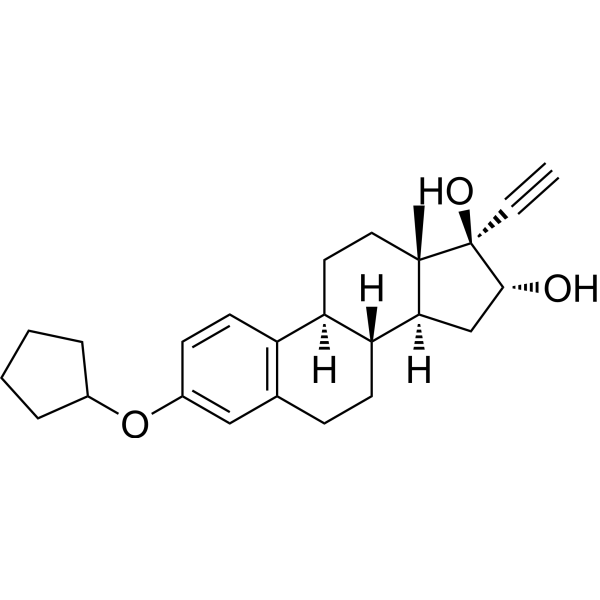
Nilestriol is a estriol derivative, which inhibits osteoporosis on ovariectomized rats or postmenopausal women .
|
Your information is safe with us. * Required Fields.
Inquiry Information
- Product Name:
- Cat. No.:
- Quantity:
- MCE Japan Authorized Agent:

