1. Search Result
Search Result
Results for "

P388 leukemia

" in MedChemExpress (MCE) Product Catalog:

93

Inhibitors & Agonists

3

Peptides

61

Natural
Products

Targets Recommended:
Cat. No. Product Name Target Research Areas Chemical Structure
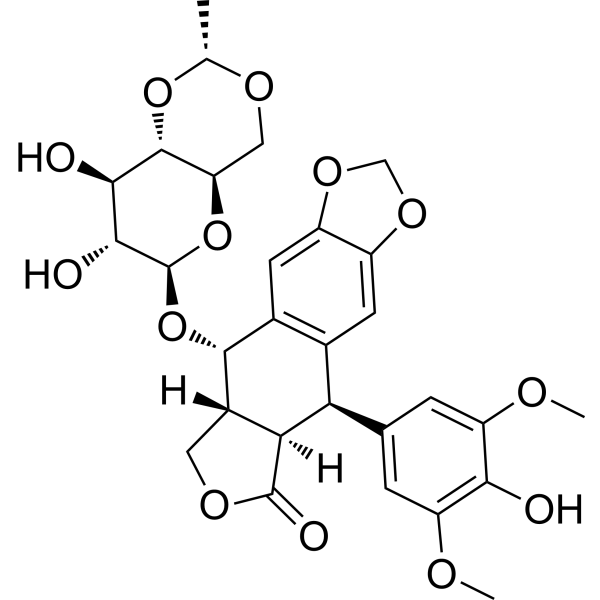
  • HY-13629
    Etoposide
    Maximum Cited Publications
    174 Publications Verification

    VP-16; VP-16-213

    Topoisomerase Autophagy Mitophagy Bacterial Apoptosis Antibiotic Infection Cancer
    Etoposide (VP-16; VP-16-213) is an anti-cancer chemotherapy agent. Etoposide inhibits topoisomerase II, thus stopping DNA replication. Etoposide induces cell cycle arrest, apoptosis and autophagy .
    Etoposide
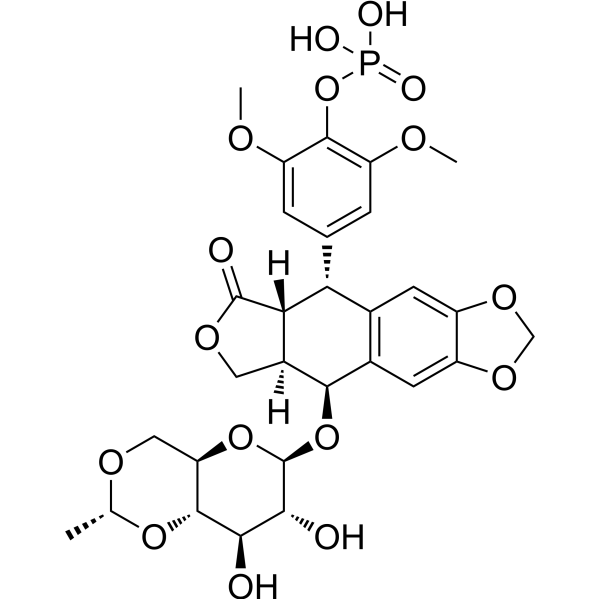
  • HY-13630
    Etoposide phosphate
    Maximum Cited Publications
    174 Publications Verification

    BMY-40481

    Topoisomerase Bacterial Autophagy Apoptosis Infection Neurological Disease Cancer
    Etoposide phosphate (BMY-40481) is a potent anti-cancer chemotherapy agent and a selective topoisomerase II inhibitor to prevent re-ligation of DNA strands. Etoposide phosphate is the phosphate ester proagent of etoposide and is considered as active equivalent to Etoposide. Etoposide phosphate induces cell cycle arrest, apoptosis, and autophagy.
    Etoposide phosphate
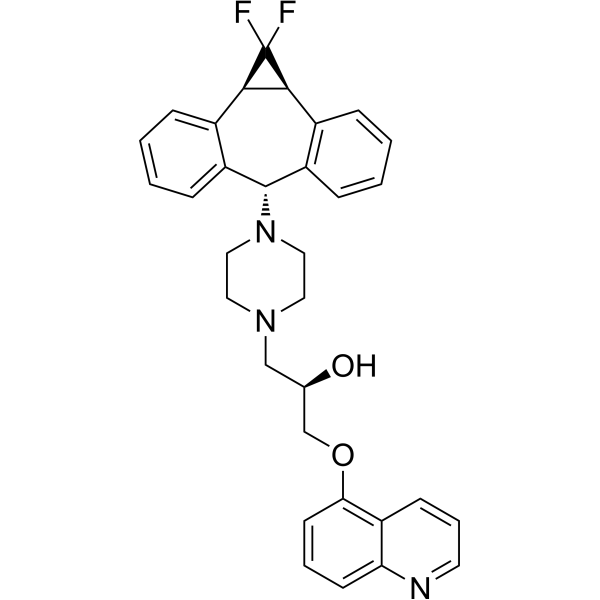
  • HY-15255
    Zosuquidar
    15+ Cited Publications

    RS 33295-198; LY-335979

    P-glycoprotein Cancer
    Zosuquidar (LY335979) is a P-glycoprotein (P-gp) inhibitor (Ki=59 nM). Zosuquidar shows anti-tumor activities, and can be used in acute myelogenous leukemia (AML) research .
    Zosuquidar
  • HY-N3308
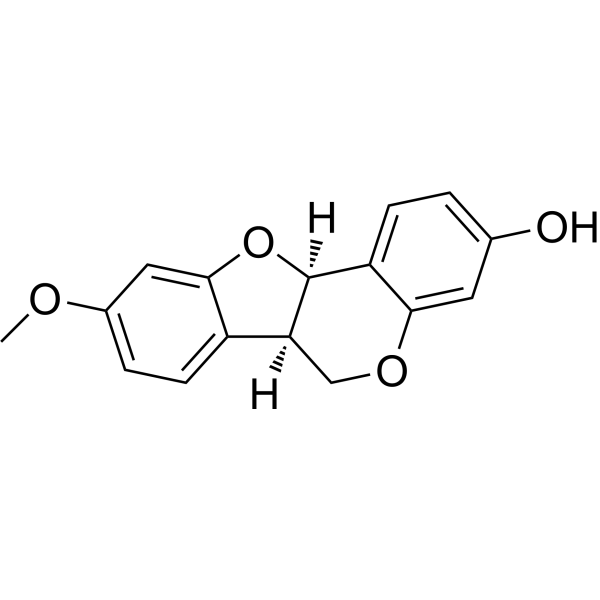
    Medicarpin
    2 Publications Verification

    Apoptosis Cancer
    Medicarpin is a flavonoid isolated from Medicago sativa. Medicarpin induces apoptosis and overcome multidrug resistance in leukemia P388 cells by modulating P-gp-mediated efflux of agents .
    Medicarpin
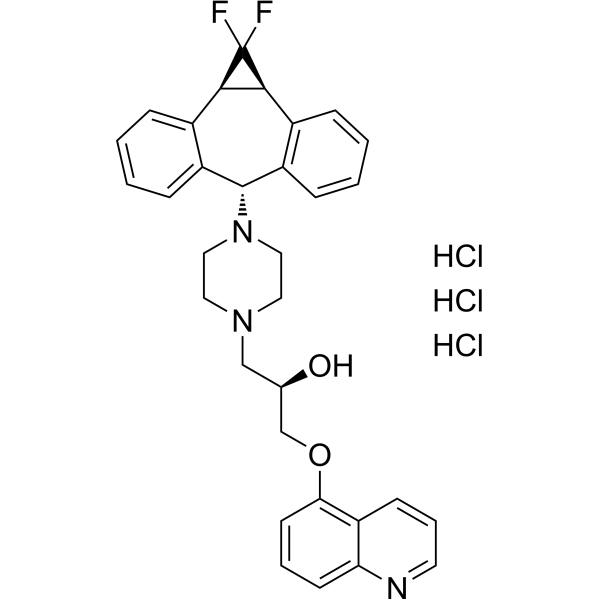
  • HY-50671
    Zosuquidar trihydrochloride
    15+ Cited Publications

    RS 33295-198 trihydrochloride; LY-335979 trihydrochloride

    P-glycoprotein Cancer
    Zosuquidar (LY335979) trihydrochloride is a P-glycoprotein (P-gp) inhibitor (Ki=59 nM). Zosuquidar trihydrochloride shows anti-tumor activities, and can be used in acute myelogenous leukemia (AML) research .
    Zosuquidar trihydrochloride
  • HY-B1751B
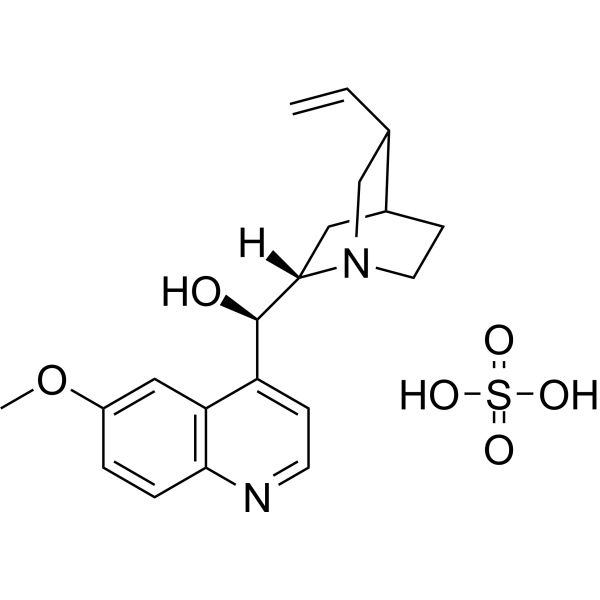
    Quinine sulfate
    5+ Cited Publications

    Parasite Potassium Channel Cytochrome P450 Infection Cardiovascular Disease Cancer
    Quinidine sulfate is an antiarrhythmic agent. Quinidine sulfate is a potent, orally active, selective cytochrome P450db inhibitor. Quinidine sulfate is also a K + channel blocker with an IC50 of 19.9 μM. Quinidine sulfate can be used for malaria research .
    Quinine sulfate
  • HY-N0128
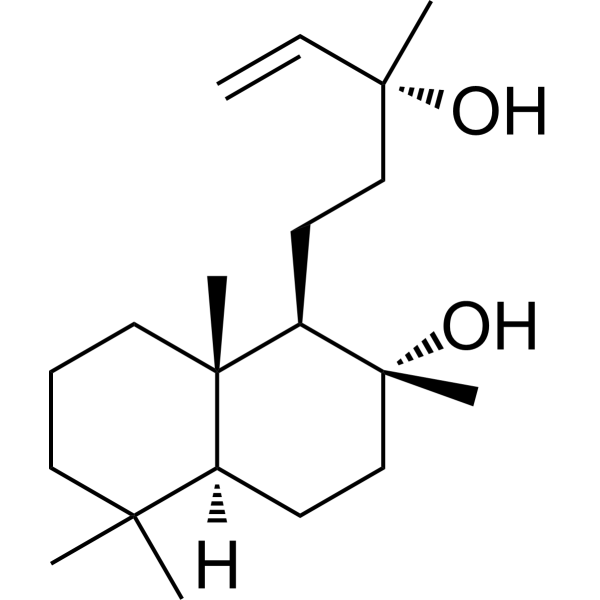
    Sclareol
    3 Publications Verification

    Environmental Pollutants Apoptosis Cancer
    Sclareol is isolated from Salvia sclarea with anticarcinogenic activity. Sclareol shows strong cytotoxic activity against mouse leukemia (P-388), human epidermal carcinoma (KB) cells and human leukemia cell lines. Sclareol induces cell apoptosis .
    Sclareol
  • HY-120504
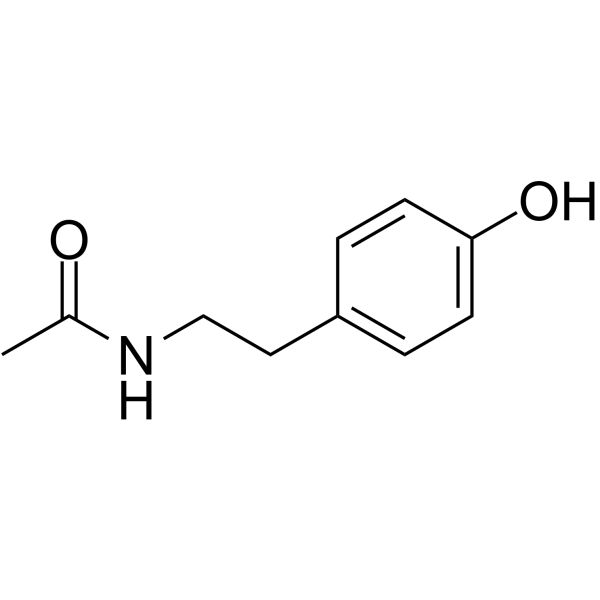
    N-Acetyltyramine
    1 Publications Verification

    Bacterial Infection Cancer
    N-Acetyltyramine is a quorum-sensing inhibitor (QSI) compound produced by V. alginolyticus M3-10. N-Acetyltyramine is capable of inhibiting the QS of C. violaceum ATCC 12472. N-acetyltyramine reverses resistance in Doxorubicin-resistant leukemia P388 cells .
    N-Acetyltyramine
  • HY-N2571

    Reverse Transcriptase HIV Opioid Receptor Infection Neurological Disease Cancer
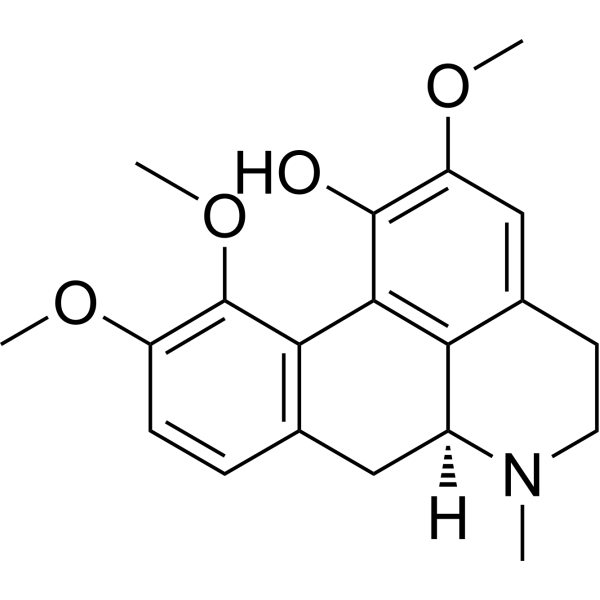
    Corydine is a HIV-1 reverse transcriptase inhibitor and μ-opioid receptor (MOR) agonist, with an IC50 of 356.7 μg/mL against HIV-1 reverse transcriptase, an EC50 of 0.51 μM for MOR, and a Ki of 2.82 μM for MOR. Corydine produces antinociceptive effects by inhibiting acetic acid-induced writhing behavior in a MOR-dependent manner. Corydine inhibits the proliferation of cancer cells, mitogen-stimulated lymphocytes and IL-2-dependent cells. Corydine can be used in studies related to human immunodeficiency virus infection, visceral pain, leukemia, melanoma, bladder cancer and colon adenocarcinoma .
    Corydine
  • HY-13629R
    Etoposide (Standard)
    1 Publications Verification

    VP-16 (Standard); VP-16-213 (Standard)

    Reference Standards Topoisomerase Autophagy Mitophagy Bacterial Apoptosis Antibiotic Infection Cancer
    Etoposide (Standard) is the analytical standard of Etoposide. This product is intended for research and analytical applications. Etoposide (VP-16; VP-16-213) is an anti-cancer chemotherapy agent. Etoposide inhibits topoisomerase II, thus stopping DNA replication. Etoposide induces cell cycle arrest, apoptosis and autophagy .
    Etoposide (Standard)
  • HY-B1127

    N-Benzoyl-β-alanine

    Antibiotic Bacterial Infection Endocrinology
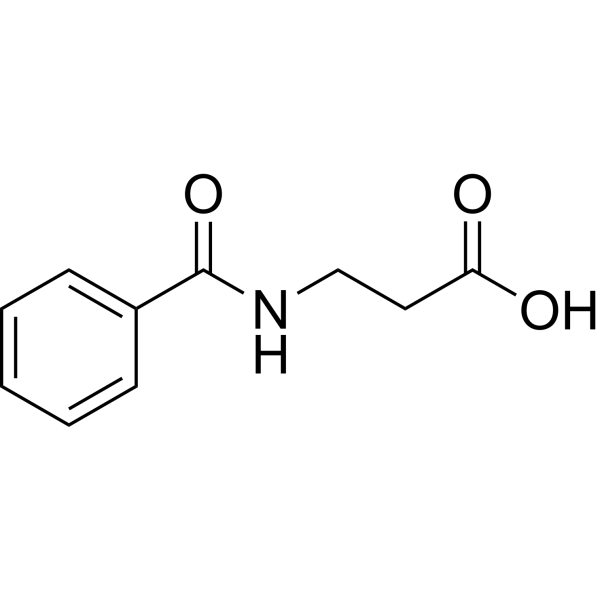
    Betamipron (N-benzoyl-β-alanine) is a carbapenem β-lactam antibiotic with antibacterial activity against most Gram-positive and Gram-negative aerobic and anaerobic bacteria. Betamipron can target and inhibit renal organic anion transporters, alleviate renal injury caused by Cisplatin (HY-17394), without interfering with the biological activity of cisplatin. Betamipron is often used in combination with panipenem, which can attenuate the renal effects induced by panipenem and slightly promote the proliferation of Clostridium difficile in the cecum. Betamipron can be used in studies related to renal injury and bacterial infection .
    Betamipron
  • HY-103159

    Adenosine Deaminase Cancer
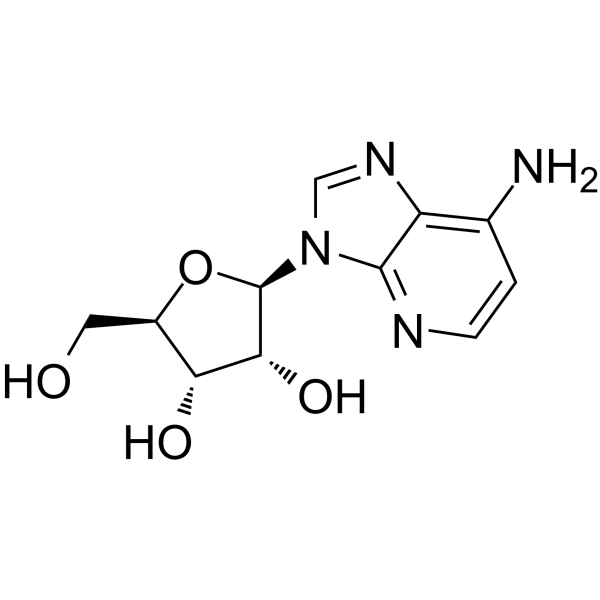
    1-Deazaadenosine is a potent Adenosine deaminase (ADA) inhibitor with a Ki value of 0.66 μM. 1-Deazaadenosine exhibits anti-cancer activities in vitro and has the potential to be a chemotherapy agent for lymphoproliferative disorders .
    1-Deazaadenosine
  • HY-108603

    (+)-Bryostatin 2

    PKC Cancer
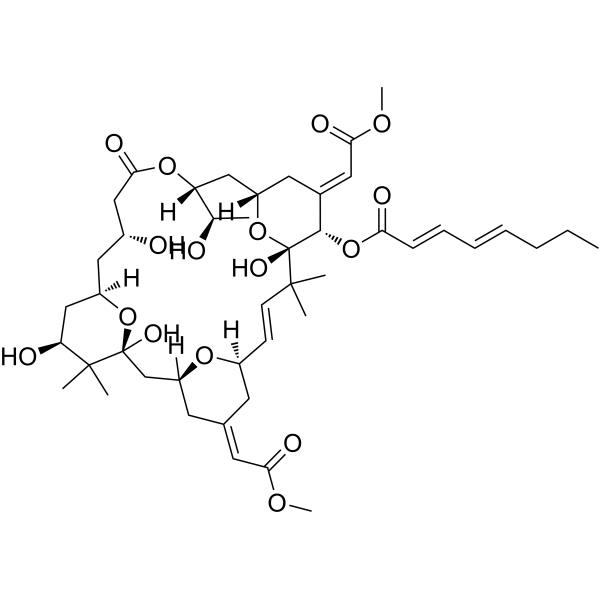
    Bryostatin 2 ((+)-Bryostatin 2) is a 20-membered ring lactone that can be found in Bryozoan Eugufa neritina L. Bryostatin 2 has the potential for the research of P-388 lymphocytic leukemia .
    Bryostatin 2
  • HY-103653

    MetAP Cardiovascular Disease Cancer
    CKD-731 is a Fumagillin (HY-B0751) analogue. CKD-731 inhibits the proliferation of calf pulmonary artery endothelial cells (CPAE), lymphoma EL-4 cells and murine leukemia P388D1 cells. CKD-731 exerts the effect of inhibiting MetAP-2 activity and blocking angiogenesis. CKD-731 can be used for the research of anti-angiogenesis-related cancer .
    CKD-731
  • HY-12458

    DNA/RNA Synthesis Infection Cancer
    Pyrindamycin A is an antibiotic that inhibits DNA synthesis. Pyrindamycin A shows antitumor activities against murine leukemia, exhibits stronger cytotoxic activities towards murine and human tumor cell lines and especially towards doxorubicin-resistant cells, inhibits P388 and P388/ADR cells with the same IC50 of 3.9 μg/ml .
    Pyrindamycin A
  • HY-125037

    Estrogen Receptor/ERR HSP Cancer
    Diptoindonesin G is a 2-arylbenzofuran derivative and a modulator of estrogen receptor and HSP90 middle domain. Diptoindonesin G exhibits strong cytotoxicity against mouse leukemia P-388 cells with an IC50 of 13.2 μM. Diptoindonesin G has antitumor activity and can be used in the research of tumors such as breast cancer .
    Diptoindonesin G
  • HY-121123

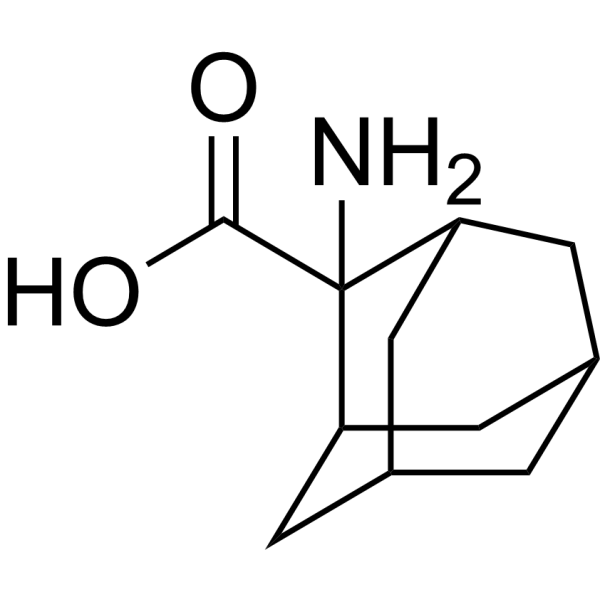
    2-Aminoadamantane-2-carboxylic acid

    Aminopeptidase Cancer
    Adamantanine (2-Aminoadamantane-2-carboxylic acid) inhibits the transport of methionine (Ki is 0.76 mM) and leucine into Ehrlich ascites carcinoma cells. Adamantanine inhibits proliferation of P388 lymphocytic leukemia cells with an IC50 of >1 mM. Adamantanine inhibits the leucine aminopeptidase with an I/S0.5 of 10.5 .
    Adamantanine
  • HY-129752

    Antibiotic Cancer
    Piperafizine B exhibits slightly cytotoxicity in moser cells, P388 cells and Vincristine (VCR) (HY-N0488)-resistant P388 cells (IC50s is 23.8, 22.6 and 23.7 μg/mL, respectively). Piperafizine B exhibits synergistic effects with Vincristine, enhances the VCR-induced cytotoxicity and ameliorates the leukemia in mouse model .
    Piperafizine B
  • HY-114648

    Bacterial Infection Cancer
    AJI-9561 is a benzoxazole derivative produced by Streptomyces sp. AJI-9561 exhibits cytotoxicity and antibacterial activity. AJI-9561 inhibits the proliferation of Jurkat T cells and mouse P388 leukemia cells, with its IC50 being 0.88 and 1.63 μM respectively. AJI-9561 can be used for research on anti-cancer and antibacterial properties .
    AJI-9561
  • HY-13630A

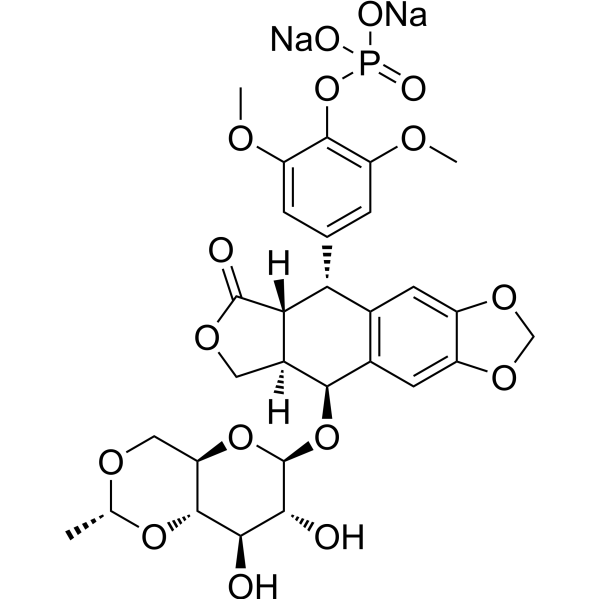
    BMY-40481 disodium

    Topoisomerase Autophagy Apoptosis Neurological Disease Cancer
    Etoposide phosphate disodium (BMY-40481 disodium) is a potent anti-cancer chemotherapy agent and a selective topoisomerase II inhibitor to prevent re-ligation of DNA strands. Etoposide phosphate disodium is the phosphate ester proagent of etoposide and is considered as active equivalent to Etoposide. Etoposide phosphate disodium induces cell cycle arrest, apoptosis, and autophagy.
    Etoposide phosphate disodium
  • HY-117783

    Antibiotic Infection
    Y-05460M-A is a substituted isocoumarin antibiotic. Y-05460M-A exhibits inhibitory activity against Gram-positive and Gram-negative bacteria. Y-05460M-A is cytotoxic against P388 lymphatic leukemia. Y-05460M-A also has antiulcer activity. Y-05460M-A is a one-carbon lower homologue of PM-04128. Y-05460M-A can be achieved from N-Boc-L-valine .
    Y-05460M-A
  • HY-N14959

    Antibiotic Bacterial Infection Cancer
    Deacetylravidomycin N-oxide is an antibiotic that can be produced by Streptomyces ravidus S50905. Deacetylravidomycin N-oxide is active against Gram-positive bacteria but inactive against Gram-negative bacteria. Deacetylravidomycin N-oxide has antitumor activity against P388 leukemia and methamphetamine A fibrosarcoma .
    Deacetylravidomycin N-oxide
  • HY-N10206

    Endogenous Metabolite Cancer
    11-epi-Chaetomugilin I is a metabolite found in Chaetomium globosum. 11-epi-Chaetomugilin I exhibits significant cytotoxic activity against the murine P388 leukemia cell line, the human HL-60 leukemia cell line, the murine L1210 leukemia cell line, and the human KB epidermoid carcinoma cell line .
    11-epi-Chaetomugilin I
  • HY-167671

    Topoisomerase Cancer
    BE-10988 is a DNA topoisomerase inhibitor. BE-10988 inhibits the growth of Doxorubicin (HY-15142A)-resistant and vincristine-resistant P388 mouse leukemia cell lines by increasing the formation of DNA topoisomerase complexes .
    BE-10988
  • HY-123325

    Antibiotic Bacterial Infection Cancer
    Kapurimycin A1 is an anbitiotic that can be isolated from Streptomyces. Kapurimycin A1 has a significant inhibitory effect on Gram-positive bacteria, exhibits cytotoxicity to cultured mammalian cells, and shows strong antitumor activity against the mouse leukemia P388 cell line .
    Kapurimycin A1
  • HY-N1649

    Others Cancer
    2,3,2'',3''-Tetrahydroochnaflavone is a biflavonoid, which can be isolated from the leaves of Quintinia acutifolia. 2,3,2'',3''-Tetrahydroochnaflavone shows some cytotoxicity against P388 murine lymphocytic leukemia cells, with an IC50 of 8.2 µg/mL .
    2,3,2'',3''-Tetrahydroochnaflavone
  • HY-113771

    Bacterial Infection Cancer
    Saquayamycin C has antimicrobial effect, but it has weaker effect against Gram-negative bacteria. Saquayamycin C has inhibitory effect on leukemia P388 cells and Adriamycin-resistant P388 cells .
    Saquayamycin C
  • HY-N13870

    Bacterial Infection Cancer
    Saquayamycin A1 has antimicrobial effect, but it has weaker effect against Gram-negative bacteria. Saquayamycin A1 has inhibitory effect on leukemia P388 cells and Adriamycin-resistant P388 cells .
    Saquayamycin A1
  • HY-N13868

    Bacterial Infection Cancer
    Saquayamycin C1 has antimicrobial effect, but it has weaker effect against Gram-negative bacteria. Saquayamycin C1 has inhibitory effect on leukemia P388 cells and Adriamycin-resistant P388 cells .
    Saquayamycin C1
  • HY-N13941

    Bacterial Infection Cancer
    Baciphelacin is mainly resistant to gram-positive bacteria and has the activity of inhibiting Newcastle disease virus and leukemia P-388 cells .
    Baciphelacin
  • HY-N14621

    Others Cancer
    Harzialacton A has weak cytotoxicity to P388 leukemia cells with ED50 of > 100 μg/mL .
    Harzialacton A
  • HY-N13878

    Antibiotic Bacterial Infection
    Anguinomycin B is an antitumor antibiotic that shows highly cytotoxic to murine P388 leukemia cells .
    Anguinomycin B
  • HY-N14720

    Antibiotic Bacterial Infection Cancer
    Demethylolivomycin A is an antitumor antibiotic. Demethylolivomycin A has anti-Gram-positive bacteria and anti-leukemia P388 activity .
    Demethylolivomycin A
  • HY-N14522

    Bacterial Infection Cancer
    Gilvocarcin E has anti-Gram-positive bacterial activity and can inhibit sarcoma 180 and P388 leukemia cells .
    Gilvocarcin E
  • HY-126170

    Antibiotic Bacterial Infection Cancer
    Valanimycin is an antibiotic, which inhibits Escherichia coli (BE1121) through interaction with DNA. Valanimycin exhibits cytotoxicity to mouse leukemia L1210, P388/S (doxorubicin (HY-15142A)-sensitive), and P388/ADR (doxorubicin-resistant), with IC50 of 0.79, 2.65, and 1.44 μg/mL, respectively. Valanimycin exhibits antitumor efficacy against ehrlich ascites tumors or L1210 in mice .
    Valanimycin
  • HY-118726

    Topoisomerase Cancer
    Luotonin F is an alkaloid found in the aerial parts of the P. nigellastrum Bunge. Luotonin F shows cytotoxic activity against mouse leukemia P-388 cells by inhibiting human topoisomerase II .
    Luotonin F
  • HY-135137

    Others Cancer
    Leptosin I is found in the strain of Leptosphaeria sp. OUPS-4. Leptosin I inhibits Leukemia lymphocyte P388 in culture with an ED50 of 1.13 μg/mL .
    Leptosin I
  • HY-N13894

    Antibiotic Bacterial Infection Cancer
    Auramycin A, an anthracycline antibiotic that shows marked antibacterial activity against Gram-positive bacteria. Auramycin A also exhibits antitumor activity against P388 and L1210 leukemia in mice .
    Auramycin A
  • HY-N14303

    Antibiotic Bacterial Infection Cancer
    16-Methyloxazolomycin is an antibiotic. 16-Methyloxazolomycin has the effect of resisting bacteria and algae. 16-Methyloxazolomycin against leukemia P388 and human lung adenocarcinoma cells .
    16-Methyloxazolomycin
  • HY-12459

    Bacterial Infection
    Pyrindamycin B is an antibiotic, actives against gram-positive and gram-negative bacterias, and exhibits strong therapeutic effects against both agent-sensitive and resistant cells of P388 leukemia in mice .
    Pyrindamycin B
  • HY-N14019

    Antibiotic Bacterial Infection Cancer
    Glidobactin B is an anti-tumor antibiotic. Glidobactin B has the activity against pathogenic fungi and yeast. Glidobactin B also extends the survival of mice inoculated with leukemia P388 cells .
    Glidobactin B
  • HY-N14023

    Antibiotic Fungal Infection Cancer
    Glidobactin G is an anti-tumor antibiotic. Glidobactin G has the activity against pathogenic fungi and yeast. Glidobactin G also extends the survival of mice inoculated with leukemia P388 cells .
    Glidobactin G
  • HY-N14022

    Antibiotic Fungal Infection Cancer
    Glidobactin F is an anti-tumor antibiotic. Glidobactin F has the activity against pathogenic fungi and yeast. Glidobactin F also extends the survival of mice inoculated with leukemia P388 cells .
    Glidobactin F
  • HY-N0128R

    Reference Standards Apoptosis Cancer
    Sclareol (Standard) is the analytical standard of Sclareol. This product is intended for research and analytical applications. Sclareol is isolated from Salvia sclarea with anticarcinogenic activity. Sclareol shows strong cytotoxic activity against mouse leukemia (P-388), human epidermal carcinoma (KB) cells and human leukemia cell lines. Sclareol induces cell apoptosis .
    Sclareol (Standard)
  • HY-N13895

    Antibiotic Bacterial Infection Cancer
    Auramycin B, an anthracycline antibiotic that shows marked antibacterial activity against Gram-positive bacteria. Auramycin B also exhibits antitumor activity against P388 and L1210 leukemia in mice .
    Auramycin B
  • HY-N14095

    Bacterial HIV Infection Cancer
    Curromycin A has antibacterial activity against Gram-positive bacteria such as Bacillus subtilis. Curromycin A can inhibit the replication of human immunodeficiency virus (HIV), inhibit mouse melanoma B16 and leukemia P388 cells .
    Curromycin A
  • HY-N14496

    Bacterial Infection Cancer
    Nisamycin has stronger anti-Gram-positive bacteria and weaker anti-fungal and individual Gram-negative bacteria activities. Nisamycin has weak cytotoxic effect. The IC50 of mouse leukemia P388 cells is 4.8 μg/mL .
    Nisamycin
  • HY-N14110

    Bacterial HIV Infection
    Curromycin B has antibacterial activity against Gram-positive bacteria such as Bacillus subtilis. Curromycin B can inhibit the replication of human immunodeficiency virus (HIV), inhibit mouse melanoma B16 and leukemia P388 cells .
    Curromycin B
  • HY-P1709

    Bacterial Infection
    Protactin is a pentapeptide lactone produced by Streptomyces cucumeris strain L703-4 (ATCC 53784) with significant antioxidant properties. Protactin can be converted to actinomycin Zp by ferrocyanide oxidation. Actinomycin Zp exhibits potent antibacterial activity in vitro and has significant antitumor effects against P-388 leukemia in a mouse model .
    Protactin
  • HY-126695

    Antibiotic Infection
    Altromycin B is a member of the pluramycin antibiotic family isolated from South African bush soil. Altromycin B shows selective antibacterial activity against Gram-positive bacteria and has in vivo activity against P388 leukemia, colon cancer, lung cancer, and ovarian cancer.
    Altromycin B

Inquiry Online

Your information is safe with us. * Required Fields.

Salutation


Country or Region *

Applicant Name *


Organization Name *

Department *


Email Address *


Product Name *

Cat. No.


Requested quantity *

Phone Number *


Remarks

Inquiry Online

Inquiry Information

Product Name:
Cat. No.:
Quantity:
MCE Japan Authorized Agent:

