113 Results for "

P62

" in MedChemExpress (MCE) Product Catalog:
Products (113)

113 Results for "P62" in MCE Product Catalog:

  • Targets Recommended:
551
551 Publications Verification
Cat. No.: HY-100218A
CAS No.: 1219810-16-8
Purity:  99.90%
Synonyms: (1S,3R)-RSL3
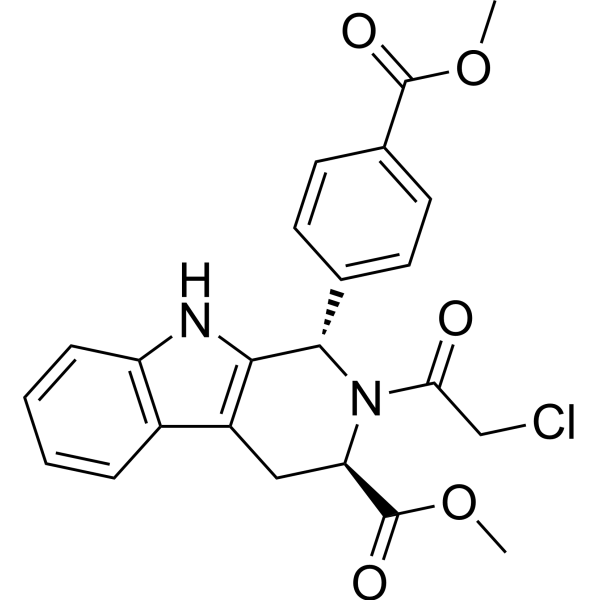
RSL3 ((1S,3R)-RSL3) is an inhibitor of glutathione peroxidase 4 (GPX4) (ferroptosis activator), reduces the expression of GPX4 protein, and induces ferroptotic death of head and neck cancer cell. RSL3 increases the expression of p62 and Nrf2 and inactivates Keap1 in HN3-rslR cells .
loading...
    loading...
64
64 Cited Publications
Cat. No.: HY-18234A
CAS No.: 103476-89-7
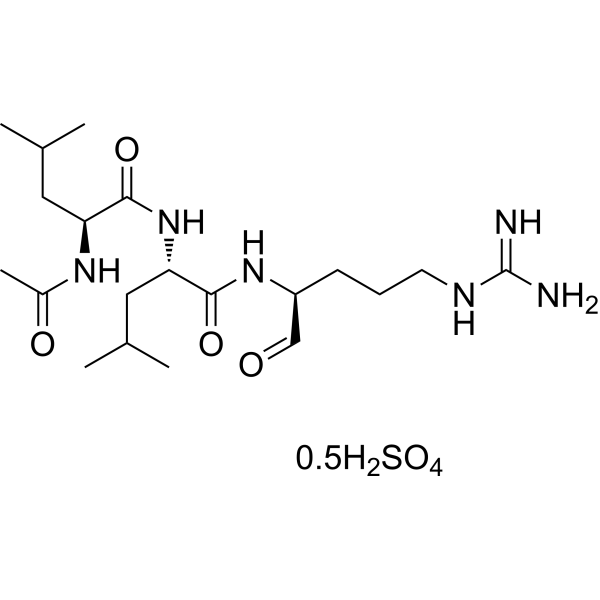
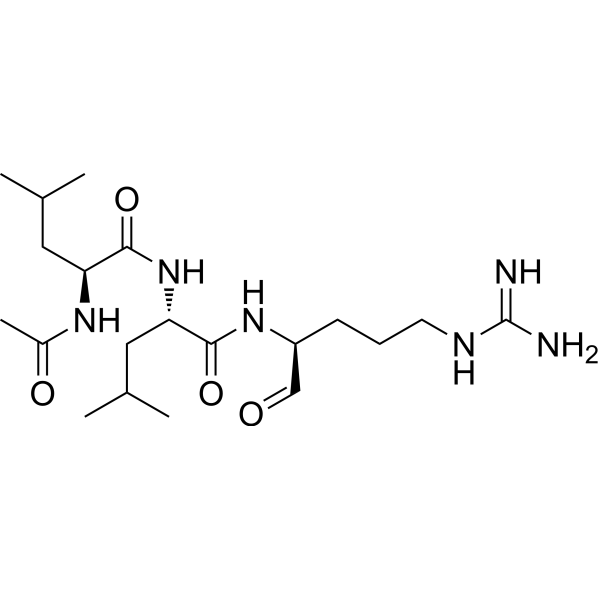
Leupeptin hemisulfate is a broad-spectrum protease inhibitor. Leupeptin hemisulfate inhibits serine, cysteine and threonine proteases, and regulates autophagy. Leupeptin hemisulfate reduces the expression levels of LC3B, iNOS, Cox-2, Beclin-1 and the level of endopeptidases; increases the levels of p62, Arg 1, Msr 1 and Mrc 1; and blocks the upregulation of p-PTEN, p-NF-κB, p-PI3K, p-Akt, p-p38 and ERK1/2. Leupeptin hemisulfate inhibits NO, ROS, proinflammatory cytokines, the IFN-γ/IL-10 ratio, phagolysosome fusion, mammalian lysosomal hydrolase activity and SARS-CoV-2 replication; and reverses impaired autophagic flux. Leupeptin hemisulfate is applicable to research related to chronic inflammatory diseases, edema, skin tumorigenesis, COVID-19 and respiratory infections .
loading...
    loading...
18
18 Cited Publications
Cat. No.: HY-100002
CAS No.: 1035072-16-2
Purity:  99.46%
Research Areas:  

Cancer

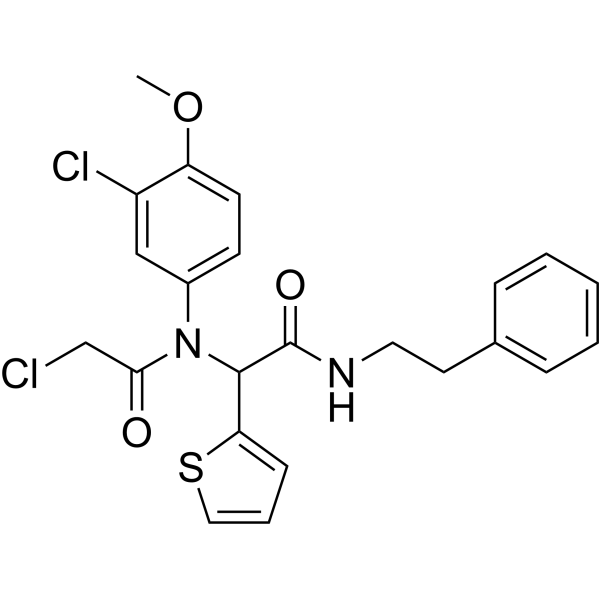
ML162 is a covalent glutathione peroxidase 4 (GPX4) inhibitor. ML162 has a selective lethal effect on mutant RAS oncogene-expressing cell lines
loading...
    loading...
8
8 Cited Publications
Cat. No.: HY-128140
CAS No.: 167498-29-5
Purity:  ≥95.0%
Synonyms: Z-Phe-Tyr-CHO
Target:  

Cathepsin

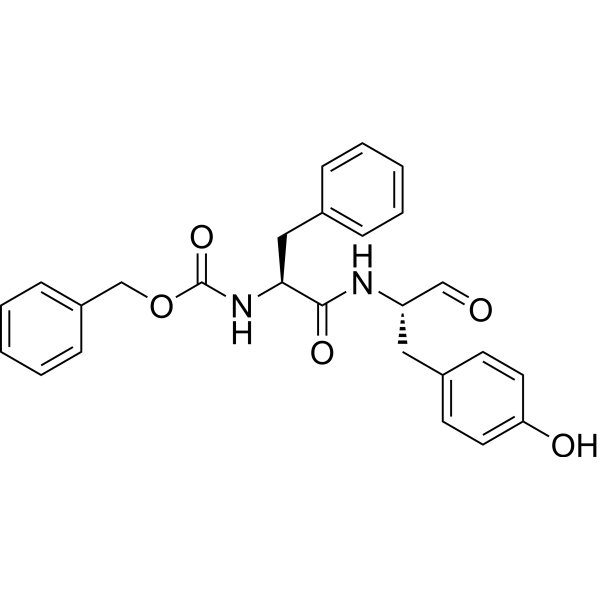
Z-FY-CHO (Z-Phe-Tyr-CHO) is a potent and specific cathepsin L (CTSL) inhibitor .
loading...
    loading...
7
7 Cited Publications
Cat. No.: HY-112904
CAS No.: 2375193-43-2
Purity:  99.08%
Target:  

p62 Autophagy

Research Areas:  

Cancer

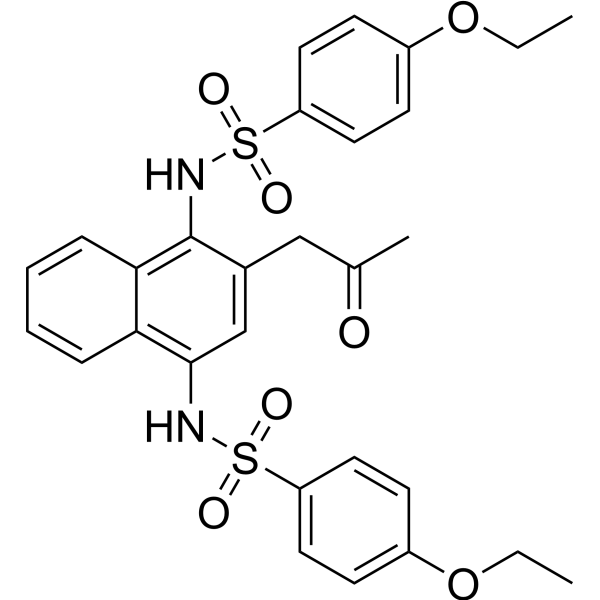
XRK3F2 is a p62 (sequestosome-1) ZZ domain inhibitor that has specificity for the p62-ZZ domain over other p62 signaling domains. XRK3F2 blocks TNFα effects and upregulation in bone marrow stromal cells, and induces multiple myeloma cell apoptosis. XRK3F2 can be used for the research of multiple myeloma bone disease, acute myeloid leukemia, and multiple myeloma .
loading...
    loading...
6
6 Cited Publications
Cat. No.: HY-115576
CAS No.: 1809031-84-2
Purity:  99.54%
Research Areas:  

Neurological Disease Cancer

P62-mediated mitophagy inducer (PMI) is a P62-mediated mitophagy activator. P62-mediated mitophagy inducer activates mitochondrial autophagy without recruitment of Parkin or collapse of the mitochondrial membrane potential and remains active in cells lacking a fully functional PINK1/Parkin pathway. P62-mediated mitophagy inducer serves as a pharmacological tool to study the molecular mechanisms of mitosis, avoiding toxicity and some of the non-specific effects associated with the sudden dissipation of mitochondria lacking membrane potential .
loading...
    loading...
3
3 Cited Publications
Cat. No.: HY-100218C
CAS No.: 1219810-15-7
Purity:  99.52%
Target:  

Drug Isomer Ferroptosis

Research Areas:  

Cancer

(1R,3R)-RSL3 is an isomer of RSL3 (HY-100218A). RSL3 ((1S,3R)-RSL3) is an inhibitor of glutathione peroxidase 4 (GPX4) (ferroptosis activator), reduces the expression of GPX4 protein, and induces ferroptotic death of head and neck cancer cell. RSL3 increases the expression of p62 and Nrf2 and inactivates Keap1 in HN3-rslR cells .
loading...
    loading...
2
2 Cited Publications
Cat. No.: HY-W010201
CAS No.: 106-22-9
Synonyms: (±)-Citronellol; (±)-β-Citronellol
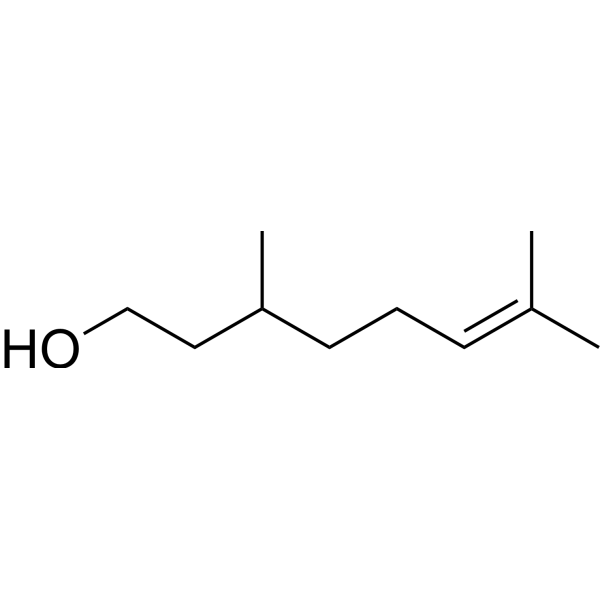
Citronellol ((±)-Citronellol) is an orally active inducer of apoptosis. Citronellol can prevent oxidative stress, mitochondrial dysfunction, and apoptosis in the SH-SY5Y cell Parkinson's disease model induced by 6-OHDA by regulating the ROS-NO, MAPK/ERK, and PI3K/Akt signaling pathways. Citronellol can induce necroptosis in human lung cancer cells through the TNF-α pathway and accumulation of ROS. Citronellol can reduce the levels of LC-3 and p62 to regulate the autophagy pathway, inhibit oxidative stress and neuroinflammation, and thus have neuroprotective effects on Parkinson's rats. Citronellol exhibits anti-fungal activity against Trichophyton rubrum by inhibiting ergosterol synthesis .
loading...
    loading...
2
2 Cited Publications
Cat. No.: HY-P80899
Synonyms: p60; P62; A170; DMRV; OSIL; PDB3; ZIP3; P62B; NADGP; FTDALS3

Host:  

Rabbit

Application:  

WB, IHC-F, IHC-P, ICC/IF, IP

Reactivity:  

Human

loading...
    loading...
2
2 Cited Publications
Cat. No.: HY-129163
CAS No.: 6192-43-4
Purity:  99.72%
Synonyms: 10-Acetylphenoxazine
Target:  

Pim

Research Areas:  

Cancer

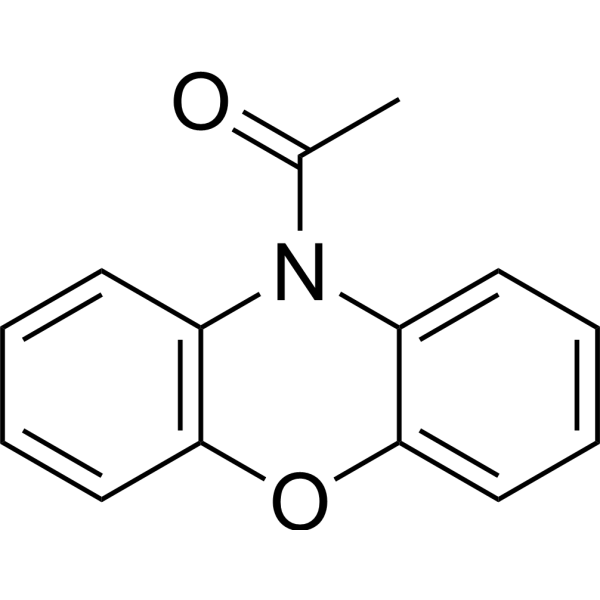
HJ-PI01 (10-Acetylphenoxazine) is an orally active Pim-2 inhibitor. HJ-PI01 induces apoptosis and autophagic cell death of cancer cells. HJ-PI01 inhibits tumor growth in MDA-MB-231 xenograft mice. HJ-PI01 can be used for cancer research .
loading...
    loading...
1
1 Cited Publications
Cat. No.: HY-111126
CAS No.: 2046250-48-8
Purity:  98.26%
Target:  

p62 Keap1-Nrf2

Research Areas:  

Cancer

K67 is a selective the interaction between Keap1 and S349 phosphorylated p62 inhibitor, with an IC50 of 1.5 μM. K67 has a weaker inhibitory effect on the interaction between Keap1 and Nrf2 (IC50 is 6.2 μM). K67 competitively binds to the binding site of Keap1 with p-p62, blocking the abnormal activation of the p62-dependent Nrf2 pathway. K67 inhibits tumor cell proliferation and enhances the sensitivity of hepatocellular carcinoma (HCC) to chemotherapeutic drugs by restoring Keap1-mediated ubiquitination and degradation of Nrf2 .
loading...
    loading...
1
1 Cited Publications
Cat. No.: HY-163001
CAS No.: 2408008-21-7
Category:  

Microorganisms

Target:  

Autophagy p62 Atg8/LC3

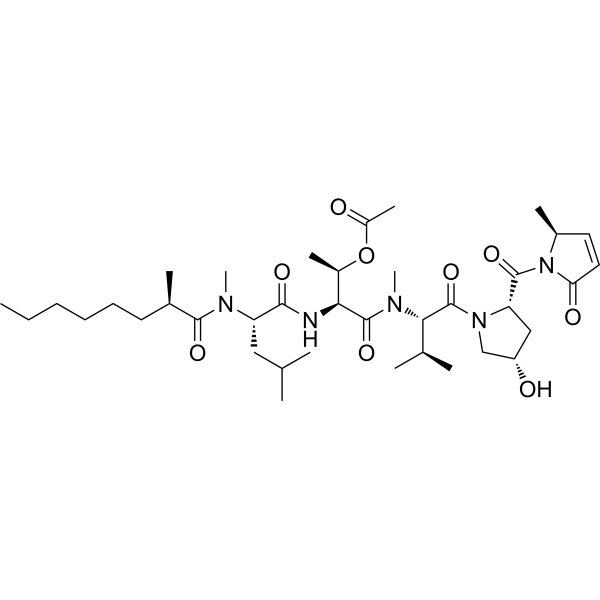
Microcolin H is a marine lipopeptide and phosphatidylinositol transfer protein ligand that targets PITPα/β. Microcolin H increases the conversion of LC3I to LC3II and reduces p62 levels in cancer cells, leading to autophagy cell death (Autophagy). Microcolin H effectively inhibits tumor development and has anti-proliferative activity in nude mouse subcutaneous tumor models .
loading...
    loading...
1
1 Cited Publications
Cat. No.: HY-P80518
Synonyms: ORCA, OSIL, SQSTM1, Sequestosome-1, EBI3-associated protein of 60 kDa, Phosphotyrosine-independent ligand for the Lck SH2 domain of 62 kDa, Ubiquitin-binding protein P62, EBIAP, p60, P62

Host:  

Mouse

Application:  

IHC-P, FC

Reactivity:  

Human, Mouse, Rat

loading...
    loading...
1
1 Cited Publications
Cat. No.: HY-103400
CAS No.: 34408-14-5
Purity:  99.97%
Synonyms: 8-Cl-Ado
Target:  

AMPK Autophagy

Research Areas:  

Cancer

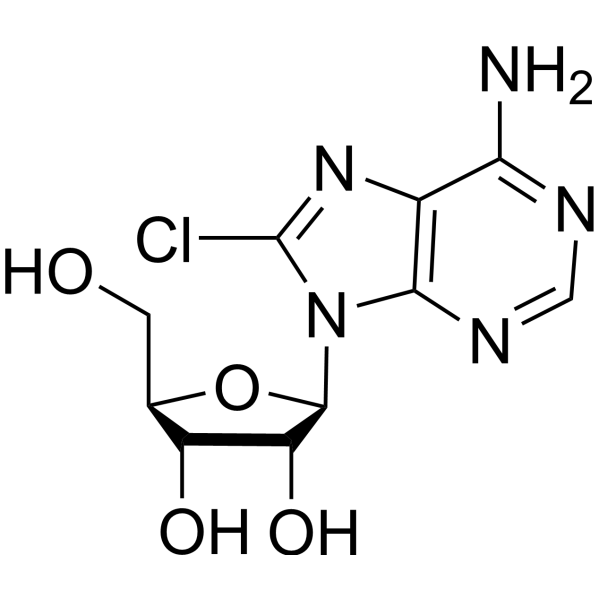
8-Chloroadenosine (8-Cl-Ado), a unique ribonucleoside analog, depletes endogenous ATP that subsequently induces the phosphorylation and activation of AMPK. 8-Chloroadenosine induces autophagic cell death. 8-Chloroadenosine effectively inhibited in vivo tumor growth in mice .
loading...
    loading...
Cat. No.: HY-P2076
CAS No.: 931395-42-5
Synonyms: SGX942
Target:  

p62 Bacterial

Research Areas:  

Infection Cancer

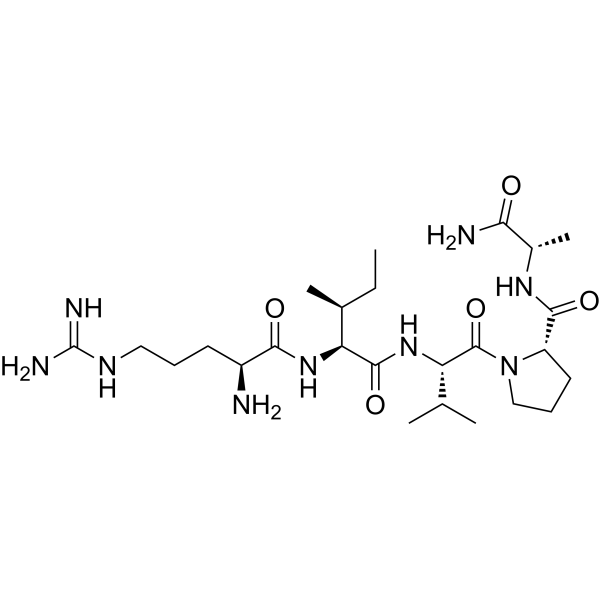
Dusquetide (SGX942) is a first-in-class innate defense regulator (IDR). Dusquetide modulates the innate immune response to both PAMPs and DAMPs by binding to p62. Dusquetide shows activity in both reducing inflammation and increasing clearance of bacterial infection . DAMPs: damage-associated molecular patterns; PAMPs: pathogen-associated molecular patterns
loading...
    loading...
Cat. No.: HY-18234
CAS No.: 55123-66-5
Leupeptin is a broad-spectrum protease inhibitor. Leupeptin inhibits serine, cysteine and threonine proteases, and regulates autophagy. Leupeptin reduces the expression levels of LC3B, iNOS, Cox-2, Beclin-1 and the level of endopeptidases; increases the levels of p62, Arg 1, Msr 1 and Mrc 1; and blocks the upregulation of p-PTEN, p-NF-κB, p-PI3K, p-Akt, p-p38 and ERK1/2. Leupeptin inhibits NO, ROS, proinflammatory cytokines, the IFN-γ/IL-10 ratio, phagolysosome fusion, mammalian lysosomal hydrolase activity and SARS-CoV-2 replication; and reverses impaired autophagic flux. Leupeptin is applicable to research related to chronic inflammatory diseases, edema, skin tumorigenesis, COVID-19 and respiratory infections .
loading...
    loading...
Cat. No.: HY-161743
CAS No.: 2410081-56-8
Target:  

AUTOTACs Autophagy

Research Areas:  

Neurological Disease Cancer

PBA-1105 is an autophagy-targeting chimera (AUTOTAC) that induces p62 self-oligomerization. PBA-1105 selectively binds to exposed hydrophobic regions of misfolded proteins, facilitating their degradation via the autophagic pathway. PBA-1105 increases the autophagic flux of Ub-conjugated aggregates .
loading...
    loading...
Cat. No.: HY-161746
CAS No.: 2941386-44-1
Target:  

AUTOTACs Autophagy

Research Areas:  

Neurological Disease

Anle138b-F105 is an autophagy-targeting chimera (AUTOTAC) that targets p62/Sequestosome-1/SQSTM1. Anle138b-F105 binds to the ZZ domain of p62, induces conformational activation, self-oligomerization, interaction with LC3, and formation of autophagosomes. Anle138b-F105 induces autophagic flux of ubiquitin-conjugated aggregated proteins, leading to their lysosomal degradation. Anle138b-F105 is applicable for the research of neurodegenerative proteinopathies .
loading...
    loading...
Cat. No.: HY-117469
CAS No.: 193957-88-9
Purity:  95.44%
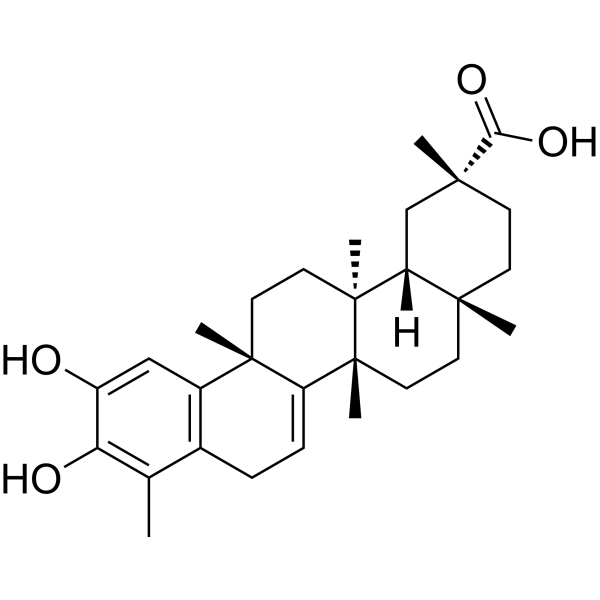
Triptohypol C, a Tripterin (HY-13067) derivative, is a potent Nur77-targeting anti-inflammatory agent with an Kd value of 0.87 μM. Triptohypol C inhibits inflammatory response by promoting the interactions of Nur77 with TRAF2 and p62/SQSTM1 .
loading...
    loading...
Cat. No.: HY-I0501
CAS No.: 551-93-9
Synonyms: o-aminoacetophenone
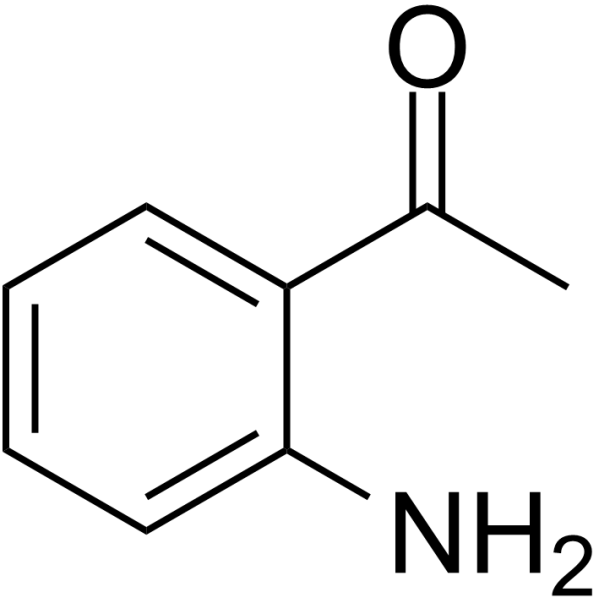
2'-Aminoacetophenone is an orally active inducer of apoptosis and respiratory biomarker. 2'-Aminoacetophenone can be used to detect Pseudomonas aeruginosa infections in the lungs of cystic fibrosis patients. 2'-Aminoacetophenone can inhibit the protein levels of LC3BII and p62 in macrophages infected with pqsA or mvfR and regulate autophagy. 2'-Aminoacetophenone can disrupt mitochondrial function by inducing oxidative stress and apoptosis signaling, leading to dysfunction in mouse skeletal muscle .
loading...
    loading...

